Distillery
Clynelish Distillery, Brora, Sutherland, Scotland
196 reviews

Redbreast Lustau Edition
Irish Distillers (Pernod Ricard)
The Lustau Edition is Redbreast's most layered expression — a whiskey that seems to change shape in the glass. That final year in Lustau's first-fill Oloroso butts doesn't overpower the pot still character; it adds a last chapter to an already complex story.

Cragganmore 12 Year Old
Diageo
Cragganmore 12 is the Speyside malt that rewards the patient nose. Where many single malts deliver their story in one dramatic chapter, Cragganmore reads like a novel with slow-building subplots. Those unique T-shaped lyne arms create a spirit of genuine complexity that unfolds over an hour in the glass.

Old Grand-Dad 114
Beam Suntory
Old Grand-Dad 114 is the thinking drinker's value bourbon — a bottle that punches so far above its price point it almost feels like a mistake. That 27% rye mash bill, nearly double the industry average, gives it a backbone of spice that would overwhelm a lesser whiskey, but here it serves as architecture for layers of caramel, chocolate, and charred oak to hang upon. The high proof isn't a gimmick — it's a magnifying glass, amplifying nuances that lower-proof expressions wash away. At under thirty-five dollars, this is a bottle that seasoned bourbon drinkers quietly recommend to one another.

Chairman's Reserve The Forgotten Casks
St. Lucia Distillers Group of Companies
The Forgotten Casks is the rum world's most eloquent argument for the virtue of accidental patience. Those extra years of unplanned aging produced a rum of remarkable layered depth at a price that would be impossible if it were intentional.

Leeuwin Estate Art Series Chardonnay 2020
Leeuwin Estate
The Art Series Chardonnay is Australia's most compelling argument that great Chardonnay needs nothing but time and patience. The 2020 vintage received 98 points from Wine Advocate and 97 from Halliday, James Suckling, and Wine Front.

Fortaleza Añejo
Tequila Los Abuelos (NOM 1493)
Fortaleza Añejo is what happens when traditional methods meet patient barrel aging — and neither rushes the other. The tahona wheel produces a spirit with more texture and mineral complexity than a modern roller mill, and eighteen months in oak adds caramel depth without burying the agave.

López de Heredia Viña Tondonia Reserva 2011
R. López de Heredia Viña Tondonia S.A.
Viña Tondonia Reserva is the ultimate slow-reveal wine — a bottle that spent six years in barrel and still isn't done evolving when you pour it.

Barr Hill Gin
Caledonia Spirits
Barr Hill proves that complexity doesn't require a botanical bill as long as your arm. Two ingredients — juniper and raw honey — sound impossibly simple, until you realize that Vermont's raw wildflower honey is itself a symphony of over a hundred pollen sources.

The Real McCoy 12 Year Old
The Real McCoy Rum Co.
The Real McCoy 12 is the Barbados rum that should be famous — and it would be, if it did not share a distillery with Foursquare’s own celebrated bottlings. Richard Seale blends pot and column still rums aged twelve years in ex-bourbon barrels, and bottles them with zero additives.

Siembra Valles Blanco
Siembra Spirits
Siembra Valles is the tequila that bartenders drink after their shift — the one they recommend when you ask for something real. David Suro-Piñera is not just a brand owner; he is a tequila scholar and advocate who founded the Tequila Interchange Project to promote transparency in the industry.

Caol Ila 12 Year Old
Diageo
Caol Ila is Islay’s quiet giant. It is the largest distillery on the island, producing more whisky than any of its neighbors, yet most of that output disappears into Diageo’s blended Scotch portfolio. The 12 Year Old single malt bottling is what happens when you give Caol Ila a chance to speak for itself — and it speaks with an elegance that surprises anyone expecting another peat bomb. The smoke here is maritime and measured, threaded through with citrus brightness and a saline minerality that tastes like the shoreline where the distillery stands. At its price point, Caol Ila 12 is one of the most undervalued single malts in the Diageo portfolio — hidden in plain sight behind Lagavulin’s fame.

Roe & Co Blended Irish Whiskey
Diageo
Roe & Co is the resurrection of a name that once meant more to Irish whiskey than Jameson or Bushmills. George Roe’s original distillery was the largest in Europe, yet today most drinkers have never heard of him. Diageo’s revival blends rich malt and smooth grain whiskeys matured in a high proportion of first-fill bourbon barrels, then bottles at 45% ABV without chill filtration — a level of care that belies its modest price tag. At roughly thirty-five dollars, Roe & Co delivers the kind of creamy, spice-driven complexity that invites comparison with bottles twice its price.

St. George Terroir Gin
St. George Spirits
St. George Terroir Gin is unlike any other gin in the world. While most gins lead with juniper and citrus, Terroir leads with Douglas fir, California bay laurel, and coastal sage — botanicals wildcrafted from the hills around San Francisco Bay.

Domaine du Vieux Télégraphe La Crau 2020
Famille Brunier
Domaine du Vieux Télégraphe La Crau 2020 is the Châteauneuf-du-Pape that serious collectors buy by the case while everyone else chases Beaucastel and Rayas. The Brunier family has farmed the La Crau plateau since 1898.

Pazo de Señorans Albariño 2022
Pazo de Señorans
Pazo de Señorans Albariño is the white wine that sommeliers pour for themselves. From a sixteenth-century manor in the Salnés Valley — the heart of Rías Baixas, where the Atlantic shapes every vine — this is Albariño at its most expressive.

Wild Turkey Rare Breed
Campari Group
Wild Turkey Rare Breed is the bourbon that seasoned drinkers quietly recommend to one another while the rest of the world camps outside liquor stores for allocated bottles. Eddie Russell, who has spent over four decades at the distillery alongside his father Jimmy, blends six-, eight-, and twelve-year-old stocks into a barrel-proof expression that delivers complexity most bourbons only hint at. At roughly fifty dollars, Rare Breed competes with — and frequently outperforms — bottles selling for three and four times its price. The 116.8 proof is not a gimmick; it is the natural strength of the bourbon itself, carrying every nuance of the aging process without dilution. If you have been chasing hype, stop. This is the bottle that was waiting for you all along.

Clément VSOP Rhum Agricole
Groupe Bernard Hayot (GBH)
Clément VSOP is the most eloquent argument for rhum agricole’s place among the world’s great aged spirits.

Aberlour A’Bunadh
Pernod Ricard (Chivas Brothers)
A’Bunadh is Aberlour’s love letter to the sherry butts of Jerez.

Bodega Norton Reserva Malbec 2021
Bodega Norton (Swarovski family)
Bodega Norton Reserva Malbec is the taste of a grape that found its true home six thousand miles from where it started.

Maestro Dobel Diamante
Proximo Spirits / Beckmann Family
Maestro Dobel Diamante didn’t just create a tequila—it created a category.

Ki No Bi Kyoto Dry Gin
The Kyoto Distillery (Pernod Ricard)
Ki No Bi is what happens when the London dry gin tradition migrates to Kyoto and is rebuilt from the ground up with Japanese materials and philosophy.

Rabbit Hole Dareringer
Pernod Ricard
Rabbit Hole Dareringer is the flavor of migration itself. Kaveh Zamanian’s journey from Tehran to Louisville mirrors the bourbon’s own passage through Spanish PX sherry casks—each crossing adding layers that neither origin could produce alone.

Kumeu River Maté’s Vineyard Chardonnay 2021
Kumeu River Wines (Brajkovich family)
Kumeu River Maté’s Vineyard is the definitive proof that great Chardonnay can migrate from Burgundy to the Southern Hemisphere without losing its soul.

Slane Irish Whiskey
Brown-Forman
Slane is the story of what happens when a 150-year-old American whiskey company migrates its cooperage expertise to Ireland.

Smith & Cross Traditional Jamaica Rum
Hayman Ltd. (UK)
Smith & Cross is rum with its gloves off. Bottled at a scorching 57% — the old British proof strength — the point at which spirit-soaked gunpowder would still ignite, a benchmark used by the Royal Navy to verify their rum had not been watered down.

Tarquin's Cornish Dry Gin
Southwestern Distillery (Independent)
Tarquin's is among the very few gins in Britain still distilled over naked flame — and you can taste the difference. Direct-fire distillation gives the distiller less control than steam-heated stills, but rewards the skilled hand with a richer, more textured spirit.

Maker's Mark 46
Beam Suntory
The 46 is a masterclass in what fire can add. Those ten seared French oak staves — Stave Profile No. 46, the one that gave this bourbon its name — transform a familiar wheated bourbon into something richer, spicier, and more complex, without losing the soft, approachable character that made Maker's Mark famous in the first place.

Espolòn Reposado
Campari Group
Espolòn is proof that applied heat, carefully controlled, separates good tequila from great tequila. Cirilo Oropeza's decision to quarter the piñas — doubling the surface area exposed to the autoclave's heat — extracts more sweetness and complexity from the agave than conventional methods.

Kilchoman Machir Bay
Kilchoman Distillery Co. (Independent)
Kilchoman is what happens when someone decides to do everything the hard way — and gets it spectacularly right. Anthony Wills didn't just build a new distillery on Islay; he built one that grows its own barley, malts it over its own peat-fired kiln, and distills in tiny copper pot stills.

Benanti Etna Bianco 2022
Benanti Viticoltori
If fire built these eight bottles, then Benanti's Etna Bianco was built by the most patient fire of all — the volcanic eruptions that have been depositing mineral-rich ash and sand on the slopes of Mount Etna for thousands of years.

Austin Hope Cabernet Sauvignon Paso Robles 2022
Hope Family Wines
Paso Robles is a region forged by fire — and not just metaphorically. Daytime temperatures that soar past 100°F followed by dramatic nighttime drops create a thermal intensity that forces the vines to concentrate their sugars and develop deep, complex flavors.

Glendalough Double Barrel
Glendalough Distillery (Mark Anthony Brands)
The double barrel treatment here is a study in how fire shapes wood, and wood shapes whiskey. The first-fill bourbon barrels — charred by fire before they ever held spirit — give the Glendalough its vanilla and caramel backbone. The Oloroso sherry casks — toasted to a different specification — add dried fruit and chocolate complexity.

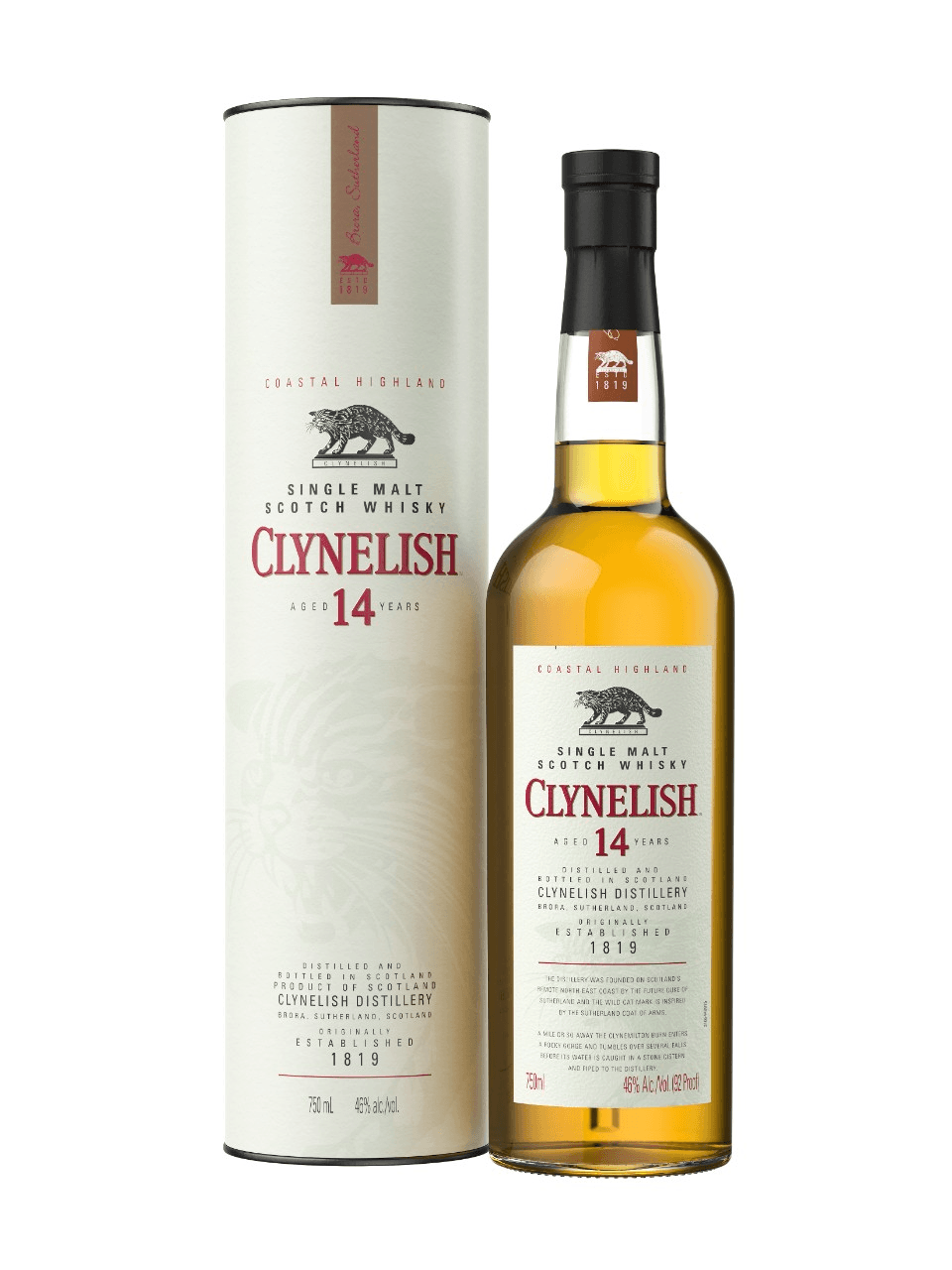
Clynelish 14 Year Old
Diageo

Joh. Jos. Prüm Wehlener Sonnenuhr Riesling Spätlese 2021
Weingut Joh. Jos. Prüm (Prüm family)

Baker's 7 Year Old Single Barrel
Beam Suntory
Baker's 7 is the bourbon that proves the Beam family's small batch experiment was not a marketing exercise. While Knob Creek went for age, Booker's for barrel proof, and Basil Hayden's for approachability, Baker Beam chose texture — a uniquely full-bodied, oily mouthfeel that feels like liquid velvet at 107 proof.

Vietti Barolo Castiglione 2019
Vietti (Krause family, since 2016)

Nolet's Silver Dry Gin
Nolet Distillery (Nolet family, 11th generation)
Cocktail — The Rose Garden Martini: 2.5 oz Nolet's Silver · 1/2 oz dry vermouth · 1 dash rose water · Stir over ice, strain into a frozen coupe, garnish with a single rose petal.

Angostura 1824
House of Angostura

Chinaco Añejo
Chinaco (González family)

Powers John's Lane 12 Year Old
Pernod Ricard (Irish Distillers)

Don Fulano Anejo
Tequila Fonseca
Don Fulano Anejo is highland tequila at its most refined.

Dalwhinnie 15 Year Old
Diageo
Dalwhinnie 15 is the whisky world's best argument that altitude matters.

Bodega Colome Estate Malbec 2021
Bodega Colome (Hess Family Wine Estates)
Bodega Colome is the proof that altitude is not a gimmick — it is a winemaking tool as powerful as any barrel or blend.

Waterford Single Farm Origin Ballymorgan 1.1
Waterford Distillery
Waterford is doing something no other Irish distillery has attempted at this scale: proving that barley grown on different soil types produces distinctly different whiskey.

Brugal 1888
Brugal and Co. (Edrington Group)
Brugal 1888 is the rum that converts whisky drinkers.

Caorunn Small Batch Scottish Gin
International Beverage Holdings (ThaiBev)
Caorunn is what happens when gin grows up in the Scottish Highlands instead of London.

Pieropan Soave Classico 2022
Azienda Agricola Pieropan
Before Pieropan, Soave was a punchline — Nino Pieropan proved it could be world-class.

Henry McKenna 10 Year Old Single Barrel
Heaven Hill Brands
Henry McKenna 10 is the quiet overachiever of American whiskey — a bottled-in-bond single barrel that costs less than many blended bourbons.

Gin Mare
Vantguard / Brown-Forman
Gin Mare is botanical architecture at its most deliberate. Where most gins start with juniper and build outward, Mare's designers flipped the blueprint: they began with the flavors of a Mediterranean table — olive, thyme, rosemary, basil — and built juniper around them as structural support rather than the main event. Each botanical is distilled individually to capture its purest expression, then blended with the precision of a perfumer. The result is a gin that tastes like the Catalan coast on a warm evening — savory, herbal, bright, utterly unlike anything from London.

Dönnhoff Riesling Tonschiefer 2022
Weingut Dönnhoff (Family Estate)
Dönnhoff Tonschiefer — named for the Tonschiefer (clay slate) soils from which it springs — is proof that great wine architecture begins underground. While the world chases oak and extraction, the Dönnhoff family pursues the opposite: minimal intervention, indigenous yeasts, stainless steel, and the faith that if you farm well and get out of the way, the soil will speak. And speak it does. The slate minerality comes through as an electric current running beneath the fruit — green apple, citrus, white peach — giving the wine a tension and precision that oak could never provide. At under $35, this is one of the great bargains in fine wine: a pedigree estate Riesling with the kind of structural clarity that reveals more with every sip.

Stag's Leap Wine Cellars Artemis Cabernet Sauvignon 2021
Marchesi Antinori
Artemis is the more approachable sibling of the legendary CASK 23, but don't mistake accessibility for simplicity. The winemaking architecture is rigorous: fruit sourced from across Napa Valley with a heavy lean toward the Stags Leap District's volcanic soils, then aged in a calibrated mix of French and American oak that adds complexity without overwhelming the fruit. The name references the Greek goddess of the hunt — and there is something purposeful about this wine, a sense that every element has been placed with intention. The tannins are fine-grained and structural, the fruit is concentrated but not overblown, and the oak integration suggests design, not accident.

Auchentoshan Three Wood
Beam Suntory
Auchentoshan Three Wood is structural engineering in liquid form. The blueprint is deceptively simple — triple distillation for smoothness, then three deliberate cask chapters that each add a specific dimension. Bourbon barrels lay the vanilla-toffee foundation. Oloroso sherry casks introduce dried fruit depth and nutty complexity. Then Pedro Ximénez barrels — those treacly-sweet Spanish dessert wine casks — apply the final coat of dark fruit richness. The architecture works because each layer is legible: you can taste the bourbon sweetness, the oloroso depth, the PX finish, all integrated but distinct, like the floors of a well-designed building.

Worthy Park Single Estate Reserve
Worthy Park Estate
Worthy Park Single Estate Reserve is the architectural argument for vertical integration in rum. Most rum producers buy molasses from commodity markets, distill in one location, and age wherever they can find warehouse space. Worthy Park controls every variable: their own sugarcane fields, their own molasses production, their own double-retort pot still, their own barrel-aging warehouses — all on a single Jamaican estate where rum production dates to 1741. The result is a rum with total structural coherence. The funky Jamaican ester character — that distinctive tropical-overripe note that divides the uninitiated but thrills the connoisseur — has a foundation to stand on: molasses depth, pot still richness, bourbon-barrel vanilla. Every element was designed to work together from the ground up.

Gran Centenario Añejo
Casa Cuervo (Beckmann Family / Proximo Spirits)
Gran Centenario Añejo is a lesson in how thoughtful cask architecture transforms agave into something approaching luxury. The selección suave process — a solera-inspired blending method using French limousin oak and American white oak — creates a layered complexity that belies its approachable price point. The highland agave provides a clean, sweet foundation; the French oak adds refinement and tannic structure; the American oak contributes vanilla warmth. The result is a tequila with the kind of deliberate design you typically find at two or three times the price.

Evan Williams Single Barrel Vintage
Heaven Hill Brands
Evan Williams Single Barrel proves that extraordinary bourbon doesn't require an extraordinary price tag. Heaven Hill's barrel selection program is an exercise in architectural precision — each vintage is chosen from specific warehouse positions where temperature swings and airflow create optimal aging conditions. The result is a bourbon with the kind of coherent structure you'd expect at twice the price: honeyed sweetness scaffolded by oak, grain character providing the foundation, spice adding the finishing detail. It's a blueprint for what single-barrel selection can accomplish.

Blue Spot 7 Year Old
Irish Distillers (Pernod Ricard)
Blue Spot is the most structurally ambitious of the Spot family — and the most rewarding to decode. Where Green Spot uses one cask type and Yellow Spot uses three, Blue Spot deploys four distinct cask influences and bottles at cask strength, letting you experience the full architectural plan without dilution. The bourbon cask lays the vanilla-cream foundation. Sherry butts add dried fruit weight. Marsala casks bring an unexpected Italian sweetness. And the Madeira finish — those Portuguese fortified wine barrels — apply a tropical, honeyed glaze that ties everything together. At cask strength, the pot still spice cuts through all that sweetness, giving the whiskey a backbone as strong as its complexity is wide.

Château Léoville-Las Cases Grand Cru Classé 2018
Domaines des Grands Crus de la Famille Delon
Château Léoville-Las Cases is frequently described as the finest of the Super Seconds — Second Growth estates that rival the First Growths in quality — and the 2018 vintage makes a compelling case.

Herradura Añejo
Brown-Forman Corporation
Herradura Añejo is tequila heritage in a glass. Casa Herradura has been making tequila at the Hacienda San José del Refugio since 1870, and this añejo — aged 25 months, well beyond the 12-month minimum — shows the patience that comes with long experience.

Ron Abuelo Añejo 7 Year Old
Varela Hermanos S.A.
Ron Abuelo Añejo 7 Year Old is estate rum at its purest. The Varela Hermanos family has controlled every step of production — from sugarcane field to bottle — since establishing their sugar mill in 1908 and beginning rum distillation in 1936.

Famille Hugel Riesling Classic Alsace 2022
Famille Hugel
Famille Hugel has been making wine in Riquewihr since 1639, and their Classic Riesling is a distillation of everything they have learned across thirteen generations. This is Alsatian Riesling at its most pure.

Tanqueray London Dry Gin
Diageo
Tanqueray London Dry is the benchmark against which other London Dry gins are measured. Charles Tanqueray's four-botanical formula, created in 1830, has endured because it works — bold juniper, balanced spice, and a higher proof that stands up in any cocktail.

Bushmills Black Bush
Proximo Spirits (José Cuervo)
Bushmills Black Bush is one of the great values in Irish whiskey. The high proportion of sherry-cask-matured single malt in the blend gives it a richness and complexity that belies its modest price, and the Old Bushmills Distillery — whose site has held a distilling license since 1608 — brings centuries of craft to bear.

1792 Small Batch Kentucky Straight Bourbon
Sazerac Company
1792 Small Batch is a bourbon that punches well above its price point. The high-rye mash bill gives it a spice-forward character that balances beautifully against the caramel sweetness, and at 93.7 proof it delivers flavor without overwhelming heat. The Barton 1792 Distillery, which has been producing spirits in Bardstown since 1879, brings a quiet consistency to this bottle — heritage you can taste in every sip.

Glenmorangie The Original 10 Year Old
The Glenmorangie Company (LVMH)
Glenmorangie The Original is a masterclass in the Highland style — delicate, fruity, and approachable without sacrificing depth. Those famously tall stills, the tallest in Scotland, strip away heavier compounds and deliver a spirit of unusual purity.

Bodegas Muga Reserva Rioja 2019
Bodegas Muga S.L.
When the rest of Rioja rushed to modernize in the 1990s — switching to French oak, adopting international varieties, chasing Parker points — Muga went the other way. They built their own cooperage and committed to traditional methods.

Hayman's Old Tom Gin
Hayman Distillers Ltd
Old Tom gin was the taste of Victorian London — sweeter than London Dry, the bridge between Dutch genever and the bone-dry gins we know today. It vanished for nearly a century until the Hayman family resurrected it.

Arette Añejo
Tequila Arette de Jalisco S.A. de C.V.
Arette is one of those brands that connoisseurs pass around like a secret. The Orendain family has been in the tequila business for generations, but Arette was their deliberate reinvention.

Benromach 10 Year Old
Gordon & MacPhail
Benromach sat silent for fifteen years. When Gordon & MacPhail brought it back to life in 1998, they didn't try to copy the old Speyside playbook. Instead, they introduced a light peat — unusual for the region — creating something that didn't exist before.

Kilbeggan Single Grain Irish Whiskey
Beam Suntory
The Kilbeggan distillery nearly vanished. After closing in 1957, it sat derelict until a group of local volunteers began restoring it in 1982 — cleaning pot stills by hand, patching stone walls, preserving equipment.

Schloss Gobelsburg Grüner Veltliner Gobelsburger 2022
Weingut Schloss Gobelsburg
Schloss Gobelsburg is an 800-year-old estate that was slowly fading when Michael Moosbrugger arrived in 1996. He didn't bulldoze the past — he studied the monastery's ancient records, revived forgotten vineyard practices, and transformed neglect into one of Austria's finest expressions of Grüner Veltliner.

Angel's Envy Rye Finished in Rum Barrels
Louisville Distilling Company (Bacardi)
Lincoln Henderson spent decades perfecting bourbon at Woodford Reserve. Then, after four decades at Brown-Forman and a brief retirement, he started over. Angel's Envy Rye is the fruit of that second act — a rye finished in Caribbean rum barrels that adds layers of tropical sweetness to the grain's natural spice.

Ron del Barrilito Three Star Rum
Fernández Family (Private Estate)
Ron del Barrilito is Puerto Rico's best-kept secret — a rum that has never left family hands since 1880. The Fernández family survived every upheaval the island threw at them and simply kept blending.

Pusser’s British Navy Rum
Pusser’s Rum Ltd.
Pusser’s is a definitive blended rum. Charles Tobias secured the original Admiralty blending recipe in 1979 and brought it back to life.

Citadelle Original Dry Gin
Maison Ferrand
Citadelle is a quiet genius of the gin world. Nineteen botanicals, each earning its place under Alexandre Gabriel’s direction.

Johnnie Walker Green Label 15 Year Old
Diageo
Green Label is among the most underappreciated whiskies in the Johnnie Walker family. Pure malt — four single malts combined into one harmonious whole.

Basil Hayden’s Kentucky Straight Bourbon
Beam Suntory
Basil Hayden’s is a quiet argument for restraint. Where so many bourbons muscle their way forward with proof and sweetness, this one leads with the grain blend itself — that generous 27% rye lifting everything around it.

Yellow Spot 12 Year Old
Irish Distillers (Pernod Ricard)
Yellow Spot is the middle child of the Spot range, and arguably the most balanced. Three-cask blend: bourbon, sherry, and Malaga.

Casa Dragones Joven
Casa Dragones
Casa Dragones Joven is among the purest expressions of tequila-as-blend on the market. Silver for freshness, extra añejo for depth.

Doorly's XO Barbados Rum
R.L. Seale and Co. Ltd.
Doorly's XO is the insider's choice from Foursquare — the same distillery, the same master blender, the same dedication, at a price that makes you wonder if the industry has got its pricing backwards. It outperforms rums at twice its cost and rewards anyone patient enough to nose it properly before sipping. This is the rum that converts whisky drinkers. Serve neat or over a single large cube, take your time, and don't be surprised when you reach for a second glass.

Cascahuin Tahona Blanco
Destilería Cascahuin (Grupo Cascahuin)
Tahona production is brutally inefficient — the volcanic stone wheel extracts less juice, takes longer, and demands more labour than a mechanical shredder. Cascahuin does it anyway because the result is a blanco with a weight and mineral complexity that industrial methods cannot replicate. This is tequila at its most expressive — unaged, unfiltered, unapologetic. Drink it neat with a slice of orange and understand why the Rosales family has kept this process unchanged for generations.

Garrison Brothers Small Batch Texas Straight Bourbon
Garrison Brothers Distillery
Garrison Brothers makes a convincing case that exceptional bourbon doesn't require a Kentucky zip code. The Texas climate does what years of barrel rotation cannot — it pushes the spirit hard against new oak from the first summer, extracting a depth of caramel and vanilla that rivals aged Kentucky expressions at twice the price. The Small Batch is approachable enough for newcomers and complex enough to challenge experienced palates. This is the bourbon that makes you reconsider every assumption about terroir and tradition.

Torbreck The Struie Shiraz 2021
Torbreck Vintners
Torbreck's The Struie is the Barossa wine that converts sceptics — people who dismiss Australian Shiraz as jammy and overblown take one sip of this and reassess everything. Powell's commitment to old vine fruit and French oak restraint produces a wine with both the power of the Barossa and the elegance of a great Southern Rhône. It over-delivers at its price point and ages beautifully for a decade. Decant for 45 minutes before serving and watch it open up in layers.

Henri Bourgeois Sancerre La Bourgeoise 2022
Henri Bourgeois
The Bourgeois family has been cultivating Sancerre vines for more than ten generations, and La Bourgeoise is the expression that captures everything the appellation stands for. When people discover that Sauvignon Blanc this complex and age-worthy exists in France, their relationship with the grape changes permanently. This is the wine that makes you understand why Loire Valley Sauvignon Blanc occupies a category of its own — one that rewards patience and educated appreciation in equal measure. Serve at 10°C with nothing in the way.

Teeling Single Grain Irish Whiskey
Teeling Whiskey Company
Grain whiskey gets little respect until you taste Teeling's version. Matured in Californian Cabernet Sauvignon casks, this single grain has the silkiness of a premium spirit and the depth of a well-aged whiskey. It's the secret that every Irish blend drinker has been unknowingly appreciating for decades, now bottled on its own terms. Serve it slightly chilled, neat, to anyone who claims Irish whiskey is predictable — this changes the conversation immediately.

Bunnahabhain 12 Year Old Islay Single Malt
Distell International
Bunnahabhain is Islay's best-kept secret precisely because it refuses to play the smoke card. While its neighbours compete on peat levels, Bunnahabhain builds complexity through sherry cask maturation and an unpeated spirit that lets the malt character breathe. The 12 Year Old is the entry point to a distillery that rewards loyalty — drink it beside a heavily peated Islay malt and you'll understand the full range of what this island can do. The contrast is revelatory.

Drumshanbo Gunpowder Irish Gin
The Shed Distillery
The Gunpowder tea botanical is the masterstroke here — it binds the citrus and juniper elements into something cohesive and unmistakably different from any London Dry. Drumshanbo Gunpowder is the gin that makes craft spirit sceptics take a second look. The distinctive spherical bottle is famous in Irish bars, but the real story is inside it: a carefully developed recipe, an unexpected Chinese tea leaf, and a distillery that chose character over convention at every turn. Serve in a copa glass over ice with tonic, sliced pink grapefruit, and a twist of lime.

Far Niente Chardonnay Napa Valley 2022
Far Niente Winery
Far Niente Chardonnay is a Napa Valley institution — a wine that has set the standard for California Chardonnay since the estate's revival in 1979. Nicole Marchesi's winemaking philosophy is clear: every decision, from vineyard selection to barrel fermentation to malolactic aging, is made in service of balance rather than power.

Lagavulin 16 Year Old
Diageo plc
If bourbon taught you to love whisky, Lagavulin 16 will teach you to love Scotch. This is the definitive Islay expression — complex enough to reward repeated exploration but immediately compelling to any drinker willing to meet it halfway. The 16-year age statement matters: it's the minimum time needed for Lagavulin's peat to resolve into this degree of integrated complexity.

Redbreast 15 Year Old
Irish Distillers (Pernod Ricard)
Redbreast 15 is where Irish whiskey proves its claim to greatness. Every additional year beyond the 12-year expression adds another dimension — more dried fruit, deeper oak integration, and a creaminess that recalls the finest aged spirits from anywhere in the world.

Appleton Estate Joy Anniversary Blend
Campari Group (J. Wray and Nephew Ltd.)
Joy Spence didn't merely make rum — she redefined what was achievable in a field that had underestimated the potential of aged Jamaican spirit. This blend, created to honour her 25th anniversary as master blender, is both a personal statement and an artistic peak. At 25+ years of age, every element has resolved into harmony.

Eagle Rare 10 Year Old
Sazerac Company
Eagle Rare is one of the most remarkable values in American whiskey — a single barrel bourbon that offers the complexity of releases costing twice as much. Harlen Wheatley's barrel selection philosophy is evident in every sip: each bottle is the product of deliberate, patient selection from barrels that have earned the Eagle Rare designation over a full decade of aging.

Joseph Phelps Insignia 2020
Joseph Phelps Vineyards (LVMH Moët Hennessy)
Insignia is one of America's great wines — not merely because it is prestigious or expensive, but because it consistently delivers what the greatest Bordeaux delivers: extraordinary complexity that evolves across decades. The 2020 vintage was grown in a challenging year that produced remarkably concentrated, structured fruit.

Four Pillars Rare Dry Gin
Four Pillars Gin Pty Ltd
Four Pillars Rare Dry Gin redefined what the world expected from Australian distilling. Cameron Mackenzie's decision to use whole fresh oranges in the still rather than dried peel was a technically daring choice — and the result is a gin with a citrus character that is genuinely alive.

Patrón Añejo
Patrón Spirits International (Bacardi Limited)
Patrón Añejo is proof that popularity and quality are not mutually exclusive. In an era of marketing-driven premium spirits, Patrón remains rooted in Francisco Alcaraz's original vision: 100% blue agave, proper resting time, and honest craftsmanship. The Añejo is the expression that rewards patient sipping.

Domaine Weinbach Riesling Grand Cru Schlossberg 2021
Domaine Weinbach (Faller Family)

Vega Sicilia Único 2014
Tempos Vega Sicilia (Álvarez Family)

Dictador 20 Year Old
Dictador

Midleton Very Rare 2024
Irish Distillers (Pernod Ricard)

Michter's US*1 Small Batch Bourbon
Michter's Distillery LLC

Star of Bombay
Bacardi (Bombay Spirits Company)

Código 1530 Rosa
Código 1530

Compass Box Spice Tree
Compass Box Whisky Company

Aviation American Gin
Diageo

Casa Noble Anejo
Constellation Brands

Old Forester 1920 Prohibition Style
Brown-Forman

Santa Teresa 1796
Santa Teresa

Method and Madness Single Pot Still
Irish Distillers (Pernod Ricard)

GlenDronach 15 Year Old Revival
Brown-Forman (The GlenDronach Distillery Company)

Bruichladdich The Classic Laddie
Remy Cointreau

Chateau Musar White 2017
Chateau Musar

Fortaleza Blanco
Fortaleza (Casa San Matias de Jalisco)
The Fortaleza Margarita

Clairin Sajous
Michel Sajous (imported by Velier)
The Chavaillon Ti' Punch

Booker's Bourbon
Beam Suntory
Booker's Bourbon was the original rebel yell of American whiskey — barrel-proof bourbon that proved drinkers were ready for intensity and honesty in the glass.

Hendrick's Gin
William Grant and Sons
Tea sandwiches with cucumber, cream cheese, and dill

Sassicaia 2019
Tenuta San Guido

Tyrconnell Single Malt
Beam Suntory (Kilbeggan Distilling Co.)
Smoked trout on soda bread with dill and crème fraîche

Zind-Humbrecht Gewürztraminer Turckheim 2021
Domaine Zind-Humbrecht
Olivier Zind-Humbrecht was the first Frenchman to earn the Master of Wine title, but his true revolution happened in the vineyard, converting the entire domaine to biodynamic farming.

Rhum J.M VSOP
Bellonnie & Bourdillon Successeurs

Marchesi di Barolo Barolo DOCG 2019
Marchesi di Barolo
The Marchesi di Barolo estate is where Barolo wine was born. In the 1840s, Marchesa Giulia Falletti commissioned the first dry Nebbiolo wines from these vineyards.

Pasote Reposado
Pasote Spirits

Springbank 10 Year Old
J. & A. Mitchell & Co., Ltd.

Russell's Reserve 10 Year Old
Campari Group
Jimmy Russell has been making bourbon at Wild Turkey for over six decades — the longest-tenured master distiller in the world. Russell's Reserve 10 Year Old is the quiet embodiment of that resilience.

Nikka Coffey Gin
Nikka Whisky Distilling Co. (Asahi Group)
The story of Nikka begins with Masataka Taketsuru, who sailed from Japan to Scotland in 1918 to learn whisky-making — returning home to found Japan's most respected distillery.

Dingle Single Malt
Dingle Distillery (Porterhouse Group)

Knob Creek 9 Year Old
Beam Suntory
Knob Creek 9 Year Old is a masterclass in resilience bottled at 100 proof. In the 1980s, when American whiskey was in freefall and distilleries chased lightness, Booker Noe bet everything on going the opposite direction.

Hampden Estate 8 Year Old
Hampden Estate Ltd.

Nikolaihof Riesling Federspiel Vom Stein 2021
Nikolaihof Wein (Saahs Family)
Nikolaihof Riesling Federspiel Vom Stein is resilience measured in centuries. The Saahs family has been farming biodynamically since 1971.

Ardbeg 10 Year Old
LVMH (Moët Hennessy)

No. 3 London Dry Gin
Berry Bros. & Rudd
No. 3 London Dry Gin is resilience through reduction. While the gin world races to add more botanicals, Berry Bros. asked: what if six botanicals are all you need?

Ocho Reposado
Ocho Tequila (Tequila Ocho S.A. de C.V.)

Ridge Monte Bello 2019
Ridge Vineyards (Otsuka Holdings)
Ridge Monte Bello 2019 is resilience distilled into wine. For over fifty years, Paul Draper and his successors have proven that California can produce wines of profound elegance.

Connemara Peated Single Malt
Beam Suntory (Kilbeggan Distilling Co.)

Foursquare 2008 Exceptional Cask Selection
R.L. Seale & Company (Foursquare, est. 1996)
Foursquare's ECS series has done for rum what single malt did for Scotch.

Opus One 2019
Opus One Winery (est. 1979)
The 2019 Opus One is a vintage for the ages.

Herradura Reposado
Brown-Forman (Casa Herradura, est. 1870)
Herradura didn't just make this Reposado — it invented the category (1974).

Domaine Leflaive Pouilly-Fuissé 2020
Domaine Leflaive (est. 1717)
The 2020 Domaine Leflaive Pouilly-Fuissé represents Burgundian Chardonnay at its most elegant.

Beefeater 24
Pernod Ricard (Beefeater, est. 1863)
Beefeater 24 is what happens when the world's most experienced gin distiller gives botanicals more time.

Bushmills 10 Year Old Single Malt
Proximo Spirits (Bushmills, est. 1608)
Bushmills 10 is the quiet aristocrat of Irish whiskey.

The Balvenie 14 Year Old Caribbean Cask
William Grant & Sons (The Balvenie, est. 1892)
The Balvenie Caribbean Cask 14 is a masterclass in the elegance of cask finishing.

Blanton's Original Single Barrel
Sazerac Company (Buffalo Trace, est. 1773)
Blanton's Original Single Barrel didn't just create a bourbon — it created a category. When Elmer T. Lee bottled the first single barrel in 1984, he proved that elegance and bourbon weren't contradictions.

Cakebread Cellars Chardonnay Napa Valley 2022
Cakebread Cellars (est. 1973)
Cakebread Chardonnay has been a Napa Valley staple for over 50 years, and its longevity is a testament to the patience of doing something well and resisting the urge to change it. While Chardonnay trends have swung wildly — from heavily oaked and buttery in the '90s to severely unoaked in the 2010s — Cakebread has held a steady middle course: enough barrel influence for texture and complexity, enough acidity for freshness and food-friendliness. The partial malolactic fermentation is key — it gives the wine a creamy quality without tipping into butterball territory. Seven months of sur lie aging adds richness from the lees without dominating the fruit. The result is a Chardonnay that works equally well as an aperitif, a dinner companion, or a quiet glass at the end of the day. In a world of extremes, Cakebread's patience with its own identity is its greatest virtue.

Angel's Envy Kentucky Straight Bourbon
Louisville Distilling Company (Angel's Envy, est. 2010)
Angel's Envy is a monument to patience — Lincoln Henderson's patience in waiting until age 72 to build the bourbon he'd always imagined, and the liquid patience of that port barrel finish, where months of quiet resting transform a solid Kentucky straight bourbon into something altogether more layered and contemplative. The port casks, sourced from Portugal, add a ruby-hued sweetness and dried fruit complexity without obscuring the corn-forward bourbon character underneath. At 86.6 proof, it's gentle enough for newcomers but complex enough to hold the attention of seasoned whiskey drinkers. Henderson passed away in 2013, but his son Wes carries the vision forward — and every bottle remains a reminder that the best things often come from those willing to wait.

Roku Japanese Craft Gin
Beam Suntory (Suntory Spirits, est. 1899)
Roku means 'six' in Japanese, and those six native botanicals — sakura flower, sakura leaf, yuzu, sencha, gyokuro, and sansho pepper — are what elevate this gin from competent to contemplative. Suntory harvests each botanical at its peak season, meaning the production cycle spans an entire year before blending even begins. Each botanical group is then distilled separately in different still types to extract its optimal character. It's the Japanese philosophy of monozukuri — the art of making things with care and patience — applied to gin. The result is a spirit where East meets West in genuine harmony: the juniper backbone is clearly there, but the yuzu, tea, and sakura create a flavor profile unlike any Western gin. At under $35, Roku offers a masterclass in how patience in production translates to complexity in the glass.

Jameson Black Barrel
Irish Distillers (Pernod Ricard; Jameson, est. 1780)
Jameson Black Barrel is what happens when the world's most approachable Irish whiskey gets a lesson in patience. The key difference from standard Jameson is the double-charred bourbon barrels — a process where spent barrels are re-charred before the whiskey goes in, reactivating the wood's sugars and deepening the flavor extraction. It's an extra step that takes extra time, and the result is a whiskey with noticeably more weight, complexity, and character. The pot still component adds a creamy, spicy backbone that the grain whiskey alone couldn't provide, and the char gives everything a toasty, caramelized edge. At its price point, Black Barrel may be the best value in Irish whiskey — complex enough to sip neat, versatile enough for cocktails, and proof that patience in the cooperage pays dividends in the glass.

Macallan 12 Year Old Sherry Oak
Edrington Group (The Macallan, est. 1824)
The Macallan 12 Sherry Oak is a masterclass in the patience of wood. While most distilleries treat cask selection as a purchasing decision, Macallan treats it as an art — commissioning their own sherry-seasoned casks in Jerez, waiting two years for the sherry to condition the wood, then waiting another twelve years for the whisky to mature inside it. That's fourteen years of patience before a single drop reaches a bottle. The result is a whisky where the cask and the spirit are in perfect dialogue: neither dominates, and the sherry influence reads as complexity, not sweetness. Macallan's tiny copper stills — the smallest on Speyside — concentrate the new make spirit, giving it the heft to stand up to such assertive wood. This is the benchmark against which all sherry-matured Scotch is measured, and it earns that status through the simplest and most difficult virtue: time.

Clase Azul Reposado
Clase Azul México (est. 1997)
Clase Azul Reposado is an exercise in patience at every level. The agave waits 7 to 9 years before harvest. The piñas cook for 72 hours — three times longer than most industrial tequilas. The reposado rests 8 months in whiskey casks. And each hand-painted ceramic decanter takes two weeks to complete. In an industry increasingly dominated by celebrity brands and additive-laden shortcuts, Clase Azul represents something rare: a luxury tequila that earns its price through craft rather than marketing. The liquid inside is genuinely exceptional — sweet but not cloying, oaky but not heavy, and agave-forward in a way that honors the plant's nearly decade-long journey to maturity. Yes, you're paying for the bottle too. But when the tequila inside is this good, the bottle becomes less a gimmick and more a fitting vessel.

Caymus Vineyards Cabernet Sauvignon Napa Valley 2022
Wagner Family of Wine (Caymus Vineyards, est. 1972)
Caymus Cabernet Sauvignon is what happens when five decades of patience in the vineyard meet an unwavering commitment to a single vision. Chuck Wagner's approach is simple in concept and demanding in execution: wait for the fruit to reach perfect ripeness, blend across multiple Napa sub-appellations for complexity, and give the wine enough oak to frame the fruit without overwhelming it. Critics have debated the Caymus style for years — some find it too ripe, too rich, too crowd-pleasing — but the marketplace has settled the argument: this is one of the most consistently sought-after California Cabernets in existence. The 2022 vintage continues the tradition — dark, plush, generous, and built for the table rather than the cellar. Wagner's genius is making a wine that feels effortless, but that effortlessness comes from 50 years of learning what patience in the vineyard actually means.

Plantation XO 20th Anniversary
Maison Ferrand (Plantation Rum, est. 1996)
Plantation XO is the purest expression of patience in the rum world — a spirit aged twice, on two continents, over the course of up to 23 years. Alexandre Gabriel's method borrows from his day job as a Cognac producer: he takes aged Barbadian rum and re-barrels it in spent Cognac casks at his château in Ars, France. The tropical aging in Barbados accelerates extraction and concentrates the rum's character; the continental aging in France slows everything down, adding finesse and floral complexity. The result is a rum that drinks like a fine Cognac — but with the warmth, sweetness, and tropical soul of Barbados intact. At $50, it competes with spirits twice its price. The 20th Anniversary label commemorates two decades of this double-aging philosophy, and the rum itself is the best argument for its continued patience.

Antinori Tignanello 2021
Marchesi Antinori (est. 1385, 26th generation)
Tignanello is the wine that proved terroir could be revolutionary. When Piero Antinori released the 1971 vintage — a Sangiovese-Cabernet blend aged in French barriques, made outside every regulation that governed Chianti — the Italian wine establishment was outraged. The wine was declassified to “Vino da Tavola,” Italy’s lowest designation. Antinori didn’t care. He believed the Tignanello vineyard’s galestro and albarese soils (a mix of calcium-rich marl and hard limestone found only in central Tuscany) could produce wines that rivaled Bordeaux — if freed from rules requiring white grapes in a red wine. History proved him right. The 2021 vintage benefits from a warm but balanced growing season, with the Sangiovese delivering its characteristic sour cherry and herbal complexity while the Cabernet adds structure and depth. At 26 generations and 640 years, Antinori is the oldest family-owned wine company on earth — and Tignanello remains their most radical creation.

Talisker 10 Year Old
Diageo (Talisker Distillery, est. 1830)
Talisker doesn’t just taste like Skye — it tastes like it was made by the island itself. The distillery’s unique setup includes swan-neck lyne arms that loop back on themselves, sending heavier flavor compounds back through the still for a second pass of copper contact. This creates a spirit that’s simultaneously smoky and sweet, peaty and peppery. The peat used to dry the malt is local, carrying Skye’s distinctive maritime character into the smoke. And then there’s the maturation: sea air penetrates the warehouses year-round, the casks breathing in salt and iodine with every expansion and contraction. Diageo named Talisker one of their Classic Malts in 1988, representing the Islands — and there is no whisky that more completely embodies its geography. At 45.8% ABV (higher than most standard bottlings), it has the strength to deliver every ounce of that Skye character.

Siete Leguas Reposado
Casa Siete Leguas (est. 1952)
If El Tesoro is the tequila nerd’s tequila, Siete Leguas is the tequila maker’s tequila. This is the distillery where Don Julio González originally made his tequila before launching his own brand — yes, Don Julio tequila was born at Siete Leguas. The family has refused every shortcut the modern tequila industry has embraced: they still use brick ovens when autoclaves are faster, tahona stones when roller mills are cheaper, wooden fermentation tanks when stainless steel is easier to clean, and copper pot stills when column stills would be more efficient. The result is a tequila with a mineral complexity and savory depth that industrial methods simply cannot replicate. The Reposado’s eight months in American oak adds just enough vanilla and warmth without obscuring the agave and terroir. When tequila professionals talk about “the old way,” this is what they mean.

Domaine William Fèvre Chablis 2022
Domaine William Fèvre / Henriôt Group (est. 1959)
If any wine on earth proves that terroir is real, it is Chablis. The appellation sits on Kimmeridgian limestone — a geological formation laid down during the Late Jurassic period when this part of Burgundy was a tropical sea. Dig into a Chablis vineyard and you’ll find fossilized oyster shells (Exogyra virgula) embedded in the marl. William Fèvre understood this better than anyone: he was among the first vignerons to map the precise soil differences between Chablis parcels and to vinify accordingly. The domaine’s village-level Chablis is fermented and aged entirely in stainless steel — a deliberate choice to let the limestone speak without oak interference. The result is a Chardonnay stripped of everything except what the soil and climate put there: mineral tension, razor-sharp acidity, and a saline quality you can taste with your eyes closed. For readers of The Definitive Pocket Guide to Chablis, this is the benchmark.

Flor de Caña 12 Year Old
Compañía Licorera de Nicaragua (Flor de Caña, est. 1890)
Flor de Caña’s terroir is literal: the distillery sits at the base of the San Cristóbal volcano, Nicaragua’s tallest and most active. The sugarcane grows in soil enriched by centuries of volcanic ash deposits — mineral-rich, naturally fertile, and fundamentally different from Caribbean island soil. The water comes from the volcano’s natural aquifer, filtered through volcanic rock. Even the aging is shaped by geography: Nicaragua’s consistently warm tropical climate (averaging 30°C year-round) accelerates the interaction between rum and oak, meaning twelve years in Nicaragua extracts flavors that might take twenty years in cooler climates. The Pellas family was also among the first rum producers to commit to full transparency: Flor de Caña is certified Fair Trade, carbon neutral, and carries no added sugar — a rarity in a category where dosing is widespread. What you taste is the volcano.

Plymouth Gin
Pernod Ricard (Plymouth Gin Distillery, est. 1793)
Plymouth Gin holds one of only three geographic indications for a spirit in the UK: it can only be made in Plymouth. But the real terroir is in the water. Dartmoor’s extremely soft water creates a gin with a rounder, fuller mouthfeel than London Dry gins made with harder water — the low mineral content lets the botanicals express themselves without interference. The recipe uses only seven botanicals (compared to Monkey 47’s forty-seven), and the restraint is the point: each botanical is individually perceptible, and none dominates. This is the gin the Royal Navy chose for its officers’ daily ration, the gin that was specified in the original recipe for a Pink Gin, and the gin that appeared in the earliest known recipe for a dry martini. At 41.2% ABV, it’s slightly gentler than most gins — a conscious choice that lets the Dartmoor water’s softness come through.

Elijah Craig Small Batch
Heaven Hill Distillery (Elijah Craig, est. 1986)
Elijah Craig Small Batch is the bourbon that punches so far above its price point that it makes you wonder what everyone else is doing with their money. Heaven Hill’s corn-heavy mash bill (78%) creates a sweet, approachable base, but the real story is the aging: barrels are drawn from multiple floors of Heaven Hill’s Bardstown rickhouses, where summer temperatures in the top floors can exceed 130°F while ground-floor barrels barely reach 80°F. This temperature differential means each barrel develops a different flavor profile — more caramel and char from the heat, more fruit and grain from the cool — and the blender’s job is to combine them into something greater than any single barrel. At 94 proof and 8–12 years old, the result is a bourbon with the complexity of bottles costing twice as much. The deep char (Heaven Hill uses a Number 3 char) gives it a distinctive smoky backbone that separates it from sweeter, lighter bourbons.

Teeling Small Batch
Teeling Whiskey Company (est. 2012)
The Teelings’ terroir isn’t soil — it’s Dublin itself. Jack and Stephen Teeling built their distillery in the Liberties, a neighborhood that had been the beating heart of Irish whiskey for two centuries before the industry collapsed. The Liberties once held more distilleries per square mile than anywhere on earth. The Teelings’ bet was that Dublin’s whiskey DNA still mattered — that making whiskey in the city, near the original water sources and in the cultural context that shaped Irish whiskey, would produce something different from the industrial parks where most Irish whiskey is now made. The Small Batch expression showcases their innovation: finishing in Central American rum barrels adds a tropical sweetness that no other Irish whiskey offers, while bottling at 46% ABV (non-chill filtered) preserves the full texture. It’s a whiskey that tastes like a city reclaiming its birthright.

Powers Three Swallow Release
Irish Distillers / Pernod Ricard (Powers, est. 1791)
Powers’ obsession is pot still whiskey — the uniquely Irish style made from a mash of both malted and unmalted barley that produces a heavier, spicier, more characterful spirit than any other whiskey tradition on earth. When Irish whiskey collapsed in the twentieth century and blends took over, Powers never abandoned the pot still. The Three Swallow release takes its name from the quality mark that Powers’ tasters once stamped on approved casks — three swallows of whiskey, three stamps of approval. The 3% sherry component adds just enough dried fruit complexity to round the edges without softening the muscular pot still character. At $35–42, this is one of the most underpriced whiskeys in the world for what it delivers.

El Tesoro Reposado
Camarena Family / Beam Suntory (El Tesoro, est. 1937)
El Tesoro is the tequila nerd’s tequila. The Camarena family’s obsession starts with the tahona — a two-ton volcanic stone wheel that slowly crushes roasted agave hearts, extracting sugars along with fibers that go into the fermentation tank, adding savory complexity that roller mills strip away. Then there’s the distillation: El Tesoro is one of the only tequilas distilled to proof, meaning no water is added after distillation. What comes out of the still is what goes in the barrel. The Reposado spends 9–11 months in ex-bourbon barrels — long enough to add vanilla and caramel, short enough to let the agave and tahona character remain front and center. This is tequila that tastes like the earth it came from.

Catena Zapata Malbec High Mountain Vines 2021
Bodega Catena Zapata (est. 1902, fourth generation)
Nicolás Catena’s obsession was altitude. When he visited Napa in the 1980s, he returned to Argentina with a radical question: what if Malbec — a grape Bordeaux had largely abandoned — was being planted too low? He spent the next three decades pushing vineyards higher into the Andes foothills, from 920 to 1,450 meters, discovering that extreme altitude produced wines with deeper color, more complex aromatics, and a bright acidity that lower vineyards couldn’t match. The High Mountain Vines bottling blends fruit from four altitude-specific sites: 80-year-old vines in Lunlunta for texture, Agrelo for spice, Altamira for acidity, and Gualtallary for explosive floral aromatics. At $22–28, this is Argentina’s answer to the question of whether great wine has to be expensive.

Four Roses Single Barrel
Kirin Brewery Company (Four Roses Distillery, est. 1888)
Four Roses Single Barrel is the product of the most obsessive production system in bourbon. While every other distillery works from a single mash bill and a single yeast strain, Four Roses developed two distinct mash bills and five proprietary yeast strains — creating ten unique recipes, each with its own flavor fingerprint. The standard Single Barrel uses recipe OBSV: the high-rye mash bill (35% rye — among the highest in Kentucky) paired with the V yeast strain, which contributes delicate fruit and cream. At 100 proof, it has the structure to showcase every layer of that complexity. The result is a bourbon that tastes like it was engineered by someone who couldn’t stop asking “what if?” — because it was.

Monkey 47 Schwarzwald Dry Gin
Pernod Ricard (Monkey 47, est. 2010)
Monkey 47 is what happens when obsession meets the Black Forest. Alexander Stein, the founder, wasn’t content with the standard gin playbook of six to ten botanicals. He sourced forty-seven — roughly a third from the forest surrounding his distillery — including lingonberries, spruce shoots, bramble leaves, and acacia flowers. The result is aged three months in traditional earthenware crocks before bottling, a resting step almost no other gin producer bothers with. At 47% ABV (of course), it has the structure to support all that botanical complexity without collapsing into confusion. The fact that it comes in a 375 mL bottle at a premium price has done nothing to slow demand — proof that obsessive quality creates its own market.

El Dorado 12 Year Old
Demerara Distillers Limited (El Dorado)
El Dorado 12 is distilled from history. The Diamond Distillery in Guyana houses wooden stills that exist nowhere else in the world — including the Port Mourant double wooden pot still, built from Guyanese greenheart hardwood in 1732, and the Enmore wooden Coffey still from 1880, the last wooden continuous still on earth. These stills produce “marques” — distinct rum styles named for the now-closed sugar estates where the stills originated. The obsession is in the preservation: Demerara Distillers has maintained these irreplaceable stills for centuries, blending their outputs into El Dorado’s remarkably complex range. The 12 Year Old marries pot still richness with column still elegance, delivering a rum that tastes like three hundred years of accumulated knowledge. At $35–42, it’s one of the great bargains in aged spirits.

Oban 14 Year Old
Diageo (Oban Distillery, est. 1794)
Oban’s obsession is constraint. The distillery sits wedged between the harbor and a cliff — physically unable to expand — with just two of the smallest pot stills in Scotland. Where other distilleries chase scale, Oban has embraced its limitations: the tiny stills force a slow, careful distillation that produces a spirit with remarkable concentration. The lantern shape of those stills creates more copper contact, stripping away harsh sulfur compounds and leaving behind a whisky that bridges two worlds — the gentle honey and fruit of the Highlands with the maritime salt and smoke of the western coast. Diageo named it one of their six “Classic Malts” in 1988 for a reason: at 14 years old, it’s one of the most perfectly balanced whiskies in Scotland.

Jermann Vintage Tunina 2022
Jermann (est. 1881, fourth generation)
Vintage Tunina is Silvio Jermann’s obsessive masterpiece — a white wine assembled from five grapes, each harvested at a different moment of optimal ripeness, fermented separately, and blended only when Jermann decides each component has found its voice. Sauvignon Blanc brings aromatics and acidity. Chardonnay adds body and structure. Ribolla Gialla contributes mineral tension. Malvasía Istriana lends waxy texture and floral perfume. And Picolit — Friuli’s rare native dessert grape, used here in tiny proportion — adds a honeyed complexity that ties everything together. Most winemakers would simplify this into two or three varieties. Jermann insists on five because he believes the wine isn’t complete without all of them. At $38–48, this is one of Italy’s great white wines and a masterclass in the art of the blend.

Ron Zacapa Centenario 23 Solera
Industrias Licoreras de Guatemala / Diageo (Ron Zacapa)
Ron Zacapa broke nearly every rule in rum-making. Start with the raw material: virgin sugarcane honey instead of the molasses most rum producers use. Then defy tropical aging conventions by aging at 2,300 meters above sea level, where cool mountain temperatures and higher humidity slow evaporation to a fraction of what it would be at sea level. Finally, use a solera blending system — borrowed from the sherry houses of Jerez — to marry rums aged 6 to 23 years across four different barrel types. The result tastes like no other rum on earth: rich enough to sip like Cognac, complex enough to hold your attention glass after glass. Voted the world’s number one premium rum at the International Rum Festival for five consecutive years.

Tullamore D.E.W. Original
William Grant & Sons (Tullamore D.E.W., est. 1829)
Tullamore D.E.W. went against the grain in the most dramatic way possible: it came back from the dead. When the old Tullamore distillery closed in 1954, the brand survived as a label without a home, its whiskey sourced from other distilleries for sixty years. Then in 2014, William Grant & Sons built a brand-new €35 million distillery in Tullamore — the first new greenfield distillery in Ireland in over a century — bringing whiskey-making back to the town whose name is literally on the bottle. The triple blend of pot still, malt, and grain — triple distilled and triple cask matured — delivers surprising complexity at a price point that makes it one of the best introductions to Irish whiskey on the market.

Don Julio Reposado
Diageo (Don Julio, est. 1942)
Don Julio invented the luxury tequila category. Before Don Julio, tequila was a commodity — cheap, harsh, and destined for margarita mixes. Julio González changed the rules by treating agave like fine wine grapes: planting further apart for full maturity, slow-roasting in 72-hour brick oven cycles, and aging in fine oak. When his sons created a tequila to honor his 60th birthday in 1985, it became the first tequila marketed as a premium sipping spirit. The Reposado expression — eight months in American white oak — strikes the ideal balance: enough barrel time to add complexity without masking the highland agave character that made the brand famous.

Laphroaig 10 Year Old
Suntory Global Spirits (Laphroaig Distillery, est. 1815)
Laphroaig 10 is the whisky that people either love or hate — and that’s exactly the point. While most Scotch distilleries have softened their profiles to broaden appeal, Laphroaig has doubled down on everything that makes it divisive: the medicinal peat smoke, the seaweed, the iodine. They still floor-malt roughly 20% of their barley on-site, drying it over local Islay peat — a labor-intensive practice almost every other distillery abandoned decades ago. The result is a whisky with a sense of place so vivid you can taste the Atlantic. Prince Charles liked it so much he granted it a Royal Warrant in 1994. You’ll either get it or you won’t, and Laphroaig is perfectly fine with that.

Marqués de Riscal Reserva 2019
Herederos del Marqués de Riscal (est. 1858)
Marqués de Riscal went against the grain before “going against the grain” was even a concept in Spanish wine. When Camilo Hurtado de Amézaga founded the winery in 1858, he did something heretical: he brought a French cellar master from Château Lanessan in the Médoc to teach Rioja producers Bordeaux techniques. He imported French grape varieties alongside the native Tempranillo. The result was Spain’s first modern winery, and in 1895, Marqués de Riscal became the first non-French wine to receive an Honorific Diploma at the International Wine Exposition of Bordeaux. The 2019 Reserva — 94% Tempranillo, 21 months in American oak — is a masterclass in Rioja’s unique marriage of Spanish soul and Bordelais discipline. At $20–$25, it’s one of the great values in European wine.

Wild Turkey 101
Campari Group (Wild Turkey, est. 1940)
Wild Turkey 101 is the bourbon that refuses to compromise. When the industry trend moved toward lower proofs and smoother profiles designed to offend no one, master distillers Jimmy and Eddie Russell held the line at 101 proof — the same proof the brand has bottled since the beginning. The secret is their unusually low barrel entry proof of 110°, compared to the legal maximum of 125°. That means less water added before barreling, which means more of the distillate’s character survives the aging process. At $22–$28, this is arguably the greatest value in American whiskey. It makes the case that boldness and drinkability aren’t opposites.

Tanqueray No. Ten
Diageo (Tanqueray, est. 1830)
Tanqueray No. Ten broke the gin rules by asking a simple question: what if we used fresh whole citrus fruits instead of dried peels? The answer came from a 1950s-era 500-liter pot still that the team nicknamed “Tiny Ten” — small enough for careful, small-batch distillation of fresh grapefruit, lime, orange, and chamomile flowers. The result created a new category: citrus-forward, cocktail-ready gin at a time when gin was considered your grandmother’s drink. At 47.3% ABV, it has the backbone to stand up in any cocktail without disappearing. The San Francisco World Spirits Competition put it in their Hall of Fame — the only gin to earn that distinction.

Trimbach Riesling 2021
Maison Trimbach (est. 1626)
Trimbach has been going against the grain since 1626 — they just don’t make a fuss about it. While Alsace became increasingly known for off-dry and sweet Rieslings, Trimbach committed to bone-dry wines with razor-sharp acidity and mineral precision. No malolactic fermentation, no residual sugar, no new oak — just pure expression of grape and terroir. The family has been making wine in Ribeauvillé for twelve generations and counting, and their philosophy hasn’t changed: balance, balance, balance. Their Clos Sainte Hune is one of the most legendary white wines on earth, but the entry-level Riesling — at $23–$28 — is where the value proposition is impossible to ignore. This is Riesling for people who think they don’t like Riesling.

Sipsmith London Dry Gin
Beam Suntory (founded by Fairfax Hall, Sam Galsworthy & Jared Brown)
Sipsmith didn’t just make a great gin — they changed the law to do it. In 2009, London had no small-batch copper pot gin distilleries because regulations required stills ten times larger than what craft producers could use. Hall and Galsworthy lobbied Parliament, got the law changed, and installed a tiny 300-liter copper pot still they named Prudence. The gin that came out was a love letter to London Dry — juniper-led, citrus-bright, and unapologetically classic. It launched a thousand craft gins, and it’s still one of the best.

Writers’ Tears Copper Pot
Walsh Whiskey Distillery (Bernard & Rosemary Walsh, founders)
Writers’ Tears earns its literary name. Oscar Wilde, James Joyce, Brendan Behan — Irish writers and Irish whiskey have been inseparable for centuries, and the Walshes bottled that romance into something genuinely beautiful. The blend of single pot still and single malt creates a texture that’s both silky and spiced, with the unmalted barley adding the characteristic Irish “pot still bite” that gives it backbone. At under $40, it punches well above its price point and serves as a perfect introduction to what makes Irish whiskey different from Scotch.

Appleton Estate 12 Year Old Rare Casks
Campari Group (Appleton Estate, est. 1749)
Appleton Estate 12 is the gold standard for Jamaican rum. The Nassau Valley’s unique microclimate — hot days, cool nights from surrounding limestone hills — creates the perfect conditions for tropical aging, where the angel’s share is three times what you’d lose in Scotland. Joy Spence, who has led the blending program since 1997, selects from over 200,000 barrels to create the signature Appleton profile: orange-forward, rich, with that distinctive Jamaican “funk” (naturally occurring esters) that makes it taste alive. At $35–45 for a true 12-year tropical-aged rum, the value is extraordinary.

Penfolds Bin 389 Cabernet Shiraz 2021
Treasury Wine Estates (Penfolds, est. 1844)
Bin 389 is known as “Baby Grange” for a reason: the wine is matured in the same American oak hogsheads that previously held Penfolds Grange, Australia’s most celebrated wine. That secondhand Grange influence — a ghost of Shiraz complexity — adds depth you can’t get any other way. Max Schubert created the first Bin 389 in 1960, and it’s been in continuous production ever since, blending Cabernet’s structure with Shiraz’s generosity. At $40–55, it delivers a taste of the Penfolds house style at a fraction of Grange’s price. This is arguably Australia’s greatest value red.

Maker’s Mark
Beam Suntory (originally T. William Samuels)
The red winter wheat is the whole story. Where rye adds bite and spice, wheat adds softness and sweetness — and that substitution, radical in 1953, gave Maker’s Mark its famously approachable character. Bill Samuels Sr.’s wife Margie designed the iconic hand-dipped red wax seal, and every bottle is still hand-dipped today. It’s a bourbon that proves innovation doesn’t require complexity — sometimes the bravest move is to simplify.

Dr. Loosen Blue Slate Riesling Kabinett 2022
Weingut Dr. Loosen (Ernst Loosen, family-owned since early 1800s)
At 8.5% alcohol and under $20, this is one of the most food-friendly wines on earth — and one of the most misunderstood. The “Kabinett” designation means the grapes were picked at the first level of ripeness, giving a wine with gentle sweetness that’s balanced by razor-sharp acidity from the Mosel’s cool climate and blue slate soils. Ernst Loosen’s genius was recognizing that his family’s old, ungrafted vines — many over a century old, their roots drilling deep into fractured slate — produced wines of extraordinary mineral intensity that no young vineyard could match. The blue slate literally flavors the wine.

Tapatio Reposado
Tequila Tapatio S.A. de C.V. (Camarena family, 5th generation)
Tapatio is the tequila that tequila makers drink. The Camarena family — the same lineage that gave us El Tesoro and G4 — runs one of the most traditional operations in Jalisco. Carlos Camarena, the current master distiller, slow-roasts his highland agave for 48 hours in brick ovens, ferments with wild airborne yeasts and natural well water, and keeps production deliberately small. The reposado rests just four months — enough to round the edges without masking the agave. This is tequila for purists, and at around $45 it’s one of the best-kept secrets in the category.

Glenfarclas 12 Year Old
J. & G. Grant (family-owned, 6th generation)
Glenfarclas is what happens when a family says “no” to trends. While other Speyside distilleries have chased younger consumers with NAS releases and cask finishes, the Grants have stayed stubbornly committed to sherry cask maturation and generous age statements. The 12 Year Old is the gateway — unapologetically sherried, rich, and full-bodied at a price that makes the big-name competitors look overpriced. The fact that they’ve resisted every takeover offer for 160 years tells you everything about their priorities.

Cloudy Bay Sauvignon Blanc, Marlborough 2023
LVMH (Moët Hennessy)
Cloudy Bay didn’t just put New Zealand Sauvignon Blanc on the map — it drew the map. Founded in 1985 as one of Marlborough’s first five wineries, it was Cloudy Bay that British critic Oz Clarke tasted before declaring New Zealand Sauvignon Blanc “arguably the best in the world.” Four decades later, the wine is still a benchmark. The 2023 vintage was blended from 55 of 81 individually fermented vineyard lots, with that tiny percentage of wild yeast and large-format oak adding just enough savory complexity to lift it above the pack. Named after the bay Captain Cook charted in 1770, it’s a wine that carries its geography in every sip.

Buffalo Trace Kentucky Straight Bourbon
Sazerac Company
Buffalo Trace is the bourbon that proves you don’t need to spend $60 to drink well. The limestone-filtered Kentucky River water gives it a mineral backbone that more expensive bourbons often lack — a subtle sweetness and body that comes from the geology, not from added sugar. At around $27, this is arguably the best value in American whiskey. The fact that they’ve been distilling on this site since before the American Revolution, including one of the only operations to legally produce whiskey through Prohibition as “medicinal spirits,” only adds to the legend.

Fortaleza Reposado
Destilería La Fortaleza (Guillermo Erickson Sauza)
Fortaleza is tequila made the way it was meant to be made. While most modern producers use autoclaves and diffusers for speed and efficiency, Guillermo Sauza — great-great-grandson of Don Cenobio Sauza, the “Father of Tequila” — insists on the tahona, the brick oven, and the wooden fermentation tanks. The volcanic spring water that feeds the distillery carries minerals from deep within the stratovolcano, and you can taste the terroir in every sip. The reposado rests just long enough to gain warmth and vanilla from the barrel without losing the agave’s voice.

Highland Park 12 Year Old
The Edrington Group
Highland Park 12 is the great balancing act in Scotch whisky. It’s peated but not aggressively so, because Orkney’s peat is infused with heather rather than the woody roots found on Islay — the result is floral smoke rather than campfire smoke. Add in the sherry cask sweetness and the unmistakable coastal salinity from water drawn from Cattie Maggie’s Spring for over two centuries, and you get a whisky that bridges the gap between Speyside smoothness and Island intensity. It’s the single malt that converts people who think they don’t like peat.

Château de Beaucastel Châteauneuf-du-Pape 2020
Famille Perrin (5th generation)
Beaucastel is Châteauneuf-du-Pape at its most complete. While most producers lean heavily on Grenache, the Perrins give Mourvèdre equal billing — and it shows in the wine’s structure, depth, and remarkable aging potential. The galets roulés — those iconic smooth river stones that carpet the vineyards — are more than photogenic; they store daytime heat and release it at night, pushing grapes to full phenolic ripeness. Organic since the 1950s and biodynamic since 1974, Beaucastel was farming this way decades before it was fashionable. The 2020 vintage scored 97 points from Robert Parker’s Wine Advocate.

Redbreast 12 Year Old
Pernod Ricard (Irish Distillers)
Redbreast 12 is the definitive pot still Irish whiskey — the one that shows you what the fuss is about. The 50/50 split of malted and unmalted barley creates a texture that’s impossible to achieve with malt alone: creamy, spicy, and full-bodied in a way that triple distillation normally smooths out. The combination of ex-bourbon honey and sherry dried fruit is seamless. The name comes from a bird-loving Gilbeys chairman in 1912, but the whiskey itself has roots stretching back much further — it’s one of only two single pot still brands produced nearly continuously since the early 1900s.

The Botanist Islay Dry Gin
Rémy Cointreau (Bruichladdich Distillery)
The Botanist is the gin that proves terroir isn’t just a wine concept. Those 22 wild Islay botanicals — foraged by hand over 30 weeks each year from bogs, shores, and hillsides — give it a sense of place that no factory gin can replicate. The rescued Lomond still allows a 17-hour distillation, four times longer than whisky, extracting complexity that faster methods miss entirely. At 46% ABV and under $40, it’s one of the most characterful gins on the planet, and the subtle coastal salinity at the finish reminds you that this spirit was born on an island battered by the Atlantic.

Mount Gay XO
Remy Cointreau
Mount Gay XO carries 323 years of history in every sip. The artesian well dug in 1703 still supplies the distillery today, its water filtered through Barbados’ coral bedrock — a natural purification system that adds subtle minerality to the spirit. The triple cask maturation (whiskey, bourbon, and Cognac barrels) creates layers of complexity that unfold over minutes in the glass. Master Blender Jerry Edwards created the original XO expression in 1991, and it was the first XO in the rum category. This is sipping rum at its finest — no mixer needed, no apologies required.

Glenfiddich 15 Year Old Solera
William Grant & Sons
The solera process is what sets this apart from every other 15-year-old Scotch on the shelf. By marrying whiskies in a vat that’s been continuously replenished for nearly three decades, Glenfiddich creates a consistency and depth that batch-by-batch production can’t replicate. It’s rich without being heavy — a Speyside that welcomes newcomers and still rewards experienced palates.

Hendrick’s Neptunia
William Grant & Sons
Neptunia takes the familiar Hendrick’s template and tilts it toward the sea. The coastal botanicals — kelp, thyme, lime — add a saline freshness that makes this gin feel like a walk on a Scottish shoreline. It’s not a gimmick; the sea influence is real but restrained, adding a new dimension rather than overwhelming the juniper and floral base that Hendrick’s fans expect.

Green Spot Single Pot Still
Pernod Ricard (Irish Distillers) — bonded for Mitchell & Son
Green Spot is the whiskey equivalent of a hidden gem that everyone secretly knows about. The name comes from the colored spots Mitchell & Son dabbed on barrels to indicate age — green for youngest, yellow and red for older. What makes it special is the single pot still method: both malted and unmalted barley distilled together in copper pot stills, creating that signature creamy, spicy texture that defines great Irish whiskey. At this price, it punches well above its weight.

Duckhorn Vineyards Napa Valley Merlot 2021
The Duckhorn Portfolio, Inc.
Duckhorn didn’t just survive the “Sideways effect” — they thrived through it, because their Merlot was always too good to be dismissed. The 2021 vintage is a textbook example of why Napa Merlot deserves its place at the table: lush and approachable, but with enough Cabernet Sauvignon in the blend (22%) to provide structure and aging potential. This is the bottle that changes minds about Merlot.

Kim Crawford Sauvignon Blanc, Marlborough 2023
Constellation Brands
Kim Crawford Marlborough Sauvignon Blanc is the definition of reliable excellence. Vintage after vintage, it delivers exactly what New Zealand Sauvignon Blanc should be: explosive aromatics, razor-sharp acidity, and tropical fruit that makes you want another glass immediately. The 2023 vintage is no exception. At under $18, it’s one of the smartest buys in white wine — a daily drinker that doesn’t taste like one.

Diplomático Reserva Exclusiva
Destilerías Unidas S.A. (DUSA)
Diplomático Reserva Exclusiva is the rum that converts whiskey and wine drinkers — sugarcane honey and molasses blended together, then twelve years of tropical aging produce a rich, dessert-like complexity that never crosses into cloying. At $35–45, it is one of the great bargains in aged spirits.

Woodford Reserve Double Oaked
Brown-Forman Corporation
Double Oaked is a masterclass in what a second barrel can do. The first barrel gives you a solid bourbon; the second one — deeply toasted before a light char — unlocks layers of caramel and dark fruit you didn’t know were possible. It’s sweet without being cloying, complex without being difficult. Sip it neat to appreciate the full evolution from nose to finish.

G4 Reposado
El Pandillo (Felipe Camarena)
G4 is what happens when a family’s fourth generation refuses to cut corners. Felipe Camarena’s dedication to stone ovens, natural fermentation, and unhurried aging produces a reposado where the agave stays front and center. The six months in bourbon barrels add warmth and spice without covering up the plant. This is a tequila for people who want to taste where it came from — the stone oven method preserves complex agave sugars that modern autoclaves simply can’t replicate.