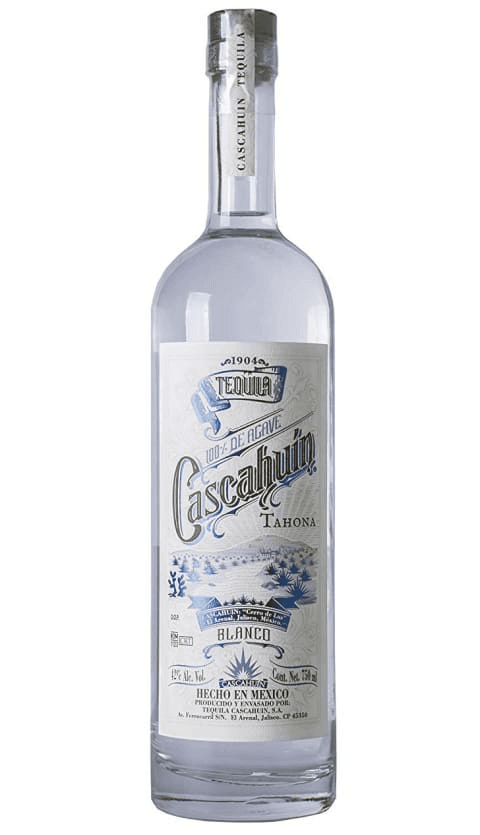
Cascahuin Tahona Blanco
Destilería Cascahuin (Grupo Cascahuin) · Destilería Cascahuin, El Arenal, Jalisco, Mexico
Tahona production is brutally inefficient — the volcanic stone wheel extracts less juice, takes longer, and demands more labour than a mechanical shredder. Cascahuin does it anyway because the result is a blanco with a weight and mineral complexity that industrial methods cannot replicate. This is tequila at its most expressive — unaged, unfiltered, unapologetic. Drink it neat with a slice of orange and understand why the Rosales family has kept this process unchanged for generations.
Nose
Expressive and layered — roasted agave, fresh citrus zest, grassy earthiness, white pepper, a faint floral sweetness, and a stony mineral undercurrent
Palate
Full-textured and complex — cooked agave richness, lime, fresh herbs, a hint of stone fruit, white pepper heat, and subtle vanilla on the mid-palate
Finish
Long and dry with persistent mineral notes, roasted agave, and a clean herbaceous fade
- Agave
- 100% Blue Weber Agave, highland and lowland sourced
- Production
- Tahona (volcanic stone wheel) crushed; open fermentation; double distilled in copper and stainless steel pot stills
Cocktail Suggestion
Cocktail — The Stone Wheel Paloma: 2 oz Cascahuin Tahona Blanco · 3 oz fresh grapefruit juice · ½ oz fresh lime juice · ½ oz agave nectar · salt rim. Build over ice in a highball glass, stir once, garnish with a grapefruit wedge.
Food Pairing
Pair with: Ceviche with fresh lime and cilantro — the mineral agave and citrus notes in the tequila amplify every element of the dish.
Be the first to comment.
Leave a comment

Código 1530 Añejo
Código 1530
Código 1530 Añejo is a masterclass in what happens when spirit and stave become intimate. The use of Cabernet-seasoned French White Oak—rather than the more common American oak ex-bourbon barrels—creates a distinctive bridge between the agave world and the wine world, making it a perfect fit for the 'Barrel's Inner Skin' theme. The wine-stained wood imparts a refined tannic structure and fruit-forward complexity that complement rather than overwhelm the cooked agave heart. This is contemplative, after-dinner tequila that rewards patience.

Tequila San Matías Gran Reserva Extra Añejo
San Matías
Casa San Matías has been making tequila since 1886, and this extra añejo demonstrates a mastery of time and barrel. Three years in American oak have deepened the spirit without erasing its agave identity—a furnace of patience made liquid. At under $90, it punches well above its price class, delivering the contemplative depth of bottles twice its cost. A superb after-dinner pour for those who believe great tequila rewards the same reverence as aged whisky.

Fortaleza Reposado Winter Blend 2024
Fortaleza
Fortaleza's Winter Blend series marries reposado lots of varying age into a seasonal expression that highlights the interplay between agave and oak. The tahona-crushed agave gives it a textural richness that roller-milled tequilas rarely achieve. This is tequila where craft and material are inseparable.

Siembra Azul Añejo
Siembra Azul
A quietly excellent Añejo that resists the modern impulse toward heavy oak and sweetness — David Suro's Siembra Azul remains a benchmark for honest, agave-first tequila at a fair price.