Price
Under $50
129 reviews
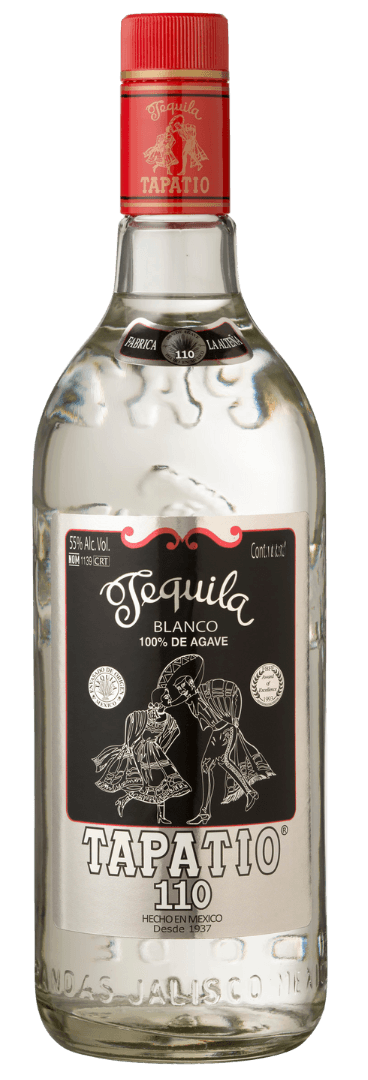
Tapatío 110 Blanco
Tequila Tapatío (Camarena family, La Alteña Distillery)
Tapatío 110 is the still-strength expression of the Camarena family's Tapatío Blanco — bottled without any water cut at the 55% ABV it reaches in the still. Verified additive-free by Tequila Matchmaker.
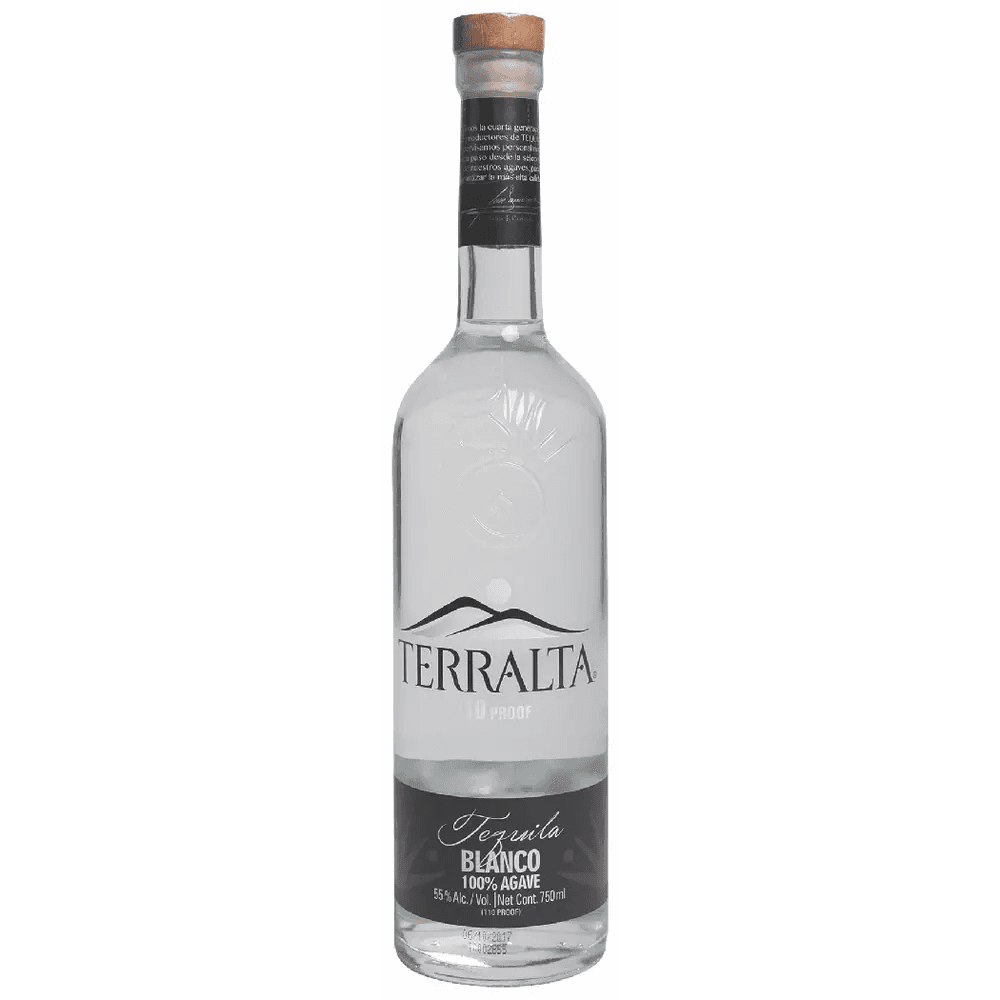
Terralta Blanco Extra Strength 110 Proof
Tequila Terralta (Felipe Camarena)
Terralta 110 is what happens when you remove the single most common intervention in tequila production — water — and let the distillate speak for itself. Felipe Camarena’s catalyst was the refusal to dilute, and the result is a blanco that carries the full weight of highland agave, volcanic mineral water, and an eighty-year-old yeast strain in every sip. The proof sounds aggressive on paper, but the execution is anything but: the texture is silky, the flavors are amplified rather than burned, and the finish is cleaner than most 80-proof tequilas. At under sixty dollars, this is a masterclass in what blanco tequila can be when a maker trusts his raw materials completely.
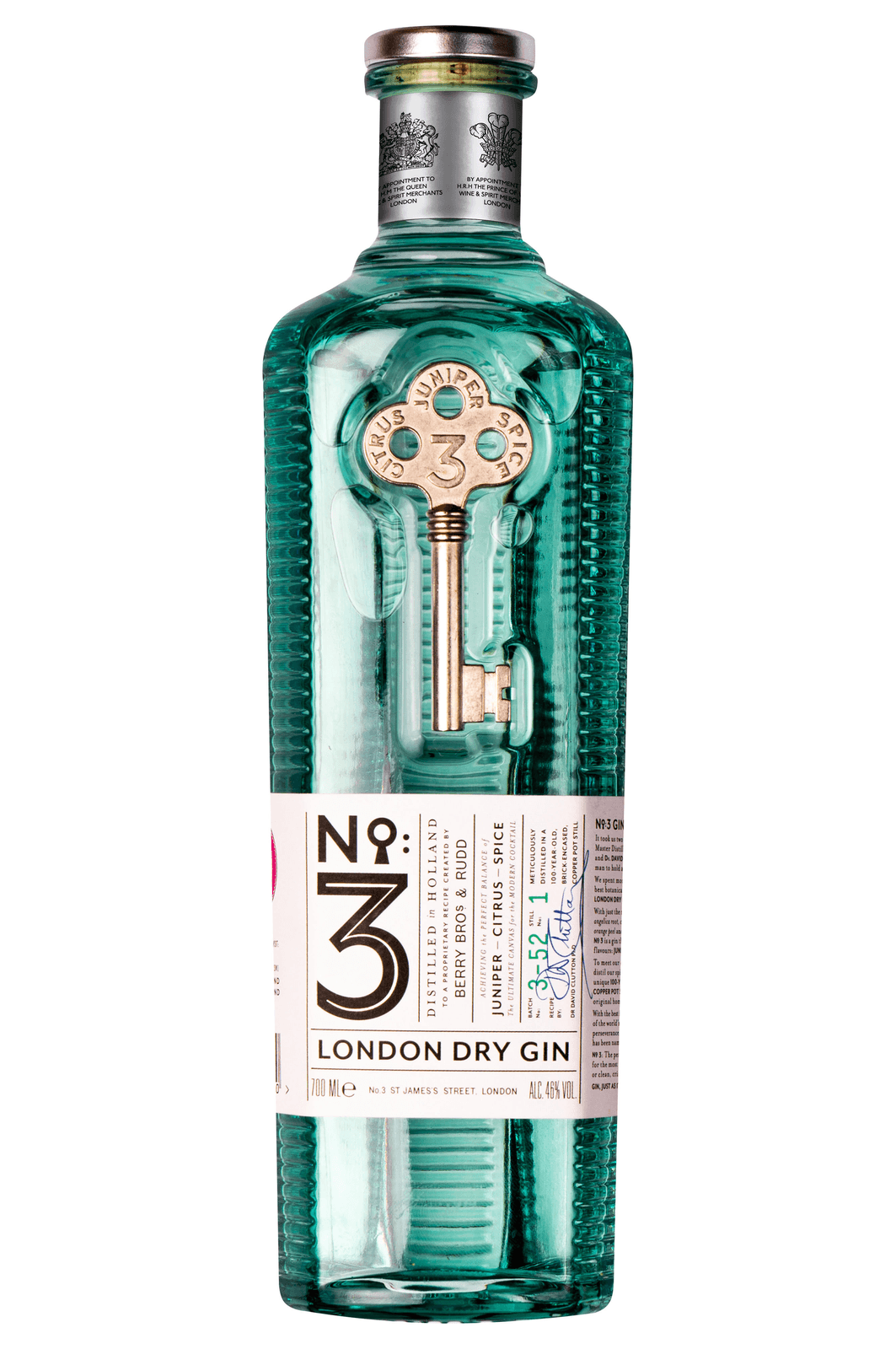
No. 3 London Dry Gin
Berry Bros. & Rudd
No. 3 London Dry Gin is resilience through reduction. While the gin world races to add more botanicals, Berry Bros. asked: what if six botanicals are all you need?
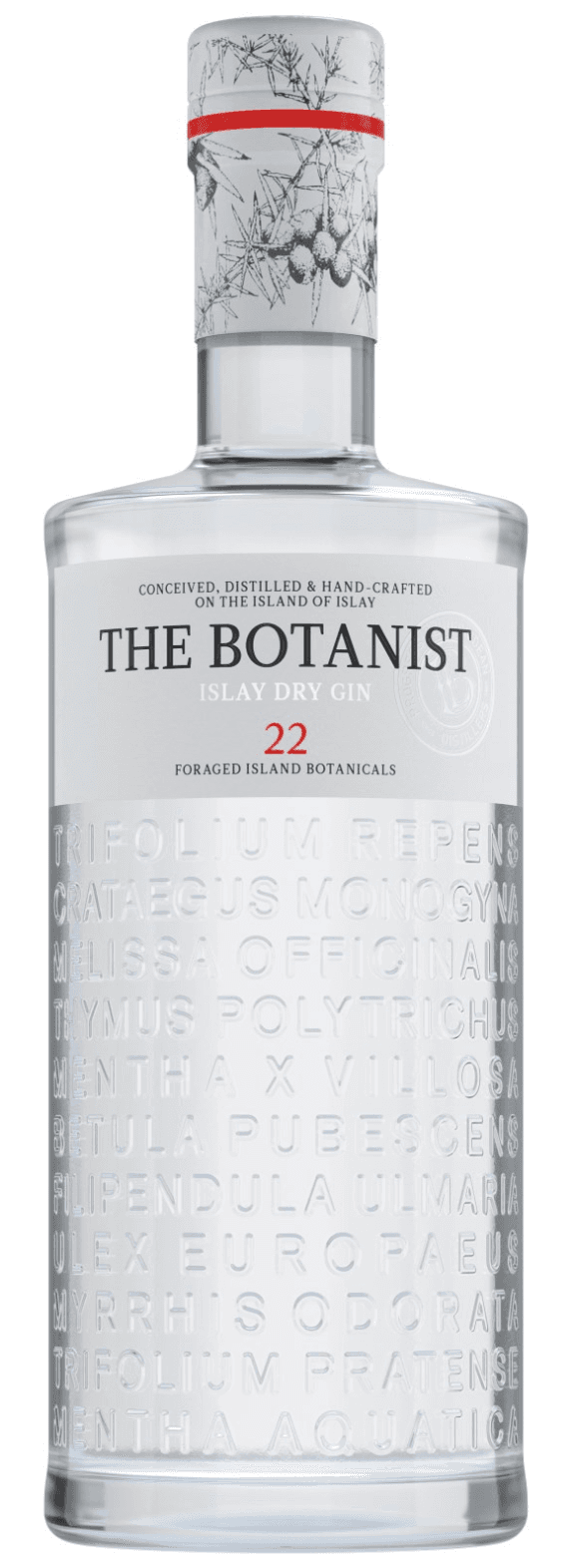
The Botanist Islay Dry Gin
Rémy Cointreau (Bruichladdich Distillery)
The Botanist is the gin that proves terroir isn’t just a wine concept. Those 22 wild Islay botanicals — foraged by hand over 30 weeks each year from bogs, shores, and hillsides — give it a sense of place that no factory gin can replicate. The rescued Lomond still allows a 17-hour distillation, four times longer than whisky, extracting complexity that faster methods miss entirely. At 46% ABV and under $40, it’s one of the most characterful gins on the planet, and the subtle coastal salinity at the finish reminds you that this spirit was born on an island battered by the Atlantic.
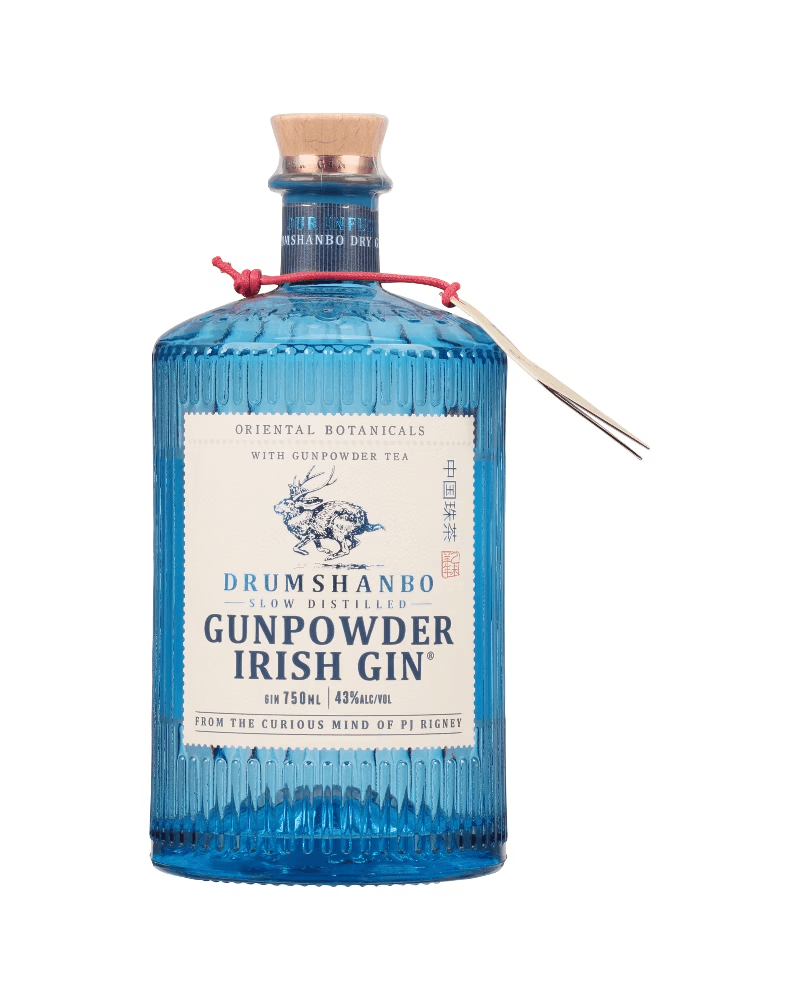
Drumshanbo Gunpowder Irish Gin
The Shed Distillery
The Gunpowder tea botanical is the masterstroke here — it binds the citrus and juniper elements into something cohesive and unmistakably different from any London Dry. Drumshanbo Gunpowder is the gin that makes craft spirit sceptics take a second look. The distinctive spherical bottle is famous in Irish bars, but the real story is inside it: a carefully developed recipe, an unexpected Chinese tea leaf, and a distillery that chose character over convention at every turn. Serve in a copa glass over ice with tonic, sliced pink grapefruit, and a twist of lime.
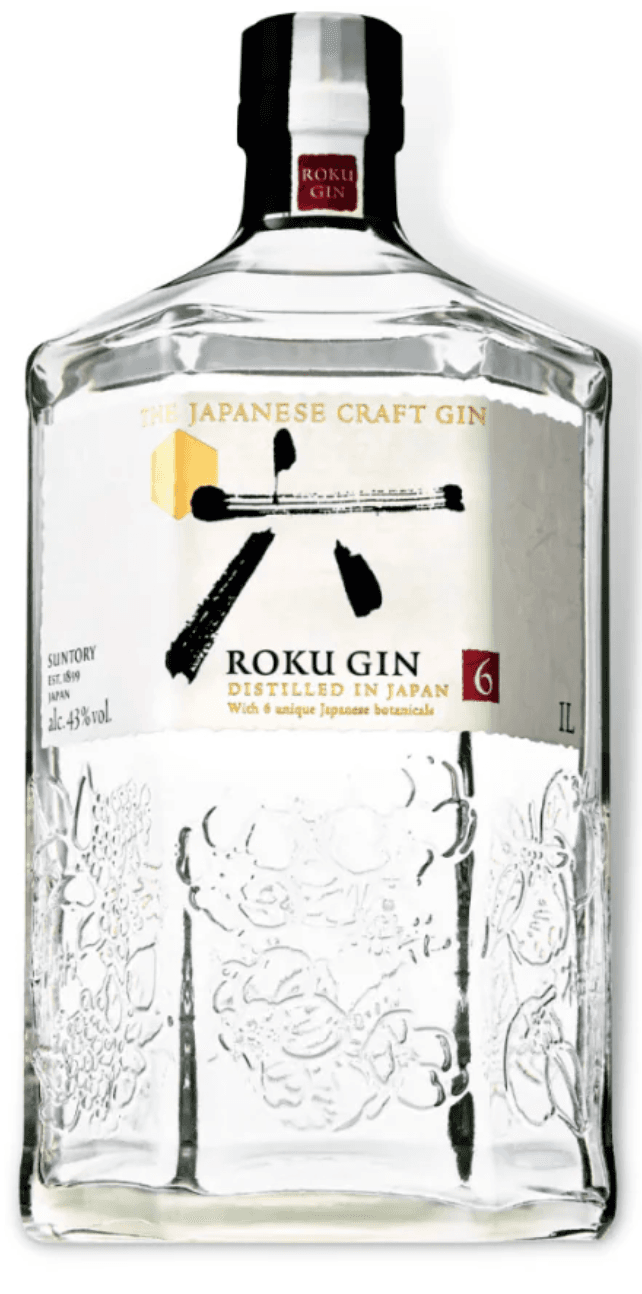
Roku Japanese Craft Gin
Beam Suntory (Suntory Spirits, est. 1899)
Roku means 'six' in Japanese, and those six native botanicals — sakura flower, sakura leaf, yuzu, sencha, gyokuro, and sansho pepper — are what elevate this gin from competent to contemplative. Suntory harvests each botanical at its peak season, meaning the production cycle spans an entire year before blending even begins. Each botanical group is then distilled separately in different still types to extract its optimal character. It's the Japanese philosophy of monozukuri — the art of making things with care and patience — applied to gin. The result is a spirit where East meets West in genuine harmony: the juniper backbone is clearly there, but the yuzu, tea, and sakura create a flavor profile unlike any Western gin. At under $35, Roku offers a masterclass in how patience in production translates to complexity in the glass.
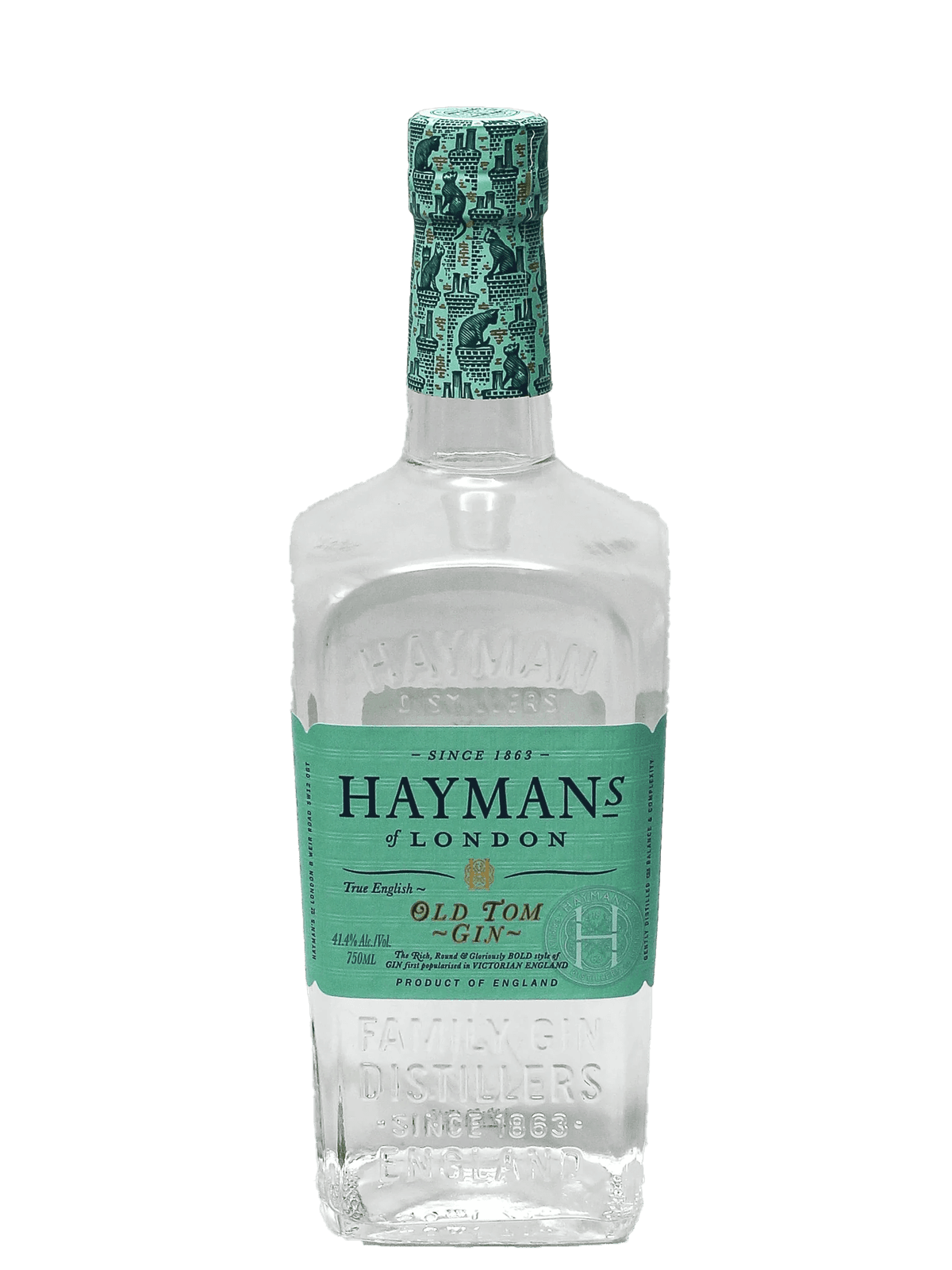
Hayman's Old Tom Gin
Hayman Distillers Ltd
Old Tom gin was the taste of Victorian London — sweeter than London Dry, the bridge between Dutch genever and the bone-dry gins we know today. It vanished for nearly a century until the Hayman family resurrected it.
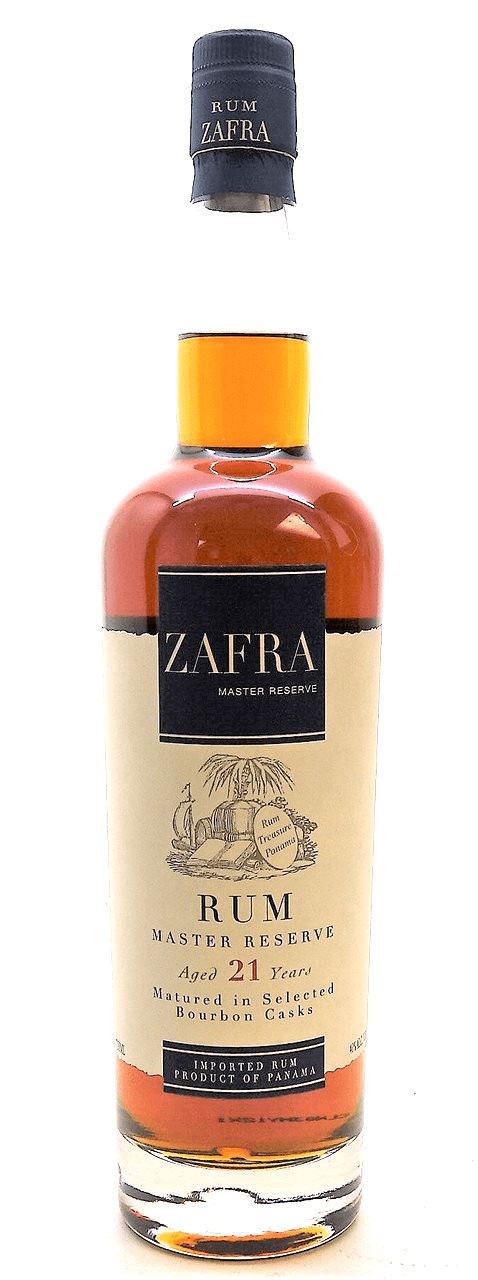
Zafra Master Reserve 21 Year Old
Las Cabras S.A. / Don Pancho Origenes
Zafra Master Reserve 21 is the proving ground for Panamanian rum as a serious category and for Don Pancho Fernandez as one of the great spirits minds of his generation. Exiled from Cuba, Fernandez rebuilt his craft in Panama and proved that two decades of patient bourbon-barrel aging under tropical heat could produce a rum of extraordinary depth and sophistication. At its price point — often under fifty dollars for a twenty-one-year-old spirit — Zafra remains one of the most remarkable values in aged spirits. It is proof that mastery, once earned, cannot be taken away. Cocktail — The Don Pancho Old Fashioned: 2 oz Zafra 21, 0.25 oz demerara syrup, 2 dashes Angostura bitters, 1 dash orange bitters. Stir over a large ice cube in a rocks glass. Express an orange peel and drop it in. The rum's toffee and spice complexity transforms the Old Fashioned into something profoundly layered.
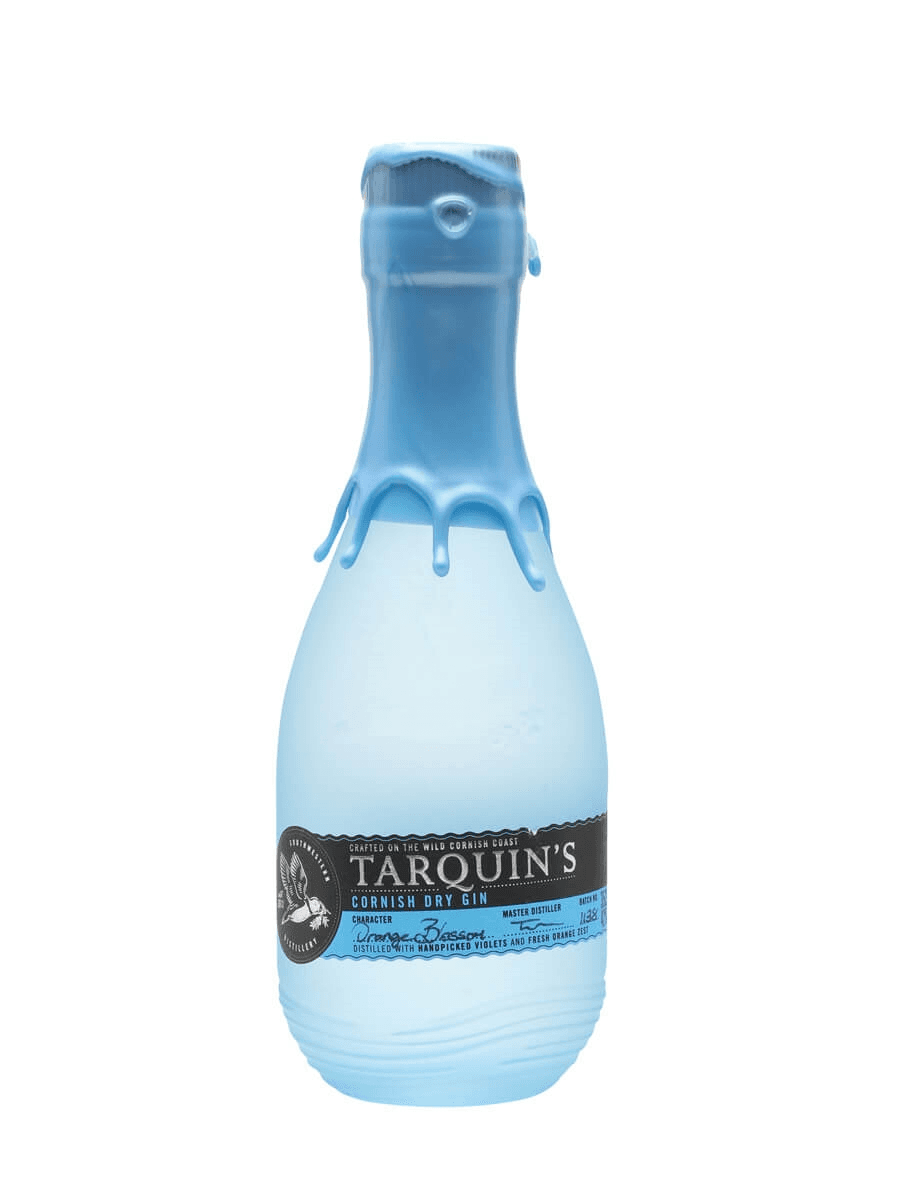
Tarquin's Cornish Dry Gin
Southwestern Distillery (Independent)
Tarquin's is among the very few gins in Britain still distilled over naked flame — and you can taste the difference. Direct-fire distillation gives the distiller less control than steam-heated stills, but rewards the skilled hand with a richer, more textured spirit.
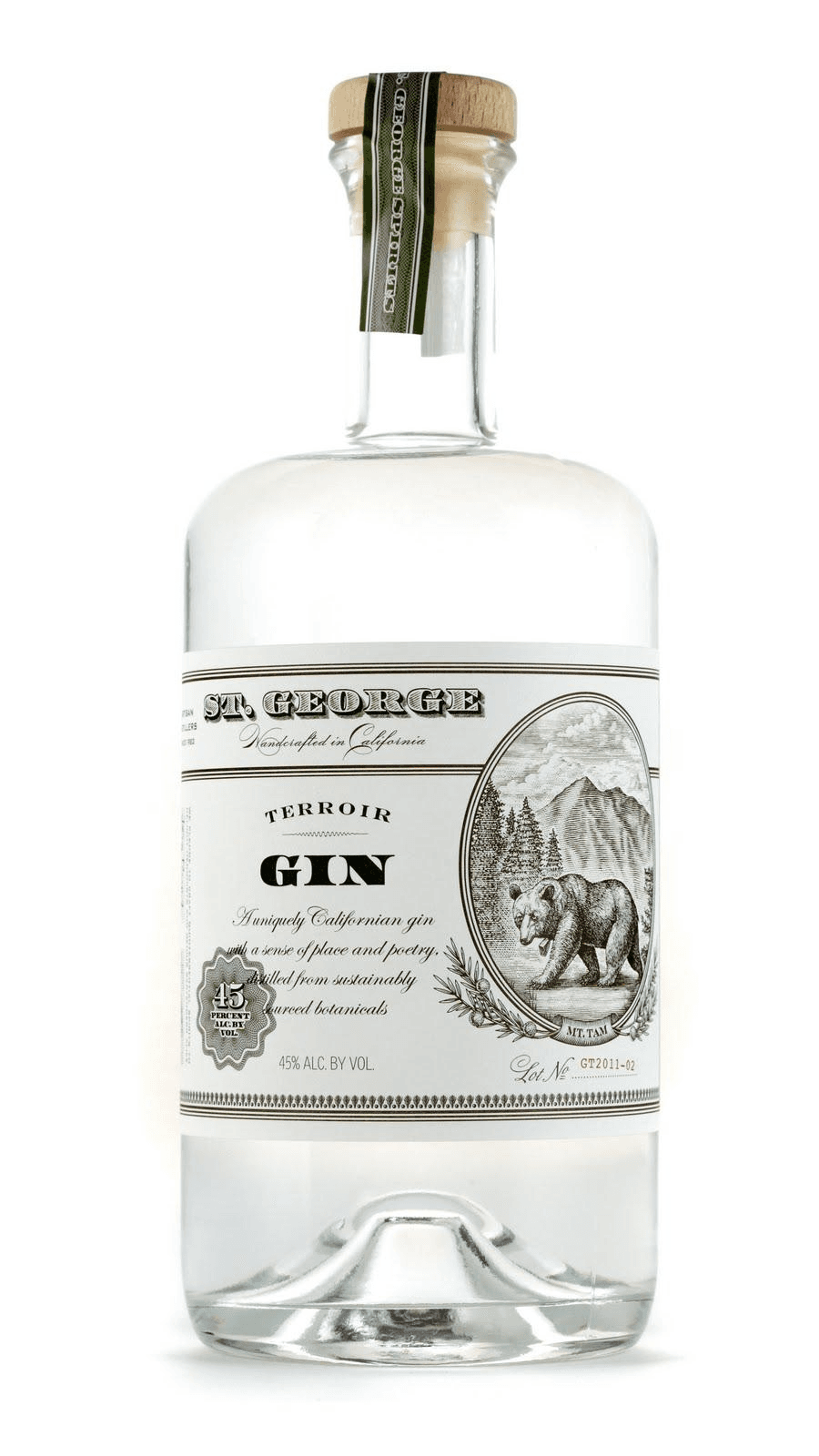
St. George Terroir Gin
St. George Spirits
St. George Terroir Gin is unlike any other gin in the world. While most gins lead with juniper and citrus, Terroir leads with Douglas fir, California bay laurel, and coastal sage — botanicals wildcrafted from the hills around San Francisco Bay.
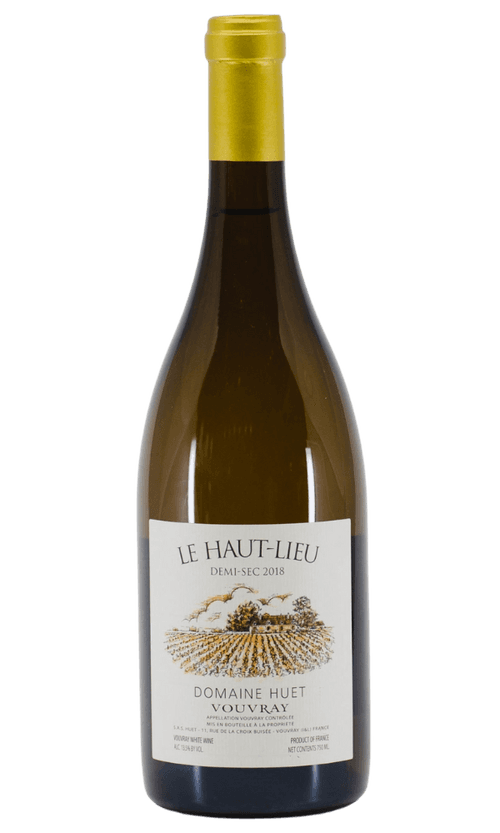
Domaine Huet Vouvray Le Haut-Lieu Sec 2021
Domaine Huet
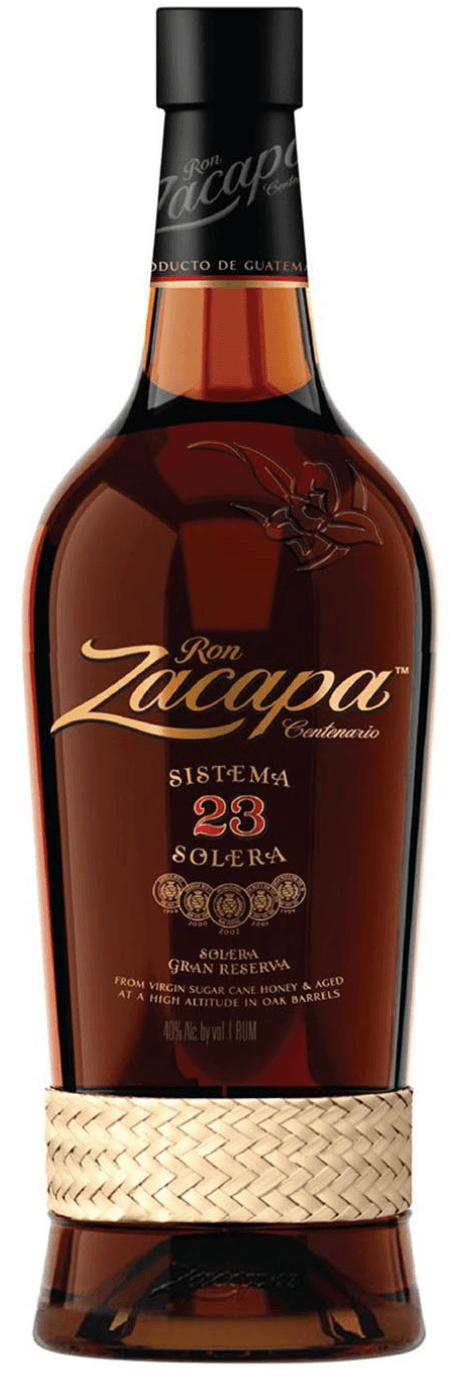
Ron Zacapa Centenario 23 Solera
Industrias Licoreras de Guatemala / Diageo (Ron Zacapa)
Ron Zacapa broke nearly every rule in rum-making. Start with the raw material: virgin sugarcane honey instead of the molasses most rum producers use. Then defy tropical aging conventions by aging at 2,300 meters above sea level, where cool mountain temperatures and higher humidity slow evaporation to a fraction of what it would be at sea level. Finally, use a solera blending system — borrowed from the sherry houses of Jerez — to marry rums aged 6 to 23 years across four different barrel types. The result tastes like no other rum on earth: rich enough to sip like Cognac, complex enough to hold your attention glass after glass. Voted the world’s number one premium rum at the International Rum Festival for five consecutive years.
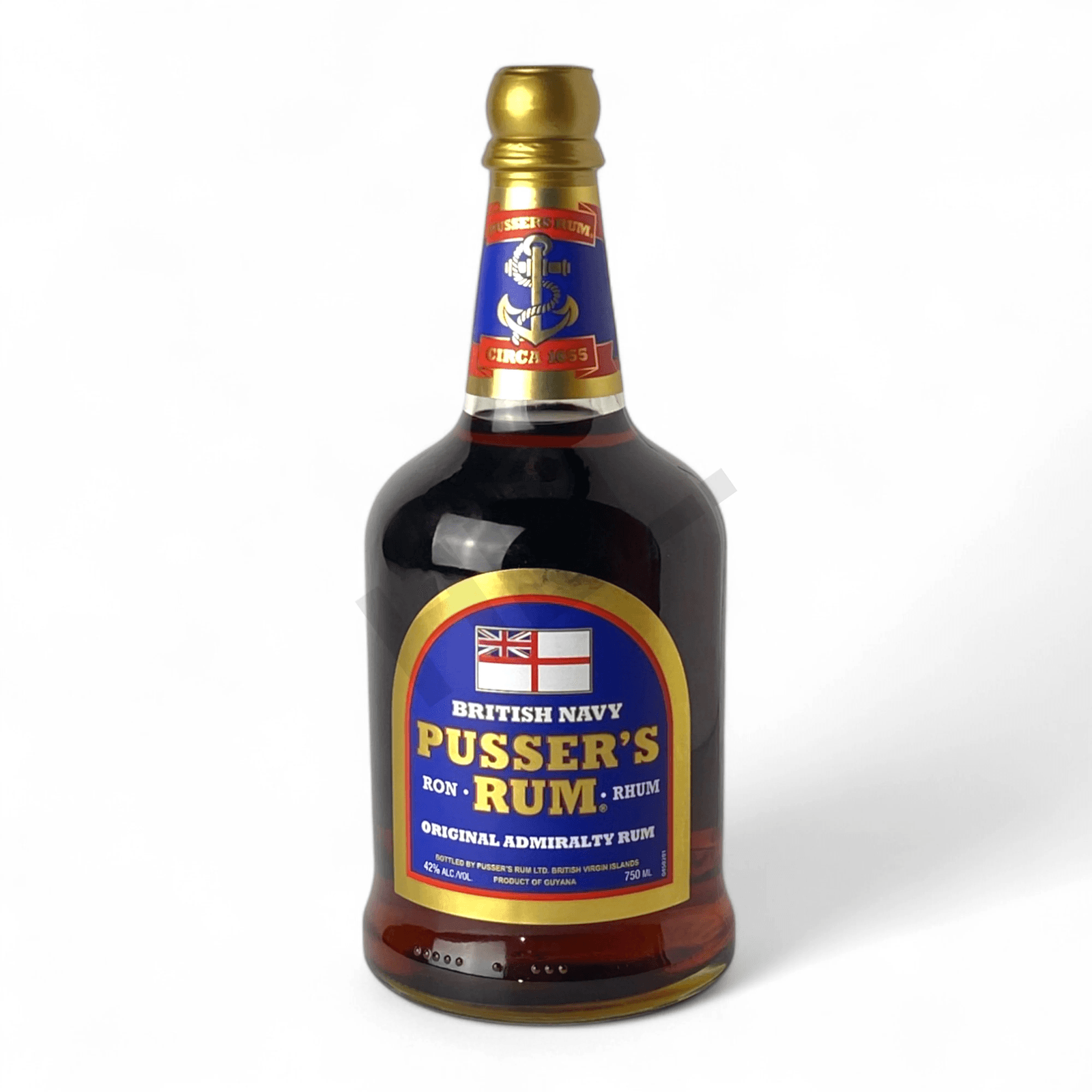
Pusser’s British Navy Rum
Pusser’s Rum Ltd.
Pusser’s is a definitive blended rum. Charles Tobias secured the original Admiralty blending recipe in 1979 and brought it back to life.
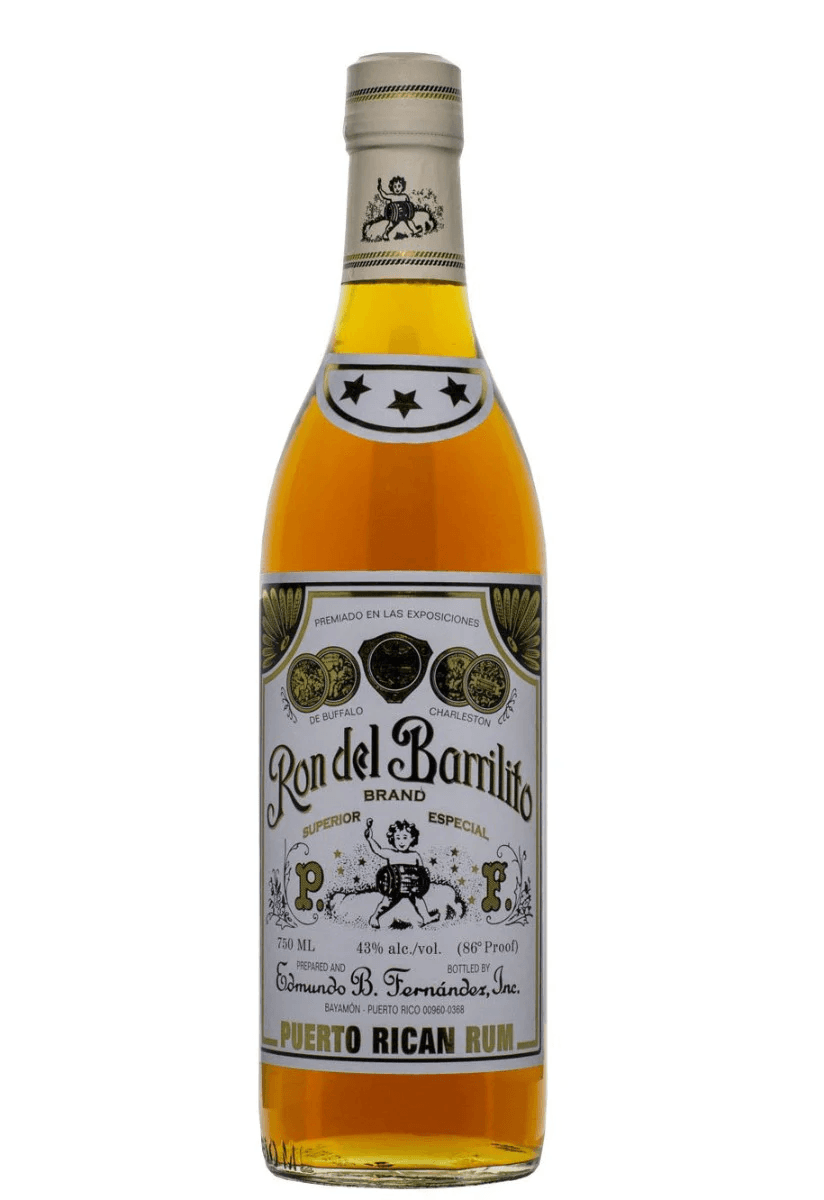
Ron del Barrilito Three Star Rum
Fernández Family (Private Estate)
Ron del Barrilito is Puerto Rico's best-kept secret — a rum that has never left family hands since 1880. The Fernández family survived every upheaval the island threw at them and simply kept blending.
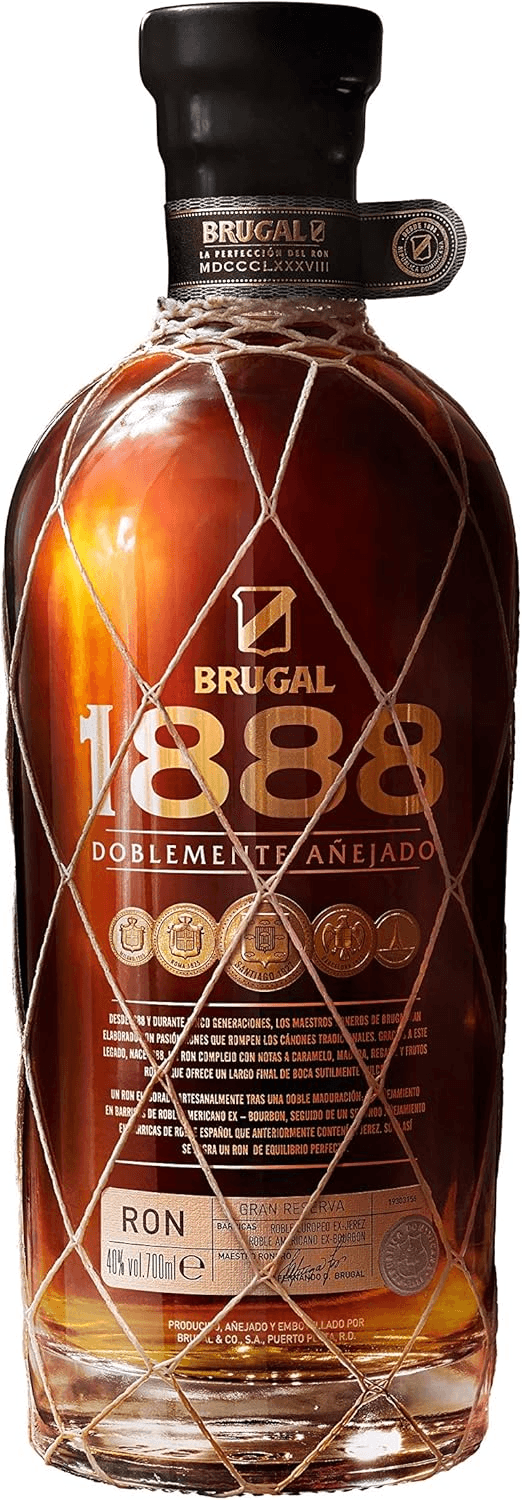
Brugal 1888
Brugal and Co. (Edrington Group)
Brugal 1888 is the rum that converts whisky drinkers.
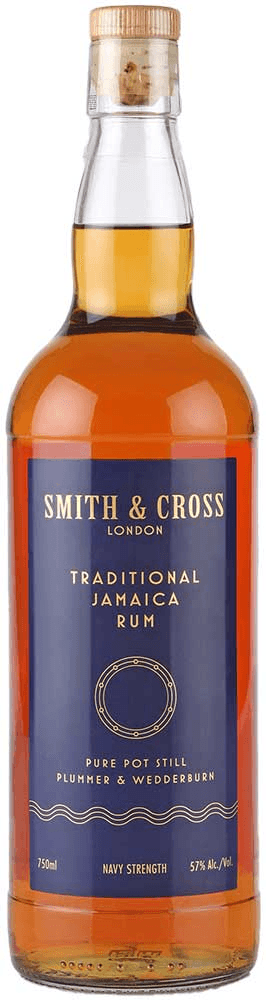
Smith & Cross Traditional Jamaica Rum
Hayman Ltd. (UK)
Smith & Cross is rum with its gloves off. Bottled at a scorching 57% — the old British proof strength — the point at which spirit-soaked gunpowder would still ignite, a benchmark used by the Royal Navy to verify their rum had not been watered down.
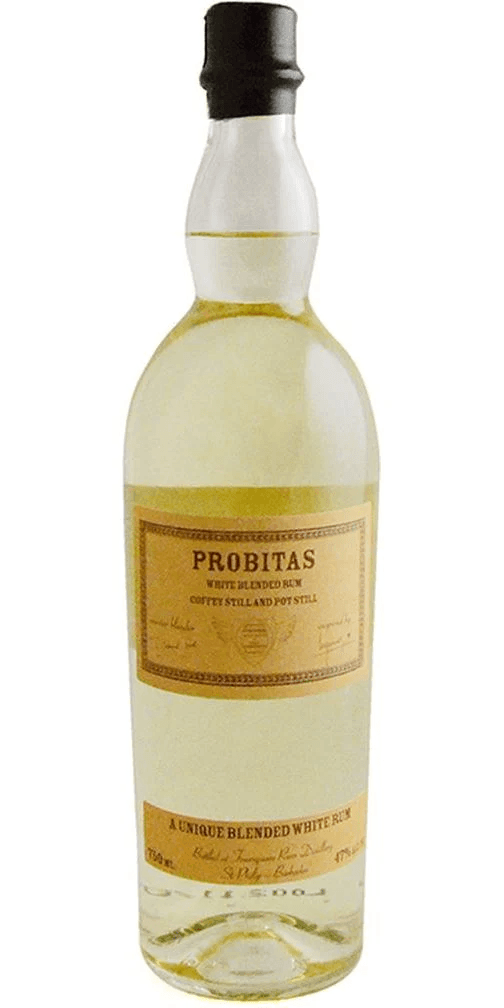
Foursquare Probitas White Rum
R.L. Seale & Company × Hampden Estate
Probitas — Latin for 'honesty' — pairs Barbados column distillate with high-ester Jamaican pot still rum, bottled unaged at 47% ABV, nothing added. The finest bar-back white rum under thirty dollars.
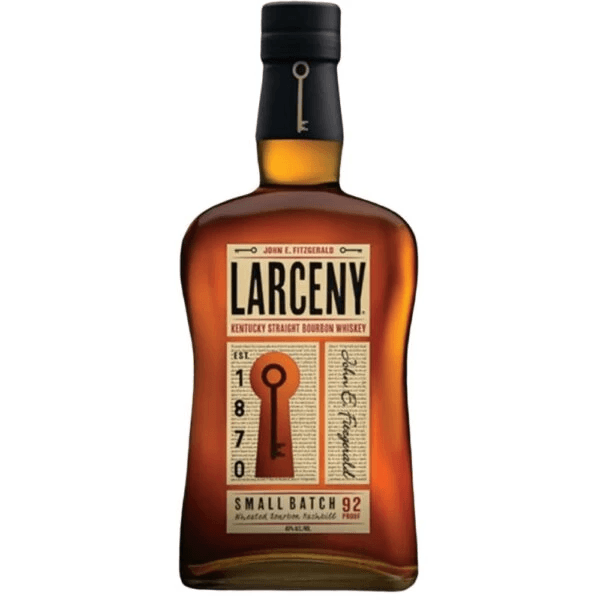
Larceny Small Batch
Heaven Hill Brands
Larceny Small Batch is the proving ground for a simple but powerful proposition: wheat belongs in bourbon. While the industry built its identity around rye's sharp, spicy bite, Heaven Hill quietly perfected a recipe that replaces assertiveness with grace. At 92 proof and under thirty dollars, this is a bourbon that punches above its price with a texture and drinkability that more expensive bottles struggle to match. It is living proof that softness is not weakness — it is a choice, and a confident one. Cocktail — The Fitzgerald Sour: 2 oz Larceny Small Batch, 0.75 oz fresh lemon juice, 0.5 oz honey syrup, 2 dashes Angostura bitters. Shake with ice and strain into a coupe. Garnish with a lemon wheel. The wheat bourbon's natural sweetness marries beautifully with the honey, creating a sour that is all silk.
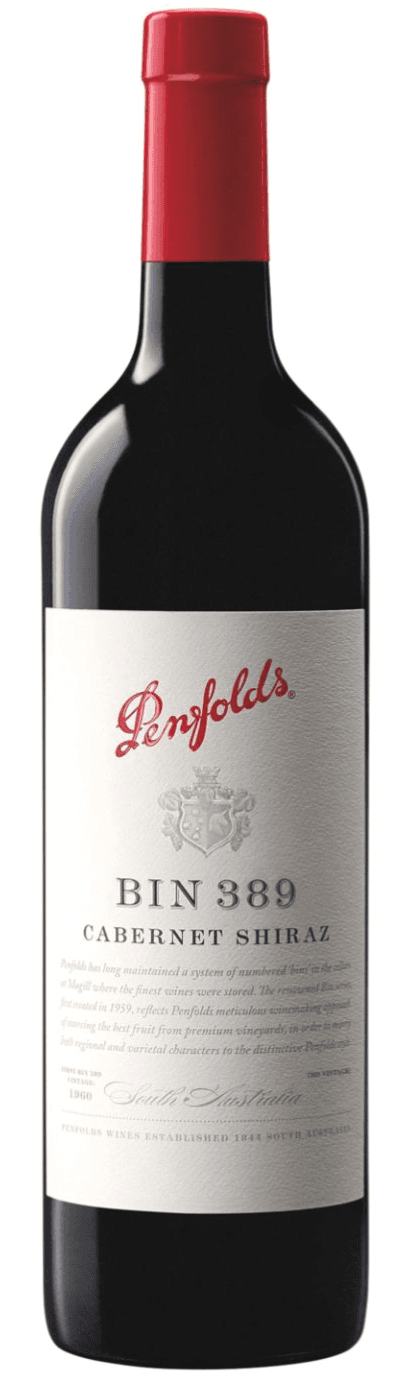
Penfolds Bin 389 Cabernet Shiraz 2021
Treasury Wine Estates (Penfolds, est. 1844)
Bin 389 is known as “Baby Grange” for a reason: the wine is matured in the same American oak hogsheads that previously held Penfolds Grange, Australia’s most celebrated wine. That secondhand Grange influence — a ghost of Shiraz complexity — adds depth you can’t get any other way. Max Schubert created the first Bin 389 in 1960, and it’s been in continuous production ever since, blending Cabernet’s structure with Shiraz’s generosity. At $40–55, it delivers a taste of the Penfolds house style at a fraction of Grange’s price. This is arguably Australia’s greatest value red.
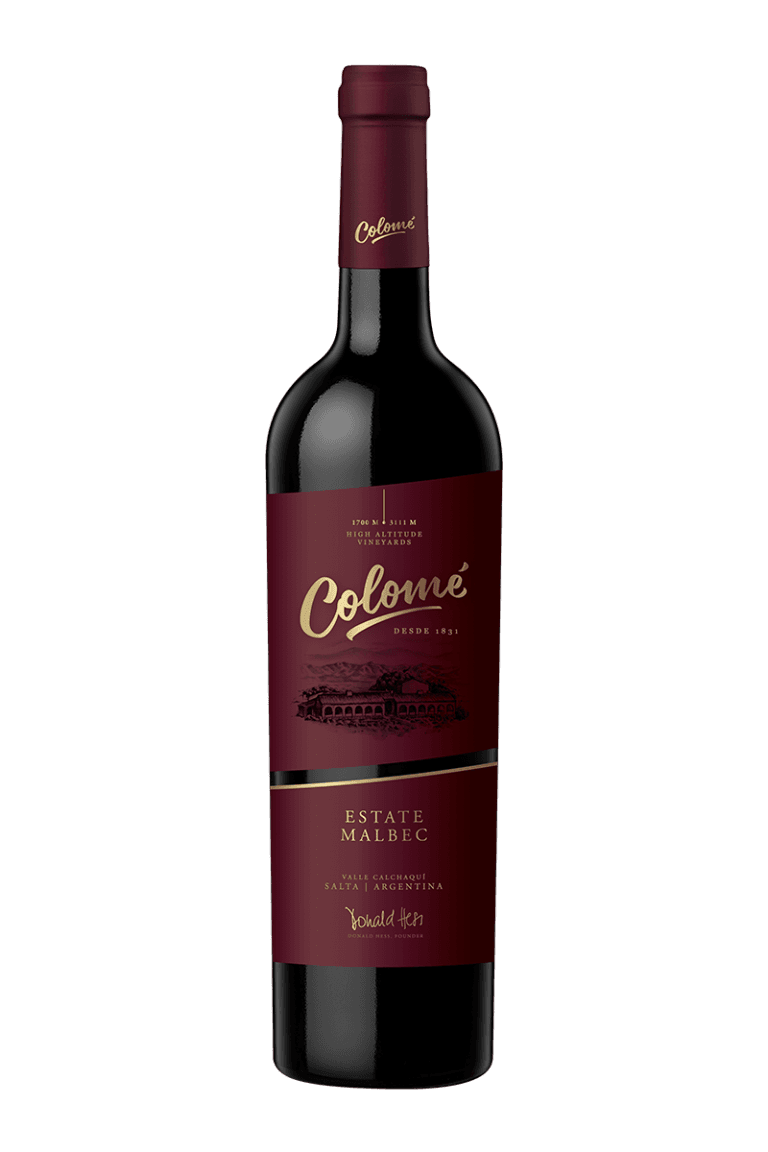
Bodega Colome Estate Malbec 2021
Bodega Colome (Hess Family Wine Estates)
Bodega Colome is the proof that altitude is not a gimmick — it is a winemaking tool as powerful as any barrel or blend.

Catena Zapata Malbec High Mountain Vines 2021
Bodega Catena Zapata (est. 1902, fourth generation)
Nicolás Catena’s obsession was altitude. When he visited Napa in the 1980s, he returned to Argentina with a radical question: what if Malbec — a grape Bordeaux had largely abandoned — was being planted too low? He spent the next three decades pushing vineyards higher into the Andes foothills, from 920 to 1,450 meters, discovering that extreme altitude produced wines with deeper color, more complex aromatics, and a bright acidity that lower vineyards couldn’t match. The High Mountain Vines bottling blends fruit from four altitude-specific sites: 80-year-old vines in Lunlunta for texture, Agrelo for spice, Altamira for acidity, and Gualtallary for explosive floral aromatics. At $22–28, this is Argentina’s answer to the question of whether great wine has to be expensive.
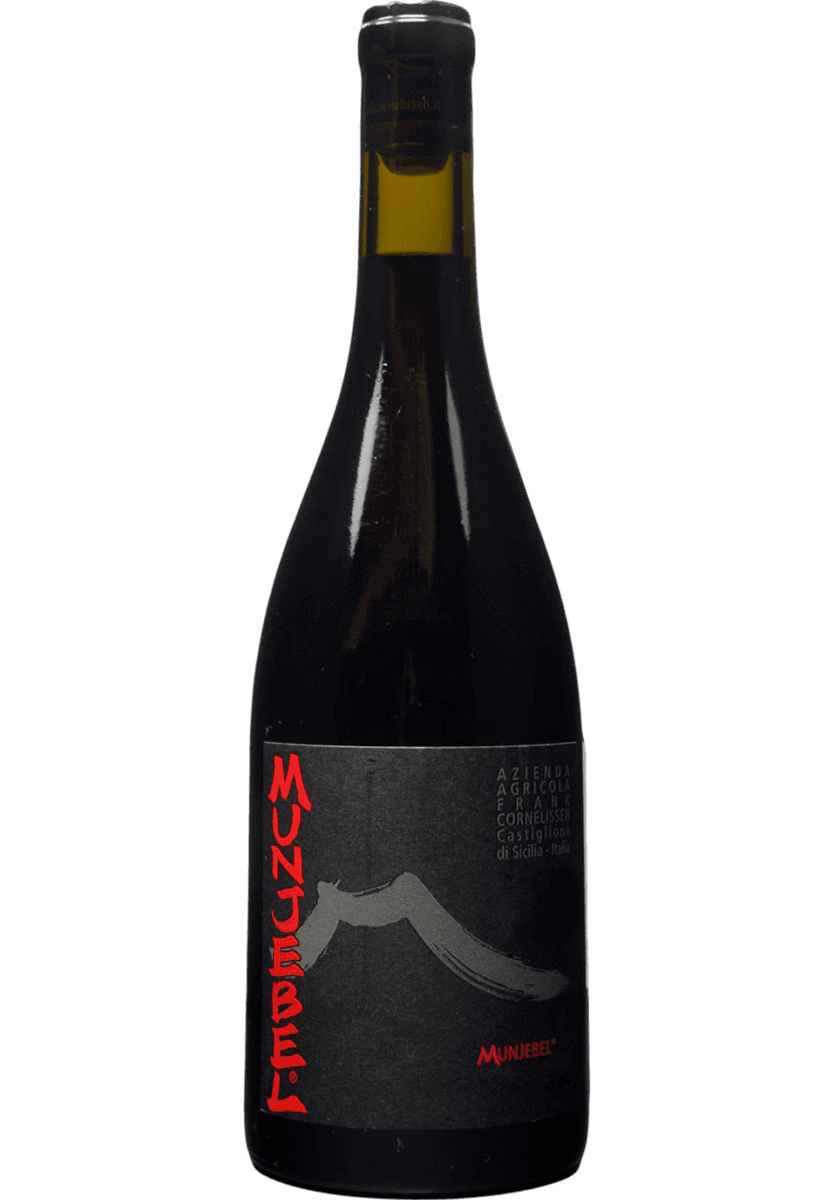
Frank Cornelissen Munjebel Rosso 2021
Azienda Agricola Frank Cornelissen
Cornelissen's thesis: transport the vineyard to the glass without adding or removing anything. Munjebel Rosso is fermented with native yeast in inert vessels, unfined, unfiltered, minimal SO₂.
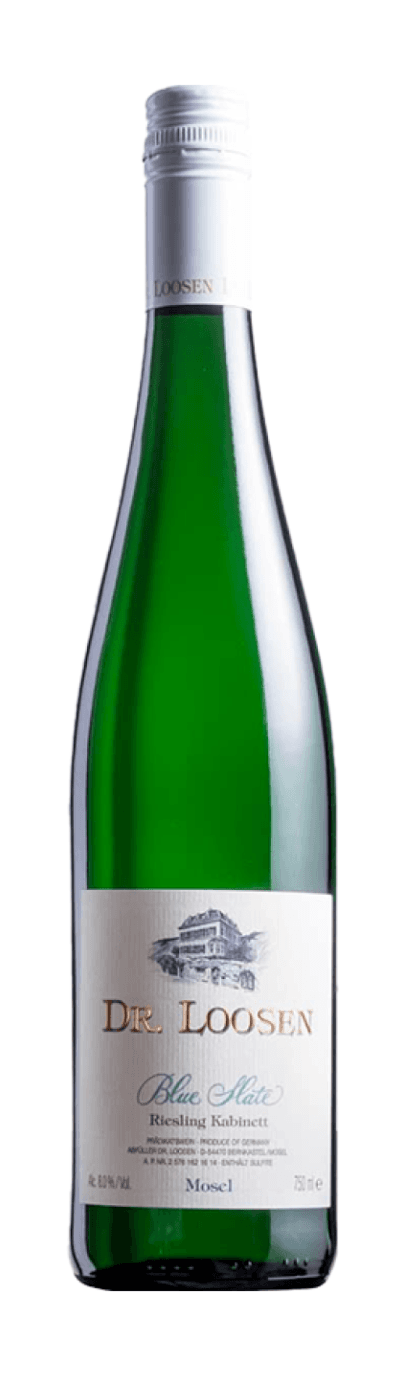
Dr. Loosen Blue Slate Riesling Kabinett 2022
Weingut Dr. Loosen (Ernst Loosen, family-owned since early 1800s)
At 8.5% alcohol and under $20, this is one of the most food-friendly wines on earth — and one of the most misunderstood. The “Kabinett” designation means the grapes were picked at the first level of ripeness, giving a wine with gentle sweetness that’s balanced by razor-sharp acidity from the Mosel’s cool climate and blue slate soils. Ernst Loosen’s genius was recognizing that his family’s old, ungrafted vines — many over a century old, their roots drilling deep into fractured slate — produced wines of extraordinary mineral intensity that no young vineyard could match. The blue slate literally flavors the wine.
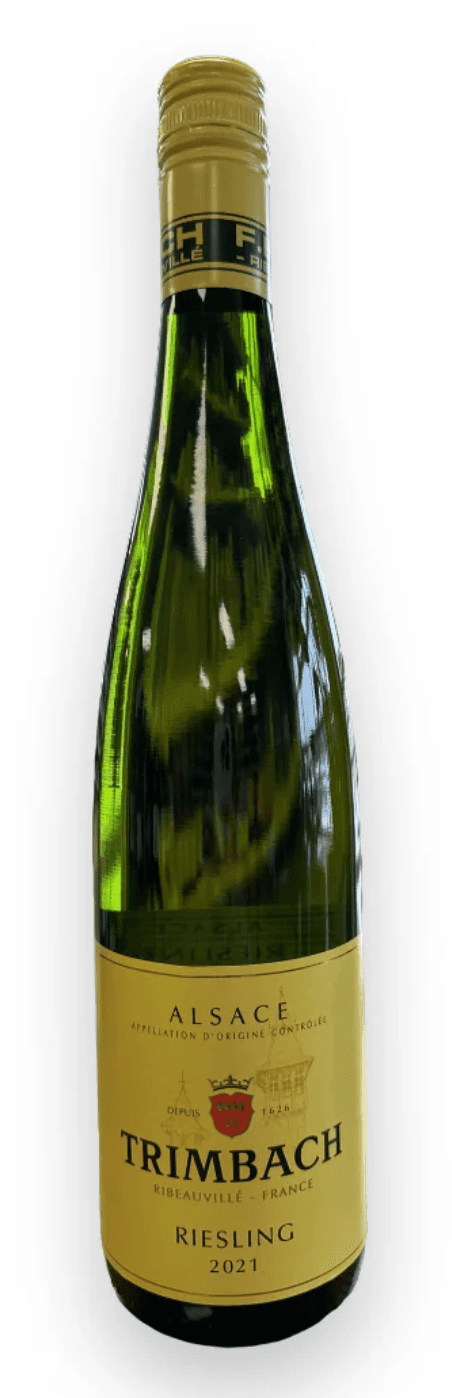
Trimbach Riesling 2021
Maison Trimbach (est. 1626)
Trimbach has been going against the grain since 1626 — they just don’t make a fuss about it. While Alsace became increasingly known for off-dry and sweet Rieslings, Trimbach committed to bone-dry wines with razor-sharp acidity and mineral precision. No malolactic fermentation, no residual sugar, no new oak — just pure expression of grape and terroir. The family has been making wine in Ribeauvillé for twelve generations and counting, and their philosophy hasn’t changed: balance, balance, balance. Their Clos Sainte Hune is one of the most legendary white wines on earth, but the entry-level Riesling — at $23–$28 — is where the value proposition is impossible to ignore. This is Riesling for people who think they don’t like Riesling.