Aroma
Cassia Bark
54 bottles with this note
Train this aroma
Gin Aroma Kit
Develop your palate with the canonical reference for cassia bark and related notes.

Bols Genever Barrel Aged 2 Year
Bols
This is gin that learned to sit still. Where most gins are built for immediacy — bright, loud, now — Bols Barrel Aged Genever asks you to slow down. Two years in French limousin oak have woven the juniper and malt into something that belongs alongside aged whisky and fine brandy. In an issue devoted to patience made tangible, this is the amber between breaths: the proof that waiting, simply waiting, can turn grain and juniper into gold. Sip it neat, slightly below room temperature, and give it the unhurried attention it gave the wood.

Drumshanbo Gunpowder Irish Gin Ceramic Bottle
Drumshanbo
Drumshanbo's Ceramic Bottle expression is the same celebrated liquid — slow-distilled with oriental botanicals including gunpowder tea, star anise, and meadowsweet — but housed in a striking hand-glazed blue ceramic vessel that feels like holding a flask of alchemical mercury. The gin itself is a study in transformation: each sip shape-shifts between bright citrus and deep spice, never settling, always quicksilver. It's craft with restless, mercurial energy, perfectly at home among this issue's boundary-pushing selections.

Tarquin's Cornish Dry Gin Navy Strength
Tarquin's
Tarquin Leadbetter built his distillery in a barn on the windswept Cornish coast, and the navy strength bottling carries that same unflinching character. The higher proof doesn't bludgeon — it reveals. Every botanical gets louder, and the structure holds beautifully in cocktails where lesser gins would disappear.

Barr Hill Tom Cat Gin
Caledonia Spirits
Tom Cat is the answer to anyone who thinks gin can't carry weight. By aging their honey-forward base spirit in new charred oak, Caledonia Spirits has created something that lives in the liminal space between gin and whiskey — possessing the depth and gravity of the latter while retaining the botanical soul of the former. The raw honey, sourced from northern Vermont apiaries, doesn't simply sweeten; it adds layers of floral complexity that the barrel aging then deepens and darkens. This is sweetness as architecture, not decoration. A gin that proves depth and sugar are entirely different currencies.

Opihr Oriental Spiced London Dry Gin
Opihr
Opihr channels the ancient spice routes into a London Dry framework with remarkable coherence. The pepper-forward warmth and exotic botanical blend make it a natural fit for the 'Warmth Before Silence' theme — it glows with lingering spice heat that fades into a contemplative, quiet finish. An accessible yet genuinely distinctive gin that rewards slow sipping as much as mixing.

Sacred Rosehip Cup
Sacred Spirits
A serious, terroir-driven answer to mass-market aperitivi — vivid, botanical, and unmistakably British in its restraint.

FEW Barrel Gin
FEW Spirits
FEW Barrel Gin is a masterclass in how fire transforms a spirit's identity. The charred American oak barrels reshape classic London Dry botanicals into something deeper and more contemplative—a gin that has literally been touched by flame. Where most barrel-aged gins treat the wood as a gentle accent, FEW leans into the char, letting it become a defining characteristic. The result is a spirit that perfectly embodies this issue's theme: fire doesn't merely age this gin, it fundamentally recalibrates its flavor architecture.

Four Pillars Bloody Shiraz Gin
Four Pillars
Four Pillars steeps whole Yarra Valley Shiraz grapes in their Rare Dry Gin for eight weeks, creating something entirely original—a gin that tastes unmistakably of place. The Yarra Valley's elevation and cool climate produce Shiraz with the acidity and restraint needed to complement rather than overwhelm the botanical bill. This is gin that remembers where it grew up.

Tinkerman's Sweet Spice Gin
Tinkerman's
Tinkerman's Sweet Spice offers an approachable but botanically serious gin that bridges classic London Dry architecture with New World warmth. The spice-forward profile never overshadows the juniper foundation, making it versatile enough for a Martini yet distinctive enough to sip on its own. A quietly accomplished American gin.

Kyrö Dark Gin
Kyrö
Kyrö's Dark Gin bridges the gap between gin and whiskey without losing its identity as either. The rye spirit base brings a grain-forward character that most gins lack, and the time in American white oak barrels adds just enough warmth. It's a gin for whiskey drinkers and a whiskey for gin drinkers.

Conker Spirit Navy Strength Dorset Dry Gin
Conker Spirit
Conker's navy strength edition takes their already-good Dorset Dry formula and cranks up the structural intensity. The elevated proof isn't about heat — it's about amplification. Every botanical rings clearer, every note holds longer. This is a gin that demands respect in a Martini and refuses to disappear in a Negroni.

Whitley Neill Parma Violet Gin
Whitley Neill
Flavoured gins walk a tightrope between novelty and craftsmanship, and Whitley Neill's Parma Violet manages to stay on the right side. The violet is unmistakable but never overwhelming, and the gin fundamentals — juniper, citrus, spice — remain intact. A good option for those who want floral expressiveness without losing the plot.

Whitley Neill Handcrafted Original Dry Gin
Whitley Neill
Johnny Neill's family recipe — drawing on four generations of distilling heritage — is a gin that doesn't chase trends. It is emphatically juniper-forward, botanically balanced, and built for versatility. The African botanicals (baobab fruit and cape gooseberry) add textural interest without pulling focus from what is, at heart, a superb classical gin at an honest price.

Companero Gin by Sacred Spirits
Sacred Spirits
Sacred's vacuum distillation technique preserves the freshest expression of each botanical — no boiling, no heat degradation. The result is a gin of unusual clarity and precision. Each botanical is distinct yet integrated, making it equally suited to a contemplative neat pour or a gin and tonic that reveals new layers with every sip.

Whitley Neill Handcrafted Dry Gin
Whitley Neill
Whitley Neill's core expression is a proper London Dry that respects juniper without being one-dimensional. The interplay between African-sourced botanicals and classic gin architecture makes it versatile behind the bar and genuinely enjoyable neat. Outstanding value at the price point.

Applewood Gin
Applewood
Applewood sources over twenty native Australian botanicals — from strawberry gum to Tasmanian pepperberry — but the result never reads as gimmick. This is a gin with clear juniper leadership and genuine complexity, where the weight of unusual botanicals meets an airy, distinctly Australian lift. Excellent in a martini or a simple G&T.

Whitley Neill Quince Gin
Whitley Neill
Whitley Neill Quince finds an unusual but effective botanical focus. The quince doesn't overpower the gin's foundations — instead, it introduces a tannic fruit complexity that plays well with juniper and spice, creating something genuinely different without gimmickry.

Arbikie AK's Gin
Arbikie
Arbikie grows its own wheat and potatoes on their Highland estate, giving them rare control over the base spirit. AK's Gin reflects that precision — the botanical integration feels seamless, with no single element shouting over another. It's a gin that performs beautifully in cocktails but genuinely rewards neat tasting.

Hayman's London Dry Gin
Hayman's
Hayman's doesn't chase trends. This is London Dry as it's meant to be — juniper-led, properly structured, and without a single botanical added for marketing purposes. The two-day steeping process extracts depth without bitterness, making this an ideal baseline for understanding what gin should taste like.

Sipsmith Sloe Gin
Sipsmith
Sipsmith's sloe gin proves that this traditional British style deserves a place alongside serious spirits. The key is restraint — enough sugar to round the sloe's natural astringency, but not so much that you lose the juniper backbone of the base gin. This is a bottle that bridges the gap between aperitif and after-dinner pour.

Ableforth's Bathtub Gin Navy Strength
Ableforth's
The compound method — cold-infusing botanicals rather than vapor-distilling them — gives this gin a texture and depth that column-distilled gins rarely achieve. At navy strength, the botanical payload is amplified but not exaggerated. It punches above its price point with confidence.

Four Pillars Navy Strength Gin
Four Pillars
Four Pillars takes their acclaimed Rare Dry recipe and dials it up to navy strength without losing balance—a harder trick than it sounds. The extra proof amplifies the Asian-influenced botanical profile, making the Tasmanian pepperberry and star anise sing alongside classic juniper. This is a gin that wants to be in a cocktail, but it stands on its own with ice and a squeeze of lime.

Few American Gin
FEW Spirits
FEW American Gin doesn't apologize for its grain character — it leans into it. The result is a gin that bridges the gap between juniper-forward London Dry tradition and the broader flavor ambitions of American craft distilling. It's an excellent Martini gin with enough personality to stand up to bolder cocktail applications.

Whitley Neill Blood Orange Gin
Whitley Neill
Whitley Neill's Blood Orange expression works because it respects the gin beneath the flavoring. The blood orange is vivid without being syrupy, and the juniper-forward base keeps it honest. It's a gin that makes a spectacular spritz but doesn't embarrass itself neat — a rare feat in the flavored gin category.

Bombay Sapphire London Dry Gin
Bombay Sapphire
Bombay Sapphire's vapor-infusion method produces a gin that's lighter and more aromatic than many London Drys, letting its ten botanicals speak individually rather than blurring together. At 47% ABV, it carries enough weight for cocktails while remaining supremely sippable over ice. A benchmark for a reason.

Perry's Tot Navy Strength Gin
New York Distilling Company
Perry's Tot demonstrates why navy strength gin exists: not for machismo, but for flavor density. At 57%, every botanical registers with crystalline clarity. This gin stands up to tonic, dominates a Negroni, and rewards anyone willing to engage with it on its own terms. The New York Distilling Company gets far less attention than it deserves.

Bimber Da Hong Pao Gin
Bimber Distillery
Bimber is better known for whisky, but this gin shows the same meticulous approach. The Da Hong Pao oolong tea botanical is not a gimmick — it threads a warm, slightly roasted quality through an otherwise classically structured London Dry. A thinking person's gin that rewards a simple tonic serve.

Whitley Neill Rhubarb & Ginger Gin
Whitley Neill
Whitley Neill Rhubarb & Ginger succeeds where many flavored gins fail — it integrates its signature botanicals without sacrificing gin identity. The juniper spine holds firm, making this a versatile bottle that works as well in a G&T as it does in more creative builds.

Elephant Gin London Dry
Elephant Gin
Elephant Gin earns its place through sheer botanical conviction. The use of African-sourced botanicals — buchu, baobab, devil's claw — alongside classic London Dry staples creates a gin that feels rooted in the earth. It's a serious spirit that demands a thoughtful tonic or a well-built Martini. Fifteen percent of profits go to elephant conservation foundations, but this would stand on flavor alone.

Arbikie Kirsty's Gin
Arbikie
Arbikie grows its own grain on the estate — a true field-to-bottle gin that lets terroir mean something concrete. Kirsty's Gin channels Scottish coastal character without resorting to gimmick, delivering a gin that is classically structured but unmistakably rooted in place. Exceptional in a Martini.

Hayman's Gently Cask Rested Gin
Hayman's
Hayman's Cask Rested Gin sits at an interesting intersection — too botanical to be a whiskey, too rounded to be a classic London Dry. The three-week rest in Scotch casks adds just enough warmth and texture to make this a compelling neat sipper and an unconventional cocktail base. A bridge spirit worth exploring.

Anchor Old Tom Gin
Anchor Distilling
Anchor's Old Tom is a history lesson in a glass. It recalls the sweeter gin style that dominated before London Dry took over, but does so with restraint and craft. The botanicals are layered rather than loud, and the subtle sweetness acts as a bridge, not a crutch. Excellent in a Martinez.

Hernö Navy Strength Gin
Hernö
Jon Hillgren built Hernö as Sweden's first dedicated gin distillery, and his navy strength expression demonstrates what happens when a perfectionist increases proof without sacrificing balance. Every botanical is amplified in proportion, making this a gin that punches through tonic or citrus in cocktails while remaining supremely drinkable on its own.

Boodles British London Dry Gin
Boodles
Boodles is a gin that draws its charcoal line by what it leaves out. No citrus peel in the botanical mix means the juniper and spice backbone is laid bare. At 45.2% ABV, it has the spine for a proper Martini and the discipline to let vermouth do the talking. Exceptional value.

Caledonia Spirits Barr Hill Reserve Tom Cat Gin
Barr Hill
Tom Cat proves that barrel-aged gin can be more than a novelty. The interplay between raw northern honey, juniper, and new American oak creates something genuinely distinctive — part gin, part whiskey-adjacent sipper, wholly itself. Vermont's cold winters slow the aging, building complexity without sacrificing botanical clarity.

Tanqueray Malacca Gin
Tanqueray
Originally released in 1997 and then discontinued, Malacca was revived due to bartender demand. Named for the Strait of Malacca — the historic spice trade route — it represents a gentler, more aromatic approach to gin that sits beautifully between Old Tom sweetness and London Dry austerity. Ideal for those who find classic Tanqueray too bracing.

Hayman's Royal Dock Navy Strength Gin
Hayman's
Navy strength gins were originally proofed to ensure gunpowder would still ignite if rum rations spilled on it — a practical origin that yields an expressive spirit. Hayman's Royal Dock is a textbook example of how higher ABV amplifies botanical clarity. In cocktails, it refuses to be diluted into anonymity.

Whitley Neill Original London Dry Gin
Whitley Neill
Whitley Neill built this gin around two African botanicals — baobab and Cape gooseberry — alongside a classic London Dry backbone. The result is a gin that reads as traditional on the surface but has a rounder, more textured mid-palate than expected. The blend of twelve botanicals works because each earns its place in the ratio.

Hernö Old Tom Gin
Hernö
Hernö's Old Tom bridges the gap between dry and sweet with the precision of a watchmaker. Jon Hillgren's commitment to organic botanicals and small-batch copper-pot distillation results in a gin that feels both historical and thoroughly modern. Outstanding in a Martinez or simply on its own.

Perfume Trees Gin
Perfume Trees
Named for the Aglaia trees that once blanketed Hong Kong's hillsides, Perfume Trees Gin channels East Asian botanicals through an unmistakably London Dry framework. The result is precise, aromatic, and deeply refreshing. It bridges traditions without losing identity.

Dorothy Parker American Gin
New York Distilling Company
Named for the sharp-tongued literary wit, Dorothy Parker gin has the same quality: nothing wasted, everything deliberate. It bridges London dry structure with American botanical creativity, and at this price point, it over-delivers consistently.

Ableforth's Bathtub Gin
Ableforth's
Ableforth's Bathtub Gin is made by cold-compounding — infusing botanicals directly in the spirit rather than redistilling. The result is a gin with more body and color than typical London Drys, and an aromatic complexity that reveals itself slowly. It looks modest in its brown paper wrapper, but there's real craft underneath.

Conker Spirit Dorset Dry Gin
Conker Spirit
Conker Spirit is a one-man operation that became a Dorset institution. Rupert Holloway distills in small batches using locally foraged and hand-selected botanicals. This gin has a sense of place — coastal, clean, unhurried — that makes it ideal for sipping with minimal intervention or in a gin and tonic that you actually taste.
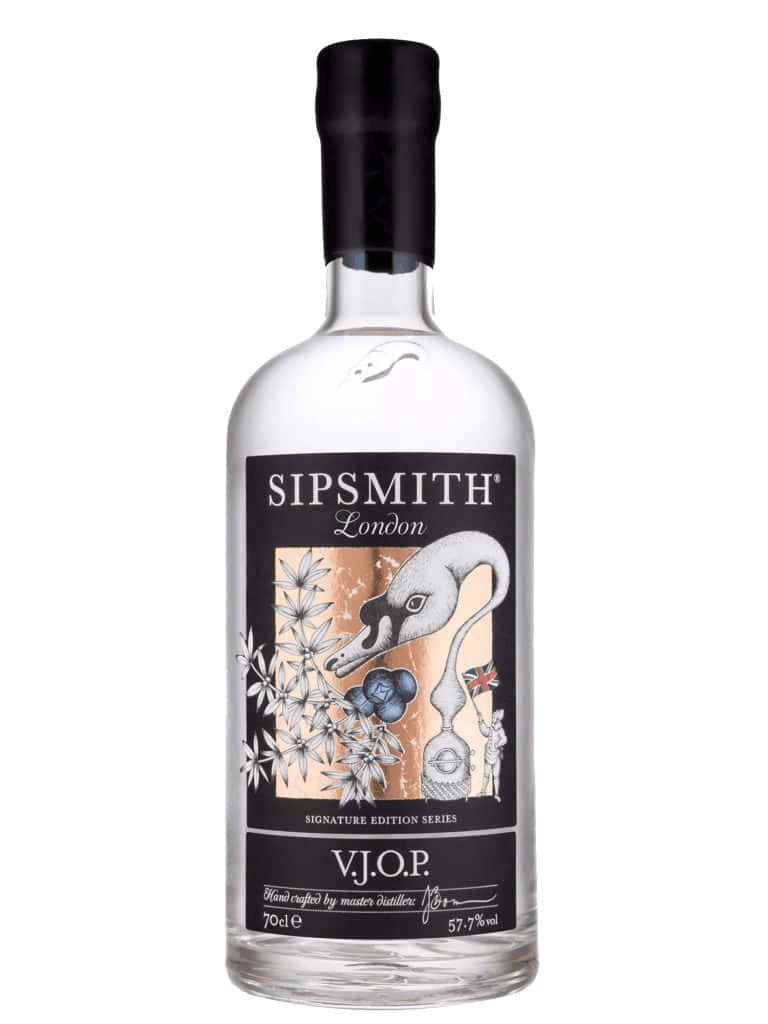
Sipsmith V.J.O.P. (Very Junipery Over Proof)
Sipsmith Distillery (Beam Suntory)
Sipsmith V.J.O.P. triples the juniper bill of the standard Sipsmith London Dry and introduces juniper at three distinct stages of distillation. The most uncompromising London Dry under fifty dollars.
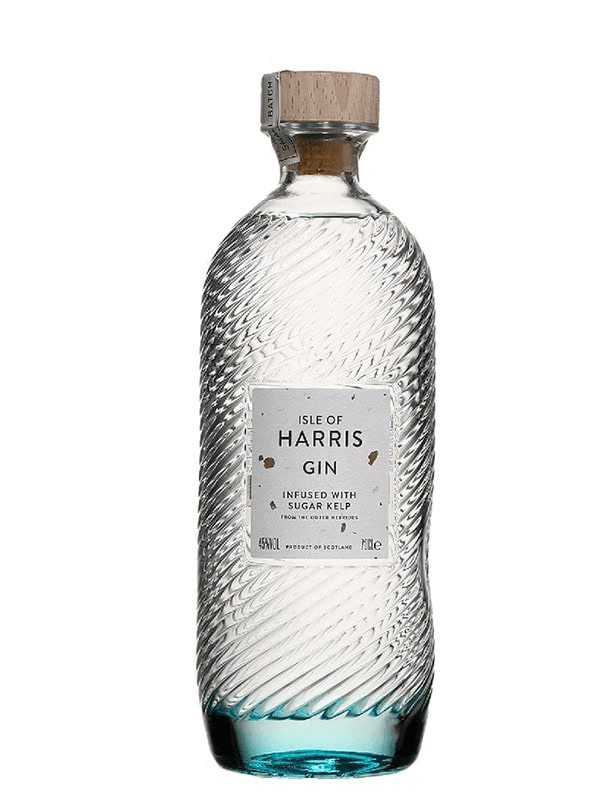
Isle of Harris Gin
Isle of Harris Distillers
Isle of Harris Gin is what happens when a community decides to bottle its home. The sugar kelp is not a novelty — it fundamentally changes the gin's texture and flavor profile, adding a savory richness and maritime minerality that no juniper-and-citrus combination can achieve alone. At 45% ABV, it has the strength to stand up in cocktails, but it's best sipped with just a splash of tonic to let the kelp and juniper shine. This is a gin that tastes like a place — wild, remote, and utterly distinctive. It's also a beautiful story: a distillery built to keep a community alive, making something no one else in the world can make. Cocktail — "The Harris G&T": Pour 2 oz Isle of Harris Gin over ice in a copa glass. Add 4 oz premium tonic water (Fever-Tree Mediterranean works beautifully). Garnish with a twist of grapefruit peel and a small piece of sugar kelp or a sprig of fresh rosemary. The maritime character of the gin deserves a garnish that echoes the sea.
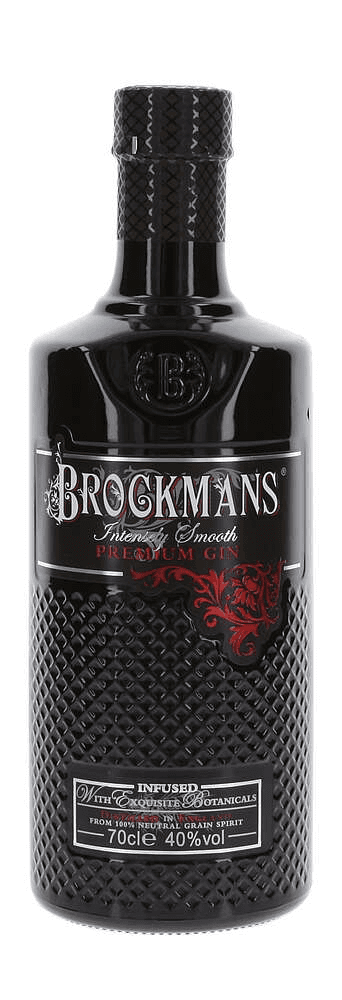
Brockmans Intensely Smooth Premium Gin
Brockmans Gin Ltd.
Brockmans asked a question the gin world wasn't asking: what happens when you build a botanical bill around dark berries instead of amplifying juniper? The answer divided purists — some argued it wasn't really gin — but the market voted with its wallet. The blueberries and blackberries create a textural smoothness and a berry-forward aromatic profile that no other gin had attempted at this scale. Critically, it still works as gin: the juniper is there, the botanical complexity is there, the spirit is dry. Brockmans proved you could expand the definition without breaking it.
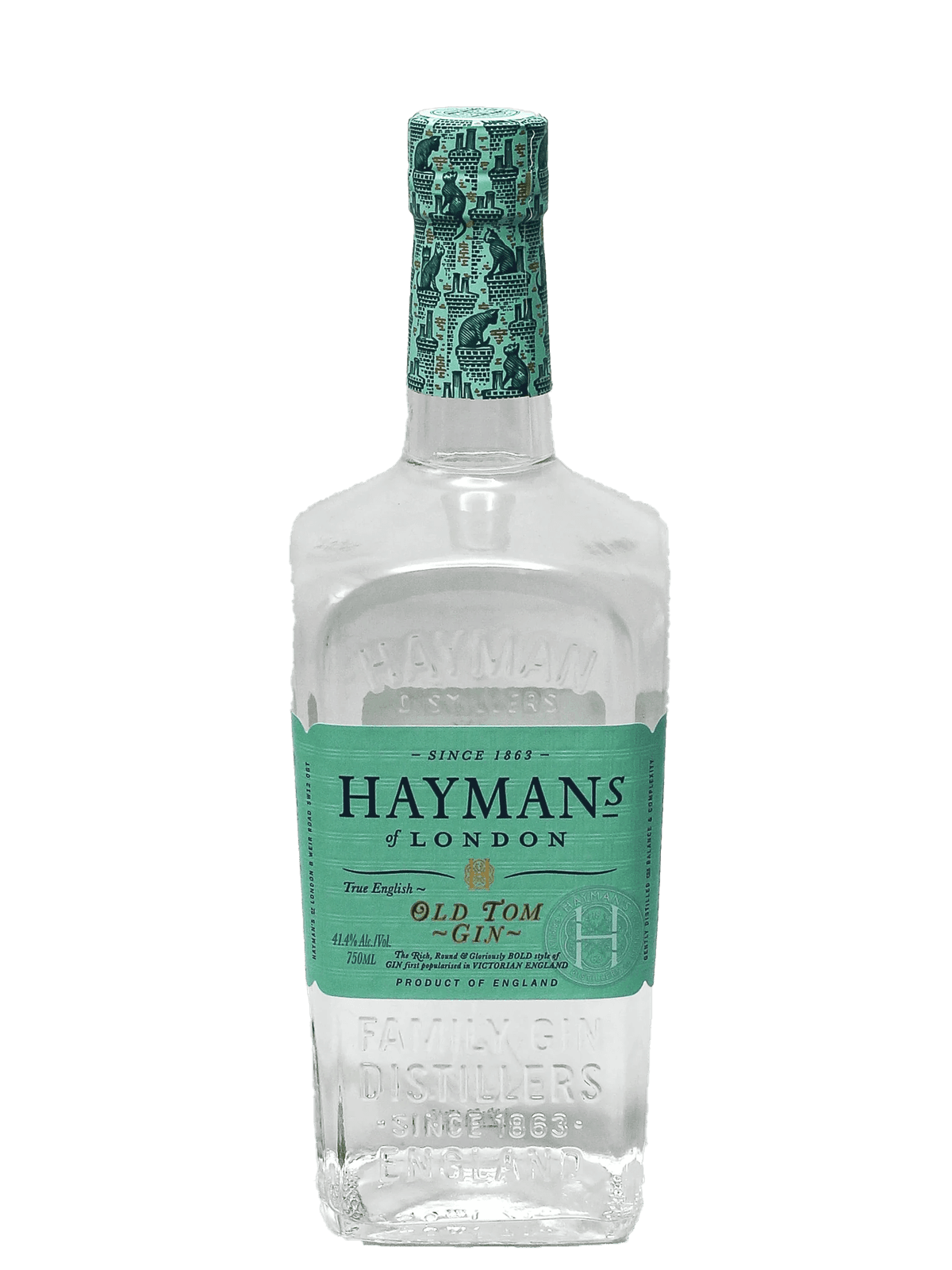
Hayman's Old Tom Gin
Hayman Distillers Ltd
Old Tom gin was the taste of Victorian London — sweeter than London Dry, the bridge between Dutch genever and the bone-dry gins we know today. It vanished for nearly a century until the Hayman family resurrected it.
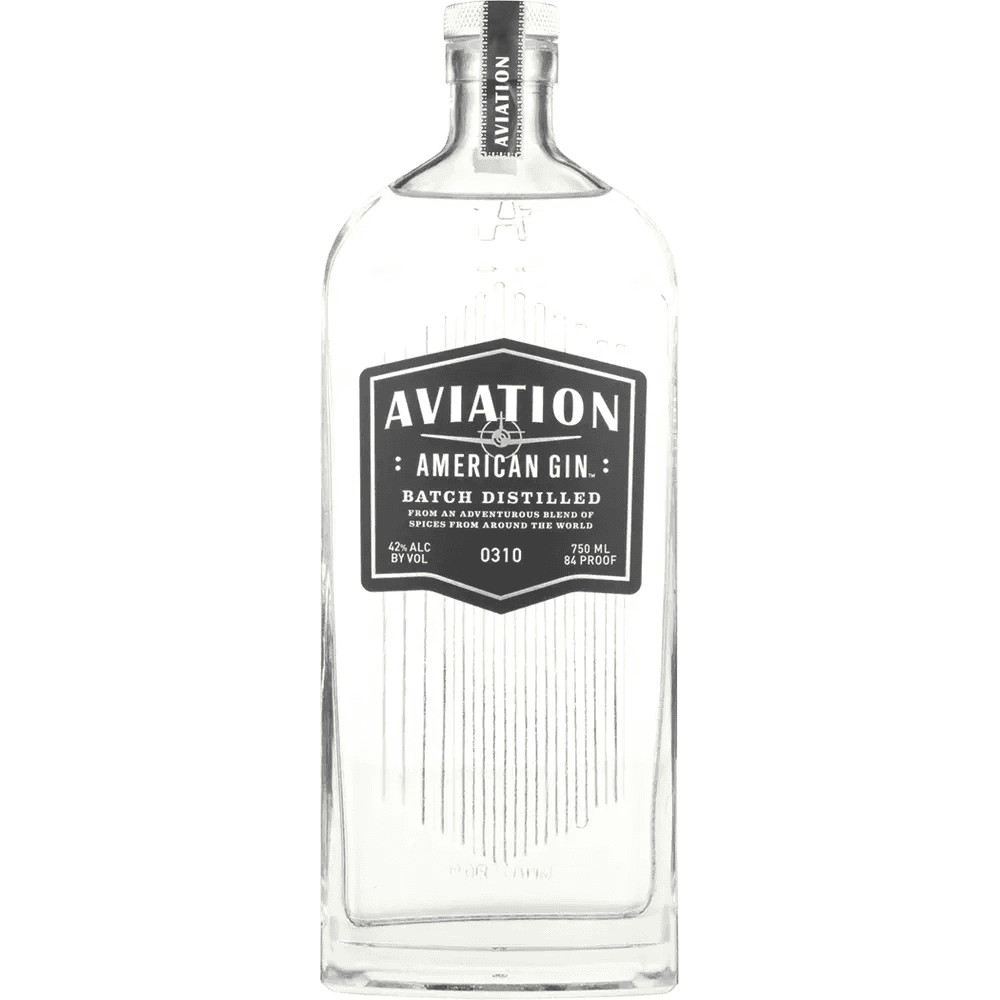
Aviation American Gin
Diageo

Capreolus Waxwing Gin
Capreolus
Barney Wilczak's small-batch operation in the Welsh borderlands produces spirits of remarkable clarity, and this gin is no exception. Juniper-forward but botanically nuanced, it's a gin for people who want to taste the spirit's architecture, not just its window dressing.
Hernö Smoke Gin
Hernö
Hernö demonstrates that smoke can be a gin botanical rather than just a whiskey trait. The birch-smoked juniper concept sounds like a gimmick but works precisely because the distillery treats it with the same precision they apply to their core range. This is a gin that opens up new cocktail territory without abandoning classical structure.

Widges London Dry Gin
Widges
Widges is a throwback in the best sense — a London Dry that leans hard into juniper and classic botanicals without any modern gimmickry. It's structured for cocktails but rewarding neat, with enough backbone to stand up to tonic without disappearing.

Whitley Neill Quill Gin
Whitley Neill
Whitley Neill's Quill expression strips back the flavored gin trend and returns to fundamentals. Juniper dominates without being monolithic, and the botanical balance feels deliberate and well-calibrated. A London Dry that earns the name.

Wrecking Coast Cliffhanger Gin
Wrecking Coast
From a small distillery perched on the Cornish cliffs at Tintagel, this gin punches with conviction. The juniper-forward profile is unapologetically traditional, but the balance and texture elevate it beyond mere classicism. Vacuum distillation at lower temperatures preserves volatile aromatics that higher-heat methods would destroy — fitting for an issue about how temperature shapes flavor.

Moorland Spirit Co. Oak Aged Sheffield Dry Gin
Moorland Spirit Co.
Cask-aged gins walk a narrow path — too much wood and you lose the gin, too little and the aging feels pointless. Moorland gets it right. The oak adds length and texture to the finish without burying the juniper core, making this a gin that genuinely benefits from being sipped neat.