Aroma
Orris Root
39 bottles with this note
Train this aroma
Gin Aroma Kit
Develop your palate with the canonical reference for orris root and related notes.

Neversink Spirits Gin
Neversink Spirits
Neversink Spirits Gin is the product of mulish dedication to terroir-driven distilling in the Hudson Valley. Using a combination of local botanicals and classic gin architecture, this small-batch gin reflects the obstinate vision of its makers: no shortcuts, no trend-chasing, just relentless focus on balance and character. In an issue celebrating stubbornness made liquid, Neversink embodies the quiet resolve of craft — a gin that earns its place on the shelf through sheer tenacity of flavor.

Spring44 Mountain Gin
Spring44
Spring44 Mountain Gin is a study in restraint and terroir. Where many American gins reach for citrus fireworks or botanical excess, this Colorado-made spirit draws its character from what lies beneath: root botanicals, mineral-rich spring water sourced at 9,000 feet, and a patient distillation philosophy. It embodies the issue's theme perfectly — depth before display, substance before spectacle. A gin that rewards the patient sipper and makes a profoundly grounded Martini.

Bluecoat American Dry Gin
Bluecoat
Philadelphia Distilling's Bluecoat is a gin that holds its ground — a citrus-forward American dry that never loses its juniper compass. In a lineup themed around anchoring before upheaval, this bottle embodies quiet American resolve: nothing flashy, nothing fragile, just honest botanicals distilled with purpose. It's the kind of gin that steadies a cocktail the way a deep keel steadies a hull. At under thirty dollars, it's a dependable cornerstone for any spirits shelf.

Aria Portland Dry Gin
Aria Gin
Aria Portland Dry Gin is a masterclass in first impressions. Bull Run Distilling crafts a gin that welcomes rather than overwhelms — the angle of entry is gentle yet confident, revealing layer after layer of carefully calibrated botanicals. It's the kind of bottle that converts gin skeptics and satisfies gin devotees in the same pour. In a lineup themed around 'First Contact Matters,' Aria demonstrates that the Pacific Northwest approach to gin — restrained, precise, and deeply connected to place — can be as compelling as any Old World classic. An outstanding gateway gin with genuine depth.

Distillerie de Paris Batch No. 2 Gin
Distillerie de Paris
Parisian craft distilling applied to gin with restraint and intelligence. The binding agent is balance—each botanical contributes without competing, creating a gin that feels like a conversation rather than a monologue. Exceptional in a Martini, where its floral-citrus architecture has room to breathe.

Sacred Gin
Sacred Spirits
A quietly revolutionary London gin — vacuum distillation captures botanical clarity most copper stills can only chase, and the frankincense signature makes it one of the most distinctive juniper-forward gins on the market.

Whitley Neill Parma Violet Gin
Whitley Neill
Flavoured gins walk a tightrope between novelty and craftsmanship, and Whitley Neill's Parma Violet manages to stay on the right side. The violet is unmistakable but never overwhelming, and the gin fundamentals — juniper, citrus, spice — remain intact. A good option for those who want floral expressiveness without losing the plot.

Capreolus Pear Eau de Vie Gin
Capreolus
Barney Wilczak's Capreolus Distillery is known for its obsessive approach to fruit spirits, and this gin applies that precision to a juniper-forward framework. The pear eau de vie base is the differentiator — it gives the gin a textural richness and aromatic complexity that grain-based spirits rarely achieve. An exceptional gin for contemplative sipping or a refined Martini.

Capreolus Damson Eau de Vie Gin
Capreolus
Barney Wilczak's one-man distillery applies the logic of eau de vie — capture fruit in its purest form — to gin production. The result is a gin with unusual depth and texture, where the base spirit is a feature, not an afterthought. Distinctive without being eccentric.

Companero Gin by Sacred Spirits
Sacred Spirits
Sacred's vacuum distillation technique preserves the freshest expression of each botanical — no boiling, no heat degradation. The result is a gin of unusual clarity and precision. Each botanical is distinct yet integrated, making it equally suited to a contemplative neat pour or a gin and tonic that reveals new layers with every sip.

Distillerie de Paris Gin
Distillerie de Paris
Distillerie de Paris produces a gin that feels like an editorial — tightly curated, nothing wasted, every botanical earning its place. This is a city gin in the best sense: refined without being fussy, expressive without being loud. The heat of distillation is used with restraint, capturing brightness rather than extracting heaviness.

Bruichladdich The Botanist Islay Dry Gin Cask Aged
The Botanist
Taking the already place-driven Botanist and resting it in ex-Bruichladdich casks brings a new dimension. The wood doesn't overpower — it deepens. This is a gin that insists on its Islay identity at every turn, from wild botanicals foraged on the island to the whisky casks that finish the job.

Hayman's London Dry Gin
Hayman's
Hayman's doesn't chase trends. This is London Dry as it's meant to be — juniper-led, properly structured, and without a single botanical added for marketing purposes. The two-day steeping process extracts depth without bitterness, making this an ideal baseline for understanding what gin should taste like.

Wolfburn Northland Gin
Wolfburn
Wolfburn's gin showcases their whisky-making precision applied to botanicals. Distilled in small copper pot stills at Scotland's most northerly mainland distillery, it delivers a juniper-forward profile with enough botanical depth to hold interest neat or in a gin and tonic. No unnecessary flourishes — just clean, confident distillation.

Cotswolds Dry Gin
Cotswolds
Cotswolds delivers a classically structured gin with enough personality to stand on its own. The lavender is present but never perfumed, and the juniper backbone keeps everything anchored. It's a gin that makes a strong Martini and an even better Negroni.

Tobermory Hebridean Gin
Tobermory
Tobermory is better known for its whisky, but this gin — distilled using botanicals foraged on Mull — deserves attention on its own terms. The juniper-forward profile places it firmly in the classic dry tradition, while the Hebridean botanicals add a wild, windswept character you won't find elsewhere. Excellent in a martini or G&T with a good tonic.

Salcombe Gin Start Point London Dry Gin
Salcombe Distilling Co.
Salcombe Start Point is a lesson in balance — coastal-inspired without resorting to novelty botanicals, and citrus-forward without losing its London Dry identity. The Devon distillery's obsessive attention to water quality and distillation timing shows in the seamless integration of each botanical. A gin that rewards both neat sipping and a well-made G&T.

Leopolds Small Batch Gin
Leopold Bros.
Todd Leopold's approach — distilling each botanical separately and blending the distillates — yields a gin of unusual clarity and definition. Every element occupies its own space. This isn't a gin that shouts; it's one that articulates. Perfect for a gin and tonic where you want the spirit to lead the conversation.

Gin Lane 1751 Royal Strength London Dry Gin
Gin Lane 1751
Gin Lane 1751 doesn't reinvent anything — it perfects the template. Master distiller Charles Maxwell, with over four decades at Thames Distillers, has produced a gin that proves London Dry's enduring relevance. The elevated proof ensures it punches through tonic and holds its shape in a Martini. Honest, rigorous work.

Kirkjuvagr Orkney Gin
Kirkjuvagr
An assertive, terroir-driven Orkney gin that wears its harsh North Atlantic origins proudly — beautifully balanced between traditional juniper backbone and the foraged botanicals of a windswept archipelago.

Jensen's Old Tom London Gin
Jensen's
Christian Jensen spent years researching nineteenth-century recipes to reconstruct an authentic Old Tom profile. The result is not a novelty — it is a genuine revival, offering a window into what gin tasted like before London Dry became the dominant style. Essential for anyone building a historically informed Martinez or Tom Collins.

Inverroche Classic Gin
Inverroche
Inverroche Classic demonstrates that terroir is not limited to wine. The wild fynbos botanicals hand-foraged from the Cape coastline give this gin a genuinely unique aromatic fingerprint. It is simultaneously familiar enough for a juniper-focused gin drinker and distinctive enough to reward close attention.

Bimber Da Hong Pao Gin
Bimber Distillery
Bimber is better known for whisky, but this gin shows the same meticulous approach. The Da Hong Pao oolong tea botanical is not a gimmick — it threads a warm, slightly roasted quality through an otherwise classically structured London Dry. A thinking person's gin that rewards a simple tonic serve.

Hayman's Family Reserve Gin
Hayman's
Hayman's Family Reserve demonstrates that even a brief interval of rest in Scotch whisky casks can fundamentally change a gin's personality. The spirit stays firmly gin — juniper-forward and citrus-bright — but gains a textural roundness and subtle spice complexity that neat sipping rewards. It is a convincing argument for patience, even measured in weeks rather than years.

Bruichladdich The Botanist Islay Dry Gin Navy Strength
The Botanist
The navy-strength sibling of The Botanist amplifies everything that makes the original compelling. The 22 hand-foraged Islay botanicals find sharper definition at 57%, and the gin rewards both neat sipping and powerful cocktail applications. Water opens it beautifully — try it with a single ice cube and watch the floral middle bloom.

Fords Gin London Dry
Fords Gin
Fords Gin was designed by 86 Co.'s Simon Ford in collaboration with master distiller Charles Maxwell — a gin built for bartenders, by a bartender. The 45% ABV ensures the botanicals punch through dilution, and the nine-botanical recipe is deliberately balanced to work across cocktail styles. It's a lesson in restraint: nothing flashy, everything functional, quietly excellent.

Hayman's Gently Cask Rested Gin
Hayman's
Hayman's Cask Rested Gin sits at an interesting intersection — too botanical to be a whiskey, too rounded to be a classic London Dry. The three-week rest in Scotch casks adds just enough warmth and texture to make this a compelling neat sipper and an unconventional cocktail base. A bridge spirit worth exploring.

Berliner Brandstifter Berlin Dry Gin
Berliner Brandstifter
Berliner Brandstifter uses an all-organic wheat base and a restrained botanical bill that favors Berlin's urban terroir — elderflower and woodruff among them. The result is a gin that's both classical in structure and distinctly Central European in personality. It rewards drinking neat as much as it does in a well-made Martini.

Silent Pool Gin
Silent Pool
Silent Pool's 24-botanical recipe could easily become a mess, but it doesn't. The distillers achieve a rare thing: complexity that reads as coherence rather than clutter. Each botanical contributes without shouting, and the overall impression is one of carefully orchestrated agreement. The bottle's as striking as the liquid, but the gin earns attention on its own terms.

Caledonia Spirits Barr Hill Reserve Tom Cat Gin
Barr Hill
Tom Cat proves that barrel-aged gin can be more than a novelty. The interplay between raw northern honey, juniper, and new American oak creates something genuinely distinctive — part gin, part whiskey-adjacent sipper, wholly itself. Vermont's cold winters slow the aging, building complexity without sacrificing botanical clarity.

Oxley Classic English Dry Gin
Oxley
Oxley's cold vacuum distillation captures botanicals with startling clarity — each ingredient arrives intact, as if preserved in amber. This is a gin for people who want to understand exactly what juniper, citrus, and spice can do when handled with surgical care. Outstanding in a Martini.
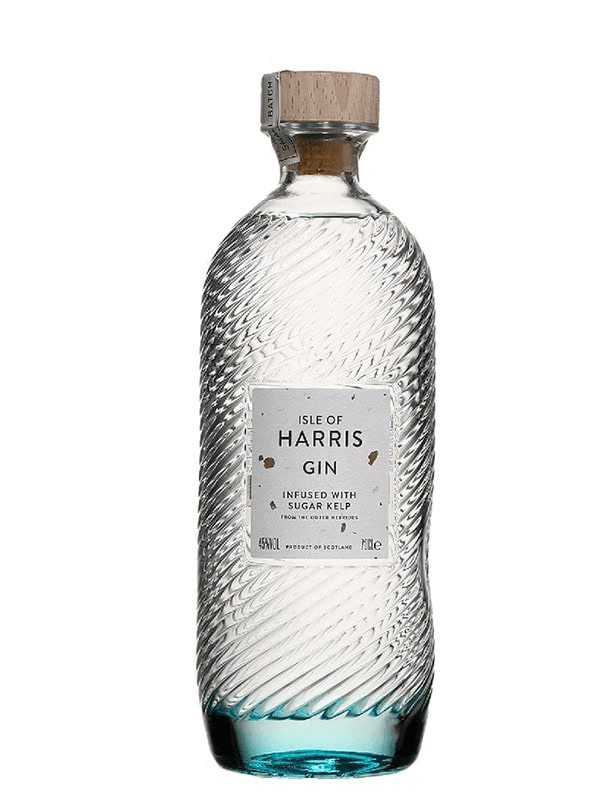
Isle of Harris Gin
Isle of Harris Distillers
Isle of Harris Gin is what happens when a community decides to bottle its home. The sugar kelp is not a novelty — it fundamentally changes the gin's texture and flavor profile, adding a savory richness and maritime minerality that no juniper-and-citrus combination can achieve alone. At 45% ABV, it has the strength to stand up in cocktails, but it's best sipped with just a splash of tonic to let the kelp and juniper shine. This is a gin that tastes like a place — wild, remote, and utterly distinctive. It's also a beautiful story: a distillery built to keep a community alive, making something no one else in the world can make. Cocktail — "The Harris G&T": Pour 2 oz Isle of Harris Gin over ice in a copa glass. Add 4 oz premium tonic water (Fever-Tree Mediterranean works beautifully). Garnish with a twist of grapefruit peel and a small piece of sugar kelp or a sprig of fresh rosemary. The maritime character of the gin deserves a garnish that echoes the sea.
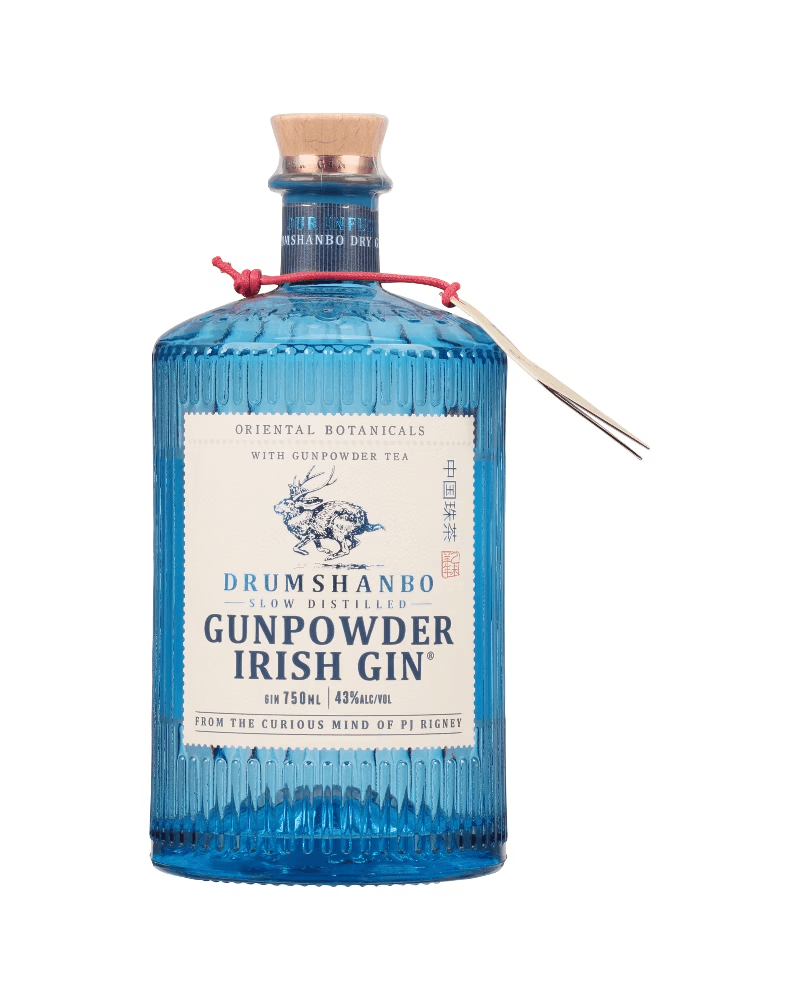
Drumshanbo Gunpowder Irish Gin
The Shed Distillery
The Gunpowder tea botanical is the masterstroke here — it binds the citrus and juniper elements into something cohesive and unmistakably different from any London Dry. Drumshanbo Gunpowder is the gin that makes craft spirit sceptics take a second look. The distinctive spherical bottle is famous in Irish bars, but the real story is inside it: a carefully developed recipe, an unexpected Chinese tea leaf, and a distillery that chose character over convention at every turn. Serve in a copa glass over ice with tonic, sliced pink grapefruit, and a twist of lime.
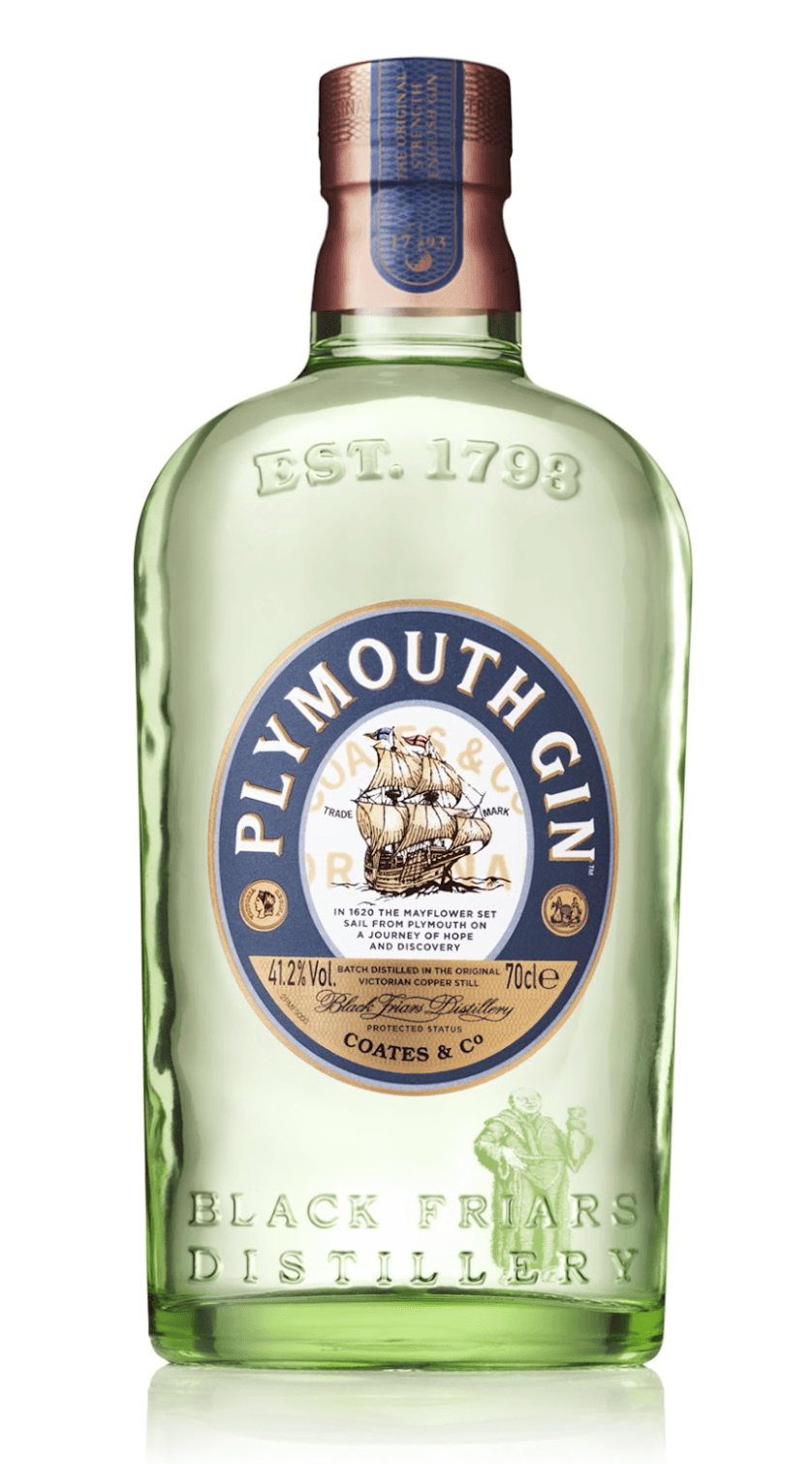
Plymouth Gin
Pernod Ricard (Plymouth Gin Distillery, est. 1793)
Plymouth Gin holds one of only three geographic indications for a spirit in the UK: it can only be made in Plymouth. But the real terroir is in the water. Dartmoor’s extremely soft water creates a gin with a rounder, fuller mouthfeel than London Dry gins made with harder water — the low mineral content lets the botanicals express themselves without interference. The recipe uses only seven botanicals (compared to Monkey 47’s forty-seven), and the restraint is the point: each botanical is individually perceptible, and none dominates. This is the gin the Royal Navy chose for its officers’ daily ration, the gin that was specified in the original recipe for a Pink Gin, and the gin that appeared in the earliest known recipe for a dry martini. At 41.2% ABV, it’s slightly gentler than most gins — a conscious choice that lets the Dartmoor water’s softness come through.

Moorland Spirit Co. Limestone Sheffield Dry Gin
Moorland Spirit Co.
Moorland Spirit Co. draws its water from the limestone aquifer beneath the Peak District, and that mineral character translates directly into the glass. This is a classically structured dry gin with a geological twist — the kind of bottle that makes you rethink what water contributes to spirits.

Maidenii Dry Gin
Maidenii
Known primarily for their exceptional vermouths, Maidenii proves they understand dry gin just as well. This is a botanically precise, juniper-led gin that respects tradition while incorporating Australian sensibility. The balance between citrus lift and earthy depth is expertly managed.

Capreolus Waxwing Gin
Capreolus
Barney Wilczak's small-batch operation in the Welsh borderlands produces spirits of remarkable clarity, and this gin is no exception. Juniper-forward but botanically nuanced, it's a gin for people who want to taste the spirit's architecture, not just its window dressing.

Citadelle Vieille de Grasse Gin
Citadelle
Citadelle Vieille de Grasse is a gin that has been allowed to age into its own wisdom. Where most gins are bright and immediate, this one asks you to sit with it. The extended oak maturation doesn't mask the botanicals—it deepens them, lending a patina that rewards patience. This is gin as memoir, each sip revealing another well-worn layer of a life richly lived. For Issue #159's meditation on worn things that speak, it is the perfect companion: something that has been shaped by time and is more eloquent for the weathering.

Whitley Neill Protea Gin
Whitley Neill
Whitley Neill's Protea expression leans into the floral end of the gin spectrum without losing its juniper credentials. The South African protea flower inspiration gives it a distinctive identity, and the restrained botanicals make it versatile for mixing or sipping. A gin that rewards those who appreciate fragrance as flavor.