Aroma
Juniper (Herbaceous/Waxy)
43 bottles with this note
Train this aroma
Gin Aroma Kit
Develop your palate with the canonical reference for juniper (herbaceous/waxy) and related notes.

Gin de Mahón Xoriguer
Xoriguer
In an issue celebrating rhythm and the clockwork of seasons, Xoriguer is the gin that answers the call. Made from wine-based spirit distilled in copper pot stills over juniper harvested from the very hills surrounding Mahón, it is a spirit inseparable from its place and its calendar. The juniper harvest, the grape harvest, the Mediterranean seasons — all audible in the glass. It is beautifully uncomplicated, profoundly rooted, and unlike any London Dry you've ever tasted. A timeless rhythm bottled on a tiny island.

Drumshanbo Gunpowder Irish Gin Ceramic Bottle
Drumshanbo
Drumshanbo's Ceramic Bottle expression is the same celebrated liquid — slow-distilled with oriental botanicals including gunpowder tea, star anise, and meadowsweet — but housed in a striking hand-glazed blue ceramic vessel that feels like holding a flask of alchemical mercury. The gin itself is a study in transformation: each sip shape-shifts between bright citrus and deep spice, never settling, always quicksilver. It's craft with restless, mercurial energy, perfectly at home among this issue's boundary-pushing selections.

Cape Fynbos Gin
Cape Fynbos
Cape Fynbos is a stunning argument for terroir-driven gin. The fynbos biome — a UNESCO-recognized biodiversity hotspot found only in the Western Cape — provides botanicals that simply cannot be replicated elsewhere on Earth. The result is a gin that tastes unmistakably of its latitude: warm-climate florals, sun-baked herbs, and Indian Ocean salinity, all balanced against a confident juniper core. A perfect fit for our 'Climate Shapes the Glass' theme, proving that gin's botanical palette is ultimately a map of where it's made.

Moorland Spirit Co. Wild Bilberry Sheffield Dry Gin
Moorland Spirit Co.
Moorland Spirit Co. channels the Yorkshire moors into a bottle — wild, wind-swept, and honest. The bilberry addition is a whisper, not a shout, letting the juniper-forward backbone remain firmly in control. A gin that respects tradition while nodding to its landscape.

Capreolus Pear Eau de Vie Gin
Capreolus
Barney Wilczak's Capreolus Distillery is known for its obsessive approach to fruit spirits, and this gin applies that precision to a juniper-forward framework. The pear eau de vie base is the differentiator — it gives the gin a textural richness and aromatic complexity that grain-based spirits rarely achieve. An exceptional gin for contemplative sipping or a refined Martini.

Companero Gin by Sacred Spirits
Sacred Spirits
Sacred's vacuum distillation technique preserves the freshest expression of each botanical — no boiling, no heat degradation. The result is a gin of unusual clarity and precision. Each botanical is distinct yet integrated, making it equally suited to a contemplative neat pour or a gin and tonic that reveals new layers with every sip.

Kyrö Napue Rye Gin
Kyrö
Kyrö demonstrates that a gin's base spirit is not merely a canvas — the whole-grain rye distillate here actively shapes the flavor, contributing texture and breadth that grain-neutral spirits cannot. Combined with wild-foraged Nordic botanicals, this is a gin rooted deeply in its landscape.

Bruichladdich The Botanist Islay Dry Gin Cask Aged
The Botanist
Taking the already place-driven Botanist and resting it in ex-Bruichladdich casks brings a new dimension. The wood doesn't overpower — it deepens. This is a gin that insists on its Islay identity at every turn, from wild botanicals foraged on the island to the whisky casks that finish the job.

Hernö High Coast Terroir Gin 2023 Edition
Hernö
Hernö has built its reputation on textbook juniper-forward gins, and this terroir-focused edition is no exception. The Swedish botanicals give it a distinctly Nordic character — clean, herbal, and slightly wild — while the distillation technique ensures every ingredient reads clearly on the palate. A gin for gin lovers.

Tobermory Hebridean Gin
Tobermory
Tobermory is better known for its whisky, but this gin — distilled using botanicals foraged on Mull — deserves attention on its own terms. The juniper-forward profile places it firmly in the classic dry tradition, while the Hebridean botanicals add a wild, windswept character you won't find elsewhere. Excellent in a martini or G&T with a good tonic.

Death's Door Gin
Death's Door
Death's Door proves that a short botanical bill—just three botanicals—can produce a gin of remarkable depth. The base spirit, made from hard red winter wheat and malted barley grown on Washington Island, Wisconsin, provides a creamy foundation. This is a gin that trusts its ingredients rather than hiding behind complexity.

Audemus Pink Pepper Gin
Audemus
Audemus approaches gin-making with a Cognac distiller's patience, using individual botanical macerations and vacuum distillation to capture precise flavors. The pink pepper is the star, but it's the supporting cast—restrained juniper, floral notes, earthy angelica—that makes this gin genuinely compelling. A bartender's gin that also stands tall on its own.

Bombay Sapphire London Dry Gin
Bombay Sapphire
Bombay Sapphire's vapor-infusion method produces a gin that's lighter and more aromatic than many London Drys, letting its ten botanicals speak individually rather than blurring together. At 47% ABV, it carries enough weight for cocktails while remaining supremely sippable over ice. A benchmark for a reason.

Jensen's Old Tom London Gin
Jensen's
Christian Jensen spent years researching nineteenth-century recipes to reconstruct an authentic Old Tom profile. The result is not a novelty — it is a genuine revival, offering a window into what gin tasted like before London Dry became the dominant style. Essential for anyone building a historically informed Martinez or Tom Collins.

Craft Distillery Koval Dry Gin
Koval
Koval's dry gin is a study in midwestern directness — no gimmicks, no exotic botanicals chasing trends. The organic grain base is clean enough to let the botanicals do their work, and the distillation is precise enough to keep everything in balance. A gin for people who want gin to taste like gin.

Hepple Gin
Hepple
Hepple's unique triple-technique juniper extraction — combining copper pot distillation, vacuum distillation, and supercritical CO2 extraction — produces a gin where juniper is explored in three dimensions rather than one. It's technically innovative without being gimmicky, delivering a deeply juniper-forward spirit that respects London Dry traditions while pushing them forward. Essential for gin enthusiasts seeking complexity.

Inverroche Classic Gin
Inverroche
Inverroche Classic demonstrates that terroir is not limited to wine. The wild fynbos botanicals hand-foraged from the Cape coastline give this gin a genuinely unique aromatic fingerprint. It is simultaneously familiar enough for a juniper-focused gin drinker and distinctive enough to reward close attention.

Indlovu Gin
Indlovu
A gin shaped quite literally by environment and ecology — Indlovu translates the African bush into a glass with surprising elegance and balance. Distinctive without being gimmicky, it rewards drinkers who value provenance and terroir.

Hayman's Family Reserve Gin
Hayman's
Hayman's Family Reserve demonstrates that even a brief interval of rest in Scotch whisky casks can fundamentally change a gin's personality. The spirit stays firmly gin — juniper-forward and citrus-bright — but gains a textural roundness and subtle spice complexity that neat sipping rewards. It is a convincing argument for patience, even measured in weeks rather than years.

Arbikie Kirsty's Gin
Arbikie
Arbikie grows its own grain on the estate — a true field-to-bottle gin that lets terroir mean something concrete. Kirsty's Gin channels Scottish coastal character without resorting to gimmick, delivering a gin that is classically structured but unmistakably rooted in place. Exceptional in a Martini.

Gin Mare Capri
Gin Mare
A graceful, sun-drenched gin that prizes finesse over botanical fireworks — bergamot is the star, and it shines without ever raising its voice. Essential for the Mediterranean-leaning bar.

Anchor Old Tom Gin
Anchor Distilling
Anchor's Old Tom is a history lesson in a glass. It recalls the sweeter gin style that dominated before London Dry took over, but does so with restraint and craft. The botanicals are layered rather than loud, and the subtle sweetness acts as a bridge, not a crutch. Excellent in a Martinez.

Archie Rose Distiller's Strength Gin
Archie Rose
Archie Rose's distiller's strength bottling demonstrates why proof matters in gin—every botanical rings louder, and the juniper backbone can support more complexity without losing definition. It's a gin that invites both sipping neat and anchoring a stirred drink.

Ransom Old Tom Gin
Ransom
Ransom Old Tom is a gin that reminds you the category has history — maltier, richer, and more texturally complex than modern dry styles. David Enrich's recipe is modeled on pre-Prohibition approaches, and the barrel resting integrates the botanicals into something almost whiskey-adjacent. It makes a Martinez that will change your mind about gin cocktails.

Boodles British London Dry Gin
Boodles
Boodles is a gin that draws its charcoal line by what it leaves out. No citrus peel in the botanical mix means the juniper and spice backbone is laid bare. At 45.2% ABV, it has the spine for a proper Martini and the discipline to let vermouth do the talking. Exceptional value.

Napue Gin by Kyrö Distillery
Kyrö
Napue won the world's best gin for a gin and tonic at the International Wine and Spirit Competition and it's easy to understand why. The rye base provides a structure most London Drys can't match, and the Nordic botanicals — birch leaf, meadowsweet, cranberry — root this gin firmly in the Finnish landscape.

Caledonia Spirits Barr Hill Reserve Tom Cat Gin
Barr Hill
Tom Cat proves that barrel-aged gin can be more than a novelty. The interplay between raw northern honey, juniper, and new American oak creates something genuinely distinctive — part gin, part whiskey-adjacent sipper, wholly itself. Vermont's cold winters slow the aging, building complexity without sacrificing botanical clarity.

Nordés Atlantic Galician Gin
Nordés
Nordés upends London Dry expectations by leading with Galician florals and Atlantic botanicals rather than juniper. Its Albariño grape base spirit lends a vinous roundness that sets it apart. Best explored in a simple gin and tonic with a grapefruit twist to let the terroir sing.

Ableforth's Bathtub Gin
Ableforth's
Ableforth's Bathtub Gin is made by cold-compounding — infusing botanicals directly in the spirit rather than redistilling. The result is a gin with more body and color than typical London Drys, and an aromatic complexity that reveals itself slowly. It looks modest in its brown paper wrapper, but there's real craft underneath.
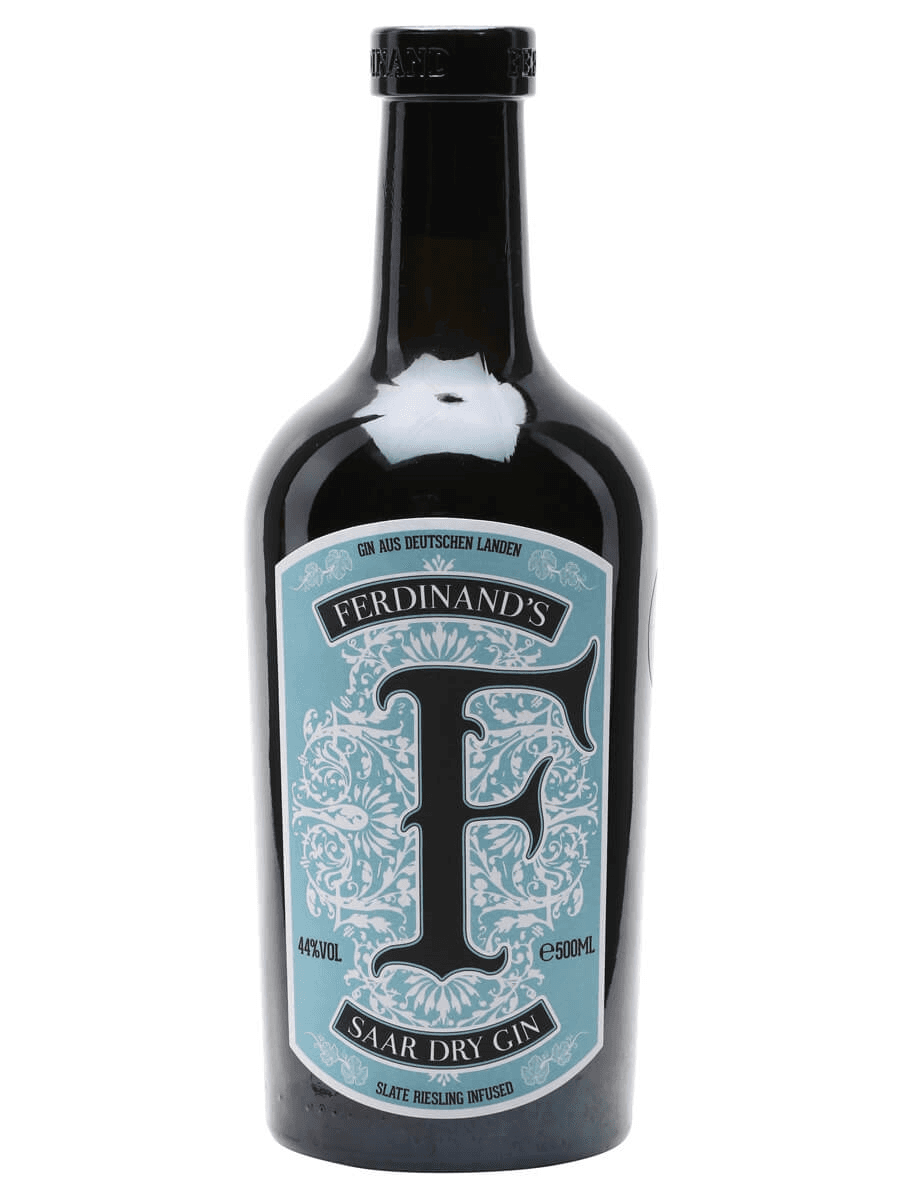
Ferdinand’s Saar Dry Gin
Avadis Distillery GmbH
Ferdinand’s Saar Dry Gin is the rare bottle whose catalyst is literally an ingredient no one else has thought to add. The Riesling infusion does not make this a wine-flavored gin — it is subtler and more structural than that. The wine contributes acidity, a floral lift, and a mineral backbone that unifies over thirty disparate botanicals into a coherent whole. Juniper leads as it should, but the Riesling gives the gin a vinous complexity that makes it equally compelling neat, in a Martini, or in a G&T. At under forty-five dollars, Ferdinand’s offers something unlike anything else on the gin shelf — and that novelty is backed by impeccable distilling craft.
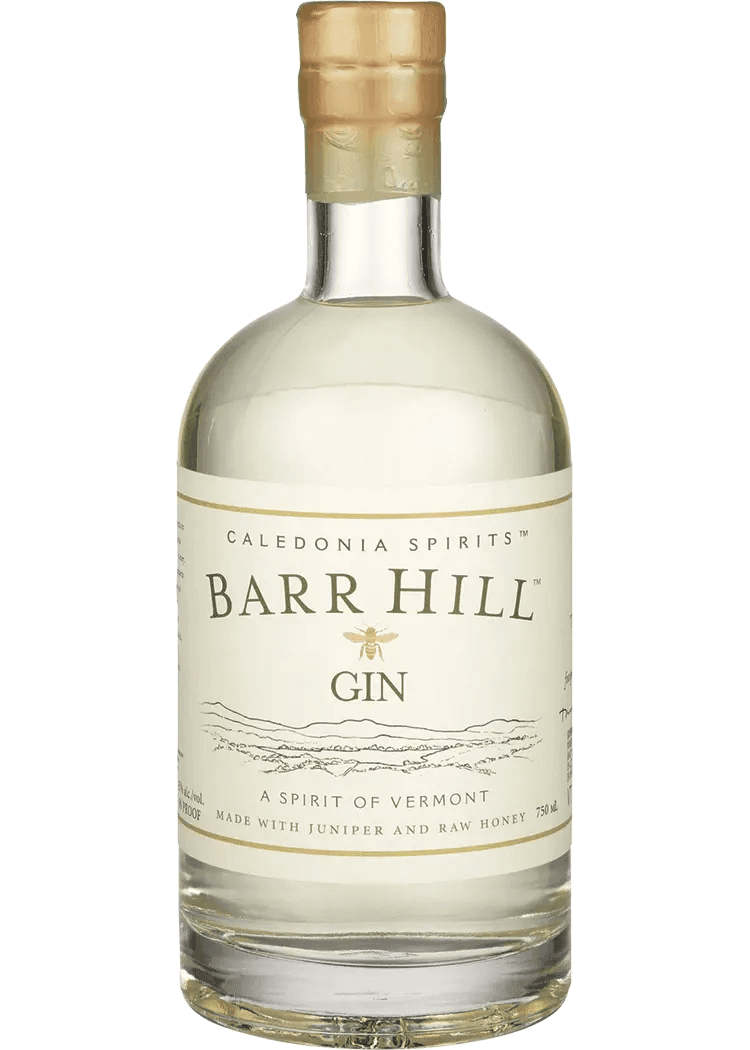
Barr Hill Gin
Caledonia Spirits
Barr Hill proves that complexity doesn't require a botanical bill as long as your arm. Two ingredients — juniper and raw honey — sound impossibly simple, until you realize that Vermont's raw wildflower honey is itself a symphony of over a hundred pollen sources.
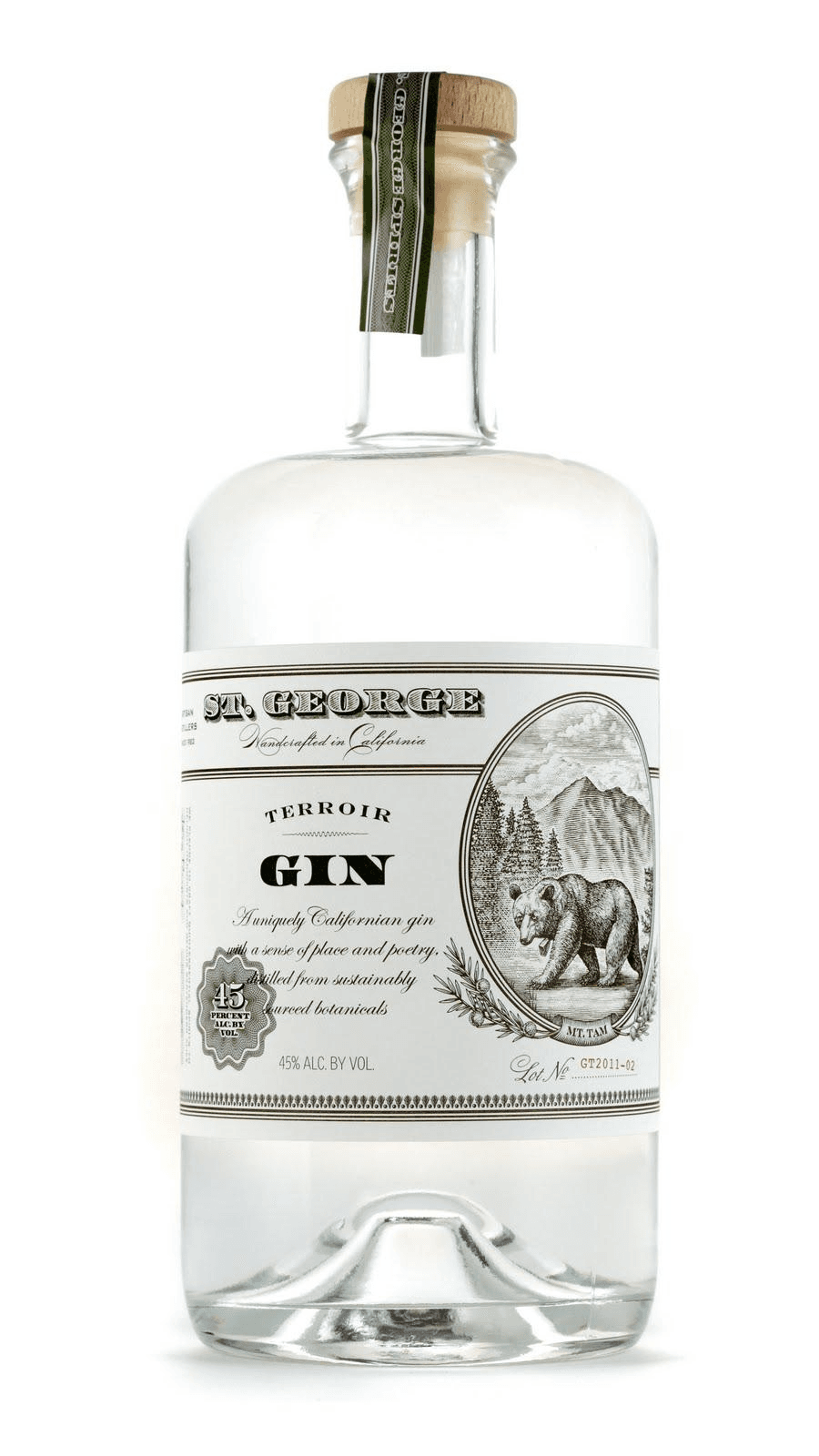
St. George Terroir Gin
St. George Spirits
St. George Terroir Gin is unlike any other gin in the world. While most gins lead with juniper and citrus, Terroir leads with Douglas fir, California bay laurel, and coastal sage — botanicals wildcrafted from the hills around San Francisco Bay.
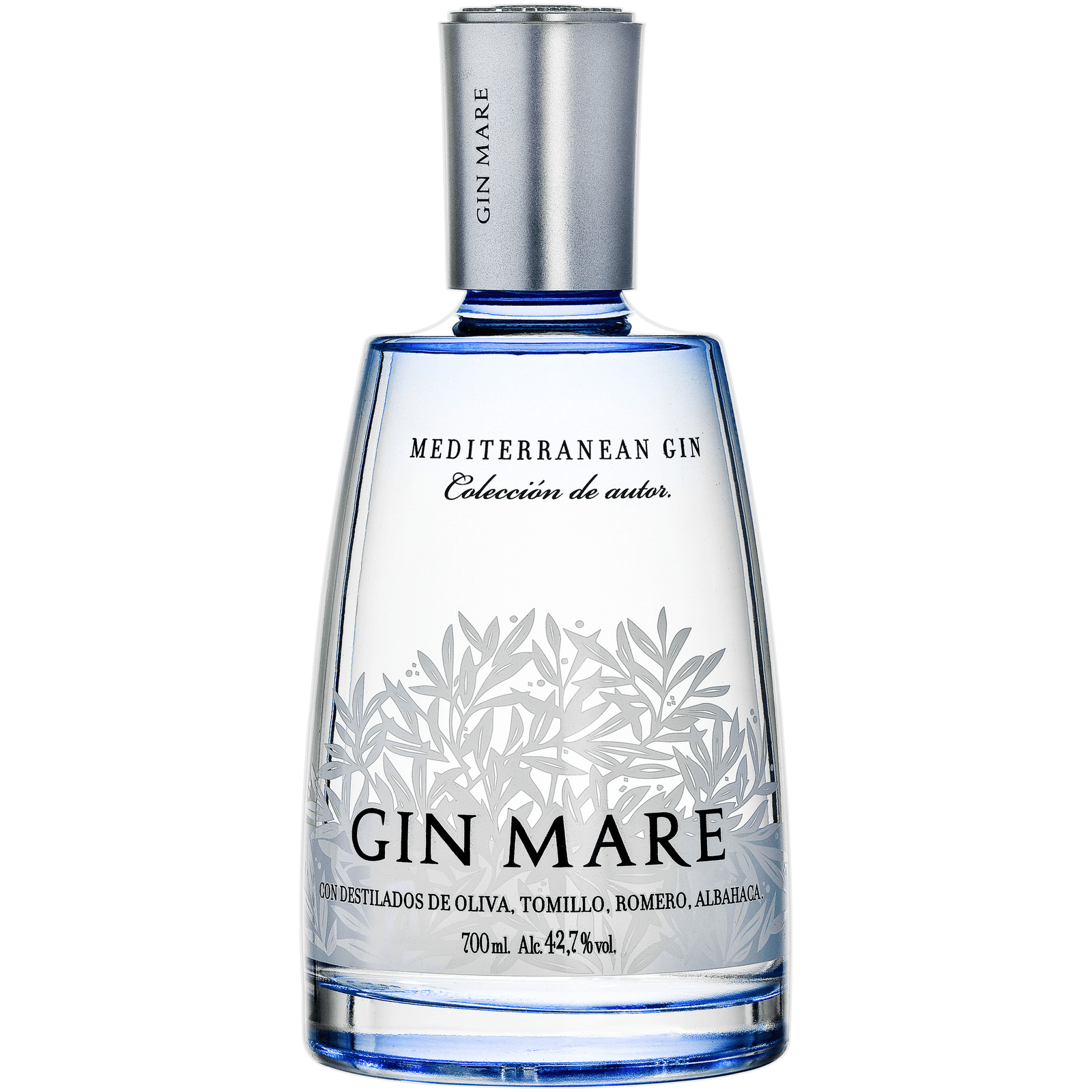
Gin Mare
Vantguard / Brown-Forman
Gin Mare is botanical architecture at its most deliberate. Where most gins start with juniper and build outward, Mare's designers flipped the blueprint: they began with the flavors of a Mediterranean table — olive, thyme, rosemary, basil — and built juniper around them as structural support rather than the main event. Each botanical is distilled individually to capture its purest expression, then blended with the precision of a perfumer. The result is a gin that tastes like the Catalan coast on a warm evening — savory, herbal, bright, utterly unlike anything from London.
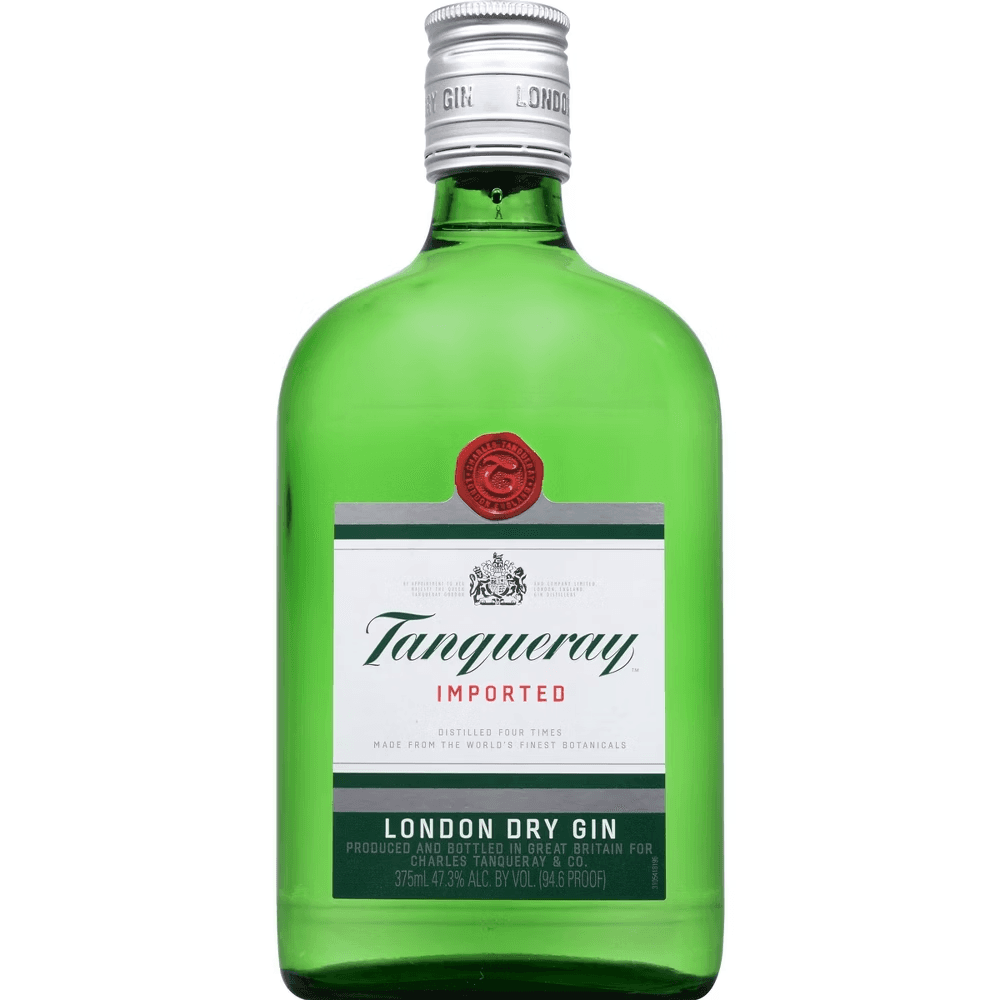
Tanqueray London Dry Gin
Diageo
Tanqueray London Dry is the benchmark against which other London Dry gins are measured. Charles Tanqueray's four-botanical formula, created in 1830, has endured because it works — bold juniper, balanced spice, and a higher proof that stands up in any cocktail.
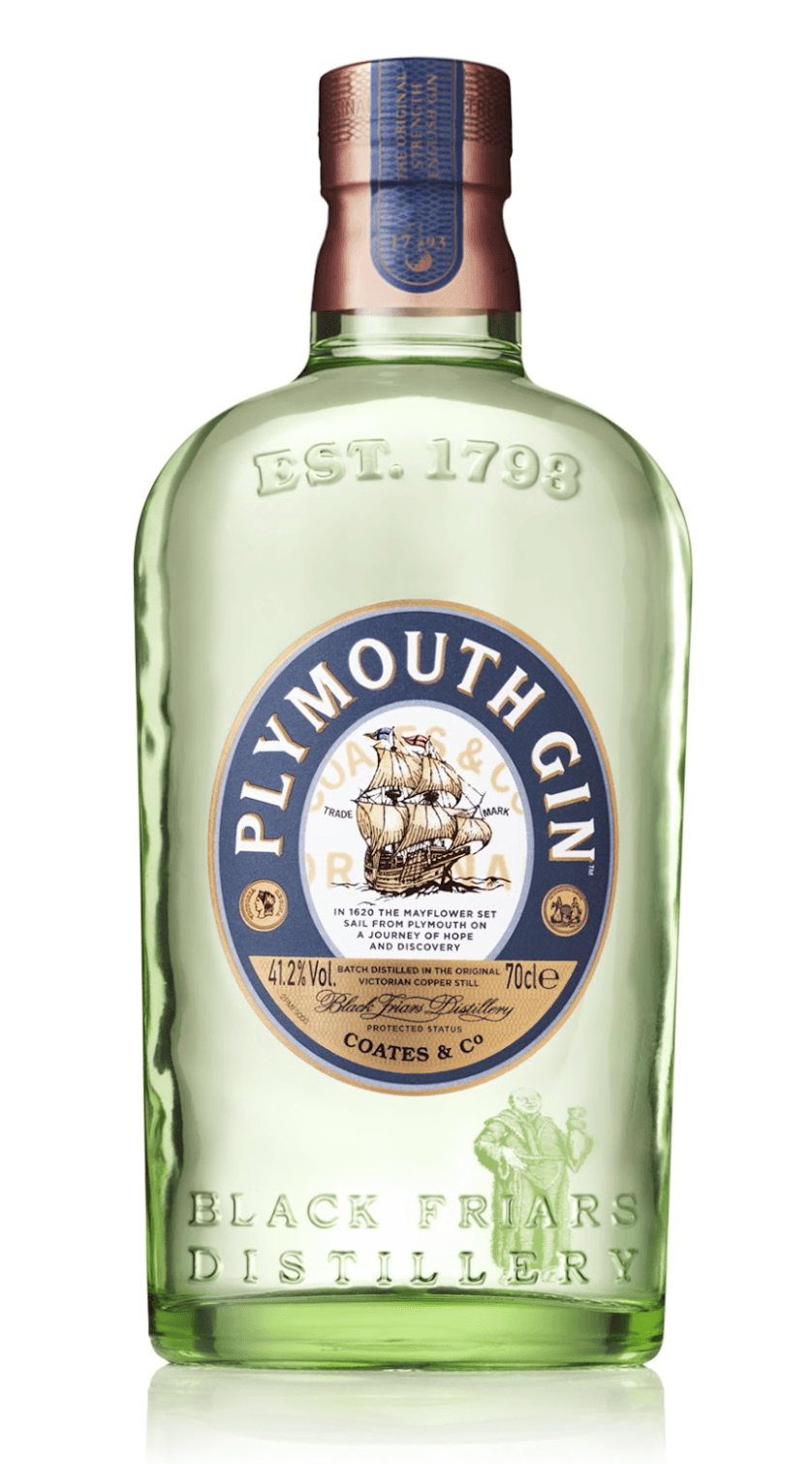
Plymouth Gin
Pernod Ricard (Plymouth Gin Distillery, est. 1793)
Plymouth Gin holds one of only three geographic indications for a spirit in the UK: it can only be made in Plymouth. But the real terroir is in the water. Dartmoor’s extremely soft water creates a gin with a rounder, fuller mouthfeel than London Dry gins made with harder water — the low mineral content lets the botanicals express themselves without interference. The recipe uses only seven botanicals (compared to Monkey 47’s forty-seven), and the restraint is the point: each botanical is individually perceptible, and none dominates. This is the gin the Royal Navy chose for its officers’ daily ration, the gin that was specified in the original recipe for a Pink Gin, and the gin that appeared in the earliest known recipe for a dry martini. At 41.2% ABV, it’s slightly gentler than most gins — a conscious choice that lets the Dartmoor water’s softness come through.
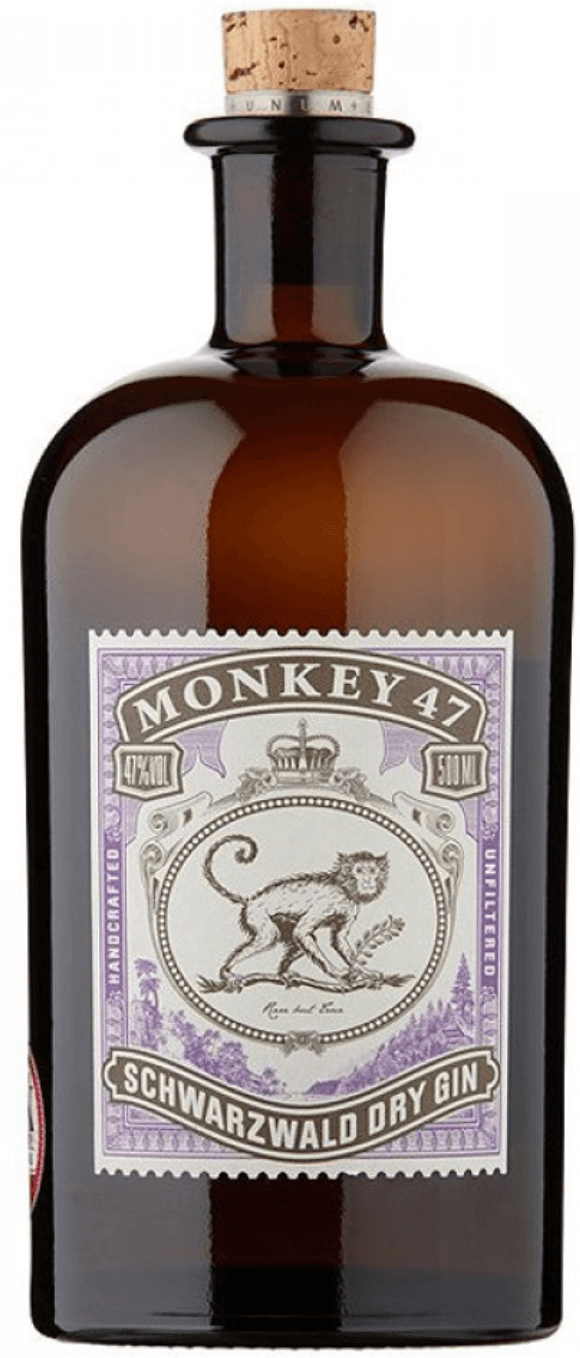
Monkey 47 Schwarzwald Dry Gin
Pernod Ricard (Monkey 47, est. 2010)
Monkey 47 is what happens when obsession meets the Black Forest. Alexander Stein, the founder, wasn’t content with the standard gin playbook of six to ten botanicals. He sourced forty-seven — roughly a third from the forest surrounding his distillery — including lingonberries, spruce shoots, bramble leaves, and acacia flowers. The result is aged three months in traditional earthenware crocks before bottling, a resting step almost no other gin producer bothers with. At 47% ABV (of course), it has the structure to support all that botanical complexity without collapsing into confusion. The fact that it comes in a 375 mL bottle at a premium price has done nothing to slow demand — proof that obsessive quality creates its own market.
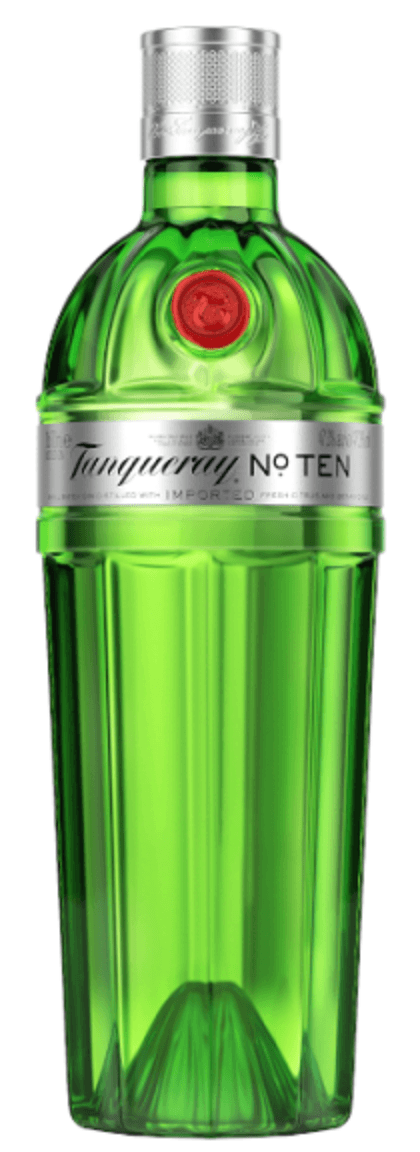
Tanqueray No. Ten
Diageo (Tanqueray, est. 1830)
Tanqueray No. Ten broke the gin rules by asking a simple question: what if we used fresh whole citrus fruits instead of dried peels? The answer came from a 1950s-era 500-liter pot still that the team nicknamed “Tiny Ten” — small enough for careful, small-batch distillation of fresh grapefruit, lime, orange, and chamomile flowers. The result created a new category: citrus-forward, cocktail-ready gin at a time when gin was considered your grandmother’s drink. At 47.3% ABV, it has the backbone to stand up in any cocktail without disappearing. The San Francisco World Spirits Competition put it in their Hall of Fame — the only gin to earn that distinction.
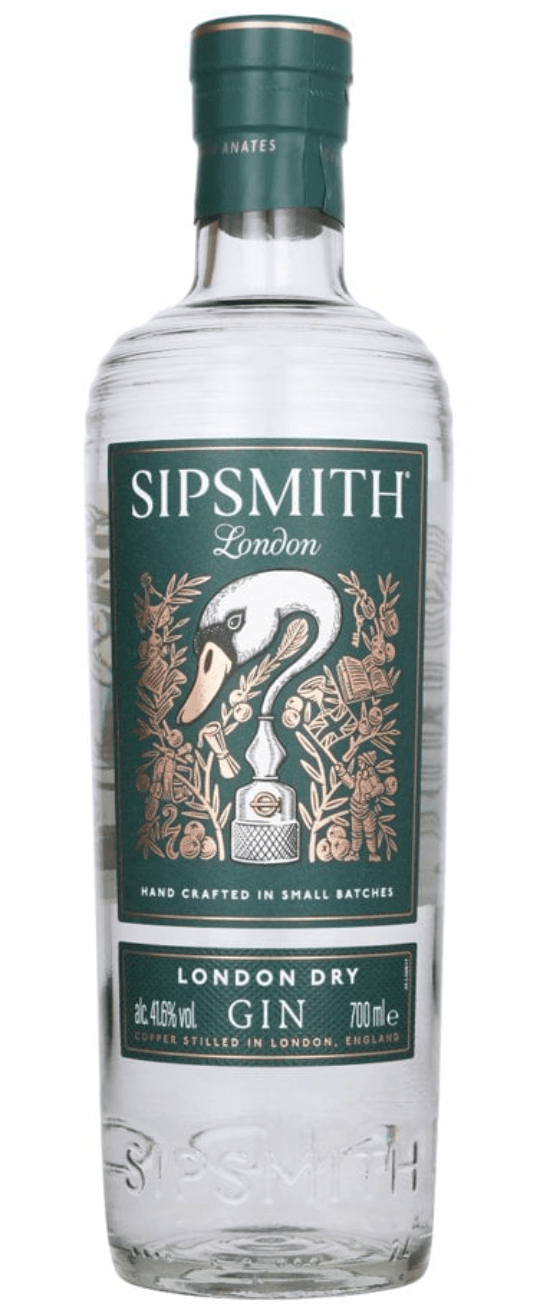
Sipsmith London Dry Gin
Beam Suntory (founded by Fairfax Hall, Sam Galsworthy & Jared Brown)
Sipsmith didn’t just make a great gin — they changed the law to do it. In 2009, London had no small-batch copper pot gin distilleries because regulations required stills ten times larger than what craft producers could use. Hall and Galsworthy lobbied Parliament, got the law changed, and installed a tiny 300-liter copper pot still they named Prudence. The gin that came out was a love letter to London Dry — juniper-led, citrus-bright, and unapologetically classic. It launched a thousand craft gins, and it’s still one of the best.
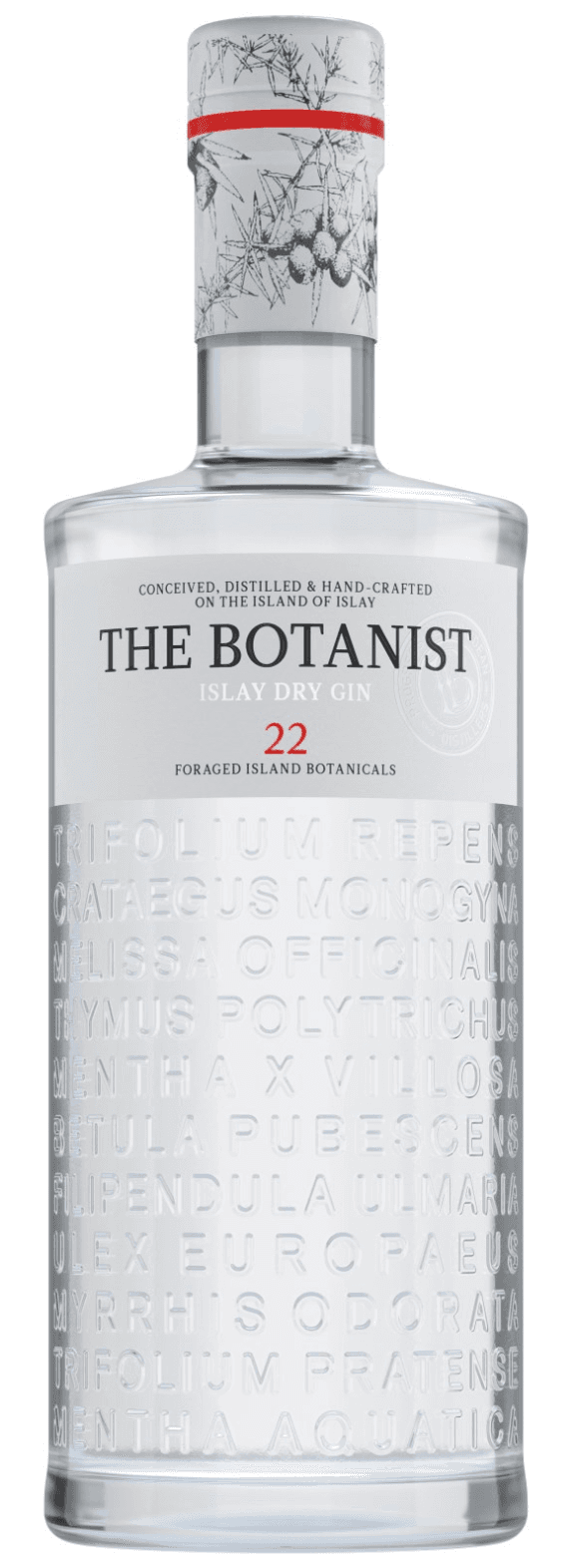
The Botanist Islay Dry Gin
Rémy Cointreau (Bruichladdich Distillery)
The Botanist is the gin that proves terroir isn’t just a wine concept. Those 22 wild Islay botanicals — foraged by hand over 30 weeks each year from bogs, shores, and hillsides — give it a sense of place that no factory gin can replicate. The rescued Lomond still allows a 17-hour distillation, four times longer than whisky, extracting complexity that faster methods miss entirely. At 46% ABV and under $40, it’s one of the most characterful gins on the planet, and the subtle coastal salinity at the finish reminds you that this spirit was born on an island battered by the Atlantic.
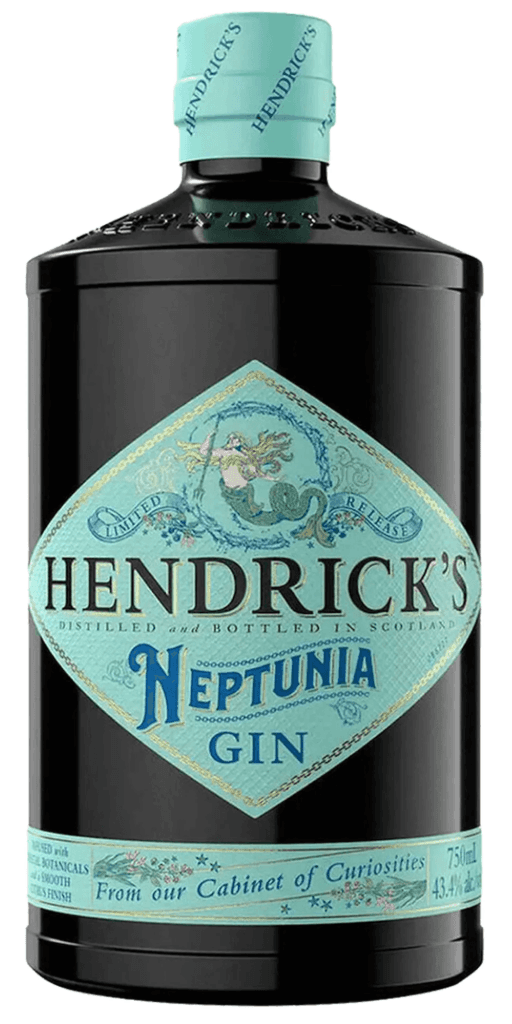
Hendrick’s Neptunia
William Grant & Sons
Neptunia takes the familiar Hendrick’s template and tilts it toward the sea. The coastal botanicals — kelp, thyme, lime — add a saline freshness that makes this gin feel like a walk on a Scottish shoreline. It’s not a gimmick; the sea influence is real but restrained, adding a new dimension rather than overwhelming the juniper and floral base that Hendrick’s fans expect.

Hernö Gin Old World Gin
Hernö
Hernö's Old World bottling strips away the contemporary botanical arms race and doubles down on what gin was always supposed to be: juniper, loud and clear. This is a gin for people who believe the berry should never have to share the spotlight.

Jeppson's Malört
Jeppson's
Malört is not a spirit you recommend lightly — it's a rite of passage, a loyalty test, and a cultural artifact of Chicago's bar scene rolled into one defiant bottle. It does exactly one thing and does it with absolute conviction: deliver the most aggressively bitter drinking experience commercially available. Whether that's a feature or a bug depends entirely on who you are, but there's no denying its singular identity in the spirits world.

Whiskey Del Bac Distiller's Cut Gin
Whiskey Del Bac
A confident, terroir-driven American gin that wears its Sonoran provenance honestly — juniper-forward enough to satisfy traditionalists, distinct enough to stand apart.