School of Wine & Spirits
Tequila
213 reviews
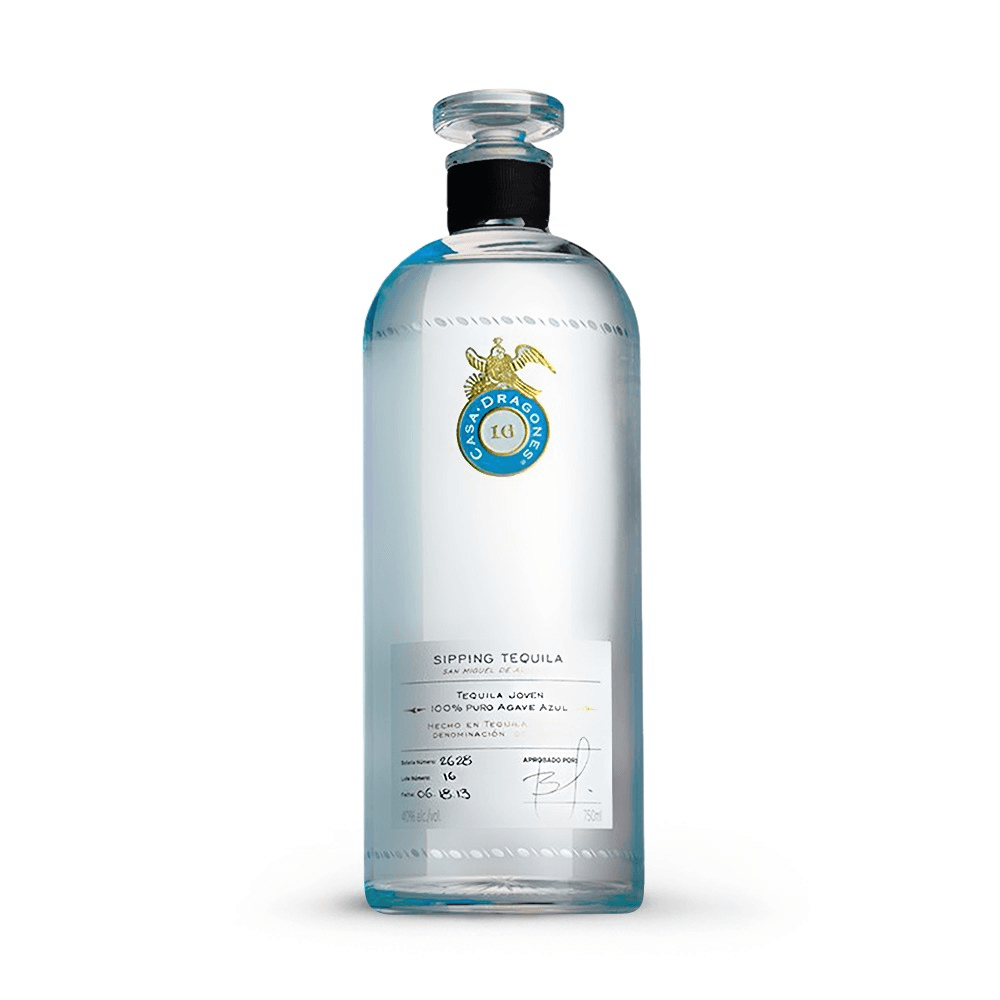
Casa Dragones Joven
Casa Dragones
Casa Dragones Joven is among the purest expressions of tequila-as-blend on the market. Silver for freshness, extra añejo for depth.
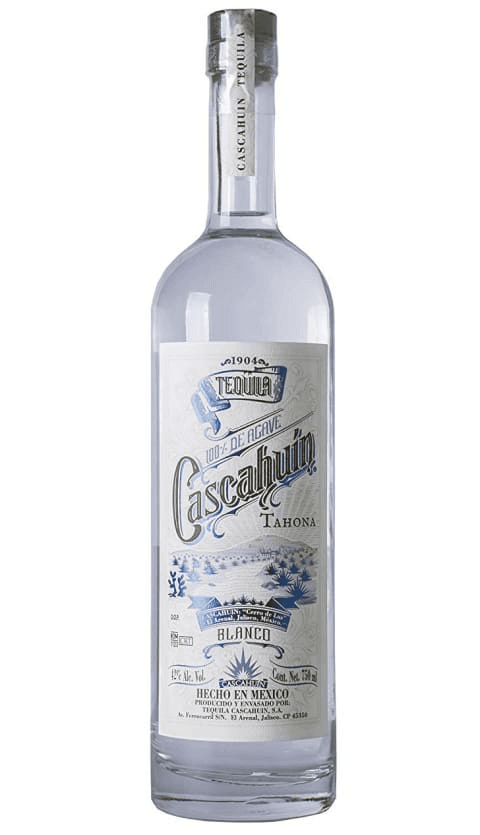
Cascahuin Tahona Blanco
Destilería Cascahuin (Grupo Cascahuin)
Tahona production is brutally inefficient — the volcanic stone wheel extracts less juice, takes longer, and demands more labour than a mechanical shredder. Cascahuin does it anyway because the result is a blanco with a weight and mineral complexity that industrial methods cannot replicate. This is tequila at its most expressive — unaged, unfiltered, unapologetic. Drink it neat with a slice of orange and understand why the Rosales family has kept this process unchanged for generations.
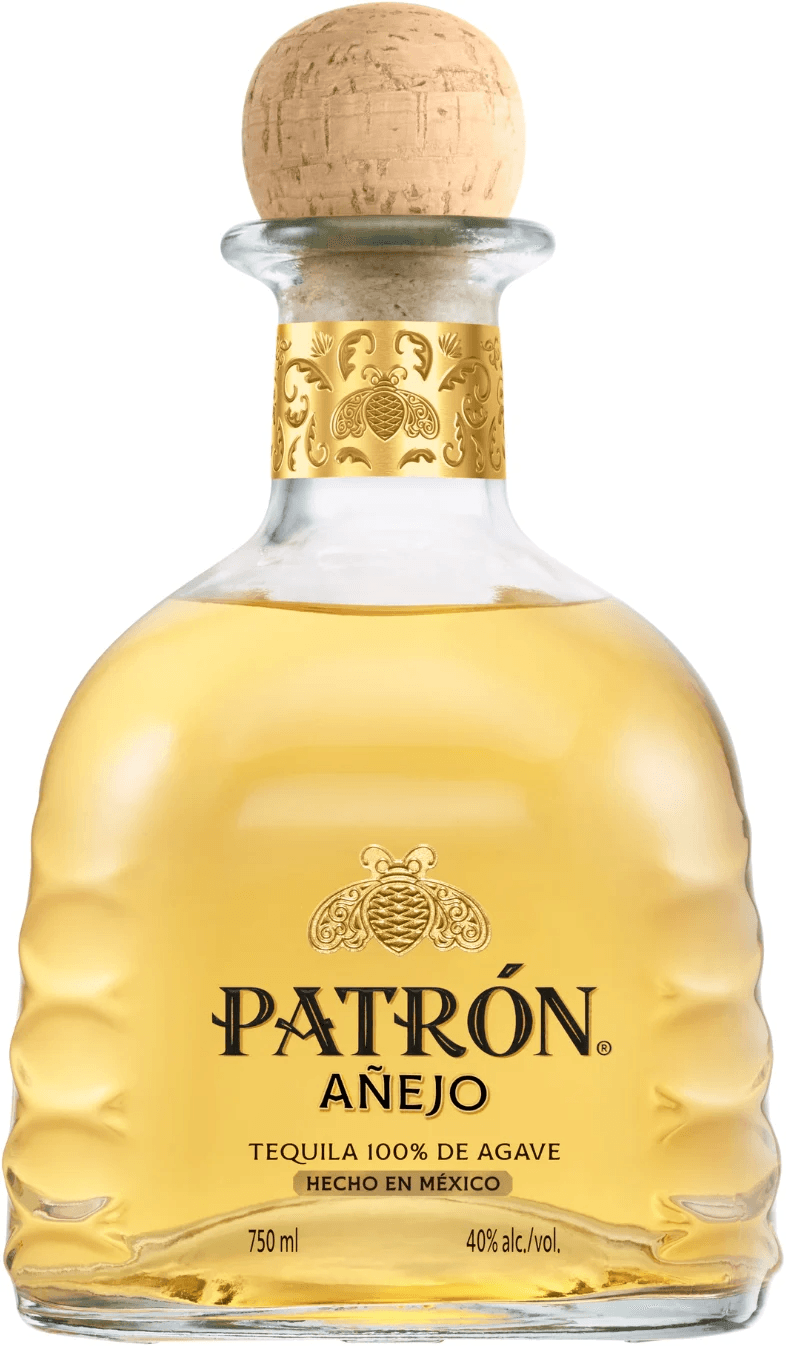
Patrón Añejo
Patrón Spirits International (Bacardi Limited)
Patrón Añejo is proof that popularity and quality are not mutually exclusive. In an era of marketing-driven premium spirits, Patrón remains rooted in Francisco Alcaraz's original vision: 100% blue agave, proper resting time, and honest craftsmanship. The Añejo is the expression that rewards patient sipping.
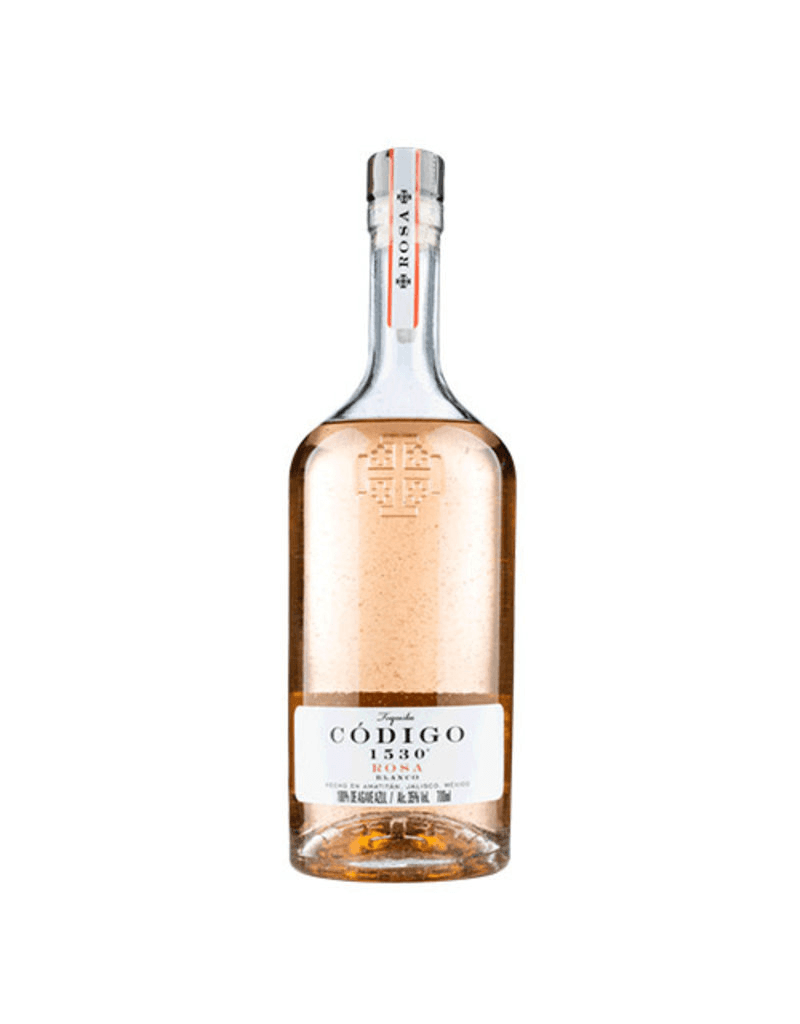
Código 1530 Rosa
Código 1530
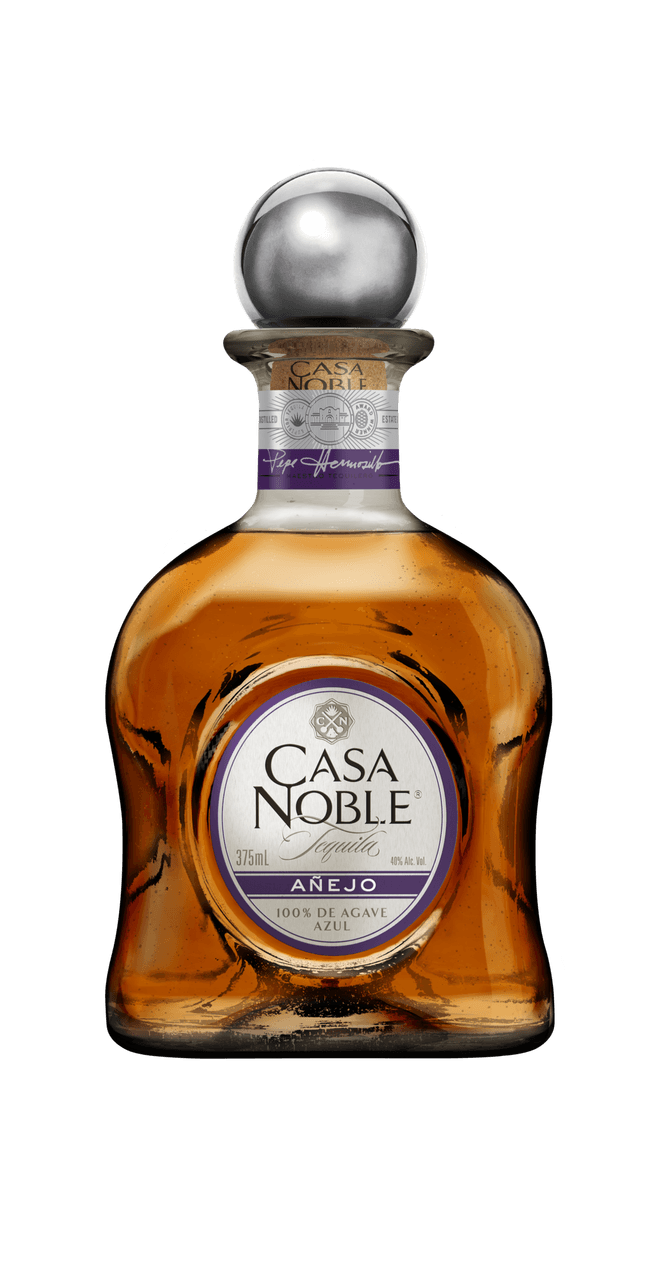
Casa Noble Anejo
Constellation Brands
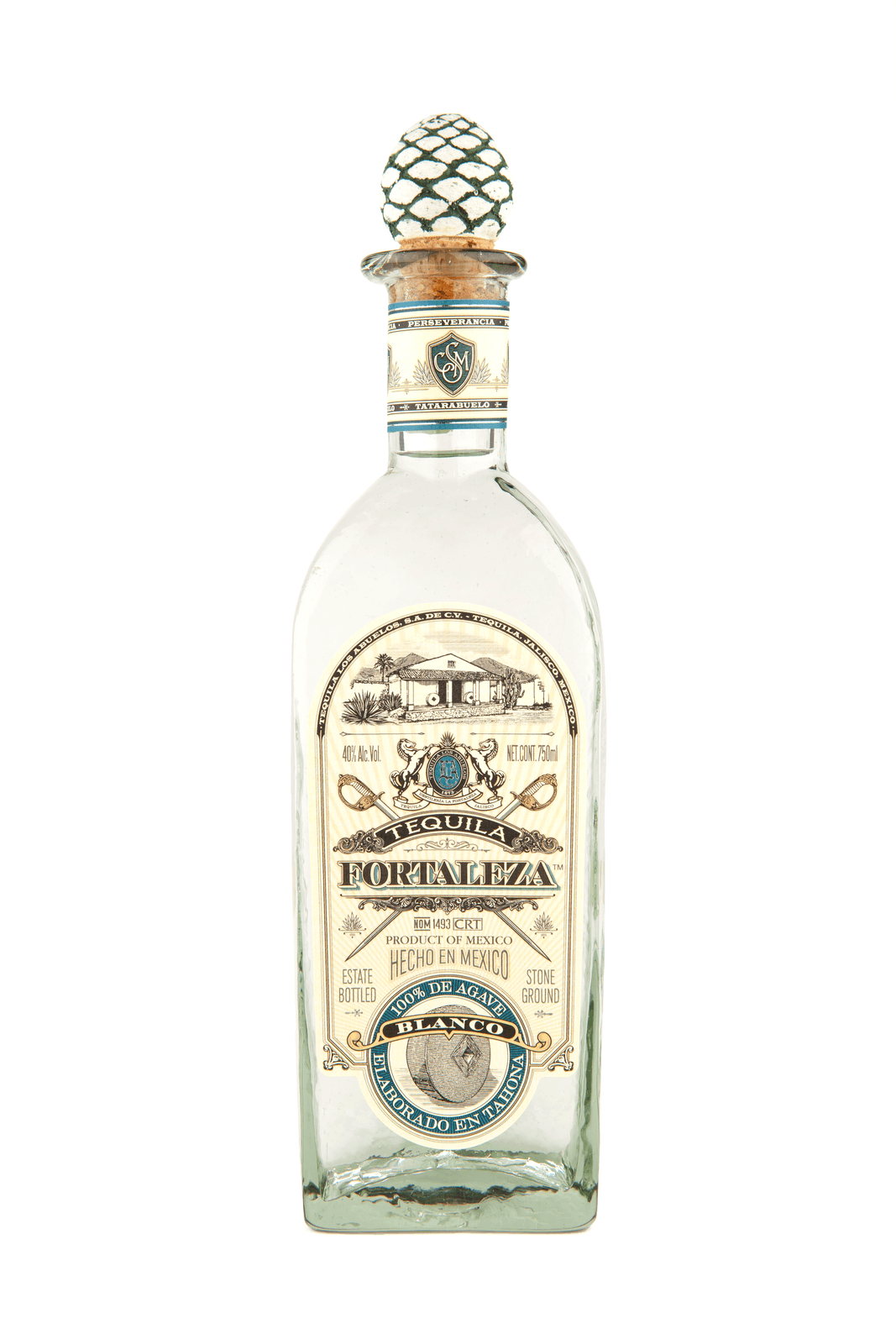
Fortaleza Blanco
Fortaleza (Casa San Matias de Jalisco)
The Fortaleza Margarita
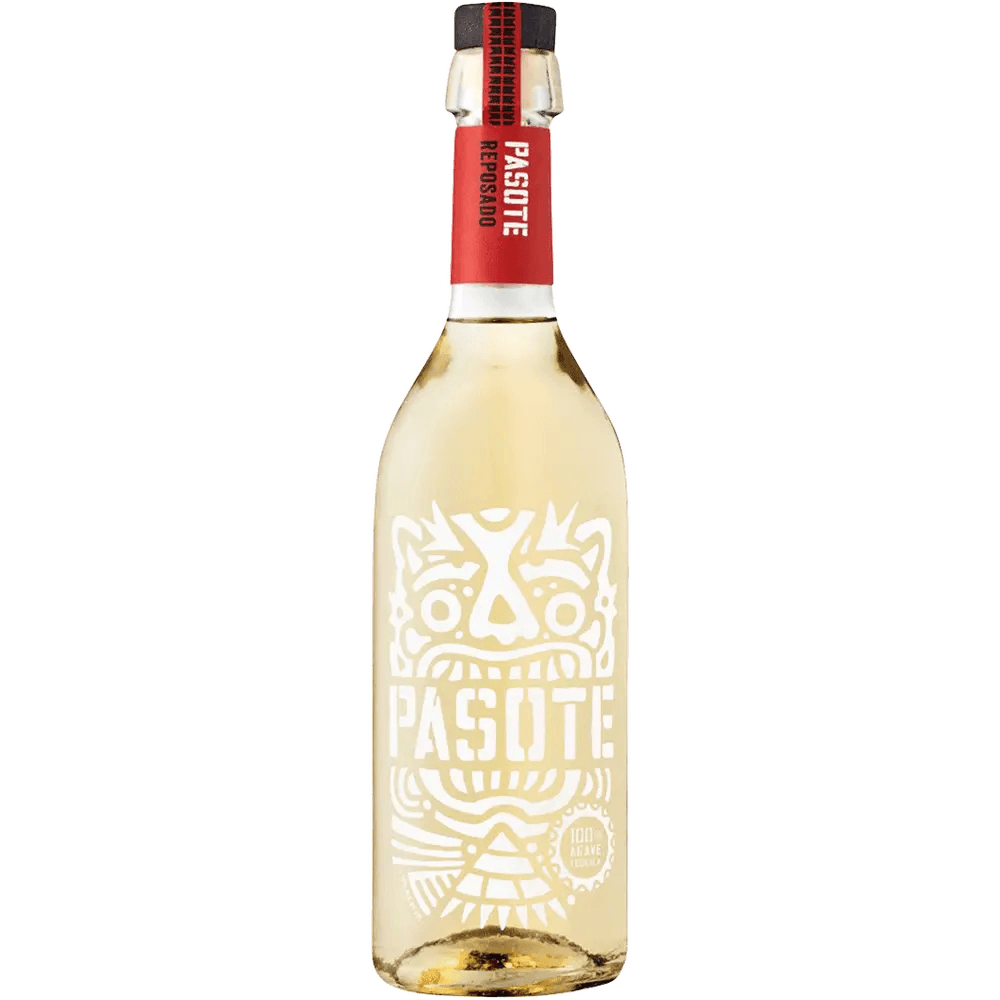
Pasote Reposado
Pasote Spirits
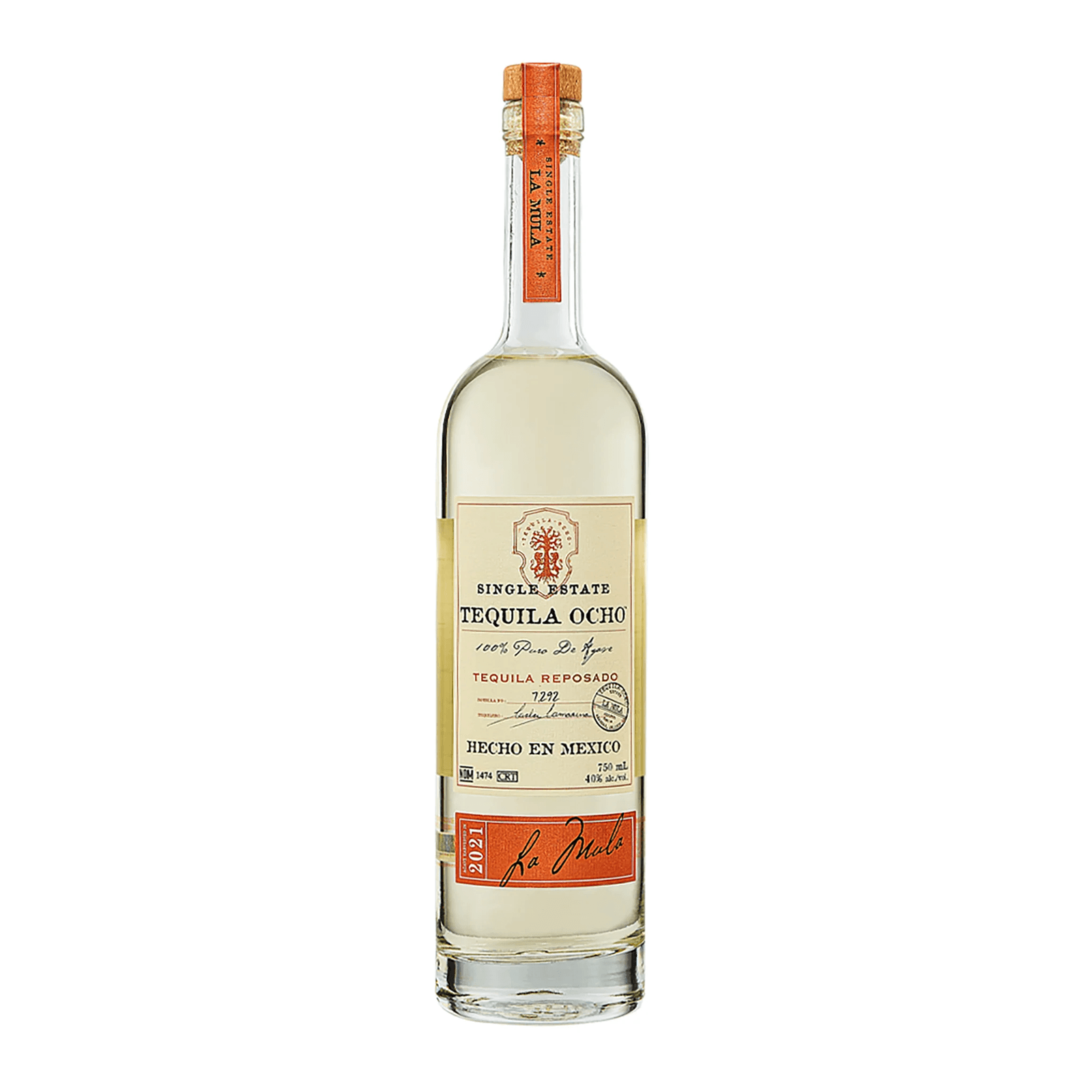
Ocho Reposado
Ocho Tequila (Tequila Ocho S.A. de C.V.)
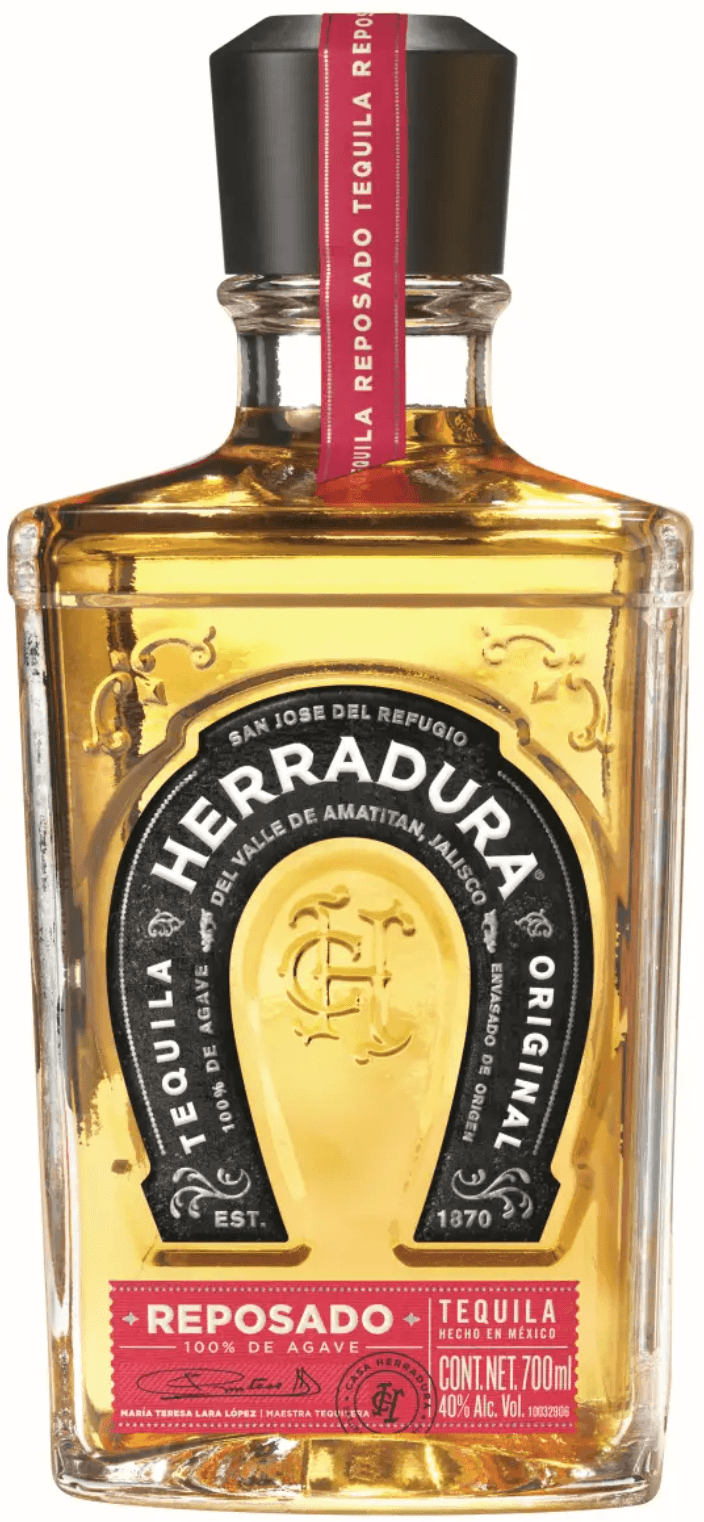
Herradura Reposado
Brown-Forman (Casa Herradura, est. 1870)
Herradura didn't just make this Reposado — it invented the category (1974).
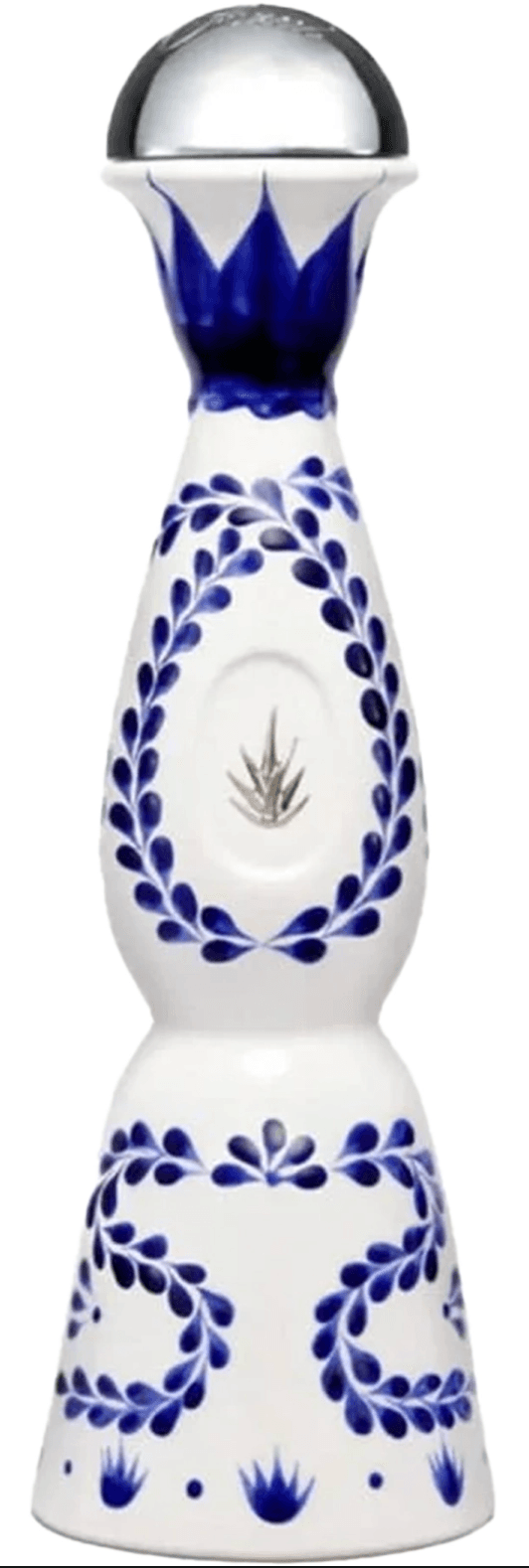
Clase Azul Reposado
Clase Azul México (est. 1997)
Clase Azul Reposado is an exercise in patience at every level. The agave waits 7 to 9 years before harvest. The piñas cook for 72 hours — three times longer than most industrial tequilas. The reposado rests 8 months in whiskey casks. And each hand-painted ceramic decanter takes two weeks to complete. In an industry increasingly dominated by celebrity brands and additive-laden shortcuts, Clase Azul represents something rare: a luxury tequila that earns its price through craft rather than marketing. The liquid inside is genuinely exceptional — sweet but not cloying, oaky but not heavy, and agave-forward in a way that honors the plant's nearly decade-long journey to maturity. Yes, you're paying for the bottle too. But when the tequila inside is this good, the bottle becomes less a gimmick and more a fitting vessel.
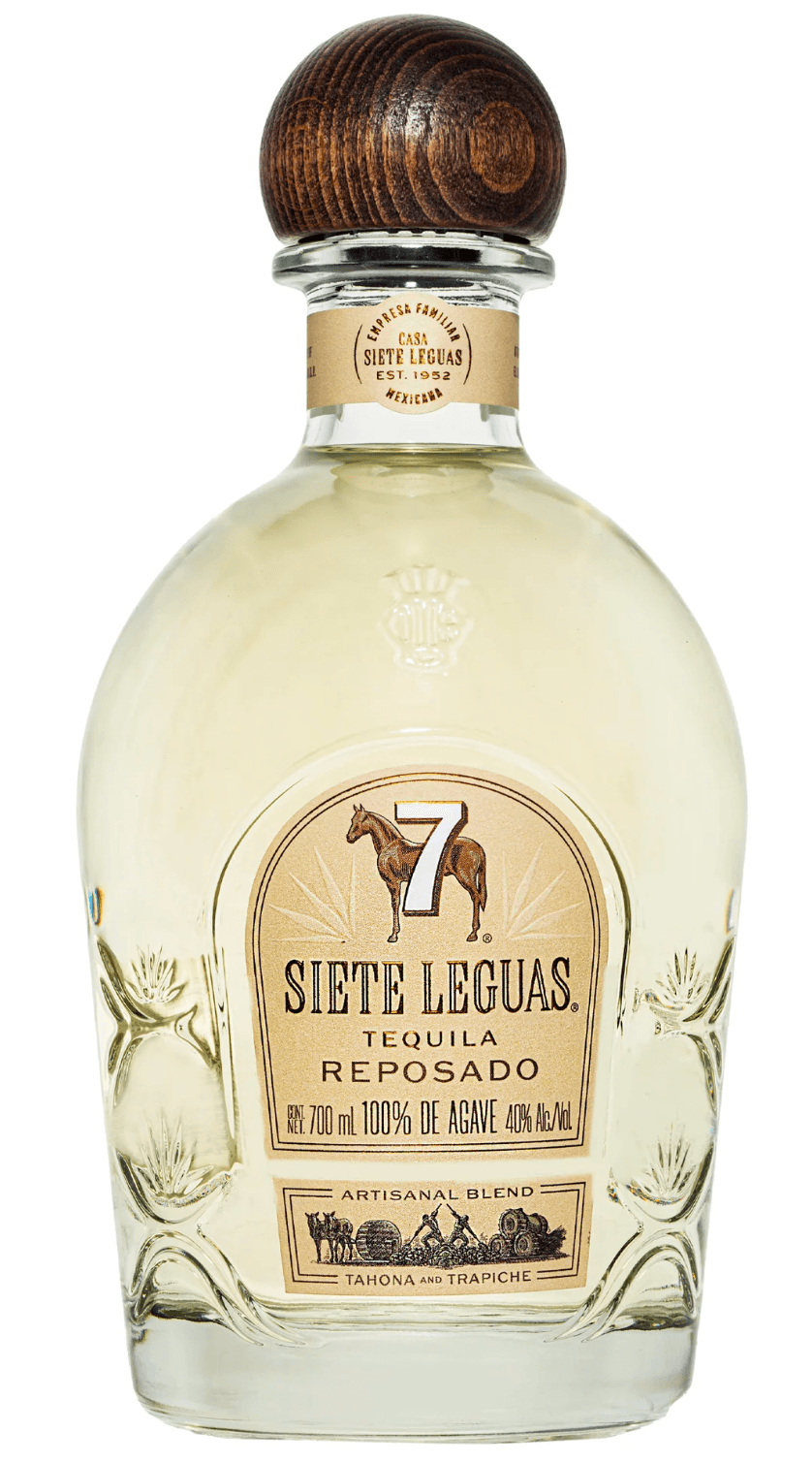
Siete Leguas Reposado
Casa Siete Leguas (est. 1952)
If El Tesoro is the tequila nerd’s tequila, Siete Leguas is the tequila maker’s tequila. This is the distillery where Don Julio González originally made his tequila before launching his own brand — yes, Don Julio tequila was born at Siete Leguas. The family has refused every shortcut the modern tequila industry has embraced: they still use brick ovens when autoclaves are faster, tahona stones when roller mills are cheaper, wooden fermentation tanks when stainless steel is easier to clean, and copper pot stills when column stills would be more efficient. The result is a tequila with a mineral complexity and savory depth that industrial methods simply cannot replicate. The Reposado’s eight months in American oak adds just enough vanilla and warmth without obscuring the agave and terroir. When tequila professionals talk about “the old way,” this is what they mean.
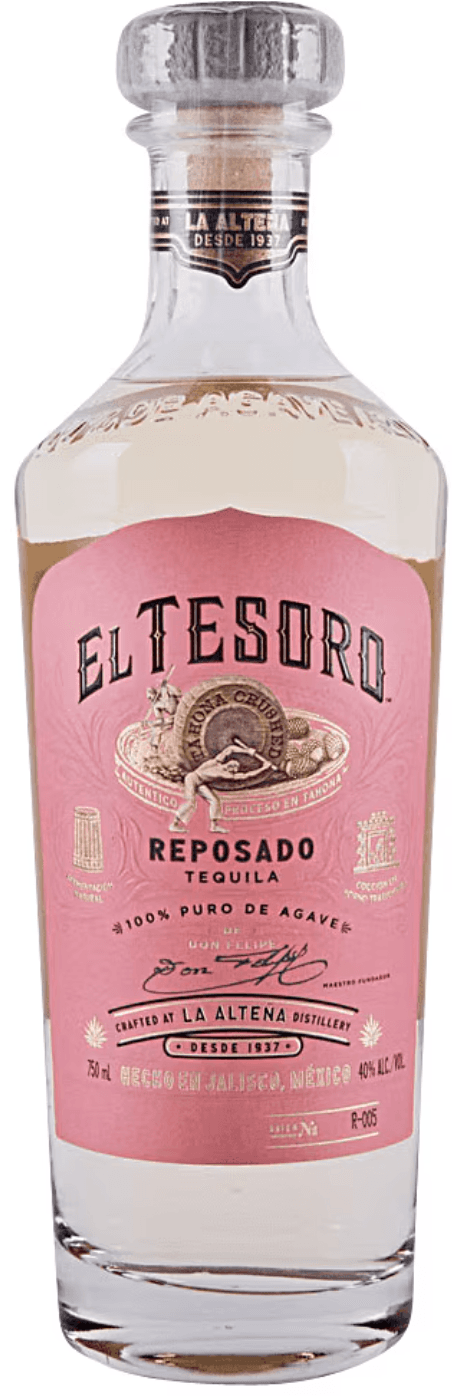
El Tesoro Reposado
Camarena Family / Beam Suntory (El Tesoro, est. 1937)
El Tesoro is the tequila nerd’s tequila. The Camarena family’s obsession starts with the tahona — a two-ton volcanic stone wheel that slowly crushes roasted agave hearts, extracting sugars along with fibers that go into the fermentation tank, adding savory complexity that roller mills strip away. Then there’s the distillation: El Tesoro is one of the only tequilas distilled to proof, meaning no water is added after distillation. What comes out of the still is what goes in the barrel. The Reposado spends 9–11 months in ex-bourbon barrels — long enough to add vanilla and caramel, short enough to let the agave and tahona character remain front and center. This is tequila that tastes like the earth it came from.
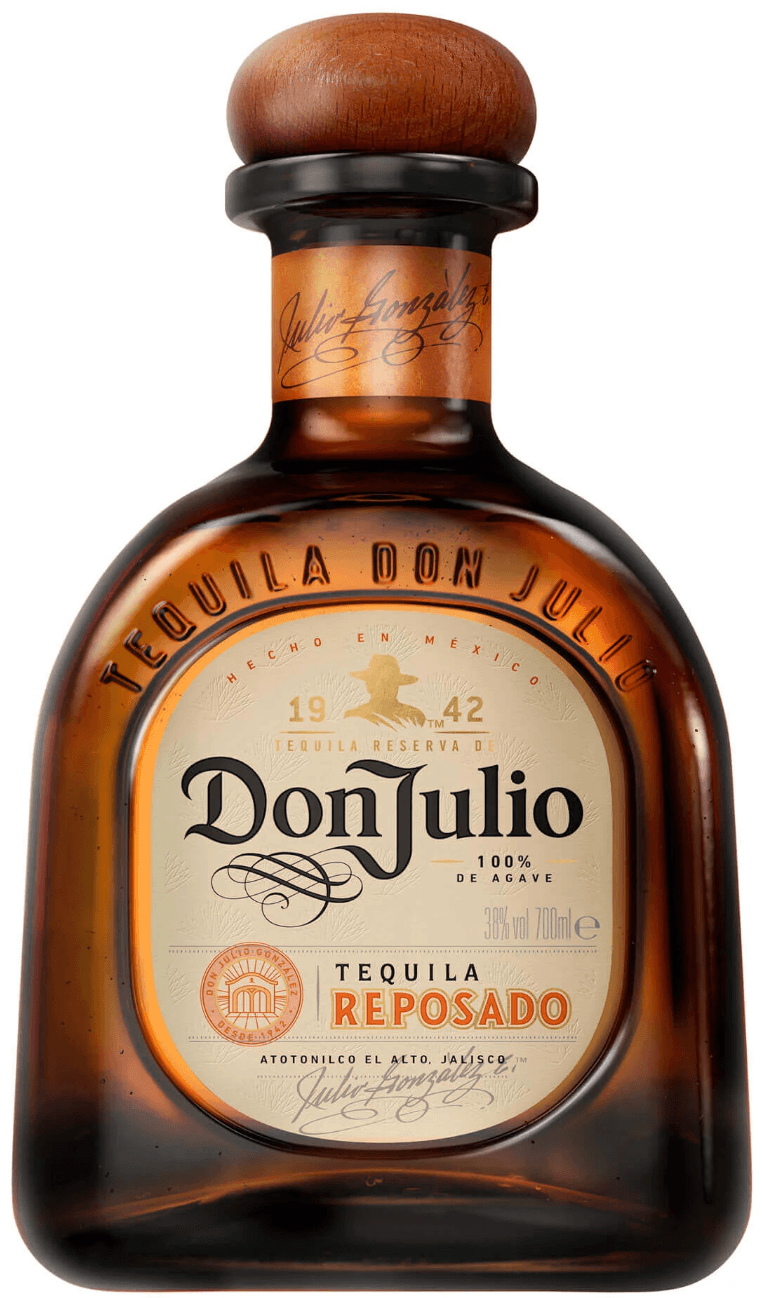
Don Julio Reposado
Diageo (Don Julio, est. 1942)
Don Julio invented the luxury tequila category. Before Don Julio, tequila was a commodity — cheap, harsh, and destined for margarita mixes. Julio González changed the rules by treating agave like fine wine grapes: planting further apart for full maturity, slow-roasting in 72-hour brick oven cycles, and aging in fine oak. When his sons created a tequila to honor his 60th birthday in 1985, it became the first tequila marketed as a premium sipping spirit. The Reposado expression — eight months in American white oak — strikes the ideal balance: enough barrel time to add complexity without masking the highland agave character that made the brand famous.
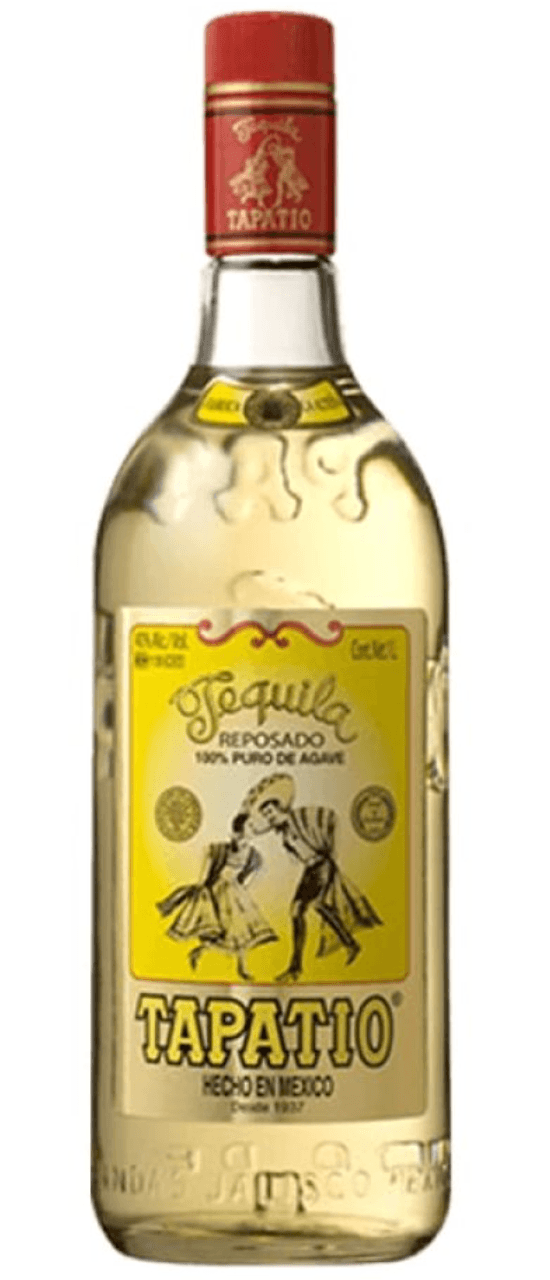
Tapatio Reposado
Tequila Tapatio S.A. de C.V. (Camarena family, 5th generation)
Tapatio is the tequila that tequila makers drink. The Camarena family — the same lineage that gave us El Tesoro and G4 — runs one of the most traditional operations in Jalisco. Carlos Camarena, the current master distiller, slow-roasts his highland agave for 48 hours in brick ovens, ferments with wild airborne yeasts and natural well water, and keeps production deliberately small. The reposado rests just four months — enough to round the edges without masking the agave. This is tequila for purists, and at around $45 it’s one of the best-kept secrets in the category.
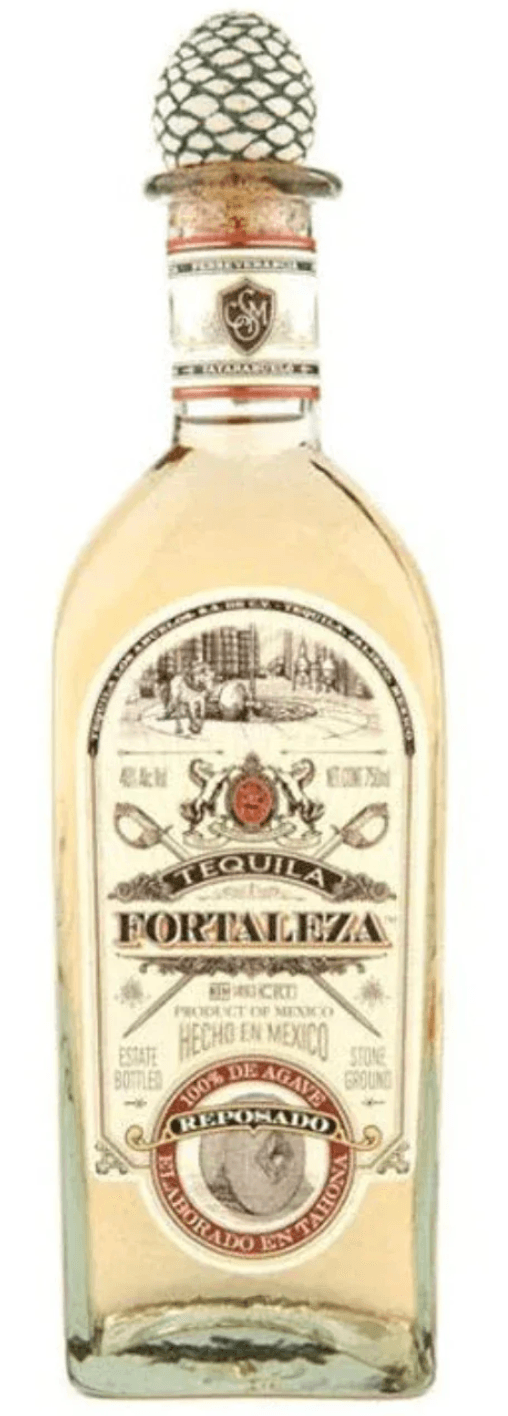
Fortaleza Reposado
Destilería La Fortaleza (Guillermo Erickson Sauza)
Fortaleza is tequila made the way it was meant to be made. While most modern producers use autoclaves and diffusers for speed and efficiency, Guillermo Sauza — great-great-grandson of Don Cenobio Sauza, the “Father of Tequila” — insists on the tahona, the brick oven, and the wooden fermentation tanks. The volcanic spring water that feeds the distillery carries minerals from deep within the stratovolcano, and you can taste the terroir in every sip. The reposado rests just long enough to gain warmth and vanilla from the barrel without losing the agave’s voice.
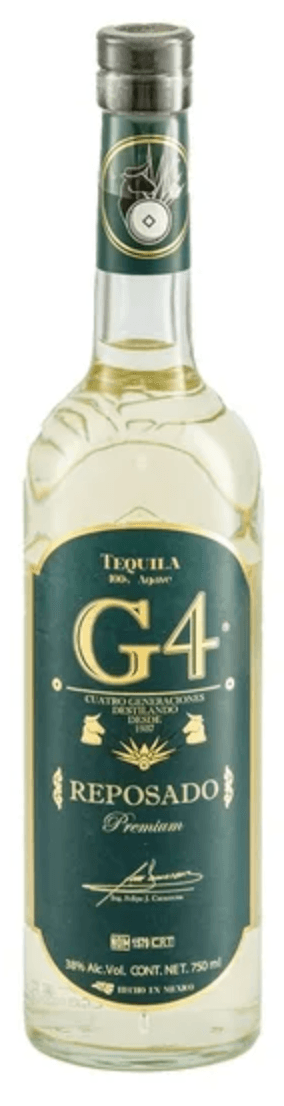
G4 Reposado
El Pandillo (Felipe Camarena)
G4 is what happens when a family’s fourth generation refuses to cut corners. Felipe Camarena’s dedication to stone ovens, natural fermentation, and unhurried aging produces a reposado where the agave stays front and center. The six months in bourbon barrels add warmth and spice without covering up the plant. This is a tequila for people who want to taste where it came from — the stone oven method preserves complex agave sugars that modern autoclaves simply can’t replicate.

El Pandillo La Ventana Blanco
La Ventana
An unfussy, transparent highland blanco from one of tequila's most respected distilling minds — a bright, early-morning expression of Los Altos agave that punches well above its price.

Tequila Ocho Blanco 2023 Los Mangos
Tequila Ocho
Ocho's single-estate approach to tequila is unmatched — each vintage and field expresses the soil it grew in. The 2023 Los Mangos bottling captures what highland agave does best: bright fruit, clean earth, and an unapologetic sense of place. This is terroir-driven tequila at its most transparent.

Cascahuín Lágrimas
Cascahuín
Cascahuín Lágrimas is a distillate of conviction — the 'tears' collected from the still at their most concentrated and flavorful. This is a blanco that rewards sipping neat and demands attention from anyone who thinks unaged tequila is simple. A benchmark for what small-batch, traditionally crafted tequila can achieve at full strength.

Cascahuin Tahona Añejo
Cascahuín
Cascahuín's tahona-produced añejo is a masterclass in traditional tequila making. The volcanic stone tahona wheel extracts a different character from the agave fibers — richer, earthier, more complex — and the extended aging polishes without erasing the rustic soul of the spirit.

Terralta Blanco 110 Proof
Terralta
Master distiller Felipe Camarena produces this high-proof reposado at the highlands distillery that also supplies the agave for many celebrated brands. The brief resting period in American oak adds structure without masking the raw agave intensity. This is a tequila built for sipping and cocktails alike.
Tapatio Añejo 110
Tapatio
Tapatio Añejo 110 is a masterclass in controlled intensity. The extra proof doesn't overwhelm — instead it reveals the metronomic precision of Carlos Camarena's craft, where each flavor arrives in perfect time. Like the seasonal rhythms that govern agave cultivation, this tequila operates on a patient, deliberate cycle that rewards those who pay attention. Among añejos, few bottles marry power and elegance with such clockwork reliability.

Fuenteseca Cosecha 2015 Blanco
Fuenteseca
A cerebral blanco that rewards slow sipping — proof that clarity in the glass can still carry remarkable depth in the mouth.

El Tesoro Mundial Collection Oloroso Sherry Cask Finish Añejo
El Tesoro
A meditative tequila that rewards patience — the sherry finish doesn't mask the agave but deepens its shadow, delivering complexity that unfolds sip by sip.