Aroma
Grapefruit
69 bottles with this note
Train this aroma
Gin Aroma Kit
Develop your palate with the canonical reference for grapefruit and related notes.

Hernö High Coast Terroir Gin 2021 Edition
Hernö
Hernö's Terroir series is the ultimate expression of climate woven into spirit. The 2021 Edition captures the unique conditions of Sweden's High Coast — a UNESCO World Heritage site still rebounding from glacial compression — where extreme seasonal light variation and subarctic maritime air produce botanicals found nowhere else. This is gin as geography, distilled proof that latitude, weather, and soil are as much ingredients as juniper and water.

Monkey 47 Distiller's Cut 2022
Monkey 47
Each year's Distiller's Cut adds a secret botanical to the standard 47, and the 2022 edition brings a subtle aromatic shift that rewards comparison with the classic expression. The base architecture — 47 botanicals in precise harmony — remains one of gin's great achievements. This is precision distilling at its most expressive.

Drumshanbo Gunpowder Irish Gin Ceramic Bottle
Drumshanbo
Drumshanbo's Ceramic Bottle expression is the same celebrated liquid — slow-distilled with oriental botanicals including gunpowder tea, star anise, and meadowsweet — but housed in a striking hand-glazed blue ceramic vessel that feels like holding a flask of alchemical mercury. The gin itself is a study in transformation: each sip shape-shifts between bright citrus and deep spice, never settling, always quicksilver. It's craft with restless, mercurial energy, perfectly at home among this issue's boundary-pushing selections.

Bluecoat American Dry Gin
Bluecoat
Philadelphia Distilling's Bluecoat is a gin that holds its ground — a citrus-forward American dry that never loses its juniper compass. In a lineup themed around anchoring before upheaval, this bottle embodies quiet American resolve: nothing flashy, nothing fragile, just honest botanicals distilled with purpose. It's the kind of gin that steadies a cocktail the way a deep keel steadies a hull. At under thirty dollars, it's a dependable cornerstone for any spirits shelf.

Tarquin's Cornish Dry Gin Navy Strength
Tarquin's
Tarquin Leadbetter built his distillery in a barn on the windswept Cornish coast, and the navy strength bottling carries that same unflinching character. The higher proof doesn't bludgeon — it reveals. Every botanical gets louder, and the structure holds beautifully in cocktails where lesser gins would disappear.

Cape Fynbos Gin
Cape Fynbos
Cape Fynbos is a stunning argument for terroir-driven gin. The fynbos biome — a UNESCO-recognized biodiversity hotspot found only in the Western Cape — provides botanicals that simply cannot be replicated elsewhere on Earth. The result is a gin that tastes unmistakably of its latitude: warm-climate florals, sun-baked herbs, and Indian Ocean salinity, all balanced against a confident juniper core. A perfect fit for our 'Climate Shapes the Glass' theme, proving that gin's botanical palette is ultimately a map of where it's made.

Tarquin's The Seadog Navy Strength Gin
Tarquin's
Tarquin's navy strength offering is a gin built for confrontation — proof amplifies every botanical, and the juniper refuses to yield. This is structural gin: bold, unapologetic, and perfectly suited for tonic or a navy-strength martini. The Cornish coastal provenance is felt in its briny edge and wind-whipped clarity.

Four Pillars Bloody Shiraz Gin
Four Pillars
Four Pillars steeps whole Yarra Valley Shiraz grapes in their Rare Dry Gin for eight weeks, creating something entirely original—a gin that tastes unmistakably of place. The Yarra Valley's elevation and cool climate produce Shiraz with the acidity and restraint needed to complement rather than overwhelm the botanical bill. This is gin that remembers where it grew up.

Sacred Gin
Sacred Spirits
A quietly revolutionary London gin — vacuum distillation captures botanical clarity most copper stills can only chase, and the frankincense signature makes it one of the most distinctive juniper-forward gins on the market.

Conker Spirit Navy Strength Dorset Dry Gin
Conker Spirit
Conker's navy strength edition takes their already-good Dorset Dry formula and cranks up the structural intensity. The elevated proof isn't about heat — it's about amplification. Every botanical rings clearer, every note holds longer. This is a gin that demands respect in a Martini and refuses to disappear in a Negroni.

St. George Dry Rye Gin
St. George Spirits
A gin that dares you to sip it neat. The rye backbone gives it structural gravitas most London Drys can't touch — extraordinary in a Negroni or Martinez, where its grain character bridges vermouth and juniper into something singular.

Whitley Neill Handcrafted Dry Gin
Whitley Neill
Whitley Neill's core expression is a proper London Dry that respects juniper without being one-dimensional. The interplay between African-sourced botanicals and classic gin architecture makes it versatile behind the bar and genuinely enjoyable neat. Outstanding value at the price point.

Applewood Gin
Applewood
Applewood sources over twenty native Australian botanicals — from strawberry gum to Tasmanian pepperberry — but the result never reads as gimmick. This is a gin with clear juniper leadership and genuine complexity, where the weight of unusual botanicals meets an airy, distinctly Australian lift. Excellent in a martini or a simple G&T.

Tinkerman's Curiously Bright Gin
Tinkerman's
Tinkerman's channels the same Philadelphia Distilling lineage that produced Bluecoat but aims for an even more citrus-driven profile. The threshold lives in the juniper — present enough to call it gin, bright enough to feel like something new. An excellent warm-weather gin that works beautifully in a Collins or a simple tonic serve.

East London Liquor Company London Dry Gin
East London Liquor Company
ELLC's London Dry is a study in restraint. In an era of botanical maximalism, this gin bets everything on juniper clarity and structural dryness. It's a workhorse gin — exceptional in a martini, utterly reliable in a G&T — that never tries to be more than what it is.

Tanqueray No. Ten Tiny Ten Gin
Tanqueray
Tanqueray's Tiny Ten format delivers the same fresh-citrus-forward profile that made No. Ten a modern classic. The grapefruit-juniper interplay is effortlessly balanced, and the chamomile adds a dimension that keeps this from being just another citrus gin. Versatile in cocktails, excellent with a quality tonic.

Beara Ocean Gin
Beara
Beara Ocean Gin tastes like its address. The Beara Peninsula is one of Ireland's most dramatic coastal landscapes, and this gin carries that windswept, salt-air character without resorting to gimmick. It's a classically structured gin with a genuine sense of place — outstanding in a G&T with a quality tonic and a sprig of rosemary.

Cotswolds Dry Gin
Cotswolds
Cotswolds delivers a classically structured gin with enough personality to stand on its own. The lavender is present but never perfumed, and the juniper backbone keeps everything anchored. It's a gin that makes a strong Martini and an even better Negroni.

Salcombe Gin Start Point London Dry Gin
Salcombe Distilling Co.
Salcombe Start Point is a lesson in balance — coastal-inspired without resorting to novelty botanicals, and citrus-forward without losing its London Dry identity. The Devon distillery's obsessive attention to water quality and distillation timing shows in the seamless integration of each botanical. A gin that rewards both neat sipping and a well-made G&T.

Capreolus Garden Swift Gin
Capreolus Distillery
Capreolus is better known for its eau de vie work, and that fruit distillation expertise shows in how cleanly each botanical is rendered here. Garden Swift doesn't chase novelty — it pursues clarity. A gin that trusts juniper to lead and lets supporting botanicals earn their place.

Scapegrace Gold New Zealand Dry Gin
Scapegrace
Scapegrace Gold takes the solid bones of the Classic expression and adds just enough exotic botanical complexity to merit the upgrade. The New Zealand water source is immaculate, and the distillation is precise. It works equally well in a G&T or a more structured cocktail. A genuine find from the Southern Hemisphere.

Audemus Pink Pepper Gin
Audemus
Audemus approaches gin-making with a Cognac distiller's patience, using individual botanical macerations and vacuum distillation to capture precise flavors. The pink pepper is the star, but it's the supporting cast—restrained juniper, floral notes, earthy angelica—that makes this gin genuinely compelling. A bartender's gin that also stands tall on its own.

Musgrave Copper Gin
Musgrave
Musgrave Copper Gin is a South African craft expression that leans into juniper and spice rather than chasing the contemporary citrus-bomb trend. Its slight roughness — that peppery, resinous quality — makes it a gin with real backbone. Excellent in a Negroni where its structure can stand up to Campari and vermouth.

Craft Distillery Koval Dry Gin
Koval
Koval's dry gin is a study in midwestern directness — no gimmicks, no exotic botanicals chasing trends. The organic grain base is clean enough to let the botanicals do their work, and the distillation is precise enough to keep everything in balance. A gin for people who want gin to taste like gin.

Daffy's Gin
Daffy's
Daffy's is the rare gin that achieves intensity without volume. Every botanical is clearly articulated yet none dominates. The tension between the pine-forward juniper and the delicate floral-citrus backdrop makes this an excellent Martini gin that also holds its own in longer serves.

Hepple Gin
Hepple
Hepple's unique triple-technique juniper extraction — combining copper pot distillation, vacuum distillation, and supercritical CO2 extraction — produces a gin where juniper is explored in three dimensions rather than one. It's technically innovative without being gimmicky, delivering a deeply juniper-forward spirit that respects London Dry traditions while pushing them forward. Essential for gin enthusiasts seeking complexity.

Perry's Tot Navy Strength Gin
New York Distilling Company
Perry's Tot demonstrates why navy strength gin exists: not for machismo, but for flavor density. At 57%, every botanical registers with crystalline clarity. This gin stands up to tonic, dominates a Negroni, and rewards anyone willing to engage with it on its own terms. The New York Distilling Company gets far less attention than it deserves.

Inverroche Classic Gin
Inverroche
Inverroche Classic demonstrates that terroir is not limited to wine. The wild fynbos botanicals hand-foraged from the Cape coastline give this gin a genuinely unique aromatic fingerprint. It is simultaneously familiar enough for a juniper-focused gin drinker and distinctive enough to reward close attention.

Bimber Da Hong Pao Gin
Bimber Distillery
Bimber is better known for whisky, but this gin shows the same meticulous approach. The Da Hong Pao oolong tea botanical is not a gimmick — it threads a warm, slightly roasted quality through an otherwise classically structured London Dry. A thinking person's gin that rewards a simple tonic serve.

Brighton Gin Pavilion Strength
Brighton Gin
Brighton Gin's navy strength expression is unapologetically about juniper, and at 57% ABV it has the backbone to stand up in any cocktail without losing its identity. The chalk-filtered water from the South Downs aquifer gives it a clean, mineral quality that separates it from many navy strength competitors. This is structured gin with terroir you can taste.

Elephant Gin London Dry
Elephant Gin
Elephant Gin earns its place through sheer botanical conviction. The use of African-sourced botanicals — buchu, baobab, devil's claw — alongside classic London Dry staples creates a gin that feels rooted in the earth. It's a serious spirit that demands a thoughtful tonic or a well-built Martini. Fifteen percent of profits go to elephant conservation foundations, but this would stand on flavor alone.

Bruichladdich The Botanist Islay Dry Gin Navy Strength
The Botanist
The navy-strength sibling of The Botanist amplifies everything that makes the original compelling. The 22 hand-foraged Islay botanicals find sharper definition at 57%, and the gin rewards both neat sipping and powerful cocktail applications. Water opens it beautifully — try it with a single ice cube and watch the floral middle bloom.

Tanqueray Rangpur Lime Gin
Tanqueray
Rangpur sits in the productive space between classic London Dry and contemporary citrus-forward gins. The Rangpur lime — a mandarin-lemon hybrid from India — gives Tanqueray's four-botanical backbone a different kind of tension, one that tips toward sour rather than sweet. It is a gin that was clearly designed for the gimlet but earns its keep neat.

Fords Gin London Dry
Fords Gin
Fords Gin was designed by 86 Co.'s Simon Ford in collaboration with master distiller Charles Maxwell — a gin built for bartenders, by a bartender. The 45% ABV ensures the botanicals punch through dilution, and the nine-botanical recipe is deliberately balanced to work across cocktail styles. It's a lesson in restraint: nothing flashy, everything functional, quietly excellent.
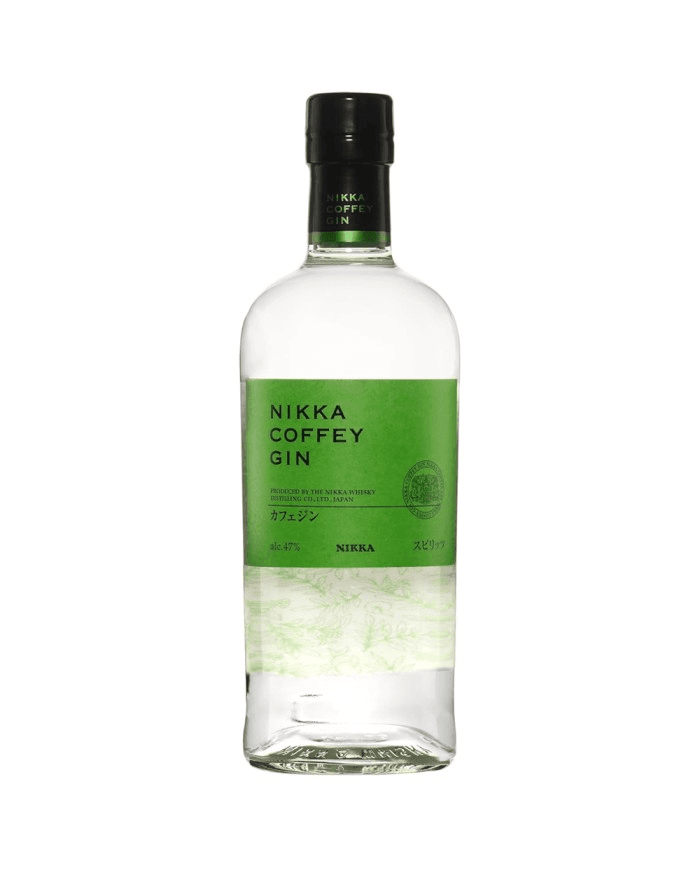
Nikka Coffey Gin
Nikka
Nikka applied their whisky-making precision to gin and the result is unmistakably Japanese — restrained, balanced, and texturally stunning. The Coffey column still gives this gin a richness most London Drys can't touch. It's a gin that demands attention neat before you ever put it in a cocktail.

Hayman's Exotic Citrus Gin
Hayman's
Hayman's manages the trick of bold citrus character without abandoning the juniper core. The exotic citrus peels are integrated so fully that they feel like a natural extension of a classic London Dry rather than an overlay. Versatile in cocktails, satisfying neat.

Silent Pool Gin
Silent Pool
Silent Pool's 24-botanical recipe could easily become a mess, but it doesn't. The distillers achieve a rare thing: complexity that reads as coherence rather than clutter. Each botanical contributes without shouting, and the overall impression is one of carefully orchestrated agreement. The bottle's as striking as the liquid, but the gin earns attention on its own terms.

Archie Rose Distiller's Strength Gin
Archie Rose
Archie Rose's distiller's strength bottling demonstrates why proof matters in gin—every botanical rings louder, and the juniper backbone can support more complexity without losing definition. It's a gin that invites both sipping neat and anchoring a stirred drink.

Filliers Dry Gin 28 Pine Blossom
Filliers
Filliers brings five generations of Belgian distilling expertise to a gin that is both traditional and distinctive. The pine blossom addition sets it apart without turning it into a novelty — the backbone is pure London Dry rigor. Excellent in a Martini.

Citadelle Jardin d'Été Gin
Citadelle
Citadelle's summer garden expression takes the 19-botanical base recipe and infuses it with lemon verbena, yuzu, and chamomile flowers. It works because the foundation is sound — the juniper and angelica core is strong enough to hold the floral additions in check. This is a gin that rewards a simple tonic serve where the botanicals can speak clearly.

Procera Red Dot Gin
Procera
Procera proves terroir isn't a concept limited to wine. The wild-harvested Juniperus procera from Kenya's highlands gives this gin a character unlike anything from the London or European tradition. It's juniper-forward, but a different juniper — and that distinction is worth exploring.

Rutte Celery Gin
Rutte
Rutte has been distilling in Dordrecht since 1872, and the Celery Gin — based on an original 19th-century recipe — remains their most distinctive expression. It's a reminder that botanical innovation in gin didn't start in the 2010s. The celery adds genuine complexity without gimmickry, making this an exceptional Dirty Martini gin.

Oxley Classic English Dry Gin
Oxley
Oxley's cold vacuum distillation captures botanicals with startling clarity — each ingredient arrives intact, as if preserved in amber. This is a gin for people who want to understand exactly what juniper, citrus, and spice can do when handled with surgical care. Outstanding in a Martini.

Brockman's Orange Kiss Gin
Brockmans
Brockmans Orange Kiss takes the brand's fruit-forward philosophy and sharpens it around a single citrus theme. It's a gin that works brilliantly in a spritz but has enough botanical structure to stand up in a Martini variation. The lower proof keeps it sessionable without diluting the aromatics.

Tanqueray Malacca Gin
Tanqueray
Originally released in 1997 and then discontinued, Malacca was revived due to bartender demand. Named for the Strait of Malacca — the historic spice trade route — it represents a gentler, more aromatic approach to gin that sits beautifully between Old Tom sweetness and London Dry austerity. Ideal for those who find classic Tanqueray too bracing.

Empirical Spirits Helena Gin
Empirical
Empirical's approach — treating spirits like a culinary lab experiment — could easily produce gimmicks. Helena Gin avoids that trap entirely. It is structurally rigorous: juniper-forward enough for purists, texturally inventive enough for modernists. The chamomile integration is the quiet stroke of genius that separates this from dozens of competent Nordic gins.

Nordés Atlantic Galician Gin
Nordés
Nordés upends London Dry expectations by leading with Galician florals and Atlantic botanicals rather than juniper. Its Albariño grape base spirit lends a vinous roundness that sets it apart. Best explored in a simple gin and tonic with a grapefruit twist to let the terroir sing.

Perfume Trees Gin
Perfume Trees
Named for the Aglaia trees that once blanketed Hong Kong's hillsides, Perfume Trees Gin channels East Asian botanicals through an unmistakably London Dry framework. The result is precise, aromatic, and deeply refreshing. It bridges traditions without losing identity.

Dorothy Parker American Gin
New York Distilling Company
Named for the sharp-tongued literary wit, Dorothy Parker gin has the same quality: nothing wasted, everything deliberate. It bridges London dry structure with American botanical creativity, and at this price point, it over-delivers consistently.

Copper Rivet Dockyard Gin
Copper Rivet
Copper Rivet is one of England's few grain-to-glass distilleries, milling their own wheat and distilling through a custom copper pot still named 'Janet.' The result is a gin of unusual textural depth with impeccable botanical integration. It rewards minimalist mixing — a well-made gin and tonic lets the copper's handiwork shine.

Conker Spirit Dorset Dry Gin
Conker Spirit
Conker Spirit is a one-man operation that became a Dorset institution. Rupert Holloway distills in small batches using locally foraged and hand-selected botanicals. This gin has a sense of place — coastal, clean, unhurried — that makes it ideal for sipping with minimal intervention or in a gin and tonic that you actually taste.
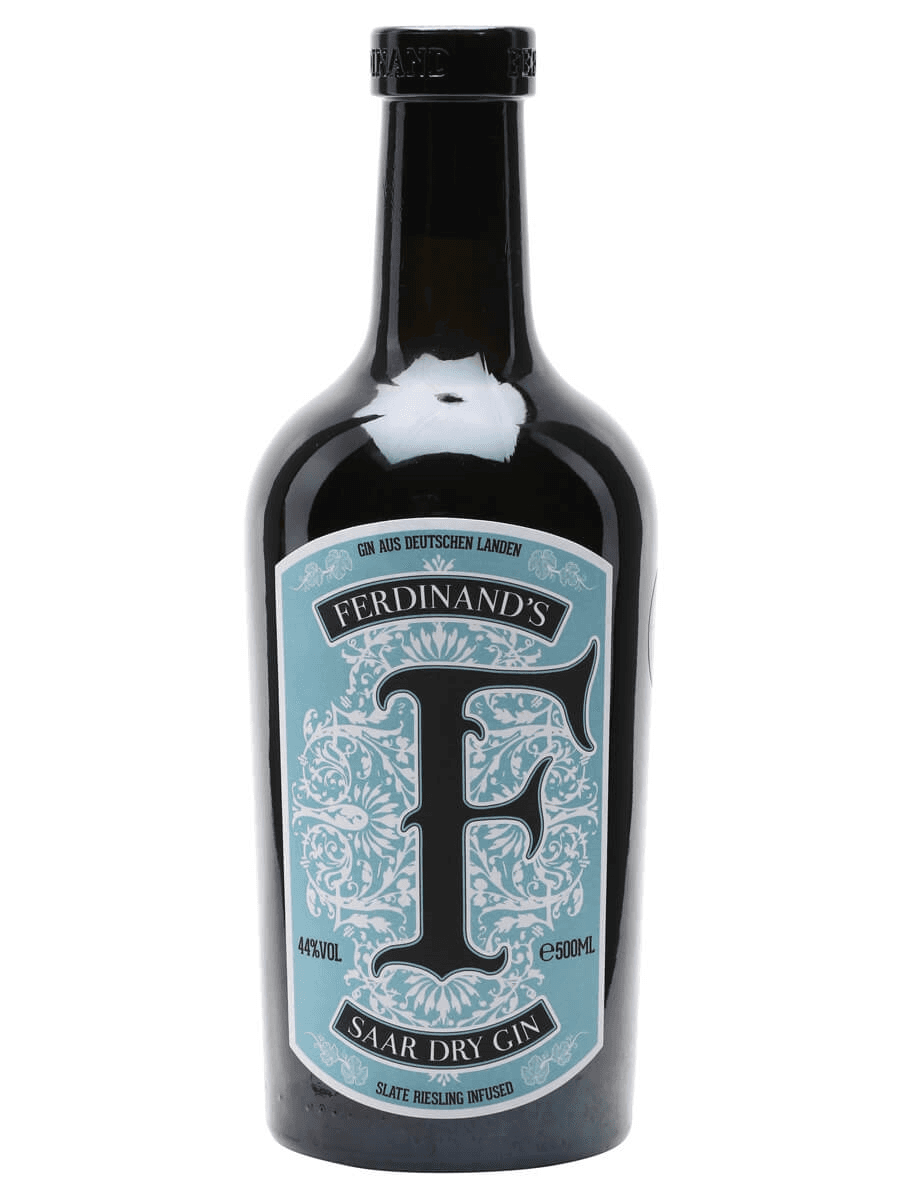
Ferdinand’s Saar Dry Gin
Avadis Distillery GmbH
Ferdinand’s Saar Dry Gin is the rare bottle whose catalyst is literally an ingredient no one else has thought to add. The Riesling infusion does not make this a wine-flavored gin — it is subtler and more structural than that. The wine contributes acidity, a floral lift, and a mineral backbone that unifies over thirty disparate botanicals into a coherent whole. Juniper leads as it should, but the Riesling gives the gin a vinous complexity that makes it equally compelling neat, in a Martini, or in a G&T. At under forty-five dollars, Ferdinand’s offers something unlike anything else on the gin shelf — and that novelty is backed by impeccable distilling craft.
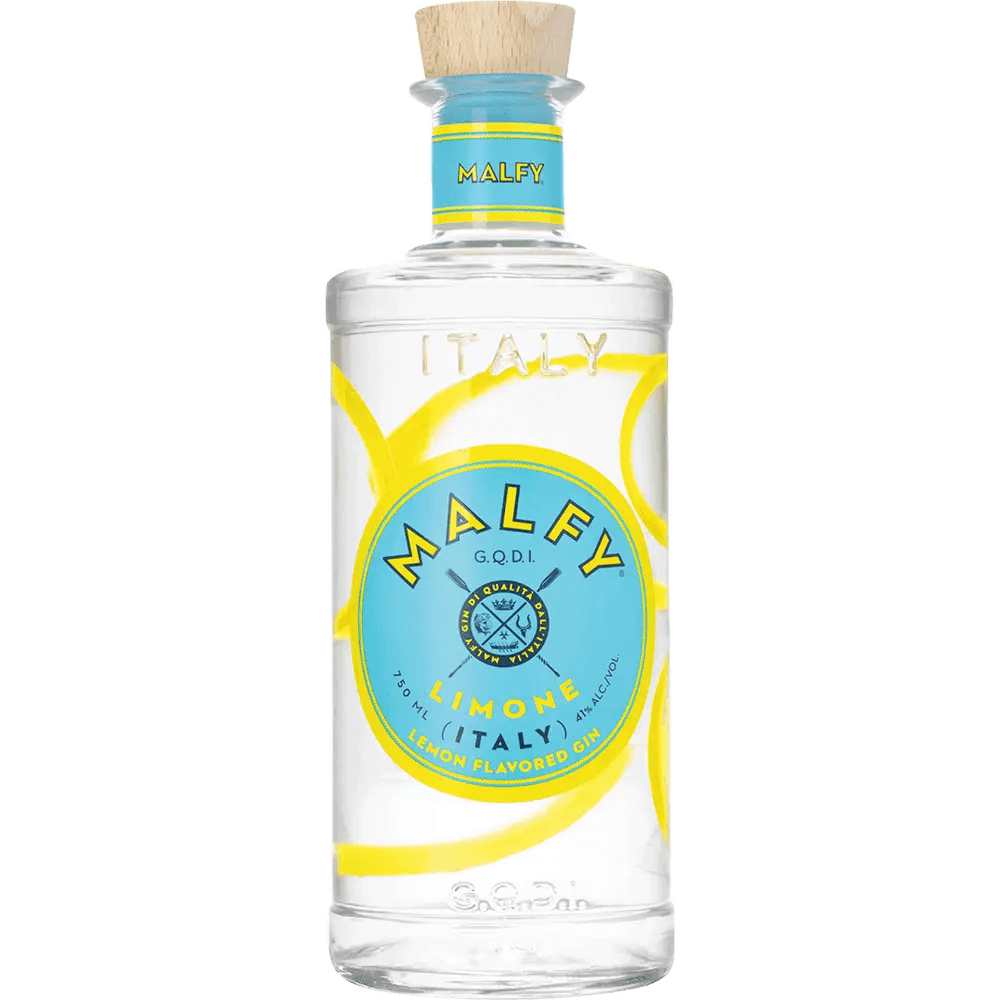
Malfy Con Limone
Biggar and Leith (Pernod Ricard)
Malfy Con Limone is the proving ground for Italian gin as a category. When Torino Distillati released it, the idea that Italy — a country defined by wine, amaro, and grappa — could produce a world-class gin built around Amalfi lemons seemed audacious. It proved not only possible but wildly successful, opening the door for an entire generation of Mediterranean-inspired gins. The vacuum distillation preserves the sfusato lemon's delicate oils with remarkable fidelity, and the result is a gin that tastes like the Amalfi Coast smells. At under thirty-five dollars, it has nothing left to prove. Cocktail — The Amalfi Spritz: 2 oz Malfy Con Limone, 1 oz Aperol, 0.75 oz fresh lemon juice, top with prosecco. Build in a wine glass over ice. Garnish with a lemon wheel and a sprig of basil. The gin's bright citrus lifts the Aperol's bittersweet warmth into something effervescent and Mediterranean.
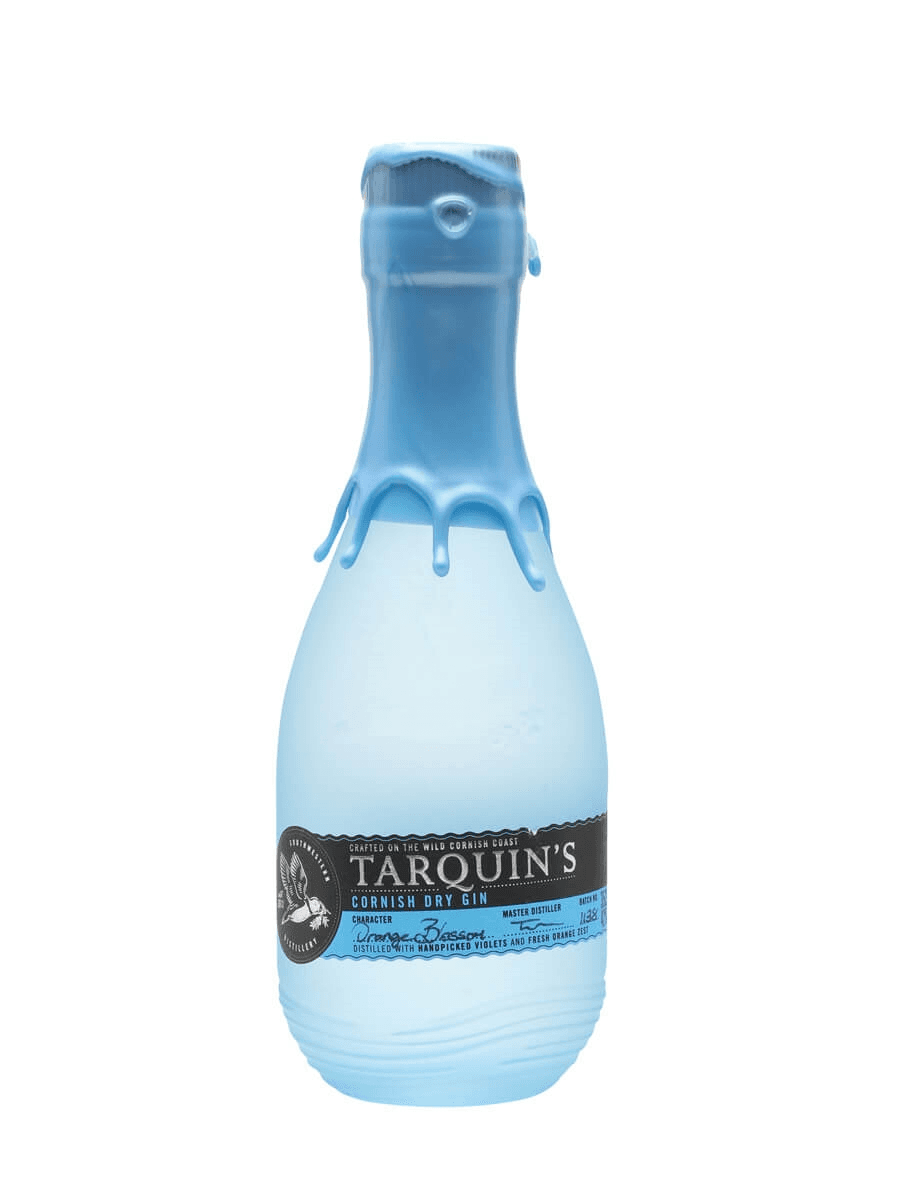
Tarquin's Cornish Dry Gin
Southwestern Distillery (Independent)
Tarquin's is among the very few gins in Britain still distilled over naked flame — and you can taste the difference. Direct-fire distillation gives the distiller less control than steam-heated stills, but rewards the skilled hand with a richer, more textured spirit.
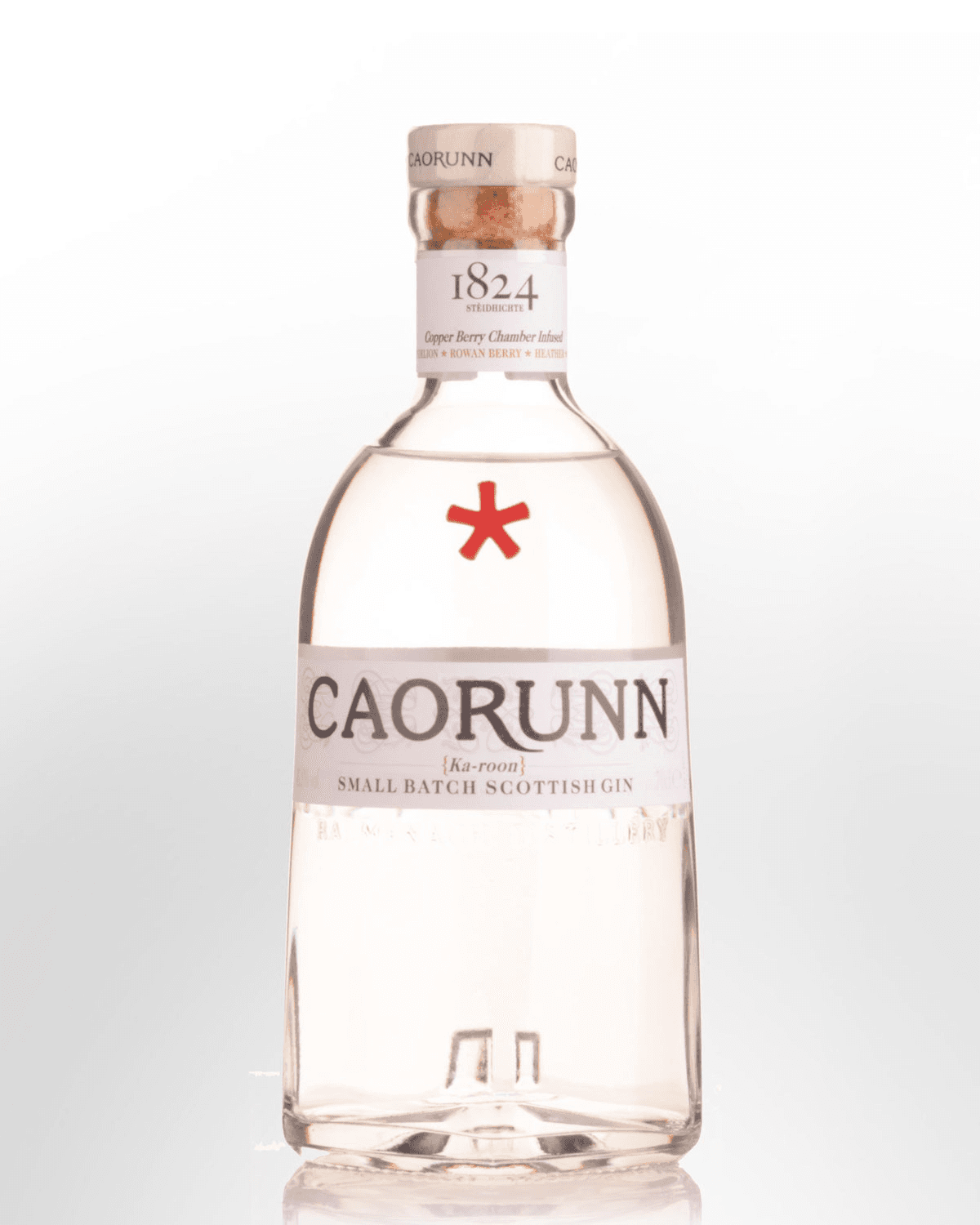
Caorunn Small Batch Scottish Gin
International Beverage Holdings (ThaiBev)
Caorunn is what happens when gin grows up in the Scottish Highlands instead of London.
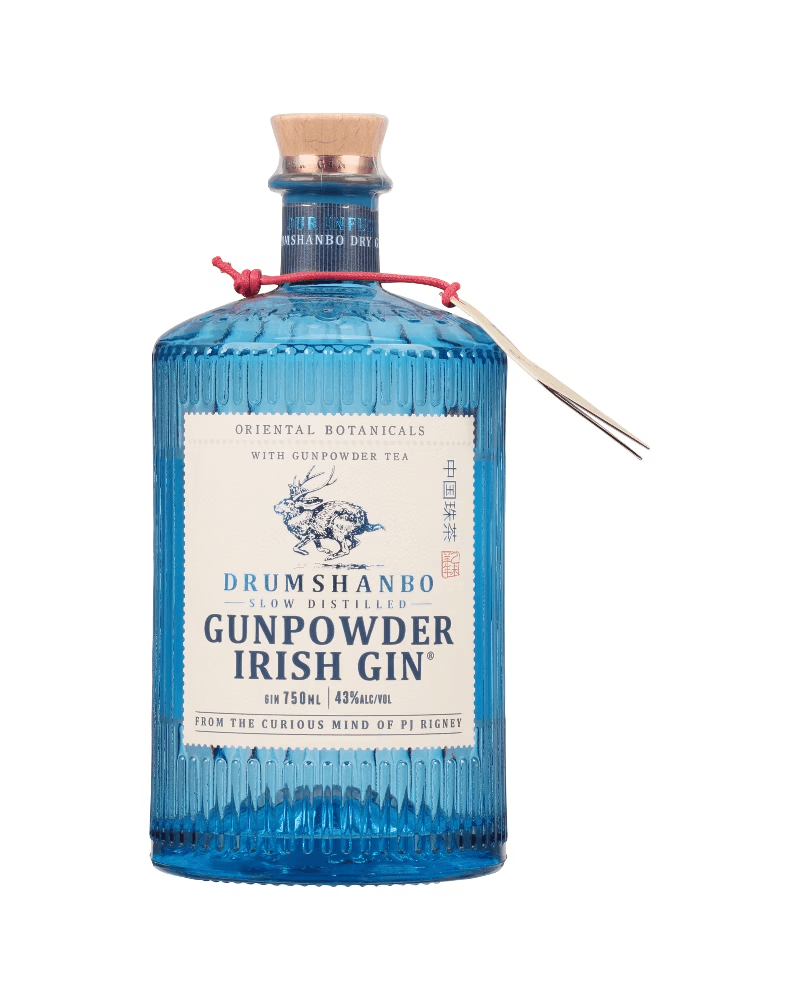
Drumshanbo Gunpowder Irish Gin
The Shed Distillery
The Gunpowder tea botanical is the masterstroke here — it binds the citrus and juniper elements into something cohesive and unmistakably different from any London Dry. Drumshanbo Gunpowder is the gin that makes craft spirit sceptics take a second look. The distinctive spherical bottle is famous in Irish bars, but the real story is inside it: a carefully developed recipe, an unexpected Chinese tea leaf, and a distillery that chose character over convention at every turn. Serve in a copa glass over ice with tonic, sliced pink grapefruit, and a twist of lime.
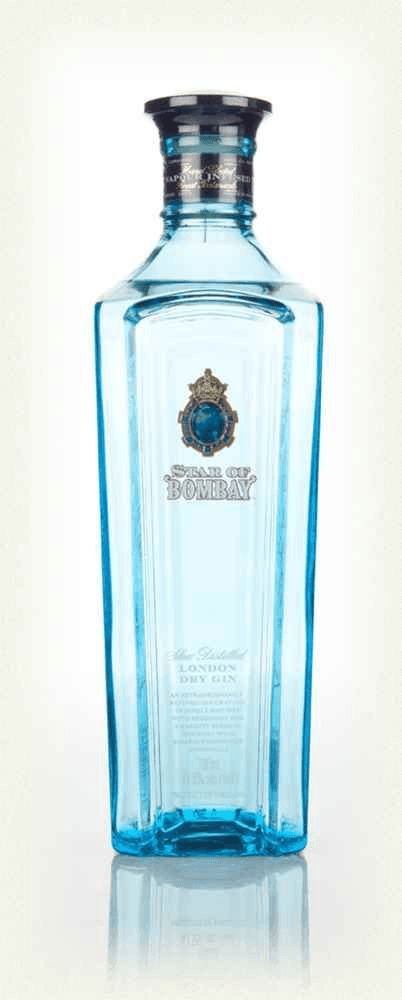
Star of Bombay
Bacardi (Bombay Spirits Company)
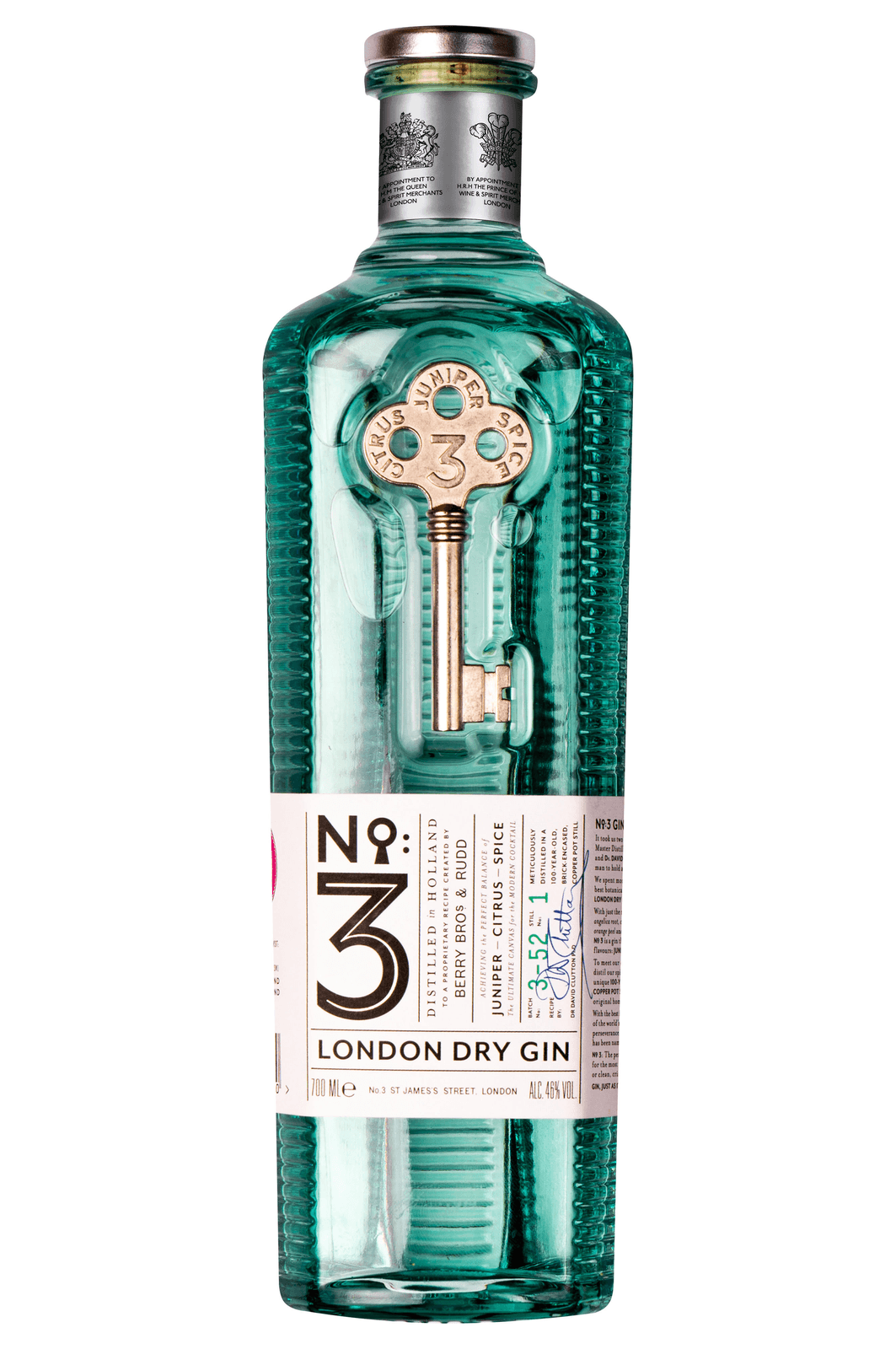
No. 3 London Dry Gin
Berry Bros. & Rudd
No. 3 London Dry Gin is resilience through reduction. While the gin world races to add more botanicals, Berry Bros. asked: what if six botanicals are all you need?
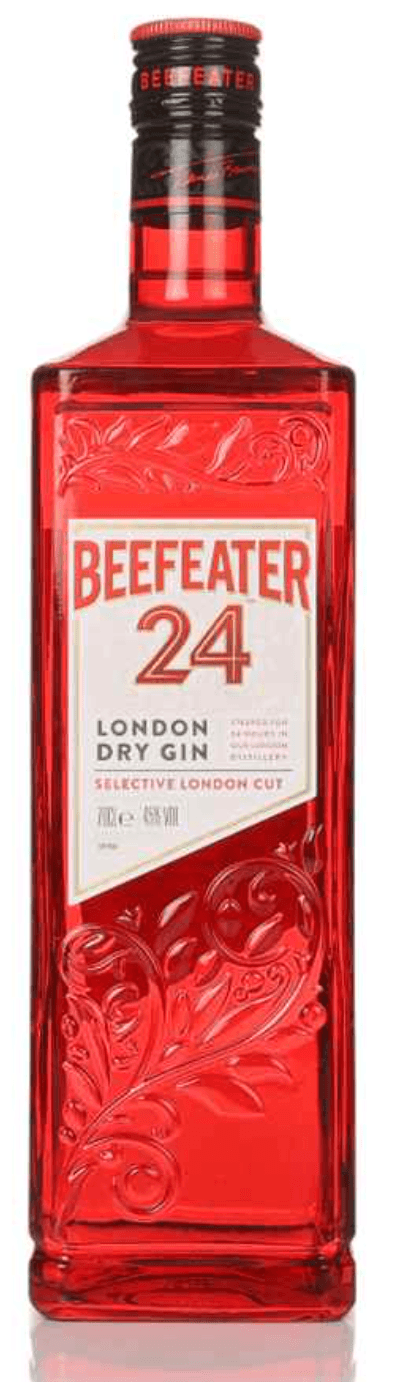
Beefeater 24
Pernod Ricard (Beefeater, est. 1863)
Beefeater 24 is what happens when the world's most experienced gin distiller gives botanicals more time.
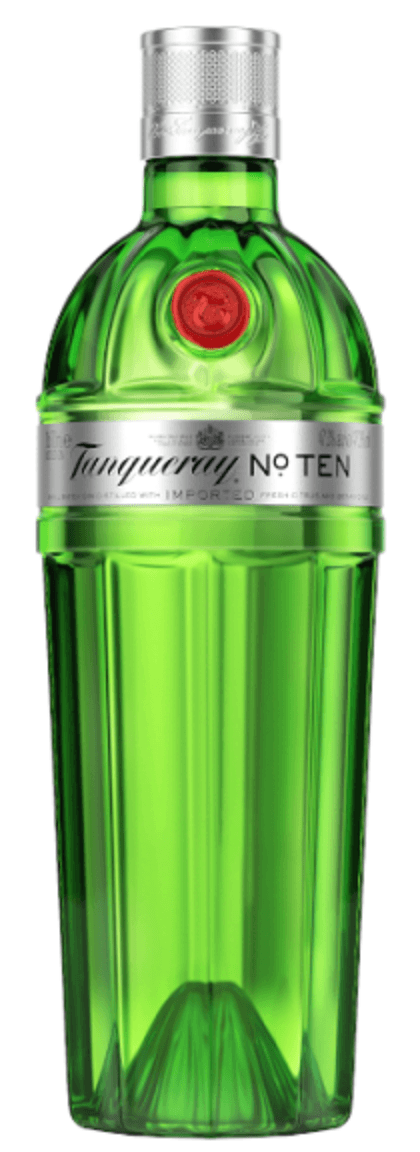
Tanqueray No. Ten
Diageo (Tanqueray, est. 1830)
Tanqueray No. Ten broke the gin rules by asking a simple question: what if we used fresh whole citrus fruits instead of dried peels? The answer came from a 1950s-era 500-liter pot still that the team nicknamed “Tiny Ten” — small enough for careful, small-batch distillation of fresh grapefruit, lime, orange, and chamomile flowers. The result created a new category: citrus-forward, cocktail-ready gin at a time when gin was considered your grandmother’s drink. At 47.3% ABV, it has the backbone to stand up in any cocktail without disappearing. The San Francisco World Spirits Competition put it in their Hall of Fame — the only gin to earn that distinction.
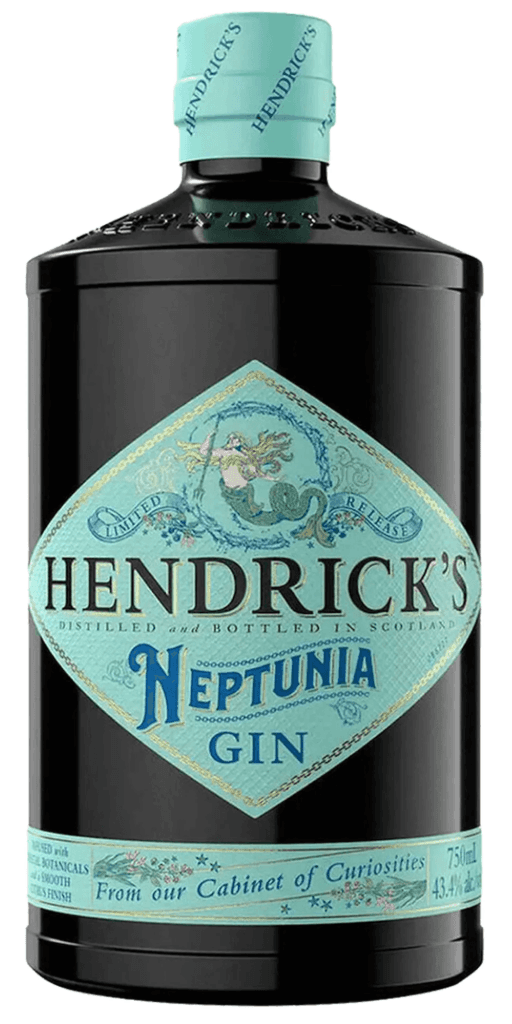
Hendrick’s Neptunia
William Grant & Sons
Neptunia takes the familiar Hendrick’s template and tilts it toward the sea. The coastal botanicals — kelp, thyme, lime — add a saline freshness that makes this gin feel like a walk on a Scottish shoreline. It’s not a gimmick; the sea influence is real but restrained, adding a new dimension rather than overwhelming the juniper and floral base that Hendrick’s fans expect.
Capreolus Blackbird Gin
Capreolus
Barrie Dyas's meticulous approach to distillation—treating each botanical almost as a separate ingredient to be captured at its peak—results in a gin of remarkable clarity and focus. The Blackbird expression showcases the Cotswolds' foraging tradition while maintaining a classically structured juniper profile. Exceptional in a Martini.

Whitley Neill Quill Gin
Whitley Neill
Whitley Neill's Quill expression strips back the flavored gin trend and returns to fundamentals. Juniper dominates without being monolithic, and the botanical balance feels deliberate and well-calibrated. A London Dry that earns the name.

Salcombe Gin 'Rockpool'
Salcombe Distilling Co.
A genuinely place-driven coastal gin that avoids gimmick — Rockpool captures the Salcombe estuary in liquid form without sacrificing the backbone of a proper London Dry.

Maidenii Dry Gin
Maidenii
Known primarily for their exceptional vermouths, Maidenii proves they understand dry gin just as well. This is a botanically precise, juniper-led gin that respects tradition while incorporating Australian sensibility. The balance between citrus lift and earthy depth is expertly managed.

Moorland Spirit Co. Sheffield Dry Gin
Moorland Spirit Co.
Moorland Spirit Co. draws on the botanical heritage of the Peak District moorlands surrounding Sheffield, and the result is a gin that feels rooted in landscape without becoming gimmicky. It's juniper-forward in the best sense—structured, balanced, and built for both sipping and mixing.

Perfume Trees Gin Navy Strength
Perfume Trees
Perfume Trees' navy strength edition takes the brand's already distinctive East-meets-West botanical profile and dials up the intensity without losing balance. The extra proof reveals layers that the standard strength keeps quieter, particularly the floral and spice elements. A gin that demands attention.

Eucundha Cold Distilled Gin
Inverroche
Inverroche's cold distillation technique captures fynbos botanicals at their most expressive without thermal degradation. The result is a gin that feels lighter than its proof suggests, with remarkable aromatic clarity. It's a compelling argument for the terroir of South African gin—distinct from London tradition but deeply respectful of juniper's primacy.

Jeppson's Malört
Jeppson's
Malört is not a spirit you recommend lightly — it's a rite of passage, a loyalty test, and a cultural artifact of Chicago's bar scene rolled into one defiant bottle. It does exactly one thing and does it with absolute conviction: deliver the most aggressively bitter drinking experience commercially available. Whether that's a feature or a bug depends entirely on who you are, but there's no denying its singular identity in the spirits world.