Price
$50 – $100
78 reviews
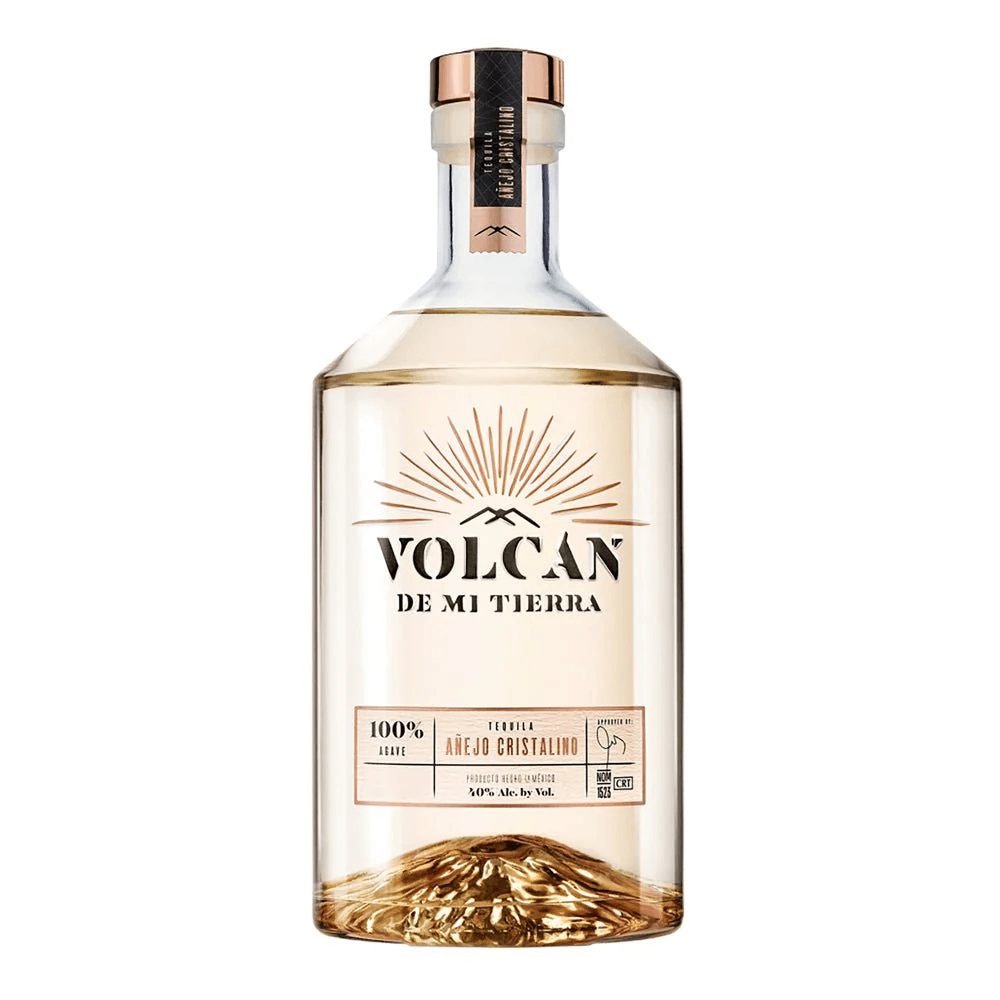
Volcán De Mi Tierra Cristalino
Moët Hennessy (LVMH)
The cristalino category is itself an experiment — the proposition that you can age a tequila for years, develop all that barrel complexity, then strip away the amber color through charcoal filtration without losing what the barrels gave you. Volcán De Mi Tierra pushes the experiment further by blending two different aged expressions from two different barrel types before filtering. The result is a tequila that looks like a blanco but drinks like an añejo — an optical illusion in a glass, and a compelling argument that color tells you far less about a spirit than you think.
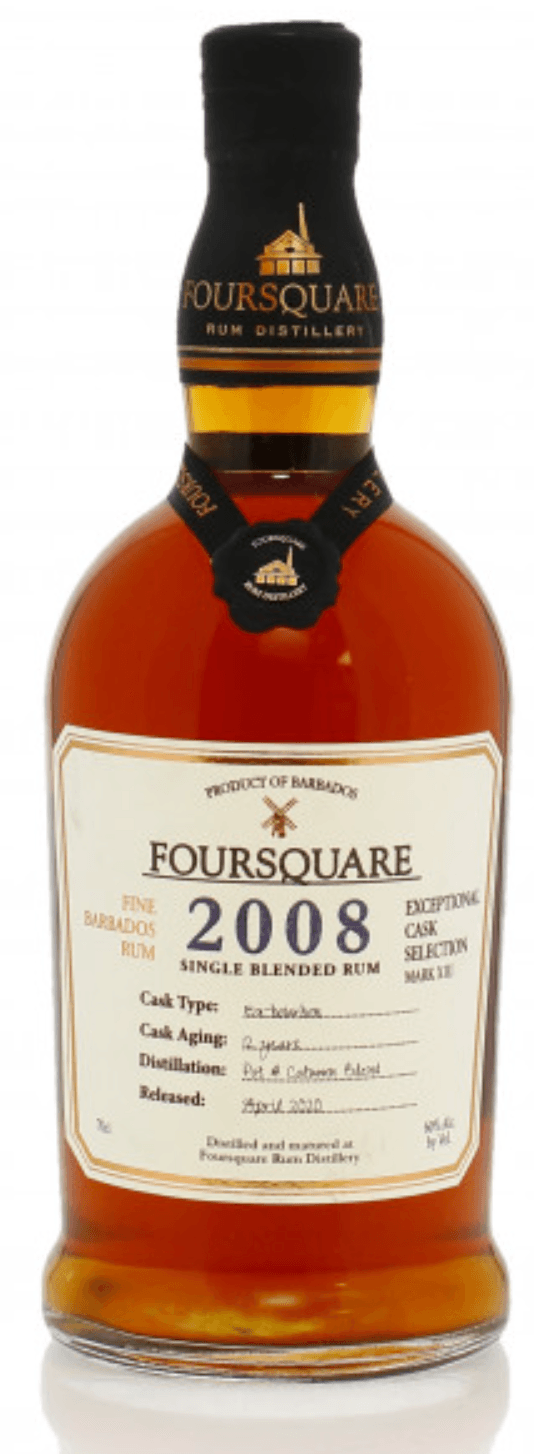
Foursquare 2008 Exceptional Cask Selection
R.L. Seale & Company (Foursquare, est. 1996)
Foursquare's ECS series has done for rum what single malt did for Scotch.
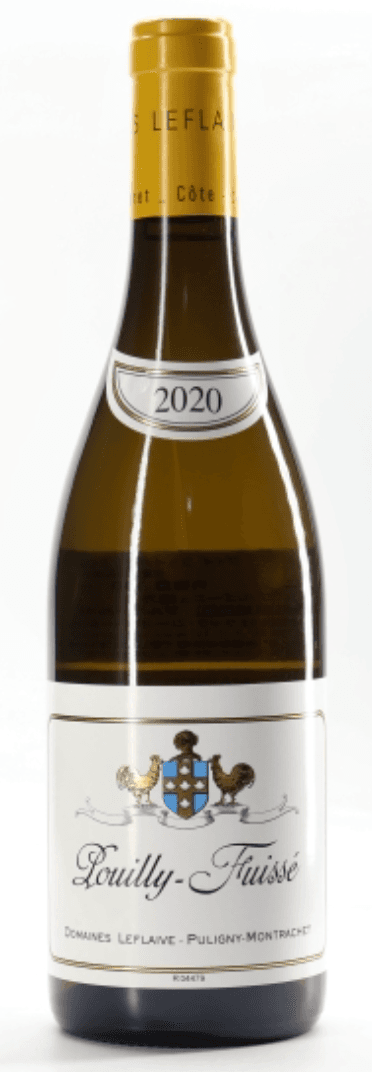
Domaine Leflaive Pouilly-Fuissé 2020
Domaine Leflaive (est. 1717)
The 2020 Domaine Leflaive Pouilly-Fuissé represents Burgundian Chardonnay at its most elegant.

Highland Park 12 Year Old
The Edrington Group
Highland Park 12 is the great balancing act in Scotch whisky. It’s peated but not aggressively so, because Orkney’s peat is infused with heather rather than the woody roots found on Islay — the result is floral smoke rather than campfire smoke. Add in the sherry cask sweetness and the unmistakable coastal salinity from water drawn from Cattie Maggie’s Spring for over two centuries, and you get a whisky that bridges the gap between Speyside smoothness and Island intensity. It’s the single malt that converts people who think they don’t like peat.
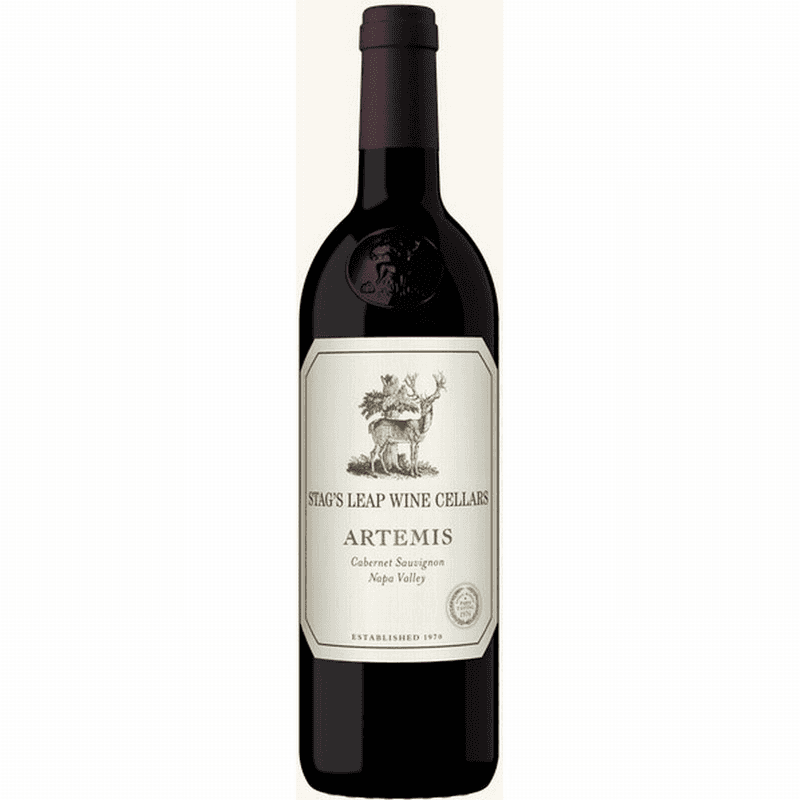
Stag's Leap Wine Cellars Artemis Cabernet Sauvignon 2021
Marchesi Antinori
Artemis is the more approachable sibling of the legendary CASK 23, but don't mistake accessibility for simplicity. The winemaking architecture is rigorous: fruit sourced from across Napa Valley with a heavy lean toward the Stags Leap District's volcanic soils, then aged in a calibrated mix of French and American oak that adds complexity without overwhelming the fruit. The name references the Greek goddess of the hunt — and there is something purposeful about this wine, a sense that every element has been placed with intention. The tannins are fine-grained and structural, the fruit is concentrated but not overblown, and the oak integration suggests design, not accident.
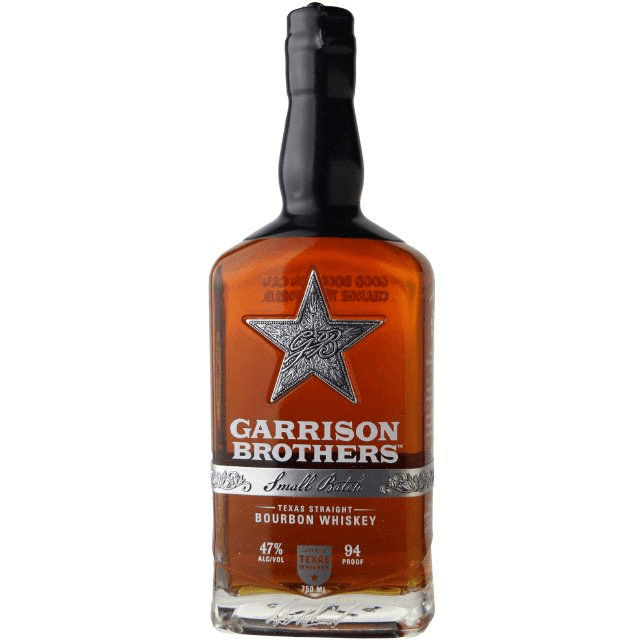
Garrison Brothers Small Batch Texas Straight Bourbon
Garrison Brothers Distillery
Garrison Brothers makes a convincing case that exceptional bourbon doesn't require a Kentucky zip code. The Texas climate does what years of barrel rotation cannot — it pushes the spirit hard against new oak from the first summer, extracting a depth of caramel and vanilla that rivals aged Kentucky expressions at twice the price. The Small Batch is approachable enough for newcomers and complex enough to challenge experienced palates. This is the bourbon that makes you reconsider every assumption about terroir and tradition.
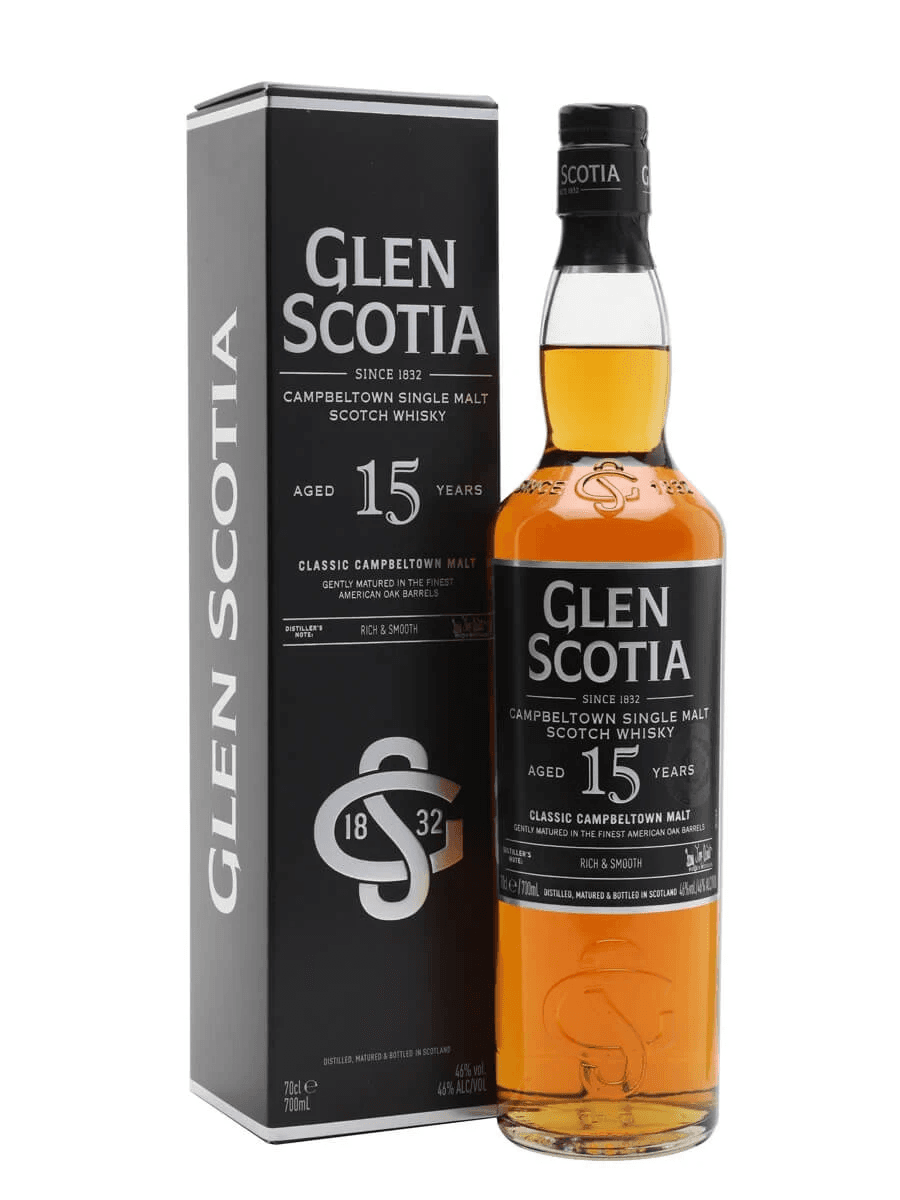
Glen Scotia 15 Year Old
Loch Lomond Group
Glen Scotia 15 is the proving ground for an entire whisky region. Campbeltown's story is one of spectacular decline — from over thirty distilleries to just three — and Glen Scotia has been there through nearly all of it, distilling since 1832. This 15-year-old bottling, presented at a confident 46% ABV without chill filtration, demonstrates exactly what has been worth preserving: a style that is uniquely Campbeltown, maritime and honeyed, with a brininess you simply cannot replicate elsewhere. It is proof that survival is its own kind of excellence. Cocktail — The Campbeltown Mist: 2 oz Glen Scotia 15, 0.5 oz honey syrup, 3 dashes orange bitters. Stir over a large ice cube in a rocks glass. Express a lemon peel over the surface and discard. The honey amplifies the whisky's natural sweetness while the citrus lifts its maritime edges.
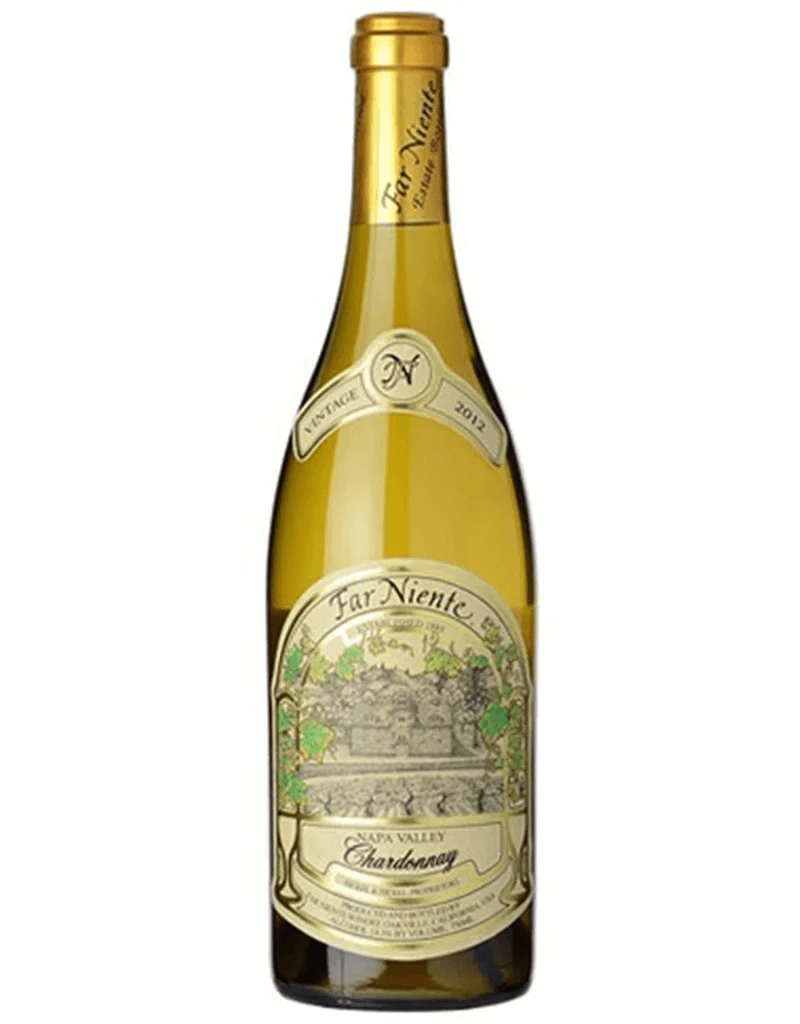
Far Niente Chardonnay Napa Valley 2022
Far Niente Winery
Far Niente Chardonnay is a Napa Valley institution — a wine that has set the standard for California Chardonnay since the estate's revival in 1979. Nicole Marchesi's winemaking philosophy is clear: every decision, from vineyard selection to barrel fermentation to malolactic aging, is made in service of balance rather than power.
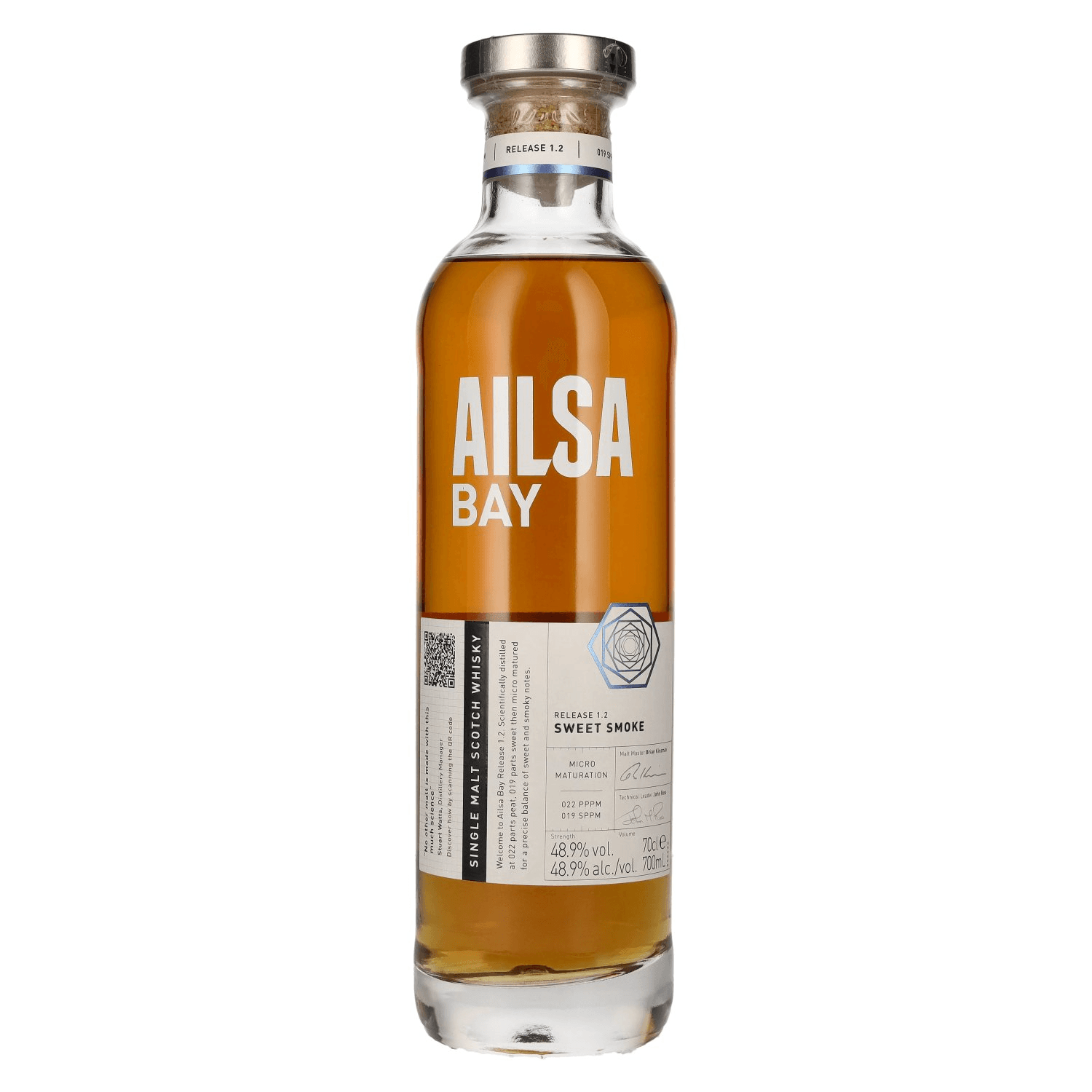
Ailsa Bay Sweet Smoke
William Grant & Sons
Ailsa Bay is a whisky designed by measurement. Malt Master Brian Kinsman assigned each batch a sweetness score (measured in SPPM — sweet parts per million) and a smoke score (measured in phenol PPM), then balanced the two until they achieved equilibrium — a concept he calls Sweet Smoke. The result is unlike heavily peated Islay malts or gentle Speyside drams. It occupies a middle ground that didn't exist before Kinsman built it: controlled peat that enhances rather than dominates, supported by vanilla and honey from the micro-maturation protocol in small Hudson Baby Bourbon barrels. This is Scotch as controlled experiment.
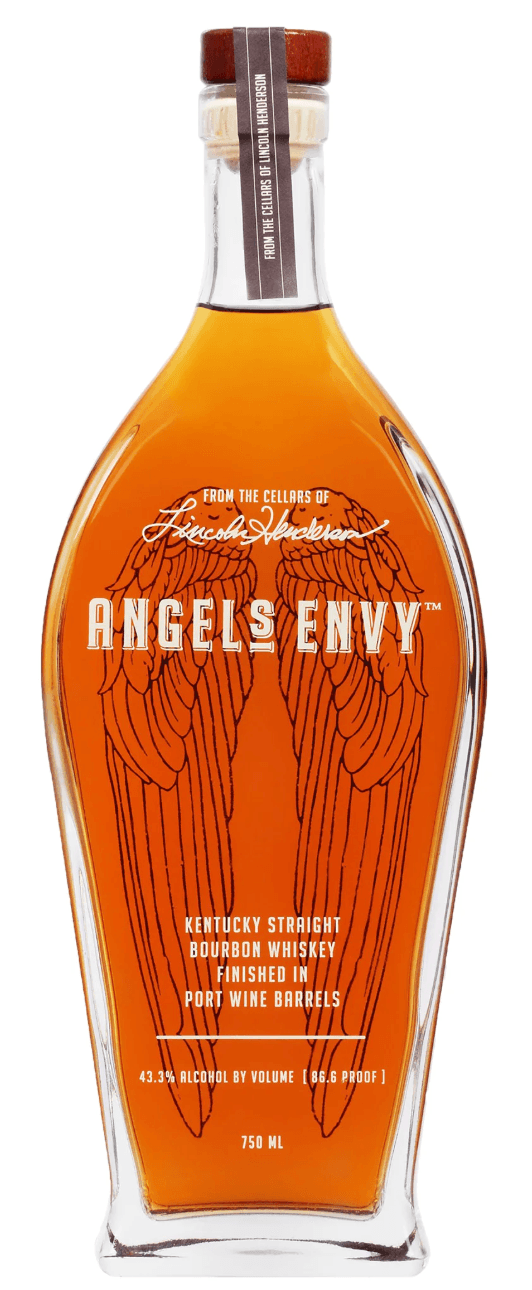
Angel's Envy Kentucky Straight Bourbon
Louisville Distilling Company (Angel's Envy, est. 2010)
Angel's Envy is a monument to patience — Lincoln Henderson's patience in waiting until age 72 to build the bourbon he'd always imagined, and the liquid patience of that port barrel finish, where months of quiet resting transform a solid Kentucky straight bourbon into something altogether more layered and contemplative. The port casks, sourced from Portugal, add a ruby-hued sweetness and dried fruit complexity without obscuring the corn-forward bourbon character underneath. At 86.6 proof, it's gentle enough for newcomers but complex enough to hold the attention of seasoned whiskey drinkers. Henderson passed away in 2013, but his son Wes carries the vision forward — and every bottle remains a reminder that the best things often come from those willing to wait.
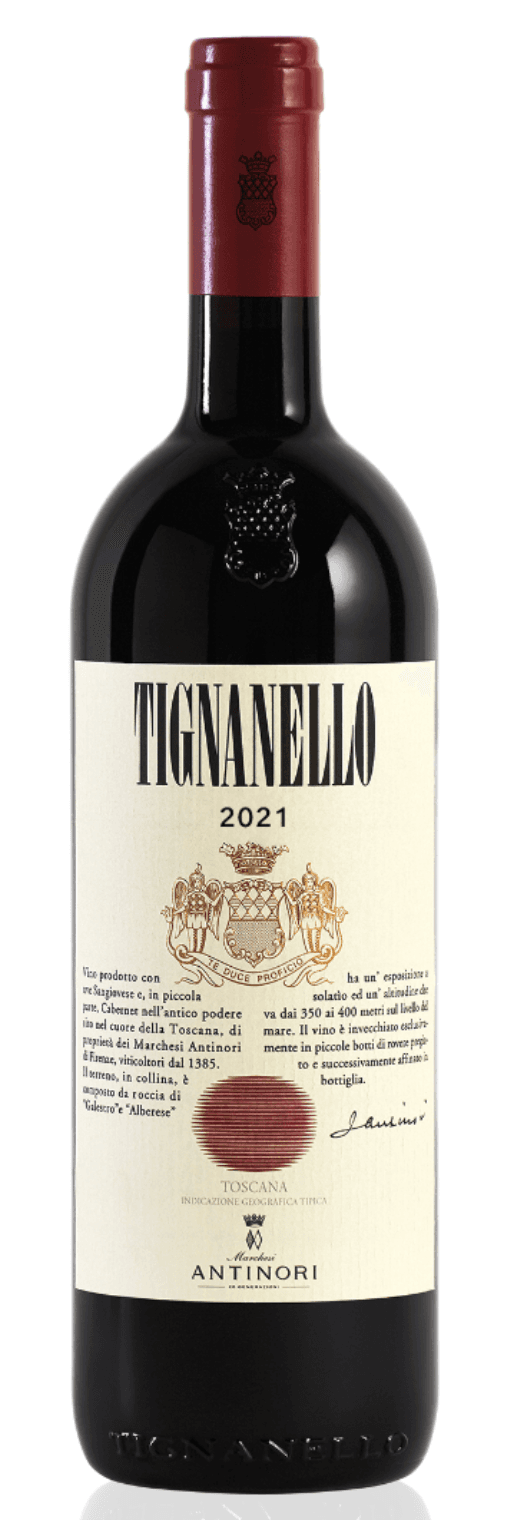
Antinori Tignanello 2021
Marchesi Antinori (est. 1385, 26th generation)
Tignanello is the wine that proved terroir could be revolutionary. When Piero Antinori released the 1971 vintage — a Sangiovese-Cabernet blend aged in French barriques, made outside every regulation that governed Chianti — the Italian wine establishment was outraged. The wine was declassified to “Vino da Tavola,” Italy’s lowest designation. Antinori didn’t care. He believed the Tignanello vineyard’s galestro and albarese soils (a mix of calcium-rich marl and hard limestone found only in central Tuscany) could produce wines that rivaled Bordeaux — if freed from rules requiring white grapes in a red wine. History proved him right. The 2021 vintage benefits from a warm but balanced growing season, with the Sangiovese delivering its characteristic sour cherry and herbal complexity while the Cabernet adds structure and depth. At 26 generations and 640 years, Antinori is the oldest family-owned wine company on earth — and Tignanello remains their most radical creation.
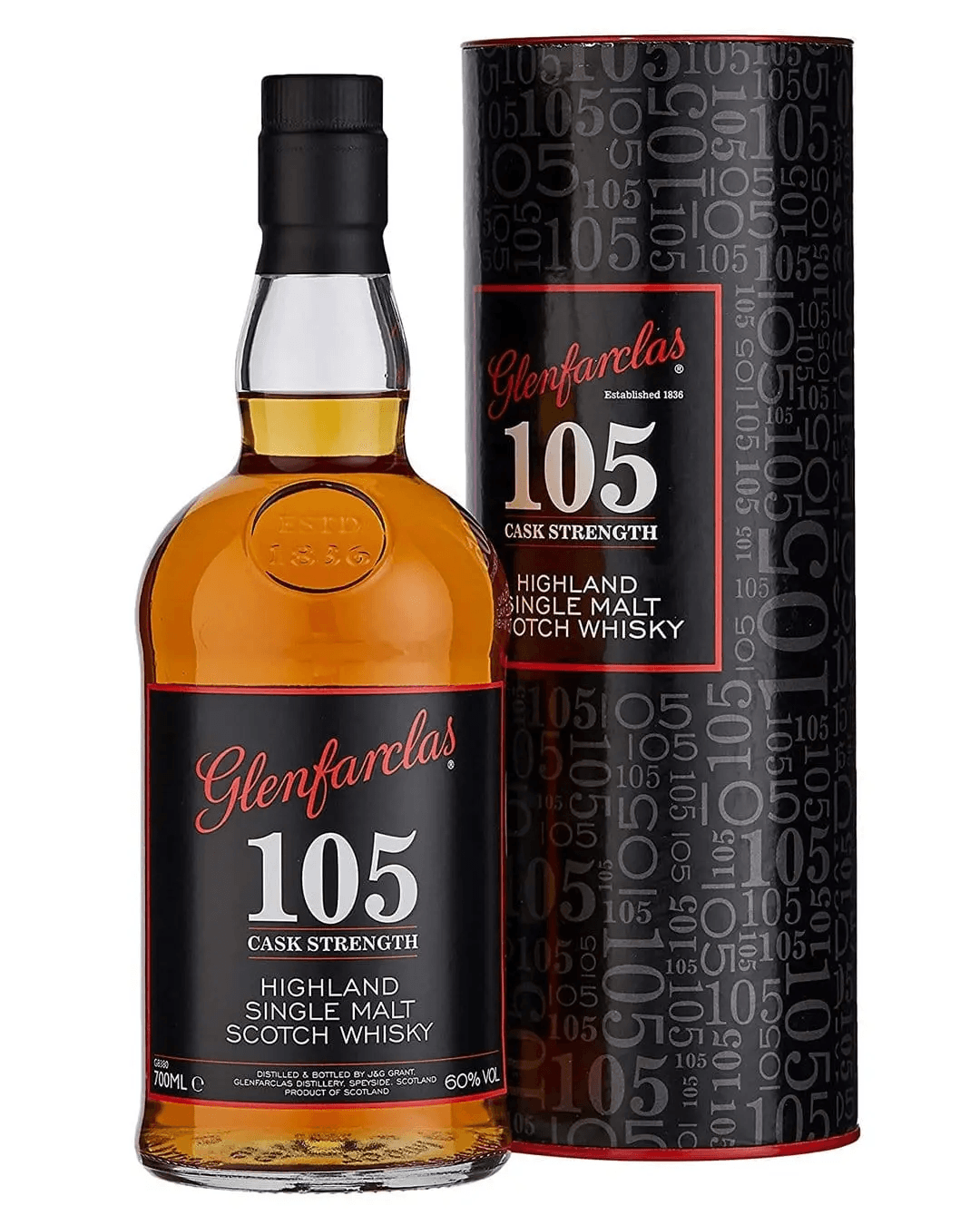
Glenfarclas 105 Cask Strength
J. & G. Grant (Grant family, sixth generation)
Glenfarclas 105 is one of the longest-running cask-strength single malts on the market — the distillery released it in 1968. The Grant family have never chill-filtered, colored, or cut it with water.
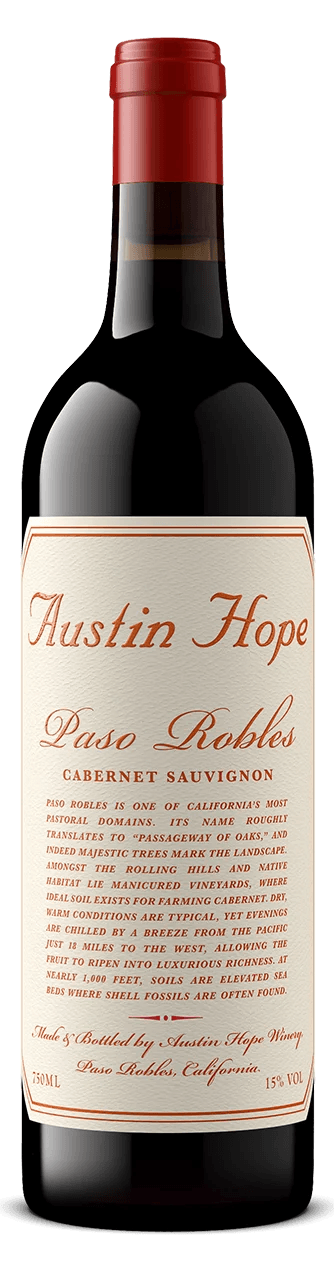
Austin Hope Cabernet Sauvignon Paso Robles 2022
Hope Family Wines
Paso Robles is a region forged by fire — and not just metaphorically. Daytime temperatures that soar past 100°F followed by dramatic nighttime drops create a thermal intensity that forces the vines to concentrate their sugars and develop deep, complex flavors.
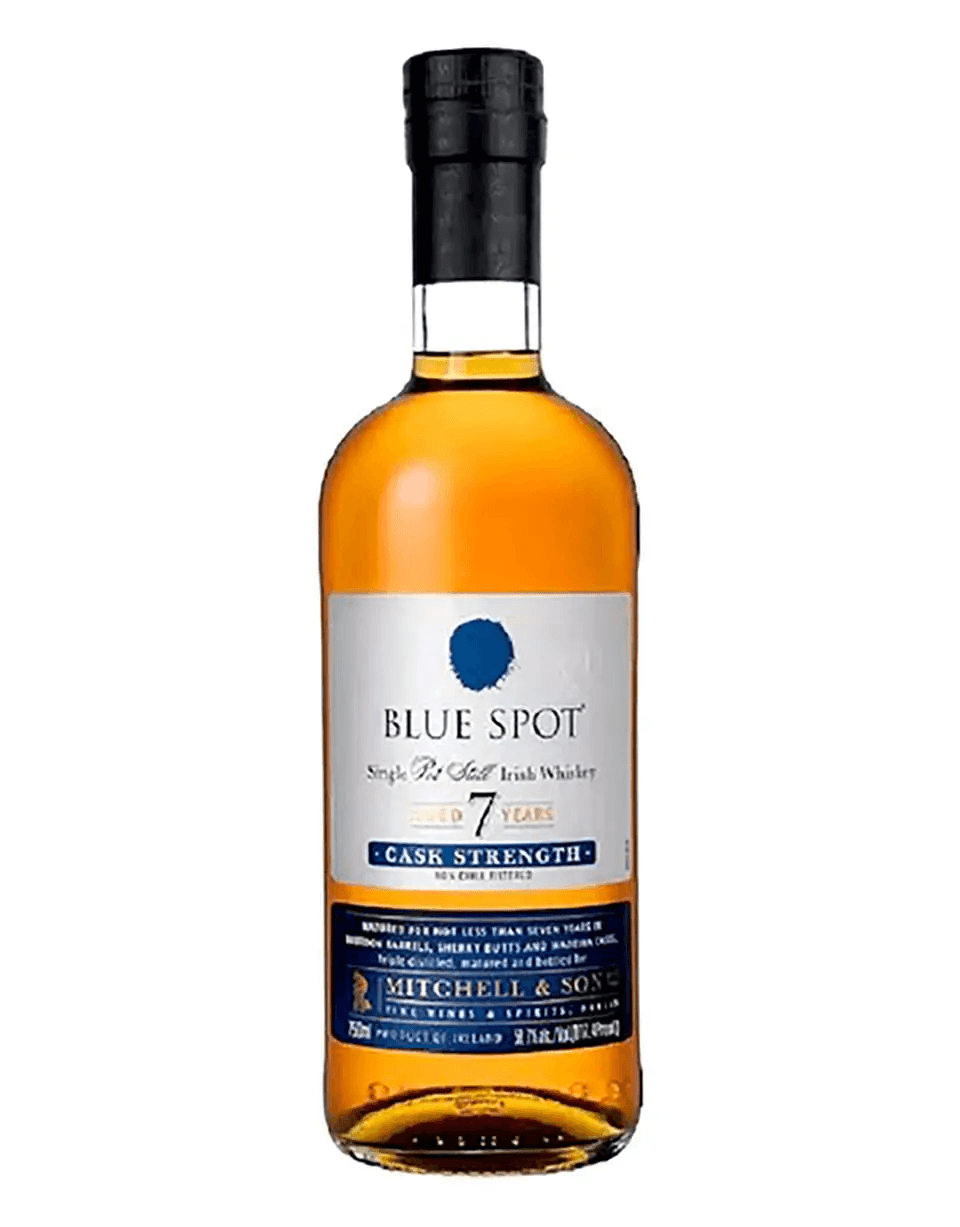
Blue Spot 7 Year Old
Irish Distillers (Pernod Ricard)
Blue Spot is the most structurally ambitious of the Spot family — and the most rewarding to decode. Where Green Spot uses one cask type and Yellow Spot uses three, Blue Spot deploys four distinct cask influences and bottles at cask strength, letting you experience the full architectural plan without dilution. The bourbon cask lays the vanilla-cream foundation. Sherry butts add dried fruit weight. Marsala casks bring an unexpected Italian sweetness. And the Madeira finish — those Portuguese fortified wine barrels — apply a tropical, honeyed glaze that ties everything together. At cask strength, the pot still spice cuts through all that sweetness, giving the whiskey a backbone as strong as its complexity is wide.
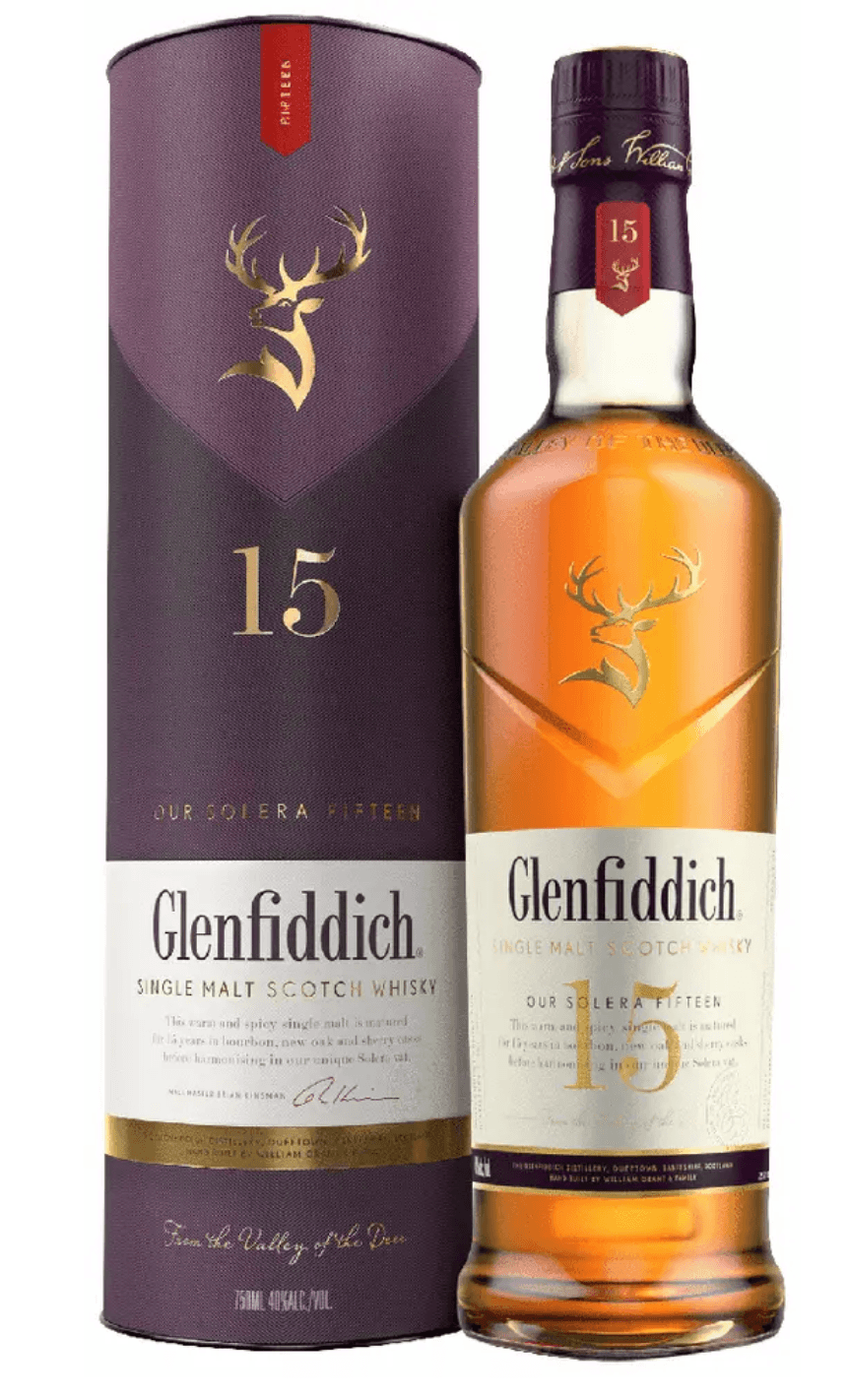
Glenfiddich 15 Year Old Solera
William Grant & Sons
The solera process is what sets this apart from every other 15-year-old Scotch on the shelf. By marrying whiskies in a vat that’s been continuously replenished for nearly three decades, Glenfiddich creates a consistency and depth that batch-by-batch production can’t replicate. It’s rich without being heavy — a Speyside that welcomes newcomers and still rewards experienced palates.
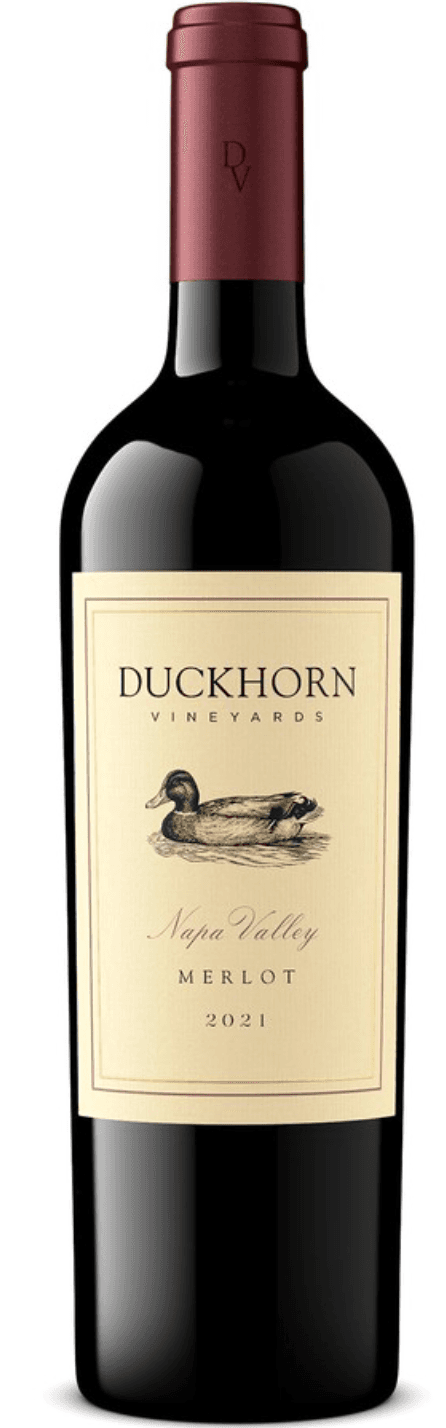
Duckhorn Vineyards Napa Valley Merlot 2021
The Duckhorn Portfolio, Inc.
Duckhorn didn’t just survive the “Sideways effect” — they thrived through it, because their Merlot was always too good to be dismissed. The 2021 vintage is a textbook example of why Napa Merlot deserves its place at the table: lush and approachable, but with enough Cabernet Sauvignon in the blend (22%) to provide structure and aging potential. This is the bottle that changes minds about Merlot.
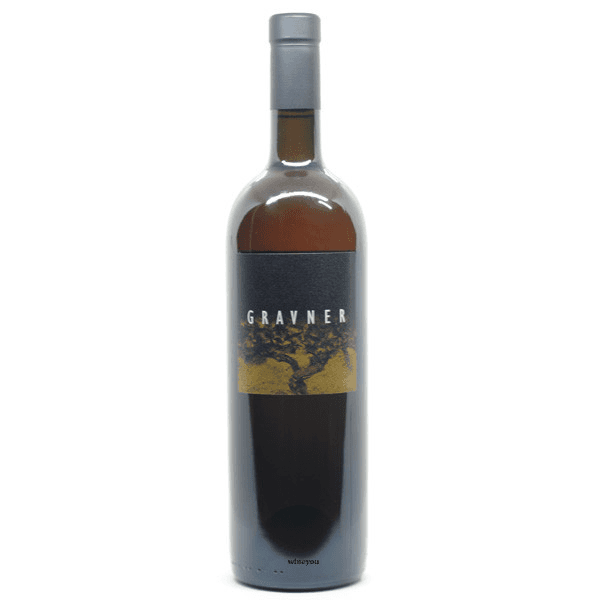
Gravner Ribolla Gialla 2015
Gravner
Gravner's experiment was the most radical in this lineup: he didn't tweak a process or add an ingredient — he threw away thirty years of modern winemaking and started over with seven-thousand-year-old technology. The Ribolla Gialla spends months on its skins in buried amphorae, developing a tannic structure and amber color that no conventional white wine possesses. Then it rests for six years in large oak before release. The result is a wine that defies categorization — not white, not red, not rosé, but something ancient and entirely its own. It proved that the oldest methods in winemaking weren't primitive — they were ahead of their time.
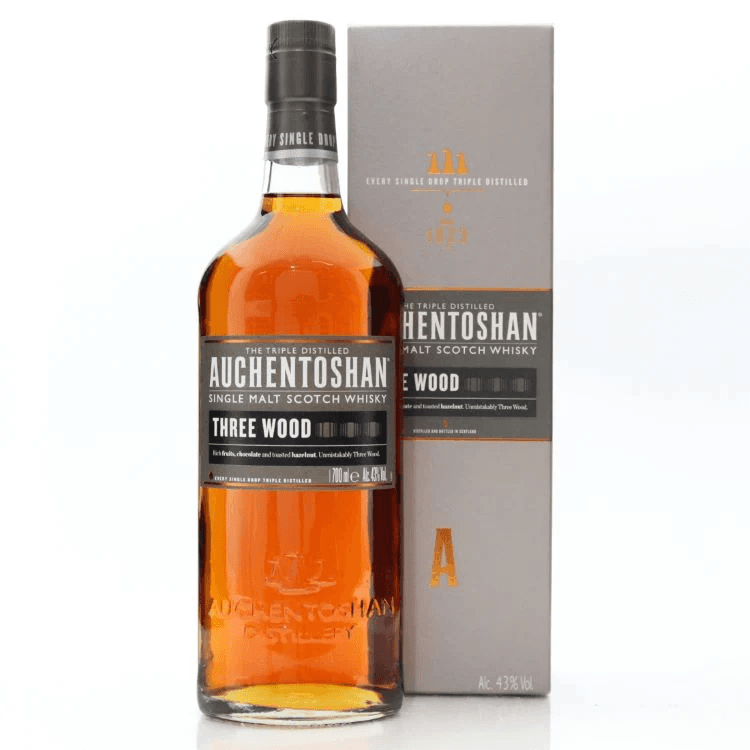
Auchentoshan Three Wood
Beam Suntory
Auchentoshan Three Wood is structural engineering in liquid form. The blueprint is deceptively simple — triple distillation for smoothness, then three deliberate cask chapters that each add a specific dimension. Bourbon barrels lay the vanilla-toffee foundation. Oloroso sherry casks introduce dried fruit depth and nutty complexity. Then Pedro Ximénez barrels — those treacly-sweet Spanish dessert wine casks — apply the final coat of dark fruit richness. The architecture works because each layer is legible: you can taste the bourbon sweetness, the oloroso depth, the PX finish, all integrated but distinct, like the floors of a well-designed building.
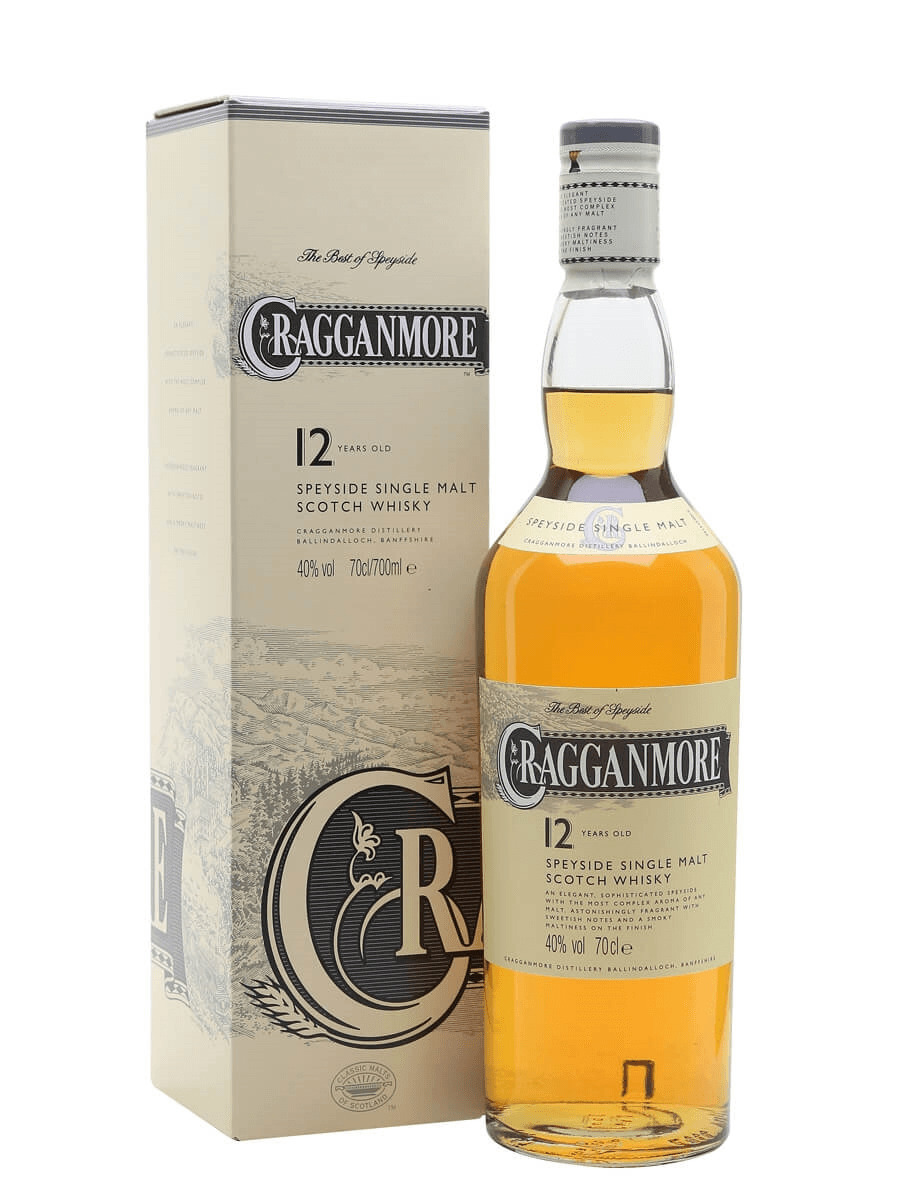
Cragganmore 12 Year Old
Diageo
Cragganmore 12 is the Speyside malt that rewards the patient nose. Where many single malts deliver their story in one dramatic chapter, Cragganmore reads like a novel with slow-building subplots. Those unique T-shaped lyne arms create a spirit of genuine complexity that unfolds over an hour in the glass.
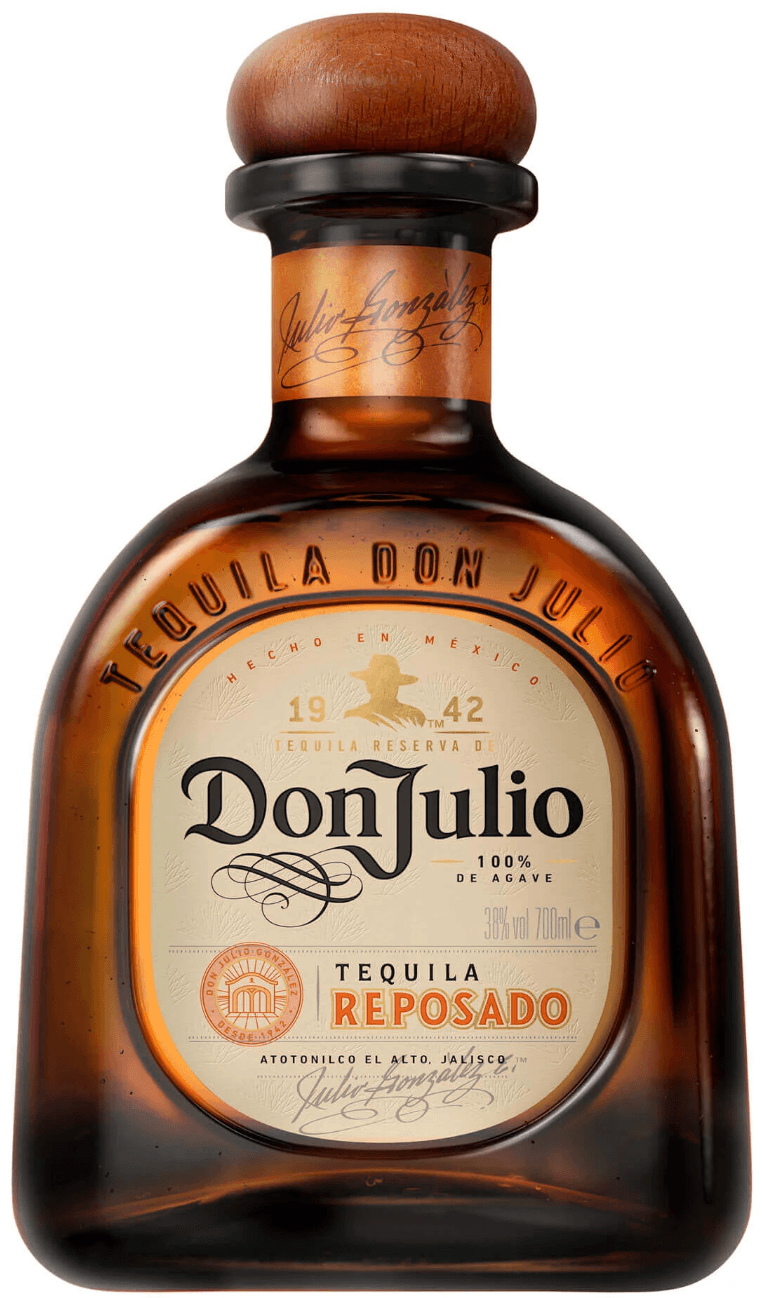
Don Julio Reposado
Diageo (Don Julio, est. 1942)
Don Julio invented the luxury tequila category. Before Don Julio, tequila was a commodity — cheap, harsh, and destined for margarita mixes. Julio González changed the rules by treating agave like fine wine grapes: planting further apart for full maturity, slow-roasting in 72-hour brick oven cycles, and aging in fine oak. When his sons created a tequila to honor his 60th birthday in 1985, it became the first tequila marketed as a premium sipping spirit. The Reposado expression — eight months in American white oak — strikes the ideal balance: enough barrel time to add complexity without masking the highland agave character that made the brand famous.
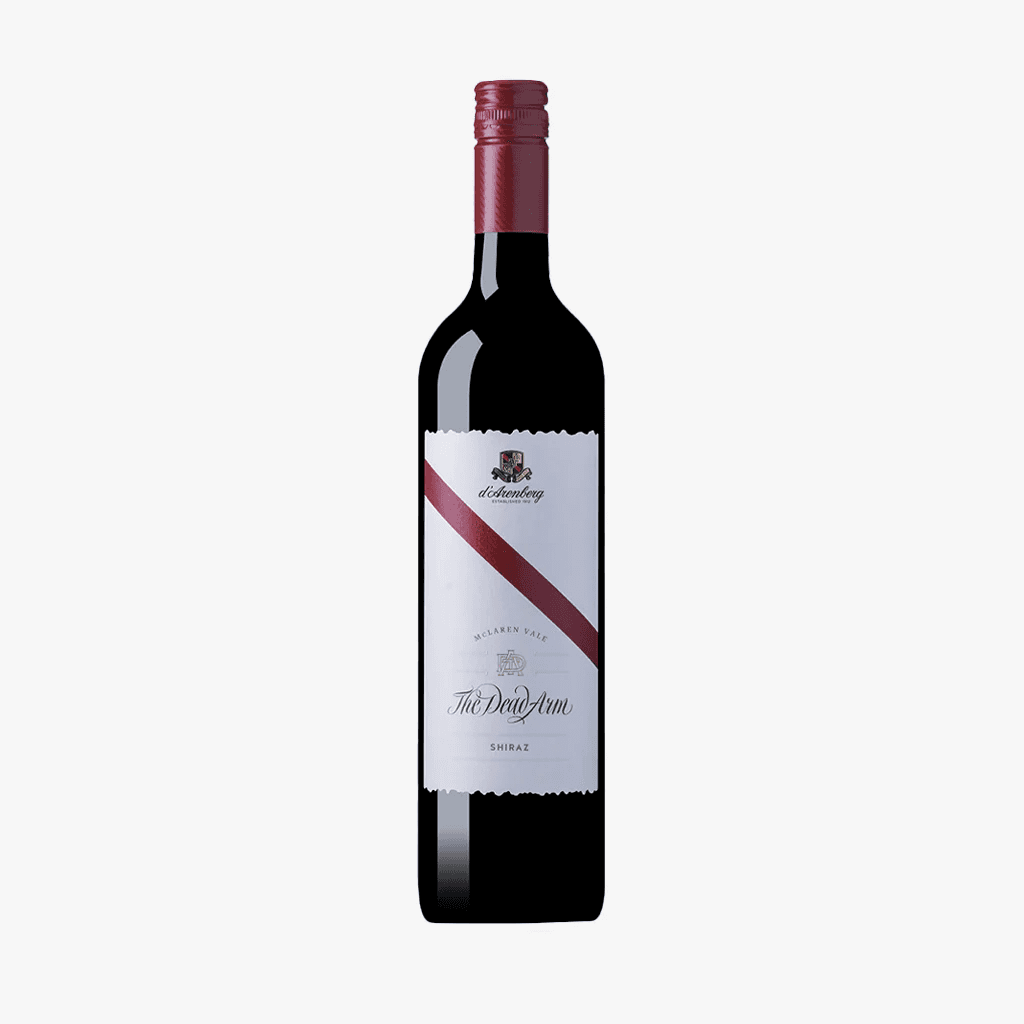
d'Arenberg The Dead Arm Shiraz 2019
d'Arenberg Pty Ltd
The Dead Arm is an experiment in turning disaster into distinction. Most growers would rip out vines afflicted with Eutypa lata, but Chester Osborn saw what the disease did to the surviving fruit — concentrated it, intensified it, made it something a healthy vine could never produce. The resulting wine is enormously concentrated without being heavy, packed with dark fruit and cedar but retaining the savory, earthy character that marks great McLaren Vale Shiraz. It's a reminder that some of the best things in wine happen when nature forces the maker's hand.
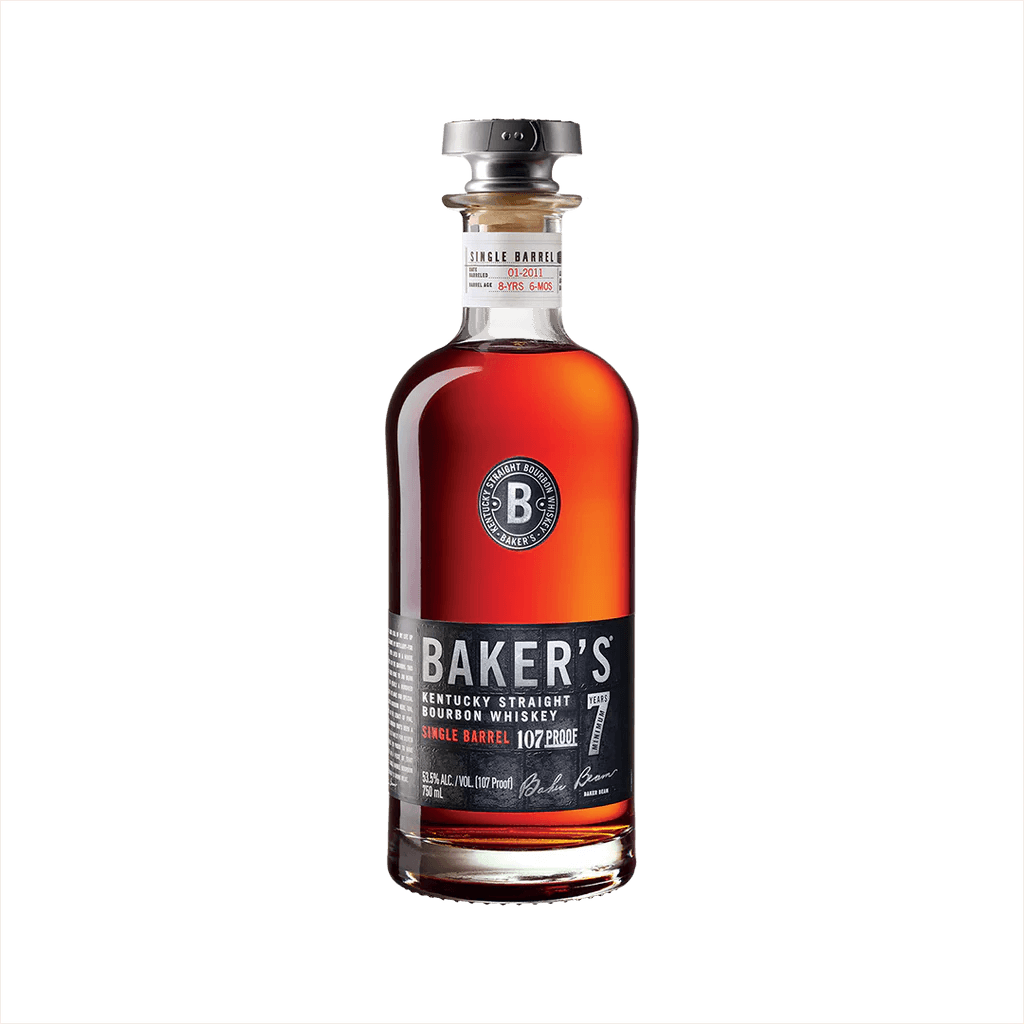
Baker's 7 Year Old Single Barrel
Beam Suntory
Baker's 7 is the bourbon that proves the Beam family's small batch experiment was not a marketing exercise. While Knob Creek went for age, Booker's for barrel proof, and Basil Hayden's for approachability, Baker Beam chose texture — a uniquely full-bodied, oily mouthfeel that feels like liquid velvet at 107 proof.
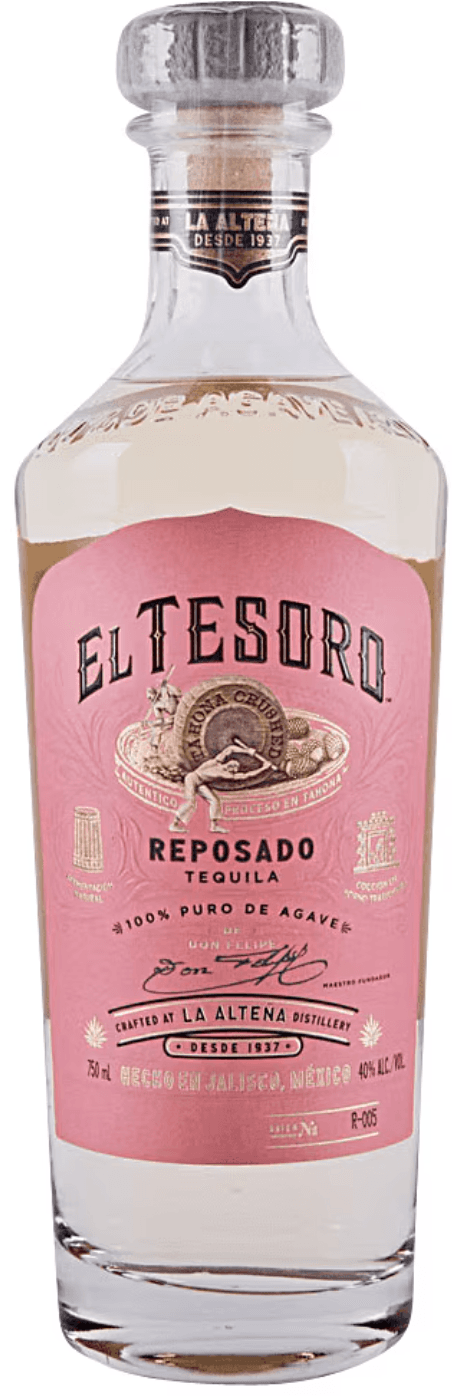
El Tesoro Reposado
Camarena Family / Beam Suntory (El Tesoro, est. 1937)
El Tesoro is the tequila nerd’s tequila. The Camarena family’s obsession starts with the tahona — a two-ton volcanic stone wheel that slowly crushes roasted agave hearts, extracting sugars along with fibers that go into the fermentation tank, adding savory complexity that roller mills strip away. Then there’s the distillation: El Tesoro is one of the only tequilas distilled to proof, meaning no water is added after distillation. What comes out of the still is what goes in the barrel. The Reposado spends 9–11 months in ex-bourbon barrels — long enough to add vanilla and caramel, short enough to let the agave and tahona character remain front and center. This is tequila that tastes like the earth it came from.
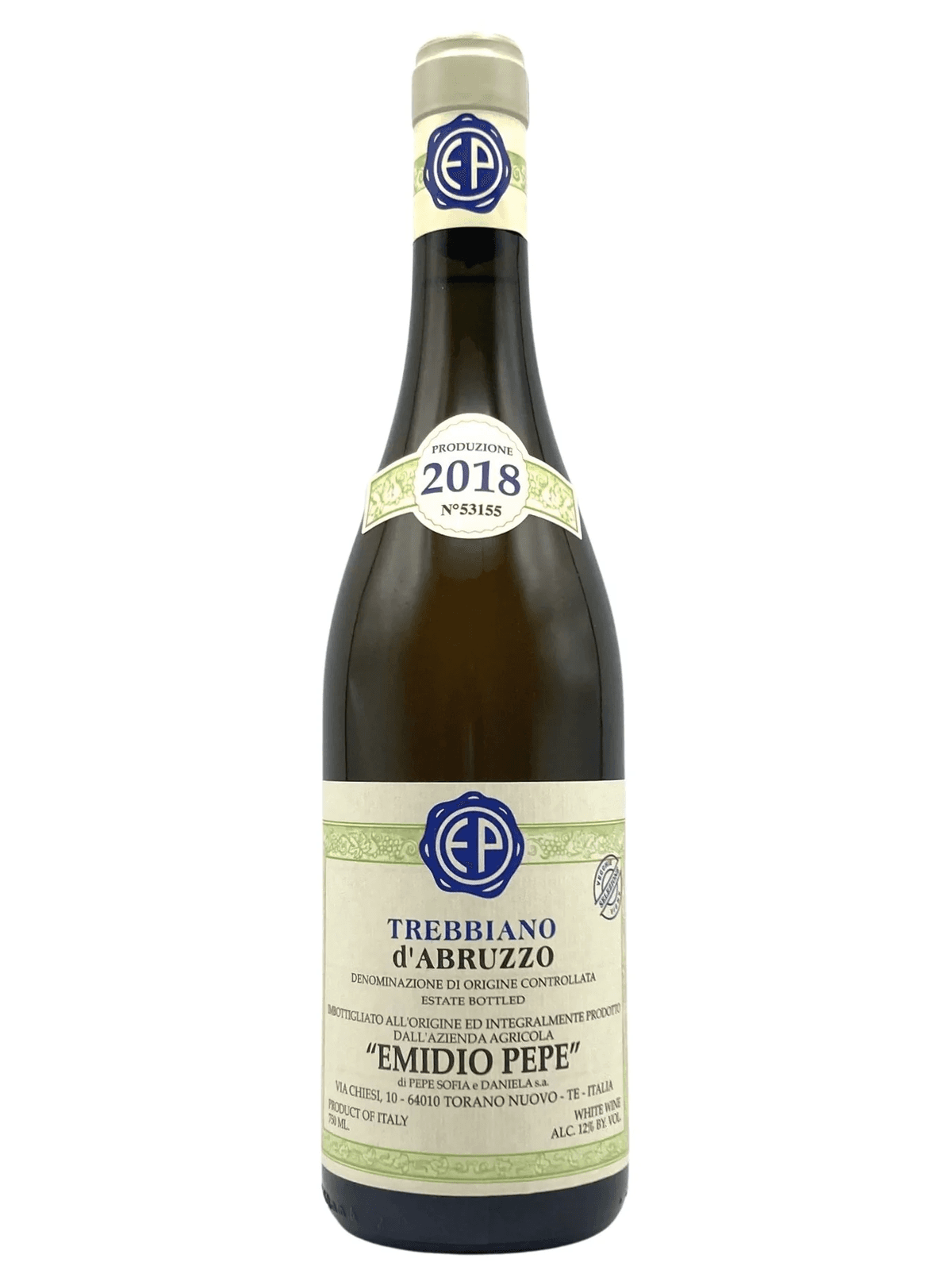
Emidio Pepe Trebbiano d’Abruzzo 2018
Azienda Agricola Emidio Pepe
Emidio Pepe’s Trebbiano is the ultimate argument that subtraction can be a catalyst. In a world where winemakers add cultured yeast, sulfur, enzymes, oak chips, and a dozen other interventions to control outcomes, Pepe removed them all — and produced a wine that consistently ranks among Italy’s finest whites. The 2018 vintage is extraordinary: the warmth of the year gave the Trebbiano grape a concentration it rarely achieves, while the cement-tank aging and bottle maturation added layers of honey, toasted almond, and waxy texture that make this taste nothing like the thin, neutral Trebbiano most people know. This is a wine that makes you reconsider what you thought you knew about a grape — and that reconsideration is Pepe’s greatest legacy.