Issue 5 · March 31, 2026
The Obsessives
Theme: Relentless Perfectionism
Forty-seven botanicals, ten unique bourbon recipes, a two-ton volcanic stone — makers who chose the harder path at every turn.
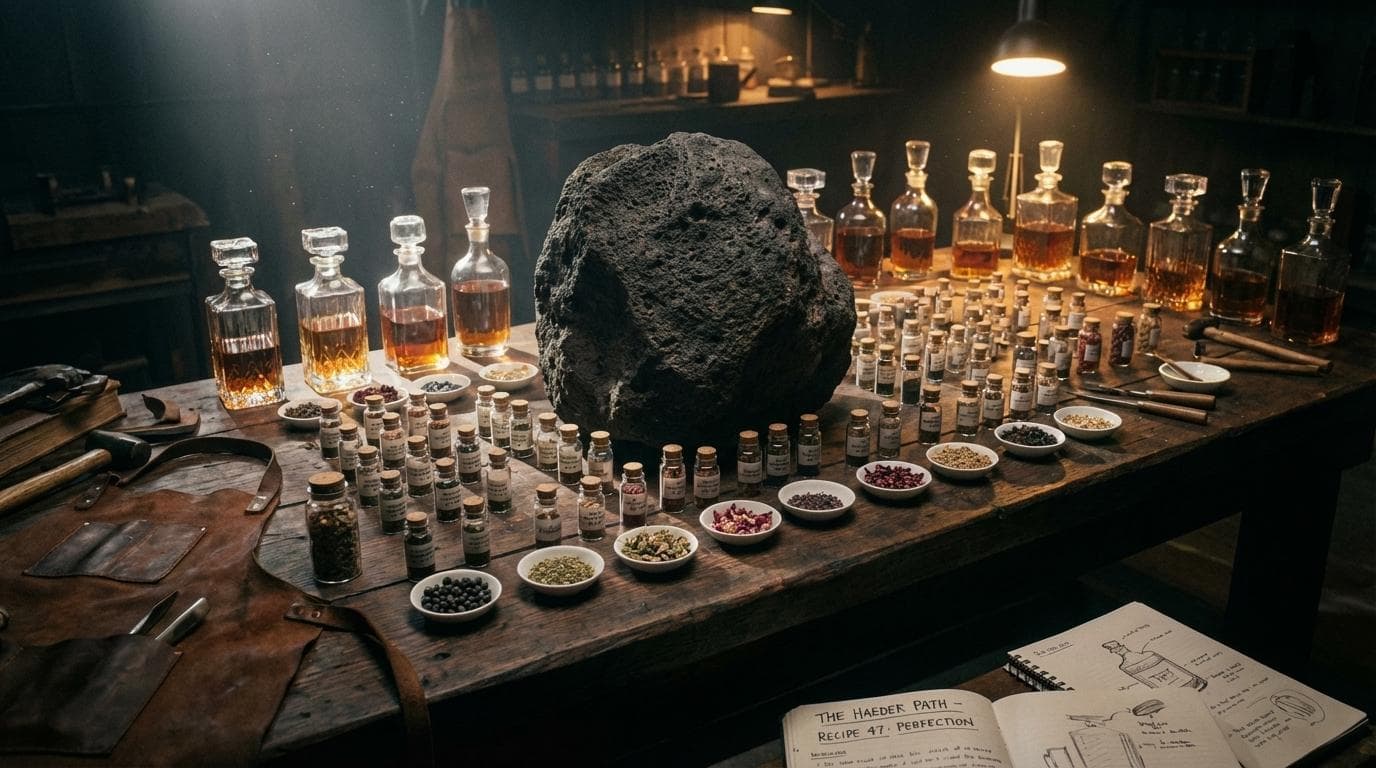

Some makers are content with "good enough." Today's eight are not. Four Roses engineered ten unique bourbon recipes when one would have sufficed. Monkey 47 packs forty-seven botanicals into a single bottle of gin when most distillers stop at six. El Tesoro still crushes agave with a two-ton volcanic stone when mechanical mills would be faster, cheaper, and easier. Silvio Jermann blends five different grape varieties into a single white wine, harvesting each at a different moment of ripeness, because he believes the wine isn't complete without all of them. These are products made by obsessives — people who optimized for flavor, not efficiency.
The through-line is the same across all eight: at every decision point where there was a simpler path, these producers chose the harder one. More recipes. More botanicals. More time. More care. The result, in every case, is a product that tastes like it was made by someone who couldn't sleep at night knowing they'd left something on the table. Today we celebrate obsession. Let's pour.
BOURBON Four Roses Single Barrel
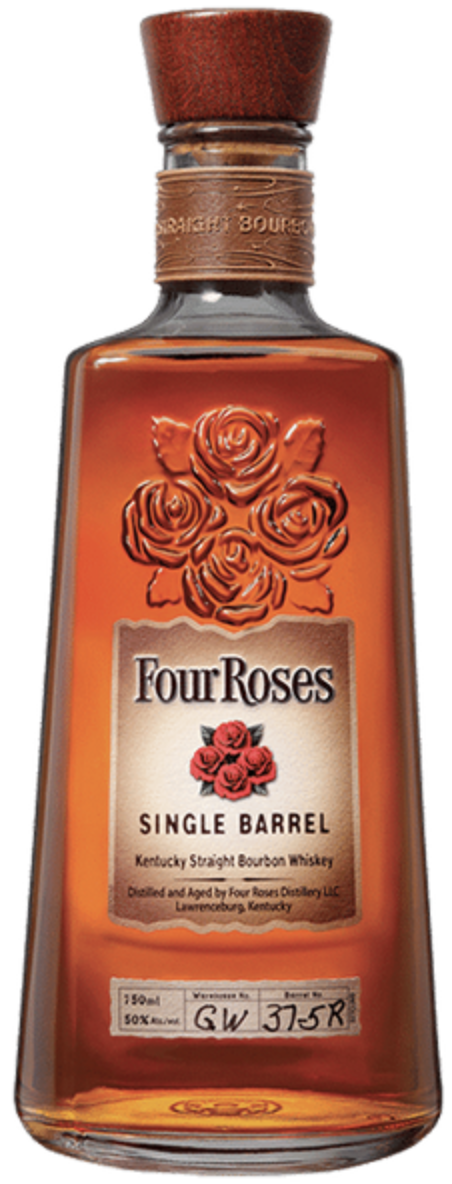
Lawrenceburg, Kentucky — where master distiller Brent Elliott selects individual barrels from a system of ten unique recipes — two mash bills crossed with five proprietary yeast strains — a level of complexity no other bourbon distillery in the world attempts.
Classification: Kentucky Straight Bourbon Whiskey
Company: Kirin Brewery Company (Four Roses Distillery, est. 1888)
Distillery: Four Roses Distillery, Lawrenceburg, Kentucky
Proof: 100 (50% ABV)
Age: 7–9 years
Mash Bill: 60% Corn / 35% Rye / 5% Malted Barley (Recipe OBSV)
Yeast Strain: V — delicate fruit, spice, and cream character
Distillation: Copper column and pot still; 10 unique recipe combinations
Color: Rich amber with copper highlights
MSRP: $45–$55 (750 mL)
Nose: Ripe plum, maraschino cherry, brown sugar, vanilla bean, toasted rye bread, and a floral lift that's unmistakably Four Roses.
Palate: Full and layered — caramel apple, baking spice, rye pepper, cocoa dusted berries, maple, and a creamy mid-palate sweetness balanced by assertive rye structure.
Finish: Long and complex with lingering cinnamon, dried fruit, oak tannin, and a dry spice that slowly fades into warm caramel.
Cocktail — The Ten-Recipe Old Fashioned: 2 oz Four Roses Single Barrel · 1 bar spoon demerara syrup · 2 dashes Angostura bitters · 1 dash orange bitters. Stir with ice 30 seconds, strain over a large cube. Garnish with an expressed orange peel. The 100-proof backbone and rye spice make this an Old Fashioned that needs nothing else.
Pair with: Pecan-crusted pork chops with apple chutney. The bourbon's fruit-forward profile and rye spice mirror the pecan crust, while the caramel sweetness plays against the tart chutney.
Awards: World's Best Single Barrel Bourbon, multiple international competitions. Double Gold, San Francisco World Spirits Competition.
SCOTCH WHISKY Oban 14 Year Old
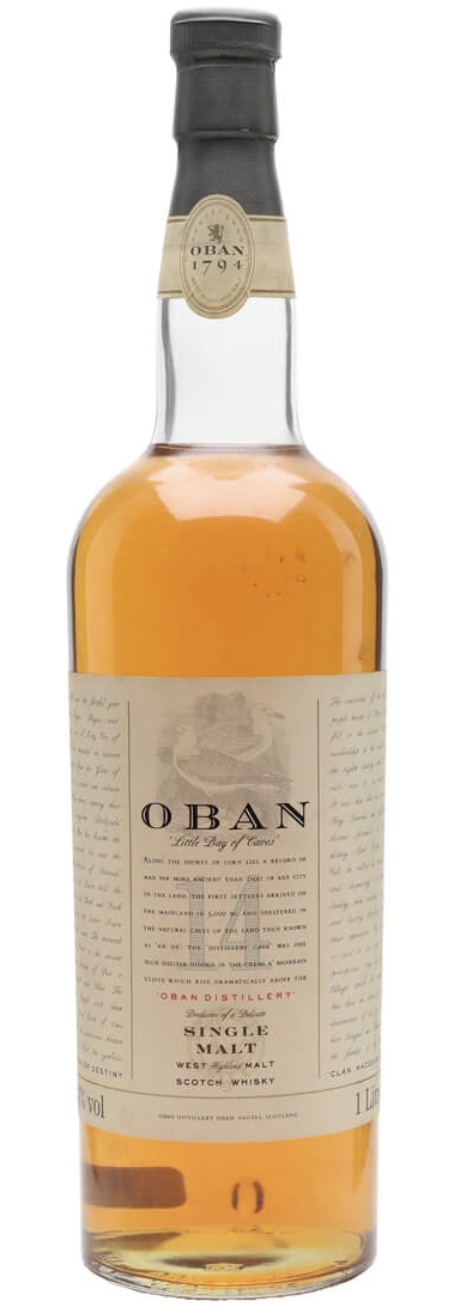
Oban, Scottish Highlands — where one of Scotland's smallest distilleries, crammed into a cliff face between the harbor and a sheer rock wall, has been making whisky in just two tiny pot stills since 1794 — producing a spirit that bridges the smokiness of Islay with the elegance of the Highlands.
Classification: Highland Single Malt Scotch Whisky
Company: Diageo (Oban Distillery, est. 1794)
Distillery: Oban Distillery, Oban, Argyll, Scottish Highlands
Proof: 86 (43% ABV)
Age: 14 Years
Mash Bill: 100% Malted Barley
Distillation: Double distilled in lantern-shaped copper pot stills; slow distillation in Scotland's smallest stills
Maturation: 14 years in ex-bourbon American oak casks
Color: Light amber with golden highlights
MSRP: $55–$70 (750 mL)
Nose: Sea salt, heather honey, orange peel, a whisper of peat smoke, malt, and a briny freshness that carries the harbor into the glass.
Palate: Medium-bodied and beautifully balanced — dried fig, citrus marmalade, clove, a gentle smoky sweetness, toasted oak, and a maritime mineral quality.
Finish: Long and warming with lingering sea salt, honey, dried herbs, and a clean dry oakiness.
Cocktail — The West Coast Rob Roy: 2 oz Oban 14 · 1 oz sweet vermouth (Carpano Antica) · 2 dashes orange bitters. Stir with ice 30 seconds, strain into a coupe. Garnish with a lemon twist. The maritime character and gentle smoke add coastal depth to this Highland take on the Rob Roy.
Pair with: Seared scallops with brown butter and capers. Oban's sea salt and honey profile is a natural match for sweet shellfish, and the whisky's gentle smoke echoes the caramelization on the sear.
Awards: 94 Points, Ultimate Spirits Challenge. Gold, San Francisco World Spirits Competition 2016. Part of Diageo's Classic Malts of Scotland.
IRISH WHISKEY Powers Three Swallow Release
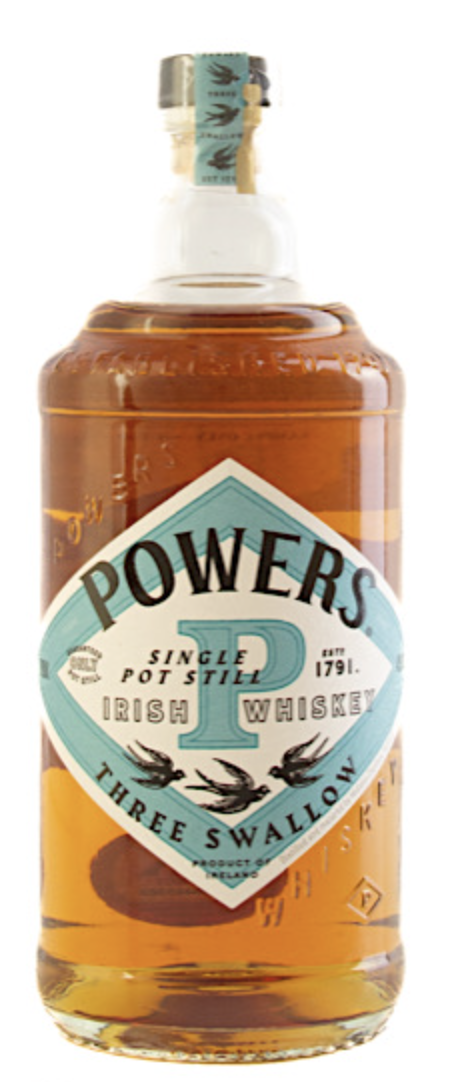
Dublin, Ireland — where James Power founded his distillery in 1791 on John's Lane, becoming the first Irish distiller to bottle his own whiskey in 1886, and where the three swallows on the label once served as the quality mark stamped on every approved cask.
Classification: Single Pot Still Irish Whiskey
Company: Irish Distillers / Pernod Ricard (Powers, est. 1791)
Distillery: Midleton Distillery, County Cork, Ireland (originally John's Lane, Dublin)
Proof: 86.4 (43.2% ABV)
Age: NAS
Mash Bill: Malted and Unmalted Barley (pot still style)
Distillation: Triple distilled in traditional copper pot stills
Maturation: 2nd and 3rd fill American oak bourbon barrels with a 3% sherry-aged component
Color: Rich gold
MSRP: $35–$42 (750 mL)
Nose: Pot still spice, heather honey, green apple, toasted barley, ginger snap, and a creamy butterscotch warmth that announces the pot still character.
Palate: Bold and spicy — cracked black pepper, cinnamon, orchard fruit, honeycomb, charred oak, and the distinctive oily mouthfeel that only pot still Irish whiskey delivers.
Finish: Long and assertive with lingering ginger, toasted grain, dried apple, and a dry, peppery warmth that refuses to fade quietly.
Cocktail — The Dublin Hot Pot: 2 oz Powers Three Swallow · 1 oz fresh lemon juice · oz honey syrup · 4 oz hot water · 3 whole cloves. Combine in a heat-proof glass and stir. The pot still spice intensifies with heat, turning this into the definitive Irish hot whiskey.
Pair with: Oysters Rockefeller. The whiskey's bold pot still spice and oily texture stand up to the richness of the butter and herbs, while the green apple notes cut through the brine.
Awards: Gold, San Francisco World Spirits Competition 2018. Gold, International Spirits Challenge. Gold Medal, IWSC 2024.
TEQUILA El Tesoro Reposado
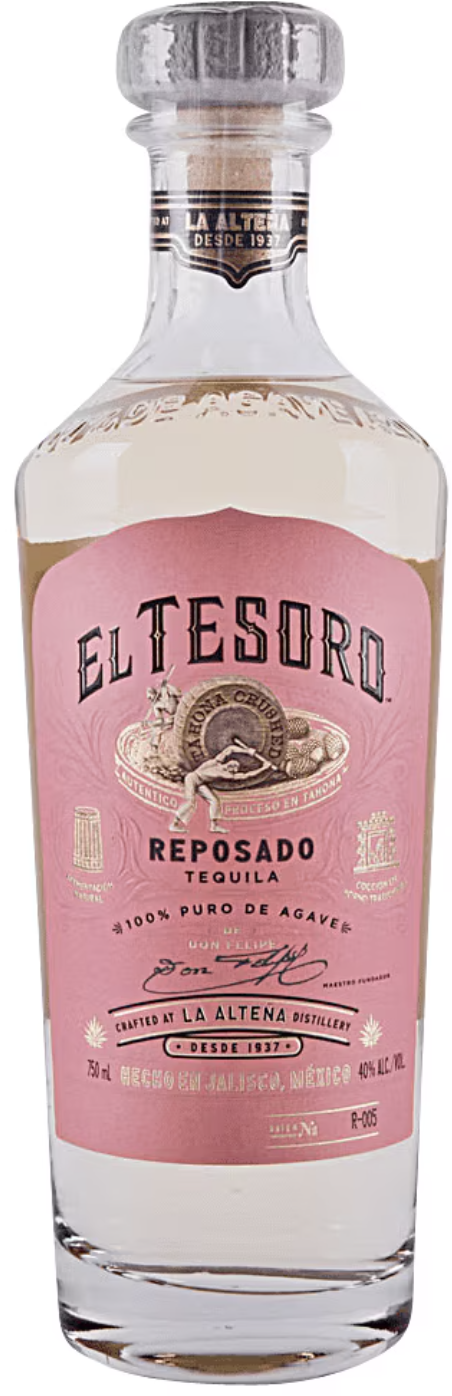
Arandas, Jalisco Highlands — where the Camarena family has been making tequila for three generations, still crushing roasted agave hearts with a two-ton volcanic stone tahona wheel when every other distillery has long since switched to mechanical roller mills.
Classification: Tequila Reposado, 100% Agave
Company: Camarena Family / Beam Suntory (El Tesoro, est. 1937)
Distillery: La Alteña Distillery (NOM 1139), Arandas, Jalisco, Mexico
Proof: 80 (40% ABV)
Age: 9–11 months in ex-bourbon American oak barrels
Agave: 100% Highland Blue Weber Agave
Production: Brick oven roasted, tahona stone-crushed, naturally fermented with fibers, distilled to proof (no water added post-distillation)
Color: Pale gold with straw highlights
MSRP: $55–$65 (750 mL)
Nose: Roasted agave, brown butter, caramel, cinnamon bark, wet stone minerality, and a bright citrus peel note floating above the richness.
Palate: Lush and earthy — cooked agave, vanilla, roasted pineapple, mineral complexity, white pepper, and a textural weight that only tahona production delivers.
Finish: Long and savory with lingering agave sweetness, baking spice, and a dry mineral quality that tastes of the red Jalisco highland clay.
Cocktail — The Tahona Margarita: 2 oz El Tesoro Reposado · 1 oz fresh lime juice · oz agave nectar · oz Cointreau. Shake with ice, strain over fresh ice. Salt rim optional. The tahona's earthy complexity makes this a margarita for people who think they've outgrown margaritas.
Pair with: Mole negro with braised chicken. The tequila's roasted agave sweetness and mineral earthiness echo the mole's complex layers of chili, chocolate, and spice — a pairing that feels like it was destined.
Awards: Double Gold, San Francisco World Spirits Competition 2021. 94 Points, Ultimate Spirits Challenge 2021.
GIN Monkey 47 Schwarzwald Dry Gin
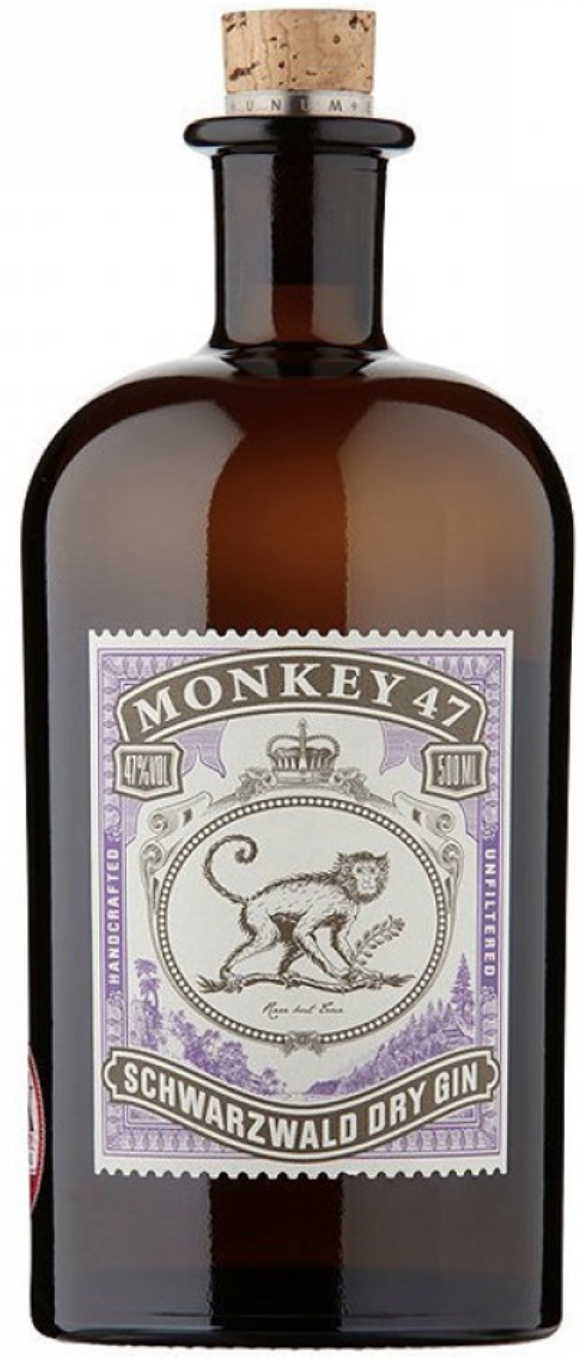
The Black Forest, Germany — where a former brand executive turned distiller asked what would happen if you put forty-seven botanicals in a gin, sourced a third of them from the forest outside his window, and aged the result in earthenware crocks — creating the most complex gin the world had ever tasted.
Classification: Schwarzwald (Black Forest) Dry Gin
Company: Pernod Ricard (Monkey 47, est. 2010)
Distillery: Black Forest Distillers, Lossburg, Baden-Württemberg, Germany
Proof: 94 (47% ABV)
Botanicals: 47 botanicals including lingonberry, blackberry, spruce, lavender, acacia, pomelo, verbena — ~15 from the Black Forest
Distillation: Macerated and distilled in a small Arnold Holstein copper pot still; rested 3 months in earthenware crocks
Base: Molasses spirit, cut with Black Forest spring water
Color: Crystal clear
MSRP: $38–$45 (375 mL)
Nose: Lingonberry, juniper, black pepper, lavender, citrus peel, pine needles, and a complex herbal bouquet that reveals new layers with every sniff.
Palate: Extraordinarily complex — cranberry, juniper, white pepper, honey, dried herbs, floral notes, citrus oil, and a bitter-sweet interplay that keeps shifting across the palate.
Finish: Remarkably long with lingering pepper, forest botanicals, citrus zest, and a dry herbal quality that evolves for minutes.
Cocktail — The Black Forest Collins: 1.5 oz Monkey 47 · oz fresh lemon juice · oz lingonberry or cranberry syrup · 3 oz club soda · fresh thyme sprig. Build over ice in a tall glass. The lingonberry syrup amplifies what's already in the gin, while the thyme bridges the herbal botanicals.
Pair with: Black Forest ham with cornichons and mustard on dark rye. A regional pairing for a regional gin — the botanicals echo the forest, the pepper spice matches the mustard, and the lingonberry acidity cuts through the richness of the ham.
Awards: 99 Points, Distiller.com. 94 Points, Ultimate Spirits Challenge 2015. Named World's Best Gin by multiple publications.
RUM El Dorado 12 Year Old
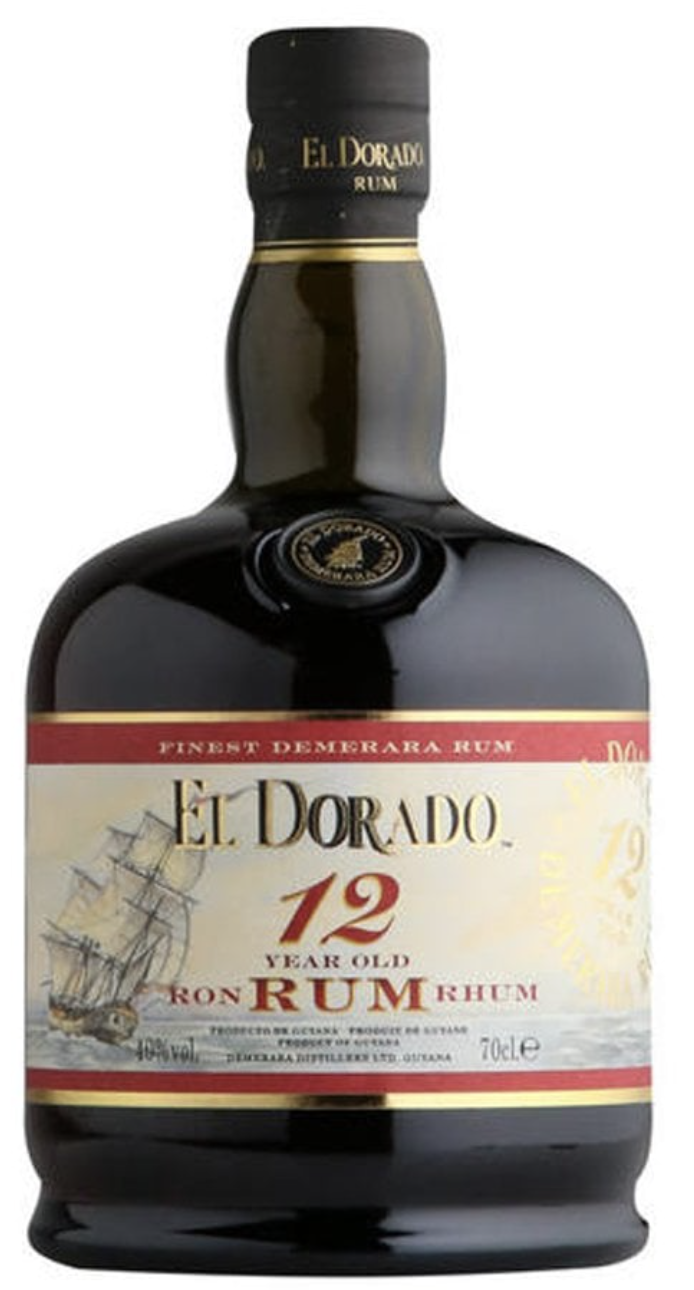
Diamond, Demerara, Guyana — where the world's last surviving heritage wooden stills, some dating to the 1700s, still produce rum in ways that exist nowhere else on earth — including the Port Mourant double wooden pot still, built of Guyanese greenheart wood in 1732.
Classification: Aged Demerara Rum
Company: Demerara Distillers Limited (El Dorado)
Distillery: Diamond Distillery, East Bank Demerara, Guyana
Proof: 80 (40% ABV)
Age: 12 Years
Base: Demerara sugarcane (locally grown)
Distillation: Blend of heritage stills: Port Mourant wooden pot (1732), Enmore wooden Coffey (1880), Versailles wooden pot, and Savalle column still
Color: Deep amber with mahogany reflections
MSRP: $35–$42 (750 mL)
Nose: Demerara sugar, dried fig, toffee, coconut shavings, roasted almond, dark chocolate, and a tropical fruit ripeness underneath.
Palate: Rich and layered — molasses toffee, baked banana, cinnamon, clove, dark caramel, toasted oak, and a creamy viscosity that coats the palate.
Finish: Long and satisfying with lingering brown sugar, dried fruit, gentle oak spice, and a warm sweetness that fades into dry cocoa.
Cocktail — The Demerara Daiquiri: 2 oz El Dorado 12 · 1 oz fresh lime juice · oz demerara syrup. Shake hard with ice, double strain into a coupe. The aged rum's complexity transforms the daiquiri from a beach drink into a serious cocktail.
Pair with: Sticky toffee pudding with salted caramel sauce. The rum's demerara sugar and toffee notes are a direct flavor bridge to the dessert, while the oak spice adds a grown-up complexity.
Awards: Gold (Best in Class), International Wine & Spirit Competition (7 times). Gold, Caribbean Rum Taste Test, London.
RED WINE Catena Zapata Malbec High Mountain Vines 2021
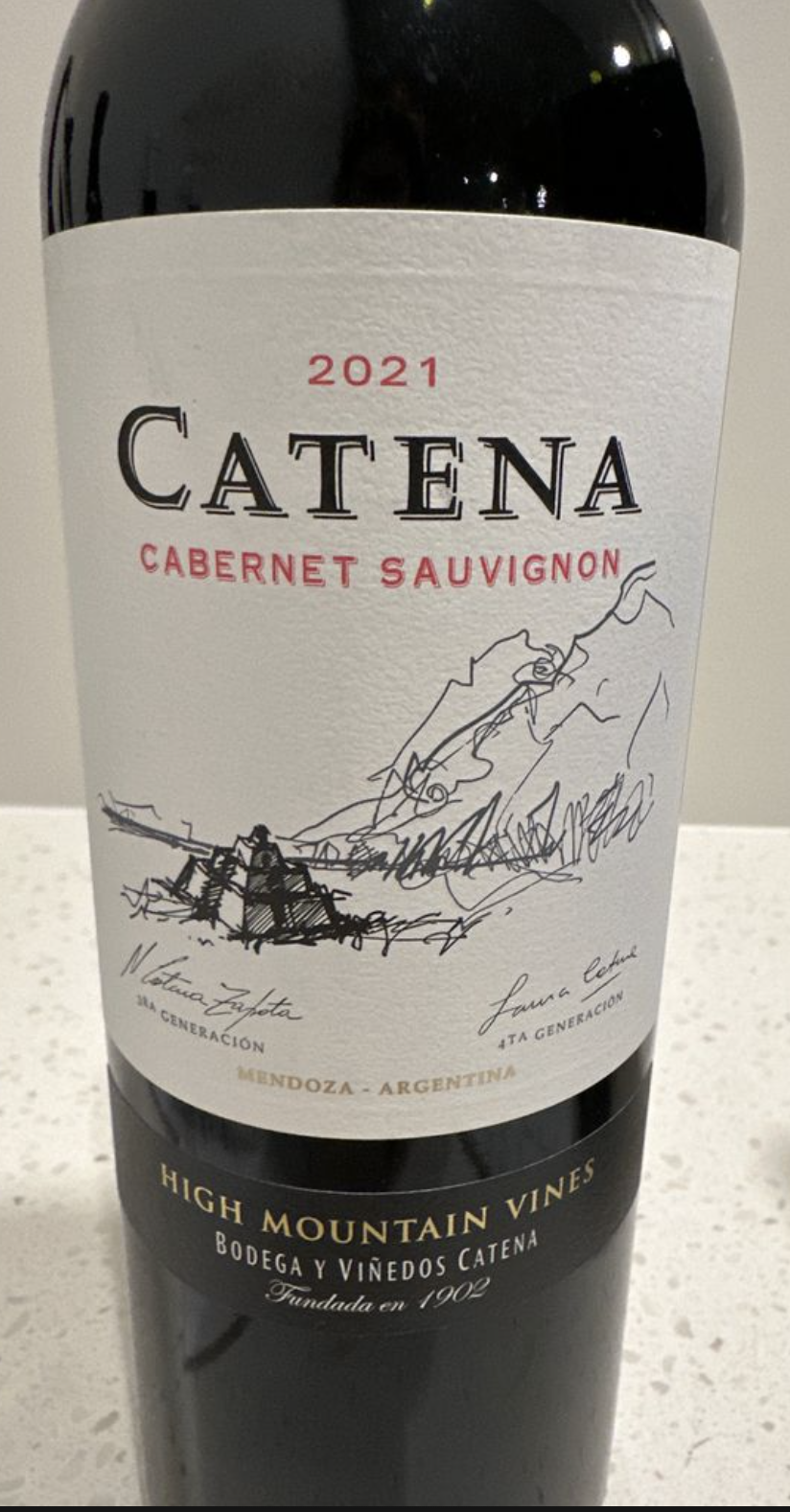
Mendoza, Argentina — where Nicolás Catena spent decades pushing Malbec vineyards to ever-higher altitudes in the Andes foothills, proving that a grape Bordeaux had given up on could become one of the world's great varieties when planted between 920 and 1,450 meters above sea level.
Classification: Mendoza Malbec
Company: Bodega Catena Zapata (est. 1902, fourth generation)
Winery: Bodega Catena Zapata, Mendoza, Argentina
ABV: 13.5%
Primary Varietal: Malbec
Blend: 100% Malbec from four high-altitude vineyards (920–1,450m)
Vineyards: Lunlunta (80-year-old vines), Agrelo, Altamira, Gualtallary
Maturation: 8 months in mixed-use oak barrels
Color: Deep violet with purple reflections
MSRP: $22–$28 (750 mL)
Nose: Ripe blackberry, violet, dark plum, leather, vanilla, mocha, and a floral lift from the high-altitude Gualtallary fruit.
Palate: Concentrated and vibrant — blueberry, blackberry, cinnamon, dark chocolate, flinty minerality, well-integrated tannins, and a juicy acidity that belies the wine's richness.
Finish: Long and layered with lingering dark fruit, leather, mineral, and a velvety texture that invites the next sip.
Cocktail — The Andes Sangria: 1 bottle Catena Zapata Malbec · 2 oz pisco · 1 oz simple syrup · sliced peach, plum, and orange · cinnamon stick · 4 oz sparkling water. Combine in a pitcher, refrigerate 4 hours. The Malbec's violet and dark fruit give this a depth that lighter reds can't match.
Pair with: Grilled chimichurri steak with roasted sweet potatoes. The Argentine classic — Malbec's dark fruit and spice amplify the charred meat, while the herby chimichurri plays off the wine's violet and floral notes.
Awards: 91 Points, Wine Advocate. 92 Points, Vinous. Nicolás Catena named Decanter Man of the Year, 2023.
WHITE WINE Jermann Vintage Tunina 2022
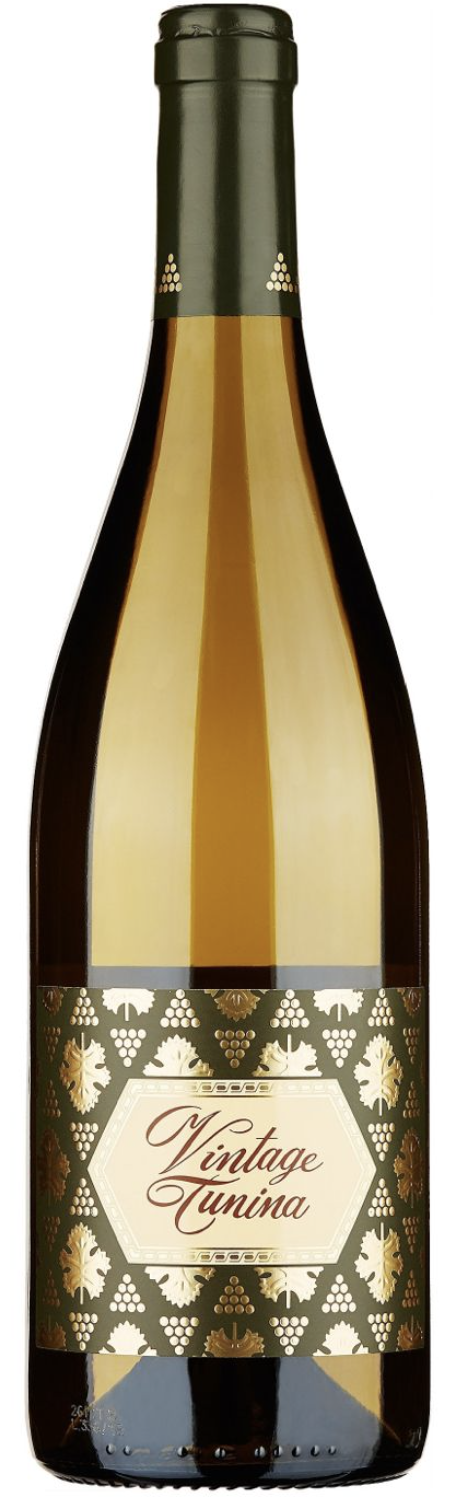
Villanova di Farra, Friuli-Venezia Giulia — where Silvio Jermann obsessively blends five different grape varieties into a single white wine, harvesting each at a different moment of ripeness and vinifying them separately before assembling what he considers the perfect expression of his corner of northeastern Italy.
Classification: IGT Venezia Giulia
Company: Jermann (est. 1881, fourth generation)
Winery: Jermann, Villanova di Farra, Friuli-Venezia Giulia, Italy
ABV: 13.5%
Primary Varietal: Sauvignon Blanc
Blend: Sauvignon Blanc, Chardonnay, Ribolla Gialla, Malvasía Istriana, Picolit
Vinification: Each variety harvested and fermented separately; aged 10 months in oak and stainless steel; blended before bottling
Color: Deep straw gold with green-gold highlights
MSRP: $38–$48 (750 mL)
Nose: White peach, acacia blossom, toasted almond, honey, flint, and a subtle smoky complexity from the partial oak aging — each sniff reveals a different grape speaking.
Palate: Rich and layered — ripe apricot, hazelnut, lemon curd, white pepper, a waxy mouthfeel from the Malvasía, and a mineral backbone from the Ribolla Gialla that gives the wine its structure.
Finish: Long and evolving with lingering stone fruit, toasted almond, saline minerality, and a gentle bitterness that's distinctly Friulian.
Cocktail — The Friulian Spritz: 3 oz Jermann Vintage Tunina · 1.5 oz Aperol · 2 oz prosecco · splash of sparkling water · orange slice. Build over ice in a large wine glass. The Tunina's complexity and weight make this a spritz with real substance.
Pair with: Prosciutto di San Daniele with burrata and grilled peaches. The wine's stone fruit and honey notes echo the peach, the creamy texture matches the burrata, and the Friulian minerality cuts through the richness of the prosciutto — a northeastern Italian table at its finest.
Awards: Consistently rated 92–95 points, Wine Advocate and Vinous. Named one of Italy's 50 greatest wines by Gambero Rosso.
Train Your Nose: Today's Aroma Spotlight
The Complexity Dividend — When More Ingredients Mean More to Discover
Today's selections are laboratories of aromatic complexity, and they reveal a truth about how our noses work: the more aromatic compounds in a glass, the more our brains have to work to untangle them — and the more rewarding the experience becomes. Monkey 47's forty-seven botanicals produce a gin with hundreds of volatile aromatic compounds: linalool from the citrus and lavender, alpha-pinene from the juniper and spruce, eugenol from the clove and cinnamon bark, and dozens of unique esters from the lingonberries and blackberries. Your nose can't process them all at once, which is why each sniff reveals something new.
Four Roses' ten-recipe system creates a similar complexity dividend in bourbon. The OBSV recipe's high rye content (35%) produces more congeners during fermentation than a standard mash bill, while the V yeast strain generates specific fruity esters — particularly ethyl caproate (pineapple and tropical fruit) and isoamyl acetate (banana and pear). When these interact with barrel-derived vanillin and lactones during seven to nine years of aging, the result is a bourbon with layers of aroma you can spend twenty minutes exploring.
Then there's El Dorado 12, where complexity comes from blending spirits from fundamentally different stills. The wooden Port Mourant pot still produces heavy, ester-rich rum with intense tropical fruit character. The wooden Enmore Coffey still produces a lighter, more floral distillate. The Versailles wooden pot still adds another layer entirely. Blending these marques creates a rum with aromatic compounds you literally cannot produce any other way — because the stills that make them exist nowhere else.
Try This: Pour the Monkey 47 and the Four Roses side by side. Using your Gin and Bourbon Aroma Masterclass Kits, identify three aromas they share (vanilla, citrus, spice) and three that are unique to each. The shared aromas come from common chemical compounds; the unique ones come from each producer's obsessive choices. This comparative exercise trains your nose to distinguish between what's universal and what's singular — the heart of expert tasting.
Today's Kit Reference
| Today's Product | Key Aromas | Train With |
|---|---|---|
| Four Roses Single Barrel | Apple (Red), Caramel, Brown Spices, Vanilla, Oak | Bourbon Aroma Masterclass Kit |
| Oban 14 | Smoky, Honey, Orange, Peaty, Malt | Whisky Aroma Masterclass Kit |
| Powers Three Swallow | Clove Spice, Honey, Peach, Malt, Green (Cut Grass) | Whiskey Aroma Masterclass Kit |
| El Tesoro Reposado | Agave (Cooked), Caramel, Cinnamon, Earth (Mineral, Soil Notes), Citrus (Lemon, Lime, Orange, Grapefruit) | Tequila & Mezcal Aroma Masterclass Kit |
| Monkey 47 | Violet, Juniper (Herbaceous/Waxy), Peppery, Lavender, Lemon | Gin Aroma Masterclass Kit |
| El Dorado 12 | Muscovado, Dried Fruit, Toffee, Coconut, Spice (Generic) | Rum Aroma Masterclass Kit |
| Catena Zapata Malbec | Berry (Generic), Violet, Woody, Cherry, Blackcurrant | Wine Aroma Masterclass Kit |
| Jermann Vintage Tunina | Apple (Green), Floral (Rose), Nut (Almond/Coconut), Honey, Toasted | Wine Aroma Masterclass Kit |
Explore the School of Wine and Spirits
Today's eight products prove that obsessive attention to detail creates flavors that shortcuts never can. Our books on Amazon go deeper into the science and history behind every sip — from the story of American bourbon in America's Spirit, the whisk(e)y traditions of Scotland's Spirit and Ireland's Spirit, the vibrant wine culture of The Ultimate Northern Italian Wine Journey, the agave revolution in The Tequila y Mezcal Revolution, and the hidden terroir of Burgundy in our Chablis and Cte d'Or pocket guides.
Explore our Aroma Masterclass Kits and books at schoolofwineandspirits.com
Explore our Aroma Masterclass kits and books at schoolofwineandspirits.com
Join the School of Wine and Spirits Community
Connect with fellow connoisseurs, share tasting notes, and go deeper into every pour. Sign up at skool.com/schoolofwineandspirits
Our kits make the perfect gift for the curious drinker in your life — because once you learn to identify aromas, you never taste the same way again.
Know someone who would enjoy The Still & The Vine? Forward this issue to a fellow enthusiast — or share it on social media and tag @SchoolofWineandSpirits. We grow by word of mouth.
Until tomorrow's pour — cheers.
Robert R. Mohr, CPA, CGMA, WSET Level 3, WSG Certified Spirits Specialist — author of America's Spirit, Scotland's Spirit, Ireland's Spirit, The Ultimate Northern Italian Wine Journey, The Tequila y Mezcal Revolution, The Definitive Pocket Guide to Chablis, The Definitive Pocket Guide to the Cte d'Or, and Strategic Tuning. Published author of the Aroma Academy Tequila/Mezcal and Distiller's training kits.
The Still & The Vine is a daily publication of the School of Wine and Spirits.
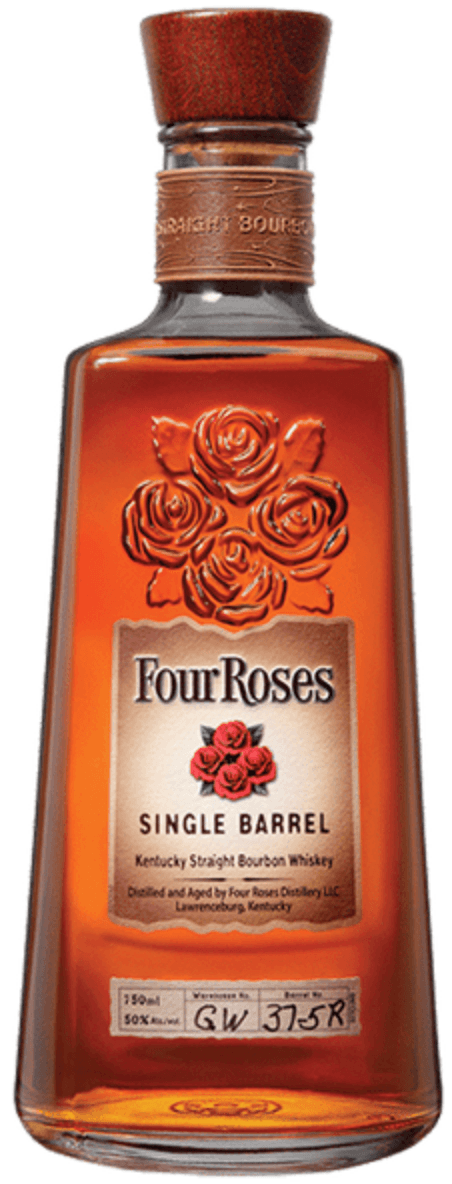
Four Roses Single Barrel
Kirin Brewery Company (Four Roses Distillery, est. 1888)
Four Roses Single Barrel is the product of the most obsessive production system in bourbon. While every other distillery works from a single mash bill and a single yeast strain, Four Roses developed two distinct mash bills and five proprietary yeast strains — creating ten unique recipes, each with its own flavor fingerprint. The standard Single Barrel uses recipe OBSV: the high-rye mash bill (35% rye — among the highest in Kentucky) paired with the V yeast strain, which contributes delicate fruit and cream. At 100 proof, it has the structure to showcase every layer of that complexity. The result is a bourbon that tastes like it was engineered by someone who couldn’t stop asking “what if?” — because it was.
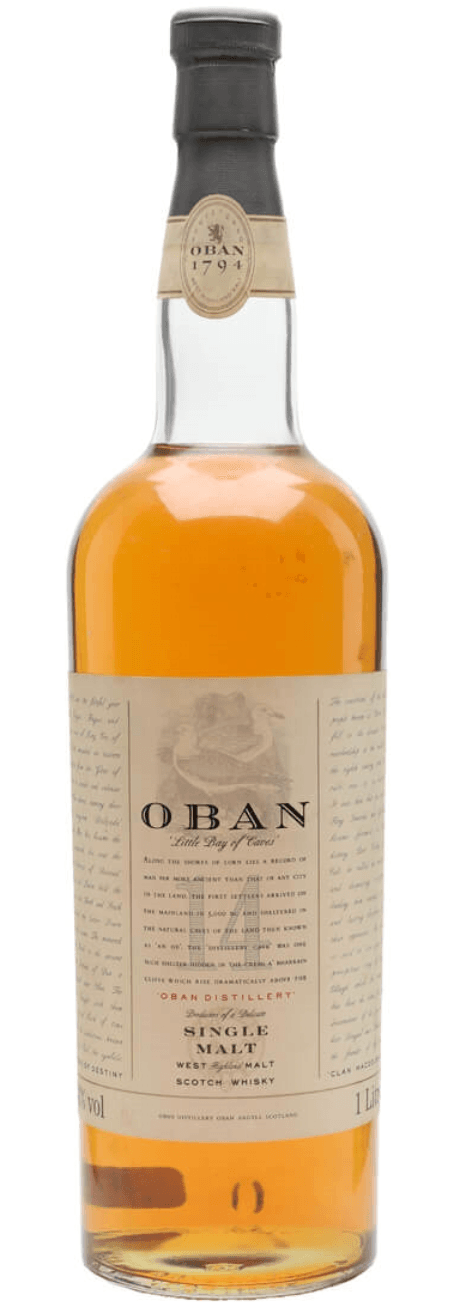
Oban 14 Year Old
Diageo (Oban Distillery, est. 1794)
Oban’s obsession is constraint. The distillery sits wedged between the harbor and a cliff — physically unable to expand — with just two of the smallest pot stills in Scotland. Where other distilleries chase scale, Oban has embraced its limitations: the tiny stills force a slow, careful distillation that produces a spirit with remarkable concentration. The lantern shape of those stills creates more copper contact, stripping away harsh sulfur compounds and leaving behind a whisky that bridges two worlds — the gentle honey and fruit of the Highlands with the maritime salt and smoke of the western coast. Diageo named it one of their six “Classic Malts” in 1988 for a reason: at 14 years old, it’s one of the most perfectly balanced whiskies in Scotland.
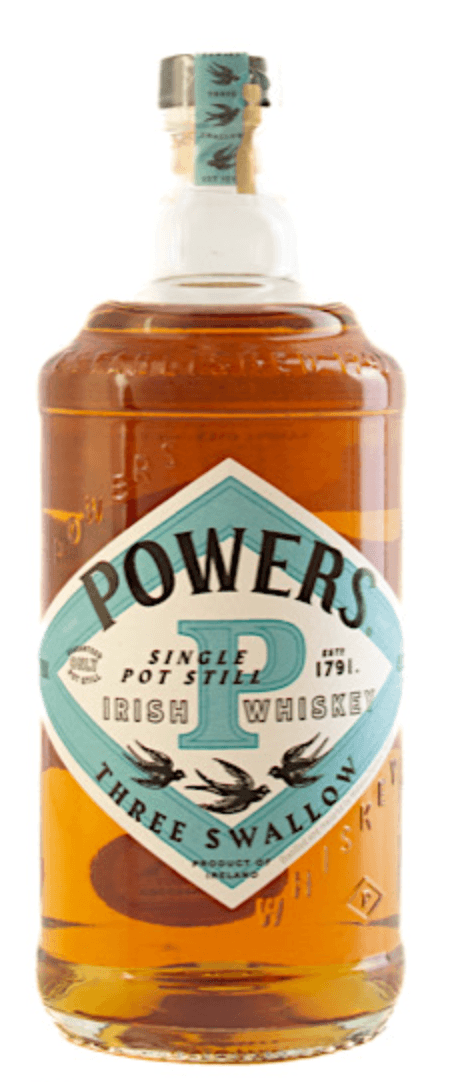
Powers Three Swallow Release
Irish Distillers / Pernod Ricard (Powers, est. 1791)
Powers’ obsession is pot still whiskey — the uniquely Irish style made from a mash of both malted and unmalted barley that produces a heavier, spicier, more characterful spirit than any other whiskey tradition on earth. When Irish whiskey collapsed in the twentieth century and blends took over, Powers never abandoned the pot still. The Three Swallow release takes its name from the quality mark that Powers’ tasters once stamped on approved casks — three swallows of whiskey, three stamps of approval. The 3% sherry component adds just enough dried fruit complexity to round the edges without softening the muscular pot still character. At $35–42, this is one of the most underpriced whiskeys in the world for what it delivers.
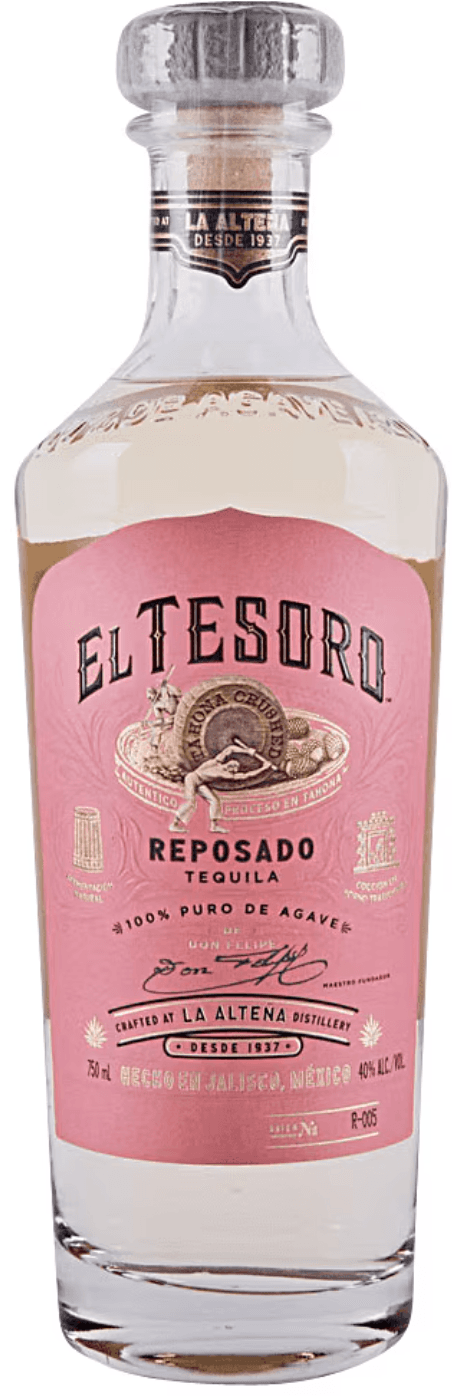
El Tesoro Reposado
Camarena Family / Beam Suntory (El Tesoro, est. 1937)
El Tesoro is the tequila nerd’s tequila. The Camarena family’s obsession starts with the tahona — a two-ton volcanic stone wheel that slowly crushes roasted agave hearts, extracting sugars along with fibers that go into the fermentation tank, adding savory complexity that roller mills strip away. Then there’s the distillation: El Tesoro is one of the only tequilas distilled to proof, meaning no water is added after distillation. What comes out of the still is what goes in the barrel. The Reposado spends 9–11 months in ex-bourbon barrels — long enough to add vanilla and caramel, short enough to let the agave and tahona character remain front and center. This is tequila that tastes like the earth it came from.
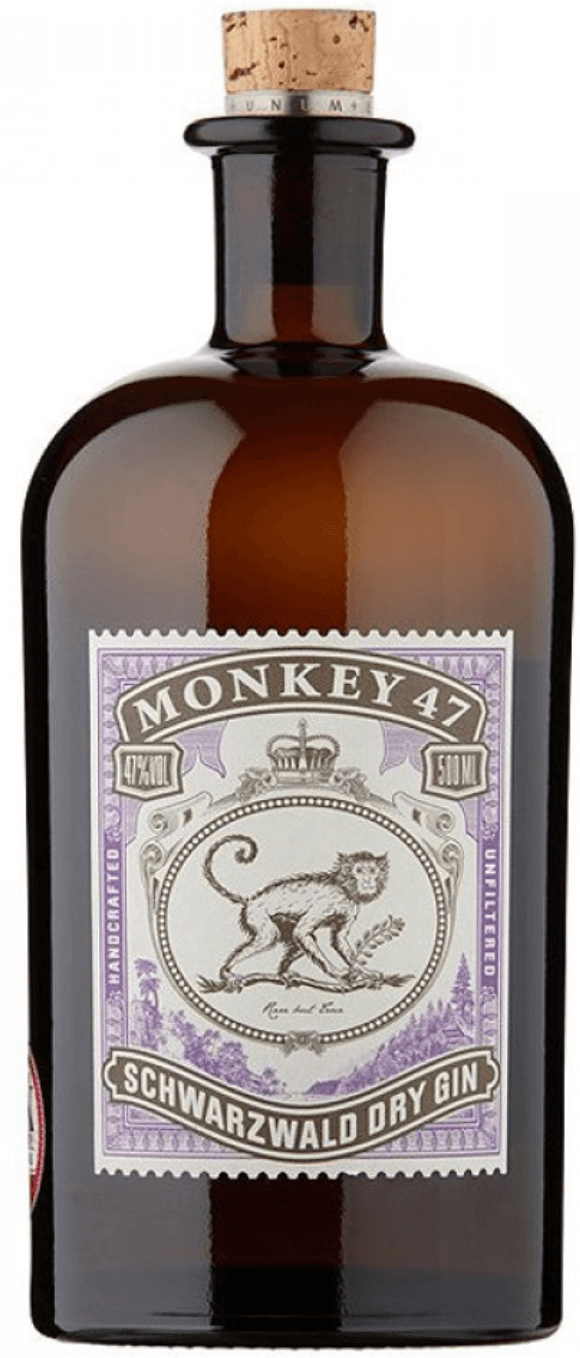
Monkey 47 Schwarzwald Dry Gin
Pernod Ricard (Monkey 47, est. 2010)
Monkey 47 is what happens when obsession meets the Black Forest. Alexander Stein, the founder, wasn’t content with the standard gin playbook of six to ten botanicals. He sourced forty-seven — roughly a third from the forest surrounding his distillery — including lingonberries, spruce shoots, bramble leaves, and acacia flowers. The result is aged three months in traditional earthenware crocks before bottling, a resting step almost no other gin producer bothers with. At 47% ABV (of course), it has the structure to support all that botanical complexity without collapsing into confusion. The fact that it comes in a 375 mL bottle at a premium price has done nothing to slow demand — proof that obsessive quality creates its own market.
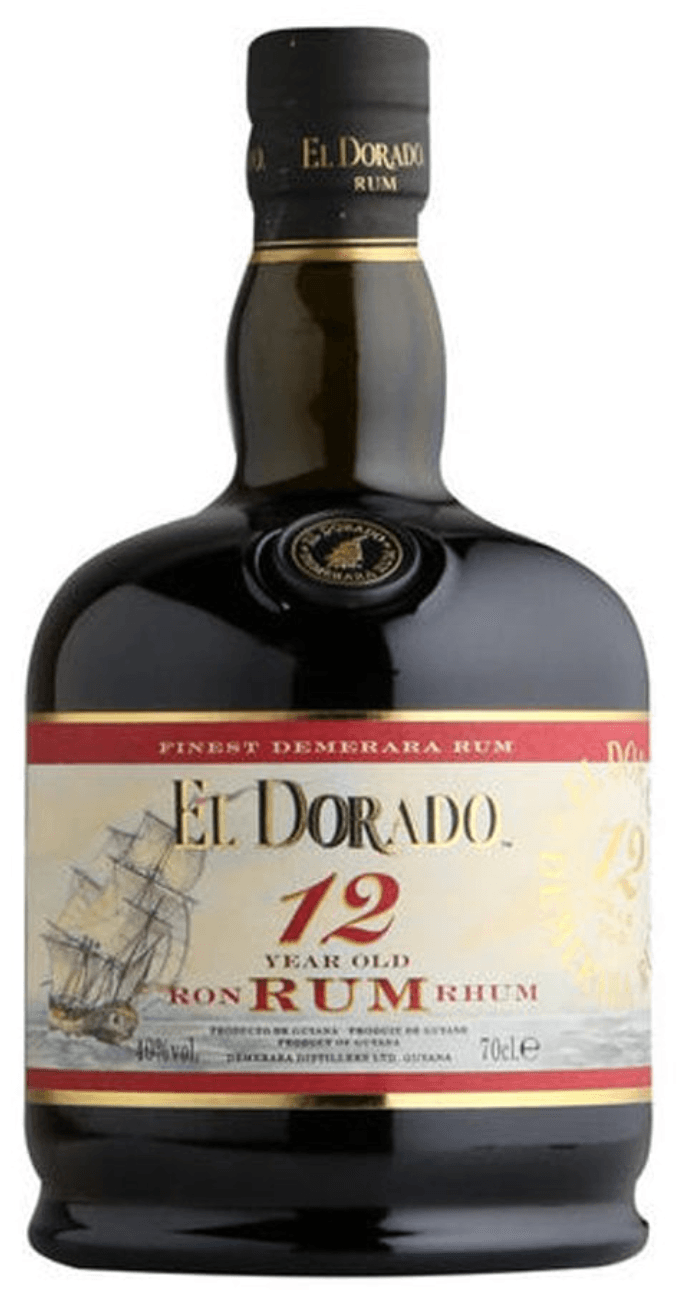
El Dorado 12 Year Old
Demerara Distillers Limited (El Dorado)
El Dorado 12 is distilled from history. The Diamond Distillery in Guyana houses wooden stills that exist nowhere else in the world — including the Port Mourant double wooden pot still, built from Guyanese greenheart hardwood in 1732, and the Enmore wooden Coffey still from 1880, the last wooden continuous still on earth. These stills produce “marques” — distinct rum styles named for the now-closed sugar estates where the stills originated. The obsession is in the preservation: Demerara Distillers has maintained these irreplaceable stills for centuries, blending their outputs into El Dorado’s remarkably complex range. The 12 Year Old marries pot still richness with column still elegance, delivering a rum that tastes like three hundred years of accumulated knowledge. At $35–42, it’s one of the great bargains in aged spirits.

Catena Zapata Malbec High Mountain Vines 2021
Bodega Catena Zapata (est. 1902, fourth generation)
Nicolás Catena’s obsession was altitude. When he visited Napa in the 1980s, he returned to Argentina with a radical question: what if Malbec — a grape Bordeaux had largely abandoned — was being planted too low? He spent the next three decades pushing vineyards higher into the Andes foothills, from 920 to 1,450 meters, discovering that extreme altitude produced wines with deeper color, more complex aromatics, and a bright acidity that lower vineyards couldn’t match. The High Mountain Vines bottling blends fruit from four altitude-specific sites: 80-year-old vines in Lunlunta for texture, Agrelo for spice, Altamira for acidity, and Gualtallary for explosive floral aromatics. At $22–28, this is Argentina’s answer to the question of whether great wine has to be expensive.
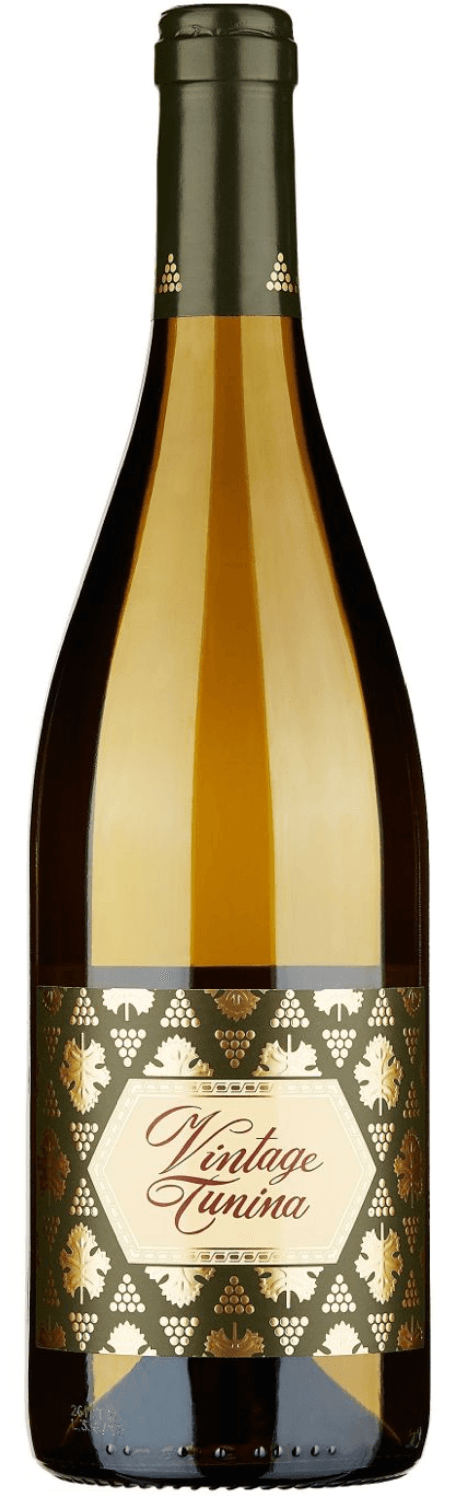
Jermann Vintage Tunina 2022
Jermann (est. 1881, fourth generation)
Vintage Tunina is Silvio Jermann’s obsessive masterpiece — a white wine assembled from five grapes, each harvested at a different moment of optimal ripeness, fermented separately, and blended only when Jermann decides each component has found its voice. Sauvignon Blanc brings aromatics and acidity. Chardonnay adds body and structure. Ribolla Gialla contributes mineral tension. Malvasía Istriana lends waxy texture and floral perfume. And Picolit — Friuli’s rare native dessert grape, used here in tiny proportion — adds a honeyed complexity that ties everything together. Most winemakers would simplify this into two or three varieties. Jermann insists on five because he believes the wine isn’t complete without all of them. At $38–48, this is one of Italy’s great white wines and a masterclass in the art of the blend.
Be the first to comment.