Issue 4 · March 30, 2026
Against the Grain
Theme: Rule-Breakers & Mavericks
Producers who defied industry convention — 101 proof when everyone went lighter, peat so aggressive it divides rooms, gin nobody asked for.
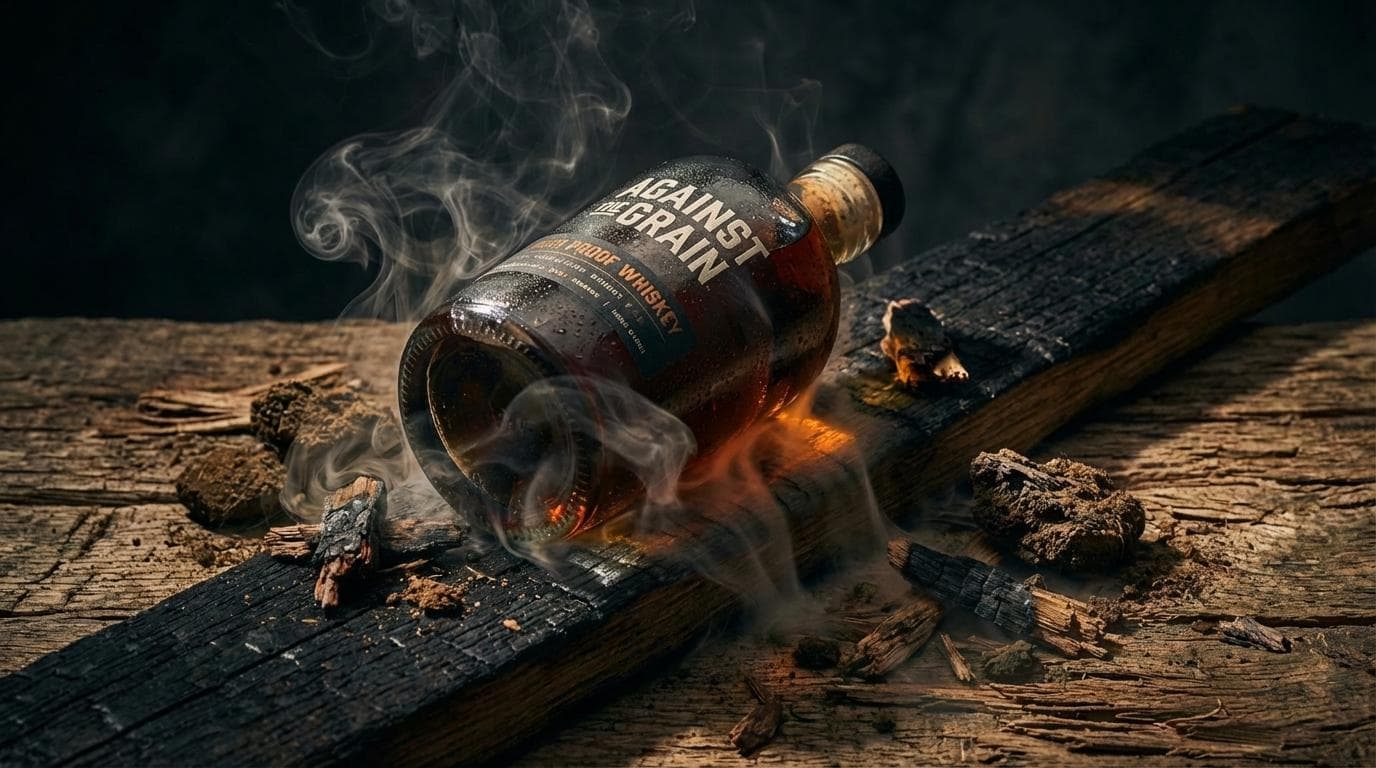

Every industry has rules. Bourbon should be smooth and approachable. Scotch shouldn't taste like a campfire. Irish whiskey is for beginners. Gin is your grandmother's drink. Rioja is a safe, predictable red. Today's eight selections broke every one of those rules — and the market rewarded them for it. Wild Turkey kept its bourbon at 101 proof when every competitor was racing to the bottom. Laphroaig leaned into peat so aggressive it divides rooms. Tanqueray redesigned gin around fresh citrus when nobody thought gin needed reinventing.
The lesson is the same across all eight: the products that endure aren't the ones that followed the market — they're the ones that trusted their own convictions and waited for the market to catch up. Today we celebrate going against the grain. Let's pour.
BOURBON Wild Turkey 101
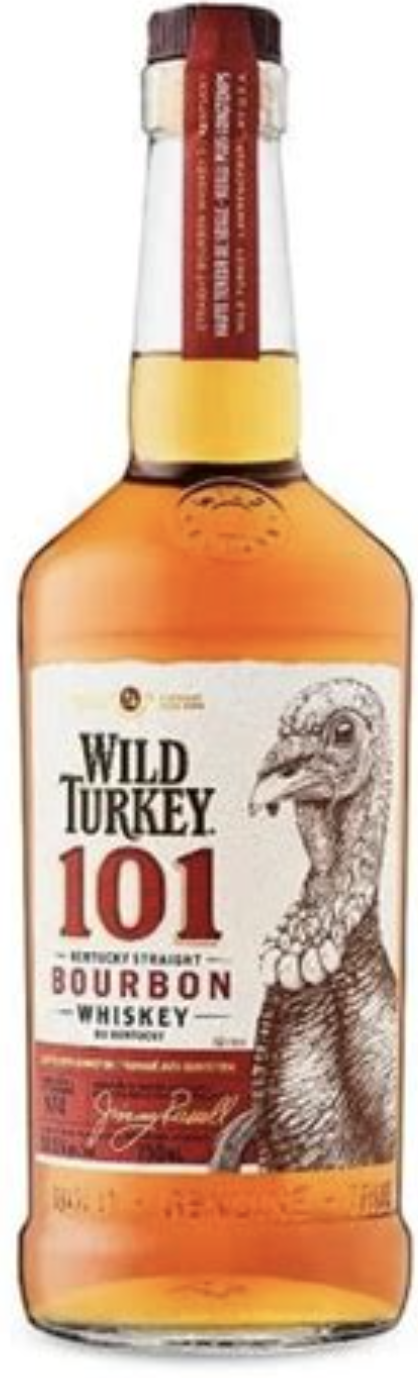
Lawrenceburg, Kentucky — where Jimmy Russell has been making bourbon for over sixty years, making him the longest-tenured active master distiller in America, and where 101 proof has been the house standard since the brand's founding.
Classification: Kentucky Straight Bourbon Whiskey
Company: Campari Group (Wild Turkey, est. 1940)
Distillery: Wild Turkey Distillery, Lawrenceburg, Kentucky
Proof: 101 (50.5% ABV)
Age: NAS (typically 6–8 years)
Mash Bill: 75% Corn / 13% Rye / 12% Malted Barley
Distillation: Column still, low barrel entry proof (110) for maximum flavor retention
Color: Deep amber with copper highlights
MSRP: $22–$28 (750 mL)
Nose: Brown sugar, toasted rye bread, leather, dried orange peel, clove, and a whiff of charred oak that announces itself without apology.
Palate: Full and assertive — caramel corn, baking spice, black pepper, vanilla custard, and a muscular rye kick that cuts through the sweetness.
Finish: Long and warming with lingering cinnamon, oak tannin, and a dry tobacco leaf fade that keeps you reaching for the glass.
Cocktail — The Kentucky Mule: 2 oz Wild Turkey 101 · 3 oz ginger beer · oz fresh lime juice · 2 dashes Angostura bitters. Build over ice in a copper mug. The 101 proof cuts through the ginger beer where lower-proof bourbons get buried.
Pair with: Smoked brisket with a black pepper bark. The bourbon's rye spice mirrors the pepper crust, while its caramel sweetness tempers the smoke — a Texas-meets-Kentucky handshake.
Awards: Double Gold, San Francisco World Spirits Competition. American Tasting Award of Excellence.
SCOTCH WHISKY Laphroaig 10 Year Old
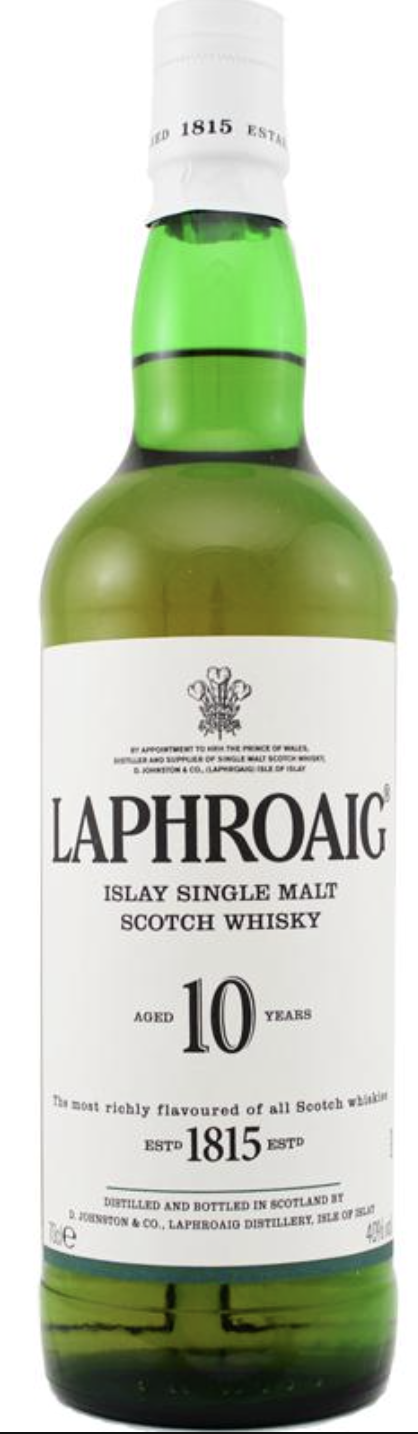
Islay, Scotland — where the south shore's wild Atlantic winds drive sea spray into the aging warehouses, and where this distillery still malts its own barley over local peat fires in one of Scotland's last surviving floor maltings.
Classification: Islay Single Malt Scotch Whisky
Company: Suntory Global Spirits (Laphroaig Distillery, est. 1815)
Distillery: Laphroaig Distillery, Port Ellen, Islay, Scotland
Proof: 86 (43% ABV)
Age: 10 Years
Mash Bill: 100% Malted Barley
Peat Level: ~40–50 ppm (phenolic parts per million)
Distillation: Double distilled in copper pot stills; ~20% floor-malted barley
Color: Pale gold with green-gold tints
MSRP: $50–$65 (750 mL)
Nose: Bonfire smoke, iodine, seaweed, Band-Aid, lemon zest, and behind the peat wall, a surprising sweetness of vanilla and coconut.
Palate: Full-bodied and maritime — smoked oyster, brine, cracked black pepper, phenolic sweetness, and a creamy mouthfeel that softens the intensity.
Finish: Extraordinarily long, with lingering medicinal smoke, sea salt, and a dry ashy quality that stays with you for minutes.
Cocktail — The Penicillin: 2 oz blended Scotch · oz fresh lemon juice · oz honey-ginger syrup · oz Laphroaig 10 float. Shake the first three ingredients with ice, strain, then float the Laphroaig on top. The peat smoke hits your nose before the cocktail hits your lips.
Pair with: Cold-smoked salmon with crème frache and capers on dark rye. The whisky's brine and smoke mirror the salmon, while the cream and bread provide a gentle landing pad for all that intensity.
Awards: Double Gold, San Francisco World Spirits Competition 2022. Gold, International Wine and Spirit Competition 2025. Royal Warrant of HRH The Prince of Wales, 1994.
IRISH WHISKEY Tullamore D.E.W. Original
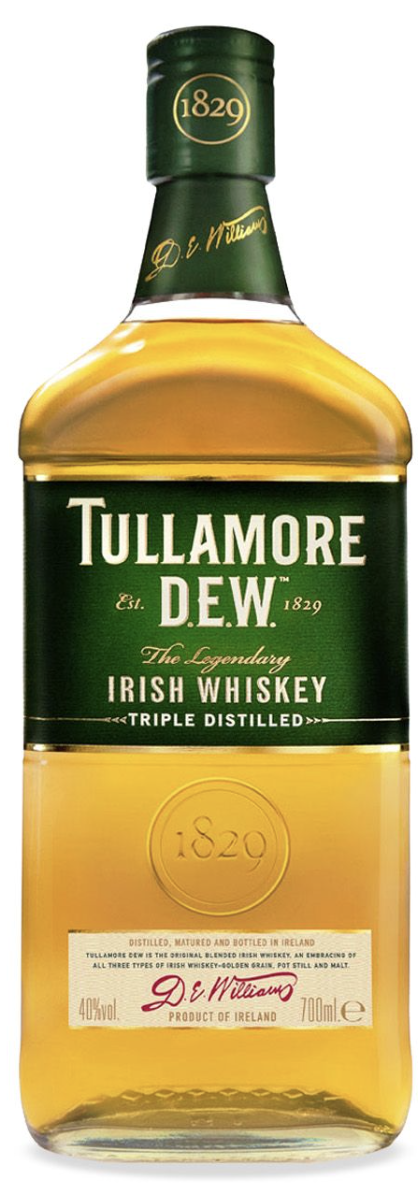
Tullamore, County Offaly — where a stable boy named Daniel Edmund Williams worked his way from age 15 to distillery owner, lending his initials to what would become one of Ireland's most beloved whiskeys — and where, after sixty years of silence, a brand-new distillery brought whiskey-making back to the town in 2014.
Classification: Blended Irish Whiskey
Company: William Grant & Sons (Tullamore D.E.W., est. 1829)
Distillery: Tullamore Distillery, Tullamore, County Offaly, Ireland
Proof: 80 (40% ABV)
Age: NAS
Composition: Triple blend of pot still, malt, and grain whiskey
Distillation: Triple distilled; triple cask matured (bourbon, sherry, and traditional casks)
Color: Pale gold
MSRP: $24–$28 (750 mL)
Nose: Honeycomb, green apple, toasted grain, lemon zest, and a delicate spice from the pot still component — clean and inviting.
Palate: Silky and layered — vanilla fudge, orchard fruit, a peppery pot still nip, malted biscuit, and gentle wood spice from the triple cask maturation.
Finish: Medium-long and clean with lingering honey, malt, and a gentle warmth that fades without heat.
Cocktail — The Tullamore Sour: 2 oz Tullamore D.E.W. · oz fresh lemon juice · oz honey syrup · 1 egg white. Dry shake, then shake with ice, strain into a coupe. The triple distillation's smoothness makes this one of the cleanest whiskey sours you'll ever taste.
Pair with: Irish soda bread with salted butter and smoked salmon. The whiskey's malty grain notes echo the bread, the honey mirrors the butter, and the gentle spice lifts the richness of the salmon.
Awards: Gold, TAG Global Spirits Awards 2024. Gold, TAG Global Spirits Awards Best Buy 2024.
TEQUILA Don Julio Reposado
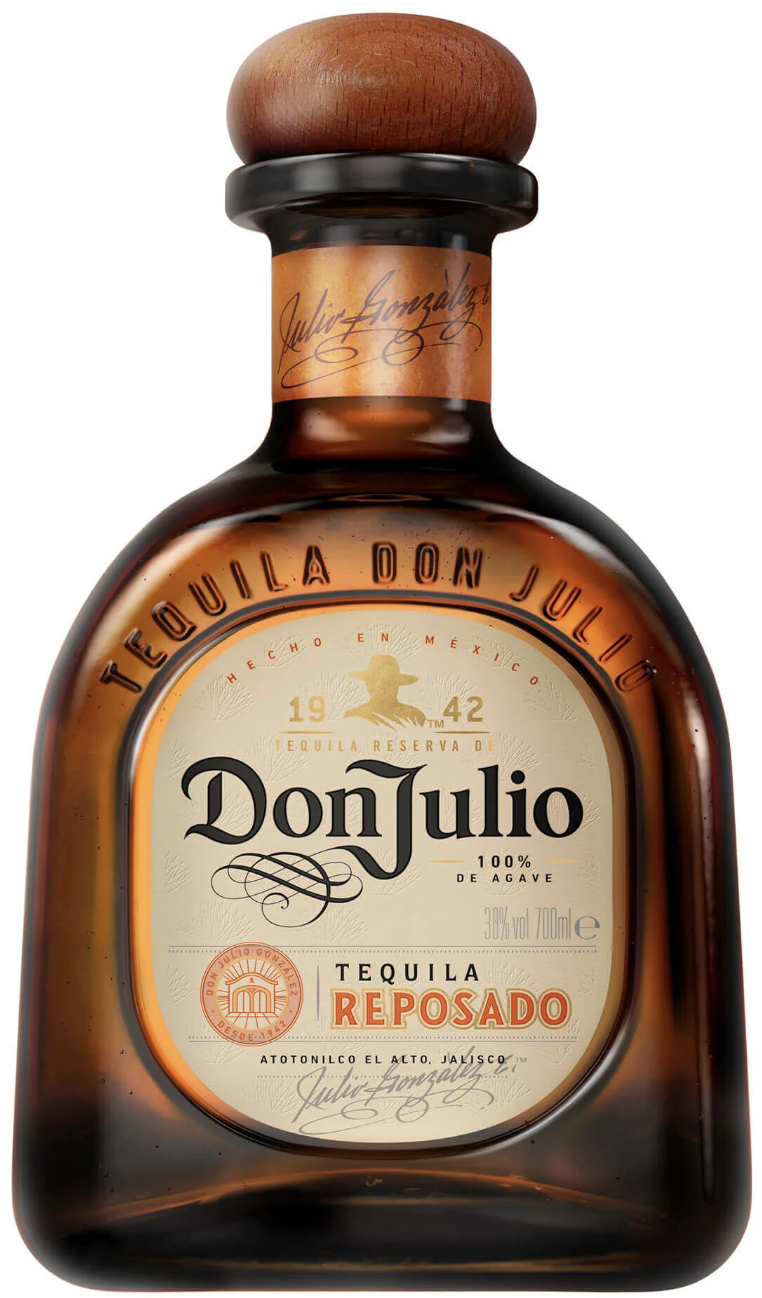
Atotonilco El Alto, Jalisco — where a fifteen-year-old orphan named Julio González borrowed 20,000 pesos, built his own distillery, and spent forty years walking the agave fields each day with a coa — creating what would become the world's first luxury tequila brand.
Classification: Tequila Reposado, 100% Agave
Company: Diageo (Don Julio, est. 1942)
Distillery: La Primavera (NOM 1449), Atotonilco El Alto, Jalisco, Mexico
Proof: 80 (40% ABV)
Age: 8 months in American white oak barrels
Agave: 100% Highland Blue Weber Agave
Production: Slow brick oven roasting (72-hour cycles), agave planted further apart for full maturity
Color: Golden amber
MSRP: $53–$65 (750 mL)
Nose: Cooked agave, caramel, vanilla, white pepper, roasted citrus, and a subtle cinnamon warmth from the oak.
Palate: Rich and elegant — butterscotch, cooked agave sweetness, gentle oak spice, dark chocolate, and a mineral quality from the highland terroir.
Finish: Smooth and lingering with warm cinnamon, agave nectar, and toasted oak that fades slowly.
Cocktail — The Don's Paloma: 2 oz Don Julio Reposado · 3 oz fresh grapefruit juice · oz fresh lime juice · oz agave nectar · 2 oz club soda · pinch of salt. Build over ice in a highball with a Tajín rim. The reposado's vanilla and oak complexity elevate this beyond a standard Paloma.
Pair with: Carnitas tacos with pickled red onion and fresh cilantro. The tequila's agave sweetness and oak warmth cut through the pork's richness, while the pickled onion echoes the citrus notes in the spirit.
Awards: Gold, San Francisco World Spirits Competition 2022. Gold, Tokyo Whisky & Spirits Competition 2023.
GIN Tanqueray No. Ten
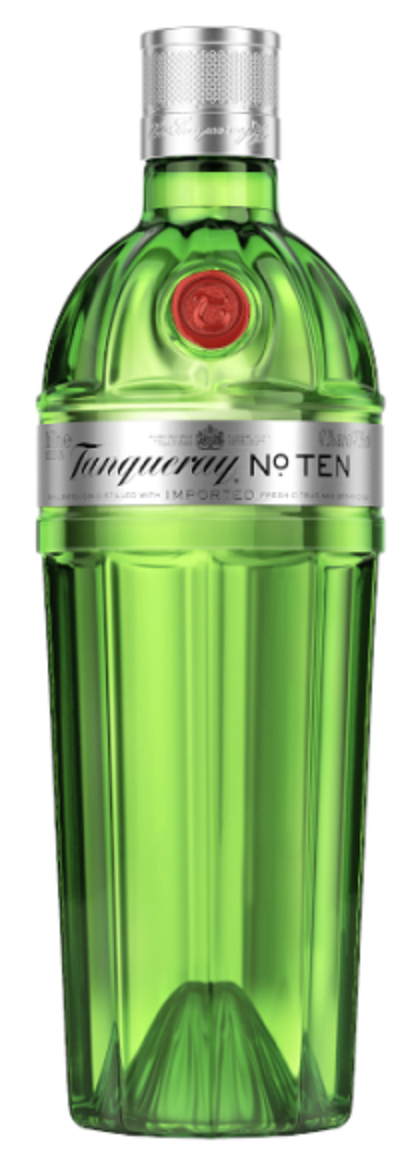
Cameronbridge, Scotland — where a tiny 500-liter copper pot still from the 1950s, nicknamed "Tiny Ten," produces one of the world's most awarded gins — using whole fresh citrus fruits when every other gin distiller was content with dried peels.
Classification: Distilled Gin
Company: Diageo (Tanqueray, est. 1830)
Distillery: Cameronbridge Gin Distillery, Fife, Scotland
Proof: 94.6 (47.3% ABV)
Botanicals: Juniper, Coriander, Angelica, Liquorice, Fresh Grapefruit, Fresh Lime, Fresh Orange, Chamomile
Distillation: Four times distilled; citrus heart produced in the 500L "Tiny Ten" pot still
Color: Crystal clear
MSRP: $30–$38 (750 mL)
Nose: Bright grapefruit zest, white flowers, juniper, chamomile, and a crisp lime peel brightness that leaps from the glass.
Palate: Lush and citrus-forward — pink grapefruit, lime oil, gentle juniper backbone, white pepper, and a soft chamomile sweetness that rounds out the profile.
Finish: Clean and lingering with citrus oils, dried coriander, and a pleasant herbal dryness.
Cocktail — The Perfect Ten G&T: 2 oz Tanqueray No. Ten · 4 oz premium tonic (Fever-Tree Mediterranean) · wheel of fresh pink grapefruit · sprig of fresh rosemary. Build over ice in a copa glass. The fresh grapefruit garnish amplifies what's already in the gin.
Pair with: Ceviche with fresh lime, red onion, and avocado. The gin's citrus-forward profile mirrors the ceviche's acidity, while the juniper and chamomile add an aromatic layer that lifts the seafood.
Awards: San Francisco World Spirits Competition Hall of Fame (only gin inducted). Double Gold, SFWSC 2022. #1 Bartenders' Choice of Spirit, Drinks International 2023.
RUM Ron Zacapa Centenario 23 Solera
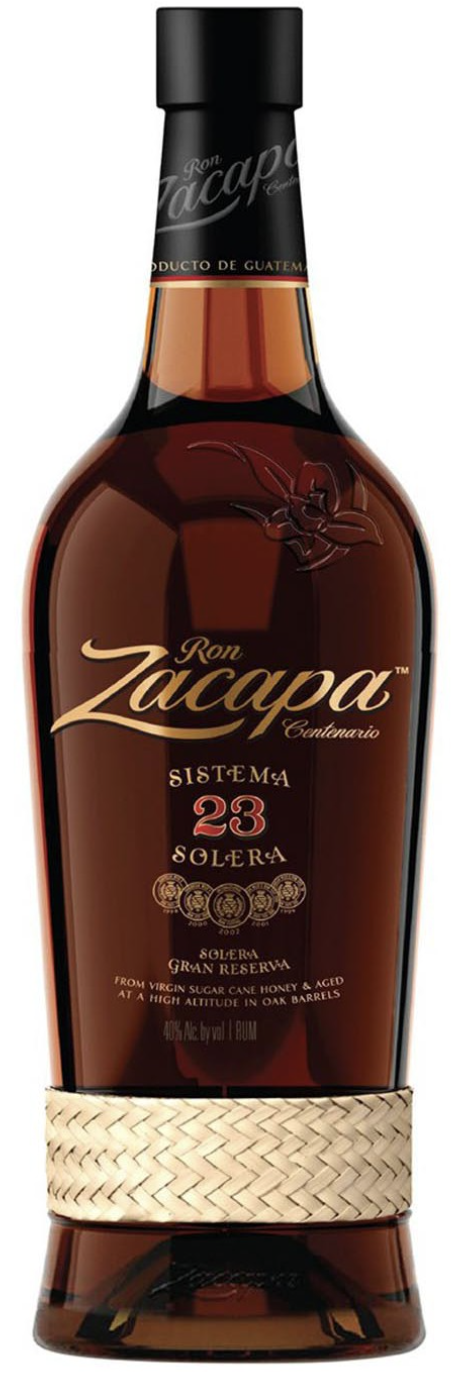
Retalhuleu, Guatemala — where rum is distilled from virgin sugarcane honey rather than molasses, then aged in a solera system 2,300 meters above sea level, where the cool mountain air slows maturation to a glacial pace that would be impossible in the tropical lowlands.
Classification: Solera-Aged Guatemalan Rum
Company: Industrias Licoreras de Guatemala / Diageo (Ron Zacapa)
Distillery: Zacapaneca, Retalhuleu, Guatemala
Proof: 80 (40% ABV)
Age: Solera blend of rums aged 6–23 years
Base: Virgin sugarcane honey (primera, first pressing)
Maturation: Solera system using ex-bourbon, ex-sherry, ex-Pedro Ximénez, and ex-Cognac barrels at 2,300m elevation
Color: Dark mahogany with amber rim
MSRP: $45–$55 (750 mL)
Nose: Butterscotch, dark chocolate, dried figs, honey, toasted almond, and a faint whiff of leather and pipe tobacco.
Palate: Luxuriously smooth — cacao, burnt caramel, orange marmalade, ginger spice, dried fruit, and a creamy mouthfeel that coats the palate.
Finish: Long and warming with lingering dark chocolate, toasted oak, and a honey sweetness that fades gradually into dry spice.
Cocktail — The Zacapa Old Fashioned: 2 oz Ron Zacapa 23 · 1 bar spoon demerara syrup · 2 dashes Angostura bitters · 1 dash chocolate bitters. Stir over a large ice cube, express an orange peel over the glass and drop in. The rum's butterscotch and cacao make this the richest Old Fashioned you'll ever taste.
Pair with: Dark chocolate truffles dusted with cocoa and sea salt. The rum's cacao and butterscotch notes fuse with the chocolate, while the salt sharpens every flavor on both sides.
Awards: #1 Premium Rum in the World, International Rum Festival (5 consecutive years). 98 Points, Beverage Testing Institute.
RED WINE Marqués de Riscal Reserva 2019
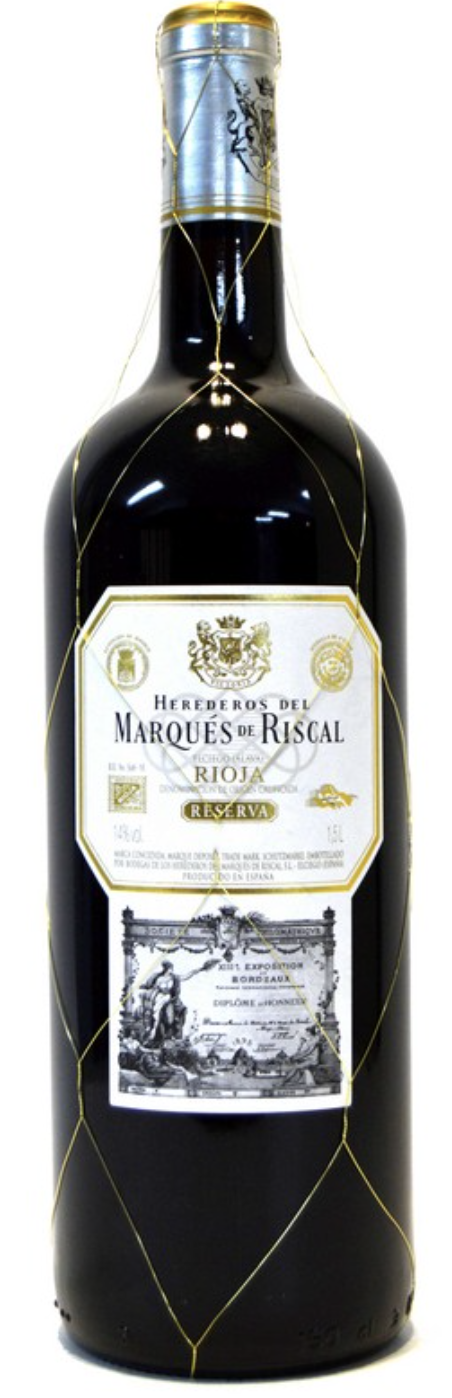
Elciego, Rioja Alavesa — where, in 1858, a Spanish marquess who'd been living in Bordeaux brought a French cellar master to Rioja, imported Bordeaux techniques and grape varieties, and launched a quiet revolution that transformed Spanish winemaking forever.
Classification: DOCa Rioja Reserva
Company: Herederos del Marqués de Riscal (est. 1858)
Winery: Bodegas Marqués de Riscal, Elciego, Rioja Alavesa, Spain
ABV: 14.5%
Primary Varietal: Tempranillo
Blend: 94% Tempranillo / 6% Graciano
Maturation: 21 months in American oak barrels, minimum 6 months bottle aging
Color: Deep ruby with garnet rim
MSRP: $20–$25 (750 mL)
Nose: Ripe cherry, dried cranberry, leather, vanilla, tobacco leaf, and a subtle cedar spice from the American oak aging.
Palate: Medium-bodied with fine-grained tannins — red plum, dark cherry, vanilla cream, dried herbs, and a savory undertone of cured meat and smoked paprika.
Finish: Long and elegant with lingering leather, sweet tobacco, and a dry minerality that keeps pulling you back.
Cocktail — Rioja Sangria Clásica: 1 bottle Marqués de Riscal Reserva · 2 oz brandy · 1 oz Cointreau · 1 oz fresh orange juice · sliced orange, apple, and lemon · cinnamon stick. Combine in a pitcher, refrigerate 4 hours. The Reserva's vanilla and leather notes give this sangria a backbone most versions lack.
Pair with: Lamb chops with rosemary and roasted garlic. Rioja Reserva and lamb is one of wine's great marriages — the wine's savory leather and herb notes amplify the lamb, while the fruit balances the char.
Awards: 91 Points, Wine Enthusiast. Gold, Mundus Vini. First non-French wine honored at International Wine Exposition of Bordeaux, 1895.
WHITE WINE Trimbach Riesling 2021
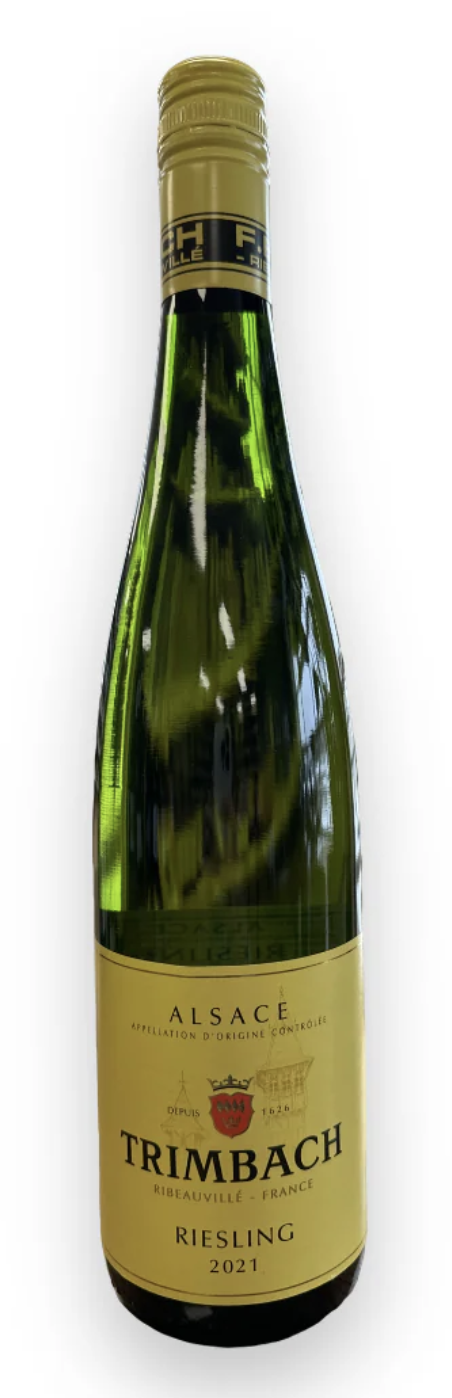
Ribeauvillé, Alsace — where twelve generations of the Trimbach family have made bone-dry Riesling for nearly four hundred years, refusing to follow the regional trend toward sweetness — and producing some of the longest-lived white wines in France.
Classification: AOC Alsace
Company: Maison Trimbach (est. 1626)
Winery: Maison Trimbach, Ribeauvillé, Alsace, France
ABV: 12.5%
Primary Varietal: Riesling
Vinification: Stainless steel fermentation, no malolactic, extended lees contact
Color: Pale straw with green-gold highlights
MSRP: $23–$28 (750 mL)
Nose: Lime zest, white peach, crushed stone minerality, white flowers, and a faint honeysuckle sweetness that's more aroma than flavor.
Palate: Bone dry and electric — crisp Granny Smith apple, lemon curd, wet slate, a laser-beam acidity that runs the length of the palate, and a saline minerality that lingers.
Finish: Long and razor-sharp with persistent citrus, chalky minerality, and an almost briny quality that makes you salivate and reach for another sip.
Cocktail — The Alsatian Spritz: 3 oz Trimbach Riesling · 2 oz elderflower liqueur (St-Germain) · 2 oz sparkling water · fresh sprig of thyme. Build over ice in a wine glass. The Riesling's acidity and minerality keep this spritz sharp where sweeter wines would make it cloying.
Pair with: Choucroute garnie (Alsatian sauerkraut with smoked sausages and pork). The classic regional pairing — the wine's acidity slices through the richness, and the slate minerality mirrors the tangy sauerkraut.
Awards: 92 Points, James Suckling. #1 Alsace Producer in the United States since 1978. Certified Agriculture Biologique (AB) Organic, 2023.
Train Your Nose: Today's Aroma Spotlight
Defiant Aromas — What Rule-Breaking Smells Like
Today's selections are united by a willingness to break conventions, and you can smell the difference in every glass. The most dramatic example is peat smoke in Laphroaig 10 — a compound family that includes phenols, cresols, and guaiacol, produced when barley is dried over burning peat rather than clean hot air. Most Scotch distillers abandoned heavy peating decades ago because it's expensive, labor-intensive, and polarizing. Laphroaig's commitment to floor malting over local Islay peat produces phenol levels of 40–50 ppm — among the highest in the industry.
At the opposite end of the spectrum, Tanqueray No. Ten's defiance is in what you smell first: fresh citrus oils. Where other gins lead with juniper and dried botanicals, No. Ten's use of whole fresh grapefruit, lime, and orange creates a linalool and limonene profile that's closer to a citrus grove than a traditional gin distillery. The chamomile flowers add bisabolol — a soft, honeyed compound that cushions the citrus brightness.
Then there's Ron Zacapa's altitude aging experiment. Aging rum at 2,300 meters produces slower ester formation and gentler tannin extraction than sea-level tropical aging. The result is a rum with cacao and butterscotch aromas that develop gradually over years rather than the aggressive wood character you get from fast tropical maturation. Pour all three side by side and practice identifying the through-line: each one smells unlike anything else in its category. That's what conviction smells like.
Try This: Open your Whisky Aroma Masterclass Kit and isolate the peat smoke and iodine vials. Smell them individually, then nose the Laphroaig 10. Can you find them in the glass? Now try your Gin Kit — isolate the citrus and floral vials and compare to the Tanqueray No. Ten. Training your nose to decompose a complex spirit into its individual aromas is the single most powerful skill a taster can develop.
Today's Kit Reference
| Today's Product | Key Aromas | Train With |
|---|---|---|
| Wild Turkey 101 | Caramel, Brown Spices, Vanilla, Charred Oak, Leather | Bourbon Aroma Masterclass Kit |
| Laphroaig 10 | Peaty, Medicinal, Smoky, Vanilla, Phenolic (Generic) | Whisky Aroma Masterclass Kit |
| Tullamore D.E.W. | Honey, Peach, Malt, Vanilla, Green (Cut Grass) | Whiskey Aroma Masterclass Kit |
| Don Julio Reposado | Agave (Cooked), Caramel, Vanilla, Cinnamon, Citrus (Lemon, Lime, Orange, Grapefruit) | Tequila & Mezcal Aroma Masterclass Kit |
| Tanqueray No. Ten | Grapefruit, Juniper (Herbaceous/Waxy), Chamomile, Lemon, Coriander | Gin Aroma Masterclass Kit |
| Ron Zacapa 23 | Toffee, Chocolate, Dried Fruit, Caramel, Oak | Rum Aroma Masterclass Kit |
| Marqués de Riscal Reserva | Cherry, Woody, Vanilla, Gamey, Cedar | Wine Aroma Masterclass Kit |
| Trimbach Riesling | Citrus (Generic), Apple (Green), Honey, Floral (Rose) | Wine Aroma Masterclass Kit |
Explore the School of Wine and Spirits
Today's eight products prove that the best things in the wine and spirits world come from people willing to trust their own palates over market trends. Our books on Amazon go deeper into the science and history behind every sip — from the story of American bourbon in America's Spirit, the whisk(e)y traditions of Scotland's Spirit and Ireland's Spirit, the vibrant wine culture of The Ultimate Northern Italian Wine Journey, the agave revolution in The Tequila y Mezcal Revolution, and the hidden terroir of Burgundy in our Chablis and Cte d'Or pocket guides.
Explore our Aroma Masterclass Kits and books at schoolofwineandspirits.com
Explore our Aroma Masterclass kits and books at schoolofwineandspirits.com
Join the School of Wine and Spirits Community
Connect with fellow connoisseurs, share tasting notes, and go deeper into every pour. Sign up at skool.com/schoolofwineandspirits
Sign up at skool.com/schoolofwineandspirits
Our kits make the perfect gift for the curious drinker in your life — because once you learn to identify aromas, you never taste the same way again.
Know someone who would enjoy The Still & The Vine? Forward this issue to a fellow enthusiast — or share it on social media and tag @SchoolofWineandSpirits. We grow by word of mouth.
Robert R. Mohr, CPA, CGMA, WSET Level 3, WSG Certified Spirits Specialist — author of America's Spirit, Scotland's Spirit, Ireland's Spirit, The Ultimate Northern Italian Wine Journey, The Tequila y Mezcal Revolution, The Definitive Pocket Guide to Chablis, The Definitive Pocket Guide to the Cte d'Or, and Strategic Tuning. Published author of the Aroma Academy Tequila/Mezcal and Distiller's training kits.
The Still & The Vine is a daily publication of the School of Wine and Spirits.
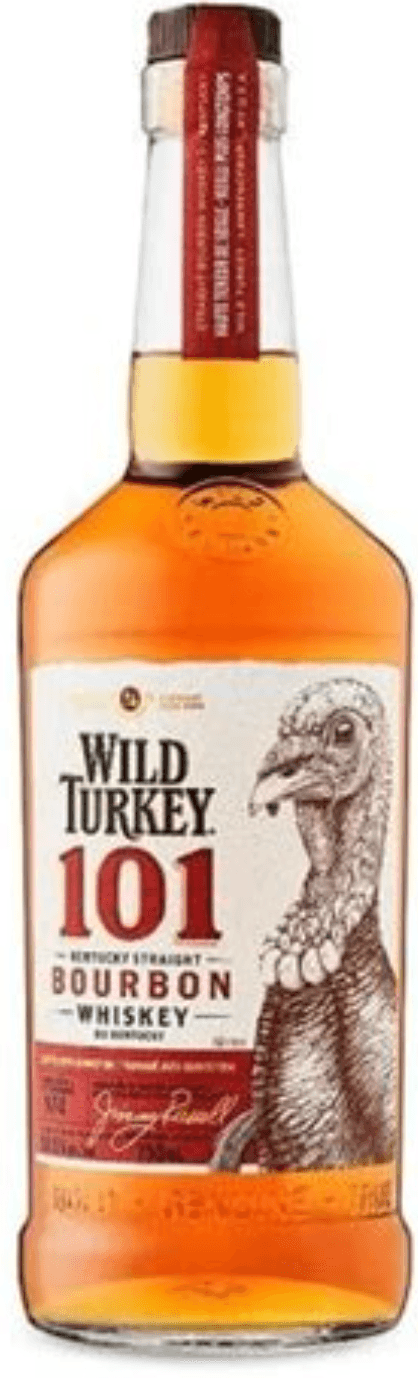
Wild Turkey 101
Campari Group (Wild Turkey, est. 1940)
Wild Turkey 101 is the bourbon that refuses to compromise. When the industry trend moved toward lower proofs and smoother profiles designed to offend no one, master distillers Jimmy and Eddie Russell held the line at 101 proof — the same proof the brand has bottled since the beginning. The secret is their unusually low barrel entry proof of 110°, compared to the legal maximum of 125°. That means less water added before barreling, which means more of the distillate’s character survives the aging process. At $22–$28, this is arguably the greatest value in American whiskey. It makes the case that boldness and drinkability aren’t opposites.
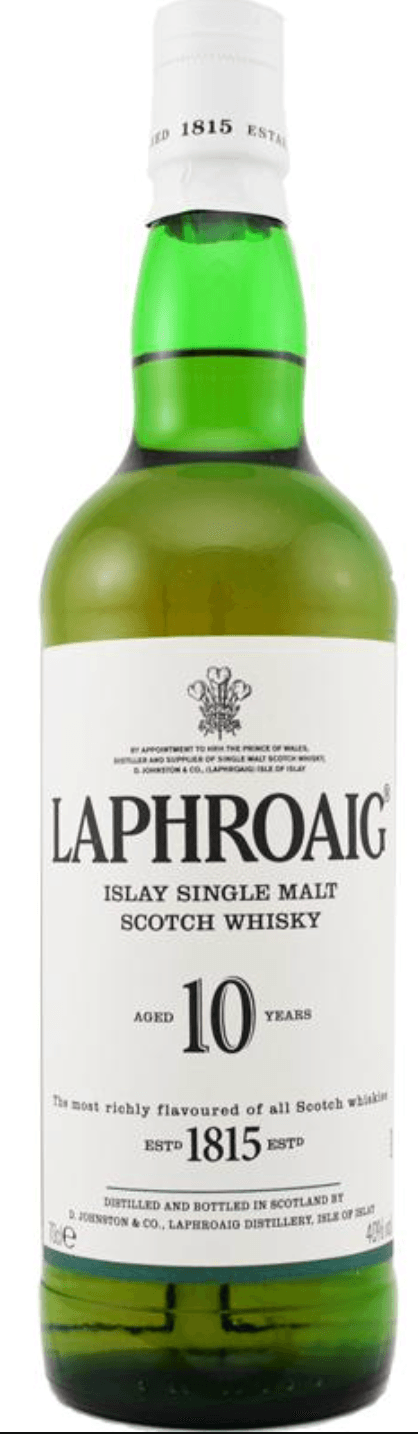
Laphroaig 10 Year Old
Suntory Global Spirits (Laphroaig Distillery, est. 1815)
Laphroaig 10 is the whisky that people either love or hate — and that’s exactly the point. While most Scotch distilleries have softened their profiles to broaden appeal, Laphroaig has doubled down on everything that makes it divisive: the medicinal peat smoke, the seaweed, the iodine. They still floor-malt roughly 20% of their barley on-site, drying it over local Islay peat — a labor-intensive practice almost every other distillery abandoned decades ago. The result is a whisky with a sense of place so vivid you can taste the Atlantic. Prince Charles liked it so much he granted it a Royal Warrant in 1994. You’ll either get it or you won’t, and Laphroaig is perfectly fine with that.
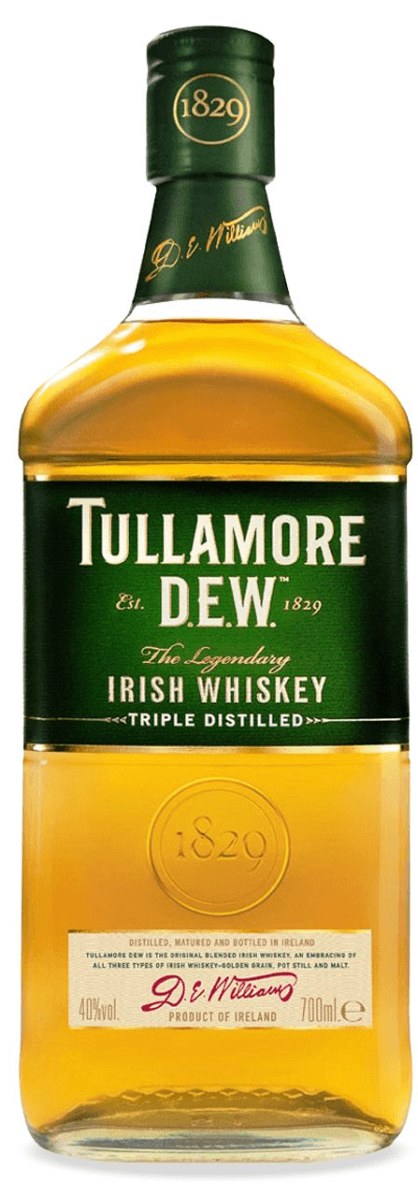
Tullamore D.E.W. Original
William Grant & Sons (Tullamore D.E.W., est. 1829)
Tullamore D.E.W. went against the grain in the most dramatic way possible: it came back from the dead. When the old Tullamore distillery closed in 1954, the brand survived as a label without a home, its whiskey sourced from other distilleries for sixty years. Then in 2014, William Grant & Sons built a brand-new €35 million distillery in Tullamore — the first new greenfield distillery in Ireland in over a century — bringing whiskey-making back to the town whose name is literally on the bottle. The triple blend of pot still, malt, and grain — triple distilled and triple cask matured — delivers surprising complexity at a price point that makes it one of the best introductions to Irish whiskey on the market.
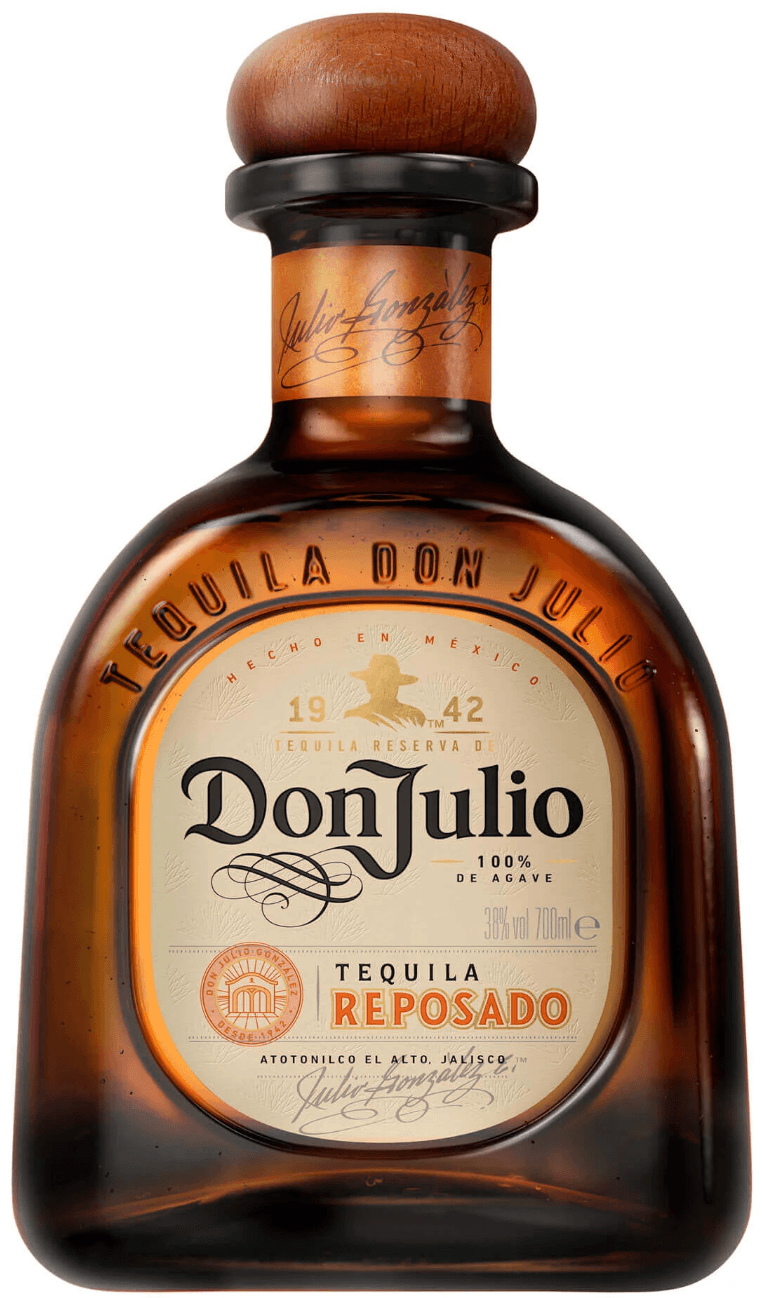
Don Julio Reposado
Diageo (Don Julio, est. 1942)
Don Julio invented the luxury tequila category. Before Don Julio, tequila was a commodity — cheap, harsh, and destined for margarita mixes. Julio González changed the rules by treating agave like fine wine grapes: planting further apart for full maturity, slow-roasting in 72-hour brick oven cycles, and aging in fine oak. When his sons created a tequila to honor his 60th birthday in 1985, it became the first tequila marketed as a premium sipping spirit. The Reposado expression — eight months in American white oak — strikes the ideal balance: enough barrel time to add complexity without masking the highland agave character that made the brand famous.
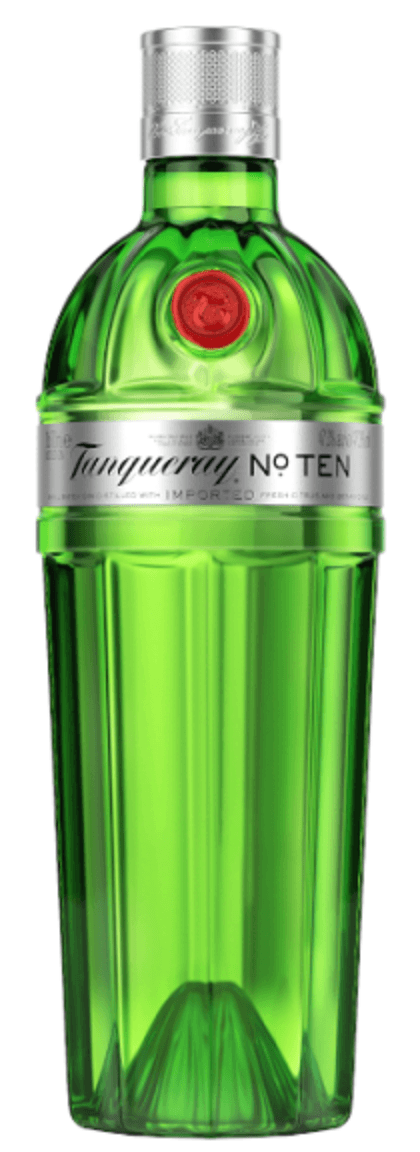
Tanqueray No. Ten
Diageo (Tanqueray, est. 1830)
Tanqueray No. Ten broke the gin rules by asking a simple question: what if we used fresh whole citrus fruits instead of dried peels? The answer came from a 1950s-era 500-liter pot still that the team nicknamed “Tiny Ten” — small enough for careful, small-batch distillation of fresh grapefruit, lime, orange, and chamomile flowers. The result created a new category: citrus-forward, cocktail-ready gin at a time when gin was considered your grandmother’s drink. At 47.3% ABV, it has the backbone to stand up in any cocktail without disappearing. The San Francisco World Spirits Competition put it in their Hall of Fame — the only gin to earn that distinction.
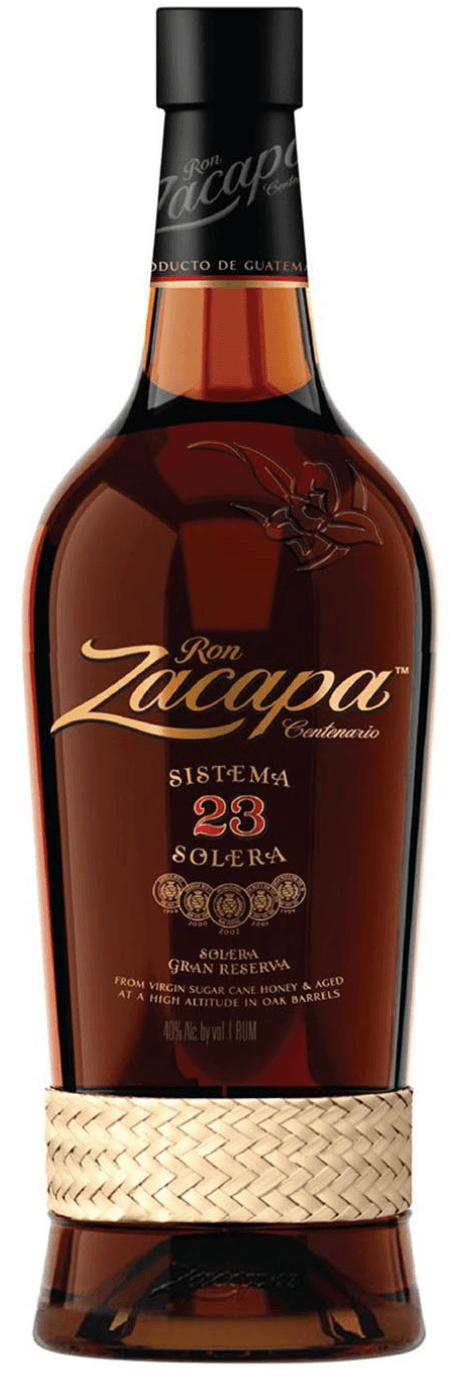
Ron Zacapa Centenario 23 Solera
Industrias Licoreras de Guatemala / Diageo (Ron Zacapa)
Ron Zacapa broke nearly every rule in rum-making. Start with the raw material: virgin sugarcane honey instead of the molasses most rum producers use. Then defy tropical aging conventions by aging at 2,300 meters above sea level, where cool mountain temperatures and higher humidity slow evaporation to a fraction of what it would be at sea level. Finally, use a solera blending system — borrowed from the sherry houses of Jerez — to marry rums aged 6 to 23 years across four different barrel types. The result tastes like no other rum on earth: rich enough to sip like Cognac, complex enough to hold your attention glass after glass. Voted the world’s number one premium rum at the International Rum Festival for five consecutive years.
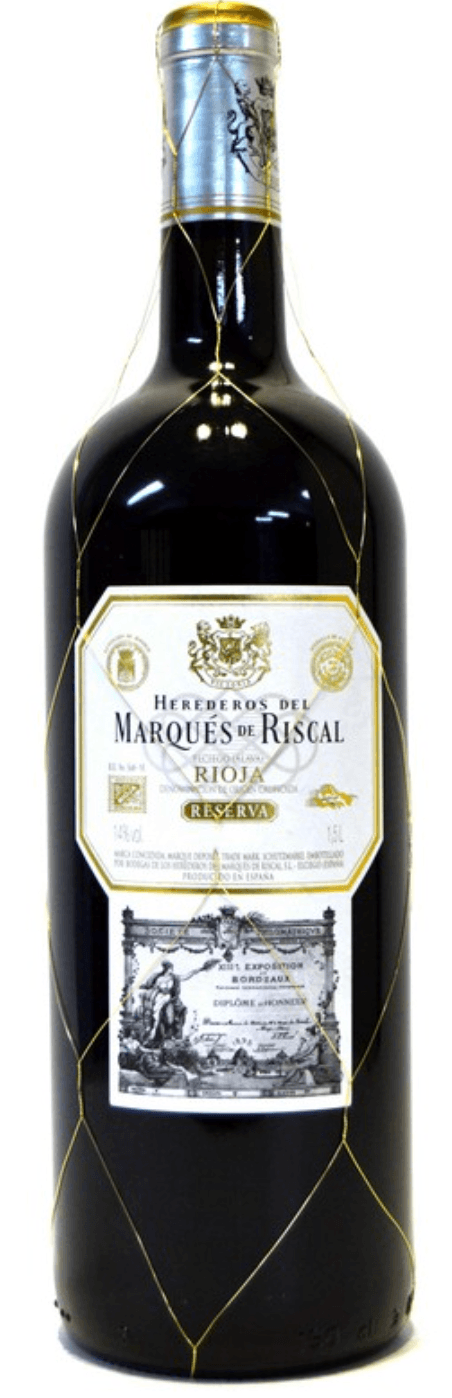
Marqués de Riscal Reserva 2019
Herederos del Marqués de Riscal (est. 1858)
Marqués de Riscal went against the grain before “going against the grain” was even a concept in Spanish wine. When Camilo Hurtado de Amézaga founded the winery in 1858, he did something heretical: he brought a French cellar master from Château Lanessan in the Médoc to teach Rioja producers Bordeaux techniques. He imported French grape varieties alongside the native Tempranillo. The result was Spain’s first modern winery, and in 1895, Marqués de Riscal became the first non-French wine to receive an Honorific Diploma at the International Wine Exposition of Bordeaux. The 2019 Reserva — 94% Tempranillo, 21 months in American oak — is a masterclass in Rioja’s unique marriage of Spanish soul and Bordelais discipline. At $20–$25, it’s one of the great values in European wine.
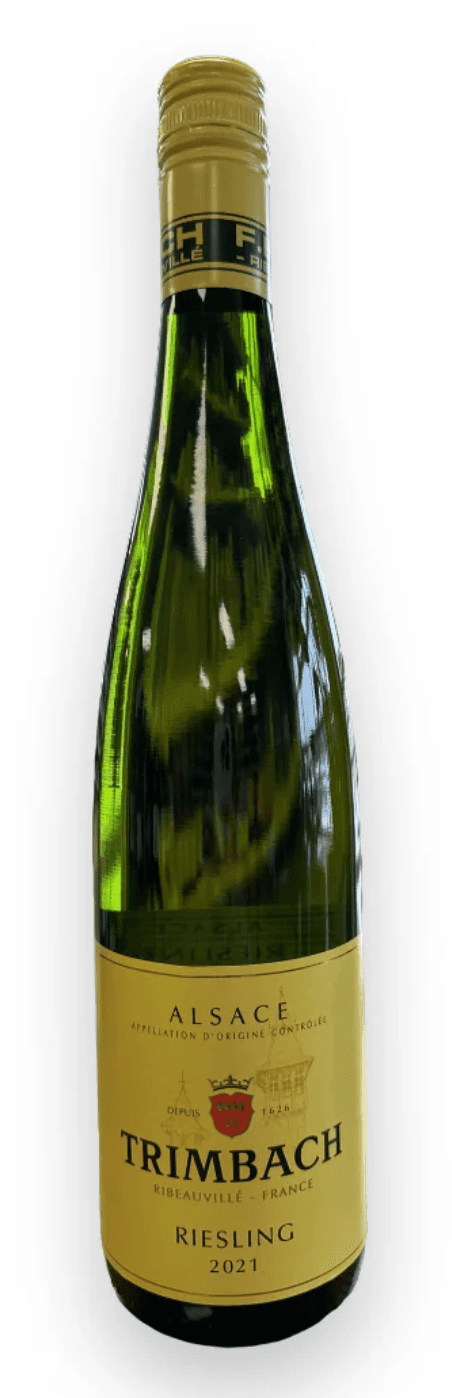
Trimbach Riesling 2021
Maison Trimbach (est. 1626)
Trimbach has been going against the grain since 1626 — they just don’t make a fuss about it. While Alsace became increasingly known for off-dry and sweet Rieslings, Trimbach committed to bone-dry wines with razor-sharp acidity and mineral precision. No malolactic fermentation, no residual sugar, no new oak — just pure expression of grape and terroir. The family has been making wine in Ribeauvillé for twelve generations and counting, and their philosophy hasn’t changed: balance, balance, balance. Their Clos Sainte Hune is one of the most legendary white wines on earth, but the entry-level Riesling — at $23–$28 — is where the value proposition is impossible to ignore. This is Riesling for people who think they don’t like Riesling.
Be the first to comment.