Issue 3 · March 29, 2026
Blood on the Label
Theme: Family-Owned Producers
Generational businesses that chose legacy over quarterly earnings — names on the label that mean something.
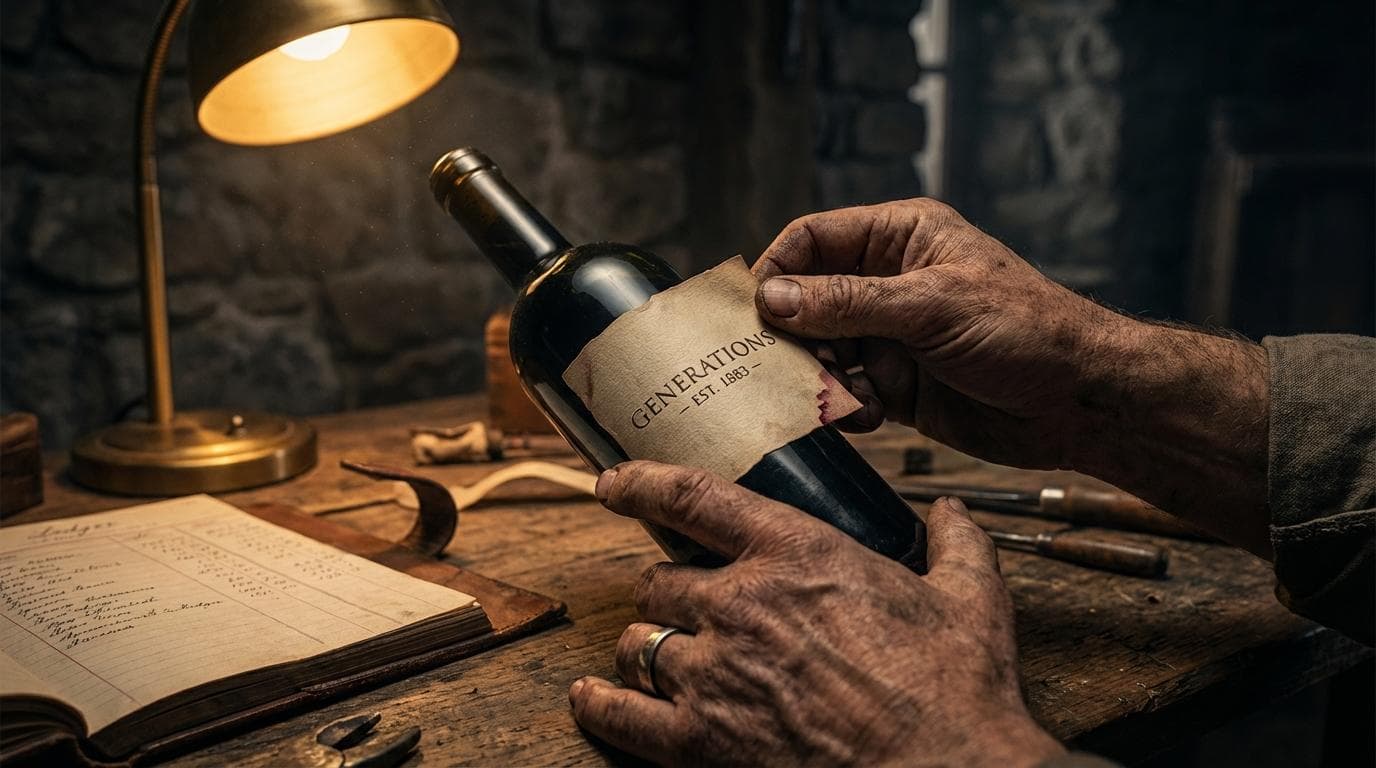

In an industry increasingly dominated by conglomerates, today's eight selections share something rare: every one of them was built by a family that staked its reputation on a single product, a single place, and a single way of doing things. Maker's Mark's red winter wheat recipe hasn't changed since Bill Samuels Sr. burned the family sour mash formula in 1953. The Grants of Glenfarclas have owned their Speyside distillery outright since 1865 — one of the last independent family-owned single malts in Scotland. The Camarena family has been making tequila in the Jalisco highlands for five generations, and the Loosen family has tended Riesling vines in Germany's Mosel Valley for over two centuries.
When a family name is on the label, the incentives change. These aren't products optimized for quarterly earnings — they're legacies built across generations, where cutting corners means dishonoring your grandparents and shortchanging your grandchildren. Today we celebrate the family business. Let's pour.
BOURBON Maker's Mark
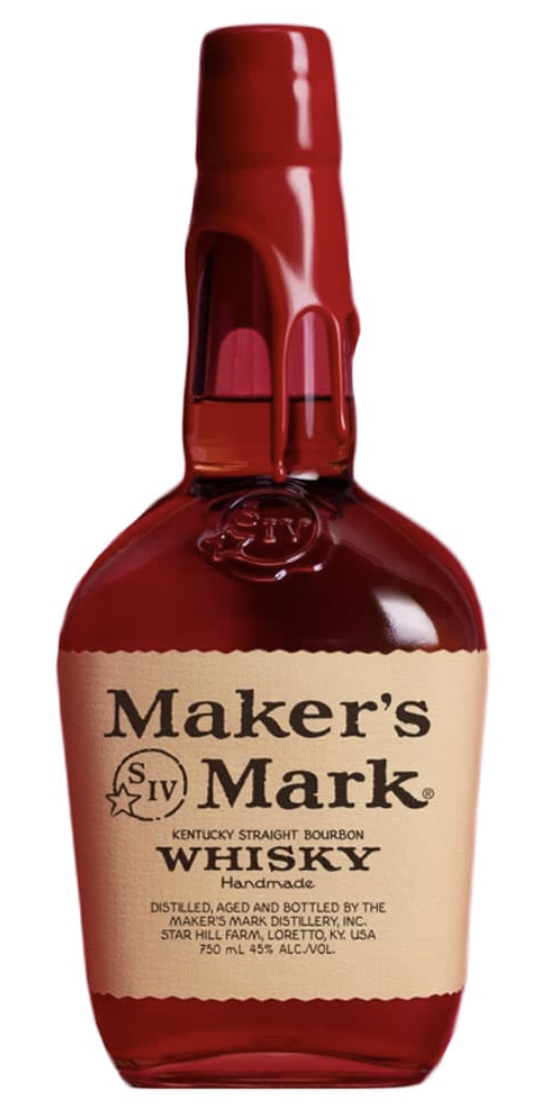
Loretto, Kentucky — where Bill Samuels Sr. rejected his family's 170-year-old bourbon recipe, burned the formula, and started over with red winter wheat — creating one of the most distinctive bourbons in America.
Classification: Kentucky Straight Bourbon Whisky
Company: Beam Suntory (originally T. William Samuels)
Distillery: Maker's Mark Distillery, Loretto, KY (National Historic Landmark)
Proof: 90 (45% ABV)
Age: Approximately 6–7 years (no age statement)
Mash Bill: 70% Corn, 16% Red Winter Wheat, 14% Malted Barley
Color: Rich amber
MSRP: $28–$35
Nose: Caramel, vanilla, brown sugar, baking bread, light citrus, oak
Palate: Creamy wheat sweetness, caramel, toasted oak, cherry, vanilla, gentle spice — notably soft with no burn
Finish: Medium-long, clean, with buttery warmth and lingering sweet oak
Cocktail — The Wheated Whiskey Sour: 2 oz Maker's Mark · 3/4 oz fresh lemon juice · 1/2 oz simple syrup · 1 egg white · 2 dashes Angostura. Dry shake, then shake hard with ice, double strain into a coupe. Garnish with a lemon peel.
Pair with: Butter pecan ice cream — the creamy wheat bourbon and buttery pecans are a perfect marriage.
Awards: Gold, San Francisco World Spirits Competition 2023; Bourbon Hall of Fame Inductee
SCOTCH WHISKY Glenfarclas 12 Year Old
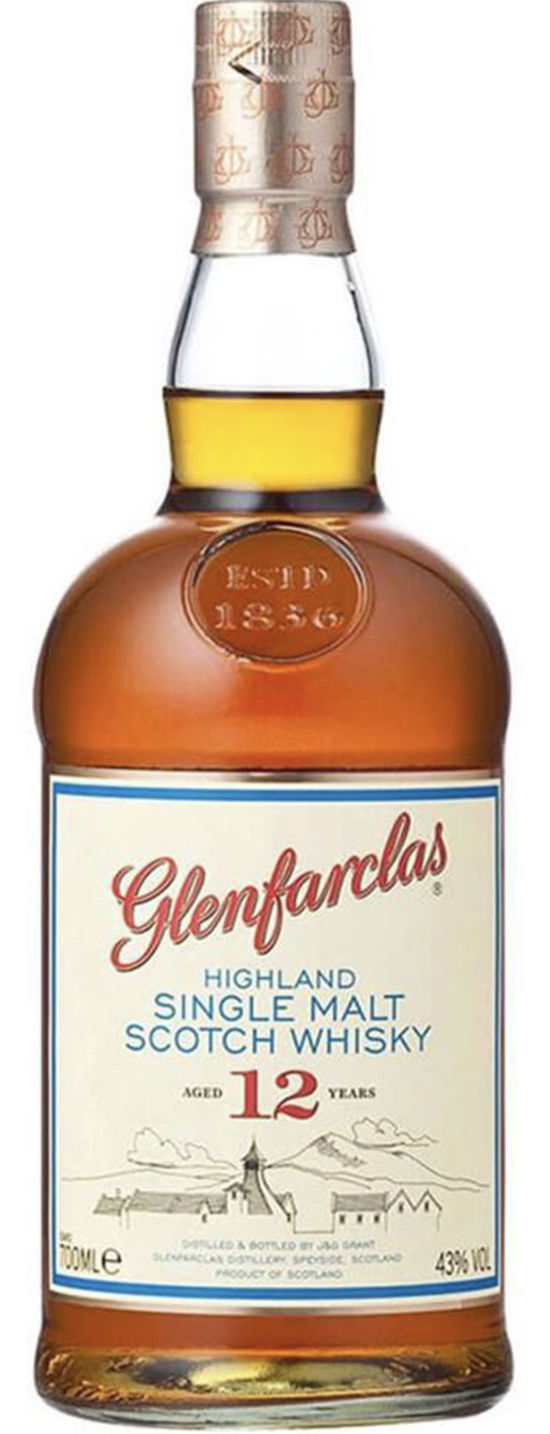
Ballindalloch, Speyside — where the Grant family has owned and operated their distillery since 1865, making Glenfarclas one of the last truly independent single malts in Scotland.
Classification: Single Malt Scotch Whisky (Speyside)
Company: J. & G. Grant (family-owned, 6th generation)
Distillery: Glenfarclas Distillery, Ballindalloch, Speyside, Scotland
Proof: 86 (43% ABV)
Age: 12 Years
Mash Bill: 100% Malted Barley
Distillation: Double Distilled (largest stills in Speyside)
Maturation: Predominantly Oloroso sherry casks
Color: Deep burnished gold
MSRP: $45–$60
Nose: Rich sherry, toffee, dried fruit, dark chocolate, malt, gentle woodsmoke
Palate: Full-bodied — Christmas cake, raisins, cinnamon, dark chocolate, honey, oak spice, creamy mouthfeel
Finish: Long and warming with lingering sherry sweetness, nutmeg, and dry oak
Cocktail — The Speyside Blood & Sand: 1 oz Glenfarclas 12 · 3/4 oz sweet vermouth · 3/4 oz Cherry Heering · 3/4 oz fresh blood orange juice. Shake with ice, strain into a chilled coupe. Garnish with an orange peel.
Pair with: Dark chocolate truffles with orange zest — the sherry-rich whisky amplifies the cocoa and citrus.
Awards: Gold, International Wine & Spirit Competition 2024; 90 Points, Whisky Advocate
IRISH WHISKEY Writers' Tears Copper Pot
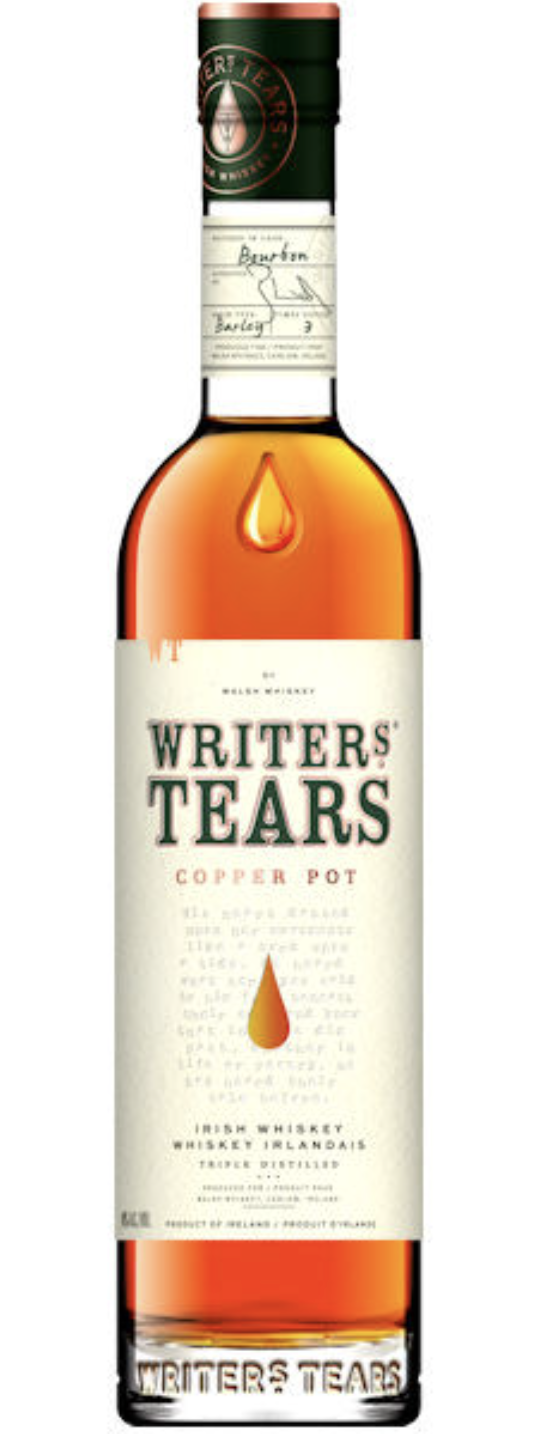
Royal Oak, County Carlow — where Bernard and Rosemary Walsh founded Walsh Whiskey in 1999 with a dream of reviving Ireland's pot still tradition, naming their flagship after the literary giants who famously drew inspiration from Irish whiskey.
Classification: Irish Whiskey (Pot Still & Malt Blend)
Company: Walsh Whiskey Distillery (Bernard & Rosemary Walsh, founders)
Distillery: Royal Oak Distillery, County Carlow, Ireland
Proof: 80 (40% ABV)
Age: NAS (blend of Single Pot Still and Single Malt)
Mash Bill: Blend of Malted Barley (single malt) and Malted + Unmalted Barley (pot still)
Distillation: Triple Distilled
Maturation: Bourbon casks
Color: Bright gold
MSRP: $35–$45
Nose: Honey, green apple, toasted almonds, ginger, light vanilla, fresh hay
Palate: Smooth and silky — apricot, honey, vanilla, cinnamon, cracked black pepper, pot still spice, malt sweetness
Finish: Medium with lingering ginger warmth, caramel, and a clean malt fade
Cocktail — The Literary Irish Coffee: 1.5 oz Writers' Tears Copper Pot · 4 oz hot strong coffee · 1 tsp brown sugar · Lightly whipped cream float. Stir whiskey, coffee, and sugar in a warm glass. Float cream gently on top.
Pair with: Aged Gouda with honey and walnuts — the caramel sweetness of the cheese mirrors the whiskey's honey notes.
Awards: Gold, San Francisco World Spirits Competition 2024; 92 Points, Wine Enthusiast
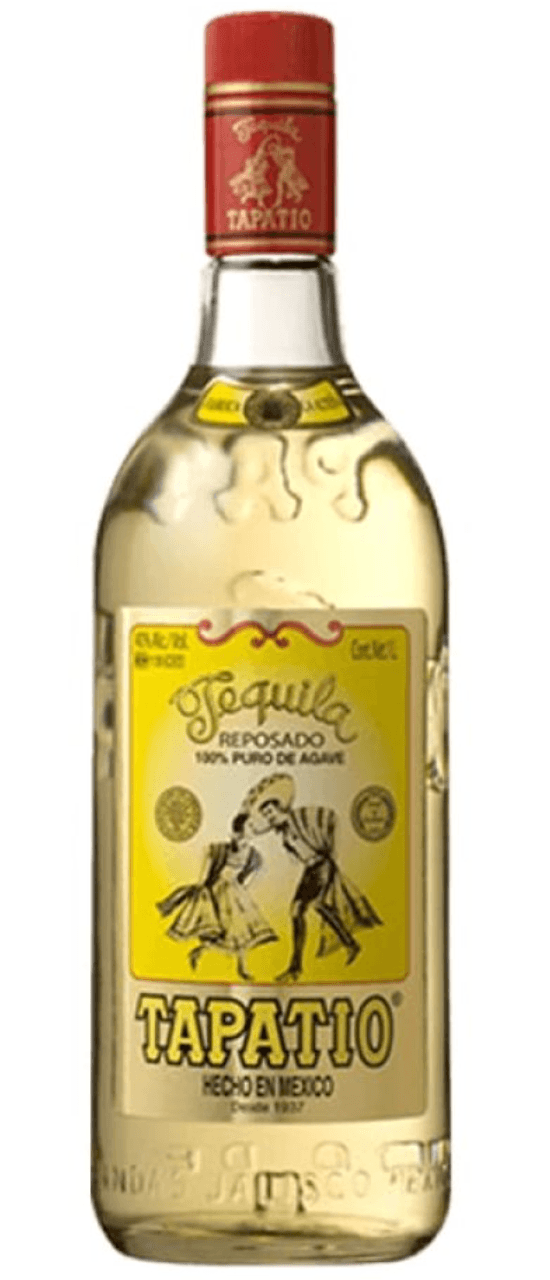
TEQUILA Tapatio Reposado
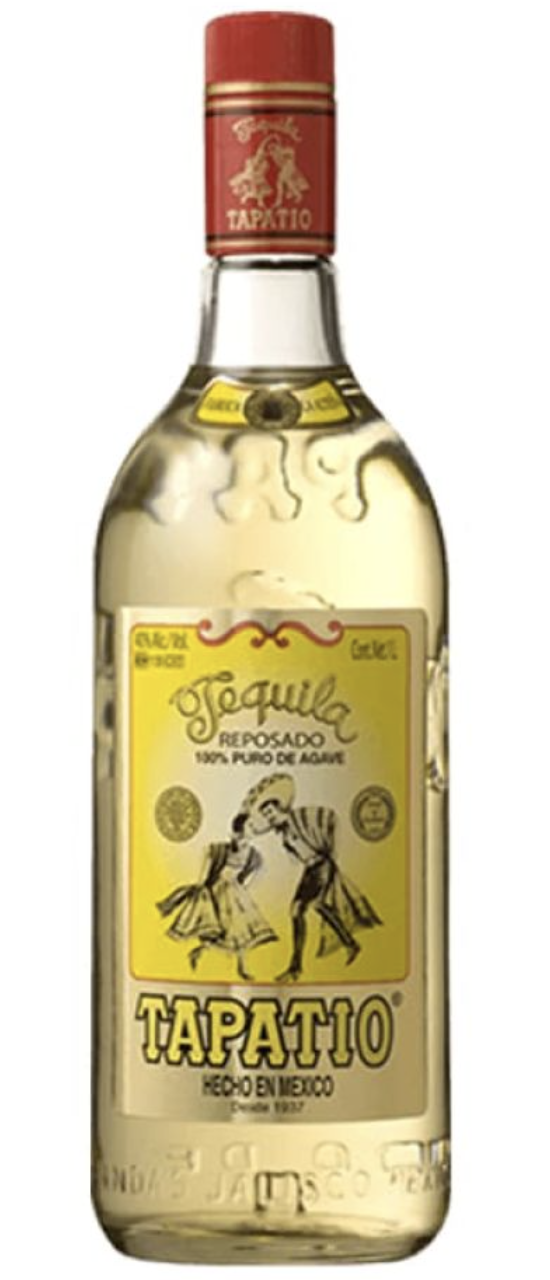
Arandas, Jalisco — in the Los Altos highlands, where the Camarena family has been growing agave and distilling tequila for five generations at their La Alteza distillery, one of the most respected small-production operations in Mexico.
Classification: 100% Agave Reposado Tequila
Company: Tequila Tapatio S.A. de C.V. (Camarena family, 5th generation)
Distillery: La Alteza (NOM 1139), Arandas, Jalisco, Mexico
Proof: 80 (40% ABV)
Age: 4 months in American oak barrels
Production: Brick oven–roasted (48 hours), natural fermentation with well water, double distilled in stainless steel pot stills
Color: Pale straw
MSRP: $40–$55
Nose: Bright cooked agave, citrus blossom, vanilla, light caramel, fresh herbs
Palate: Clean agave sweetness, butter, white pepper, cinnamon, light oak, honey, green olive brine
Finish: Medium and clean with lingering agave and gentle oak warmth
Cocktail — The Highland Paloma: 2 oz Tapatio Reposado · 3/4 oz fresh grapefruit juice · 1/2 oz fresh lime juice · 1/4 oz agave nectar · Pinch of salt · 3 oz Topo Chico. Build in a Collins glass over ice, stir gently.
Pair with: Grilled corn elote with cotija cheese and chili lime — the sweet agave and savory cheese create a classic Mexican pairing.
Awards: 96 Points, Tasting Panel Magazine; Gold, TAG Global Spirits Awards
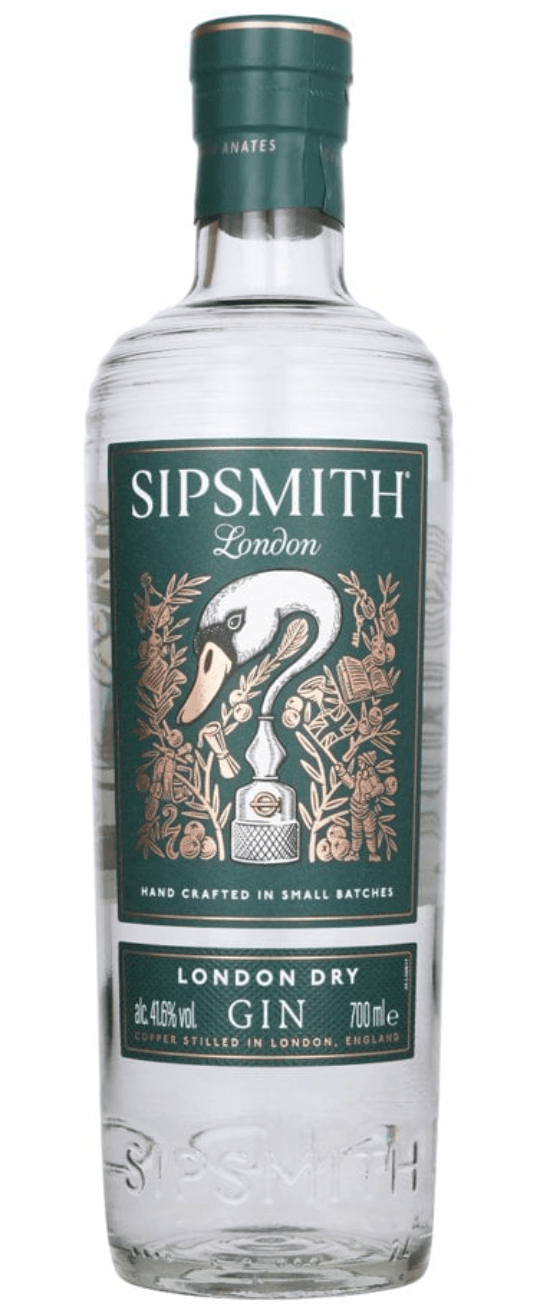
GIN Sipsmith London Dry Gin
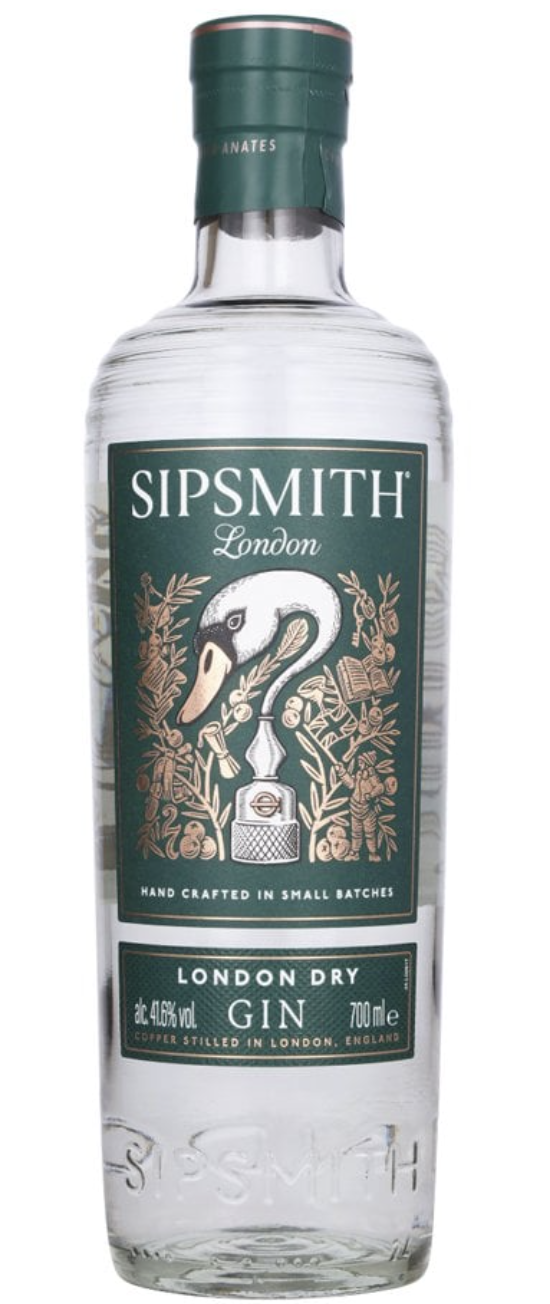
Chiswick, London — where Fairfax Hall and Sam Galsworthy fought for three years to get a license, then fired up London's first new copper pot gin distillery in nearly 200 years, sparking the craft gin revolution.
Classification: London Dry Gin
Company: Beam Suntory (founded by Fairfax Hall, Sam Galsworthy & Jared Brown)
Distillery: Sipsmith Distillery, Chiswick, London, England
Proof: 82.4 (41.2% ABV)
Age: Unaged
Botanicals: 10 carefully selected botanicals including juniper, coriander, angelica root, liquorice, orris root, almonds, cassia bark, cinnamon, Seville orange peel, lemon peel
Distillation: One-shot distillation in copper pot stills (Prudence, Constance, Patience)
Color: Crystal clear
MSRP: $30–$38
Nose: Bold juniper, zesty lemon, floral meadow, gentle coriander, hint of marmalade
Palate: Juniper-forward and classically dry — bright citrus, peppery warmth, clean botanicals, silky texture
Finish: Long and dry with lingering juniper, lemon oil, and a whisper of liquorice
Cocktail — The Proper G&T: 2 oz Sipsmith London Dry · 4 oz premium Indian tonic water · Generous squeeze of fresh lemon. Build in a Copa glass filled with ice. Stir once. Garnish with a lemon wheel.
Pair with: Fish and chips with malt vinegar — a gin born in London, paired with London's most iconic dish.
Awards: Gold, International Spirits Challenge 2024; Master, The Gin Masters 2023
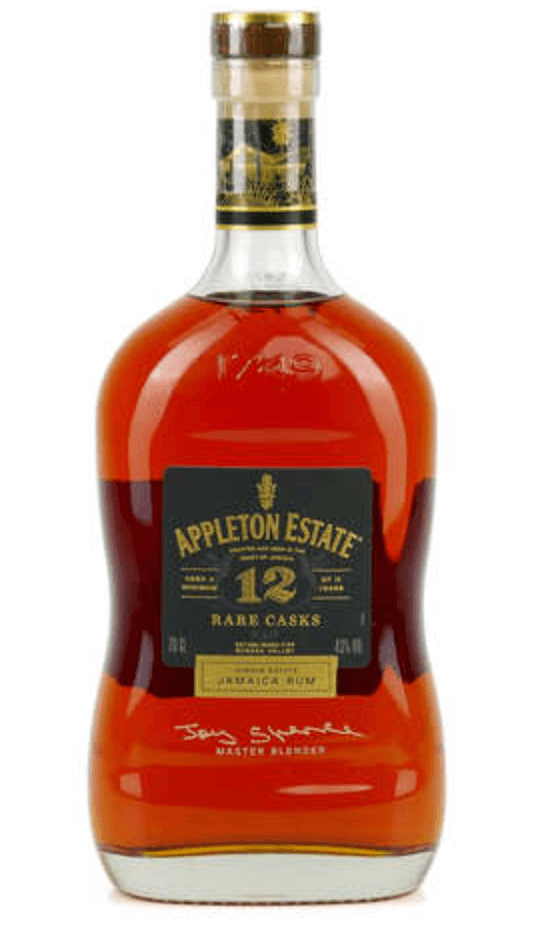
RUM Appleton Estate 12 Year Old Rare Casks
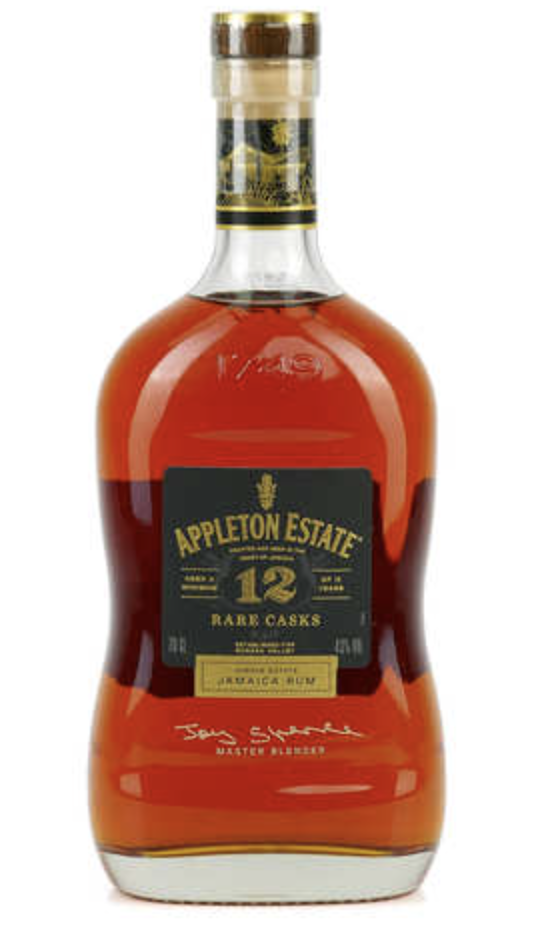
Nassau Valley, Jamaica — where the island's oldest sugar estate has been producing rum since 1749, and where Joy Spence became the spirits industry's first female Master Blender in 1997.
Classification: Aged Jamaican Rum
Company: Campari Group (Appleton Estate, est. 1749)
Distillery: Appleton Estate, Nassau Valley, St. Elizabeth Parish, Jamaica
Proof: 86 (43% ABV)
Age: Minimum 12 Years (tropical aging)
Base Ingredients: Jamaican molasses
Distillation: Blend of copper pot still and column still rums
Maturation: American oak barrels, tropically aged
Water Source: Filtered through Jamaican limestone bedrock
Color: Deep burnished amber
MSRP: $35–$45
Nose: Orange peel, molasses, vanilla, cinnamon, coffee, brown sugar, hints of banana
Palate: Rich and fruity — dark chocolate, orange marmalade, coffee, toffee, tropical fruit, allspice (pimento), gentle funk
Finish: Long and warming with lingering orange, oak spice, and cocoa
Cocktail — The Nassau Dark 'n' Stormy: 2 oz Appleton Estate 12 · 4 oz ginger beer · 1/2 oz fresh lime juice · 2 dashes Angostura bitters. Build in a tall glass over ice. Float the rum on top.
Pair with: Jamaican jerk chicken — the allspice and scotch bonnet heat pair naturally with the rum's spice and orange notes.
Awards: Double Gold, San Francisco World Spirits Competition 2023; Gold, International Spirits Challenge
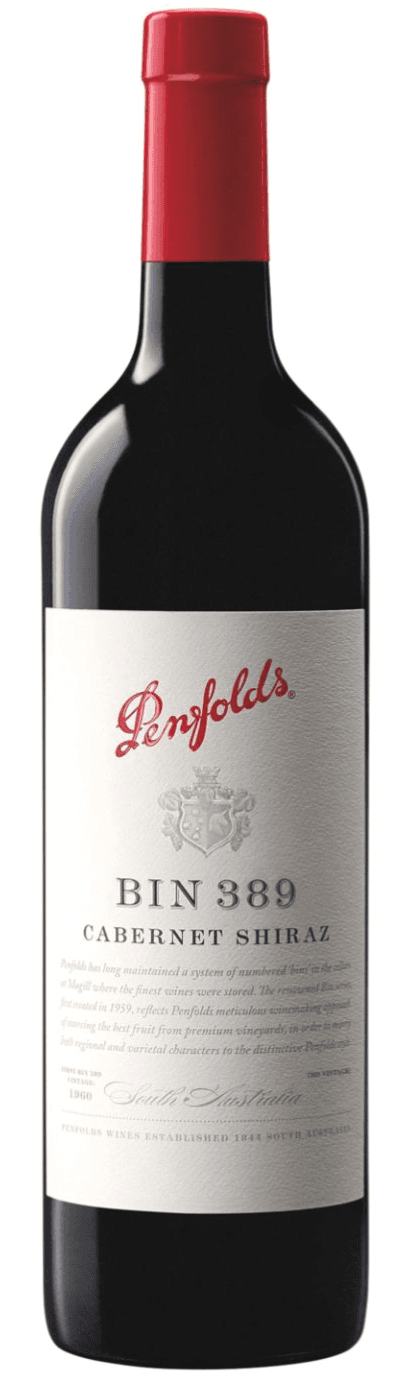
RED WINE Penfolds Bin 389 Cabernet Shiraz 2021
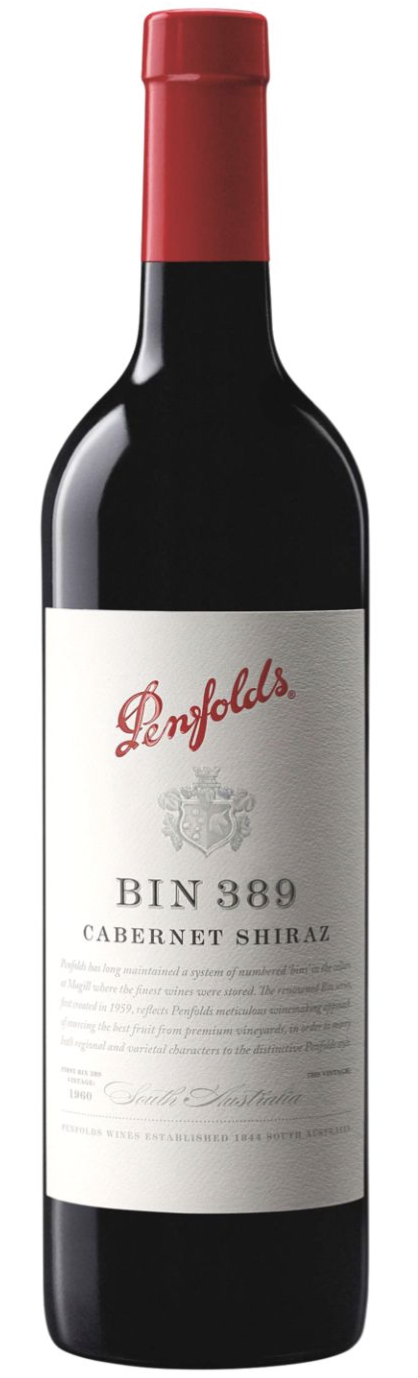
Magill Estate, South Australia — where Dr. Christopher Rawson Penfold planted his first vines in 1844, and where Max Schubert's radical vision created Australia's most iconic wine house.
Classification: South Australia GI
Company: Treasury Wine Estates (Penfolds, est. 1844)
Winery: Penfolds, Magill Estate, Adelaide, South Australia
ABV: 14.5%
Blend: 51% Cabernet Sauvignon, 49% Shiraz (multi-region South Australia)
Maturation: 12 months in American oak hogsheads (37% new) — the same barrels that previously held Grange
Color: Deep crimson-red
MSRP: $40–$55
Nose: Blackcurrant, dark plum, chocolate, cedar, sweet vanilla, dried herbs
Palate: Full-bodied — ripe blackberry, dark cherry, milk chocolate, licorice, well-integrated oak tannins, savoury edge
Finish: Long and structured with lingering spice, cedar, and dark fruit
Cocktail — Penfolds Mulled Wine: 1 bottle Bin 389 · 2 cinnamon sticks · 4 cloves · 2 star anise · Orange zest strips · 2 tbsp honey. Warm gently (don't boil) for 20 minutes. Ladle into mugs.
Pair with: Grilled lamb chops with rosemary and garlic — the Cabernet's tannin and the Shiraz's fruit both love lamb.
Awards: 95 Points, James Suckling; 94 Points, Wine Spectator
WHITE WINE Dr. Loosen Blue Slate Riesling Kabinett 2022
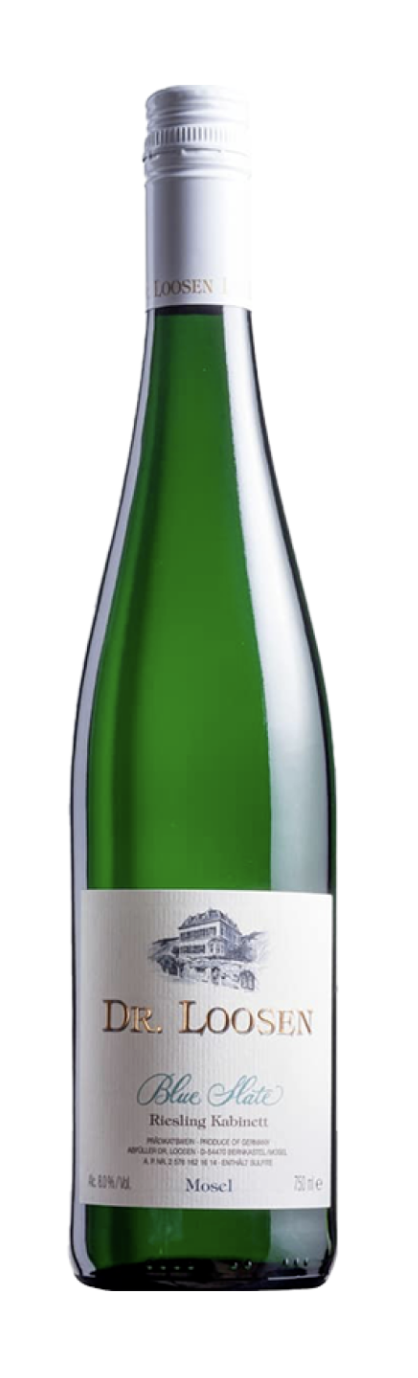
Bernkastel, Mosel, Germany — where Ernst Loosen revived his family's 200-year-old estate by recognizing that their ungrafted, pre-phylloxera vines on impossibly steep blue slate slopes were a treasure the world had forgotten.
Classification: Mosel Riesling Kabinett (Prdikatswein)
Company: Weingut Dr. Loosen (Ernst Loosen, family-owned since early 1800s)
Winery: Weingut Dr. Loosen, Bernkastel, Mosel, Germany
ABV: 8.5%
Primary Varietal: Riesling
Blend: 100% Riesling
Vineyard: Blue devonian slate soils; ungrafted vines averaging 60+ years old; slopes up to 65
Color: Pale straw with green highlights
MSRP: $16–$22
Nose: White peach, citrus blossom, wet slate, green apple, honeysuckle
Palate: Delicate and precise — ripe peach, lime zest, mineral tension, residual sweetness perfectly balanced by electric acidity
Finish: Long and linear with persistent minerality, citrus, and a crystalline purity
Cocktail — The Mosel Spritz: 3 oz Dr. Loosen Riesling Kabinett · 1 oz St-Germain elderflower liqueur · 2 oz sparkling water · Fresh mint sprig. Build in a wine glass over ice.
Pair with: Spicy Thai green curry — the wine's sweetness tames the heat while its acidity cuts through the coconut cream.
Awards: 90 Points, Wine Spectator; Outstanding, Decanter
Train Your Nose: Today's Aroma Spotlight
Heritage Aromas — What Generations of Consistency Smell Like
When a family makes the same product for decades — or centuries — something fascinating happens to the aroma profile: it becomes a signature. Glenfarclas has smelled like sherry and Christmas cake since the 1800s because the Grants have never wavered from Oloroso cask maturation. Maker's Mark's soft caramel-vanilla character comes from a wheat recipe that hasn't changed since 1953. Tapatio's bright agave-forward profile reflects five generations of brick oven roasting and natural fermentation.
These aren't just aromas — they're fingerprints of a family's philosophy, preserved in glass. When you train your nose to recognize sherry influence in Scotch, you're learning to identify a choice the Grant family made generations ago and has never abandoned. When you detect wheat softness in bourbon, you're tasting Bill Samuels' 1953 rebellion. The aromas tell the story of who made the decisions and what they valued.
Your training exercise: Open your Whisky Aroma Masterclass Kit and pull out the Sherry and Dried Fruit vials. Smell each one in isolation, then pour a small measure of any sherried Scotch (Glenfarclas, Macallan, GlenDronach). Swirl, nose, and see if you can isolate the sherry cask influence from the malt underneath. That separation — understanding which aromas come from the cask and which from the distillate — is the foundation of skilled tasting.
Today's Kit Reference
| Today's Product | Key Aromas | Train With |
|---|---|---|
| Maker's Mark | Caramel, Vanilla, Oak, Butterscotch, Cherry | Bourbon Aroma Masterclass Kit |
| Glenfarclas 12 | Caramel, Dried Fruit, Cocoa (Dark), Malt, Woody | Whisky Aroma Masterclass Kit |
| Writers' Tears Copper Pot | Honey, Vanilla, Peach, Malt, Green (Cut Grass) | Whiskey Aroma Masterclass Kit |
| Tapatio Reposado | Agave (Cooked), Vanilla, Cinnamon, Pepper, Citrus (Lemon, Lime, Orange, Grapefruit) | Tequila & Mezcal Aroma Masterclass Kit |
| Sipsmith London Dry | Juniper (Herbaceous/Waxy), Lemon, Coriander, Lquorice, Floral (Rose) | Gin Aroma Masterclass Kit |
| Appleton Estate 12 | Caramel, Orange, Coffee, Molasses, Spice (Generic) | Rum Aroma Masterclass Kit |
| Penfolds Bin 389 | Blackcurrant, Cherry, Woody, Cedar, Toasted | Wine Aroma Masterclass Kit |
| Dr. Loosen Riesling Kabinett | Apple (Green), Citrus (Generic), Honey, Floral (Rose) | Wine Aroma Masterclass Kit |
Explore the School of Wine and Spirits
Today, family connected all eight of our products — from a Kentucky dynasty that burned its own recipe to start fresh, to a Scottish clan that's said no to every buyout offer for 160 years, to a German estate where 200-year-old vines are still producing world-class Riesling. These families understand something that corporate spirits and wine companies often forget: your name on the label means your reputation in every glass.
Our books on Amazon go deeper into the science and history behind every sip — from the story of American bourbon in America's Spirit, the whisk(e)y traditions of Scotland's Spirit and Ireland's Spirit, the wines of northern Italy in The Ultimate Northern Italian Wine Journey, the agave revolution in The Tequila y Mezcal Revolution, and the hidden terroir of Burgundy in our Chablis and Cte d'Or pocket guides.
Explore our Aroma Masterclass Kits and books at schoolofwineandspirits.com
Explore our Aroma Masterclass kits and books at schoolofwineandspirits.com
Join the School of Wine and Spirits Community
Connect with fellow connoisseurs, share tasting notes, and go deeper into every pour. Sign up at skool.com/schoolofwineandspirits
Sign up at skool.com/schoolofwineandspirits
Our kits make the perfect gift for the curious drinker in your life — because once you learn to identify aromas, you never taste the same way again.
Know someone who'd love this? Forward this newsletter or share the link — and reply with your own tasting notes. We read every one.
Robert R. Mohr, CPA, CGMA, WSET Level 3, WSG Certified Spirits Specialist — author of America's Spirit, Scotland's Spirit, Ireland's Spirit, The Ultimate Northern Italian Wine Journey, The Tequila y Mezcal Revolution, The Definitive Pocket Guide to Chablis, The Definitive Pocket Guide to the Cte d'Or, and Strategic Tuning. Published author of the Aroma Academy Tequila/Mezcal and Distiller's training kits.
The Still & The Vine is a daily publication of the School of Wine and Spirits.
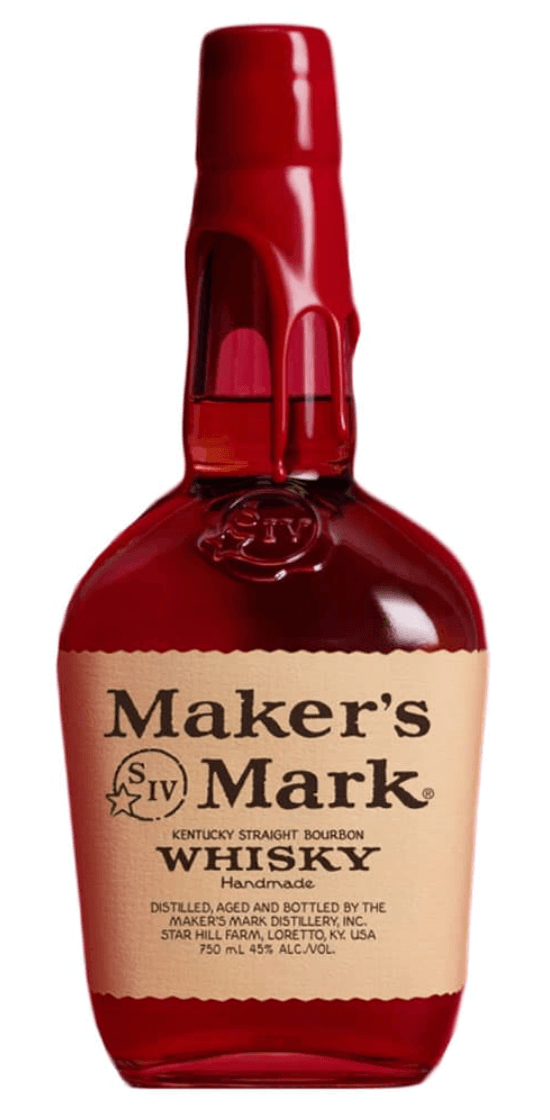
Maker’s Mark
Beam Suntory (originally T. William Samuels)
The red winter wheat is the whole story. Where rye adds bite and spice, wheat adds softness and sweetness — and that substitution, radical in 1953, gave Maker’s Mark its famously approachable character. Bill Samuels Sr.’s wife Margie designed the iconic hand-dipped red wax seal, and every bottle is still hand-dipped today. It’s a bourbon that proves innovation doesn’t require complexity — sometimes the bravest move is to simplify.
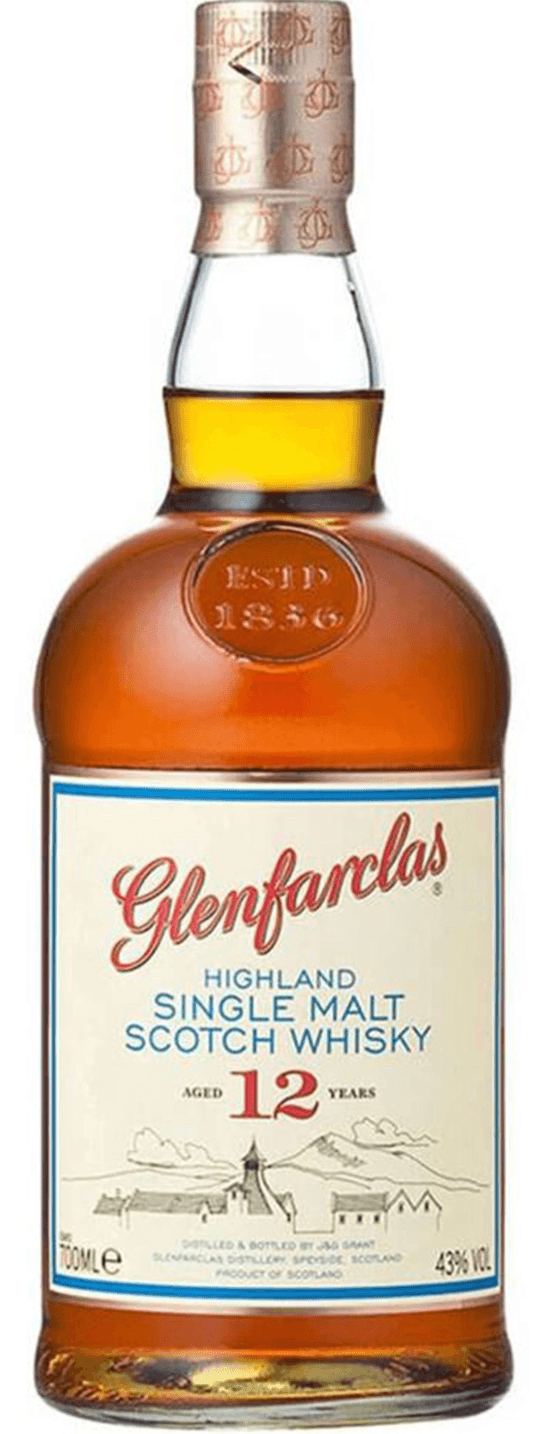
Glenfarclas 12 Year Old
J. & G. Grant (family-owned, 6th generation)
Glenfarclas is what happens when a family says “no” to trends. While other Speyside distilleries have chased younger consumers with NAS releases and cask finishes, the Grants have stayed stubbornly committed to sherry cask maturation and generous age statements. The 12 Year Old is the gateway — unapologetically sherried, rich, and full-bodied at a price that makes the big-name competitors look overpriced. The fact that they’ve resisted every takeover offer for 160 years tells you everything about their priorities.
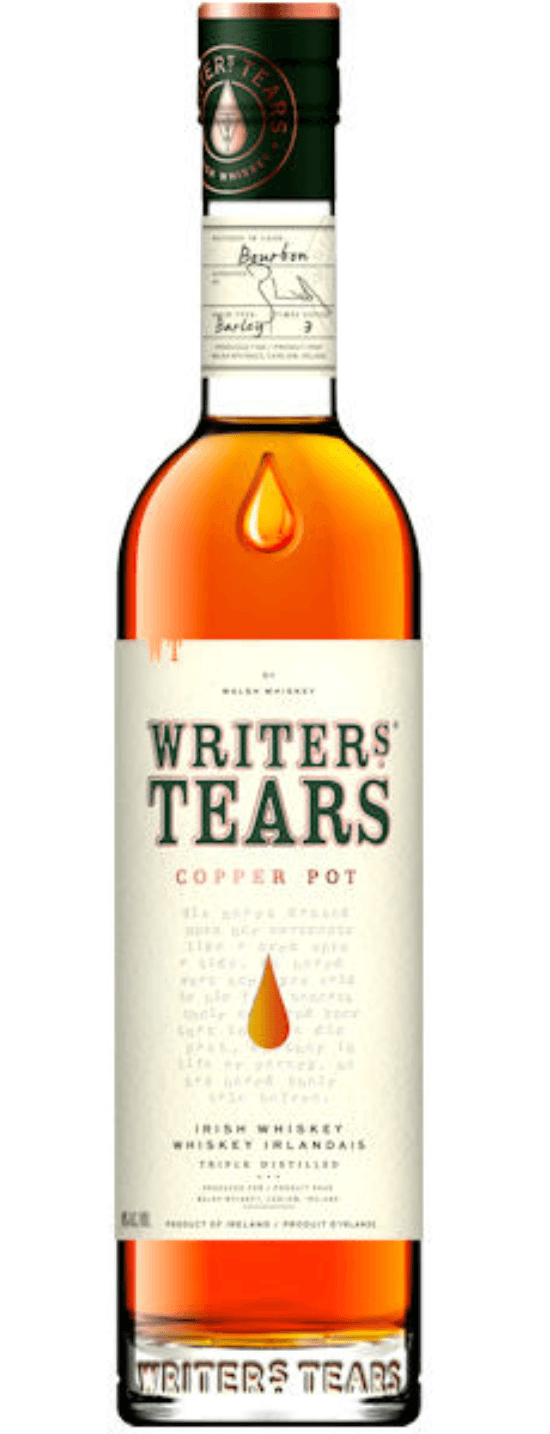
Writers’ Tears Copper Pot
Walsh Whiskey Distillery (Bernard & Rosemary Walsh, founders)
Writers’ Tears earns its literary name. Oscar Wilde, James Joyce, Brendan Behan — Irish writers and Irish whiskey have been inseparable for centuries, and the Walshes bottled that romance into something genuinely beautiful. The blend of single pot still and single malt creates a texture that’s both silky and spiced, with the unmalted barley adding the characteristic Irish “pot still bite” that gives it backbone. At under $40, it punches well above its price point and serves as a perfect introduction to what makes Irish whiskey different from Scotch.
Tapatio Reposado
Tequila Tapatio S.A. de C.V. (Camarena family, 5th generation)
Tapatio is the tequila that tequila makers drink. The Camarena family — the same lineage that gave us El Tesoro and G4 — runs one of the most traditional operations in Jalisco. Carlos Camarena, the current master distiller, slow-roasts his highland agave for 48 hours in brick ovens, ferments with wild airborne yeasts and natural well water, and keeps production deliberately small. The reposado rests just four months — enough to round the edges without masking the agave. This is tequila for purists, and at around $45 it’s one of the best-kept secrets in the category.
Sipsmith London Dry Gin
Beam Suntory (founded by Fairfax Hall, Sam Galsworthy & Jared Brown)
Sipsmith didn’t just make a great gin — they changed the law to do it. In 2009, London had no small-batch copper pot gin distilleries because regulations required stills ten times larger than what craft producers could use. Hall and Galsworthy lobbied Parliament, got the law changed, and installed a tiny 300-liter copper pot still they named Prudence. The gin that came out was a love letter to London Dry — juniper-led, citrus-bright, and unapologetically classic. It launched a thousand craft gins, and it’s still one of the best.
Appleton Estate 12 Year Old Rare Casks
Campari Group (Appleton Estate, est. 1749)
Appleton Estate 12 is the gold standard for Jamaican rum. The Nassau Valley’s unique microclimate — hot days, cool nights from surrounding limestone hills — creates the perfect conditions for tropical aging, where the angel’s share is three times what you’d lose in Scotland. Joy Spence, who has led the blending program since 1997, selects from over 200,000 barrels to create the signature Appleton profile: orange-forward, rich, with that distinctive Jamaican “funk” (naturally occurring esters) that makes it taste alive. At $35–45 for a true 12-year tropical-aged rum, the value is extraordinary.
Penfolds Bin 389 Cabernet Shiraz 2021
Treasury Wine Estates (Penfolds, est. 1844)
Bin 389 is known as “Baby Grange” for a reason: the wine is matured in the same American oak hogsheads that previously held Penfolds Grange, Australia’s most celebrated wine. That secondhand Grange influence — a ghost of Shiraz complexity — adds depth you can’t get any other way. Max Schubert created the first Bin 389 in 1960, and it’s been in continuous production ever since, blending Cabernet’s structure with Shiraz’s generosity. At $40–55, it delivers a taste of the Penfolds house style at a fraction of Grange’s price. This is arguably Australia’s greatest value red.
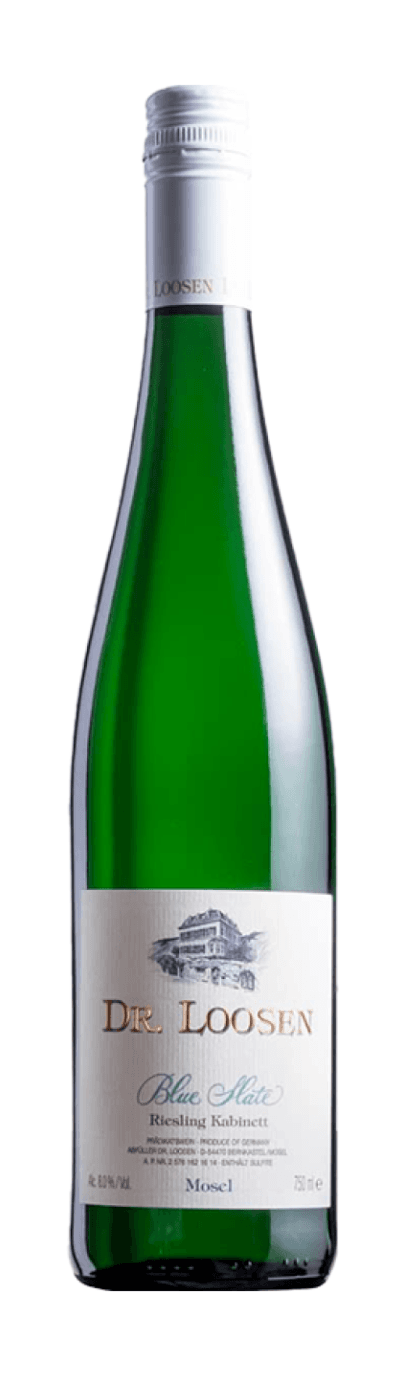
Dr. Loosen Blue Slate Riesling Kabinett 2022
Weingut Dr. Loosen (Ernst Loosen, family-owned since early 1800s)
At 8.5% alcohol and under $20, this is one of the most food-friendly wines on earth — and one of the most misunderstood. The “Kabinett” designation means the grapes were picked at the first level of ripeness, giving a wine with gentle sweetness that’s balanced by razor-sharp acidity from the Mosel’s cool climate and blue slate soils. Ernst Loosen’s genius was recognizing that his family’s old, ungrafted vines — many over a century old, their roots drilling deep into fractured slate — produced wines of extraordinary mineral intensity that no young vineyard could match. The blue slate literally flavors the wine.
Be the first to comment.