Issue 22 · April 17, 2026
Trial by Fire
Theme: Fire & Transformation
Eight bottles shaped by fire — seared oak staves, peat kiln flames, naked-flame distillation, volcanic soil, and the scorching thermal swings that force grapes to concentrate — proving that the most transformative force in the maker's toolkit is still the oldest one.
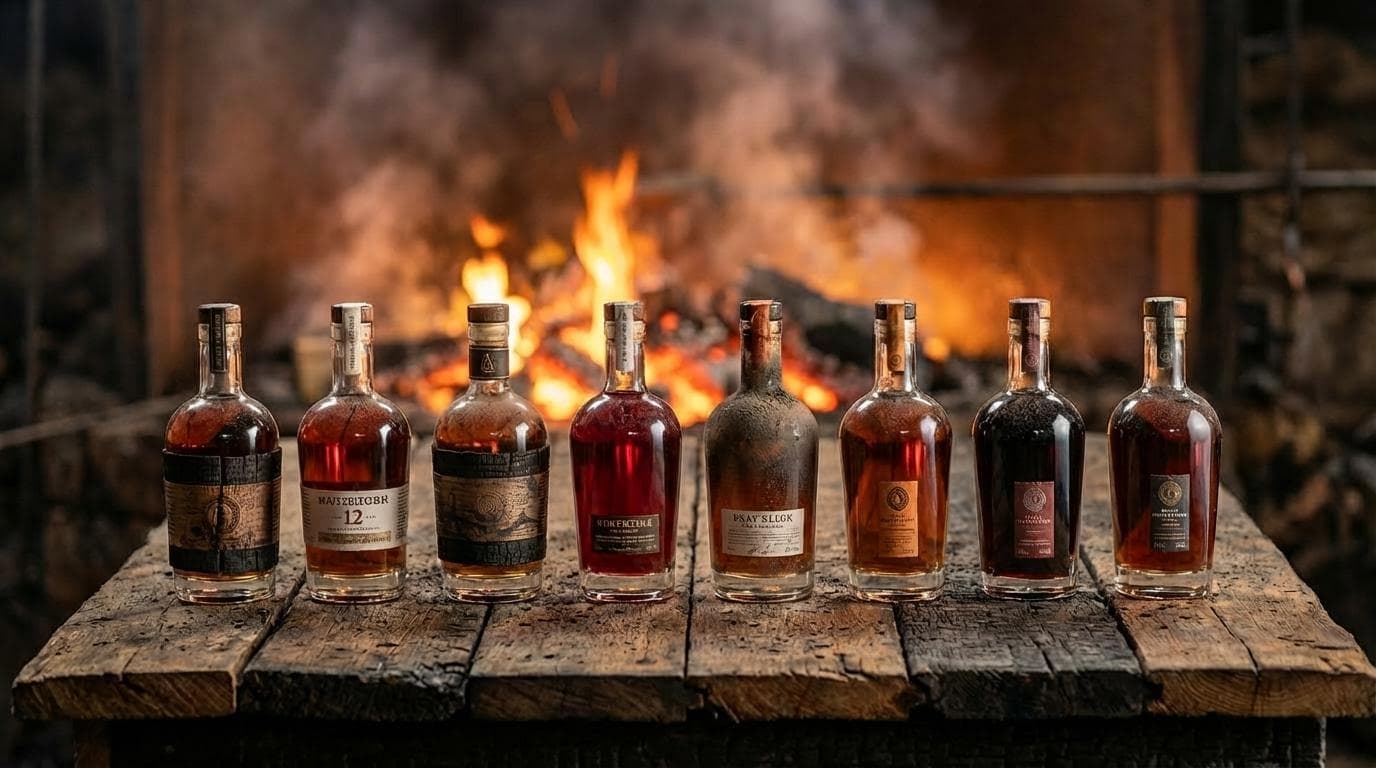

Fire is the oldest tool in the maker's kit — and the most dangerous. Long before thermometers and temperature probes, distillers and vintners learned to read flame by instinct: the sear of oak staves over open coals, the slow smolder of island peat drifting through a malting floor, the pressurized heat that caramelizes raw agave into liquid silk. Today's eight bottles were each shaped by a different conversation with fire — from the naked flames licking a copper pot still on the Cornish coast to the volcanic soils still radiating the heat of Mount Etna's eruptions.
What unites them is transformation. Fire does not merely heat — it rearranges. It chars the interior of a barrel into a caramel-rich filter. It converts phenolic compounds in peat smoke into the signature maritime punch of Islay single malt. It bakes the sugars in a blue agave piña until they surrender their sweetness. And on the slopes of a Sicilian volcano, it builds a mineral-rich soil that no laboratory could replicate. These eight selections are a testament to the elemental truth that every great bottle begins with a spark.
Today's Selections
BOURBON SCOTCH WHISKY IRISH WHISKEY TEQUILA GIN RUM RED WINE WHITE WINE
BOURBON Maker's Mark 46
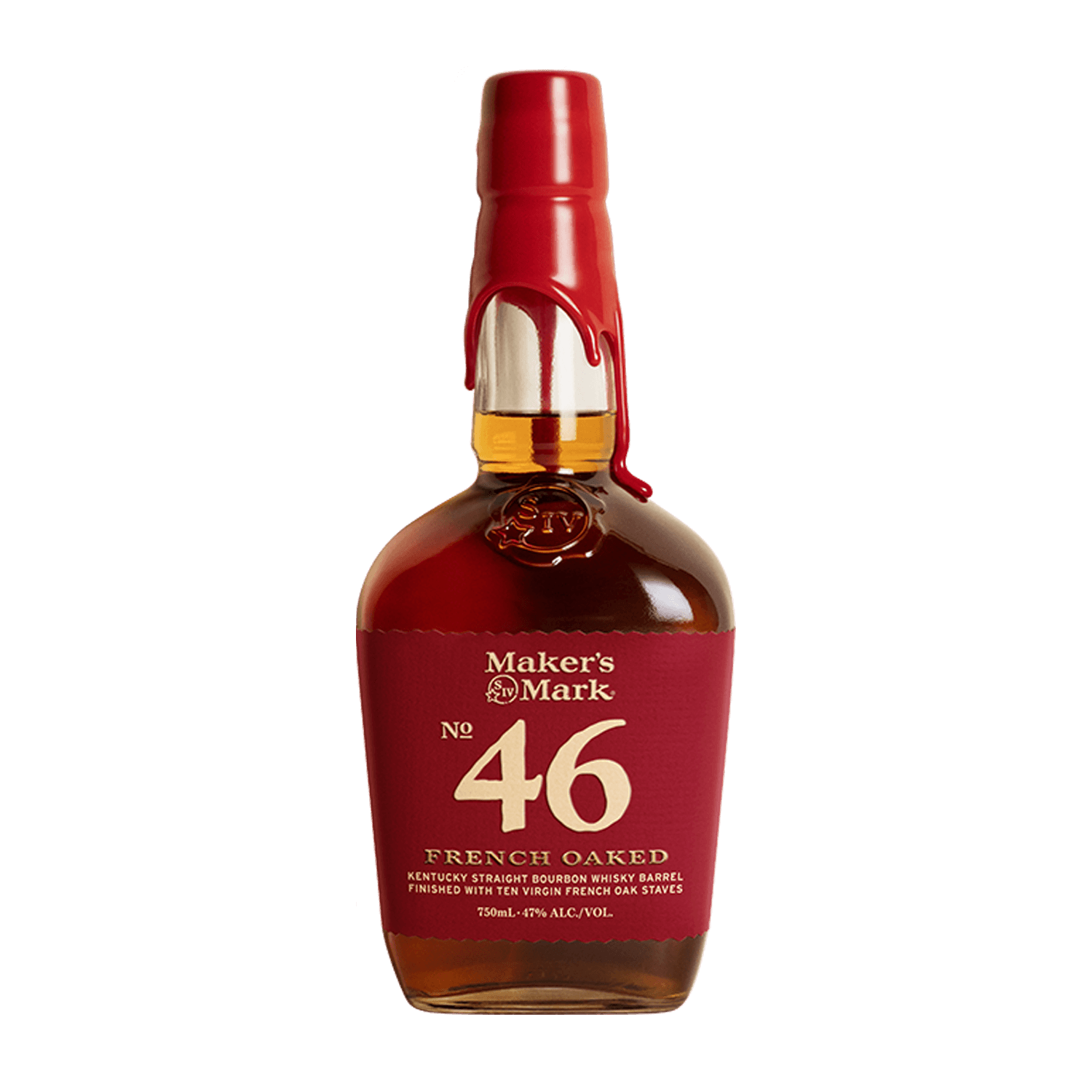
Loretto, Kentucky — where Bill Samuels Jr. pushed his family's legacy one step further, inserting ten seared virgin French oak staves into fully matured barrels and finishing them for an additional nine weeks in a limestone cellar, creating a bourbon that carries its father's DNA but speaks with its own, richer voice. — where The 46 is a masterclass in what fire can add. Those ten seared French oak staves — Stave Profile No. 46, the one that gave this bourbon its name — transform a familiar wheated bourbon into something altogether more complex. The searing process caramelizes the wood sugars before the whisky ever touches it, creating a secondary layer of butterscotch and baking spice that sits on top of the original Maker's profile like a glaze on a crème brlée. At 94 proof, it has enough backbone to carry those flavors without needing water, but a few drops open up a gorgeous dark-fruit note that hides in the midpalate. This is bourbon improved by fire, not masked by it.
Classification: Kentucky Straight Bourbon Whisky (French Oak Stave Finished)
Company: Beam Suntory
Distillery: Maker's Mark Distillery, Loretto, KY
Proof: 94 (47% ABV)
Age: NAS (fully matured Maker's Mark + 9-week French oak stave finish)
Mash Bill: 70% Corn, 16% Soft Red Winter Wheat, 14% Malted Barley
Color: Deep amber with burnished copper highlights
MSRP: $30–$35
Nose: Rich butterscotch, vanilla bean, toasted oak, baking spice, dried cherry, and a whisper of caramel corn
Palate: Silky and layered — caramel custard, cinnamon sugar, dark fruit compote, toasted pecans, and warm oak tannins that build without biting
Finish: Long and warming with lingering butterscotch, gentle oak char, and a clean brown-spice fade
Cocktail — The Seared Old Fashioned: 2 oz Maker's Mark 46 · 1 barspoon maple syrup · 2 dashes Angostura bitters · 1 dash orange bitters · Orange peel, torched with a lighter to caramelize the oils. Stir with ice 30 seconds, strain over a single large cube.
Pair with: Crème brlée — the torched sugar crust mirrors the seared oak staves, and the custard echoes the bourbon's butterscotch core.
Awards: San Francisco World Spirits Competition Double Gold, 2023; International Spirits Challenge Gold, 2023
SCOTCH WHISKY Kilchoman Machir Bay
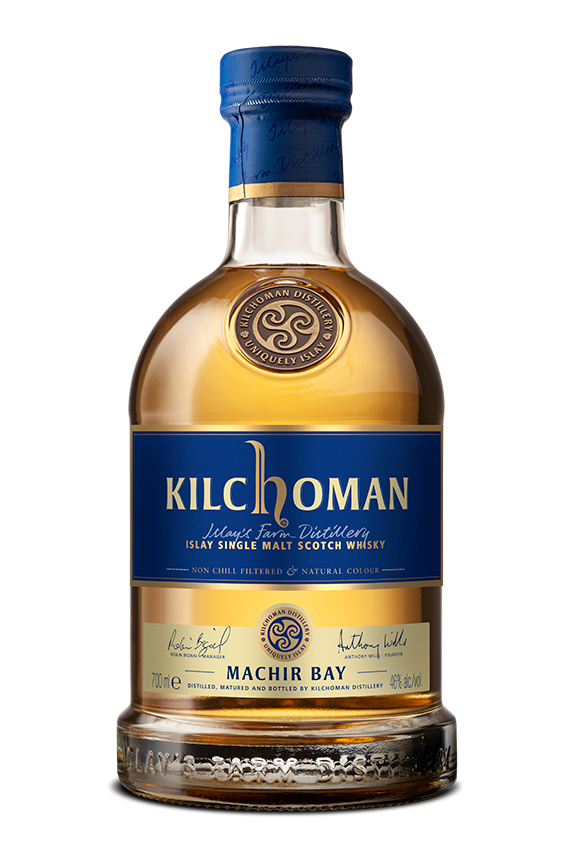
Rockside Farm, Islay — where Anthony Wills built the first new distillery built on Islay since 1908, and one of only a handful of Scottish distilleries still malting barley on-site over traditional peat-fired kilns, completing the entire whisky-making process from barley to bottle on a single farm. — where Kilchoman is what happens when someone decides to do everything the hard way — and gets it spectacularly right. Anthony Wills didn't just build a new distillery on Islay; he built one that grows its own barley, malts it on traditional floors, and dries it over peat fires cut from the island's own bogs. Machir Bay, named after Islay's most dramatic beach, carries that hands-on intensity in every sip. The peat is present but never brutish — around 20 PPM, it's assertive enough to declare its Islay origins while leaving room for the floral sweetness and honeyed vanilla that the bourbon casks contribute. Bottled at 46% without chill filtration, it holds nothing back.
Classification: Islay Single Malt Scotch Whisky
Company: Kilchoman Distillery Co. (Independent)
Distillery: Kilchoman Distillery, Rockside Farm, Islay
Proof: 92 (46% ABV)
Age: NAS (vatting of bourbon and sherry cask matured whisky)
Mash Bill: 100% Malted Barley (peated to ~20 PPM)
Distillation: Double distilled in copper pot stills
Maturation: Combination of first-fill bourbon barrels and Oloroso sherry casks
Filtered: Non-chill filtered, natural color
Color: Pale gold with bright citrus tints
MSRP: $55–$70
Nose: Peat smoke and sea spray, lemon zest, heather honey, vanilla fudge, with a floral sweetness rising through the smoke
Palate: Maritime peat balanced by orchard fruit, salted caramel, smoked honey, black pepper, and a rich creaminess from the sherry cask influence
Finish: Medium-long with lingering campfire smoke, sea salt, and a clean citrus brightness
Cocktail — The Islay Penicillin: 2 oz Kilchoman Machir Bay · 0.75 oz fresh lemon juice · 0.75 oz honey-ginger syrup · 0.25 oz Islay single malt float. Shake the base with ice, strain into a rocks glass over a large cube, float the extra Scotch on top.
Pair with: Smoked salmon on dark rye bread with a squeeze of lemon — the smoke in both amplifies the maritime character.
Awards: International Wine & Spirit Competition Gold, 2023; Scotch Whisky Masters Gold, 2022
IRISH WHISKEY Glendalough Double Barrel
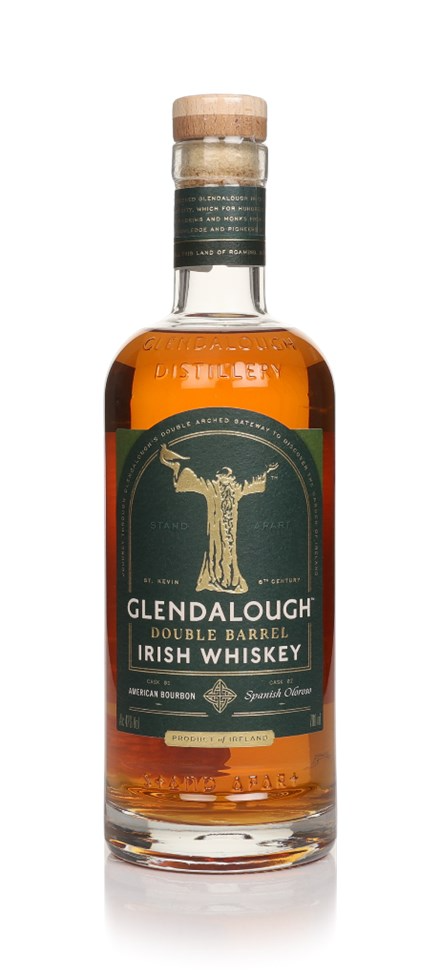
County Wicklow, Ireland — where five friends founded a distillery in the shadow of an ancient monastic settlement, drawing on the region's pure mountain water and centuries-old distilling tradition to create whiskeys finished in hand-selected Oloroso sherry casks that add warmth and complexity to the spirit's grain foundation. — where The double barrel treatment here is a study in how fire shapes wood, and wood shapes whiskey. The first-fill bourbon barrels — charred by fire before they ever held spirit — give the Glendalough its vanilla and caramel backbone over three and a half patient years. Then the Oloroso sherry casks, toasted and seasoned by decades of Spanish winemaking, add six months of dried fruit, cocoa, and warm spice. It's a one-two punch of different heat treatments creating layers that neither barrel could deliver alone. At 42%, it's approachable without being thin — an ideal whiskey for demonstrating how cask fire leaves its fingerprint on the final pour.
Classification: Single Grain Irish Whiskey (Double Cask Finished)
Company: Glendalough Distillery (Mark Anthony Brands)
Distillery: Glendalough Distillery, County Wicklow
Proof: 84 (42% ABV)
Age: NAS (3.5 years bourbon barrel + 6 months Oloroso sherry cask finish)
Mash Bill: 100% Corn (column distilled)
Distillation: Column distilled for a clean, light spirit
Maturation: First-fill American bourbon barrels (3.5 years), finished in Spanish Oloroso sherry casks (6 months)
Color: Rich gold with warm amber edges
MSRP: $30–$35
Nose: Vanilla custard, dried apricot, milk chocolate, Christmas spice, with a subtle honeyed sweetness underneath
Palate: Smooth and inviting — caramel, dark chocolate, dried fruit, clove, toasted almond, with the sherry cask adding a velvety richness
Finish: Medium-length with warm cocoa, gentle spice, and a honeyed fade
Cocktail — The Wicklow Sour: 2 oz Glendalough Double Barrel · 0.75 oz fresh lemon juice · 0.5 oz honey syrup · 1 egg white. Dry shake vigorously, then shake with ice, strain into a coupe. Garnish with three drops of Angostura on the foam.
Pair with: Dark chocolate truffles dusted with cocoa powder — the sherry cask finish and chocolate create a seamless bridge.
Awards: New York International Spirits Competition Gold, 2024
TEQUILA Espoln Reposado
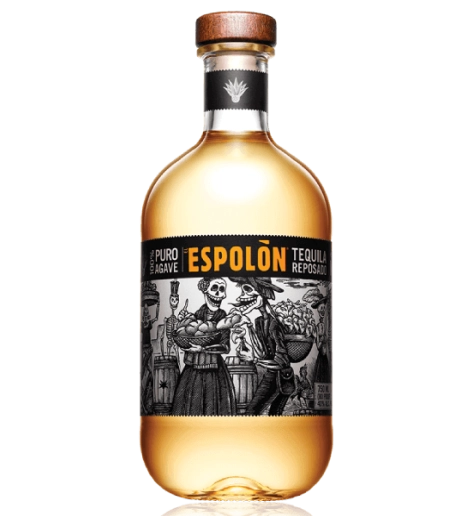
Los Altos, Jalisco — where master distiller Cirilo Oropeza designed the Destiladora San Nicolás from the ground up, a facility so architecturally impressive it won 'Best Tequila Factory' from the School of Architects and Engineers of Jalisco, featuring custom stainless-steel autoclaves that cook agave piñas for 22 hours — four hours longer than the industry standard — to coax out deeper caramelization. — where Espoln is proof that applied heat, carefully controlled, separates good tequila from great tequila. Cirilo Oropeza's decision to quarter the piñas — doubling the surface area exposed to his custom autoclaves — and then cook them for 22 hours instead of the industry-standard 18 creates a deeper, more complex caramelization that you can taste in every sip. The result is a reposado that punches well above its price point: roasted agave sweetness balanced by oak spice and a peppery finish that keeps it lively. At under $30, this is one of the best examples of how a maker's obsession with the cooking process — the literal fire beneath the spirit — can elevate an entire category.
Classification: Reposado Tequila (100% Blue Weber Agave)
Company: Campari Group
Distillery: Destiladora San Nicolás, Los Altos de Jalisco
Proof: 80 (40% ABV)
Age: Rested 3–5 months in new American oak barrels
Agave: 100% Blue Weber Agave, Los Altos highland grown, piñas quartered for increased surface area
Production: Custom-designed autoclaves (22-hour cook), piñas quartered before cooking, column and pot distillation
Color: Pale straw gold with warm highlights
MSRP: $25–$30
Nose: Roasted agave, tropical fruit, vanilla, light oak, with warm cinnamon and a hint of black pepper
Palate: Sweet cooked agave, caramel, pineapple, vanilla cream, oak spice, and a peppery warmth that builds gradually
Finish: Long and spicy with lingering agave sweetness and toasted oak
Cocktail — The Fuego Paloma: 2 oz Espoln Reposado · 1 oz fresh grapefruit juice · 0.5 oz fresh lime juice · 0.5 oz agave nectar · 2 oz grapefruit soda · Pinch of smoked salt on the rim. Build over ice in a salt-rimmed highball glass.
Pair with: Grilled street corn (elotes) with chili-lime crema — the char on the corn echoes the roasted agave, and the spice is a natural match.
Awards: San Francisco World Spirits Competition Gold, 2023; Beverage Testing Institute 90 Points, 2023
GIN Tarquin's Cornish Dry Gin
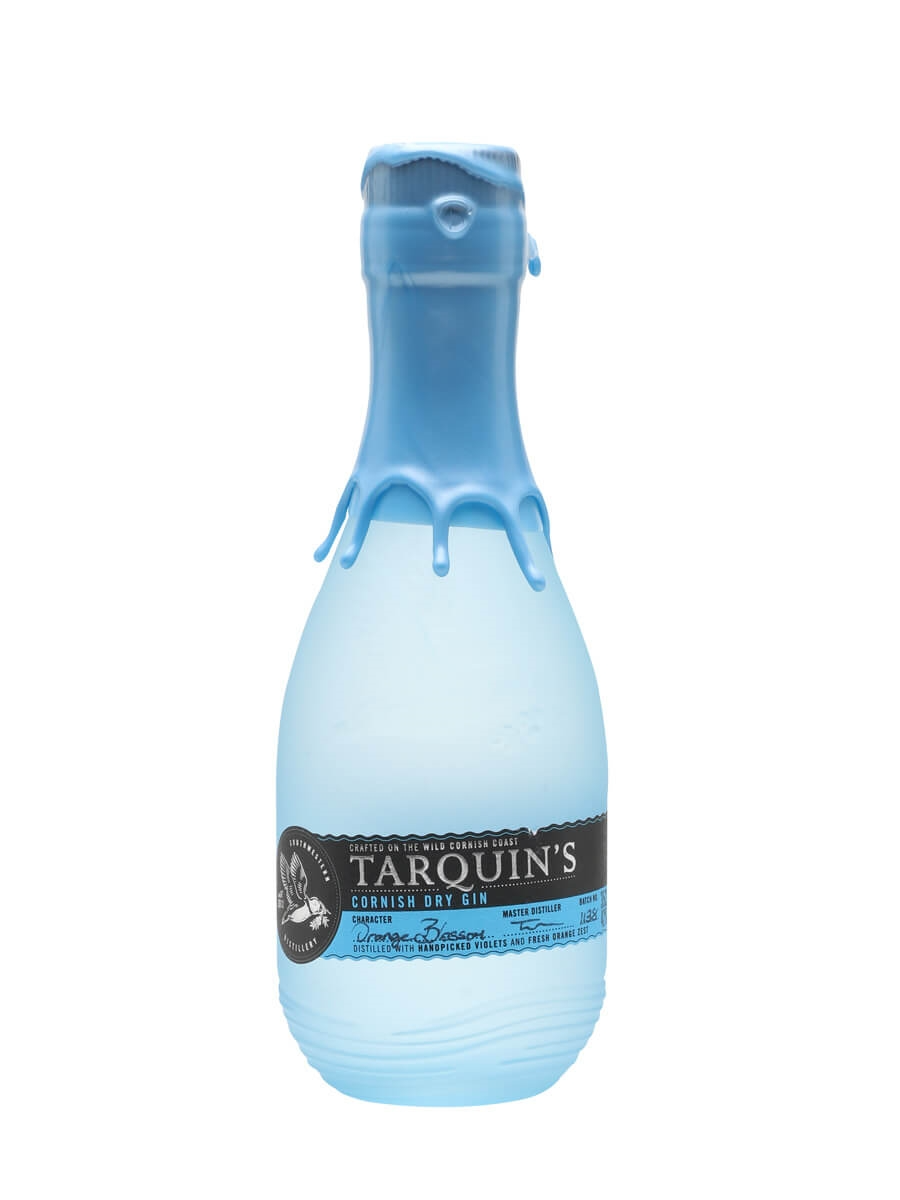
Wadebridge, Cornwall — where Tarquin Leadbetter fires his hand-beaten copper pot stills with naked flame, sealing their joints with bread dough in the old tradition, and distills twelve botanicals — from Moroccan orris root to wild Cornish violets foraged from the clifftops — into a gin that tastes like the rugged Atlantic coast that inspired it. — where Tarquin's is among the very few gins in Britain still distilled over naked flame — and you can taste the difference. Direct-fire distillation gives the distiller less control than steam-heated stills, but it rewards a skilled hand with a richer, more textured spirit. Tarquin Leadbetter distills in small 250-litre batches in hand-beaten copper stills named Tamara, Senara, and Tressa, sealed at the joints with bread dough exactly as they would have been a century ago. The botanicals — twelve in all, including wild Cornish violets foraged from the clifftops — are carried by the flame-heated vapors in a single shot, no shortcuts. The result is a gin with real depth: juniper-forward but layered with floral violet, earthy angelica, and a citrus brightness that stays lively through the finish.
Classification: Small-Batch Dry Gin
Company: Southwestern Distillery (Independent)
Distillery: Southwestern Distillery, Wadebridge, Cornwall
Proof: 84 (42% ABV)
Botanicals: 12 botanicals: juniper, coriander seed, angelica root, orris root (Morocco), cardamom (Guatemala), cinnamon (Madagascar), fresh orange & lemon peel, liquorice root, grapefruit, violet (Cornish foraged), Devon violets
Distillation: Single-shot pot distillation in 250-litre hand-beaten copper stills fired by direct naked flame
Base: English wheat spirit, cut with Cornish spring water to 42% ABV
Color: Crystal clear
MSRP: $34–$40
Nose: Bright juniper pine, fresh violet, pink grapefruit, coriander citrus, with a subtle warmth of ginger and cinnamon underneath
Palate: Clean and vibrant — juniper-forward with violet sweetness, earthy angelica, a burst of citrus, and a gentle peppery warmth from the ginger
Finish: Medium with lingering juniper, violet, and a dry, spicy fade
Cocktail — The Cornish G&T: 2 oz Tarquin's Cornish Dry Gin · 4 oz premium tonic water · Fresh violet or edible flower garnish · Slice of pink grapefruit. Build over ice in a large copa glass.
Pair with: Cornish crab cakes with grapefruit aioli — the citrus in the gin lifts the sweetness of the crab.
Awards: International Wine & Spirit Competition Gold Outstanding, 2023; San Francisco World Spirits Competition Double Gold, 2022
RUM Smith & Cross Traditional Jamaica Rum
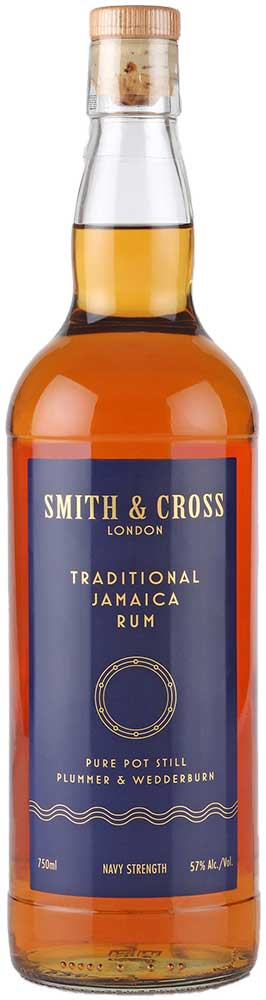
Hampden Estate, Trelawny Parish, Jamaica — where one of the oldest and most storied rum distilleries in the Caribbean still operates copper pot stills that produce some of the most intensely flavored, ester-rich rums on earth, using prolonged fermentation and traditional Jamaican distilling methods that date to the 18th century. — where Smith & Cross is rum with its gloves off. Bottled at a scorching 57% — the old British proof strength — the point at which spirit-soaked gunpowder would still ignite, a benchmark used by the Royal Navy to verify their rum had not been watered down — this is a spirit that carries fire in its very definition. Distilled at Hampden Estate in copper pot stills, it blends Wedderburn and Plummer marks: two of Jamaica's traditional fermentation styles that use prolonged, sometimes weeks-long fermentation to produce the sky-high ester counts responsible for those explosive tropical-fruit and funky hogo aromatics. It's not subtle, and it doesn't want to be. This is rum as it was meant to be — untamed, unapologetic, and utterly alive.
Classification: Pot Still Jamaican Rum (Navy Strength)
Company: Hayman Ltd. (UK)
Distillery: Hampden Estate, Trelawny, Jamaica
Proof: 114 (57% ABV / Navy Strength)
Age: Blend of rums aged 6 months to 3 years
Base: Sugarcane molasses
Distillation: Copper pot still distilled, blend of Wedderburn and Plummer style marks
Color: Rich gold with amber depth
MSRP: $28–$32
Nose: Explosive tropical fruit — overripe pineapple, banana, passion fruit — with tobacco, molasses, cinnamon bark, and the funky ester character (hogo) that defines Hampden
Palate: Bold and untamed — brown sugar, tropical fruit, clove, black pepper, tobacco leaf, muscovado, with a buttery richness that gives way to an intense spice-driven heat at navy strength
Finish: Long, spicy, and deeply funky with lingering tropical fruit, molasses, and warm tobacco
Cocktail — The Navy Daiquiri: 2 oz Smith & Cross · 1 oz fresh lime juice · 0.75 oz demerara syrup · Lime wheel. Shake vigorously with ice, fine strain into a chilled coupe.
Pair with: Jamaican jerk chicken — the rum's spice and tropical fruit are a natural echo of the scotch bonnet and allspice in the marinade.
Awards: Rum Masters Gold, 2023; International Spirits Challenge Gold, 2022
RED WINE Austin Hope Cabernet Sauvignon Paso Robles 2022
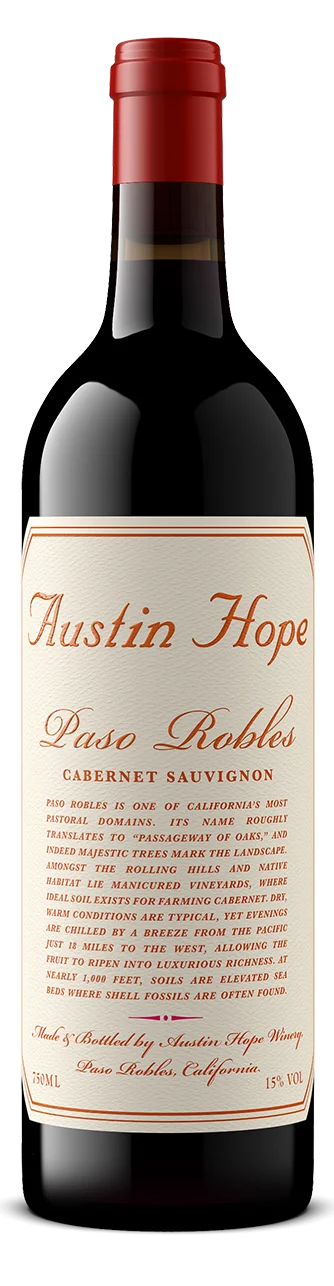
Paso Robles, California — where the Hope family has farmed for three generations on the sun-scorched western benchlands, a region where daytime temperatures routinely exceed 100F before plunging 50 degrees after sunset, creating a natural stress cycle that concentrates flavor in thick-skinned Cabernet grapes like few other appellations on earth. — where Paso Robles is a region forged by fire — and not just metaphorically. Daytime temperatures that soar past 100F followed by dramatic nighttime drops create a thermal intensity that forces Cabernet vines to develop thick skins and concentrated flavors as a survival mechanism. Austin Hope, a third-generation farmer on this land, understands this heat-stress cycle better than most, and his Cabernet channels it into a wine that is bold and generous without tipping into the jammy excess that Paso can sometimes deliver. Sixteen months in 60% new French oak — barrels whose interiors were toasted over open flame at the cooperage — add cedar, vanilla, and a smoky complexity that frames the fruit beautifully. This is California sun, captured in a glass.
Classification: Paso Robles Cabernet Sauvignon
Company: Hope Family Wines
Winery: Austin Hope Winery, Paso Robles, CA
ABV: 14.5%
Primary Varietal: Cabernet Sauvignon
Blend: Cabernet Sauvignon dominant (with small percentages of Petit Verdot and Malbec for complexity)
Vineyards: Hope Family estate vineyards, Paso Robles western benchlands; limestone and calcareous soils
Maturation: 16 months in French oak barrels (60% new)
Color: Deep ruby with violet edges
MSRP: $55–$65
Nose: Black cherry, cassis, dark chocolate, a hint of burnt sugar, cedar, and subtle smokiness from heavily toasted French oak
Palate: Full-bodied and plush — ripe blackberry, vanilla cream, roasted coffee, dark plum, with supple tannins and a thread of bright acidity
Finish: Long and polished with lingering dark fruit, toasted oak, and fine-grained tannins
Cocktail — The Paso Sangria: 4 oz Austin Hope Cabernet · 1 oz brandy · 1 oz fresh orange juice · 0.5 oz agave nectar · Seasonal dark fruit (plum, blackberry). Muddle fruit, combine with remaining ingredients over ice, stir gently.
Pair with: Grilled ribeye steak with a smoked paprika rub — the char on the meat and the toasted oak in the wine are a natural partnership.
Awards: Wine Enthusiast 90 Points, 2024; CellarTracker Community Score 90.3
WHITE WINE Benanti Etna Bianco 2022
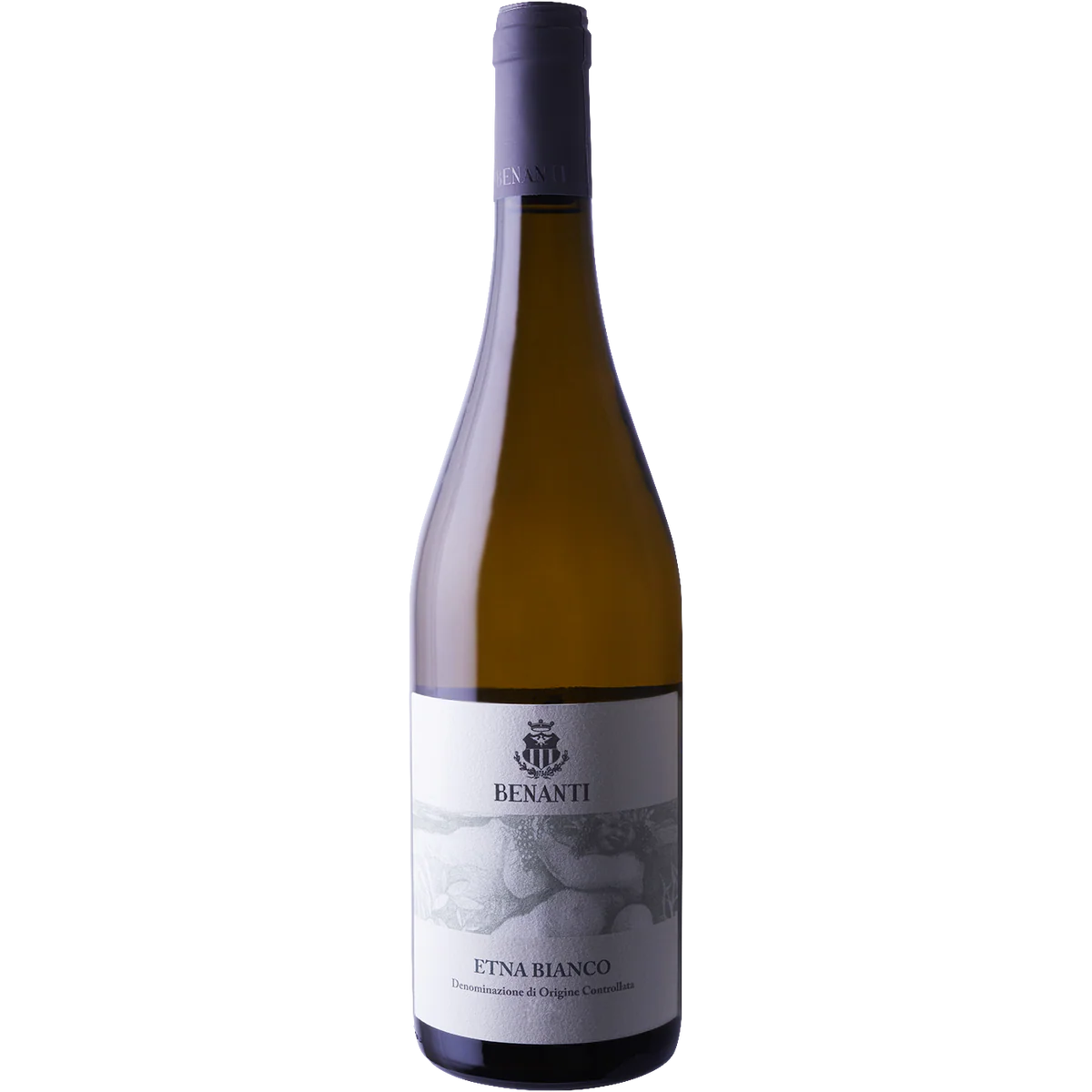
Mount Etna, Sicily — where the Benanti family revived their historic family estate on the slopes of Europe's tallest and most active volcano, planting the indigenous Carricante grape at elevations between 700 and 950 meters above sea level in sandy, mineral-rich volcanic soils that no other terroir in Italy can replicate. — where If fire built these eight bottles, then Benanti's Etna Bianco was built by the most patient fire of all — the volcanic eruptions that have been depositing mineral-rich ash and sand on these Sicilian slopes for millennia. The Benanti family were pioneers of the modern Etna renaissance, replanting indigenous Carricante vines at altitudes up to 950 meters where the diurnal temperature swings — scorching days and cold volcanic nights — produce grapes of extraordinary intensity. The result is a white wine with a smoky, flinty spine that you almost never find outside of volcanic terroir: green apple and citrus on the surface, but underneath, a struck-flint minerality that whispers of the living mountain beneath the vines. At around $30, it's one of the most compelling values in Italian white wine.
Classification: Etna Bianco DOC
Company: Benanti Viticoltori
Winery: Benanti, Viagrande, Mount Etna, Sicily
ABV: 13%
Primary Varietal: 100% Carricante
Blend: 100% Carricante
Vinification: Stainless-steel fermentation at controlled temperatures; aged on fine lees to build texture
Color: Pale yellow with bright greenish tints
MSRP: $30–$35
Nose: Green apple, white grapefruit, lime zest, white flowers, and a distinctive smoky, flinty minerality — like struck flint over citrus groves
Palate: Dry, taut, and mineral-driven — citrus pith, green apple, a saline brightness, fresh herbs, and a persistent volcanic minerality that anchors the palate
Finish: Long and precise with lingering citrus, salinity, and an ashy mineral whisper
Cocktail — The Etna Spritz: 3 oz Benanti Etna Bianco · 1.5 oz Aperol · 1 oz sparkling water · Orange slice. Build over ice in a wine glass.
Pair with: Grilled swordfish with capers and lemon — a classic Sicilian pairing where the wine's minerality cuts through the richness of the fish.
Awards: Wine Enthusiast 91 Points, 2024; James Suckling 92 Points, 2023
Train Your Nose: Today's Aroma Spotlight
Detecting the Signature of Flame
Fire leaves fingerprints across every category in today's lineup. The seared French oak in our bourbon created caramel and butterscotch compounds through pyrolysis — the same chemical reaction that gives peat-smoked Scotch its medicinal, campfire character. Training your nose to identify these heat-born aromas is one of the most rewarding skills a taster can develop.
Pour the Maker's Mark 46 and the Kilchoman Machir Bay side by side. Both owe their character to fire, but the results could not be more different. In the bourbon, the seared French oak staves delivered butterscotch and baking spice — sweet, enveloping warmth. In the Scotch, peat fire transformed barley malt into something smoky, briny, and almost medicinal. Nose each glass three times, letting the alcohol dissipate between passes. On the third pass, try to isolate the specific 'heat signature' — the caramel sweetness in the bourbon versus the ashy peat in the Scotch. Both are products of fire, yet fire told a completely different story in each glass.
Now compare the Benanti Etna Bianco with any still white wine you have on hand — a Chablis or Sauvignon Blanc works well. The Etna Bianco carries a flinty, almost smoky minerality that comes directly from volcanic soil — rock forged by subterranean fire over millennia. Swirl the glass and search for that struck-flint quality beneath the citrus and green apple. This is terroir at its most elemental: the memory of fire captured in stone, dissolved by rain, absorbed by roots, and delivered to your glass as a whisper of smoke in an otherwise crisp, bright wine.
Today's Kit Reference
| Today's Product | Key Aromas | Train With |
|---|---|---|
| Maker's Mark 46 | Caramel, Vanilla, Oak, Brown Spices, Butterscotch, Cherry | Bourbon Aroma Masterclass Kit |
| Kilchoman Machir Bay | Peaty, Smoky, Vanilla, Caramel, Floral (Rosewater), Honey | Whisky Aroma Masterclass Kit |
| Glendalough Double Barrel | Vanilla, Caramel, Dried Fruit, Honey, Cocoa (Dark), Clove Spice | Whiskey Aroma Masterclass Kit |
| Espoln Reposado | Agave (Cooked), Vanilla, Caramel, Cinnamon, Oak, Pepper | Tequila & Mezcal Aroma Masterclass Kit |
| Tarquin's Cornish Dry Gin | Juniper (Pine), Violet, Coriander, Grapefruit, Angelica, Ginger | Gin Aroma Masterclass Kit |
| Smith & Cross Traditional Jamaica Rum | Tropical Fruits, Tobacco, Spice (Generic), Molasses, Banana, Caramel | Rum Aroma Masterclass Kit |
| Austin Hope Cabernet Sauvignon Paso Robles 2022 | Cherry, Blackcurrant, Toasted, Vanilla, Cedar | Wine Aroma Masterclass Kit |
| Benanti Etna Bianco 2022 | Citrus (Generic), Apple (Green), Floral (Rose), Honey | Wine Aroma Masterclass Kit |
Explore the School of Wine and Spirits
Today's eight selections prove that the best producers are architects first. Our books on Amazon take you deeper into those places — from the limestone hollows of Kentucky in America's Spirit, the misty distilleries of Scotland's Spirit and Ireland's Spirit, the volcanic highlands of The Tequila y Mezcal Revolution, the ancient vineyards of The Ultimate Northern Italian Wine Journey, and the fossilized seabeds of Burgundy in our Chablis and Cte d'Or pocket guides.
Explore our Aroma Masterclass kits and books at schoolofwineandspirits.com
Join the School of Wine and Spirits Community
Connect with fellow connoisseurs, share tasting notes, and go deeper into every pour. Sign up at skool.com/schoolofwineandspirits
Our kits make the perfect gift for the curious drinker in your life — because once you learn to identify aromas, you never taste the same way again.
Know someone who would enjoy The Still & The Vine? Forward this issue to a fellow enthusiast — or share it on social media and tag @SchoolofWineandSpirits. We grow by word of mouth.
Until tomorrow's pour — cheers.
Robert R. Mohr, CPA, CGMA, WSET Level 3, WSG Certified Spirits Specialist — author of America's Spirit, Scotland's Spirit, Ireland's Spirit, The Ultimate Northern Italian Wine Journey, The Tequila y Mezcal Revolution, The Definitive Pocket Guide to Chablis, The Definitive Pocket Guide to the Cte d'Or, and Strategic Tuning. Published author of the Aroma Academy Tequila/Mezcal and Distiller's training kits.
The Still & The Vine is a daily publication of the School of Wine and Spirits.
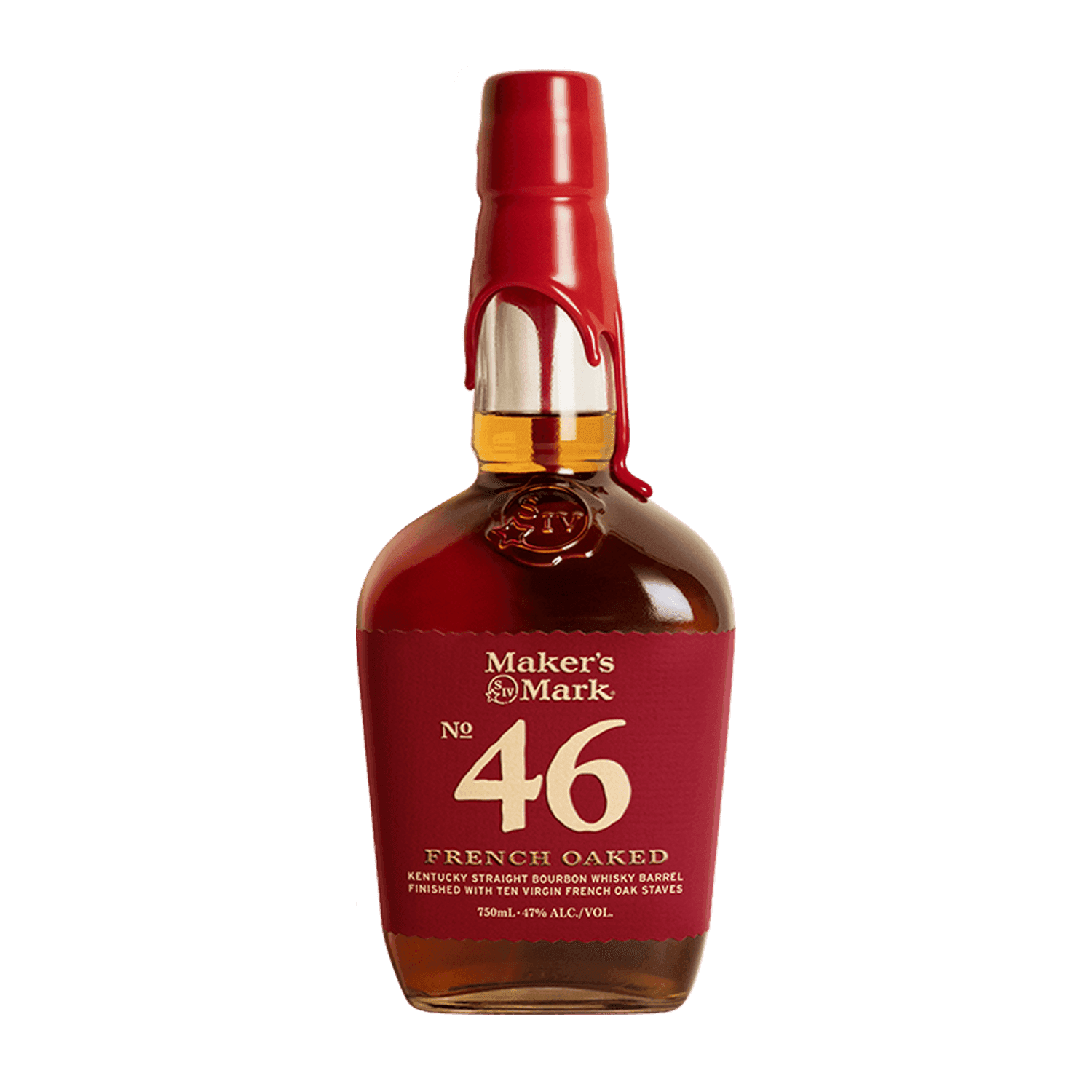
Maker's Mark 46
Beam Suntory
The 46 is a masterclass in what fire can add. Those ten seared French oak staves — Stave Profile No. 46, the one that gave this bourbon its name — transform a familiar wheated bourbon into something richer, spicier, and more complex, without losing the soft, approachable character that made Maker's Mark famous in the first place.
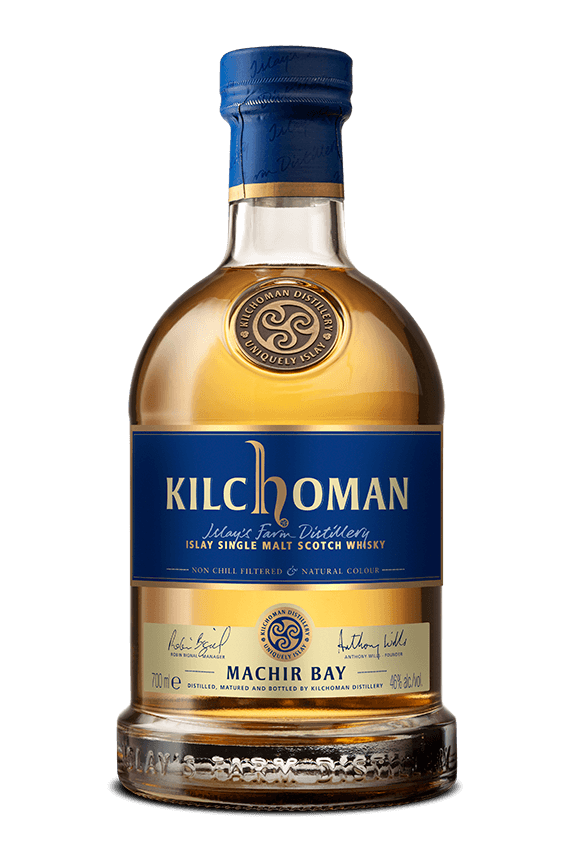
Kilchoman Machir Bay
Kilchoman Distillery Co. (Independent)
Kilchoman is what happens when someone decides to do everything the hard way — and gets it spectacularly right. Anthony Wills didn't just build a new distillery on Islay; he built one that grows its own barley, malts it over its own peat-fired kiln, and distills in tiny copper pot stills.
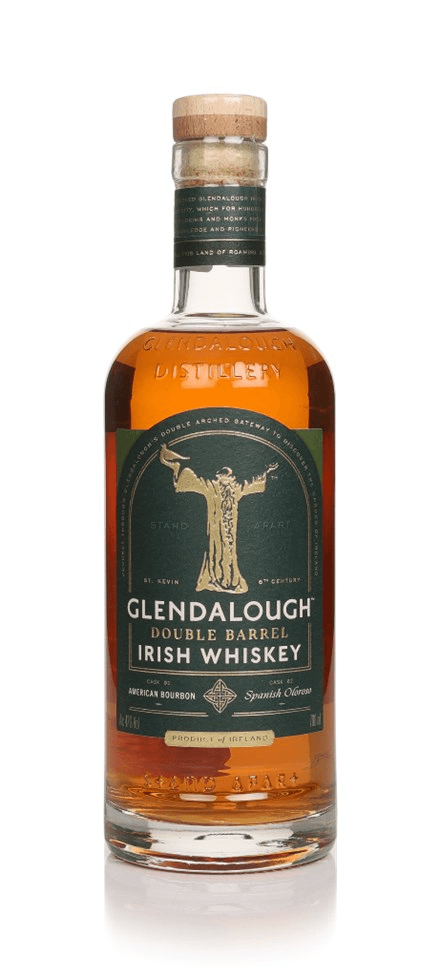
Glendalough Double Barrel
Glendalough Distillery (Mark Anthony Brands)
The double barrel treatment here is a study in how fire shapes wood, and wood shapes whiskey. The first-fill bourbon barrels — charred by fire before they ever held spirit — give the Glendalough its vanilla and caramel backbone. The Oloroso sherry casks — toasted to a different specification — add dried fruit and chocolate complexity.
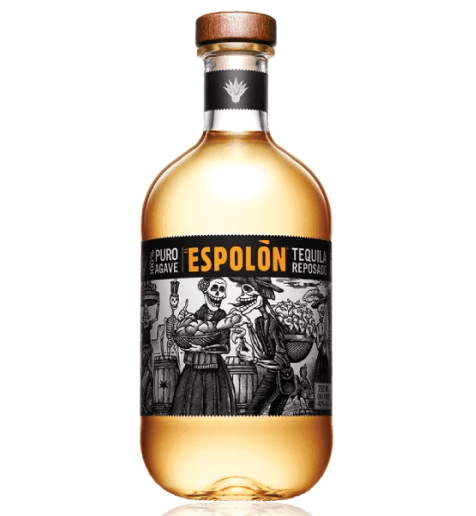
Espolòn Reposado
Campari Group
Espolòn is proof that applied heat, carefully controlled, separates good tequila from great tequila. Cirilo Oropeza's decision to quarter the piñas — doubling the surface area exposed to the autoclave's heat — extracts more sweetness and complexity from the agave than conventional methods.
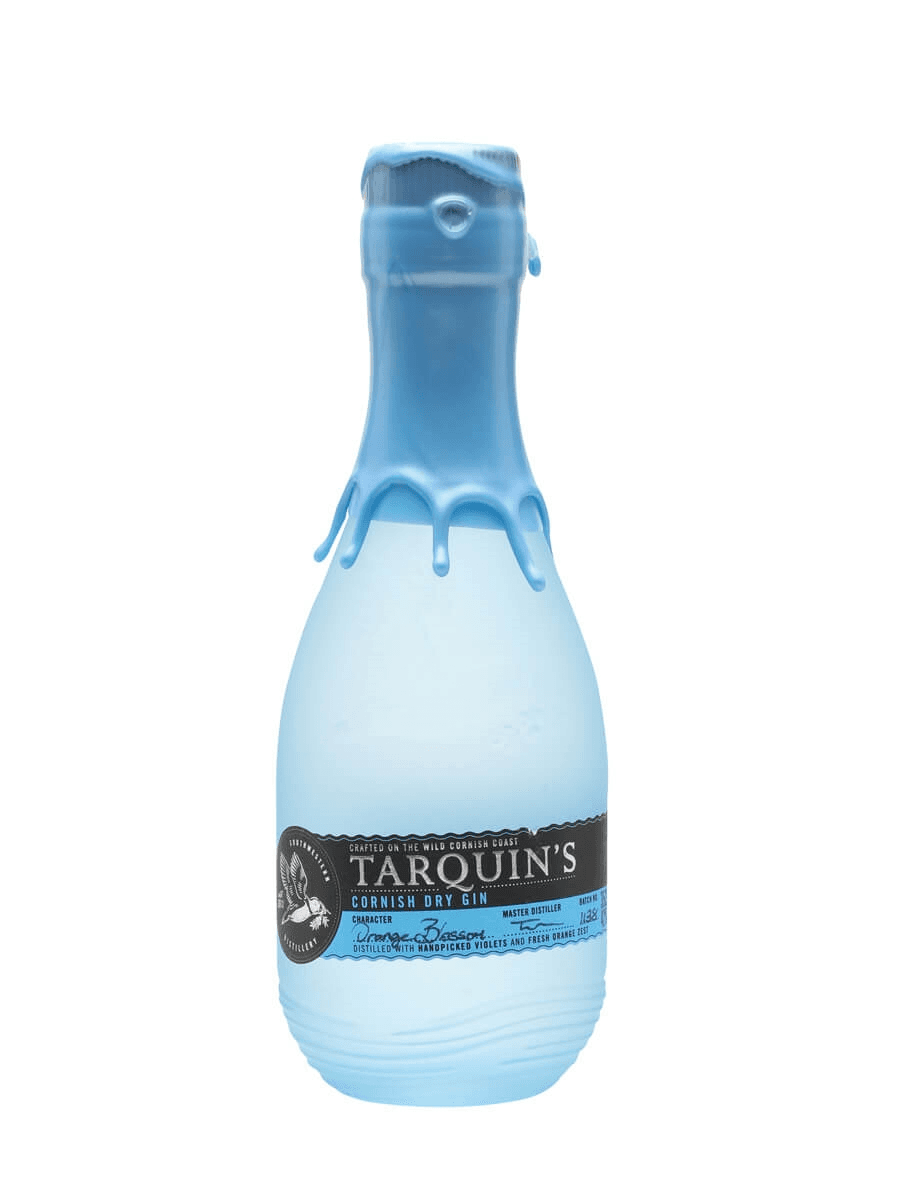
Tarquin's Cornish Dry Gin
Southwestern Distillery (Independent)
Tarquin's is among the very few gins in Britain still distilled over naked flame — and you can taste the difference. Direct-fire distillation gives the distiller less control than steam-heated stills, but rewards the skilled hand with a richer, more textured spirit.
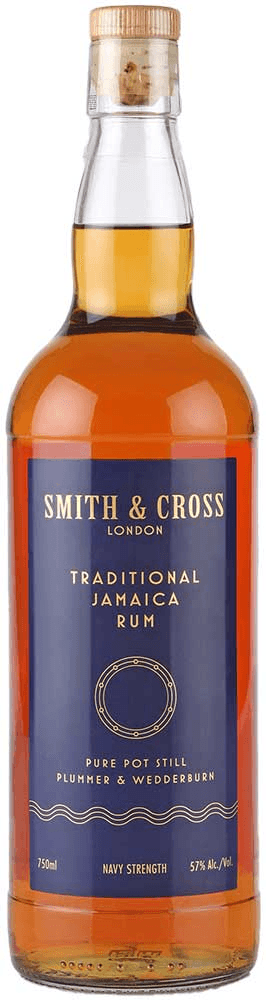
Smith & Cross Traditional Jamaica Rum
Hayman Ltd. (UK)
Smith & Cross is rum with its gloves off. Bottled at a scorching 57% — the old British proof strength — the point at which spirit-soaked gunpowder would still ignite, a benchmark used by the Royal Navy to verify their rum had not been watered down.
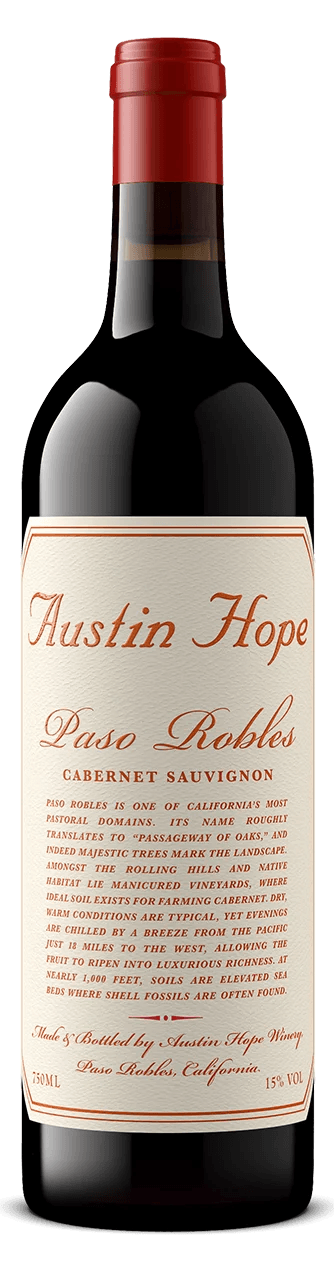
Austin Hope Cabernet Sauvignon Paso Robles 2022
Hope Family Wines
Paso Robles is a region forged by fire — and not just metaphorically. Daytime temperatures that soar past 100°F followed by dramatic nighttime drops create a thermal intensity that forces the vines to concentrate their sugars and develop deep, complex flavors.
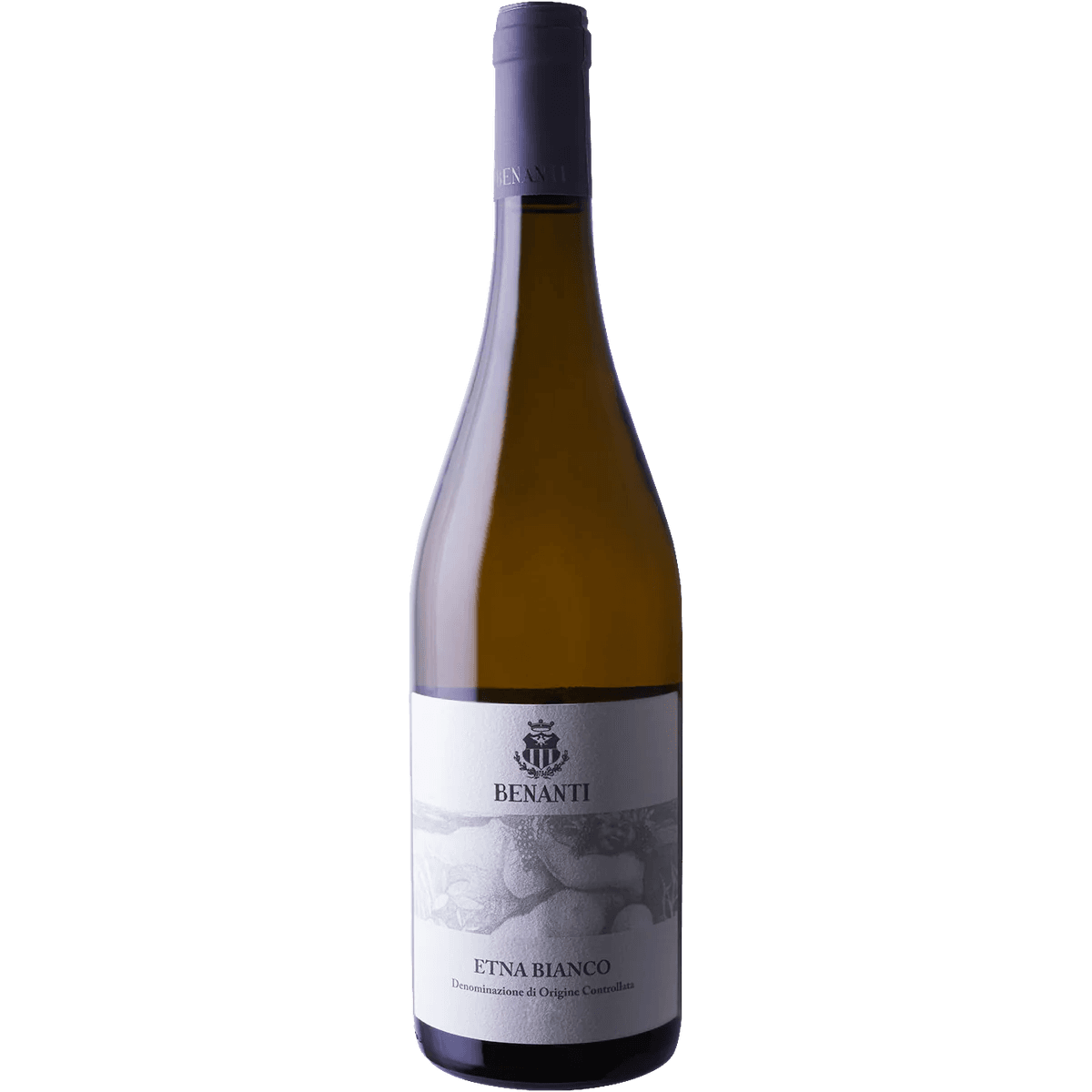
Benanti Etna Bianco 2022
Benanti Viticoltori
If fire built these eight bottles, then Benanti's Etna Bianco was built by the most patient fire of all — the volcanic eruptions that have been depositing mineral-rich ash and sand on the slopes of Mount Etna for thousands of years.
Be the first to comment.