Issue 23 · April 18, 2026
The Wanderers
Theme: Migration & Movement
Eight bottles shaped by migration — from an Iranian-born psychologist founding a Louisville distillery, to Croatian immigrants planting Chardonnay in Auckland, to the grapes and techniques that crossed oceans and continents to become something entirely new.

Every bottle in tonight's lineup carries a passport. An Iranian-born psychologist trades a career in the mind for one in the mash tun, founding a Louisville distillery that finishes its bourbon in Pedro Ximénez sherry casks sourced from southern Spain. A Speyside distillery surrenders its spirit entirely to oloroso sherry butts hand-selected in Jerez. An American whiskey giant crosses the Atlantic to build its first distillery on the grounds of an Irish castle. In Jalisco, a fifth-generation tequila family invents an entirely new category by filtering aged tequila to crystal clarity—the visible mark of time erased, its complexity preserved. These are not accidents of geography. They are deliberate acts of movement.
The second half of tonight's journey carries us further still. In Kyoto, an international trio builds Japan's first dedicated gin distillery, distilling each botanical category separately before blending them in harmony with Fushimi's legendary groundwater. In Martinique, French AOC discipline governs rum made from fresh sugarcane juice, producing a spirit that belongs as much to Bordeaux's philosophy as it does to the Caribbean's soil. An English railway engineer plants French vines in the shadow of the Andes in 1895, and a century later, an Austrian crystal dynasty transforms his estate into one of Argentina's finest. And in New Zealand, a Croatian immigrant family carries their winemaking traditions from the Dalmatian coast to the outskirts of Auckland, crafting Chardonnays that rival Burgundy itself. Tonight's wanderers prove that great traditions are portable—and they often improve with the journey.
Today's Selections
BOURBON SCOTCH WHISKY IRISH WHISKEY TEQUILA GIN RUM RED WINE WHITE WINE
BOURBON Rabbit Hole Dareringer
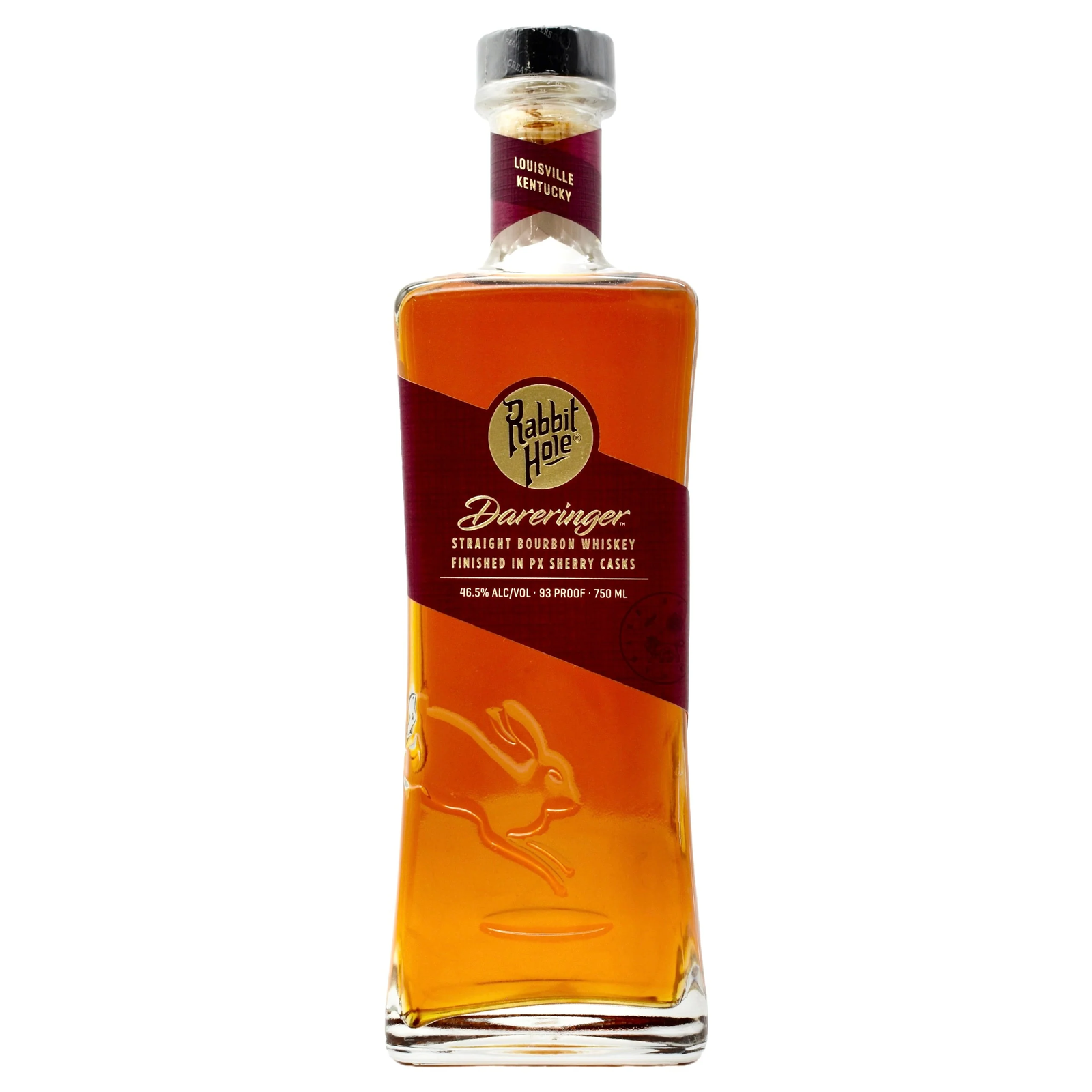
Born in Louisville, Kentucky’s vibrant NuLu neighborhood, Rabbit Hole Dareringer is the vision of Kaveh Zamanian—a clinical psychologist and psychoanalyst who came to America from Iran as a child and spent two decades studying the human mind before turning his obsessive curiosity toward bourbon. Named after his daughter Dareringer, this expression begins as a wheated straight bourbon aged in char #4 barrels, then migrates to Pedro Ximénez sherry casks sourced through a special partnership with Casknolia in Jerez, Spain. The result is a transatlantic conversation between Kentucky corn and Andalusian dried fruit. — where Rabbit Hole Dareringer is the flavor of migration itself. Kaveh Zamanian's journey from Tehran to Louisville mirrors the bourbon's own passage from Kentucky oak to Spanish sherry casks—each environment leaving its signature on the final product. The wheated mash bill provides a soft, approachable canvas, and the PX sherry finishing paints it with dried fruit complexity that you simply cannot achieve in standard American oak alone. At 93 proof and non-chill filtered, it delivers its full story without compromise. This is a bourbon that has been somewhere—and it brought something remarkable back.
Classification: Kentucky Straight Bourbon Whiskey Finished in PX Sherry Casks
Company: Pernod Ricard
Distillery: Rabbit Hole Distillery, Louisville, KY
Proof: 93 (46.5% ABV)
Age: NAS — Aged in char #4 barrels, finished 6 months in PX sherry casks
Mash Bill: 68% Corn, 18% Wheat, 14% Malted Barley
Color: Deep amber with reddish-copper highlights from the PX sherry finishing
MSRP: ~$80
Nose: Rich dried dark fruit—fig and raisin—layered over warm caramel and toffee, with undertones of dark chocolate and a whisper of PX sherry sweetness that sets it apart from a standard wheated bourbon.
Palate: Velvety and full-bodied. Raisin and dark cherry arrive first, followed by brown sugar, baking spices, and a round, almost port-like richness. The wheat softens the mid-palate beautifully while the sherry cask adds depth without overwhelming the bourbon's core character.
Finish: Long and gently warming, with lingering dried fruit, toasted oak, and a subtle almond nuttiness that echoes the sherry's influence.
Cocktail — The Emigrant Old Fashioned: 2 oz Rabbit Hole Dareringer, 0.25 oz Pedro Ximénez sherry, 2 dashes Angostura bitters, 1 dash orange bitters. Stir over a large ice cube, express an orange peel over the surface, and garnish with a brandied cherry. The sherry amplifies the cask-finish notes into something truly Andalusian.
Pair with: A Spanish-inspired board of aged Manchego, marcona almonds, and dried Mission figs—each element mirroring the PX sherry cask's contribution of nuttiness, dried fruit, and caramelized sweetness.
Awards: Double Gold, San Francisco World Spirits Competition; 92 points, Wine Enthusiast
SCOTCH WHISKY Aberlour A'Bunadh
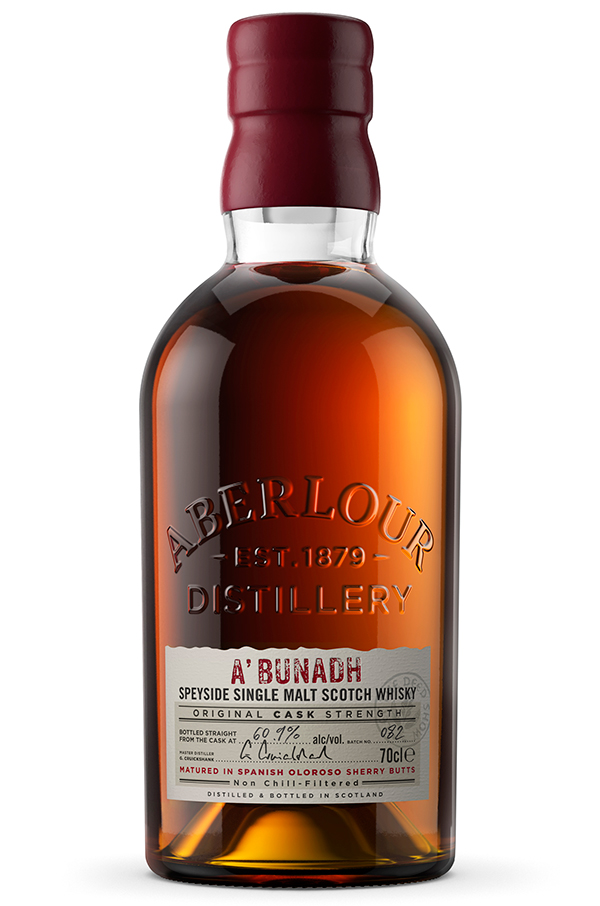
From the heart of Speyside, where the Lour Burn meets the River Spey, Aberlour A’Bunadh is a single malt that owes as much to Jerez as it does to the Scottish Highlands. The name means ‘the original’ in Gaelic—a tribute to founder James Fleming, who established the distillery in 1879. But the soul of this whisky migrated from Spain: every drop matures exclusively in first-fill oloroso sherry butts, hand-selected in Andalusia and shipped north to be filled with new-make spirit. Released in limited batches at full cask strength, A’Bunadh is bottled without chill filtration or color adjustment. — where A'Bunadh is Aberlour's love letter to the sherry butts of Jerez. While many Speyside malts use sherry casks as a seasoning, A'Bunadh surrenders completely—every minute of maturation happens inside first-fill oloroso wood. The result is a whisky where Scotland and Spain are inseparable, where you cannot tell where the malt ends and the sherry begins. At cask strength, it rewards a few drops of water, which unlock hidden layers of orange blossom and praline. First released in 1997 as a tribute to the distillery's 19th-century production methods, A'Bunadh remains one of the finest examples of how migration—in this case, the migration of oak from Andalusia to Speyside—can create something greater than either origin alone.
Classification: Highland Single Malt Scotch Whisky (Speyside)
Company: Pernod Ricard (Chivas Brothers)
Distillery: Aberlour Distillery, Speyside
Proof: ~120 (varies by batch; cask strength, typically 59–61% ABV)
Age: NAS — Vatting of barrels aged 5 to 25 years
Mash Bill: 100% Malted Barley
Distillation: Double distilled in traditional copper pot stills
Maturation: Exclusively first-fill oloroso sherry butts from Jerez, Spain
Filtered: Non-chill filtered, natural color
Color: Deep mahogany with reddish-amber tones, entirely from the oloroso sherry wood
MSRP: ~$100
Nose: Intense and sherry-laden—Christmas cake, dark praline, spiced orange peel, and deep dried fruit, with undertones of dark chocolate and a hint of cinnamon warmth.
Palate: Rich, full-bodied, and almost syrupy at cask strength. Layers of black cherry, raisin, and ginger intertwine with dark bitter chocolate and toasted oak. A creamy, mouth-coating texture carries waves of clove and dried fig.
Finish: Exceptionally long and warming, with lingering dried fruit, dark chocolate, and a gentle wave of oak spice that builds and fades in slow, satisfying pulses.
Cocktail — The Jerez Connection: 2 oz Aberlour A'Bunadh (diluted to ~46% with water), 0.5 oz Pedro Ximénez sherry, 0.25 oz honey syrup, 2 dashes orange bitters. Stir over ice, strain into a coupe, and garnish with a flamed orange peel. The sherry-on-sherry approach deepens the dried fruit character into something genuinely decadent.
Pair with: Dark chocolate truffles dusted with sea salt and a wedge of aged Stilton—the chocolate amplifies the cocoa notes while the blue cheese's tang cuts through the richness of the cask-strength spirit.
Awards: Gold, International Spirits Challenge; 93 points, Whisky Advocate
IRISH WHISKEY Slane Irish Whiskey
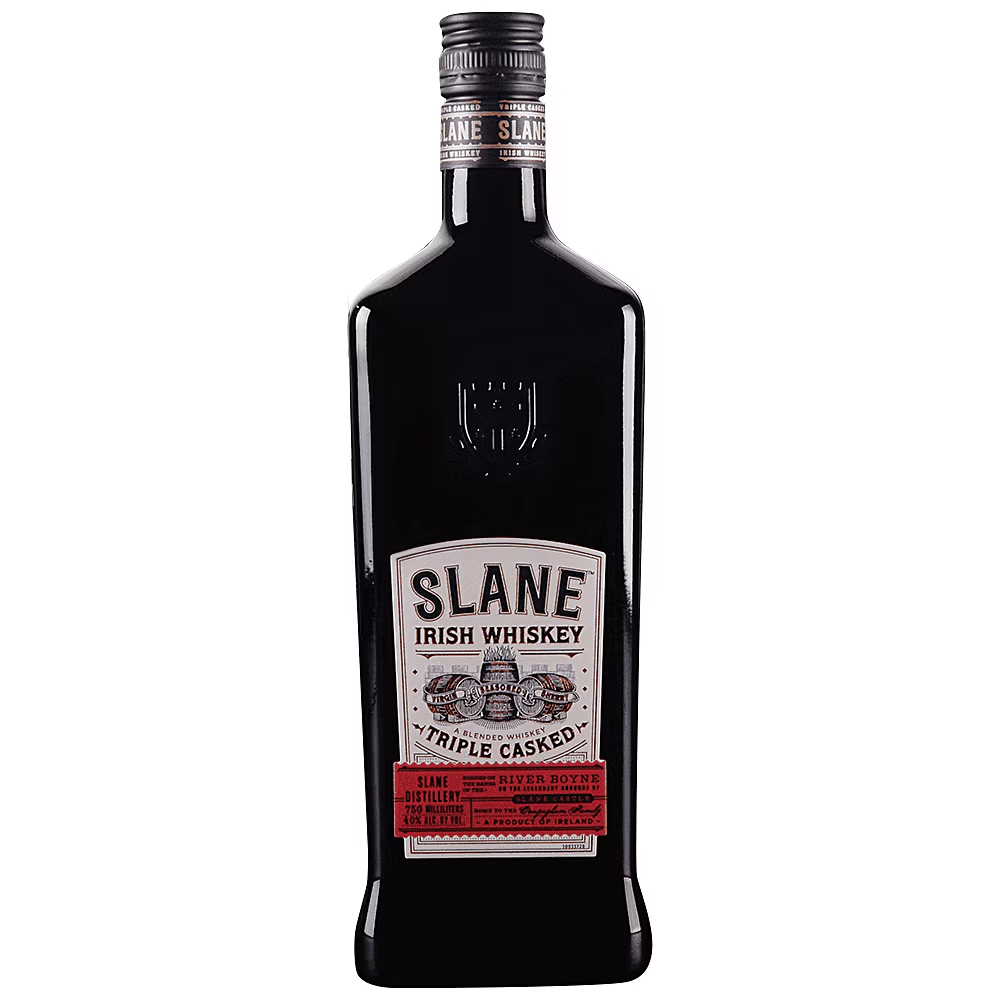
Distilled on the historic grounds of Slane Castle in County Meath, Ireland, Slane Irish Whiskey represents one of the most fascinating migrations in modern whiskey: the journey of American cooperage expertise across the Atlantic. Brown-Forman—the Louisville-based company behind Jack Daniel’s and Woodford Reserve—built its first distillery outside the United States here in 2017, bringing its deep knowledge of barrel science to the Irish whiskey tradition. The result is a triple-casked blend that uses virgin American oak from Brown-Forman’s own cooperage alongside seasoned bourbon barrels and oloroso sherry casks from Spain. — where Slane is the story of what happens when a 150-year-old American whiskey company migrates its cooperage expertise to Ireland. Brown-Forman's mastery of barrel selection—honed across decades of Jack Daniel's and Woodford Reserve production—gives Slane a wood-management sophistication rare in its price range. The virgin oak from their own cooperage lends toasted vanilla and chocolate notes, the seasoned bourbon barrels contribute caramel depth, and the oloroso sherry casks add a raisin-spice finish. At around $28, it's arguably the most interesting migration story in Irish whiskey's entry tier. The castle on the label isn't just branding—it's where the whiskey is actually made, and where American craft crossed the Atlantic to meet Irish tradition.
Classification: Blended Irish Whiskey (Triple Casked)
Company: Brown-Forman
Distillery: Slane Distillery, Slane Castle, Co. Meath, Ireland
Proof: 80 (40% ABV)
Age: NAS
Mash Bill: Blend of Single Malt and Single Grain Irish Whiskeys
Distillation: Triple distilled
Maturation: Triple cask: virgin oak (Brown-Forman cooperage), seasoned ex-bourbon/Tennessee whiskey casks, oloroso sherry casks from Jerez
Color: Warm golden amber with honeyed highlights
MSRP: ~$28
Nose: Inviting and approachable—vanilla frosting, ripe banana, fresh grain, and a delicate sweetness from the virgin oak, with hints of cantaloupe melon and cucumber freshness underneath.
Palate: Smooth and medium-bodied. Banana bread and toffee lead into clove warmth, toasted nuts, and a brandy-like fruitiness. The triple-cask maturation creates layers without complexity overload—each sip reveals a new facet.
Finish: Medium-length, with soaked raisins, ripe melon, warm spice, and a clean fade that invites the next sip.
Cocktail — The Atlantic Crossing: 2 oz Slane Irish Whiskey, 0.75 oz fresh lemon juice, 0.5 oz honey syrup, 0.25 oz Licor 43. Shake with ice, strain into a rocks glass over fresh ice, and garnish with a lemon wheel. The Licor 43's vanilla-citrus profile bridges the Irish and Spanish cask influences.
Pair with: Brown butter banana bread with toasted walnuts—the banana and toasted nut notes in both the whiskey and the bread create a seamless echo.
Awards: Gold, International Wine & Spirit Competition; Silver Outstanding, International Spirits Challenge
TEQUILA Maestro Dobel Diamante
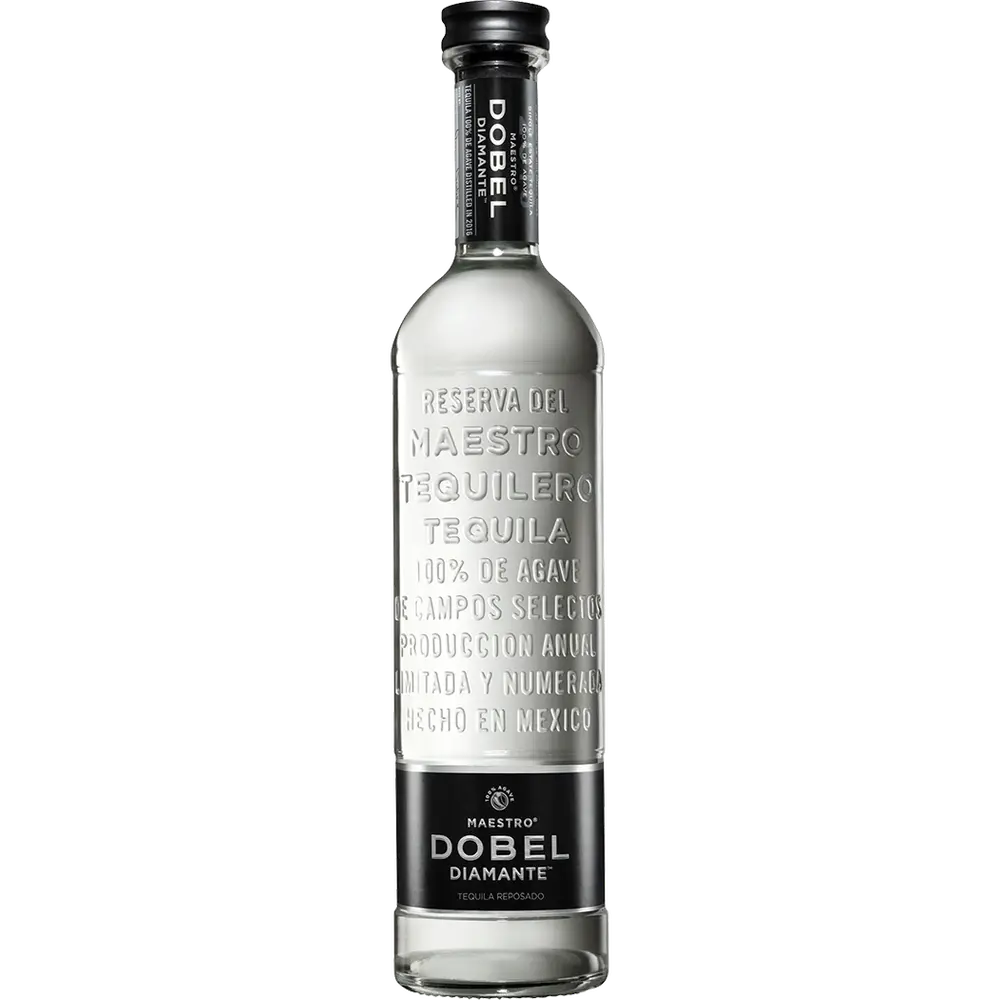
From the volcanic lowlands of Jalisco, Mexico, Maestro Dobel Diamante is the bottle that launched an entirely new category. In 2008, Juan Domingo Beckmann—the eleventh generation of Mexico’s most storied tequila dynasty and heir to the Jose Cuervo legacy—introduced the world’s first cristalino tequila: a blend of extra-añejo, añejo, and reposado expressions aged in Balkan white oak, then double-filtered to remove color while preserving the complexity that time built. The idea migrated the concept of barrel aging into uncharted territory—what happens when you keep the journey’s wisdom but erase its most visible evidence? — where Maestro Dobel Diamante didn't just create a tequila—it created a category. Before 2008, the idea of filtering an aged tequila back to clarity would have seemed contradictory. Why age a spirit only to remove the color? Because color is not complexity. Diamante proves that the molecular compounds developed during barrel aging—the vanillins, the caramels, the toasted wood sugars—survive filtration even when the tannins that carry color do not. The result is a tequila that drinks like an añejo but looks like a blanco: an act of conceptual migration that has since spawned dozens of cristalino imitators. As the Beckmann family's eleventh-generation innovation, it carries the weight of Mexico's most important tequila lineage—and the audacity to rethink what barrel aging means.
Classification: Cristalino Tequila (Blend of Extra-Añejo, Añejo, and Reposado)
Company: Proximo Spirits / Beckmann Family
Distillery: Maestro Dobel Distillery, Jalisco, Mexico
Proof: 80 (40% ABV)
Age: Blend of Extra-Añejo, Añejo, and Reposado
Agave: 100% Blue Weber Agave, single-estate, volcanic lowlands of Jalisco; harvested during dry months for maximum sugar concentration
Production: Aged in new white oak barrels from the Balkan region, then double-filtered through a proprietary process that removes color while preserving complexity
Color: Crystal clear—the hallmark of the cristalino category that Dobel Diamante pioneered
MSRP: ~$57
Nose: Elegant and refined—soft oak, warm vanilla, and bright citrus peel open into subtle agave sweetness and a whisper of toasted almond.
Palate: Silky and polished. Caramel and vanilla from the aging emerge first, followed by bright cooked agave, prickly pear, and a gentle toasted oak warmth. The filtration removes heaviness without sacrificing the añejo's depth.
Finish: Smooth and crisp, with a lingering interplay of vanilla, mild oak spice, and clean agave that fades gracefully.
Cocktail — The Invisible Añejo Margarita: 2 oz Maestro Dobel Diamante, 1 oz fresh lime juice, 0.75 oz agave nectar, 0.25 oz Grand Marnier. Shake with ice, strain into a salt-rimmed coupe. The cristalino's clarity makes this look like a classic blanco margarita, but the aged complexity on the palate tells a different story entirely.
Pair with: Grilled white shrimp with a mango-habanero salsa and warm corn tortillas—the sweetness of the shrimp and mango highlights the caramel and citrus notes, while the habanero's heat meets the oak warmth.
Awards: Platinum, SIP Awards; Gold Medal, San Francisco World Spirits Competition
GIN Ki No Bi Kyoto Dry Gin
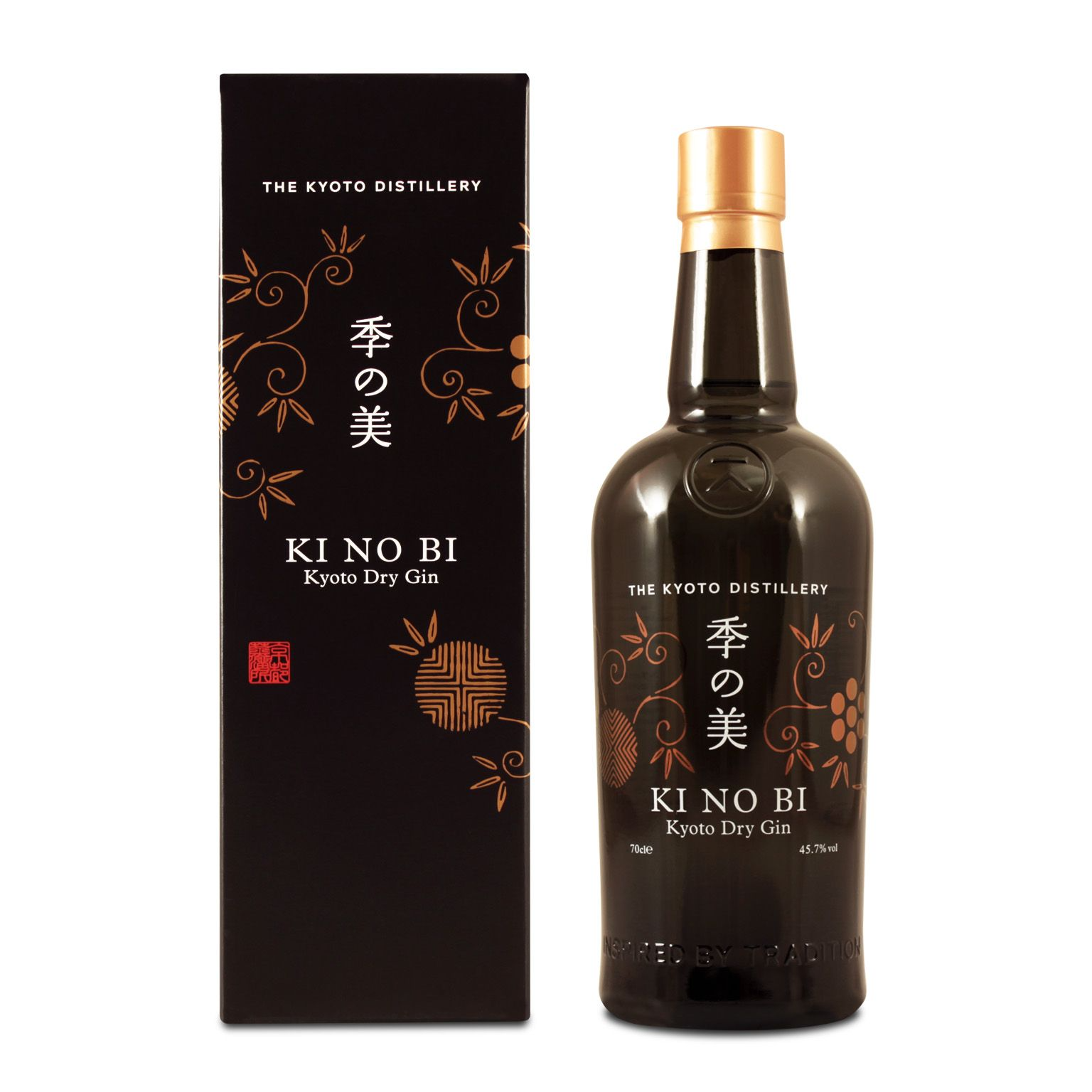
From the historic Fushimi district of Kyoto—famous for its pristine sake-brewing groundwater—Ki No Bi is the creation of an international trio who channeled their passion for spirits into Japan’s first dedicated gin distillery. David Croll and Noriko Kakuda Croll, who had spent decades importing Scottish single malts to Japan, joined forces with Marcin Miller, former editor of Whisky Magazine, to build The Kyoto Distillery in 2014. The name Ki No Bi translates to ‘the beauty of the seasons,’ and each bottle reflects a deliberate marriage of London dry gin tradition with Japanese botanical heritage. — where Ki No Bi is what happens when the London dry gin tradition migrates to Kyoto and is rebuilt from the ground up with Japanese materials and philosophy. The six-category distillation process—where each botanical group is distilled separately before blending—mirrors the Japanese culinary principle of respecting each ingredient's individual character. The result is a gin where juniper coexists with yuzu and bamboo without either tradition dominating. Founded by three spirits-industry expatriates who had already bridged Scotland and Japan through whisky importing, Ki No Bi represents a migration story within a migration story: British gin-making knowledge, filtered through Japanese sensibility, using Fushimi's legendary water. At 45.7% ABV, it has the strength to stand up in cocktails while remaining elegant enough to sip with just a cube of ice.
Classification: Kyoto Dry Gin
Company: The Kyoto Distillery (Pernod Ricard)
Distillery: The Kyoto Distillery, Fushimi, Kyoto, Japan
Proof: 91.4 (45.7% ABV)
Botanicals: 11 botanicals: Juniper, Orris Root, Hinoki (Japanese Cypress), Lemon, Yuzu, Sansh\uc0\u333 Peppers, Kinome, Bamboo Leaves, Gyokuro Green Tea, Ginger, Shiso
Distillation: Each of 6 botanical categories (Base, Citrus, Tea, Herbal, Spice, Fruity & Floral) distilled individually in a small copper pot still, then blended
Base: Rice spirit base with Fushimi groundwater
Color: Crystal clear with exceptional clarity from the pure Fushimi water base
MSRP: ~$77
Nose: Bright yuzu citrus and juniper pine lead, followed by delicate hinoki cypress, green tea, and a lingering whisper of sansh\uc0\u333 pepper that tingles at the edges.
Palate: Beautifully balanced. Juniper provides the structural backbone, but Japanese botanicals steal the show—yuzu brightness, bamboo freshness, and gyokuro green tea's umami depth create a layered complexity. The rice spirit base lends a silky, almost sake-like texture.
Finish: Clean and warming, with ginger spice building gently, hinoki cypress adding an earthy undertone, and a final whisper of shiso that is unmistakably Japanese.
Cocktail — The Kyoto G&T: 2 oz Ki No Bi, 4 oz premium tonic water (Fever-Tree Japanese Yuzu Tonic if available), fresh yuzu peel or a thin grapefruit wheel, a shiso leaf. Build in a tall glass over ice. The Japanese tonic amplifies the yuzu and green tea notes into something unmistakably Kyoto.
Pair with: Lightly seared yellowtail sashimi with yuzu ponzu, pickled ginger, and shiso—each element on the plate has a direct counterpart in the gin's botanical bill.
Awards: Gold, International Spirits Challenge; World's Best Gin Design, World Gin Awards
RUM Clément VSOP Rhum Agricole
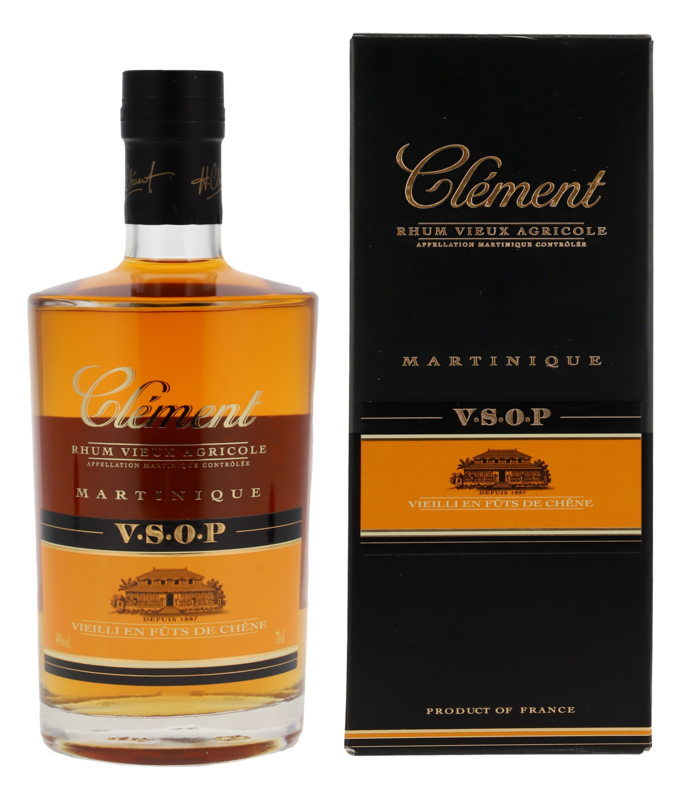
From Habitation Clément in Le Franois, Martinique, this rhum agricole embodies one of the most profound migrations in spirits: the transplanting of French winemaking discipline to Caribbean rum production. Founded in the late 19th century by Homère Clément—a physician and mayor of Le Franois—the estate operates under Martinique’s AOC regulations, the same appellation d’origine contrlée framework that governs Champagne and Bordeaux. Where most rums start with molasses, rhum agricole begins with freshly pressed sugarcane juice, distilled in a Creole column still and aged under tropical heat that accelerates maturation dramatically. — where Clément VSOP is the most eloquent argument for rhum agricole's place among the world's great aged spirits. The migration of French AOC discipline to Caribbean rum production created something that exists nowhere else: a spirit governed by the same regulatory rigor as Burgundy, made from fresh sugarcane juice rather than molasses, and aged in a combination of French Limousin oak and re-charred bourbon casks. The tropical heat of Martinique means four years of aging here equals roughly twelve in Scotland or Kentucky—the angel's share is punishing but the concentration is extraordinary. At $45, this is one of the great values in aged spirits, offering a complexity and terroir expression that many rums three times its price cannot match. Homère Clément's vision of applying French viticultural discipline to Caribbean sugarcane has migrated beautifully across a century and a half.
Classification: Rhum Agricole VSOP (Martinique AOC)
Company: Groupe Bernard Hayot (GBH)
Distillery: Habitation Clément, Le Franois, Martinique
Proof: 80 (40% ABV)
Age: Minimum 4 years (1 year in virgin French Limousin oak, 3 years in re-charred ex-bourbon casks)
Base: Fresh sugarcane juice (not molasses)
Distillation: Creole column still
Color: Rich mahogany with amber highlights from the dual-cask aging program
MSRP: ~$45
Nose: Toasty and nutty—almond and banana lead, with light oak, dried tropical fruit, and a distinctive fresh sugarcane grassiness underneath that signals its agricole origins.
Palate: Silky and layered. Coconut and banana crème brlée emerge first, followed by dried fruit, exotic spice, and a subtle earthiness. The French Limousin oak contributes a tannic structure more reminiscent of Cognac than traditional rum.
Finish: Long and complex, with charred sugarcane, coconut custard, peppery spices, and a delicate mineral wetness that lingers on the palate.
Cocktail — The Martinique Ti' Punch: 2 oz Clément VSOP, 0.5 oz cane syrup (sirop de canne), 1 lime disc (cut a coin-sized disc from the side of a lime, not a wedge). Muddle the lime disc in the cane syrup, add the rhum, stir briefly—no ice. Sip slowly. This is Martinique's national cocktail, and it reveals the agricole's grassy, complex character without dilution.
Pair with: Grilled pineapple with a light dusting of espelette pepper and a drizzle of dark cane syrup—the tropical fruit and spice mirror the rhum's agricole character while the char from the grill echoes the cask influence.
Awards: Gold, Rum XP; 91 points, Wine Enthusiast
RED WINE Bodega Norton Reserva Malbec 2021
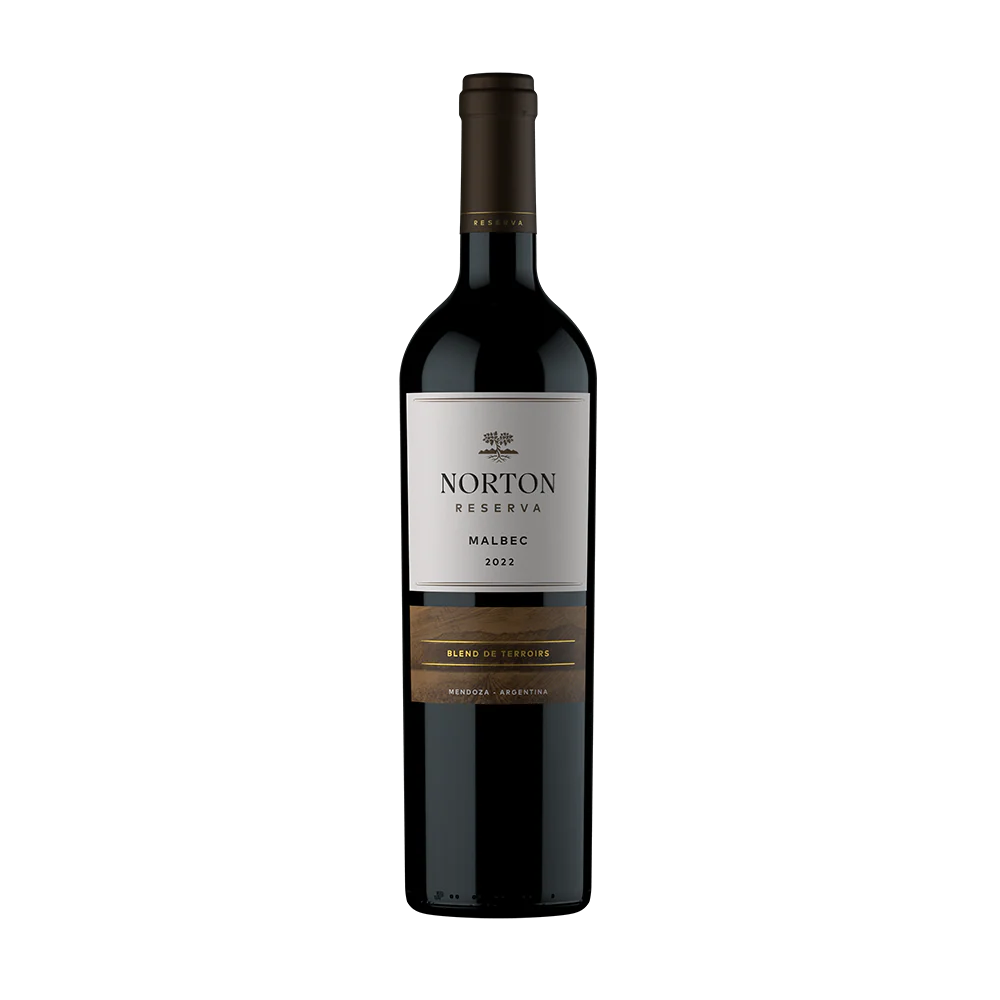
From Luján de Cuyo and Valle de Uco in Mendoza, Argentina, this Reserva Malbec is the culmination of a triple migration. The grape itself traveled from southwestern France’s Cahors region to Argentina in the mid-19th century. The winery was founded in 1895 by Sir Edmund James Palmer Norton, an English railway engineer who came to oversee the trans-Andean railway and stayed to plant French vines in the Andean foothills. And in 1989, Austrian businessman Gernot Langes-Swarovski—of the crystal dynasty—acquired the estate and invested in transforming it into one of Argentina’s premier producers. English vision, French grapes, Austrian investment, Argentine terroir. — where Bodega Norton Reserva Malbec is the taste of a grape that found its true home six thousand miles from where it started. In Cahors, Malbec produces dark, tannic, austere wines often called 'the black wine.' In Mendoza's high-altitude vineyards—where the Andes' intense sunlight and cool nights create ideal ripening conditions—the same grape becomes generous, perfumed, and approachable. The 2021 vintage draws from 30–50 year old vines split between Luján de Cuyo and Valle de Uco, delivering a wine with both concentration and freshness. At around $18, this is one of the great migration stories you can drink on any weeknight—proof that an English engineer's 19th-century gamble, amplified by Austrian investment and Argentine sun, created something France alone never could.
Classification: Reserva Malbec
Company: Bodega Norton (Swarovski family)
Winery: Bodega Norton, Luján de Cuyo, Mendoza, Argentina
ABV: 14.5%
Primary Varietal: Malbec
Blend: 100% Malbec
Vineyards: Luján de Cuyo (50%) and Valle de Uco (50%), from 30–50 year old vines at high altitude
Maturation: 12 months in first and second use French oak barrels, followed by 10 months of bottle aging before release
Color: Intense deep red with purplish-violet hues—the signature of high-altitude Argentine Malbec
MSRP: ~$18
Nose: Expressive and inviting—ripe blackcurrant, black plum, and dark cherry lead, with violets, baking spices, and a subtle tobacco leaf note that adds complexity.
Palate: Medium to full-bodied with soft, silky tannins. Black plum and brambly blackberry are layered with cedar, stone dust, and a savory edge of green olive and cured meat. The French oak contributes sweet vanilla and a gentle toast.
Finish: Medium-long, with persistent blackcurrant, cedar, and a fine-grained tannic grip that resolves into warmth.
Cocktail — The Andean Sangria: 1 bottle Bodega Norton Reserva Malbec, 2 oz brandy, 1 oz orange liqueur, 1 cup mixed dark berries (blackberries, black cherries), 1 sliced orange, 2 tbsp raw sugar. Combine in a pitcher, refrigerate for 4 hours, serve over ice with a splash of sparkling water. The dark berry garnish echoes the wine's own fruit profile.
Pair with: Argentine-style grilled skirt steak (entraña) with chimichurri—the charred meat's savory depth meets the wine's blackcurrant fruit, while the chimichurri's herbaceous brightness lifts the pairing.
Awards: 90 points, Decanter; 90 points, James Suckling
WHITE WINE Kumeu River Maté's Vineyard Chardonnay 2021
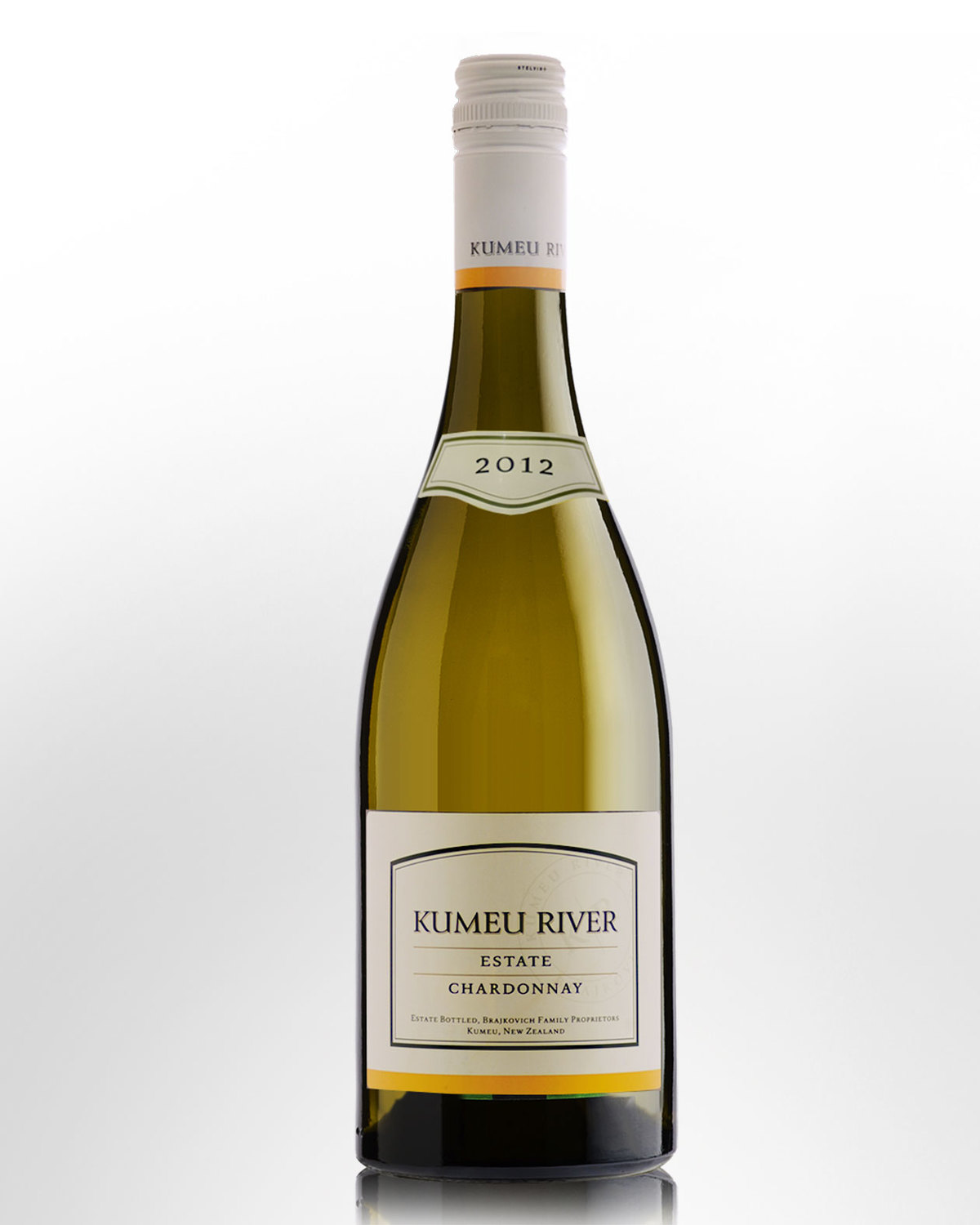
From the Kumeu sub-region of Auckland, New Zealand, this single-vineyard Chardonnay carries the name of Mate Brajkovich—the Croatian immigrant who, with his wife Melba, transformed a small Auckland plot into one of the Southern Hemisphere’s most celebrated wineries. Mate’s parents, Mick and Katé, emigrated from the Dalmatian coastal village of ivo\uc0\u263 e in 1937, bringing their Mediterranean winemaking traditions to New Zealand’s shores. The vineyard that bears Mate’s name was planted with the Mendoza clone of Chardonnay—itself a migrant from Burgundy—and is now tended by the third generation of Brajkovichs, including Michael Brajkovich MW, one of New Zealand’s most respected winemakers. — where Kumeu River Maté's Vineyard is the definitive proof that great Chardonnay can migrate from Burgundy to the Southern Hemisphere without losing its soul. The Brajkovich family's Croatian-to-New Zealand journey parallels the grape's own: the Mendoza clone of Chardonnay traveled from Burgundy to South America before cuttings arrived in New Zealand, where the Brajkovichs planted it in Auckland's clay soils. Michael Brajkovich MW applies Burgundian techniques—whole-cluster pressing, barrel fermentation, full malolactic—but the fruit speaks unmistakably of Kumeu: riper stone fruit, broader citrus, and a salted-nut character that is uniquely this place. The 2021 vintage benefited from a long, cool, dry season that allowed slow grape maturation and exceptional aromatic development. At around $80, it stands alongside Premier Cru Burgundy in quality while offering something Burgundy cannot: the flavor of three continents converging in a single glass.
Classification: Single Vineyard Chardonnay
Company: Kumeu River Wines (Brajkovich family)
Winery: Kumeu River Wines, Kumeu, Auckland, New Zealand
ABV: 13.5%
Primary Varietal: Chardonnay (Mendoza clone)
Blend: 100% Chardonnay (Mendoza clone)
Vinification: 100% barrel fermented, 100% malolactic fermentation, 11 months in barrel with 30% new French oak (Seguin Moreau); 1,500 cases produced
Color: Deep golden with green-gold tints, reflecting the barrel fermentation and full malolactic treatment
MSRP: ~$80
Nose: Heady and complex—grapefruit, lemon, and ripe peach lead, backed by coconut-vanilla oak and a distinctive salted-nut character. A hint of smoky reduction adds intrigue.
Palate: Generous and creamy with remarkable precision. Glossy stone fruit and yuzu brightness are lifted by waves of citrus, while the barrel fermentation provides a toasty, almost brioche-like depth. Fresh acidity keeps everything in perfect balance despite the richness.
Finish: Long and persistent, with toasted hazelnut, citrus peel, and a mineral freshness that lingers and invites reflection.
Cocktail — The Dalmatian Spritz: 3 oz Kumeu River Maté's Vineyard Chardonnay, 1 oz elderflower liqueur (St-Germain), 2 oz sparkling water, expressed lemon peel. Build in a wine glass over ice. A lighter treatment that preserves the wine's complexity while adding a floral lift—best enjoyed when you want to celebrate without overwhelming the Chardonnay's nuance.
Pair with: Pan-seared halibut with brown butter, capers, and lemon—the buttery richness of both the fish and the wine create harmony, while the capers' brininess meets the wine's salted-nut character.
Awards: 96 points, Bob Campbell MW; 95 points, Wine Orbit
Train Your Nose: Today's Aroma Spotlight
Tracing the Journey in Every Glass
Migration transforms more than geography—it transforms flavor. When a bourbon finishes in Spanish sherry casks, it picks up dried fruit and dark chocolate that would never develop in a standard American oak barrel. When Malbec crosses the Atlantic from Cahors to Mendoza, the same grape produces a radically different wine—riper, bolder, more generous. Tonight's training exercises ask you to taste the journey itself: to identify where one tradition ends and another begins in the glass.
Pour the Rabbit Hole Dareringer alongside a classic unfinished wheated bourbon (such as Maker's Mark or Larceny). Nose them side by side. The unfinished bourbon will lean toward caramel, vanilla, and wheat sweetness. The Dareringer adds a layer of dried dark fruit—raisins, fig, and a faint nuttiness—that comes directly from the Pedro Ximénez sherry casks. This is the flavor of migration: the same mash bill, transformed by a six-month stay in Spanish oak. Use your Bourbon Aroma Kit to isolate Raisins and Cherry, then go back to the glass and see how clearly the sherry influence stands apart from the base spirit.
Open the Bodega Norton Reserva Malbec alongside a French Malbec from Cahors (such as Chteau Lagrézère or Clos Triguedina). The Cahors will be more tannic, austere, and earthy—closer to the grape's Old World origins. The Norton Reserva, from Mendoza's high-altitude vineyards, delivers riper blackcurrant, softer tannins, and a violet perfume that the Argentine sun coaxes out of the same variety. Use your Wine Aroma Kit to isolate Blackcurrant and Violet, then compare how the same aromas express differently at different intensities across the two wines. You are tasting the effect of latitude, altitude, and a century of adaptation.
Today's Kit Reference
| Today's Product | Key Aromas | Train With |
|---|---|---|
| Rabbit Hole Dareringer | Caramel, Cherry, Raisins, Vanilla, Brown Spices | Bourbon Aroma Masterclass Kit |
| Aberlour A'Bunadh | Dried Fruit, Caramel, Clove Spice, Cocoa (Dark), Orange | Whisky Aroma Masterclass Kit |
| Slane Irish Whiskey | Vanilla, Caramel, Honey, Dried Fruit, Coconut | Whiskey Aroma Masterclass Kit |
| Maestro Dobel Diamante | Agave (Cooked), Vanilla, Caramel, Citrus (Lemon, Lime, Orange, Grapefruit), Oak | Tequila & Mezcal Aroma Masterclass Kit |
| Ki No Bi Kyoto Dry Gin | Juniper (Pine), Ginger, Lemon, Coriander, Chamomile | Gin Aroma Masterclass Kit |
| Clément VSOP Rhum Agricole | Agricole, Tropical Fruits, Vanilla, Oak, Spice (Generic) | Rum Aroma Masterclass Kit |
| Bodega Norton Reserva Malbec 2021 | Berry (Generic), Blackcurrant, Violet, Cherry, Vanilla | Wine Aroma Masterclass Kit |
| Kumeu River Maté's Vineyard Chardonnay 2021 | Buttery, Citrus (Generic), Honey, Toasted, Vanilla | Wine Aroma Masterclass Kit |
Explore the School of Wine and Spirits
Tonight's wanderers traveled from Iran to Louisville, from Jerez to Speyside, from Dalmatia to Auckland—and in every case, the journey made the bottle more interesting. If you want to trace those journeys in your own glass, the School of Wine and Spirits Aroma Masterclass Kits give you the reference aromas to identify exactly where one tradition ends and another begins. Pair them with our tasting guides for the deepest understanding of what makes each bottle extraordinary.
Today's eight selections prove that the best producers are architects first. Our books on Amazon take you deeper into those places — from the limestone hollows of Kentucky in America's Spirit, the misty distilleries of Scotland's Spirit and Ireland's Spirit, the volcanic highlands of The Tequila y Mezcal Revolution, the ancient vineyards of The Ultimate Northern Italian Wine Journey, and the fossilized seabeds of Burgundy in our Chablis and Cte d'Or pocket guides.
Explore our Aroma Masterclass kits and books at schoolofwineandspirits.com
Join the School of Wine and Spirits Community
Connect with fellow connoisseurs, share tasting notes, and go deeper into every pour. Sign up at skool.com/schoolofwineandspirits
Our kits make the perfect gift for the curious drinker in your life — because once you learn to identify aromas, you never taste the same way again.
Know someone who would enjoy The Still & The Vine? Forward this issue to a fellow enthusiast — or share it on social media and tag @SchoolofWineandSpirits. We grow by word of mouth.
Until tomorrow's pour — cheers.
Robert R. Mohr, CPA, CGMA, WSET Level 3, WSG Certified Spirits Specialist — author of America's Spirit, Scotland's Spirit, Ireland's Spirit, The Ultimate Northern Italian Wine Journey, The Tequila y Mezcal Revolution, The Definitive Pocket Guide to Chablis, The Definitive Pocket Guide to the Cte d'Or, and Strategic Tuning. Published author of the Aroma Academy Tequila/Mezcal and Distiller's training kits.
The Still & The Vine is a daily publication of the School of Wine and Spirits.
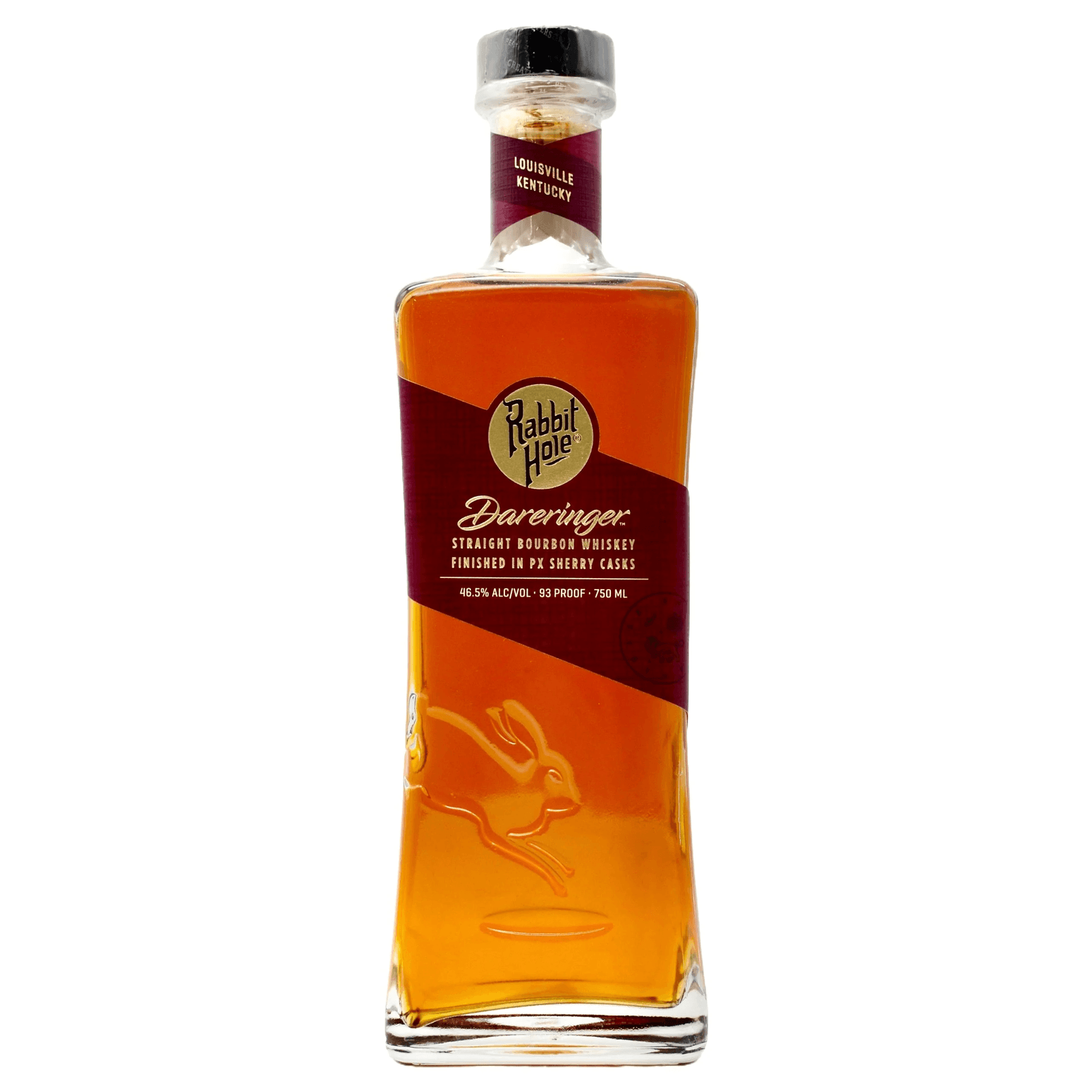
Rabbit Hole Dareringer
Pernod Ricard
Rabbit Hole Dareringer is the flavor of migration itself. Kaveh Zamanian’s journey from Tehran to Louisville mirrors the bourbon’s own passage through Spanish PX sherry casks—each crossing adding layers that neither origin could produce alone.
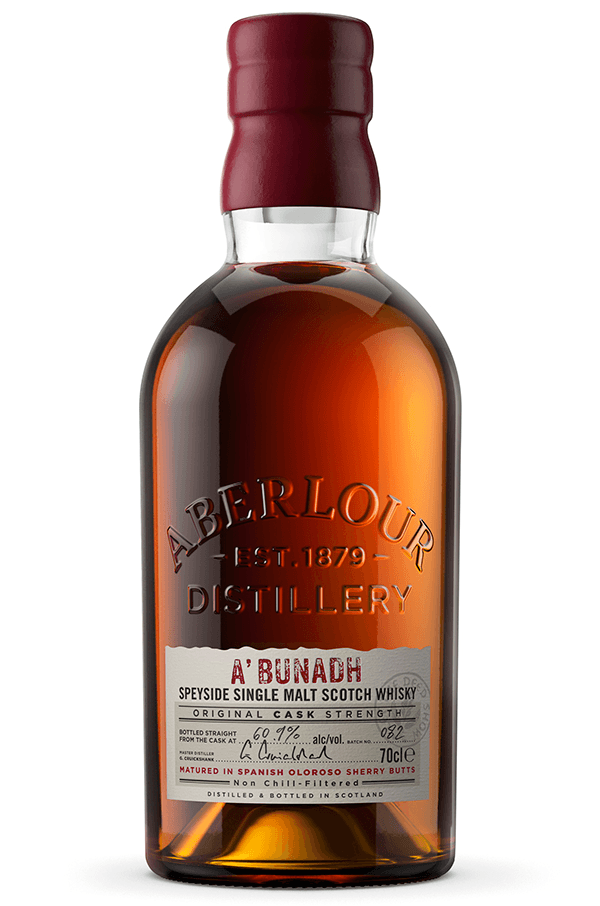
Aberlour A’Bunadh
Pernod Ricard (Chivas Brothers)
A’Bunadh is Aberlour’s love letter to the sherry butts of Jerez.
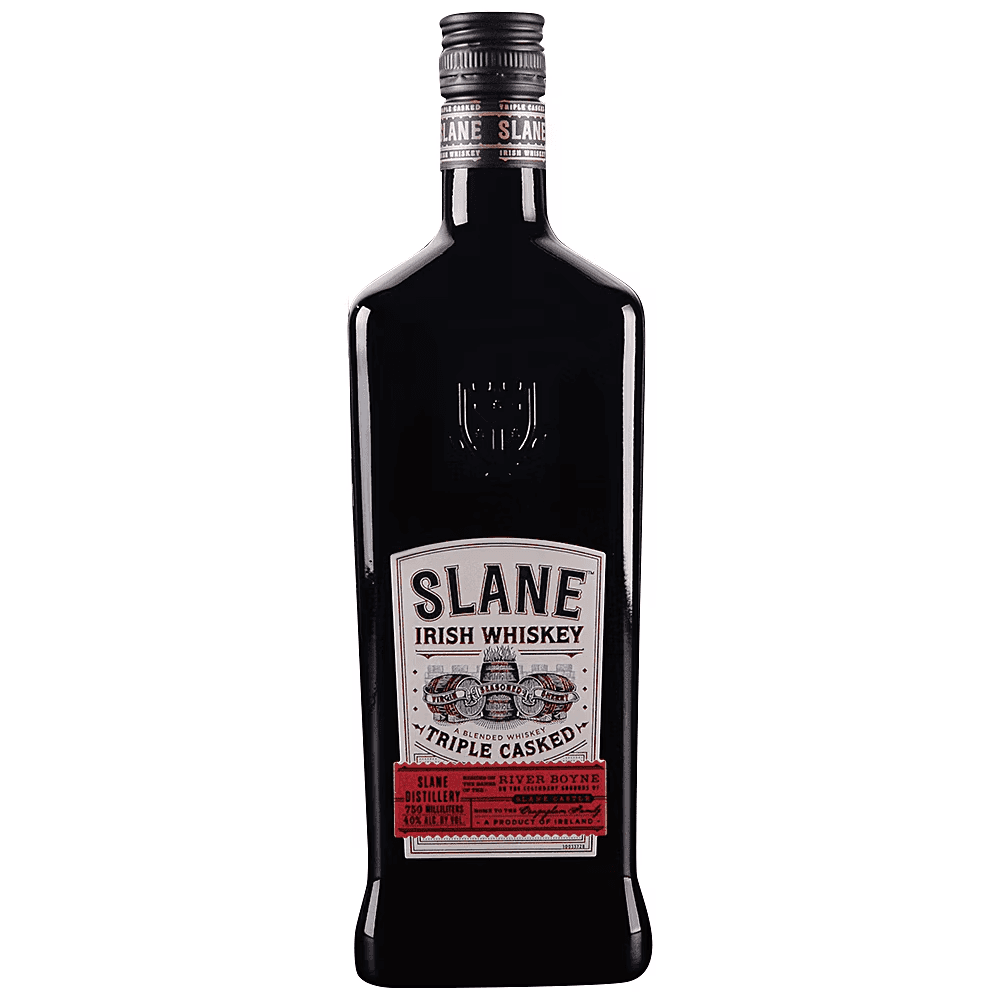
Slane Irish Whiskey
Brown-Forman
Slane is the story of what happens when a 150-year-old American whiskey company migrates its cooperage expertise to Ireland.
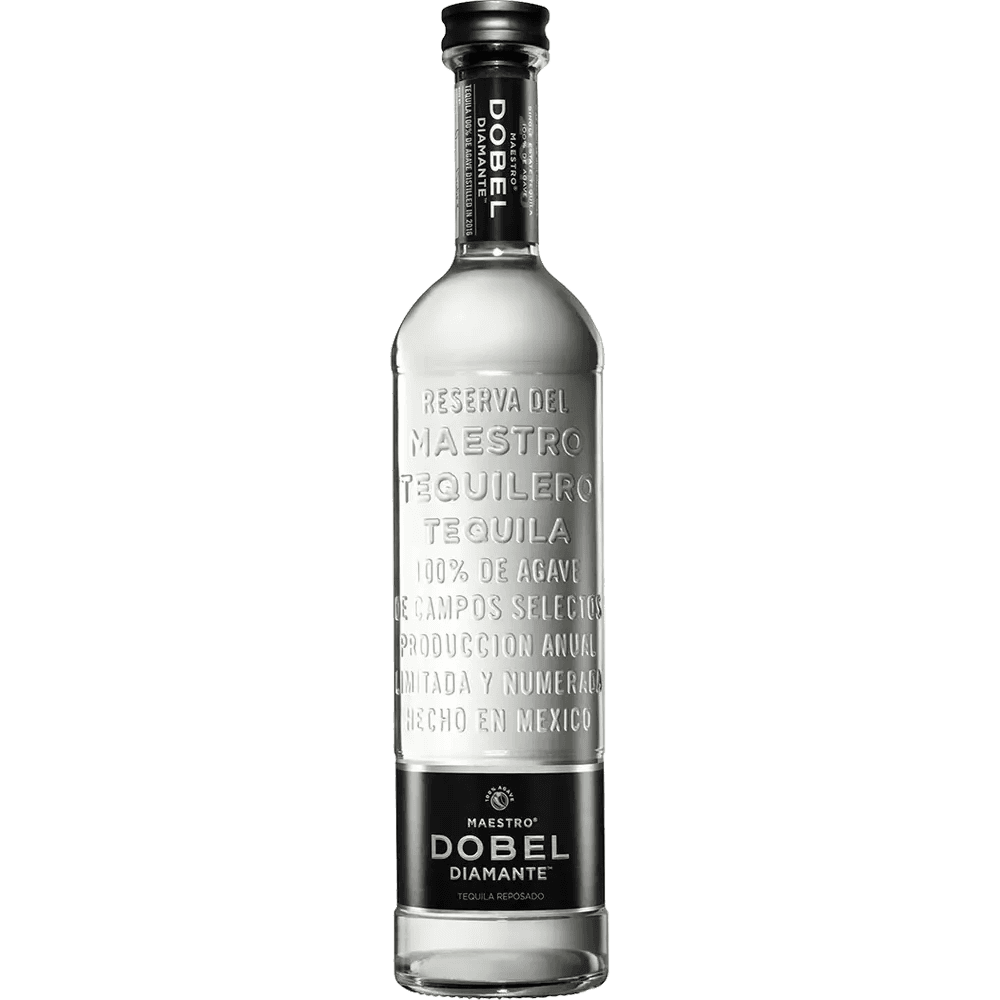
Maestro Dobel Diamante
Proximo Spirits / Beckmann Family
Maestro Dobel Diamante didn’t just create a tequila—it created a category.
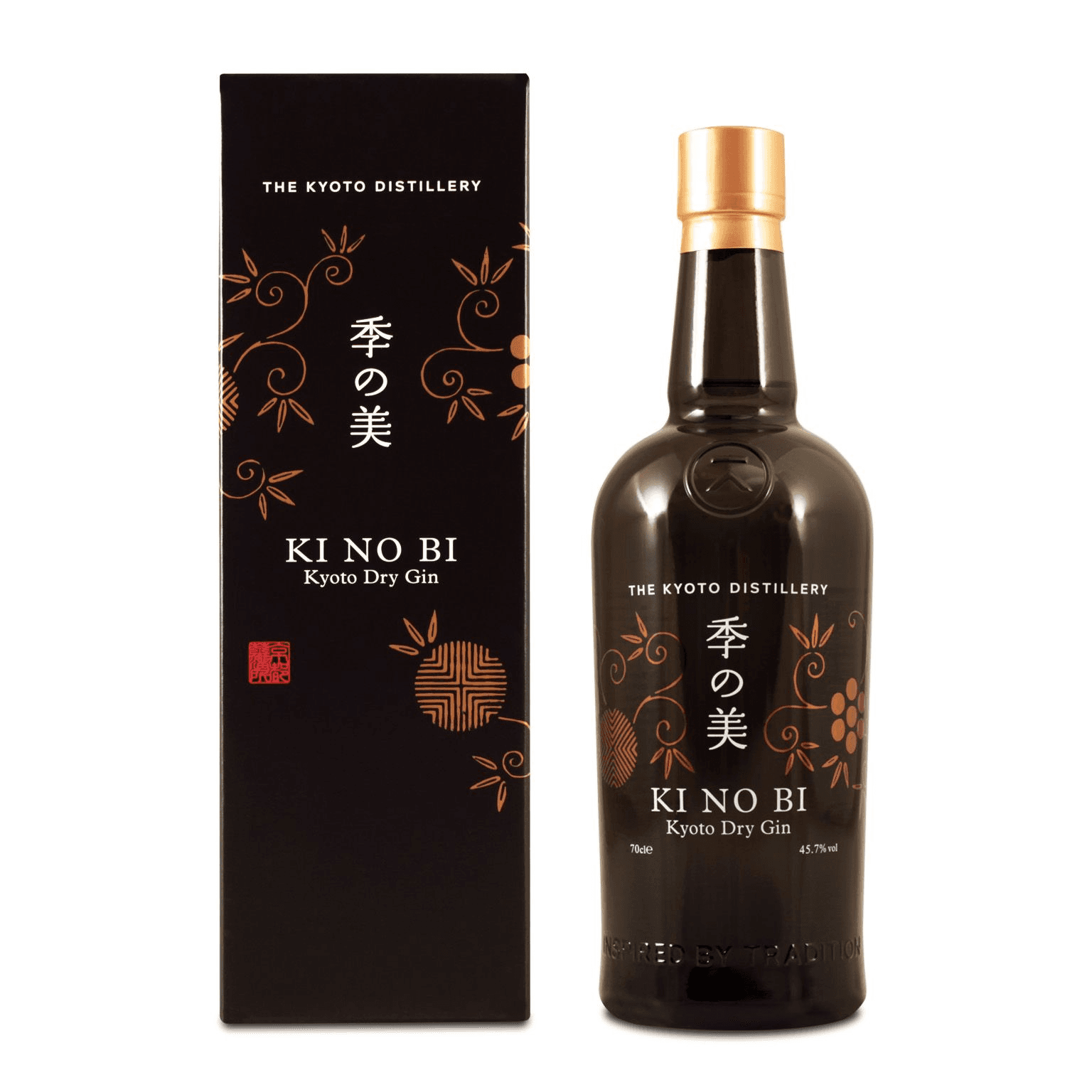
Ki No Bi Kyoto Dry Gin
The Kyoto Distillery (Pernod Ricard)
Ki No Bi is what happens when the London dry gin tradition migrates to Kyoto and is rebuilt from the ground up with Japanese materials and philosophy.
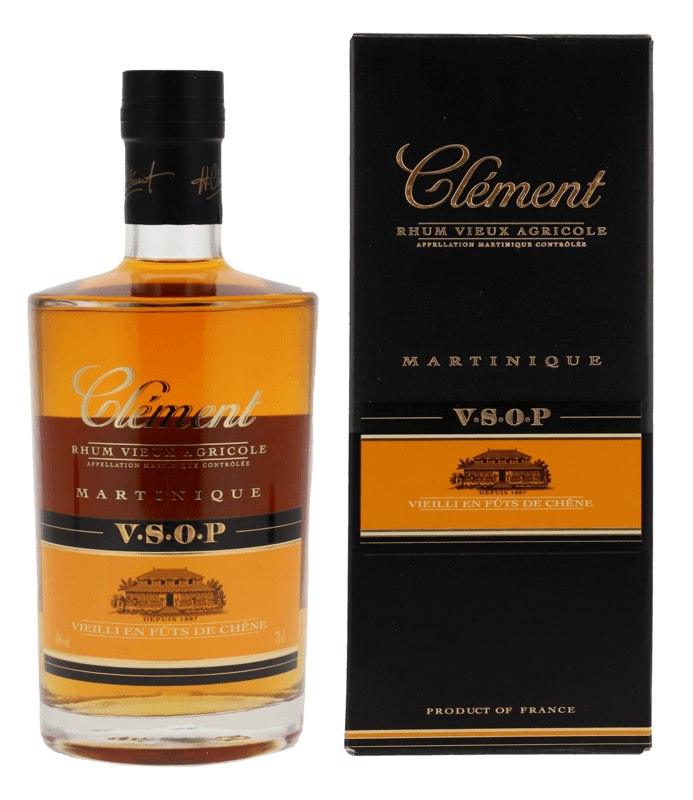
Clément VSOP Rhum Agricole
Groupe Bernard Hayot (GBH)
Clément VSOP is the most eloquent argument for rhum agricole’s place among the world’s great aged spirits.
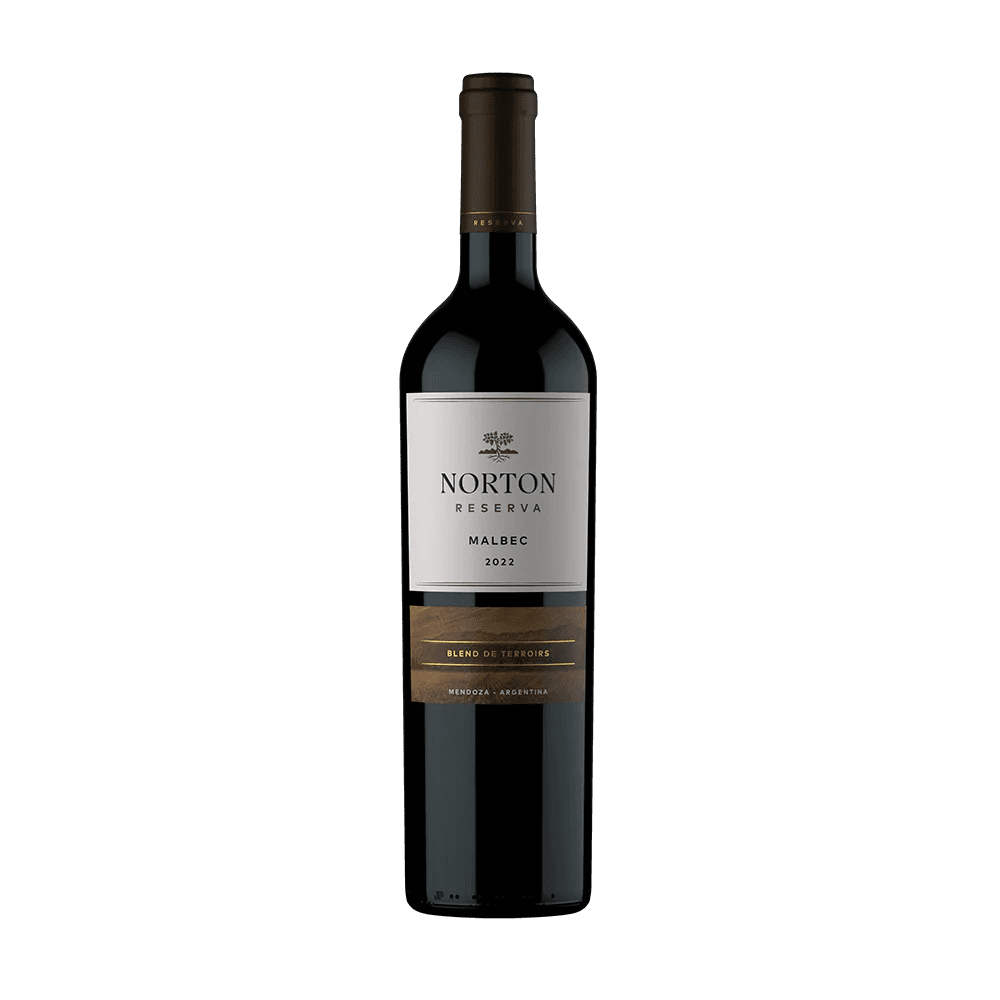
Bodega Norton Reserva Malbec 2021
Bodega Norton (Swarovski family)
Bodega Norton Reserva Malbec is the taste of a grape that found its true home six thousand miles from where it started.
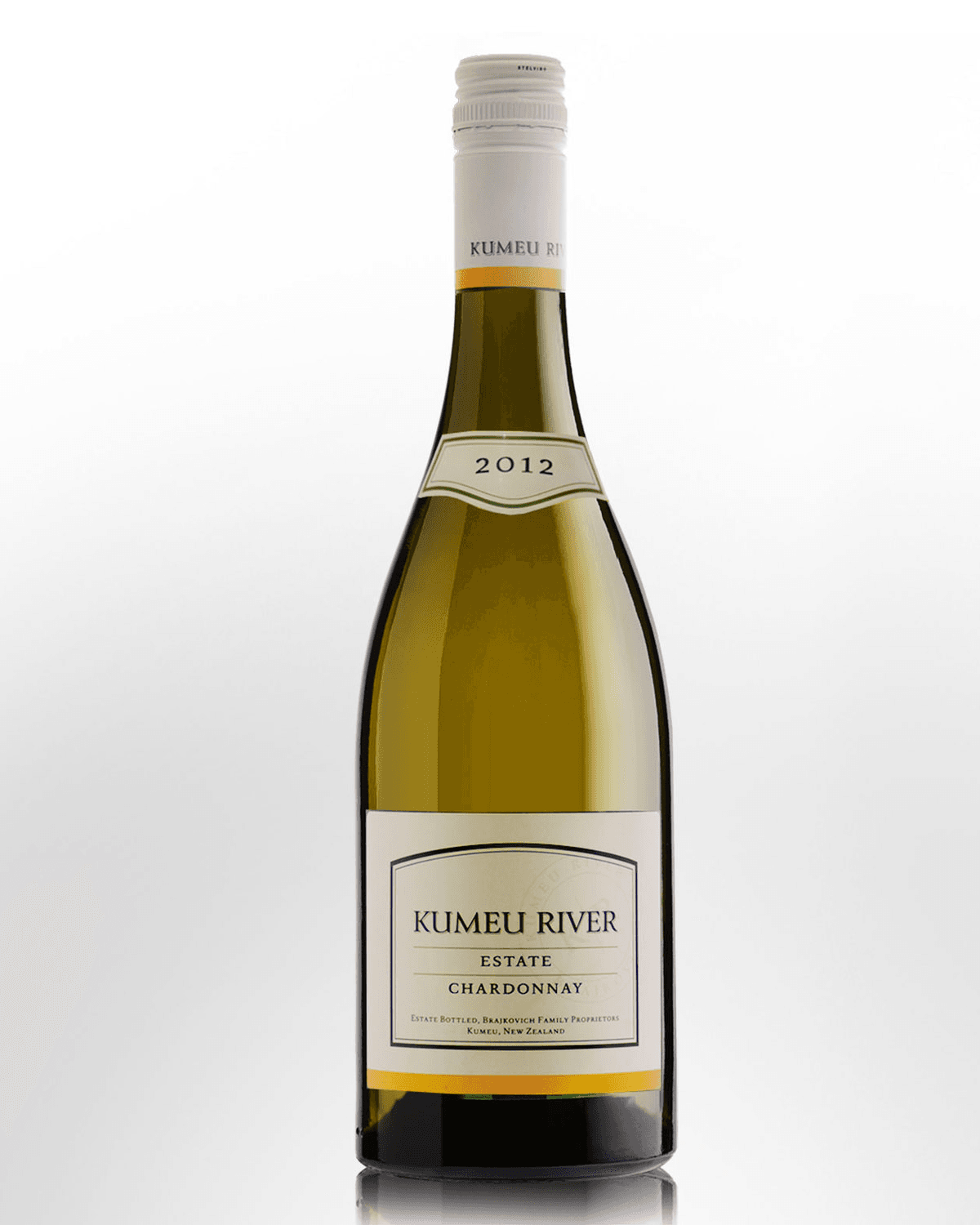
Kumeu River Maté’s Vineyard Chardonnay 2021
Kumeu River Wines (Brajkovich family)
Kumeu River Maté’s Vineyard is the definitive proof that great Chardonnay can migrate from Burgundy to the Southern Hemisphere without losing its soul.
Be the first to comment.