Issue 21 · April 16, 2026
The Signature
Theme: Distinctive Identity
Eight bottles that carry signatures so distinctive — a texture, a flavor, a point of view — that you could pick each one out of a blind lineup without hesitation.
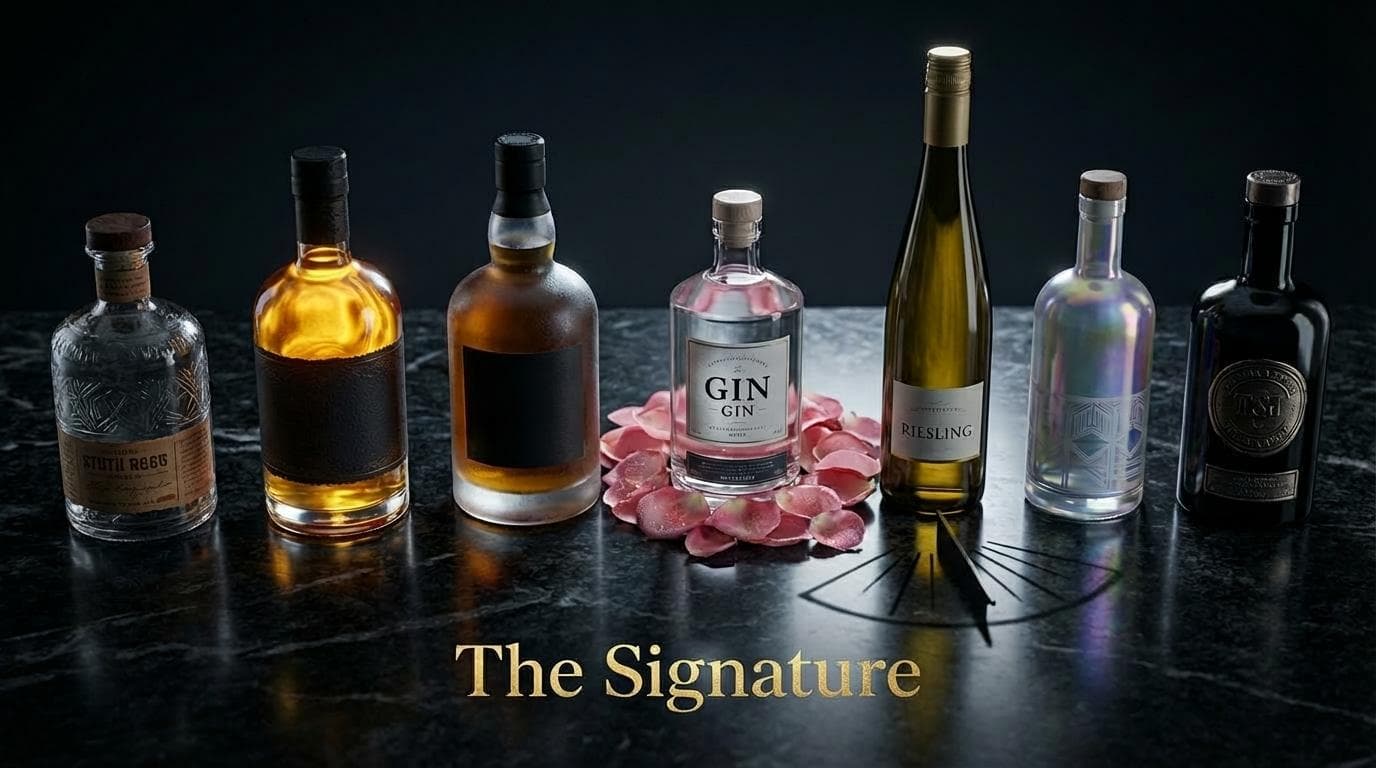

Some bottles blend in. They hit the right notes, fill the right glass, and disappear into the crowd. The eight you are about to meet do something different. Each one carries a signature so distinctive — a texture, a flavor, a point of view — that you could pick it out of a blind lineup without hesitation. These are not bottles that try to please everyone. They are bottles that decided exactly who they are.
A bourbon so full-bodied and spice-driven it rewrote its own family's playbook. A Scotch with a waxy mouthfeel found almost nowhere else in whisky. A tequila produced in a state where nobody said tequila could be made. A gin that leads with Turkish rose instead of juniper. And a German Riesling from a vineyard so singular they named it after a sundial carved into the cliff above the Mosel. Today's selections do not imitate — they define.
Today's Selections
BOURBON SCOTCH WHISKY IRISH WHISKEY TEQUILA GIN RUM RED WINE WHITE WINE
BOURBON Baker's 7 Year Old Single Barrel
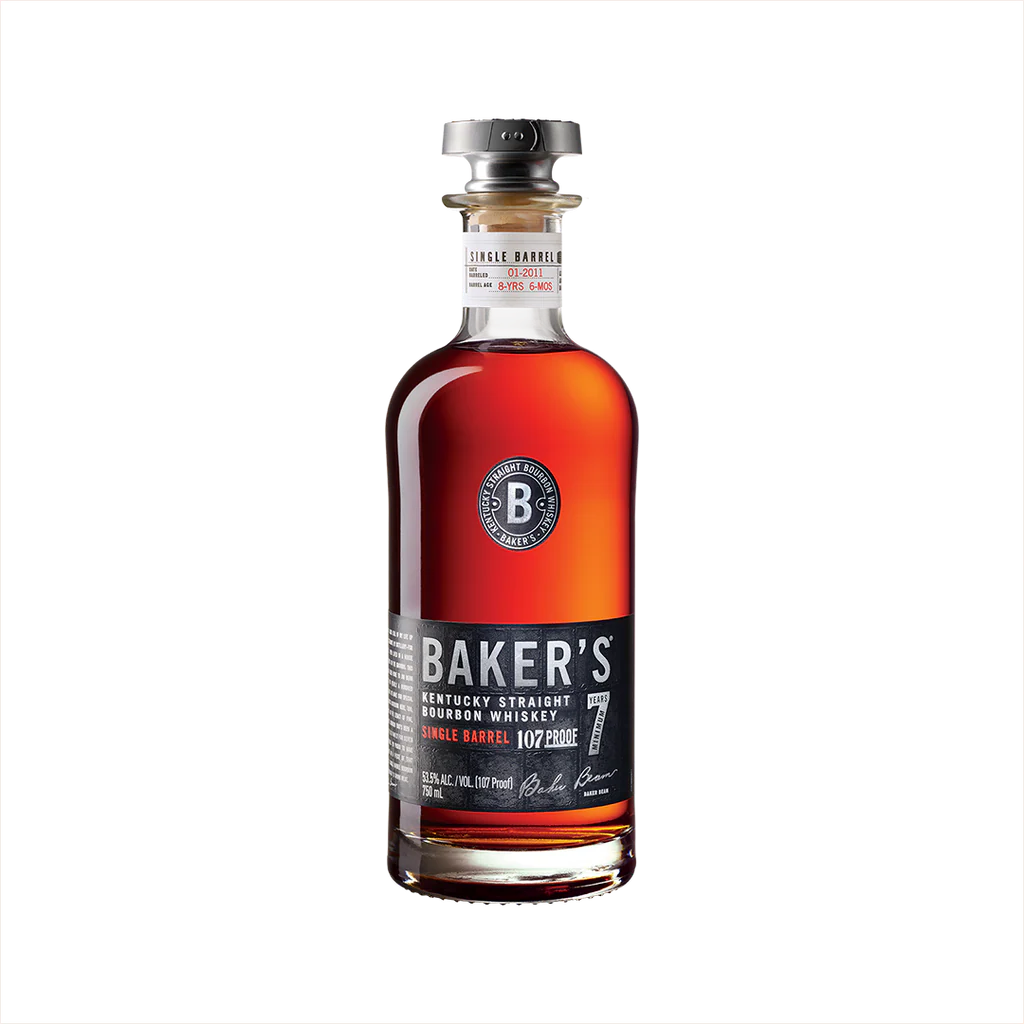
Clermont, Kentucky — in the rolling hills of Bullitt County, where the Beam family has been distilling bourbon for over two centuries, and where Baker Beam, grandnephew of Jim Beam, crafted a recipe designed to stand apart from every other whiskey in the family's storied lineup. — where Baker's 7 is the bourbon that proves the Beam family's small batch experiment was not a marketing exercise. While Knob Creek went for age, Booker's for barrel proof, and Basil Hayden's for approachability, Baker Beam chose texture — a uniquely full-bodied, oily mouthfeel that feels like liquid velvet at 107 proof. Every barrel is selected individually, so no two bottles are identical, but the signature remains: that unmistakable nutty richness wrapped in charred oak and rye spice. It is the quietest member of the Beam small batch collection, and the one that sommeliers tend to reach for when nobody is watching.
Classification: Kentucky Straight Bourbon Whiskey (Single Barrel)
Company: Beam Suntory
Distillery: James B. Beam Distilling Company, Clermont, KY
Proof: 107 (53.5% ABV)
Age: Minimum 7 Years
Mash Bill: 77% Corn, 13% Rye, 10% Malted Barley
Color: Deep burnished amber
MSRP: $60–$70
Nose: Rich oak, vanilla custard, caramel, warm cinnamon, toasted pecans, and a nutty undertone that jumps from the glass
Palate: Full-bodied and boldly spiced — ginger candy, allspice, rye pepper, dark caramel, vanilla bean, and charred wood with an oily, coating texture
Finish: Long and warming with lingering coffee, oak tannins, cinnamon bark, and a pleasant rye bite that slowly fades to butterscotch
Cocktail — The Signature Old Fashioned: 2 oz Baker's 7 · 1 bar spoon demerara syrup · 2 dashes Angostura bitters · 1 dash orange bitters · Express an orange peel over the glass and drop it in. The higher proof cuts through the sweetener beautifully.
Pair with: Pecan-crusted pork chops with a brown sugar glaze — the nutty, caramel character of both creates a seamless bridge.
Awards: 93 Points, Wine Enthusiast; Gold, San Francisco World Spirits Competition 2023
SCOTCH WHISKY Clynelish 14 Year Old
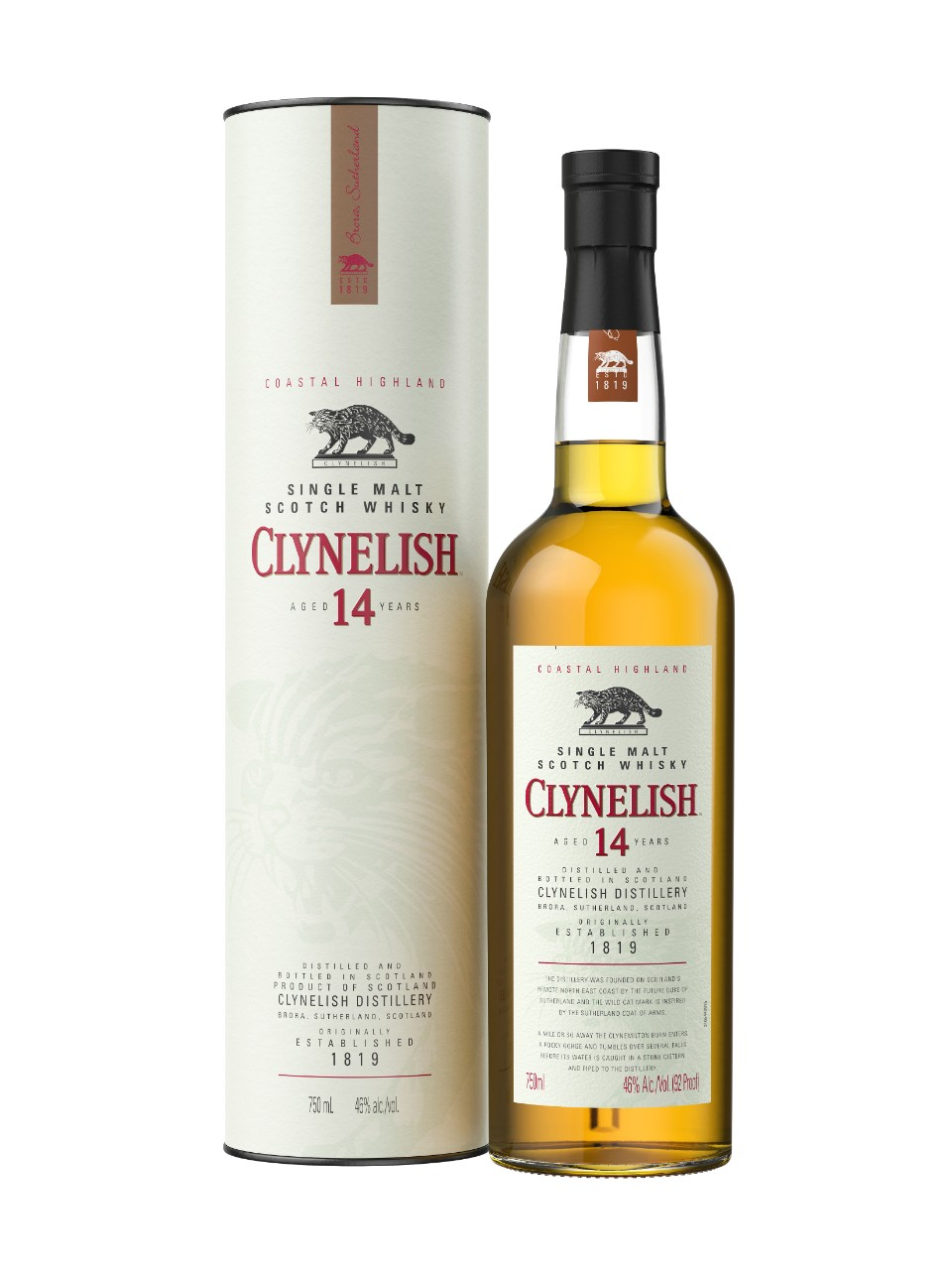
Brora, Sutherland, Scottish Highlands — on the wild northeastern coast where the North Sea meets the hills of Sutherland, and where a distillery built in 1819 by the Duke of Sutherland produces a single malt with a waxy, honeyed character found almost nowhere else in whisky. — where Clynelish 14 is the whisky insider's whisky — the bottle that bartenders, blenders, and collectors reach for when they want something nobody else at the table is drinking. Its signature is an unmistakable waxy texture, almost like liquid beeswax, that coats the glass and the palate in a way no other single malt quite replicates. That waxiness comes from unusually tall stills and long fermentation times that produce a heavier, more complex new make spirit. Diageo has long used Clynelish as a secret weapon in Johnnie Walker Gold Label blends, but it is the single malt bottling that reveals the full identity — a Highland malt with a coastal whisper and a texture that announces itself the moment it touches your lips.
Classification: Highland Single Malt Scotch Whisky
Company: Diageo
Distillery: Clynelish Distillery, Brora, Sutherland, Scotland
Proof: 92 (46% ABV)
Age: 14 Years
Mash Bill: 100% Malted Barley
Distillation: Double Distilled in Copper Pot Stills
Maturation: Ex-bourbon and refill hogsheads
Filtered: Non-chill filtered
Color: Bright gold with pale straw highlights
MSRP: $65–$85
Nose: Beeswax, heather honey, ripe peach, vanilla, pear drops, and a distinctive candle-wax note with subtle coastal minerality
Palate: Rich and waxy — golden honey, soft malt, warm vanilla, white pepper, lemon oil, and a buttery coating that lingers on every surface of the palate
Finish: Long, gently warming with sea salt, beeswax, and a slow fade of malt sweetness and wood spice
Cocktail — The Waxing Crescent: 2 oz Clynelish 14 · 3/4 oz Cocchi Americano · 1/4 oz honey syrup (2:1) · 2 dashes orange bitters · Stir over ice, strain into a coupe, garnish with a lemon twist. The honey and wax harmonize beautifully.
Pair with: Seared scallops with brown butter and lemon — the buttery waxiness of both the whisky and the scallops creates a luxurious pairing.
Awards: Gold, International Wine & Spirit Competition 2024; 91 Points, Whisky Advocate
IRISH WHISKEY Powers John's Lane 12 Year Old
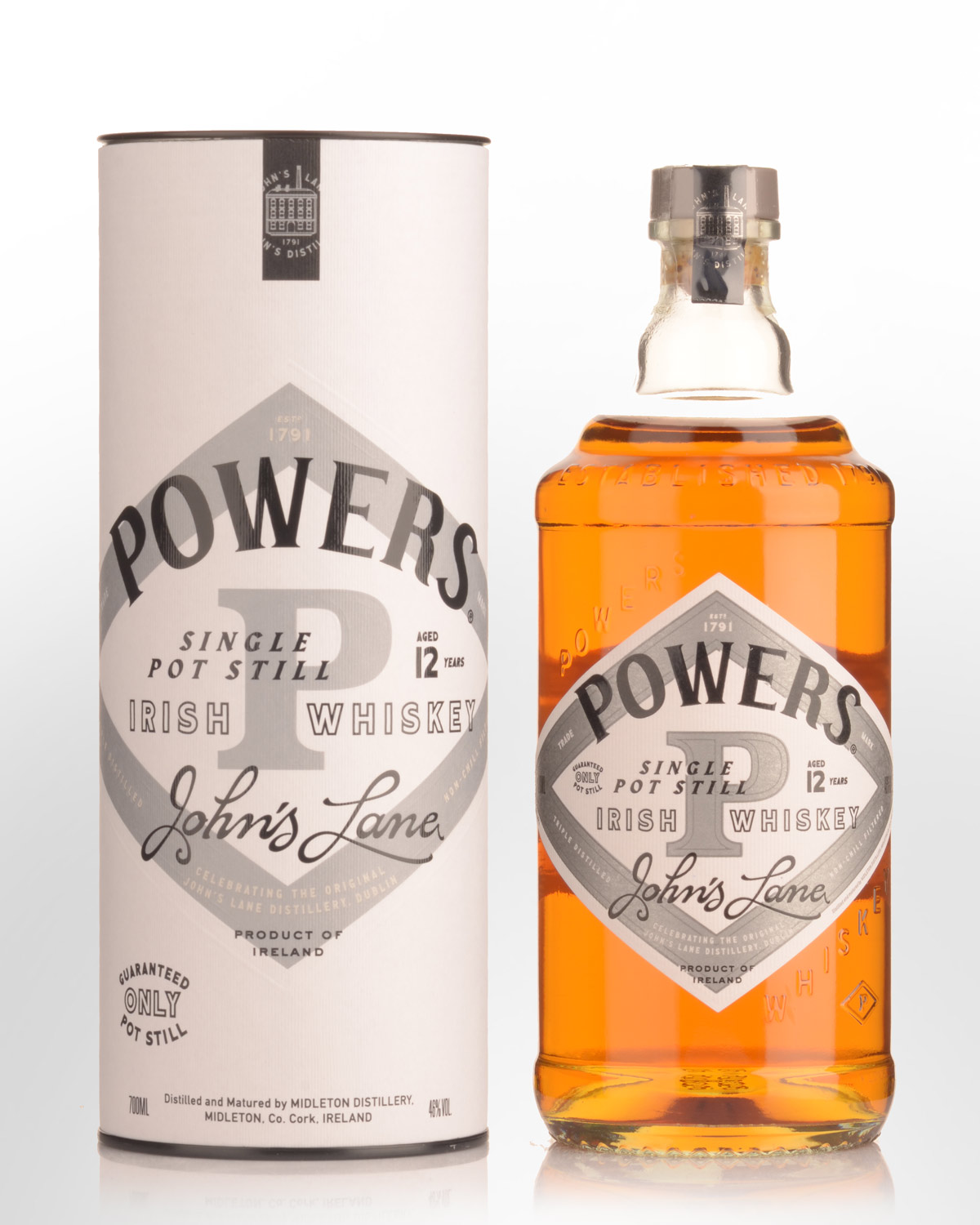
Midleton, County Cork — distilled at the Midleton campus but carrying the name of the original Powers distillery on John's Lane in Dublin, which operated from 1791 to 1976 and was once one of the largest pot still whiskey distilleries in Ireland. — where Powers John's Lane is the Irish whiskey that makes you rethink everything you thought you knew about the category. If your experience with Irish whiskey has been the smooth, approachable style of Jameson or Bushmills, this will recalibrate your expectations. The signature here is pot still spice — that muscular, peppery, almost chewy texture created by distilling both malted and unmalted barley together in massive copper pot stills. John's Lane was the flagship of the original Powers distillery on Thomas Street in Dublin, and this 12-year-old release carries that legacy with authority. At 46% and non-chill filtered, it delivers every ounce of character the cask intended.
Classification: Single Pot Still Irish Whiskey
Company: Pernod Ricard (Irish Distillers)
Distillery: Midleton Distillery, Midleton, County Cork, Ireland
Proof: 92 (46% ABV)
Age: 12 Years
Mash Bill: Malted and Unmalted Barley (exact ratio undisclosed)
Distillation: Triple Distilled in Copper Pot Stills
Maturation: 94% ex-bourbon barrels, 6% Oloroso sherry butts
Color: Rich amber gold
MSRP: $60–$75
Nose: Earthy leather, tobacco leaf, charred wood, dark chocolate, treacle toffee, and a deep spiciness that announces pot still character immediately
Palate: Full-bodied and intensely spiced — white pepper, clove, vanilla, honey, dried apricot, toasted oak, with a muscular pot still grip that demands attention
Finish: Creamy and lingering with black pepper arriving late, a slow warming sensation, and fading notes of dark chocolate and dried fruit
Cocktail — The John's Lane Flip: 2 oz Powers John's Lane · 1/2 oz demerara syrup · 1 whole egg · 2 dashes Angostura bitters · Dry shake vigorously, then shake with ice, strain into a coupe, grate fresh nutmeg on top. The spice on spice is remarkable.
Pair with: Dark chocolate truffles dusted with cocoa powder — the earthy, chocolatey depth of both creates a decadent match.
Awards: Best Irish Whiskey, San Francisco World Spirits Competition 2018; Gold, International Wine & Spirit Competition
TEQUILA Chinaco Añejo
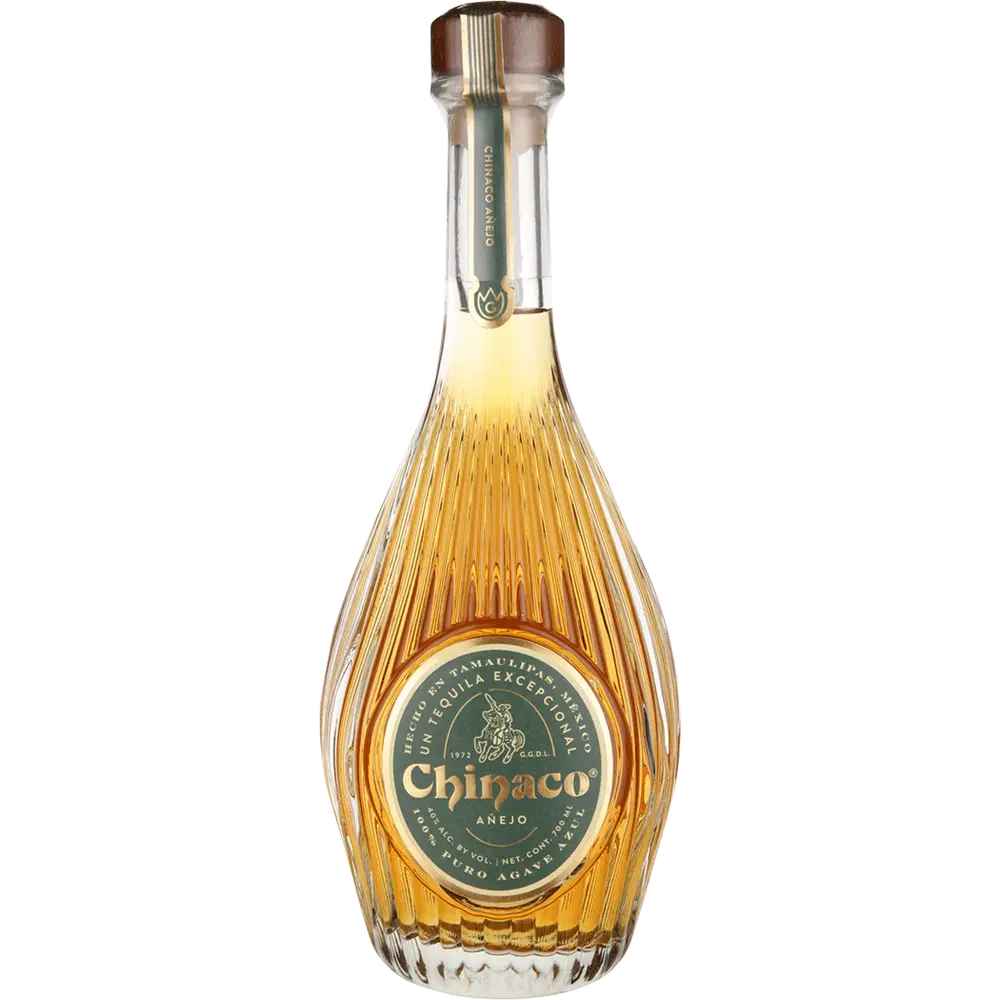
González, Tamaulipas — far from the heartland of Jalisco, in the only tequila distillery in the northeastern state of Tamaulipas, where Guillermo González revived a family tradition and became the first to bring a premium tequila to the United States market in 1983. — where Chinaco Añejo is the tequila that should not exist — not because it is not excellent, but because it comes from a place nobody associates with tequila. While the entire industry clusters around Jalisco and a handful of approved states, Chinaco quietly produces in Tamaulipas, far to the northeast, where different soil, climate, and water create a distinctly different agave character. The use of ex-Glenlivet Scotch casks for ninety percent of the maturation adds another layer of singularity — a soft, malty sweetness that no bourbon-barrel-aged tequila can replicate. This was the first premium tequila imported to the United States, arriving in 1983 before the premium tequila category even existed. Its signature is an indescribable softness — a gentleness that somehow carries enormous flavor without ever raising its voice.
Classification: 100% Agave Añejo Tequila
Company: Chinaco (González family)
Distillery: Tequilera La Gonzaleña (NOM 1127), González, Tamaulipas, Mexico
Proof: 80 (40% ABV)
Age: Two and a half years in ex-Glenlivet (90%) and ex-bourbon (10%) barrels
Agave: 100% Blue Weber Agave (Agave tequilana)
Production: Traditional brick oven-roasted, fermented with proprietary yeast, double distilled in copper pot stills
Color: Rich golden amber
MSRP: $70–$85
Nose: Subtle pear, wildflowers, vanilla, light smoke, dried herbs, and a distinctive softness that sets it apart from Jalisco tequilas
Palate: Baked apple, papaya, mango, sweet cinnamon, cardamom, mocha, caramel, toasted oak, with an indescribable softness and elegance on the mid-palate
Finish: Long and warm with dark chocolate, dried herbs, vanishing oak spice, and a clean agave sweetness that lingers
Cocktail — The Tamaulipas Sour: 2 oz Chinaco Añejo · 3/4 oz fresh lime juice · 1/2 oz agave nectar · 1/2 oz Grand Marnier · Shake with ice, strain into a rocks glass over a single large cube, garnish with an orange wheel.
Pair with: Mole negro with roasted chicken — the chocolate, spice, and fruit complexity in both the mole and the tequila create one of the great pairings.
Awards: Double Gold, San Francisco World Spirits Competition; 93 Points, Wine Enthusiast
GIN Nolet's Silver Dry Gin
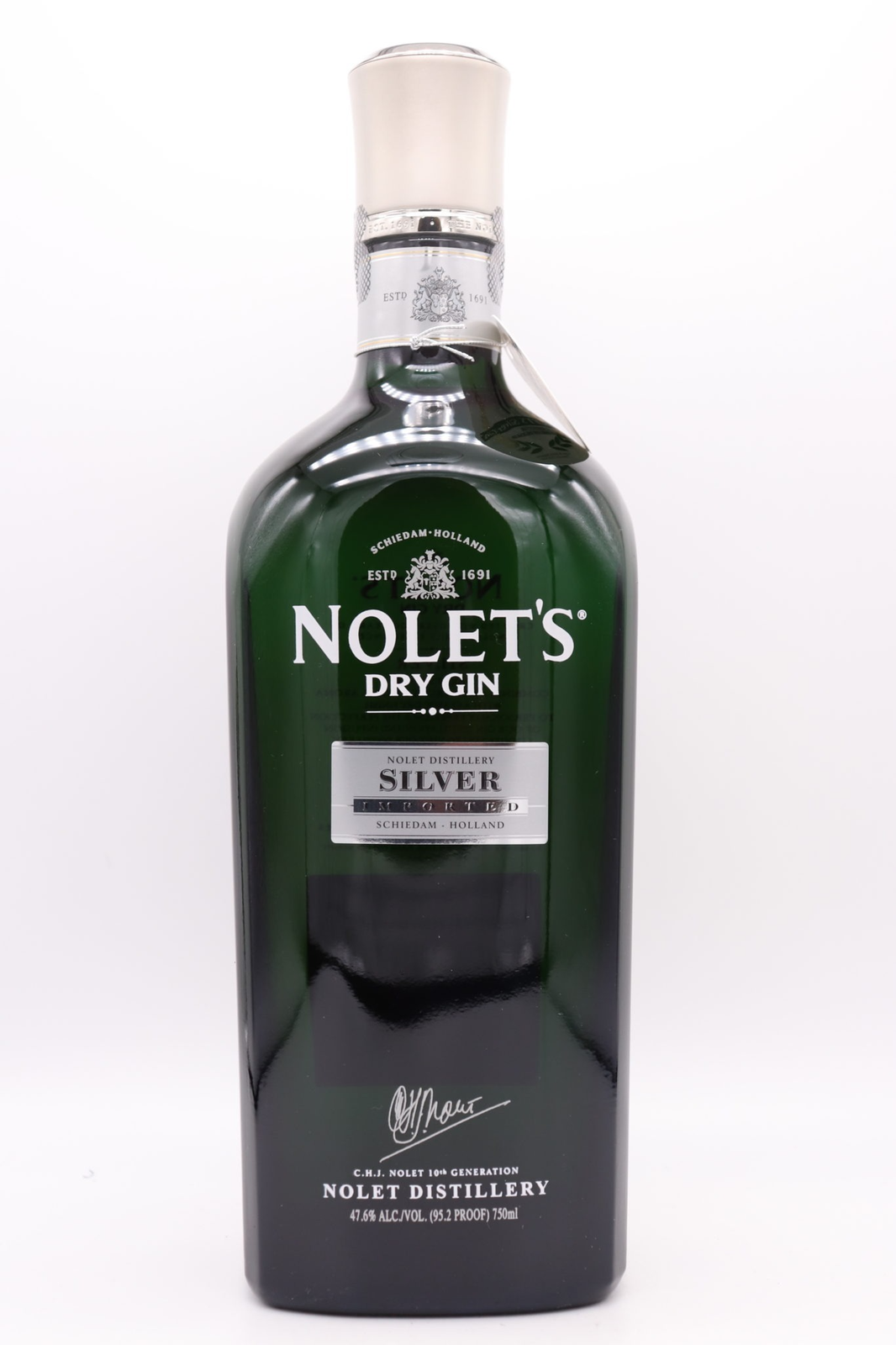
Schiedam, Netherlands — where the Nolet family has been distilling since 1691, and where eleventh-generation distiller Carolus Nolet Sr. created a gin that deliberately breaks with juniper-forward tradition, leading instead with Turkish rose and white peach. — where Nolet's Silver is the gin that divided the gin world — and it did so on purpose. Carolus Nolet Sr. could have made a perfectly respectable juniper-forward London Dry. His family has been distilling in Schiedam since 1691 — three centuries and eleven generations of spirits knowledge. Instead, he chose to lead with Turkish rose and white peach, pushing juniper to a supporting role. The result is a gin with an unmistakable floral signature that announces itself before you even bring the glass to your lips. Each botanical is distilled individually in small copper stills and blended after — a laborious process that gives the distiller total control over balance. You either love Nolet's or you do not, and that polarizing character is precisely what makes it a signature.
Classification: Dry Gin
Company: Nolet Distillery (Nolet family, 11th generation)
Distillery: Nolet Distillery, Schiedam, Netherlands
Proof: 95.2 (47.6% ABV)
Botanicals: Turkish rose, white peach, raspberry, juniper, citrus, orris root, liquorice, coriander, cassia bark
Distillation: Individual botanical distillation — each botanical distilled separately in small copper pot stills, then blended
Base: 100% wheat spirit
Color: Crystal clear
MSRP: $40–$50
Nose: Perfumed Turkish rose, white peach, raspberry, subtle juniper, coriander, witch hazel, and cassia — floral before herbal
Palate: Silky and medium-bodied — rose petal, ripe peach, delicate citrus, orris root, juniper arriving mid-palate rather than leading, with a gentle warmth
Finish: Long and floral with lingering rose, a whisper of coriander, and a clean mineral fade
Cocktail — The Rose Garden Martini: 2.5 oz Nolet's Silver · 1/2 oz dry vermouth · 1 dash rose water · Stir over ice, strain into a frozen coupe, garnish with a single rose petal. Let the gin's floral identity do the work.
Pair with: Goat cheese crostini with honey and fresh figs — the floral sweetness of the gin and the tangy creaminess of the cheese are an elegant match.
Awards: 97 Points, Wine Enthusiast; Double Gold, San Francisco World Spirits Competition
RUM Angostura 1824
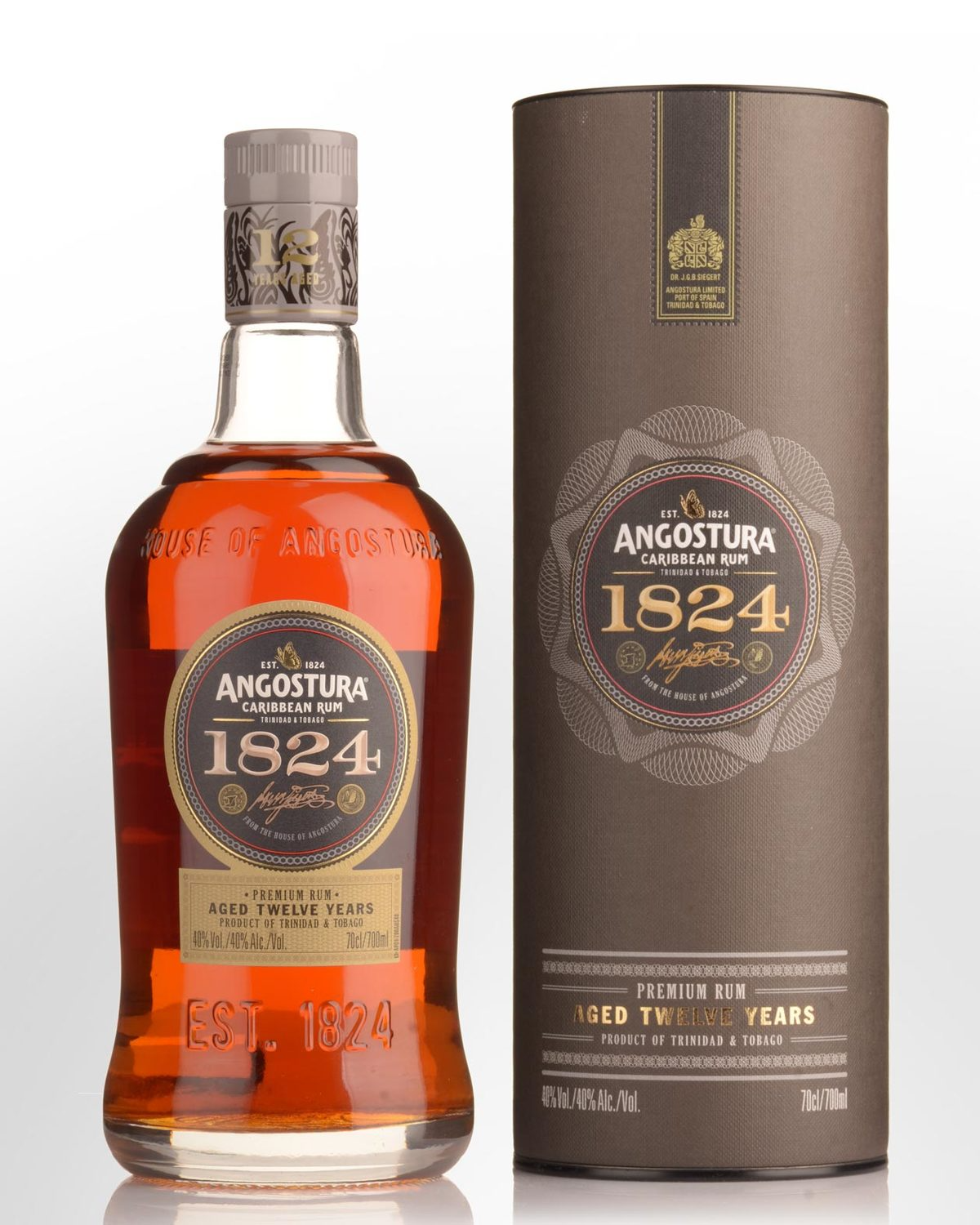
Laventille, Trinidad and Tobago — at the House of Angostura, established in 1824 and best known for the aromatic bitters found on every cocktail bar in the world, where a team of master blenders also produces some of the Caribbean's finest aged rums from local sugarcane. — where Angostura 1824 is the rum that proves Trinidad belongs in the conversation alongside Barbados, Jamaica, and Guyana. The House of Angostura is famous for its bitters — those iconic yellow-capped bottles have been a cocktail essential since 1824 — but the rum operation deserves equal respect. Twelve years of aging in first-use charred American oak in the tropical heat of Trinidad produces a rum of remarkable depth: the heat accelerates extraction, pulling more vanilla, toffee, and spice from the wood in twelve years than a Scotch might achieve in twenty-five. Each batch is hand-casked and hand-selected. The signature here is balance — Angostura 1824 never tips toward too sweet, too oaky, or too hot. It sits in a rare middle ground that rewards both neat sipping and serious cocktails.
Classification: Premium Aged Rum
Company: House of Angostura
Distillery: Angostura Distillery, Laventille, Trinidad and Tobago
Proof: 80 (40% ABV)
Age: Minimum 12 Years
Base: Trinidad sugarcane molasses
Distillation: Blend of column still and pot still rums, aged in first-use charred American oak ex-bourbon barrels
Color: Deep amber with copper highlights
MSRP: $55–$75
Nose: Vanilla, honeyed oak, candied fruit, roasted almond, warm baking spice, and a saline note that hints at Caribbean air
Palate: Fleshy and sweet — burnt sugar, oak, dried raisins, vanilla cream, warm spice, toffee, with a rounded, almost chewy mid-palate
Finish: Medium-long with lingering oak tannins, spice, dried fruit, and a clean fade to caramel sweetness
Cocktail — The 1824 Daiquiri: 2 oz Angostura 1824 · 3/4 oz fresh lime juice · 1/2 oz demerara syrup · Shake hard with ice, double strain into a chilled coupe. The aged complexity elevates the daiquiri from refreshing to profound.
Pair with: Sticky toffee pudding with crème anglaise — the toffee, dried fruit, and vanilla in both are a natural marriage.
Awards: 94 Points average, International Wine Challenge; Gold, International Wine & Spirit Competition
RED WINE Vietti Barolo Castiglione 2019
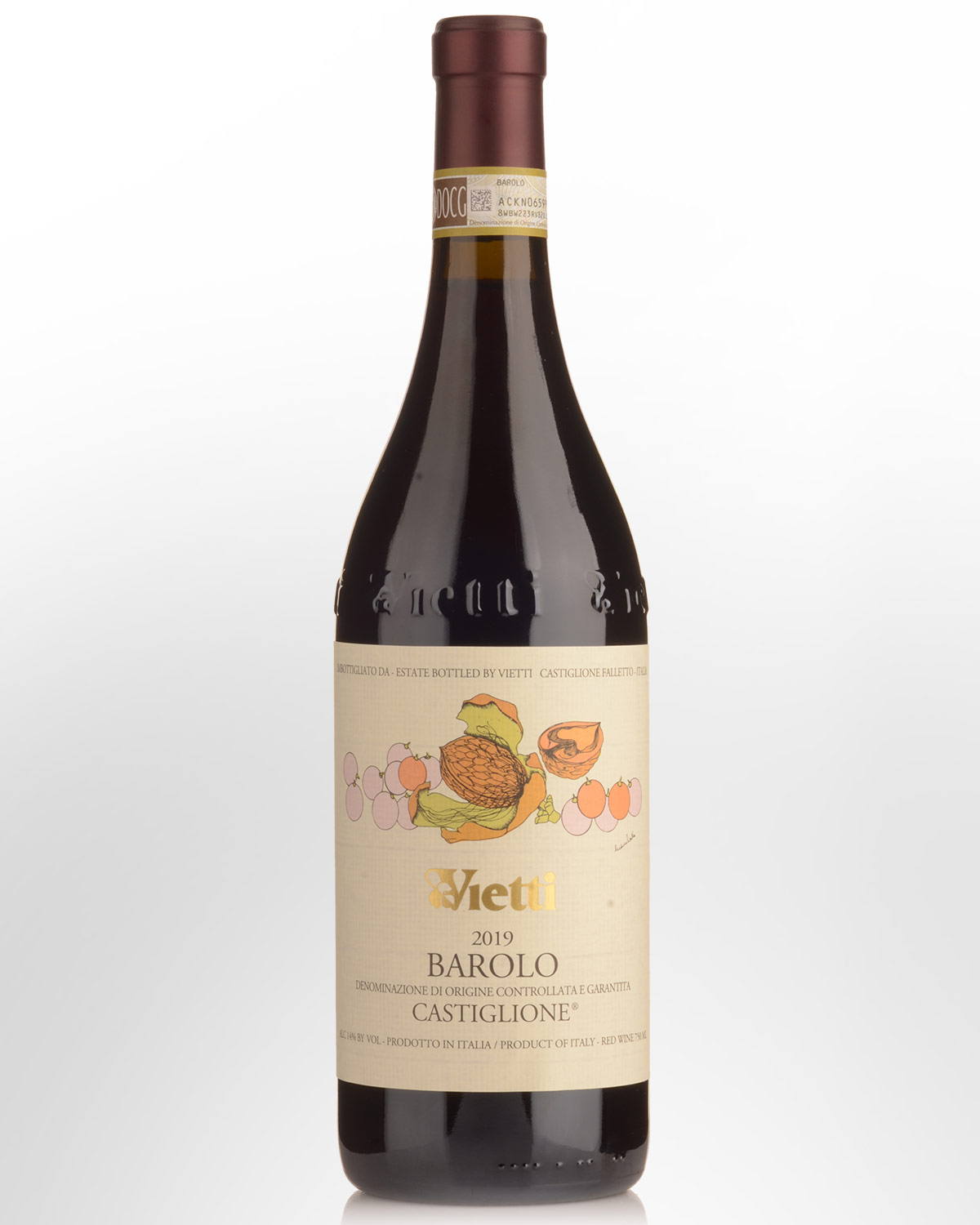
Castiglione Falletto, Langhe, Piedmont — in the misty hills of the Langhe where the Vietti family has been making wine since 1919, and where Nebbiolo grapes grown on steep, south-facing limestone and clay slopes produce one of Italy's most distinctive and age-worthy reds. — where Vietti Barolo Castiglione is the gateway to understanding why Nebbiolo is one of the world's great grapes — and why Barolo is called the King of Wines. The signature here is tar and roses: a combination of dried violet, wild cherry, and an earthy, almost asphalt-like note that no other grape variety produces quite the same way. The Vietti family has been crafting this wine since 1919, and Castiglione Falletto is their home commune — the vineyards they know most intimately. The 2019 vintage is a textbook expression: the tannins are firm but already beginning to soften, the fruit is vibrant, and the minerality from limestone soils gives a chalky precision to the finish. This is a wine that will reward cellaring through 2040, but it is already showing its identity with clarity.
Classification: Barolo DOCG
Company: Vietti (Krause family, since 2016)
Winery: Vietti Winery, Castiglione Falletto, Piedmont, Italy
ABV: 14.5%
Primary Varietal: Nebbiolo
Blend: 100% Nebbiolo
Vineyards: Multiple vineyard sites across Castiglione Falletto, Barolo, and Novello communes
Maturation: 28 months in large Slavonian oak botti
Color: Luminous garnet-ruby with an orange-tinged rim
MSRP: $55–$75
Nose: Cinnamon, earth, ripe strawberry, sweet violet, wild cherry, dried wildflowers, truffle, and a distinctive tarry note
Palate: Graceful yet structured — plump cherry, layers of baking spice, rose petal, forest floor, supple tannins with real grip, and refreshing acidity that pulls everything into focus
Finish: Long and chalky with stony minerality, fading tar, dried herbs, and a silky elegance that lingers
Cocktail — Barolo Spritz: 3 oz Vietti Barolo Castiglione · 1 oz Amaro Montenegro · 2 oz sparkling water · Build in a large wine glass over ice, stir gently, garnish with an orange slice and a sprig of thyme. An unconventional but beautiful way to experience Nebbiolo's aromatics.
Pair with: Braised osso buco with saffron risotto — a classic Piedmontese pairing where the wine's acidity and tannin structure cut through the richness of the marrow.
Awards: 95 Points, James Suckling; 94 Points, Vinous; 93 Points, Robert Parker Wine Advocate
WHITE WINE Joh. Jos. Prüm Wehlener Sonnenuhr Riesling Sptlese 2021
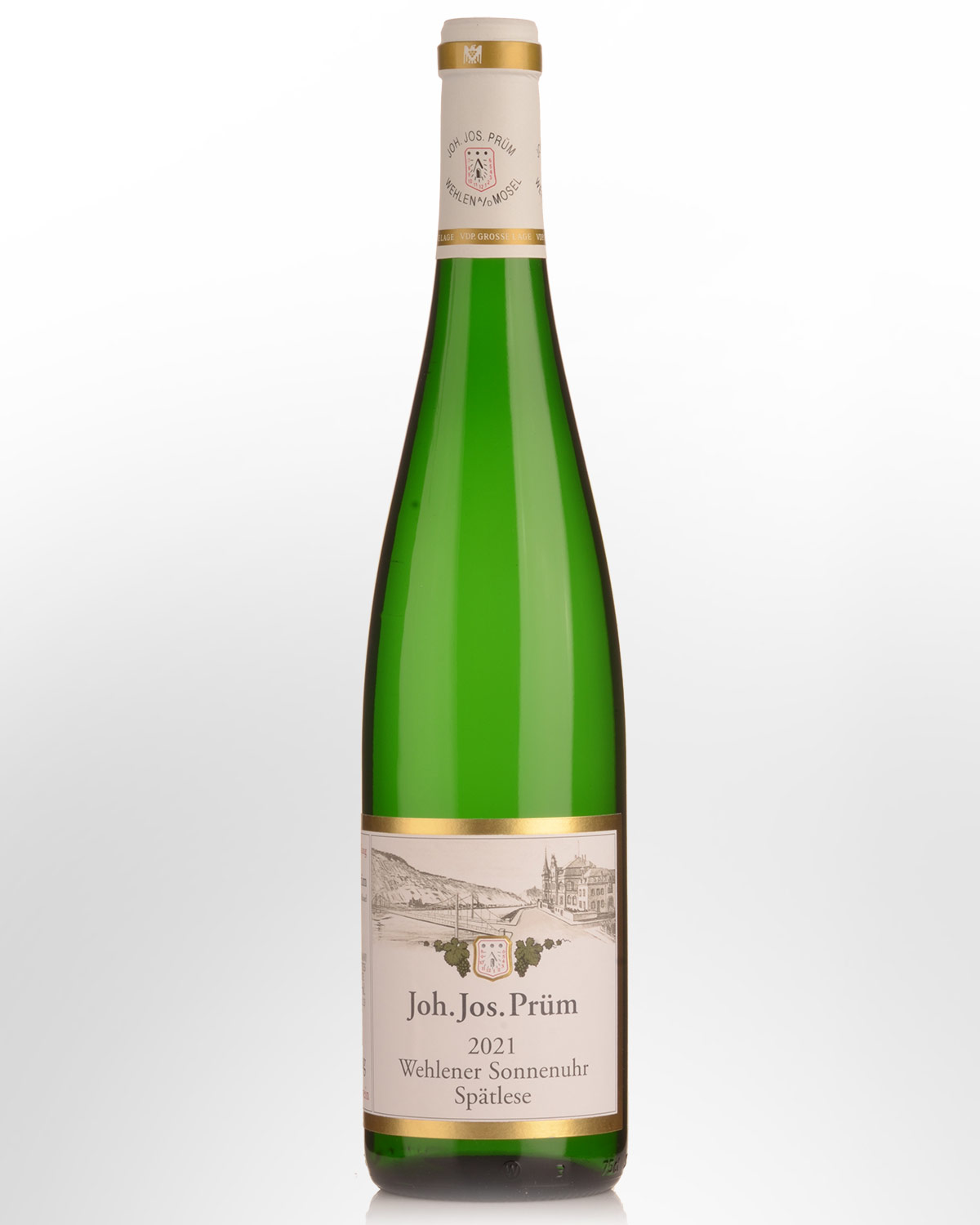
Wehlen, Mosel, Germany — on the steep, south-facing blue slate slopes above the Mosel River, where a sundial carved into the cliff face has given this legendary vineyard its name since the 1800s, and where the Prüm family has been making some of the world's most celebrated Rieslings for over two centuries. — where The Wehlener Sonnenuhr from Joh. Jos. Prüm is one of the most recognizable wines on earth — a Riesling with a signature so distinctive that experienced tasters can identify the vineyard blind. The Sonnenuhr (sundial) vineyard is a steep amphitheater of blue Devonian slate that absorbs heat during the day and radiates it back to the vines at night, creating a microclimate that produces Riesling of extraordinary aromatic intensity and mineral precision. At just seven percent alcohol, the 2021 Sptlese achieves more complexity than most wines at twice the strength — a testament to the power of site over winemaking intervention. The tension between lush tropical fruit and laser-sharp acidity is the Prüm signature, and this vintage delivers it with remarkable purity. Critics have suggested a drinking window through 2060 and beyond — a wine built to outlive us all.
Classification: Mosel Riesling Sptlese
Company: Weingut Joh. Jos. Prüm (Prüm family)
Winery: Weingut Joh. Jos. Prüm, Wehlen, Mosel, Germany
ABV: 7%
Primary Varietal: Riesling
Blend: 100% Riesling
Vinification: Hand-harvested at Sptlese ripeness, fermented in stainless steel and traditional Fuder oak casks, bottled with natural residual sweetness balanced by Mosel's searing acidity
Color: Pale gold with green-lime highlights
MSRP: $55–$75
Nose: Pear, white cherry, grey slate, vanilla bean, apple blossom, white lilies, bee pollen, and a shimmering citrus lift
Palate: Medium-full and delicate — lime, orange, apricot, mango, with bouncy acidity, excellent mineral underpinning from blue slate, and a tension between ripe fruit sweetness and electric freshness
Finish: Extraordinarily long and complex with a saline, stony minerality, lemon zest, and a purity that seems to hang in the air
Cocktail — The Sonnenuhr Spritz: 4 oz Prüm Wehlener Sonnenuhr · 1 oz elderflower liqueur · 2 oz sparkling water · Fresh mint leaves · Build in a wine glass over ice, stir gently, garnish with a sprig of mint and a thin apple slice. The low alcohol and natural sweetness make this a perfect warm-weather sipper.
Pair with: Thai green curry with jasmine rice — the wine's sweetness tames the heat while its acidity cuts through the coconut richness, and the aromatic intensity matches the lemongrass and lime leaf.
Awards: 95 Points, Robert Parker Wine Advocate; 95 Points, Vinous; 95 Points, Mosel Fine Wines
Train Your Nose: Today's Aroma Spotlight
Building Your Aroma Fingerprint Library
Identity is built one aroma at a time. Today's lineup offers a masterclass in recognizing signature profiles — the waxy note that marks Clynelish, the rose petal that defines Nolet's, the tar-and-violet fingerprint of Nebbiolo. These are not subtle differences. Once you learn to name them, you will never confuse these bottles with anything else.
Pour Baker's 7 alongside Clynelish 14 and let both rest for five minutes. The Baker's will open with charred oak and rye spice — sharp, direct, unmistakable American bourbon. The Clynelish will reveal a waxy, honeyed texture that coats the glass and feels like nothing else in Scotch whisky. These two signatures could not be more different, and learning to identify each at a glance is one of the most valuable skills you can develop.
Now pour the Nolet's Silver into a Glencairn and nose it slowly. You will get Turkish rose and white peach before any juniper registers. Compare that with any classic London Dry gin in your cabinet and the contrast is immediate — Nolet's has a floral signature that announces itself from across the room. This exercise teaches you to identify botanical signatures, which is the key to navigating the gin category with confidence.
Today's Kit Reference
| Today's Product | Key Aromas | Train With |
|---|---|---|
| Baker's 7 Year Old Single Barrel | Vanilla, Caramel, Oak, Brown Spices, Charred Oak, Rye | Bourbon Aroma Masterclass Kit |
| Clynelish 14 Year Old | Honey, Peach, Buttery, Vanilla, Woody, Malt | Whisky Aroma Masterclass Kit |
| Powers John's Lane 12 Year Old | Vanilla, Honey, Dried Fruit, Clove Spice, Woody, Earthy | Whiskey Aroma Masterclass Kit |
| Chinaco Añejo | Vanilla, Cinnamon, Caramel, Oak, Fruit (Apple, Pear, Pineapple, Mango), Chocolate (Dark Chocolate, Cocoa) | Tequila & Mezcal Aroma Masterclass Kit |
| Nolet's Silver Dry Gin | Floral (Rose), Juniper (Herbaceous/Waxy), Coriander, Orange, Grapefruit, Orris Root | Gin Aroma Masterclass Kit |
| Angostura 1824 | Vanilla, Caramel, Dried Fruit, Oak, Spice (Generic), Toffee | Rum Aroma Masterclass Kit |
| Vietti Barolo Castiglione 2019 | Cherry, Violet, Berry (Generic), Gamey, Woody, Cedar | Wine Aroma Masterclass Kit |
| Joh. Jos. Prüm Wehlener Sonnenuhr Riesling Sptlese 2021 | Citrus (Generic), Honey, Apple (Green), Melon, Gooseberry, Floral (Rose) | Wine Aroma Masterclass Kit |
Explore the School of Wine and Spirits
Today's eight selections prove that the best producers are architects first. Our books on Amazon take you deeper into those places — from the limestone hollows of Kentucky in America's Spirit, the misty distilleries of Scotland's Spirit and Ireland's Spirit, the volcanic highlands of The Tequila y Mezcal Revolution, the ancient vineyards of The Ultimate Northern Italian Wine Journey, and the fossilized seabeds of Burgundy in our Chablis and Cte d'Or pocket guides.
Explore our Aroma Masterclass kits and books at schoolofwineandspirits.com
Join the School of Wine and Spirits Community
Connect with fellow connoisseurs, share tasting notes, and go deeper into every pour. Sign up at skool.com/schoolofwineandspirits
Our kits make the perfect gift for the curious drinker in your life — because once you learn to identify aromas, you never taste the same way again.
Know someone who would enjoy The Still & The Vine? Forward this issue to a fellow enthusiast — or share it on social media and tag @SchoolofWineandSpirits. We grow by word of mouth.
Until tomorrow's pour — cheers.
Robert R. Mohr, CPA, CGMA, WSET Level 3, WSG Certified Spirits Specialist — author of America's Spirit, Scotland's Spirit, Ireland's Spirit, The Ultimate Northern Italian Wine Journey, The Tequila y Mezcal Revolution, The Definitive Pocket Guide to Chablis, The Definitive Pocket Guide to the Cte d'Or, and Strategic Tuning. Published author of the Aroma Academy Tequila/Mezcal and Distiller's training kits.
The Still & The Vine is a daily publication of the School of Wine and Spirits.
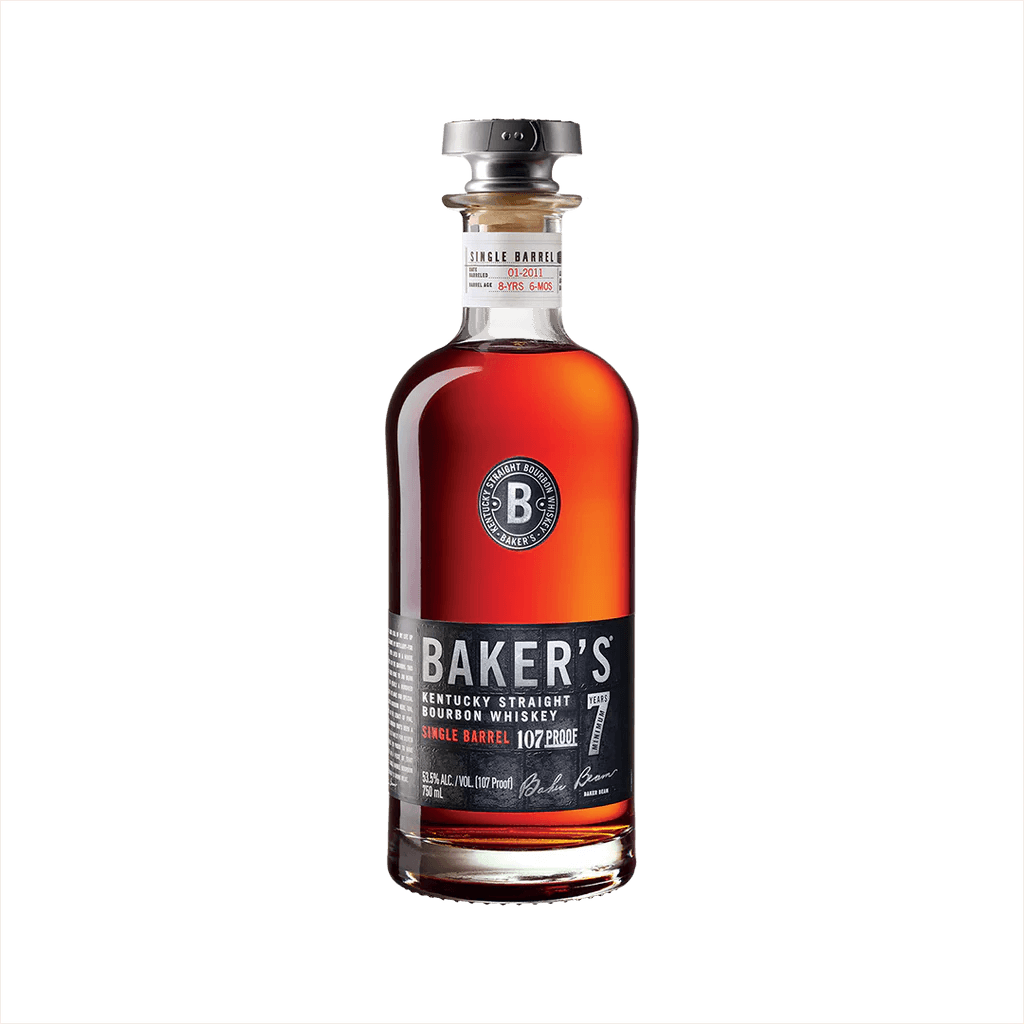
Baker's 7 Year Old Single Barrel
Beam Suntory
Baker's 7 is the bourbon that proves the Beam family's small batch experiment was not a marketing exercise. While Knob Creek went for age, Booker's for barrel proof, and Basil Hayden's for approachability, Baker Beam chose texture — a uniquely full-bodied, oily mouthfeel that feels like liquid velvet at 107 proof.
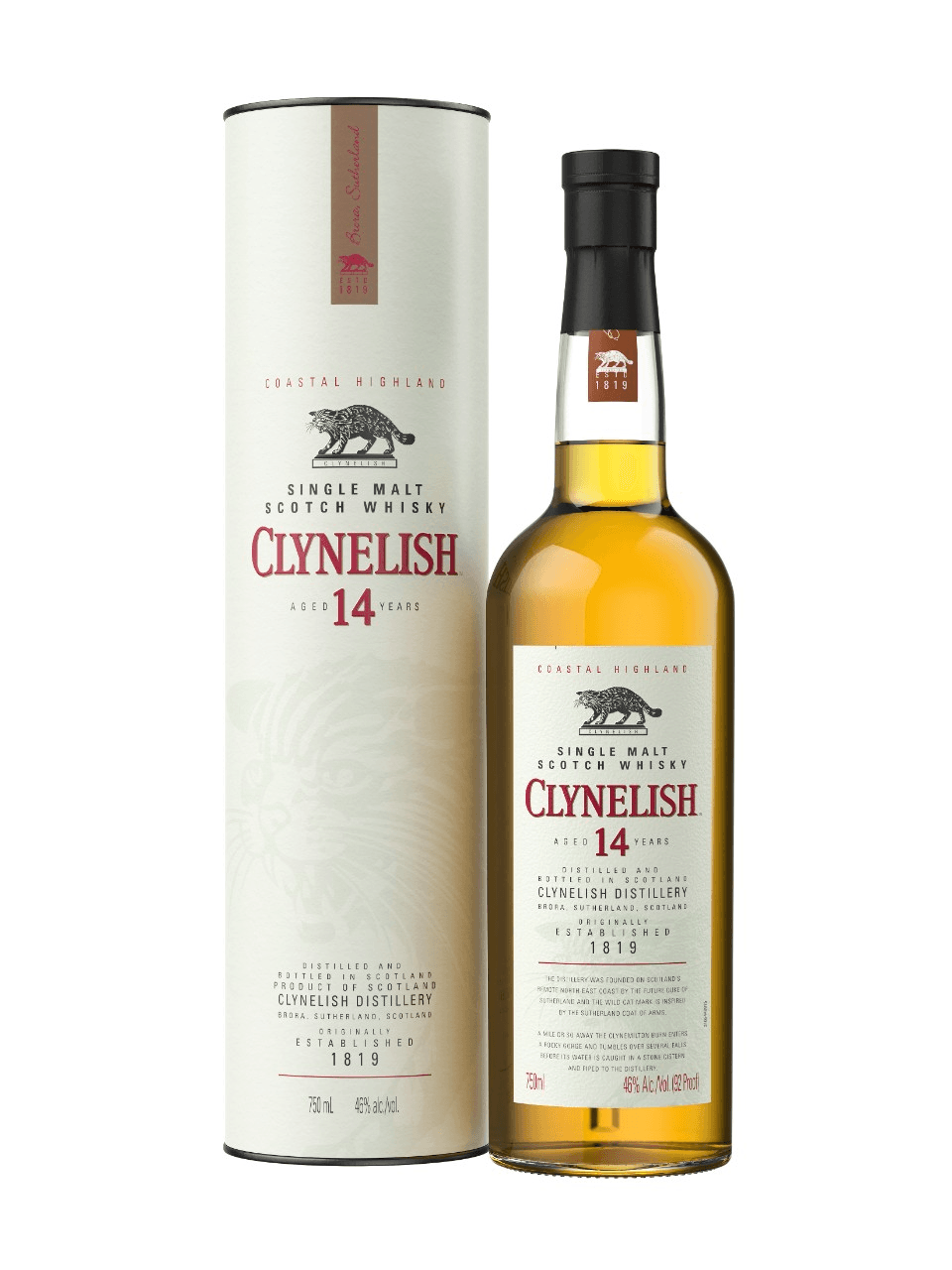
Clynelish 14 Year Old
Diageo
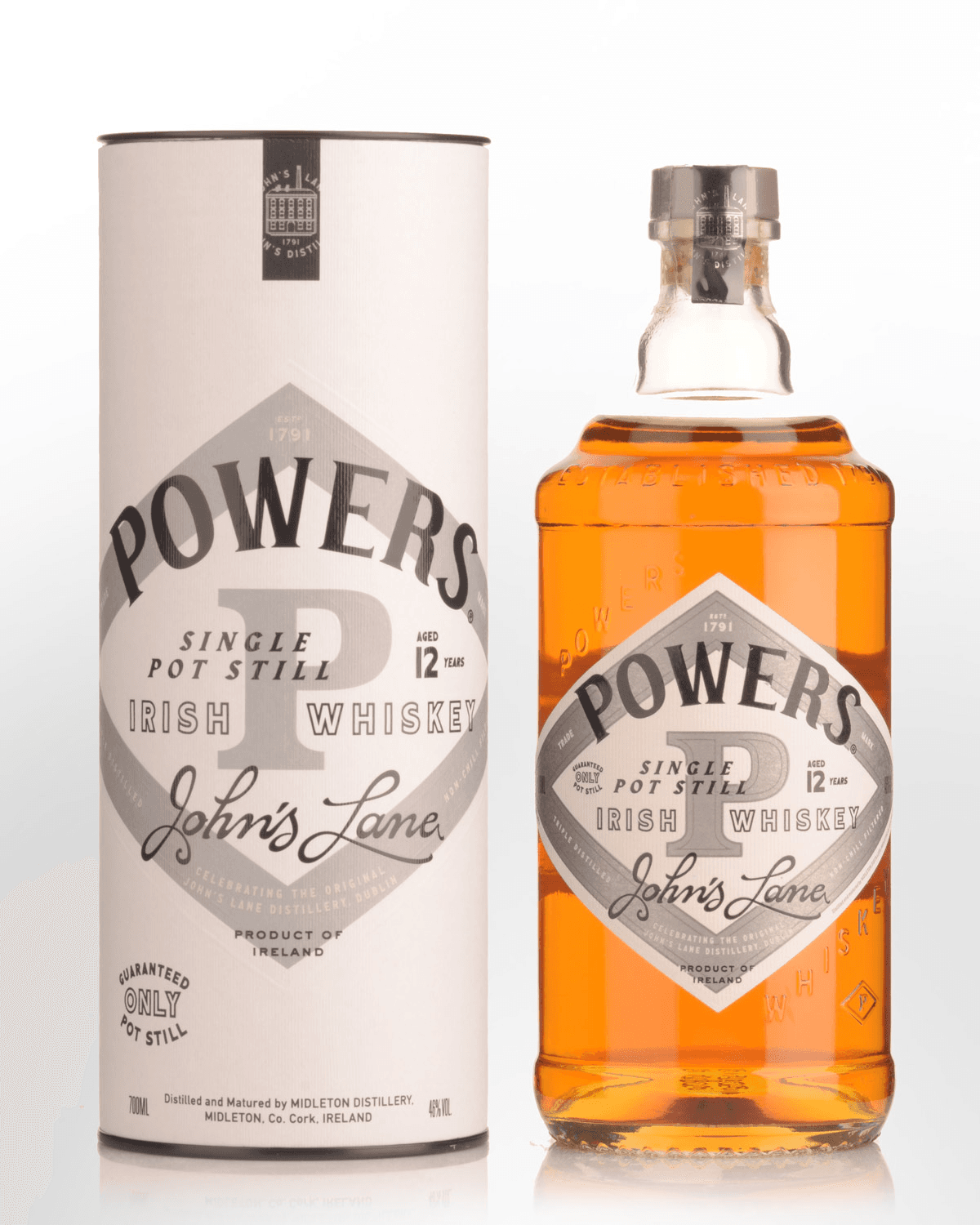
Powers John's Lane 12 Year Old
Pernod Ricard (Irish Distillers)
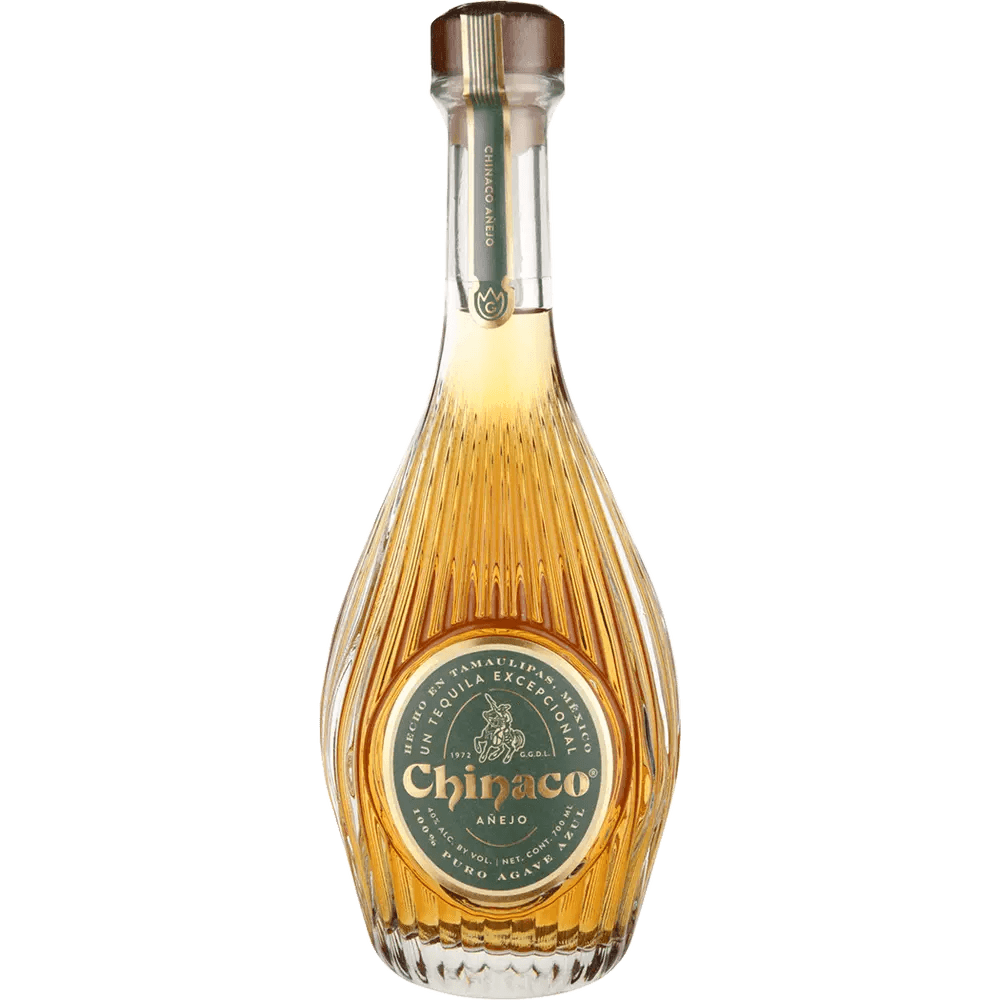
Chinaco Añejo
Chinaco (González family)
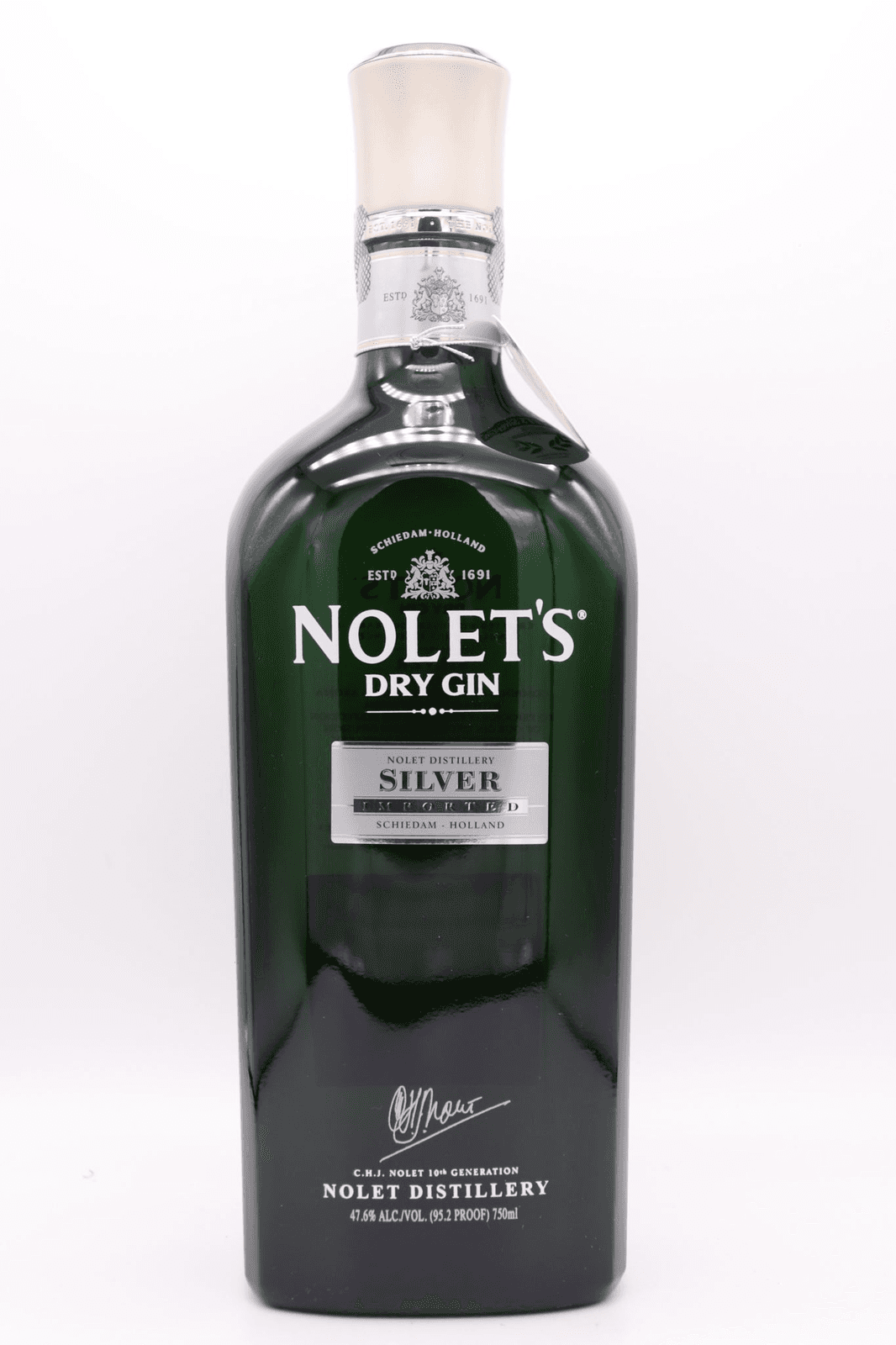
Nolet's Silver Dry Gin
Nolet Distillery (Nolet family, 11th generation)
Cocktail — The Rose Garden Martini: 2.5 oz Nolet's Silver · 1/2 oz dry vermouth · 1 dash rose water · Stir over ice, strain into a frozen coupe, garnish with a single rose petal.
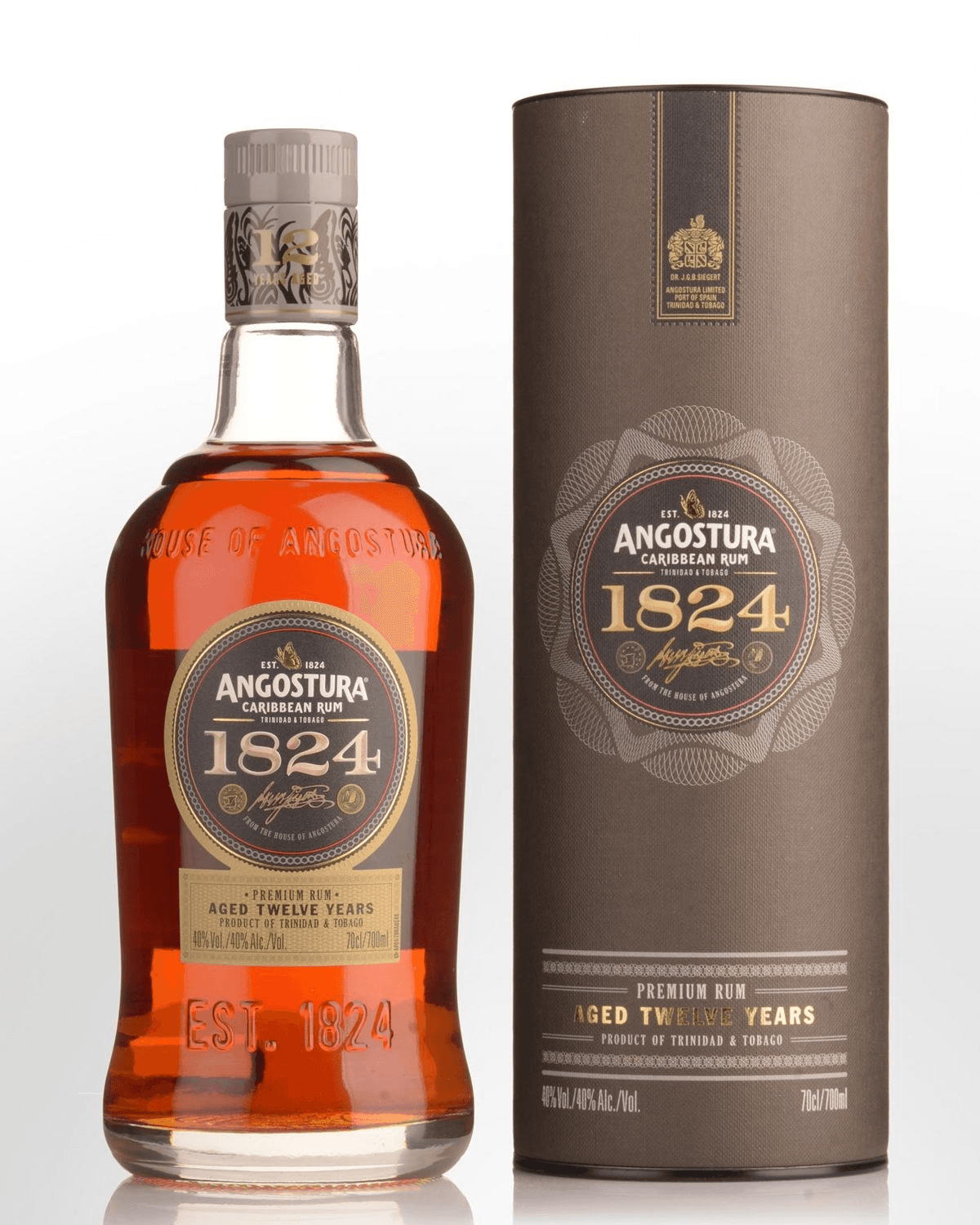
Angostura 1824
House of Angostura
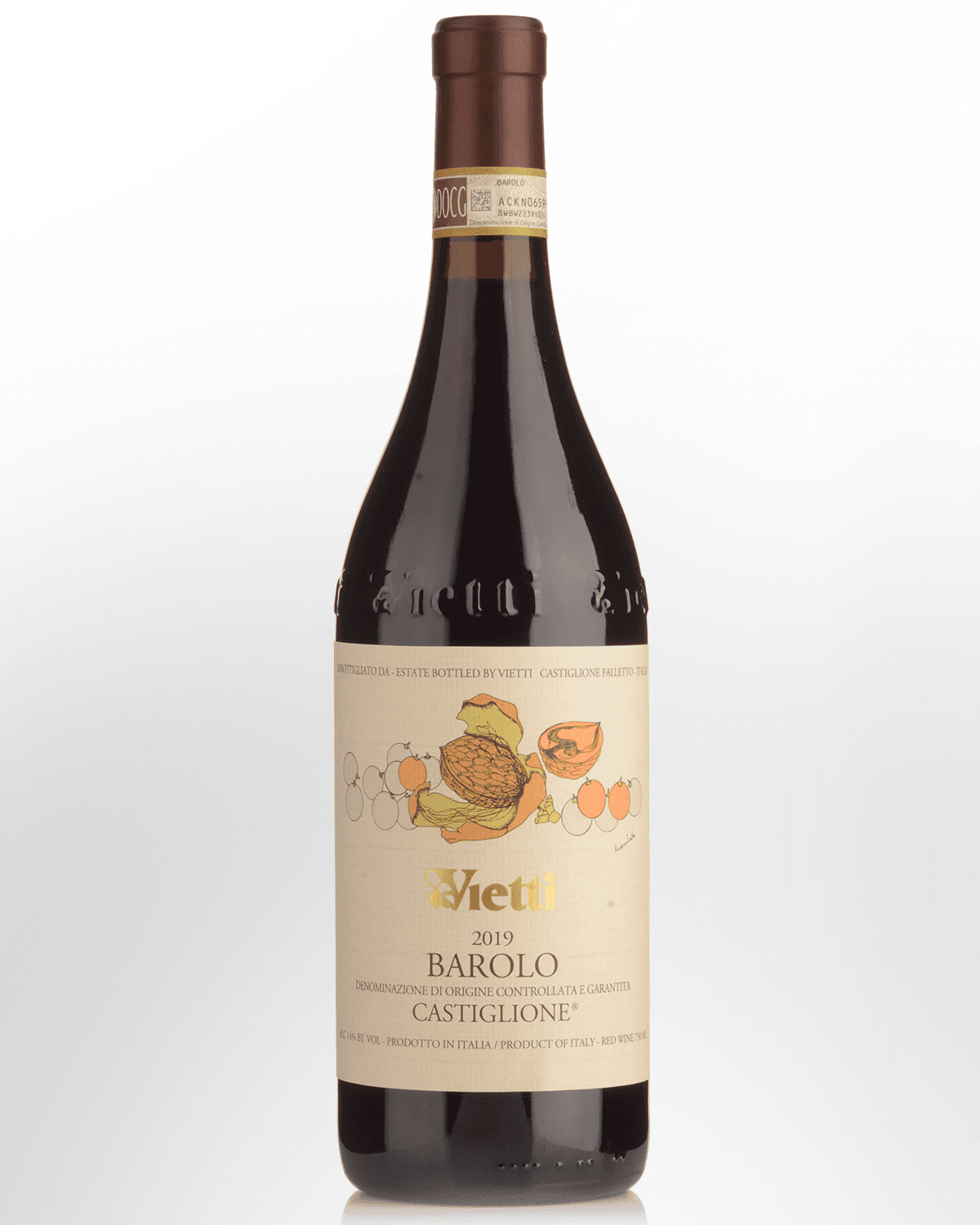
Vietti Barolo Castiglione 2019
Vietti (Krause family, since 2016)
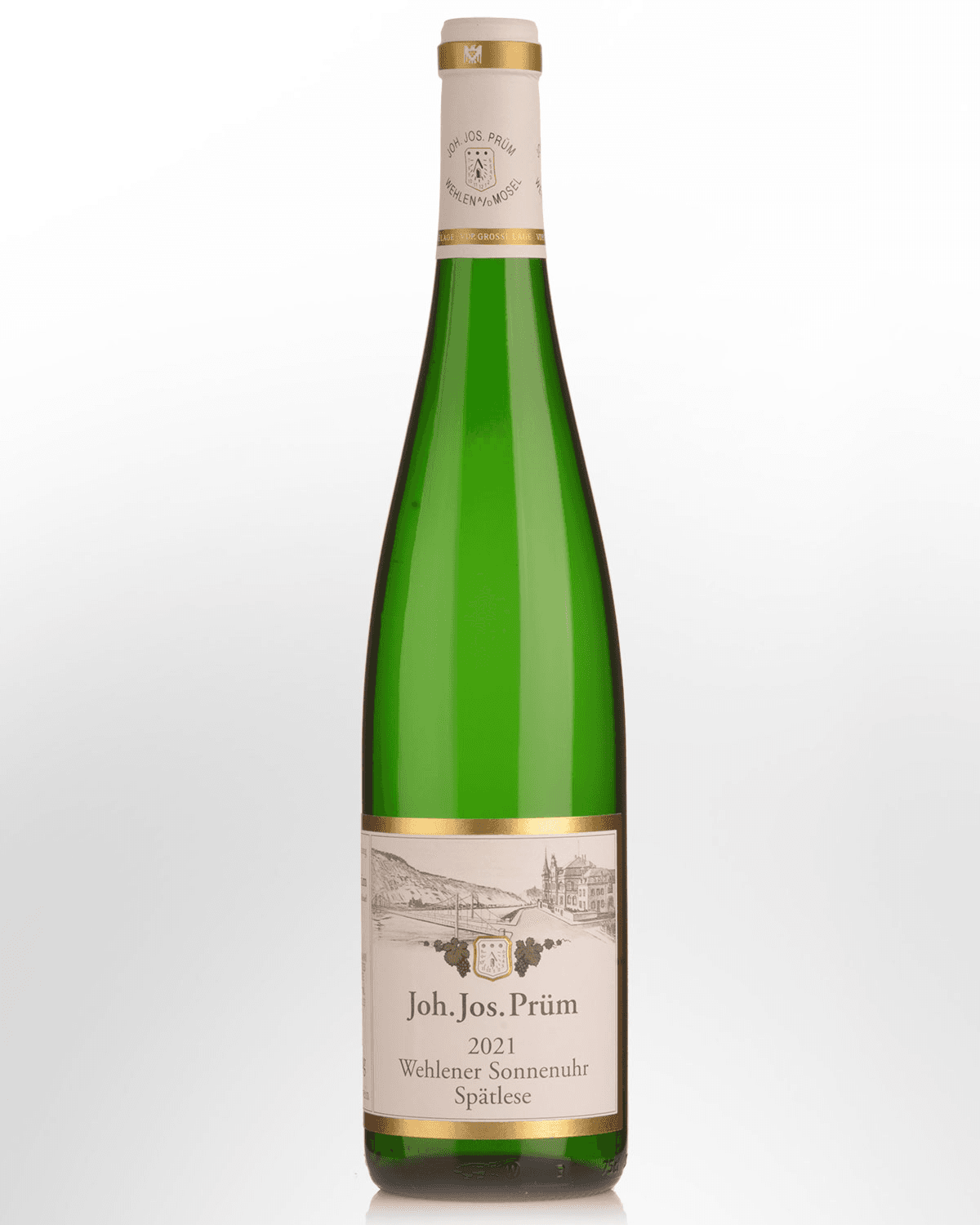
Joh. Jos. Prüm Wehlener Sonnenuhr Riesling Spätlese 2021
Weingut Joh. Jos. Prüm (Prüm family)
Be the first to comment.