Aroma
Woody
79 bottles with this note
Train this aroma
Wine Aroma Kit
Develop your palate with the canonical reference for woody and related notes.
Midleton Dair Ghaelach Bluebell Forest Tree No. 4
Midleton
Midleton's Dair Ghaelach series is a masterclass in how maturation vessel transforms spirit. Tree No. 4 from Bluebell Forest showcases the furnace-like intensity of virgin Irish oak tamed by the decades-long patience of pot still maturation. At cask strength, it's a riveting study in heat shaped by time—bold, complex, and unmistakably Irish.

Chablis Premier Cru Fourchaume 2022
Domaine William Fèvre
This is essence before ornament made manifest in a glass. Where many Chablis producers chase richness or oak influence, William Fèvre's Fourchaume 2022 trusts the terroir to do the talking. The Kimmeridgian fossil-studded limestone shines through with uncompromising clarity. Alongside the issue's other selections — the unadorned honesty of Old Bardstown Estate, the single-estate purity of Tequila Ocho, the stripped-back integrity of Benromach Organic — this Chablis reminds us that the most eloquent wines are those that get out of the way of what the earth has already said.

Domaine Weinbach Gewürztraminer Grand Cru Mambourg 2022
Domaine Weinbach
Mambourg is one of Alsace's warmest Grand Crus, and Weinbach's biodynamic stewardship extracts its full potential without tipping into excess. This is Gewürztraminer as a serious wine — structured, complex, and built to evolve.

Glendalough 17 Year Old Single Malt Irish Whiskey
Glendalough
This 17-year-old showcases what extended maturation in a temperate Irish climate can achieve. The spirit retains freshness despite its age, and the interplay between dried fruit richness and malt sweetness is expertly balanced. Bottled at 46% without chill-filtration, it delivers transparency and texture in equal measure.

Glenmorangie A Tale of the Forest
Glenmorangie
Glenmorangie's experimental spirit finds perfect expression here — a whisky that channels the turning rhythms of a Highland forest through its remarkable botanical character. Matured using kiln-dried juniper and birch alongside traditional barley, it's unlike any conventional Scotch, yet unmistakably Glenmorangie in its elegance. In an issue celebrating rhythm in the glass, A Tale of the Forest delivers nature's own metronome: the endless cycle of growth, harvest, and renewal translated into liquid form. A singular, contemplative dram that rewards patience and attention.

Domaine Weinbach Gewürztraminer Grand Cru Furstentum 2022
Domaine Weinbach
Weinbach's Furstentum Gewürztraminer is one of Alsace's great Grand Cru expressions — a wine that proves this variety can be profound, not just aromatic. The 2022 vintage balances the grape's inherent opulence with the limestone terroir's structure. Drink it with rich food or alone, but give it attention.

Old Pulteney 25 Year Old
Old Pulteney
Pulteney's coastal location is not marketing theater — it is climate. Twenty-five years of aging in Scotland's most northerly mainland distillery town means persistent wind, cold, and slow maturation. The result is whisky that tastes like the place that made it, with extraordinary balance between richness and maritime restraint.

Domaine du Vieux Télégraphe Télégramme Châteauneuf-du-Pape 2022
Domaine du Vieux Télégraphe
Télégramme is the Bruniers' second wine, made from younger vines on the same plateau of galets roulés as La Crau. It's a study in how the angle of entry — young roots meeting ancient stone — produces a wine of immediate charm and surprising depth for its price.

Midleton Dair Ghaelach Kylebeg Wood Tree No. 1
Midleton
This is the thesis statement for 'Depth Beyond Sugar.' Where lesser whiskeys rely on cask-derived sweetness as a crutch, Midleton Dair Ghaelach Kylebeg uses native Irish oak to interrogate its own richness. The virgin oak tannins and pot still spice create a counterweight that forces the honeyed, fruity sweetness to earn its place on every sip. The result is a whiskey of extraordinary gravitational pull—sweet, yes, but structurally complex and deeply serious. A masterclass in how maturation in unconventional wood can transform familiar flavors into something genuinely profound.

Benromach 21 Year Old
Benromach
Benromach's 21-year-old expression showcases what patient maturation in a smaller Speyside distillery can achieve. It balances fruit and oak with precision, never tipping into over-wooded territory. A contemplative dram that rewards slow sipping.

Teeling Vintage Reserve 28 Year Old Single Malt Irish Whiskey
Teeling
A whiskey that embodies the theme of warmth before silence — nearly three decades of cask maturation have distilled this single malt into something contemplative and profound. Every sip feels like a farewell note written in honey and oak, offering the kind of deep, reflective warmth that makes you want to sit quietly and listen to the glass. A rare Irish treasure for the most reverent moments.

Clos Rougeard Saumur-Champigny Le Bourg 2019
Clos Rougeard
A benchmark expression of Cabernet Franc that redraws what the grape is capable of — proof that patient old-vine work on tuffeau can achieve Burgundian nuance with Bordelais structure.

Glenfarclas 30 Year Old Highland Single Malt Scotch Whisky
Glenfarclas
Thirty years in sherry casks at a family-owned distillery, and nothing is overdone. Glenfarclas at this age is a masterclass in how structure from cask and time creates depth without heaviness. The oak never overwhelms — it frames. One of Speyside's most honest old-age statements.

Method and Madness Single Grain Irish Whiskey Finished in Virgin Spanish Oak
Method and Madness
A distinctive and forward-thinking single grain that leverages virgin Spanish oak to add texture and spice without overwhelming the whiskey's inherent softness — a compelling proof of concept from Midleton's experimental arm.

Kilbeggan 21 Year Old Limited Release Irish Whiskey Cask Strength
Kilbeggan
This cask strength release from Kilbeggan's oldest stocks proves that Irish whiskey can play the long game as well as any Scotch. The extra proof amplifies the complexity without masking the spirit's essential softness. It's a rare opportunity to taste Irish whiskey at this age with this much integrity.

Hinch Double Wood Irish Whiskey
Hinch
A quietly confident blend that punches above its price point. The virgin American oak component gives it a distinctive char-forward personality rare in accessible Irish whiskey, while the underlying grain keeps things bright and pure — exactly the mineral-meets-flame duality this issue celebrates.

Domaine Vincent Dauvissat Chablis Premier Cru Séchet 2022
Domaine Vincent Dauvissat
Dauvissat's Séchet vineyard sits on the right bank of the Serein, its Kimmeridgian limestone soils producing a wine of crystalline purity and mineral intensity. The 2022 vintage adds a touch of generosity to the house's typically austere style, making it approachable now while retaining serious aging potential.

West Cork 16 Year Old Single Malt Irish Whiskey
West Cork
Sixteen years of patience from a relatively young distillery yields a whiskey that punches well above its visibility. West Cork demonstrates that time and good cask selection can compete with the bigger names in Irish whiskey — this is understated maturity at an honest price.

Domaine de la Tournelle Arbois Poulsard de l'Uva Arbosiana 2021
Domaine de la Tournelle
A masterclass in restraint. Poulsard at its most transparent — a red wine that whispers rather than declares, defined as much by what's absent as by what remains.

Knappogue Castle 21 Year Old Single Malt Irish Whiskey
Knappogue Castle
Twenty-one years in bourbon casks have given this whiskey remarkable depth without losing the clean Irish malt character. The extended aging adds woody complexity that never becomes overbearing. A meditative pour for those who appreciate old-age finesse.

Jura 10 Year Old Single Malt Scotch Whisky
Jura
Jura 10 is an island malt that sidesteps the peat-bomb stereotype entirely. Its restraint is its strength — a whisky shaped by geography rather than process, tasting of the rain and wind that batter its remote island home. Ideal as a gateway to island Scotch.

Midleton Very Rare 2022
Midleton Very Rare
The 2022 vintage continues Midleton's tradition of restrained blending. Former master distiller Kevin O'Gorman composed this release to emphasize the interplay between grain sweetness and pot still character. It's a whiskey that rewards patience — the complexity unfolds slowly and deliberately in the glass.

Fattoria di Selvapiana Chianti Rufina Riserva Vigneto Bucerchiale 2019
Fattoria Selvapiana
A quietly serious Chianti Rufina that trades power for poise; drinking well now with an hour in the decanter, but built for a decade or more in the cellar.

Dunville's 10 Year Old PX Cask Single Malt Irish Whiskey
Dunville's
A masterclass in restraint: the PX cask is expressive but never smothering, and the malt's quiet strength gives the whiskey a compressed, brooding energy — tension held within, indeed.

Tullibardine 20 Year Old Highland Single Malt Scotch Whisky
Tullibardine
Two decades in cask have given this Tullibardine remarkable composure. It balances the weight of extended maturation against a surprising lightness — a highland malt that never becomes ponderous. A fine example of patience rewarded.

Powers Signature Release Single Pot Still Irish Whiskey
Powers
A masterclass in balance — this is single pot still at its most articulate, delivering the creamy weight the style demands while lifting off the palate with bright fruit and spice. An essential pour for understanding what modern Irish whiskey can be.

Glencadam 18 Year Old Highland Single Malt Scotch Whisky
Glencadam
Glencadam is often called 'the cooler's malt' for the pure water source that feeds the distillery, and this 18-year expression shows why clarity matters. It's a whisky that never raises its voice but delivers remarkable complexity — peach sliding into cocoa, honey into spice. An underrated Highland gem.

Method and Madness Single Malt Irish Whiskey Finished in French Chestnut Casks
Method and Madness
Midleton's experimental range finds genuine purpose here. The chestnut cask isn't gimmick — it contributes a tannin structure Irish whiskey rarely achieves, adding backbone without sacrificing the distillery's characteristic smoothness. An inventive and rewarding dram.

Glendalough Pot Still Irish Whiskey
Glendalough Distillery
A genuinely singular pot still — the virgin Irish oak imparts a spice profile you won't find in sherry- or bourbon-matured peers, and at this price it punches well above its weight for adventurous drinkers.

Sottimano Barbaresco Currà DOCG 2020
Sottimano
Sottimano's Currà vineyard sits on the steep hills of Neive, and the 2020 vintage gave wines of concentration and poise. This Barbaresco balances power with precision — the Nebbiolo tannins are present but polished, and the floral aromatics lift what could easily be a brooding wine. Drink now through 2035.

Midleton Dair Ghaelach Bluebell Forest Tree No. 6
Midleton
The Dair Ghaelach series represents Midleton's most ambitious exploration of terroir in Irish whiskey. The Bluebell Forest edition demonstrates how native Irish oak — sessile oak harvested from a single estate — can completely reshape a mature pot still whiskey. This is Irish whiskey pushing its own boundaries.

Shortcross Single Malt Rye & Malt Cask
Shortcross
A quietly confident single malt that rewards slow contemplation — the rye cask influence gives it a distinctive spine without overwhelming Shortcross's estate-grown character.

Girolamo Russo Etna Rosso 'a Rina 2021
Girolamo Russo
Girolamo Russo is among the finest interpreters of Etna's Nerello Mascalese, and 'a Rina captures the north slope's unique combination of altitude, volcanic soil, and old-vine intensity. This is Burgundian in structure but unmistakably Sicilian in soul — a wine shaped by difficulty, grown in soil that resists easy cultivation.

Dunville's Very Rare 18 Year Old Single Malt PX Cask
Dunville's
A masterclass in restrained PX finishing — the cask enriches rather than smothers, and the 18 years of prior maturation give the spirit the backbone to hold its own. Beauty pulled from a brand that spent a century in the dark.

Tullibardine 25 Year Old Highland Single Malt Scotch Whisky
Tullibardine
Twenty-five years in wood has produced a whisky of real elegance without the tannic heaviness that can plague over-aged expressions. The fruit and oak are in genuine harmony here, and the mouthfeel is remarkably supple. This is patient distilling rewarded.

Old Pulteney 18 Year Old
Old Pulteney
A masterclass in how coastal air and sherry cask maturation can converge — the sea's influence never overwhelms, but subtly sharpens every note.

Egan's Fortitude Single Malt Irish Whiskey
Egan's
A confident, expressive single malt that showcases what virgin American oak can coax from Irish malt — richer and spicier than sherry-cask peers, and a compelling introduction to the modern Egan's revival.

GlenAllachie 12 Year Old
GlenAllachie
Under Billy Walker's stewardship, GlenAllachie has become a masterclass in cask selection. This 12-year-old is matured across virgin oak, Pedro Ximénez, and oloroso sherry casks, and the result is a whisky that feels older than its age statement. It rewards slow sipping and demonstrates how thoughtful wood management elevates Speyside malt.

Glen Grant 15 Year Old Batch Strength First Edition
Glen Grant
Glen Grant has historically been underappreciated outside Italy, where it has long been a bestseller. This batch-strength release shows the distillery's light, fruity house style at full volume — the higher proof amplifies rather than overwhelms. A Speyside essential that demonstrates restraint can coexist with power.

Tomatin 18 Year Old Highland Single Malt Scotch Whisky
Tomatin
Tomatin 18 is one of the Highlands' most underrated age-statement malts. The combination of first-fill oloroso sherry casks and refill bourbon barrels creates a layered, elegant whisky that never shouts. It rewards careful attention with steady, deepening complexity.

Spot Whiskey Single Pot Still 'Gold Spot' 9 Year Old
Spot Whiskey
Gold Spot revives a tier of the historic Spot range that was absent for decades. At nine years and cask strength, it bridges the approachability of Green Spot with the gravitas of the older Spot expressions. The result is a pot still whiskey that demonstrates exactly what careful cask management and unhurried maturation bring to Ireland's most distinctive whiskey style.

Jameson Bow Street 18 Year Old Cask Strength
Jameson
This is Jameson stripped of all pretense and turned up to full volume. The cask strength bottling reveals a tension between the silky grain and muscular pot still components that standard proof obscures. It's unapologetically rich but never heavy, proving that Irish whiskey can play in the big leagues of aged spirits.

Hinch Small Batch Bourbon Cask
Hinch
An approachable, well-made everyday Irish whiskey that punches above its price — a sound introduction to Hinch's house style and a versatile pour for newcomers and cocktail makers alike.

Hyde No. 6 President's Reserve 1938 Commemorative Edition Single Grain
Hyde Whiskey
A study in editorial restraint — a single grain that refuses to be either too sweet or too austere, holding both poles in delicate suspension. Excellent value for the cask program behind it.

Old Pulteney 15 Year Old
Old Pulteney
Pulteney's coastal character is unmistakable even at 15 years. The salt air of Wick has done its quiet work on these casks, and the result is a Highland malt that drinks more like the sea than the hills. Non-chill filtered and naturally colored — what you see and taste is honest.

Domaine Dujac Morey-Saint-Denis Rouge 2021
Domaine Dujac
Dujac's village-level Morey-Saint-Denis punches well above its classification, drawing from parcels across the commune to create a wine of real refinement. The 2021 vintage provided cool-climate precision that this domaine channels beautifully — the fruit is pure, the structure is present but never aggressive, and the terroir speaks clearly. A wine that asks you to slow down and listen.

Jameson Crested Irish Whiskey
Jameson
Crested is the overlooked middle sibling in Jameson's range, carrying more pot still character than the flagship at a modest price increase. The sherry cask influence adds just enough depth to make this a genuinely versatile whiskey. It rewards patience in the glass — give it five minutes after pouring and the pot still oils bloom beautifully.

Domaine du Pegau Châteauneuf-du-Pape Cuvée Réservée 2020
Domaine du Pegau
Pegau's Cuvée Réservée is old-school Châteauneuf-du-Pape — unapologetically powerful, traditionally made, and built to age. The 2020 vintage's warmth is tempered by the Feraud family's patient approach to extraction, resulting in a wine that's generous now but will reward a decade of cellar time.

Domaine des Baumard Savennières Clos du Papillon 2021
Domaine des Baumard
Clos du Papillon is one of Savennières' legendary vineyards, and Baumard's stewardship of it produces a Chenin Blanc of extraordinary precision and longevity. This 2021 drinks beautifully now but will reward cellaring for a decade or more. It's a wine that demands attention and repays it generously — a masterclass in how great terroir and great acidity can create something transcendent.

Bunnahabhain 18 Year Old Islay Single Malt Scotch Whisky
Bunnahabhain
Bunnahabhain's 18-year expression is the quiet counterpoint to Islay's smoke-forward reputation. It demonstrates that patience on this island yields sherry-rich, maritime complexity without ever reaching for peat. A benchmark for non-peated Islay whisky.

Domaine Patrick Baudouin Savennières Les Girardieres 2021
Domaine Patrick Baudouin
Savennières is Chenin Blanc at its most demanding — structured, dry, and unyielding in youth. Patrick Baudouin farms biodynamically and lets the wine find its shape without forcing it. The 2021 offers mineral austerity now, but give it three to five years and it will repay patience generously. A charcoal-line wine if ever there was one.

Domaine Josmeyer Riesling Grand Cru Brand 2021
Domaine Josmeyer
The Brand Grand Cru's granite terroir produces some of Alsace's most transparent Rieslings, and Josmeyer — farmed biodynamically since 2000 — lets that transparency shine. This is Riesling as geological survey: precise, layered, and utterly site-specific. A bottle worth cellaring for a decade or drinking now with focus.

Glendalough 13 Year Old Mizunara Oak Finish
Glendalough
The mizunara oak finish transforms what would already be a solid aged Irish single malt into something genuinely distinctive. Mizunara is notoriously difficult to work with — it leaks, it warps — and Glendalough's decision to use it as a finishing wood rather than primary maturation was smart. The result is a whiskey that bridges Irish approachability with Japanese aesthetic restraint.

Kilbeggan 21 Year Old Limited Release
Kilbeggan
Twenty-one years of patience have produced an Irish whiskey of uncommon refinement. The oak integration is masterful—present but never domineering. This is a contemplative pour for evenings when you want the glass to hold your attention.

Writers' Tears Double Oak
Writers' Tears
The Double Oak edition adds structural complexity to the Writers' Tears range without losing the elegance the brand is known for. The second maturation in American oak virgin casks introduces toast and spice while keeping the pot still character intact. A smart step up from the original.

Elvio Cogno Barolo Ravera DOCG 2019
Elvio Cogno
The Ravera vineyard in Novello sits on marl and sandstone soils that tend to produce Barolos of elegance rather than raw power. Elvio Cogno's 2019 captures the warmth of the vintage without sacrificing the tension that makes great Nebbiolo so compelling. This will reward cellaring through 2035, but it is approachable now with a proper decant.

Bushmills 16 Year Old Single Malt
Bushmills
Sixteen years across three wood types gives Bushmills a depth that their younger expressions only hint at. The triple distillation keeps things remarkably smooth, but the cask influence ensures there is enough going on to hold attention. This is Irish whiskey at its most refined.

Midleton Dair Ghaelach Knockrath Forest Tree No. 4
Midleton
This expression is a genuine cartographic exercise — each tree in Knockrath Forest imparts a unique fingerprint. The Irish oak finish adds tannins and flavors unlike anything found in standard bourbon or sherry casks. It's bold, complex, and unmistakably Irish in its sense of place.

Midleton Barry Crockett Legacy
Midleton
Named for the legendary Master Distiller who shaped Midleton's modern identity, this bottling is a masterclass in single pot still blending. The marriage of malted and unmalted barley at different ages and cask types creates complexity that rewards patient sipping. This is Irish whiskey at its most ambitious.

Ledaig 10 Year Old
Ledaig
Ledaig is the peated alter ego of Tobermory, and this 10-year expression is among the best-value smoky malts available. The smoke here is grounded and savory rather than medicinal, making it an ideal entry for drinkers curious about peat without the full Islay assault. Bottled without chill-filtration, the texture alone justifies the purchase.
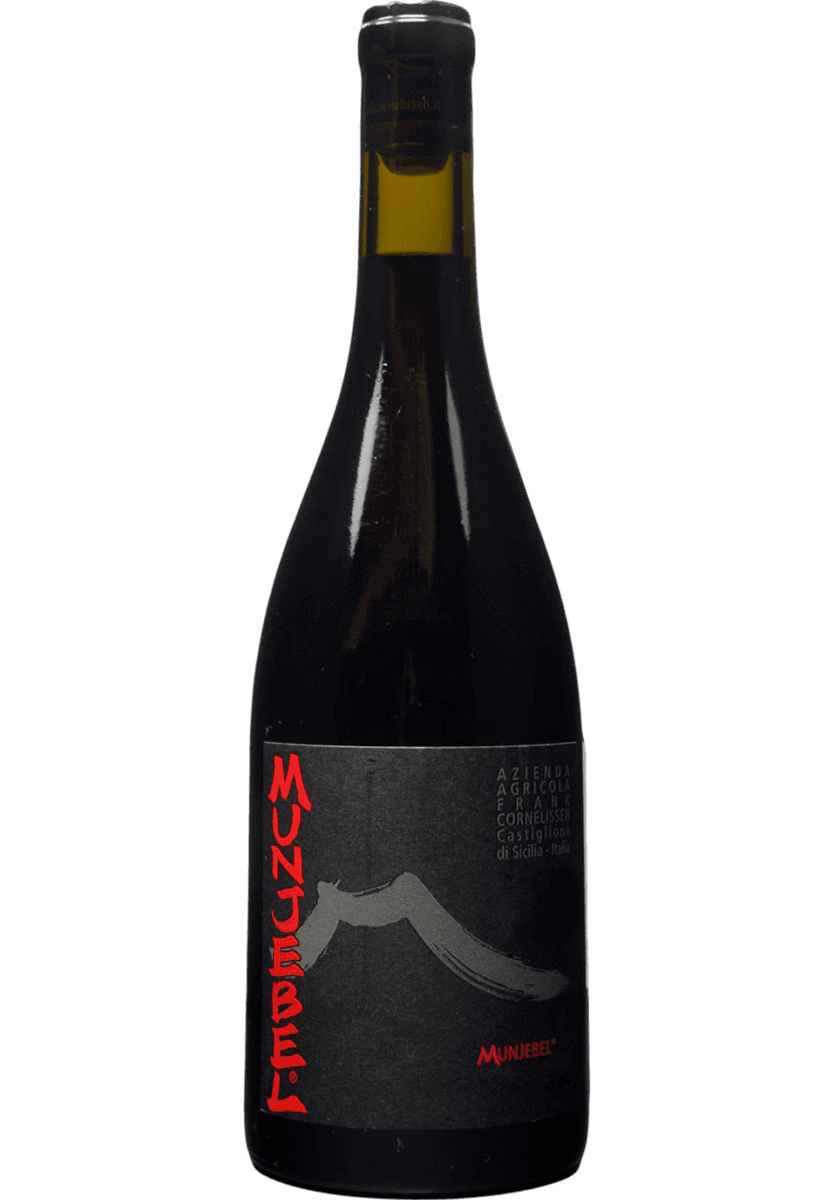
Frank Cornelissen Munjebel Rosso 2021
Azienda Agricola Frank Cornelissen
Cornelissen's thesis: transport the vineyard to the glass without adding or removing anything. Munjebel Rosso is fermented with native yeast in inert vessels, unfined, unfiltered, minimal SO₂.
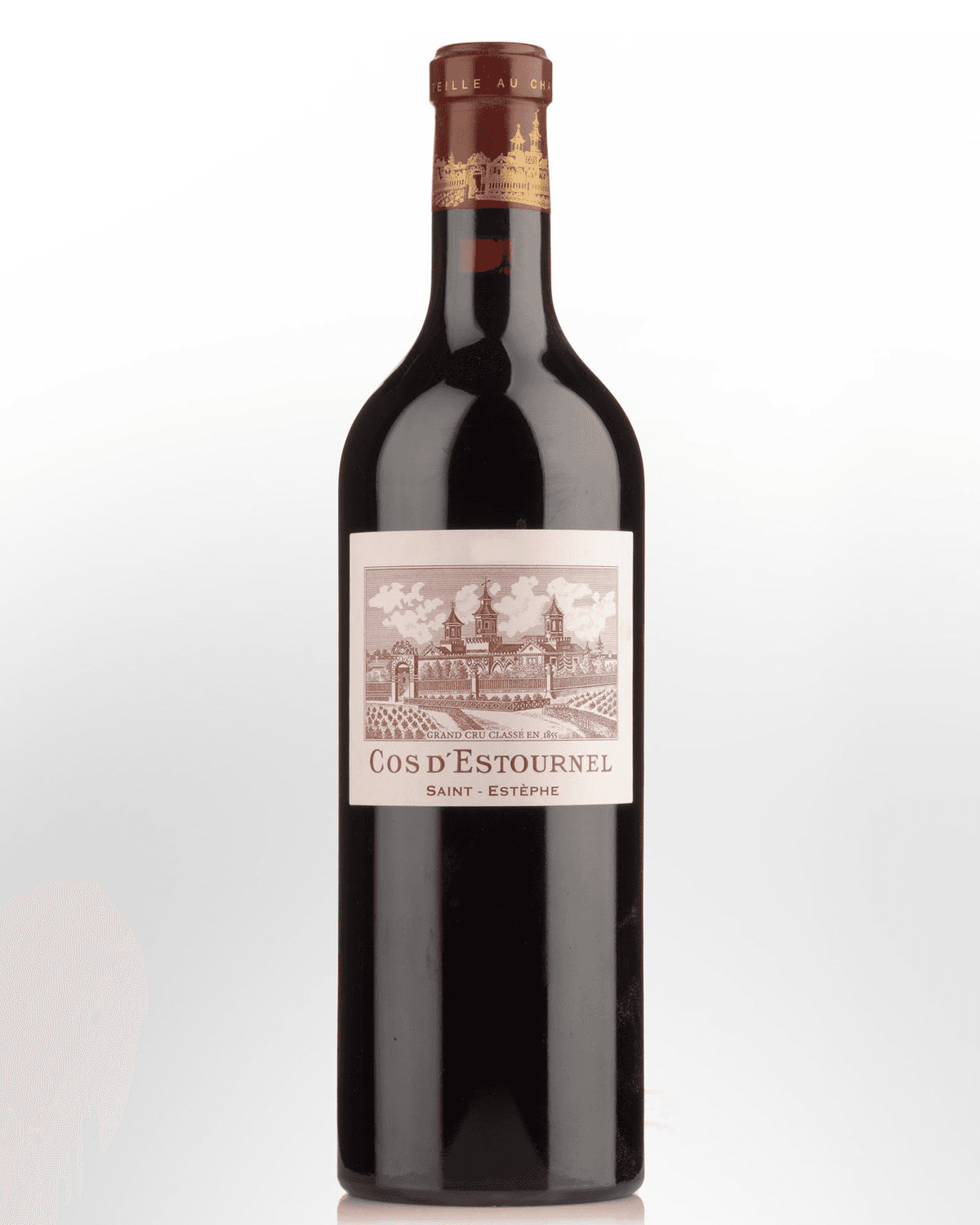
Château Cos d'Estournel Saint-Estèphe 2018 Saint-Estèphe
Michel Reybier
Cos d'Estournel 2018 is a wine of extraordinary power and precision — and a textbook demonstration of how maritime terroir shapes great Bordeaux. The freshness and salinity that the Gironde estuary delivers to Saint-Estèphe are what distinguish this wine from its warmer, more inland neighbors. Where other 2018 Bordeaux can feel opulent to the point of heaviness, Cos retains a mineral tension and structural elegance that promises decades of evolution. At this price, it's not an everyday wine — but it's a second growth that regularly challenges first-growth quality, and the 2018 may be the finest Cos d'Estournel in a generation. Cocktail — "The Estournel Sangria" (for a special occasion): Combine one bottle of a less expensive Bordeaux with 2 oz brandy, 1 oz orange liqueur, sliced oranges and blackberries, and refrigerate for 4 hours. Serve in wine glasses over ice. Save the Cos d'Estournel itself for sipping — it deserves nothing less.
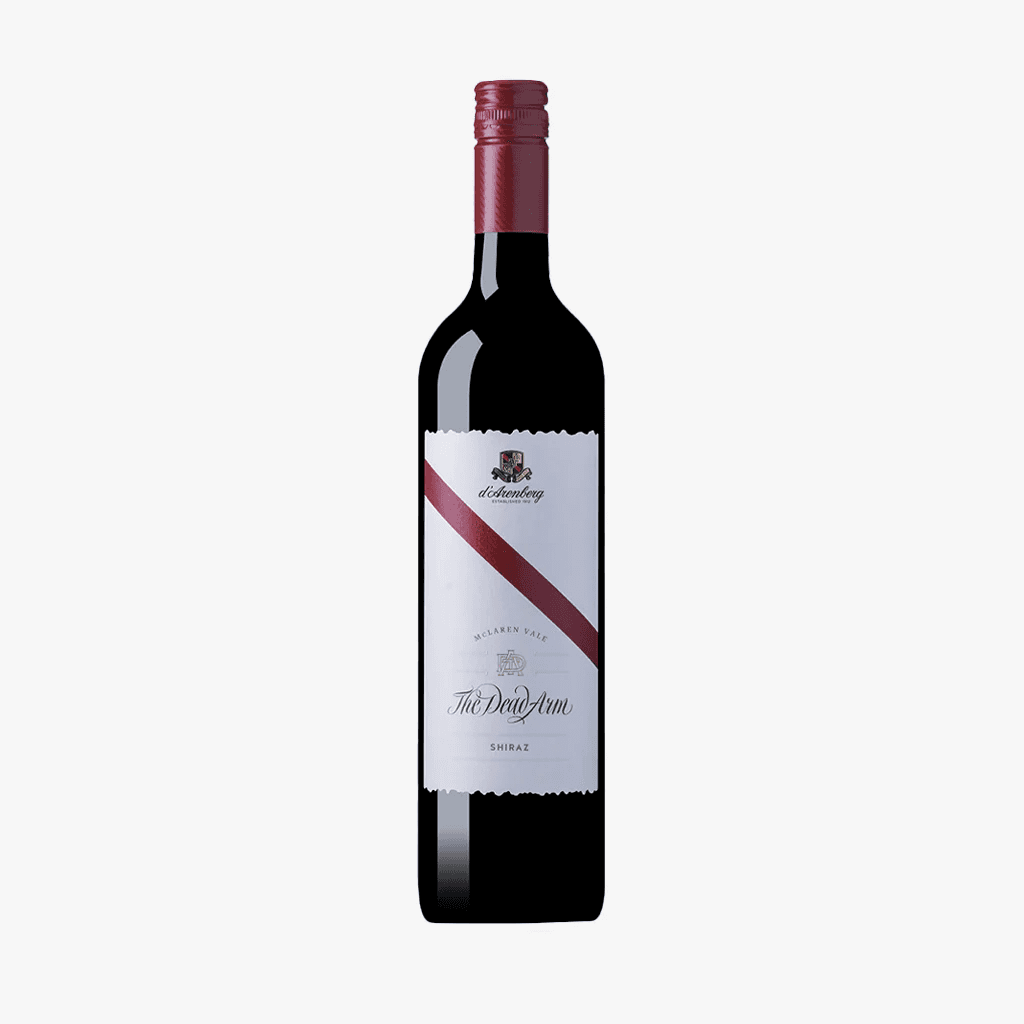
d'Arenberg The Dead Arm Shiraz 2019
d'Arenberg Pty Ltd
The Dead Arm is an experiment in turning disaster into distinction. Most growers would rip out vines afflicted with Eutypa lata, but Chester Osborn saw what the disease did to the surviving fruit — concentrated it, intensified it, made it something a healthy vine could never produce. The resulting wine is enormously concentrated without being heavy, packed with dark fruit and cedar but retaining the savory, earthy character that marks great McLaren Vale Shiraz. It's a reminder that some of the best things in wine happen when nature forces the maker's hand.
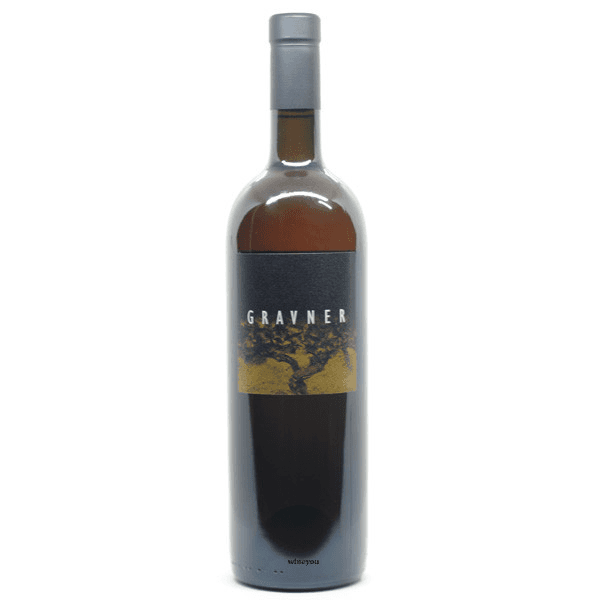
Gravner Ribolla Gialla 2015
Gravner
Gravner's experiment was the most radical in this lineup: he didn't tweak a process or add an ingredient — he threw away thirty years of modern winemaking and started over with seven-thousand-year-old technology. The Ribolla Gialla spends months on its skins in buried amphorae, developing a tannic structure and amber color that no conventional white wine possesses. Then it rests for six years in large oak before release. The result is a wine that defies categorization — not white, not red, not rosé, but something ancient and entirely its own. It proved that the oldest methods in winemaking weren't primitive — they were ahead of their time.
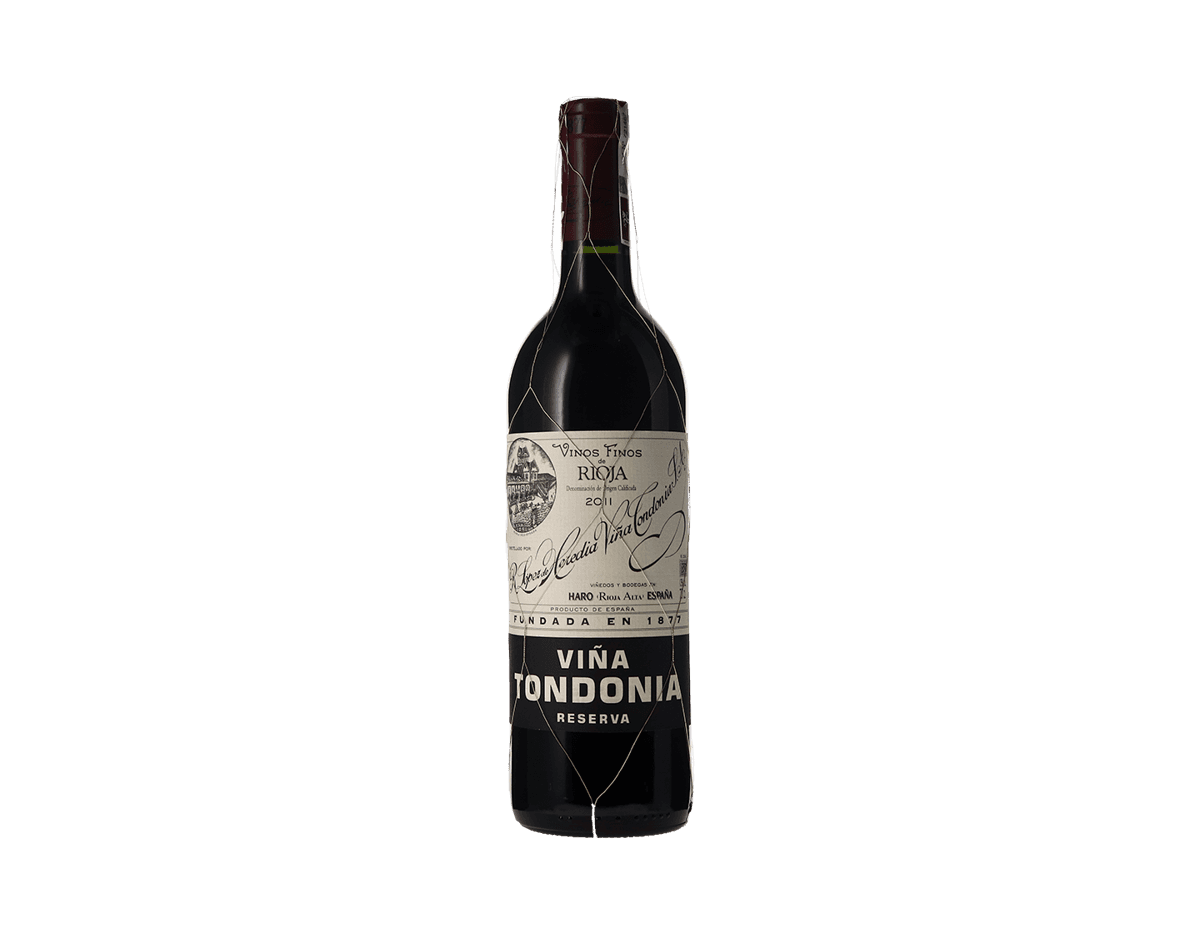
López de Heredia Viña Tondonia Reserva 2011
R. López de Heredia Viña Tondonia S.A.
Viña Tondonia Reserva is the ultimate slow-reveal wine — a bottle that spent six years in barrel and still isn't done evolving when you pour it.
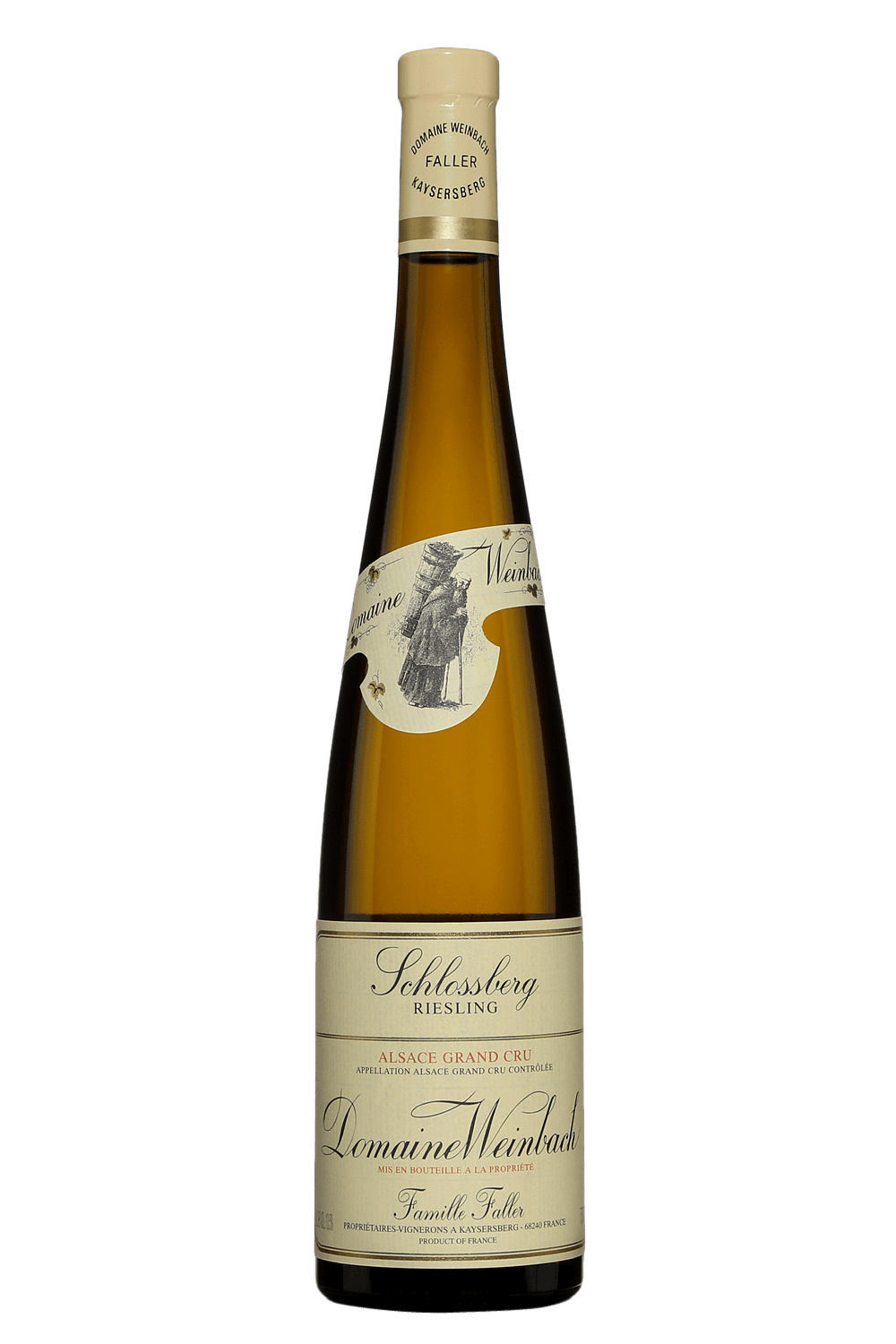
Domaine Weinbach Riesling Grand Cru Schlossberg 2021
Domaine Weinbach (Faller Family)
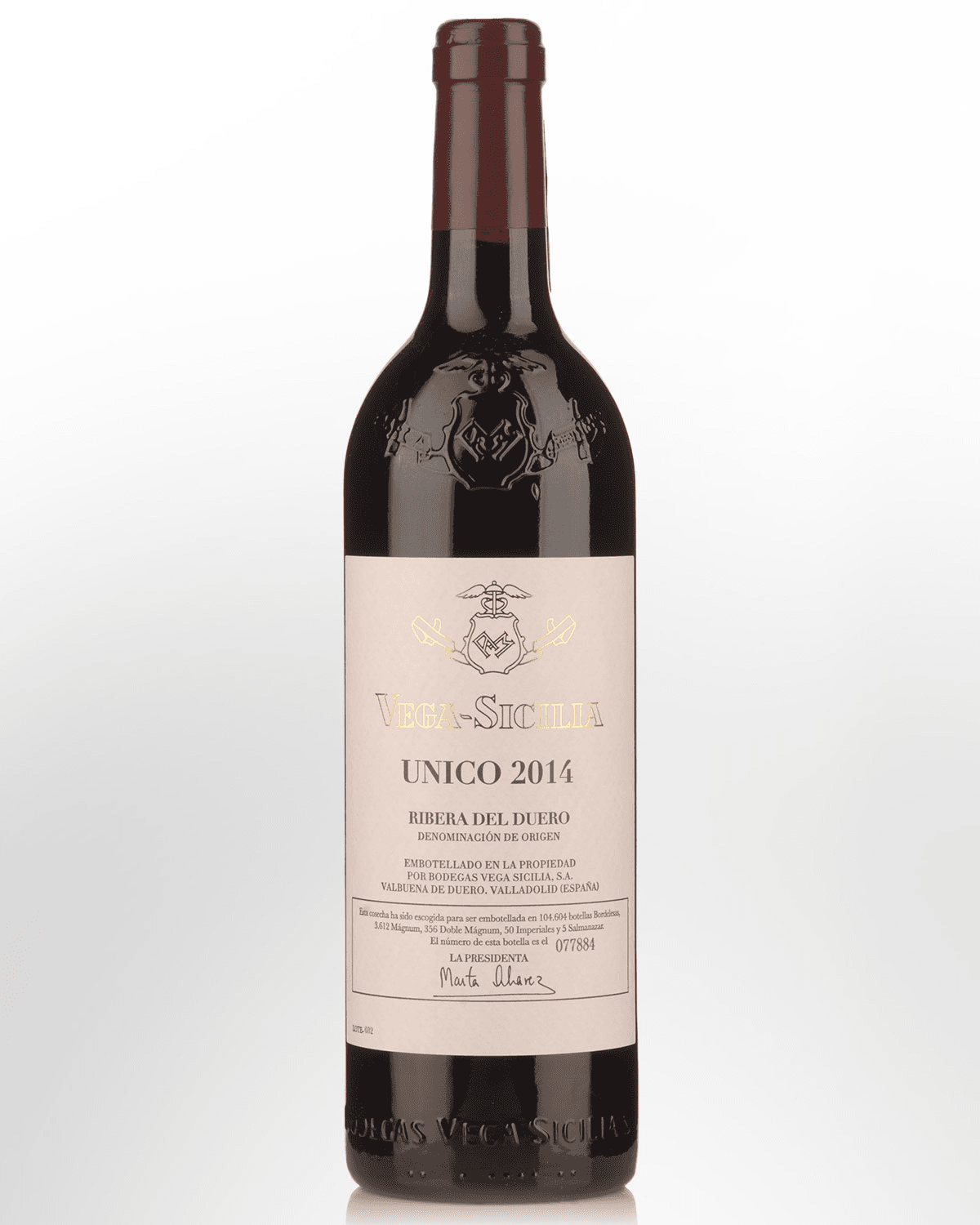
Vega Sicilia Único 2014
Tempos Vega Sicilia (Álvarez Family)
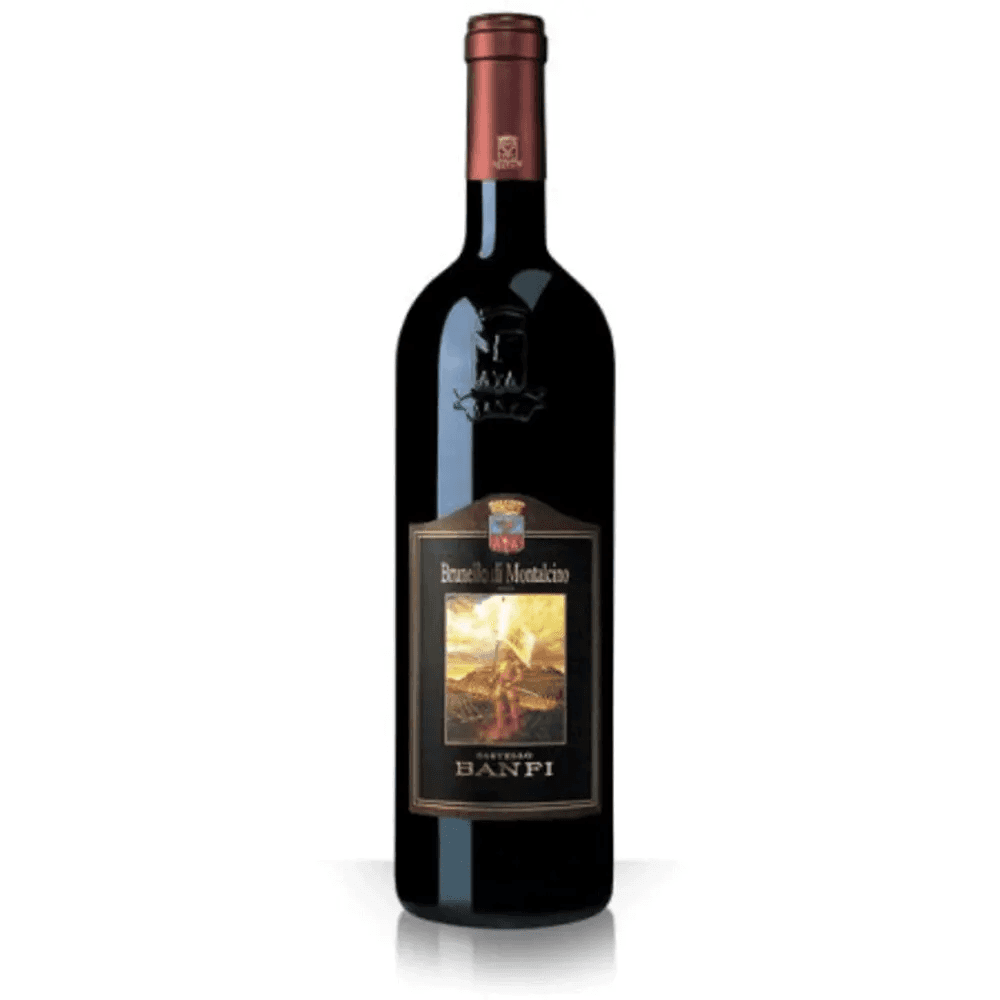
Banfi Brunello di Montalcino 2019
Banfi Vintners
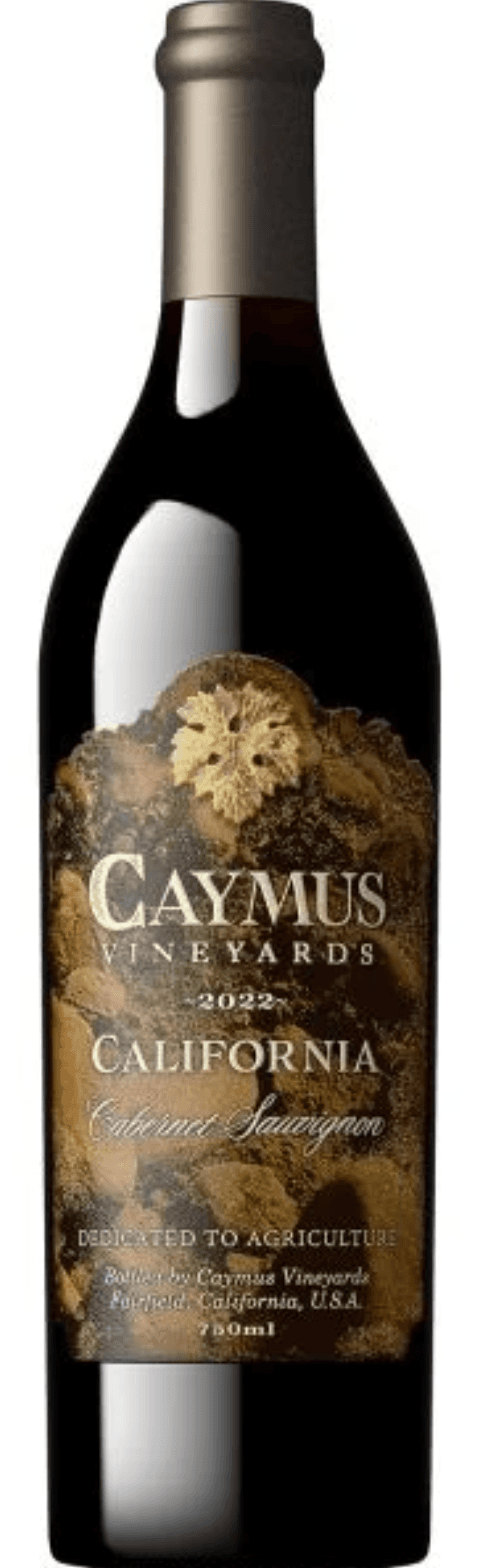
Caymus Vineyards Cabernet Sauvignon Napa Valley 2022
Wagner Family of Wine (Caymus Vineyards, est. 1972)
Caymus Cabernet Sauvignon is what happens when five decades of patience in the vineyard meet an unwavering commitment to a single vision. Chuck Wagner's approach is simple in concept and demanding in execution: wait for the fruit to reach perfect ripeness, blend across multiple Napa sub-appellations for complexity, and give the wine enough oak to frame the fruit without overwhelming it. Critics have debated the Caymus style for years — some find it too ripe, too rich, too crowd-pleasing — but the marketplace has settled the argument: this is one of the most consistently sought-after California Cabernets in existence. The 2022 vintage continues the tradition — dark, plush, generous, and built for the table rather than the cellar. Wagner's genius is making a wine that feels effortless, but that effortlessness comes from 50 years of learning what patience in the vineyard actually means.
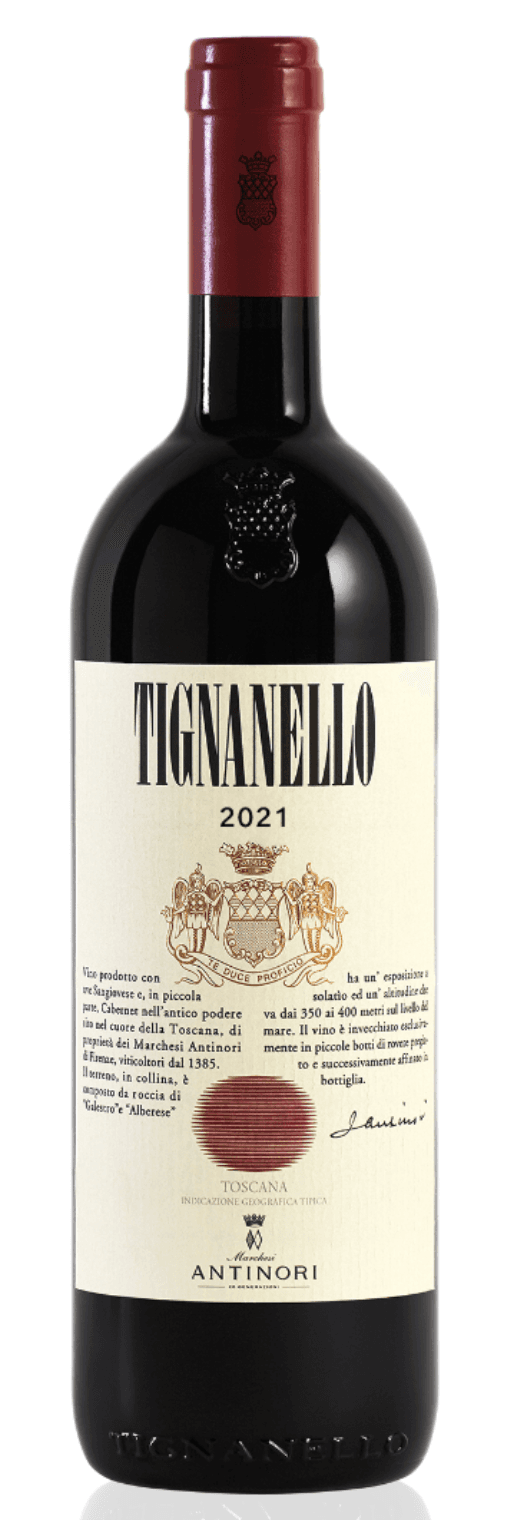
Antinori Tignanello 2021
Marchesi Antinori (est. 1385, 26th generation)
Tignanello is the wine that proved terroir could be revolutionary. When Piero Antinori released the 1971 vintage — a Sangiovese-Cabernet blend aged in French barriques, made outside every regulation that governed Chianti — the Italian wine establishment was outraged. The wine was declassified to “Vino da Tavola,” Italy’s lowest designation. Antinori didn’t care. He believed the Tignanello vineyard’s galestro and albarese soils (a mix of calcium-rich marl and hard limestone found only in central Tuscany) could produce wines that rivaled Bordeaux — if freed from rules requiring white grapes in a red wine. History proved him right. The 2021 vintage benefits from a warm but balanced growing season, with the Sangiovese delivering its characteristic sour cherry and herbal complexity while the Cabernet adds structure and depth. At 26 generations and 640 years, Antinori is the oldest family-owned wine company on earth — and Tignanello remains their most radical creation.

Catena Zapata Malbec High Mountain Vines 2021
Bodega Catena Zapata (est. 1902, fourth generation)
Nicolás Catena’s obsession was altitude. When he visited Napa in the 1980s, he returned to Argentina with a radical question: what if Malbec — a grape Bordeaux had largely abandoned — was being planted too low? He spent the next three decades pushing vineyards higher into the Andes foothills, from 920 to 1,450 meters, discovering that extreme altitude produced wines with deeper color, more complex aromatics, and a bright acidity that lower vineyards couldn’t match. The High Mountain Vines bottling blends fruit from four altitude-specific sites: 80-year-old vines in Lunlunta for texture, Agrelo for spice, Altamira for acidity, and Gualtallary for explosive floral aromatics. At $22–28, this is Argentina’s answer to the question of whether great wine has to be expensive.
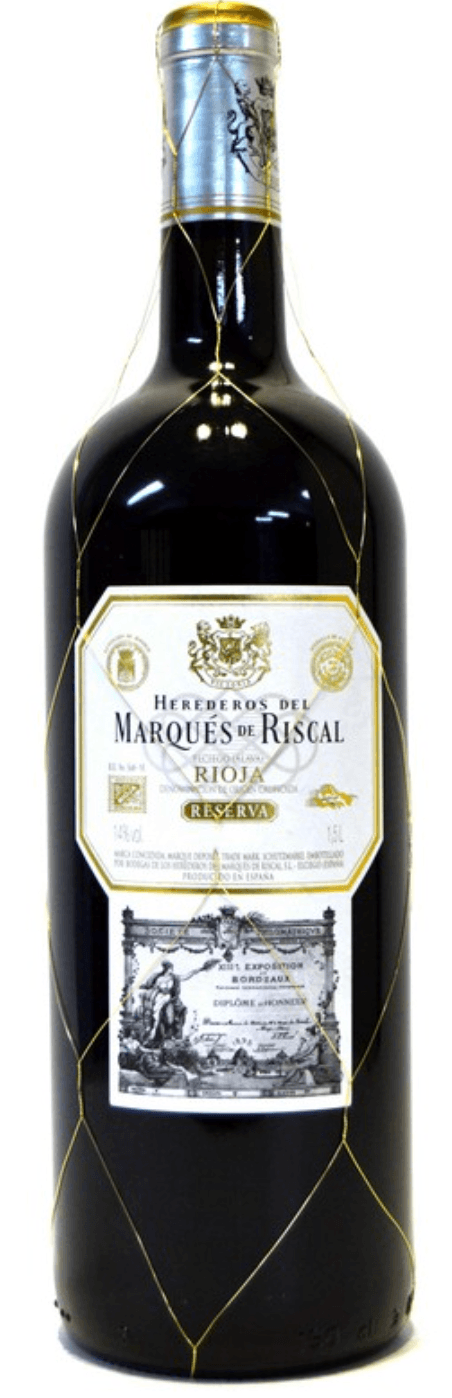
Marqués de Riscal Reserva 2019
Herederos del Marqués de Riscal (est. 1858)
Marqués de Riscal went against the grain before “going against the grain” was even a concept in Spanish wine. When Camilo Hurtado de Amézaga founded the winery in 1858, he did something heretical: he brought a French cellar master from Château Lanessan in the Médoc to teach Rioja producers Bordeaux techniques. He imported French grape varieties alongside the native Tempranillo. The result was Spain’s first modern winery, and in 1895, Marqués de Riscal became the first non-French wine to receive an Honorific Diploma at the International Wine Exposition of Bordeaux. The 2019 Reserva — 94% Tempranillo, 21 months in American oak — is a masterclass in Rioja’s unique marriage of Spanish soul and Bordelais discipline. At $20–$25, it’s one of the great values in European wine.
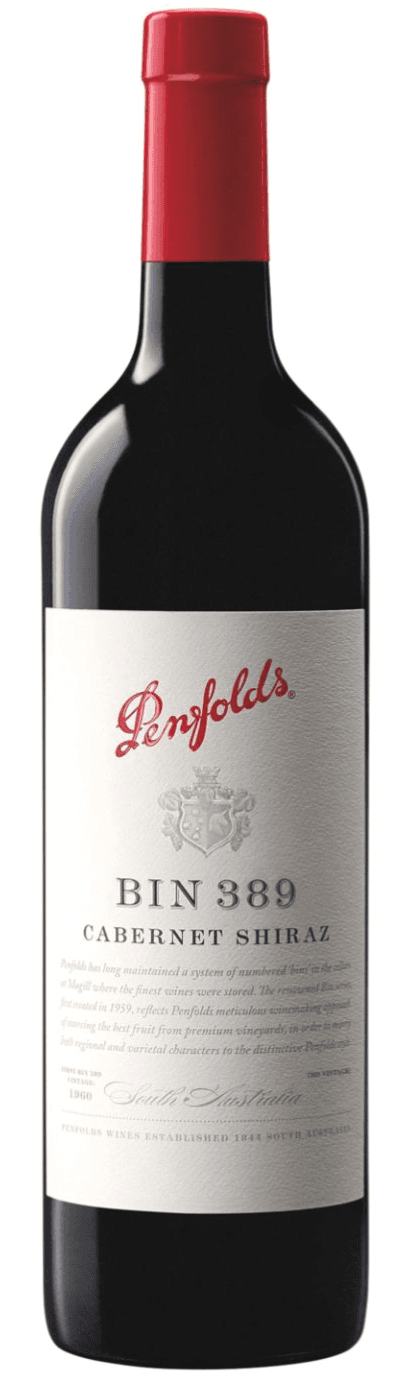
Penfolds Bin 389 Cabernet Shiraz 2021
Treasury Wine Estates (Penfolds, est. 1844)
Bin 389 is known as “Baby Grange” for a reason: the wine is matured in the same American oak hogsheads that previously held Penfolds Grange, Australia’s most celebrated wine. That secondhand Grange influence — a ghost of Shiraz complexity — adds depth you can’t get any other way. Max Schubert created the first Bin 389 in 1960, and it’s been in continuous production ever since, blending Cabernet’s structure with Shiraz’s generosity. At $40–55, it delivers a taste of the Penfolds house style at a fraction of Grange’s price. This is arguably Australia’s greatest value red.
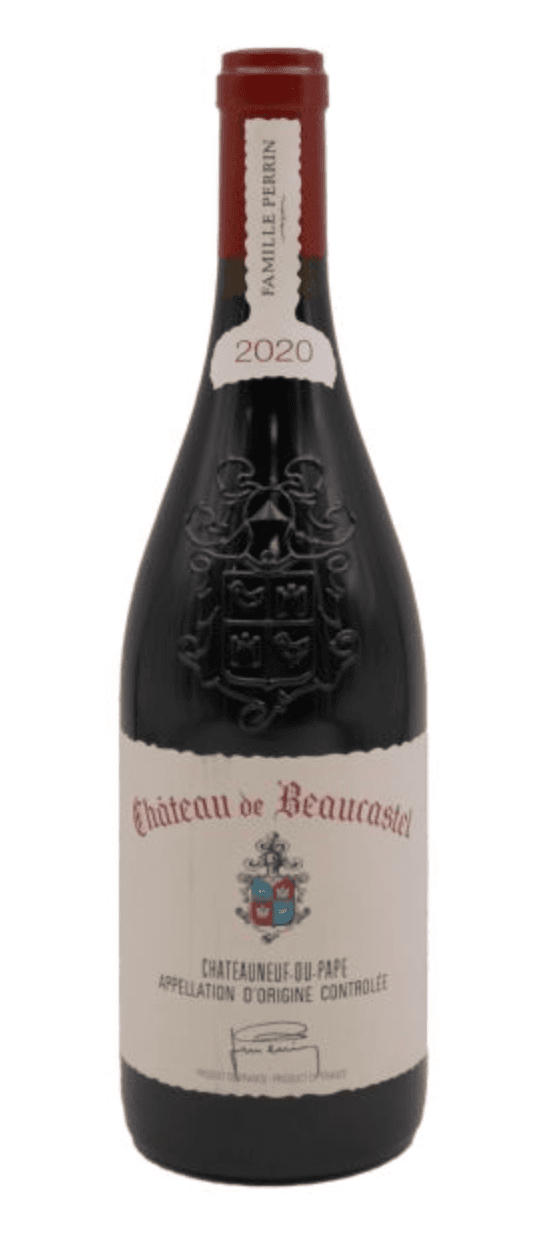
Château de Beaucastel Châteauneuf-du-Pape 2020
Famille Perrin (5th generation)
Beaucastel is Châteauneuf-du-Pape at its most complete. While most producers lean heavily on Grenache, the Perrins give Mourvèdre equal billing — and it shows in the wine’s structure, depth, and remarkable aging potential. The galets roulés — those iconic smooth river stones that carpet the vineyards — are more than photogenic; they store daytime heat and release it at night, pushing grapes to full phenolic ripeness. Organic since the 1950s and biodynamic since 1974, Beaucastel was farming this way decades before it was fashionable. The 2020 vintage scored 97 points from Robert Parker’s Wine Advocate.

Domaine Marcel Deiss Riesling Grand Cru Altenberg de Bergheim 2022
Domaine Marcel Deiss
Jean-Michel Deiss's Altenberg de Bergheim is among Alsace's most profound single-vineyard wines. The 2022 vintage captures the warmth of the season while the limestone-clay terroir provides natural tension. This is a complantation site where multiple grape varieties grow interplanted — an ancient practice that Deiss revived — yielding a wine that transcends varietal character entirely. Serious, contemplative, and built for the long haul, though already deeply rewarding.

Kilbeggan 14 Year Old Single Malt Irish Whiskey
Kilbeggan
Kilbeggan's 14-year single malt demonstrates the quiet elegance possible from one of Ireland's oldest licensed distilleries. Extended maturation has allowed the spirit's natural honeyed character to develop real complexity, resulting in a whiskey that feels unhurried and assured.

Yamazaki 12 Year
Yamazaki
Yamazaki 12 is a masterclass in balance and subtlety. It doesn't shout — it earns your attention through precision, layering flavors in a way that rewards patience. This is the bottle that put Japanese whisky on the global map, and it remains a benchmark for what elegance in single malt can look like.

Killowen Rum & Raisin PX Single Pot Still Irish Whiskey
Killowen Distillery
A luxurious but unshowy expression that channels the theme perfectly — direct-fire copper and mountain water translating into concentrated, mineral-edged fruit. Among the most distinctive small-batch Irish whiskeys on the US shelf.

Domaine Patrick Baudouin Anjou Blanc Les Zersilles 2023
Domaine Patrick Baudouin
Patrick Baudouin is one of the Loire's most thoughtful biodynamic vignerons, and Les Zersilles showcases Chenin Blanc's ability to be simultaneously generous and restrained. This is a white wine with genuine intellectual depth — each sip reveals another layer of the volcanic schist terroir that defines Baudouin's parcels in Layon.