Aroma
Honey
489 bottles with this note
Train this aroma
Wine Aroma Kit
Develop your palate with the canonical reference for honey and related notes.

Domaine Trimbach Riesling Alsace 2022
Trimbach
Trimbach's entry-level Riesling is anything but basic. The 2022 vintage delivers the house hallmarks — razor-sharp acidity, bone-dry precision, and a mineral backbone that speaks of Alsatian limestone — at a price that makes it one of the smartest values in white wine.

Glenfiddich 26 Year Old Grande Couronne
Glenfiddich
The Grande Couronne is Glenfiddich's crown jewel for good reason. Twenty-six years in American and European oak, finished in French cognac casks, produces a whisky of extraordinary balance. It is contemplative without being heavy, complex without being fussy.

Writers' Tears Cask Strength 2022 Edition
Writers' Tears
The 2022 cask strength release demonstrates why Writers' Tears has earned a loyal following. The combination of single pot still and single malt at full proof delivers density without sacrificing the elegance that defines the brand. A drop of water opens it beautifully.

Kilbeggan Single Pot Still Irish Whiskey Peated
Kilbeggan
This bottling from one of Ireland's oldest distilleries proves that peat need not be an Islay monopoly. The flame here is Irish turf — softer, earthier, more herbaceous than Scottish peat — and it plays beautifully against the pot still's inherent oiliness. An underrated expression that deserves wider attention.

Bowmore 12 Year Old Islay Single Malt Scotch Whisky
Bowmore
Bowmore 12 is the entry point to Islay for anyone wary of peat's aggression. The fire here is managed — kiln-dried barley at moderate peat levels, resulting in a whisky that integrates smoke with fruit and chocolate rather than bulldozing with phenol. It's a study in tempered heat.

Domaine Huet Vouvray Le Haut-Lieu Moelleux 2023
Domaine Huet
Domaine Huet's Le Haut-Lieu Moelleux is an exercise in controlled sweetness — the heat of the 2023 vintage concentrated sugars that the biodynamic estate's limestone soils kept in perfect tension with acidity. It is a wine that tempers richness with structure, proof that fire from above (sun) and below (mineral-rich stone) can collaborate to extraordinary effect.

Waterford Sheestown Edition 8.1 Single Malt Irish Whiskey
Waterford
Waterford's single farm origin concept makes the barrel's influence a controlled variable, letting the barley itself speak. This Sheestown edition shows how terroir and restrained oak maturation can produce a whiskey of elegant precision. It's intellectual without being austere.

Domaine des Roches Neuves Saumur Blanc Terres Chaudes 2023
Domaine des Roches Neuves
Thierry Germain's biodynamically farmed Chenin Blanc from the Terres Chaudes parcel delivers a wine where the tuffeau limestone substrate is as much a character as the grape. Wood plays virtually no role here — the expression is all terroir, acid, and fruit. A white wine for those who believe restraint is its own form of generosity.

Donnafugata Ben Ryé Passito di Pantelleria DOC 2022
Donnafugata
Ben Ryé is Italy's most celebrated passito, made from Zibibbo grapes sun-dried on the wind-blasted volcanic island of Pantelleria. The heat of the African-influenced climate concentrates sugars, but Donnafugata's meticulous winemaking preserves acidity and freshness. A dessert wine that transcends the category.

Glenfarclas 105 Cask Strength Highland Single Malt Scotch Whisky
Glenfarclas
Glenfarclas 105 is a sherry-bomb at cask strength that never loses its composure. The heat is substantial but well-integrated, rewarding the patient sipper who adds a few drops of water. For a non-age-statement whisky, the depth of flavor suggests significant maturation.

Midleton Dair Ghaelach Bluebell Forest Tree No. 4
Midleton
Midleton's Dair Ghaelach series is a masterclass in how maturation vessel transforms spirit. Tree No. 4 from Bluebell Forest showcases the furnace-like intensity of virgin Irish oak tamed by the decades-long patience of pot still maturation. At cask strength, it's a riveting study in heat shaped by time—bold, complex, and unmistakably Irish.

Domaine Leflaive Mâcon-Verzé 2022
Domaine Leflaive
Domaine Leflaive's Mâcon-Verzé is a masterclass in value from one of Burgundy's most respected white wine producers. The biodynamic farming and careful winemaking bring a precision to Mâconnais Chardonnay that elevates it well beyond its appellation. For those priced out of Puligny, this is the door in.

Deanston Virgin Oak Highland Single Malt Scotch Whisky
Deanston
By finishing in new American oak rather than used casks, Deanston lets the raw timber speak alongside its signature unpeated malt character. The result is a whisky where the wood's influence is transparent and direct. An excellent illustration of how barrel choice shapes a spirit from the inside out.

Teeling Blackpitts Peated Single Malt Irish Whiskey
Teeling
Teeling's Blackpitts is a reminder that Irish whiskey and peat were once inseparable. The triple-distilled spirit softens the smoke into something nuanced and approachable. Named after the area of Dublin where malt was historically dried over peat fires, this is a history lesson in a glass.

Benromach Contrasts: Organic Speyside Single Malt Scotch Whisky
Benromach
Benromach's organic bottling proves that starting with pure ingredients and traditional floor maltings yields a whisky of uncommon clarity. It's not a powerhouse — it's a window into what barley tastes like when nothing gets in the way. A terrific introductory Speyside that rewards contemplation.

Writers' Tears Marsala Cask Finish
Writers' Tears
This Marsala Cask Finish demonstrates what a well-chosen cask can do when the base spirit already has structure. The pot still component provides enough backbone that the finishing cask flatters rather than masks. A distinctive Irish whiskey that rewards slow sipping.

Chablis Premier Cru Fourchaume 2022
Domaine William Fèvre
This is essence before ornament made manifest in a glass. Where many Chablis producers chase richness or oak influence, William Fèvre's Fourchaume 2022 trusts the terroir to do the talking. The Kimmeridgian fossil-studded limestone shines through with uncompromising clarity. Alongside the issue's other selections — the unadorned honesty of Old Bardstown Estate, the single-estate purity of Tequila Ocho, the stripped-back integrity of Benromach Organic — this Chablis reminds us that the most eloquent wines are those that get out of the way of what the earth has already said.

Springbank 18 Year Old
Springbank
Springbank 18 is a distillery benchmark — proof that Campbeltown's last independent family-owned distillery still does everything in-house and does it brilliantly. The interplay of fruit, smoke, and coastal character is impossible to replicate anywhere else.

Domaine Weinbach Gewürztraminer Grand Cru Mambourg 2022
Domaine Weinbach
Mambourg is one of Alsace's warmest Grand Crus, and Weinbach's biodynamic stewardship extracts its full potential without tipping into excess. This is Gewürztraminer as a serious wine — structured, complex, and built to evolve.

Dingle Single Malt Cask Strength Batch No. 4 Irish Whiskey
Dingle
Dingle's Batch No. 4 demonstrates the young Kerry distillery's growing confidence. Bottled at cask strength without chill filtration, it rewards careful water additions that unlock layer after layer of fruit and spice.

Balvenie 14 Year Old Peat Week 2003 Vintage
Balvenie
Peat Week remains one of Balvenie's most compelling limited expressions, proving that Speyside peat can be a whisper rather than a shout. The 14 years of maturation smooths any rough edges, and the result is a whisky that feels both familiar and adventurous. Worth seeking out before stocks thin further.

Kilbeggan Single Pot Still Irish Whiskey Sherry Cask Finish
Kilbeggan
Kilbeggan's pot still range offers one of the most accessible entry points into Ireland's signature style. The sherry cask finish adds dimension without masking the barley-driven character that defines good pot still whiskey. An honest, well-crafted dram at a fair price.

Clos Floridène Blanc Graves 2021
Clos Floridène
Denis Dubourdieu — the late 'pope of white Bordeaux' — designed Clos Floridène to prove that Graves's ancient gravel terraces could produce whites rivaling the classified growths at a fraction of the price. The 2021 vintage, shaped by a cool, rain-challenged growing season, forced the vines to dig deep — literally and figuratively — producing a wine of uncommon tension and mineral intensity. It's a masterclass in how climate stress weaves itself into the grain of a wine, trading opulence for precision. Perfectly suited to The Stitch of Grain theme: here, the warp of Atlantic weather and the weft of deep gravel produce a fabric of remarkable clarity.

Glenkinchie Distillers Edition 2023
Glenkinchie
This Distillers Edition demonstrates what Glenkinchie does best: gentle Lowland malt character given added complexity by careful cask finishing. The Amontillado sherry wood adds savory depth without burying the distillery's natural elegance. A textbook example of calibrated cask influence.

Glendalough 17 Year Old Single Malt Irish Whiskey
Glendalough
This 17-year-old showcases what extended maturation in a temperate Irish climate can achieve. The spirit retains freshness despite its age, and the interplay between dried fruit richness and malt sweetness is expertly balanced. Bottled at 46% without chill-filtration, it delivers transparency and texture in equal measure.

Domaine François Chidaine Montlouis-sur-Loire Sec Les Bournais 2023
Domaine François Chidaine
Chidaine's Les Bournais bottling shows why Montlouis-sur-Loire deserves recognition alongside its more famous neighbor Vouvray. The biodynamic farming and clay-limestone terroir translate into a Chenin Blanc of rare precision — taut, mineral, and deeply satisfying. Drink it young for freshness or let it develop over the next three to five years.

Glenfarclas 40 Year Old Highland Single Malt Scotch Whisky
Glenfarclas
Glenfarclas 40 is a masterclass in long maturation done right. Where many whiskies this old become over-oaked and one-dimensional, this remains vibrant and layered. The Grant family's insistence on sherry cask maturation and their willingness to let time do the work results in something genuinely rare — a four-decade spirit that still feels alive.

Domaine Huet Vouvray Le Clos du Bourg Moelleux 2023
Domaine Huet
Domaine Huet's Clos du Bourg is one of the great Chenin Blanc vineyards on earth, and the moelleux style in a strong vintage like 2023 shows why. The interplay of richness and cutting acidity is breathtaking — this is a wine that appears sweet but finishes dry in spirit. Biodynamic farming and the clay-silex soils of this walled vineyard produce a Chenin of uncommon depth and ageability.

Jameson 18 Year Old Limited Reserve
Jameson
This limited reserve expression showcases what eighteen years in a mix of sherry and bourbon casks can do to Midleton's spirit. It's a whiskey that moves between sweet and spiced with effortless grace. While many aged Irish whiskeys lean heavily on cask influence, this one maintains the distillery's characteristic elegance throughout.

Glenmorangie A Tale of the Forest
Glenmorangie
Glenmorangie's experimental spirit finds perfect expression here — a whisky that channels the turning rhythms of a Highland forest through its remarkable botanical character. Matured using kiln-dried juniper and birch alongside traditional barley, it's unlike any conventional Scotch, yet unmistakably Glenmorangie in its elegance. In an issue celebrating rhythm in the glass, A Tale of the Forest delivers nature's own metronome: the endless cycle of growth, harvest, and renewal translated into liquid form. A singular, contemplative dram that rewards patience and attention.

Domaine Zind-Humbrecht Riesling Grand Cru Brand 2022
Domaine Zind-Humbrecht
Zind-Humbrecht's Brand Grand Cru is one of the great Riesling sites in Alsace, and Olivier Humbrecht MW — one of the first Masters of Wine in France — coaxes extraordinary expression from these biodynamically farmed granite-derived soils. The 2022 vintage delivers power and precision in equal measure, a wine that will evolve beautifully over the next decade.

Writers' Tears Red Head Single Malt Irish Whiskey
Writers' Tears
Walsh Whiskey's Red Head bottling showcases what oloroso sherry casks can do to well-made Irish single malt. It's richer and more contemplative than the standard Copper Pot expression, with a shifting interplay between fruit and spice that keeps you reaching for the glass. Non-chill filtered at 46%, it holds up well to a few drops of water.

Excellia Añejo Tequila
Excellia
Excellia Añejo embodies the 'Quicksilver in Craft' theme perfectly — the unconventional French oak Sauternes cask finishing creates a tequila that shape-shifts on the palate, never settling into one dimension. The technique, borrowed from cognac aging traditions, gives this añejo a fluid, almost elusive elegance that rewards patient sipping. At its price point, it's a brilliant example of how cross-cultural craft can transmute familiar agave into something luminous.

Tomatin Cù Bòcan
Tomatin
Tomatin's peated expression is a study in duality — smoke that enhances rather than dominates. It's an excellent entry point for drinkers curious about peat who aren't ready for Islay's full assault. The whisky rewards return visits; each pour seems to emphasize a different element.

Coenobium Ruscum 2021
Monastero Suore Cistercensi
Made by Cistercian nuns in the hills north of Rome using ancient, low-intervention methods, Coenobium Ruscum is a wine of profound paradox—rustic yet refined, simple yet deeply complex. Its mercurial character shifts with every sip, from honeyed warmth to steely precision. This is a wine that resists categorization, embodying the quicksilver restlessness at the heart of this issue's theme. A contemplative masterpiece at a remarkably humble price.

Dingle Single Malt Cask Strength Batch No. 6 Irish Whiskey
Dingle
Dingle's small-batch approach — three copper pot stills in a converted sawmill on the edge of the Atlantic — produces Irish whiskey with unusual weight and character. This cask strength edition strips away the veil of dilution to reveal the distillery's malty, fruit-forward personality in full force. A serious contender for those who think Irish whiskey can't be bold.

Donnafugata Lighea Zibibbo Sicilia DOC 2023
Donnafugata
Donnafugata's Lighea is made from Zibibbo — the Sicilian name for Muscat of Alexandria — grown on the volcanic soils of Pantelleria and mainland Sicily. Where many Muscat-based wines lean sweet, this bottling channels the grape's aromatic intensity into a dry, mineral-driven white that tastes like the Mediterranean itself. An ideal summer wine that punches well above its price point.

Deanston 20 Year Old Single Malt Scotch Whisky
Deanston
Deanston's unhurried approach — no peat, no chill-filtration, no color added — yields a 20-year-old whisky where the barley's voice remains remarkably clear despite two decades in oak. This is a masterclass in what happens when distillery character is allowed to mature without interference. Worth seeking out for anyone who values transparency in whisky.

Domaine Weinbach Gewürztraminer Grand Cru Furstentum 2022
Domaine Weinbach
Weinbach's Furstentum Gewürztraminer is one of Alsace's great Grand Cru expressions — a wine that proves this variety can be profound, not just aromatic. The 2022 vintage balances the grape's inherent opulence with the limestone terroir's structure. Drink it with rich food or alone, but give it attention.

Glen Grant 12 Year Old
Glen Grant
Glen Grant's tall stills produce one of the most elegant spirits in Speyside, and this 12-year expression is a masterclass in restraint. It doesn't shout; it invites. A perfect introduction to the distillery's house style, and a reliable daily dram for experienced whisky drinkers.

Waterford Fenniscourt Peated Single Malt Irish Whiskey
Waterford
Waterford's Single Farm Origin series is the purest expression of terroir-driven whiskey being made anywhere. Fenniscourt Edition 2.1 deepens the conversation started by its predecessor, revealing how a second distillation from the same barley field reads differently with more cask time and evolving maturation. The mineral backbone is the scar of the land itself.

Domaine Didier Dagueneau Pouilly-Fumé Pur Sang 2022
Domaine Didier Dagueneau
Didier Dagueneau was the enfant terrible of the Loire — a perfectionist who pushed Sauvignon Blanc to heights most growers thought impossible. After his untimely death in 2008, his son Louis-Benjamin continued the vision with zero compromise. Pur Sang ('Pure Blood') is the estate's purest expression of silex terroir: unblended, unapologetic, and shaped entirely by the flint beneath the vine.

Old Pulteney 25 Year Old
Old Pulteney
Pulteney's coastal location is not marketing theater — it is climate. Twenty-five years of aging in Scotland's most northerly mainland distillery town means persistent wind, cold, and slow maturation. The result is whisky that tastes like the place that made it, with extraordinary balance between richness and maritime restraint.
Waterford Fenniscourt Peated Single Malt Irish Whiskey
Waterford
Waterford's Single Farm Origin series is the purest expression of terroir-driven whiskey being made anywhere. Fenniscourt Edition 2.1 deepens the conversation started by its predecessor, revealing how a second distillation from the same barley field reads differently with more cask time and evolving maturation. The mineral backbone is the scar of the land itself.

Tequila Cabeza Blanco
Cabeza
Cabeza Blanco is made at the legendary NOM 1414 facility in Arandas — the same highlands distillery behind some of tequila's most revered bottles. Here, agave piñas endure the long, slow roast of traditional brick ovens before being crushed and fermented, a process where patience and hardship yield depth. The result is a blanco that punches well above its modest price: honest, mineral-rich, and shaped by the highland altitude's extreme temperature swings that stress the agave into concentrating its sugars. This is a tequila forged by adversity — the scar of that long cook and that challenging terroir is precisely what seasons its remarkable character.

Domaine Huet Vouvray Le Haut-Lieu Demi-Sec 2023
Domaine Huet
Le Haut-Lieu is the warmest of Huet's three vineyard sites, and the angle of entry here — Chenin Blanc roots meeting clay-silex soils with full sun exposure — produces a wine of generous fruit held in tension by acidity and minerality. The 2023 vintage is vibrant and poised, a perfect introduction to serious Vouvray.

Macallan 15 Year Old Double Cask
The Macallan
The Double Cask program is fundamentally about the angle of entry — how two different oak types introduce themselves to the same spirit. At 15 years, the conversation between vanilla-forward American oak and fruit-laden European oak reaches a rich equilibrium. This is Macallan at its most balanced and approachable.

Knappogue Castle 16 Year Old Single Malt Sherry Cask Finish
Knappogue Castle
The sherry cask finish here acts as the angle of entry — a secondary introduction that reshapes the whiskey's identity without erasing its history. Sixteen years in bourbon wood built the malt core; the sherry finish adds a layer of complexity that makes this a contemplative sipper.

Glengoyne 25 Year Old Highland Single Malt Scotch Whisky
Glengoyne
Glengoyne's commitment to the slowest distillation in Scotland and exclusive sherry cask maturation pays enormous dividends at 25 years. This is a whisky where perceived sweetness comes entirely from wood and time. A benchmark for unpeated, sherry-forward Highland malt.

Domaine Zind-Humbrecht Gewürztraminer Turckheim 2022
Domaine Zind-Humbrecht
This is Gewürztraminer at its most generous without tipping into cloying territory. Olivier Humbrecht's biodynamic farming and low yields produce a wine where perceived sweetness comes from phenolic ripeness and glycerol, not residual sugar. An ideal bottle for demonstrating that 'sweet on the nose' and 'sweet on the palate' are two different things.

Midleton Dair Ghaelach Kylebeg Wood Tree No. 1
Midleton
This is the thesis statement for 'Depth Beyond Sugar.' Where lesser whiskeys rely on cask-derived sweetness as a crutch, Midleton Dair Ghaelach Kylebeg uses native Irish oak to interrogate its own richness. The virgin oak tannins and pot still spice create a counterweight that forces the honeyed, fruity sweetness to earn its place on every sip. The result is a whiskey of extraordinary gravitational pull—sweet, yes, but structurally complex and deeply serious. A masterclass in how maturation in unconventional wood can transform familiar flavors into something genuinely profound.

Domaine Jean-Louis Chave Hermitage Blanc 2022
Domaine Jean-Louis Chave
A monumental blend of Marsanne and Roussanne from one of the world's most storied hillsides — built for decades, rewarding patience with a rare, hushed grandeur.

Benromach 21 Year Old
Benromach
Benromach's 21-year-old expression showcases what patient maturation in a smaller Speyside distillery can achieve. It balances fruit and oak with precision, never tipping into over-wooded territory. A contemplative dram that rewards slow sipping.

Teeling Vintage Reserve 28 Year Old Single Malt Irish Whiskey
Teeling
A whiskey that embodies the theme of warmth before silence — nearly three decades of cask maturation have distilled this single malt into something contemplative and profound. Every sip feels like a farewell note written in honey and oak, offering the kind of deep, reflective warmth that makes you want to sit quietly and listen to the glass. A rare Irish treasure for the most reverent moments.

Balvenie 21 Year Old PortWood
The Balvenie
The PortWood finishing gives this 21-year-old a dimension that pure bourbon cask maturation cannot achieve. It is a masterclass in how secondary maturation at the right latitude — Speyside's temperate, unhurried climate — can add complexity without overwhelming the spirit's identity.

Writers' Tears Cask Strength 2024 Edition
Writers' Tears
The cask strength editions from Writers' Tears consistently punch above their price. The 2024 release showcases how Ireland's mild, damp climate shapes a softer, rounder maturation than you'd find at more extreme latitudes. Add a few drops of water and watch the honey notes unfold.

Domaine François Cotat Sancerre Chavignol La Grande Côte 2023
Domaine François Cotat
François Cotat's La Grande Côte vineyard sits on some of the steepest Kimmeridgian clay-limestone slopes in Chavignol, and the resulting wine has a density and power that most Sancerre simply cannot achieve. The 2023 vintage delivers a gorgeous balance of richness and acidity — a benchmark for the appellation.

Talisker Distillers Edition 2022
Talisker
The Distillers Edition 2022 bottling shows how a sherry cask finish can complement rather than mask Talisker's inherent smokiness. It's an approachable entry point for drinkers who want peat without brutality — the smoke is the undertone, the fruit is the melody.

Domaine Weinbach Gewürztraminer Cuvée Théo 2023
Domaine Weinbach
The Faller family's Cuvée Théo represents Gewürztraminer at its most balanced — all the varietal's signature aromatics are present but held in check by Weinbach's characteristic precision. The smoky mineral undertone from the Clos des Capucins' granite-rich soils provides the kind of structural depth that distinguishes great Alsatian Gewürztraminer from merely good.

Connemara 12 Year Old Peated Single Malt Irish Whiskey
Connemara
Connemara 12 is the rare Irish whiskey that uses peat as a structural beam rather than a wrecking ball. Twelve years in wood have softened the smoke into something almost creamy, making it the ideal bottle for anyone curious about peated Irish whiskey without the Islay intensity. A bridge dram with genuine character.

Kilchoman 100% Islay 13th Edition
Kilchoman
This is terroir literalized: barley grown in Islay's own fields, malted, distilled, and matured on site. The 100% Islay series strips away all geographic ambiguity and delivers a whisky that could come from nowhere else. Smoke and sweetness in purposeful balance.

West Cork Single Malt Rum Cask Finish Irish Whiskey
West Cork
West Cork Distillers sits at the edge of Ireland where Atlantic winds shape everything. This rum cask finish adds a tropical dimension to their clean, cereal-forward single malt without overcomplicating it. At its price point, it delivers genuine craft character and easy accessibility.

Domaine Barmès-Buecher Riesling Grand Cru Hengst 2022
Domaine Barmès-Buecher
The Hengst Grand Cru is one of Alsace's most powerful sites, and Barmès-Buecher — working biodynamically since the early 2000s — channels its calcareous soils with precision. This 2022 has the density and mineral charge that only site-specific Riesling can deliver. A wine that proves terroir is not a marketing concept but a physical reality.

Bunnahabhain 25 Year Old Islay Single Malt Scotch Whisky
Bunnahabhain
This is patient whisky. Twenty-five years in primarily sherry casks have produced something that feels both generous and restrained — the hallmark of Bunnahabhain's unpeated house style at its most refined. It demonstrates that Islay can whisper as effectively as it roars.

Domaine Huet Vouvray Le Clos du Bourg Demi-Sec 2022
Domaine Huet
Le Clos du Bourg is one of Vouvray's greatest single vineyards, and Huet's biodynamic stewardship has produced demi-secs here that age for decades. The 2022 vintage brings generous fruit with excellent acidity — a wine that drinks beautifully now but rewards patience. This is Chenin Blanc at its most expressive and least imitable.

Fercullen 18 Year Old Single Malt Irish Whiskey
Fercullen
Fercullen's 18 Year shows what patience and careful sourcing can achieve. The integration of fruit, oak, and malt here speaks to well-chosen casks aged in a temperate maritime climate. It occupies a rewarding middle ground between richness and elegance that justifies seeking out.

Hinch 18 Year Old Single Malt Irish Whiskey
Hinch
Hinch's 18-year-old single malt demonstrates what Irish whiskey can achieve when given time and careful cask management. The Cooley-distilled spirit has developed real depth without losing the approachability that defines the category. At this price point for an 18-year-old, it represents serious value.

Ledaig 18 Year Old
Ledaig
Ledaig at 18 years is the quieter, more contemplative sibling of Tobermory's unpeated range. The extended maturation has tamed the smoke into something deeply savory and complex without extinguishing it. This is a malt that rewards patience — both the distillery's and yours.

Domaine Valette Mâcon-Chaintré Vieilles Vignes 2023
Domaine Valette
Domaine Valette's old-vine Mâcon consistently performs above its appellation — a consequence of extremely low yields, extended lees aging, and the family's insistence on biodynamic farming. The 2023 vintage has energy and precision, delivering a Chardonnay that competes with wines twice its price.

Benromach Cask Strength Vintage 2010
Benromach
Benromach's batch-specific vintage cask strength releases consistently punch above their price point. The 2010 vintage balances the distillery's trademark gentle smokiness with rich sherry cask maturation, and the cask strength delivery amplifies every layer without overwhelming. This is Speyside craft with real muscle.

Domaine Didier Dagueneau Blanc Fumé de Pouilly 2023
Domaine Didier Dagueneau
The Dagueneau estate entry-level bottling remains one of the most compelling Sauvignon Blancs in France. The 2023 vintage delivers exceptional tension between fruit purity and mineral depth, with the silex soils of Pouilly leaving an unmistakable flinty stamp. This is Sauvignon Blanc with real intellectual weight — precise, age-worthy, and deeply rooted in place.

Kilbeggan 21 Year Old Limited Release Irish Whiskey Single Pot Still
Kilbeggan
Twenty-one years of maturation have smoothed this pot still whiskey into something genuinely refined. The characteristic pot still spiciness is still present, but it's layered beneath decades of cask influence. A whiskey that rewards slow drinking and quiet attention — proof that Irish whiskey can age gracefully.

Writers' Tears Cask Strength 2023 Edition
Writers' Tears
This cask strength edition exemplifies the issue's theme: every element pushes against another, and it's precisely that resistance that gives the whiskey its remarkable architecture. The marriage of single malt and single pot still at full proof creates a fabric where sweetness, spice, and grain pull in opposing directions—and none of them break. A masterclass in controlled intensity.

Domaine François Cotat Sancerre Chavignol Les Culs de Beaujeu 2023
Domaine François Cotat
François Cotat's Sancerre from Les Culs de Beaujeu is Loire Sauvignon Blanc at its most skeletal and beautiful. The 2023 vintage delivers tension in every sip — acidity as architecture, minerality as mortar. This is not easy-drinking Sancerre; it is wine that demands attention and rewards it with complexity that unfolds over hours in the glass.
Waterford Sheestown Edition 1.2 Single Malt Irish Whiskey
Waterford
Waterford's single-farm-origin philosophy reaches its eighth edition from Sheestown, and the terroir-driven approach continues to reveal how soil, climate, and barley variety shape whiskey. This is Irish whiskey as an expression of place—transparent, articulate, and quietly compelling.

Nikolaihof Wachau Riesling Federspiel Vom Stein 2022
Nikolaihof Wachau
A profound expression of Wachau primary rock — restrained, ancient-feeling, and quietly powerful. Federspiel that drinks like a philosophy.

Longrow 14 Year Old Campbeltown Single Malt Scotch Whisky
Longrow
Longrow represents Springbank's heavily peated expression, and at fourteen years the smoke has mellowed into something integrated and sophisticated. This is Campbeltown at its most characterful—briny, smoky, and deeply layered. A masterclass in what patience does to peat.

Envínate Taganan Blanco Tenerife DO 2023
Envínate
Envínate's Taganan Blanco is sourced from ancient, pre-phylloxera vineyards planted on volcanic slopes up to 800 meters in the remote Anaga peninsula of Tenerife. The altitude, Atlantic winds, and volcanic soils produce a white wine of startling purity and tension. This is one of Spain's most exciting wines, from one of its most improbable places.

Dalwhinnie 25 Year Old Special Release 2022
Dalwhinnie
Scotland's highest distillery at 326 meters, Dalwhinnie uses its altitude—and the slow, cold maturation that comes with it—to produce whisky of exceptional delicacy. This 25-year expression showcases what quarter-century patience in thin Highland air yields: a whisky that is simultaneously rich and featherlight.

The Legendary Silkie Reserve Irish Whiskey
Silkie
A confident, characterful blend that punches well above its price point. The interplay of unpeated and peated malts with a grain backbone gives Silkie Reserve genuine complexity, and its coastal Donegal DNA — those brooding cliffs, that Atlantic weather — is written all over the glass.

Midleton Dair Ghaelach Bluebell Forest Tree No. 3
Midleton
Midleton's Dair Ghaelach series is an exercise in perfect timing — pot still whiskey of immense age married with virgin Irish oak harvested at its prime. Tree No. 3 from Bluebell Forest captures a singular moment in the life of an oak that spent over a century growing in County Waterford soil. The result is a whiskey where every element — grain, copper, wood, and time — converges at the exact point of ideal ripeness.

Glenmorangie 18 Year Old Extremely Rare Single Malt Scotch Whisky
Glenmorangie
Eighteen years in Glenmorangie's famously tall stills yields a whisky of uncommon grace. The extra-long copper contact strips away heaviness and leaves pure flavor. This is what patience and precise engineering produce when they meet at the right moment.

Domaine Huet Vouvray Le Haut-Lieu Sec 2023
Domaine Huet
The 2023 Haut-Lieu Sec demonstrates why Domaine Huet remains the benchmark for Vouvray. The sec style here is bone-dry but not austere — the wine walks a tightrope between ripeness and tension with the confidence of a producer who has been reading this terroir for nearly a century. Best enjoyed now or within the next decade.

Domaine Wachau Grüner Veltliner Smaragd Achleiten 2022
Domaine Wachau
The Achleiten vineyard's steep terraces above the Danube produce Grüner Veltliner of uncommon intensity. This Smaragd bottling captures the raw power of the site — concentrated fruit, explosive minerality, and a finish that seems to go on for minutes. A world-class white that proves Grüner belongs in conversations about great terroir wines.

Tomatin 15 Year Old Highland Single Malt Scotch Whisky
Tomatin
Tomatin's 15-year expression is Highland whisky in its most approachable form — generous without being heavy, complex without being difficult. The non-chill-filtered bottling at 46% lets the distillery character speak clearly. A textbook example of patient maturation paying dividends.

West Cork 10 Year Old Single Malt Irish Whiskey
West Cork Distillers
West Cork's 10-year single malt demonstrates that Irish whiskey's reputation for smoothness need not come at the expense of character. The decade of maturation adds just enough complexity to keep things interesting, and the price point makes it an excellent gateway into aged Irish malts.

Shortcross Rye & Malt Irish Whiskey
Shortcross
A quietly confident bottling that proves rye belongs in the Irish conversation. Estate-grown grain, careful distillation, and no gimmicks — just craft holding shape.

Tomintoul 14 Year Old Single Malt Scotch Whisky
Tomintoul
Tomintoul is often called 'the gentle dram' and this 14-year expression earns the reputation honestly. The binding agent here is texture—that creamy, buttery mouthfeel unites delicate flavors that might otherwise scatter. Understated Speyside craft at its most approachable.

Balblair 15 Year Old Highland Single Malt Scotch Whisky
Balblair
Balblair is one of the Highlands' most underrated distilleries, and this 15-year-old shows why patience rewards. The combination of ex-bourbon and ex-sherry maturation creates a layered dram that tastes older than its years. It's a textbook example of how Highland terroir — coastal air, spring water, unhurried warehousing — writes itself into whisky.

Foradori Fontanasanta Manzoni Bianco 2022
Foradori
A stunning expression of Manzoni Bianco (Riesling × Pinot Blanc) that reads like a mountain field distilled into a glass — cerebral, mineral, and quietly profound.

Micil Earl's Island Single Pot Still Irish Whiskey
Micil
A genuinely distinctive pot still whiskey that captures the wild, windswept character of Galway. Micil's use of local peat and heritage grains produces something no other Irish distillery is currently making — modest in age but rich in place.

Cantine Ferrandes Ferrandes Bianco Sicilia DOC 2023
Cantine Ferrandes
This Sicilian white draws on the island's volcanic heritage to deliver a wine of crisp, mineral-driven character at a remarkably accessible price point. It's a reminder that great white wine doesn't require prestige appellations—just honest viticulture and respect for place.

Glenlossie 10 Year Old Flora & Fauna
Glenlossie
Glenlossie is one of Speyside's overlooked gems—most of its output disappears into blends. This Flora & Fauna bottling reveals a distillery character that's delicate, rhythmically structured, and quietly compelling. A superb introductory Speyside for those tired of the obvious names.

Method and Madness Single Grain Irish Whiskey Finished in Virgin Spanish Oak
Method and Madness
A distinctive and forward-thinking single grain that leverages virgin Spanish oak to add texture and spice without overwhelming the whiskey's inherent softness — a compelling proof of concept from Midleton's experimental arm.

Kilbeggan 21 Year Old Limited Release Irish Whiskey Cask Strength
Kilbeggan
This cask strength release from Kilbeggan's oldest stocks proves that Irish whiskey can play the long game as well as any Scotch. The extra proof amplifies the complexity without masking the spirit's essential softness. It's a rare opportunity to taste Irish whiskey at this age with this much integrity.

Wolfburn Aurora Single Malt Scotch Whisky
Wolfburn
Wolfburn is mainland Scotland's most northerly distillery, and Aurora showcases a spirit that prioritizes clarity over complexity. The combination of first-fill bourbon barrels and Caithness water produces something genuinely refreshing. This is a whisky for people who value precision.

Craigellachie 17 Year Old Speyside Single Malt Scotch Whisky
Craigellachie
Craigellachie's house style — muscular, unapologetic — finds its sweet spot at 17 years. The extended maturation rounds the distillery's signature meatiness without erasing it, and the finish rewards anyone willing to sit with it. This is Speyside whisky that refuses to play nice, and it's better for it.

Domaine François Chidaine Vouvray Sec Les Argiles 2023
Domaine François Chidaine
Chidaine's Vouvray Sec from the Argiles parcel delivers everything you want from Chenin Blanc on chalk and clay: tension, mineral focus, and fruit purity that doesn't rely on sweetness for impact. The biodynamic farming and minimal intervention in the cellar let the limestone terroir express itself clearly. This is the kind of wine that rewards a slight chill and a moment of attention — each sip reveals a new facet of the chalk beneath the clay.

Hinch Double Wood Irish Whiskey
Hinch
A quietly confident blend that punches above its price point. The virgin American oak component gives it a distinctive char-forward personality rare in accessible Irish whiskey, while the underlying grain keeps things bright and pure — exactly the mineral-meets-flame duality this issue celebrates.

Scapa Glansa Single Malt Scotch Whisky
Scapa
Scapa's unpeated spirit gains just enough smoky complexity from its peated cask finish to stand apart from the distillery's Skiren expression without losing its essential honeyed, coastal personality. It's a study in restraint — the peat whispers rather than shouts, letting the Orkney mineral character carry the conversation. An approachable but layered introduction to the islands.

Tomatin 14 Year Old Port Wood Finish
Tomatin
Tomatin's 14-year port finish shows how thoughtful secondary maturation can deepen a whisky without overwhelming it. The distillery's clean, fruit-forward spirit provides the ideal canvas for port wood's richness, resulting in a dram that rewards slow sipping.

Domaine Valette Pouilly-Fuissé Tradition 2022
Domaine Valette
Domaine Valette's Tradition bottling is old-school Pouilly-Fuissé at its best — extended aging on lees before release gives the wine a richness and complexity that many Mâconnais producers skip in favor of early bottling. This is Chardonnay that rewards patience, with layers that reveal themselves slowly.

The Busker Single Malt Irish Whiskey
The Busker
A remarkably assured single malt at an approachable price — proof that Royal Oak's triple-cask philosophy delivers real depth without ostentation. A quiet workhorse dram that reveals more with each pour.

Kilbeggan Distillery Reserve Small Batch Single Malt Irish Whiskey
Kilbeggan
Kilbeggan's small-batch single malt showcases what double-pot distillation and Westmeath's limestone-rich water can achieve without heavy cask influence. It's a whiskey of quiet confidence — the kind that rewards attention rather than demanding it.

Domaine Vincent Dauvissat Chablis Premier Cru Séchet 2022
Domaine Vincent Dauvissat
Dauvissat's Séchet vineyard sits on the right bank of the Serein, its Kimmeridgian limestone soils producing a wine of crystalline purity and mineral intensity. The 2022 vintage adds a touch of generosity to the house's typically austere style, making it approachable now while retaining serious aging potential.

Laphroaig Quarter Cask Islay Single Malt Scotch Whisky
Laphroaig
The quarter cask format accelerates wood interaction without drowning the spirit in tannin. The result is a remarkably balanced Islay malt that delivers Laphroaig's signature medicinal peat alongside a surprising creaminess. An excellent entry point to heavily peated whisky.

Talisker Skye Single Malt Scotch Whisky
Talisker
Talisker Skye strips the brand's DNA to its essentials: smoke, salt, pepper, and malt. It lacks the depth of the 10 Year Old but offers remarkable structural clarity at an accessible price. A whisky that teaches you what Talisker means before any cask influence complicates the message.

Kilbeggan Small Batch Rye Irish Whiskey
Kilbeggan
This is a rare bird — one of the few genuine Irish rye whiskeys on the market, distilled from a mash that includes Irish-grown rye grain. The result is leaner and more angular than typical Irish whiskey, prioritizing spine over smoothness. It won't win you over with lush sweetness, but its structural honesty is compelling.

Lough Gill Athrú Trimara 14 Year Old Single Malt Irish Whiskey
Lough Gill
Lough Gill's Athrú range draws its name from the Irish word for 'change,' and this 14-year expression demonstrates how patient cask rotation can build a whiskey of genuine complexity. The triple-maturation approach never feels forced — each cask influence arrives at the right moment, creating harmony rather than competition.

Glenfiddich 12 Year Old Our Original Twelve
Glenfiddich
Glenfiddich 12 remains one of the most reliable entry points into single malt Scotch, not because it's simple, but because its complexity is delivered without friction. The Solera-style vatting in their signature Solera Vat No. 1 adds consistency across bottlings while maintaining that signature orchard-fruit character. A benchmark for the category.

Domaine Huet Vouvray Le Clos du Bourg Sec 2023
Domaine Huet
Huet's biodynamic Chenin Blanc from Le Clos du Bourg is one of the great expressions of Vouvray terroir. The 2023 sec shows the concentration of old vines and the precision of careful winemaking. This is Loire Valley Chenin at its most expressive and age-worthy, even in its youth.

West Cork 16 Year Old Single Malt Irish Whiskey
West Cork
Sixteen years of patience from a relatively young distillery yields a whiskey that punches well above its visibility. West Cork demonstrates that time and good cask selection can compete with the bigger names in Irish whiskey — this is understated maturity at an honest price.

Glenfarclas 15 Year Old Highland Single Malt Scotch Whisky
Glenfarclas
Glenfarclas at fifteen years hits a sweet spot in their range — enough sherry influence to be expressive, enough restraint to remain elegant. A family-owned distillery that lets time and wood do the talking, bottled at a sensible strength.

Domaine Guiberteau Saumur Blanc 2023
Domaine Guiberteau
Romain Guiberteau has quietly become one of the Loire's most respected vignerons, and his Saumur Blanc is a stunning demonstration of what Chenin Blanc can achieve on tuffeau limestone. This is a wine of purity and tension — no shortcuts, no distractions. It's Loire Chenin at its most essential, and it will only improve over the next five years.

West Cork Barrel Proof 12 Year Old Single Malt Irish Whiskey
West Cork
West Cork's barrel proof 12 Year Old is a serious statement from a distillery still fighting for recognition among Ireland's more storied names. The sherry cask influence is beautifully integrated, and the higher proof carries the flavors with conviction. This is a bottle that argues for Cork as more than a footnote in Irish whiskey.

Teaninich 10 Year Old Flora & Fauna
Teaninich
Teaninich is one of those distilleries that most whisky drinkers have consumed without knowing it — its spirit forms a backbone of several major blends. In its own right, this Flora & Fauna bottling is a refreshing, precise Highland malt. It rewards those who seek out the quiet corners of Scotch.

Waterford Dunbell Edition 1.1 Single Malt Irish Whiskey
Waterford
Waterford's single-farm-origin project is ambitious by design, and Dunbell 1.1 demonstrates why it matters. The barley from this specific farm delivers a flavor profile distinct from neighboring estates, vindicating the distillery's terroir-driven thesis. Approachable yet intellectually engaging.

Domaine Huet Vouvray Le Clos du Bourg Demi-Sec 2023
Domaine Huet
Le Clos du Bourg is Huet's most structured vineyard — clay over tuffeau limestone — and in the 2023 vintage the Chenin Blanc delivers both the richness that biodynamic viticulture encourages and the taut acidity that great Vouvray demands. This is a white wine of uncommon balance, equally suited to the cellar or the table tonight.

Glendronach 21 Year Old Parliament
GlenDronach
Parliament earns its name through the gravity and deliberation of two decades in oloroso and Pedro Ximénez sherry casks. This is GlenDronach at its most authoritative — sherry-forward without sweetness fatigue, and layered enough to reward an hour of slow sipping.

Deanston 14 Year Old Single Malt Scotch Whisky
Deanston
Deanston 14 is a Highland malt that earns its place through texture and restraint rather than volume. The unpeated barley, dried in a gentle kiln, lets the distillery's clean spirit character shine. Non-chill filtered and bottled at a sensible strength, it rewards patience.

Feudi di San Gregorio Falanghina del Sannio DOC 2023
Feudi di San Gregorio
Feudi di San Gregorio's Falanghina is a summer wine with purpose. The volcanic soils of Campania — heat stored in stone and ash — give Falanghina its distinctive mineral edge, while the 2023 vintage delivers the freshness the grape demands. Uncomplicated but never simple, it's a reminder that great value can come from ancient terroir.

Hinch Peated Single Malt Irish Whiskey
Hinch
A composed, food-friendly peated Irish that trades the coastal punch of Islay for something more hearth-side and hospitable — proof that heat, applied thoughtfully, can whisper as loudly as it roars.

Domaine François Chidaine Montlouis-sur-Loire Les Tuffeaux 2023
Domaine François Chidaine
Chidaine's biodynamic farming and limestone cave aging let this Chenin Blanc speak with uncommon clarity. Les Tuffeaux is about subtraction — no barrel influence, no malolactic richness, just the grape and the tuffeau stone beneath the vines. The hollow between its acidity and its sweetness is narrow and thrilling.

Dunville's Three Crowns Sherry Cask Irish Whiskey
Dunville's
A masterclass in editorial restraint — a sherried blend that trusts silence between flavors, proving that Irish whiskey's elegance often lives in what's left unsaid.

Glenfiddich 14 Year Old Bourbon Barrel Reserve
Glenfiddich
This is Glenfiddich at its most composed — the extra two years beyond their standard 12 and the exclusive bourbon cask maturation create a whisky of quiet confidence. It doesn't chase complexity; it arrives there naturally through patience. A Speyside malt that proves elegance needs no embellishment.

Drumshanbo Single Pot Still Irish Whiskey
Drumshanbo
A genuinely original pot still whiskey that expands what the category can mean. The unconventional inclusion of Irish-grown rice sounds gimmicky until you taste it — it adds a delicate floral lift to the classic pot still weight. Worth seeking out for anyone who thinks they know Irish whiskey.

Benriach The Twelve Year Old Three Cask Matured Speyside Single Malt Scotch Whisky
Benriach
Benriach's three-cask maturation strategy—bourbon, sherry, and port—creates layers of flavor that unwind gradually. The 46% ABV without chill filtration preserves texture and nuance. This is a Speyside malt that rewards the patient sipper.

Knappogue Castle 21 Year Old Single Malt Irish Whiskey
Knappogue Castle
Twenty-one years in bourbon casks have given this whiskey remarkable depth without losing the clean Irish malt character. The extended aging adds woody complexity that never becomes overbearing. A meditative pour for those who appreciate old-age finesse.

Sadie Family Wines Palladius 2022
Sadie Family Wines
One of the Southern Hemisphere's great white wines — a study in restraint that rewards patience with extraordinary depth. Drinkable now with air, but built to evolve for a decade or more.

Tullamore D.E.W. 12 Year Old Special Reserve
Tullamore D.E.W.
The 12-year-old expression demonstrates what patient triple distillation and careful cask management can achieve. It's a blend that punches above its price, balancing sherry richness with pot still character. The kind of Irish whiskey you reach for when you want complexity without drama.

Domaine des Huards Cour-Cheverny AOC Romo 2023
Domaine des Huards
Cour-Cheverny is the only AOC in France dedicated to the ancient Romorantin grape, and Domaine des Huards is its finest ambassador. This is a wine of place — the chalky soils and continental climate write themselves into every glass. If you've never tried Romorantin, this is where to start.

Jura 10 Year Old Single Malt Scotch Whisky
Jura
Jura 10 is an island malt that sidesteps the peat-bomb stereotype entirely. Its restraint is its strength — a whisky shaped by geography rather than process, tasting of the rain and wind that batter its remote island home. Ideal as a gateway to island Scotch.

Domaine Weinbach Riesling Grand Cru Furstentum 2022
Domaine Weinbach
The Faller family's Grand Cru Furstentum Riesling showcases one of Alsace's warmest and most powerful sites, yet the 2022 vintage maintains stunning freshness. This is Riesling at its most complete — aromatic, textured, mineral, and built for the table.

Bushmills 14 Year Old Single Malt Causeway Collection
Bushmills
The Causeway Collection represents Bushmills' more ambitious, limited offerings, and this 14-year-old showcases what extended maturation in Antrim's cool climate can achieve. It's a serious Irish whiskey that holds its own alongside any single malt tradition.

Glen Moray 12 Year Old Speyside Single Malt Scotch Whisky
Glen Moray
Glen Moray has long been Speyside's overlooked neighbor, producing reliably excellent whisky at prices that make collectors look twice. This 12-year-old is the backbone of the range — a Speyside archetype with enough depth to reward close attention.

Pietradolce Etna Bianco DOC 2023
Pietradolce
Pietradolce's Carricante vines grow at 700 meters on Etna's north face, rooted in millennia of lava flow. Winemaker Michele Faro handles the fruit with restraint — stainless steel only, no malolactic — letting the grape and the volcano speak. The result is one of Italy's most compelling white wines at a price that borders on absurd for this level of quality.

Glengoyne 12 Year Old Highland Single Malt Scotch Whisky
Glengoyne
Glengoyne's unhurried distillation — the slowest in Scotland — yields a malt of uncommon refinement for its age. The 12 Year Old is a benchmark for what sherry-matured Highland whisky should taste like without peat or smoke to lean on. Pure malt character at an accessible price.

Tyrconnell 10 Year Old Port Cask Finish
Tyrconnell
The port cask finish adds complexity without masking the whiskey's essential double-distilled character. This is Cooley at its most approachable — a whiskey that demonstrates how thoughtful cask finishing can add dimension to an already solid malt. Non-chill filtered at 46%, it rewards neat exploration.

Benromach Cask Strength Vintage 2012
Benromach
Benromach's cask strength vintages are consistently excellent value, and the 2012 is no exception. The distillery's signature gentle peat adds complexity without domination, and the high proof delivers texture rather than heat. A well-rounded Speyside with a backbone.

Knappogue Castle 14 Year Old Single Malt Irish Whiskey
Knappogue Castle
This 14-year expression sits in a sweet spot where the extra maturation adds depth without overshadowing the distillery's inherently clean, fruit-forward character. It's proof that Irish single malt can compete on complexity, not just smoothness. Well-priced for the age and quality.

Benanti Etna Bianco Superiore Pietra Marina 2022
Benanti
Pietra Marina is arguably Sicily's greatest white wine, and the 2022 vintage continues the tradition. Carricante from Etna's highest vineyards delivers a rare combination of power and precision — it has the depth to age but the freshness to drink now. If you want to understand what volcanic soil tastes like in a glass, start here.

Bodega Cerro Chapeu Tannat Brut Nature Blanc de Noirs 2023
Domaine Wachau
Smaragd is the top tier of Wachau classification, reserved for wines with the most body and concentration. This 2023 Terrassen Grüner Veltliner balances power with precision — the terraced granite and gneiss slopes above the Danube produce a wine with both generosity and tension. It's a white that can age, but drinks beautifully now.

Midleton Very Rare 2022
Midleton Very Rare
The 2022 vintage continues Midleton's tradition of restrained blending. Former master distiller Kevin O'Gorman composed this release to emphasize the interplay between grain sweetness and pot still character. It's a whiskey that rewards patience — the complexity unfolds slowly and deliberately in the glass.

Talisker Port Ruighe Single Malt Scotch Whisky
Talisker
Port Ruighe demonstrates that Talisker's maritime intensity can absorb cask influence without losing identity. The port finish adds a layer of dried fruit richness that plays beautifully against the distillery's peaty, coastal DNA. It rewards drinkers who appreciate smoke with substance.

Deanston 18 Year Old Bourbon Cask Matured Highland Single Malt Scotch Whisky
Deanston
Deanston operates well below the radar in Highland single malt circles, which is exactly what makes bottles like this such satisfying discoveries. Eighteen years of patient bourbon-cask aging have produced a whisky of real composure — nothing shouts, but nothing is missing. Non-chill filtered and natural color, as is their standard.

Kilkerran 8 Year Old Cask Strength Campbeltown Single Malt Scotch Whisky
Kilkerran
Kilkerran's cask strength releases remain among the best values in single malt Scotch. This 8-year-old demonstrates that Campbeltown's revivalist distillery has found its voice — muscular and maritime without the heavy peat that dominates the conversation. It shows how heat and strength can reveal rather than mask youth.

Selbach-Oster Zeltinger Schlossberg Riesling Kabinett Trocken 2022
Selbach-Oster
A compelling case for dry Mosel Kabinett — featherweight in alcohol yet dense with terroir, transforming a category long defined by residual sugar into something bracingly linear.

Blackwater Velvet Cap Single Pot Still Irish Whiskey
Blackwater
A defiantly historical pot still that reclaims Ireland's lost mash bill tradition — briny, oily, and impossibly characterful. This is transformation as recovery: a distillery pulling forgotten grains back into the glass.

Domaine de la Pépière Muscadet Sèvre et Maine sur Lie Clisson 2022
Domaine de la Pépière
The Clisson cru designation requires a minimum of 24 months on the lees, and Marc Ollivier's vines — some over 70 years old — deliver the concentration to make that extended aging worthwhile. This is Muscadet reimagined: serious, site-specific, and profoundly undervalued. One of the great white wine bargains in the world.

Boann The Whistler Blue Note Blend Irish Whiskey
Boann Distillery
The Cooney family launched Boann Distillery with ambition and attention to detail, and the Blue Note Blend reflects that ethos. It's uncomplicated but not simple — a well-calibrated blend that demonstrates the distillery's emerging confidence. An excellent entry point to a producer worth tracking.

Domaine des Roches Neuves Saumur Blanc Clos Romans 2023
Domaine des Roches Neuves
Thierry Germain's biodynamic Chenin Blanc from the Clos Romans parcel is a masterclass in terroir-driven white wine. The tuffeau limestone of Saumur gives this wine its remarkable mineral density, while the Chenin grape provides the lift and acid architecture. This is a white wine of profound weight that feels weightless — quarry and cloud in a single glass.

Tullibardine 20 Year Old Highland Single Malt Scotch Whisky
Tullibardine
Two decades in cask have given this Tullibardine remarkable composure. It balances the weight of extended maturation against a surprising lightness — a highland malt that never becomes ponderous. A fine example of patience rewarded.

Powers Signature Release Single Pot Still Irish Whiskey
Powers
A masterclass in balance — this is single pot still at its most articulate, delivering the creamy weight the style demands while lifting off the palate with bright fruit and spice. An essential pour for understanding what modern Irish whiskey can be.

Domaine Huet Vouvray Le Mont Sec 2023
Domaine Huet
Huet's Le Mont vineyard — first-growth Vouvray on south-facing tuffeau limestone — produces Chenin Blanc of breathtaking purity. The 2023 sec captures that intersection of ripeness and acidity where the wine seems to hover between lush and austere. This is the threshold of Chenin: generous and strict in the same breath. Best enjoyed young or cellared for a decade.

Glencadam 18 Year Old Highland Single Malt Scotch Whisky
Glencadam
Glencadam is often called 'the cooler's malt' for the pure water source that feeds the distillery, and this 18-year expression shows why clarity matters. It's a whisky that never raises its voice but delivers remarkable complexity — peach sliding into cocoa, honey into spice. An underrated Highland gem.

Waterford Bannow Island Edition 2.1 Single Malt Irish Whiskey
Waterford
Waterford's terroir-driven approach yields a whiskey that tastes like a specific place. Bannow Island 2.1 captures the maritime, mineral-rich soils of this Wexford peninsula in a spirit that's both intellectual and immediately enjoyable. The threshold here is between grain and geography — you taste both.

Domaine Huet Vouvray Le Mont Demi-Sec 2023
Domaine Huet
Domaine Huet's Le Mont vineyard consistently produces Chenin Blanc of rare transparency. This 2023 demi-sec captures the warmth of a generous vintage while maintaining the electric acidity that defines great Vouvray. Biodynamic viticulture and minimal intervention let the terroir speak without interruption.

Method and Madness Single Malt Irish Whiskey Finished in French Chestnut Casks
Method and Madness
Midleton's experimental range finds genuine purpose here. The chestnut cask isn't gimmick — it contributes a tannin structure Irish whiskey rarely achieves, adding backbone without sacrificing the distillery's characteristic smoothness. An inventive and rewarding dram.

Bowmore 18 Year Old Islay Single Malt Scotch Whisky
Bowmore
Bowmore's kiln-dried malt at eighteen years strikes a rare balance between Islay smoke and sherry cask richness. This is peat with polish — not fireplace but hearth. A benchmark for aged Islay whisky.

Glendalough Pot Still Irish Whiskey
Glendalough Distillery
A genuinely singular pot still — the virgin Irish oak imparts a spice profile you won't find in sherry- or bourbon-matured peers, and at this price it punches well above its weight for adventurous drinkers.

Ben Nevis 10 Year Old Highland Single Malt Scotch Whisky
Ben Nevis
Named for Britain's highest peak, Ben Nevis operates in relative obscurity compared to its Highland neighbors, but its robust house style rewards attention. The 10-year-old bottled at 46% without chill filtration delivers a rugged, textural dram that stands apart from polished, lighter Highland malts. A distillery that earns its reputation one cask at a time.

Domaine André Ostertag Pinot Gris Fronholz 2023
Domaine Ostertag
André Ostertag has been a biodynamic pioneer in Alsace for decades, and Fronholz — his lieu-dit vineyard on calcareous sandstone — produces Pinot Gris of remarkable poise. The 2023 vintage captures the variety's richness without tipping into heaviness, with a mineral core that gives the wine genuine gravity.

Hyde No. 1 President's Reserve 10 Year Old Sherry Cask Matured Single Malt
Hyde Irish Whiskey
A quietly confident sherried single malt that lets sustained depth speak for itself — the kind of pour that fills the room without raising its voice.

Auchroisk 10 Year Old Flora & Fauna
Auchroisk
Auchroisk is one of Speyside's best-kept secrets, largely because most of its output disappears into blends. This Flora & Fauna bottling showcases what the distillery can do on its own — a malt of quiet sophistication that deserves a wider audience.

Domaine Marc Tempé Riesling Zellenberg 2023
Domaine Marc Tempé
Marc Tempé's biodynamic Riesling from the granite-rich soils of Zellenberg delivers intensity without weight. The 2023 vintage produced wines of remarkable freshness in Alsace, and this bottling channels that energy into a laser-focused expression of site. Outstanding value for the quality on offer.

Ardmore Traditional Cask Peated Single Malt Scotch Whisky
Ardmore
Ardmore Traditional Cask occupies an unusual space — a Highland whisky that carries honest peat without overwhelming delicacy. It's an accessible entry into peated malts, offering enough complexity to reward close attention while remaining approachable for newcomers to smoke.

Dunville's Three Crowns Blended Irish Whiskey
Dunville's
A polished, easygoing blend that punches above its price — the resurrected Dunville's name in modern form, showcasing Echlinville's growing confidence with sourced and estate stocks.

Fortaleza Winter Blend Still Strength
Fortaleza
A masterclass in blending from one of tequila's most revered estates — Winter Blend distills the essence of Fortaleza's three core expressions into a single, sunlit pour that rewards contemplative sipping.

Envínate Benje Blanco Tenerife DO 2023
Envínate
Envínate is a collective of four young winemakers obsessed with forgotten terroirs of Spain, and their Tenerife project may be the most thrilling. Benje Blanco channels the volcanic soils of the island's north slope — pre-phylloxera Listán Blanco vines rooted in black lava ash at altitude. The result is unlike any other white wine on your shelf.

Waterford Ballykilcavan Edition 3.1 Single Malt Irish Whiskey
Waterford
Waterford's obsessive focus on single-farm barley provenance makes each edition a terroir experiment. The Ballykilcavan 3.1 draws from a 14th-generation farm in County Laois, and the result is whiskey that tastes genuinely of a specific place. It challenges the idea that terroir belongs only to wine.

Bunnahabhain Stiùireadair Islay Single Malt Scotch Whisky
Bunnahabhain
Bunnahabhain is Islay's quiet contrarian — unpeated by default, letting its coastal position do the talking. Stiùireadair (Gaelic for 'helmsman') showcases the distillery's house style: sherried richness tempered by sea air. A masterclass in understated Islay character.

Midleton Dair Ghaelach Bluebell Forest Tree No. 6
Midleton
The Dair Ghaelach series represents Midleton's most ambitious exploration of terroir in Irish whiskey. The Bluebell Forest edition demonstrates how native Irish oak — sessile oak harvested from a single estate — can completely reshape a mature pot still whiskey. This is Irish whiskey pushing its own boundaries.

Movia Lunar Ribolla 2022
Movia
A masterclass in controlled wildness: ancient technique yielding a wine that is simultaneously primal and polished — the definition of opposites in harmony.

Talisker 30 Year Old Single Malt Scotch Whisky
Talisker
This is Talisker at its most contemplative. Thirty years on Skye has softened the distillery's volcanic character into something almost meditative, but the maritime soul remains. It's the cinder and the dew made literal — smoke meeting sea mist across decades of patient aging.

Domaine Trimbach Riesling Cuvée Frédéric Émile 2022
Trimbach
Cuvée Frédéric Émile is Trimbach's flagship Riesling, sourced from the Geisberg and Osterberg Grands Crus. The 2022 shows youthful intensity and structural precision — this is Alsatian Riesling at its most intellectual, built for aging but already compelling in its taut, mineral-laden youth.

Shortcross Single Malt Rye & Malt Cask
Shortcross
A quietly confident single malt that rewards slow contemplation — the rye cask influence gives it a distinctive spine without overwhelming Shortcross's estate-grown character.

Domaine Weinbach Riesling Cuvée Colette 2023
Domaine Weinbach
Named for Colette Faller, who shaped Weinbach into one of Alsace's greatest estates, this cuvée embodies the family's philosophy of minimal intervention and maximum terroir expression. The 2023 vintage delivered ideal ripeness with retained acidity, creating a Riesling of rare balance. It's a wine that demands attention and repays it generously.

Domaine Didier Dagueneau Buisson Renard Pouilly-Fumé 2023
Domaine Didier Dagueneau
Dagueneau's Buisson Renard delivers Sauvignon Blanc at its most uncompromising. The silex soils of this vineyard produce a wine of flinty intensity that few Loire producers can match. This is not crowd-pleasing Sauvignon — it's Sauvignon that demands attention and rewards it with layers of complexity.

Domaine Vincent Dauvissat Chablis Premier Cru La Forest 2022
Domaine Vincent Dauvissat
Dauvissat is the gold standard for premier cru Chablis, and La Forest is among the finest plots in the appellation. The 2022 vintage delivered concentration without losing Chablis's essential tension. This is a wine about restraint and focus — mineral precision without any extraneous noise. Drink it now for its nerve, or cellar it and watch it gain complexity.

Tullibardine 25 Year Old Highland Single Malt Scotch Whisky
Tullibardine
Twenty-five years in wood has produced a whisky of real elegance without the tannic heaviness that can plague over-aged expressions. The fruit and oak are in genuine harmony here, and the mouthfeel is remarkably supple. This is patient distilling rewarded.

Waterford Sheestown Edition 3.1 Single Malt Irish Whiskey
Waterford
Waterford's terroir-obsessed approach finds clear expression here. The Sheestown farm's particular soil profile — heavy clay over limestone — translates into a whiskey with genuine mineral identity. This is Irish whiskey that asks you to taste the field, not just the barrel.

Dunville's 1808 Blended Irish Whiskey
Dunville's
A quietly confident blend that punches well above its price — approachable enough for newcomers, layered enough to reward the patient drinker. A benchmark for how sherry can flatter Irish grain and malt.

Tamdhu 12 Year Old Sherry Oak Casks
Tamdhu
Tamdhu's commitment to 100% sherry oak maturation pays dividends in this 12-year expression. It's an honest, well-structured Speyside that demonstrates the clarity of purpose you get when a distillery commits fully to a single cask philosophy rather than hedging with mixed wood programs.

Radikon Slatnik 2022
Radikon
An accessible entry point into Radikon's uncompromising vision — proof that raw, patient decisions in the cellar yield wines of extraordinary depth and honesty.

Domaine de la Mordorée Lirac Blanc La Reine des Bois 2023
Domaine de la Mordorée
Mordorée's white Lirac is one of the southern Rhône's best-kept secrets — a serious white from an appellation most drinkers overlook entirely. The 2023 vintage captures the estate's knack for balancing richness with freshness, delivering complexity that belies its modest price. Drink it now through 2027.

Mannochmore 12 Year Old Flora & Fauna
Mannochmore
Mannochmore is one of Speyside's great unknowns — most of its output disappears into blends. This Flora & Fauna bottling is a rare chance to taste the distillery character on its own terms. It's lighter than fashion dictates, but that lightness is the point: precision, not power.

Domaine Weinbach Pinot Blanc Réserve 2023
Domaine Weinbach
Weinbach's Pinot Blanc Réserve is one of Alsace's great quiet achievements — a wine that rarely makes headlines but consistently delivers more complexity and pleasure than most bottles at twice the price. The 2023 vintage brings exceptional freshness and precision. It's a reminder that Pinot Blanc in the right hands can rival many a Burgundy blanc for sheer drinkability.

Waterford Ballymorgan Edition 1.1 Single Malt Irish Whiskey Cuvée
Waterford
Waterford's terroir-driven approach can invite skepticism, but this bottling delivers undeniable distinctiveness. The Ballymorgan barley gives the whiskey a mineral depth and structural complexity that sets it apart from smoother, simpler Irish malts. At 50% ABV, it has the backbone to reveal its layers slowly over an evening.

Benromach Organic Special Edition Speyside Single Malt Scotch Whisky
Benromach
Benromach's organic expression is a study in restraint and transparency. The organic barley brings a cleaner cereal character that lets the distillery's signature malty backbone shine without heavy cask influence. It's a rare whisky that proves organic certification can produce genuine quality rather than marketing noise.

Old Pulteney 18 Year Old
Old Pulteney
A masterclass in how coastal air and sherry cask maturation can converge — the sea's influence never overwhelms, but subtly sharpens every note.

Waterford Ballymorgan Edition 3.1 Single Malt Irish Whiskey
Waterford
Waterford's single-farm philosophy reaches its clearest expression in the Ballymorgan series. This third edition shows increased confidence and complexity, proving that Irish terroir is not a marketing concept but a sensory reality. The combination of scientific precision and farming heritage makes this one of the most intellectually satisfying Irish whiskeys available.

Benriach The Twenty One Year Old Speyside Single Malt Scotch Whisky
Benriach
Benriach's 21-year-old is a masterclass in multi-cask maturation without losing coherence. The interplay of sherry, bourbon, and peated casks creates a whisky of real complexity that never feels overwrought. It's the kind of bottle that justifies the patience encoded in its age statement.

Tyrconnell 15 Year Old Single Malt Irish Whiskey
Tyrconnell
Tyrconnell's 15-year expression is an exercise in quiet sophistication. Double-distilled rather than triple, it retains more texture and character than many Irish malts, and the extended aging rounds its edges without sanding away personality. A thinking person's Irish whiskey.

Domaine Trimbach Riesling Grand Cru Geisberg 2022
Trimbach
Trimbach's Geisberg represents the taut, dry pole of Alsatian Riesling. Where the Clos Ste. Hune gets all the press, the Geisberg Grand Cru delivers similar intellectual complexity at a fraction of the price. The 2022 vintage captures ideal ripeness while preserving the nervy acidity that makes this vineyard one of Alsace's finest. Age it five years or drink it now — either way, it commands attention.

Clynelish 18 Year Old Single Malt Scotch Whisky
Clynelish
Clynelish at 18 years is a masterclass in Highland elegance. The distillery's distinctive waxy character serves as a canvas for layered fruit and coastal notes, resulting in a whisky that rewards slow, attentive drinking. This is distance measured in decades.

Domaine de la Taille aux Loups Vouvray Sec 2023
Domaine de la Taille aux Loups
Jacky Blot's Vouvray Sec delivers the crystalline purity and tension that Chenin Blanc achieves in the Loire's tufa-rich soils. The 2023 vintage offers beautiful freshness with enough weight to pair with food or sip contemplatively. It is Loire Chenin at its most honest — nothing added, nothing hidden.

Egan's Fortitude Single Malt Irish Whiskey
Egan's
A confident, expressive single malt that showcases what virgin American oak can coax from Irish malt — richer and spicier than sherry-cask peers, and a compelling introduction to the modern Egan's revival.

Auchentoshan 18 Year Old Lowland Single Malt Scotch Whisky
Auchentoshan
Auchentoshan's triple distillation strips away heaviness and congeners, creating a whisky defined by what's been removed. At 18 years, this approach yields extraordinary elegance — delicate but never thin, complex but never muddled. A masterclass in Lowland refinement.

Waterford Rathclogh Edition 2.1 Single Malt Irish Whiskey
Waterford
Waterford's terroir-driven philosophy strips away everything except the barley and its origin. No peat, no unusual cask finishes, no blending across farms — just the expression of a single field rendered through malt. This second edition from Rathclogh farm shows increased depth and confidence over the first release.

Limavady Single Barrel Irish Whiskey
Limavady
Limavady revives a name from Irish whiskey's deep past — the town where the Gage family distilled for centuries before prohibition-era decline. Matured in first-fill bourbon barrels, each single barrel release carries its own personality, but the throughline is a malt-forward whiskey that favors elegance over weight. A strong argument for Northern Irish whiskey's modern renaissance.

Domaine Albert Boxler Pinot Gris Grand Cru Brand 2022
Domaine Albert Boxler
Jean Boxler's Grand Cru Brand Pinot Gris is one of Alsace's most compelling expressions of terroir and cask interaction. Partial élevage in older oak foudres adds structure without flavor, allowing the granite-driven minerality and the grape's natural opulence to hold center stage. The 2022 vintage delivered concentration without the excess that can plague richer years.

GlenAllachie 12 Year Old
GlenAllachie
Under Billy Walker's stewardship, GlenAllachie has become a masterclass in cask selection. This 12-year-old is matured across virgin oak, Pedro Ximénez, and oloroso sherry casks, and the result is a whisky that feels older than its age statement. It rewards slow sipping and demonstrates how thoughtful wood management elevates Speyside malt.

Domaine Gérard Boulay Sancerre Blanc Clos de Beaujeu 2023
Domaine Gérard Boulay
Boulay's Clos de Beaujeu is Sancerre stripped to its geological essence. Where many Sancerres trade on easy-drinking citrus charm, this wine demands attention and rewards it with a mineral complexity that speaks directly to the Kimmeridgian limestone beneath the vines. It's one of the most terroir-transparent Sauvignon Blancs made anywhere.

Kilkerran 16 Year Old Campbeltown Single Malt Scotch Whisky
Kilkerran
Kilkerran at sixteen years has matured into a whisky that channels every dimension of its Campbeltown home — the salt-laden winds, the ancient warehouses, the restrained peat. It's a benchmark for what this region can offer beyond its more famous neighbor. Serious malt, seriously grounded.

Waterford Dunmore Edition 2.1 Single Malt Irish Whiskey
Waterford
Waterford's terroir experiment reaches its most compelling expression when you taste two farm origins side by side. Dunmore 2.1 is a whiskey that argues, persuasively, that barley grown in different Irish soils produces genuinely different spirits. Whether or not you're fully converted to the cause, the whiskey itself is beautifully made and intellectually engaging.

Domaine Valette Mâcon-Chaintré Vieilles Vignes 2022
Domaine Valette
Domaine Valette's old-vine Chardonnay from Chaintré is one of the Mâconnais' best-kept secrets. The 2022 captures ripe fruit and textural richness while maintaining the nervous energy that separates great white Burgundy from merely good. At this price, it embarrasses bottles costing three times as much.

Ardmore 20 Year Old 1996 Single Malt Scotch Whisky
Ardmore
Ardmore is the Highland's quiet peater, and at twenty years the smoke has integrated beautifully into a complex, honeyed framework. This is a thinking dram — one that rewards patience and reveals new dimensions across the session. An underappreciated distillery showing its full potential.

Glen Grant 15 Year Old Batch Strength First Edition
Glen Grant
Glen Grant has historically been underappreciated outside Italy, where it has long been a bestseller. This batch-strength release shows the distillery's light, fruity house style at full volume — the higher proof amplifies rather than overwhelms. A Speyside essential that demonstrates restraint can coexist with power.

Domaine Schoffit Riesling Harth Cuvée Tradition 2023
Domaine Schoffit
Bernard Schoffit's Harth vineyard sits on alluvial soils near Colmar, producing Riesling with a focus on freshness rather than power. The 2023 vintage delivers textbook Alsace Riesling — aromatic, bone-dry, mineral-driven — at a price that should be criminal. An ideal aperitif wine or partner for seafood. Drink within the next three years to enjoy its youthful energy.

Glen Scotia Victoriana Campbeltown Single Malt Scotch Whisky
Glen Scotia
Victoriana showcases what deep-charred casks can achieve at cask strength. Glen Scotia's Campbeltown character — that briny, slightly industrial edge — weaves through the rich sherry and charred oak influence to produce something unmistakably place-driven. This is bold whisky with a clear sense of origin.

Domaine Albert Boxler Riesling Grand Cru Sommerberg 2022
Domaine Albert Boxler
Boxler's Sommerberg is one of Alsace's most compelling grand cru Rieslings. The 2022 vintage brought warmth and generosity, but Boxler's signature restraint keeps the wine vertical and focused. This is Riesling as geological document — the pink granite of Sommerberg stamped into every sip. Age-worthy but already singing.

Waterford Micro Cuvée Lomhar Single Malt Irish Whiskey
Waterford
Waterford's obsession with terroir reaches its most concentrated expression in the Micro Cuvée range. Lomhar gathers whiskey from their most expressive single farm origins into a blend that amplifies rather than averages their character. It's Irish whiskey for people who care about where grain is grown, not just where it's distilled.

Domaine Comte Abbatucci Vermentinu Cuvée Collection 2023
Domaine Comte Abbatucci
Jean-Charles Abbatucci is one of Corsica's most uncompromising biodynamic producers, and this Vermentinu shows why the grape and the island are inseparable. The granite soils and Mediterranean winds forge a white wine of rare mineral intensity, while the indigenous yeast fermentation preserves every nuance of place. It drinks like a postcard from a wild coast.

Teeling Brabazon Bottling Series 04 Muscat Casks
Teeling
The Brabazon Series is Teeling's exploration of wine cask finishing, and this Muscat expression is the most harmonious yet. The dessert wine casks could easily overwhelm, but the distillery's spirit is robust enough to absorb the influence and come out more complex for it. A rewarding pour for anyone who thinks Irish whiskey can't do bold.

Talisker Distillers Edition 2023
Talisker
The Distillers Edition takes Talisker's coastal intensity and routes it through sherry cask maturation, creating a dialogue between smoke and sweetness that neither wins. It's a demonstration of how finishing can complement rather than mask a distillery's character.

Herradura Ultra Añejo Cristalino Tequila
Herradura
Cristalino tequilas polarize purists, but Herradura's version makes a compelling case for the category. The añejo base provides genuine depth — cooked agave and oak influence survive the charcoal filtration — while the clarity and smoothness open doors for sipping occasions where a heavy reposado might feel out of place. Style with substance.

Talisker Storm Single Malt Scotch Whisky
Talisker
Storm captures Talisker's elemental Skye character in a bottling that's more aggressive than the 10 Year Old without being unwieldy. It's built for weather — the kind of whisky that makes sense when the wind is up and the rain is sideways. Serious coastal character at a fair price.

Bushmills Red Bush Irish Whiskey
Bushmills
Red Bush is Bushmills' deliberate lean into bourbon barrel maturation, and it works as a gateway whiskey for those crossing over from American spirits. It won't challenge seasoned Irish whiskey drinkers, but it delivers honest craft at a price that makes everyday drinking guilt-free. A solid foundation pour.

Clos Cibonne Côtes de Provence Tibouren Rosé 'Tentations' 2023
Clos Cibonne
Clos Cibonne is best known for its singular Tibouren rosés, but this white bottling from their maritime vineyards deserves attention on its own merits. The salt-tinged minerality and restrained fruit profile make it a natural companion for seafood, while the textural finesse shows careful winemaking. A coastal white in the truest sense.

Tomatin 18 Year Old Highland Single Malt Scotch Whisky
Tomatin
Tomatin 18 is one of the Highlands' most underrated age-statement malts. The combination of first-fill oloroso sherry casks and refill bourbon barrels creates a layered, elegant whisky that never shouts. It rewards careful attention with steady, deepening complexity.

Glendalough Double Barrel Single Grain Irish Whiskey
Glendalough
Glendalough's Double Barrel single grain challenges the assumption that grain whiskey is inherently less interesting than malt or pot still. The double maturation—first in bourbon barrels, then in oloroso sherry casks—adds layers that the grain base delivers with transparency. An excellent introduction to Irish grain whiskey.

Ardmore 12 Year Old Port Wood Finish Highland Single Malt Scotch Whisky
Ardmore
Ardmore often goes overlooked among Highland malts, but this 12-year-old demonstrates why peat works differently north of the Highland Line. The port wood finishing adds depth without obscuring the distillery's signature lightly peated character. At 46% and non-chill-filtered, it has the weight and texture to reward patient sipping.

Dingle Single Malt Cask Strength Batch No. 5 Irish Whiskey
Dingle
Dingle's cask-strength releases showcase what happens when a small distillery refuses to rush. The heat here is real—58.2% ABV—but it is productive heat, pushing out flavors that a lower proof would hide. This is a whiskey that demands water and rewards patience, revealing new layers over the course of 30 minutes in the glass.

Domaine Josmeyer Riesling Les Pierrets 2023
Domaine Josmeyer
Josmeyer's Les Pierrets vineyard produces a Riesling of crystalline purity, the kind of white wine that makes you reconsider everything you thought about Alsatian richness. The 2023 vintage brings a taut, energetic acidity that will carry this wine for several years, but it drinks beautifully now with its bright fruit and stony backbone. A textbook warm-vintage Alsatian Riesling.

Jameson Caskmates Stout Edition Irish Whiskey
Jameson
The Caskmates Stout Edition demonstrates how a finishing cask can rewrite a whiskey's personality without erasing its identity. It's approachable and affordable, but the stout barrel influence adds a genuine dimension of roasted complexity that rewards exploration.

Domaine Trimbach Gewürztraminer Alsace 2022
Trimbach
Trimbach's house style brings rigor to one of Alsace's most exuberant varieties. This Gewürztraminer has the aromatic intensity the grape demands, but the bone-dry finish and taut acidity keep it firmly on the food-friendly side. A benchmark for the varietal at an accessible price.

Domaine de la Quilla Muscadet Sèvre et Maine sur Lie 2023
Domaine de la Quilla
Muscadet is one of the wine world's great bargains, and this sur lie bottling from Domaine de la Quilla demonstrates why. The Melon de Bourgogne grape delivers a bracing, mineral-driven wine that is the definition of a food wine. Pair it with shellfish and you'll wonder why you've been spending more.

Kilbeggan Single Pot Still Irish Whiskey Cask Strength
Kilbeggan
Kilbeggan's cask strength pot still release punches with conviction, showcasing the raw power of Ireland's oldest licensed distillery. The high proof amplifies the classic pot still spiciness without overwhelming the fruit. Add water gradually to unlock layers — this one changes shape in the glass.

Pueblo Viejo Reposado Tequila
Pueblo Viejo
Pueblo Viejo Reposado is one of the best-kept secrets in the tequila world. At this price, it outperforms bottles costing three times as much. The highland agave sings clearly through the restrained oak influence, making it equally at home sipped neat or anchoring a cocktail. Essential shelf stock.

Glen Moray 15 Year Old Speyside Single Malt Scotch Whisky
Glen Moray
Glen Moray consistently punches above its price class, and this 15-year expression is a case study in Speyside approachability. It doesn't chase complexity for its own sake — instead it delivers a harmonious, well-aged dram that rewards patience. An excellent introduction to aged Speyside whisky.

Domaine de la Cadette Bourgogne Vézelay La Châtelaine 2023
Domaine de la Cadette
Vézelay is Burgundy's quietest Chardonnay appellation, and Domaine de la Cadette has been its most vocal ambassador. La Châtelaine delivers remarkable clarity at a price point that makes it an ideal everyday white. Biodynamic farming and low intervention in the cellar let the limestone terroir speak with a clear voice.

The Sexton Single Malt Irish Whiskey
The Sexton
An exceptional value sherry-matured single malt — approachable enough for newcomers yet textured enough to reward attention. A genuine milestone in democratizing premium Irish single malt.

Balvenie 15 Year Old Single Barrel Sherry Cask
The Balvenie
Balvenie's single barrel sherry cask program remains one of Speyside's most reliable luxuries. Each bottle will vary, but the distillery character — that signature honeyed core — always anchors the experience. A sherry cask whisky for people who want balance, not bombast.

Hinch 10 Year Old Sherry Cask Finish Irish Whiskey
Hinch
Hinch proves that Northern Ireland's new wave of distilling can compete on quality, not just novelty. The sherry finish adds genuine dimension to an already well-aged blend, delivering complexity that punches above its price point. A sleeper worth tracking down.

Zárate Albariño Rías Baixas 2023
Zárate
Zárate's old-vine Albariño from the Val do Salnés subzone is a masterclass in site-driven white winemaking. The granitic soils and Atlantic proximity give this wine a tension and mineral depth that mass-market Albariño rarely achieves. At this price, it is one of the most compelling values in European white wine.

Ancnoc 18 Year Old Highland Single Malt Scotch Whisky
AnCnoc
Knockdhu remains one of the Highlands' best-kept secrets, and this 18-year expression shows why patience at a small distillery pays dividends. It is refined without being polite — there is genuine complexity here, earned through unhurried maturation. A Highland malt that deserves a wider audience.

Ciro Picariello Fiano di Avellino DOCG 2023
Ciro Picariello
Ciro Picariello's Fiano is one of southern Italy's most compelling white wines — volcanic soil, old vines, and zero shortcuts. The 2023 is electric and precise, with the kind of mineral depth that makes you reconsider what Campanian whites can achieve. This is a wine that tastes like the rough, beautiful terrain it comes from.

Waterford Ballymorgan Edition 2.1 Single Malt Irish Whiskey
Waterford
Waterford's terroir-driven approach is on full display. The Ballymorgan 2.1 is a whiskey that tastes like it came from somewhere specific — and that specificity is the whole point. It's intellectual without being cold, expressive without leaning on cask influence. A whiskey for anyone who believes place matters.

Benromach Peat Smoke Speyside Single Malt Scotch Whisky
Benromach
Benromach's Peat Smoke bottling is a deliberate provocation — Speyside distillers aren't supposed to play with fire this way. But the result is balanced and compelling, a whisky that uses peat as seasoning rather than identity. It bridges regions and expectations with confidence.

Inama Vin Soave Classico DOC 2023
Inama
Inama has been one of the key estates in Soave's quality revolution, proving that Garganega on volcanic soil can produce wines of genuine complexity and ageability. This 2023 vintage is drinking beautifully now—precise, mineral-driven, and effortlessly refreshing. A reminder that great white wine doesn't need to cost a fortune or carry a famous appellation.

Tullamore D.E.W. XO Caribbean Rum Cask Finish
Tullamore D.E.W.
This is a cask finish that actually earns its secondary maturation. The demerara rum barrels add genuine complexity rather than mere sweetness, and the underlying triple-distilled blend has enough structure to hold it together. At this price, it's one of Irish whiskey's better-kept secrets.

Glen Elgin 12 Year Old Hidden Malt
Glen Elgin
Glen Elgin is one of Speyside's most underappreciated distilleries, doing most of its work inside blends. This 12-year-old official bottling shows what happens when their spirit gets to stand alone—honeyed, fruit-forward, and impeccably balanced. A workhorse distillery's quiet solo performance.

Clonakilty Single Grain Bordeaux Cask Finish Irish Whiskey
Clonakilty
Clonakilty's grain whiskey is sourced from barley grown on the Scully family's own coastal farm, and the Bordeaux cask finish adds a vinous dimension that elevates an otherwise straightforward spirit. It's approachable without being simple — a bridge between Irish tradition and continental influence.

Domaine Weinbach Riesling Réserve Personnelle 2023
Domaine Weinbach
The Réserve Personnelle is Weinbach's calling card — a wine that captures the Clos des Capucins terroir with clarity and restraint. The 2023 vintage delivers the crystalline precision that makes Alsatian Riesling one of the world's great white wine styles. Hand-harvested, hand-sorted, and vinified with minimal intervention, it's a pure expression of place and practice.

Glen Scotia 18 Year Old Campbeltown Single Malt Scotch Whisky
Glen Scotia
Glen Scotia is the smallest of Campbeltown's surviving distilleries, and this 18-year-old expression distills the town's singular character — coastal, complex, and unapologetically old-fashioned. The extended maturation adds depth without dulling the maritime edge that makes Campbeltown whisky unmistakable.

Gran Centenario Reposado
Gran Centenario
Gran Centenario Reposado sits in a sweet spot — accessible enough for mixing but with enough agave-forward character to sip thoughtfully. The selección suave process, where the distillate is briefly rested in new American oak before its standard reposado aging, gives it a polish that belies its price point. Excellent value.

Glenfarclas 25 Year Old Highland Single Malt Scotch Whisky
Glenfarclas
Glenfarclas remains one of Scotland's great family-owned distilleries, and this 25-year expression shows why they've never needed flash. The sherry influence is perfectly integrated after a quarter century, producing a whisky of rare poise. This is maturity without exhaustion.

Waterford Tinnashrule Edition 1.1 Single Malt Irish Whiskey
Waterford
Waterford's terroir experiment continues to produce compelling evidence that where barley grows matters. Tinnashrule's single-farm origin delivers a whiskey with genuine sense of place — bright, textured, and intellectually satisfying. This is Irish whiskey moving forward with conviction.

Domaine de la Taille aux Loups Montlouis-sur-Loire Rémus 2023
Domaine de la Taille aux Loups
Jacky Blot's entry-level Montlouis is one of the Loire's quiet bargains. The 2023 vintage captures the appellation's electric tension — ripe enough to be generous, taut enough to stay interesting. Chenin Blanc from limestone soils, fermented with rigor and bottled with restraint. This is summer in a glass.

Donnhoff Oberhäuser Brücke Riesling Kabinett 2023
Dönnhoff
Cornelius Dönnhoff continues his family's tradition of making some of the Nahe's most site-specific Rieslings, and the Oberhäuser Brücke vineyard—with its steep slate terraces above the river—consistently produces Kabinett of exceptional purity. This is German Riesling at its most transparent: low alcohol, high tension, and a mineral signature that can't be faked.

Caol Ila 18 Year Old
Caol Ila
Caol Ila's 18 Year is what happens when Islay peat is given time to evolve rather than dominate. It's one of the best arguments for aged peated whisky, showing that smoke can be a supporting character in a story about elegance and restraint.

Knappogue Castle 16 Year Old Single Malt Twin Wood
Knappogue Castle
At 16 years, this Knappogue Castle shows the kind of maturity that Irish single malts rarely get credit for. The twin-wood approach—bourbon followed by sherry casks—creates layers without overwhelming the whiskey's inherently gentle character. It's a contemplative pour that earns its complexity honestly.

Benriach The Original Ten Year Old
Benriach
Benriach's ten-year-old is a masterclass in what careful maturation across bourbon, sherry, and virgin oak casks can achieve at a relatively young age. It's not trying to be complex — it's trying to be truthful to its spirit character, and it succeeds beautifully. An ideal introduction to the distillery's range.

Bushmills 10 Year Old Single Malt Sherry Cask Reserve
Bushmills
A graceful, daybreak-soft single malt that rewards patient sipping. Not flashy, but deeply composed — the kind of whiskey that reveals itself slowly as the light changes.

Domaine des Roches Neuves Saumur Blanc L'Insolite 2023
Domaine des Roches Neuves
Thierry Germain's L'Insolite is biodynamic Chenin Blanc at its most unadorned — the name translates to 'the unusual,' and this wine lives up to it. No new oak, no malolactic fermentation, just pure varietal expression shaped by ancient tuffeau limestone. The rough mineral edge here is precisely what makes it compelling. A benchmark Loire white.

Springbank 12 Year Old Cask Strength
Springbank
Springbank's 12 Year Cask Strength is one of the most honest expressions in Scotch whisky — non-chill-filtered, uncolored, and bottled at full power. It captures the entire Campbeltown terroir in a single glass: sea air, peat, and old-world malt character. A bottle that rewards every revisit.

Connemara Cask Strength Peated Single Malt
Connemara
Connemara Cask Strength is arguably the most uncompromising Irish whiskey on the market. It rejects every stereotype about the category's gentleness and replaces it with smoky, full-throttle character. At cask strength, it invites experimentation — neat, with water, or even as the backbone of a bold cocktail.

Spot Whiskey Single Pot Still 'Gold Spot' 9 Year Old
Spot Whiskey
Gold Spot revives a tier of the historic Spot range that was absent for decades. At nine years and cask strength, it bridges the approachability of Green Spot with the gravitas of the older Spot expressions. The result is a pot still whiskey that demonstrates exactly what careful cask management and unhurried maturation bring to Ireland's most distinctive whiskey style.

Kuentz-Bas Alsace Riesling Grand Cru Pfersigberg 2022
Kuentz-Bas
Kuentz-Bas has quietly produced exceptional Alsatian wines since 1795, and this Grand Cru Riesling from the south-facing Pfersigberg vineyard is a compelling argument for the house's patience and precision. Dry, taut, and deeply mineral, it is Riesling that asks you to wait — give it thirty minutes of air, or better yet, a year or two in your cellar, and it will repay you generously.

Glengoyne 18 Year Old Highland Single Malt Scotch Whisky
Glengoyne
Glengoyne prides itself on the slowest distillation in Scotland, and this 18-year expression makes the case for why that matters. The patience at every stage — unhurried distillation, careful sherry cask selection, nearly two decades of maturation — produces a whisky of uncommon depth and balance. A masterclass in time well spent.

Château de Villeneuve Saumur Blanc 2023
Château de Villeneuve
Château de Villeneuve is one of Saumur's quiet benchmarks, producing Chenin Blanc that captures the Loire's limestone essence without artifice. The 2023 vintage benefits from ideal harvest conditions, delivering a wine that's simultaneously refreshing and substantive. At this price, it's one of the best values in serious white wine.

Arran 14 Year Old Single Malt Scotch Whisky
Arran
Arran 14 is island whisky without the smoke, a distillery that trusts its spirit to carry the weight. Non-chill filtered and natural color, it's a transparent window into careful cask management and clean, fruity distillation. One of Scotland's better-kept secrets at this price point.

Waterford Single Farm Origin Sheestown Edition 2.1 Single Malt Irish Whiskey
Waterford
Waterford's terroir-driven approach invites skepticism, but this second edition from Sheestown makes a convincing case. The barley's provenance is legible in the glass — lighter and more herbaceous than other Single Farm Origins. It demands attention but rewards it with genuine distinctiveness.

Domaine des Héritiers du Comte Lafon Mâcon-Milly-Lamartine 2023
Héritiers du Comte Lafon
When Dominique Lafon—the man behind some of Burgundy's most coveted Meursaults—turned his attention to the Mâconnais in 1999, the results were predictably excellent. This entry-level white delivers a compelling push-pull between ripe fruit generosity and limestone-driven tension. It's Burgundy Chardonnay at its most honest and accessible.

Jameson Bow Street 18 Year Old Cask Strength
Jameson
This is Jameson stripped of all pretense and turned up to full volume. The cask strength bottling reveals a tension between the silky grain and muscular pot still components that standard proof obscures. It's unapologetically rich but never heavy, proving that Irish whiskey can play in the big leagues of aged spirits.

Benromach 15 Year Old
Benromach
Benromach's 15 Year is a masterclass in internal tension: sherry richness versus subtle peat, sweetness versus earthiness. It never leans too far in either direction. This is Speyside with a backbone, a malt that rewards attention without demanding it.

Hinch Small Batch Bourbon Cask
Hinch
An approachable, well-made everyday Irish whiskey that punches above its price — a sound introduction to Hinch's house style and a versatile pour for newcomers and cocktail makers alike.

Weingut Bründlmayer Grüner Veltliner Kamptaler Terrassen 2023
Bründlmayer
Bründlmayer is one of Austria's most respected estates, and this Kamptaler Terrassen bottling is the ideal introduction to their work. It delivers everything you want from Grüner at this level: peppery snap, mineral tension, and effortless drinkability. The 2023 vintage is bright and precise, built for the table. Pair it with anything from asparagus to sushi and let the wine's acidity do the heavy lifting.

Inchgower 14 Year Old Flora & Fauna
Inchgower
Inchgower is one of Speyside's most underappreciated distilleries, and this Flora & Fauna bottling shows why it deserves wider recognition. The coastal influence sets it apart from fruitier Speyside neighbors — there's a savory tension here that makes it more versatile than its modest reputation suggests. An excellent introduction to the distillery's character.

Talisker 25 Year Old
Talisker
This is Talisker at its most eloquent — a quarter century of dialogue between spirit and cask. The maritime smoke that defines younger expressions is still present but has been polished into something more nuanced. Worth every penny for those who understand patience.

Waterford Hook Head Edition 1.1 Single Malt Irish Whiskey
Waterford
Waterford's single-farm-origin philosophy is not gimmick — it's the distillery's entire thesis. Hook Head 1.1 demonstrates how Irish barley, grown in specific soil, can produce a whiskey of real individuality. The transparency of sourcing here is matched by the transparency in the glass.

Glencadam 15 Year Old Highland Single Malt Scotch Whisky
Glencadam
Glencadam is routinely overlooked, and that's a shame. This 15-year expression exemplifies the distillery's house style — refined, fruit-forward, and meticulously balanced. At non-chill-filtered 46%, every nuance of the spirit's character comes through. This is Highland whisky that doesn't need to shout.

Domaine Francois Chidaine Montlouis-sur-Loire Clos du Breuil 2023
Domaine François Chidaine
Chidaine's Clos du Breuil is Chenin Blanc at its most electric. The 2023 vintage captures the variety's unique ability to be simultaneously generous and austere. Biodynamic farming and meticulous cellar work yield a wine of startling clarity — this is the space between sips made literal, a wine that's always arriving, never quite finished revealing itself.

Deanston 18 Year Old Highland Single Malt Scotch Whisky
Deanston
Deanston's commitment to unchillfiltered, natural-color whisky pays dividends here. Eighteen years in first-fill and refill bourbon casks produce a whisky that speaks of patient maturation without excessive oak. This is a Highland malt for people who value substance over spectacle.

Tyrconnell 10 Year Old Madeira Cask Finish
Tyrconnell
The Madeira finish gives this Tyrconnell an extra dimension that its standard expressions don't reach. Ten years of maturation provides enough malt structure to stand up to the wine cask influence, and the result is an Irish whiskey with genuine layering. An underrated gem in the single malt category.

Arran 10 Year Old Single Malt Scotch Whisky
Arran
Arran's flagship ten-year-old is a masterclass in unpeated island malt done right. Non-chill filtered and naturally colored, it lets the distillery's characterful spirit speak clearly. This is the kind of whisky you hand to someone who thinks single malts need to be heavy or smoky to be interesting — it proves them wrong in every sip.

Waterford Ballykilcavan Edition 2.1 Single Malt Irish Whiskey
Waterford
Waterford's terroir experiment continues to produce compelling results. This second edition from the Ballykilcavan farm in County Laois demonstrates how barley origin shapes whiskey character in measurable ways. It's cerebral without being cold — there's genuine warmth and drinkability here alongside the intellectual curiosity.

Waterford Lakefield Edition 1.1 Single Malt Irish Whiskey
Waterford Distillery
Waterford's single-farm approach is obsessive in the best sense. Lakefield's terroir comes through clearly — the barley from this particular farm delivers a distinctly grassy, mineral-driven whiskey. At 50% ABV and non-chill filtered, it's a transparent expression of place rather than process.

Old Pulteney 15 Year Old
Old Pulteney
Pulteney's coastal character is unmistakable even at 15 years. The salt air of Wick has done its quiet work on these casks, and the result is a Highland malt that drinks more like the sea than the hills. Non-chill filtered and naturally colored — what you see and taste is honest.

Domaine de la Pépière Muscadet Sèvre et Maine sur Lie Clos des Briords Vieilles Vignes 2022
Domaine de la Pépière
Marc Ollivier built Pépière into one of Muscadet's reference estates through patient viticulture and minimal intervention. The Clos des Briords bottling, from vines averaging 70 years old on gneiss soils, is Muscadet at its most serious. At this price, it remains one of the best value propositions in all of French wine.

Dailuaine 16 Year Old Flora & Fauna
Dailuaine
Dailuaine is one of Speyside's great unsung distilleries, and this 16-year Flora & Fauna bottling shows why. It's a rich, sherried malt with serious depth, offering a masterclass in how wood and fruit negotiate over time.

Bushmills Causeway Collection 2008 Muscatel Cask
Bushmills
This Causeway Collection release demonstrates how carefully chosen cask finishing can elevate an already accomplished distillate. The muscatel influence is assertive but never domineering — a study in controlled extravagance.

Domaine Vincent Dauvissat Chablis 2022
Domaine Vincent Dauvissat
Dauvissat's village-level Chablis drinks like a wine well above its station. The meticulous viticulture and restrained winemaking let the Kimmeridgian terroir speak clearly — chalky, mineral-driven, and absolutely alive. This is Chablis with nothing to hide.

Glengoyne 21 Year Old Highland Single Malt Scotch Whisky
Glengoyne
Twenty-one years of exclusively sherry-cask maturation — all first-fill and refill European and American oak oloroso casks — gives this whisky a depth that is hard to replicate. Glengoyne's famously slow distillation and air-dried barley (no peat) let the wood do the talking without interference. This is what happens when a distillery trusts the interval between filling and bottling.

Bushmills 16 Year Old Three Wood Single Malt
Bushmills
Bushmills' triple wood journey — bourbon barrels, then oloroso sherry butts, then port pipes — gives this whiskey three distinct intervals of rest that layer complexity without muddying the malt character. The port pipe finishing is measured, adding fruit depth rather than sweetness. This is mature Irish whiskey that knows exactly when to stop talking.

Domaine Zind-Humbrecht Pinot Gris Clos Windsbuhl 2022
Domaine Zind-Humbrecht
Clos Windsbuhl is a monopole site on limestone-rich Muschelkalk soils in Hunawihr, and its wines always carry a tension between richness and minerality. The 2022 vintage captures this duality perfectly — the warmth of the year gives generous fruit, but the terroir's limestone backbone refuses to let the wine become lazy. Olivier Humbrecht's biodynamic approach and non-interventionist winemaking let the vineyard's personality fill the interval between vine and glass.

Strathisla 12 Year Old Speyside Single Malt Scotch Whisky
Strathisla
Strathisla is the spiritual home of Chivas Regal, yet its single malt releases remain criminally overlooked. This 12 year old is textbook Speyside — approachable, fruity, and generous — without a single sharp edge. It rewards anyone willing to look past the blending-house reputation.

Lough Gill Athrú Keshcorran 14 Year Old Single Malt Irish Whiskey
Athrú
Athrú's Keshcorran bottling, named for the caves of County Sligo, showcases what careful cask management can achieve with well-aged Irish malt. The 14 years of maturation deliver complexity without weight, and the non-chill-filtered bottling at 46% preserves texture and nuance. A contemplative whiskey for contemplative evenings.

Domaine de la Taille aux Loups Montlouis-sur-Loire Sec Clos de Mosny 2023
Domaine de la Taille aux Loups
Jacky Blot's Montlouis bottlings have long rivaled the finest Vouvrays across the river, and this Clos de Mosny demonstrates why. The 2023 vintage is taut and energetic, with Chenin Blanc's signature tension between richness and acidity on full display. Drink it now for freshness, or give it a year or two to see the complexity unfold.

Domaine Patrick Javillier Bourgogne Blanc Cuvée des Forgets 2022
Domaine Patrick Javillier
Patrick Javillier may be headquartered in Meursault, but this Bourgogne Blanc — sourced from vines on the Meursault side of the appellation — drinks well above its classification. The chalk and limestone soils stamp the wine with a mineral signature that's unmistakably Côte de Beaune. At this price point, it's one of the best introductions to serious white Burgundy available, proving that terroir doesn't require a Premier Cru price tag.

Oban Little Bay Single Malt Scotch Whisky
Oban
Oban Little Bay uses small cask finishing to accelerate wood contact, but the result doesn't taste forced. This is still recognizably Oban — maritime, honeyed, balanced — with an added layer of spice complexity. The mineral quality from the distillery's famously hard water supply comes through clearly, making this a textbook example of place in a glass.

Waterford The Cuvée Single Malt Irish Whiskey
Waterford
Waterford's entire project is built on the idea that barley provenance matters, and The Cuvée blends multiple single-farm-origin distillates to create a composite portrait of Irish terroir. The mineral backbone here isn't accidental — it's the thesis statement. Non-chill-filtered and bottled at 50%, this is Irish whiskey treated with winemaker logic.

Powerscourt Fercullen 10 Year Old Single Grain Irish Whiskey
Fercullen
Powerscourt's Fercullen 10 Year Old single grain is a masterclass in delicacy. The column-still distillation gives it a transparency that lets cask influence shine through without heavy-handedness. It's a whiskey that rewards contemplation over cocktails — best enjoyed neat after a long walk through the Wicklow hills that inspired it.

Ardmore Legacy Highland Single Malt Scotch Whisky
Ardmore
Ardmore Legacy is the quiet argument that Highland peat can be gentle rather than aggressive. It won't rival the intensity of Islay, nor should it try. This is a gateway to understanding how geography shapes smoke — here it's heathery, not maritime. A genuine value bottle for daily exploration.

Glenburgie 15 Year Old Ballantine's Single Malt Series
Ballantine's
One of Speyside's quieter distilleries finally gets its solo turn. This 15-year Glenburgie is unapologetically gentle, but there's real complexity hiding in that softness — a malt that asks you to lean in rather than brace yourself.

Glendalough 7 Year Old Single Malt Irish Whiskey
Glendalough
Glendalough's location in the Wicklow Mountains informs a whiskey that tastes of its environment—green, bright, and grounded. At 46% and non-chill filtered, the barley character transmits with unusual clarity for a seven-year-old malt.

Aberfeldy 12 Year Old Highland Single Malt Scotch Whisky
Aberfeldy
Aberfeldy 12 is the kind of Highland malt that rewards attention without demanding it. The honey character is its signature—derived partly from the water source—and it keeps the malt front and center. A benchmark for what unadulterated barley tastes like under gentle oak influence.

Domaine Bousquet Torrontés Reserve 2023
Domaine Bousquet
Torrontés is Argentina's signature white grape, and Domaine Bousquet's high-altitude vineyards in the Uco Valley give it a razor-sharp acidity that balances its naturally exuberant aromatics. This 2023 is a varietal showcase—every sip announces the grape before the place.

Domaine Thibault Liger-Belair Bourgogne Aligoté 2023
Domaine Thibault Liger-Belair
Aligoté is Burgundy's other white grape, and in the hands of a meticulous grower like Liger-Belair, it becomes a vivid snapshot of terroir without the price tag of Chardonnay. The 2023 vintage delivers excellent acidity and a mineral precision that speaks to the limestone bedrock and the water that percolates through it. This is the wine equivalent of a cold spring — bracing, pure, essential.

Tobermory 15 Year Old Brandy Cask Finish
Tobermory
Tobermory's unpeated spirit benefits enormously from the brandy cask finishing, which adds depth without masking the distillery's distinctive coastal-mineral character. The 46.3% bottling strength hits a sweet spot — enough body to carry the complexity, no water needed. A Mull malt that deserves wider recognition.

Clonakilty Port Cask Finish Single Batch Irish Whiskey
Clonakilty
Clonakilty's coastal Cork location defines its whiskey as much as the port cask finish does — salt air works its way into the maturation, adding a subtle mineral edge. The port influence is restrained and well-integrated, making this an approachable daily pour with enough going on to hold your attention. Good value for what's in the glass.

Linkwood 15 Year Old Gordon & MacPhail Discovery Range
Gordon & MacPhail
Linkwood remains one of Speyside's under-appreciated distilleries, and this Gordon & MacPhail bottling shows exactly why it deserves more attention. The 15-year maturation hits a sweet spot of fruit-forward charm and structural refinement. This is a whisky for the moment you want something beautiful without effort.

Marjan Simčič Ribolla Gialla Cru Selekcija 2022
Marjan Simčič
A masterclass in how transition — from grape to skin-contact maceration to extended élevage — can completely reshape what we expect from a white wine. Cerebral, ancient-feeling, and deeply rewarding.

Tullamore D.E.W. Cider Cask Finish
Tullamore D.E.W.
This is a smart and genuinely different cask finish in the Irish category. The cider barrels contribute something you rarely encounter in whiskey — a cidery tartness that keeps the palate alert without overpowering the triple-distilled base. It works best chilled or in a long serve, making it an ideal warm-weather Irish whiskey.

Springbank 15 Year Old
Springbank
This 15-year-old expression sits at the sweet spot of Springbank's range — old enough for the sherry casks to assert themselves, young enough to retain the distillery's characteristic funk and energy. The partial peat and two-and-a-half-times distillation create a whisky that no other region can replicate.

Fercullen 14 Year Old Single Malt Irish Whiskey
Fercullen
Powerscourt Distillery sources well-aged stock while their own spirit matures, and this 14-year-old single malt justifies the strategy. It walks the line between orchard fruit sweetness and cereal depth with real composure. A serious Irish malt that doesn't need to shout about it.

Domaine Huet Vouvray Le Haut-Lieu Demi-Sec 2022
Domaine Huet
Huet's Le Haut-Lieu demi-sec is a masterclass in controlled sweetness. The biodynamically farmed Chenin Blanc grapes achieve remarkable ripeness on the tuffeau limestone soils, but the winemaking team arrests fermentation at precisely the moment where sugar and acid achieve equilibrium. This is a wine about the ledge between richness and restraint — and it never falls.

Balvenie 12 Year Old DoubleWood
The Balvenie
The DoubleWood remains one of Scotch whisky's great entry-level single malts for a reason — it demonstrates what thoughtful cask management accomplishes without relying on extreme age or finish. The interplay between ex-bourbon and ex-sherry wood creates a harmony that punches above its age statement. A patient sip that rewards attention.

Jameson Crested Irish Whiskey
Jameson
Crested is the overlooked middle sibling in Jameson's range, carrying more pot still character than the flagship at a modest price increase. The sherry cask influence adds just enough depth to make this a genuinely versatile whiskey. It rewards patience in the glass — give it five minutes after pouring and the pot still oils bloom beautifully.

Domaine François Raveneau Chablis 2022
Domaine François Raveneau
Raveneau's village-level Chablis consistently outperforms many producers' Premier Cru bottlings. The secret is patience at every stage — careful viticulture, gentle pressing, and the long lees aging that gives this wine its paradoxical combination of austerity and richness. It drinks beautifully now but will evolve for five to seven years with ease. If you can find it, buy it.

Herradura Ultra Añejo Cristalino
Herradura
Cristalinos divide opinion, but Herradura Ultra makes the strongest case for the category. The extended aging builds real complexity before filtration removes the color — what remains is an añejo's depth dressed in a blanco's transparency. Pour it blind alongside an unfiltered añejo and the conversation gets interesting fast.

Terralta Añejo
Terralta
Felipe Camarena's Terralta Añejo is aged tequila done with discipline. Two years in barrel adds complexity without turning the spirit into a wood-bomb. The agave speaks clearly throughout — a sign that the distiller's hand was steady from field to bottle.

Powers Gold Label Blended Irish Whiskey
Powers
Powers Gold Label is the whiskey that Dublin bartenders pour for themselves. It's not flashy, but the pot still backbone gives it a weight and character that most blends at this price can't touch. An ideal daily drinker that punches well above its bracket.

Glenfarclas 17 Year Old
Glenfarclas
Glenfarclas remains one of Scotland's most quietly excellent distilleries, and this 17-year-old sits in a sweet spot between the approachable 15 and the more intense 21. Family-owned and sherry-matured from start to finish, it delivers the kind of depth that rewards patience.

Josmeyer Pinot Blanc Mise du Printemps 2022
Josmeyer
Josmeyer's Mise du Printemps is meant to be the first wine of the vintage — the spring release — and it captures that sense of renewal perfectly. It's unshowy, refreshing, and quietly complex, the kind of bottle you reach for on a warm evening when you want something alive with energy.

Waterford Gaia 1.1 Organic Single Malt Irish Whiskey
Waterford
A philosophical whiskey as much as a sensory one — Gaia argues, persuasively, that organic Irish barley grown across multiple certified farms can speak with a distinct, layered voice.

Tierra Noble Reposado Tequila
Tierra Noble
Tierra Noble's estate-grown agave and gravity-flow production create a reposado that respects its raw material. The six months in oak add just enough warmth without burying the bright agave character. This is terroir-driven tequila at a fair price.

Tullibardine 228 Burgundy Cask Finish
Tullibardine
Tullibardine sits on one of Scotland's oldest known brewing sites, and this expression shows the distillery's soft, malty house character at its most inviting. The Burgundy finish adds complexity without costume. A Highland malt that rewards curiosity.

Domaine Roulot Bourgogne Blanc 2022
Domaine Roulot
Jean-Marc Roulot's regional Bourgogne Blanc routinely embarrasses wines twice its classification. Sourced from vines around Meursault, this is Burgundy distilled to its essence — tension, minerality, and chardonnay fruit in perfect balance. The terroir of the Côte de Beaune's limestone soils is unmistakable.

Teeling Single Malt Irish Whiskey
Teeling
Teeling's Single Malt is a showcase for creative cask management. The five wine cask finishes could easily result in chaos, but instead they produce a harmonious, fruit-forward whiskey that retains grain character. Bottled at 46% without chill filtration, it's honest and well-made.

Domaine Huët Vouvray Pétillant Brut NV
Domaine Huët
Huët's Pétillant is one of the Loire's great values — biodynamically farmed Chenin Blanc with more complexity than many Champagnes at twice the price. The gentler pétillant mousse lets the terroir and fruit shine without the distraction of aggressive bubbles. An ideal aperitif or oyster wine.

Waterford Fenniscourt Edition 1.1 Single Malt Irish Whiskey
Waterford
Waterford's single-farm origin concept is more than marketing — it's a genuine attempt to prove terroir in whiskey. Fenniscourt 1.1 delivers a barley-forward profile where the grain's provenance genuinely seems to matter. The 50% ABV bottling strength lets every nuance come through without dilution.

Mullineux Old Vines White 2022
Mullineux Family Wines
A masterclass in patient winemaking from the Swartland — restrained on release, but already telegraphing the gravitas of a wine built for the cellar.

Benrinnes 15 Year Old Flora & Fauna
Benrinnes
Benrinnes is one of Speyside's most underappreciated distilleries, and this Flora & Fauna bottling shows why it deserves attention. The partial triple distillation creates a meaty, substantial character that's unlike its lighter neighbors. This is malt-driven whisky at its most unapologetic.

West Cork 8 Year Old Single Malt Irish Whiskey
West Cork Distillers
West Cork's 8 Year Single Malt is an entry point that punches above its price. It won't challenge your palate the way a pot still or cask strength expression might, but it delivers clean, honest Irish whiskey character with enough complexity to hold your attention. An ideal summer dram.

Domaine des Baumard Savennières Clos du Papillon 2021
Domaine des Baumard
Clos du Papillon is one of Savennières' legendary vineyards, and Baumard's stewardship of it produces a Chenin Blanc of extraordinary precision and longevity. This 2021 drinks beautifully now but will reward cellaring for a decade or more. It's a wine that demands attention and repays it generously — a masterclass in how great terroir and great acidity can create something transcendent.

Blair Athol 12 Year Old Flora & Fauna
Blair Athol
Blair Athol is one of Diageo's great unsung distilleries — most of its spirit goes into Bell's blended whisky. This Flora & Fauna bottling reveals what the distillery can do on its own: a warm, generous Highland malt with sherry influence and genuine depth at a fair price.

Waterford Rathclogh Edition 1.1 Single Malt Irish Whiskey
Waterford
Waterford's single-farm philosophy reaches full expression here. Rathclogh 1.1 is proof that barley variety and soil composition aren't abstract concepts — they're things you can taste. A fascinating whiskey for anyone who cares about provenance.

Pulteney 15 Year Old Single Malt Scotch Whisky
Old Pulteney
The 15 Year Old hits a sweet spot in the Pulteney range — old enough to show real depth, young enough to retain the distillery's trademark maritime freshness. It's a malt that tastes like its origin in the best possible way.

Glenfiddich 21 Year Old Reserva Rum Cask Finish
Glenfiddich
This is an exercise in invisible finishing. The Caribbean rum casks add dimension without ever announcing themselves, and two decades of Speyside maturation provide the canvas. Elegant rather than bold, it rewards slow, contemplative drinking.

Domaine Weinbach Riesling Grand Cru Mambourg 2021
Domaine Weinbach
Mambourg is one of Alsace's warmest grand cru sites, and in lesser hands it can produce blowsy, overripe Riesling. Weinbach navigates this risk flawlessly. The wine is rich but never heavy, complex but immediately readable — a blind stitch of winemaking, where the difficulty is hidden inside the pleasure.

Teeling 24 Year Old Single Malt Irish Whiskey
Teeling
At 24 years, Irish single malt can lose its nerve or its balance. This one retains both. The extended maturation has polished every edge into a seamless whole, and the non-chill-filtered bottling preserves texture. A rare expression worth seeking out.

Wolfburn Morven Single Malt Scotch Whisky
Wolfburn
Wolfburn's lightly peated expression is a masterclass in restraint. The northernmost distillery on the Scottish mainland uses peat as seasoning rather than the main course, producing a whisky where smoke and sweetness coexist in quiet equilibrium. An ideal bridge for drinkers moving from Highland toward Islay.

Domaine Luneau-Papin Muscadet Sèvre et Maine sur Lie L d'Or 2021
Domaine Luneau-Papin
Pierre-Marie Luneau's L d'Or cuvée is the argument-ender for anyone who still dismisses Muscadet. Extended lees contact gives this wine a textural richness that plays against its razor-sharp acidity, and the result is an accord between opulence and austerity that few white wines at any price achieve. Outstanding value.

Fercullen Falls Estate Series Single Malt Irish Whiskey
Fercullen
Powerscourt Distillery's flagship single malt reflects its Wicklow surroundings — green, elegant, unhurried. The interplay between orchard fruit and cereal sweetness makes for a whiskey that feels composed rather than complicated. A strong showing from one of Ireland's newer operations.

Scapa Skiren
Scapa
Scapa is Orkney's quieter distillery, sitting in the shadow of Highland Park just a short walk away. Where its neighbor leans into peat and sherry, Scapa goes the opposite direction — unpeated, first-fill American oak, gentle and maritime. Skiren shows what Orkney terroir tastes like when you strip away the smoke.

Waterford Dunmore Edition 1.1 Single Malt Irish Whiskey
Waterford
Waterford's single-farm-origin program is the most ambitious terroir experiment in Irish whiskey. Dunmore Edition 1.1 sources its barley from a single farm in County Kilkenny, and the result is a whiskey that genuinely tastes different from its siblings. This is Irish whiskey for wine drinkers — the conversation about place is front and center.

Domaine Long-Depaquit Chablis Premier Cru Les Vaillons 2022
Domaine Long-Depaquit
Long-Depaquit is one of Chablis's oldest and most respected domaines, with holdings in prime premier and grand cru vineyards. Les Vaillons sits on the right bank of the Serein river, its south-facing slopes delivering wines of both power and precision. The 2022 vintage brings generous fruit to a frame of razor-sharp acidity and mineral depth — textbook premier cru Chablis.

Longmorn 16 Year Old Single Malt Scotch Whisky
Longmorn
Longmorn has been a distiller's secret for decades, a Speyside that trades flash for substance. At 16 years, the distillery character—rich, honeyed, almost waxy—has fully absorbed its oak influence. This is Speyside at its most self-assured.

Domaine Bott-Geyl Gewürztraminer Furstentum Grand Cru 2021
Domaine Bott-Geyl
Jean-Christophe Bott farms biodynamically and vinifies with minimal intervention, and the result on Furstentum's south-facing slopes is a Gewürztraminer of real structure and complexity. The 2021 vintage delivers the variety's aromatic exuberance while maintaining the acid backbone that separates serious Alsace from the merely sweet.

Midleton Dair Ghaelach Grinsell's Wood Tree No. 5
Midleton
The Grinsell's Wood expression showcases what happens when mature pot still whiskey meets virgin Irish oak—a wood with tighter grain and more aggressive tannins than American or European counterparts. The result is a whiskey of structural complexity that rewards patience and a few drops of water.

Kilbeggan 18 Year Old Limited Release Irish Whiskey
Kilbeggan
This 18-year release from Kilbeggan proves that time can elevate even a modest blended whiskey into something genuinely distinguished. It carries its age lightly, trading power for finesse. A testament to the rewards of patience from Ireland's oldest licensed distillery.

Bunnahabhain 18 Year Old Islay Single Malt Scotch Whisky
Bunnahabhain
Bunnahabhain's 18-year expression is the quiet counterpoint to Islay's smoke-forward reputation. It demonstrates that patience on this island yields sherry-rich, maritime complexity without ever reaching for peat. A benchmark for non-peated Islay whisky.

Ocho Añejo Tequila
Tequila Ocho
Ocho Añejo demonstrates that a single year in barrel, when executed with care, can enhance agave rather than obscure it. The vintage and single-estate approach means each release carries a sense of place. This is añejo for people who actually like tequila.

Marc Hébrart Champagne Blanc de Blancs Brut 1er Cru NV
Marc Hébrart
Jean-Paul Hébrart's grower Champagne is the antithesis of flash — it earns its place through vineyard rigor and extended cellar time. The Blanc de Blancs bottling from premier cru sites shows what serious Chardonnay can achieve in Champagne without a luxury-house price tag. Drink it now or let it gain further complexity over three to five years.

The Busker Single Pot Still
The Busker
An expressive, value-driven single pot still that punches well above its price — proof that careful cask selection in skilled hands can elevate even an entry-level expression.

Domaine Barmès-Buecher Pinot Blanc Rosenberg 2022
Domaine Barmès-Buecher
Geneviève and François Barmès-Buecher converted to biodynamic farming in the early 2000s, and the results speak through wines of crystalline clarity. This Pinot Blanc from the Rosenberg lieu-dit is proof that Alsace's 'simple' grapes, in committed hands, can produce wines of genuine depth and character at an astonishing value.

Bushmills 12 Year Old Single Malt
Bushmills
Bushmills 12 is a study in gentleness with purpose. Every element is present in proportion — fruit, malt, wood — without any single note attempting to lead. It's the kind of whiskey that demonstrates how triple distillation and patient maturation can create cohesion rather than simplicity.

Talisker 18 Year Old
Talisker
This is Talisker at its most composed — the maritime punch of the 10-year softened into something more nuanced and integrated. Eighteen years have fused the distillery's wild coastal character with sherry-cask sweetness into a seamless whole. A masterclass in how time can be mortar.

Domaine Trimbach Pinot Gris Réserve 2021
Trimbach
Trimbach's Pinot Gris Réserve is a quietly authoritative Alsatian white — rich enough to pair with substantial food, dry enough to stay interesting across a full meal. The 2021 vintage shows the house style at its best: precision without austerity, weight without sweetness. The texture is what binds it — that waxy mid-palate acts as invisible architecture.

Domaine Patrick Baudouin Savennières Les Girardieres 2021
Domaine Patrick Baudouin
Savennières is Chenin Blanc at its most demanding — structured, dry, and unyielding in youth. Patrick Baudouin farms biodynamically and lets the wine find its shape without forcing it. The 2021 offers mineral austerity now, but give it three to five years and it will repay patience generously. A charcoal-line wine if ever there was one.

Highland Park 18 Year Old Viking Pride
Highland Park
Highland Park 18 remains one of the great balancing acts in Scotch whisky. Orkney peat is gentler than Islay's iodine punch, and here it weaves through sherry-cask richness without dominating. This is maturity expressed as harmony.

Teeling Renaissance Series 3 Single Malt 18 Year Old
Teeling
Teeling's Renaissance series pushes Irish whiskey into territory usually occupied by premium Scotch single malts. The Muscat cask finish at 18 years shows that Dublin's newest distillery has access to remarkable old stock and the judgment to finish it with restraint. This is whiskey that rewards patience.

Glendronach 12 Year Old Original
GlenDronach
GlenDronach 12 is a benchmark for sherry-matured Highland malt at this age and price. The distillery's commitment to genuine sherry cask maturation — no shortcuts, no finishes — is evident in the depth and cohesion of the palate. If you want to understand what patient sherry cask aging does to spirit, start here.

Domaine Weinbach Gewürztraminer Cuvée Théo 2022
Domaine Weinbach
Cuvée Théo honors the late Théo Faller who shaped modern Domaine Weinbach, and it embodies his philosophy: let the terroir speak, but give it time to gather its voice. This is Gewürztraminer without the caricature — aromatic power held in check by the Clos des Capucins' exceptional soils. It demonstrates that the grape's expressiveness, when grown with discipline, is a virtue rather than a flaw.

Midleton Very Rare 2023
Midleton
The 2023 vintage continues the Midleton Very Rare tradition of showcasing the distillery's remarkable range of pot still and grain whiskeys. Master Blender Kevin O'Gorman's selection emphasizes restraint over intensity, creating a whiskey where every element has space to breathe. It rewards those who approach it slowly.

Fettercairn 12 Year Old Highland Single Malt Scotch Whisky
Fettercairn
Fettercairn's distinctive copper cooling system — water cascading down the outside of the stills — creates a notably clean, fruit-forward spirit that stands apart from Highland conventions. At 12 years, this is an ideal entry point to one of Scotland's most underrated distilleries.

Domaine Josmeyer Riesling Grand Cru Brand 2021
Domaine Josmeyer
The Brand Grand Cru's granite terroir produces some of Alsace's most transparent Rieslings, and Josmeyer — farmed biodynamically since 2000 — lets that transparency shine. This is Riesling as geological survey: precise, layered, and utterly site-specific. A bottle worth cellaring for a decade or drinking now with focus.

Waterford Ballykilcavan Edition 1.2 Single Malt Irish Whiskey
Waterford
Waterford's radical transparency — tracking each whiskey back to a single barley farm — is more than marketing. The Ballykilcavan farm's Laois limestone soils produce a distinctly mineral, structured malt that rewards careful nosing. This is terroir you can taste.

Domaine Huet Vouvray Le Clos du Bourg Sec 2022
Domaine Huet
Le Clos du Bourg is Huet's most structured vineyard, and the 2022 sec demonstrates why Chenin Blanc from Vouvray's clay-over-tuffeau slopes deserves comparison with the world's great whites. Biodynamic farming since the 1990s has amplified the transparency of this site. The wine will evolve beautifully for a decade or more, but it's already compelling in its youth — electric with energy and rooted in place.

Royal Brackla 16 Year Old
Royal Brackla
Royal Brackla remains one of the Highlands' least-discussed treasures, and the 16-year expression shows why it deserves more attention. The sherry cask influence is measured, never heavy-handed, allowing the distillery's naturally fruity character to shine. A refined whisky for contemplative evenings.

Waterford Bannow Island Edition 1.0 Single Malt Irish Whiskey
Waterford
Waterford's Single Farm Origin series is the most radical expression of terroir in Irish whiskey today. The Bannow Island edition — sourced from a single farm on Wexford's coast — delivers a transparency of character that makes you taste the land. If you've ever wondered whether barley provenance matters, this is your proof.

Glendalough 13 Year Old Mizunara Oak Finish
Glendalough
The mizunara oak finish transforms what would already be a solid aged Irish single malt into something genuinely distinctive. Mizunara is notoriously difficult to work with — it leaks, it warps — and Glendalough's decision to use it as a finishing wood rather than primary maturation was smart. The result is a whiskey that bridges Irish approachability with Japanese aesthetic restraint.

Don Fulano Reposado
Don Fulano
Don Fulano's reposado demonstrates the power of restraint. Six months in French Limousin oak is just enough to round the edges without burying the agave. The Fonseca family's fifth-generation commitment to estate-grown agave shows in the purity of flavor. This is a reposado for people who want oak as a supporting actor, not a lead.

Domaine Marc Kreydenweiss Kastelberg Grand Cru Riesling 2021
Domaine Marc Kreydenweiss
Kastelberg is the only Grand Cru vineyard in Alsace planted entirely on schist, and Marc Kreydenweiss has farmed it biodynamically since 1989. The 2021 vintage shows why this site matters — the wine is all tension and mineral energy, with fruit that serves the terroir rather than the other way around. Drink it now with shellfish or forget about it for ten years; it will reward both approaches.

Tamdhu 15 Year Old Sherry Oak Casks
Tamdhu
Tamdhu's exclusive use of sherry casks from their own cooperage in Jerez gives this 15-year expression a coherence that many sherry-matured whiskies lack. The patience shows — fifteen years in first-fill and refill oloroso casks produces depth without the tannic heaviness that can plague overdone sherry bombs. Excellent value in its class.

Bowmore 15 Year Old Darkest
Bowmore
Bowmore's Darkest walks a tightrope between Islay smoke and sherry cask richness with real poise. The 15-year maturation integrates the peat into something more contemplative than aggressive. An excellent gateway to smoky, sherried malts.

Vietti Roero Arneis 2023
Vietti
Vietti's Roero Arneis showcases why this once-obscure Piedmontese grape has earned its own DOCG. The wine balances orchard fruit and mineral tension with real charm. It's serious enough to pair with food but refreshing enough to open on the porch.

Kilbeggan 21 Year Old Limited Release
Kilbeggan
Twenty-one years of patience have produced an Irish whiskey of uncommon refinement. The oak integration is masterful—present but never domineering. This is a contemplative pour for evenings when you want the glass to hold your attention.

Domaine Huet Vouvray Le Mont Sec 2022
Domaine Huet
Huet's Le Mont vineyard sits on clay and silex over tuffeau limestone, and biodynamic farming since 1990 has only deepened the site's voice. The 2022 sec is a stunning expression of Chenin Blanc's ability to be simultaneously generous and razor-sharp. Age it or drink it now — both paths reward.

Bushmills 21 Year Old Single Malt
Bushmills
This is Irish whiskey at its most refined. The 21 years across oloroso sherry and bourbon casks, finished in Madeira, create a tapestry of flavor that never overwhelms. It asks you to slow down. That request is worth honoring.

Jameson 18 Year Old Bow Street
Jameson
The Bow Street 18 represents the pinnacle of the Jameson range, finished in first-fill bourbon barrels at the old Bow Street location in Dublin. Eighteen years have stripped away any rough edges while amplifying the pot still character that defines great Irish whiskey. A contemplative pour that earns every year of its age.

Domaine Albert Mann Pinot Gris Grand Cru Hengst 2021
Domaine Albert Mann
Albert Mann farms biodynamically across some of Alsace's greatest vineyard sites, and the Grand Cru Hengst is among their finest expressions. The 2021 vintage offered balance between ripeness and freshness, and this Pinot Gris captures that perfectly — opulent but structured, generous but never heavy. A serious Alsatian white that demands good food and focused attention.

Domaine Didier Dagueneau Silex Pouilly-Fumé 2021
Domaine Didier Dagueneau
Didier Dagueneau was famously uncompromising, and his son Louis-Benjamin has maintained that intensity. Silex — named for the flint-rich soils the vines grow in — is Pouilly-Fumé distilled to its philosophical core. No new oak shout, no malolactic warmth, just Sauvignon Blanc channeling its terroir with surgical precision. This is the wine for anyone who thinks Loire whites are simple.

Glengoyne 15 Year Old Highland Single Malt Scotch Whisky
Glengoyne
Glengoyne's approach — the slowest distillation in the Highlands and no peat whatsoever — yields a whisky that's all about clarity and patience. The 15 Year Old is their sweet spot, where sherry influence deepens without obscuring the spirit's inherent character. This is restraint made tangible.

Waterford Sheestown Edition 1.1 Single Malt Irish Whiskey
Waterford
Waterford's terroir-driven experiment yields whiskey that's about origin, not intervention. Sheestown Edition 1.1 strips away every crutch — no peat, no flashy cask finishes — and asks the barley from one farm to carry the weight. It does so with quiet authority. This is Irish whiskey at its most philosophically honest.

Château de Beaucastel Châteauneuf-du-Pape Blanc Roussanne Vieilles Vignes 2021
Château de Beaucastel
This is one of the greatest white wines of the Southern Rhône, made from old-vine Roussanne that produces wines of almost Burgundian weight and complexity. It ages spectacularly — a decade or more — but is generous even young. An education in what white Châteauneuf-du-Pape can achieve.

Knockando 12 Year Old
Knockando
Knockando is one of Speyside's quiet achievers — widely used as a backbone for J&B blends but rarely celebrated on its own. This 12-year-old single malt rewards patience. It is understated rather than simple, making it an ideal introduction to the lighter side of Speyside.

Mortlach 16 Year Old Distiller's Dram
Mortlach
Mortlach's famously muscular distillation style — the "Beast of Dufftown" — is on full display, but sixteen years of maturation have smoothed the edges into something elegant. This is Speyside at its most concentrated, rewarding slow sipping and patience.

Domaine des Comtes Lafon Meursault Clos de la Barre 2021
Domaine des Comtes Lafon
Dominique Lafon's monopole Clos de la Barre is a masterclass in Meursault — generous but never heavy, oaked but never woody. The 2021 vintage captures a cooler year's tension, resulting in a wine that pulses with energy. Drink now through 2035.

Tyrconnell 16 Year Old Oloroso & Moscatel Cask Finish
Tyrconnell
This is a side of Tyrconnell rarely seen — the double cask finish adds richness without sacrificing the distillery's characteristically light, graceful malt profile. The 16-year age statement is fully earned, delivering integration that shorter finishes cannot match.

Domaine Vacheron Sancerre Blanc 2022
Domaine Vacheron
Domaine Vacheron consistently produces Sancerre that goes beyond the category's often one-dimensional reputation. The 2022 vintage is beautifully balanced — fruit-driven enough to enjoy young, mineral enough to age, and structured enough to pair with serious food. This is textbook Sauvignon Blanc from one of the appellation's finest growers.

Writers' Tears Double Oak
Writers' Tears
The Double Oak edition adds structural complexity to the Writers' Tears range without losing the elegance the brand is known for. The second maturation in American oak virgin casks introduces toast and spice while keeping the pot still character intact. A smart step up from the original.

Edradour 10 Year Old
Edradour
Edradour is often called Scotland's smallest traditional distillery, and its 10 Year proves that limited scale can produce outsized character. It's an approachable Highland malt with hidden layers that reward a slow pour.

Aberfeldy 16 Year Old
Aberfeldy
Aberfeldy's honeyed house style reaches its fullest expression at sixteen years. The distillery's use of particularly long fermentation periods creates a fruity, waxy new make that benefits enormously from patient maturation. This is a gateway Highland malt for anyone graduating from blends.

Domaine Bott-Geyl Pinot Gris Sonnenglanz Grand Cru 2021
Domaine Bott-Geyl
Bott-Geyl's biodynamic approach in the Sonnenglanz vineyard allows Pinot Gris to express the clay-limestone terroir with unusual clarity. The 2021 vintage brought excellent acidity, which counters the natural richness of the grape. This is Alsatian Pinot Gris at its most serious — a wine that belongs at a dinner table with rich cuisine rather than an aperitif glass.

Redbreast 21 Year Old
Redbreast
Two decades in a combination of bourbon and sherry casks give this pot still whiskey a depth that few Irish expressions can match. The interplay between the spicy, oily pot still character and the rich sherry influence is seamless. This is a whiskey that justifies its price through sheer complexity.

Balvenie 17 Year Old DoubleWood
The Balvenie
Where the 14-year Caribbean Cask pushes rum sweetness, this 17-year DoubleWood opts for depth and restraint. The extra three years in refill American oak followed by sherry butts adds a measured gravity that rewards slow sipping. A Speyside benchmark for secondary maturation done right.

Raveneau Chablis Premier Cru Montée de Tonnerre 2021
Domaine Raveneau
Raveneau is the gold standard for Chablis, and Montée de Tonnerre is arguably their most complete premier cru. The 2021 vintage brought freshness and concentration in equal measure. This is a wine that teaches you about Chablis terroir in real time — each sip revealing another layer of that ancient seabed. Allocations are notoriously tight, so buy what you can find.

Teeling Brabazon Bottling Series 02 Port Casks
Teeling
The Brabazon Series 02 demonstrates what happens when port casks and Irish malt genuinely cooperate rather than compete. The port influence is assertive but never dominates the underlying spirit's grain-forward character. At 49% ABV, it carries enough weight to stand up to the cask influence without requiring dilution.

Bushmills 16 Year Old Single Malt
Bushmills
Sixteen years across three wood types gives Bushmills a depth that their younger expressions only hint at. The triple distillation keeps things remarkably smooth, but the cask influence ensures there is enough going on to hold attention. This is Irish whiskey at its most refined.

Glenfiddich 18 Year Old Small Batch Reserve
Glenfiddich
The 18-year maturation in Oloroso sherry and bourbon casks delivers a textbook lesson in how wood can add complexity without overpowering distillery character. Glenfiddich's house style — fruity, approachable, clean — shines through the cask influence. A versatile whisky for both new enthusiasts and experienced drinkers.

Domaine de Chevalier Blanc Pessac-Léognan 2020
Domaine de Chevalier
Domaine de Chevalier Blanc is one of the most quietly brilliant white Bordeaux produced today. The 2020 vintage shows the house's mastery of barrel fermentation and lees aging — the oak is there, but it serves the wine rather than defining it. This will evolve beautifully for 15-plus years, but it is already compelling now.

Tomintoul 16 Year Old
Tomintoul
Known as 'the gentle dram,' Tomintoul 16 earns that reputation through patience rather than timidity. Sixteen Speyside winters have softened every edge without stripping character. It is a masterclass in how a cool, consistent highland climate produces whiskies of quiet complexity.

Domaine Zind-Humbrecht Riesling Rangen de Thann Grand Cru 2021
Domaine Zind-Humbrecht
Rangen de Thann is the southernmost and steepest grand cru in Alsace, its volcanic soils producing Rieslings of ferocious intensity. The 2021 vintage was cool and measured, yielding lower sugar levels that Olivier Humbrecht channeled into a wine of laser precision. This is Riesling stripped of all pretense — just rock, fruit, and the memory of a singular growing year.

Tullamore D.E.W. 14 Year Old Single Malt
Tullamore D.E.W.
The marriage of four different cask types across fourteen Irish seasons gives this whiskey a layered complexity that defies its approachable price. It captures the moderate, damp Irish midlands climate that keeps angel's share low and maturation gradual. A textbook example of how patience and Ireland's mild climate produce uncommon depth.

Domaine Wachau Grüner Veltliner Federspiel Terrassen 2022
Domäne Wachau
The terraced vineyards of the Wachau cling to granite and gneiss slopes above the Danube, and the wines grown here carry the rock in their bones. Domäne Wachau's cooperative model pools fruit from some of the region's best sites, and this Federspiel-level bottling captures the Wachau's essence at an accessible price. Chill it, pour it, and taste the terraces.

Glenkinchie 12 Year Old
Glenkinchie
Glenkinchie sits in the quiet Lowland countryside, and its whisky reflects that calm. The 12 Year is an exercise in restraint — nothing shouts, everything harmonizes. Perfect for those who want to understand what a mild maritime climate and low-lying warehouses can do to spirit over a decade.

Tierra Noble Añejo
Tierra Noble
Tierra Noble's añejo is a masterclass in restraint for the category. The 18-month aging in French oak imparts structure and spice without erasing the agave identity. It competes well above its price point, delivering nuance that rewards careful attention.

Glen Grant 18 Year Old
Glen Grant
Glen Grant 18 is an exercise in restraint and transparency. Speyside character at its most precise — fruit-forward, nut-accented, and impeccably balanced. This is a malt for those who value clarity over volume.

Planeta Etna Bianco 2022
Planeta
Planeta's Etna Bianco is a compelling introduction to Carricante, the indigenous white grape of Mount Etna's northern slopes. The 2022 vintage balances ripeness and acidity with precision. At this price, it's one of the most transparent expressions of volcanic terroir available.

Midleton Dair Ghaelach Knockrath Forest Tree No. 4
Midleton
This expression is a genuine cartographic exercise — each tree in Knockrath Forest imparts a unique fingerprint. The Irish oak finish adds tannins and flavors unlike anything found in standard bourbon or sherry casks. It's bold, complex, and unmistakably Irish in its sense of place.

Kistler Vineyards Sonoma Mountain Chardonnay 2021
Kistler Vineyards
Kistler's Sonoma Mountain bottling shows what happens when multiple vineyard parcels are blended by a winemaker obsessed with site-specific texture. Steve Kistler's Burgundian approach — whole-cluster pressing, native ferment, sur lie aging — creates a Chardonnay where the blending of parcels yields complexity that no single block could achieve. This is California Chardonnay at its most purposeful.

Monkey Shoulder Blended Malt Scotch Whisky
Monkey Shoulder
Monkey Shoulder exists to prove that blended malt can be serious without being complicated. The marriage of three Speyside single malts creates a whisky greater than any one component. It is the bartender's best friend and a useful benchmark for understanding blending ratios.

Dunville's Three Crowns Peated Irish Whiskey
Dunville's
Dunville's proves that Irish peat doesn't have to shout to be heard. This whiskey occupies that threshold between smoke and sweetness with uncommon grace. It rewards anyone who thinks peated Irish whiskey is a contradiction in terms.

Terlano Pinot Bianco Vorberg Riserva 2020
Cantina Terlano
Cantina Terlano's Vorberg Riserva is arguably the finest expression of Pinot Bianco in the world, and the 2020 vintage is exceptional. Extended aging on fine lees in large oak gives this wine a gravitas that rivals top white Burgundy at a fraction of the price. A wine that will continue to develop for a decade or more.

Glencadam 10 Year Old Highland Single Malt Scotch Whisky
Glencadam
Glencadam is one of the Highlands' best-kept secrets, and this 10-year expression demonstrates why. It's a study in poise — every element precisely calibrated, nothing fighting for dominance. An ideal gateway to understanding Highland subtlety.

Domaine François Cotat Sancerre Les Monts Damnés 2022
Domaine François Cotat
François Cotat is arguably the most singular producer in Sancerre, picking far later than his neighbors and allowing wild fermentation to run its course. The Les Monts Damnés vineyard — its vines clinging to perilously steep Kimmeridgian slopes — yields a Sauvignon Blanc of almost Burgundian density. This is Sancerre for people who think they've outgrown Sancerre.

Tobermory 12 Year Old
Tobermory
Tobermory 12 is one of the most underrated island malts in Scotland. It avoids peat entirely, instead offering a clean, fruity, and gently complex character shaped by long fermentation and unhurried maturation. An ideal entry point into Mull's distinctive terroir.

Dingle Single Pot Still Irish Whiskey
Dingle
Dingle's single pot still expression captures the essence of this Kerry-based distillery's meticulous craft. The combination of malted and unmalted barley yields a richly textured whiskey that sits comfortably alongside more established pot still names. It rewards slow sipping.

Kilbeggan Single Pot Still Irish Whiskey
Kilbeggan
Kilbeggan's single pot still release is a quiet revelation — proof that this ancient distillery's revived copper stills can produce spirit with genuine character. At this price, it's one of the best introductions to the pot still style available.

Craigellachie 13 Year Old
Craigellachie
Craigellachie 13 is Speyside's contrarian — a malt that wears its worm-tub-condensed character like a badge of honor. It trades polished elegance for muscular honesty, rewarding drinkers who appreciate texture and funk over refinement.

Domaine Roulot Meursault 2021
Domaine Roulot
Jean-Marc Roulot's village Meursault is a masterclass in restraint. Where others in this appellation lean into oak and richness, Roulot pulls back, letting the limestone speak. The result is Meursault stripped to its essence — no veneer, just truth.

Domaine Marcel Deiss Pinot Gris 2021
Domaine Marcel Deiss
Jean-Michel Deiss's biodynamic approach in Alsace consistently produces wines that taste like place rather than variety. This Pinot Gris is rich yet disciplined — the sort of white that converts people who think they don't like Pinot Gris. Pair it with anything involving cream, mushrooms, or cured pork.

AnCnoc 12 Year Old
AnCnoc
AnCnoc 12 is a Highland malt that favors clarity over volume. It's an ideal entry into the style for those who equate 'light' with 'uninteresting' — there's real depth here, just expressed in a lower register. A weeknight dram that never bores.

Benriach The Smoky Twelve
Benriach
Benriach has always played the complexity card in Speyside, and The Smoky Twelve is their most accessible argument for peated single malt outside Islay. The triple-cask maturation creates dimension beneath the smoke — this is a bottle that changes character entirely from first pour to the last drop in the glass.

Mâcon-Vergisson La Roche Domaine Daniel & Julien Barraud 2022
Domaine Daniel & Julien Barraud
From the limestone slopes of Vergisson beneath the famous Roche, this Chardonnay looks like simple Mâcon on the label. Beneath that humility is a wine with real terroir expression — mineral, layered, and built for the table. It changes character as it warms, revealing Burgundian depth at a fraction of the Côte d'Or price.

The Irishman Founder's Reserve
The Irishman
The Irishman Founder's Reserve blends single malt and single pot still whiskeys to quiet effect. It reads as approachable on the surface, but repeated sips reveal a carefully balanced architecture of pot still spice and malt sweetness. A thinking person's everyday Irish whiskey.

Balblair 12 Year Old Highland Single Malt Scotch Whisky
Balblair
Balblair's tall copper pot stills are designed to maximize reflux, and the result is a spirit of unusual purity and fruit-forward character for the Highlands. This 12-year-old balances accessibility with genuine complexity. Non-chill-filtered and naturally colored, it rewards attentive nosing.

Spot Whiskey Single Pot Still 'Red Spot' 15 Year Old
Spot Whiskeys
Red Spot represents the pinnacle of the Spot whiskey range, and its 15 years across bourbon, sherry, and Marsala casks give it a breadth that rewards patient exploration. The copper pot stills at Midleton are some of the largest in the world, yet they produce a spirit of remarkable delicacy. This is Irish whiskey operating at the highest level.

Domaine Josmeyer Pinot Gris Le Fromenteau 2021
Domaine Josmeyer
Josmeyer is one of Alsace's biodynamic pioneers, and this Pinot Gris — named 'Fromenteau,' the grape's historical Alsatian synonym — shows why the variety thrives in this region. The wine's coppery color is a hallmark of the varietal, and the trace copper in vineyard treatments (permitted in organic and biodynamic farming) plays a role in both vine health and the wine's bright, focused acidity. A textbook Alsatian Pinot Gris.

Tenuta delle Terre Nere Etna Bianco 2022
Tenuta delle Terre Nere
Marc de Grazia's Terre Nere has become the reference point for Etna wines, and this entry-level bianco demonstrates why. The Carricante grape grown on Etna's volcanic soils at altitude produces a white wine with an unmistakable smoky mineral signature you won't find anywhere else on earth. For under thirty dollars, this is a masterclass in terroir-driven winemaking.

Cooley Distillery Connemara 12 Year Old Peated Single Malt
Connemara
Connemara remains the standard-bearer for peated Irish whiskey, and the 12-year expression adds a maturity and roundness the core release lacks. The extra time in wood tempers the peat into something elegant and layered. It's a compelling argument that smoke and Irish whiskey are not mutually exclusive traditions.

Ledaig 10 Year Old
Ledaig
Ledaig is the peated alter ego of Tobermory, and this 10-year expression is among the best-value smoky malts available. The smoke here is grounded and savory rather than medicinal, making it an ideal entry for drinkers curious about peat without the full Islay assault. Bottled without chill-filtration, the texture alone justifies the purchase.

Tipperary Boutique Selection Single Malt
Tipperary
Tipperary is a micro-distillery operation producing whiskey with a clear point of view — gentle, fruity, and intentionally restrained. This single malt demonstrates that Irish whiskey's future includes small-scale producers who prize clarity over complexity. A contemplative pour for the predawn hours.

Tomatin 12 Year Old Highland Single Malt Scotch Whisky
Tomatin
Tomatin 12 is one of the Highlands' best-kept secrets — a distillery that once produced enormous volumes now focused on gentle, precise whisky. At this price, it over-delivers on subtlety and drinkability. It is a dram that asks nothing of you but rewards your full attention.

Domaine Marcel Deiss Alsace Blanc 2022
Domaine Marcel Deiss
Jean-Michel Deiss pioneered complantation — the practice of interplanting grape varieties in a single vineyard — as a way to let terroir speak louder than varietal. This Alsace Blanc is a field blend that shifts expression vintage to vintage, always grounded by the estate's biodynamic farming and a philosophy of deep listening. It is one of the great values in French wine.
COS Pithos Bianco 2022
Azienda Agricola COS
COS Pithos Bianco is fermented and matured in buried terracotta amphorae — a Georgian-style technique predating stainless steel and oak barriques. 100% Grecanico translated through clay and skin contact.
Emidio Pepe Trebbiano d’Abruzzo 2018
Azienda Agricola Emidio Pepe
Emidio Pepe’s Trebbiano is the ultimate argument that subtraction can be a catalyst. In a world where winemakers add cultured yeast, sulfur, enzymes, oak chips, and a dozen other interventions to control outcomes, Pepe removed them all — and produced a wine that consistently ranks among Italy’s finest whites. The 2018 vintage is extraordinary: the warmth of the year gave the Trebbiano grape a concentration it rarely achieves, while the cement-tank aging and bottle maturation added layers of honey, toasted almond, and waxy texture that make this taste nothing like the thin, neutral Trebbiano most people know. This is a wine that makes you reconsider what you thought you knew about a grape — and that reconsideration is Pepe’s greatest legacy.
Domaine de la Pépière Muscadet Sèvre et Maine sur Lie Clos des Briords 2020
Domaine de la Pépière (Marc Ollivier & Rémi Branger)
The Clos des Briords is the wine that makes sommeliers fall in love with Muscadet all over again. Marc Ollivier's old vines, grown on granite beside the Atlantic, produce a white wine of startling mineral intensity — this is not the neutral, forgettable Muscadet of the supermarket shelf. The 2020 vintage, with its ideal growing conditions, delivered a wine of exceptional concentration and tension. At around $28, it might be the single greatest value in serious white wine today, and the world's finest partner for oysters, ceviche, and shellfish. If you've dismissed Muscadet, this bottle will change your mind. Cocktail — "The Nantais Spritz": Pour 3 oz Clos des Briords Muscadet over ice in a large wine glass. Add 2 oz Prosecco and a splash of elderflower liqueur. Garnish with a thin slice of green apple and a sprig of mint. The mineral backbone of the Muscadet gives this spritz a savory depth most lack.
Château Montelena Chardonnay Napa Valley 2022
Château Montelena Winery (Barrett Family)
Château Montelena Chardonnay 2022 is the proving ground that changed the wine world — and then kept going. The 1976 Judgment of Paris proved that California could rival Burgundy; every vintage since has proved that the result was no accident. Under winemaker Matt Crafton, the 2022 continues Montelena's signature style: restrained, precise, and unapologetically built for purity over power. The blocked malolactic and early picking deliver a Chardonnay of exceptional freshness and focus — a wine that lets the fruit speak rather than the oak. For a house with a Smithsonian bottle to its name, that kind of quiet confidence is the most powerful statement of all. Cocktail — The Judgment Spritz: 4 oz Château Montelena Chardonnay, 1 oz elderflower liqueur, 2 oz sparkling water, squeeze of fresh lemon. Build in a wine glass over ice. Garnish with a lemon twist and a sprig of thyme. A light, elegant spritz that preserves the wine's delicate aromatics.
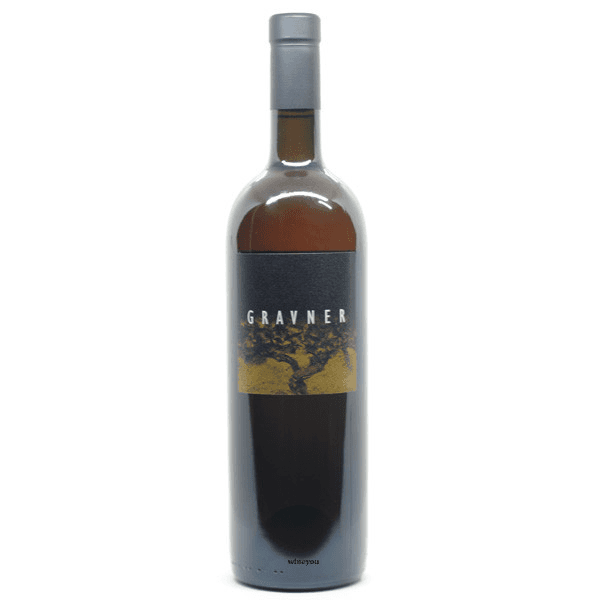
Gravner Ribolla Gialla 2015
Gravner
Gravner's experiment was the most radical in this lineup: he didn't tweak a process or add an ingredient — he threw away thirty years of modern winemaking and started over with seven-thousand-year-old technology. The Ribolla Gialla spends months on its skins in buried amphorae, developing a tannic structure and amber color that no conventional white wine possesses. Then it rests for six years in large oak before release. The result is a wine that defies categorization — not white, not red, not rosé, but something ancient and entirely its own. It proved that the oldest methods in winemaking weren't primitive — they were ahead of their time.
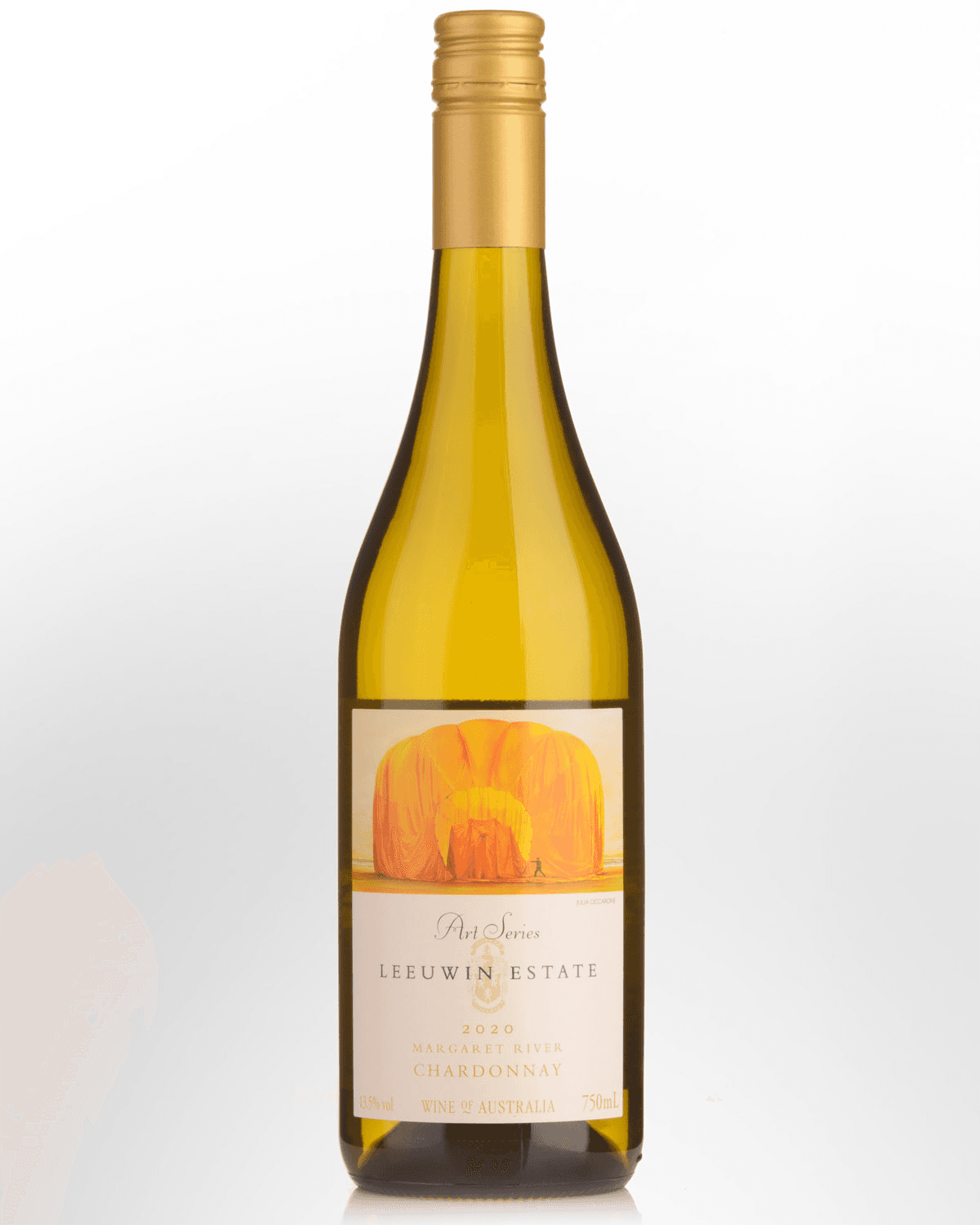
Leeuwin Estate Art Series Chardonnay 2020
Leeuwin Estate
The Art Series Chardonnay is Australia's most compelling argument that great Chardonnay needs nothing but time and patience. The 2020 vintage received 98 points from Wine Advocate and 97 from Halliday, James Suckling, and Wine Front.
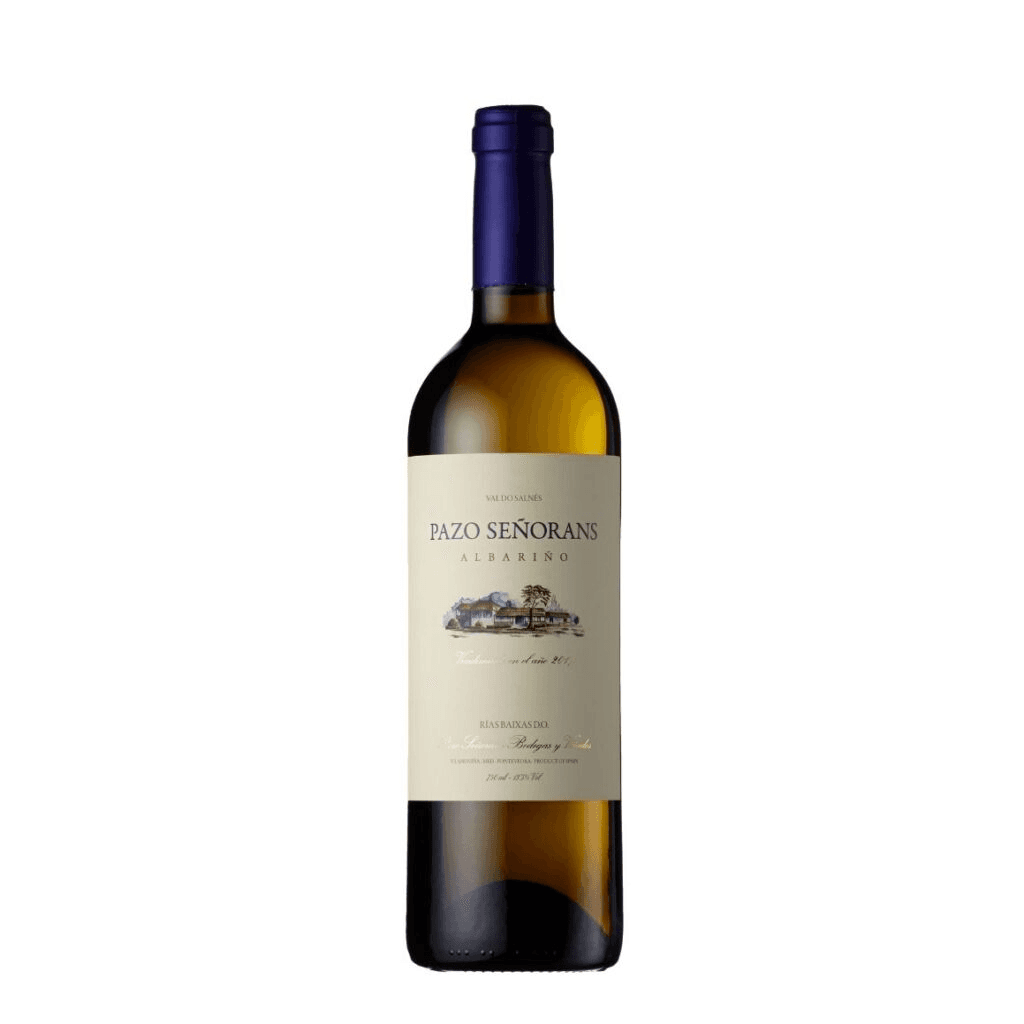
Pazo de Señorans Albariño 2022
Pazo de Señorans
Pazo de Señorans Albariño is the white wine that sommeliers pour for themselves. From a sixteenth-century manor in the Salnés Valley — the heart of Rías Baixas, where the Atlantic shapes every vine — this is Albariño at its most expressive.
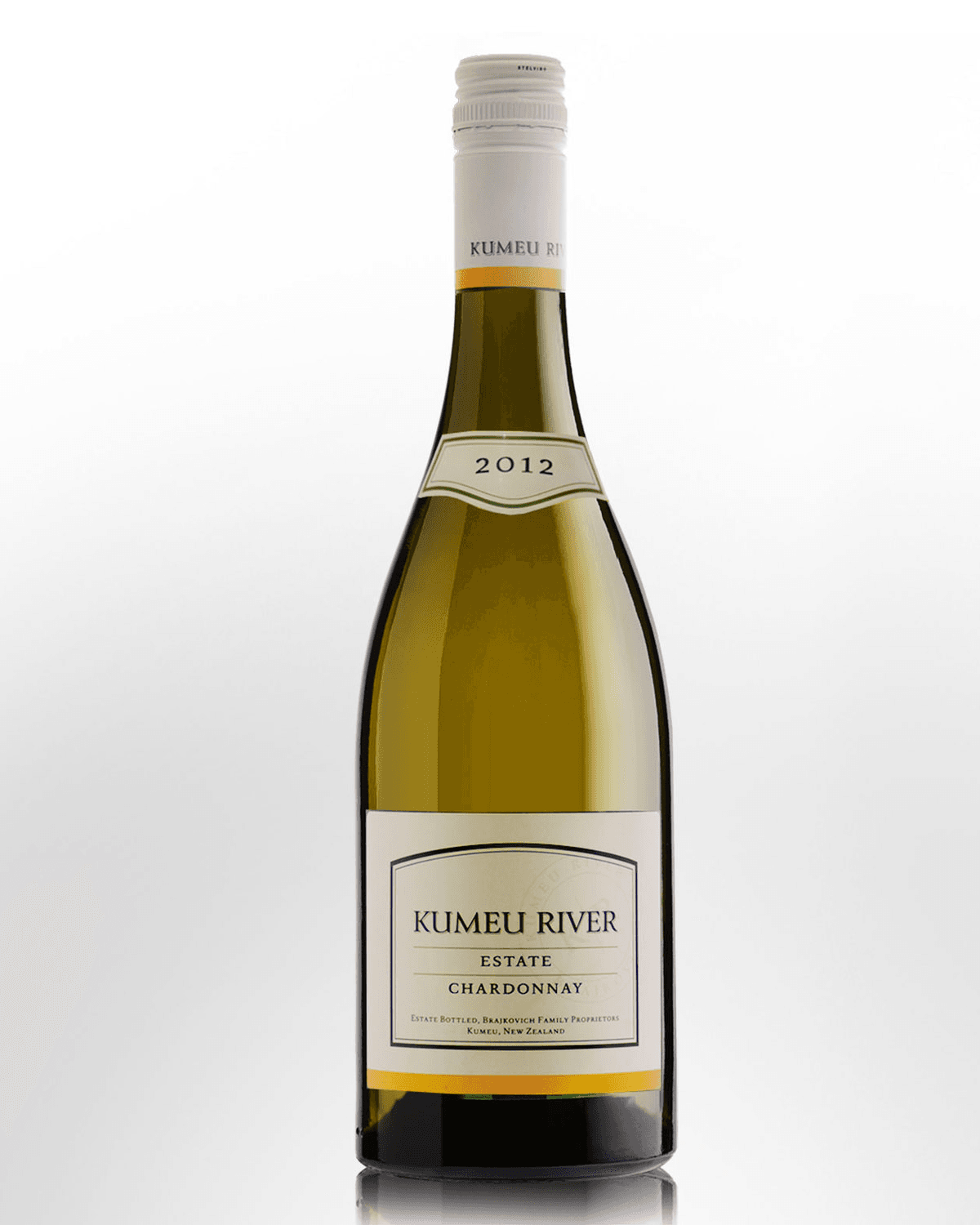
Kumeu River Maté’s Vineyard Chardonnay 2021
Kumeu River Wines (Brajkovich family)
Kumeu River Maté’s Vineyard is the definitive proof that great Chardonnay can migrate from Burgundy to the Southern Hemisphere without losing its soul.
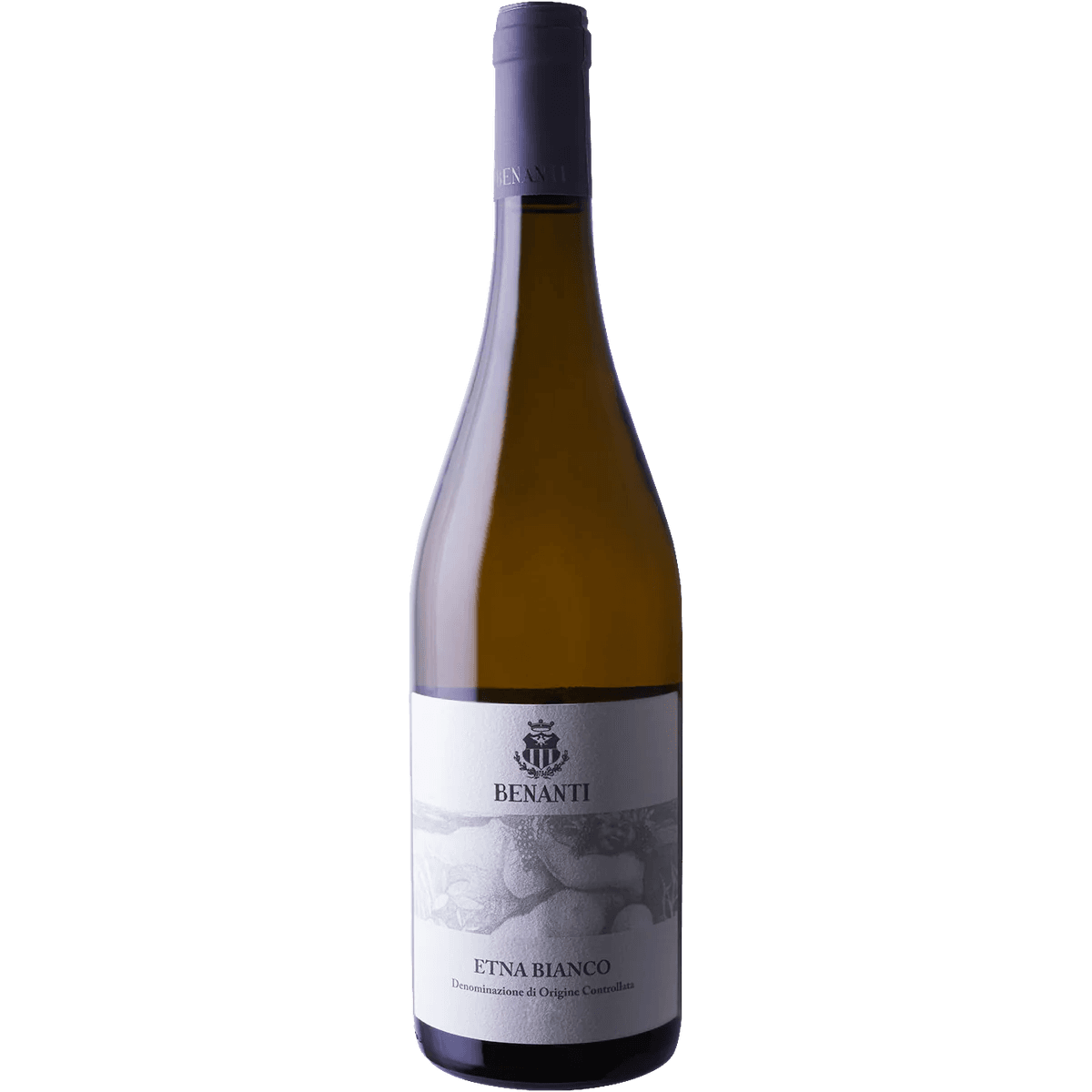
Benanti Etna Bianco 2022
Benanti Viticoltori
If fire built these eight bottles, then Benanti's Etna Bianco was built by the most patient fire of all — the volcanic eruptions that have been depositing mineral-rich ash and sand on the slopes of Mount Etna for thousands of years.
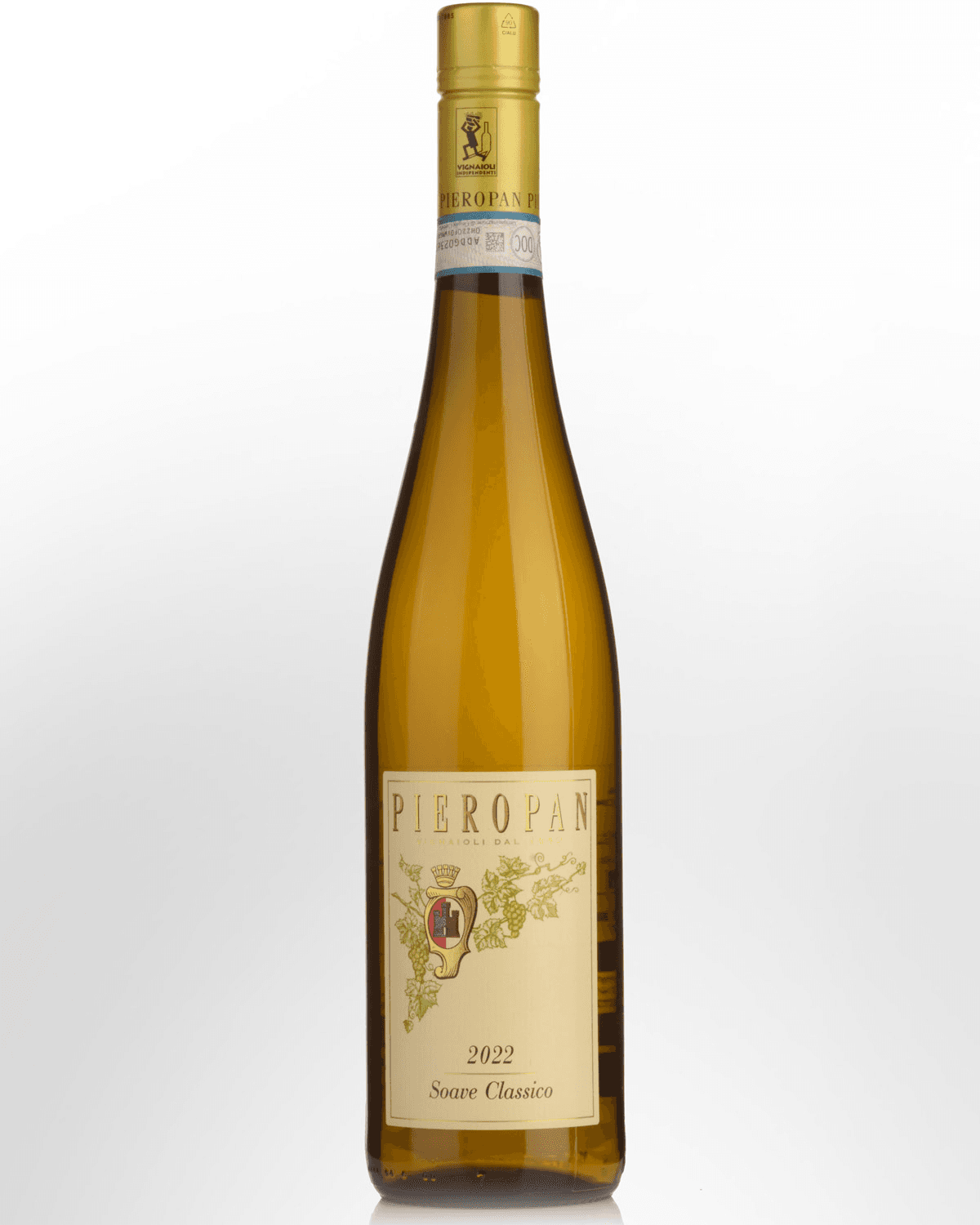
Pieropan Soave Classico 2022
Azienda Agricola Pieropan
Before Pieropan, Soave was a punchline — Nino Pieropan proved it could be world-class.
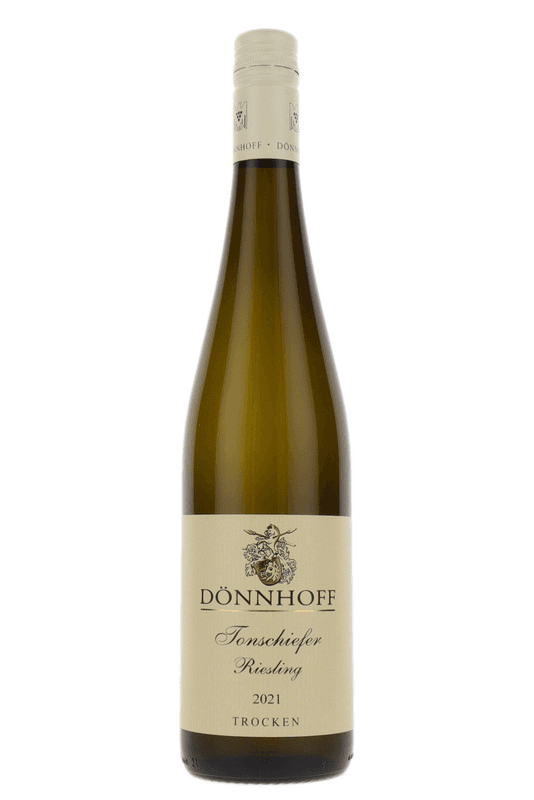
Dönnhoff Riesling Tonschiefer 2022
Weingut Dönnhoff (Family Estate)
Dönnhoff Tonschiefer — named for the Tonschiefer (clay slate) soils from which it springs — is proof that great wine architecture begins underground. While the world chases oak and extraction, the Dönnhoff family pursues the opposite: minimal intervention, indigenous yeasts, stainless steel, and the faith that if you farm well and get out of the way, the soil will speak. And speak it does. The slate minerality comes through as an electric current running beneath the fruit — green apple, citrus, white peach — giving the wine a tension and precision that oak could never provide. At under $35, this is one of the great bargains in fine wine: a pedigree estate Riesling with the kind of structural clarity that reveals more with every sip.
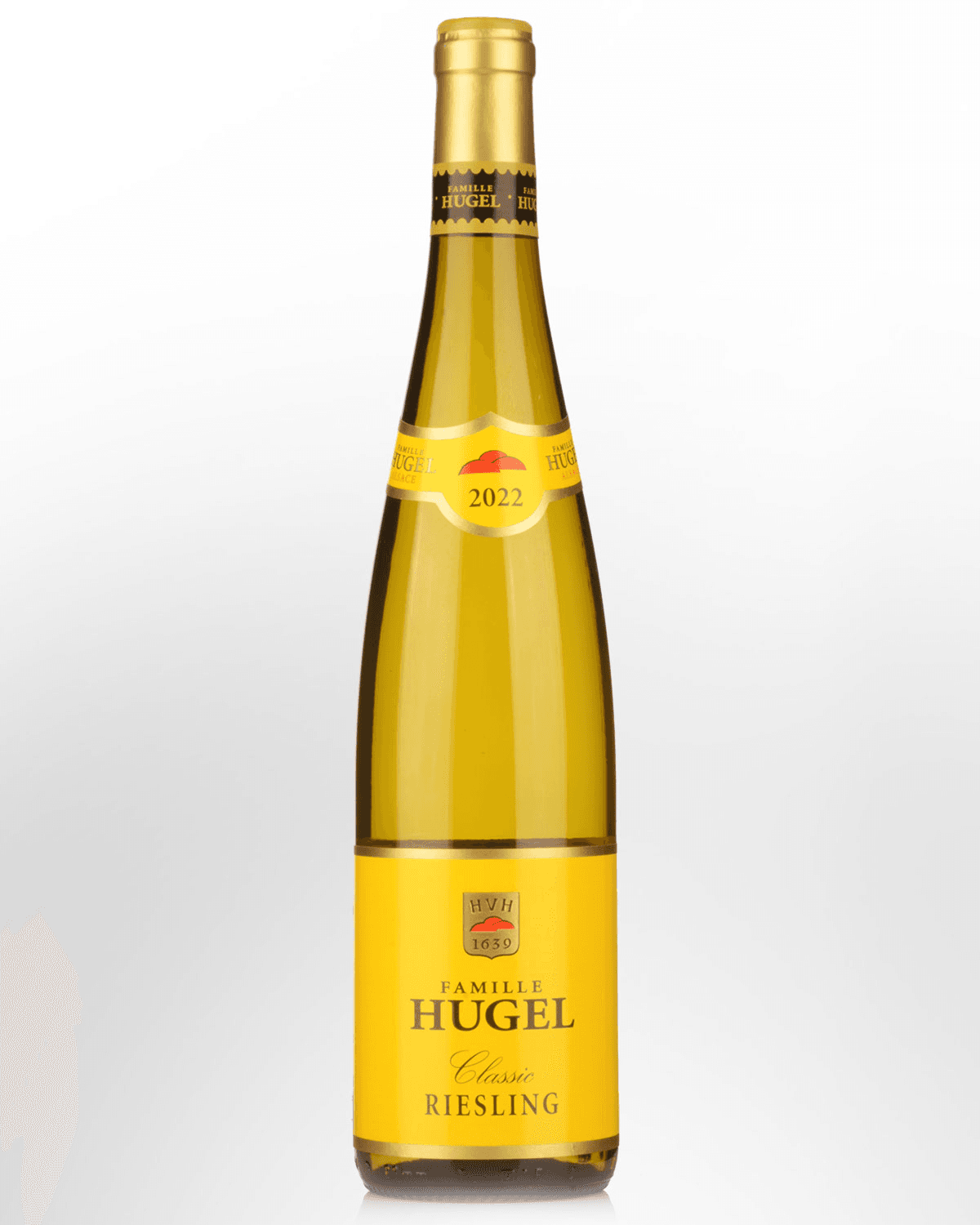
Famille Hugel Riesling Classic Alsace 2022
Famille Hugel
Famille Hugel has been making wine in Riquewihr since 1639, and their Classic Riesling is a distillation of everything they have learned across thirteen generations. This is Alsatian Riesling at its most pure.
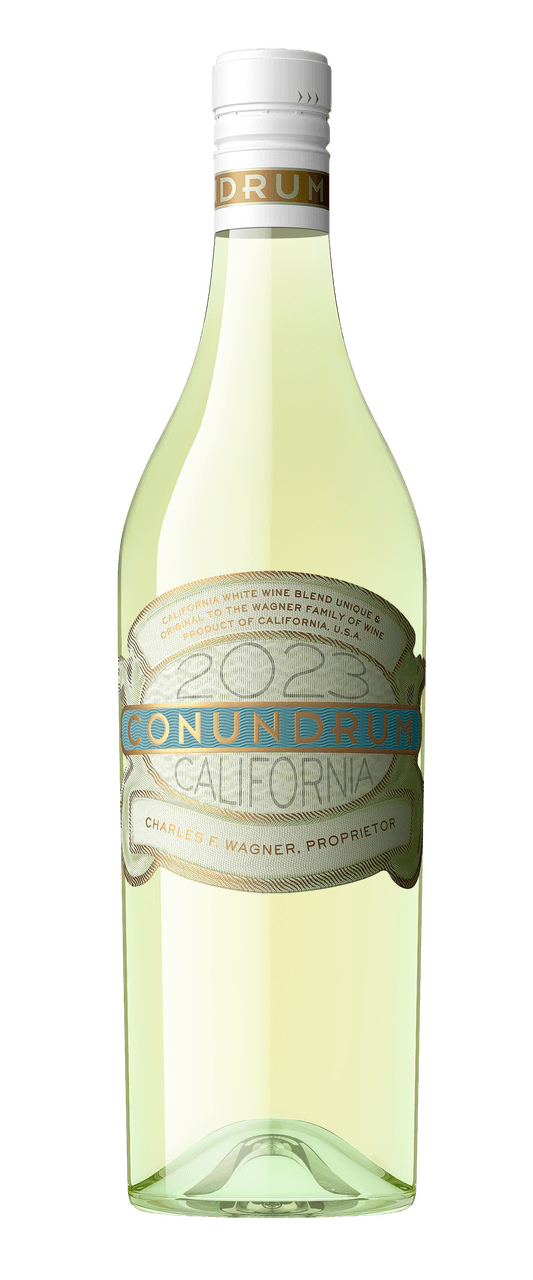
Conundrum White Blend 2023
Wagner Family of Wine (Caymus Vineyards)
Conundrum was decades ahead of its time. Chuck Wagner of Caymus created it in 1989, asking what if you gave each grape its best role.
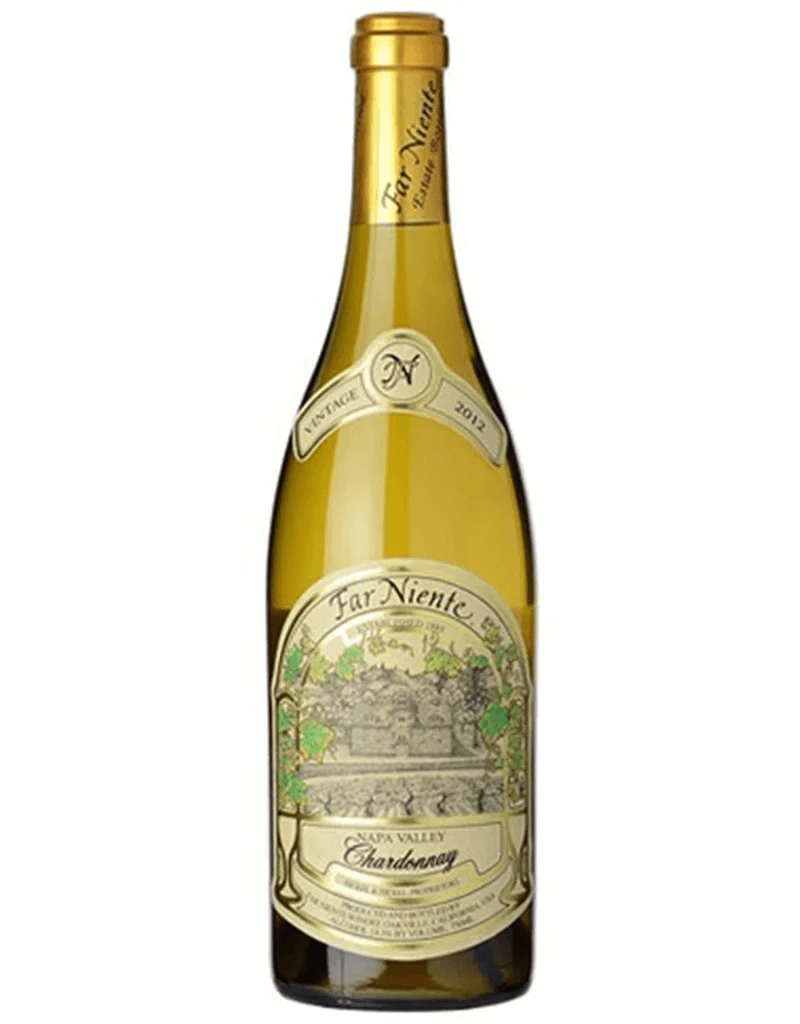
Far Niente Chardonnay Napa Valley 2022
Far Niente Winery
Far Niente Chardonnay is a Napa Valley institution — a wine that has set the standard for California Chardonnay since the estate's revival in 1979. Nicole Marchesi's winemaking philosophy is clear: every decision, from vineyard selection to barrel fermentation to malolactic aging, is made in service of balance rather than power.
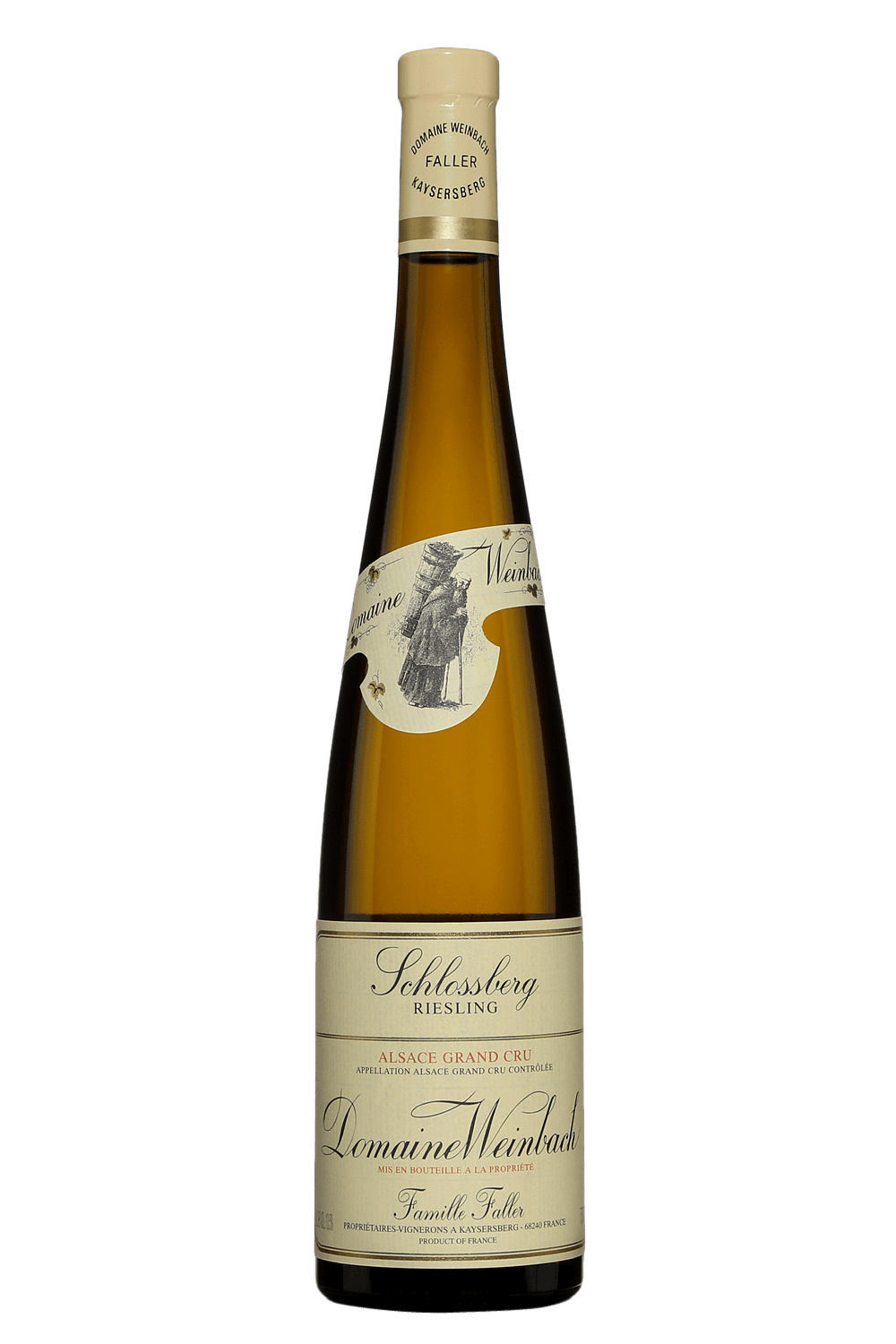
Domaine Weinbach Riesling Grand Cru Schlossberg 2021
Domaine Weinbach (Faller Family)
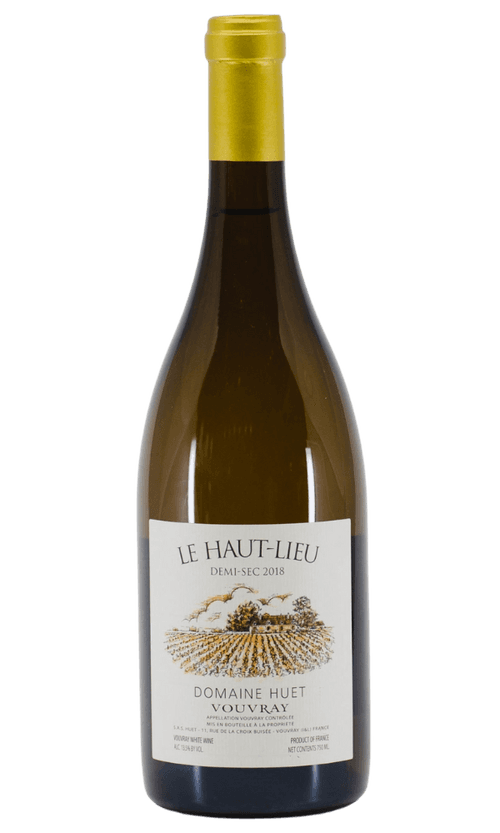
Domaine Huet Vouvray Le Haut-Lieu Sec 2021
Domaine Huet
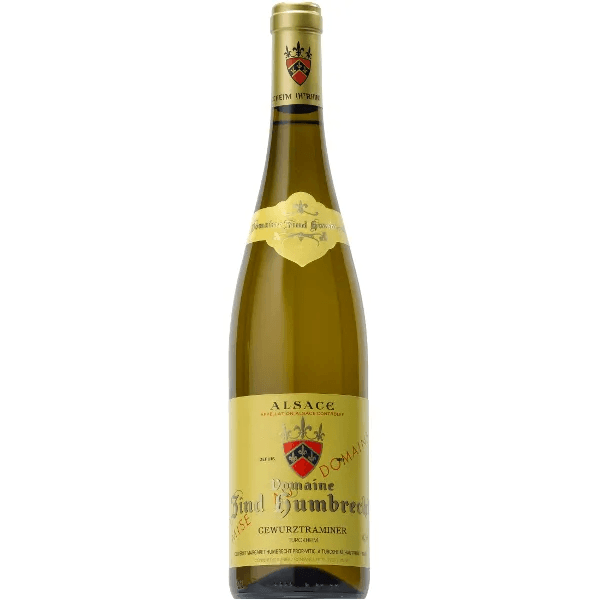
Zind-Humbrecht Gewürztraminer Turckheim 2021
Domaine Zind-Humbrecht
Olivier Zind-Humbrecht was the first Frenchman to earn the Master of Wine title, but his true revolution happened in the vineyard, converting the entire domaine to biodynamic farming.
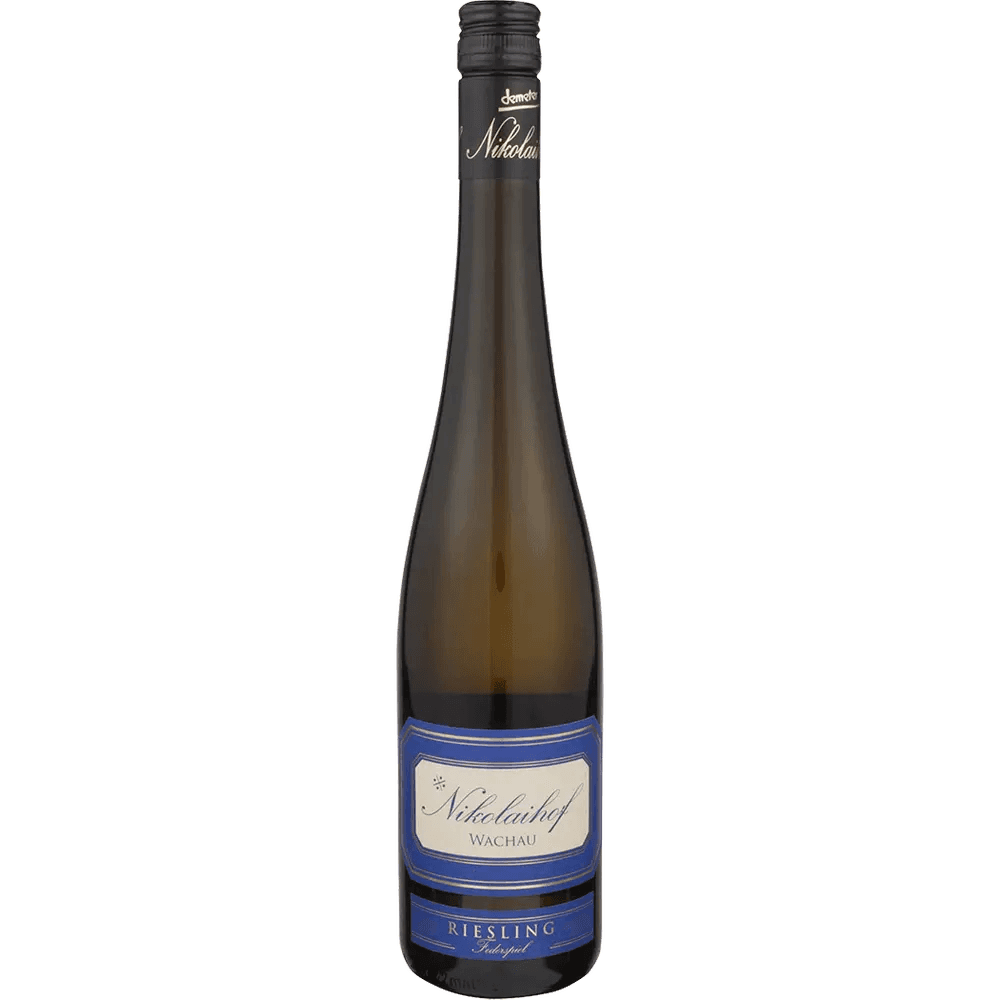
Nikolaihof Riesling Federspiel Vom Stein 2021
Nikolaihof Wein (Saahs Family)
Nikolaihof Riesling Federspiel Vom Stein is resilience measured in centuries. The Saahs family has been farming biodynamically since 1971.
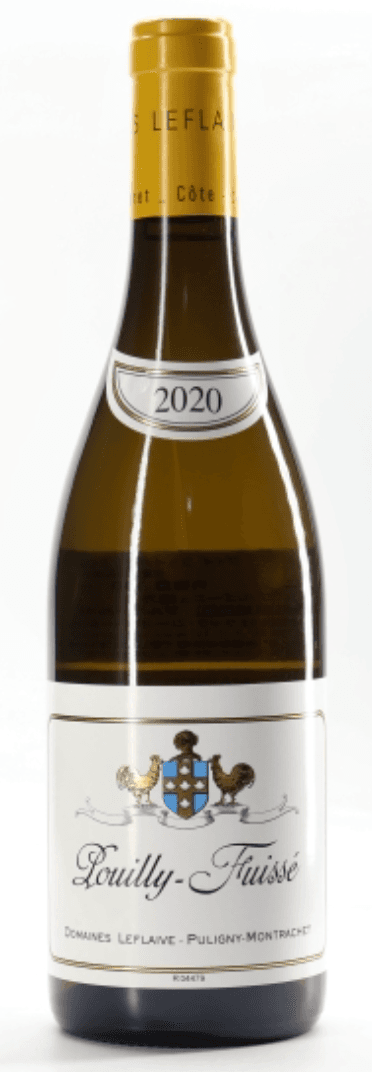
Domaine Leflaive Pouilly-Fuissé 2020
Domaine Leflaive (est. 1717)
The 2020 Domaine Leflaive Pouilly-Fuissé represents Burgundian Chardonnay at its most elegant.
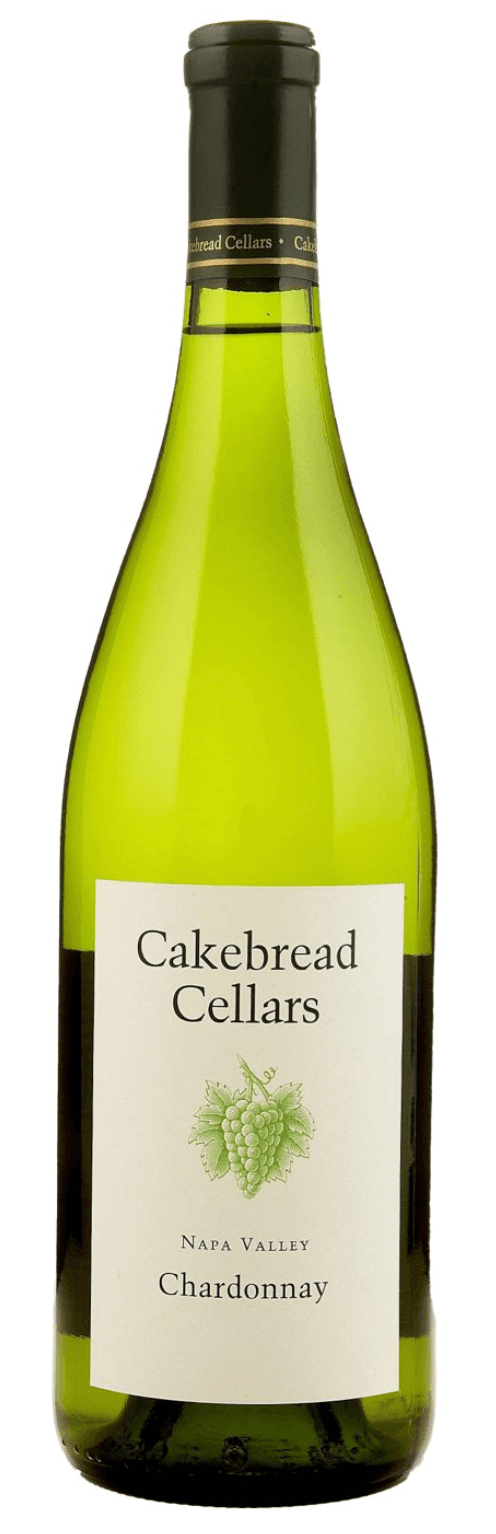
Cakebread Cellars Chardonnay Napa Valley 2022
Cakebread Cellars (est. 1973)
Cakebread Chardonnay has been a Napa Valley staple for over 50 years, and its longevity is a testament to the patience of doing something well and resisting the urge to change it. While Chardonnay trends have swung wildly — from heavily oaked and buttery in the '90s to severely unoaked in the 2010s — Cakebread has held a steady middle course: enough barrel influence for texture and complexity, enough acidity for freshness and food-friendliness. The partial malolactic fermentation is key — it gives the wine a creamy quality without tipping into butterball territory. Seven months of sur lie aging adds richness from the lees without dominating the fruit. The result is a Chardonnay that works equally well as an aperitif, a dinner companion, or a quiet glass at the end of the day. In a world of extremes, Cakebread's patience with its own identity is its greatest virtue.
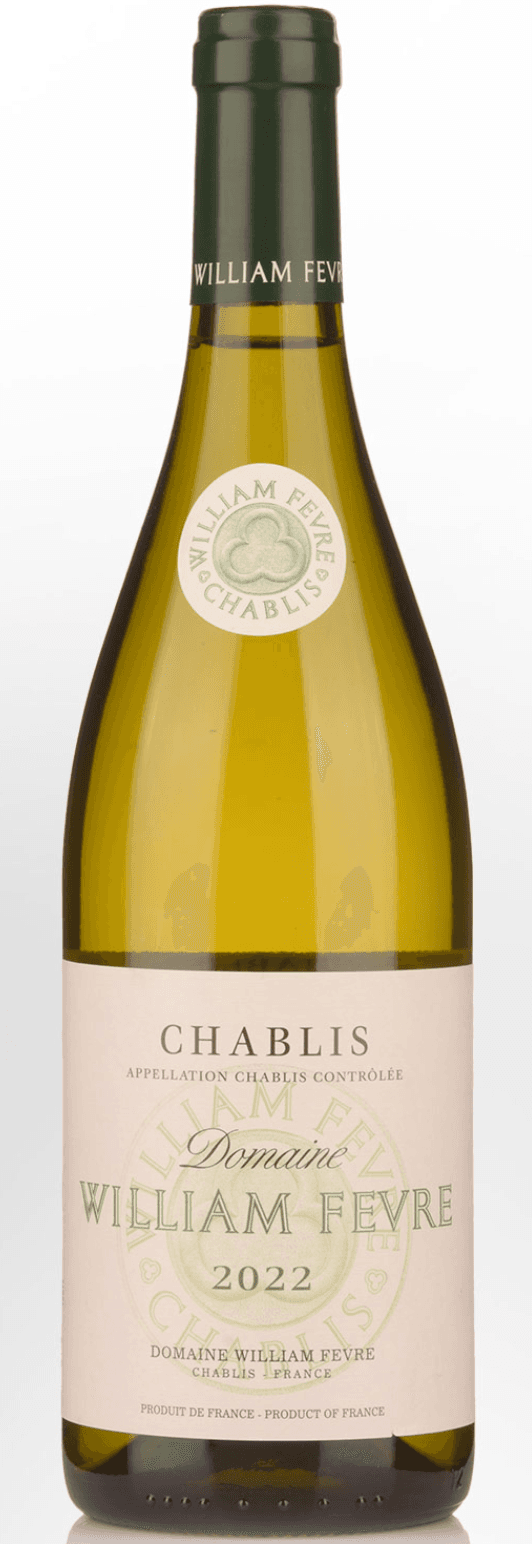
Domaine William Fèvre Chablis 2022
Domaine William Fèvre / Henriôt Group (est. 1959)
If any wine on earth proves that terroir is real, it is Chablis. The appellation sits on Kimmeridgian limestone — a geological formation laid down during the Late Jurassic period when this part of Burgundy was a tropical sea. Dig into a Chablis vineyard and you’ll find fossilized oyster shells (Exogyra virgula) embedded in the marl. William Fèvre understood this better than anyone: he was among the first vignerons to map the precise soil differences between Chablis parcels and to vinify accordingly. The domaine’s village-level Chablis is fermented and aged entirely in stainless steel — a deliberate choice to let the limestone speak without oak interference. The result is a Chardonnay stripped of everything except what the soil and climate put there: mineral tension, razor-sharp acidity, and a saline quality you can taste with your eyes closed. For readers of The Definitive Pocket Guide to Chablis, this is the benchmark.
Jermann Vintage Tunina 2022
Jermann (est. 1881, fourth generation)
Vintage Tunina is Silvio Jermann’s obsessive masterpiece — a white wine assembled from five grapes, each harvested at a different moment of optimal ripeness, fermented separately, and blended only when Jermann decides each component has found its voice. Sauvignon Blanc brings aromatics and acidity. Chardonnay adds body and structure. Ribolla Gialla contributes mineral tension. Malvasía Istriana lends waxy texture and floral perfume. And Picolit — Friuli’s rare native dessert grape, used here in tiny proportion — adds a honeyed complexity that ties everything together. Most winemakers would simplify this into two or three varieties. Jermann insists on five because he believes the wine isn’t complete without all of them. At $38–48, this is one of Italy’s great white wines and a masterclass in the art of the blend.
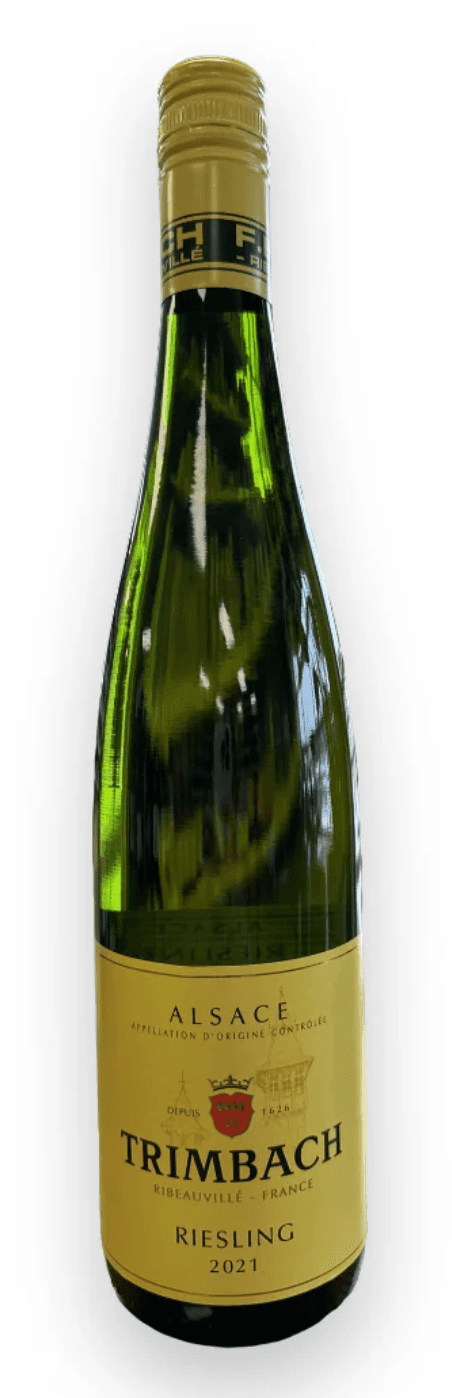
Trimbach Riesling 2021
Maison Trimbach (est. 1626)
Trimbach has been going against the grain since 1626 — they just don’t make a fuss about it. While Alsace became increasingly known for off-dry and sweet Rieslings, Trimbach committed to bone-dry wines with razor-sharp acidity and mineral precision. No malolactic fermentation, no residual sugar, no new oak — just pure expression of grape and terroir. The family has been making wine in Ribeauvillé for twelve generations and counting, and their philosophy hasn’t changed: balance, balance, balance. Their Clos Sainte Hune is one of the most legendary white wines on earth, but the entry-level Riesling — at $23–$28 — is where the value proposition is impossible to ignore. This is Riesling for people who think they don’t like Riesling.
Dr. Loosen Blue Slate Riesling Kabinett 2022
Weingut Dr. Loosen (Ernst Loosen, family-owned since early 1800s)
At 8.5% alcohol and under $20, this is one of the most food-friendly wines on earth — and one of the most misunderstood. The “Kabinett” designation means the grapes were picked at the first level of ripeness, giving a wine with gentle sweetness that’s balanced by razor-sharp acidity from the Mosel’s cool climate and blue slate soils. Ernst Loosen’s genius was recognizing that his family’s old, ungrafted vines — many over a century old, their roots drilling deep into fractured slate — produced wines of extraordinary mineral intensity that no young vineyard could match. The blue slate literally flavors the wine.

Nephin Small Batch Irish Whiskey
Nephin
Nephin is a relatively new name from Ireland's west coast, and this small batch blend shows careful curation rather than flash. It's approachable without being simple, with enough earthy complexity to hold the attention of seasoned drinkers. A whiskey that reflects its wild, boggy homeland more than its modest price tag might suggest.

Method and Madness Single Malt Irish Whiskey Finished in Acacia Wood Casks
Method and Madness
Method and Madness is Midleton's playground for pushing Irish whiskey's boundaries, and this acacia wood finish captures the issue's theme with remarkable precision. The experimental cask choice creates a whiskey that tastes like it was pulled from the wood at the exact perfect moment—ripe, radiant, and exquisitely balanced. A day earlier and the wood influence would whisper; a day later it might shout. As it stands, the timing was everything.

Kilbeggan 14 Year Old Single Malt Irish Whiskey Sherry Cask Finish
Kilbeggan
The sherry cask finishing gives this Kilbeggan single malt an added dimension of dried-fruit richness while preserving the distillery's characteristically gentle, honeyed core. It's a contemplative Irish whiskey that rewards slow attention.

Waterford Clonellan Edition 1.1 Single Malt Irish Whiskey
Waterford
Waterford's terroir-driven approach reaches its most compelling form in lesser-known farm editions like this one. The Clonellan barley imparts a distinctive cereal richness that sets it apart from its siblings. This is Irish whiskey asking you to think about dirt, rainfall, and latitude.

Killowen Bonded Small Batch Series Balcarrick 10 Year Old
Killowen Distillery
A quietly radical bottling from Ireland's smallest working distillery — the direct-fired heritage of Killowen shines through in a whiskey that feels older than its years, balancing sherry richness with a stony, elemental austerity that perfectly suits 'Mineral Meets Flame.'

Waterford Dunmore Edition 3.1 Single Malt Irish Whiskey
Waterford
Waterford's terroir-driven approach finds its purest expression in single-farm bottlings like Dunmore. This third edition shows a whiskey that is simultaneously mineral-heavy and feather-light — grounded in the earth it came from, yet lifted by careful distillation and precise cask management.

Waterford Tinnashrule Edition 3.1 Single Malt Irish Whiskey
Waterford
Waterford's single-farm origin philosophy makes the binding agent literal: a specific piece of earth, a single barley harvest. Edition 3.1 from Tinnashrule shows how terroir concepts, once reserved for wine, can produce meaningful variation in whiskey. The earthy mineral thread running through this dram is the proof.

Waterford Ballymorgan Edition 4.1 Single Malt Irish Whiskey
Waterford
Waterford's single-farm origin approach is controversial to some, revelatory to others. Ballymorgan 4.1 makes a compelling case — this is whiskey that tastes like somewhere specific. The distillery's commitment to traceability gives this pour a philosophical weight to match its palate density.

Fortaleza Still Strength Reposado
Fortaleza
Fortaleza's still-strength reposado showcases what happens when traditional tahona production meets a few extra months in oak with no dilution to bottling proof. The result is a tequila that carries more weight and concentration than the standard reposado, with the agave always front and center. It's a textbook example of how controlled heat — in the horno, the still, and the barrel — can build complexity without losing identity.
Waterford Kilbarry Edition 1.1 Single Malt Irish Whiskey
Waterford
Waterford's terroir-obsessed approach yields something genuinely distinctive here. The Kilbarry farm's barley brings a mineral tension rarely found in Irish whiskey. Bottled at 50% with no chill filtration, it delivers the full weight of its origin in every sip.

Domaine de la Mordorée Condrieu 2023
Domaine de la Mordorée
Condrieu is Viognier at its most unapologetically hedonistic, and Mordorée's 2023 captures the variety's essence — rich, aromatic, and sun-drenched — without tipping into flabbiness. The granite terraces of Condrieu force the vines to struggle, and that tension between heat-driven ripeness and mineral restraint is what makes this wine compelling rather than merely lush.

Echlinville Single Malt Irish Whiskey
Echlinville
A genuine estate-to-glass single malt with a distinctive coastal, mineral profile — one of the most quietly ambitious releases in modern Irish whiskey and a compelling counterpoint to the Midleton–Cooley axis.

Dario Prinčič Venezia Giulia Bianco Trebez 2023
Dario Prinčič
A benchmark Oslavian orange wine that rewards patience and food; profound, unhurried, and utterly transformative in the glass.

Domaine Marcel Deiss Riesling Grand Cru Altenberg de Bergheim 2022
Domaine Marcel Deiss
Jean-Michel Deiss's Altenberg de Bergheim is among Alsace's most profound single-vineyard wines. The 2022 vintage captures the warmth of the season while the limestone-clay terroir provides natural tension. This is a complantation site where multiple grape varieties grow interplanted — an ancient practice that Deiss revived — yielding a wine that transcends varietal character entirely. Serious, contemplative, and built for the long haul, though already deeply rewarding.

Domaine Patrick Baudouin Anjou Blanc Les Zersilles 2023
Domaine Patrick Baudouin
Patrick Baudouin is one of the Loire's most thoughtful biodynamic vignerons, and Les Zersilles showcases Chenin Blanc's ability to be simultaneously generous and restrained. This is a white wine with genuine intellectual depth — each sip reveals another layer of the volcanic schist terroir that defines Baudouin's parcels in Layon.

Nephin Single Malt Irish Whiskey
Nephin Whiskey
Nephin represents the new wave of small-batch Irish whiskey from Ireland's western coast. It doesn't try to compete on age or power — instead it leans into elegance and terroir-driven character. A worthy discovery for anyone who thinks Irish whiskey begins and ends in Midleton.

Domaine de la Taille aux Loups Montlouis-sur-Loire Sec Les Dix Arpents 2022
Domaine de la Taille aux Loups
Jacky Blot's Taille aux Loups is the gold standard for Montlouis-sur-Loire, and Les Dix Arpents shows why. This Chenin Blanc from clay-flint soils achieves the rare combination of richness and tension that makes Loire whites so compelling. The 2022 vintage has a vibrancy and directness that makes it irresistible now, though it will easily reward a decade of patience.

Waterford Knockeen Edition 1.1 Single Malt Irish Whiskey
Waterford
Waterford's terroir-driven approach produces whiskies that taste like somewhere, not just something. The Knockeen farm's barley delivers a distinctive mineral quality that separates this from the typical Irish malt profile. At 50% ABV without chill filtration, the texture and detail are fully intact.

Cascahuín Lágrimas
Cascahuín
Cascahuín Lágrimas is a distillate of conviction — the 'tears' collected from the still at their most concentrated and flavorful. This is a blanco that rewards sipping neat and demands attention from anyone who thinks unaged tequila is simple. A benchmark for what small-batch, traditionally crafted tequila can achieve at full strength.

Balmenach 12 Year Old (Signatory Vintage Un-Chillfiltered Collection)
Signatory Vintage
Balmenach is one of Speyside's workhorses — most of its output disappears into blends, making single-cask independent bottlings like this one rare glimpses at the distillery's true character. The waxy, honeyed profile here is muscular Speyside at its most rewarding.

Domaine Valette Mâcon-Chaintré Cuvée Hors Classe 2022
Domaine Valette
Gérard Valette farms biodynamically and ages his wines far longer than his neighbors, producing Mâcon whites with the depth and complexity of premier cru Burgundy. The 2022 Hors Classe is a quiet revelation — proof that attentive viticulture and patience in the cellar can elevate humble origins into something extraordinary. This is terroir advocacy at its finest.

Kilbeggan 14 Year Old Single Malt Irish Whiskey
Kilbeggan
Kilbeggan's 14-year single malt demonstrates the quiet elegance possible from one of Ireland's oldest licensed distilleries. Extended maturation has allowed the spirit's natural honeyed character to develop real complexity, resulting in a whiskey that feels unhurried and assured.

Yamazaki 12 Year
Yamazaki
Yamazaki 12 is a masterclass in balance and subtlety. It doesn't shout — it earns your attention through precision, layering flavors in a way that rewards patience. This is the bottle that put Japanese whisky on the global map, and it remains a benchmark for what elegance in single malt can look like.

Waterford Sheestown Edition 7.1 Single Malt Irish Whiskey
Waterford
Waterford's terroir-driven approach to Irish whiskey reaches its most articulate expression in the Sheestown series. This seventh edition from the same farm demonstrates vintage-to-vintage consistency in character while revealing the particular stamp of the Sheestown barley. It's Irish whiskey that tastes like a specific place on the map — and that's the whole point.

Domaine Valette Pouilly-Fuissé Clos de Monsieur Noly Vieilles Vignes 2022
Domaine Valette
Gérard Valette's old-vine Chardonnay from the Clos de Monsieur Noly parcel is among the most serious whites produced in the Mâconnais. Extended lees aging and minimal intervention yield a wine of Côte d'Or density at a fraction of the price. The 2022 is rich but never blowsy, with an underlying acidity that promises years of development.

Waterford Tinnashrule Edition 2.1 Single Malt Irish Whiskey
Waterford
Waterford's terroir-driven approach finds full expression in Tinnashrule 2.1. The second edition from this single farm origin reveals how soil, climate, and barley variety converge in the glass. It's cerebral whiskey — the kind that invites comparison and rewards curiosity.

Waterford Sheestown Edition 4.1 Single Malt Irish Whiskey
Waterford
Waterford's terroir-driven project continues to produce compelling results. This fourth edition from the Sheestown farm shows how Irish barley's origin shapes whiskey in meaningful ways. The mineral backbone here sets it apart from conventional Irish single malts — it drinks like a specific place, not a style.

Domaine du Vieux Télégraphe Châteauneuf-du-Pape Blanc 2022
Domaine du Vieux Télégraphe
This is a white wine that doesn't sparkle — it smolders. Vieux Télégraphe's Blanc captures the paradox of Châteauneuf-du-Pape: sun-drenched intensity tempered by ancient galets beneath the soil. It's the grain's last ember incarnate — all warmth, weight, and gentle fade. A wine for those who understand that silence can be luminous.

Ardmore 12 Year Old Highland Single Malt Scotch Whisky
Ardmore
Ardmore occupies a rare middle ground—a Highland distillery that embraces peat without surrendering to it. This 12-year-old expression shows what happens when smoke serves as seasoning rather than the main course. It's an essential bottle for anyone exploring the spectrum between Speyside sweetness and Islay intensity.

Waterford Rathclogh Edition 3.1 Single Malt Irish Whiskey
Waterford
Waterford's terroir-driven approach yields a whiskey that tastes like a specific place. Rathclogh Edition 3.1 has the freshness and purity of a young malt that has been expertly distilled, with enough complexity to hold your attention through a long evening.

Waterford Sheestown Edition 5.1 Single Malt Irish Whiskey
Waterford
Waterford's terroir-driven approach reaches its clearest expression in the Sheestown editions, where the barley from a single farm speaks with unmistakable clarity. Edition 5.1 builds on the lineage with greater depth and integration. This is Irish whiskey as agricultural statement — quiet, specific, and utterly convincing.
Kilbeggan 14 Year Old Single Malt Irish Whiskey Peated
Kilbeggan
This is one of Irish whiskey's quieter structural achievements — peat used not for spectacle but for spine. Cooley's double-distilled approach keeps the smoke refined, and fourteen years rounds every edge. A peated Irish that proves discipline is more interesting than volume.

Waterford Sheestown Edition 2.1 Single Malt Irish Whiskey
Waterford
Waterford's single-farm approach either excites or exhausts you — there's no middle ground. Sheestown 2.1 makes a compelling case for the former. This is Irish whiskey as transparent expression of place: the barley variety, the soil, the microclimate all register clearly. It rewards curiosity more than casual sipping.

Waterford Rathclogh Edition 4.1 Single Malt Irish Whiskey
Waterford
Waterford's obsession with terroir continues to produce genuinely distinctive whiskey. Rathclogh Edition 4.1 draws from barley grown on the Rathclogh farm in County Kilkenny, and the resulting spirit carries a minerality and freshness that sets it apart. This is Irish whiskey that asks you to think about soil.

Lagavulin 16 Year
Lagavulin
Lagavulin 16 is the benchmark by which heavily peated Islay malts are measured, and it earns that status through balance rather than brute force. The interplay between smoke, sweetness, and maritime character is meticulously calibrated after 16 years of patient maturation. This is a bottle that belongs on every serious whisky shelf — not as a trophy, but as a teacher.

Kilbeggan 14 Year Old Single Malt Irish Whiskey Cask Strength
Kilbeggan
This cask-strength release from Kilbeggan rewards patience and a few drops of water, opening from a concentrated dried-fruit core into a remarkably complex whiskey with earthy, mineral undertones. The fourteen years in ex-bourbon wood lend genuine maturity without masking the malt character. It represents the kind of value that Irish whiskey collectors should be seeking out before the market catches on.

Killowen Bonded Experimental Series Peated Malt & Malt
Killowen Distillery
A rare, thoughtful bottling from Ireland's smallest licensed distillery — proof that peated Irish whiskey can be as terroir-driven and elemental as anything from Islay, with a distinctly Mourne Mountain character.

Waterford Sheestown Edition 6.1 Single Malt Irish Whiskey
Waterford
Waterford's single-farm approach strips away blending shortcuts and asks whether Irish terroir is real. Sheestown 6.1 answers emphatically. This is a whiskey defined by what it doesn't add — no peat, no heavy cask influence — letting the grain speak in its own voice.