Aroma
Honey
23 bottles with this note
Train this aroma
Irish Whiskey Aroma Kit
Develop your palate with the canonical reference for honey and related notes.
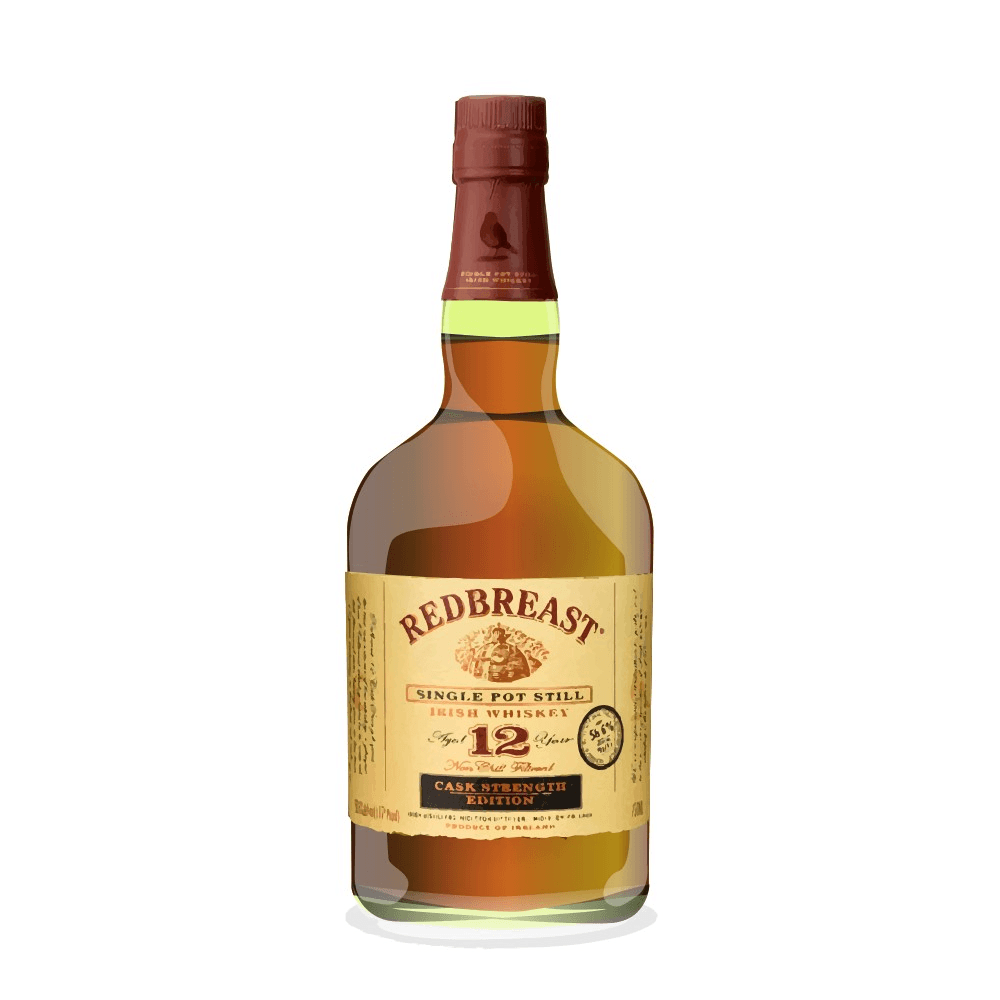
Redbreast 12 Year Old Cask Strength
Irish Distillers (Pernod Ricard)
Redbreast 12 Cask Strength is the uncut, non-chill-filtered expression of the whiskey that revived Irish single pot still as a serious category. Midleton bottles it batch by batch at each cask's natural proof.
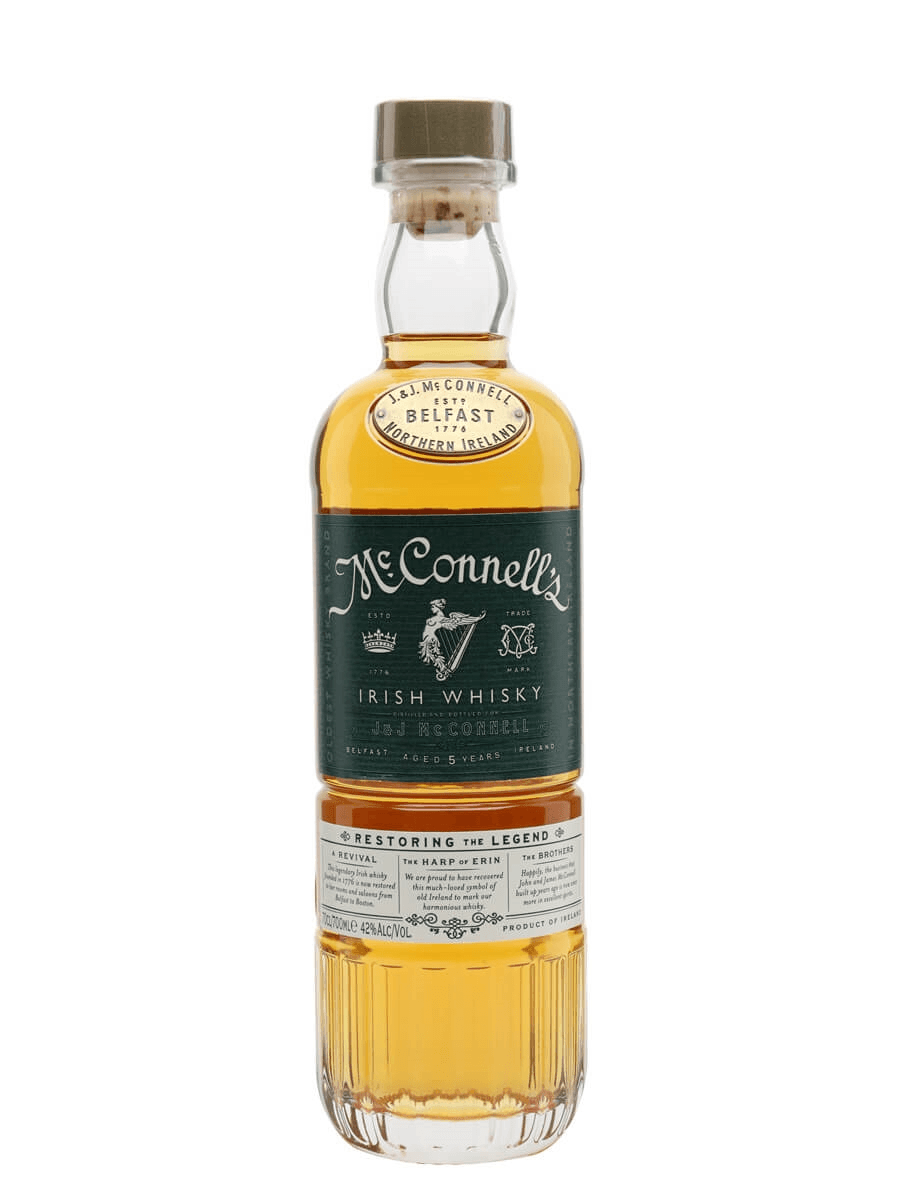
McConnell’s Irish Whisky 5 Year Old
Conecuh Brands
McConnell’s is proof that a resurrection can be its own catalyst. Rather than chasing the pot-still complexity of Dublin’s heritage brands or the peated novelty of Connemara, McConnell’s chose the most difficult path: a straightforward, well-made blend that stands on flavor rather than story. The five-year bourbon-cask maturation delivers approachable butterscotch sweetness without thinness, and the triple-distilled malt component adds just enough texture to hold your attention. At under thirty-five dollars, this is a bottle that earns its place not by trading on Belfast nostalgia but by being good whiskey at a price that invites exploration.
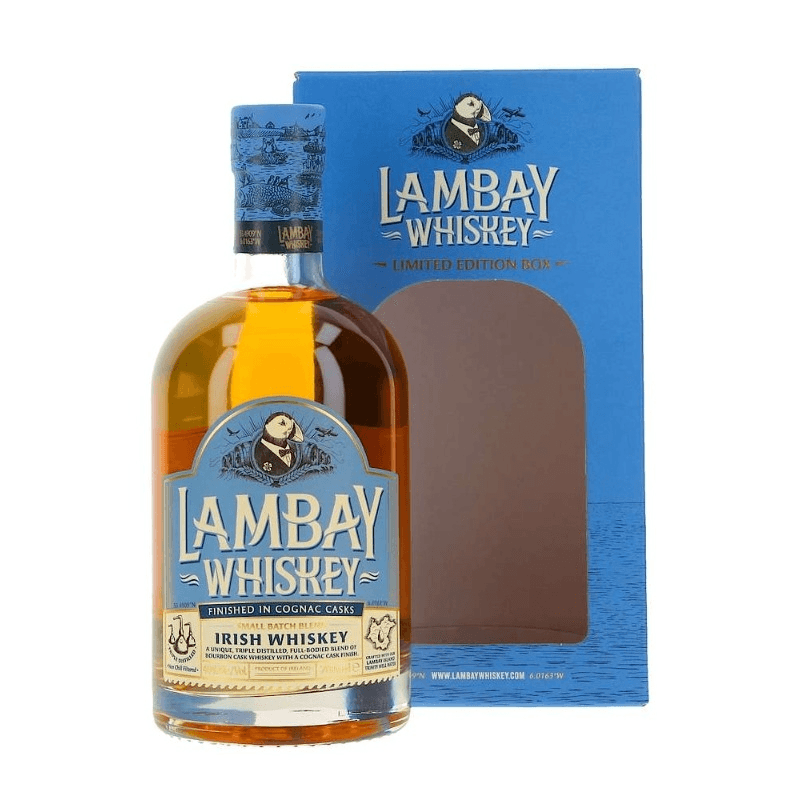
Lambay Small Batch Blend
Lambay Whiskey (Baring Family & Maison Camus)
Lambay Small Batch Blend is a whiskey born from an unlikely marriage — Irish triple-distilled spirit and French cognac cooperage, united by an island in the Irish Sea. The Cognac cask finish is not a gimmick; it adds a genuine floral and stone-fruit dimension that most blended Irish whiskeys lack entirely. And the sea-air finishing gives the whole package a maritime lightness that makes it dangerously easy to drink. At around $30, it's one of the most interesting experiments in Irish whiskey — and a reminder that where your casks breathe matters as much as what's inside them. Cocktail — "The Island Sour": Combine 2 oz Lambay Small Batch, 1 oz fresh lemon juice, 0.75 oz honey syrup, and 1 egg white. Dry shake vigorously, then shake with ice. Strain into a coupe and garnish with a few drops of Angostura on the foam. The honey and Cognac-cask character play beautifully against the citrus acid.
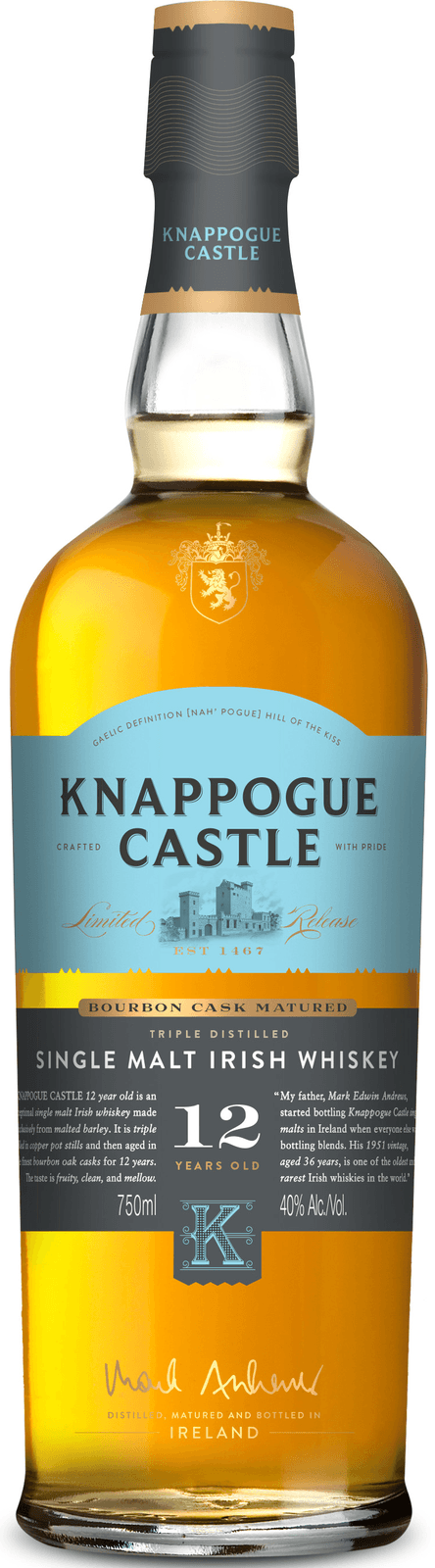
Knappogue Castle 12 Year Old
Cobblestone Brands
Knappogue Castle 12 is the proving ground for Irish single malt itself. When Mark Edwin Andrews began bottling these whiskies in the 1960s, Irish whiskey was synonymous with blends, and the idea that Ireland could produce world-class single malts seemed improbable to most. This 12-year-old, triple-distilled and aged entirely in bourbon oak, demonstrates the quiet power of Irish malt at its most elegant: smooth without being simple, gentle without being hollow. It proved that patience and purity were all Irish whiskey ever needed. Cocktail — The Castle Sour: 2 oz Knappogue Castle 12, 0.75 oz fresh lemon juice, 0.5 oz green apple syrup, 1 egg white. Dry shake, then shake with ice and strain into a coupe. Garnish with a thin apple slice. The whiskey's orchard fruit character shines through the frothy citrus.
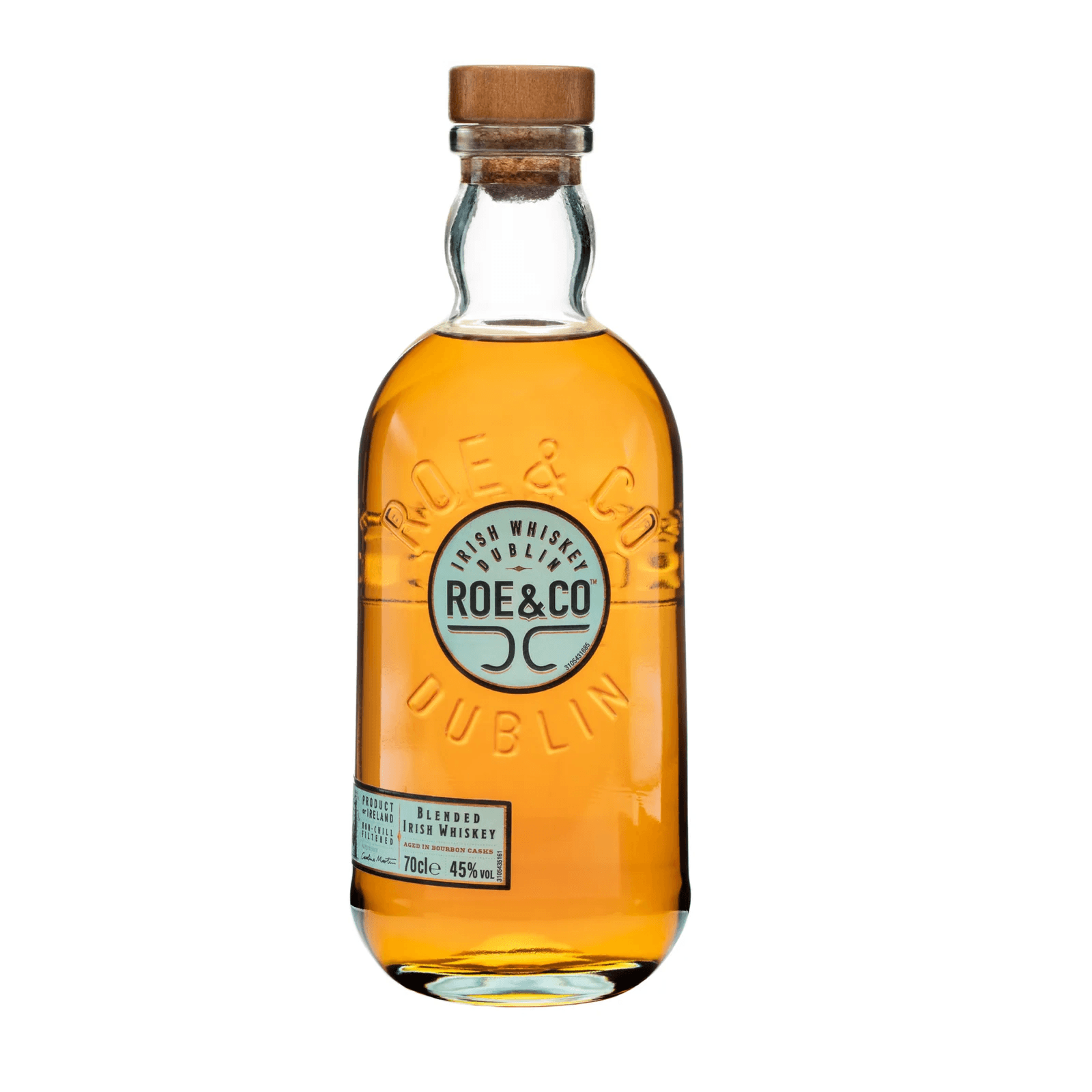
Roe & Co Blended Irish Whiskey
Diageo
Roe & Co is the resurrection of a name that once meant more to Irish whiskey than Jameson or Bushmills. George Roe’s original distillery was the largest in Europe, yet today most drinkers have never heard of him. Diageo’s revival blends rich malt and smooth grain whiskeys matured in a high proportion of first-fill bourbon barrels, then bottles at 45% ABV without chill filtration — a level of care that belies its modest price tag. At roughly thirty-five dollars, Roe & Co delivers the kind of creamy, spice-driven complexity that invites comparison with bottles twice its price.
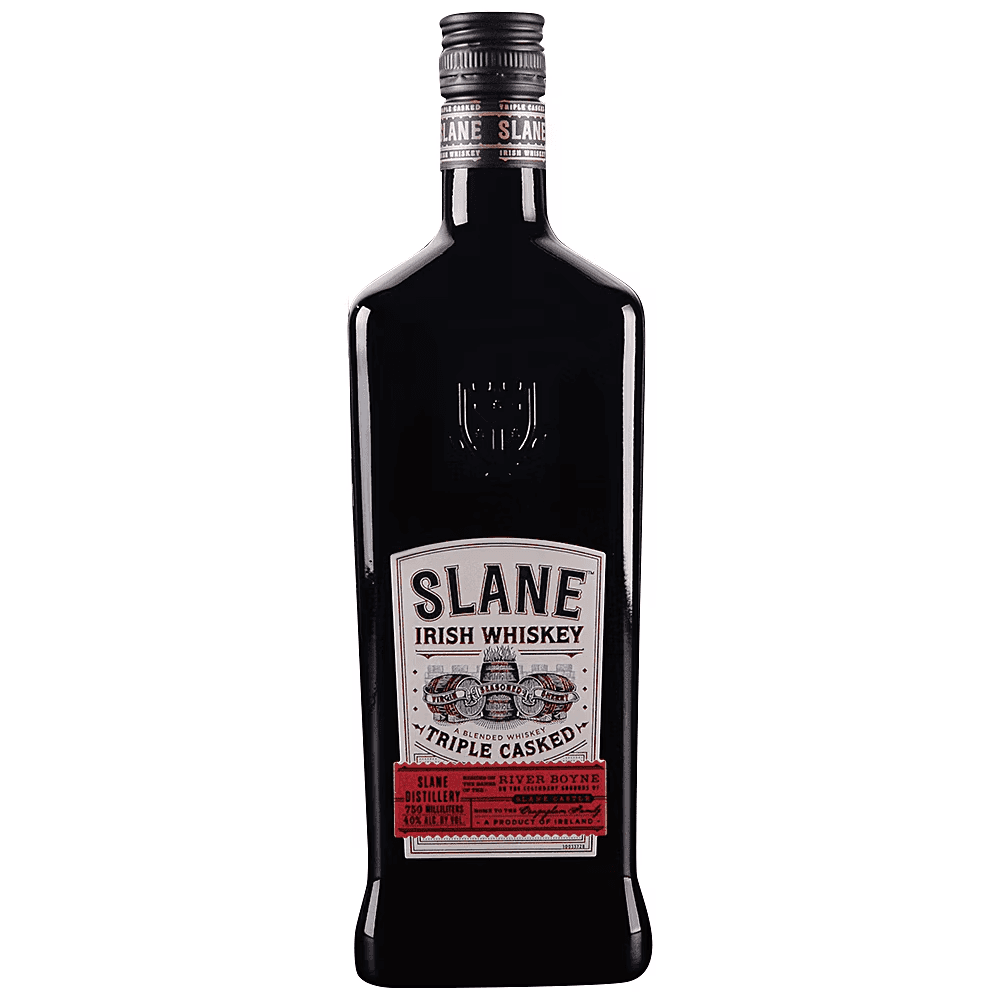
Slane Irish Whiskey
Brown-Forman
Slane is the story of what happens when a 150-year-old American whiskey company migrates its cooperage expertise to Ireland.
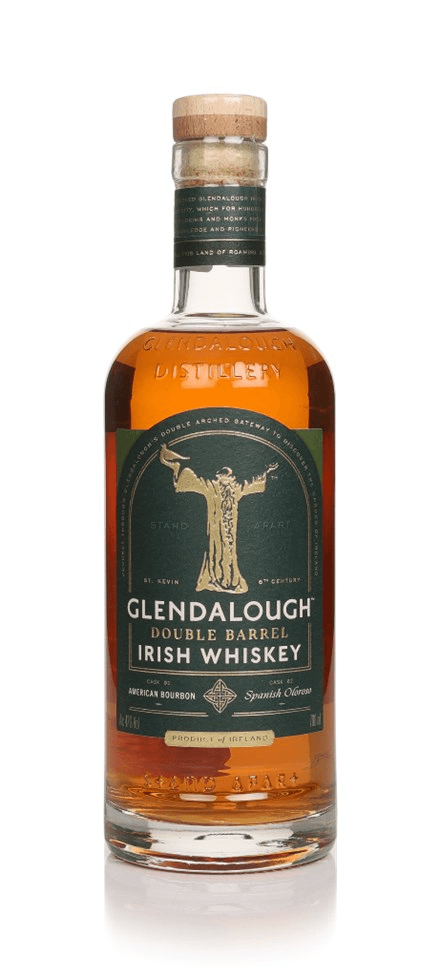
Glendalough Double Barrel
Glendalough Distillery (Mark Anthony Brands)
The double barrel treatment here is a study in how fire shapes wood, and wood shapes whiskey. The first-fill bourbon barrels — charred by fire before they ever held spirit — give the Glendalough its vanilla and caramel backbone. The Oloroso sherry casks — toasted to a different specification — add dried fruit and chocolate complexity.
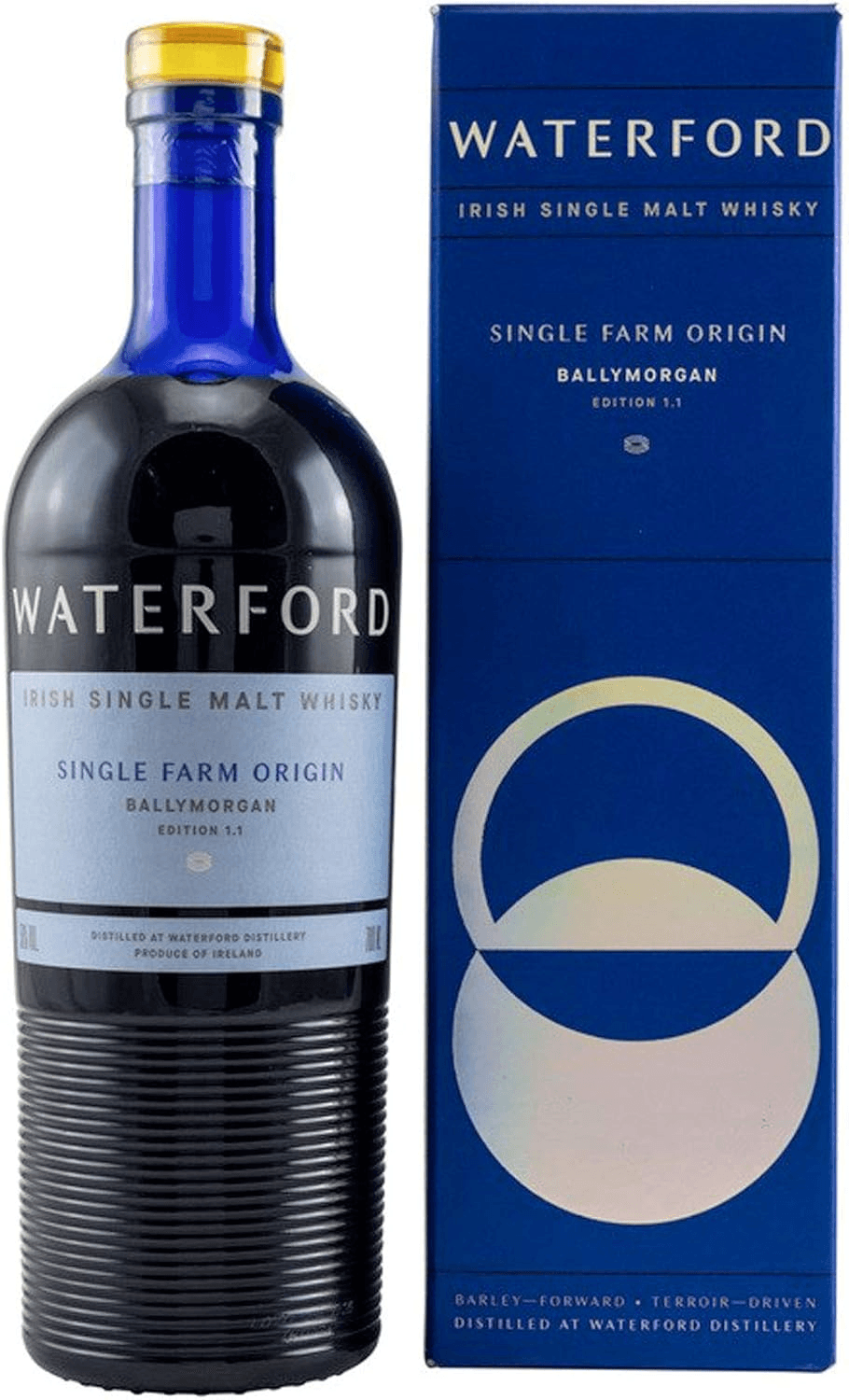
Waterford Single Farm Origin Ballymorgan 1.1
Waterford Distillery
Waterford is doing something no other Irish distillery has attempted at this scale: proving that barley grown on different soil types produces distinctly different whiskey.
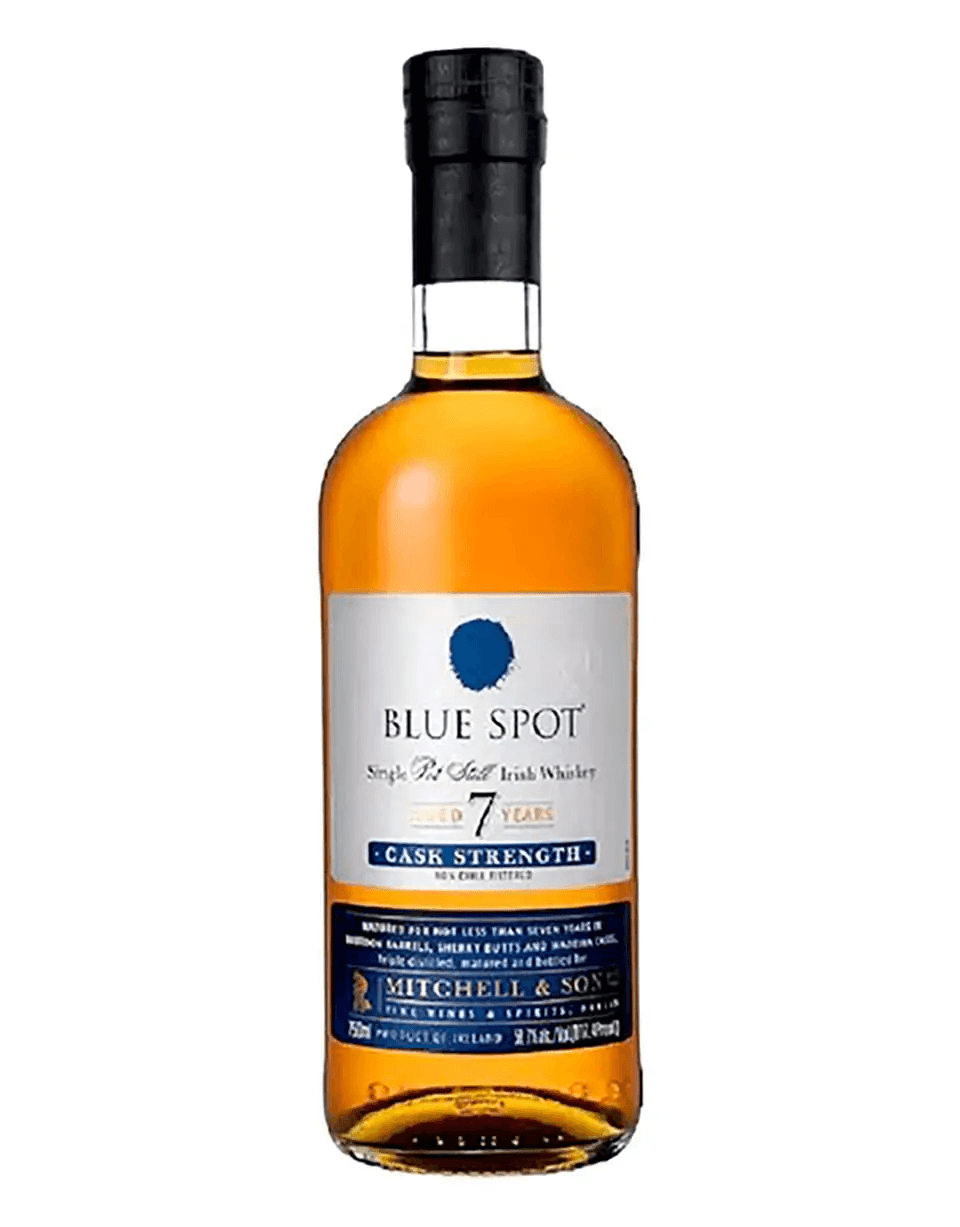
Blue Spot 7 Year Old
Irish Distillers (Pernod Ricard)
Blue Spot is the most structurally ambitious of the Spot family — and the most rewarding to decode. Where Green Spot uses one cask type and Yellow Spot uses three, Blue Spot deploys four distinct cask influences and bottles at cask strength, letting you experience the full architectural plan without dilution. The bourbon cask lays the vanilla-cream foundation. Sherry butts add dried fruit weight. Marsala casks bring an unexpected Italian sweetness. And the Madeira finish — those Portuguese fortified wine barrels — apply a tropical, honeyed glaze that ties everything together. At cask strength, the pot still spice cuts through all that sweetness, giving the whiskey a backbone as strong as its complexity is wide.
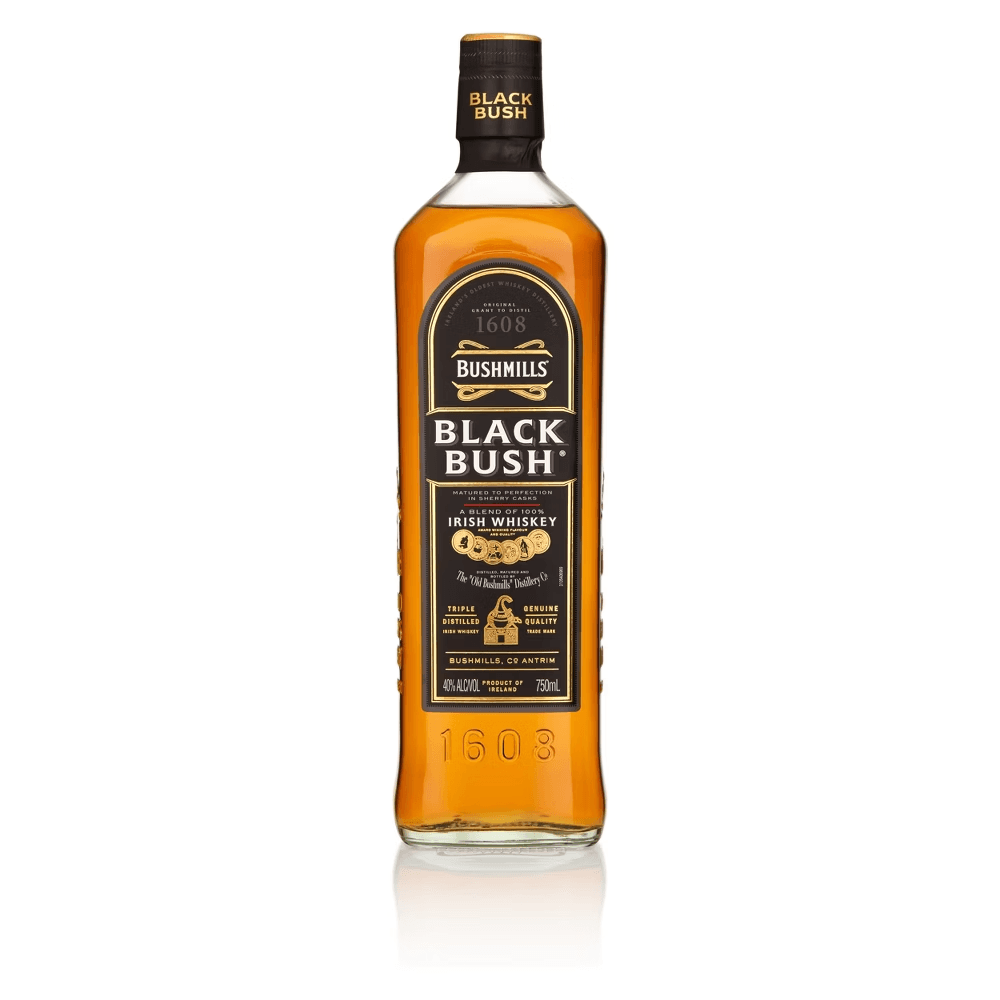
Bushmills Black Bush
Proximo Spirits (José Cuervo)
Bushmills Black Bush is one of the great values in Irish whiskey. The high proportion of sherry-cask-matured single malt in the blend gives it a richness and complexity that belies its modest price, and the Old Bushmills Distillery — whose site has held a distilling license since 1608 — brings centuries of craft to bear.
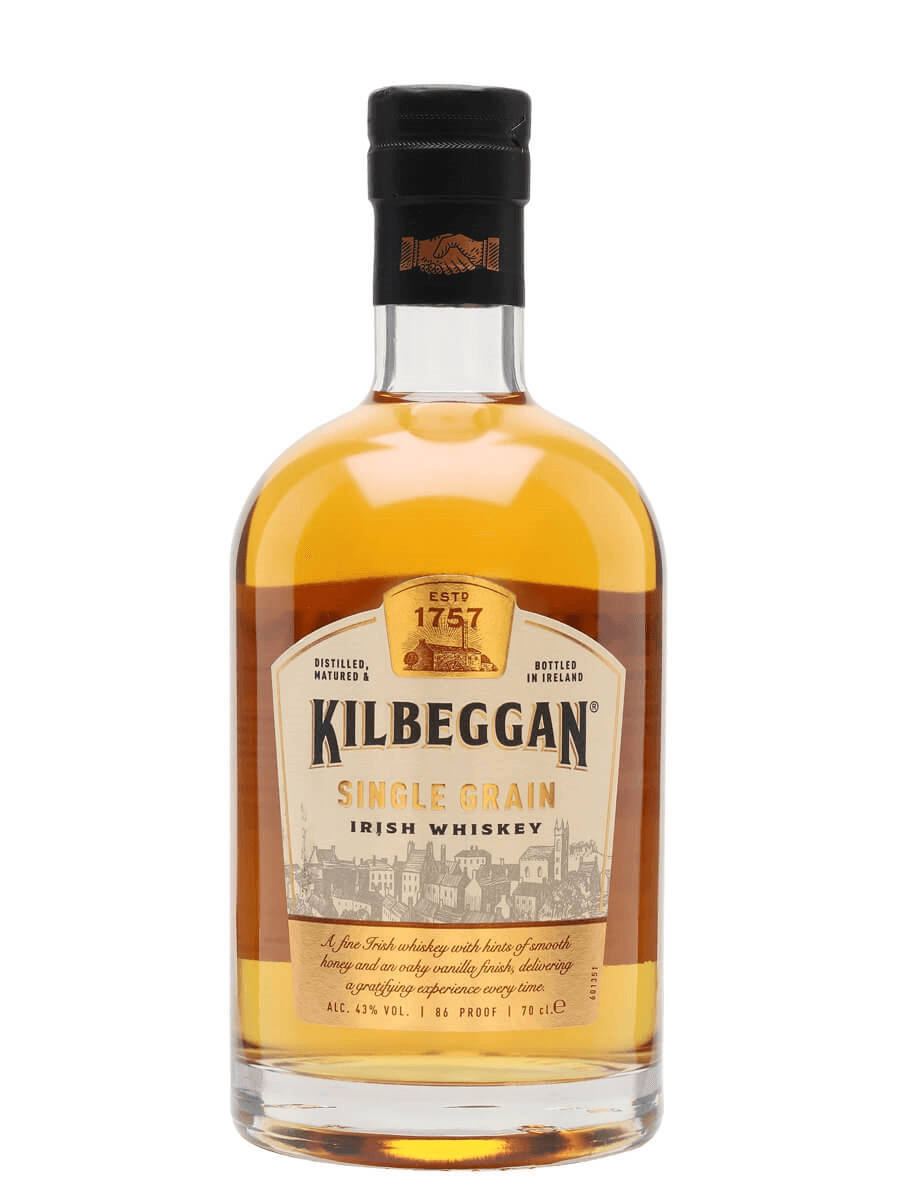
Kilbeggan Single Grain Irish Whiskey
Beam Suntory
The Kilbeggan distillery nearly vanished. After closing in 1957, it sat derelict until a group of local volunteers began restoring it in 1982 — cleaning pot stills by hand, patching stone walls, preserving equipment.
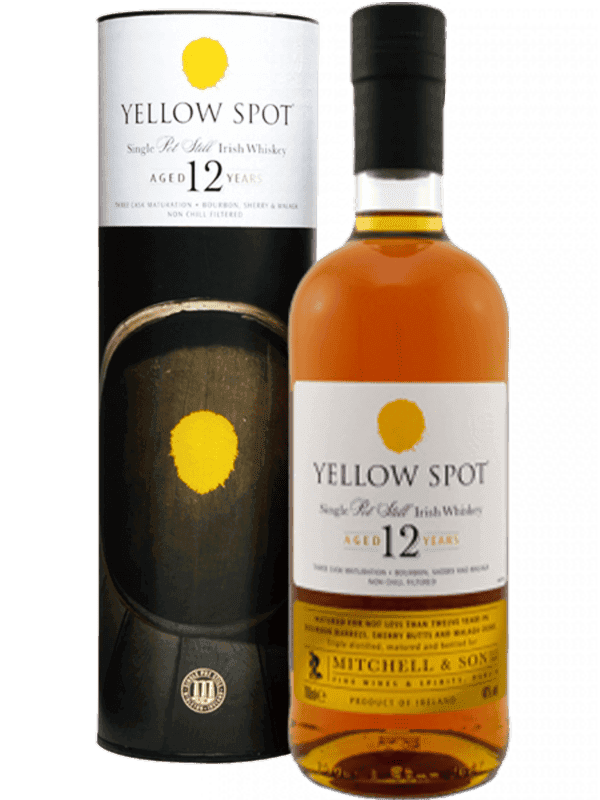
Yellow Spot 12 Year Old
Irish Distillers (Pernod Ricard)
Yellow Spot is the middle child of the Spot range, and arguably the most balanced. Three-cask blend: bourbon, sherry, and Malaga.
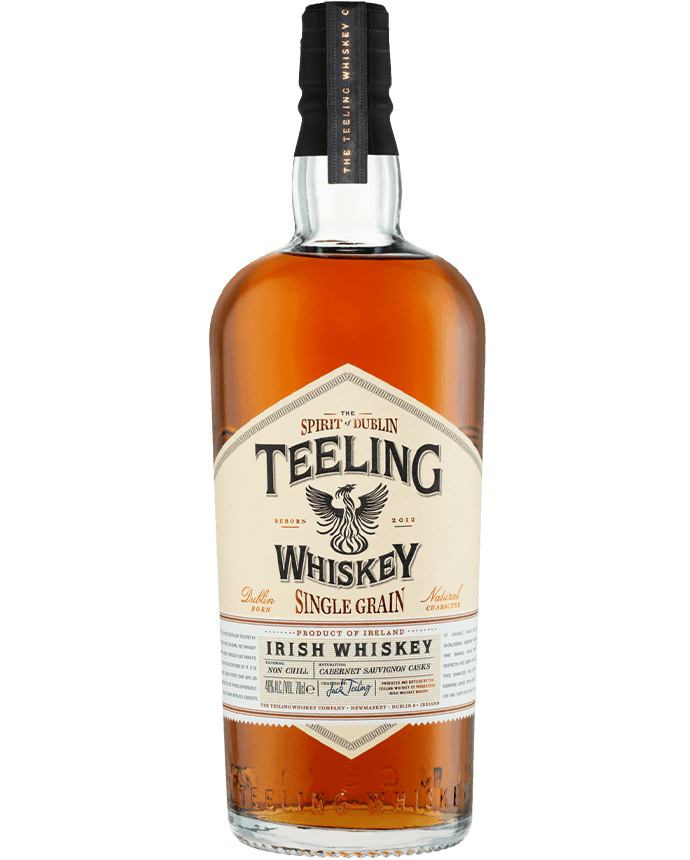
Teeling Single Grain Irish Whiskey
Teeling Whiskey Company
Grain whiskey gets little respect until you taste Teeling's version. Matured in Californian Cabernet Sauvignon casks, this single grain has the silkiness of a premium spirit and the depth of a well-aged whiskey. It's the secret that every Irish blend drinker has been unknowingly appreciating for decades, now bottled on its own terms. Serve it slightly chilled, neat, to anyone who claims Irish whiskey is predictable — this changes the conversation immediately.
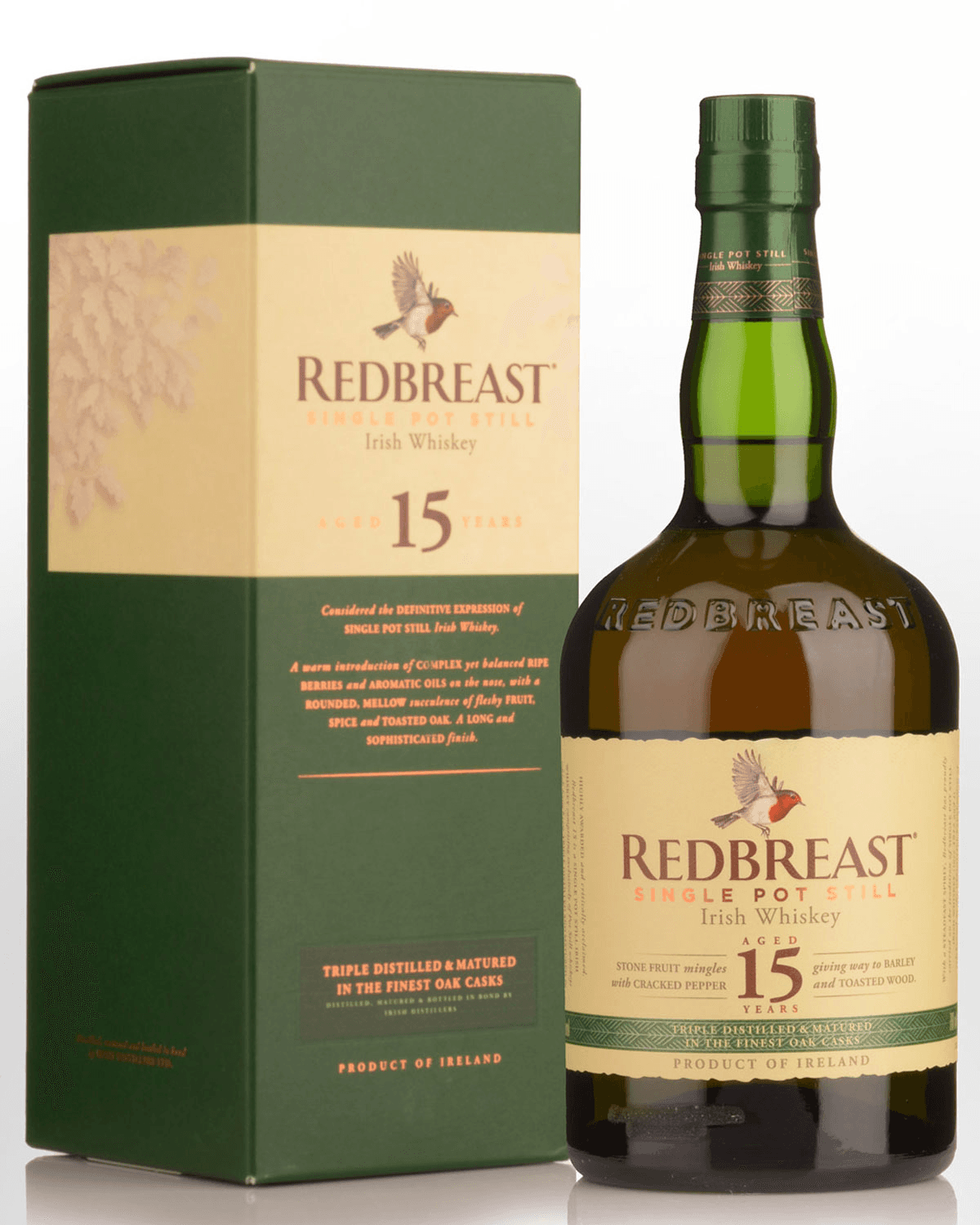
Redbreast 15 Year Old
Irish Distillers (Pernod Ricard)
Redbreast 15 is where Irish whiskey proves its claim to greatness. Every additional year beyond the 12-year expression adds another dimension — more dried fruit, deeper oak integration, and a creaminess that recalls the finest aged spirits from anywhere in the world.
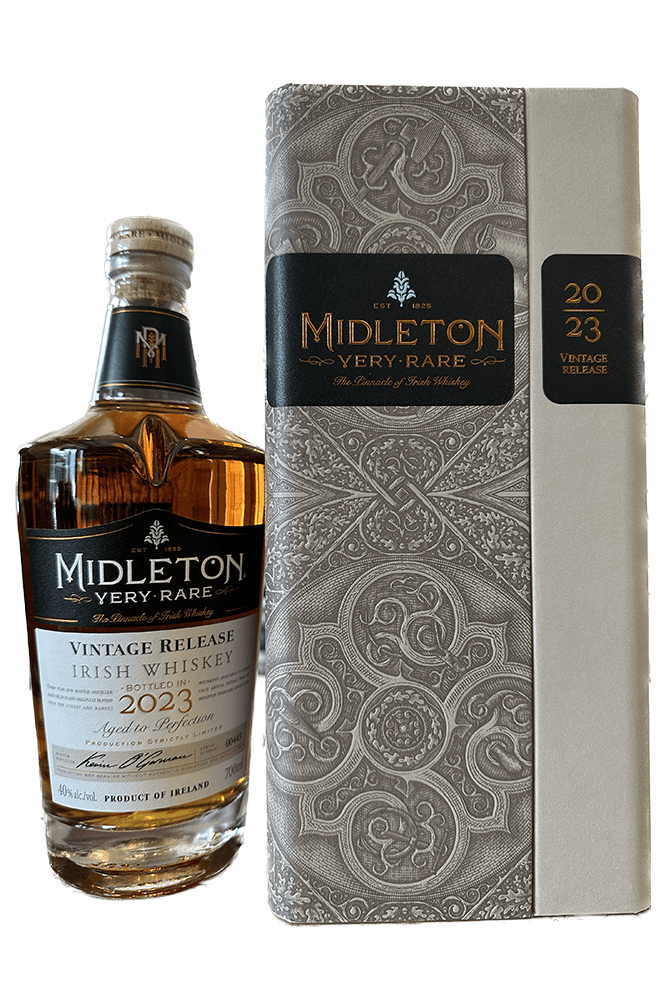
Midleton Very Rare 2024
Irish Distillers (Pernod Ricard)
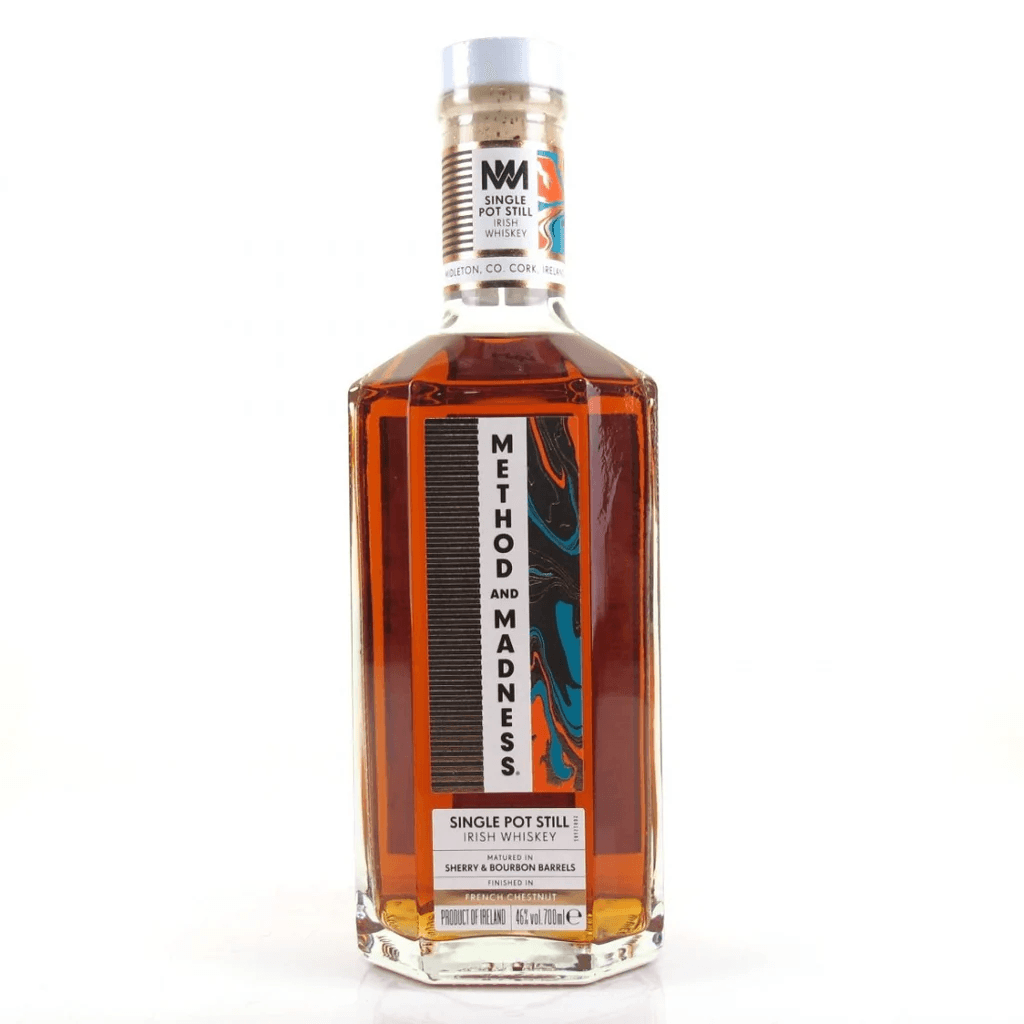
Method and Madness Single Pot Still
Irish Distillers (Pernod Ricard)
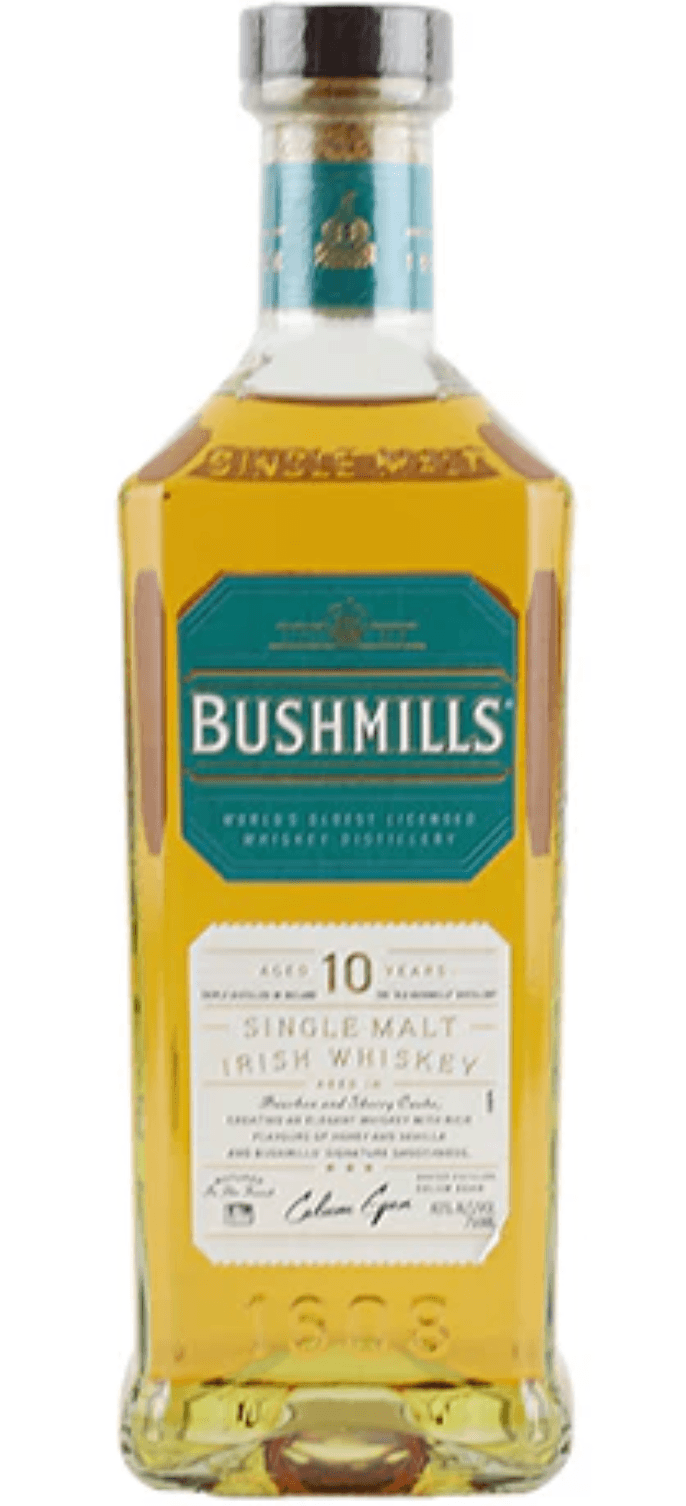
Bushmills 10 Year Old Single Malt
Proximo Spirits (Bushmills, est. 1608)
Bushmills 10 is the quiet aristocrat of Irish whiskey.
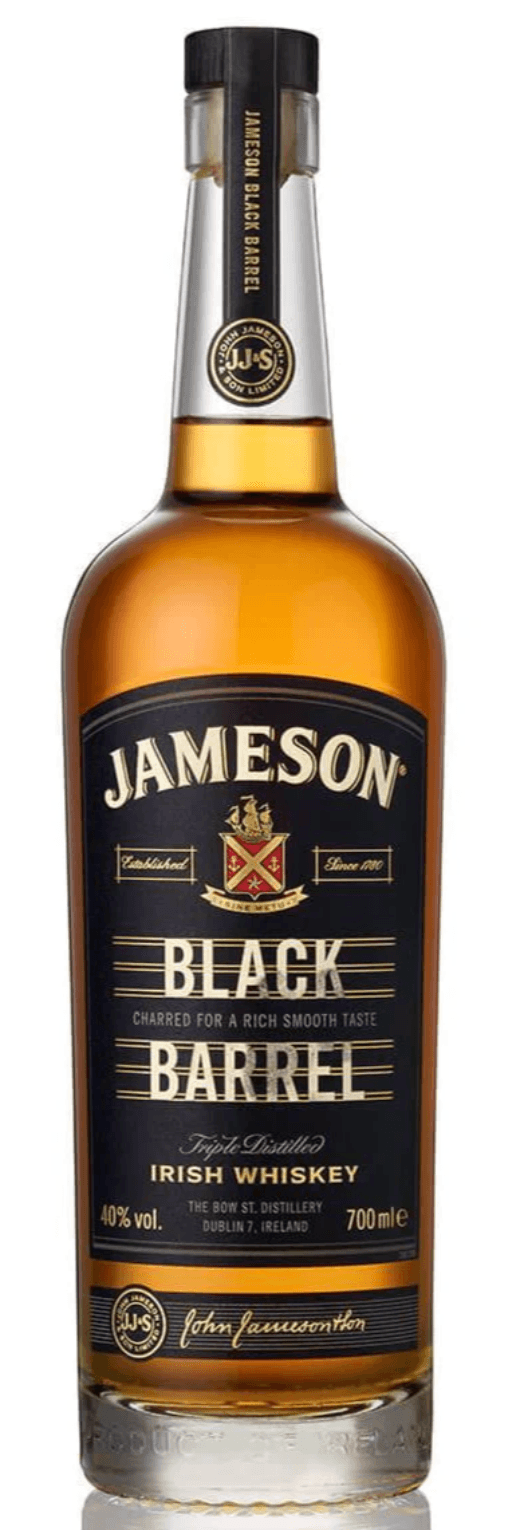
Jameson Black Barrel
Irish Distillers (Pernod Ricard; Jameson, est. 1780)
Jameson Black Barrel is what happens when the world's most approachable Irish whiskey gets a lesson in patience. The key difference from standard Jameson is the double-charred bourbon barrels — a process where spent barrels are re-charred before the whiskey goes in, reactivating the wood's sugars and deepening the flavor extraction. It's an extra step that takes extra time, and the result is a whiskey with noticeably more weight, complexity, and character. The pot still component adds a creamy, spicy backbone that the grain whiskey alone couldn't provide, and the char gives everything a toasty, caramelized edge. At its price point, Black Barrel may be the best value in Irish whiskey — complex enough to sip neat, versatile enough for cocktails, and proof that patience in the cooperage pays dividends in the glass.
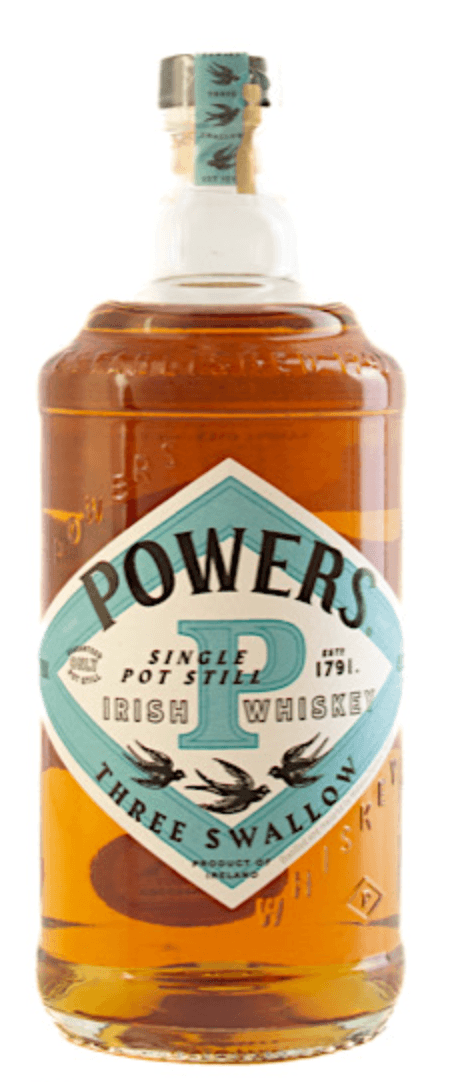
Powers Three Swallow Release
Irish Distillers / Pernod Ricard (Powers, est. 1791)
Powers’ obsession is pot still whiskey — the uniquely Irish style made from a mash of both malted and unmalted barley that produces a heavier, spicier, more characterful spirit than any other whiskey tradition on earth. When Irish whiskey collapsed in the twentieth century and blends took over, Powers never abandoned the pot still. The Three Swallow release takes its name from the quality mark that Powers’ tasters once stamped on approved casks — three swallows of whiskey, three stamps of approval. The 3% sherry component adds just enough dried fruit complexity to round the edges without softening the muscular pot still character. At $35–42, this is one of the most underpriced whiskeys in the world for what it delivers.
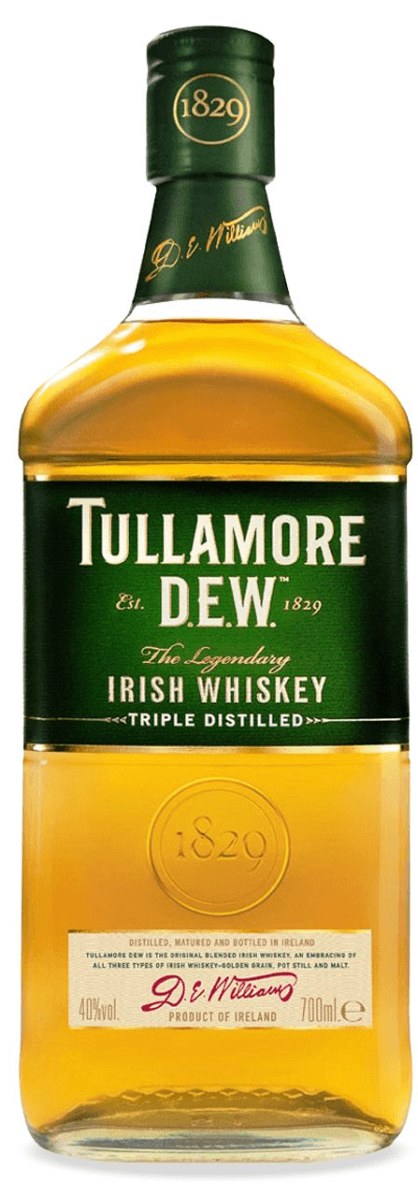
Tullamore D.E.W. Original
William Grant & Sons (Tullamore D.E.W., est. 1829)
Tullamore D.E.W. went against the grain in the most dramatic way possible: it came back from the dead. When the old Tullamore distillery closed in 1954, the brand survived as a label without a home, its whiskey sourced from other distilleries for sixty years. Then in 2014, William Grant & Sons built a brand-new €35 million distillery in Tullamore — the first new greenfield distillery in Ireland in over a century — bringing whiskey-making back to the town whose name is literally on the bottle. The triple blend of pot still, malt, and grain — triple distilled and triple cask matured — delivers surprising complexity at a price point that makes it one of the best introductions to Irish whiskey on the market.
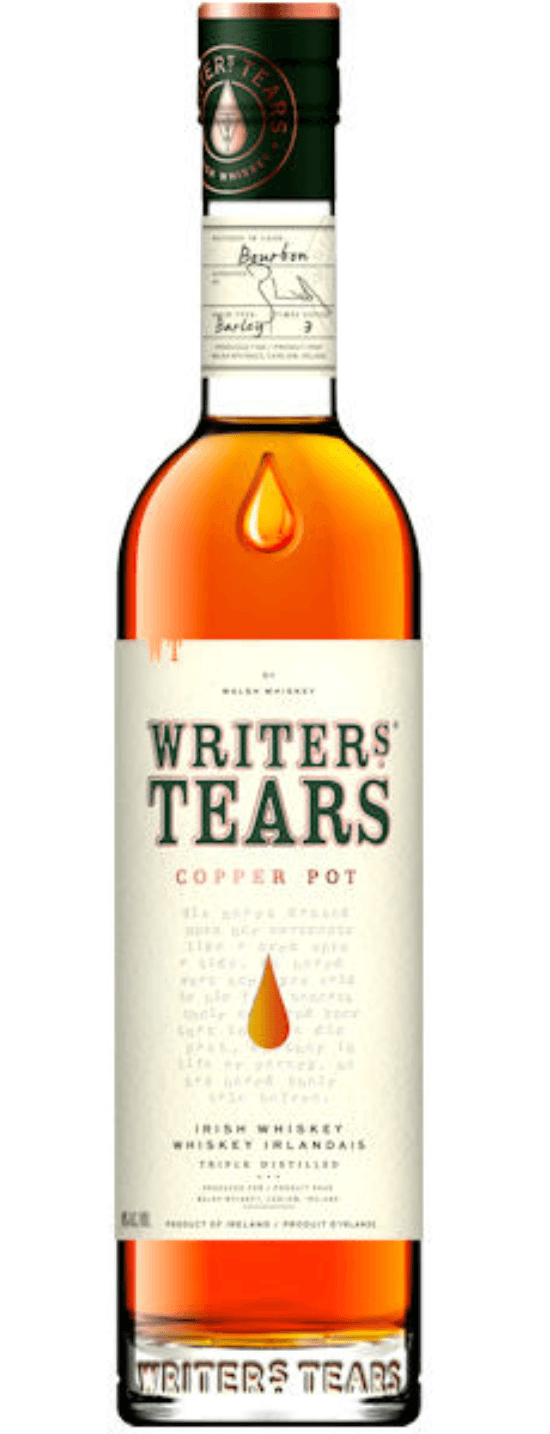
Writers’ Tears Copper Pot
Walsh Whiskey Distillery (Bernard & Rosemary Walsh, founders)
Writers’ Tears earns its literary name. Oscar Wilde, James Joyce, Brendan Behan — Irish writers and Irish whiskey have been inseparable for centuries, and the Walshes bottled that romance into something genuinely beautiful. The blend of single pot still and single malt creates a texture that’s both silky and spiced, with the unmalted barley adding the characteristic Irish “pot still bite” that gives it backbone. At under $40, it punches well above its price point and serves as a perfect introduction to what makes Irish whiskey different from Scotch.
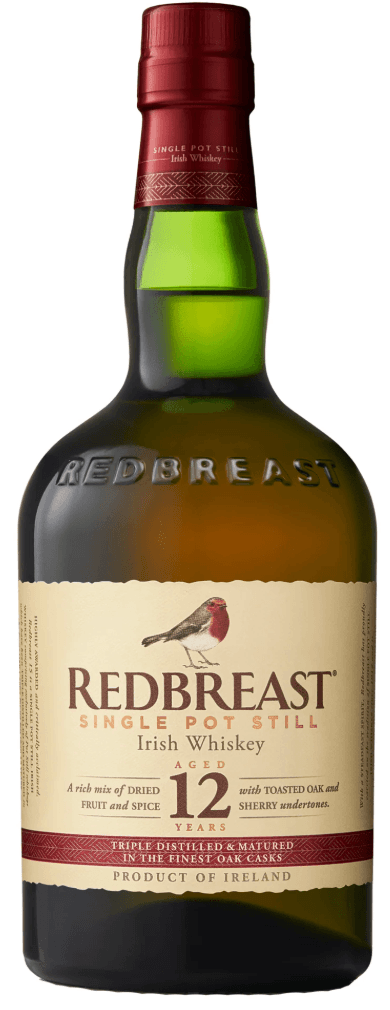
Redbreast 12 Year Old
Pernod Ricard (Irish Distillers)
Redbreast 12 is the definitive pot still Irish whiskey — the one that shows you what the fuss is about. The 50/50 split of malted and unmalted barley creates a texture that’s impossible to achieve with malt alone: creamy, spicy, and full-bodied in a way that triple distillation normally smooths out. The combination of ex-bourbon honey and sherry dried fruit is seamless. The name comes from a bird-loving Gilbeys chairman in 1912, but the whiskey itself has roots stretching back much further — it’s one of only two single pot still brands produced nearly continuously since the early 1900s.
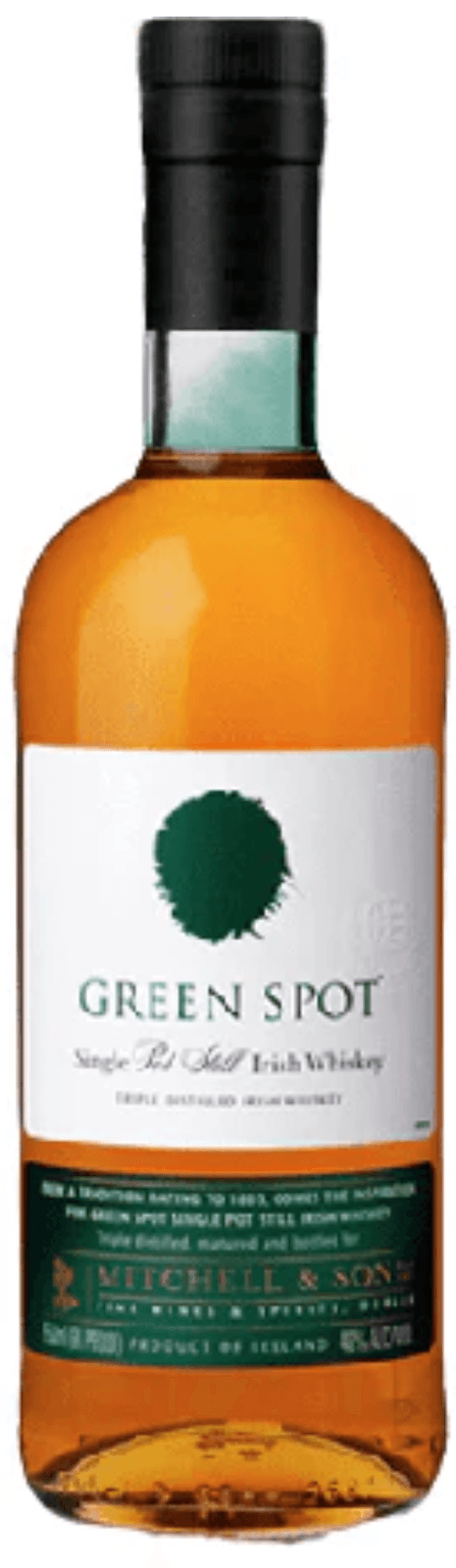
Green Spot Single Pot Still
Pernod Ricard (Irish Distillers) — bonded for Mitchell & Son
Green Spot is the whiskey equivalent of a hidden gem that everyone secretly knows about. The name comes from the colored spots Mitchell & Son dabbed on barrels to indicate age — green for youngest, yellow and red for older. What makes it special is the single pot still method: both malted and unmalted barley distilled together in copper pot stills, creating that signature creamy, spicy texture that defines great Irish whiskey. At this price, it punches well above its weight.