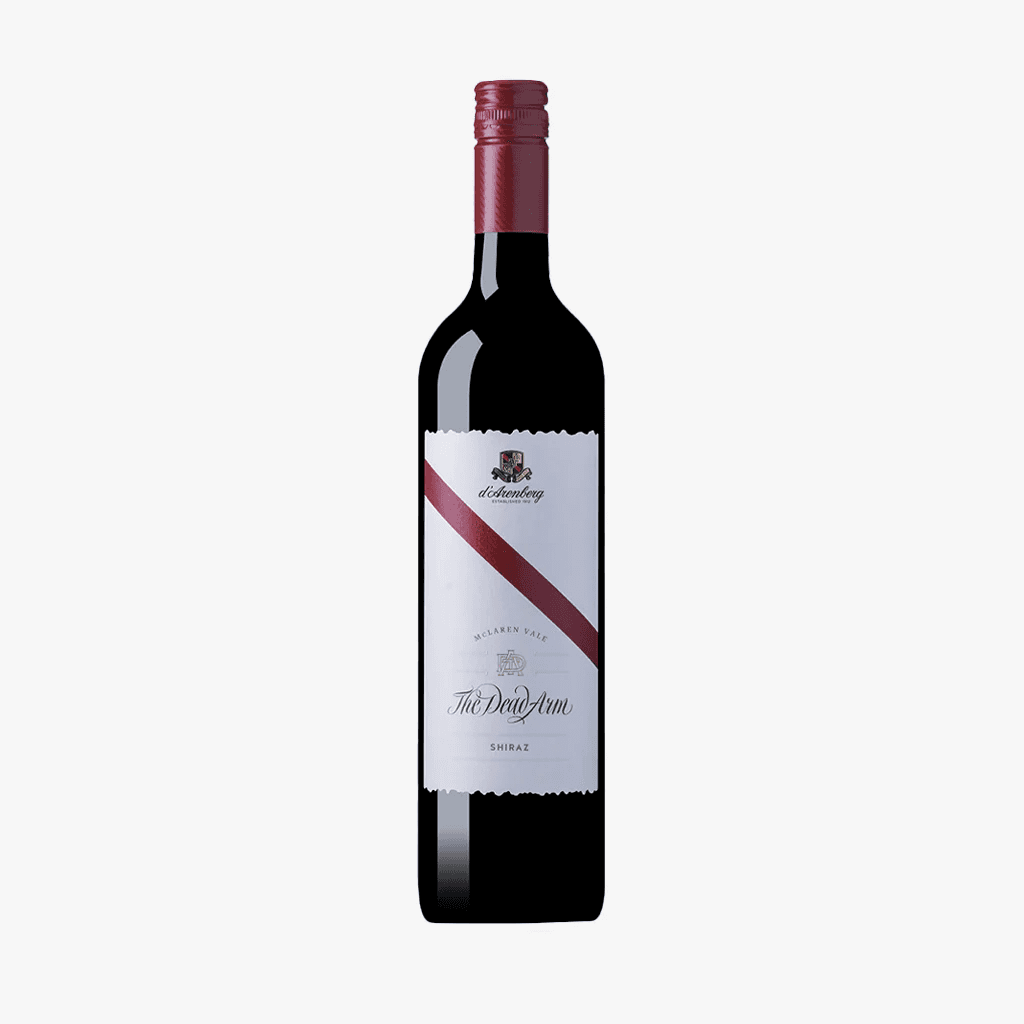
d'Arenberg The Dead Arm Shiraz 2019
d'Arenberg Pty Ltd · d'Arenberg, McLaren Vale, South Australia
The Dead Arm is an experiment in turning disaster into distinction. Most growers would rip out vines afflicted with Eutypa lata, but Chester Osborn saw what the disease did to the surviving fruit — concentrated it, intensified it, made it something a healthy vine could never produce. The resulting wine is enormously concentrated without being heavy, packed with dark fruit and cedar but retaining the savory, earthy character that marks great McLaren Vale Shiraz. It's a reminder that some of the best things in wine happen when nature forces the maker's hand.
Nose
Intense black cherry and dark plum lead, layered with mocha, Kalamata olive, dark chocolate, and a lift of violet and dried herb.
Palate
Full-bodied and deeply concentrated with plush blackcurrant, cherry, and cedar. The tannins are plentiful but ripe, and the French oak adds structure without masking the fruit's intensity.
Finish
Long and persistent with cedary oak, cherry, and a savory, earthy note that lingers.
- Varietal
- 100% Shiraz
- Blend
- 100% Shiraz from vines affected by Eutypa lata (Dead Arm)
- Vineyards
- Estate vineyards in McLaren Vale, South Australia — old vines affected by Eutypa lata
Cocktail Suggestion
Cocktail — The Survivor Sangria: 4 oz Dead Arm Shiraz, 1 oz brandy, 0.5 oz orange liqueur, fresh orange and cherry slices, splash of sparkling water. Combine in a glass with ice, stir gently.
Food Pairing
Pair with: Slow-braised lamb shoulder with rosemary and Kalamata olives — the wine's dark fruit and savory olive notes find a perfect mirror in the dish.
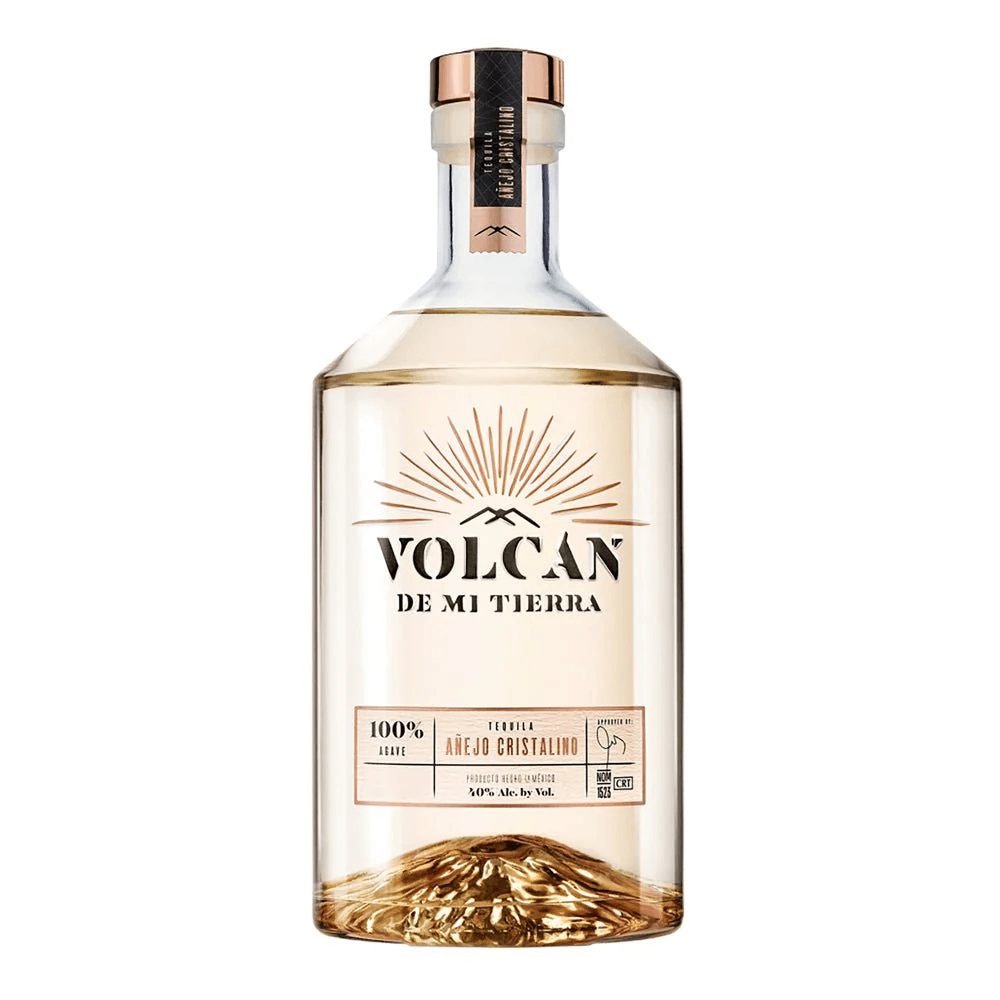
Volcán De Mi Tierra Cristalino
Moët Hennessy (LVMH)
The cristalino category is itself an experiment — the proposition that you can age a tequila for years, develop all that barrel complexity, then strip away the amber color through charcoal filtration without losing what the barrels gave you. Volcán De Mi Tierra pushes the experiment further by blending two different aged expressions from two different barrel types before filtering. The result is a tequila that looks like a blanco but drinks like an añejo — an optical illusion in a glass, and a compelling argument that color tells you far less about a spirit than you think.
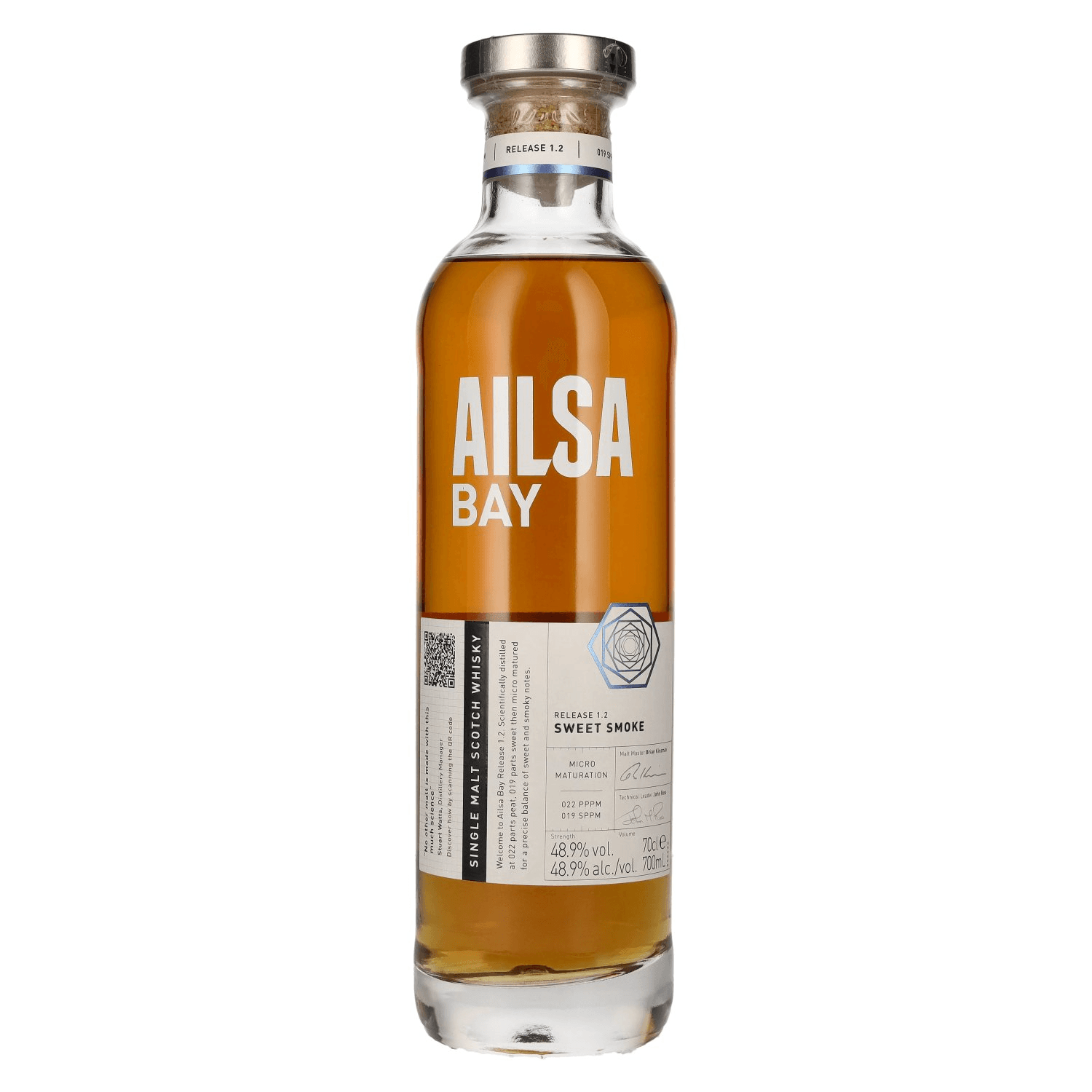
Ailsa Bay Sweet Smoke
William Grant & Sons
Ailsa Bay is a whisky designed by measurement. Malt Master Brian Kinsman assigned each batch a sweetness score (measured in SPPM — sweet parts per million) and a smoke score (measured in phenol PPM), then balanced the two until they achieved equilibrium — a concept he calls Sweet Smoke. The result is unlike heavily peated Islay malts or gentle Speyside drams. It occupies a middle ground that didn't exist before Kinsman built it: controlled peat that enhances rather than dominates, supported by vanilla and honey from the micro-maturation protocol in small Hudson Baby Bourbon barrels. This is Scotch as controlled experiment.
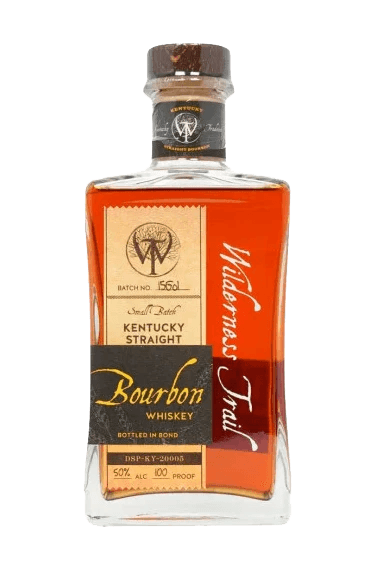
Wilderness Trail Small Batch Bottled in Bond
Wilderness Trail Distillery
Wilderness Trail is what happens when scientists build a distillery instead of inheriting one. The sweet mash process — fermenting with fresh yeast every batch rather than recycling spent mash — produces a remarkably clean, grain-forward bourbon that lets the wheat sing. At bottled-in-bond strength, it carries enough proof to deliver complexity without masking the delicate, biscuity sweetness that makes this wheated expression distinctive. This is bourbon as hypothesis confirmed.
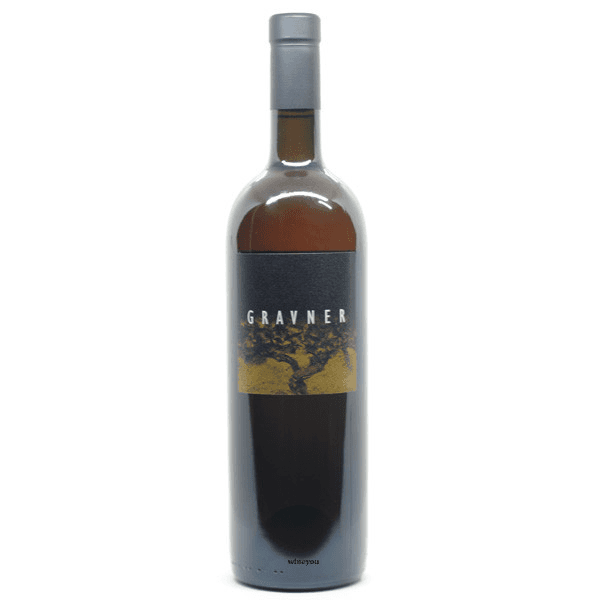
Gravner Ribolla Gialla 2015
Gravner
Gravner's experiment was the most radical in this lineup: he didn't tweak a process or add an ingredient — he threw away thirty years of modern winemaking and started over with seven-thousand-year-old technology. The Ribolla Gialla spends months on its skins in buried amphorae, developing a tannic structure and amber color that no conventional white wine possesses. Then it rests for six years in large oak before release. The result is a wine that defies categorization — not white, not red, not rosé, but something ancient and entirely its own. It proved that the oldest methods in winemaking weren't primitive — they were ahead of their time.
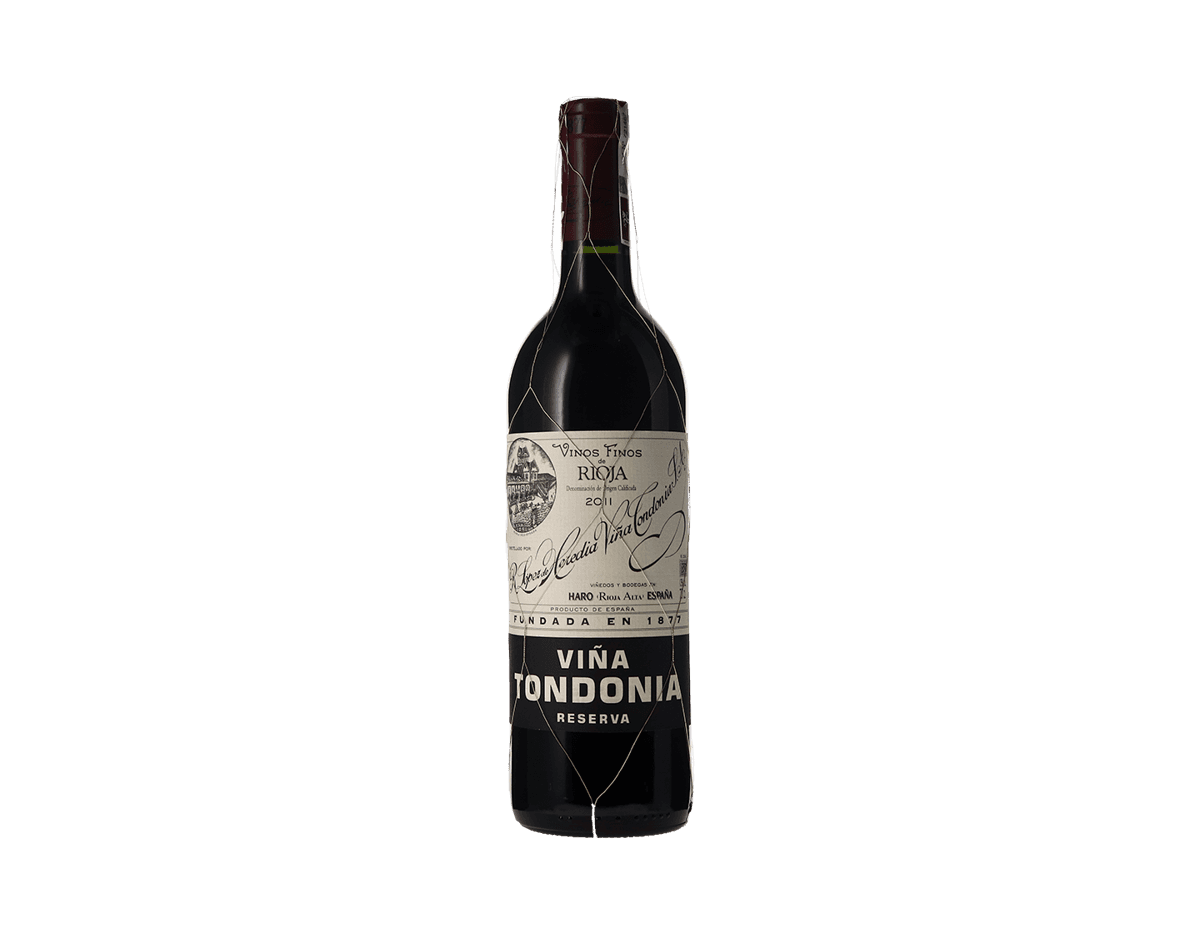
López de Heredia Viña Tondonia Reserva 2011
R. López de Heredia Viña Tondonia S.A.
Viña Tondonia Reserva is the ultimate slow-reveal wine — a bottle that spent six years in barrel and still isn't done evolving when you pour it.
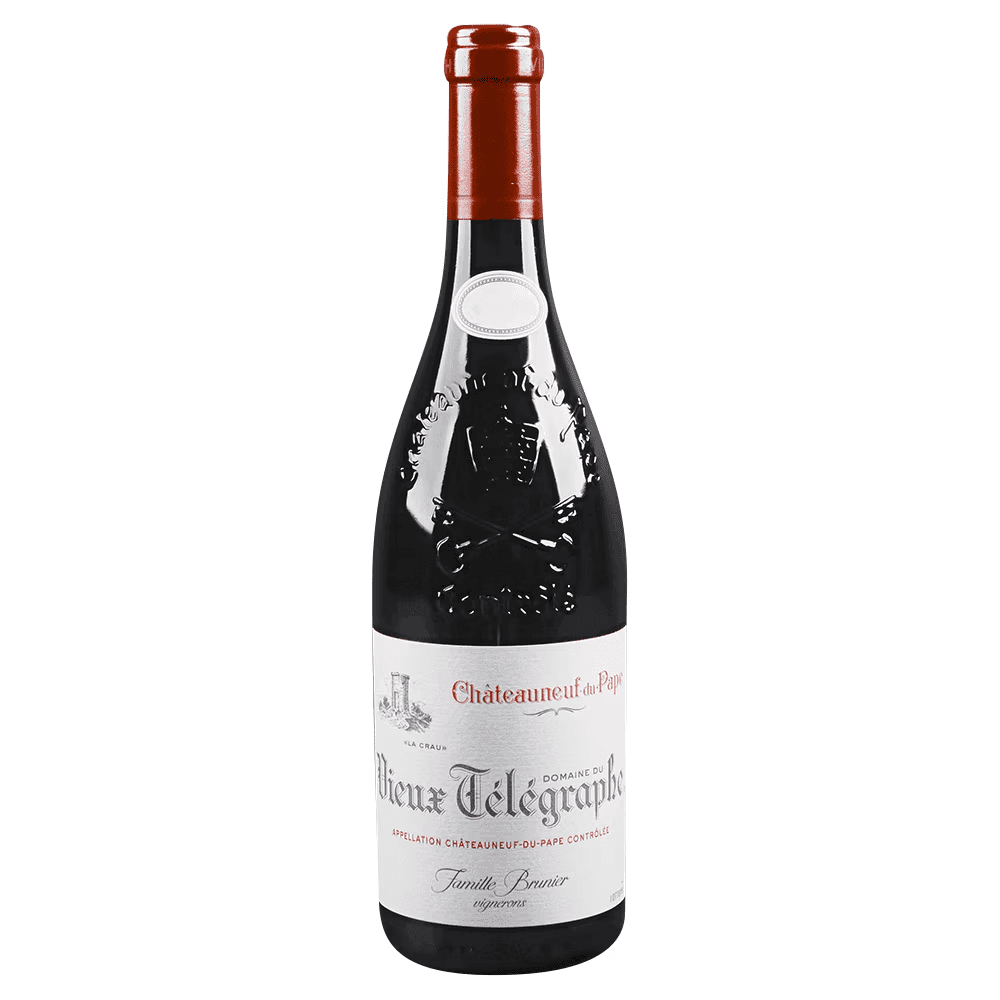
Domaine du Vieux Télégraphe La Crau 2020
Famille Brunier
Domaine du Vieux Télégraphe La Crau 2020 is the Châteauneuf-du-Pape that serious collectors buy by the case while everyone else chases Beaucastel and Rayas. The Brunier family has farmed the La Crau plateau since 1898.
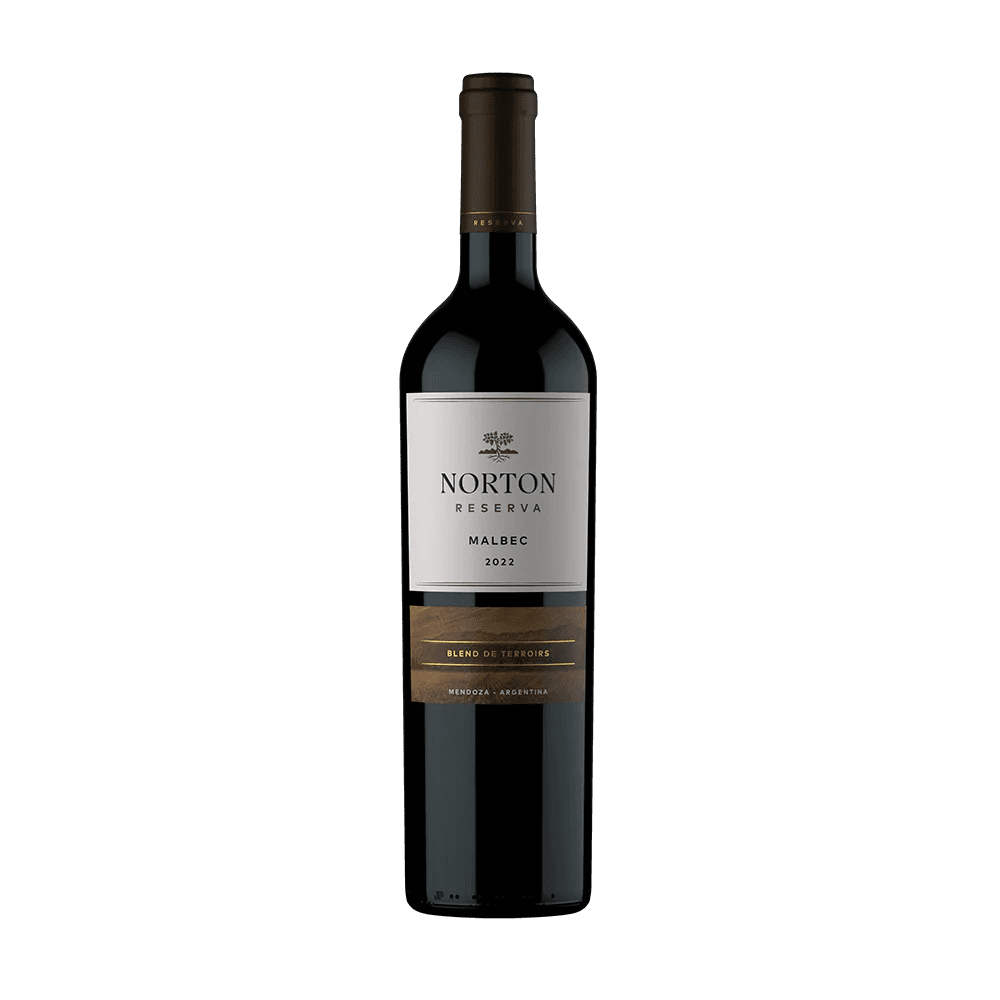
Bodega Norton Reserva Malbec 2021
Bodega Norton (Swarovski family)
Bodega Norton Reserva Malbec is the taste of a grape that found its true home six thousand miles from where it started.
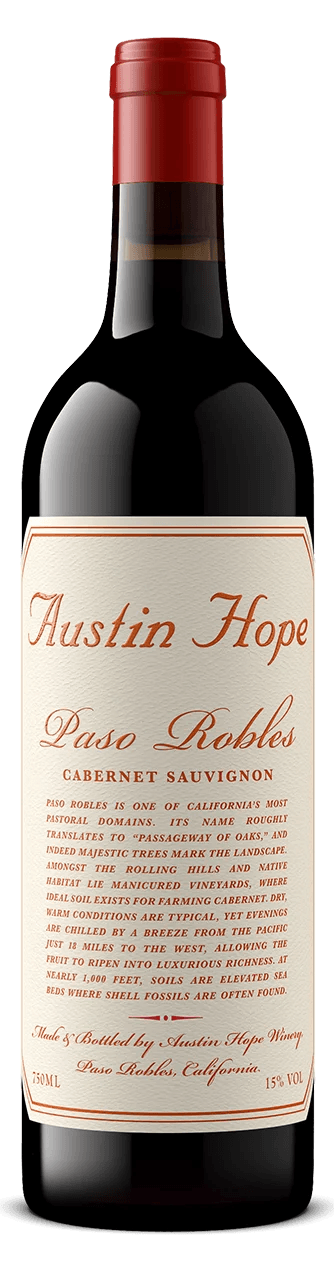
Austin Hope Cabernet Sauvignon Paso Robles 2022
Hope Family Wines
Paso Robles is a region forged by fire — and not just metaphorically. Daytime temperatures that soar past 100°F followed by dramatic nighttime drops create a thermal intensity that forces the vines to concentrate their sugars and develop deep, complex flavors.