Aroma
Toasted
129 bottles with this note
Train this aroma
Wine Aroma Kit
Develop your palate with the canonical reference for toasted and related notes.

Vietti Barbera d'Asti Tre Vigne 2022
Vietti
Vietti's Tre Vigne Barbera shows how minimal oak aging can shape a wine without redefining it. The fruit remains front and center, with wood providing structure rather than flavor. For a daily-drinking red from a top Piedmont producer, it delivers remarkable clarity and balance.

Vietti Barolo Lazzarito DOCG 2019
Vietti
Vietti's Lazzarito bottling captures the essence of Serralunga d'Alba — power tempered by elegance, with the 2019 vintage providing generosity of fruit without sacrificing structure. It's a Barolo that rewards patience but doesn't punish curiosity. A serious wine with real aging potential that's already showing beautifully.

Brovia Barolo Ca' Mia DOCG 2019
Brovia
Brovia's Ca' Mia vineyard sits in the commune of Serralunga d'Alba, and this 2019 delivers the muscular structure that vineyard is known for alongside surprising aromatic finesse. It's a wine that genuinely changes over an evening — decant it and come back every thirty minutes to find a different wine. Traditional Barolo done with a steady, confident hand.

Coenobium Ruscum 2021
Monastero Suore Cistercensi
Made by Cistercian nuns in the hills north of Rome using ancient, low-intervention methods, Coenobium Ruscum is a wine of profound paradox—rustic yet refined, simple yet deeply complex. Its mercurial character shifts with every sip, from honeyed warmth to steely precision. This is a wine that resists categorization, embodying the quicksilver restlessness at the heart of this issue's theme. A contemplative masterpiece at a remarkably humble price.

Bodegas R. López de Heredia Viña Tondonia Reserva 2011
López de Heredia
López de Heredia does not release wine until it is ready. The 2011 Tondonia Reserva spent six years in barrel and more years in bottle before reaching shelves — a timeline that most producers would consider commercially insane. The result is a wine that has already done the work of aging for you: seamless, complex, and quietly profound.

Vietti Barolo Castiglione 2020
Vietti
Vietti's entry-level Barolo is a serious wine that punches above its price. The 2020 vintage adds a layer of fruit richness that makes the wine approachable young, but there is enough tannic structure for a decade of aging. The sweetness here is pure Nebbiolo fruit — ripe, perfumed, and fleeting.

Domaine Jean-Louis Chave Hermitage Blanc 2022
Domaine Jean-Louis Chave
A monumental blend of Marsanne and Roussanne from one of the world's most storied hillsides — built for decades, rewarding patience with a rare, hushed grandeur.

Passopisciaro Contrada C Terre Siciliane IGT 2021
Passopisciaro
Andrea Franchetti's Contrada C bottling captures a single north-facing slope on Etna where volcanic soil, altitude, and ancient vines conspire to create a wine of startling clarity and smoky depth. This is not fruit-forward wine — it's terrain-forward, with smoke as a geological signature rather than a winemaking choice.

Domaine Barmès-Buecher Riesling Grand Cru Hengst 2022
Domaine Barmès-Buecher
The Hengst Grand Cru is one of Alsace's most powerful sites, and Barmès-Buecher — working biodynamically since the early 2000s — channels its calcareous soils with precision. This 2022 has the density and mineral charge that only site-specific Riesling can deliver. A wine that proves terroir is not a marketing concept but a physical reality.

Domaine Huet Vouvray Le Clos du Bourg Demi-Sec 2022
Domaine Huet
Le Clos du Bourg is one of Vouvray's greatest single vineyards, and Huet's biodynamic stewardship has produced demi-secs here that age for decades. The 2022 vintage brings generous fruit with excellent acidity — a wine that drinks beautifully now but rewards patience. This is Chenin Blanc at its most expressive and least imitable.

Frank Cornelissen Munjebel Rosso Terre Siciliane IGT 2022
Frank Cornelissen
Cornelissen's 2022 Munjebel is Etna stripped bare — no sulfur additions, no temperature control, no new oak. The Nerello Mascalese sings with purity, showing how volcanic soil and altitude translate directly into the glass. It's raw, honest, and deeply site-specific. This is wine as geology.

Domaine du Vieux Télégraphe La Crau 2021
Domaine du Vieux Télégraphe
The Brunier family's flagship from the storied La Crau plateau delivers a 2021 of precision and depth. The galets roulés (round stones) that carpet the vineyard floor radiate stored heat, contributing to the wine's concentrated fruit and structural elegance. This is Châteauneuf-du-Pape at its most site-specific—powerful but never heavy.

Domaine de la Pépière Muscadet Sèvre et Maine sur Lie Le Clos 2022
Domaine de la Pépière
The binding agent in this Muscadet is lees contact—the extended aging on spent yeast cells that welds acidity to texture, giving the wine body without weight. Marc Ollivier's meticulous organic viticulture and patience in the cellar produce a wine that punches well above its price point. Essential for seafood.

Benanti Etna Rosso DOC Serra della Contessa 2021
Benanti
Benanti was the first modern producer to champion Etna's volcanic vineyards, and the 2021 Serra della Contessa validates decades of commitment. This is Nerello Mascalese at its most site-specific — a wine that could come from no other place on earth. The combination of elevation, volcanic soil, and old vines delivers a red of uncommon transparency and tension.

Domaine de la Solitude Châteauneuf-du-Pape Rouge Réserve Secrète 2020
Domaine de la Solitude
The Réserve Secrète cuvée represents the Lancon family's best barrel selections from this historic estate. The 2020 vintage delivered concentration and balance in equal measure, and this bottling captures Châteauneuf's warm-climate generosity without losing its garrigue-scented identity.

Domaine de la Pépière Muscadet Sèvre et Maine sur Lie Gras Moutons Vieilles Vignes 2023
Domaine de la Pépière
Muscadet is among the most undervalued white wines in the world, and Pépière's Vieilles Vignes bottlings prove why that reputation needs revising. This is not simple seafood wine — it's a serious expression of terroir with a finish that rivals bottles at three times the price. The mineral persistence is remarkable.

Domaine René Rostaing Côte-Rôtie Côte Blonde 2020
Domaine René Rostaing
Rostaing's Côte Blonde parcel produces wines of ethereal finesse, and 2020 delivered a vintage that balances power with elegance. The finish is the star — a seamless tapering of fruit, flower, and mineral that defines what great Côte-Rôtie can achieve. Drink now or cellar with confidence for two decades.

Domaine Valette Pouilly-Fuissé Tradition 2022
Domaine Valette
Domaine Valette's Tradition bottling is old-school Pouilly-Fuissé at its best — extended aging on lees before release gives the wine a richness and complexity that many Mâconnais producers skip in favor of early bottling. This is Chardonnay that rewards patience, with layers that reveal themselves slowly.

Domaine du Vieux Lazaret Châteauneuf-du-Pape Rouge 2020
Domaine du Vieux Lazaret
Vieux Lazaret holds one of the largest single holdings in Châteauneuf-du-Pape, and this 2020 vintage showcases the heat of that stellar year while maintaining the freshness that separates well-made Southern Rhône from the merely ripe. It's a wine that delivers the full sun-soaked identity of the appellation at a remarkably fair price.

Domaine Huet Vouvray Le Clos du Bourg Sec 2023
Domaine Huet
Huet's biodynamic Chenin Blanc from Le Clos du Bourg is one of the great expressions of Vouvray terroir. The 2023 sec shows the concentration of old vines and the precision of careful winemaking. This is Loire Valley Chenin at its most expressive and age-worthy, even in its youth.

Domaine de Marcoux Châteauneuf-du-Pape Rouge 2020
Domaine de Marcoux
Domaine de Marcoux has practiced biodynamic farming since 1990, and the purity of fruit in this 2020 reflects that commitment. The sun-baked galets roulés stones — heat stored by day, released by night — are the invisible hand in every Châteauneuf, and this bottling captures that thermal exchange beautifully. A wine shaped by the memory of stone and sun.

Domaine de l'Hortus Grande Cuvée Pic Saint-Loup 2020
Domaine de l'Hortus
Domaine de l'Hortus Grande Cuvée is a masterful expression of Pic Saint-Loup — a region where the altitude and dramatic temperature swings between day and night produce wines of remarkable freshness despite the Mediterranean heat. This is serious Languedoc red at a fraction of Rhône Valley prices.

Domaine Weinbach Riesling Grand Cru Furstentum 2022
Domaine Weinbach
The Faller family's Grand Cru Furstentum Riesling showcases one of Alsace's warmest and most powerful sites, yet the 2022 vintage maintains stunning freshness. This is Riesling at its most complete — aromatic, textured, mineral, and built for the table.

Pietradolce Etna Rosso DOC 2021
Pietradolce
Pietradolce farms some of the highest vineyards on Etna's north slope, and this entry-level Rosso punches well above its price. Nerello Mascalese shows its best here — transparent, mineral-driven, alive with tension. It's a red wine that feels like it was drawn from the rock itself.

Benanti Etna Bianco Superiore Pietra Marina 2022
Benanti
Pietra Marina is arguably Sicily's greatest white wine, and the 2022 vintage continues the tradition. Carricante from Etna's highest vineyards delivers a rare combination of power and precision — it has the depth to age but the freshness to drink now. If you want to understand what volcanic soil tastes like in a glass, start here.

Domaine de la Rectorie Banyuls Cuvée Léon Parcé 2019
Domaine de la Rectorie
Domaine de la Rectorie's Léon Parcé bottling demonstrates that Banyuls — one of France's most underappreciated appellations — can produce wines of extraordinary complexity and restraint. The Mediterranean heat that bakes these coastal terraces is the same heat that concentrates the Grenache to an almost raisined intensity, which the Parcé brothers then harness with precision. This is a wine that bridges the worlds of wine and spirits.

Domaine de la Pépière Muscadet Sèvre et Maine sur Lie Clisson 2022
Domaine de la Pépière
The Clisson cru designation requires a minimum of 24 months on the lees, and Marc Ollivier's vines — some over 70 years old — deliver the concentration to make that extended aging worthwhile. This is Muscadet reimagined: serious, site-specific, and profoundly undervalued. One of the great white wine bargains in the world.

Domaine de la Mordorée Châteauneuf-du-Pape Rouge 2021
Domaine de la Mordorée
The Delorme family's Châteauneuf benefits from old-vine Grenache across parcels studded with the appellation's famous round stones, which absorb and radiate heat. The 2021 vintage offers a slightly fresher, more lifted expression than the scorching years — weight from the stone, lift from the season. A compelling argument for Châteauneuf as a wine of contradiction.

Zuccardi Valle de Uco Malbec 2021
Zuccardi
Sebastián Zuccardi has become the leading voice for altitude-driven Argentine Malbec, and this Valle de Uco bottling is the accessible entry point to his philosophy. Vineyards planted above 1,000 meters produce grapes with natural acidity and aromatic intensity that flatland fruit cannot match. The result is a Malbec with structure and freshness rather than just fruit weight.

Domaine André Ostertag Pinot Gris Fronholz 2023
Domaine Ostertag
André Ostertag has been a biodynamic pioneer in Alsace for decades, and Fronholz — his lieu-dit vineyard on calcareous sandstone — produces Pinot Gris of remarkable poise. The 2023 vintage captures the variety's richness without tipping into heaviness, with a mineral core that gives the wine genuine gravity.

Bodegas Aalto 2021
Aalto
Founded by the legendary Mariano García after his decades at Vega Sicilia, Aalto represents Ribera del Duero at its most concentrated and serious. The 2021 vintage delivers the density and structure the label is known for, with enough freshness to drink now or cellar confidently for a decade.

Domaine Marc Tempé Riesling Zellenberg 2023
Domaine Marc Tempé
Marc Tempé's biodynamic Riesling from the granite-rich soils of Zellenberg delivers intensity without weight. The 2023 vintage produced wines of remarkable freshness in Alsace, and this bottling channels that energy into a laser-focused expression of site. Outstanding value for the quality on offer.

Clos Erasmus Priorat 2019
Clos Erasmus
Daphne Glorian's Clos Erasmus remains one of Priorat's most profound wines. The 2019 vintage captures the tension between the region's extreme heat and the llicorella slate soils that force the old Grenache and Syrah vines to dig deep. It's a wine of fire and stone — powerful but breathtakingly precise.

Domaine Trimbach Riesling Cuvée Frédéric Émile 2022
Trimbach
Cuvée Frédéric Émile is Trimbach's flagship Riesling, sourced from the Geisberg and Osterberg Grands Crus. The 2022 shows youthful intensity and structural precision — this is Alsatian Riesling at its most intellectual, built for aging but already compelling in its taut, mineral-laden youth.

Domaine du Vissoux Moulin-à-Vent Les Trois Roches 2022
Domaine du Vissoux
Pierre-Marie Chermette's Les Trois Roches is Gamay at its most serious — a Moulin-à-Vent that demonstrates why this cru has historically been compared to Burgundy. The 2022 vintage delivers concentration without sacrificing the energy and transparency that define great Beaujolais.

Château Sociando-Mallet Les Landes de Sociando 2020
Château Sociando-Mallet
This second wine of the celebrated Sociando-Mallet estate delivers a striking amount of the grand vin's character at a fraction of the price. The 2020 vintage's warmth gave the fruit extra concentration without sacrificing the property's signature freshness. It drinks well now but has the tannin structure to reward three to five years of cellaring.

Giacomo Conterno Barbera d'Alba 2021
Giacomo Conterno
From one of Barolo's most venerated estates, this Barbera proves that so-called secondary wines from top producers can be among the most rewarding bottles in a lineup. Roberto Conterno treats his Barbera with the same seriousness as his Barolo, and the result is a wine of focus and vibrancy that punches well above its classification.

Domaine de la Bouïssière Gigondas La Font de Tonin 2021
Domaine de la Bouïssière
The Faravel family farms old Grenache vines on the clay-limestone slopes beneath the Dentelles, and their La Font de Tonin cuvée captures the best of Gigondas: power with elegance, fruit with earth. This 2021 is drinking well now but will reward five to eight years of patience.

Domaine de la Mordorée Lirac Blanc La Reine des Bois 2023
Domaine de la Mordorée
Mordorée's white Lirac is one of the southern Rhône's best-kept secrets — a serious white from an appellation most drinkers overlook entirely. The 2023 vintage captures the estate's knack for balancing richness with freshness, delivering complexity that belies its modest price. Drink it now through 2027.

Marchesi Antinori Chianti Classico Riserva 2020
Marchesi Antinori
Antinori's Chianti Classico Riserva is the definition of reliable excellence. Vintage after vintage, it delivers the Sangiovese character the region is known for — bright acid, savory complexity, food-friendliness — without the price tag of the family's more celebrated bottles. The 2020 vintage benefits from a warm but balanced growing season.

Domaine de la Pépière Muscadet Sèvre et Maine sur Lie Les Gras Moutons 2023
Domaine de la Pépière
Marc Ollivier and Rémi Branger have spent decades proving that Muscadet is one of the great undervalued wine regions of Europe. Les Gras Moutons, from gneiss and gabbro soils, delivers a specificity of place that demands attention. At this price point, there may be no better expression of mineral-driven white wine anywhere. It's a sommelier's secret that deserves a wider audience.

Domaine Trimbach Riesling Grand Cru Geisberg 2022
Trimbach
Trimbach's Geisberg represents the taut, dry pole of Alsatian Riesling. Where the Clos Ste. Hune gets all the press, the Geisberg Grand Cru delivers similar intellectual complexity at a fraction of the price. The 2022 vintage captures ideal ripeness while preserving the nervy acidity that makes this vineyard one of Alsace's finest. Age it five years or drink it now — either way, it commands attention.

Domaine Albert Boxler Pinot Gris Grand Cru Brand 2022
Domaine Albert Boxler
Jean Boxler's Grand Cru Brand Pinot Gris is one of Alsace's most compelling expressions of terroir and cask interaction. Partial élevage in older oak foudres adds structure without flavor, allowing the granite-driven minerality and the grape's natural opulence to hold center stage. The 2022 vintage delivered concentration without the excess that can plague richer years.

Domaine Albert Boxler Riesling Grand Cru Sommerberg 2022
Domaine Albert Boxler
Boxler's Sommerberg is one of Alsace's most compelling grand cru Rieslings. The 2022 vintage brought warmth and generosity, but Boxler's signature restraint keeps the wine vertical and focused. This is Riesling as geological document — the pink granite of Sommerberg stamped into every sip. Age-worthy but already singing.

Domaine du Clos des Fées Côtes du Roussillon Villages Vieilles Vignes 2021
Clos des Fées
Hervé Bizeul's old-vine Grenache, Syrah, and Carignan blend from the wind-blasted Roussillon vineyards delivers intensity refined by terroir. The Tramontane wind hammers these vines, concentrating everything, and the result is a wine of genuine power that drinks with the poise of something twice the price.

Domaine Rimbert Le Mas au Schiste Saint-Chinian Rouge 2021
Domaine Rimbert
Jean-Marie Rimbert's commitment to low-intervention winemaking on schist soils produces reds that punch well above their price bracket. This bottling captures the garrigue-scented essence of Saint-Chinian's hillside vineyards with remarkable precision. It's a wine that rewards both casual drinking and thoughtful attention — a genuine Languedoc benchmark.

Domaine Weinbach Pinot Noir Réserve 2022
Domaine Weinbach
Alsatian Pinot Noir rarely gets its due, overshadowed by the region's legendary whites. Domaine Weinbach's Réserve bottling makes a compelling case for reconsidering. It trades Burgundian weight for alpine precision, delivering a red that is at once serious and refreshing — a natural pairing for a summer holiday table.

Domaine de la Cadette Bourgogne Vézelay La Châtelaine 2023
Domaine de la Cadette
Vézelay is Burgundy's quietest Chardonnay appellation, and Domaine de la Cadette has been its most vocal ambassador. La Châtelaine delivers remarkable clarity at a price point that makes it an ideal everyday white. Biodynamic farming and low intervention in the cellar let the limestone terroir speak with a clear voice.

Trediberri Barolo DOCG 2019
Trediberri
Trediberri represents a new generation of Barolo — respectful of tradition but willing to bottle with less extraction and shorter maceration, letting the vintage and vineyard define the wine. The 2019 is precise, energetic, and remarkably accessible for young Barolo without sacrificing any aging potential.

Cantine di Marzo Irpinia Aglianico DOC 2020
Cantine di Marzo
Aglianico is southern Italy's answer to Nebbiolo—structured, tannic, and age-worthy—but often available at a fraction of the price. Cantine di Marzo, one of Irpinia's oldest estates, delivers a textbook example: volcanic soil character, muscular tannins, and fruit depth that will only deepen over the next five to eight years. A serious wine at an unserious price.

G.D. Vajra Barolo Albe DOCG 2019
G.D. Vajra
Vajra's Albe bottling is the entry point to the estate's Barolo range, sourced from younger vines across multiple village plots. It delivers textbook Nebbiolo character — roses, tar, cherry — at a price that makes it one of the best introductions to Barolo available. Give it a thirty-minute decant and watch it bloom.

Domaine du Coulet Cornas Brise Cailloux 2020
Domaine du Coulet
Matthieu Barret farms these granite-slope vineyards with minimal intervention, and Brise Cailloux — meaning 'stone breaker' — is an apt name. This is Cornas that demands patience: give it thirty minutes in the glass and it will reward you with one of the Northern Rhône's most compelling expressions of Syrah. Serious wine for serious drinkers.

Domaine des Roches Neuves Saumur Blanc L'Insolite 2023
Domaine des Roches Neuves
Thierry Germain's L'Insolite is biodynamic Chenin Blanc at its most unadorned — the name translates to 'the unusual,' and this wine lives up to it. No new oak, no malolactic fermentation, just pure varietal expression shaped by ancient tuffeau limestone. The rough mineral edge here is precisely what makes it compelling. A benchmark Loire white.

Château Pibran Pauillac 2019
Château Pibran
Château Pibran punches well above its price in the 2019 vintage. Owned by AXA Millésimes (who also own Pichon Baron), it benefits from the same meticulous attention and top-tier terroir. The tension between ripe fruit generosity and classic Pauillac austerity makes it both immediately enjoyable and cellaring-worthy.

Luciano Sandrone Barbera d'Alba 2021
Luciano Sandrone
Sandrone's Barbera is always a masterclass in restraint and fruit purity. The 2021 vintage delivered ideal conditions in Piedmont, and this wine captures the variety's defining bright acidity alongside ripe, generous fruit. It over-performs for Barbera d'Alba — the kind of bottle that reminds you why this grape deserves a permanent place at the table, not just as Barolo's understudy.

Château Canon Grand Cru Classé Saint-Émilion 2019
Château Canon
The 2019 Canon is a benchmark Saint-Émilion that demonstrates what Right Bank Merlot-dominant blends can achieve on limestone plateau soils. Under Chanel's ownership, the estate has quietly risen to produce wines that rival its more famous neighbors. This needs time — drink 2028 through 2045 — but already speaks clearly.

Heitz Cellar Martha's Vineyard Cabernet Sauvignon 2017
Heitz Cellar
A classically scaled Napa Cabernet that prizes structure and site-voice over power — patience will be richly rewarded.

Domaine de la Pépière Muscadet Sèvre et Maine sur Lie Clos des Briords Vieilles Vignes 2022
Domaine de la Pépière
Marc Ollivier built Pépière into one of Muscadet's reference estates through patient viticulture and minimal intervention. The Clos des Briords bottling, from vines averaging 70 years old on gneiss soils, is Muscadet at its most serious. At this price, it remains one of the best value propositions in all of French wine.

Château Pape Clément Grand Cru Classé Pessac-Léognan 2019
Château Pape Clément
The 2019 vintage at Pape Clément is one of the estate's finest modern efforts. The wine balances opulence with restraint, offering immediate pleasure while clearly built for aging. It demonstrates how the right vintage year and skilled élevage can produce a wine that feels both generous and precise.

Domaine de la Taille aux Loups Montlouis-sur-Loire Sec Clos de Mosny 2023
Domaine de la Taille aux Loups
Jacky Blot's Montlouis bottlings have long rivaled the finest Vouvrays across the river, and this Clos de Mosny demonstrates why. The 2023 vintage is taut and energetic, with Chenin Blanc's signature tension between richness and acidity on full display. Drink it now for freshness, or give it a year or two to see the complexity unfold.

Domaine Patrick Javillier Bourgogne Blanc Cuvée des Forgets 2022
Domaine Patrick Javillier
Patrick Javillier may be headquartered in Meursault, but this Bourgogne Blanc — sourced from vines on the Meursault side of the appellation — drinks well above its classification. The chalk and limestone soils stamp the wine with a mineral signature that's unmistakably Côte de Beaune. At this price point, it's one of the best introductions to serious white Burgundy available, proving that terroir doesn't require a Premier Cru price tag.

Domaine Santa Duc Gigondas Tradition 2021
Domaine Santa Duc
Yves Gras farms some of Gigondas' oldest Grenache vines, and that pedigree shows here. The 2021 vintage gave concentration without heaviness, and this bottling captures the sunbaked terroir of the Dentelles de Montmirail with transparency and precision. A serious southern Rhône at a fair price.

Marjan Simčič Ribolla Gialla Cru Selekcija 2022
Marjan Simčič
A masterclass in how transition — from grape to skin-contact maceration to extended élevage — can completely reshape what we expect from a white wine. Cerebral, ancient-feeling, and deeply rewarding.

Domaine François Raveneau Chablis 2022
Domaine François Raveneau
Raveneau's village-level Chablis consistently outperforms many producers' Premier Cru bottlings. The secret is patience at every stage — careful viticulture, gentle pressing, and the long lees aging that gives this wine its paradoxical combination of austerity and richness. It drinks beautifully now but will evolve for five to seven years with ease. If you can find it, buy it.

Domaine Roulot Bourgogne Blanc 2022
Domaine Roulot
Jean-Marc Roulot's regional Bourgogne Blanc routinely embarrasses wines twice its classification. Sourced from vines around Meursault, this is Burgundy distilled to its essence — tension, minerality, and chardonnay fruit in perfect balance. The terroir of the Côte de Beaune's limestone soils is unmistakable.

Domaine Huët Vouvray Pétillant Brut NV
Domaine Huët
Huët's Pétillant is one of the Loire's great values — biodynamically farmed Chenin Blanc with more complexity than many Champagnes at twice the price. The gentler pétillant mousse lets the terroir and fruit shine without the distraction of aggressive bubbles. An ideal aperitif or oyster wine.

Domaine Ramonet Chassagne-Montrachet Rouge 2020
Domaine Ramonet
Ramonet is justly famous for whites, but this village-level rouge shows why Chassagne-Montrachet's reds deserve more respect. The Pinot Noir here is lifted and precise, with the terroir's limestone soils contributing a mineral backbone that gives the wine tension and purpose. A quiet revelation.

Álvaro Palacios Les Terrasses Priorat 2021
Álvaro Palacios
Les Terrasses is Álvaro Palacios's entry into Priorat's ancient terraced vineyards — a blend that democratizes one of Spain's most revered appellations. The llicorella slate soils deliver a mineral intensity that few regions can match, and Palacios coaxes from them a wine of remarkable concentration and elegance at a price that invites regular drinking.

Domaine Leflaive Bourgogne Blanc 2022
Domaine Leflaive
This is what overflow fruit from some of Burgundy's greatest Chardonnay vineyards tastes like in the hands of a biodynamic master. Domaine Leflaive's Bourgogne Blanc routinely outperforms wines at twice its price. It's a lesson in what terroir and discipline can achieve at the most humble appellation level.

Château Montus Madiran 2018
Château Montus
Alain Brumont's Tannat-based Madiran is a masterclass in taming a notoriously tannic grape. The 2018 vintage shows power and polish in equal measure, with new oak integrated so thoroughly it reads as structure rather than flavor. This is a wine that hides its considerable muscle behind elegance.

Château Poujeaux Moulis-en-Médoc 2018
Château Poujeaux
Poujeaux consistently delivers Moulis's best argument for value in Bordeaux. The 2018 vintage is classic left bank — structured, dark-fruited, built for aging — but already accessible thanks to ripe, integrated tannins. This is Bordeaux where fruit and structure reach agreement early and hold it for years.

Domaine Long-Depaquit Chablis Premier Cru Les Vaillons 2022
Domaine Long-Depaquit
Long-Depaquit is one of Chablis's oldest and most respected domaines, with holdings in prime premier and grand cru vineyards. Les Vaillons sits on the right bank of the Serein river, its south-facing slopes delivering wines of both power and precision. The 2022 vintage brings generous fruit to a frame of razor-sharp acidity and mineral depth — textbook premier cru Chablis.

Clos de los Siete 2021
Clos de los Siete
Conceived by legendary Bordeaux consultant Michel Rolland, Clos de los Siete is a collaboration among seven families farming high-altitude vineyards in the Uco Valley. The 2021 vintage shows what Argentina's elevation — over 1,000 meters — does to Malbec-based blends: intensity of fruit with real freshness and lift. At this price, it overdelivers consistently.

Marc Hébrart Champagne Blanc de Blancs Brut 1er Cru NV
Marc Hébrart
Jean-Paul Hébrart's grower Champagne is the antithesis of flash — it earns its place through vineyard rigor and extended cellar time. The Blanc de Blancs bottling from premier cru sites shows what serious Chardonnay can achieve in Champagne without a luxury-house price tag. Drink it now or let it gain further complexity over three to five years.

Château Phélan Ségur Saint-Estèphe 2018
Château Phélan Ségur
Phélan Ségur consistently outperforms its classification, and the 2018 vintage is a prime example. This is Saint-Estèphe at its most approachable — structured enough to age but integrated enough to drink now. The tannins are polished rather than aggressive, and every element connects without gaps. Excellent value for left-bank Bordeaux.

Domaine Auguste Clape Cornas 2020
Domaine Auguste Clape
Clape is Cornas in its purest expression — 100% Syrah from old vines on steep granite slopes, made with minimal intervention by the family that put this appellation on the map. The 2020 vintage delivered warmth and generosity, but the wine's granitic spine keeps everything taut. Cellar-worthy, but already singing.

Domaine de la Janasse Côtes du Rhône Rouge 2022
Domaine de la Janasse
Christophe Sabon treats his Côtes du Rhône with the same seriousness as his Châteauneuf cuvées, and it shows. At this price point, the wine delivers Rhône typicity — garrigue, dark fruit, sun-warmed earth — without cutting corners. An everyday bottle that consistently overdelivers.

Domaine Huet Vouvray Le Clos du Bourg Sec 2022
Domaine Huet
Le Clos du Bourg is Huet's most structured vineyard, and the 2022 sec demonstrates why Chenin Blanc from Vouvray's clay-over-tuffeau slopes deserves comparison with the world's great whites. Biodynamic farming since the 1990s has amplified the transparency of this site. The wine will evolve beautifully for a decade or more, but it's already compelling in its youth — electric with energy and rooted in place.

Domaine Marc Kreydenweiss Kastelberg Grand Cru Riesling 2021
Domaine Marc Kreydenweiss
Kastelberg is the only Grand Cru vineyard in Alsace planted entirely on schist, and Marc Kreydenweiss has farmed it biodynamically since 1989. The 2021 vintage shows why this site matters — the wine is all tension and mineral energy, with fruit that serves the terroir rather than the other way around. Drink it now with shellfish or forget about it for ten years; it will reward both approaches.

Château Haut-Bailly Grand Cru Classé Pessac-Léognan 2018
Château Haut-Bailly
Haut-Bailly has always been one of Pessac-Léognan's most restrained estates, and the 2018 vintage — warm and generous in Bordeaux — could have easily pushed this wine into overripeness. Instead, the gravelly soils and Véronique Sanders' meticulous stewardship held everything in check. The result is a wine that already shows remarkable harmony but will reward another decade of cellar patience.

Occhipinti SP68 Rosso 2022
Occhipinti
Arianna Occhipinti's SP68 is named for the provincial road connecting her vineyards in Vittoria. It's natural winemaking at its most precise—no additions, no filtering, no fining—yet it tastes controlled and deliberate. A wine of place that delivers far beyond its price.

Domaine Huet Vouvray Le Mont Sec 2022
Domaine Huet
Huet's Le Mont vineyard sits on clay and silex over tuffeau limestone, and biodynamic farming since 1990 has only deepened the site's voice. The 2022 sec is a stunning expression of Chenin Blanc's ability to be simultaneously generous and razor-sharp. Age it or drink it now — both paths reward.

Domaine de Villeneuve Châteauneuf-du-Pape Les Vieilles Vignes 2020
Domaine de Villeneuve
Domaine de Villeneuve flies under the radar in an appellation crowded with famous names. That relative obscurity is the drinker's advantage. The 2020 vintage delivered generous fruit without losing the structure that defines great Châteauneuf. This is serious Southern Rhône wine at a fair price.

Domaine Albert Mann Pinot Gris Grand Cru Hengst 2021
Domaine Albert Mann
Albert Mann farms biodynamically across some of Alsace's greatest vineyard sites, and the Grand Cru Hengst is among their finest expressions. The 2021 vintage offered balance between ripeness and freshness, and this Pinot Gris captures that perfectly — opulent but structured, generous but never heavy. A serious Alsatian white that demands good food and focused attention.

Domaine de la Janasse Châteauneuf-du-Pape Vieilles Vignes 2019
Domaine de la Janasse
The Vieilles Vignes cuvée from Janasse is the estate's crown jewel — sourced from Grenache vines averaging 80+ years old. The 2019 vintage gave Southern Rhône producers a near-perfect growing season, and Janasse capitalized fully. This is a wine that will evolve for two decades, but it's already showing extraordinary poise. A benchmark Châteauneuf.

Château de Beaucastel Châteauneuf-du-Pape Blanc Roussanne Vieilles Vignes 2021
Château de Beaucastel
This is one of the greatest white wines of the Southern Rhône, made from old-vine Roussanne that produces wines of almost Burgundian weight and complexity. It ages spectacularly — a decade or more — but is generous even young. An education in what white Châteauneuf-du-Pape can achieve.

Domaine des Comtes Lafon Meursault Clos de la Barre 2021
Domaine des Comtes Lafon
Dominique Lafon's monopole Clos de la Barre is a masterclass in Meursault — generous but never heavy, oaked but never woody. The 2021 vintage captures a cooler year's tension, resulting in a wine that pulses with energy. Drink now through 2035.

Domaine Bott-Geyl Pinot Gris Sonnenglanz Grand Cru 2021
Domaine Bott-Geyl
Bott-Geyl's biodynamic approach in the Sonnenglanz vineyard allows Pinot Gris to express the clay-limestone terroir with unusual clarity. The 2021 vintage brought excellent acidity, which counters the natural richness of the grape. This is Alsatian Pinot Gris at its most serious — a wine that belongs at a dinner table with rich cuisine rather than an aperitif glass.

Raveneau Chablis Premier Cru Montée de Tonnerre 2021
Domaine Raveneau
Raveneau is the gold standard for Chablis, and Montée de Tonnerre is arguably their most complete premier cru. The 2021 vintage brought freshness and concentration in equal measure. This is a wine that teaches you about Chablis terroir in real time — each sip revealing another layer of that ancient seabed. Allocations are notoriously tight, so buy what you can find.

Domaine de Chevalier Blanc Pessac-Léognan 2020
Domaine de Chevalier
Domaine de Chevalier Blanc is one of the most quietly brilliant white Bordeaux produced today. The 2020 vintage shows the house's mastery of barrel fermentation and lees aging — the oak is there, but it serves the wine rather than defining it. This will evolve beautifully for 15-plus years, but it is already compelling now.

Domaine Zind-Humbrecht Riesling Rangen de Thann Grand Cru 2021
Domaine Zind-Humbrecht
Rangen de Thann is the southernmost and steepest grand cru in Alsace, its volcanic soils producing Rieslings of ferocious intensity. The 2021 vintage was cool and measured, yielding lower sugar levels that Olivier Humbrecht channeled into a wine of laser precision. This is Riesling stripped of all pretense — just rock, fruit, and the memory of a singular growing year.

Kistler Vineyards Sonoma Mountain Chardonnay 2021
Kistler Vineyards
Kistler's Sonoma Mountain bottling shows what happens when multiple vineyard parcels are blended by a winemaker obsessed with site-specific texture. Steve Kistler's Burgundian approach — whole-cluster pressing, native ferment, sur lie aging — creates a Chardonnay where the blending of parcels yields complexity that no single block could achieve. This is California Chardonnay at its most purposeful.

Penfolds Grange 2018
Penfolds
Grange is Australia's most celebrated blend, and the 2018 vintage reminds us why. Max Schubert's original vision — multi-vineyard, multi-region Shiraz with a small percentage of Cabernet — lives on in a wine where blending is not just technique but philosophy. Each parcel contributes something the others lack, and the result is greater than any single vineyard could deliver.

Terlano Pinot Bianco Vorberg Riserva 2020
Cantina Terlano
Cantina Terlano's Vorberg Riserva is arguably the finest expression of Pinot Bianco in the world, and the 2020 vintage is exceptional. Extended aging on fine lees in large oak gives this wine a gravitas that rivals top white Burgundy at a fraction of the price. A wine that will continue to develop for a decade or more.

Domaine François Cotat Sancerre Les Monts Damnés 2022
Domaine François Cotat
François Cotat is arguably the most singular producer in Sancerre, picking far later than his neighbors and allowing wild fermentation to run its course. The Les Monts Damnés vineyard — its vines clinging to perilously steep Kimmeridgian slopes — yields a Sauvignon Blanc of almost Burgundian density. This is Sancerre for people who think they've outgrown Sancerre.

Domaine Roulot Meursault 2021
Domaine Roulot
Jean-Marc Roulot's village Meursault is a masterclass in restraint. Where others in this appellation lean into oak and richness, Roulot pulls back, letting the limestone speak. The result is Meursault stripped to its essence — no veneer, just truth.

Domaine Josmeyer Pinot Gris Le Fromenteau 2021
Domaine Josmeyer
Josmeyer is one of Alsace's biodynamic pioneers, and this Pinot Gris — named 'Fromenteau,' the grape's historical Alsatian synonym — shows why the variety thrives in this region. The wine's coppery color is a hallmark of the varietal, and the trace copper in vineyard treatments (permitted in organic and biodynamic farming) plays a role in both vine health and the wine's bright, focused acidity. A textbook Alsatian Pinot Gris.

Tenuta delle Terre Nere Etna Bianco 2022
Tenuta delle Terre Nere
Marc de Grazia's Terre Nere has become the reference point for Etna wines, and this entry-level bianco demonstrates why. The Carricante grape grown on Etna's volcanic soils at altitude produces a white wine with an unmistakable smoky mineral signature you won't find anywhere else on earth. For under thirty dollars, this is a masterclass in terroir-driven winemaking.

Comando G La Bruja de Rozas 2021
Comando G
Comando G has been instrumental in reviving the old Garnacha vineyards of the Sierra de Gredos, and La Bruja de Rozas is the gateway to their work. The wine's smokiness comes not from oak or winemaking but from the granitic terroir itself — a mineral signature that's become the hallmark of these mountain wines. Outrageously good for the price.
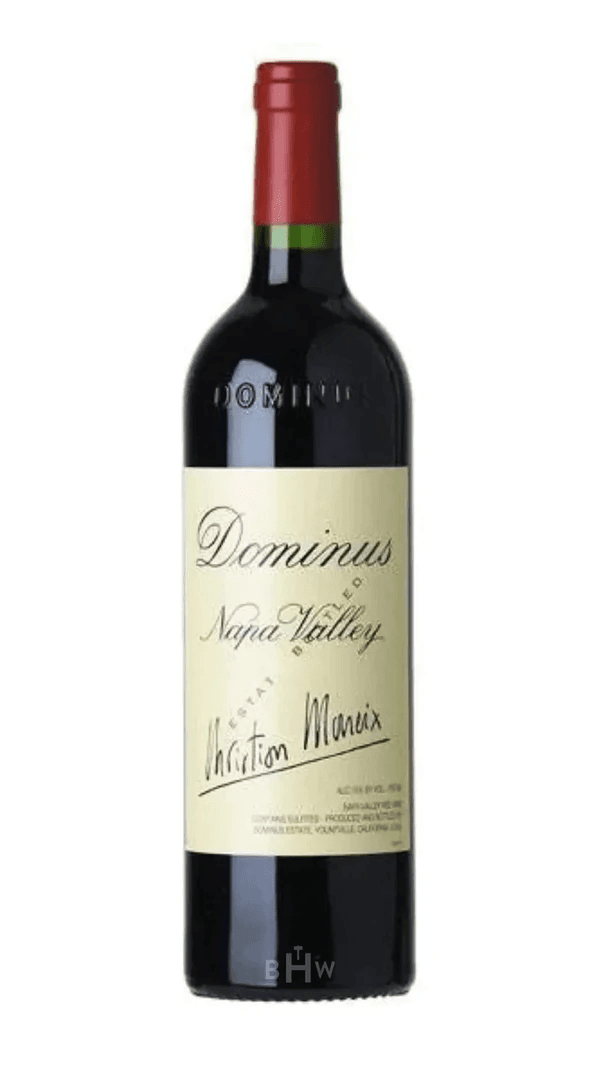
Dominus Estate Napa Valley 2019
Dominus Estate (Christian Moueix)
Dominus 2019 is Christian Moueix’s forty-year argument that philosophy is the ultimate catalyst. While most Napa Cabernets pursue concentration, extraction, and new-oak opulence, Dominus pursues structure, restraint, and the expression of a specific piece of ground. The 2019 vintage — widely regarded as one of Napa’s finest recent years — gave Moueix exceptional raw material, and his response was characteristically disciplined: 40% new oak rather than 100%, blending in Petit Verdot and Cabernet Franc for aromatic complexity rather than concentration. The result is a wine that drinks like a great Left Bank Bordeaux that happens to carry Napa’s sun-ripened generosity. At its price, it competes not with Napa cult wines but with Bordeaux First Growths — and holds its own.
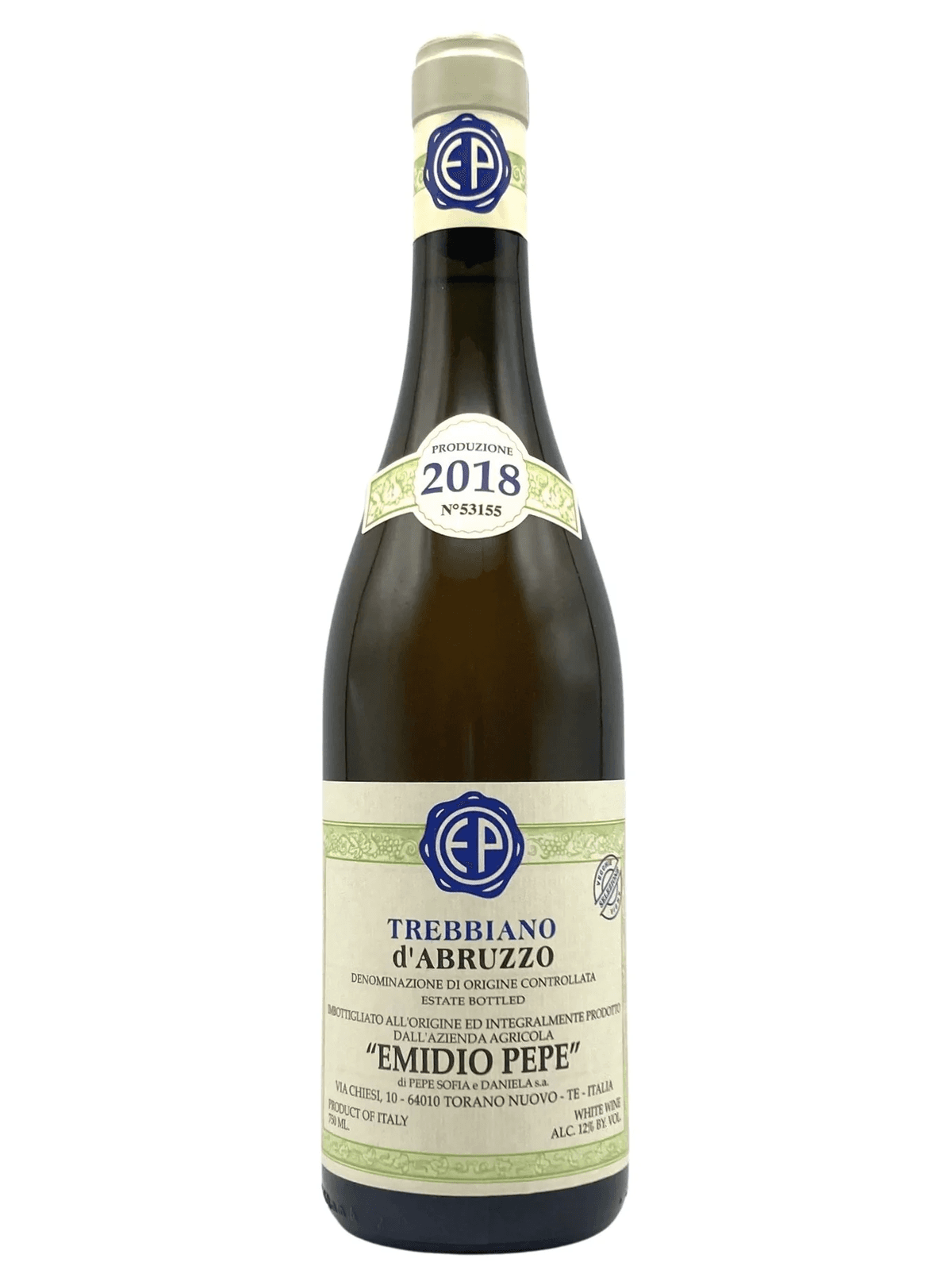
Emidio Pepe Trebbiano d’Abruzzo 2018
Azienda Agricola Emidio Pepe
Emidio Pepe’s Trebbiano is the ultimate argument that subtraction can be a catalyst. In a world where winemakers add cultured yeast, sulfur, enzymes, oak chips, and a dozen other interventions to control outcomes, Pepe removed them all — and produced a wine that consistently ranks among Italy’s finest whites. The 2018 vintage is extraordinary: the warmth of the year gave the Trebbiano grape a concentration it rarely achieves, while the cement-tank aging and bottle maturation added layers of honey, toasted almond, and waxy texture that make this taste nothing like the thin, neutral Trebbiano most people know. This is a wine that makes you reconsider what you thought you knew about a grape — and that reconsideration is Pepe’s greatest legacy.
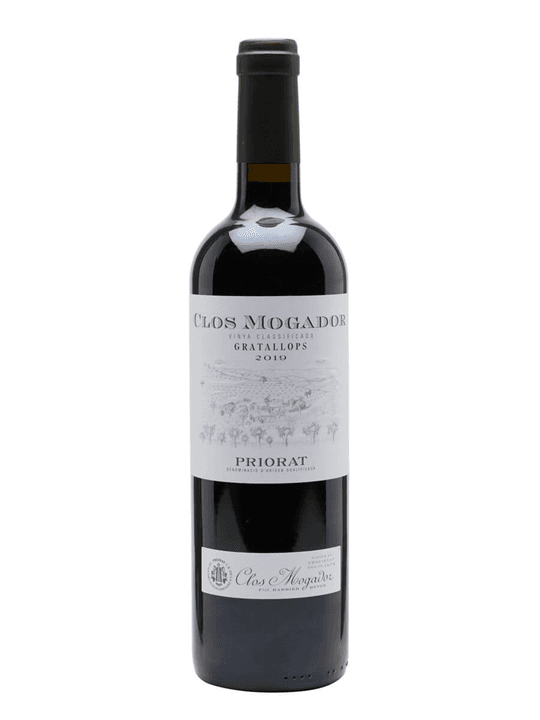
Clos Mogador Priorat 2019
Clos Mogador (Barbier Family)
Clos Mogador 2019 is the proving ground for an entire wine region. When René Barbier III planted vines on these abandoned Catalan terraces in 1979, Priorat was a ghost — its ancient vineyards reclaimed by scrub and silence. Barbier proved that the llicorella slate, the punishing altitude, and the Mediterranean heat were not obstacles but ingredients, and Clos Mogador became one of the five founding wines that transformed Priorat from obscurity into one of Spain's two DOQ-classified regions. The 2019 vintage is everything Priorat promises: power tempered by minerality, concentration balanced by freshness, and a finish that won't let you forget where it came from. Cocktail — The Priorat Sangria (serves 4): 1 bottle Clos Mogador 2019, 2 oz brandy, 1 oz orange liqueur, 2 oz fresh orange juice, sliced stone fruits and citrus. Combine in a pitcher and refrigerate for 4 hours. Serve over ice. A luxurious take on sangria that honors the wine's dark fruit and spice.
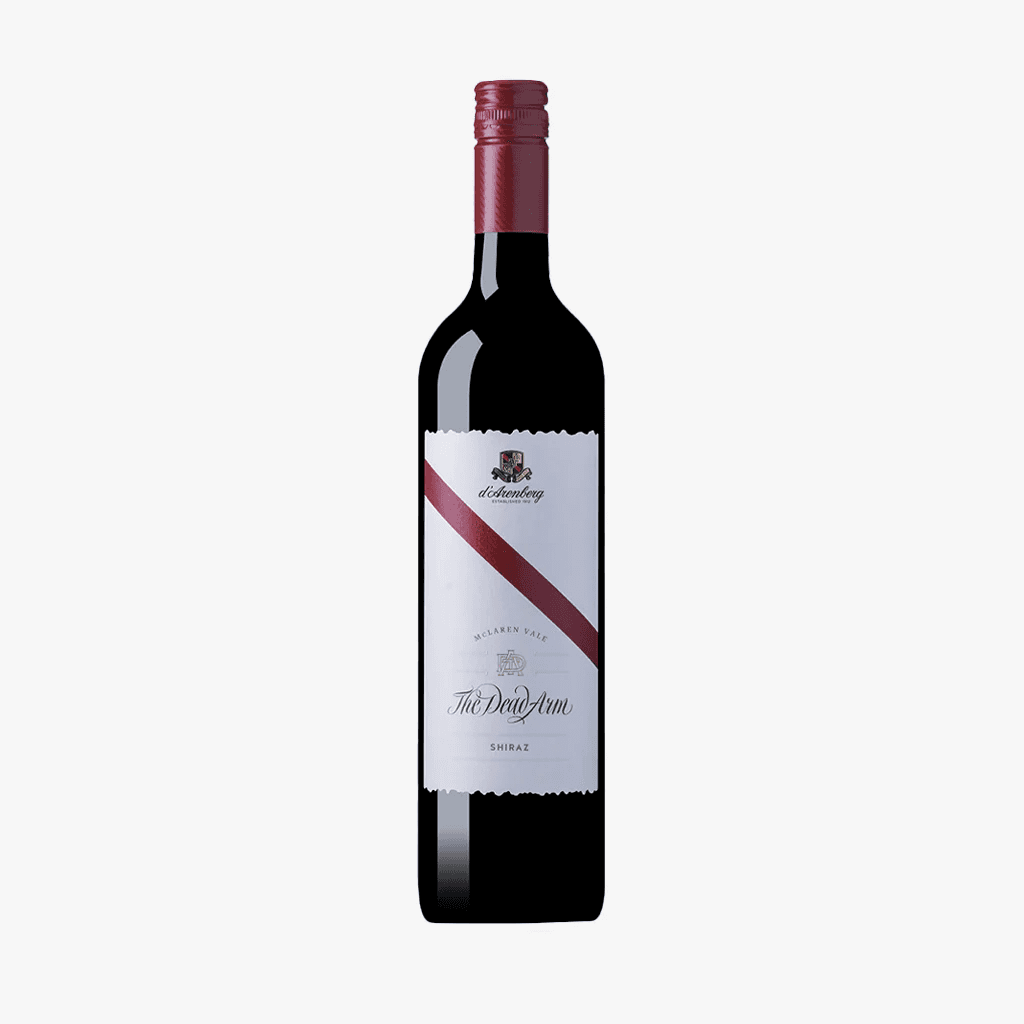
d'Arenberg The Dead Arm Shiraz 2019
d'Arenberg Pty Ltd
The Dead Arm is an experiment in turning disaster into distinction. Most growers would rip out vines afflicted with Eutypa lata, but Chester Osborn saw what the disease did to the surviving fruit — concentrated it, intensified it, made it something a healthy vine could never produce. The resulting wine is enormously concentrated without being heavy, packed with dark fruit and cedar but retaining the savory, earthy character that marks great McLaren Vale Shiraz. It's a reminder that some of the best things in wine happen when nature forces the maker's hand.
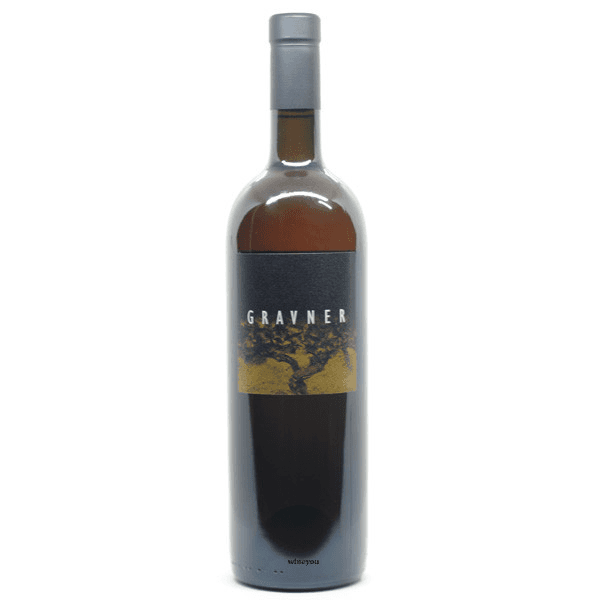
Gravner Ribolla Gialla 2015
Gravner
Gravner's experiment was the most radical in this lineup: he didn't tweak a process or add an ingredient — he threw away thirty years of modern winemaking and started over with seven-thousand-year-old technology. The Ribolla Gialla spends months on its skins in buried amphorae, developing a tannic structure and amber color that no conventional white wine possesses. Then it rests for six years in large oak before release. The result is a wine that defies categorization — not white, not red, not rosé, but something ancient and entirely its own. It proved that the oldest methods in winemaking weren't primitive — they were ahead of their time.
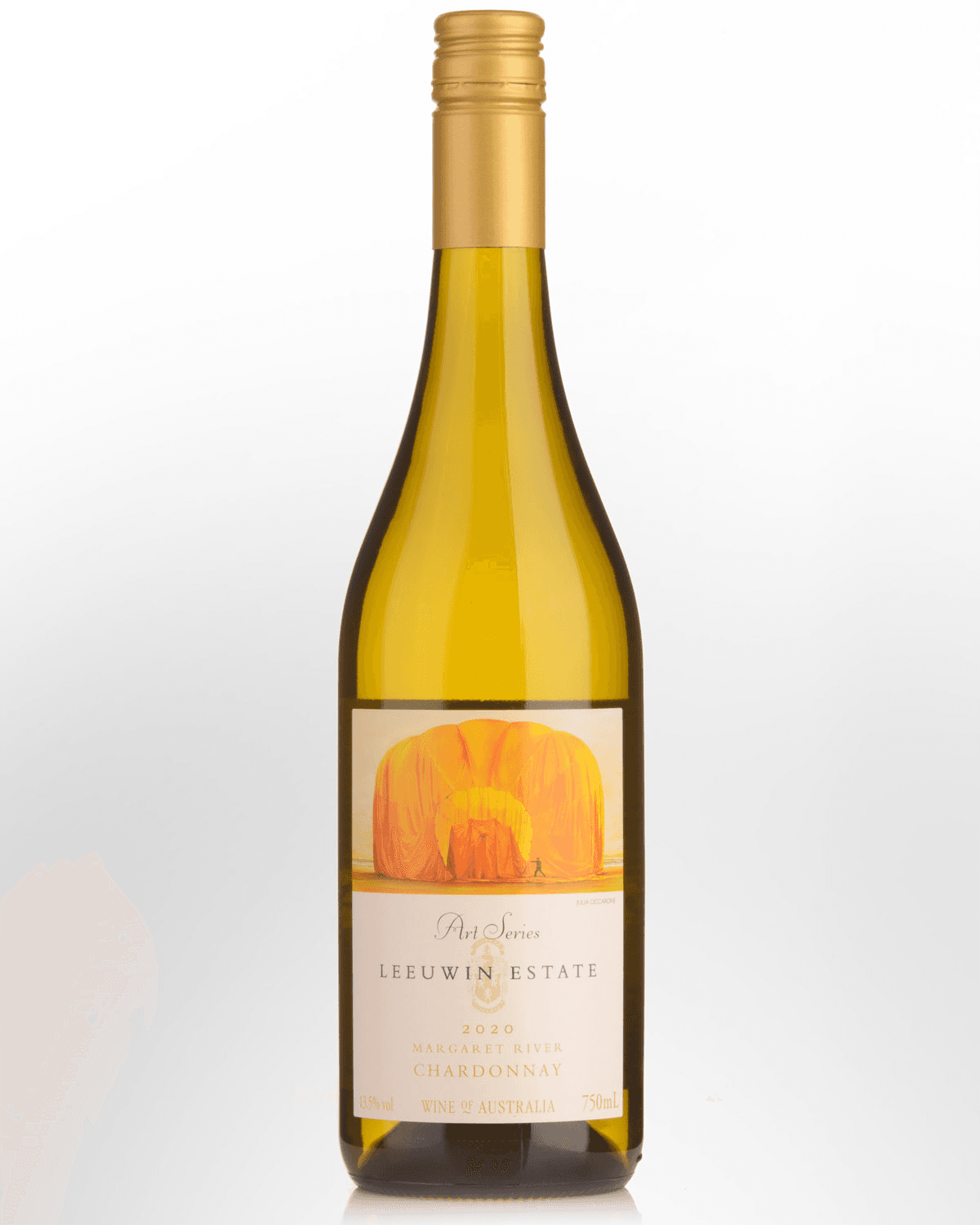
Leeuwin Estate Art Series Chardonnay 2020
Leeuwin Estate
The Art Series Chardonnay is Australia's most compelling argument that great Chardonnay needs nothing but time and patience. The 2020 vintage received 98 points from Wine Advocate and 97 from Halliday, James Suckling, and Wine Front.
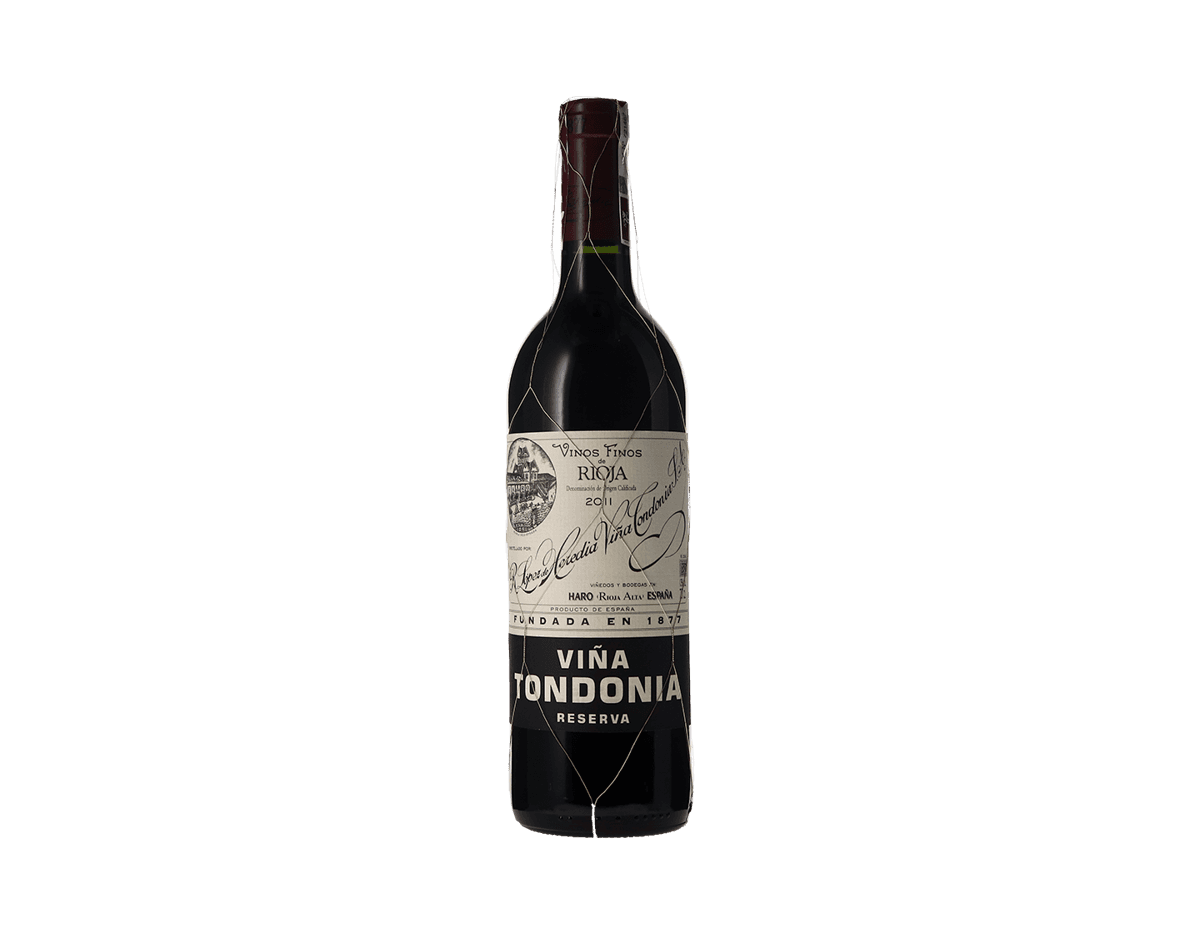
López de Heredia Viña Tondonia Reserva 2011
R. López de Heredia Viña Tondonia S.A.
Viña Tondonia Reserva is the ultimate slow-reveal wine — a bottle that spent six years in barrel and still isn't done evolving when you pour it.
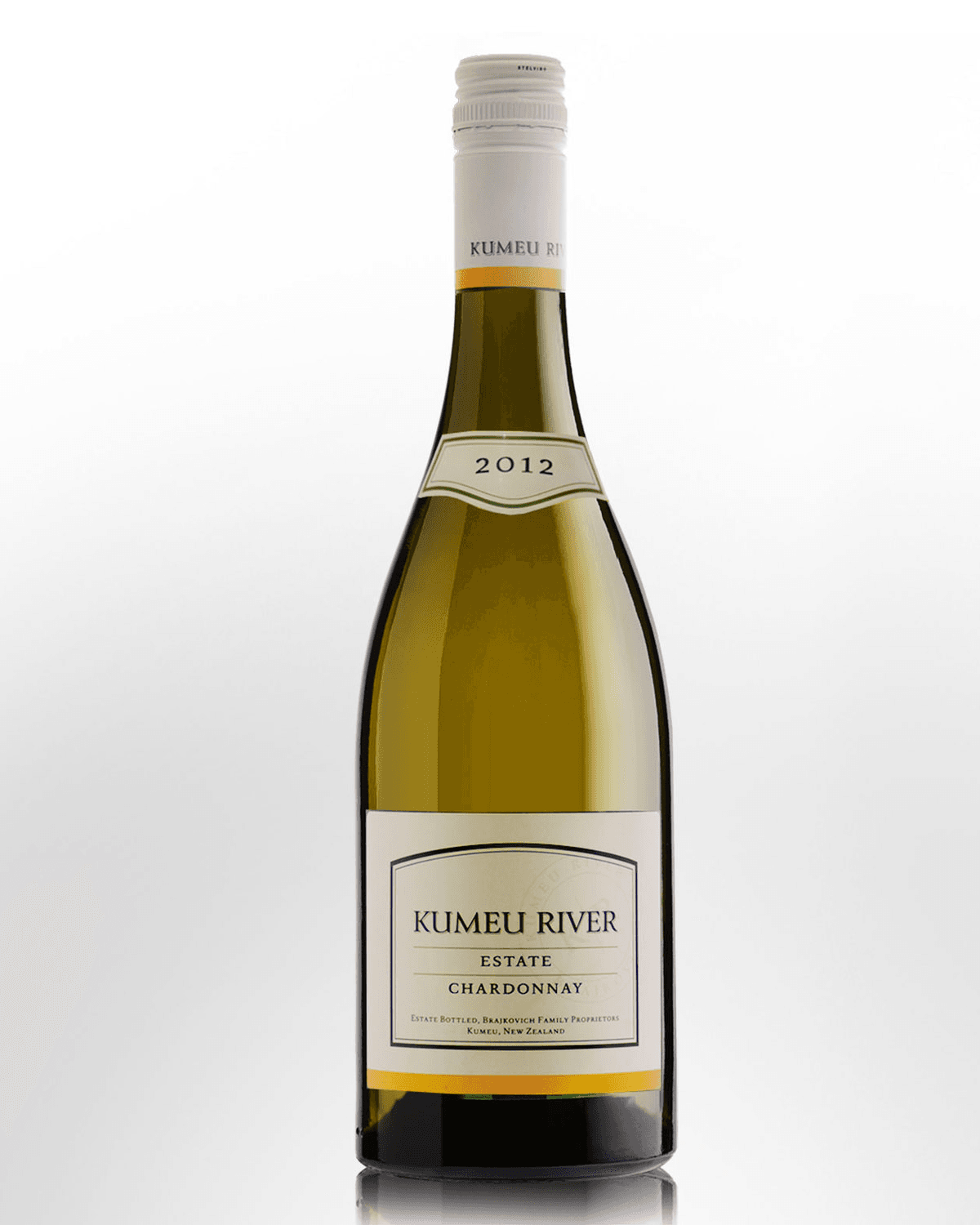
Kumeu River Maté’s Vineyard Chardonnay 2021
Kumeu River Wines (Brajkovich family)
Kumeu River Maté’s Vineyard is the definitive proof that great Chardonnay can migrate from Burgundy to the Southern Hemisphere without losing its soul.
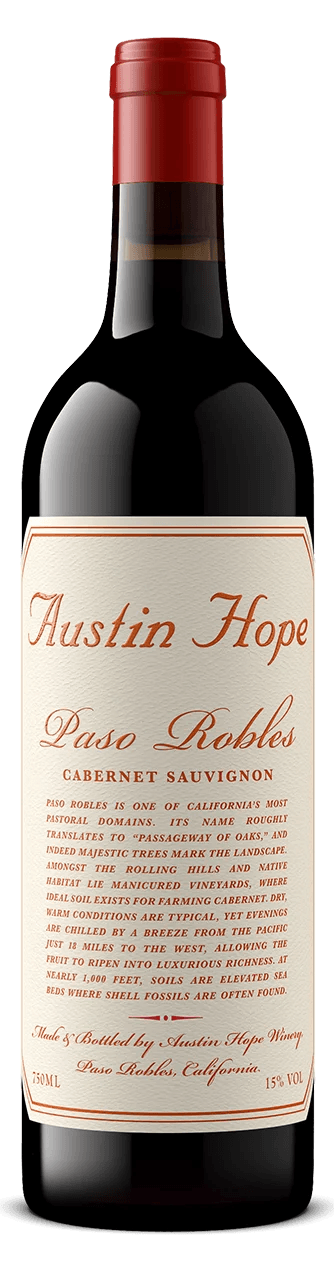
Austin Hope Cabernet Sauvignon Paso Robles 2022
Hope Family Wines
Paso Robles is a region forged by fire — and not just metaphorically. Daytime temperatures that soar past 100°F followed by dramatic nighttime drops create a thermal intensity that forces the vines to concentrate their sugars and develop deep, complex flavors.
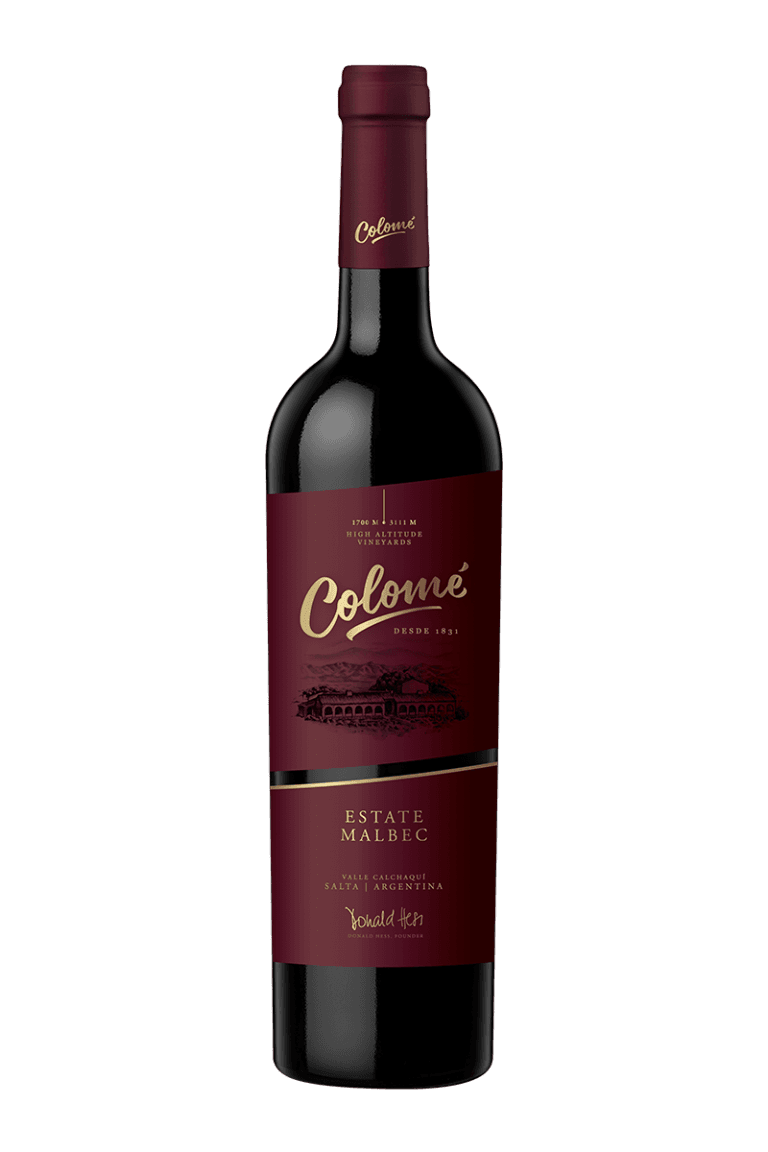
Bodega Colome Estate Malbec 2021
Bodega Colome (Hess Family Wine Estates)
Bodega Colome is the proof that altitude is not a gimmick — it is a winemaking tool as powerful as any barrel or blend.
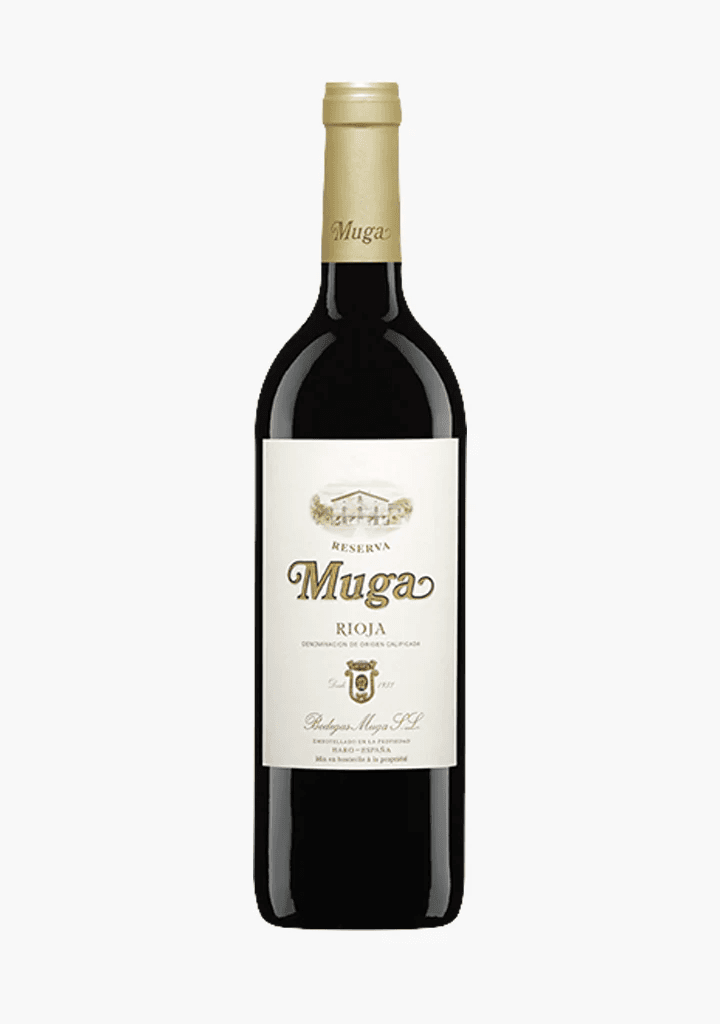
Bodegas Muga Reserva Rioja 2019
Bodegas Muga S.L.
When the rest of Rioja rushed to modernize in the 1990s — switching to French oak, adopting international varieties, chasing Parker points — Muga went the other way. They built their own cooperage and committed to traditional methods.
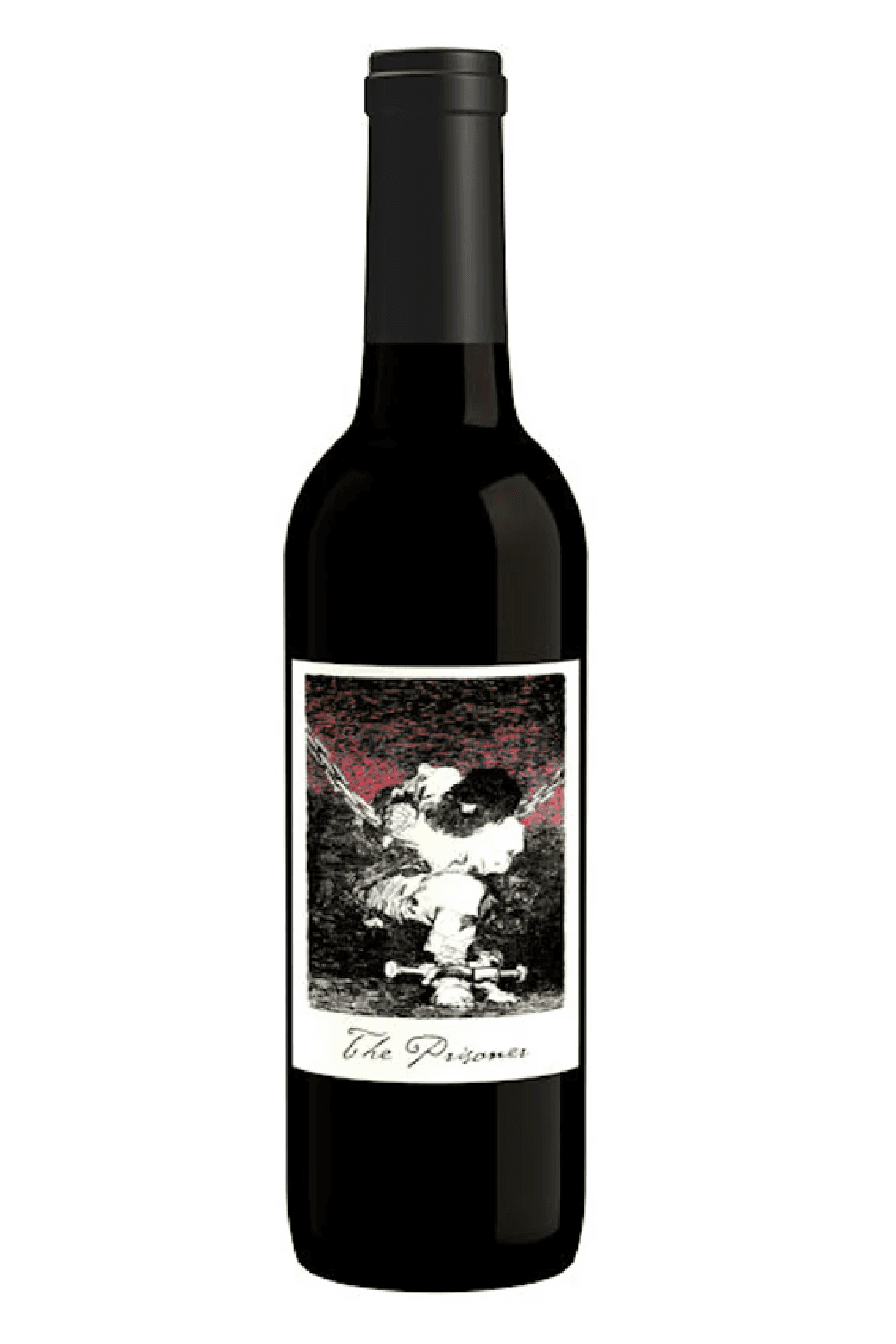
The Prisoner Red Blend 2022
The Prisoner Wine Company (Constellation Brands)
The Prisoner began as a rebellious experiment. Each varietal brings a different voice; over 100 growers provide the blending palette.
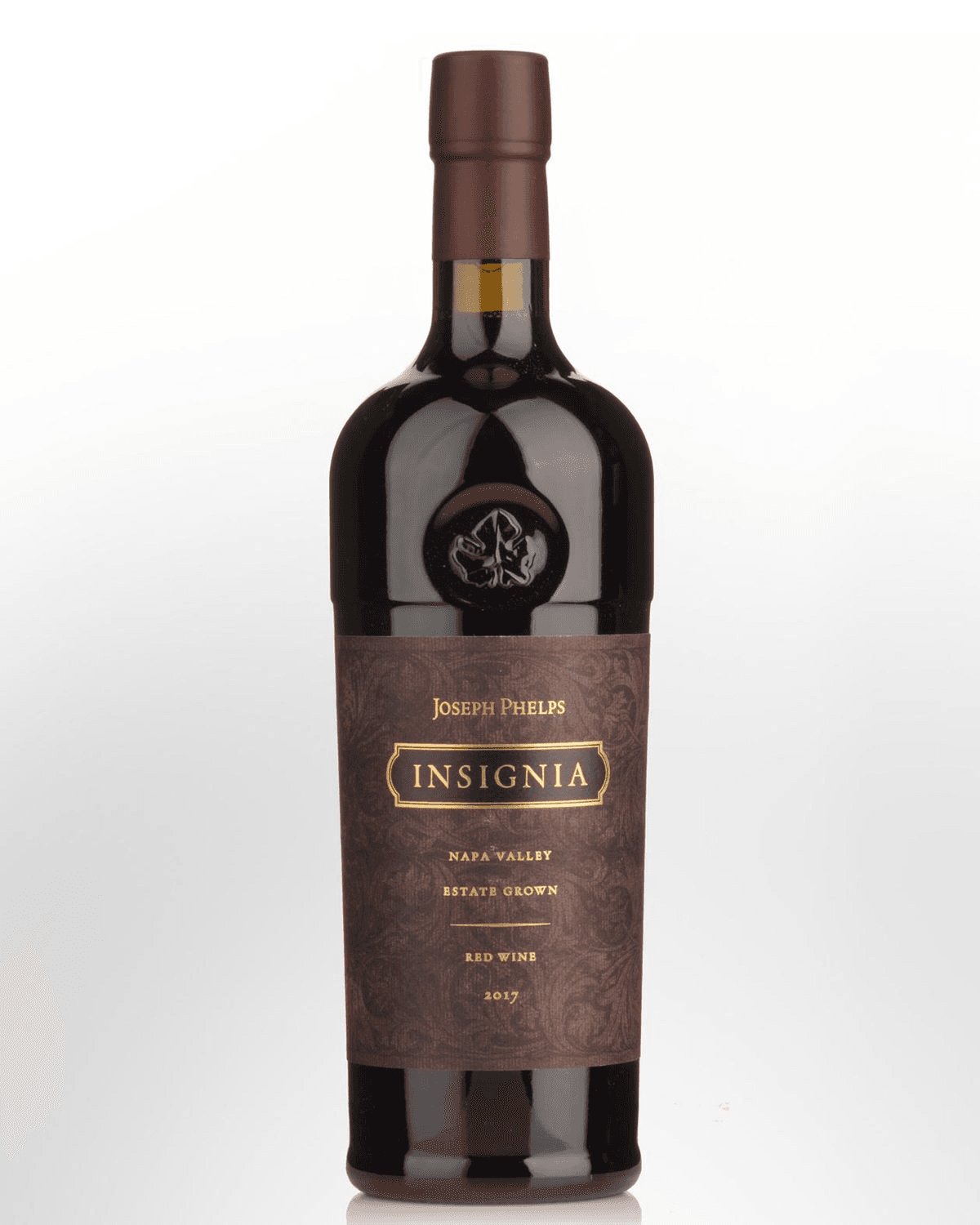
Joseph Phelps Insignia 2020
Joseph Phelps Vineyards (LVMH Moët Hennessy)
Insignia is one of America's great wines — not merely because it is prestigious or expensive, but because it consistently delivers what the greatest Bordeaux delivers: extraordinary complexity that evolves across decades. The 2020 vintage was grown in a challenging year that produced remarkably concentrated, structured fruit.
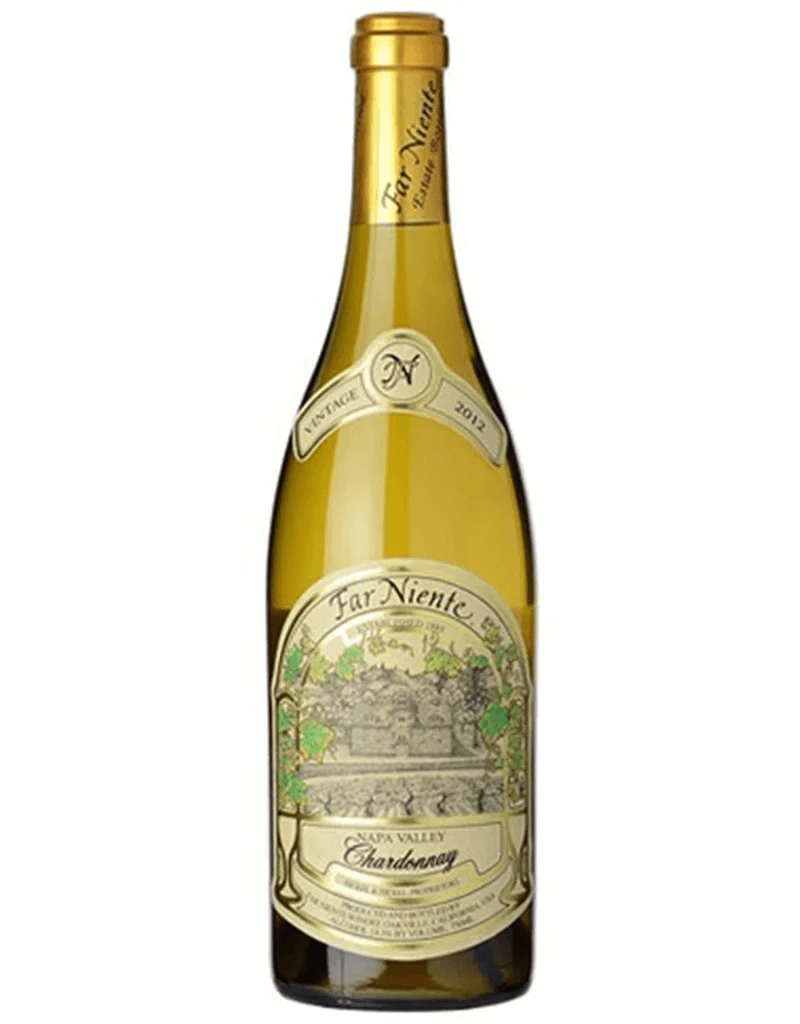
Far Niente Chardonnay Napa Valley 2022
Far Niente Winery
Far Niente Chardonnay is a Napa Valley institution — a wine that has set the standard for California Chardonnay since the estate's revival in 1979. Nicole Marchesi's winemaking philosophy is clear: every decision, from vineyard selection to barrel fermentation to malolactic aging, is made in service of balance rather than power.
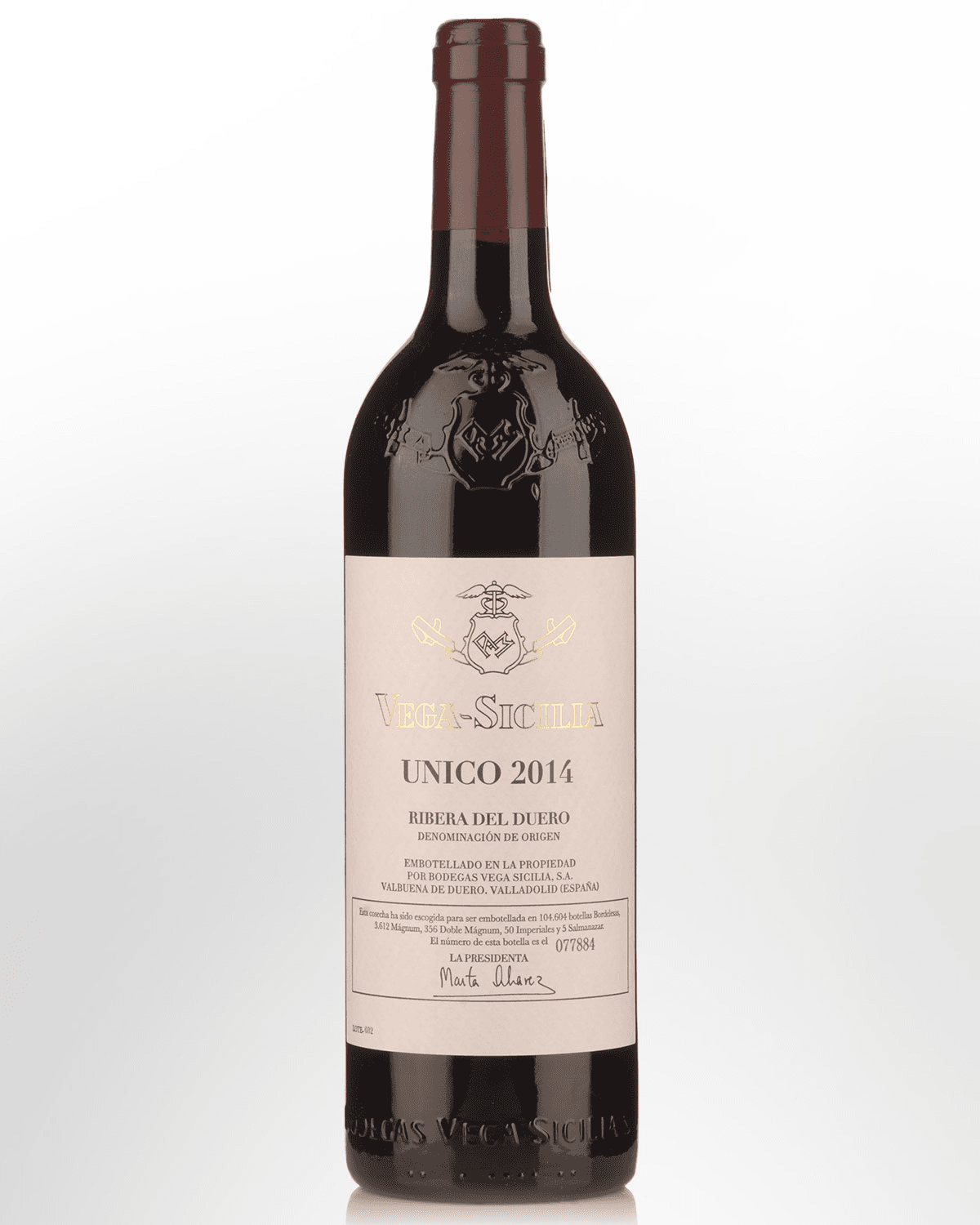
Vega Sicilia Único 2014
Tempos Vega Sicilia (Álvarez Family)
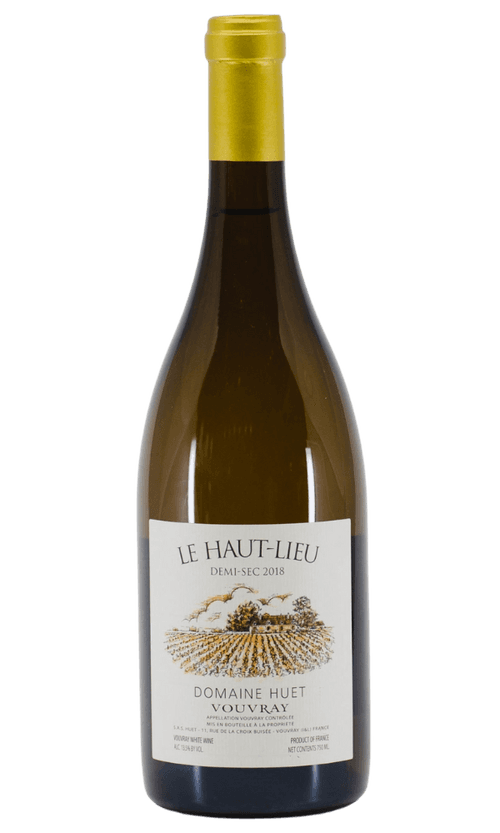
Domaine Huet Vouvray Le Haut-Lieu Sec 2021
Domaine Huet
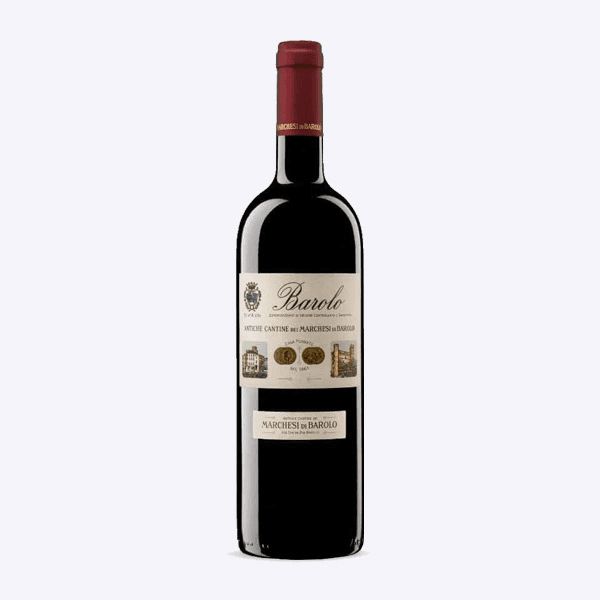
Marchesi di Barolo Barolo DOCG 2019
Marchesi di Barolo
The Marchesi di Barolo estate is where Barolo wine was born. In the 1840s, Marchesa Giulia Falletti commissioned the first dry Nebbiolo wines from these vineyards.
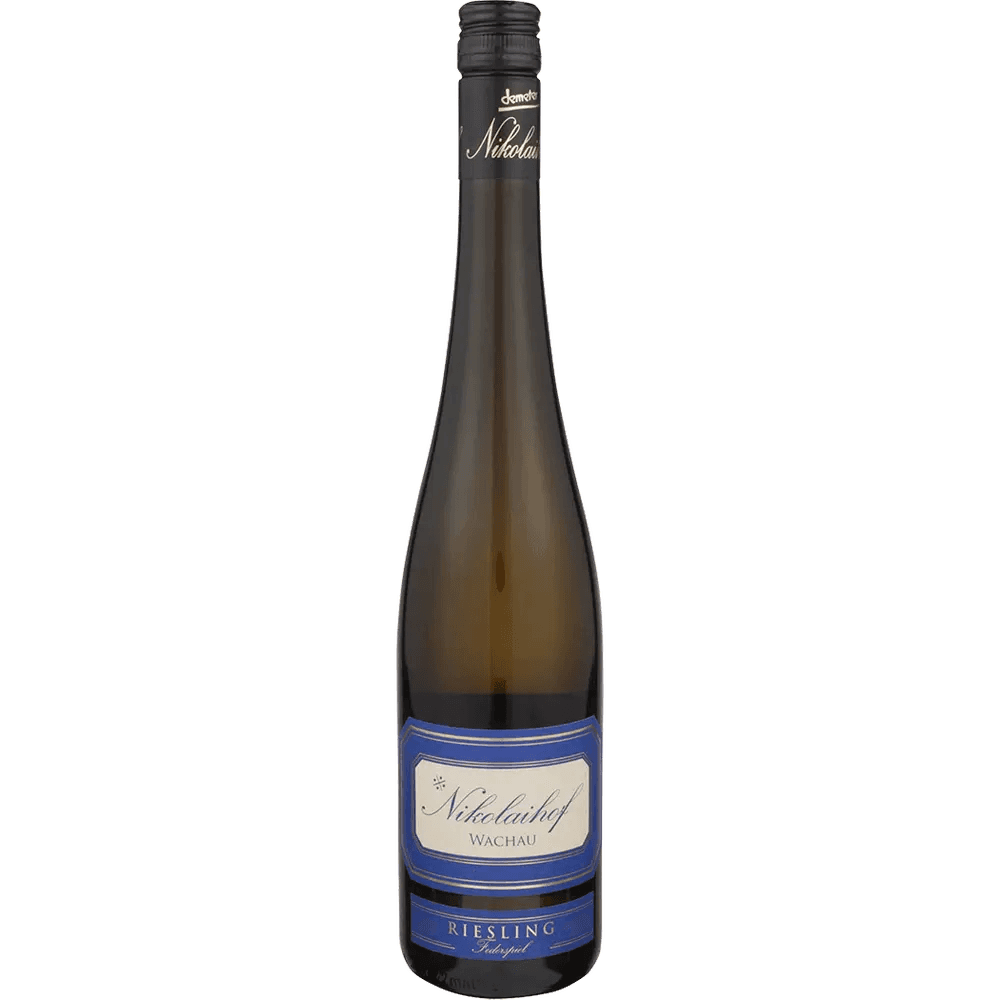
Nikolaihof Riesling Federspiel Vom Stein 2021
Nikolaihof Wein (Saahs Family)
Nikolaihof Riesling Federspiel Vom Stein is resilience measured in centuries. The Saahs family has been farming biodynamically since 1971.
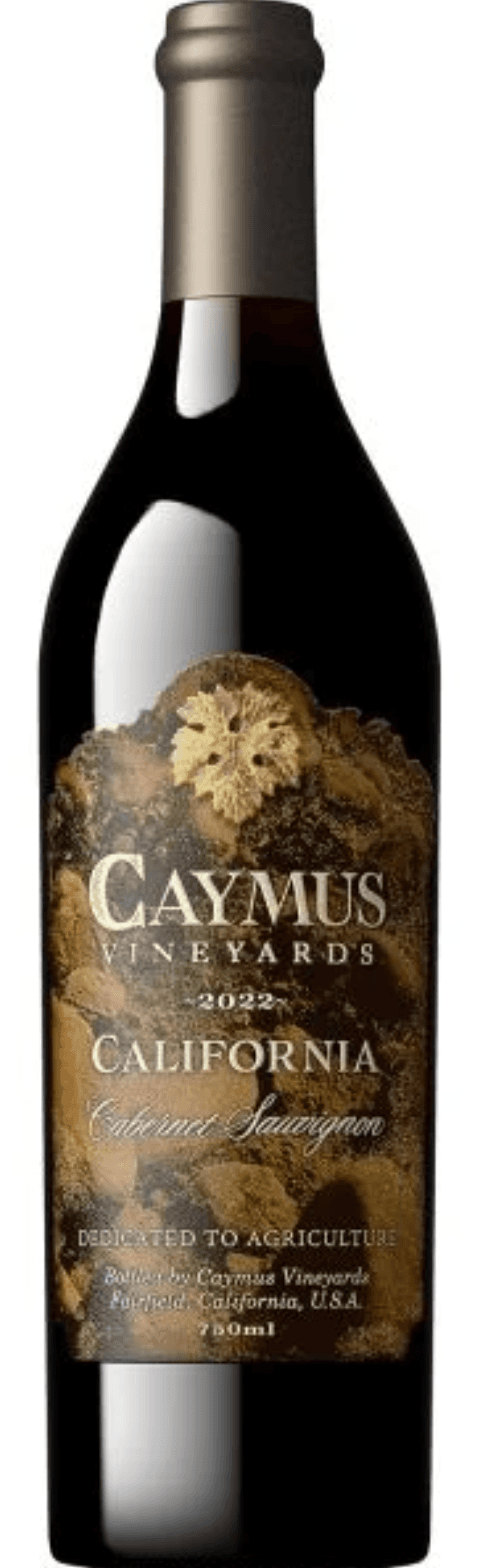
Caymus Vineyards Cabernet Sauvignon Napa Valley 2022
Wagner Family of Wine (Caymus Vineyards, est. 1972)
Caymus Cabernet Sauvignon is what happens when five decades of patience in the vineyard meet an unwavering commitment to a single vision. Chuck Wagner's approach is simple in concept and demanding in execution: wait for the fruit to reach perfect ripeness, blend across multiple Napa sub-appellations for complexity, and give the wine enough oak to frame the fruit without overwhelming it. Critics have debated the Caymus style for years — some find it too ripe, too rich, too crowd-pleasing — but the marketplace has settled the argument: this is one of the most consistently sought-after California Cabernets in existence. The 2022 vintage continues the tradition — dark, plush, generous, and built for the table rather than the cellar. Wagner's genius is making a wine that feels effortless, but that effortlessness comes from 50 years of learning what patience in the vineyard actually means.
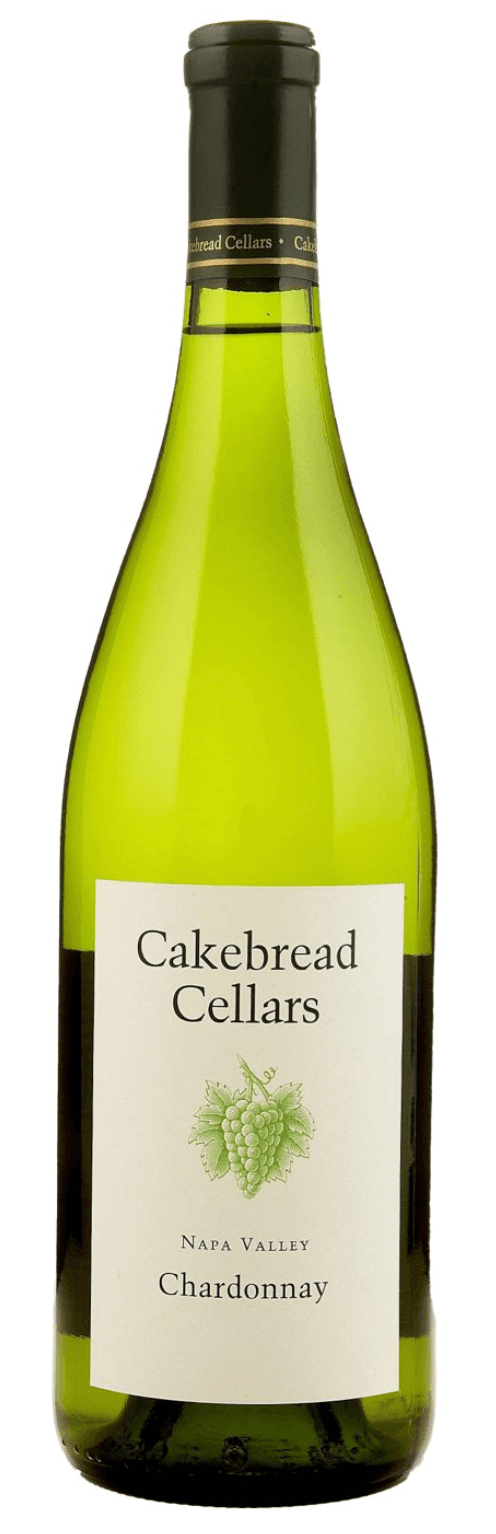
Cakebread Cellars Chardonnay Napa Valley 2022
Cakebread Cellars (est. 1973)
Cakebread Chardonnay has been a Napa Valley staple for over 50 years, and its longevity is a testament to the patience of doing something well and resisting the urge to change it. While Chardonnay trends have swung wildly — from heavily oaked and buttery in the '90s to severely unoaked in the 2010s — Cakebread has held a steady middle course: enough barrel influence for texture and complexity, enough acidity for freshness and food-friendliness. The partial malolactic fermentation is key — it gives the wine a creamy quality without tipping into butterball territory. Seven months of sur lie aging adds richness from the lees without dominating the fruit. The result is a Chardonnay that works equally well as an aperitif, a dinner companion, or a quiet glass at the end of the day. In a world of extremes, Cakebread's patience with its own identity is its greatest virtue.
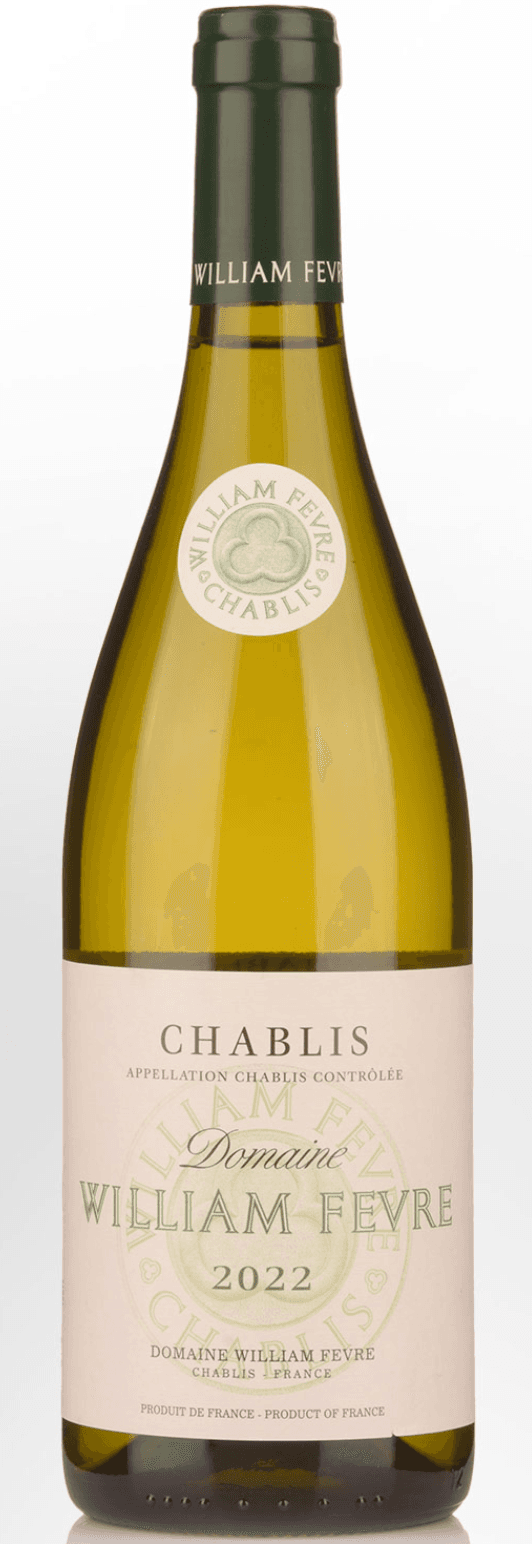
Domaine William Fèvre Chablis 2022
Domaine William Fèvre / Henriôt Group (est. 1959)
If any wine on earth proves that terroir is real, it is Chablis. The appellation sits on Kimmeridgian limestone — a geological formation laid down during the Late Jurassic period when this part of Burgundy was a tropical sea. Dig into a Chablis vineyard and you’ll find fossilized oyster shells (Exogyra virgula) embedded in the marl. William Fèvre understood this better than anyone: he was among the first vignerons to map the precise soil differences between Chablis parcels and to vinify accordingly. The domaine’s village-level Chablis is fermented and aged entirely in stainless steel — a deliberate choice to let the limestone speak without oak interference. The result is a Chardonnay stripped of everything except what the soil and climate put there: mineral tension, razor-sharp acidity, and a saline quality you can taste with your eyes closed. For readers of The Definitive Pocket Guide to Chablis, this is the benchmark.
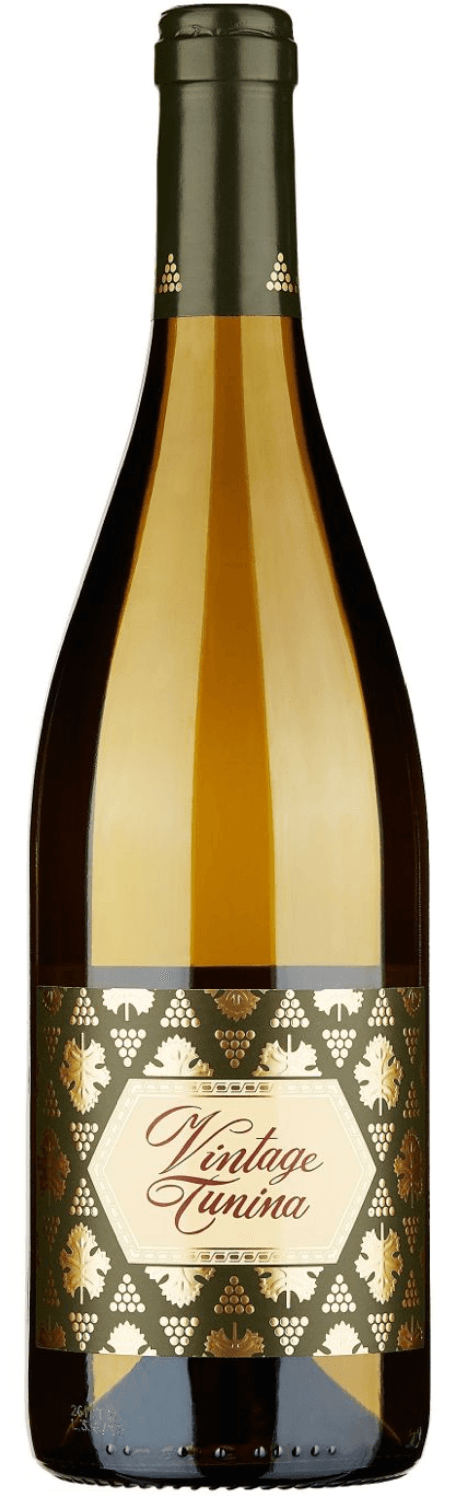
Jermann Vintage Tunina 2022
Jermann (est. 1881, fourth generation)
Vintage Tunina is Silvio Jermann’s obsessive masterpiece — a white wine assembled from five grapes, each harvested at a different moment of optimal ripeness, fermented separately, and blended only when Jermann decides each component has found its voice. Sauvignon Blanc brings aromatics and acidity. Chardonnay adds body and structure. Ribolla Gialla contributes mineral tension. Malvasía Istriana lends waxy texture and floral perfume. And Picolit — Friuli’s rare native dessert grape, used here in tiny proportion — adds a honeyed complexity that ties everything together. Most winemakers would simplify this into two or three varieties. Jermann insists on five because he believes the wine isn’t complete without all of them. At $38–48, this is one of Italy’s great white wines and a masterclass in the art of the blend.
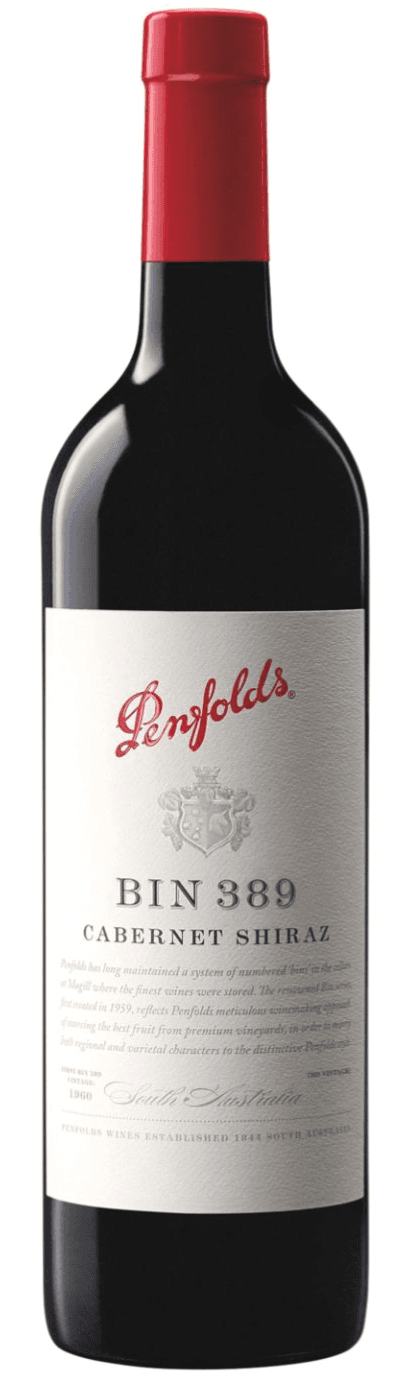
Penfolds Bin 389 Cabernet Shiraz 2021
Treasury Wine Estates (Penfolds, est. 1844)
Bin 389 is known as “Baby Grange” for a reason: the wine is matured in the same American oak hogsheads that previously held Penfolds Grange, Australia’s most celebrated wine. That secondhand Grange influence — a ghost of Shiraz complexity — adds depth you can’t get any other way. Max Schubert created the first Bin 389 in 1960, and it’s been in continuous production ever since, blending Cabernet’s structure with Shiraz’s generosity. At $40–55, it delivers a taste of the Penfolds house style at a fraction of Grange’s price. This is arguably Australia’s greatest value red.

Domaine de la Taille aux Loups Montlouis-sur-Loire Sec Les Dix Arpents 2022
Domaine de la Taille aux Loups
Jacky Blot's Taille aux Loups is the gold standard for Montlouis-sur-Loire, and Les Dix Arpents shows why. This Chenin Blanc from clay-flint soils achieves the rare combination of richness and tension that makes Loire whites so compelling. The 2022 vintage has a vibrancy and directness that makes it irresistible now, though it will easily reward a decade of patience.

Domaine Marcel Deiss Riesling Grand Cru Altenberg de Bergheim 2022
Domaine Marcel Deiss
Jean-Michel Deiss's Altenberg de Bergheim is among Alsace's most profound single-vineyard wines. The 2022 vintage captures the warmth of the season while the limestone-clay terroir provides natural tension. This is a complantation site where multiple grape varieties grow interplanted — an ancient practice that Deiss revived — yielding a wine that transcends varietal character entirely. Serious, contemplative, and built for the long haul, though already deeply rewarding.

Levee & Loam Meritage Red Blend
Levee & Loam
Levee & Loam delivers a Meritage blend that respects the tradition without demanding a Bordeaux price tag. It's a straightforward, well-assembled wine that drinks above its weight class — the kind of bottle that earns a permanent spot in the weeknight rotation. Best enjoyed within two to three years of purchase.

Domaine Valette Mâcon-Chaintré Cuvée Hors Classe 2022
Domaine Valette
Gérard Valette farms biodynamically and ages his wines far longer than his neighbors, producing Mâcon whites with the depth and complexity of premier cru Burgundy. The 2022 Hors Classe is a quiet revelation — proof that attentive viticulture and patience in the cellar can elevate humble origins into something extraordinary. This is terroir advocacy at its finest.

Domaine Valette Pouilly-Fuissé Clos de Monsieur Noly Vieilles Vignes 2022
Domaine Valette
Gérard Valette's old-vine Chardonnay from the Clos de Monsieur Noly parcel is among the most serious whites produced in the Mâconnais. Extended lees aging and minimal intervention yield a wine of Côte d'Or density at a fraction of the price. The 2022 is rich but never blowsy, with an underlying acidity that promises years of development.

Domaine du Vieux Télégraphe Châteauneuf-du-Pape Blanc 2022
Domaine du Vieux Télégraphe
This is a white wine that doesn't sparkle — it smolders. Vieux Télégraphe's Blanc captures the paradox of Châteauneuf-du-Pape: sun-drenched intensity tempered by ancient galets beneath the soil. It's the grain's last ember incarnate — all warmth, weight, and gentle fade. A wine for those who understand that silence can be luminous.

Domaine de la Mordorée Condrieu 2023
Domaine de la Mordorée
Condrieu is Viognier at its most unapologetically hedonistic, and Mordorée's 2023 captures the variety's essence — rich, aromatic, and sun-drenched — without tipping into flabbiness. The granite terraces of Condrieu force the vines to struggle, and that tension between heat-driven ripeness and mineral restraint is what makes this wine compelling rather than merely lush.