Aroma
Cedar
143 bottles with this note
Train this aroma
Wine Aroma Kit
Develop your palate with the canonical reference for cedar and related notes.

Domaine du Vieux Télégraphe Télégramme Châteauneuf-du-Pape 2020
Domaine du Vieux Télégraphe
Télégramme is the second wine of the legendary La Crau bottling, and the 2020 vintage is a testament to the warmth and generosity of that year. It offers much of the depth and complexity of its elder sibling at a fraction of the price — a serious Châteauneuf for everyday enjoyment.

Marchesi di Gresy Barbaresco Martinenga DOCG 2020
Marchesi di Gresy
Marchesi di Gresy's Martinenga vineyard is one of the historic crus of Barbaresco, and this 2020 shows the site's characteristic combination of elegance and structure. The tannins are fine-grained and the fruit pristine. A wine that rewards careful attention and moderate cellaring.

Domaine du Cayron Gigondas 2021
Domaine du Cayron
Domaine du Cayron makes Gigondas the way it's been made for generations — old vines, traditional winemaking, no fuss. The 2021 is expressive and balanced, with the kind of depth that comes from age-worthy Grenache on limestone soil. Outstanding value for Southern Rhône lovers.

Domaine du Vieux Télégraphe La Crau Châteauneuf-du-Pape 2019
Domaine du Vieux Télégraphe
The 2019 La Crau is exceptional — a vintage that gave the Bruniers extraordinary ripeness without sacrificing the nervous energy that defines this galets roulés plateau. It is the kind of wine that rewards both patience and attention.

Domaine de la Côte Pinot Noir La Côte 2022
Domaine de la Côte
Rajat Parr and Sashi Moorman's estate bottling from their Sta. Rita Hills vineyard captures the cool, wind-swept character of the site with precision. The 2022 vintage adds a touch more generosity than some cooler years without sacrificing the nervous energy that defines this wine. Burgundian in ambition, Californian in its sun-kissed fruit purity.

Sottimano Barbaresco Fausoni DOCG 2020
Sottimano
Sottimano's Fausoni vineyard sits in the Neive subzone and consistently delivers Barbaresco with both power and perfume. The 2020 vintage offered warmth that brought ripeness without sacrificing the grape's essential acidity. This is Nebbiolo that rewards decanting now or cellaring for a decade.

Domaine Tempier Bandol Rouge La Migoua 2020
Domaine Tempier
La Migoua is one of Tempier's single-vineyard cuvées and shows the more refined, aromatic side of Bandol Mourvèdre. The 2020 vintage brought concentration without losing the elegance that defines this estate. This is a wine that demands and rewards cellaring, though it already shows impressive complexity. Bandol at its most articulate.

Vietti Barolo Lazzarito DOCG 2019
Vietti
Vietti's Lazzarito bottling captures the essence of Serralunga d'Alba — power tempered by elegance, with the 2019 vintage providing generosity of fruit without sacrificing structure. It's a Barolo that rewards patience but doesn't punish curiosity. A serious wine with real aging potential that's already showing beautifully.

Brovia Barolo Ca' Mia DOCG 2019
Brovia
Brovia's Ca' Mia vineyard sits in the commune of Serralunga d'Alba, and this 2019 delivers the muscular structure that vineyard is known for alongside surprising aromatic finesse. It's a wine that genuinely changes over an evening — decant it and come back every thirty minutes to find a different wine. Traditional Barolo done with a steady, confident hand.

Marchesi di Barolo Barbaresco DOCG 2020
Marchesi di Barolo
Marchesi di Barolo is one of Piedmont's oldest estates, and their Barbaresco shows why Nebbiolo from this commune tends toward elegance over power. The 2020 vintage was warm but this wine retains balance and aromatic complexity. A serious Barbaresco at a remarkably fair price.

Bodegas R. López de Heredia Viña Tondonia Reserva 2011
López de Heredia
López de Heredia does not release wine until it is ready. The 2011 Tondonia Reserva spent six years in barrel and more years in bottle before reaching shelves — a timeline that most producers would consider commercially insane. The result is a wine that has already done the work of aging for you: seamless, complex, and quietly profound.

Vietti Barolo Castiglione 2020
Vietti
Vietti's entry-level Barolo is a serious wine that punches above its price. The 2020 vintage adds a layer of fruit richness that makes the wine approachable young, but there is enough tannic structure for a decade of aging. The sweetness here is pure Nebbiolo fruit — ripe, perfumed, and fleeting.

Luciano Sandrone Barolo Le Vigne DOCG 2019
Luciano Sandrone
Sandrone's Le Vigne blends fruit from four distinct vineyard sites across the Barolo zone, creating a wine that is both approachable and deeply layered. The 2019 vintage brings warmth and generosity while retaining the structural precision Barolo demands.

Domaine Alain Graillot Crozes-Hermitage Rouge 2022
Domaine Alain Graillot
Graillot's standard Crozes-Hermitage consistently demonstrates why this appellation — at the northern edge of where Syrah can ripen — produces wines with a tension and freshness that warmer latitudes struggle to match. The 2022 vintage added a touch more generosity without sacrificing the domaine's signature restraint.

Clos Rougeard Saumur-Champigny Le Bourg 2019
Clos Rougeard
A benchmark expression of Cabernet Franc that redraws what the grape is capable of — proof that patient old-vine work on tuffeau can achieve Burgundian nuance with Bordelais structure.

Domaine Marcel Richaud Côtes du Rhône Villages Cairanne Rouge Les Garrigues 2021
Domaine Marcel Richaud
Marcel Richaud farms organically and vinifies with minimal intervention, and the result is a wine that tastes transparently of its place. This is Cairanne at its most honest — generous Southern Rhône fruit with real structure and individuality. At this price, it's one of the best values in French wine.

Domaine du Vieux Télégraphe La Crau 2021
Domaine du Vieux Télégraphe
The Brunier family's flagship from the storied La Crau plateau delivers a 2021 of precision and depth. The galets roulés (round stones) that carpet the vineyard floor radiate stored heat, contributing to the wine's concentrated fruit and structural elegance. This is Châteauneuf-du-Pape at its most site-specific—powerful but never heavy.

Zuccardi Finca Piedra Infinita Malbec 2020
Familia Zuccardi
Grown at over 1,000 meters elevation in the rocky alluvial fans of Paraje Altamira, this Malbec is a masterclass in altitude-driven viticulture. The Zuccardi family has been instrumental in mapping the subregions of the Valle de Uco, and this single-vineyard expression shows why Altamira's combination of elevation, calcareous soils, and extreme diurnal temperature swings produces some of Argentina's most compelling reds.

Domaine de la Côte Pinot Noir Sola Tierra 2022
Domaine de la Côte
Rajat Parr and Sashi Moorman's Sola Tierra bottling captures the cold-climate intensity of Sta. Rita Hills Pinot Noir with remarkable transparency. The 2022 vintage brought ideal ripening conditions — warm days and cold Pacific fog — and the result is a wine that feels both ripe and taut. Burgundian in aspiration, distinctly Californian in origin.

Domaine de la Côte Pinot Noir Estates 2022
Domaine de la Côte
Rajat Parr and Sashi Moorman's Estates cuvée is a lens into the limestone soils and cool maritime climate of the Sta. Rita Hills. The 2022 vintage shows crystalline fruit purity with impressive restraint — a Burgundian sensibility applied to California terroir. Drink now or cellar with confidence.

Domaine de la Solitude Châteauneuf-du-Pape Rouge Réserve Secrète 2020
Domaine de la Solitude
The Réserve Secrète cuvée represents the Lancon family's best barrel selections from this historic estate. The 2020 vintage delivered concentration and balance in equal measure, and this bottling captures Châteauneuf's warm-climate generosity without losing its garrigue-scented identity.

Domaine du Vieux Télégraphe Télégramme Châteauneuf-du-Pape 2021
Domaine du Vieux Télégraphe
Télégramme is the second wine of Vieux Télégraphe, made from younger vines and declassified lots — but calling it a 'second wine' undersells it. This is Châteauneuf-du-Pape with energy and immediacy, designed for drinking rather than cellaring. It captures the terroir of La Crau's galets roulés in a more approachable frame.

Domaine René Rostaing Côte-Rôtie Côte Blonde 2020
Domaine René Rostaing
Rostaing's Côte Blonde parcel produces wines of ethereal finesse, and 2020 delivered a vintage that balances power with elegance. The finish is the star — a seamless tapering of fruit, flower, and mineral that defines what great Côte-Rôtie can achieve. Drink now or cellar with confidence for two decades.

Domaine du Coulet Cornas Les Terrasses du Serre 2020
Domaine du Coulet
Matthieu Barret's Les Terrasses du Serre bottling delivers the rugged intensity Cornas is known for, but with a precision that speaks to careful vineyard work on steep granite hillsides. This is Syrah that tastes like its place — brooding, mineral, unapologetically Northern Rhône.

Domaine Alain Graillot Crozes-Hermitage Rouge 2020
Domaine Alain Graillot
Graillot's benchmark Crozes-Hermitage demonstrates why this appellation deserves more respect. The 2020 vintage delivered concentration without losing the nervy acidity and mineral tension that separate Northern Rhône Syrah from warmer-climate expressions. Drink now or hold through 2030.

Clos du Mont-Olivet Châteauneuf-du-Pape Rouge 2020
Clos du Mont-Olivet
The Sabon family's Clos du Mont-Olivet is one of Châteauneuf's most traditionally styled estates, and this 2020 demonstrates why structure matters more than opulence in this appellation. The tannin framework is serious without being aggressive, giving the wine both immediate appeal and a long cellaring trajectory. A wine built on its bones.

Domaine du Vieux Lazaret Châteauneuf-du-Pape Rouge 2020
Domaine du Vieux Lazaret
Vieux Lazaret holds one of the largest single holdings in Châteauneuf-du-Pape, and this 2020 vintage showcases the heat of that stellar year while maintaining the freshness that separates well-made Southern Rhône from the merely ripe. It's a wine that delivers the full sun-soaked identity of the appellation at a remarkably fair price.

Domaine de la Vieille Julienne Châteauneuf-du-Pape Rouge 2020
Domaine de la Vieille Julienne
Vieille Julienne's organic farming and old-vine grenache produce a Châteauneuf with real depth and terroir expression. The 2020 vintage shows exceptional balance — power without weight, complexity without noise. One of the quieter great estates in the appellation.

Domaine de la Bouïssière Gigondas La Font de Tonin 2020
Domaine de la Bouïssière
The Faravel brothers farm some of Gigondas' highest-altitude plots on the Dentelles de Montmirail, and La Font de Tonin showcases what elevation brings to Grenache — freshness, tension, and a floral lift that distinguishes it from heavier valley-floor wines. The 2020 vintage offered ideal conditions, and this wine captures the vintage's generosity without excess.

Domaine de Marcoux Châteauneuf-du-Pape Rouge 2020
Domaine de Marcoux
Domaine de Marcoux has practiced biodynamic farming since 1990, and the purity of fruit in this 2020 reflects that commitment. The sun-baked galets roulés stones — heat stored by day, released by night — are the invisible hand in every Châteauneuf, and this bottling captures that thermal exchange beautifully. A wine shaped by the memory of stone and sun.

Domaine Alain Graillot Crozes-Hermitage Les Guiraudes 2020
Domaine Alain Graillot
Les Guiraudes is Graillot's parcel selection — a step up from the standard Crozes that shows what this appellation can achieve when the vines are old and the hand is confident. The 2020 vintage's warmth gives extra generosity, but the wine never loses its Syrah identity: earthy, peppery, and built on structure rather than sweetness. Outstanding value for Northern Rhône Syrah of this caliber.

Domaine Gauby Les Calcinaires Côtes Catalanes Rouge 2022
Domaine Gauby
Gérard and Lionel Gauby farm biodynamically in the arid foothills of the Pyrenees, and their entry-level red captures the wildness of the Roussillon landscape. This is a wine with more tension and complexity than its price suggests. Drink it slightly cool and let it open over an hour.

Domaine de l'Hortus Grande Cuvée Pic Saint-Loup 2020
Domaine de l'Hortus
Domaine de l'Hortus Grande Cuvée is a masterful expression of Pic Saint-Loup — a region where the altitude and dramatic temperature swings between day and night produce wines of remarkable freshness despite the Mediterranean heat. This is serious Languedoc red at a fraction of Rhône Valley prices.

Domaine de la Côte Pinot Noir Estates 2021
Domaine de la Côte
Rajat Parr and Sashi Moorman's estate-wide blend offers a window into their meticulous Sta. Rita Hills farming without the single-vineyard price tag. It drinks like Burgundy in its restraint and transparency, proving that California Pinot Noir can whisper rather than shout.

Domaine de la Bouïssière Gigondas Les Olivets 2021
Domaine de la Bouïssière
The Faravel family farms old-vine Grenache and Mourvèdre on Gigondas's rocky Dentelles de Montmirail slopes, where low yields and extreme diurnal temperature swings build concentration naturally. Les Olivets is their flagship — a wine of real substance that never sacrifices drinkability for power. Give it thirty minutes in a decanter and it opens beautifully.

Fattoria di Selvapiana Chianti Rufina Riserva Vigneto Bucerchiale 2019
Fattoria Selvapiana
A quietly serious Chianti Rufina that trades power for poise; drinking well now with an hour in the decanter, but built for a decade or more in the cellar.

Bodegas Muga Prado Enea Gran Reserva Rioja 2018
Bodegas Muga
Prado Enea is Muga's flagship, and the 2018 vintage delivers the kind of depth and integration that only extended barrel and bottle aging can achieve. This is traditional Rioja at its most assured — a wine that knows where it's been and where it's going. Drink now through 2038.

Domaine de la Mordorée Châteauneuf-du-Pape Rouge 2021
Domaine de la Mordorée
The Delorme family's Châteauneuf benefits from old-vine Grenache across parcels studded with the appellation's famous round stones, which absorb and radiate heat. The 2021 vintage offers a slightly fresher, more lifted expression than the scorching years — weight from the stone, lift from the season. A compelling argument for Châteauneuf as a wine of contradiction.

Domaine de la Côte Pinot Noir La Côte 2021
Domaine de la Côte
Rajat Parr and Sashi Moorman's estate bottling draws from all their Sta. Rita Hills vineyards, and it captures the region's tension between fruit and mineral with remarkable clarity. The threshold in this wine is between fruit-driven California Pinot and something more Burgundian — you feel the tug in both directions. Drink it slightly cool for maximum effect.

Zuccardi Valle de Uco Malbec 2021
Zuccardi
Sebastián Zuccardi has become the leading voice for altitude-driven Argentine Malbec, and this Valle de Uco bottling is the accessible entry point to his philosophy. Vineyards planted above 1,000 meters produce grapes with natural acidity and aromatic intensity that flatland fruit cannot match. The result is a Malbec with structure and freshness rather than just fruit weight.

Bodegas Aalto 2021
Aalto
Founded by the legendary Mariano García after his decades at Vega Sicilia, Aalto represents Ribera del Duero at its most concentrated and serious. The 2021 vintage delivers the density and structure the label is known for, with enough freshness to drink now or cellar confidently for a decade.

Sottimano Barbaresco Currà DOCG 2020
Sottimano
Sottimano's Currà vineyard sits on the steep hills of Neive, and the 2020 vintage gave wines of concentration and poise. This Barbaresco balances power with precision — the Nebbiolo tannins are present but polished, and the floral aromatics lift what could easily be a brooding wine. Drink now through 2035.

Niepoort Charme Douro DOC 2020
Niepoort
Dirk Niepoort has spent decades proving the Douro can produce world-class table wine, not just port. Charme is his flagship argument — a blend of old-vine indigenous grapes that captures the Douro's schist-and-altitude terroir with precision. This 2020 is taut, layered, and built for years of evolution.

Clos Erasmus Priorat 2019
Clos Erasmus
Daphne Glorian's Clos Erasmus remains one of Priorat's most profound wines. The 2019 vintage captures the tension between the region's extreme heat and the llicorella slate soils that force the old Grenache and Syrah vines to dig deep. It's a wine of fire and stone — powerful but breathtakingly precise.

Château Sociando-Mallet Les Landes de Sociando 2020
Château Sociando-Mallet
This second wine of the celebrated Sociando-Mallet estate delivers a striking amount of the grand vin's character at a fraction of the price. The 2020 vintage's warmth gave the fruit extra concentration without sacrificing the property's signature freshness. It drinks well now but has the tannin structure to reward three to five years of cellaring.

Girolamo Russo Etna Rosso 'a Rina 2021
Girolamo Russo
Girolamo Russo is among the finest interpreters of Etna's Nerello Mascalese, and 'a Rina captures the north slope's unique combination of altitude, volcanic soil, and old-vine intensity. This is Burgundian in structure but unmistakably Sicilian in soul — a wine shaped by difficulty, grown in soil that resists easy cultivation.

Domaine de la Mordorée Châteauneuf-du-Pape Rouge Cuvée de la Reine des Bois 2020
Domaine de la Mordorée
The Cuvée de la Reine des Bois consistently stands among the top cuvées of Châteauneuf-du-Pape, and 2020 is a great vintage for the southern Rhône. The wine has the concentration and structure to age for two decades, but its balance makes it approachable now with a proper decant. This is Châteauneuf that knows what it is.

Domaine de la Bouïssière Gigondas La Font de Tonin 2021
Domaine de la Bouïssière
The Faravel family farms old Grenache vines on the clay-limestone slopes beneath the Dentelles, and their La Font de Tonin cuvée captures the best of Gigondas: power with elegance, fruit with earth. This 2021 is drinking well now but will reward five to eight years of patience.

Marchesi Antinori Chianti Classico Riserva 2020
Marchesi Antinori
Antinori's Chianti Classico Riserva is the definition of reliable excellence. Vintage after vintage, it delivers the Sangiovese character the region is known for — bright acid, savory complexity, food-friendliness — without the price tag of the family's more celebrated bottles. The 2020 vintage benefits from a warm but balanced growing season.

Domaine de la Mordorée Lirac Rouge Cuvée de la Reine des Bois 2020
Domaine de la Mordorée
Mordorée's Lirac Rouge is a perennial overachiever — a wine from Châteauneuf-du-Pape's neighbor that delivers comparable complexity at a fraction of the price. The 2020 vintage is especially well-balanced, with ripe fruit and savory depth coexisting beautifully. This is Southern Rhône value at its finest.

Château Pontet-Canet Grand Cru Classé Pauillac 2019
Château Pontet-Canet
Pontet-Canet is the biodynamic outlier of Pauillac — a classified growth that farms with horses and concrete eggs. The 2019 is arguably their finest recent vintage, marrying the power expected of Pauillac with an energy and lift that comes from healthy, biodynamically farmed soils. This is a wine that reveals the cask's confession slowly, as new French oak integrates into fruit of extraordinary purity.

Domaine Marcel Richaud Cairanne Rouge 2021
Domaine Marcel Richaud
Marcel Richaud is one of the Southern Rhône's most important vignerons, farming organically and biodynamically for decades before it was fashionable. This Cairanne delivers a transparent window into the limestone and clay terroir of the appellation with a purity that belies its modest price. One of the great values in French wine.

Telmo Rodríguez Lanzaga Rioja 2019
Compañía de Vinos Telmo Rodríguez
Telmo Rodríguez applies a Burgundian sensibility to old-vine Rioja, and Lanzaga is the proof of concept. The 2019 is both modern and deeply traditional — fruit-forward enough to enjoy young, structured enough to cellar for a decade. This is Rioja as terroir statement.

Domaine Hauvette Amethyste Les Baux de Provence Rouge 2021
Domaine Hauvette
Dominique Hauvette farms biodynamically on the limestone slopes of the Alpilles in Provence, and her Amethyste cuvée — a blend anchored by Grenache, Syrah, and Cabernet Sauvignon — captures the wild, herbal intensity of the garrigue landscape. This is Provence red at its most compelling: sun-drenched but never heavy, aromatic but structured. A wine of place.

Domaine Comte Georges de Vogüé Chambolle-Musigny 2021
Domaine Comte Georges de Vogüé
Vogüé's village-level Chambolle routinely outperforms many producers' premier crus. The 2021 vintage delivered freshness and definition, and this estate's old-vine fruit — much of it declassified from grand cru parcels — gives this wine a depth that belies its appellation. It's the kind of Burgundy that makes the whole category make sense.

Domaine du Clos des Fées Côtes du Roussillon Villages Vieilles Vignes 2021
Clos des Fées
Hervé Bizeul's old-vine Grenache, Syrah, and Carignan blend from the wind-blasted Roussillon vineyards delivers intensity refined by terroir. The Tramontane wind hammers these vines, concentrating everything, and the result is a wine of genuine power that drinks with the poise of something twice the price.

Domaine Rimbert Le Mas au Schiste Saint-Chinian Rouge 2021
Domaine Rimbert
Jean-Marie Rimbert's commitment to low-intervention winemaking on schist soils produces reds that punch well above their price bracket. This bottling captures the garrigue-scented essence of Saint-Chinian's hillside vineyards with remarkable precision. It's a wine that rewards both casual drinking and thoughtful attention — a genuine Languedoc benchmark.

Domaine Roulot Monthelie Rouge 2021
Domaine Roulot
Jean-Marc Roulot is rightly famous for his whites, but this Monthelie Rouge demonstrates his sensitivity to Pinot Noir as well. The 2021 vintage gives bright fruit and good acidity, and Roulot's light hand in the cellar allows the terroir to speak. A Burgundy red that offers genuine transparency of place at a fraction of premier cru pricing.

Château Peyrassol Commanderie de Peyrassol Rouge Côtes de Provence 2021
Château Peyrassol
Provence is better known for rosé, which makes this red from a 13th-century Templar estate all the more compelling. The Syrah-Cabernet blend captures the warmth of the Provençal sun without excess, delivering a red that is structured enough to pair with grilled meats but fresh enough for a summer evening. Excellent value.

Domaine Hauvette Cornaline Les Baux de Provence Rouge 2021
Domaine Hauvette
Dominique Hauvette farms biodynamically in one of Provence's most arid, sun-hammered appellations, and her Cornaline cuvée channels that stress into concentrated, terroir-specific wine. This is not easy-drinking southern red — it is structured, cerebral, and deeply place-specific. Give it air and time.

Trediberri Barolo DOCG 2019
Trediberri
Trediberri represents a new generation of Barolo — respectful of tradition but willing to bottle with less extraction and shorter maceration, letting the vintage and vineyard define the wine. The 2019 is precise, energetic, and remarkably accessible for young Barolo without sacrificing any aging potential.

Cantine di Marzo Irpinia Aglianico DOC 2020
Cantine di Marzo
Aglianico is southern Italy's answer to Nebbiolo—structured, tannic, and age-worthy—but often available at a fraction of the price. Cantine di Marzo, one of Irpinia's oldest estates, delivers a textbook example: volcanic soil character, muscular tannins, and fruit depth that will only deepen over the next five to eight years. A serious wine at an unserious price.

G.D. Vajra Barolo Albe DOCG 2019
G.D. Vajra
Vajra's Albe bottling is the entry point to the estate's Barolo range, sourced from younger vines across multiple village plots. It delivers textbook Nebbiolo character — roses, tar, cherry — at a price that makes it one of the best introductions to Barolo available. Give it a thirty-minute decant and watch it bloom.

Domaine du Coulet Cornas Brise Cailloux 2020
Domaine du Coulet
Matthieu Barret farms these granite-slope vineyards with minimal intervention, and Brise Cailloux — meaning 'stone breaker' — is an apt name. This is Cornas that demands patience: give it thirty minutes in the glass and it will reward you with one of the Northern Rhône's most compelling expressions of Syrah. Serious wine for serious drinkers.

Domaine de la Mordorée Châteauneuf-du-Pape Rouge La Dame Voyageuse 2021
Domaine de la Mordorée
La Dame Voyageuse is Mordorée's accessible entry into Châteauneuf-du-Pape, and it overdelivers. The Grenache-dominant blend captures the warmth and generosity of the southern Rhône while retaining enough structure and freshness to age gracefully for five to eight years. A wine that rewards both immediate pleasure and cellar patience.

Tenuta delle Terre Nere Etna Rosso San Lorenzo 2021
Tenuta delle Terre Nere
Marc de Grazia's Terre Nere estate produces some of Etna's most expressive contrada wines, and San Lorenzo is a standout: old Nerello Mascalese vines rooted in ancient lava flows deliver a wine of rare transparency. This is not fruit-driven in the obvious sense — it is terroir speaking through fruit. Think Burgundy by way of a volcano.

Domaine de la Côte Pinot Noir Sola Tierra 2021
Domaine de la Côte
Rajat Parr and Sashi Moorman's Sola Tierra block sits on diatomaceous earth soils that produce some of the most transparent Pinot Noir in California. This is a wine of direction rather than power — it knows exactly where it's going and arrives with grace. If you're still looking for California Pinot that can stand alongside Burgundy Premier Cru, start here.

Château Pibran Pauillac 2019
Château Pibran
Château Pibran punches well above its price in the 2019 vintage. Owned by AXA Millésimes (who also own Pichon Baron), it benefits from the same meticulous attention and top-tier terroir. The tension between ripe fruit generosity and classic Pauillac austerity makes it both immediately enjoyable and cellaring-worthy.

Château Canon Grand Cru Classé Saint-Émilion 2019
Château Canon
The 2019 Canon is a benchmark Saint-Émilion that demonstrates what Right Bank Merlot-dominant blends can achieve on limestone plateau soils. Under Chanel's ownership, the estate has quietly risen to produce wines that rival its more famous neighbors. This needs time — drink 2028 through 2045 — but already speaks clearly.

Domaine Gramenon Côtes du Rhône La Sierra du Sud 2022
Domaine Gramenon
Gramenon's La Sierra du Sud is a benchmark for what natural, biodynamic Rhône winemaking can achieve — purity of fruit without artifice. Michèle Aubéry-Laurent farms old-vine Grenache with obsessive care, and the wine reflects that direct connection between hand and vine. A serious Côtes du Rhône that overdelivers.

Heitz Cellar Martha's Vineyard Cabernet Sauvignon 2017
Heitz Cellar
A classically scaled Napa Cabernet that prizes structure and site-voice over power — patience will be richly rewarded.

Château Pape Clément Grand Cru Classé Pessac-Léognan 2019
Château Pape Clément
The 2019 vintage at Pape Clément is one of the estate's finest modern efforts. The wine balances opulence with restraint, offering immediate pleasure while clearly built for aging. It demonstrates how the right vintage year and skilled élevage can produce a wine that feels both generous and precise.

Domaine Alain Graillot Crozes-Hermitage Rouge 2021
Domaine Alain Graillot
Alain Graillot has long been the benchmark for what Crozes-Hermitage can achieve at an accessible price. The 2021 vintage captures the Northern Rhône's signature combination of fruit power and savory restraint. This is Syrah as site expression — honest, vibrant, and deeply satisfying without needing a decade of cellaring.

Domaine de la Mordorée Lirac Rouge La Reine des Bois 2021
Domaine de la Mordorée
Lirac sits across the river from Châteauneuf-du-Pape and shares much of its geology — limestone, clay, and the famous galets roulés — at a fraction of the price. Mordorée's La Reine des Bois cuvée treats its terroir with as much seriousness as any Châteauneuf grand cru. The 2021 vintage brings freshness and precision to the powerful Southern Rhône fruit profile. Outstanding value for what's in the glass.

Benanti Serra della Contessa Etna Rosso DOC 2020
Benanti
Serra della Contessa is Benanti's flagship single-vineyard Etna Rosso, sourced from pre-phylloxera Nerello Mascalese vines at 900 meters on the volcano's northern slope. The 2020 vintage captures the tension between volcanic power and Burgundian finesse that makes Etna one of Italy's most compelling regions. This is a wine that will evolve beautifully over the next decade.

Domaine Santa Duc Gigondas Tradition 2021
Domaine Santa Duc
Yves Gras farms some of Gigondas' oldest Grenache vines, and that pedigree shows here. The 2021 vintage gave concentration without heaviness, and this bottling captures the sunbaked terroir of the Dentelles de Montmirail with transparency and precision. A serious southern Rhône at a fair price.

Domaine de la Solitude Châteauneuf-du-Pape Rouge 2020
Domaine de la Solitude
Domaine de la Solitude is one of the oldest estates in Châteauneuf-du-Pape, and this 2020 shows why longevity matters. The Grenache-led blend lets the varietal's spiced berry character take center stage, framed by the galets roulés that define the appellation's terroir.

Telmo Rodríguez Pegaso Granito 2019
Telmo Rodríguez
Telmo Rodríguez's work in the Sierra de Gredos has been instrumental in reviving old-vine Garnacha from mountain plots above 1,000 meters. The granite soils — and the snowmelt that courses through them — give Pegaso a crystalline purity that separates it from warmer-climate Garnacha. This is a wine defined by its water source as much as its grape.

Domaine Gramenon Côtes du Rhône La Sagesse 2021
Domaine Gramenon
Domaine Gramenon's La Sagesse is old-vine Grenache raised organically in the southern Rhône, and it consistently punches above its weight class. The 2021 vintage offers remarkable balance — generous fruit, structural precision, and the kind of effortless drinkability that marks truly well-made wine. A benchmark Côtes du Rhône.

Brovia Barolo Rocche di Castiglione DOCG 2019
Brovia
Brovia farms some of the most prized crus in Barolo, and Rocche di Castiglione consistently delivers one of their most structured wines. The 2019 vintage brought warmth and concentration, but the vineyard's limestone-clay soils held the tension, producing a wine of power and elegance in equal measure. This is Nebbiolo that rewards decanting and patience.

Domaine Tempier Bandol Rosé 2022
Domaine Tempier
Domaine Tempier's entry-level Bandol rouge is anything but simple. The Mourvèdre-dominant blend demands cellaring patience but already shows its architecture clearly — this is structured wine for structured food. Lucien Peyraud's legacy lives in every bottle: a Provençal red built for the long game, not instant gratification.

Domaine du Pegau Châteauneuf-du-Pape Cuvée Réservée 2020
Domaine du Pegau
Pegau's Cuvée Réservée is old-school Châteauneuf-du-Pape — unapologetically powerful, traditionally made, and built to age. The 2020 vintage's warmth is tempered by the Feraud family's patient approach to extraction, resulting in a wine that's generous now but will reward a decade of cellar time.

Château de Beaucastel Côtes du Rhône Coudoulet de Beaucastel Rouge 2021
Château de Beaucastel
Coudoulet sits just across the road from Beaucastel's Châteauneuf-du-Pape vineyards, and it shows. This is a wine that delivers much of the flagship's character — the earthiness, the garrigue, the complexity — at a fraction of the price. One of the southern Rhône's greatest values.

Domaine du Vieux Donjon Châteauneuf-du-Pape Rouge 2020
Domaine du Vieux Donjon
Vieux Donjon is one of Châteauneuf's best-kept secrets — a traditionally made wine from old vines that consistently punches above its price. The 2020 vintage channels the appellation's sun-soaked power while maintaining freshness and drinkability. This will age gracefully for a decade or more, but it's already singing.

Domaine Ramonet Chassagne-Montrachet Rouge 2020
Domaine Ramonet
Ramonet is justly famous for whites, but this village-level rouge shows why Chassagne-Montrachet's reds deserve more respect. The Pinot Noir here is lifted and precise, with the terroir's limestone soils contributing a mineral backbone that gives the wine tension and purpose. A quiet revelation.

Álvaro Palacios Les Terrasses Priorat 2021
Álvaro Palacios
Les Terrasses is Álvaro Palacios's entry into Priorat's ancient terraced vineyards — a blend that democratizes one of Spain's most revered appellations. The llicorella slate soils deliver a mineral intensity that few regions can match, and Palacios coaxes from them a wine of remarkable concentration and elegance at a price that invites regular drinking.

Château Montus Madiran 2018
Château Montus
Alain Brumont's Tannat-based Madiran is a masterclass in taming a notoriously tannic grape. The 2018 vintage shows power and polish in equal measure, with new oak integrated so thoroughly it reads as structure rather than flavor. This is a wine that hides its considerable muscle behind elegance.

Château Poujeaux Moulis-en-Médoc 2018
Château Poujeaux
Poujeaux consistently delivers Moulis's best argument for value in Bordeaux. The 2018 vintage is classic left bank — structured, dark-fruited, built for aging — but already accessible thanks to ripe, integrated tannins. This is Bordeaux where fruit and structure reach agreement early and hold it for years.

Clos de los Siete 2021
Clos de los Siete
Conceived by legendary Bordeaux consultant Michel Rolland, Clos de los Siete is a collaboration among seven families farming high-altitude vineyards in the Uco Valley. The 2021 vintage shows what Argentina's elevation — over 1,000 meters — does to Malbec-based blends: intensity of fruit with real freshness and lift. At this price, it overdelivers consistently.

Domaine Gauby Muntada Côtes du Roussillon Villages 2019
Domaine Gauby
Gérard Gauby farms biodynamically in the schist hillsides of Calce, and Muntada is his flagship red—a wine that channels the heat and wildness of the Roussillon into something structured and profound. The 2019 is concentrated without excess, and its tannin architecture suggests a decade of further evolution.

Château de Saint Cosme Gigondas 2020
Château de Saint Cosme
Louis Barruol's family has tended this estate since 1490, and the 2020 vintage captures the exceptional warmth of the year without losing the herbal lift that defines Gigondas. This over-delivers against Châteauneuf-du-Pape bottles at twice the price. The patience to wait five more years will be handsomely rewarded.

Domaine du Cayron Gigondas 2020
Domaine du Cayron
The Faravel family has worked these Gigondas vineyards by hand for generations, and their refusal to modernize yields a wine that tastes like the hillside itself. The 2020 vintage shows ripe, generous fruit tempered by the Dentelles de Montmirail's limestone influence. This is old-school Southern Rhône at its most honest.

Château Phélan Ségur Saint-Estèphe 2018
Château Phélan Ségur
Phélan Ségur consistently outperforms its classification, and the 2018 vintage is a prime example. This is Saint-Estèphe at its most approachable — structured enough to age but integrated enough to drink now. The tannins are polished rather than aggressive, and every element connects without gaps. Excellent value for left-bank Bordeaux.

Domaine Auguste Clape Cornas 2020
Domaine Auguste Clape
Clape is Cornas in its purest expression — 100% Syrah from old vines on steep granite slopes, made with minimal intervention by the family that put this appellation on the map. The 2020 vintage delivered warmth and generosity, but the wine's granitic spine keeps everything taut. Cellar-worthy, but already singing.

Château Pichon Baron Grand Cru Classé Pauillac 2018
Château Pichon Baron
The 2018 vintage was tailor-made for Pauillac, and Pichon Baron capitalized fully. The Cabernet Sauvignon dominance shows in the structure and dark fruit intensity, but what distinguishes this bottle is its patience — it's built to evolve over two decades, yet already shows remarkable composure. A wine that asks you to wait and rewards those who do.

Domaine de la Janasse Côtes du Rhône Rouge 2022
Domaine de la Janasse
Christophe Sabon treats his Côtes du Rhône with the same seriousness as his Châteauneuf cuvées, and it shows. At this price point, the wine delivers Rhône typicity — garrigue, dark fruit, sun-warmed earth — without cutting corners. An everyday bottle that consistently overdelivers.

Domaine de la Côte Pinot Noir Memorious 2021
Domaine de la Côte
Rajat Parr and Sashi Moorman's coastal Pinot Noirs are some of California's most Burgundian, and Memorious from the wind-hammered Sta. Rita Hills captures a tension between fruit and earth that most New World producers can't achieve. The maritime influence — cold Pacific fog funneled directly through the transverse valley — keeps acidity razor-sharp. This is site-specific winemaking at its most transparent.

Château Haut-Bailly Grand Cru Classé Pessac-Léognan 2018
Château Haut-Bailly
Haut-Bailly has always been one of Pessac-Léognan's most restrained estates, and the 2018 vintage — warm and generous in Bordeaux — could have easily pushed this wine into overripeness. Instead, the gravelly soils and Véronique Sanders' meticulous stewardship held everything in check. The result is a wine that already shows remarkable harmony but will reward another decade of cellar patience.

Domaine de Villeneuve Châteauneuf-du-Pape Les Vieilles Vignes 2020
Domaine de Villeneuve
Domaine de Villeneuve flies under the radar in an appellation crowded with famous names. That relative obscurity is the drinker's advantage. The 2020 vintage delivered generous fruit without losing the structure that defines great Châteauneuf. This is serious Southern Rhône wine at a fair price.

Domaine de la Janasse Châteauneuf-du-Pape Vieilles Vignes 2019
Domaine de la Janasse
The Vieilles Vignes cuvée from Janasse is the estate's crown jewel — sourced from Grenache vines averaging 80+ years old. The 2019 vintage gave Southern Rhône producers a near-perfect growing season, and Janasse capitalized fully. This is a wine that will evolve for two decades, but it's already showing extraordinary poise. A benchmark Châteauneuf.

Domaine de la Romanée-Conti Échézeaux Grand Cru 2019
Domaine de la Romanée-Conti
Échézeaux is often called the 'accessible' wine in the DRC stable, which says more about the company it keeps than any lack of seriousness. The 2019 vintage captures Burgundy at a moment of warmth tempered by classical structure. It's a wine that embodies restraint not as absence but as the deliberate choice to let terroir do the heavy lifting.

Château Rayas Châteauneuf-du-Pape Rouge 2019
Château Rayas
Château Rayas defies everything you think you know about Châteauneuf-du-Pape. Made entirely from Grenache grown on sandy, north-facing plots, it achieves an elegance more commonly associated with Burgundy. This is one of the most singular red wines in the world — rare, expensive, and genuinely irreplaceable.

Clos des Papes Châteauneuf-du-Pape Rouge 2020
Clos des Papes
Paul-Vincent Avril's Clos des Papes is routinely among the top wines of the southern Rhône, and the 2020 vintage is a benchmark. The blend of all thirteen permitted varieties creates a wine where no single grape dominates — the vanishing point made literal. Built for decades of cellaring but already captivating.

E. Guigal Côtes du Rhône Rouge 2021
E. Guigal
Guigal's Côtes du Rhône Rouge remains one of the great benchmarks for southern Rhône value wine. The 2021 vintage delivers generous fruit concentration while maintaining the savory, slightly wild character that makes this blend so food-friendly. At this price, there's no excuse not to have a case.

Elvio Cogno Barolo Ravera DOCG 2019
Elvio Cogno
The Ravera vineyard in Novello sits on marl and sandstone soils that tend to produce Barolos of elegance rather than raw power. Elvio Cogno's 2019 captures the warmth of the vintage without sacrificing the tension that makes great Nebbiolo so compelling. This will reward cellaring through 2035, but it is approachable now with a proper decant.

Domaine Jean-Louis Chave Hermitage 2019
Domaine Jean-Louis Chave
Chave Hermitage is the quietest of the great Northern Rhône wines — no marketing machine, no celebrity winemaker narrative. Just six centuries of one family working the same granite hillside. The 2019 vintage offered ideal conditions, and this wine captures the hill's full voice: power, elegance, and a sense of place that transcends vintage variation.

Tenuta San Guido Guidalberto 2021
Tenuta San Guido
Guidalberto is Sassicaia's second wine, and it consistently overdelivers for its price. The 2021 vintage shows the Bolgheri warmth but retains enough structure and aromatic complexity to stand on its own. It is a study in how French oak — applied with restraint — can elevate Tuscan Cabernet and Merlot without overwhelming the fruit.

Château Sociando-Mallet Haut-Médoc 2018
Château Sociando-Mallet
Sociando-Mallet sits on a prime gravel ridge overlooking the Gironde estuary, and the exceptional 2018 growing season — warm, dry, ideal — produced one of the estate's most approachable young wines. Jean Gautreau famously refused to participate in the 1855 classification, and the quality here argues that labels matter less than land and weather. A Bordeaux that overdelivers dramatically for its price.

Bodegas R. López de Heredia Viña Bosconia Reserva 2012
López de Heredia
López de Heredia releases wines only when they decide they're ready, and Viña Bosconia Reserva 2012 has spent years in the bodega's famous underground caves — a network of ancient cellars with stable temperatures and high humidity. The result is a wine that feels like it has already done the aging work for you. Open it and it's ready to converse.

Domaine du Comte Armand Pommard 1er Cru Clos des Epeneaux 2020
Domaine du Comte Armand
Clos des Epeneaux is a monopole — one of Burgundy's rarest single-owner premier cru vineyards. The 2020 vintage shows the warmth of the year but retains the tension and structure that make Pommard compelling. This is Pinot Noir shaped by a very specific piece of earth, and it shows.

Penfolds Grange 2018
Penfolds
Grange is Australia's most celebrated blend, and the 2018 vintage reminds us why. Max Schubert's original vision — multi-vineyard, multi-region Shiraz with a small percentage of Cabernet — lives on in a wine where blending is not just technique but philosophy. Each parcel contributes something the others lack, and the result is greater than any single vineyard could deliver.

Domaine de Trévallon Rouge 2019
Domaine de Trévallon
Eloi Dürrbach's roughly equal blend of Cabernet Sauvignon and Syrah has been one of Provence's most singular wines for four decades. The 2019 vintage captures the estate's signature tension between power and elegance — a wine that demands cellaring but already reveals its architecture to patient tasters.

Domaine Tempier Bandol Rouge 2020
Domaine Tempier
Domaine Tempier is the benchmark for Mourvèdre-based Bandol, and the 2020 vintage delivers the classic tension between sun-drenched fruit and wild, herbal depth. This is a wine that insists on food — bring it roasted lamb and watch it come alive.

Produttori del Barbaresco Barbaresco DOCG 2020
Produttori del Barbaresco
This cooperative has been turning out benchmark Barbaresco since 1958, and their classico bottling remains one of Italian wine's great truths. It seems austere at first pour — give it thirty minutes or a carafe and it becomes a different wine entirely. Beneath the tannin lies genuine beauty.

Château Musar Rouge 2017
Château Musar
Serge Hochar's legendary estate has produced wine through civil war and political upheaval, and this 2017 vintage shows why the world took notice decades ago. The blend of Cabernet Sauvignon, Cinsault, and Carignan aged in French oak is released only when deemed ready. Copper's role here is quieter — in winemaking, trace copper contact during fermentation helps manage reduction — but the result is a wine of haunting complexity.

Domaine de la Côte Pinot Noir Bloom's Field 2021
Domaine de la Côte
Rajat Parr and Sashi Moorman's Domaine de la Côte is a study in cool-climate Pinot Noir at its most transparent. Bloom's Field, one of their single-vineyard parcels, produces wine of uncommon delicacy — fog-cooled fruit harvested in the quiet predawn hours to preserve acidity. This is Pinot Noir that disappears into elegance.
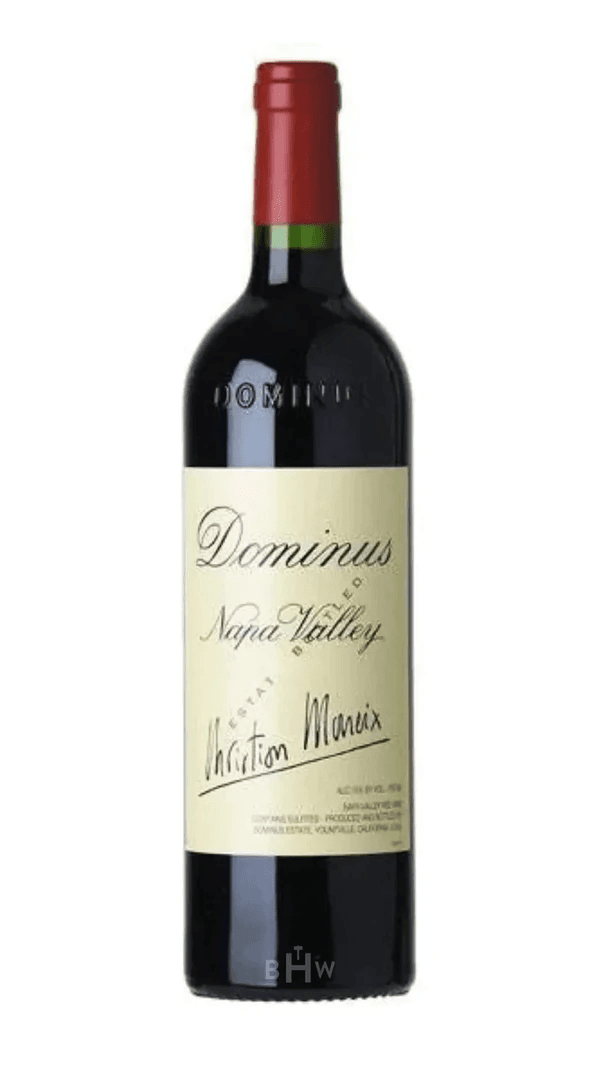
Dominus Estate Napa Valley 2019
Dominus Estate (Christian Moueix)
Dominus 2019 is Christian Moueix’s forty-year argument that philosophy is the ultimate catalyst. While most Napa Cabernets pursue concentration, extraction, and new-oak opulence, Dominus pursues structure, restraint, and the expression of a specific piece of ground. The 2019 vintage — widely regarded as one of Napa’s finest recent years — gave Moueix exceptional raw material, and his response was characteristically disciplined: 40% new oak rather than 100%, blending in Petit Verdot and Cabernet Franc for aromatic complexity rather than concentration. The result is a wine that drinks like a great Left Bank Bordeaux that happens to carry Napa’s sun-ripened generosity. At its price, it competes not with Napa cult wines but with Bordeaux First Growths — and holds its own.
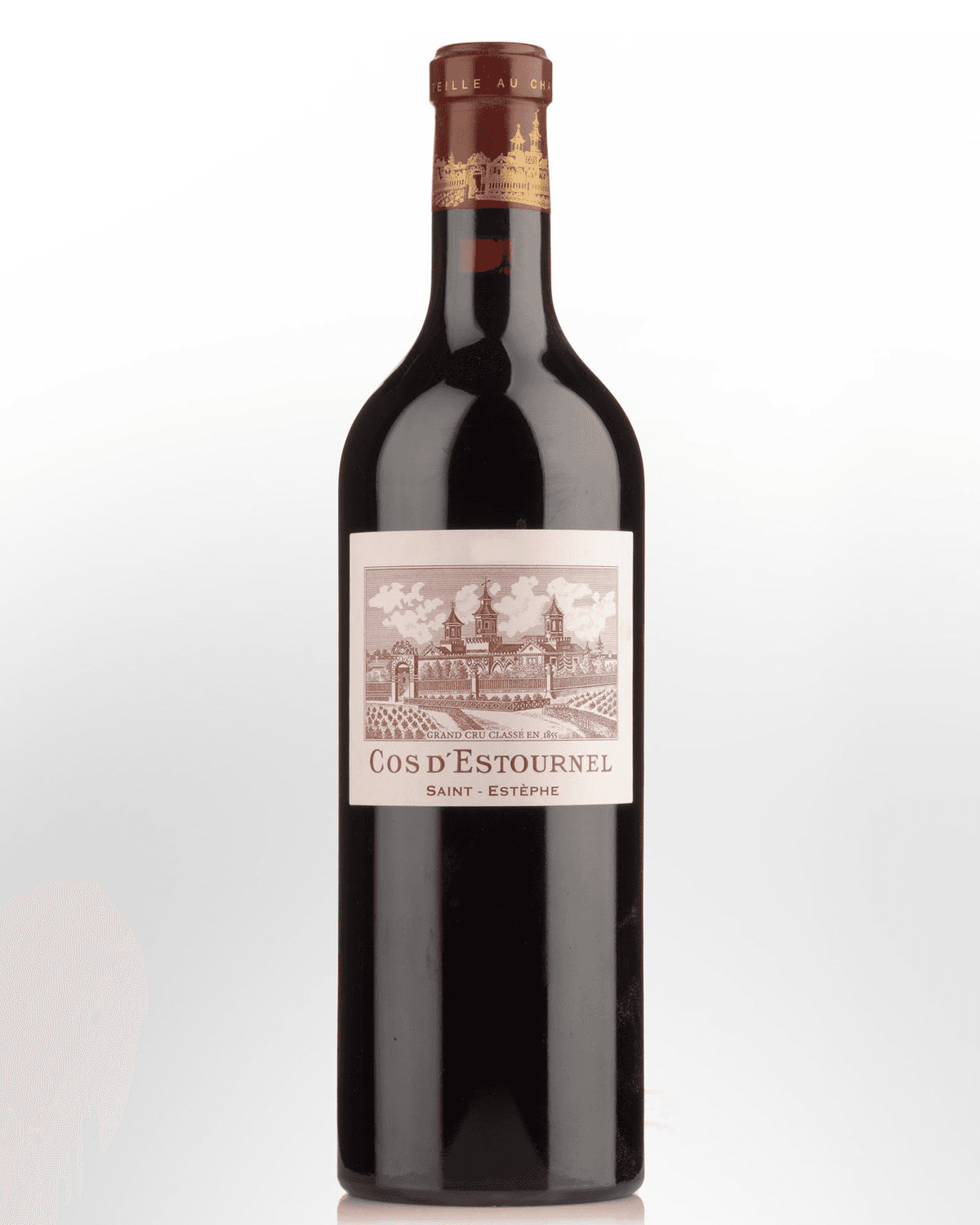
Château Cos d'Estournel Saint-Estèphe 2018 Saint-Estèphe
Michel Reybier
Cos d'Estournel 2018 is a wine of extraordinary power and precision — and a textbook demonstration of how maritime terroir shapes great Bordeaux. The freshness and salinity that the Gironde estuary delivers to Saint-Estèphe are what distinguish this wine from its warmer, more inland neighbors. Where other 2018 Bordeaux can feel opulent to the point of heaviness, Cos retains a mineral tension and structural elegance that promises decades of evolution. At this price, it's not an everyday wine — but it's a second growth that regularly challenges first-growth quality, and the 2018 may be the finest Cos d'Estournel in a generation. Cocktail — "The Estournel Sangria" (for a special occasion): Combine one bottle of a less expensive Bordeaux with 2 oz brandy, 1 oz orange liqueur, sliced oranges and blackberries, and refrigerate for 4 hours. Serve in wine glasses over ice. Save the Cos d'Estournel itself for sipping — it deserves nothing less.
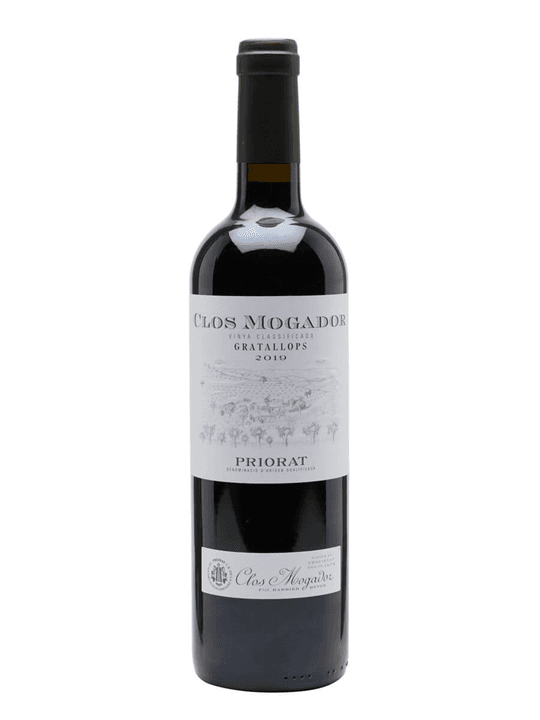
Clos Mogador Priorat 2019
Clos Mogador (Barbier Family)
Clos Mogador 2019 is the proving ground for an entire wine region. When René Barbier III planted vines on these abandoned Catalan terraces in 1979, Priorat was a ghost — its ancient vineyards reclaimed by scrub and silence. Barbier proved that the llicorella slate, the punishing altitude, and the Mediterranean heat were not obstacles but ingredients, and Clos Mogador became one of the five founding wines that transformed Priorat from obscurity into one of Spain's two DOQ-classified regions. The 2019 vintage is everything Priorat promises: power tempered by minerality, concentration balanced by freshness, and a finish that won't let you forget where it came from. Cocktail — The Priorat Sangria (serves 4): 1 bottle Clos Mogador 2019, 2 oz brandy, 1 oz orange liqueur, 2 oz fresh orange juice, sliced stone fruits and citrus. Combine in a pitcher and refrigerate for 4 hours. Serve over ice. A luxurious take on sangria that honors the wine's dark fruit and spice.
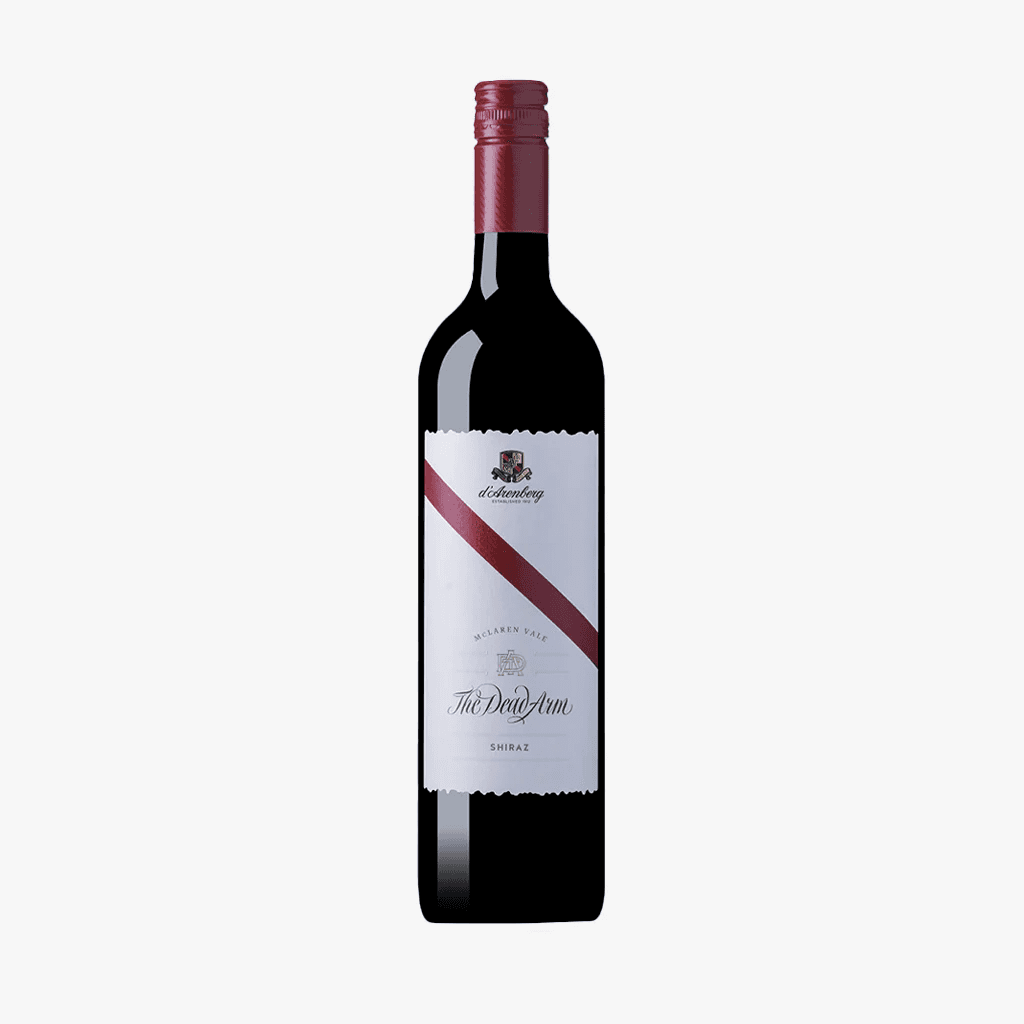
d'Arenberg The Dead Arm Shiraz 2019
d'Arenberg Pty Ltd
The Dead Arm is an experiment in turning disaster into distinction. Most growers would rip out vines afflicted with Eutypa lata, but Chester Osborn saw what the disease did to the surviving fruit — concentrated it, intensified it, made it something a healthy vine could never produce. The resulting wine is enormously concentrated without being heavy, packed with dark fruit and cedar but retaining the savory, earthy character that marks great McLaren Vale Shiraz. It's a reminder that some of the best things in wine happen when nature forces the maker's hand.
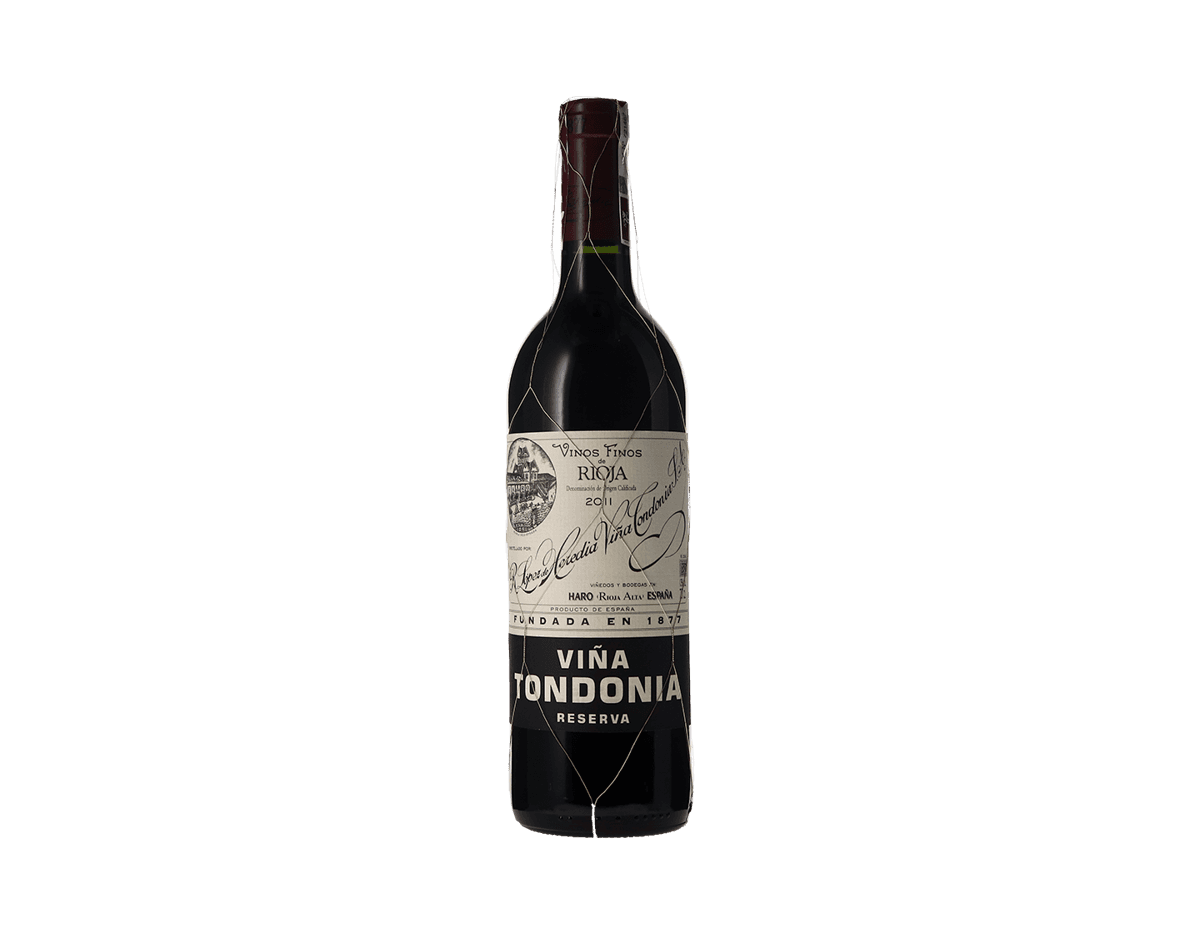
López de Heredia Viña Tondonia Reserva 2011
R. López de Heredia Viña Tondonia S.A.
Viña Tondonia Reserva is the ultimate slow-reveal wine — a bottle that spent six years in barrel and still isn't done evolving when you pour it.
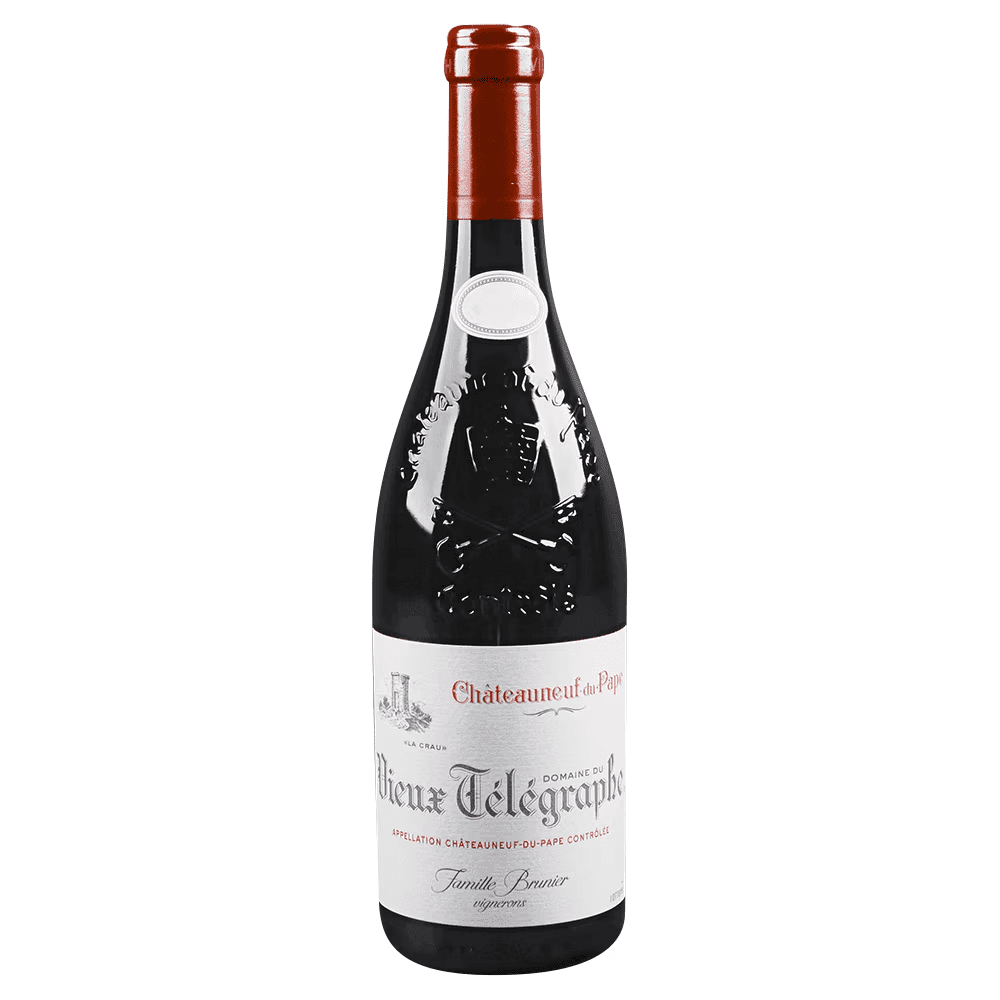
Domaine du Vieux Télégraphe La Crau 2020
Famille Brunier
Domaine du Vieux Télégraphe La Crau 2020 is the Châteauneuf-du-Pape that serious collectors buy by the case while everyone else chases Beaucastel and Rayas. The Brunier family has farmed the La Crau plateau since 1898.
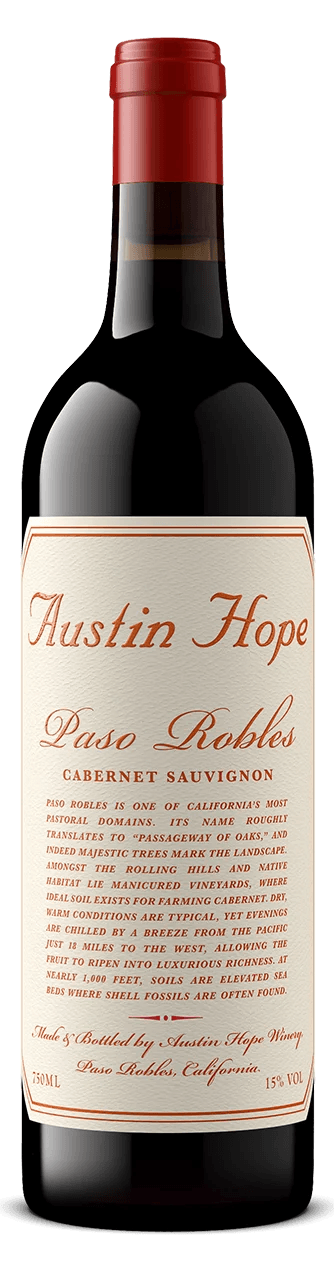
Austin Hope Cabernet Sauvignon Paso Robles 2022
Hope Family Wines
Paso Robles is a region forged by fire — and not just metaphorically. Daytime temperatures that soar past 100°F followed by dramatic nighttime drops create a thermal intensity that forces the vines to concentrate their sugars and develop deep, complex flavors.
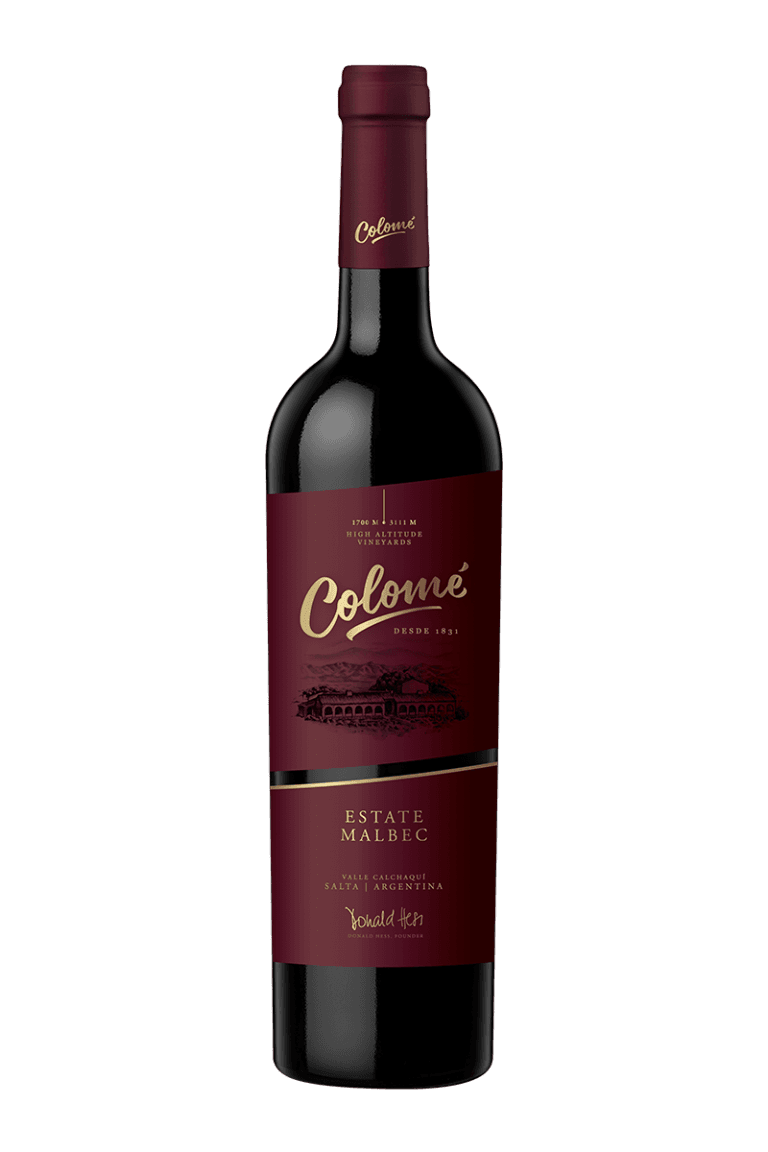
Bodega Colome Estate Malbec 2021
Bodega Colome (Hess Family Wine Estates)
Bodega Colome is the proof that altitude is not a gimmick — it is a winemaking tool as powerful as any barrel or blend.
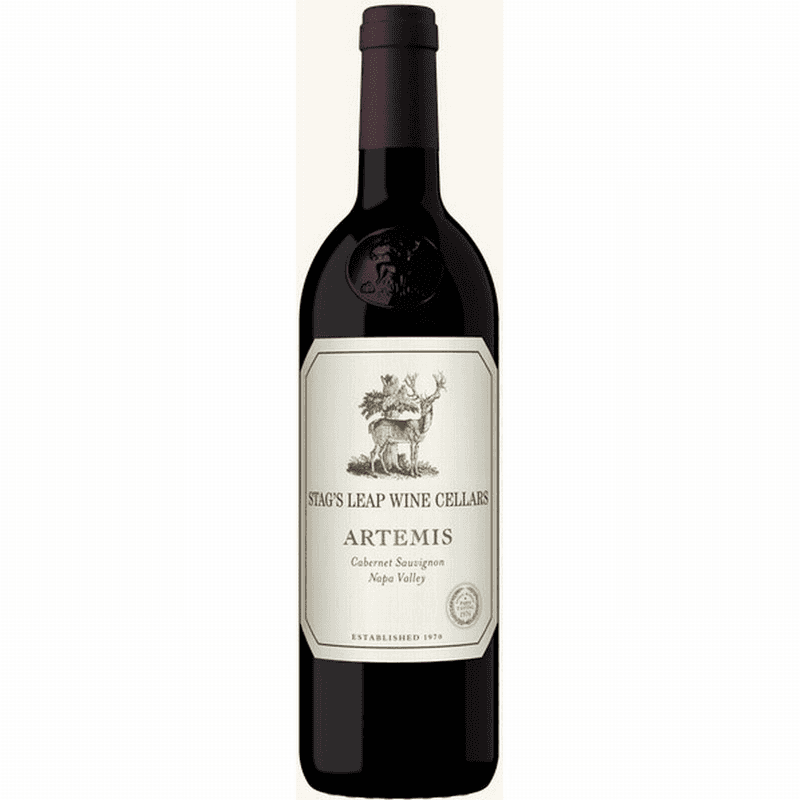
Stag's Leap Wine Cellars Artemis Cabernet Sauvignon 2021
Marchesi Antinori
Artemis is the more approachable sibling of the legendary CASK 23, but don't mistake accessibility for simplicity. The winemaking architecture is rigorous: fruit sourced from across Napa Valley with a heavy lean toward the Stags Leap District's volcanic soils, then aged in a calibrated mix of French and American oak that adds complexity without overwhelming the fruit. The name references the Greek goddess of the hunt — and there is something purposeful about this wine, a sense that every element has been placed with intention. The tannins are fine-grained and structural, the fruit is concentrated but not overblown, and the oak integration suggests design, not accident.
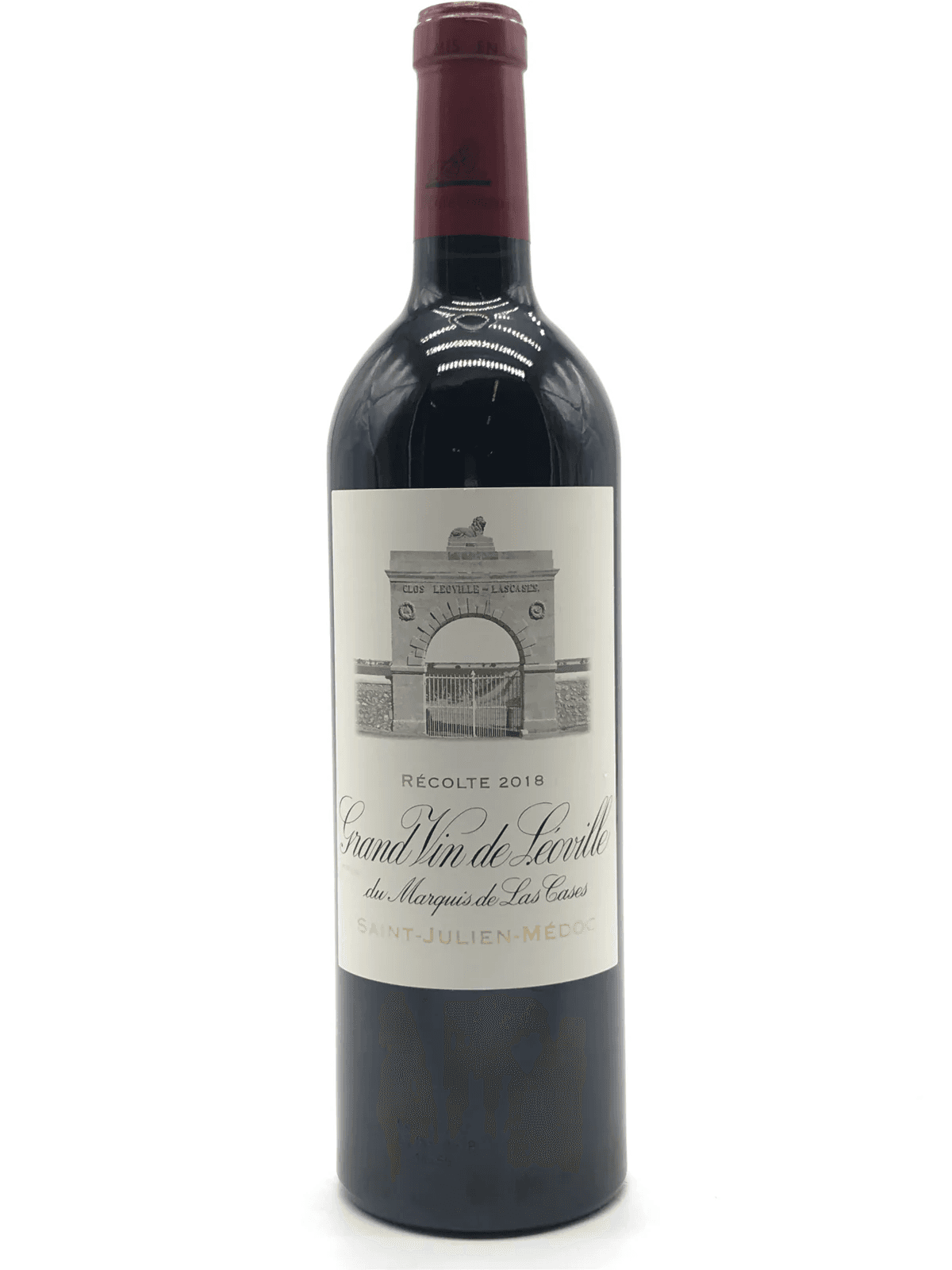
Château Léoville-Las Cases Grand Cru Classé 2018
Domaines des Grands Crus de la Famille Delon
Château Léoville-Las Cases is frequently described as the finest of the Super Seconds — Second Growth estates that rival the First Growths in quality — and the 2018 vintage makes a compelling case.
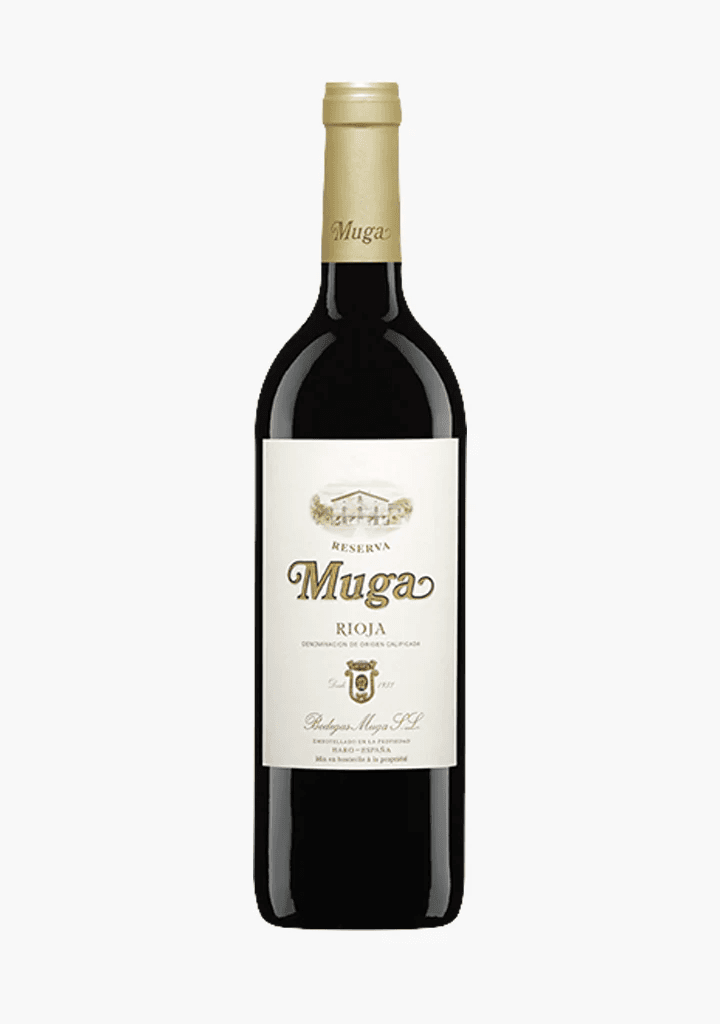
Bodegas Muga Reserva Rioja 2019
Bodegas Muga S.L.
When the rest of Rioja rushed to modernize in the 1990s — switching to French oak, adopting international varieties, chasing Parker points — Muga went the other way. They built their own cooperage and committed to traditional methods.
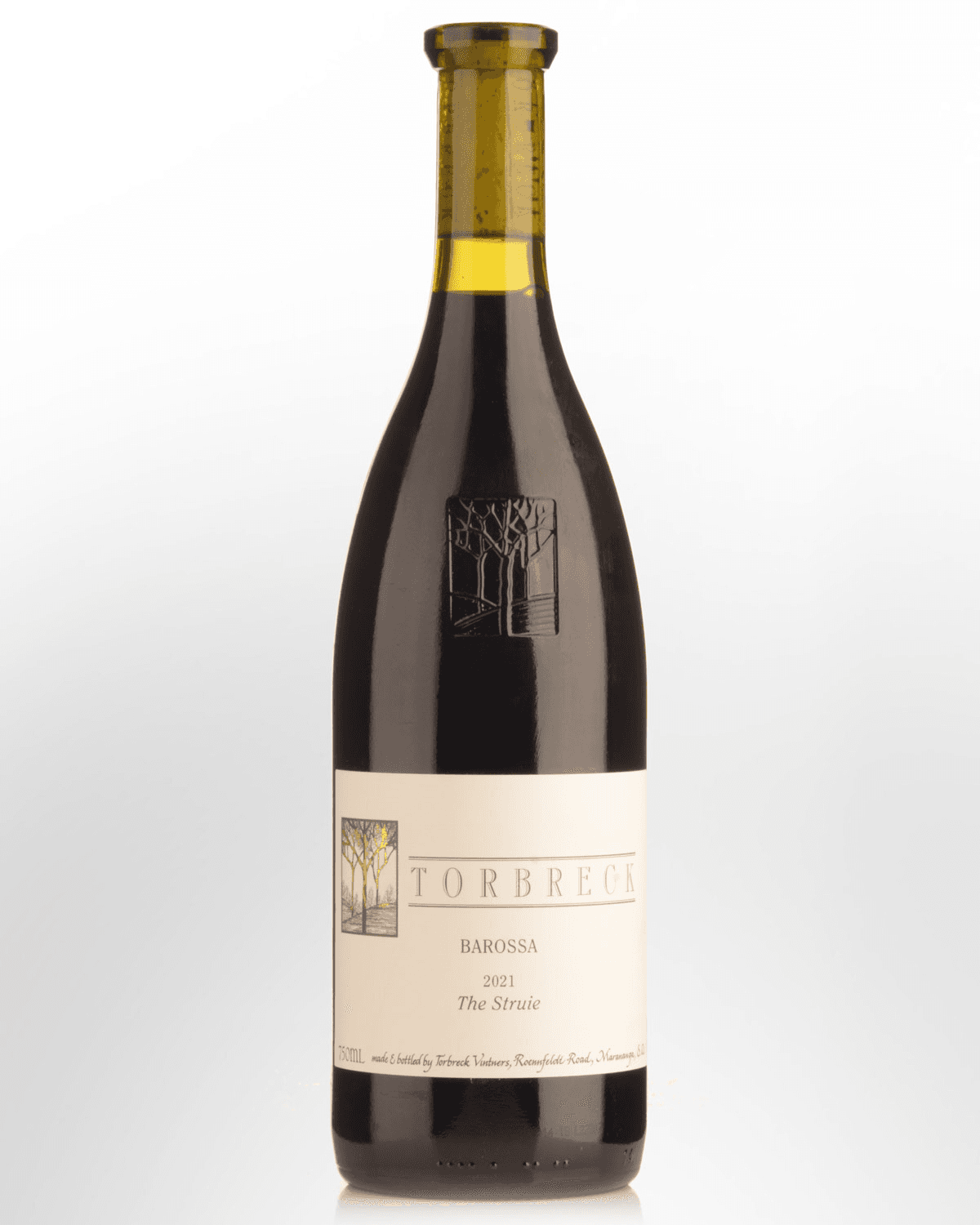
Torbreck The Struie Shiraz 2021
Torbreck Vintners
Torbreck's The Struie is the Barossa wine that converts sceptics — people who dismiss Australian Shiraz as jammy and overblown take one sip of this and reassess everything. Powell's commitment to old vine fruit and French oak restraint produces a wine with both the power of the Barossa and the elegance of a great Southern Rhône. It over-delivers at its price point and ages beautifully for a decade. Decant for 45 minutes before serving and watch it open up in layers.
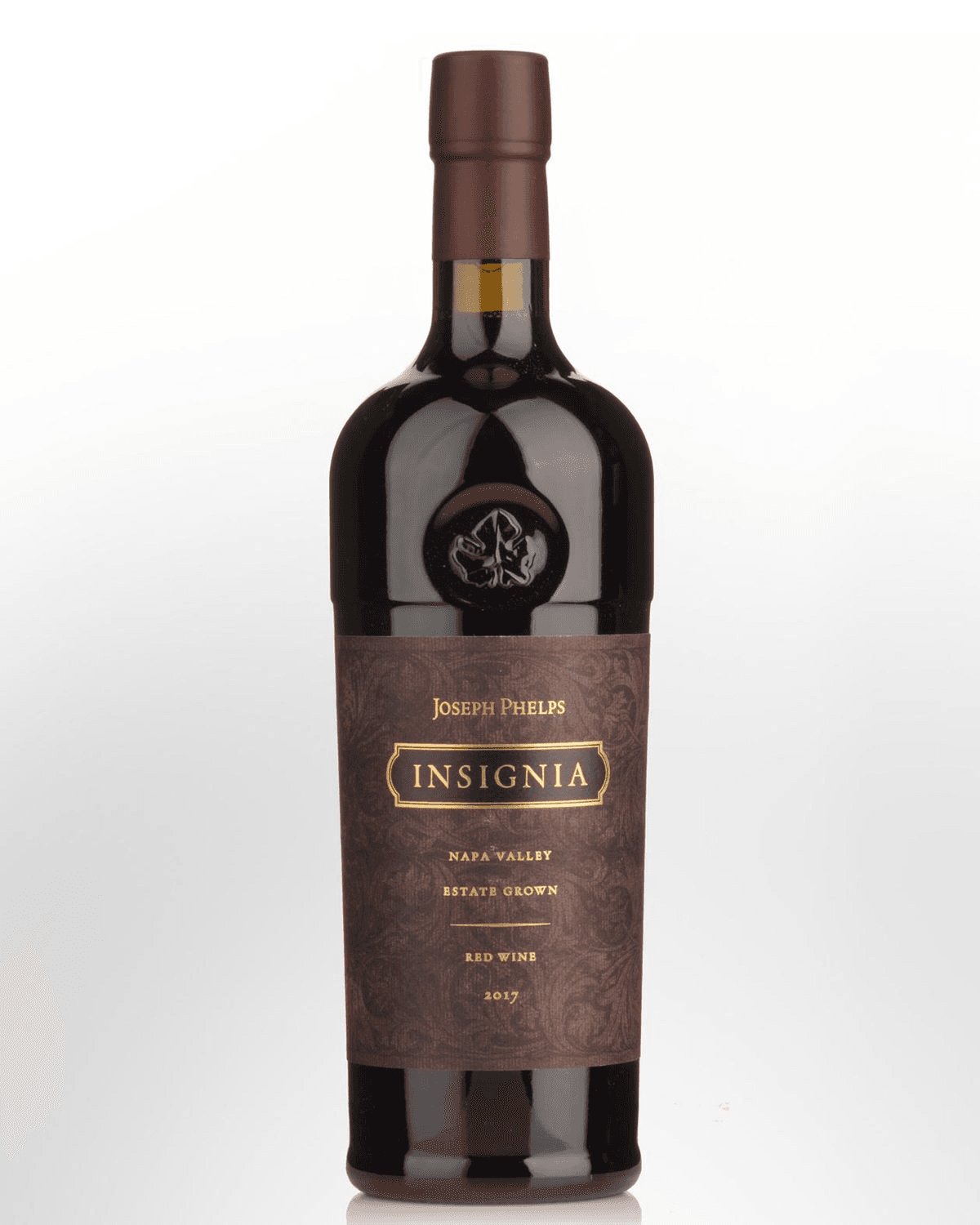
Joseph Phelps Insignia 2020
Joseph Phelps Vineyards (LVMH Moët Hennessy)
Insignia is one of America's great wines — not merely because it is prestigious or expensive, but because it consistently delivers what the greatest Bordeaux delivers: extraordinary complexity that evolves across decades. The 2020 vintage was grown in a challenging year that produced remarkably concentrated, structured fruit.
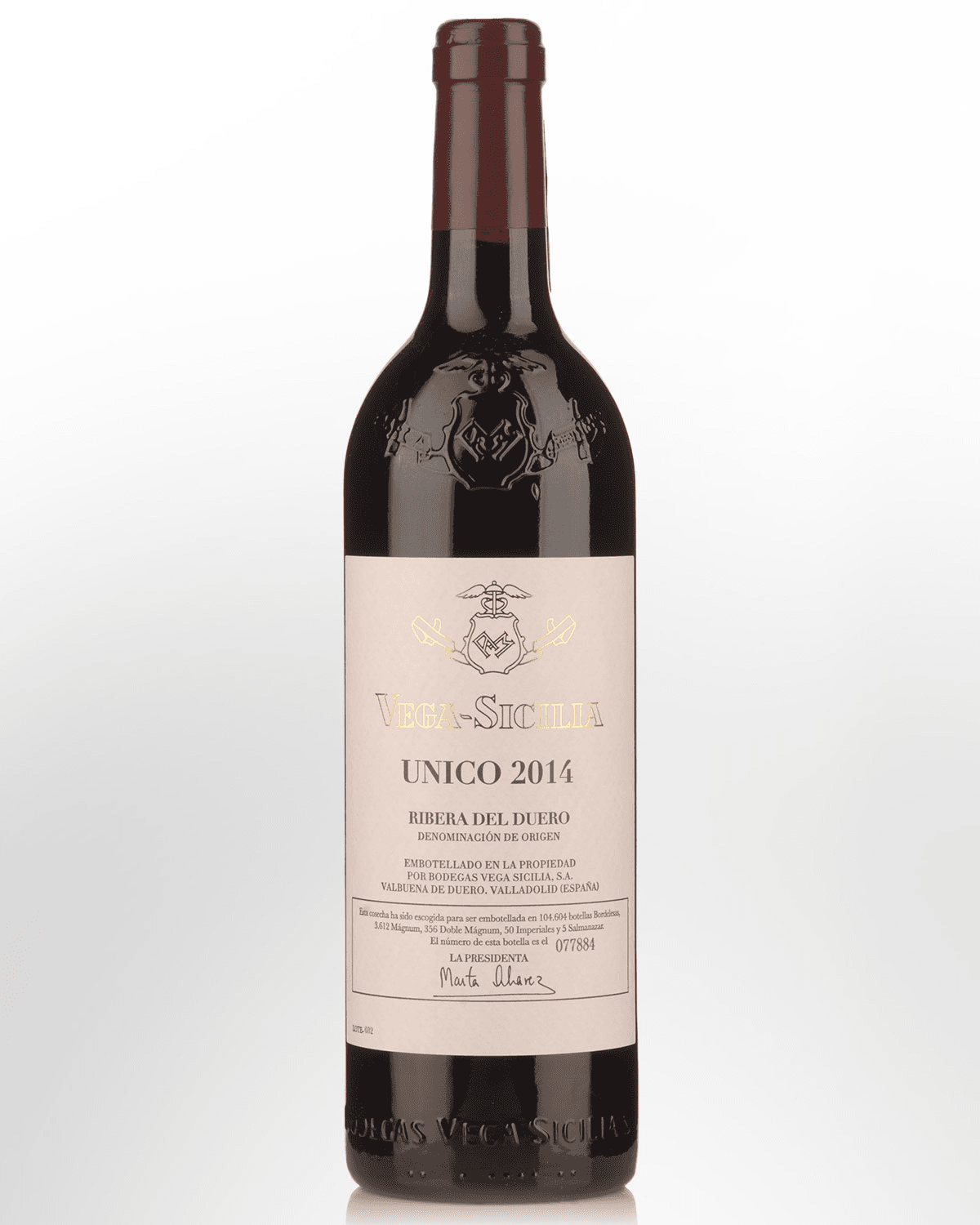
Vega Sicilia Único 2014
Tempos Vega Sicilia (Álvarez Family)
Banfi Brunello di Montalcino 2019
Banfi Vintners
Marchesi di Barolo Barolo DOCG 2019
Marchesi di Barolo
The Marchesi di Barolo estate is where Barolo wine was born. In the 1840s, Marchesa Giulia Falletti commissioned the first dry Nebbiolo wines from these vineyards.
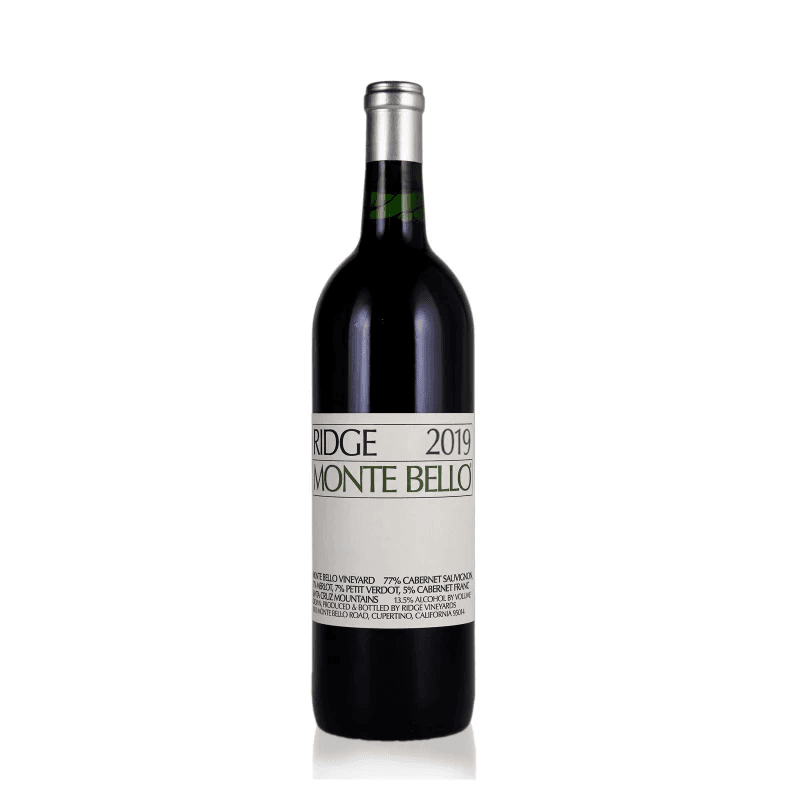
Ridge Monte Bello 2019
Ridge Vineyards (Otsuka Holdings)
Ridge Monte Bello 2019 is resilience distilled into wine. For over fifty years, Paul Draper and his successors have proven that California can produce wines of profound elegance.
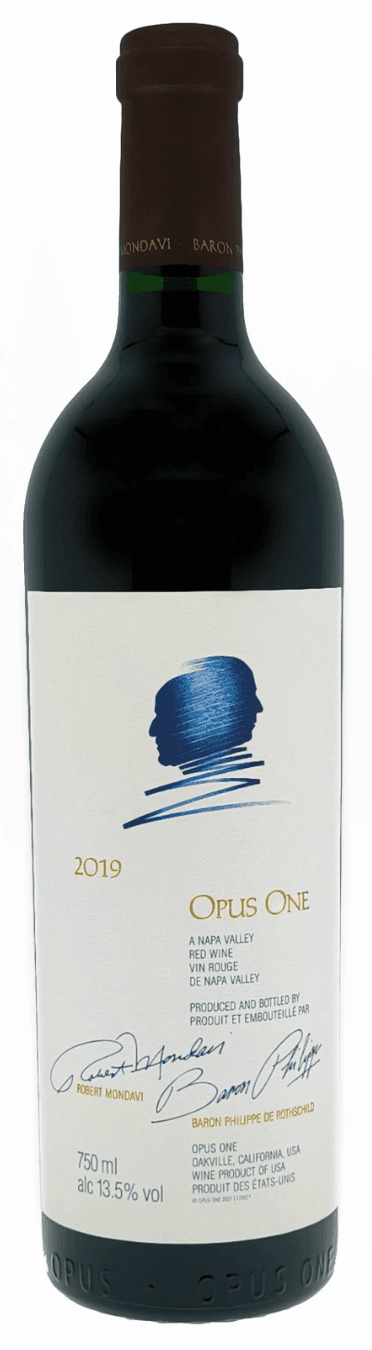
Opus One 2019
Opus One Winery (est. 1979)
The 2019 Opus One is a vintage for the ages.
Caymus Vineyards Cabernet Sauvignon Napa Valley 2022
Wagner Family of Wine (Caymus Vineyards, est. 1972)
Caymus Cabernet Sauvignon is what happens when five decades of patience in the vineyard meet an unwavering commitment to a single vision. Chuck Wagner's approach is simple in concept and demanding in execution: wait for the fruit to reach perfect ripeness, blend across multiple Napa sub-appellations for complexity, and give the wine enough oak to frame the fruit without overwhelming it. Critics have debated the Caymus style for years — some find it too ripe, too rich, too crowd-pleasing — but the marketplace has settled the argument: this is one of the most consistently sought-after California Cabernets in existence. The 2022 vintage continues the tradition — dark, plush, generous, and built for the table rather than the cellar. Wagner's genius is making a wine that feels effortless, but that effortlessness comes from 50 years of learning what patience in the vineyard actually means.
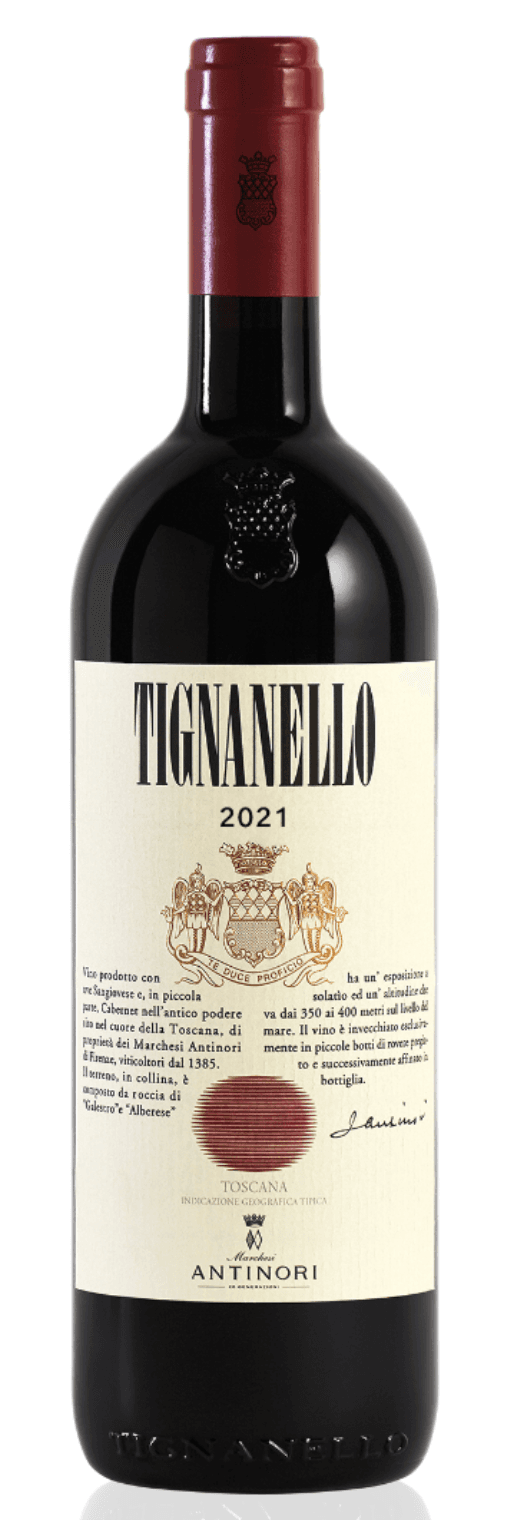
Antinori Tignanello 2021
Marchesi Antinori (est. 1385, 26th generation)
Tignanello is the wine that proved terroir could be revolutionary. When Piero Antinori released the 1971 vintage — a Sangiovese-Cabernet blend aged in French barriques, made outside every regulation that governed Chianti — the Italian wine establishment was outraged. The wine was declassified to “Vino da Tavola,” Italy’s lowest designation. Antinori didn’t care. He believed the Tignanello vineyard’s galestro and albarese soils (a mix of calcium-rich marl and hard limestone found only in central Tuscany) could produce wines that rivaled Bordeaux — if freed from rules requiring white grapes in a red wine. History proved him right. The 2021 vintage benefits from a warm but balanced growing season, with the Sangiovese delivering its characteristic sour cherry and herbal complexity while the Cabernet adds structure and depth. At 26 generations and 640 years, Antinori is the oldest family-owned wine company on earth — and Tignanello remains their most radical creation.
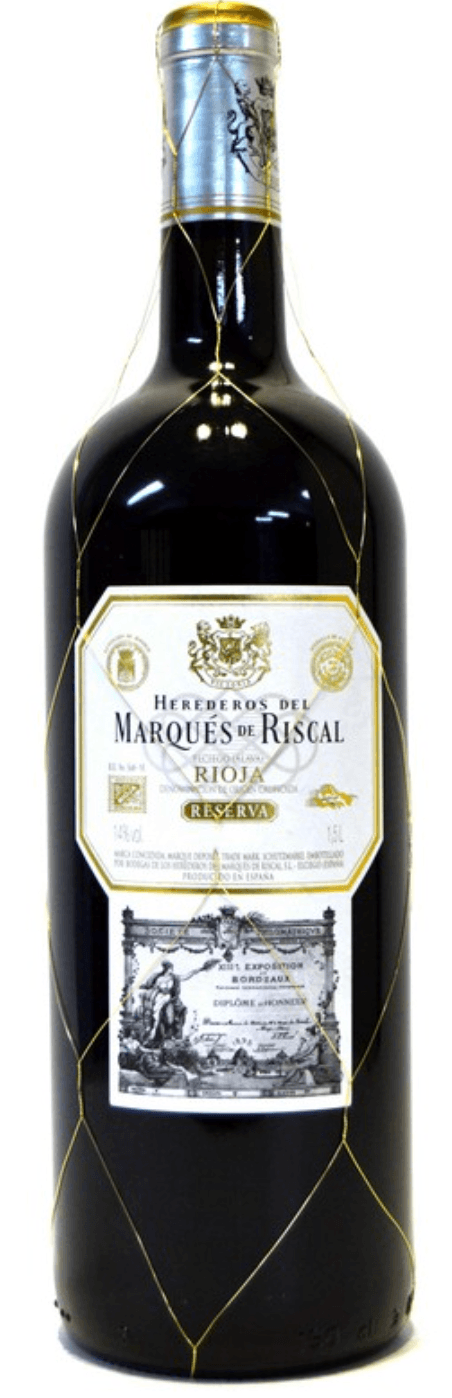
Marqués de Riscal Reserva 2019
Herederos del Marqués de Riscal (est. 1858)
Marqués de Riscal went against the grain before “going against the grain” was even a concept in Spanish wine. When Camilo Hurtado de Amézaga founded the winery in 1858, he did something heretical: he brought a French cellar master from Château Lanessan in the Médoc to teach Rioja producers Bordeaux techniques. He imported French grape varieties alongside the native Tempranillo. The result was Spain’s first modern winery, and in 1895, Marqués de Riscal became the first non-French wine to receive an Honorific Diploma at the International Wine Exposition of Bordeaux. The 2019 Reserva — 94% Tempranillo, 21 months in American oak — is a masterclass in Rioja’s unique marriage of Spanish soul and Bordelais discipline. At $20–$25, it’s one of the great values in European wine.
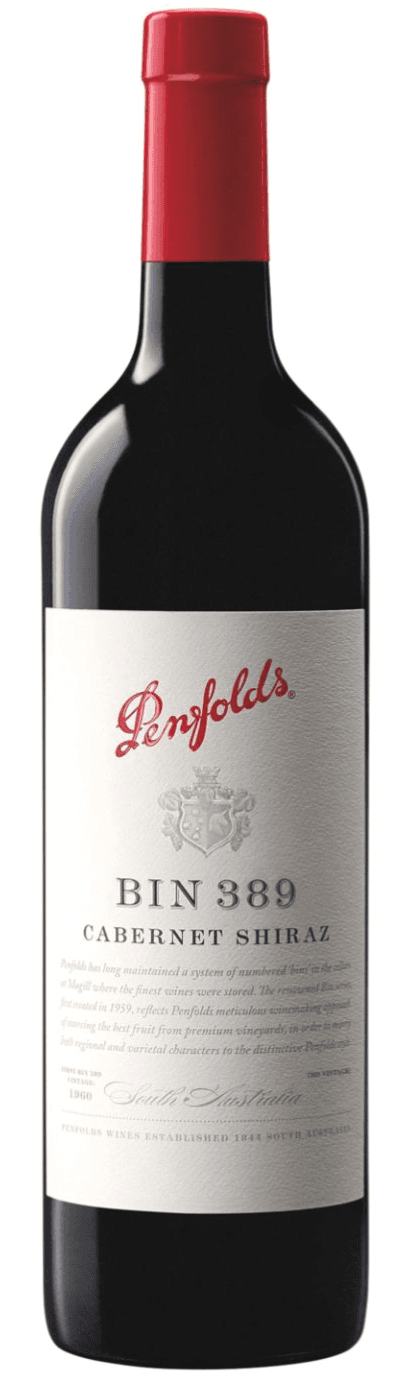
Penfolds Bin 389 Cabernet Shiraz 2021
Treasury Wine Estates (Penfolds, est. 1844)
Bin 389 is known as “Baby Grange” for a reason: the wine is matured in the same American oak hogsheads that previously held Penfolds Grange, Australia’s most celebrated wine. That secondhand Grange influence — a ghost of Shiraz complexity — adds depth you can’t get any other way. Max Schubert created the first Bin 389 in 1960, and it’s been in continuous production ever since, blending Cabernet’s structure with Shiraz’s generosity. At $40–55, it delivers a taste of the Penfolds house style at a fraction of Grange’s price. This is arguably Australia’s greatest value red.
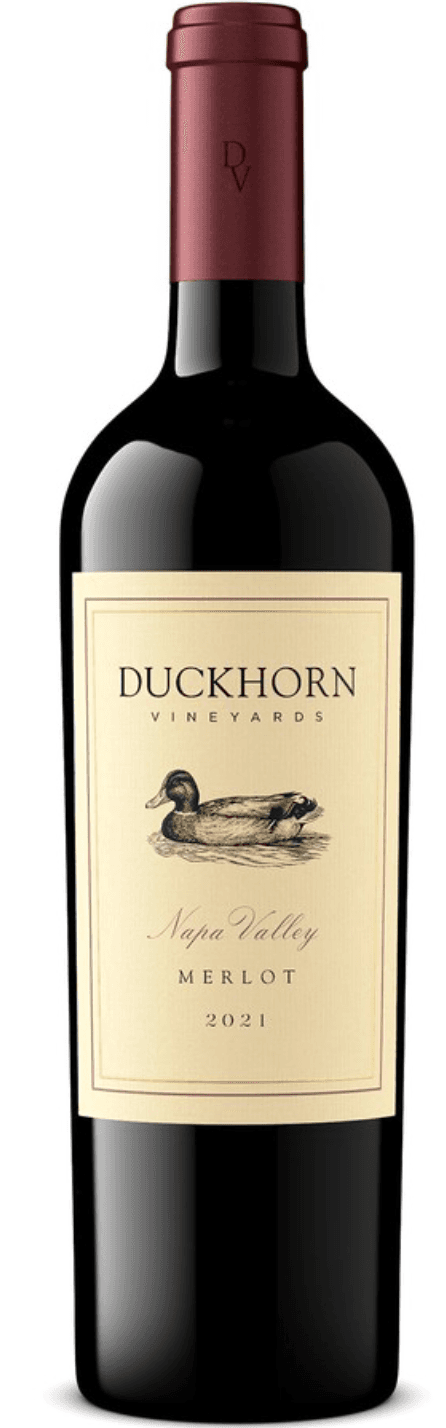
Duckhorn Vineyards Napa Valley Merlot 2021
The Duckhorn Portfolio, Inc.
Duckhorn didn’t just survive the “Sideways effect” — they thrived through it, because their Merlot was always too good to be dismissed. The 2021 vintage is a textbook example of why Napa Merlot deserves its place at the table: lush and approachable, but with enough Cabernet Sauvignon in the blend (22%) to provide structure and aging potential. This is the bottle that changes minds about Merlot.

Domaine de la Bouïssière Gigondas Les Capitelles 2021
Domaine de la Bouïssière
Les Capitelles sits a tier above the domaine's already excellent Tradition cuvée, drawing from older vines and elevated parcels on the Dentelles de Montmirail slopes. The 2021 vintage delivered freshness without sacrificing Gigondas's trademark concentration. This is Southern Rhône wine with genuine depth and a sense of place.

Levee & Loam Meritage Red Blend
Levee & Loam
Levee & Loam delivers a Meritage blend that respects the tradition without demanding a Bordeaux price tag. It's a straightforward, well-assembled wine that drinks above its weight class — the kind of bottle that earns a permanent spot in the weeknight rotation. Best enjoyed within two to three years of purchase.

Domaine de la Mordorée Châteauneuf-du-Pape Rouge La Plume du Peintre 2020
Domaine de la Mordorée
Mordorée's La Plume du Peintre is the estate's prestige cuvée, sourced from the oldest Grenache vines on the property. The 2020 vintage benefited from the Rhône's sun-scorched growing season, concentrating fruit intensity while the galets roulés — the famous sun-baked stones of Châteauneuf — radiated stored heat back into the canopy at night. This is heat's legacy in a glass.

Domaine Marcel Richaud Rasteau Rouge 2021
Domaine Marcel Richaud
Marcel Richaud practices organic and biodynamic farming in Rasteau, and this cuvée shows the purity that approach yields. The wine's restraint is its greatest asset — the space between fruit and structure is perfectly calibrated, making it immediately drinkable yet thoughtful enough to slow down with.