Issue 24 · April 19, 2026
Hidden in Plain Sight
Theme: Hidden Brilliance
Eight bottles that fly under the radar, overshadowed by flashier labels, yet quietly delivering remarkable drinking.
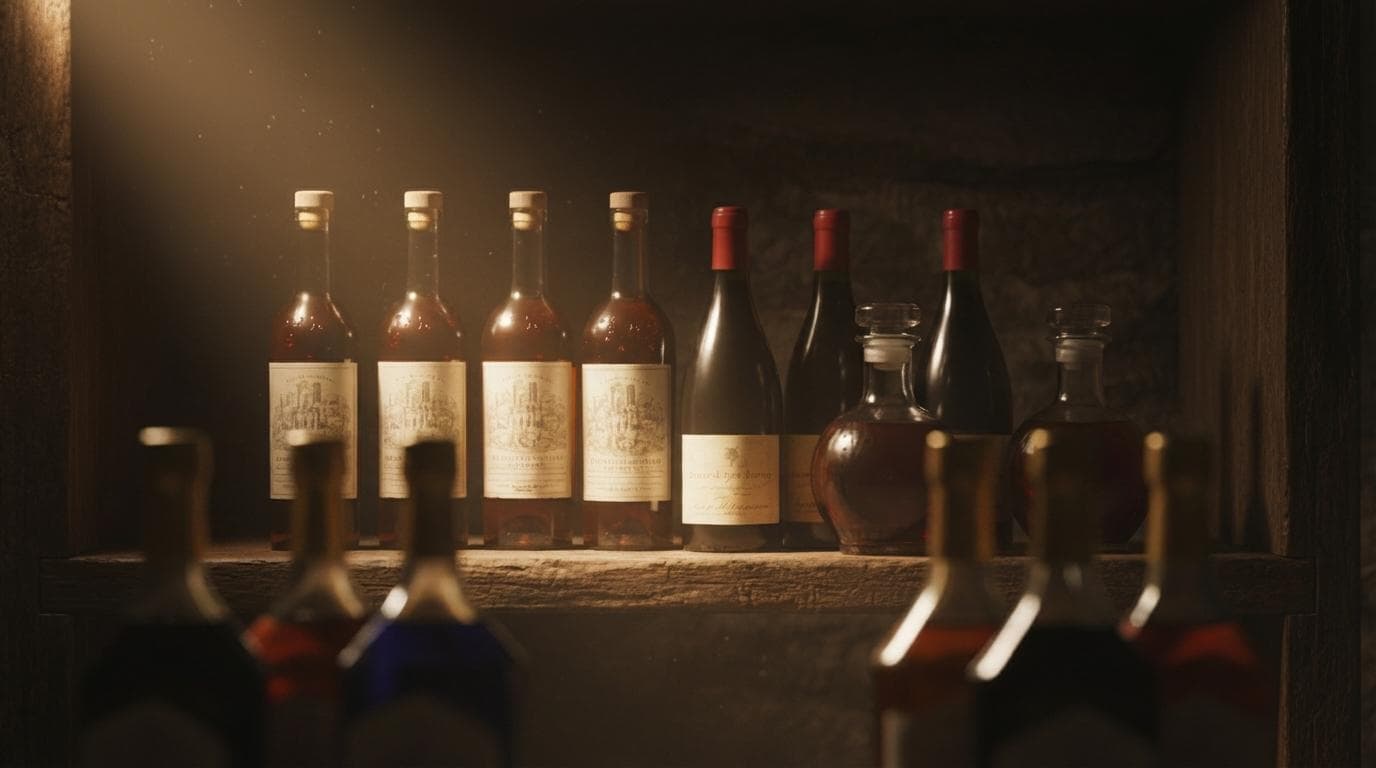

There is a shelf you walk past every week. On it sit bottles that never trend on social media, never appear on allocated-only lists, and never command three-figure markups from flippers. They sit there, patient and unbothered, waiting for someone who actually pays attention. Today we pour eight of them — a barrel-proof bourbon that outdrinks most bottles twice its price, an Islay malt that produces more whisky than any distillery on the island yet rarely gets mentioned in the same breath as its famous neighbor, a Dublin blend reviving a name that once towered over Irish whiskey, and a blanco tequila made with seven-year agave and open-air fermentation that most drinkers have never heard of.
The theme connecting all eight is hidden brilliance — the quiet confidence of producers who let the liquid speak instead of the marketing department. A California gin that captures an entire forest in a glass. A Barbados rum aged twelve years with zero added sugar, sourced from the same legendary distillery behind bottles selling for five times the price. A Southern Rhne red from a plateau of ancient stones that has earned near-perfect scores yet costs less than most Napa Cabernets. And a Galician Albariño from a sixteenth-century manor that may be the finest white wine value in the world. These are not hidden because they lack quality. They are hidden because the world is too busy chasing hype to notice what is already sitting right in front of it.
Today's Selections
BOURBON SCOTCH WHISKY IRISH WHISKEY TEQUILA GIN RUM RED WINE WHITE WINE
BOURBON Wild Turkey Rare Breed
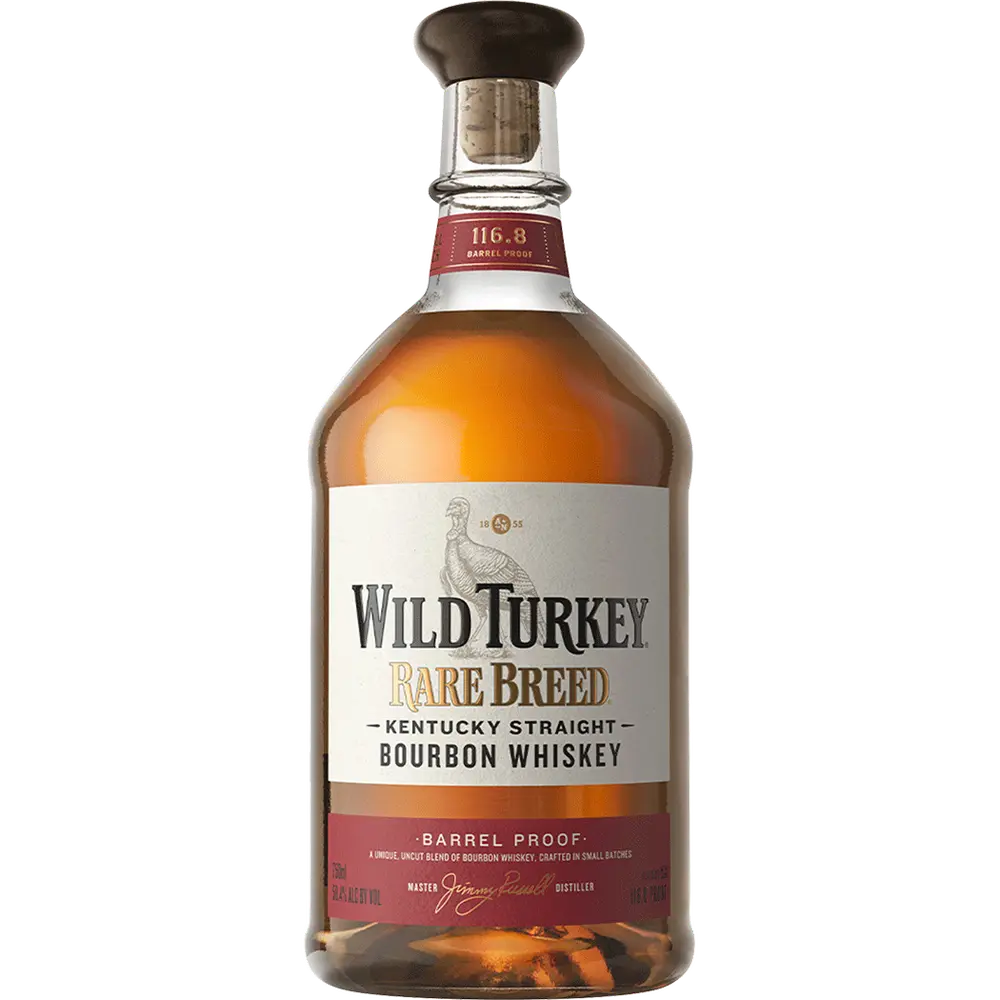
From the limestone ridges of Lawrenceburg, Kentucky, where the Wild Turkey Distillery has stood above the Kentucky River since 1869, Rare Breed is master distiller Eddie Russell’s declaration that barrel-proof bourbon needs no apology. A blend of six-, eight-, and twelve-year-old stocks bottled at the proof they come out of the barrel — no water added, no compromise made. While the bourbon world chases limited releases and lottery bottles, Rare Breed sits on the shelf at your neighborhood store, quietly outperforming most of them. — where Wild Turkey Rare Breed is the bourbon that seasoned drinkers quietly recommend to one another while the rest of the world camps outside liquor stores for allocated bottles. Eddie Russell, who has spent over four decades at the distillery alongside his father Jimmy, blends six-, eight-, and twelve-year-old stocks into a barrel-proof expression that delivers complexity most bourbons only hint at. At roughly fifty dollars, Rare Breed competes with — and frequently outperforms — bottles selling for three and four times its price. The 116.8 proof is not a gimmick; it is the natural strength of the bourbon itself, carrying every nuance of the aging process without dilution. If you have been chasing hype, stop. This is the bottle that was waiting for you all along.
Classification: Kentucky Straight Bourbon Whiskey (Barrel Proof)
Company: Campari Group
Distillery: Wild Turkey Distillery, Lawrenceburg, KY
Proof: 116.8 (58.4% ABV)
Age: Blend of 6, 8, and 12 Year Old Bourbons (NAS)
Mash Bill: 75% Corn, 13% Rye, 12% Malted Barley
Color: Deep amber with russet highlights
MSRP: $45–$55
Nose: Dark chocolate and cherry greet you first, followed by waves of vanilla, caramel, and butterscotch. Beneath it all, sweet oak and a whisper of orange peel add complexity that unfolds over several minutes in the glass.
Palate: Viscous and full-bodied, with caramel and vanilla sweetness giving way to a surge of cinnamon spice, charred oak, honey, and a flash of citrus. The rye content delivers a satisfying backbone of pepper and spice that keeps the sweetness honest.
Finish: Long and warming, with maple sugar and toffee tempering the rye spice into a slow fade of leather, tobacco, and lingering orange zest. The barrel proof carries every note to its full conclusion.
Cocktail — Rare Breed Old Fashioned: Combine 2 oz Wild Turkey Rare Breed with 1 bar spoon of demerara syrup and 2 dashes of Angostura bitters in a mixing glass with ice. Stir for 30 seconds and strain into a rocks glass over a single large ice cube. Express an orange peel over the surface and drop it in. The barrel proof stands up beautifully to dilution, making this a textbook Old Fashioned that evolves as the ice slowly opens the whiskey.
Pair with: Slow-smoked beef brisket with a brown sugar and black pepper bark, or a square of dark chocolate with sea salt — the char and sweetness mirror the bourbon's own oak-driven profile.
Awards: Double Gold, San Francisco World Spirits Competition; Gold, International Wine & Spirit Competition; 94 Points, Wine Enthusiast.
SCOTCH WHISKY Caol Ila 12 Year Old
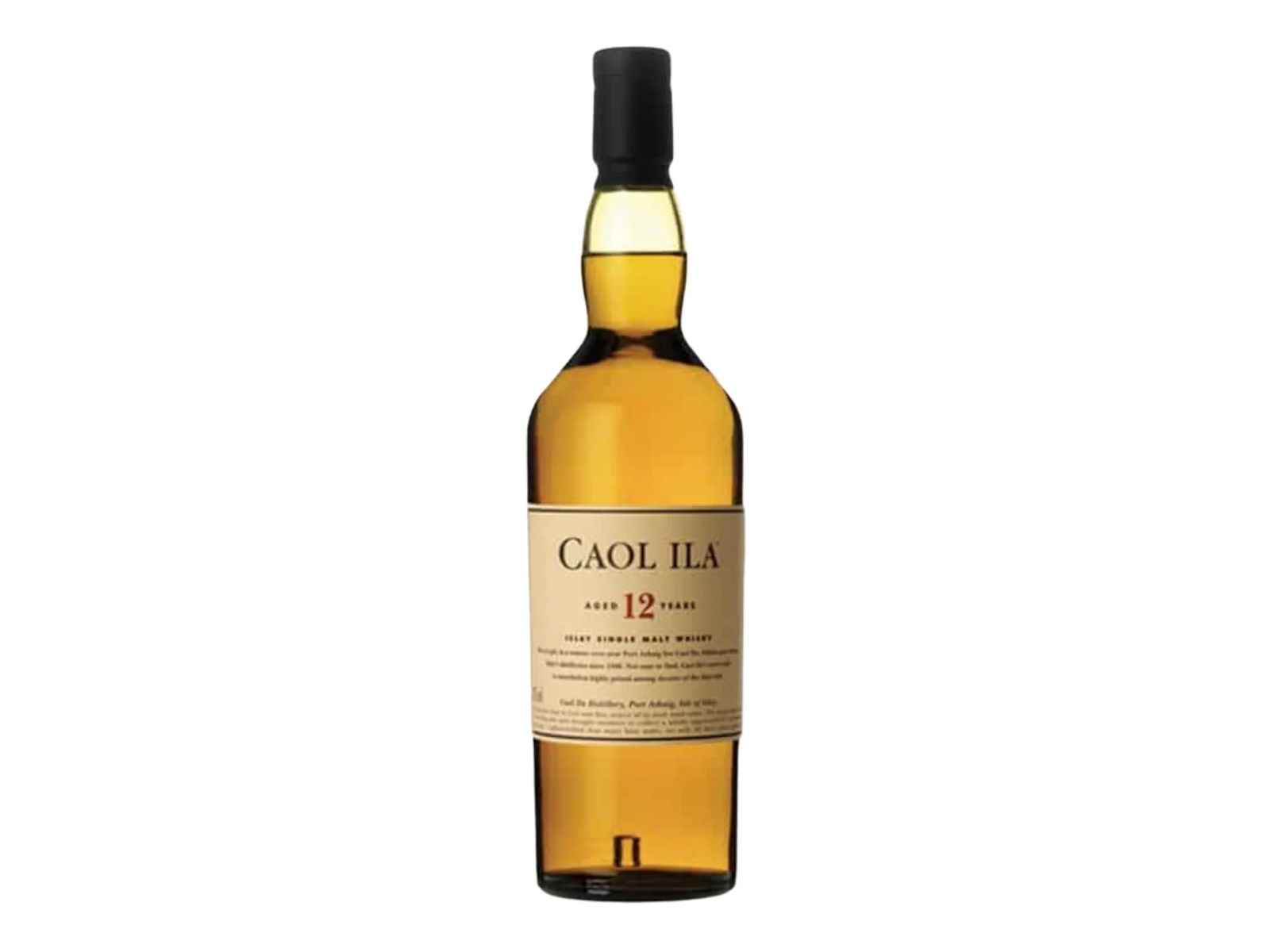
Nestled on the northeastern shore of Islay, overlooking the Sound of Islay toward the Paps of Jura, Caol Ila has been distilling since 1846. It is the largest distillery on the island by volume, supplying the backbone of Johnnie Walker’s peated character, yet its single malt bottlings remain one of Islay’s best-kept secrets. While visitors queue at more famous neighbors, Caol Ila quietly produces the most elegant smoke on the island — a maritime whisky that tastes like standing on the shoreline with a sea breeze at your back. — where Caol Ila is Islay's quiet giant. It is the largest distillery on the island, producing more whisky than any of its neighbors, yet most of that output disappears into Diageo's blended Scotch portfolio. The 12 Year Old single malt bottling is what happens when you give Caol Ila a chance to speak for itself — and it speaks with an elegance that surprises anyone expecting another peat bomb. The smoke here is maritime and measured, threaded through with citrus brightness and a saline minerality that tastes like the shoreline where the distillery stands. At its price point, Caol Ila 12 is one of the most undervalued single malts in the Diageo portfolio — hidden in plain sight behind Lagavulin's fame.
Classification: Islay Single Malt Scotch Whisky
Company: Diageo
Distillery: Caol Ila Distillery, Port Askaig, Islay
Proof: 86 (43% ABV)
Age: 12 Years
Mash Bill: 100% Malted Barley (peated to ~35 ppm)
Distillation: Copper pot stills, filled to roughly one-third capacity for maximum copper contact
Maturation: Predominantly ex-bourbon American oak casks
Filtered: Yes (standard Diageo chill-filtration)
Color: Pale gold with a greenish tinge
MSRP: $75–$90
Nose: Lemon peel and green apple emerge first, followed by delicate wisps of peat smoke that mingle with sea salt and crushed almonds. There is an almost herbal freshness here — like dried grass in a coastal breeze — that sets Caol Ila apart from Islay's heavier hitters.
Palate: Medium-bodied and surprisingly graceful, with vanilla and flaky sea salt riding alongside tart citrus fruit and a gentle, coastal peat smoke. The low filling of the stills gives Caol Ila an unusual refinement — smoke as texture rather than force.
Finish: Sweet smoke and driftwood linger alongside lemon peel and a faint iodine mineral note. The finish is medium-long and remarkably clean, fading like the tide pulling back from shore.
Cocktail — Islay Penicillin: Combine 2 oz Caol Ila 12 with 0.75 oz fresh lemon juice, 0.75 oz honey-ginger syrup, and shake vigorously with ice. Strain into a rocks glass over fresh ice. The measured smoke of Caol Ila elevates the classic Penicillin without overpowering the honey-ginger balance.
Pair with: Fresh oysters on the half shell with a squeeze of lemon, or a plate of smoked Scottish salmon with capers — the maritime character of the whisky echoes the brine of the sea.
Awards: Gold, International Spirits Challenge; 90 Points, Whisky Advocate; Recommended, Serge Valentin's Whiskyfun.
IRISH WHISKEY Roe & Co Blended Irish Whiskey
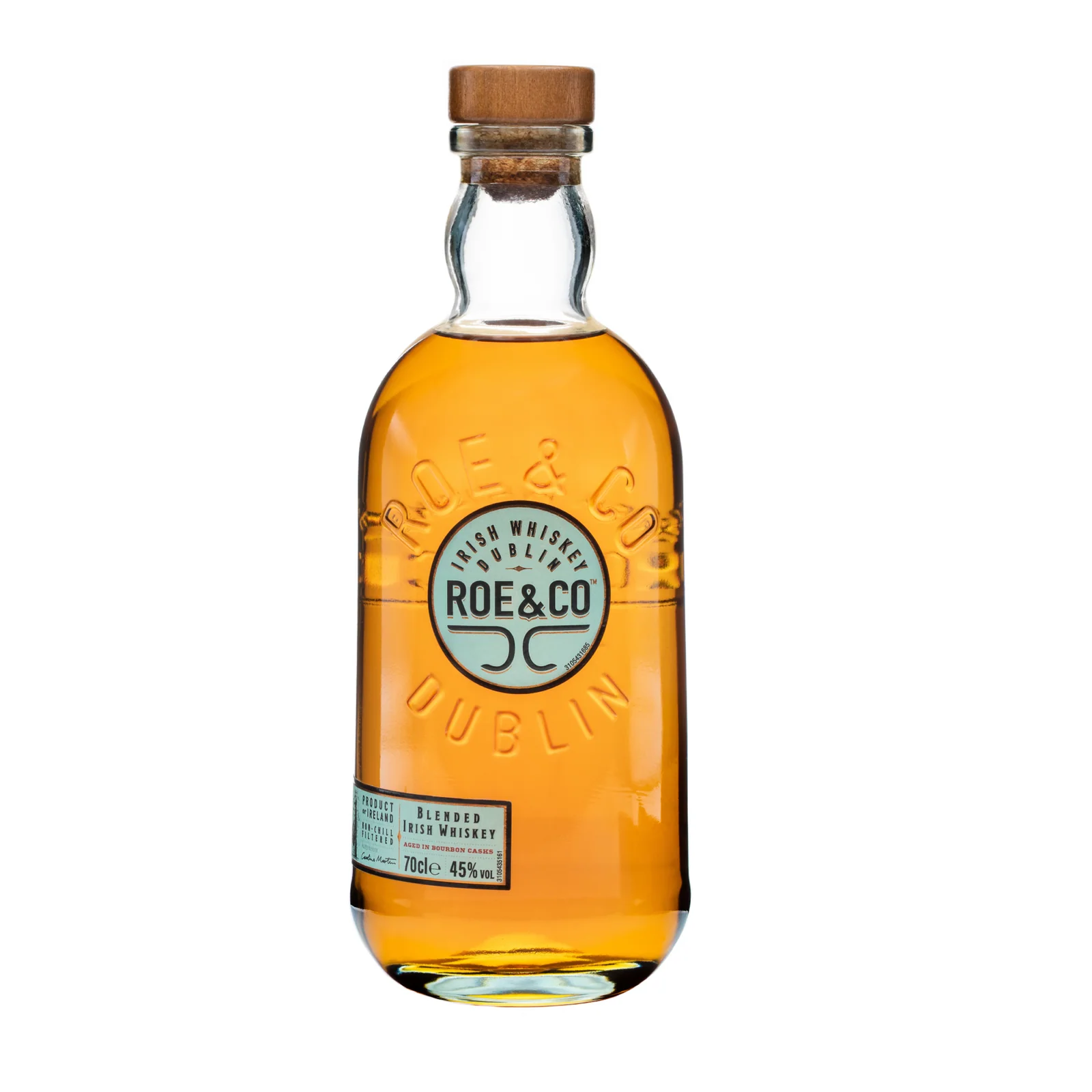
In the heart of Dublin’s Liberties, the Roe & Co Distillery occupies the former Guinness Power Station on Thomas Street — the same street where George Roe once operated what was the largest distillery in Europe. By the 1880s, Roe’s distillery covered seventeen acres and produced more whiskey than any facility on the continent. Prohibition, trade wars, and consolidation conspired to erase the name from history. In 2017, Diageo revived the name with a premium blend, and in 2019 opened a new distillery in the former Power Station — a whiskey designed for the cocktail-forward generation — a whiskey hidden in plain sight behind the more famous Irish names. — where Roe & Co is the resurrection of a name that once meant more to Irish whiskey than Jameson or Bushmills. George Roe's original distillery was the largest in Europe, yet today most drinkers have never heard of him. Diageo's revival blends rich malt and smooth grain whiskeys matured in a high proportion of first-fill bourbon barrels, then bottles at 45% ABV without chill filtration — a level of care that belies its modest price tag. At roughly thirty-five dollars, Roe & Co delivers the kind of creamy, spice-driven complexity that invites comparison with bottles twice its price. It is a whiskey designed for cocktails but rewarding enough to drink neat, carrying the weight of Dublin's whiskey heritage in every drop.
Classification: Blended Irish Whiskey
Company: Diageo
Distillery: Roe & Co Distillery, Thomas Street, Dublin 8
Proof: 90 (45% ABV)
Age: NAS (No Age Statement)
Mash Bill: Blend of Malt and Grain Whiskey
Distillation: Triple distilled
Maturation: First-fill bourbon barrels, non-chill filtered
Color: Rich gold with amber edges
MSRP: $30–$38
Nose: Caramel and vanilla arrive immediately, followed by cinnamon warmth, ripe stone fruit, and a subtle floral lift. The first-fill bourbon cask influence is front and center, giving the nose a distinctly American accent on an Irish frame.
Palate: Creamy and full, with baking spices and vanilla sweetness giving way to charred peaches, stone fruit, and a gentle woody dryness. The 45% ABV and non-chill filtration give the palate a textural richness unusual at this price point.
Finish: Silky and warming, developing into a dry tannic character with lingering hints of burnt sugar and soft fruit. Medium-length but satisfying, with a clean exit that invites the next sip.
Cocktail — Dublin Mule: Combine 2 oz Roe & Co with 0.75 oz fresh lime juice and top with chilled ginger beer in a copper mug filled with ice. Garnish with a lime wheel and a sprig of fresh mint. The bourbon-cask sweetness and the ginger's spice create a mule with real depth.
Pair with: Honey-glazed roast pork belly with apple compote — the sweetness of the glaze and the fruit notes mirror the whiskey's stone-fruit character and caramel warmth.
Awards: Gold, International Wine & Spirit Competition; Silver Outstanding, International Spirits Challenge.
TEQUILA Siembra Valles Blanco
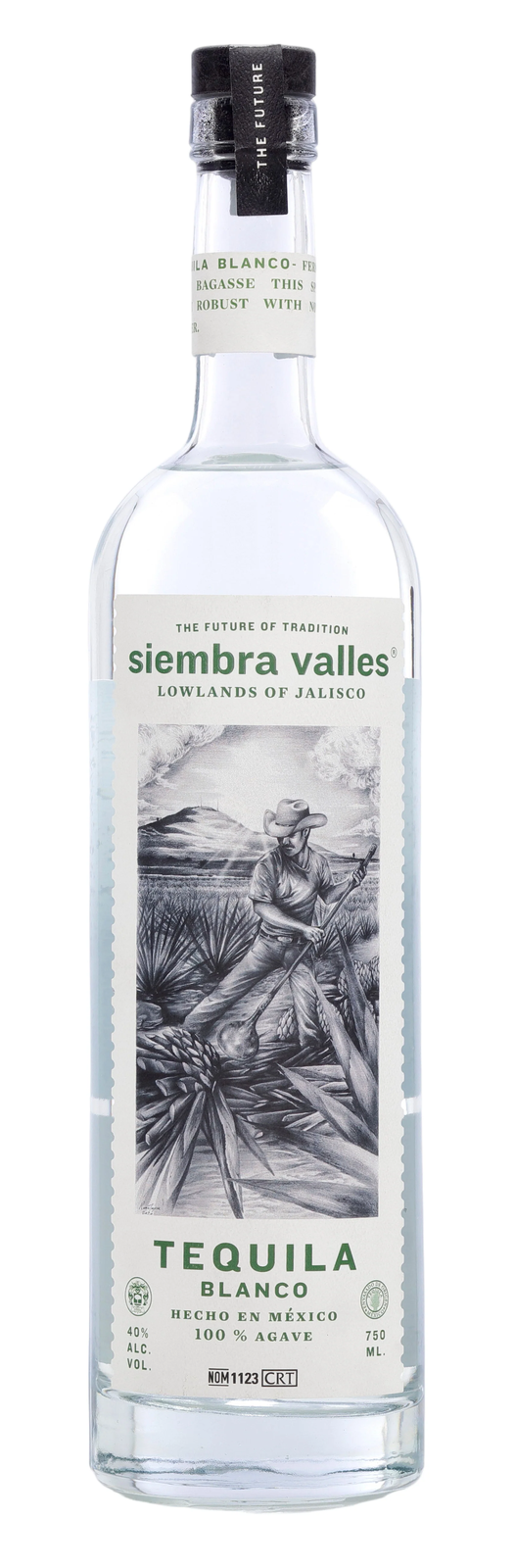
From the red volcanic soil of the Amatitán Valley in the Jalisco Lowlands, Siembra Valles represents a collaboration between tequila scholar David Suro-Piñera and the Vivanco family, who have been distilling at NOM 1123 since the 1930s. The agave here is grown slowly — seven years in the lowland heat — then roasted in traditional brick ovens and crushed with a roller mill. Open-air fermentation with native yeast and bagasse fiber gives this blanco a depth and earthiness that most commercial blancos strip away in the name of smoothness. Siembra Valles is a bartender’s secret — the tequila professionals reach for when no one is looking. — where Siembra Valles is the tequila that bartenders drink after their shift — the one they recommend when you ask for something real. David Suro-Piñera is not just a brand owner; he is a tequila scholar and advocate who founded the Tequila Interchange Project to promote transparency in the industry. His blanco reflects that ethos: seven-year lowland agave roasted in brick ovens, crushed by roller mill, and fermented in open-air tanks with native yeast and bagasse fiber. The result is a tequila with depth, minerality, and character that most blancos in its price range cannot match. While celebrity-backed brands dominate shelf space, Siembra Valles sits quietly beside them, waiting for someone who tastes with intention rather than influence.
Classification: Blanco Tequila
Company: Siembra Spirits
Distillery: Feliciano Vivanco y Asociados (NOM 1123), Amatitán, Jalisco
Proof: 80 (40% ABV)
Age: Unaged (Blanco)
Agave: 100% Blue Weber Agave, 7-year lowland plants
Production: Brick oven roasted, roller mill extraction, open-air fermentation with bagasse and native yeast
Color: Crystal clear with faint silvery legs
MSRP: $38–$45
Nose: Roasted agave leads, rich and sweet, followed by bright citrus zest, green herbs, and white pepper. Beneath it all, a wet mineral earthiness emerges — limestone and volcanic soil — that announces a tequila with genuine terroir.
Palate: Bold and full-bodied for a blanco, with intense roasted agave sweetness, black pepper spice, and vegetal undertones balanced by lime and grapefruit citrus. The open-air fermentation with bagasse delivers a textural complexity that sets Siembra Valles apart from cleaner, more industrial blancos.
Finish: Cooked agave, olive brine, mint, and a chalky limestone minerality carry through to a peppery, satisfyingly long close. This is a finish that reminds you the agave plant spent seven years drawing character from the earth before it ever met a still.
Cocktail — Siembra Margarita: Combine 2 oz Siembra Valles Blanco with 1 oz fresh lime juice and 0.75 oz agave nectar in a shaker with ice. Shake vigorously and strain into a salt-rimmed rocks glass over fresh ice. The earthy depth of the blanco gives this margarita a seriousness that transcends the cocktail's casual reputation.
Pair with: Ceviche of fresh snapper with lime, cilantro, and serrano chile — the citrus and minerality of the tequila mirror the brightness of the dish while the pepper echoes the chile's heat.
Awards: 95 Points, Tequila Matchmaker Community Rating; Gold, San Francisco World Spirits Competition; Recommended, Difford's Guide.
GIN St. George Terroir Gin
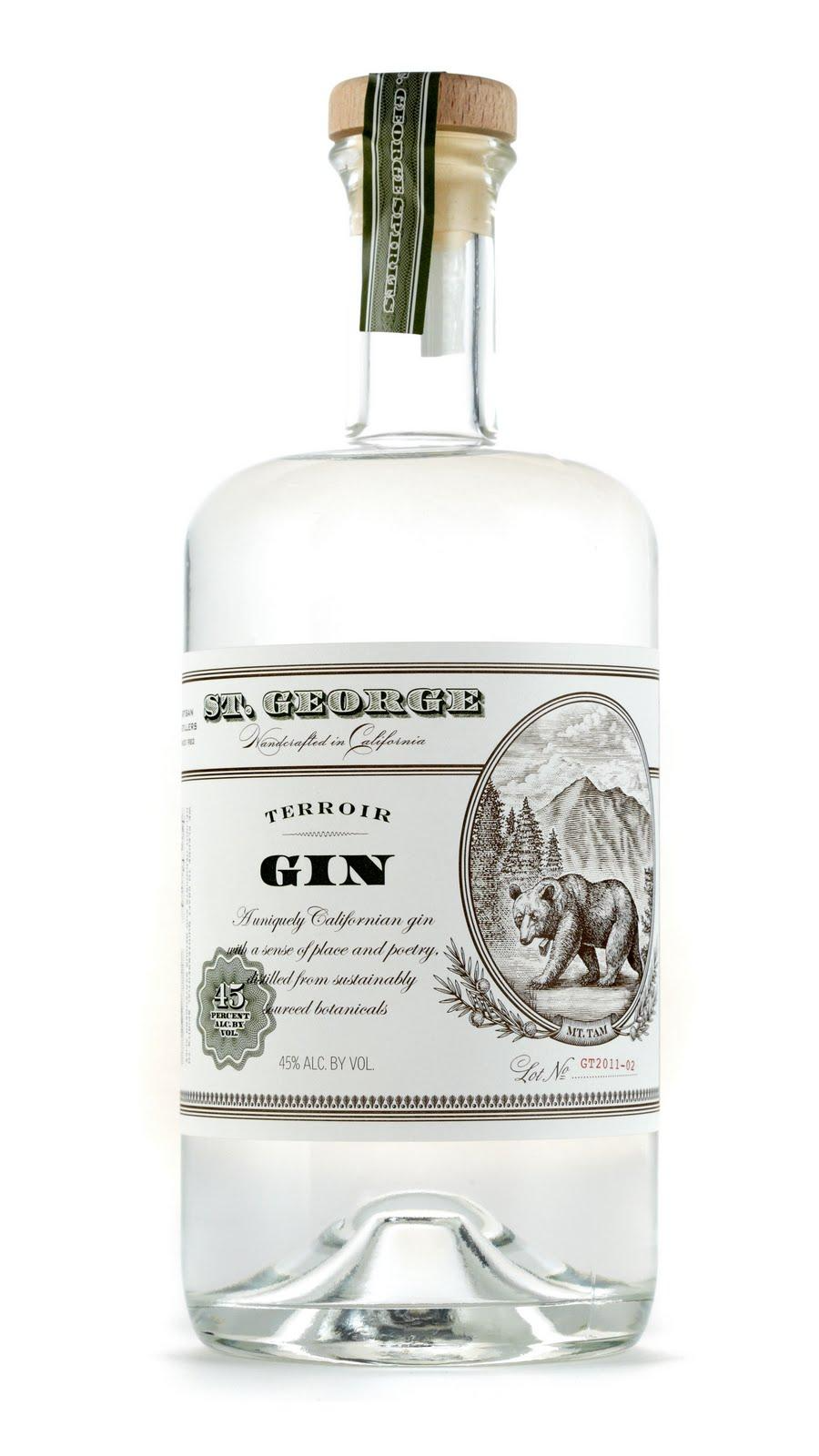
From a converted World War II airplane hangar on a former naval air station in Alameda, California, St. George Spirits has been distilling since 1982 — making it one of the oldest craft distilleries in the United States. Founded by German-born Jrg Rupf and now led by master distiller Lance Winters, St. George created Terroir Gin to capture the aromatic landscape of Northern California in a bottle. Douglas fir, California bay laurel, and coastal sage are wildcrafted from the hills surrounding the San Francisco Bay, then distilled individually to preserve each botanical’s character. The result is a gin that smells like hiking through a coastal California forest after the rain. — where St. George Terroir Gin is unlike any other gin in the world. While most gins lead with juniper and citrus, Terroir leads with Douglas fir, California bay laurel, and coastal sage — botanicals wildcrafted from the hills around San Francisco Bay. Master distiller Lance Winters distills each botanical individually on a small 250-liter still, then blends them to create a spirit that smells and tastes like Northern California's coastal landscape. It is a gin that divides people: bartenders worship it, traditionalists puzzle over it, and anyone who has hiked through a California redwood grove will recognize it instantly. At around thirty-five dollars, it is one of the most original spirits in any category — and it has been sitting on the shelf, waiting for you to notice.
Classification: American Craft Gin
Company: St. George Spirits
Distillery: St. George Spirits, Alameda, California
Proof: 90 (45% ABV)
Botanicals: Douglas fir, California bay laurel, coastal sage, juniper, roasted coriander, and additional botanicals
Distillation: Fir and sage individually distilled on a 250-liter still; bay laurel and juniper vapor-infused in a botanicals basket
Base: Grain neutral spirit
Color: Crystal clear
MSRP: $32–$40
Nose: A walk through a forest — Douglas fir leads with resinous pine, followed by the savory, herbaceous warmth of California bay laurel and the dusty, aromatic lift of coastal sage. Juniper is present but plays a supporting role, letting the terroir botanicals drive.
Palate: Pine and fir dominate the front palate, with bay laurel adding a mentholated, almost eucalyptus-like warmth at the midpoint. Coastal sage brings an earthy herbaceousness, while roasted coriander adds a grounding, almost nutty base note. The mouthfeel is oily and rich for a gin.
Finish: Long and aromatic, with Douglas fir lingering alongside sage and a fading citrus brightness. The finish evolves over thirty seconds, shifting from forest canopy to sun-warmed hillside — an evocative spirit.
Cocktail — Forest Martini: Combine 2.5 oz St. George Terroir Gin with 0.5 oz dry vermouth in a mixing glass with ice. Stir for 30 seconds and strain into a chilled coupe. Garnish with a sprig of fresh rosemary. The pine and sage botanicals transform the classic Martini into something entirely new — aromatic, earthy, and unforgettable.
Pair with: Grilled lamb chops with a rosemary and garlic crust — the herbaceous intensity of the gin finds a natural partner in the savory, woody char of the lamb.
Awards: 96 Points, Wine Enthusiast; Double Gold, San Francisco World Spirits Competition; Top 50 Spirits, Wine Enthusiast.
RUM The Real McCoy 12 Year Old
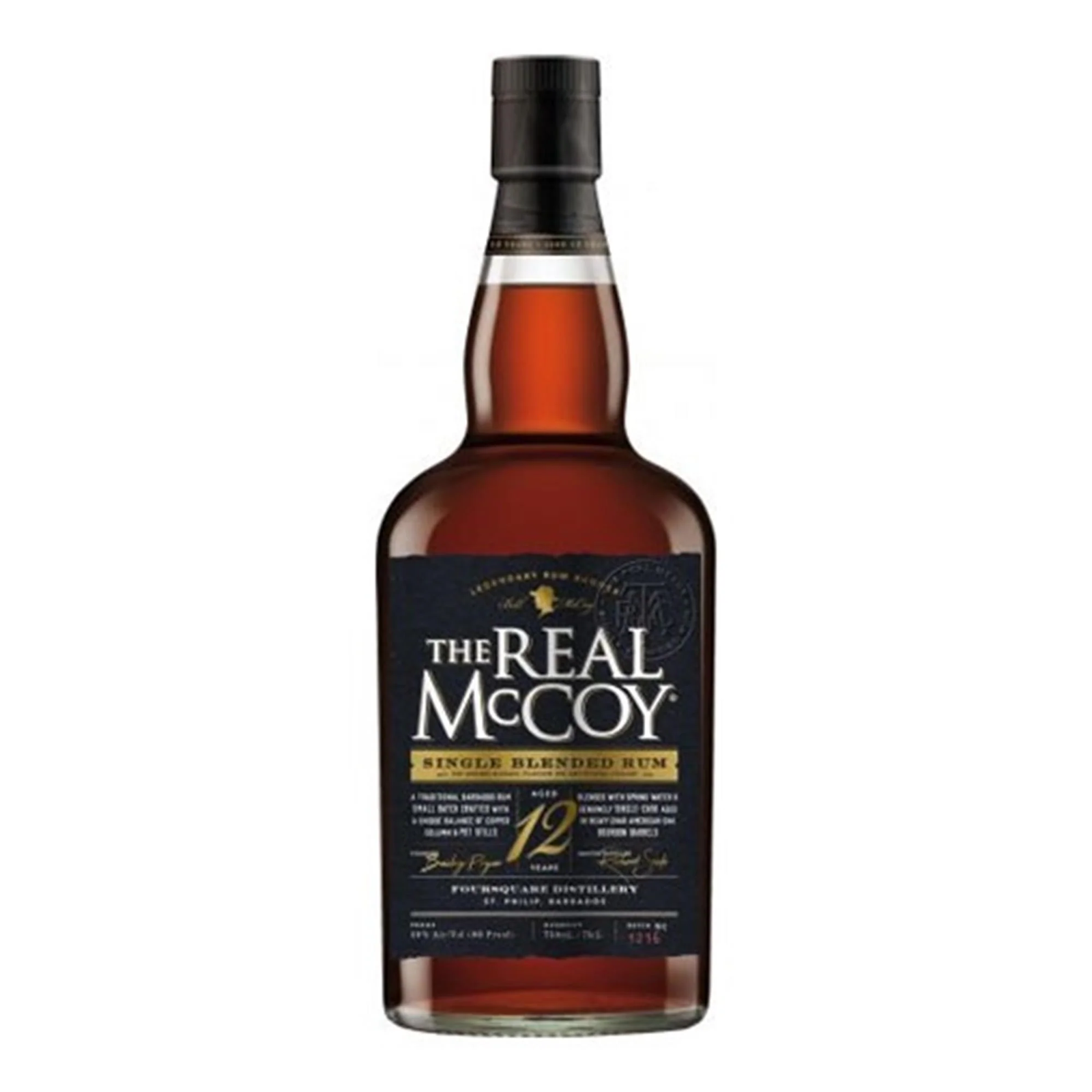
From the Foursquare Distillery in St. Philip, Barbados — widely regarded as one of the finest rum distilleries in the world — The Real McCoy 12 is the creation of Bailey Pringle, who named the brand after legendary rum-runner Bill McCoy. During Prohibition, McCoy was famous for never watering down or adulterating his cargo — he sold ‘the real McCoy.’ That ethos defines this rum: no added sugar, no added color, no added flavoring. Just twelve years of patient aging in ex-bourbon barrels in the Barbadian heat, blended from Foursquare’s pot and column stills by master blender Richard Seale — the same man behind Foursquare’s celebrated Exceptional Cask Selection releases that sell for three to five times the price. — where The Real McCoy 12 is the Barbados rum that should be famous — and it would be, if it did not share a distillery with Foursquare's own celebrated bottlings. Richard Seale blends pot and column still rums aged twelve years in ex-bourbon barrels, and bottles them with zero additives: no sugar, no caramel coloring, no vanillin. The result is a rum of remarkable complexity and honesty that competes directly with bottles selling for three to five times its price. At roughly forty dollars, The Real McCoy 12 is arguably one of the greatest rum values in the world — a Foursquare-distilled, Barbados-aged spirit hiding behind a label most casual drinkers walk right past.
Classification: Single Blended Barbados Rum
Company: The Real McCoy Rum Co.
Distillery: Foursquare Distillery, St. Philip, Barbados
Proof: 80 (40% ABV)
Age: 12 Years
Base: Barbadian sugar cane molasses
Distillation: Blend of pot still and column still rums
Color: Deep amber with mahogany edges
MSRP: $35–$45
Nose: Pipe tobacco and charred oak greet you first, with dried tropical fruit and earthy undertones emerging beneath. Vanilla, coconut, and a hint of dark toffee develop as the rum opens, revealing the twelve years of bourbon-barrel aging.
Palate: Rich and layered, with honey, vanilla, and nutmeg leading into charred oak and black pepper. The pot-still component adds weight and funk, while the column still delivers a clean sweetness that keeps everything in balance. No added sugar means every note of sweetness here is earned through aging.
Finish: Long and warming, with oak, coconut, and smoky caramel fading into a dry, slightly tannic close. The absence of additives lets the barrel character shine through to the very end.
Cocktail — McCoy Daiquiri: Combine 2 oz The Real McCoy 12 with 0.75 oz fresh lime juice and 0.5 oz simple syrup in a shaker with ice. Shake hard and strain into a chilled coupe. The aged complexity turns the daiquiri from a beach drink into a serious cocktail — honey, oak, and lime in perfect tension.
Pair with: Bananas Foster or a plate of aged Gouda — the caramel and vanilla notes in the rum mirror the dish's brown butter sweetness, while the oak tannins cut through the cheese's richness.
Awards: Gold, Ministry of Rum Tasting Competition; 92 Points, Wine Enthusiast; Silver, International Spirits Challenge.
RED WINE Domaine du Vieux Télégraphe La Crau 2020
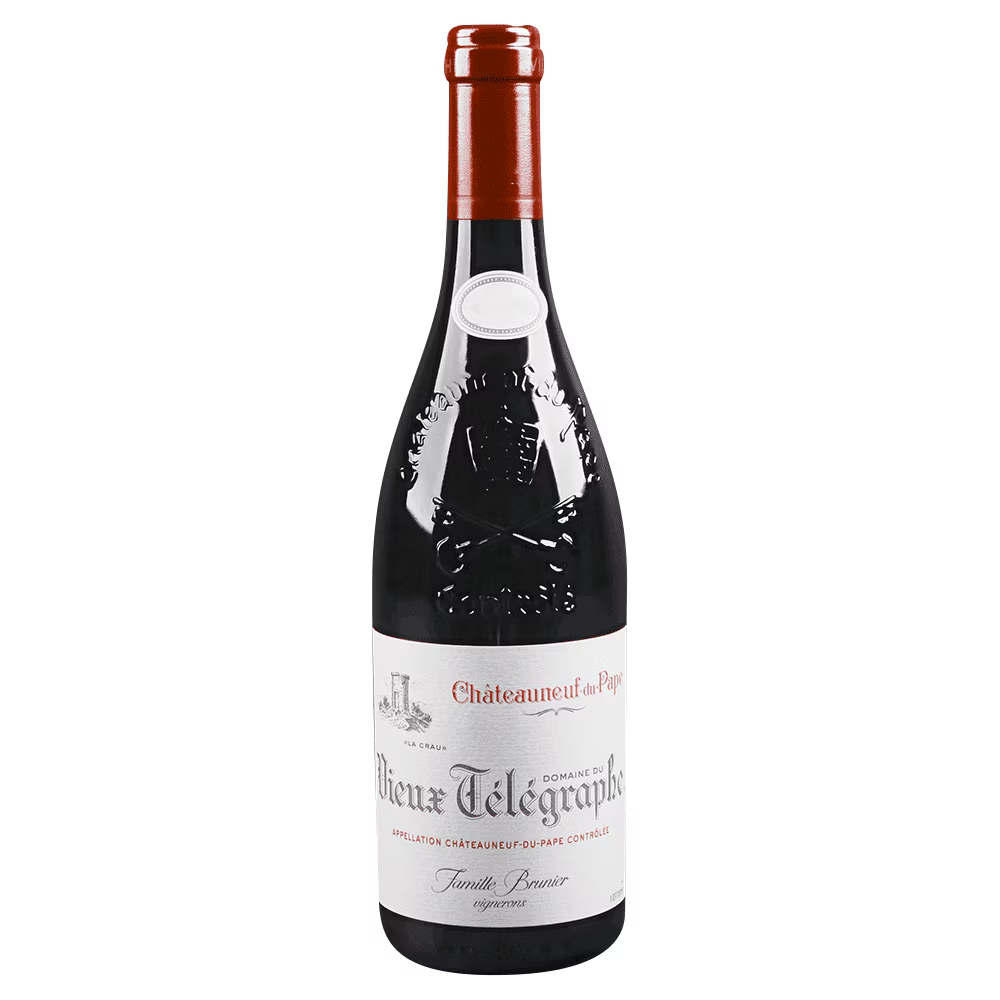
From the La Crau plateau in Chteauneuf-du-Pape — one of the most storied vineyard sites in the Southern Rhne — Domaine du Vieux Télégraphe has been in the Brunier family since 1898. The plateau sits at the highest point of the appellation, covered in the famous galets roulés — large, smooth stones deposited by the ancient Rhne River that absorb the Provenal sun by day and radiate heat back to the vines at night. While Beaucastel and Rayas command the headlines, Vieux Télégraphe quietly produces some of the most consistently brilliant Chteauneuf-du-Pape of the modern era, earning near-perfect scores from critics who know where to look. — where Domaine du Vieux Télégraphe La Crau 2020 is the Chteauneuf-du-Pape that serious collectors buy by the case while everyone else chases Beaucastel and Rayas. The Brunier family has farmed the La Crau plateau since 1898, tending old-vine Grenache rooted in the appellation's famous galets roulés — the heat-retaining river stones that give Chteauneuf its unique power. The 2020 vintage earned 97 points from James Suckling and 96 from Decanter, yet a bottle costs roughly sixty to seventy dollars — a fraction of what comparable scores command in Napa or Burgundy. This is Southern Rhne winemaking at its pinnacle: generous, mineral-driven, and built to age for decades, hidden in plain sight behind more fashionable appellations.
Classification: Chteauneuf-du-Pape AOC
Company: Famille Brunier
Winery: Domaine du Vieux Télégraphe, Bédarrides
ABV: 14.5%
Primary Varietal: Grenache (65%)
Blend: 65% Grenache, 15% Mourvèdre, 15% Syrah, 5% Cinsault/Clairette
Vineyards: La Crau plateau, galets roulés (ancient river stones), highest elevation in the appellation
Maturation: Large oak foudres
Color: Deep ruby with violet reflections
MSRP: $55–$75
Nose: Rose petals and redcurrant emerge first, with morello cherry, raspberry, and strawberry layered beneath. A subtle smokiness and dried flower character wind through, adding complexity that deepens as the wine breathes.
Palate: Full-bodied and seamlessly constructed, with dark bramble fruits, morello cherries, Provenal herbs, graphite, black pepper, and licorice. The tannins are silky and ripe, framing the fruit without constraining it. A stony minerality from the galets roulés adds a saline, almost savory undertone.
Finish: Long, savory, and mineral-driven, with dried herbs, tobacco, and a fading echo of black fruit. The finish is where the La Crau plateau reveals itself — a stony persistence that speaks of sun-baked stones and ancient vines.
Cocktail — Serve This Neat: A wine of this quality and complexity needs no cocktail. Decant for an hour to let the tannins soften and the aromatics fully express. Serve at 16–18C in large-bowled Burgundy glasses to capture the layered bouquet.
Pair with: Slow-braised lamb shoulder with herbes de Provence and roasted root vegetables — the wine's Provenal herbs and dark fruit echo the dish as if they were made for each other.
Awards: 97 Points, James Suckling; 96 Points, Decanter; 94 Points, Wine Spectator; Wine Spectator Top 100 of 2024.
WHITE WINE Pazo de Señorans Albariño 2022
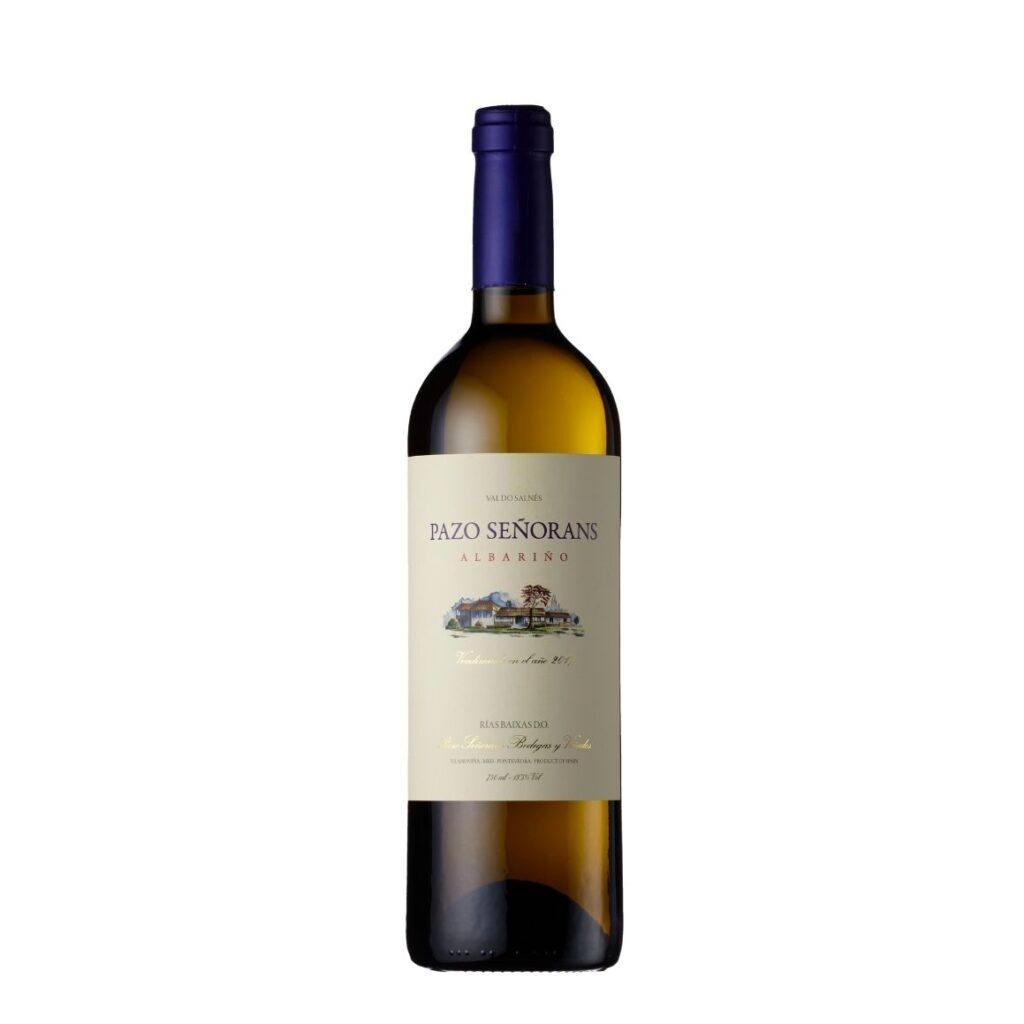
From the mist-shrouded Salnés Valley in Rías Baixas, Galicia — the green, rain-soaked corner of northwestern Spain where the Atlantic Ocean shapes everything — Pazo de Señorans has been the benchmark for Albariño since Marisol Bueno and Javier Mareque purchased a sixteenth-century manor house with eight hectares of vines in 1979. They began bottling their own wine in 1989, and today work with over 500 individually inspected micro-parcels of Albariño. The result is a white wine with an ocean’s worth of minerality and freshness — arguably the finest value in white wine anywhere on Earth, hiding on the Spanish shelf while shoppers reach for Sancerre and Chablis at twice the price. — where Pazo de Señorans Albariño is the white wine that sommeliers pour for themselves. From a sixteenth-century manor in the Salnés Valley — the heart of Rías Baixas, where the Atlantic shapes every vine — this is Albariño at its most expressive: mineral, citrus-bright, and texturally rich from four months on fine lees. At roughly twenty dollars, it embarrasses white wines costing three and four times as much. The winery's obsessive quality control — inspecting over 500 individual micro-parcels before harvest — ensures that every bottle delivers the same crystalline purity. If you have never tried a great Albariño, start here. And if you have, you already know why this bottle is hiding in plain sight.
Classification: Rías Baixas DO
Company: Pazo de Señorans
Winery: Pazo de Señorans, Meis, Pontevedra, Galicia
ABV: 13%
Primary Varietal: Albariño (100%)
Blend: 100% Albariño
Vinification: Stainless steel fermentation at 18C, 4 months on fine lees
Color: Pale straw with green-gold highlights
MSRP: $18–$25
Nose: Nectarine and fresh figs emerge immediately, with orange zest, white flowers, and a faint saline minerality that speaks of the Atlantic proximity. A tangerine and bitter citrus peel note adds complexity to what could easily be mistaken for a simple aromatic white.
Palate: Simultaneously rich and fresh, with stone fruit and citrus flavors showing excellent concentration and clarity. The four months on lees add a textural creaminess, while the mineral backbone provides structure and a saline edge that keeps the fruit focused and precise.
Finish: Clean, mineral-driven, and refreshingly long, with lingering citrus, a trace of honeyed warmth, and a saline close that leaves you reaching for oysters, seafood, or simply the next glass.
Cocktail — Serve This Chilled: Albariño of this quality shines brightest on its own. Serve at 8–10C in a tulip-shaped white wine glass. If desired, a splash over ice in the summer makes a refreshing alternative — the mineral backbone holds up beautifully.
Pair with: Fresh Galician-style pulpo a la gallega (octopus with paprika and olive oil), grilled whole branzino, or a plate of briny Kumamoto oysters — the wine's saline minerality is a natural partner for anything from the sea.
Awards: 93 Points, James Suckling; 91 Points, Wine Advocate; Regularly listed among Spain's finest white wines by Decanter and Peñín Guide.
Train Your Nose: Today's Aroma Spotlight
Today's Aroma Map: Finding What Others Miss
The bottles above share a common trait: they reward the attentive drinker. The aromas hiding inside each glass are not secrets — they are simply waiting for a trained nose to find them. Below, we map the key aromas from today's selections to the reference standards in the School of Wine and Spirits Aroma Masterclass Kits, and we offer two exercises to sharpen your ability to identify what your glass is telling you.
Exercise 1 — The Hidden Sweetness Test: Pour a small measure of Wild Turkey Rare Breed and Roe & Co side by side. Before tasting, nose each one for thirty seconds. Both will present caramel and vanilla, but notice how the bourbon's version is deeper, darker, and more oak-driven (a result of new charred barrels and barrel-proof concentration), while the Irish whiskey's version is lighter, creamier, and lifted by stone fruit. The same aromas, shaped by different traditions — barrel char versus triple distillation. Use the Caramel and Vanilla vials from both the Bourbon and Whisky kits to calibrate your nose before you begin.
Exercise 2 — The Smoke Spectrum: Pour Caol Ila 12 alongside any unpeated whisky in your collection. Nose the unpeated whisky first to establish a baseline — notice the clean malt and fruit character. Now nose the Caol Ila and isolate the smoke: is it sharp and medicinal, or soft and coastal? Caol Ila's smoke is the latter — gentle, briny, and threaded with citrus. Use the Smoky and Peaty vials from the Scotch and Irish Whisky Kit to anchor these notes. Then revisit the Caol Ila and see if you can identify where the peat ends and the sea begins.
Today's Kit Reference
| Today's Product | Key Aromas | Train With |
|---|---|---|
| Wild Turkey Rare Breed | Caramel, Cherry, Vanilla, Oak, Leather | Bourbon Aroma Masterclass Kit |
| Caol Ila 12 Year Old | Smoky, Peaty, Vanilla, Honey, Orange | Whisky Aroma Masterclass Kit |
| Roe & Co Blended Irish Whiskey | Vanilla, Caramel, Honey, Peach, Floral (Rosewater) | Whiskey Aroma Masterclass Kit |
| Siembra Valles Blanco | Agave (Cooked), Citrus (Lemon, Lime, Orange, Grapefruit), Earth (Mineral, Soil Notes), Pepper, Grass | Tequila & Mezcal Aroma Masterclass Kit |
| St. George Terroir Gin | Juniper (Pine), Juniper (Herbaceous/Waxy), Ginger, Coriander, Lavender | Gin Aroma Masterclass Kit |
| The Real McCoy 12 Year Old | Vanilla, Oak, Caramel, Tobacco, Coconut | Rum Aroma Masterclass Kit |
| Domaine du Vieux Télégraphe La Crau 2020 | Cherry, Berry (Generic), Violet, Cedar, Mint | Wine Aroma Masterclass Kit |
| Pazo de Señorans Albariño 2022 | Citrus (Generic), Gooseberry, Honey, Floral (Rose), Apple (Green) | Wine Aroma Masterclass Kit |
Explore the School of Wine and Spirits
Today's eight selections prove that the best producers are architects first. Our books on Amazon take you deeper into those places — from the limestone hollows of Kentucky in America's Spirit, the misty distilleries of Scotland's Spirit and Ireland's Spirit, the volcanic highlands of The Tequila y Mezcal Revolution, the ancient vineyards of The Ultimate Northern Italian Wine Journey, and the fossilized seabeds of Burgundy in our Chablis and Cte d'Or pocket guides.
Explore our Aroma Masterclass kits and books at schoolofwineandspirits.com
Join the School of Wine and Spirits Community
Connect with fellow connoisseurs, share tasting notes, and go deeper into every pour. Sign up at skool.com/schoolofwineandspirits
Our kits make the perfect gift for the curious drinker in your life — because once you learn to identify aromas, you never taste the same way again.
Know someone who would enjoy The Still & The Vine? Forward this issue to a fellow enthusiast — or share it on social media and tag @SchoolofWineandSpirits. We grow by word of mouth.
Until tomorrow's pour — cheers.
Robert R. Mohr, CPA, CGMA, WSET Level 3, WSG Certified Spirits Specialist — author of America's Spirit, Scotland's Spirit, Ireland's Spirit, The Ultimate Northern Italian Wine Journey, The Tequila y Mezcal Revolution, The Definitive Pocket Guide to Chablis, The Definitive Pocket Guide to the Cte d'Or, and Strategic Tuning. Published author of the Aroma Academy Tequila/Mezcal and Distiller's training kits.
The Still & The Vine is a daily publication of the School of Wine and Spirits.
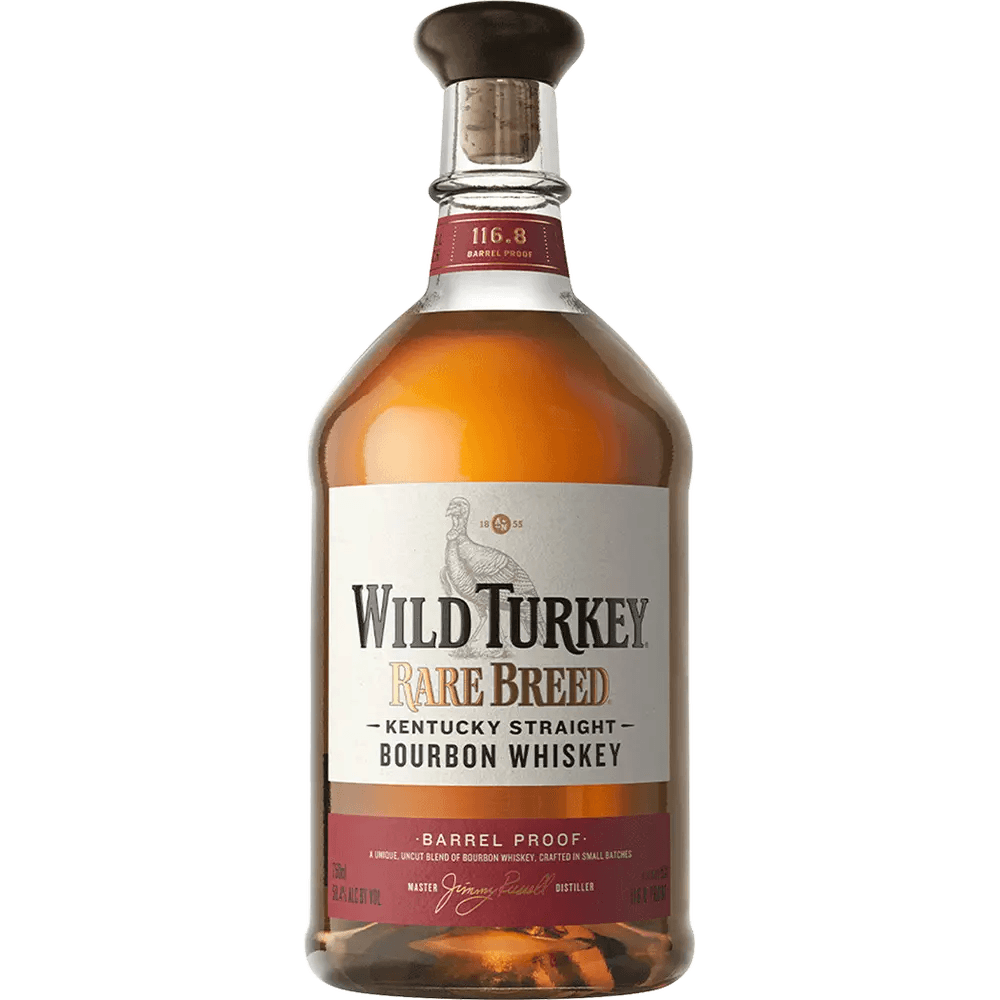
Wild Turkey Rare Breed
Campari Group
Wild Turkey Rare Breed is the bourbon that seasoned drinkers quietly recommend to one another while the rest of the world camps outside liquor stores for allocated bottles. Eddie Russell, who has spent over four decades at the distillery alongside his father Jimmy, blends six-, eight-, and twelve-year-old stocks into a barrel-proof expression that delivers complexity most bourbons only hint at. At roughly fifty dollars, Rare Breed competes with — and frequently outperforms — bottles selling for three and four times its price. The 116.8 proof is not a gimmick; it is the natural strength of the bourbon itself, carrying every nuance of the aging process without dilution. If you have been chasing hype, stop. This is the bottle that was waiting for you all along.
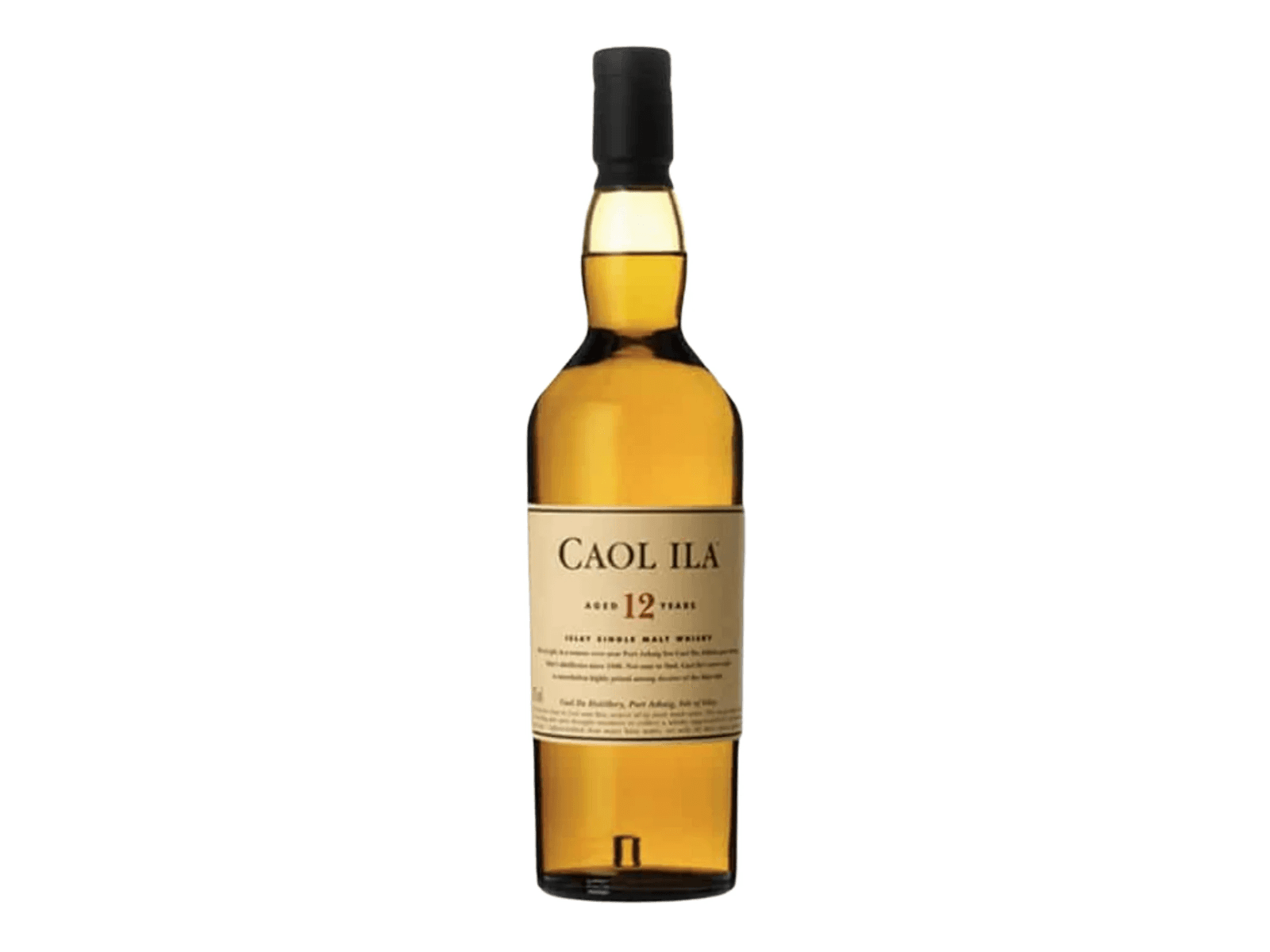
Caol Ila 12 Year Old
Diageo
Caol Ila is Islay’s quiet giant. It is the largest distillery on the island, producing more whisky than any of its neighbors, yet most of that output disappears into Diageo’s blended Scotch portfolio. The 12 Year Old single malt bottling is what happens when you give Caol Ila a chance to speak for itself — and it speaks with an elegance that surprises anyone expecting another peat bomb. The smoke here is maritime and measured, threaded through with citrus brightness and a saline minerality that tastes like the shoreline where the distillery stands. At its price point, Caol Ila 12 is one of the most undervalued single malts in the Diageo portfolio — hidden in plain sight behind Lagavulin’s fame.
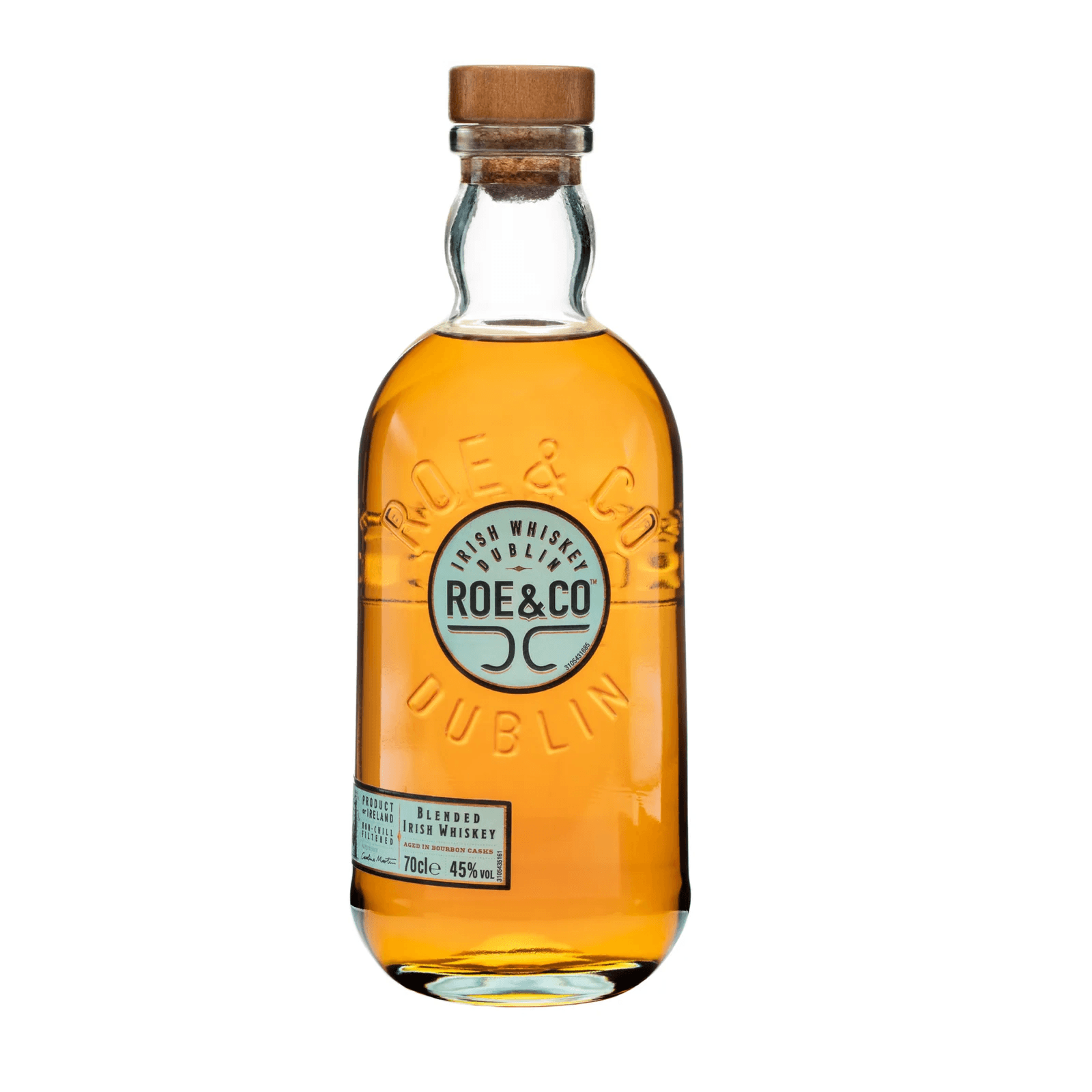
Roe & Co Blended Irish Whiskey
Diageo
Roe & Co is the resurrection of a name that once meant more to Irish whiskey than Jameson or Bushmills. George Roe’s original distillery was the largest in Europe, yet today most drinkers have never heard of him. Diageo’s revival blends rich malt and smooth grain whiskeys matured in a high proportion of first-fill bourbon barrels, then bottles at 45% ABV without chill filtration — a level of care that belies its modest price tag. At roughly thirty-five dollars, Roe & Co delivers the kind of creamy, spice-driven complexity that invites comparison with bottles twice its price.
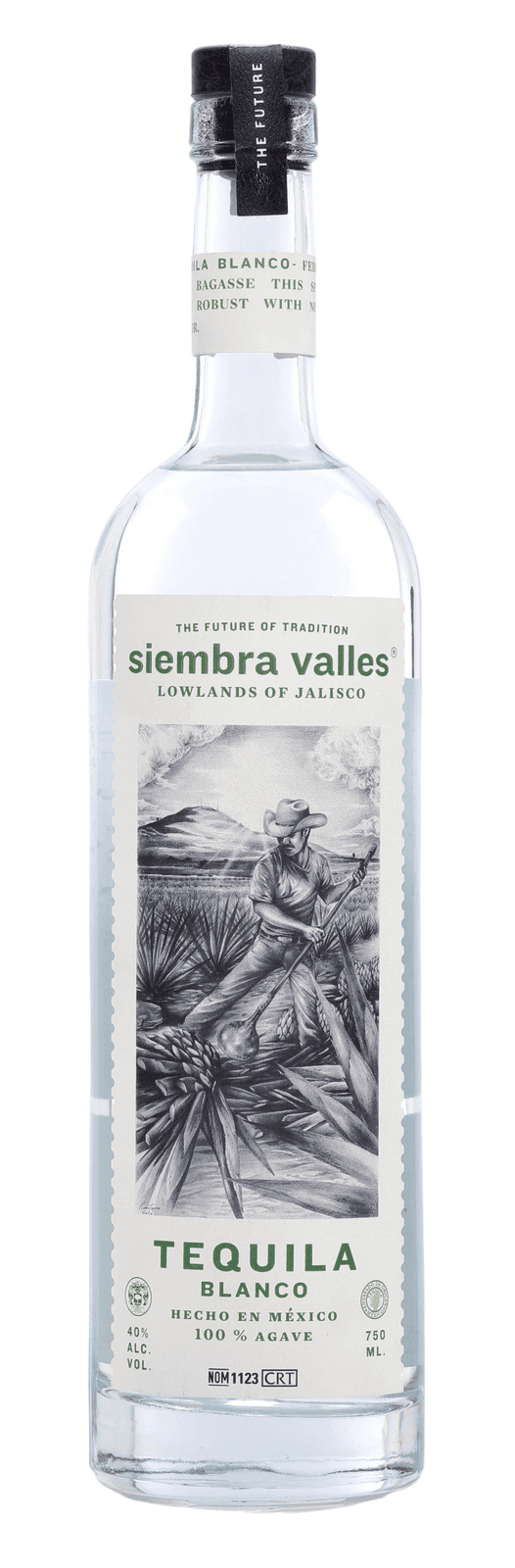
Siembra Valles Blanco
Siembra Spirits
Siembra Valles is the tequila that bartenders drink after their shift — the one they recommend when you ask for something real. David Suro-Piñera is not just a brand owner; he is a tequila scholar and advocate who founded the Tequila Interchange Project to promote transparency in the industry.
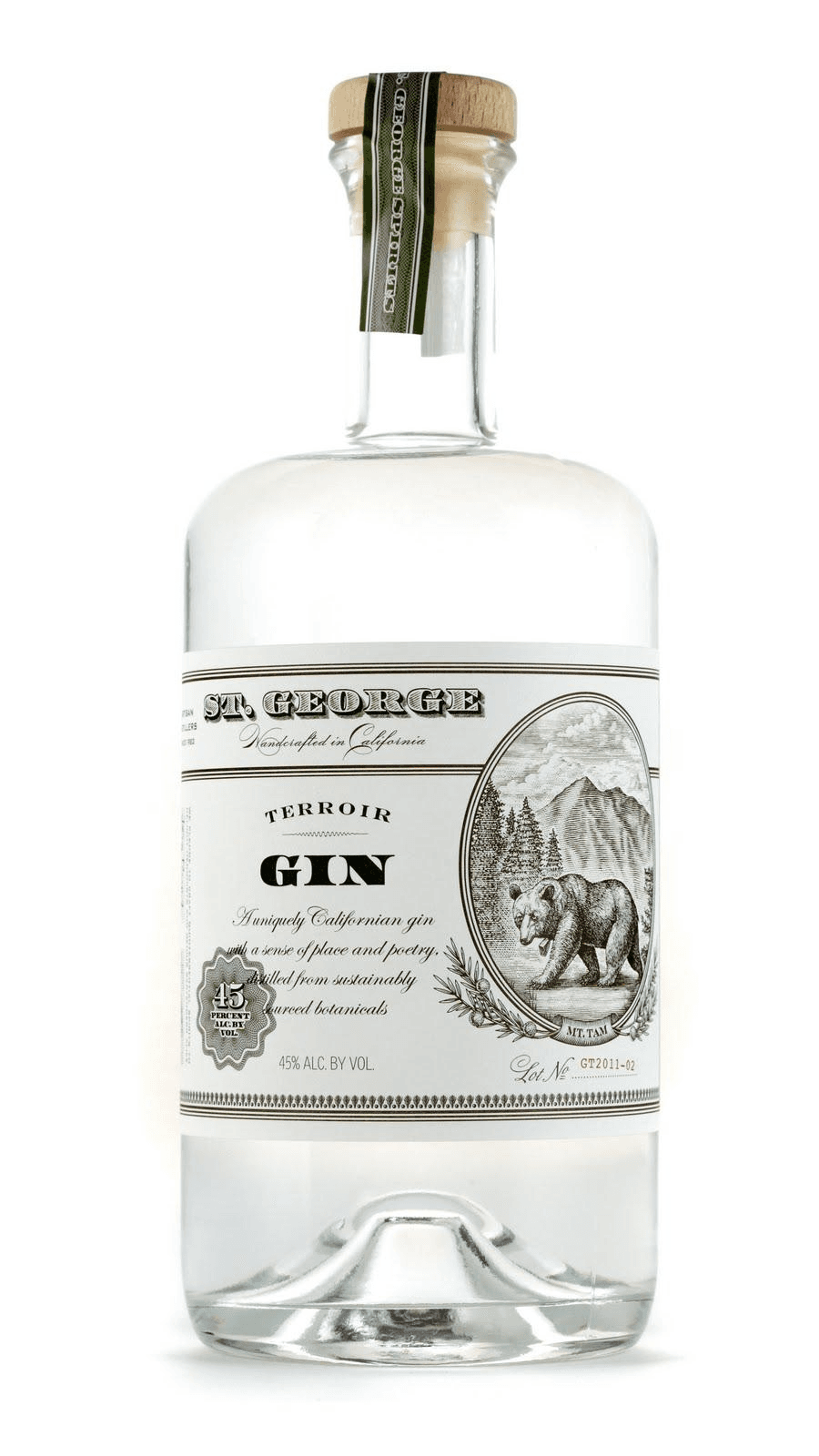
St. George Terroir Gin
St. George Spirits
St. George Terroir Gin is unlike any other gin in the world. While most gins lead with juniper and citrus, Terroir leads with Douglas fir, California bay laurel, and coastal sage — botanicals wildcrafted from the hills around San Francisco Bay.
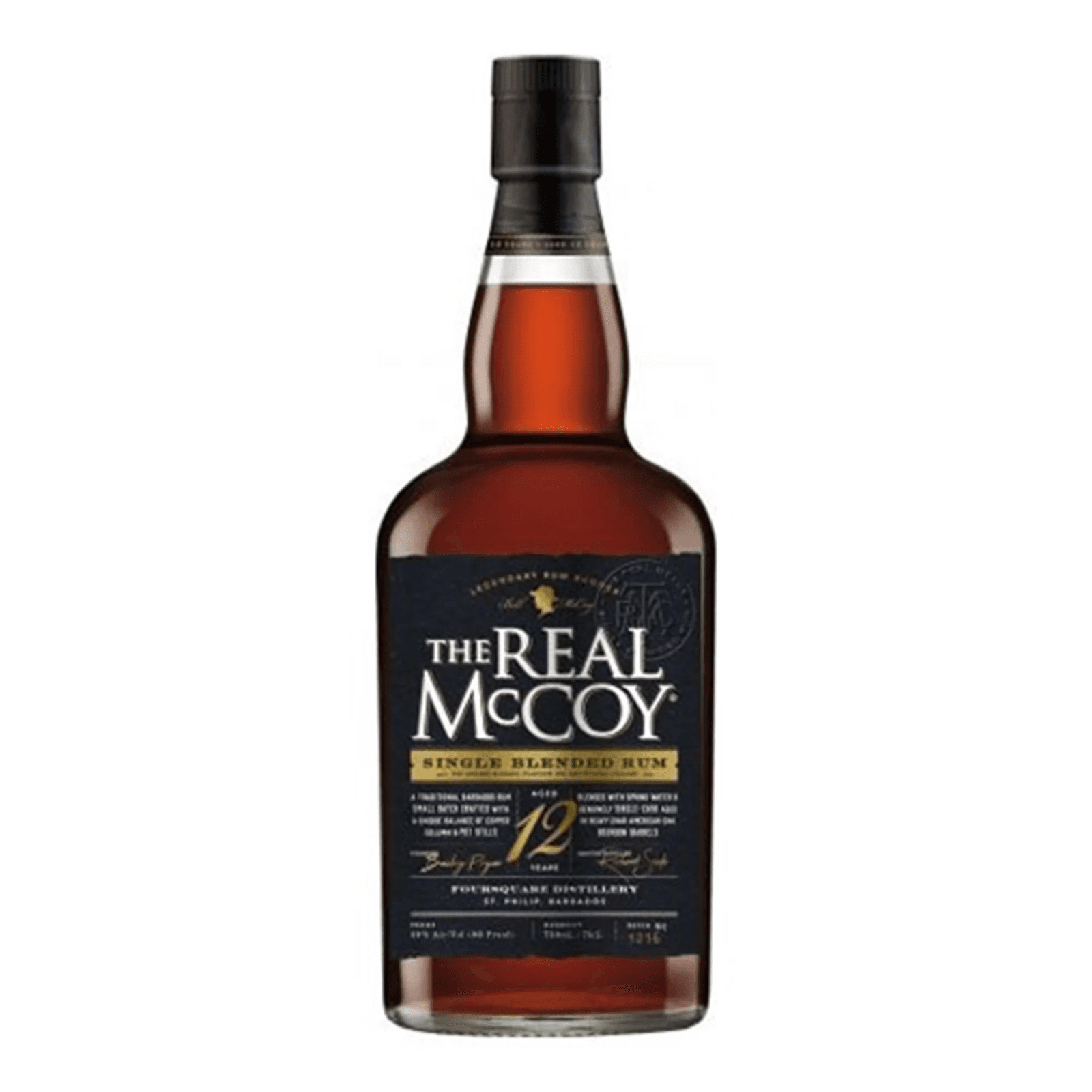
The Real McCoy 12 Year Old
The Real McCoy Rum Co.
The Real McCoy 12 is the Barbados rum that should be famous — and it would be, if it did not share a distillery with Foursquare’s own celebrated bottlings. Richard Seale blends pot and column still rums aged twelve years in ex-bourbon barrels, and bottles them with zero additives.
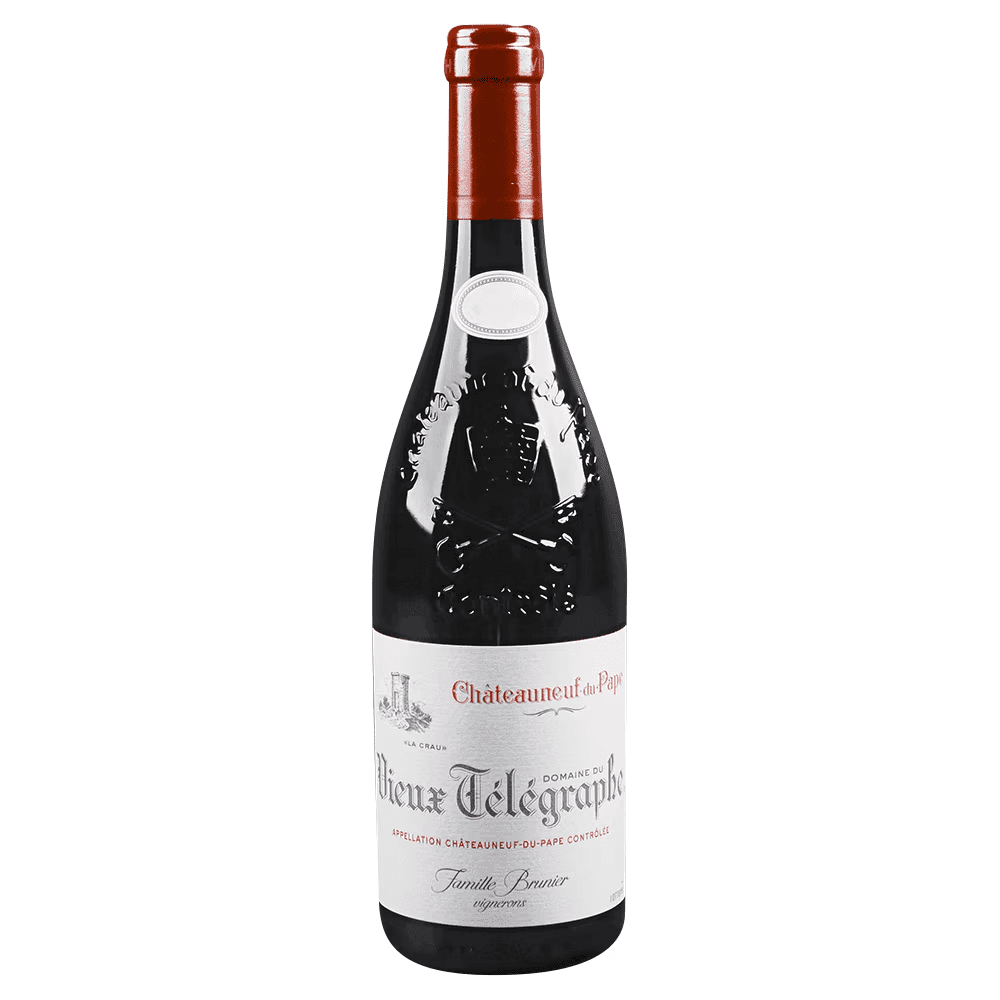
Domaine du Vieux Télégraphe La Crau 2020
Famille Brunier
Domaine du Vieux Télégraphe La Crau 2020 is the Châteauneuf-du-Pape that serious collectors buy by the case while everyone else chases Beaucastel and Rayas. The Brunier family has farmed the La Crau plateau since 1898.
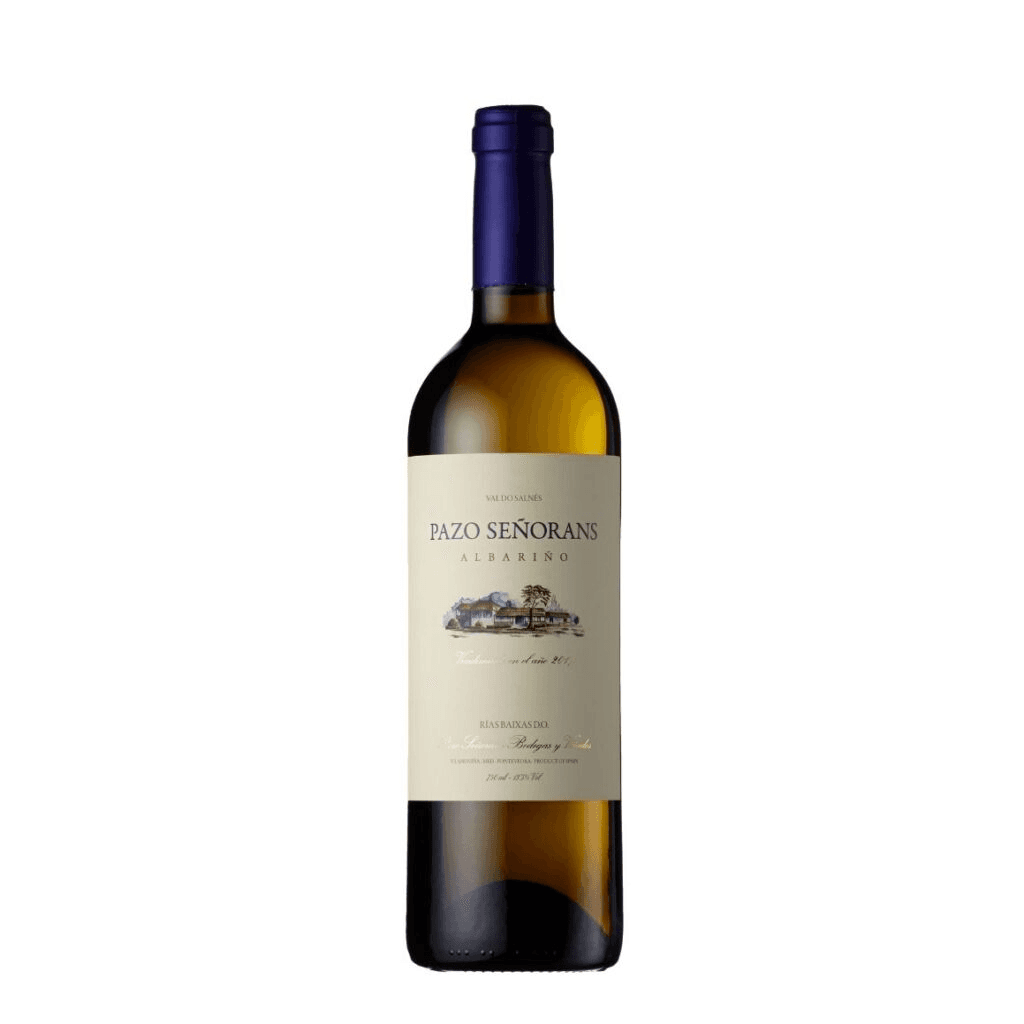
Pazo de Señorans Albariño 2022
Pazo de Señorans
Pazo de Señorans Albariño is the white wine that sommeliers pour for themselves. From a sixteenth-century manor in the Salnés Valley — the heart of Rías Baixas, where the Atlantic shapes every vine — this is Albariño at its most expressive.
Be the first to comment.