Aroma
Clove Spice
18 bottles with this note
Train this aroma
Scotch Whisky Aroma Kit
Develop your palate with the canonical reference for clove spice and related notes.

Tipperary Boutique Selection Single Malt
Tipperary
Tipperary is a micro-distillery operation producing whiskey with a clear point of view — gentle, fruity, and intentionally restrained. This single malt demonstrates that Irish whiskey's future includes small-scale producers who prize clarity over complexity. A contemplative pour for the predawn hours.
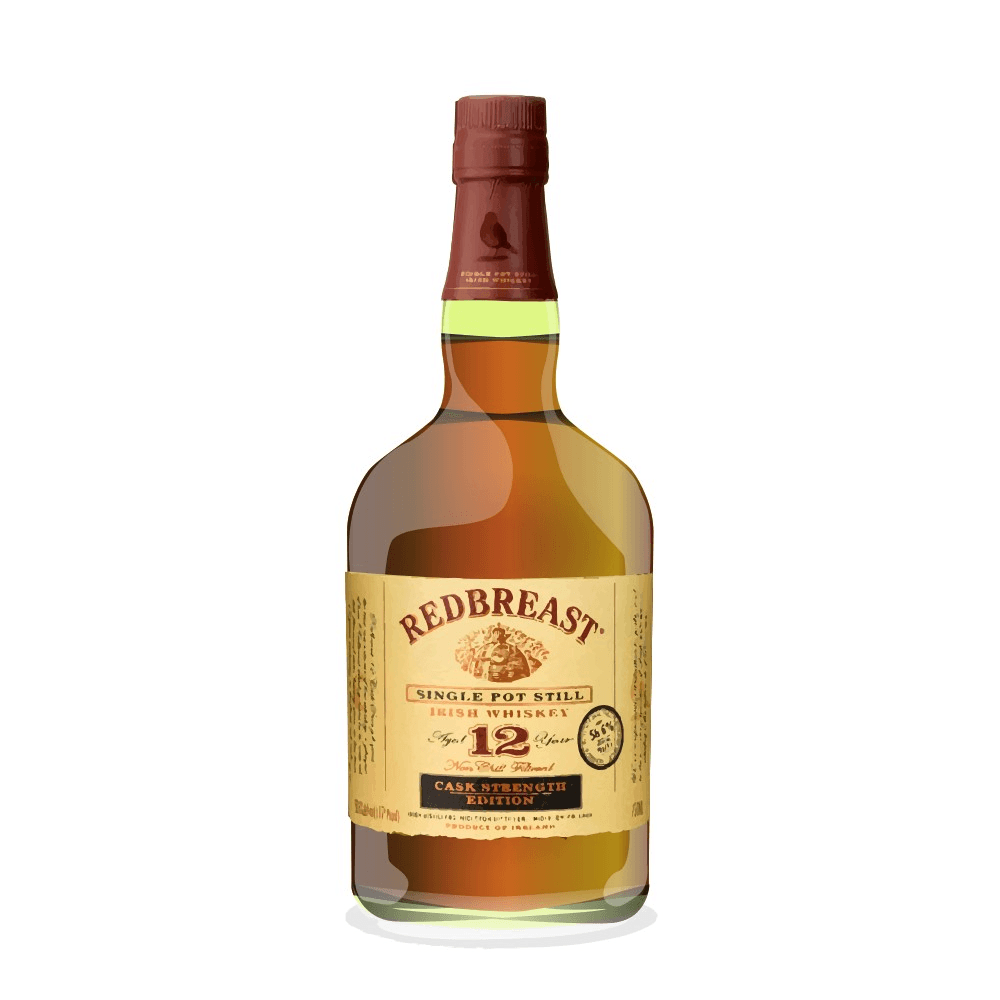
Redbreast 12 Year Old Cask Strength
Irish Distillers (Pernod Ricard)
Redbreast 12 Cask Strength is the uncut, non-chill-filtered expression of the whiskey that revived Irish single pot still as a serious category. Midleton bottles it batch by batch at each cask's natural proof.
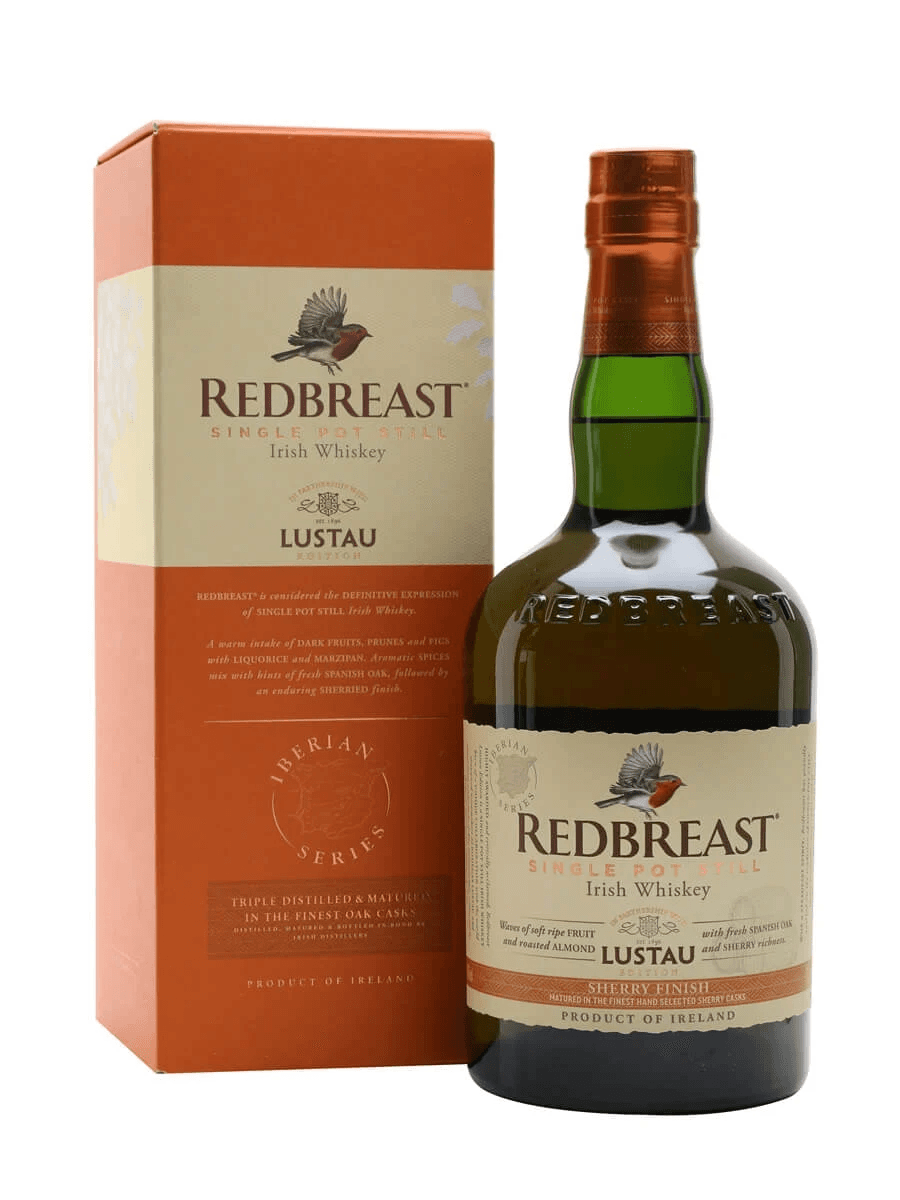
Redbreast Lustau Edition
Irish Distillers (Pernod Ricard)
The Lustau Edition is Redbreast's most layered expression — a whiskey that seems to change shape in the glass. That final year in Lustau's first-fill Oloroso butts doesn't overpower the pot still character; it adds a last chapter to an already complex story.
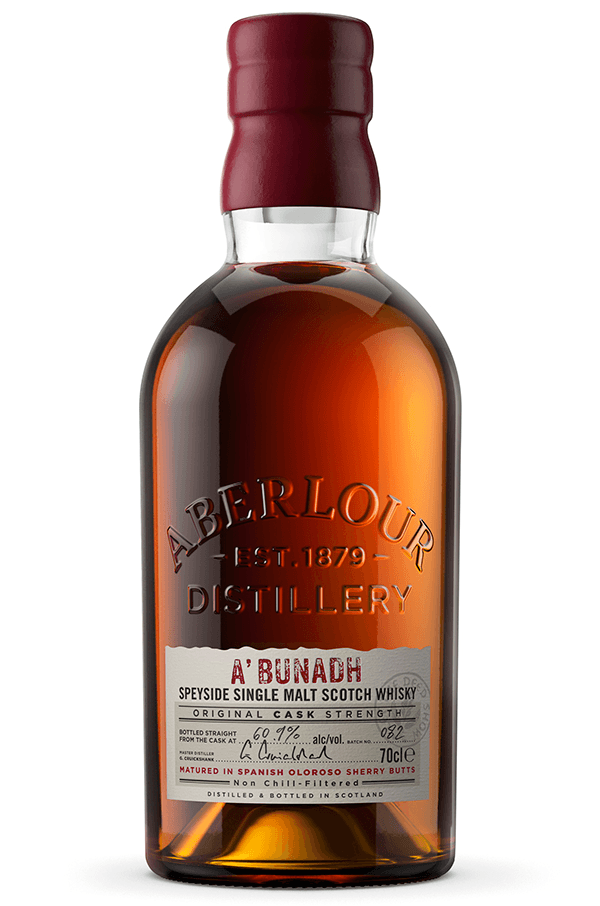
Aberlour A’Bunadh
Pernod Ricard (Chivas Brothers)
A’Bunadh is Aberlour’s love letter to the sherry butts of Jerez.
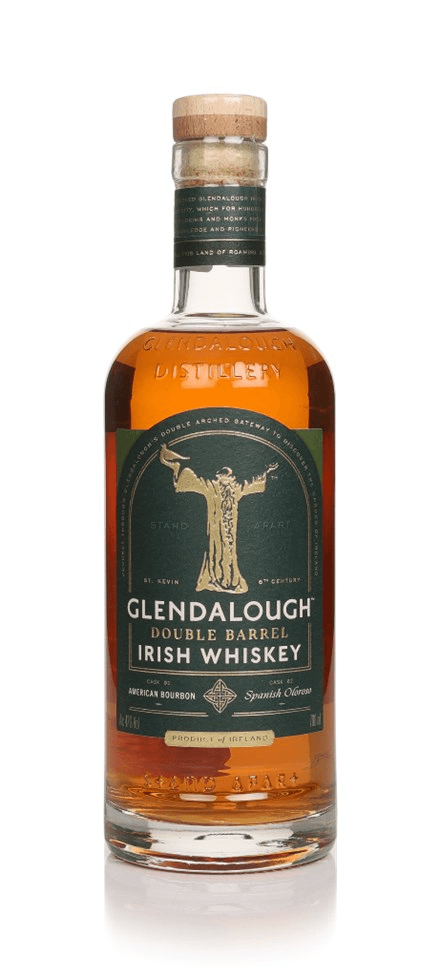
Glendalough Double Barrel
Glendalough Distillery (Mark Anthony Brands)
The double barrel treatment here is a study in how fire shapes wood, and wood shapes whiskey. The first-fill bourbon barrels — charred by fire before they ever held spirit — give the Glendalough its vanilla and caramel backbone. The Oloroso sherry casks — toasted to a different specification — add dried fruit and chocolate complexity.
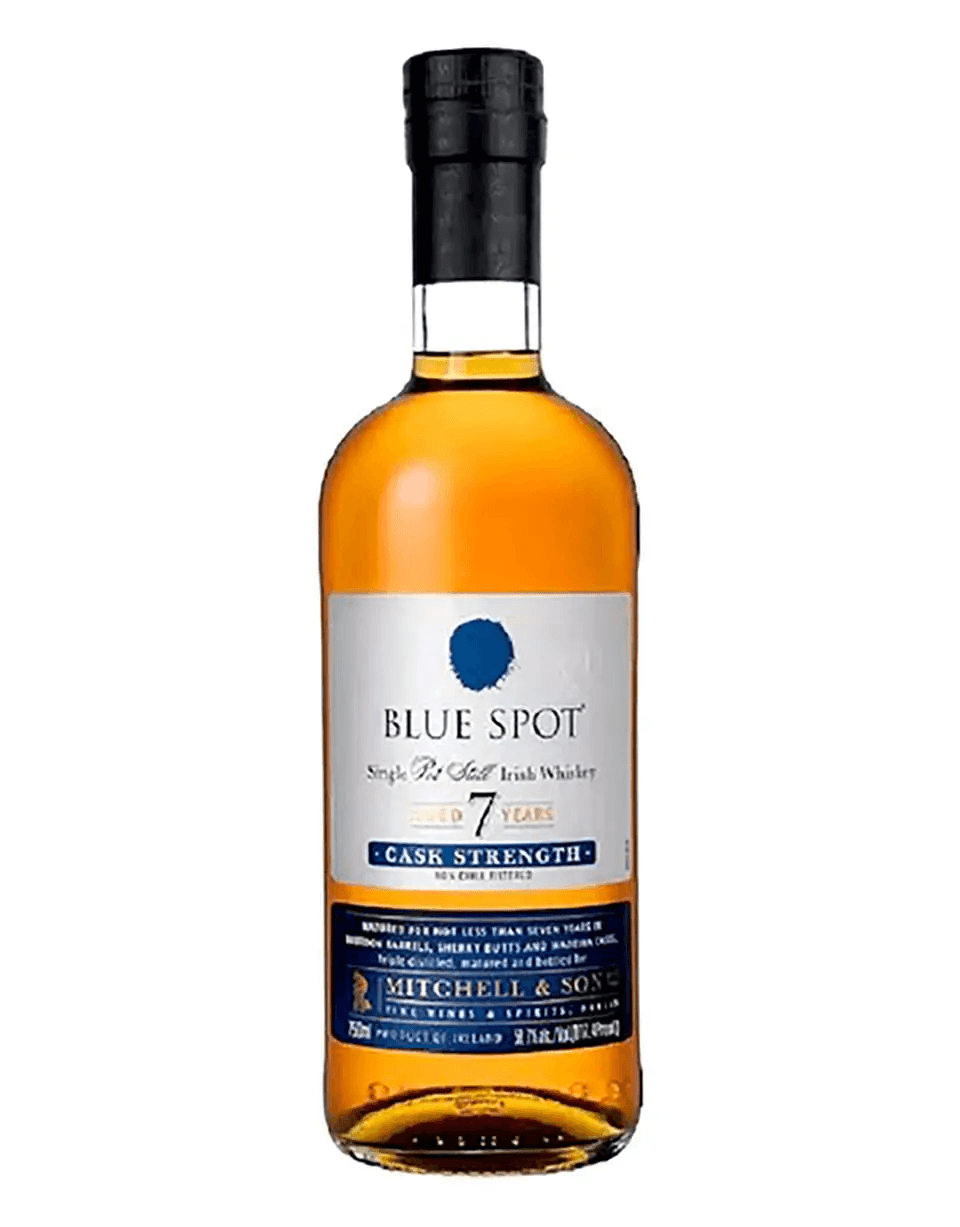
Blue Spot 7 Year Old
Irish Distillers (Pernod Ricard)
Blue Spot is the most structurally ambitious of the Spot family — and the most rewarding to decode. Where Green Spot uses one cask type and Yellow Spot uses three, Blue Spot deploys four distinct cask influences and bottles at cask strength, letting you experience the full architectural plan without dilution. The bourbon cask lays the vanilla-cream foundation. Sherry butts add dried fruit weight. Marsala casks bring an unexpected Italian sweetness. And the Madeira finish — those Portuguese fortified wine barrels — apply a tropical, honeyed glaze that ties everything together. At cask strength, the pot still spice cuts through all that sweetness, giving the whiskey a backbone as strong as its complexity is wide.
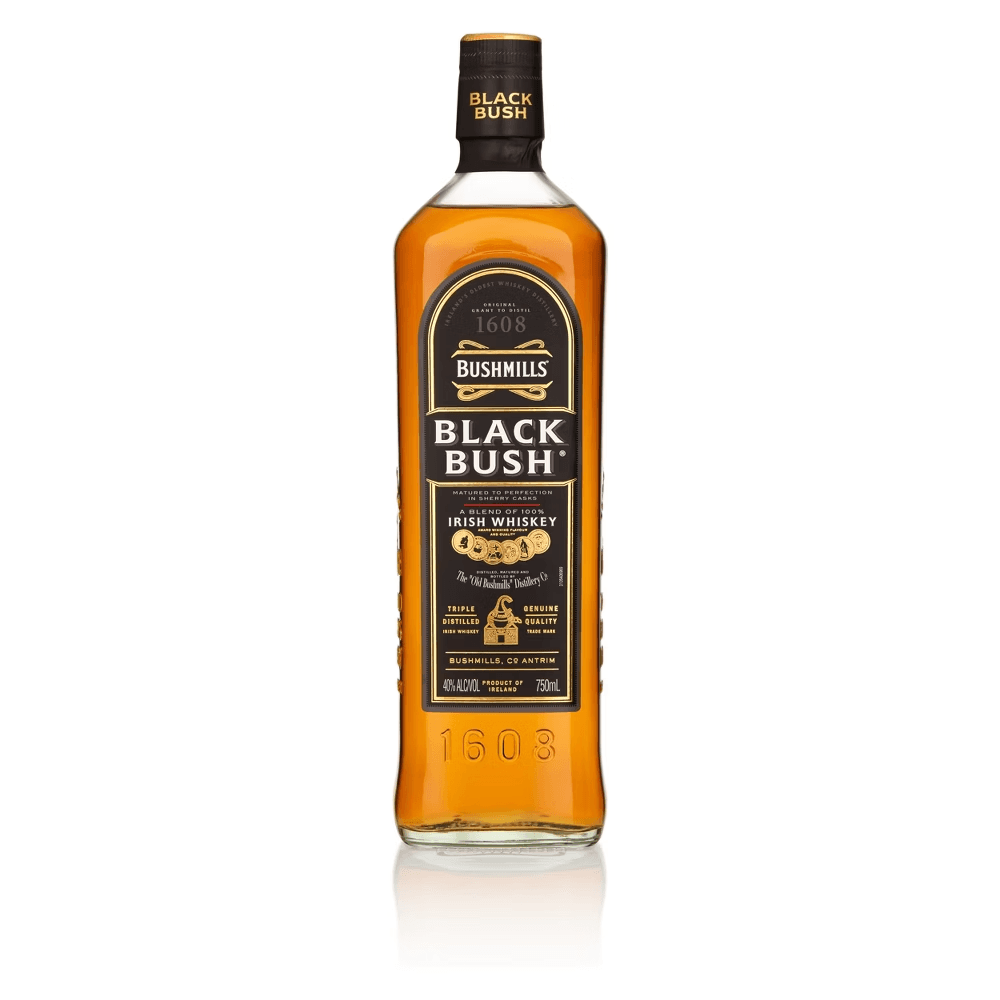
Bushmills Black Bush
Proximo Spirits (José Cuervo)
Bushmills Black Bush is one of the great values in Irish whiskey. The high proportion of sherry-cask-matured single malt in the blend gives it a richness and complexity that belies its modest price, and the Old Bushmills Distillery — whose site has held a distilling license since 1608 — brings centuries of craft to bear.
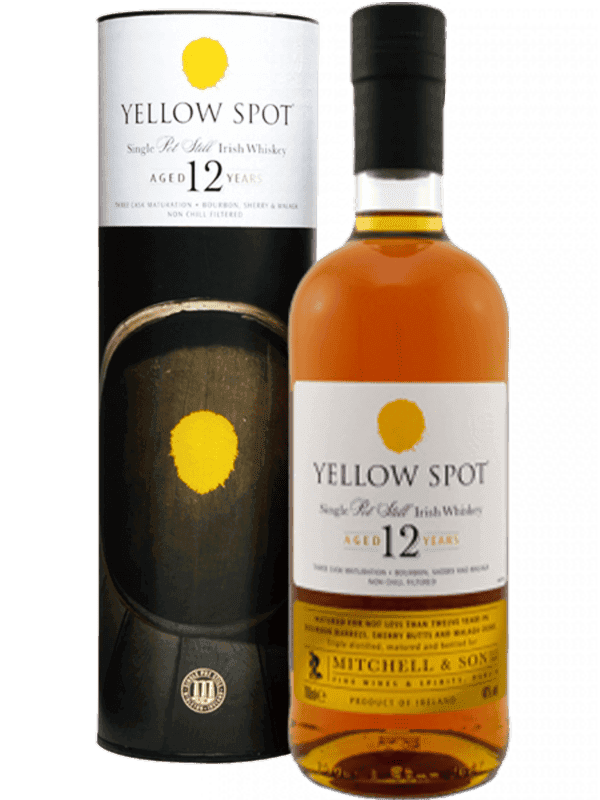
Yellow Spot 12 Year Old
Irish Distillers (Pernod Ricard)
Yellow Spot is the middle child of the Spot range, and arguably the most balanced. Three-cask blend: bourbon, sherry, and Malaga.
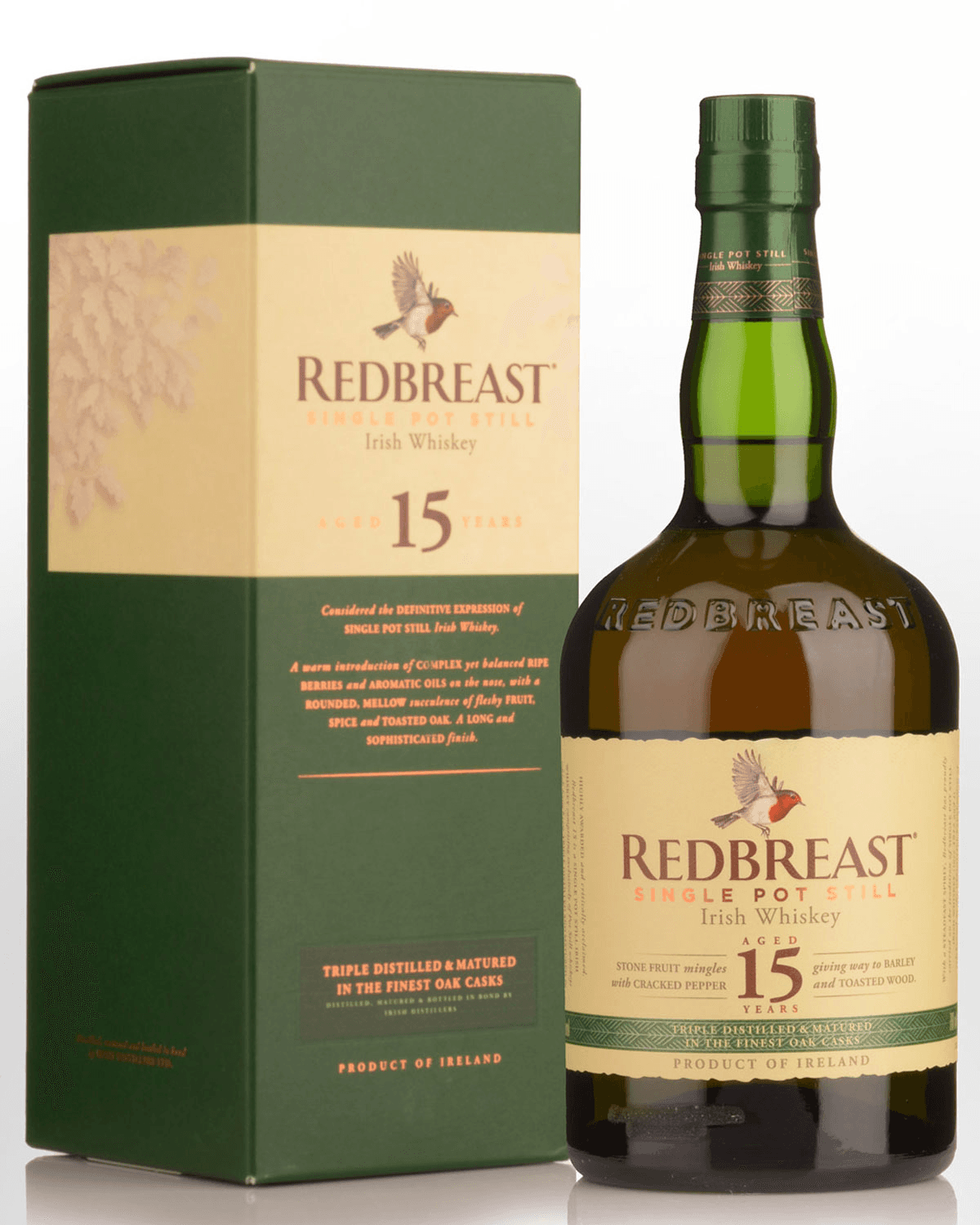
Redbreast 15 Year Old
Irish Distillers (Pernod Ricard)
Redbreast 15 is where Irish whiskey proves its claim to greatness. Every additional year beyond the 12-year expression adds another dimension — more dried fruit, deeper oak integration, and a creaminess that recalls the finest aged spirits from anywhere in the world.
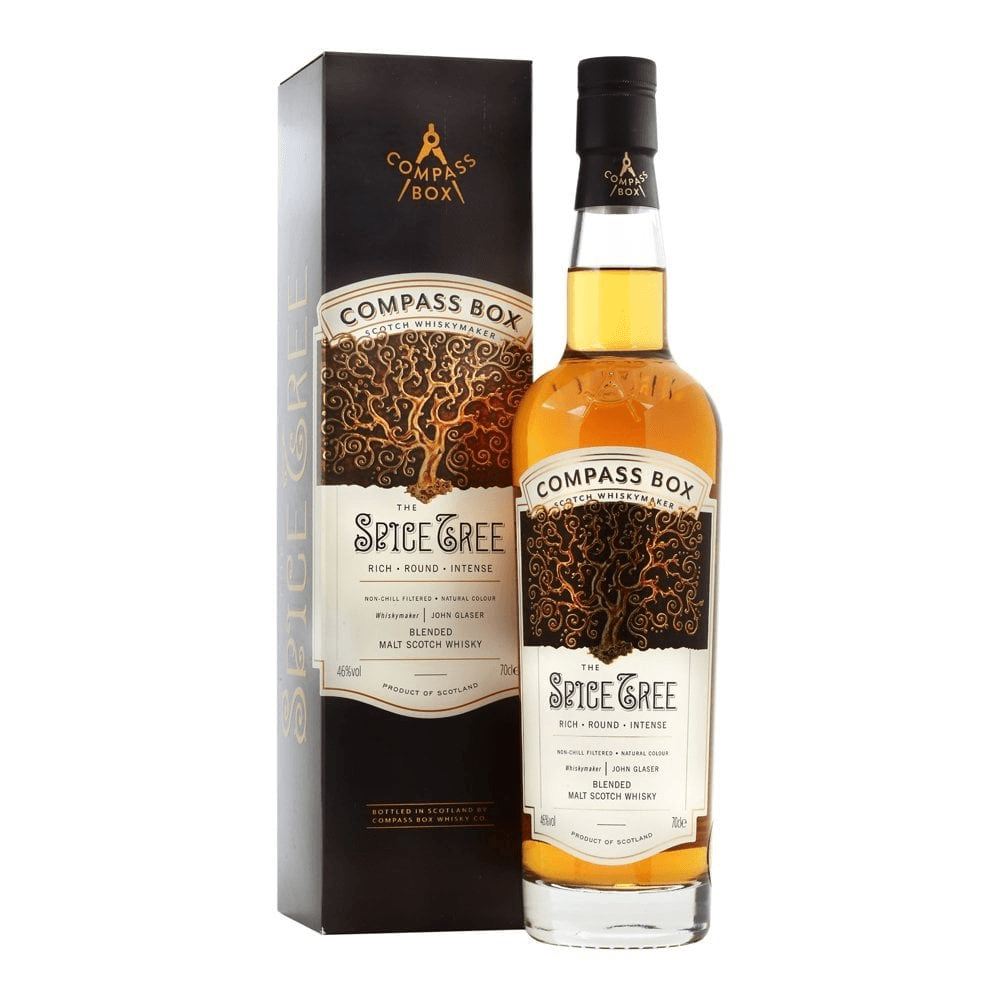
Compass Box Spice Tree
Compass Box Whisky Company
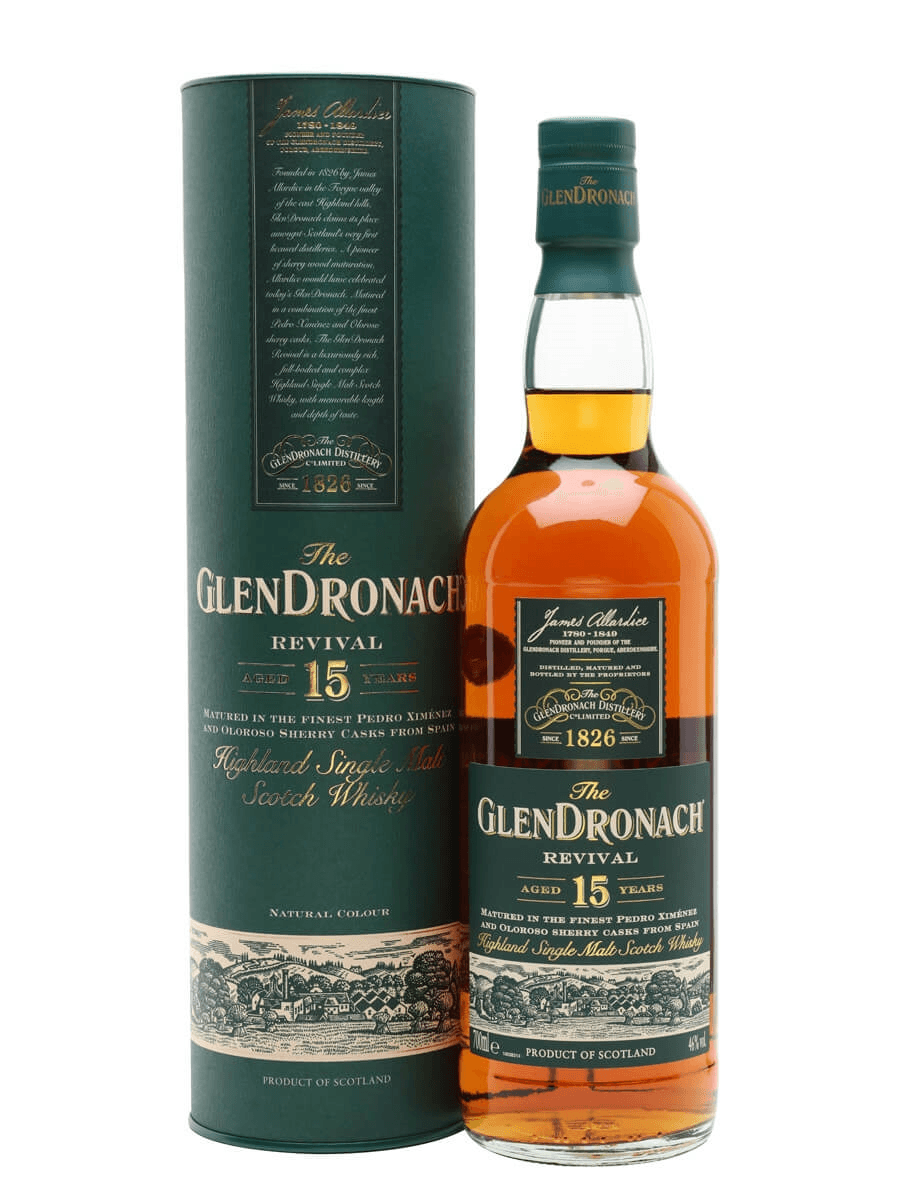
GlenDronach 15 Year Old Revival
Brown-Forman (The GlenDronach Distillery Company)
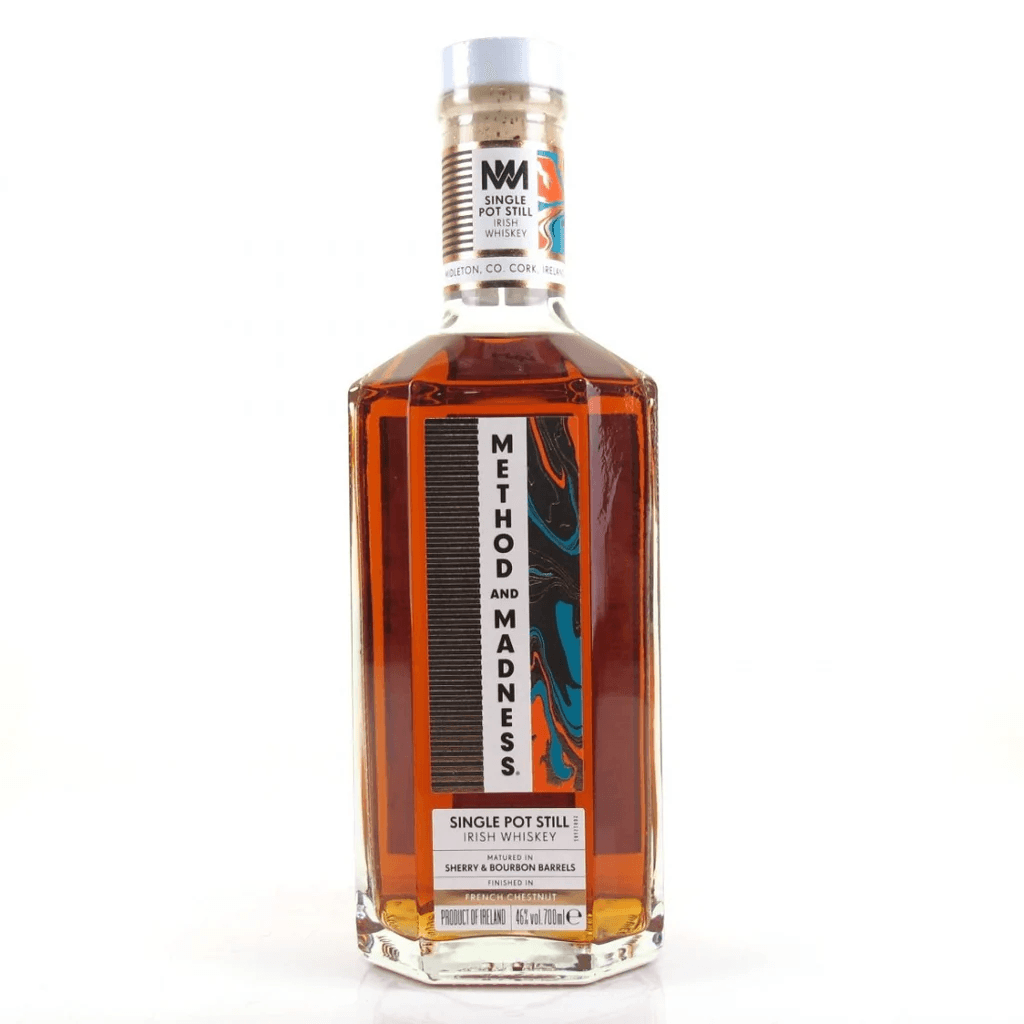
Method and Madness Single Pot Still
Irish Distillers (Pernod Ricard)
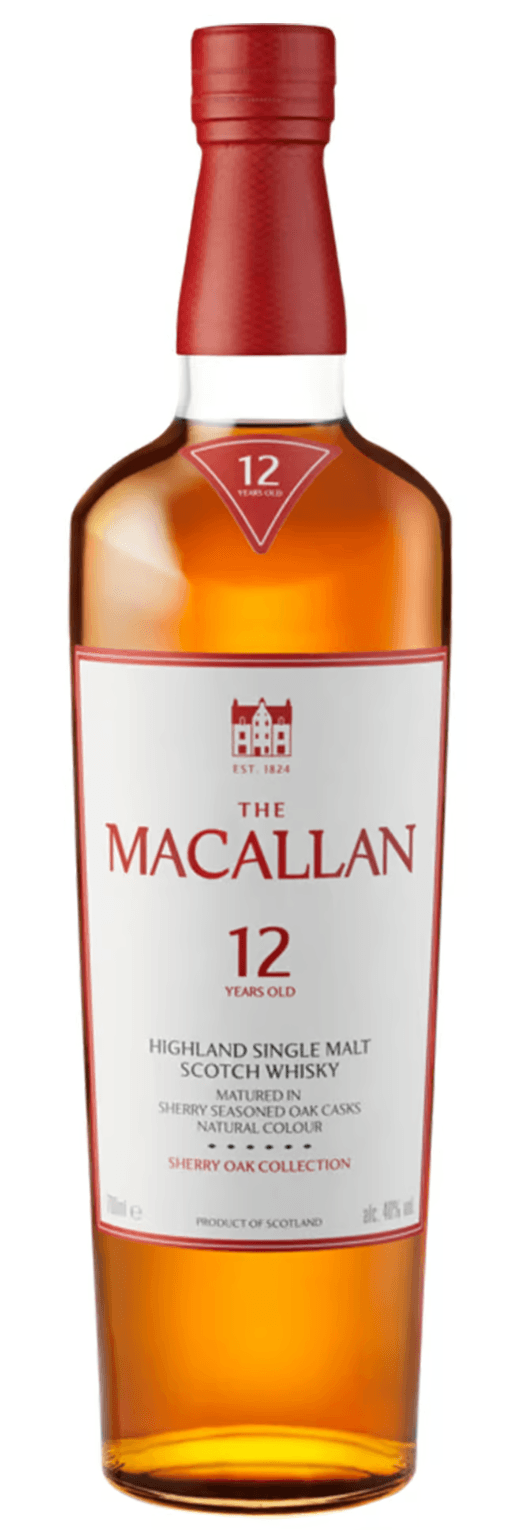
Macallan 12 Year Old Sherry Oak
Edrington Group (The Macallan, est. 1824)
The Macallan 12 Sherry Oak is a masterclass in the patience of wood. While most distilleries treat cask selection as a purchasing decision, Macallan treats it as an art — commissioning their own sherry-seasoned casks in Jerez, waiting two years for the sherry to condition the wood, then waiting another twelve years for the whisky to mature inside it. That's fourteen years of patience before a single drop reaches a bottle. The result is a whisky where the cask and the spirit are in perfect dialogue: neither dominates, and the sherry influence reads as complexity, not sweetness. Macallan's tiny copper stills — the smallest on Speyside — concentrate the new make spirit, giving it the heft to stand up to such assertive wood. This is the benchmark against which all sherry-matured Scotch is measured, and it earns that status through the simplest and most difficult virtue: time.
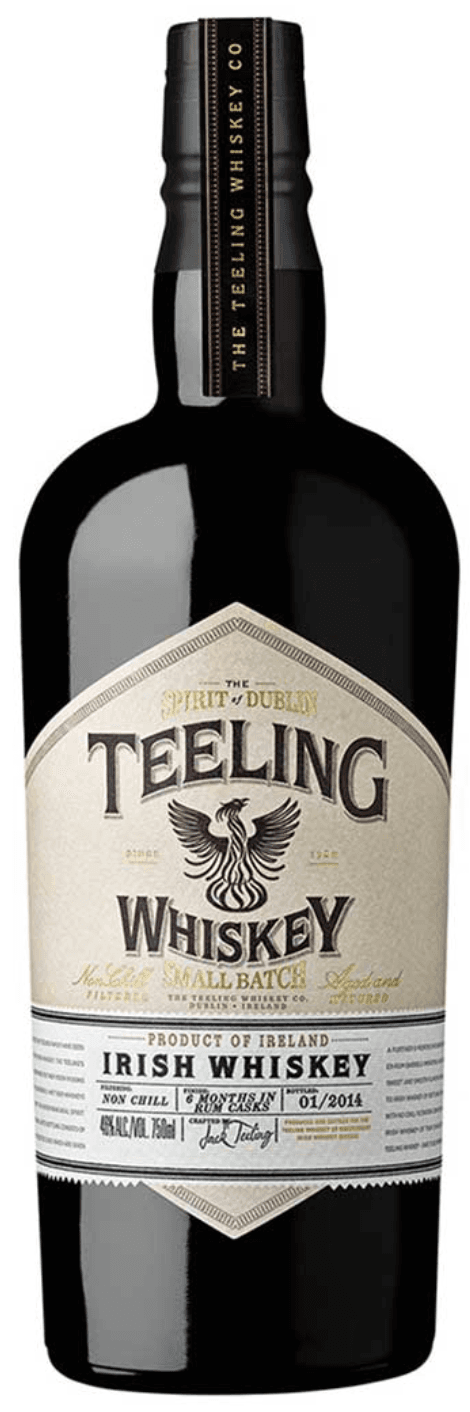
Teeling Small Batch
Teeling Whiskey Company (est. 2012)
The Teelings’ terroir isn’t soil — it’s Dublin itself. Jack and Stephen Teeling built their distillery in the Liberties, a neighborhood that had been the beating heart of Irish whiskey for two centuries before the industry collapsed. The Liberties once held more distilleries per square mile than anywhere on earth. The Teelings’ bet was that Dublin’s whiskey DNA still mattered — that making whiskey in the city, near the original water sources and in the cultural context that shaped Irish whiskey, would produce something different from the industrial parks where most Irish whiskey is now made. The Small Batch expression showcases their innovation: finishing in Central American rum barrels adds a tropical sweetness that no other Irish whiskey offers, while bottling at 46% ABV (non-chill filtered) preserves the full texture. It’s a whiskey that tastes like a city reclaiming its birthright.
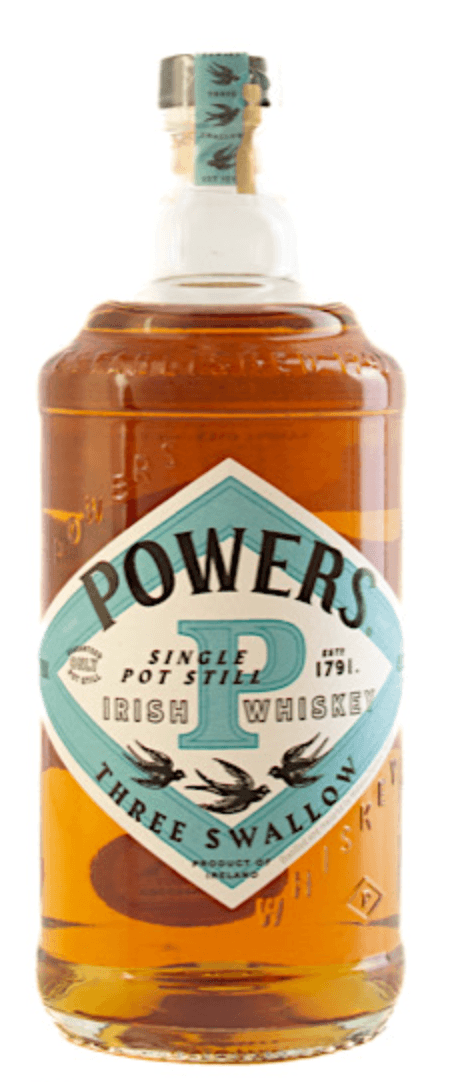
Powers Three Swallow Release
Irish Distillers / Pernod Ricard (Powers, est. 1791)
Powers’ obsession is pot still whiskey — the uniquely Irish style made from a mash of both malted and unmalted barley that produces a heavier, spicier, more characterful spirit than any other whiskey tradition on earth. When Irish whiskey collapsed in the twentieth century and blends took over, Powers never abandoned the pot still. The Three Swallow release takes its name from the quality mark that Powers’ tasters once stamped on approved casks — three swallows of whiskey, three stamps of approval. The 3% sherry component adds just enough dried fruit complexity to round the edges without softening the muscular pot still character. At $35–42, this is one of the most underpriced whiskeys in the world for what it delivers.
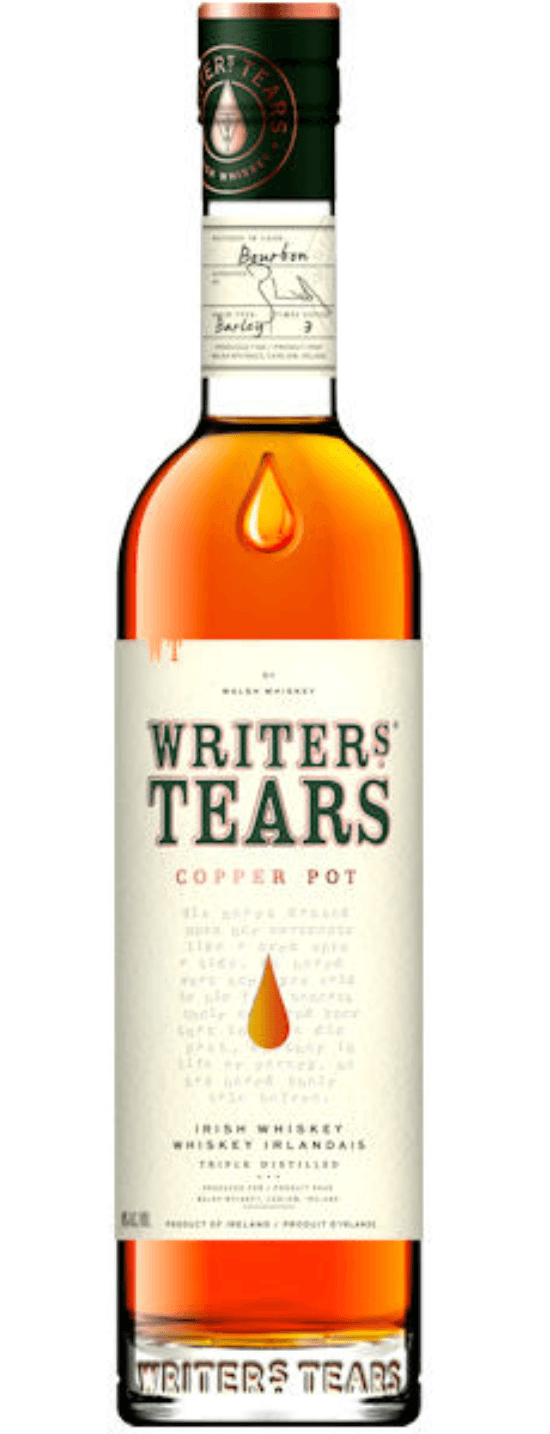
Writers’ Tears Copper Pot
Walsh Whiskey Distillery (Bernard & Rosemary Walsh, founders)
Writers’ Tears earns its literary name. Oscar Wilde, James Joyce, Brendan Behan — Irish writers and Irish whiskey have been inseparable for centuries, and the Walshes bottled that romance into something genuinely beautiful. The blend of single pot still and single malt creates a texture that’s both silky and spiced, with the unmalted barley adding the characteristic Irish “pot still bite” that gives it backbone. At under $40, it punches well above its price point and serves as a perfect introduction to what makes Irish whiskey different from Scotch.
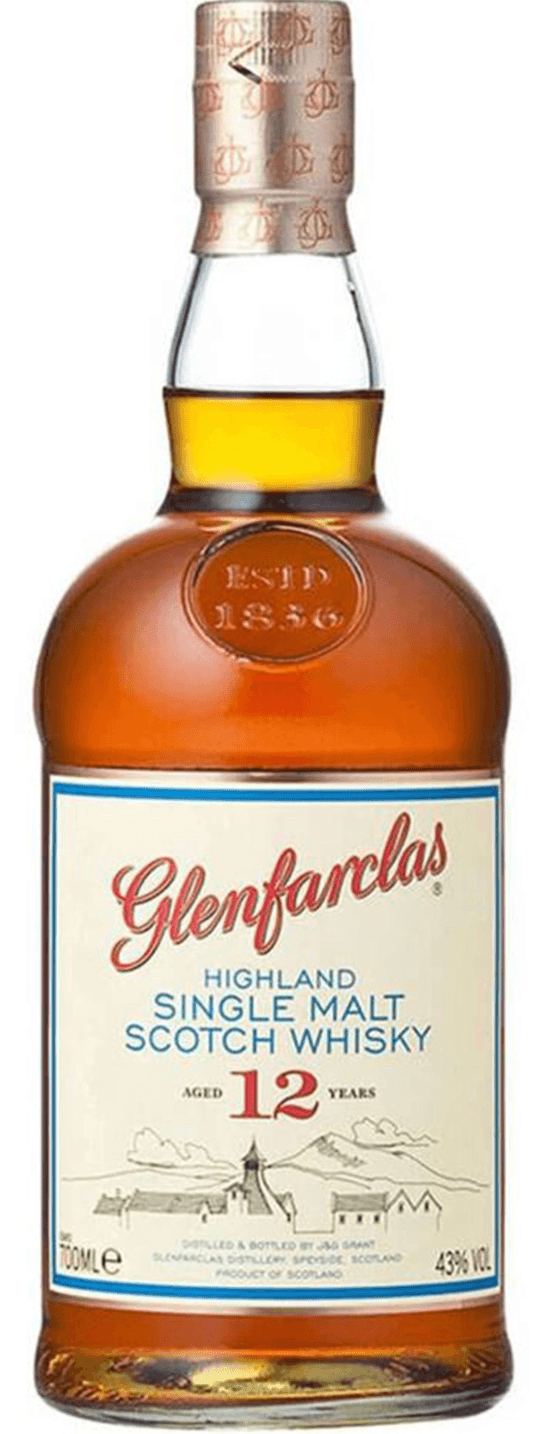
Glenfarclas 12 Year Old
J. & G. Grant (family-owned, 6th generation)
Glenfarclas is what happens when a family says “no” to trends. While other Speyside distilleries have chased younger consumers with NAS releases and cask finishes, the Grants have stayed stubbornly committed to sherry cask maturation and generous age statements. The 12 Year Old is the gateway — unapologetically sherried, rich, and full-bodied at a price that makes the big-name competitors look overpriced. The fact that they’ve resisted every takeover offer for 160 years tells you everything about their priorities.
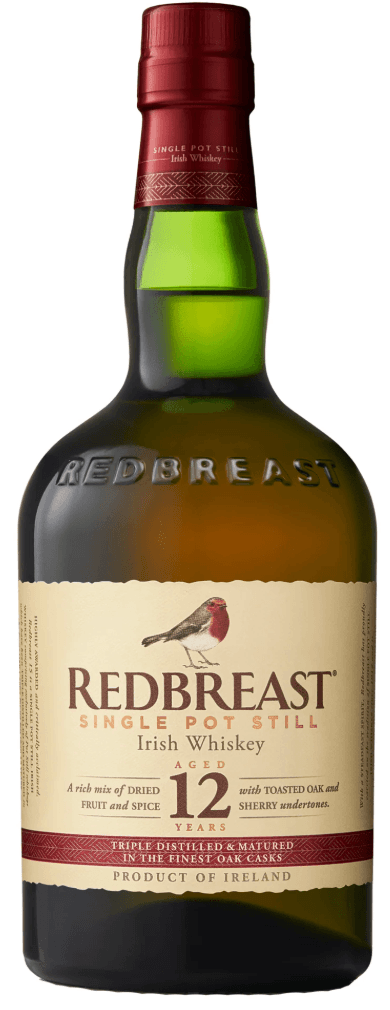
Redbreast 12 Year Old
Pernod Ricard (Irish Distillers)
Redbreast 12 is the definitive pot still Irish whiskey — the one that shows you what the fuss is about. The 50/50 split of malted and unmalted barley creates a texture that’s impossible to achieve with malt alone: creamy, spicy, and full-bodied in a way that triple distillation normally smooths out. The combination of ex-bourbon honey and sherry dried fruit is seamless. The name comes from a bird-loving Gilbeys chairman in 1912, but the whiskey itself has roots stretching back much further — it’s one of only two single pot still brands produced nearly continuously since the early 1900s.