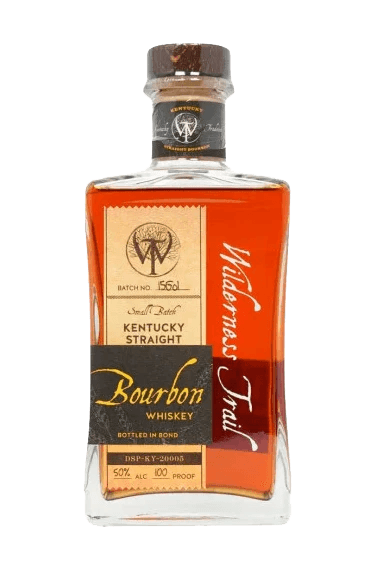
Wilderness Trail Small Batch Bottled in Bond
Wilderness Trail Distillery · Wilderness Trail Distillery, Danville, KY
Wilderness Trail is what happens when scientists build a distillery instead of inheriting one. The sweet mash process — fermenting with fresh yeast every batch rather than recycling spent mash — produces a remarkably clean, grain-forward bourbon that lets the wheat sing. At bottled-in-bond strength, it carries enough proof to deliver complexity without masking the delicate, biscuity sweetness that makes this wheated expression distinctive. This is bourbon as hypothesis confirmed.
Nose
Warm butterscotch and vanilla leap forward, followed by toasted wheat bread, gentle caramel, and a hint of orchard fruit.
Palate
Creamy and full-bodied with layers of caramel, soft wheat, and baking spice. The sweet mash process delivers a notably clean, bright grain character with none of the sour tang of traditional sour mash.
Finish
Medium-long with lingering butterscotch, toasted oak, and a gentle warmth that fades into sweet corn and vanilla.
- Mash Bill
- 64% Corn, 24% Wheat, 12% Malted Barley
Cocktail Suggestion
Cocktail — The Lab Rat: 2 oz Wilderness Trail BiB, 0.75 oz honey syrup, 0.5 oz fresh lemon juice, 2 dashes Angostura bitters. Shake with ice, strain into a coupe, garnish with a lemon twist.
Food Pairing
Pair with: Vanilla bean panna cotta with salted caramel drizzle — the dessert mirrors the bourbon's butterscotch sweetness while the salt lifts the wheat character.
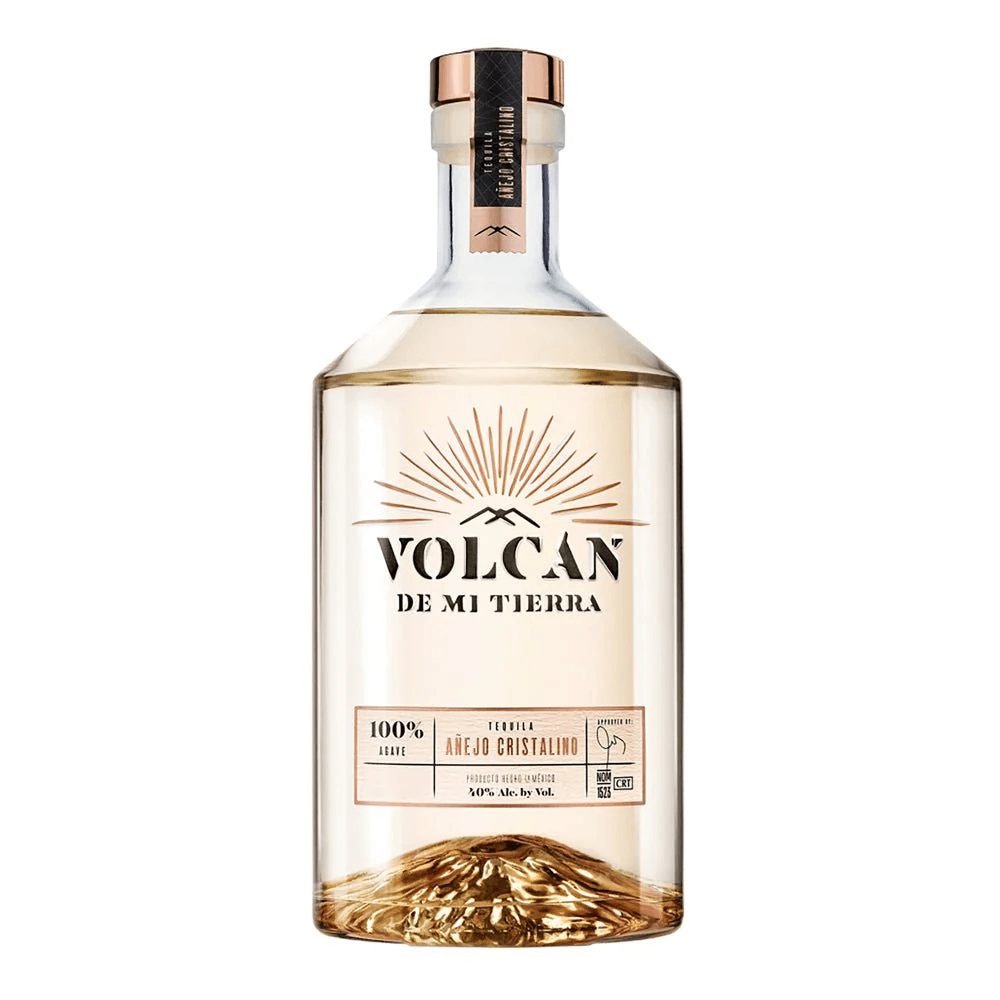
Volcán De Mi Tierra Cristalino
Moët Hennessy (LVMH)
The cristalino category is itself an experiment — the proposition that you can age a tequila for years, develop all that barrel complexity, then strip away the amber color through charcoal filtration without losing what the barrels gave you. Volcán De Mi Tierra pushes the experiment further by blending two different aged expressions from two different barrel types before filtering. The result is a tequila that looks like a blanco but drinks like an añejo — an optical illusion in a glass, and a compelling argument that color tells you far less about a spirit than you think.
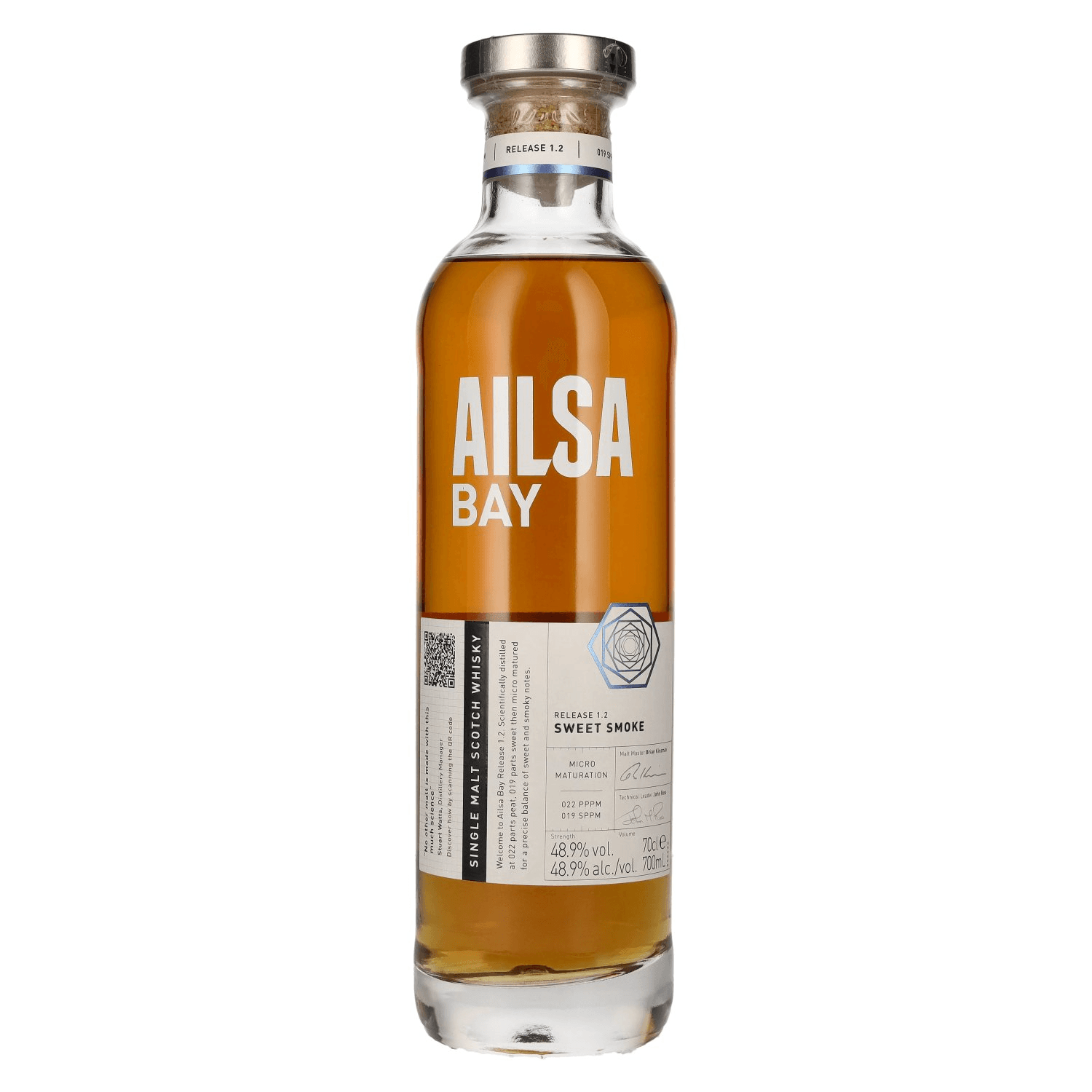
Ailsa Bay Sweet Smoke
William Grant & Sons
Ailsa Bay is a whisky designed by measurement. Malt Master Brian Kinsman assigned each batch a sweetness score (measured in SPPM — sweet parts per million) and a smoke score (measured in phenol PPM), then balanced the two until they achieved equilibrium — a concept he calls Sweet Smoke. The result is unlike heavily peated Islay malts or gentle Speyside drams. It occupies a middle ground that didn't exist before Kinsman built it: controlled peat that enhances rather than dominates, supported by vanilla and honey from the micro-maturation protocol in small Hudson Baby Bourbon barrels. This is Scotch as controlled experiment.
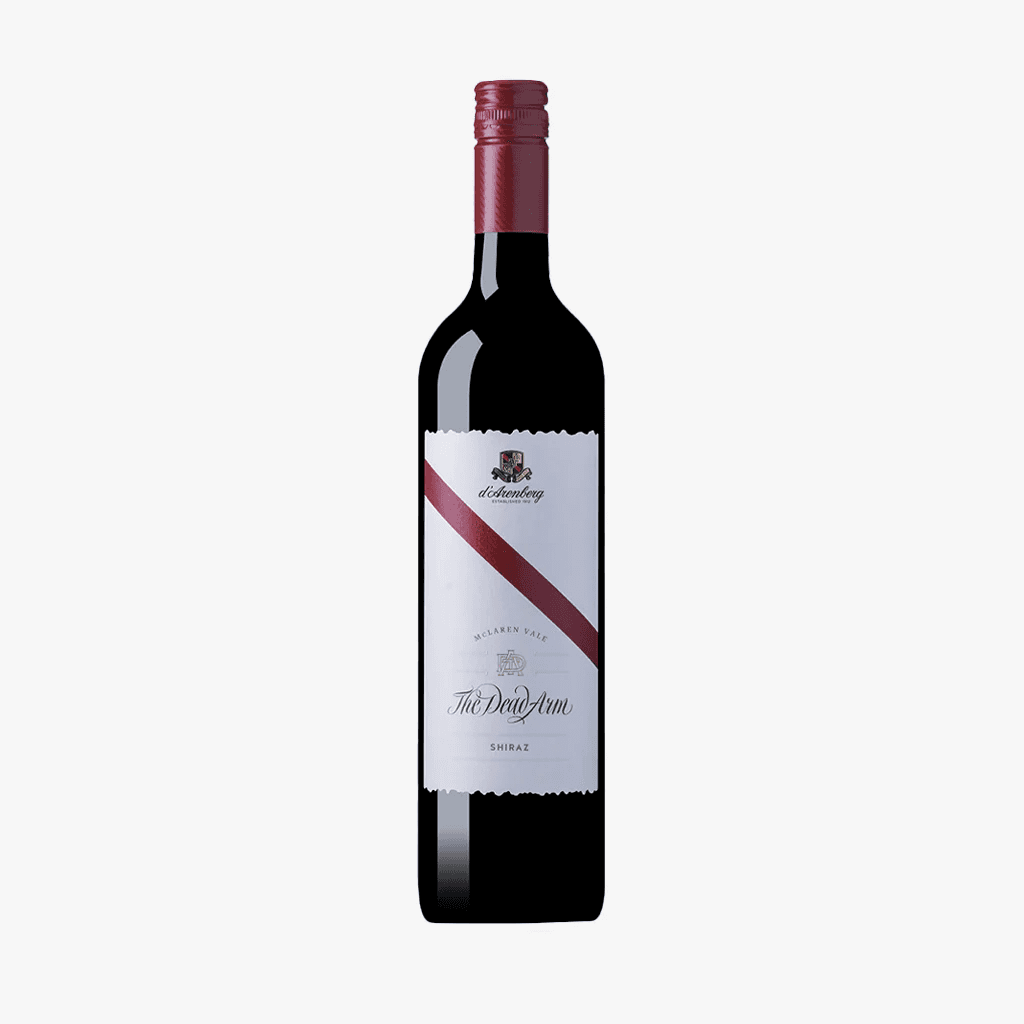
d'Arenberg The Dead Arm Shiraz 2019
d'Arenberg Pty Ltd
The Dead Arm is an experiment in turning disaster into distinction. Most growers would rip out vines afflicted with Eutypa lata, but Chester Osborn saw what the disease did to the surviving fruit — concentrated it, intensified it, made it something a healthy vine could never produce. The resulting wine is enormously concentrated without being heavy, packed with dark fruit and cedar but retaining the savory, earthy character that marks great McLaren Vale Shiraz. It's a reminder that some of the best things in wine happen when nature forces the maker's hand.
Gravner Ribolla Gialla 2015
Gravner
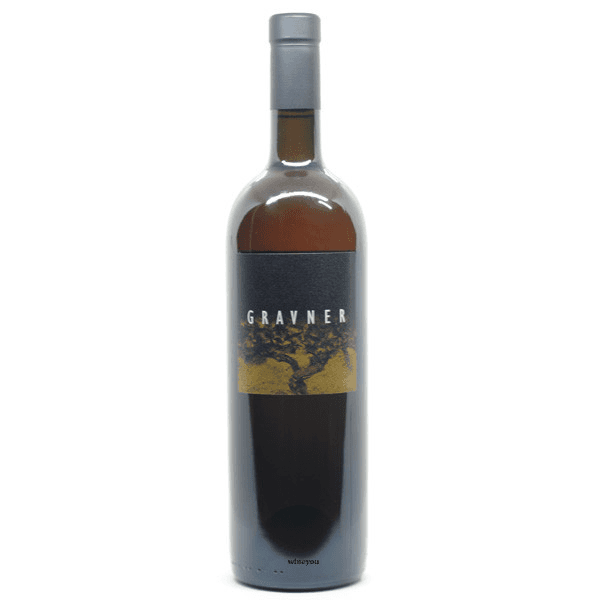
Gravner's experiment was the most radical in this lineup: he didn't tweak a process or add an ingredient — he threw away thirty years of modern winemaking and started over with seven-thousand-year-old technology. The Ribolla Gialla spends months on its skins in buried amphorae, developing a tannic structure and amber color that no conventional white wine possesses. Then it rests for six years in large oak before release. The result is a wine that defies categorization — not white, not red, not rosé, but something ancient and entirely its own. It proved that the oldest methods in winemaking weren't primitive — they were ahead of their time.
Old Grand-Dad 114
Beam Suntory
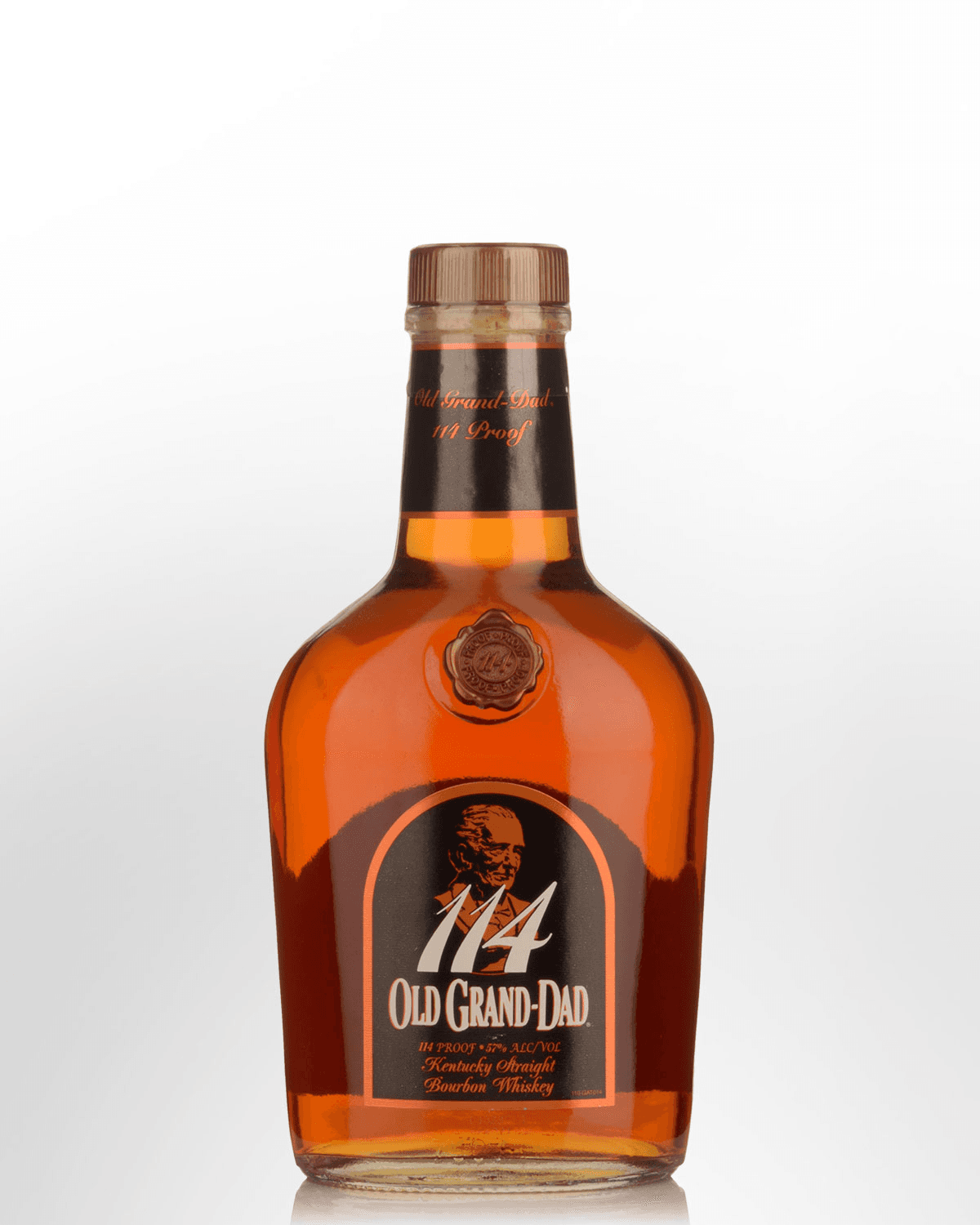
Old Grand-Dad 114 is the thinking drinker's value bourbon — a bottle that punches so far above its price point it almost feels like a mistake. That 27% rye mash bill, nearly double the industry average, gives it a backbone of spice that would overwhelm a lesser whiskey, but here it serves as architecture for layers of caramel, chocolate, and charred oak to hang upon. The high proof isn't a gimmick — it's a magnifying glass, amplifying nuances that lower-proof expressions wash away. At under thirty-five dollars, this is a bottle that seasoned bourbon drinkers quietly recommend to one another.
Wild Turkey Rare Breed
Campari Group
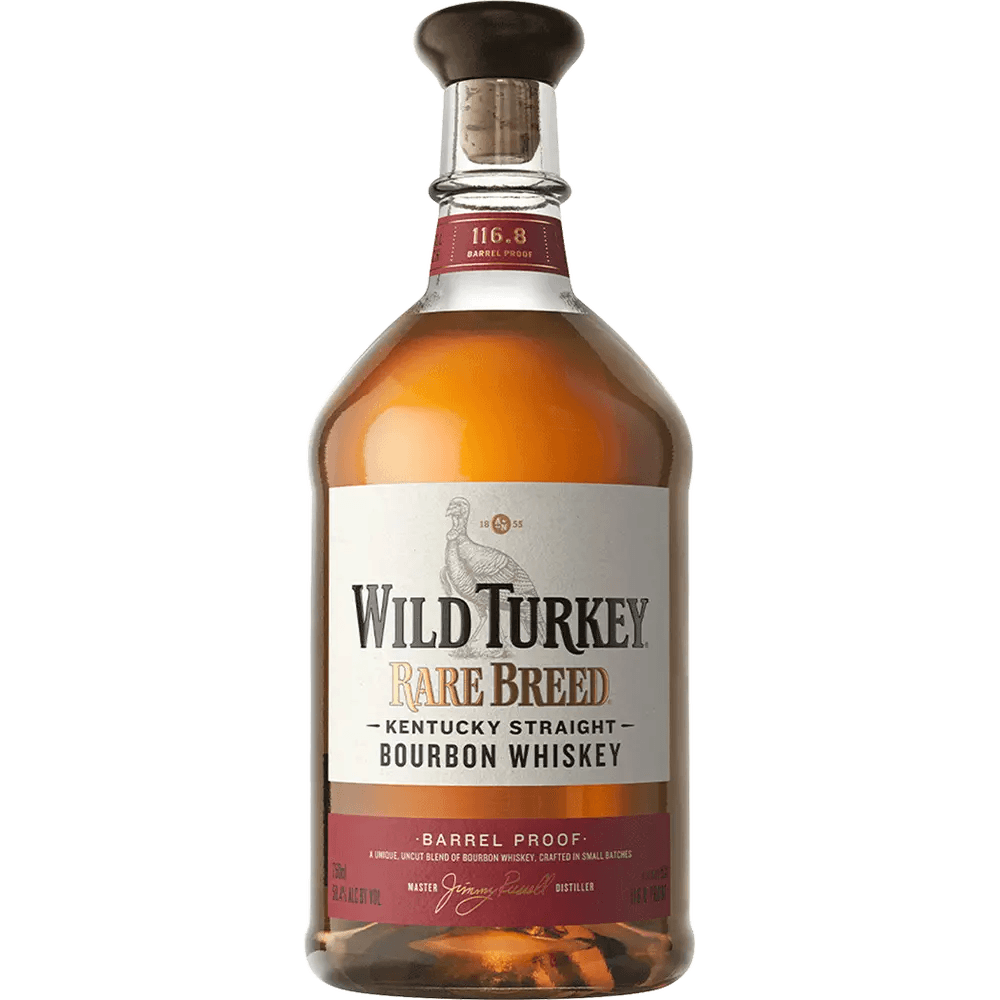
Wild Turkey Rare Breed is the bourbon that seasoned drinkers quietly recommend to one another while the rest of the world camps outside liquor stores for allocated bottles. Eddie Russell, who has spent over four decades at the distillery alongside his father Jimmy, blends six-, eight-, and twelve-year-old stocks into a barrel-proof expression that delivers complexity most bourbons only hint at. At roughly fifty dollars, Rare Breed competes with — and frequently outperforms — bottles selling for three and four times its price. The 116.8 proof is not a gimmick; it is the natural strength of the bourbon itself, carrying every nuance of the aging process without dilution. If you have been chasing hype, stop. This is the bottle that was waiting for you all along.
Rabbit Hole Dareringer
Pernod Ricard
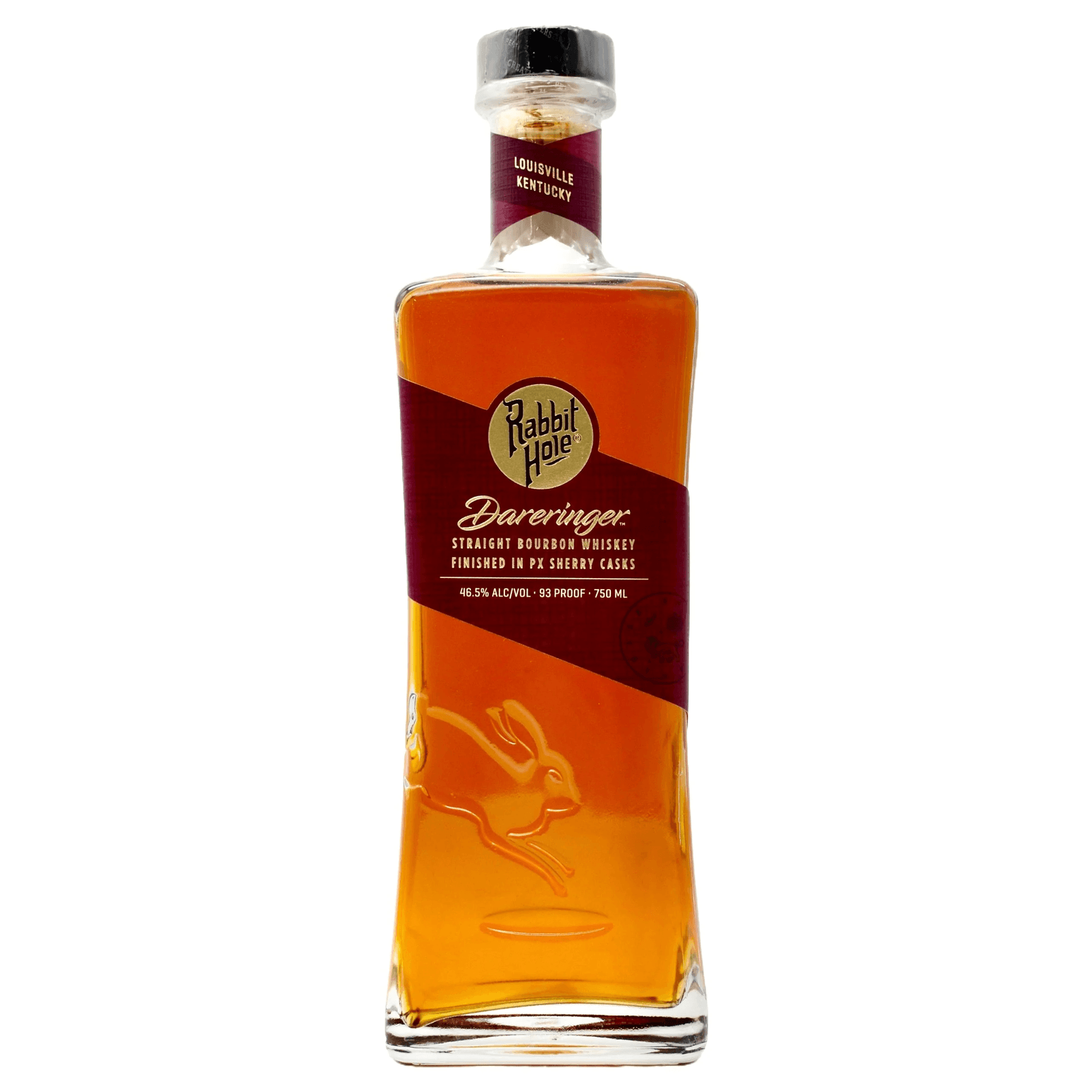
Rabbit Hole Dareringer is the flavor of migration itself. Kaveh Zamanian’s journey from Tehran to Louisville mirrors the bourbon’s own passage through Spanish PX sherry casks—each crossing adding layers that neither origin could produce alone.
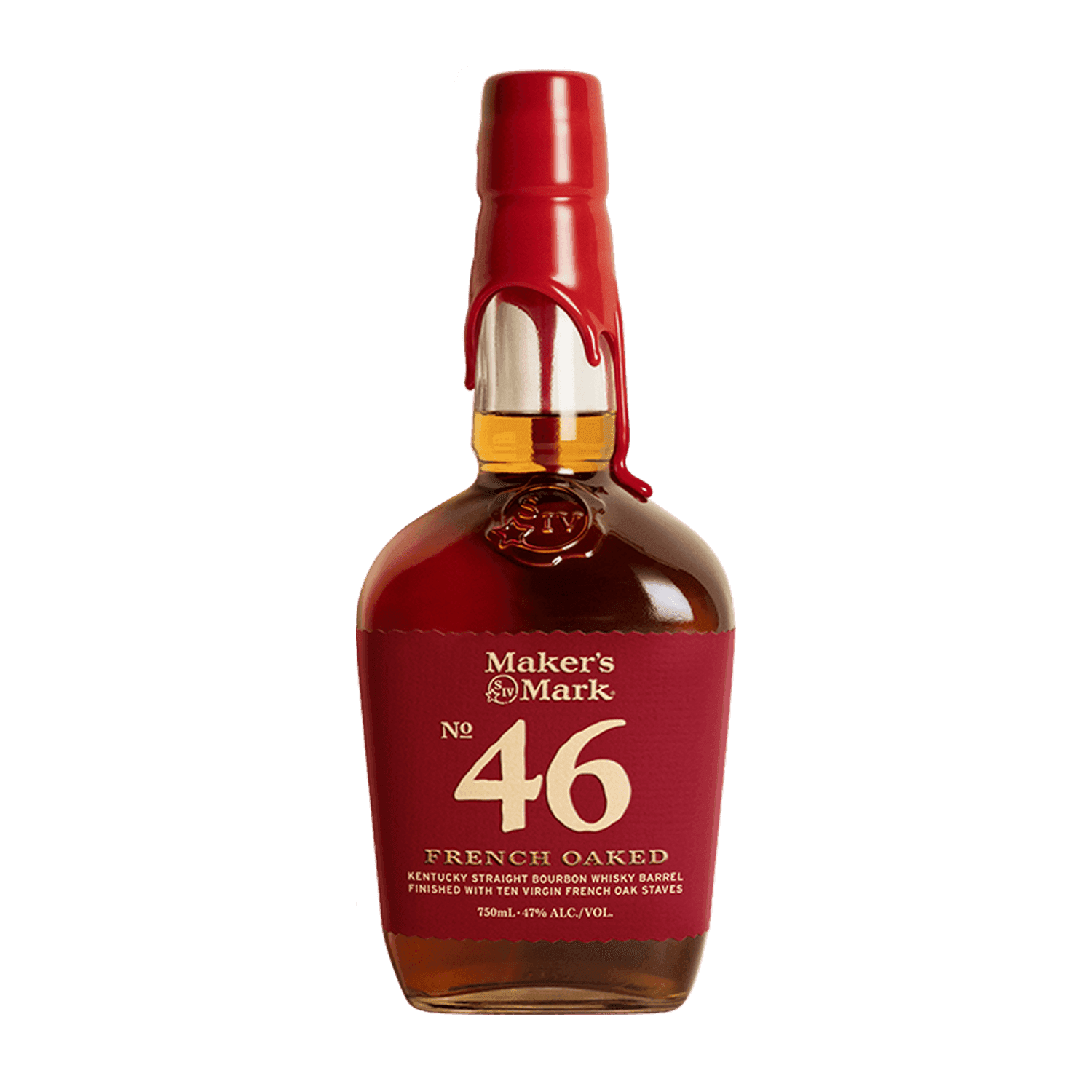
Maker's Mark 46
Beam Suntory
The 46 is a masterclass in what fire can add. Those ten seared French oak staves — Stave Profile No. 46, the one that gave this bourbon its name — transform a familiar wheated bourbon into something richer, spicier, and more complex, without losing the soft, approachable character that made Maker's Mark famous in the first place.