Aroma
Vanilla
28 bottles with this note
Train this aroma
Bourbon Aroma Kit
Develop your palate with the canonical reference for vanilla and related notes.

Old Elk Straight Bourbon Whiskey
Old Elk
Old Elk's high-malt mash bill gives it a grain-forward personality that favors texture over heat. It drinks like a bourbon designed for contemplation rather than celebration. A compelling Colorado entry that earns its place through deliberateness, not volume.
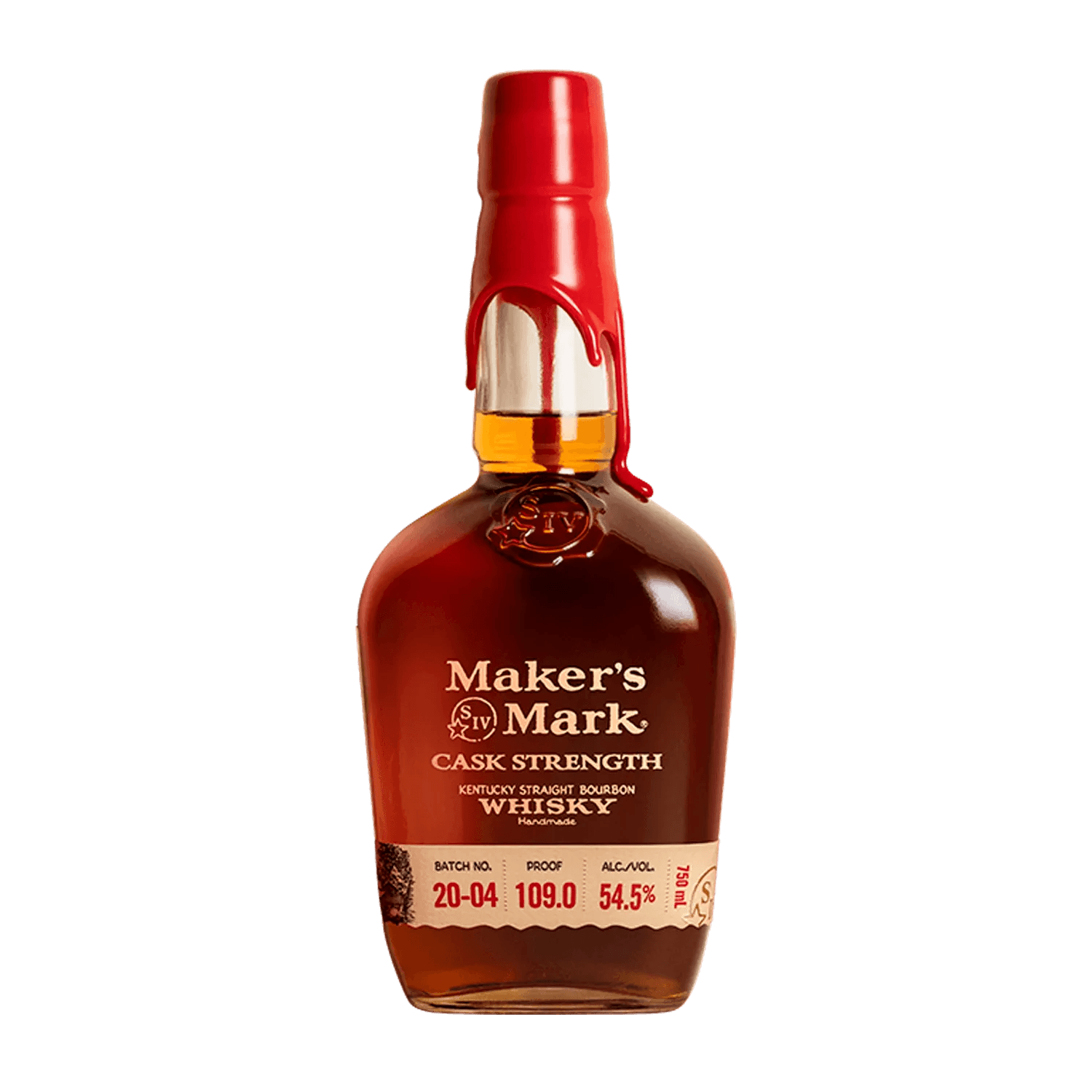
Maker's Mark Cask Strength
Beam Suntory
Maker's Mark Cask Strength is the same wheated bourbon the distillery has made since 1958 — pulled out of the barrel and bottled without water. No dilution means no muting: the caramel is darker, the wheat is rounder, and the oak is fuller than the standard bottling.
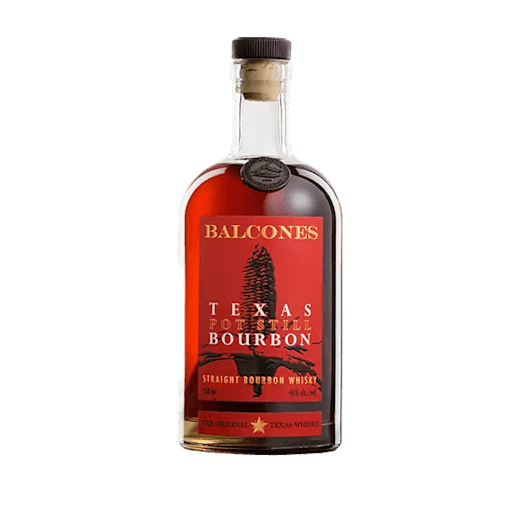
Balcones Texas Pot Still Bourbon
Balcones Distilling
Balcones Texas Pot Still is what happens when a distillery decides that 'grain-to-glass' is a promise, not a slogan. Malting their own roasted blue corn in-house is not a shortcut anyone takes — it's expensive, labor-intensive, and demands expertise most distilleries don't have. The reward is a bourbon with a genuinely unmistakable profile: the nutty, brown-sugar sweetness of roasted heirloom corn that you simply cannot buy from an industrial malt house. At under fifty dollars, this is estate-distilled Texas bourbon from a distillery that controls every variable from seed to seal.
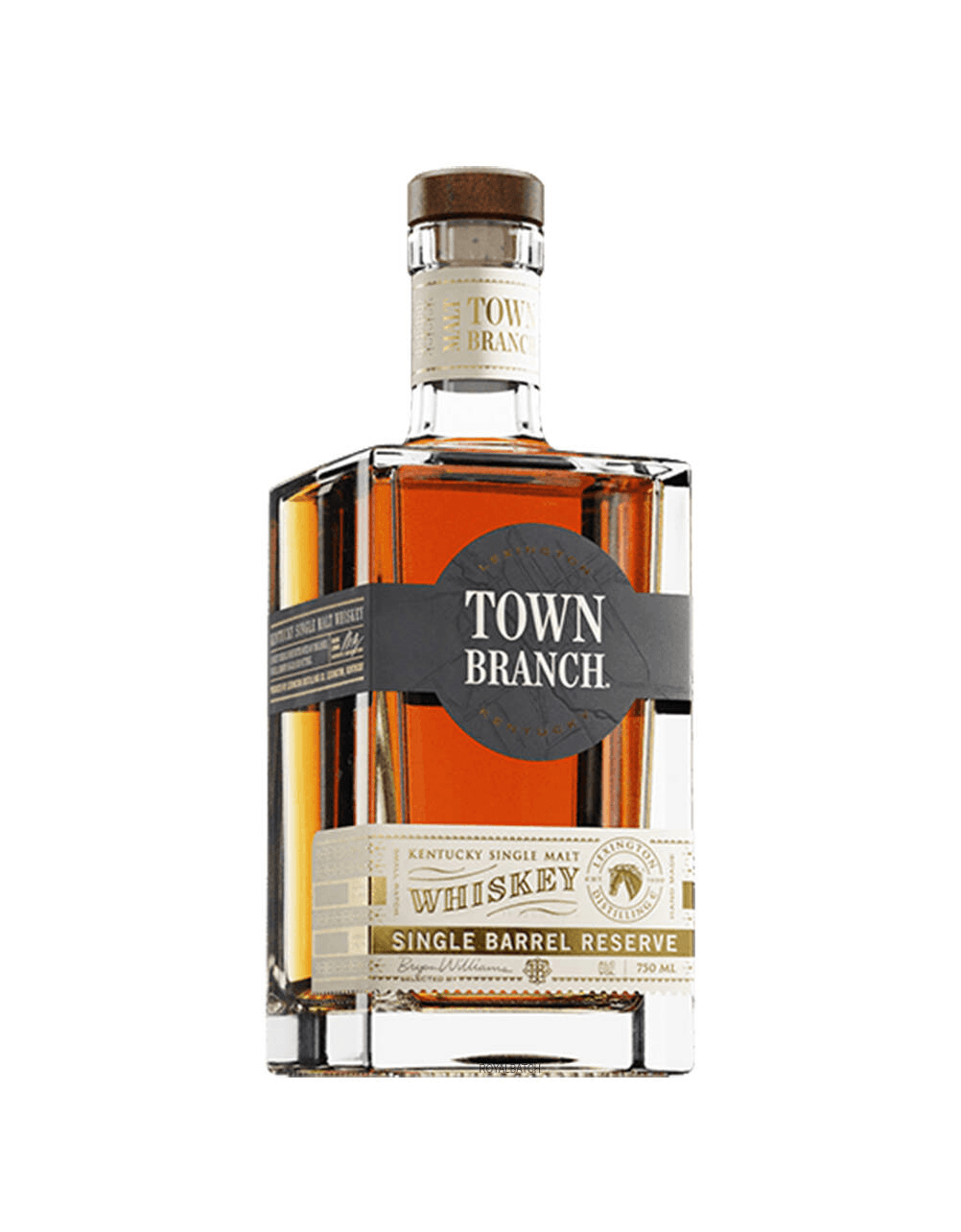
Town Branch Single Barrel Reserve Bourbon
Alltech / Lexington Brewing and Distilling Co.
Town Branch Single Barrel Reserve is a bourbon that wears its geology on its sleeve. Where many cask-strength offerings overwhelm with heat, this one delivers power with poise — the limestone-filtered water creating a mineral backbone that keeps the caramel and oak in check. It's a bourbon that rewards patience: give it ten minutes in the glass and the nose opens into layers of butterscotch, dried fruit, and toasted corn that you'd miss if you rushed. At its price point, it competes with bottles twice its cost, and it's a compelling argument that Kentucky's most important ingredient isn't corn — it's stone. Cocktail — "The Limestone Old Fashioned": Muddle a sugar cube with 2 dashes Angostura bitters and a splash of branch water. Add 2 oz Town Branch Single Barrel Reserve, stir with a large ice cube for 30 seconds. Express an orange peel over the glass and garnish. The mineral quality of this bourbon makes it an exceptional Old Fashioned base — the stone-filtered water character amplifies the bitters.
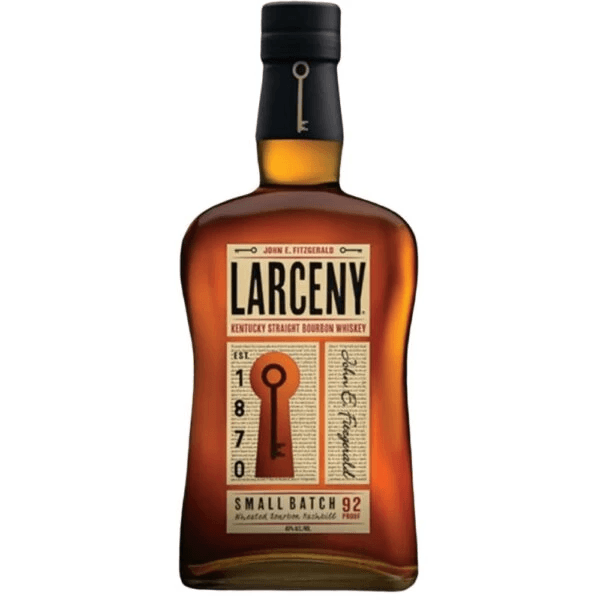
Larceny Small Batch
Heaven Hill Brands
Larceny Small Batch is the proving ground for a simple but powerful proposition: wheat belongs in bourbon. While the industry built its identity around rye's sharp, spicy bite, Heaven Hill quietly perfected a recipe that replaces assertiveness with grace. At 92 proof and under thirty dollars, this is a bourbon that punches above its price with a texture and drinkability that more expensive bottles struggle to match. It is living proof that softness is not weakness — it is a choice, and a confident one. Cocktail — The Fitzgerald Sour: 2 oz Larceny Small Batch, 0.75 oz fresh lemon juice, 0.5 oz honey syrup, 2 dashes Angostura bitters. Shake with ice and strain into a coupe. Garnish with a lemon wheel. The wheat bourbon's natural sweetness marries beautifully with the honey, creating a sour that is all silk.
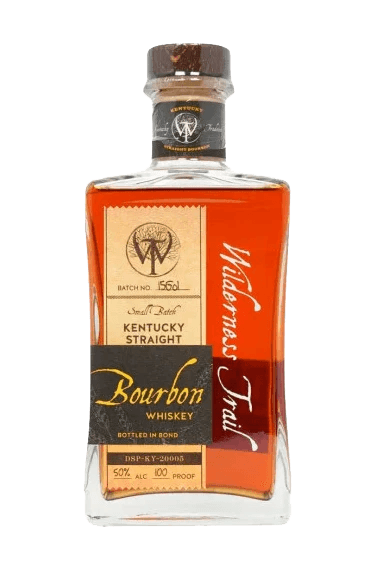
Wilderness Trail Small Batch Bottled in Bond
Wilderness Trail Distillery
Wilderness Trail is what happens when scientists build a distillery instead of inheriting one. The sweet mash process — fermenting with fresh yeast every batch rather than recycling spent mash — produces a remarkably clean, grain-forward bourbon that lets the wheat sing. At bottled-in-bond strength, it carries enough proof to deliver complexity without masking the delicate, biscuity sweetness that makes this wheated expression distinctive. This is bourbon as hypothesis confirmed.
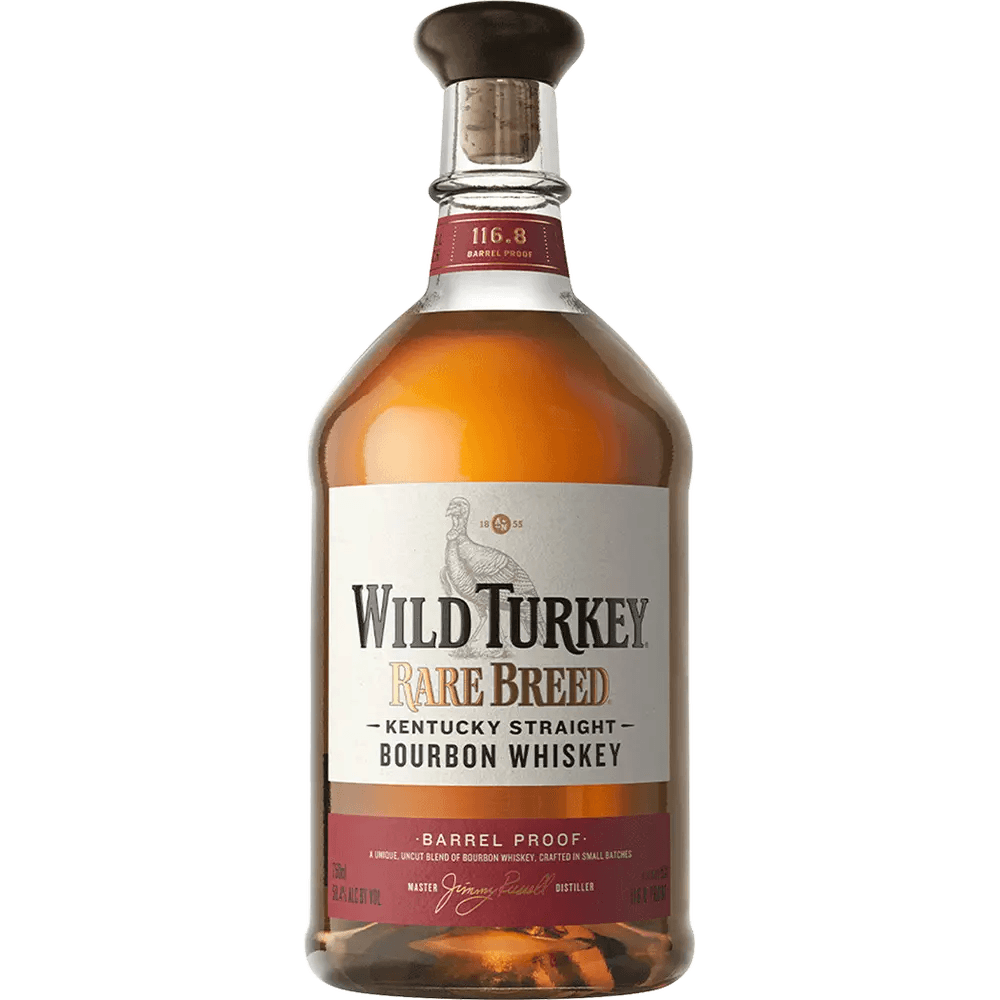
Wild Turkey Rare Breed
Campari Group
Wild Turkey Rare Breed is the bourbon that seasoned drinkers quietly recommend to one another while the rest of the world camps outside liquor stores for allocated bottles. Eddie Russell, who has spent over four decades at the distillery alongside his father Jimmy, blends six-, eight-, and twelve-year-old stocks into a barrel-proof expression that delivers complexity most bourbons only hint at. At roughly fifty dollars, Rare Breed competes with — and frequently outperforms — bottles selling for three and four times its price. The 116.8 proof is not a gimmick; it is the natural strength of the bourbon itself, carrying every nuance of the aging process without dilution. If you have been chasing hype, stop. This is the bottle that was waiting for you all along.
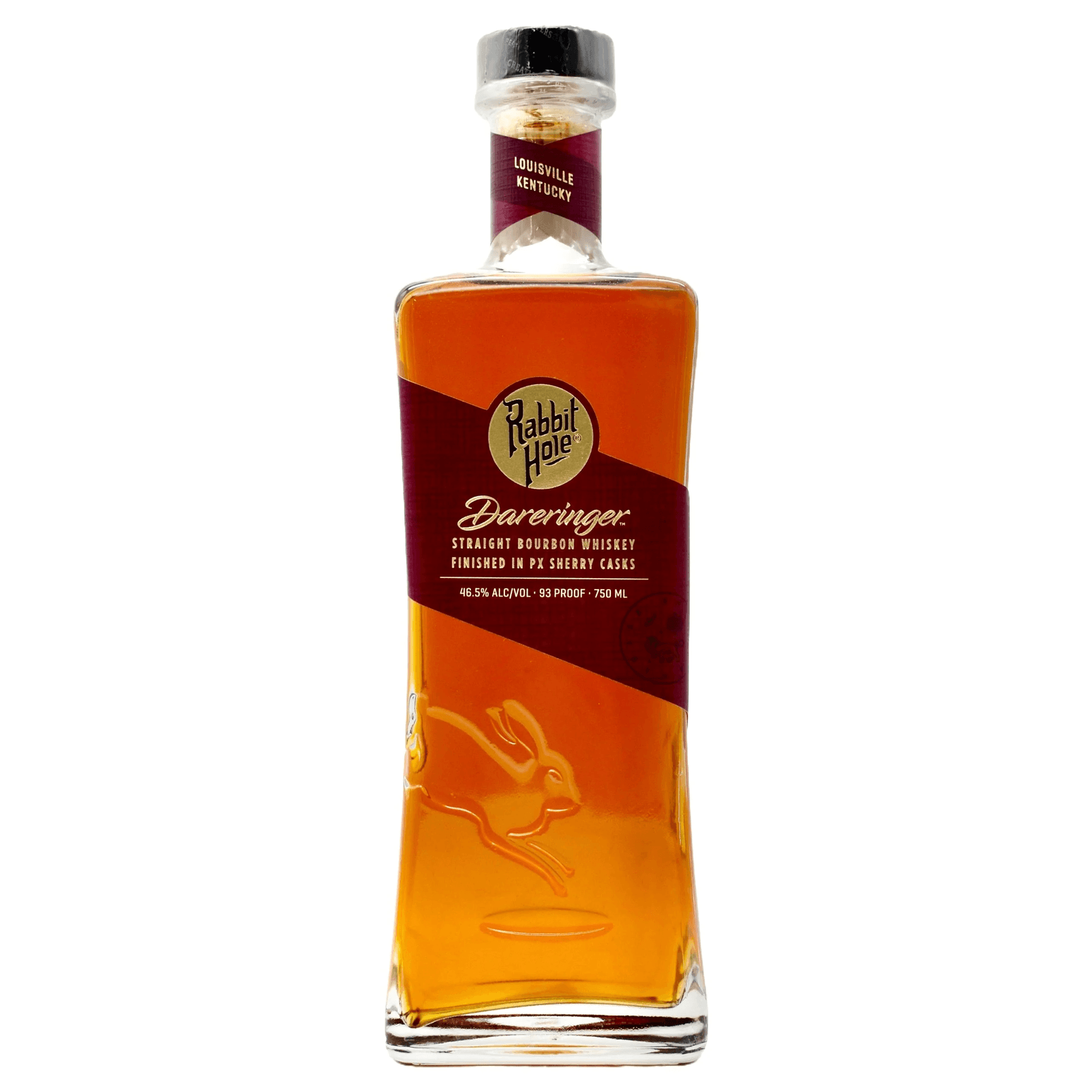
Rabbit Hole Dareringer
Pernod Ricard
Rabbit Hole Dareringer is the flavor of migration itself. Kaveh Zamanian’s journey from Tehran to Louisville mirrors the bourbon’s own passage through Spanish PX sherry casks—each crossing adding layers that neither origin could produce alone.
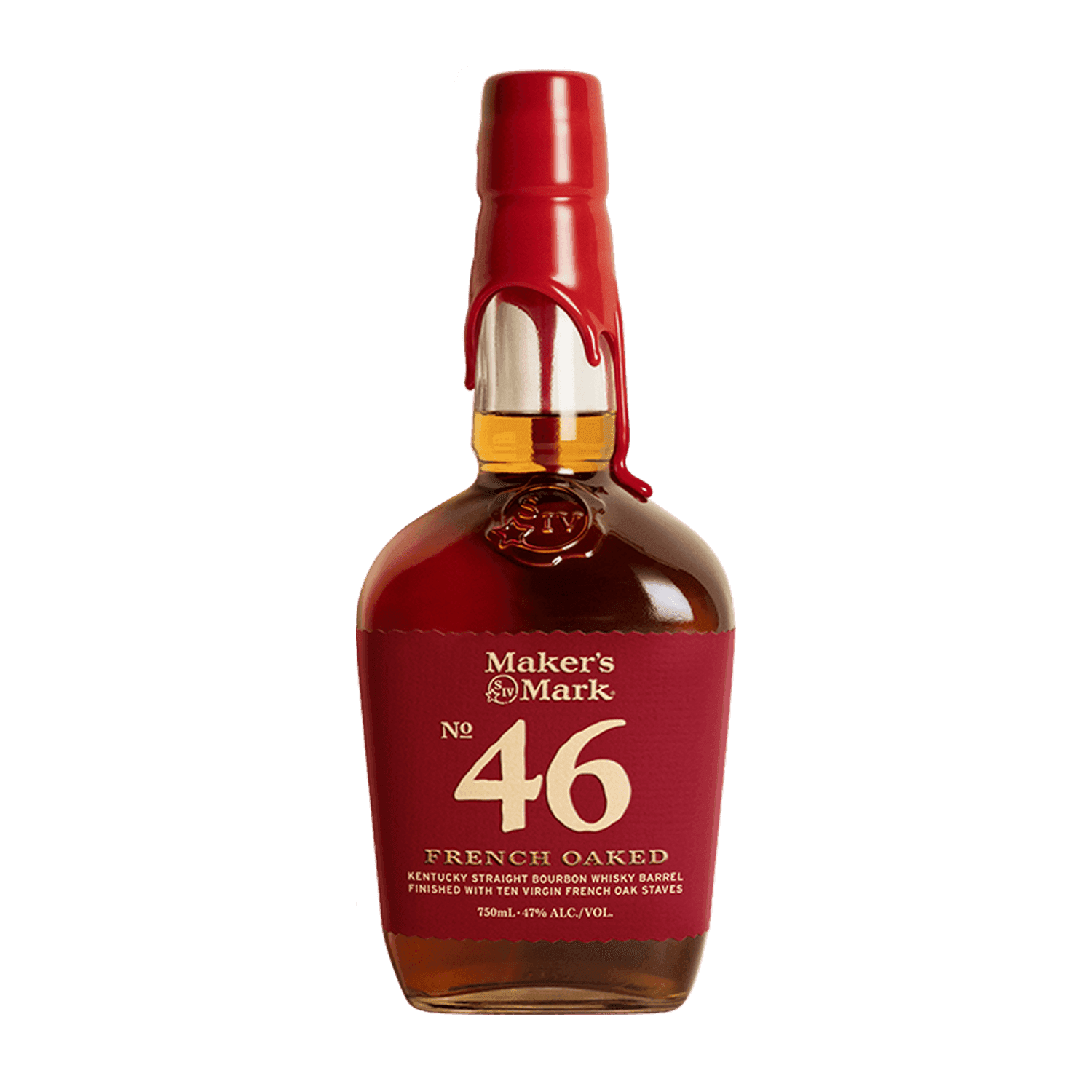
Maker's Mark 46
Beam Suntory
The 46 is a masterclass in what fire can add. Those ten seared French oak staves — Stave Profile No. 46, the one that gave this bourbon its name — transform a familiar wheated bourbon into something richer, spicier, and more complex, without losing the soft, approachable character that made Maker's Mark famous in the first place.
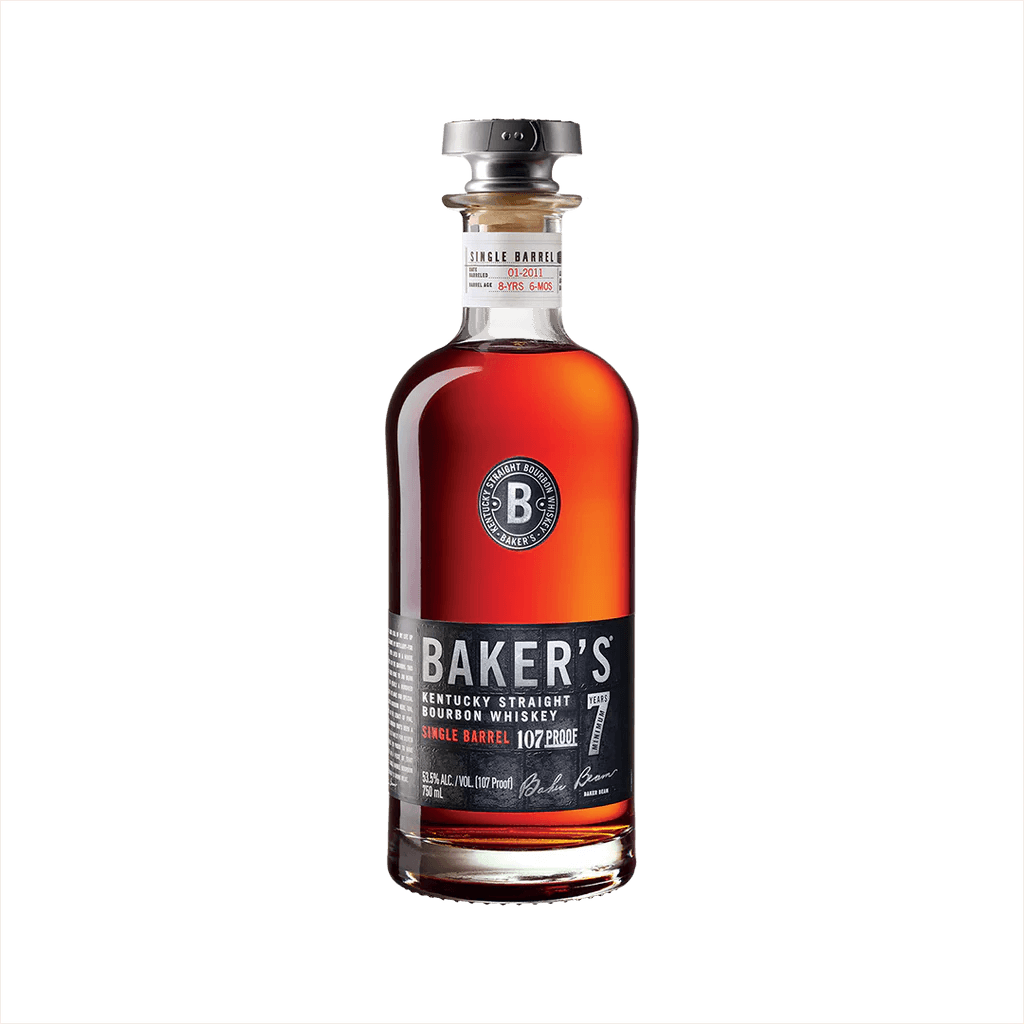
Baker's 7 Year Old Single Barrel
Beam Suntory
Baker's 7 is the bourbon that proves the Beam family's small batch experiment was not a marketing exercise. While Knob Creek went for age, Booker's for barrel proof, and Basil Hayden's for approachability, Baker Beam chose texture — a uniquely full-bodied, oily mouthfeel that feels like liquid velvet at 107 proof.
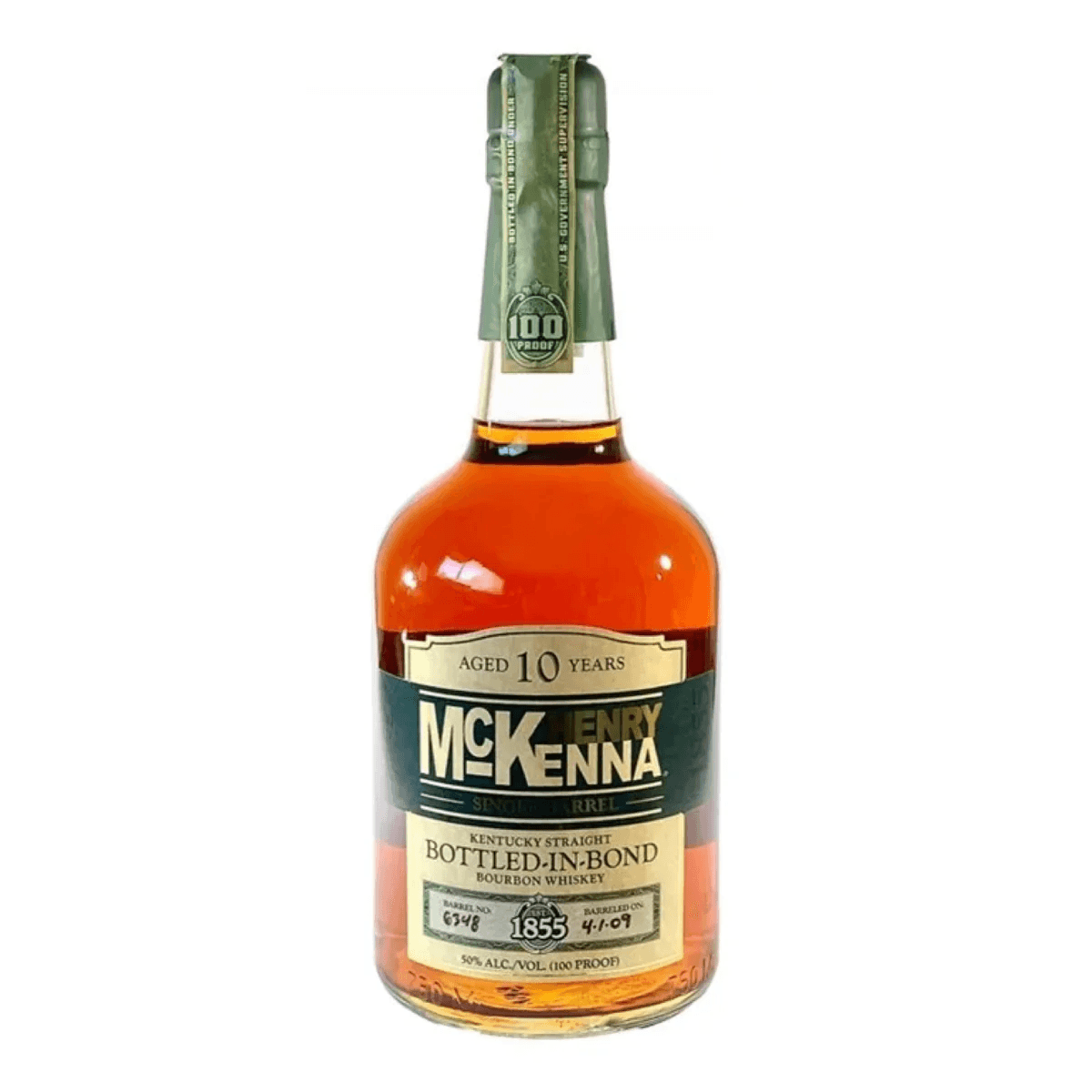
Henry McKenna 10 Year Old Single Barrel
Heaven Hill Brands
Henry McKenna 10 is the quiet overachiever of American whiskey — a bottled-in-bond single barrel that costs less than many blended bourbons.
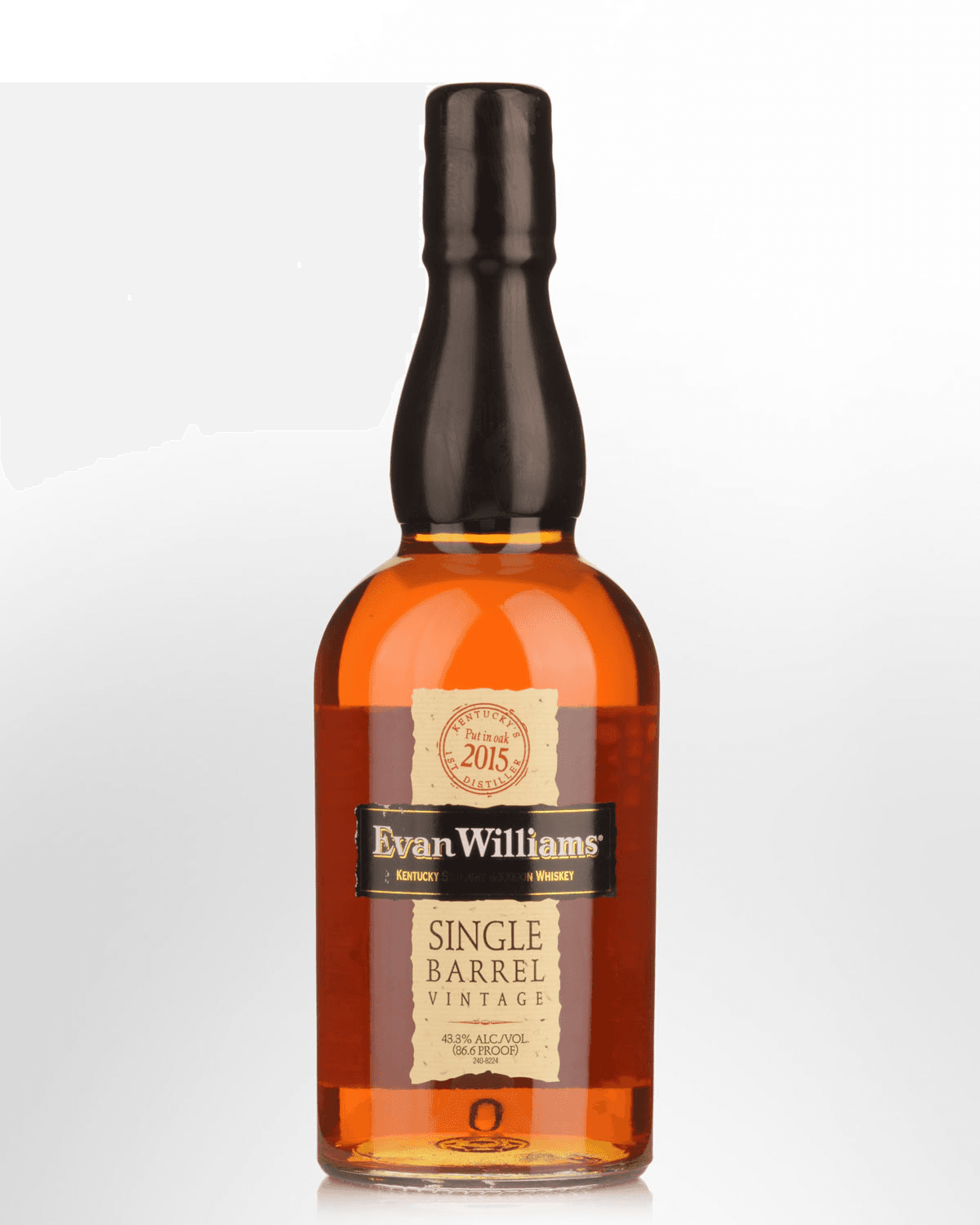
Evan Williams Single Barrel Vintage
Heaven Hill Brands
Evan Williams Single Barrel proves that extraordinary bourbon doesn't require an extraordinary price tag. Heaven Hill's barrel selection program is an exercise in architectural precision — each vintage is chosen from specific warehouse positions where temperature swings and airflow create optimal aging conditions. The result is a bourbon with the kind of coherent structure you'd expect at twice the price: honeyed sweetness scaffolded by oak, grain character providing the foundation, spice adding the finishing detail. It's a blueprint for what single-barrel selection can accomplish.
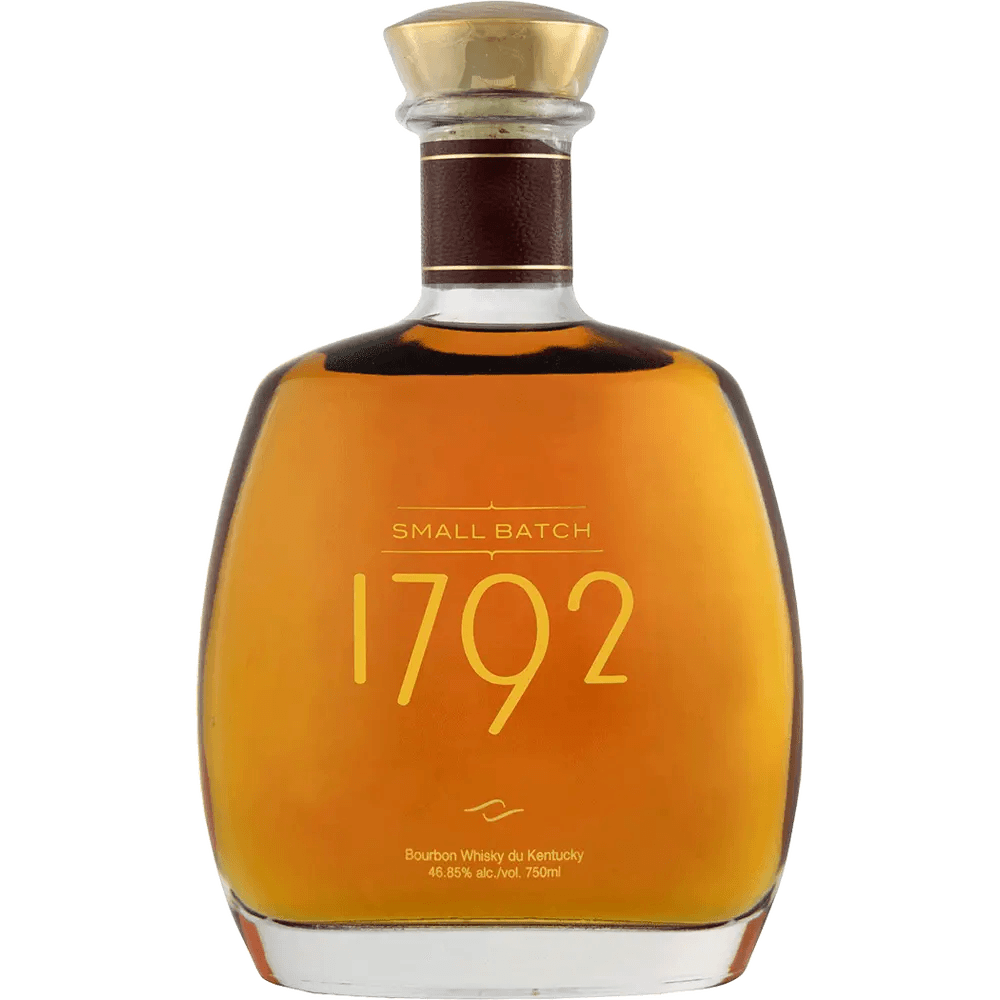
1792 Small Batch Kentucky Straight Bourbon
Sazerac Company
1792 Small Batch is a bourbon that punches well above its price point. The high-rye mash bill gives it a spice-forward character that balances beautifully against the caramel sweetness, and at 93.7 proof it delivers flavor without overwhelming heat. The Barton 1792 Distillery, which has been producing spirits in Bardstown since 1879, brings a quiet consistency to this bottle — heritage you can taste in every sip.
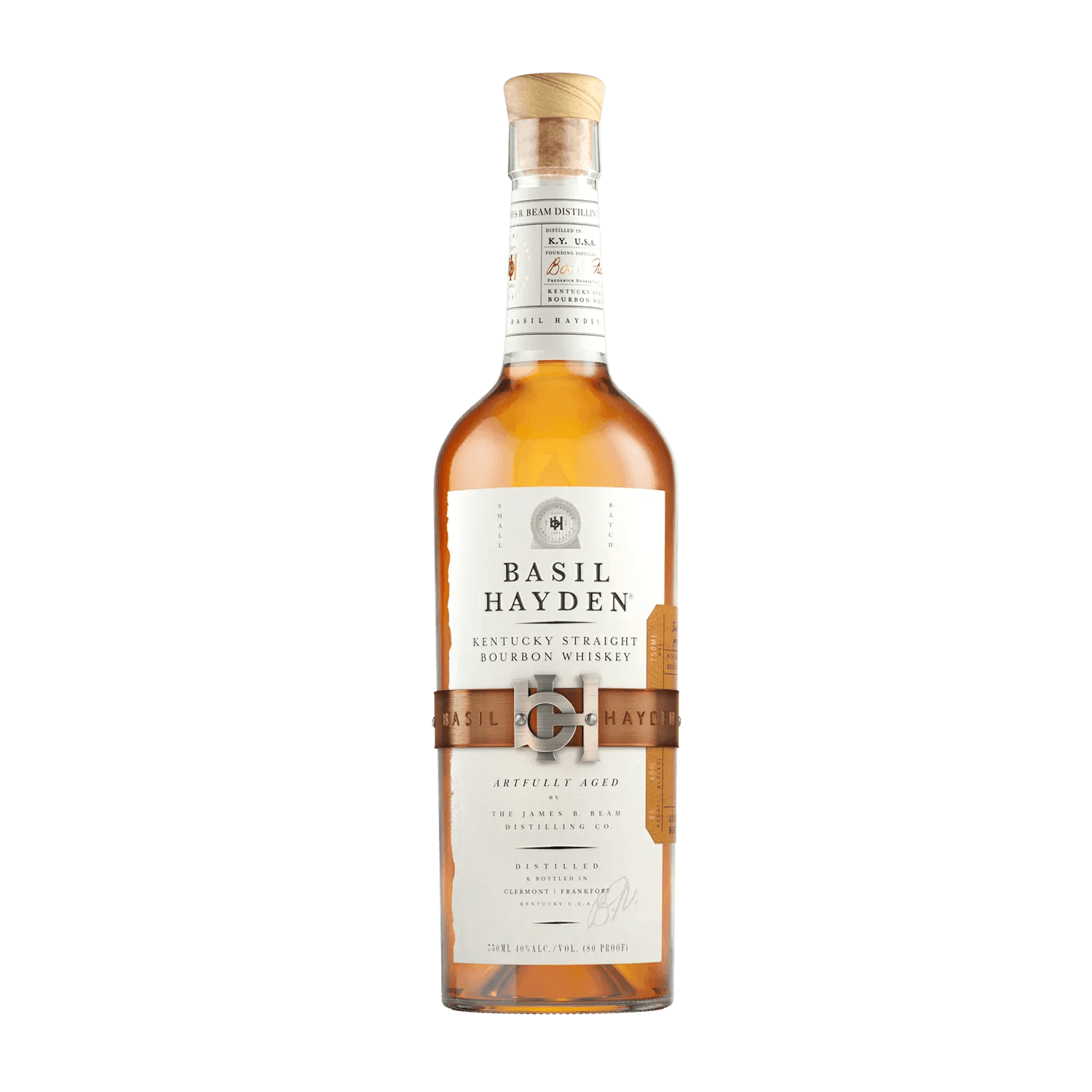
Basil Hayden’s Kentucky Straight Bourbon
Beam Suntory
Basil Hayden’s is a quiet argument for restraint. Where so many bourbons muscle their way forward with proof and sweetness, this one leads with the grain blend itself — that generous 27% rye lifting everything around it.
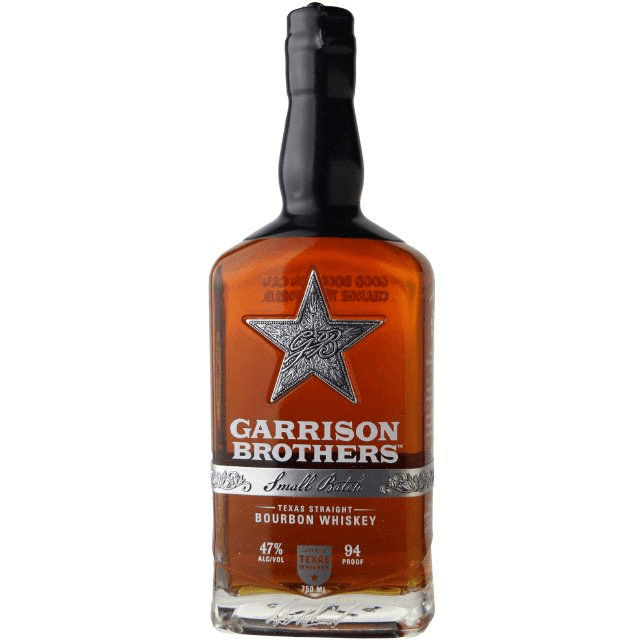
Garrison Brothers Small Batch Texas Straight Bourbon
Garrison Brothers Distillery
Garrison Brothers makes a convincing case that exceptional bourbon doesn't require a Kentucky zip code. The Texas climate does what years of barrel rotation cannot — it pushes the spirit hard against new oak from the first summer, extracting a depth of caramel and vanilla that rivals aged Kentucky expressions at twice the price. The Small Batch is approachable enough for newcomers and complex enough to challenge experienced palates. This is the bourbon that makes you reconsider every assumption about terroir and tradition.
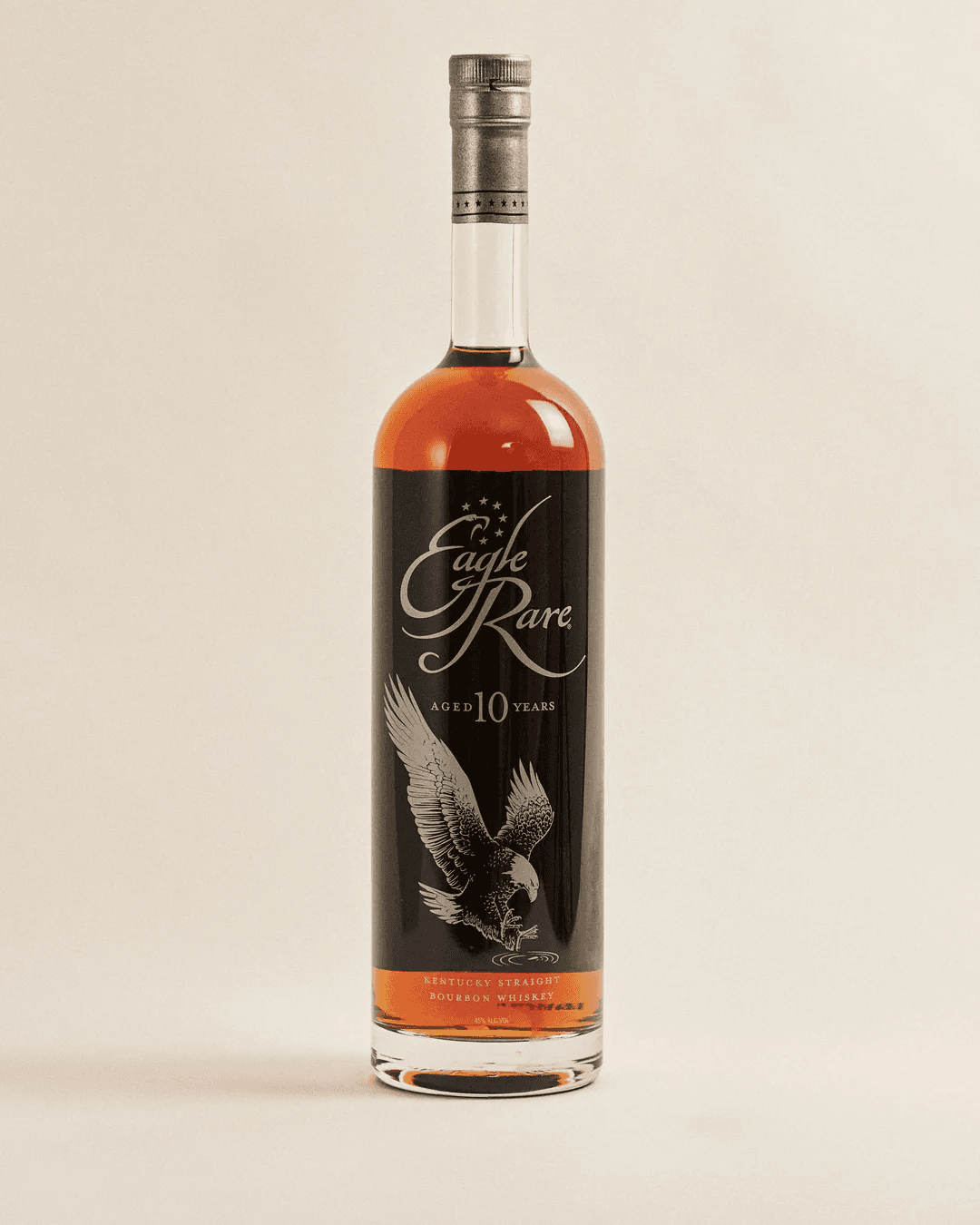
Eagle Rare 10 Year Old
Sazerac Company
Eagle Rare is one of the most remarkable values in American whiskey — a single barrel bourbon that offers the complexity of releases costing twice as much. Harlen Wheatley's barrel selection philosophy is evident in every sip: each bottle is the product of deliberate, patient selection from barrels that have earned the Eagle Rare designation over a full decade of aging.
Michter's US*1 Small Batch Bourbon
Michter's Distillery LLC
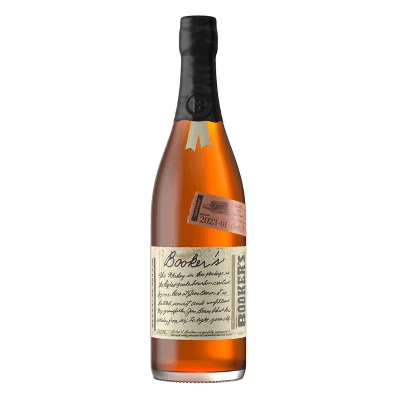
Booker's Bourbon
Beam Suntory
Booker's Bourbon was the original rebel yell of American whiskey — barrel-proof bourbon that proved drinkers were ready for intensity and honesty in the glass.
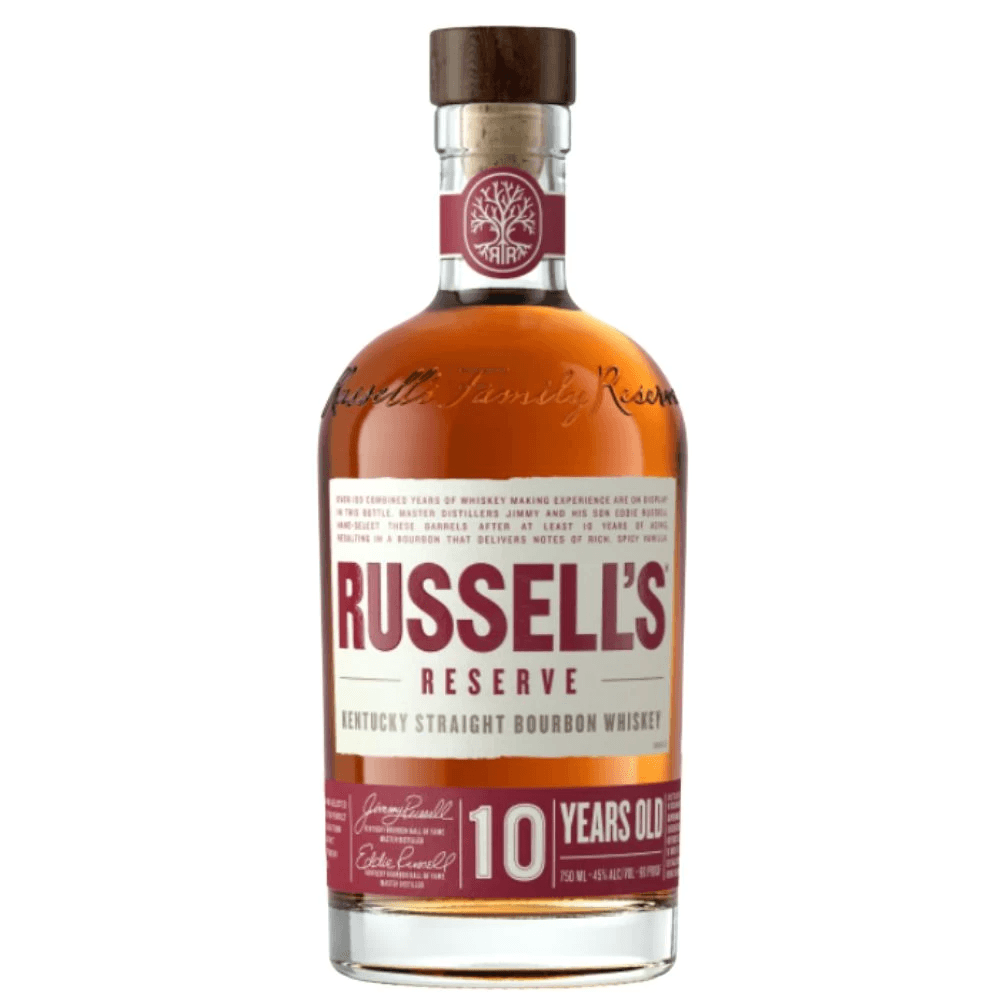
Russell's Reserve 10 Year Old
Campari Group
Jimmy Russell has been making bourbon at Wild Turkey for over six decades — the longest-tenured master distiller in the world. Russell's Reserve 10 Year Old is the quiet embodiment of that resilience.
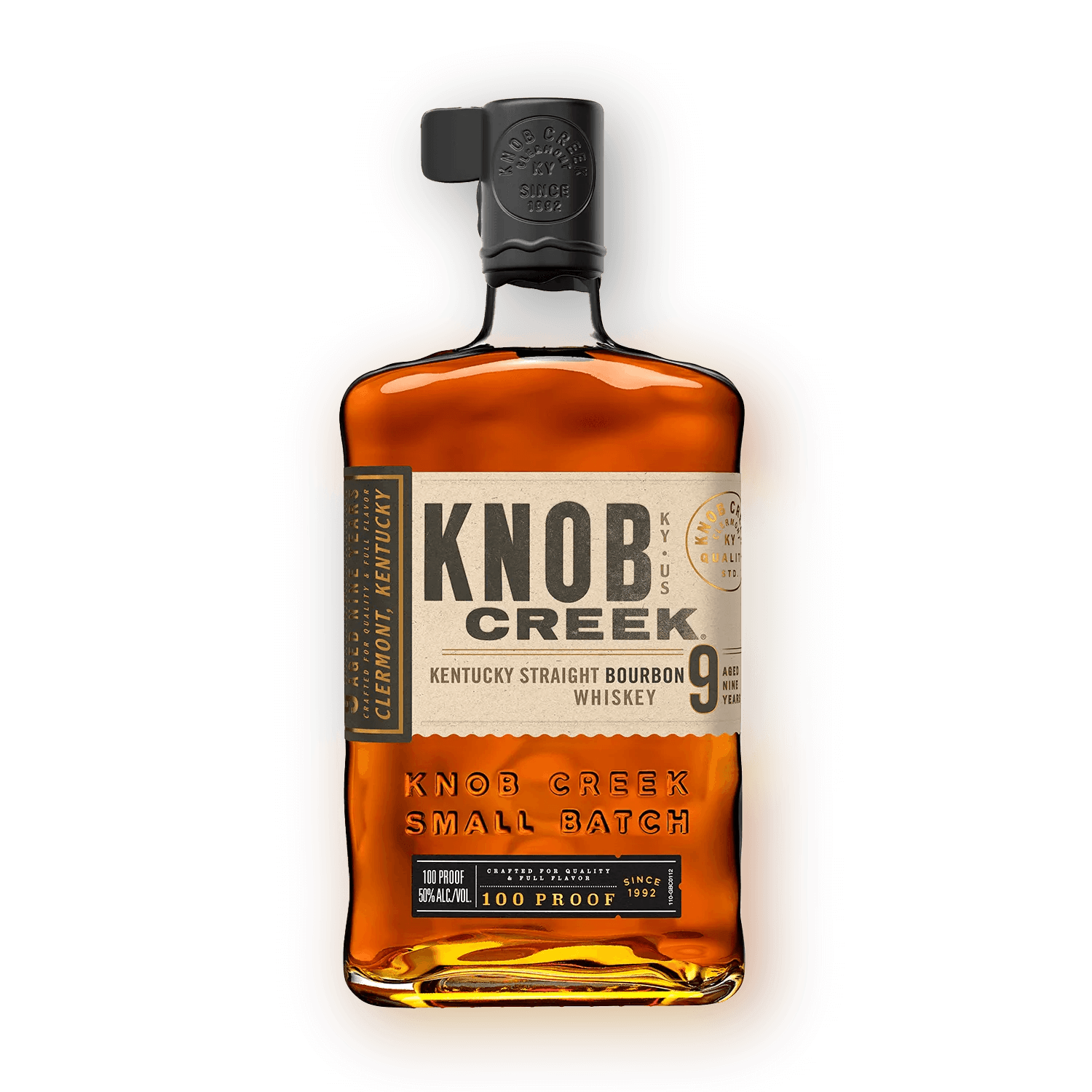
Knob Creek 9 Year Old
Beam Suntory
Knob Creek 9 Year Old is a masterclass in resilience bottled at 100 proof. In the 1980s, when American whiskey was in freefall and distilleries chased lightness, Booker Noe bet everything on going the opposite direction.
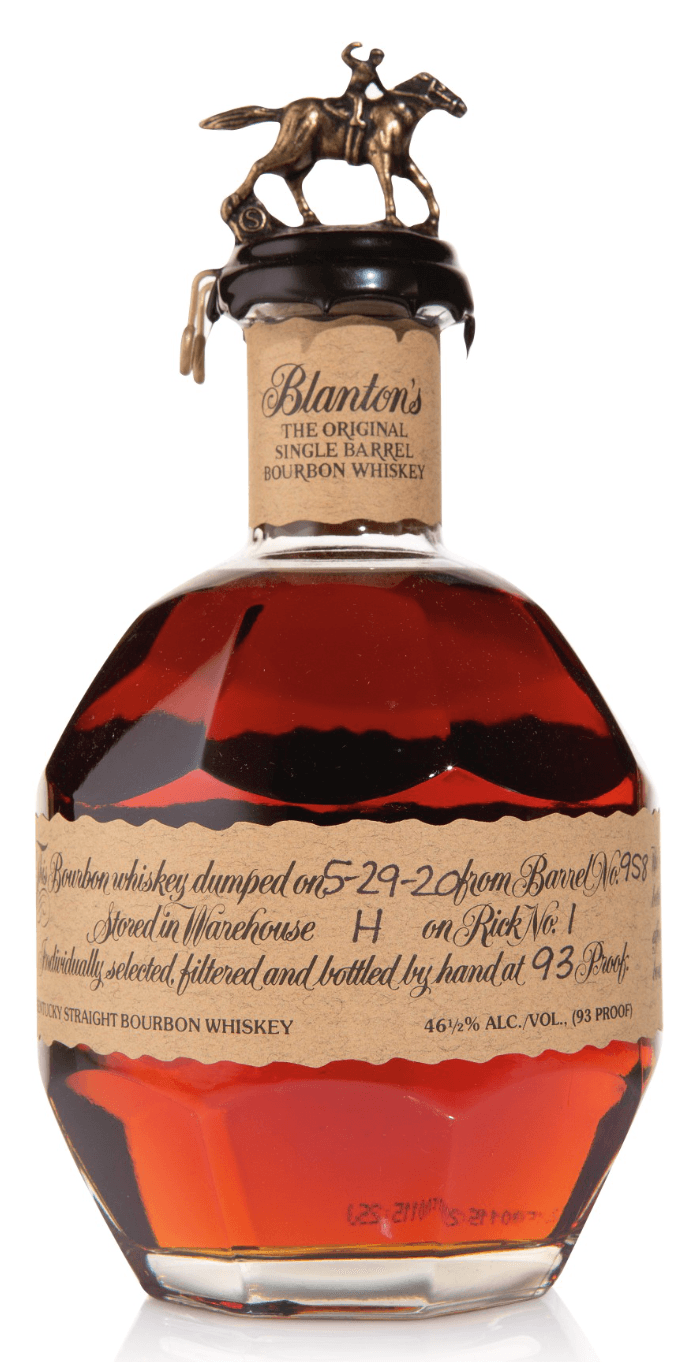
Blanton's Original Single Barrel
Sazerac Company (Buffalo Trace, est. 1773)
Blanton's Original Single Barrel didn't just create a bourbon — it created a category. When Elmer T. Lee bottled the first single barrel in 1984, he proved that elegance and bourbon weren't contradictions.
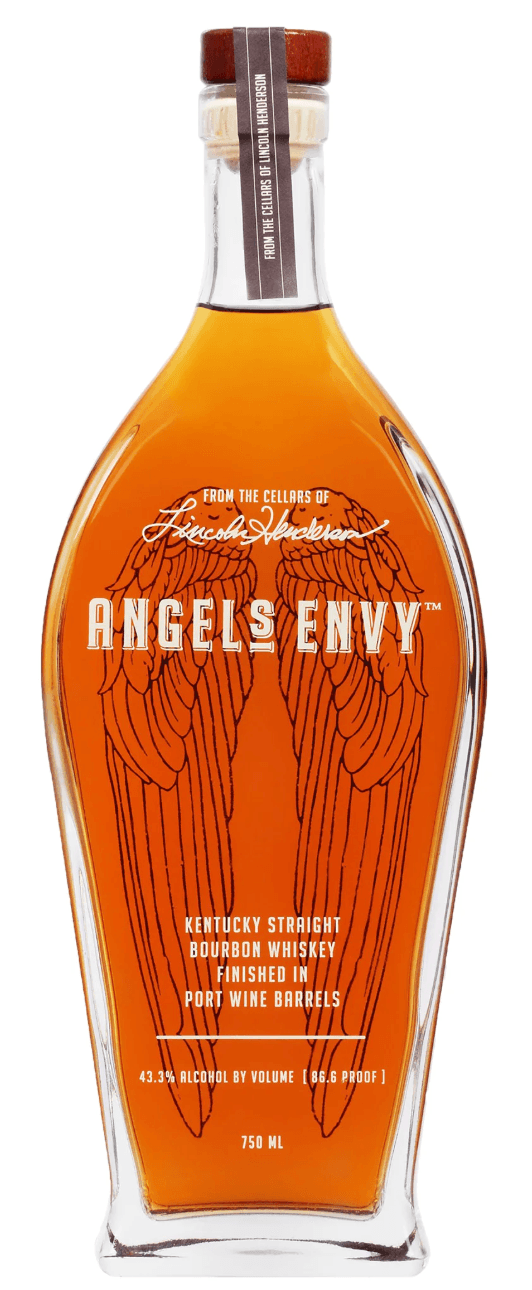
Angel's Envy Kentucky Straight Bourbon
Louisville Distilling Company (Angel's Envy, est. 2010)
Angel's Envy is a monument to patience — Lincoln Henderson's patience in waiting until age 72 to build the bourbon he'd always imagined, and the liquid patience of that port barrel finish, where months of quiet resting transform a solid Kentucky straight bourbon into something altogether more layered and contemplative. The port casks, sourced from Portugal, add a ruby-hued sweetness and dried fruit complexity without obscuring the corn-forward bourbon character underneath. At 86.6 proof, it's gentle enough for newcomers but complex enough to hold the attention of seasoned whiskey drinkers. Henderson passed away in 2013, but his son Wes carries the vision forward — and every bottle remains a reminder that the best things often come from those willing to wait.
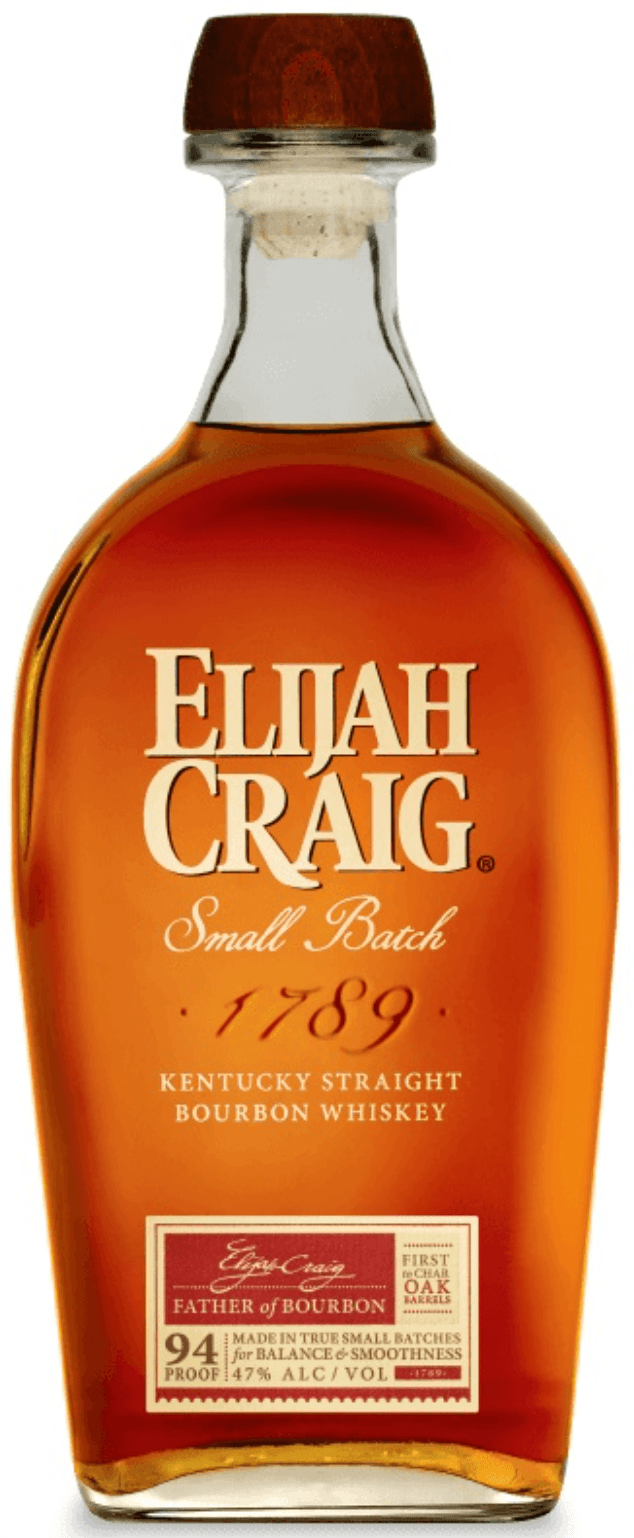
Elijah Craig Small Batch
Heaven Hill Distillery (Elijah Craig, est. 1986)
Elijah Craig Small Batch is the bourbon that punches so far above its price point that it makes you wonder what everyone else is doing with their money. Heaven Hill’s corn-heavy mash bill (78%) creates a sweet, approachable base, but the real story is the aging: barrels are drawn from multiple floors of Heaven Hill’s Bardstown rickhouses, where summer temperatures in the top floors can exceed 130°F while ground-floor barrels barely reach 80°F. This temperature differential means each barrel develops a different flavor profile — more caramel and char from the heat, more fruit and grain from the cool — and the blender’s job is to combine them into something greater than any single barrel. At 94 proof and 8–12 years old, the result is a bourbon with the complexity of bottles costing twice as much. The deep char (Heaven Hill uses a Number 3 char) gives it a distinctive smoky backbone that separates it from sweeter, lighter bourbons.
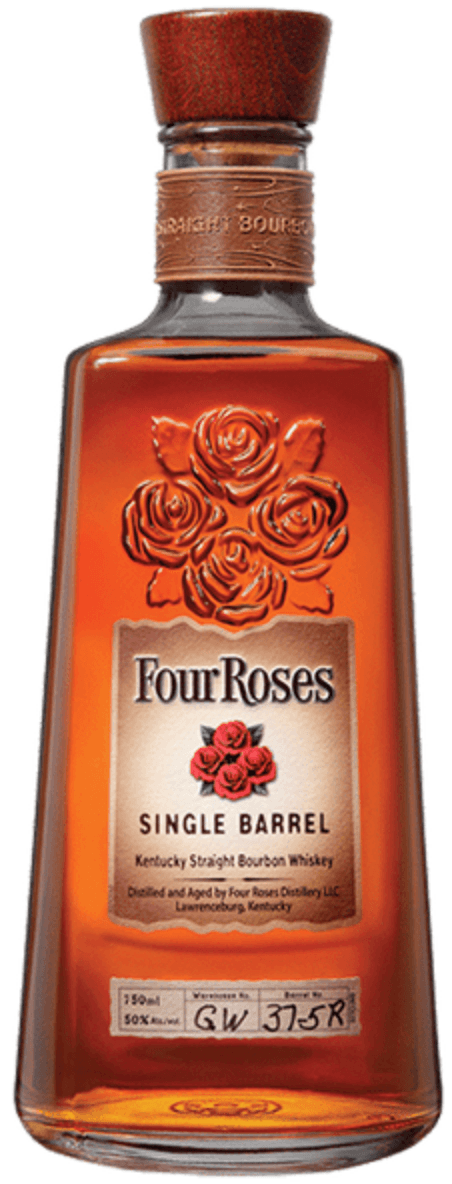
Four Roses Single Barrel
Kirin Brewery Company (Four Roses Distillery, est. 1888)
Four Roses Single Barrel is the product of the most obsessive production system in bourbon. While every other distillery works from a single mash bill and a single yeast strain, Four Roses developed two distinct mash bills and five proprietary yeast strains — creating ten unique recipes, each with its own flavor fingerprint. The standard Single Barrel uses recipe OBSV: the high-rye mash bill (35% rye — among the highest in Kentucky) paired with the V yeast strain, which contributes delicate fruit and cream. At 100 proof, it has the structure to showcase every layer of that complexity. The result is a bourbon that tastes like it was engineered by someone who couldn’t stop asking “what if?” — because it was.
Wild Turkey 101
Campari Group (Wild Turkey, est. 1940)
Wild Turkey 101 is the bourbon that refuses to compromise. When the industry trend moved toward lower proofs and smoother profiles designed to offend no one, master distillers Jimmy and Eddie Russell held the line at 101 proof — the same proof the brand has bottled since the beginning. The secret is their unusually low barrel entry proof of 110°, compared to the legal maximum of 125°. That means less water added before barreling, which means more of the distillate’s character survives the aging process. At $22–$28, this is arguably the greatest value in American whiskey. It makes the case that boldness and drinkability aren’t opposites.
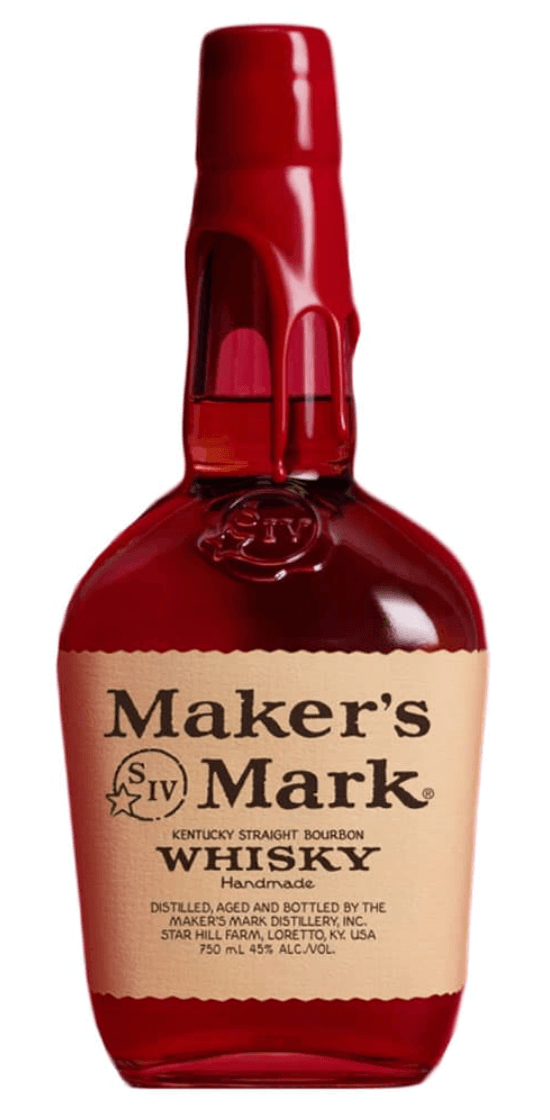
Maker’s Mark
Beam Suntory (originally T. William Samuels)
The red winter wheat is the whole story. Where rye adds bite and spice, wheat adds softness and sweetness — and that substitution, radical in 1953, gave Maker’s Mark its famously approachable character. Bill Samuels Sr.’s wife Margie designed the iconic hand-dipped red wax seal, and every bottle is still hand-dipped today. It’s a bourbon that proves innovation doesn’t require complexity — sometimes the bravest move is to simplify.
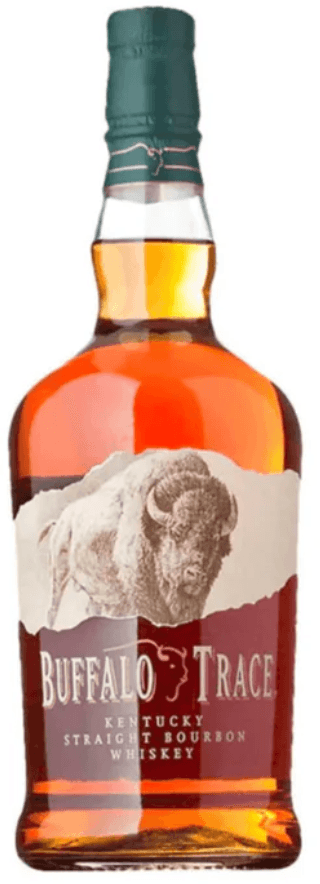
Buffalo Trace Kentucky Straight Bourbon
Sazerac Company
Buffalo Trace is the bourbon that proves you don’t need to spend $60 to drink well. The limestone-filtered Kentucky River water gives it a mineral backbone that more expensive bourbons often lack — a subtle sweetness and body that comes from the geology, not from added sugar. At around $27, this is arguably the best value in American whiskey. The fact that they’ve been distilling on this site since before the American Revolution, including one of the only operations to legally produce whiskey through Prohibition as “medicinal spirits,” only adds to the legend.
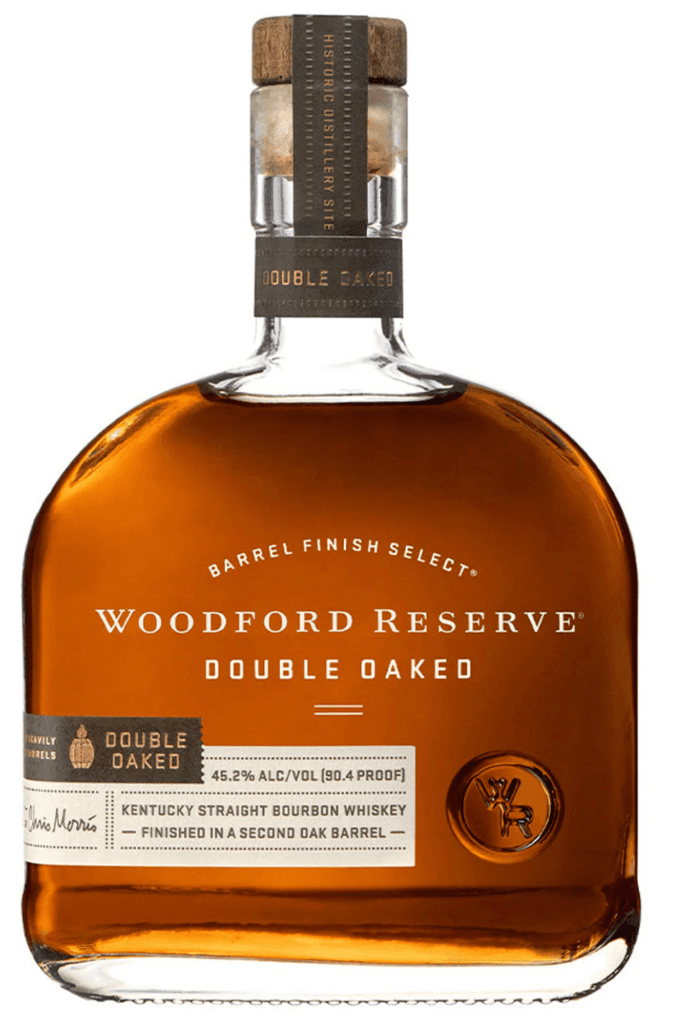
Woodford Reserve Double Oaked
Brown-Forman Corporation
Double Oaked is a masterclass in what a second barrel can do. The first barrel gives you a solid bourbon; the second one — deeply toasted before a light char — unlocks layers of caramel and dark fruit you didn’t know were possible. It’s sweet without being cloying, complex without being difficult. Sip it neat to appreciate the full evolution from nose to finish.