Aroma
Angelica
59 bottles with this note
Train this aroma
Gin Aroma Kit
Develop your palate with the canonical reference for angelica and related notes.

Tanqueray Flor de Sevilla Gin
Tanqueray
Tanqueray Flor de Sevilla takes the classic London dry structure and overlays it with actual Seville orange botanicals, creating a gin that bridges tradition and accessibility. The bitterness of the orange is key — this is not a sweetened citrus gin but a genuine botanical expression. A versatile bottle for cocktails and a solid G&T anchor.

Neversink Spirits Gin
Neversink Spirits
Neversink Spirits Gin is the product of mulish dedication to terroir-driven distilling in the Hudson Valley. Using a combination of local botanicals and classic gin architecture, this small-batch gin reflects the obstinate vision of its makers: no shortcuts, no trend-chasing, just relentless focus on balance and character. In an issue celebrating stubbornness made liquid, Neversink embodies the quiet resolve of craft — a gin that earns its place on the shelf through sheer tenacity of flavor.

Spring44 Mountain Gin
Spring44
Spring44 Mountain Gin is a study in restraint and terroir. Where many American gins reach for citrus fireworks or botanical excess, this Colorado-made spirit draws its character from what lies beneath: root botanicals, mineral-rich spring water sourced at 9,000 feet, and a patient distillation philosophy. It embodies the issue's theme perfectly — depth before display, substance before spectacle. A gin that rewards the patient sipper and makes a profoundly grounded Martini.

Bluecoat American Dry Gin
Bluecoat
Philadelphia Distilling's Bluecoat is a gin that holds its ground — a citrus-forward American dry that never loses its juniper compass. In a lineup themed around anchoring before upheaval, this bottle embodies quiet American resolve: nothing flashy, nothing fragile, just honest botanicals distilled with purpose. It's the kind of gin that steadies a cocktail the way a deep keel steadies a hull. At under thirty dollars, it's a dependable cornerstone for any spirits shelf.

St. George Botanivore Gin
St. George Spirits
Botanivore earns its name — this is a gin built for the botanical enthusiast. St. George layers 19 different botanicals without letting any single one dominate, creating a gin that reads more like an herbalist's garden than a juniper-forward London Dry. The result is cerebral, complex, and excellent in stirred cocktails where nuance matters.

Tarquin's The Seadog Navy Strength Gin
Tarquin's
Tarquin's navy strength offering is a gin built for confrontation — proof amplifies every botanical, and the juniper refuses to yield. This is structural gin: bold, unapologetic, and perfectly suited for tonic or a navy-strength martini. The Cornish coastal provenance is felt in its briny edge and wind-whipped clarity.

Whitley Neill Blood Orange & Ginger Gin
Whitley Neill
This is Whitley Neill in its most accessible mode, but the botanical balance lifts it above most flavored gins. The ginger provides an unexpected savory counterpoint to the blood orange sweetness. At 43%, there's enough structure for a proper G&T or a citrus-forward cocktail that doesn't sacrifice gin character.

Moorland Spirit Co. Wild Bilberry Sheffield Dry Gin
Moorland Spirit Co.
Moorland Spirit Co. channels the Yorkshire moors into a bottle — wild, wind-swept, and honest. The bilberry addition is a whisper, not a shout, letting the juniper-forward backbone remain firmly in control. A gin that respects tradition while nodding to its landscape.

Archangel Gin
Archangel
Old Curiosity's Archangel is a juniper-and-angelica-forward gin that leans into the earthy, rooty end of the botanical spectrum. It's a gin that tastes deliberately austere — built for structure rather than fruit, and all the better for it in a classic Martini.

Capreolus Garden Tiger Gin
Capreolus
Capreolus is best known for their fruit eau de vie, and that distiller's discipline shows in their gin work. Every botanical is articulated rather than blurred. Garden Tiger is a gin that rewards the attentive palate — each sip reveals a new layer without ever feeling cluttered.

Crossbill Highland Dry Gin
Crossbill
Crossbill is a gin that refuses to compromise on juniper. Using only Scottish juniper berries and rosehip, it delivers one of the most juniper-forward profiles available — a gin built for G&T purists and Martini devotees who want the pine to sing. It tastes like the Scottish Highlands in a glass.

Tanqueray Lovage London Dry Gin
Tanqueray
Part of Tanqueray's limited-edition heritage series inspired by Charles Tanqueray's original recipes, Lovage brings back a Victorian-era botanical that most modern gins have forgotten. The savory character makes it a natural partner for a proper gin and tonic with a celery garnish, and a genuinely distinctive alternative to the floral gin trend.

Botanist Islay Dry Gin Navy Strength
The Botanist
Where the standard Botanist is approachable and delicate, this navy strength version demands engagement. The additional proof concentrates the 22 hand-foraged Islay botanicals into a more assertive, layered expression. It holds its ground in a Negroni and rewards contemplation neat.

Botanica Spiritvs London Dry Gin
Botanica Spiritvs
Botanica Spiritvs is a small-batch operation that gets the London Dry fundamentals right: juniper-led, balanced, and built for purpose. It holds its structure in a Martini without overwhelming the vermouth, and carries enough botanical depth to stand up neat. A quiet overachiever in a crowded category.

Beefeater London Garden Gin
Beefeater
This extension of the Beefeater line adds garden botanicals without losing the London Dry backbone that defines the brand. The result is a gin that works equally well in a classic martini or a warm-weather spritz. Solid craftsmanship at an approachable price.

Genevieve Genever-Style Gin
Anchor Distilling Company
A cerebral, textural gin that whispers where others shout. Genevieve rewards patient sippers and reshapes classic cocktails with malty gravity.

Hayman's London Dry Gin
Hayman's
Hayman's doesn't chase trends. This is London Dry as it's meant to be — juniper-led, properly structured, and without a single botanical added for marketing purposes. The two-day steeping process extracts depth without bitterness, making this an ideal baseline for understanding what gin should taste like.

Thomas Dakin Gin
Thomas Dakin
Named for the 18th-century pioneer of English gin distillation, this expression doesn't chase floral trends. It's a juniper-forward gin with enough backbone to stand up in a martini and enough complexity to sip with just tonic and a twist. The kind of no-nonsense spirit that reminds you why classic gins endured.

Boatyard Double Gin
Boatyard Distillery
A gin shaped by the freshwater currents of Lough Erne and the wetlands surrounding it — Boatyard makes an uncompromising case for terroir-driven London Dry. Its double juniper charge and locally foraged sweet gale give it a spine and identity that most gins twice its price can't match.

Fifty Pounds London Dry Gin
Fifty Pounds
In an era of elaborate botanical lists and flavored gins, Fifty Pounds goes the other direction — a small number of botanicals, distilled in deliberately small batches to keep the spirit focused and precise. Named for the punitive £50 tax imposed on gin production in 1736, this gin's restraint is both its philosophy and its strength.

Beara Ocean Gin
Beara
Beara Ocean Gin tastes like its address. The Beara Peninsula is one of Ireland's most dramatic coastal landscapes, and this gin carries that windswept, salt-air character without resorting to gimmick. It's a classically structured gin with a genuine sense of place — outstanding in a G&T with a quality tonic and a sprig of rosemary.

Copperhead London Dry Gin
Copperhead
Named after the copper alembic stills used in production — not the snake — Copperhead delivers a gin that prioritizes balance and integration over botanical fireworks. The angelica root gives it an earthy backbone that many contemporary gins lack, while the juniper stays classic without being nostalgic. An excellent all-purpose gin.

Beefeater Burrough's Reserve
Beefeater
A contemplative, neat-sipping gin that proves restraint and small-still distillation can produce something genuinely elegant rather than gimmicky.

Audemus Pink Pepper Gin
Audemus
Audemus approaches gin-making with a Cognac distiller's patience, using individual botanical macerations and vacuum distillation to capture precise flavors. The pink pepper is the star, but it's the supporting cast—restrained juniper, floral notes, earthy angelica—that makes this gin genuinely compelling. A bartender's gin that also stands tall on its own.

Whitley Neill Blood Orange Gin
Whitley Neill
Whitley Neill's Blood Orange expression works because it respects the gin beneath the flavoring. The blood orange is vivid without being syrupy, and the juniper-forward base keeps it honest. It's a gin that makes a spectacular spritz but doesn't embarrass itself neat — a rare feat in the flavored gin category.

Gin Lane 1751 Royal Strength London Dry Gin
Gin Lane 1751
Gin Lane 1751 doesn't reinvent anything — it perfects the template. Master distiller Charles Maxwell, with over four decades at Thames Distillers, has produced a gin that proves London Dry's enduring relevance. The elevated proof ensures it punches through tonic and holds its shape in a Martini. Honest, rigorous work.

Kirkjuvagr Orkney Gin
Kirkjuvagr
An assertive, terroir-driven Orkney gin that wears its harsh North Atlantic origins proudly — beautifully balanced between traditional juniper backbone and the foraged botanicals of a windswept archipelago.

Bombay Sapphire London Dry Gin
Bombay Sapphire
Bombay Sapphire's vapor-infusion method produces a gin that's lighter and more aromatic than many London Drys, letting its ten botanicals speak individually rather than blurring together. At 47% ABV, it carries enough weight for cocktails while remaining supremely sippable over ice. A benchmark for a reason.

Jensen's Old Tom London Gin
Jensen's
Christian Jensen spent years researching nineteenth-century recipes to reconstruct an authentic Old Tom profile. The result is not a novelty — it is a genuine revival, offering a window into what gin tasted like before London Dry became the dominant style. Essential for anyone building a historically informed Martinez or Tom Collins.

Craft Distillery Koval Dry Gin
Koval
Koval's dry gin is a study in midwestern directness — no gimmicks, no exotic botanicals chasing trends. The organic grain base is clean enough to let the botanicals do their work, and the distillation is precise enough to keep everything in balance. A gin for people who want gin to taste like gin.

Daffy's Gin
Daffy's
Daffy's is the rare gin that achieves intensity without volume. Every botanical is clearly articulated yet none dominates. The tension between the pine-forward juniper and the delicate floral-citrus backdrop makes this an excellent Martini gin that also holds its own in longer serves.

Hepple Gin
Hepple
Hepple's unique triple-technique juniper extraction — combining copper pot distillation, vacuum distillation, and supercritical CO2 extraction — produces a gin where juniper is explored in three dimensions rather than one. It's technically innovative without being gimmicky, delivering a deeply juniper-forward spirit that respects London Dry traditions while pushing them forward. Essential for gin enthusiasts seeking complexity.

Tanqueray Bloomsbury London Dry Gin
Tanqueray
A limited revival of an archival Tanqueray recipe that predates the modern London Dry style. Bloomsbury dials up the juniper and botanical complexity while keeping the trademark Tanqueray structure. It's an education in what London Dry can be at its most articulate.

Indlovu Gin
Indlovu
A gin shaped quite literally by environment and ecology — Indlovu translates the African bush into a glass with surprising elegance and balance. Distinctive without being gimmicky, it rewards drinkers who value provenance and terroir.

Brighton Gin Pavilion Strength
Brighton Gin
Brighton Gin's navy strength expression is unapologetically about juniper, and at 57% ABV it has the backbone to stand up in any cocktail without losing its identity. The chalk-filtered water from the South Downs aquifer gives it a clean, mineral quality that separates it from many navy strength competitors. This is structured gin with terroir you can taste.

Elephant Gin London Dry
Elephant Gin
Elephant Gin earns its place through sheer botanical conviction. The use of African-sourced botanicals — buchu, baobab, devil's claw — alongside classic London Dry staples creates a gin that feels rooted in the earth. It's a serious spirit that demands a thoughtful tonic or a well-built Martini. Fifteen percent of profits go to elephant conservation foundations, but this would stand on flavor alone.

Wolfrest Gin
Wolfrest
From the Italian Alps, Wolfrest is a gin that knows what it is: juniper-led, mountain-clean, and unapologetically classic. The alpine botanicals bring a crispness that feels almost mineral. It performs beautifully in a Martini but has enough personality to drink on ice with just a twist.

Kyrö Koskue Cask Aged Gin
Kyrö Distillery Company
A gin that wears its fermentation on its sleeve — the 100% Finnish rye base is unmistakable, and the brief cask rest amplifies rather than masks it. Essential for drinkers curious about what grain truly contributes to gin.

Lind & Lime Gin
Lind & Lime
Named for Dr. James Lind, who proved citrus could prevent scurvy in the 18th century, this gin lives up to its namesake's clarity of purpose. The botanical balance is precise, with juniper and lime in perfect tension. It's a gin built for the G&T but interesting enough for contemplation.

Anchor Old Tom Gin
Anchor Distilling
Anchor's Old Tom is a history lesson in a glass. It recalls the sweeter gin style that dominated before London Dry took over, but does so with restraint and craft. The botanicals are layered rather than loud, and the subtle sweetness acts as a bridge, not a crutch. Excellent in a Martinez.

Sipsmith Lemon Drizzle Gin
Sipsmith
Sipsmith's Lemon Drizzle avoids the trap many flavored gins fall into—it never sacrifices its identity as a gin. The lemon is vibrant and natural, and the juniper stays firmly in the driver's seat. A versatile bottle that excels in both G&Ts and cocktails.

Rutte Celery Gin
Rutte
Rutte has been distilling in Dordrecht since 1872, and the Celery Gin — based on an original 19th-century recipe — remains their most distinctive expression. It's a reminder that botanical innovation in gin didn't start in the 2010s. The celery adds genuine complexity without gimmickry, making this an exceptional Dirty Martini gin.

Darnley's View London Dry Gin
Darnley's
Darnley's View is a gin that trusts its botanicals to speak at conversational volume. Where many London Drys lean on aggressive juniper or bold spice, this Scottish bottling opts for balance and transparency. It's an ideal gin for anyone who wants to taste every botanical rather than just the loudest one.

Hayman's Royal Dock Navy Strength Gin
Hayman's
Navy strength gins were originally proofed to ensure gunpowder would still ignite if rum rations spilled on it — a practical origin that yields an expressive spirit. Hayman's Royal Dock is a textbook example of how higher ABV amplifies botanical clarity. In cocktails, it refuses to be diluted into anonymity.

Copper Rivet Dockyard Gin
Copper Rivet
Copper Rivet is one of England's few grain-to-glass distilleries, milling their own wheat and distilling through a custom copper pot still named 'Janet.' The result is a gin of unusual textural depth with impeccable botanical integration. It rewards minimalist mixing — a well-made gin and tonic lets the copper's handiwork shine.
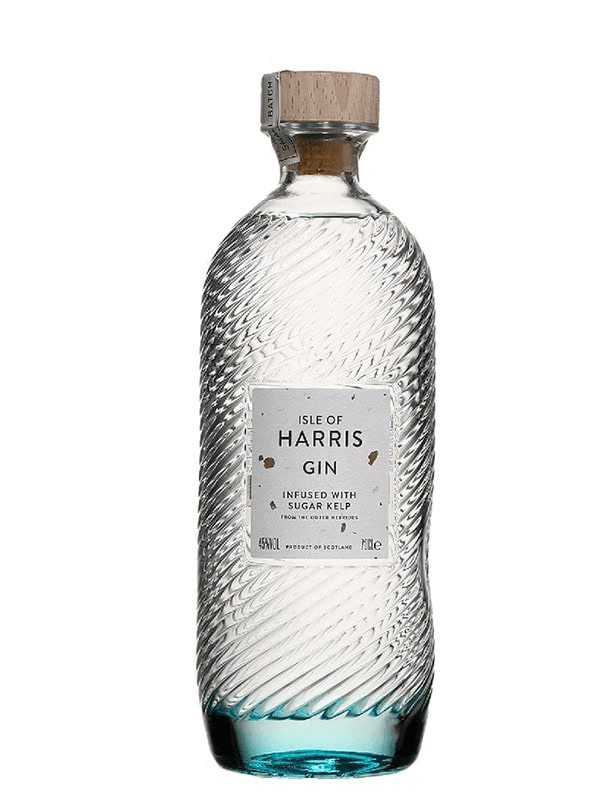
Isle of Harris Gin
Isle of Harris Distillers
Isle of Harris Gin is what happens when a community decides to bottle its home. The sugar kelp is not a novelty — it fundamentally changes the gin's texture and flavor profile, adding a savory richness and maritime minerality that no juniper-and-citrus combination can achieve alone. At 45% ABV, it has the strength to stand up in cocktails, but it's best sipped with just a splash of tonic to let the kelp and juniper shine. This is a gin that tastes like a place — wild, remote, and utterly distinctive. It's also a beautiful story: a distillery built to keep a community alive, making something no one else in the world can make. Cocktail — "The Harris G&T": Pour 2 oz Isle of Harris Gin over ice in a copa glass. Add 4 oz premium tonic water (Fever-Tree Mediterranean works beautifully). Garnish with a twist of grapefruit peel and a small piece of sugar kelp or a sprig of fresh rosemary. The maritime character of the gin deserves a garnish that echoes the sea.
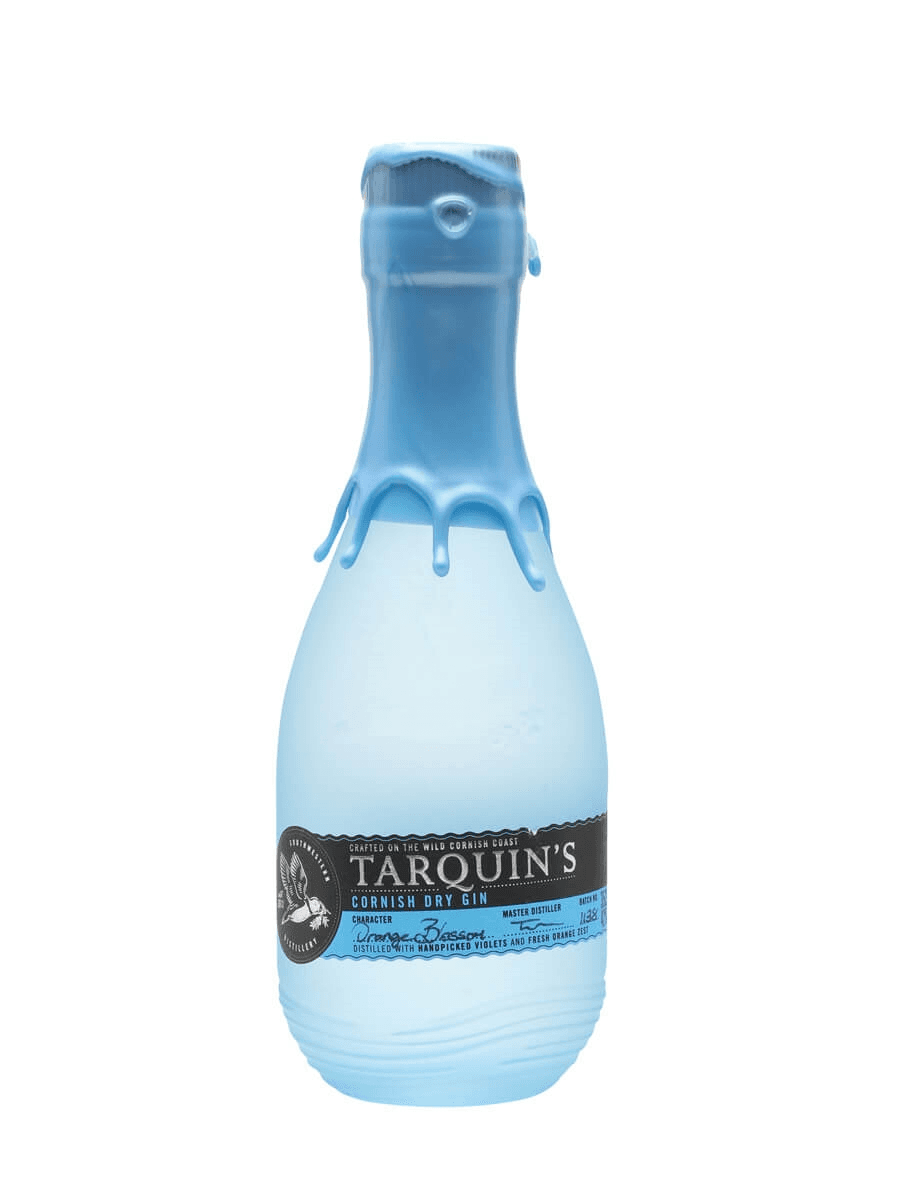
Tarquin's Cornish Dry Gin
Southwestern Distillery (Independent)
Tarquin's is among the very few gins in Britain still distilled over naked flame — and you can taste the difference. Direct-fire distillation gives the distiller less control than steam-heated stills, but rewards the skilled hand with a richer, more textured spirit.
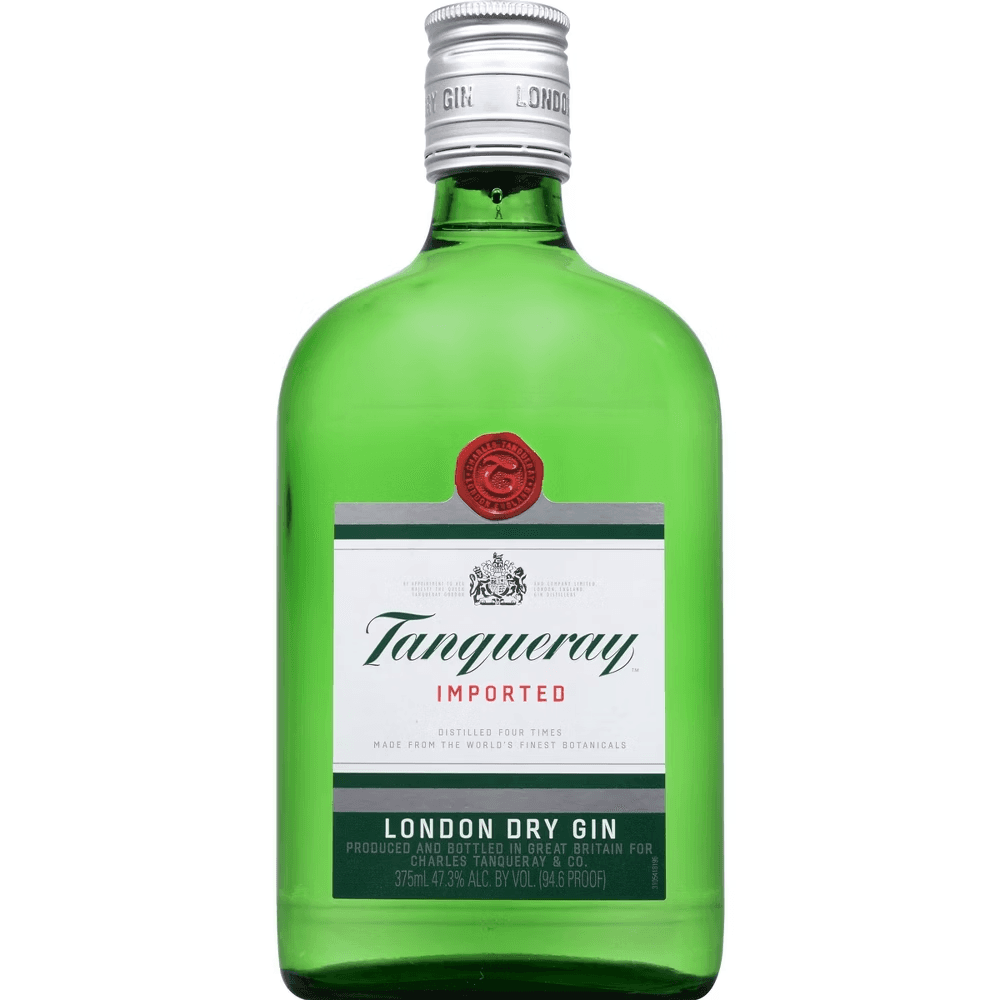
Tanqueray London Dry Gin
Diageo
Tanqueray London Dry is the benchmark against which other London Dry gins are measured. Charles Tanqueray's four-botanical formula, created in 1830, has endured because it works — bold juniper, balanced spice, and a higher proof that stands up in any cocktail.
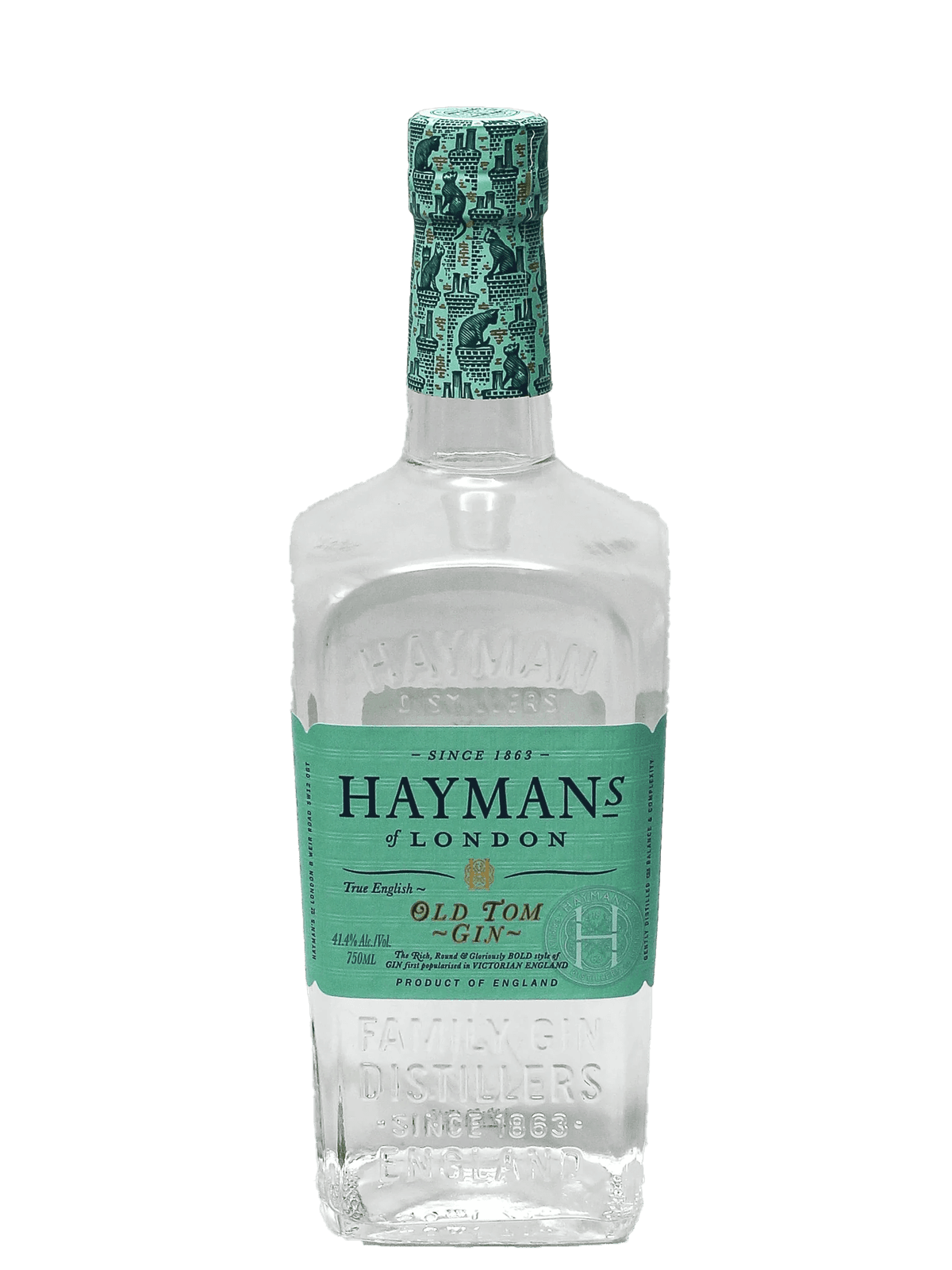
Hayman's Old Tom Gin
Hayman Distillers Ltd
Old Tom gin was the taste of Victorian London — sweeter than London Dry, the bridge between Dutch genever and the bone-dry gins we know today. It vanished for nearly a century until the Hayman family resurrected it.
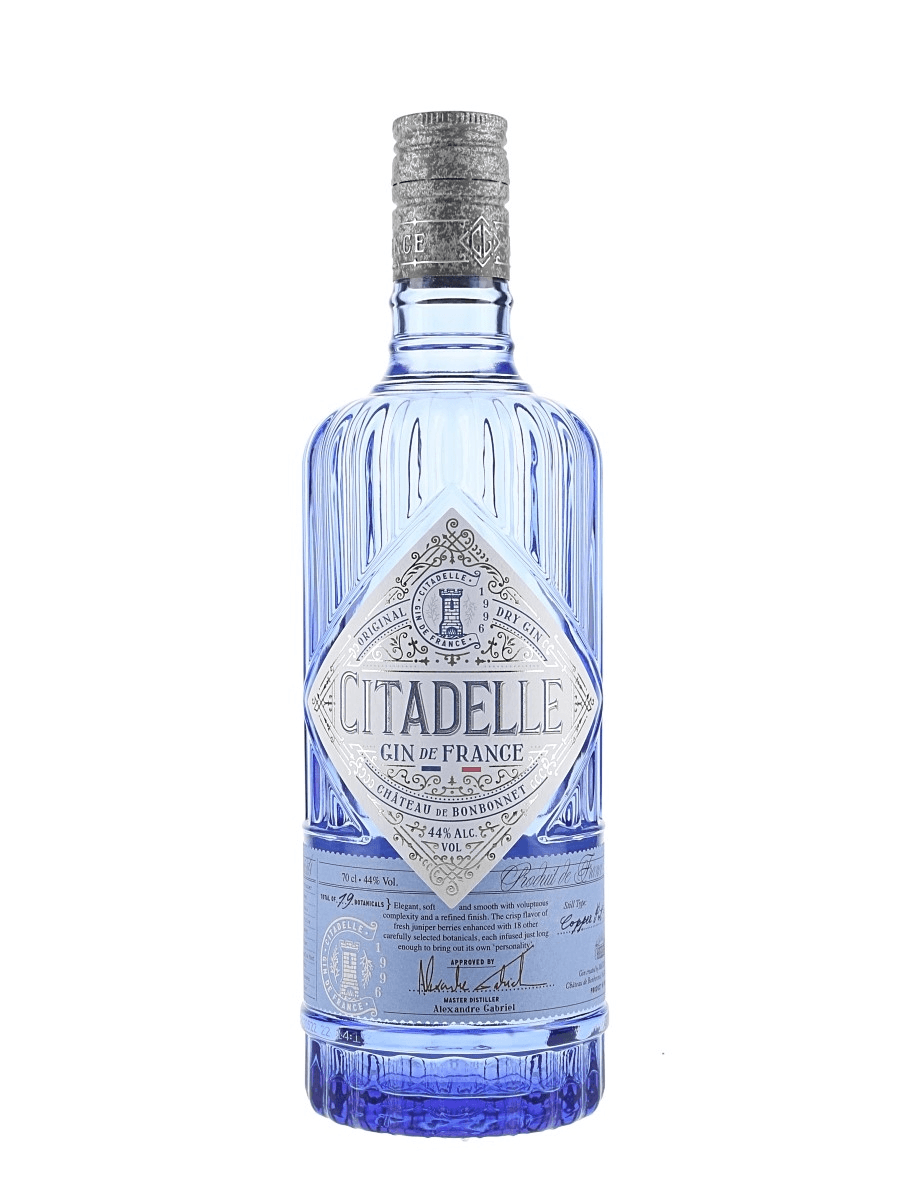
Citadelle Original Dry Gin
Maison Ferrand
Citadelle is a quiet genius of the gin world. Nineteen botanicals, each earning its place under Alexandre Gabriel’s direction.
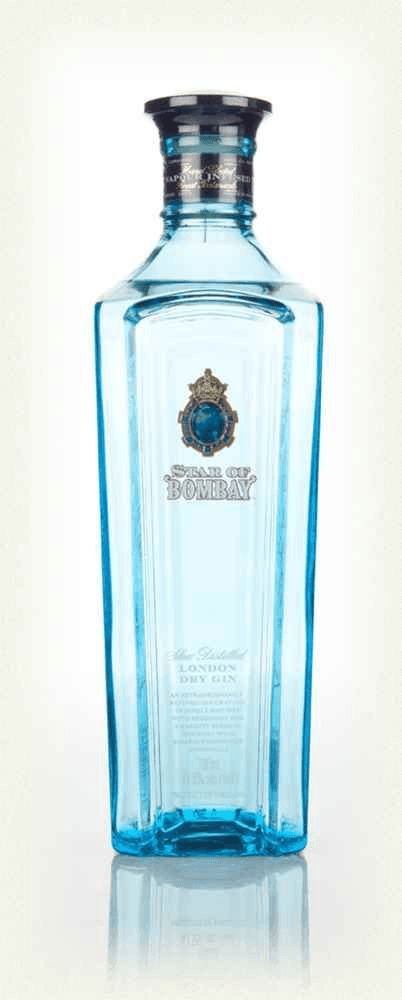
Star of Bombay
Bacardi (Bombay Spirits Company)
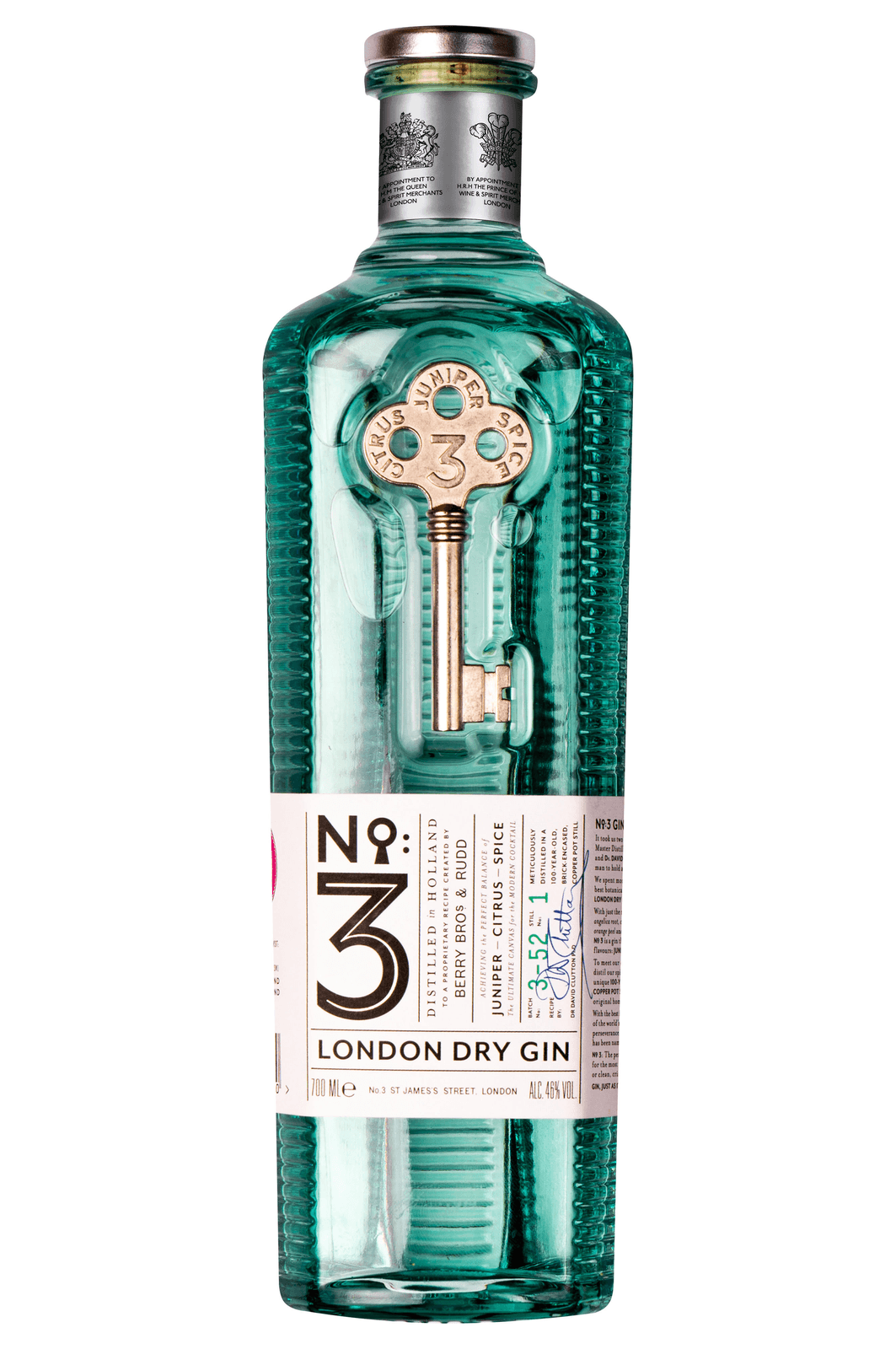
No. 3 London Dry Gin
Berry Bros. & Rudd
No. 3 London Dry Gin is resilience through reduction. While the gin world races to add more botanicals, Berry Bros. asked: what if six botanicals are all you need?
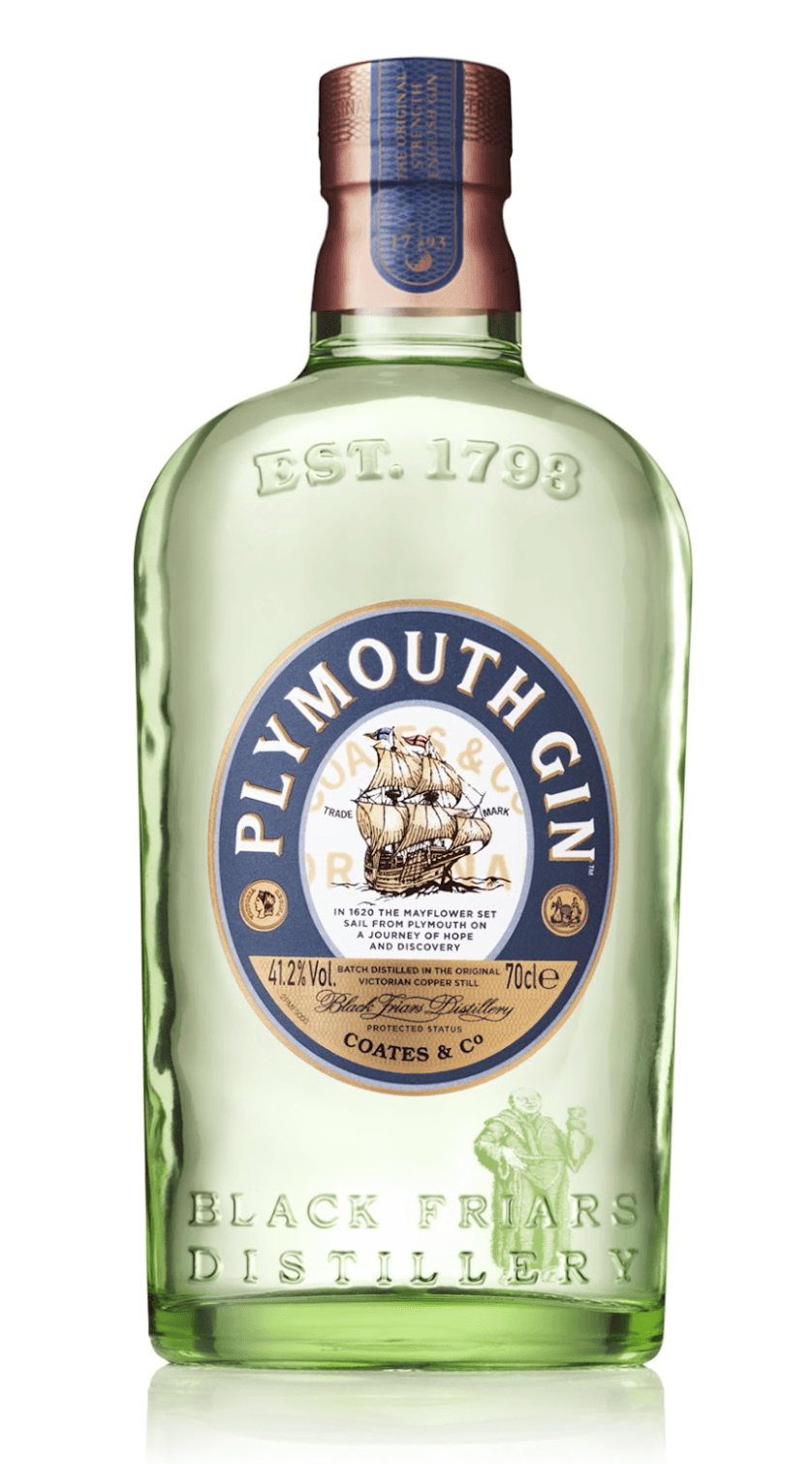
Plymouth Gin
Pernod Ricard (Plymouth Gin Distillery, est. 1793)
Plymouth Gin holds one of only three geographic indications for a spirit in the UK: it can only be made in Plymouth. But the real terroir is in the water. Dartmoor’s extremely soft water creates a gin with a rounder, fuller mouthfeel than London Dry gins made with harder water — the low mineral content lets the botanicals express themselves without interference. The recipe uses only seven botanicals (compared to Monkey 47’s forty-seven), and the restraint is the point: each botanical is individually perceptible, and none dominates. This is the gin the Royal Navy chose for its officers’ daily ration, the gin that was specified in the original recipe for a Pink Gin, and the gin that appeared in the earliest known recipe for a dry martini. At 41.2% ABV, it’s slightly gentler than most gins — a conscious choice that lets the Dartmoor water’s softness come through.
Capreolus Blackbird Gin
Capreolus
Barrie Dyas's meticulous approach to distillation—treating each botanical almost as a separate ingredient to be captured at its peak—results in a gin of remarkable clarity and focus. The Blackbird expression showcases the Cotswolds' foraging tradition while maintaining a classically structured juniper profile. Exceptional in a Martini.

Moorland Spirit Co. Douglas Fir Sheffield Dry Gin
Moorland Spirit Co.
This Sheffield gin builds its identity around foraged Douglas fir tips from the Peak District, adding resinous depth to a classic juniper-led profile. The result is structured, aromatic, and unmistakably rooted in its landscape. A gin that rewards neat sipping as much as mixing.

Widges London Dry Gin
Widges
Widges is a throwback in the best sense — a London Dry that leans hard into juniper and classic botanicals without any modern gimmickry. It's structured for cocktails but rewarding neat, with enough backbone to stand up to tonic without disappearing.

Jeppson's Malört
Jeppson's
Malört is not a spirit you recommend lightly — it's a rite of passage, a loyalty test, and a cultural artifact of Chicago's bar scene rolled into one defiant bottle. It does exactly one thing and does it with absolute conviction: deliver the most aggressively bitter drinking experience commercially available. Whether that's a feature or a bug depends entirely on who you are, but there's no denying its singular identity in the spirits world.

Moorland Spirit Co. Limestone Sheffield Dry Gin
Moorland Spirit Co.
Moorland Spirit Co. draws its water from the limestone aquifer beneath the Peak District, and that mineral character translates directly into the glass. This is a classically structured dry gin with a geological twist — the kind of bottle that makes you rethink what water contributes to spirits.

Moorland Spirit Co. Oak Aged Sheffield Dry Gin
Moorland Spirit Co.
Cask-aged gins walk a narrow path — too much wood and you lose the gin, too little and the aging feels pointless. Moorland gets it right. The oak adds length and texture to the finish without burying the juniper core, making this a gin that genuinely benefits from being sipped neat.