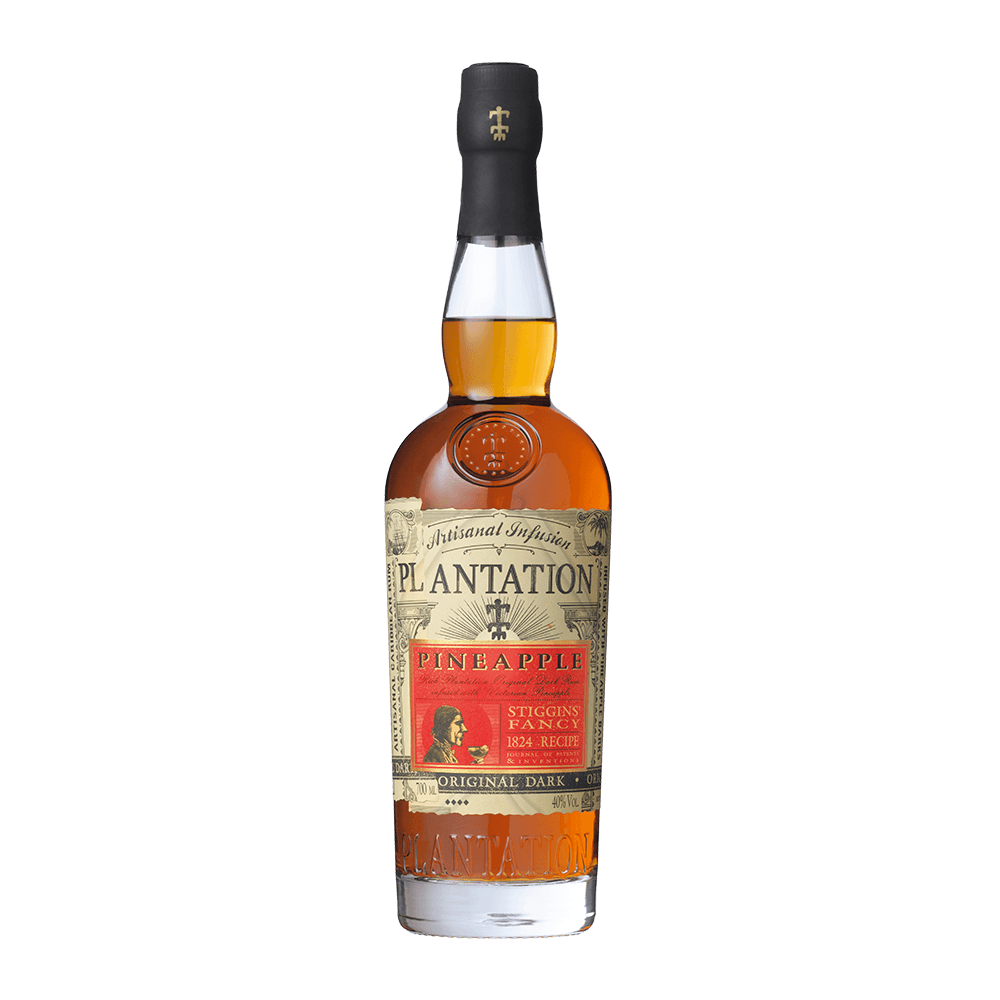
Plantation Stiggins' Fancy Pineapple
Maison Ferrand · Maison Ferrand, Ars, France (blending and infusion) using Caribbean base rums
Before Stiggins' Fancy, flavored rum meant artificial sweeteners and neon colors. Alexandre Gabriel and David Wondrich's experiment asked a different question: what if you used real fruit, real distillation, and treated infusion as seriously as barrel aging? The dual-infusion method — rinds distilled for bright aromatics, fruit macerated in dark rum for depth — is an engineering solution to a flavor problem. The result is a rum that tastes genuinely of pineapple without tasting like a pineapple candy. It proved that the flavored spirits category could be legitimate, and it changed the conversation for every brand that followed.
Nose
Fresh pineapple leaps from the glass — ripe, tropical, and unmistakable — followed by banana, demerara sugar, clove, cinnamon, and black pepper spice.
Palate
Rich and layered with authentic pineapple flavor supported by dark brown sugar, toffee, and warm baking spices. The dual-infusion technique gives both bright tropical fruit from the rind distillation and deep, jammy sweetness from the dark rum fruit maceration.
Finish
Long and slightly dry with lingering spice, a touch of acidity, and pineapple that persists as a top note over a base of brown sugar and oak.
- Base Ingredient
- Dual infusion: pineapple rinds in Plantation 3 Stars white rum (pot-distilled), fruit flesh in Plantation Original Dark rum
- Distillation
- Rind infusion redistilled in Ferrand copper pot stills; fruit infusion left intact; both blended and rested in oak
Cocktail Suggestion
Cocktail — The Dickens Daiquiri: 2 oz Plantation Pineapple, 0.75 oz fresh lime juice, 0.5 oz rich demerara syrup, 2 dashes Angostura bitters. Shake with ice, double-strain into a chilled coupe, garnish with a dehydrated pineapple ring.
Food Pairing
Pair with: Grilled pineapple with coconut cream and toasted macadamia nuts — the caramelized fruit amplifies the rum's pineapple, while the coconut and nut add tropical richness.
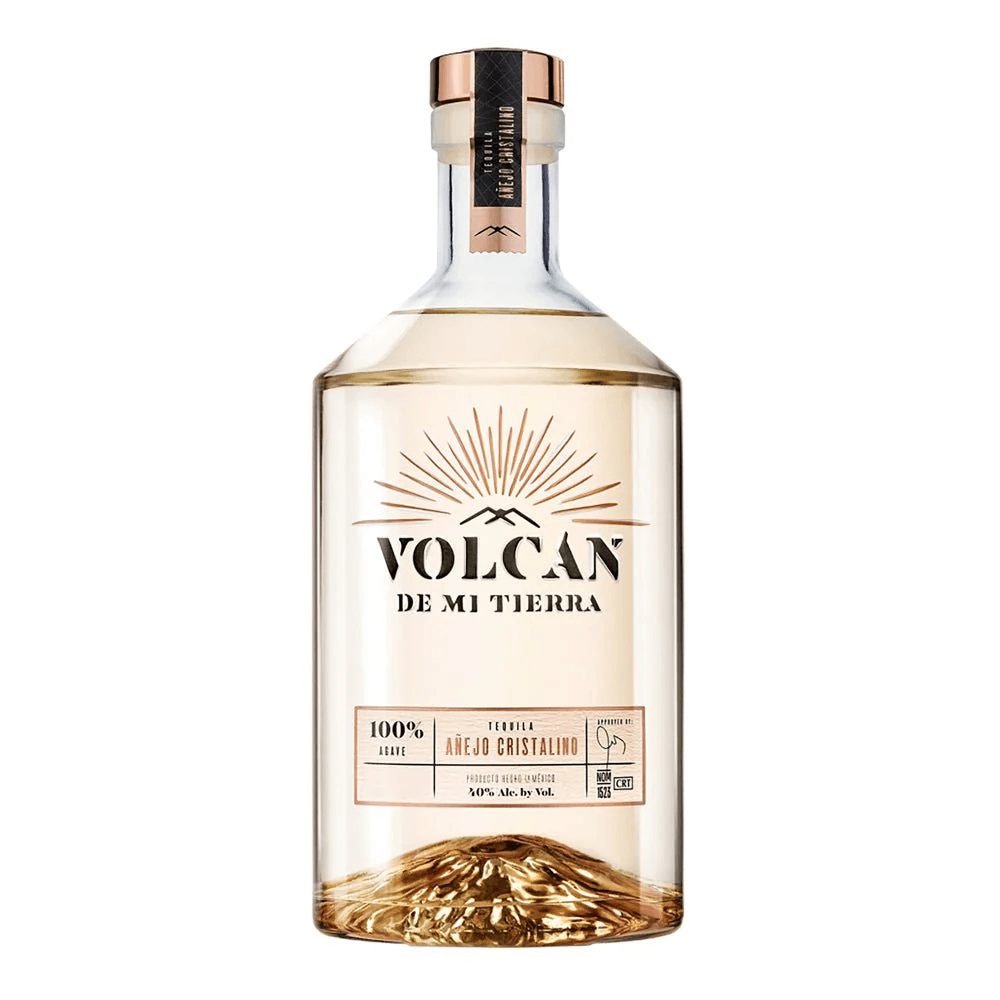
Volcán De Mi Tierra Cristalino
Moët Hennessy (LVMH)
The cristalino category is itself an experiment — the proposition that you can age a tequila for years, develop all that barrel complexity, then strip away the amber color through charcoal filtration without losing what the barrels gave you. Volcán De Mi Tierra pushes the experiment further by blending two different aged expressions from two different barrel types before filtering. The result is a tequila that looks like a blanco but drinks like an añejo — an optical illusion in a glass, and a compelling argument that color tells you far less about a spirit than you think.
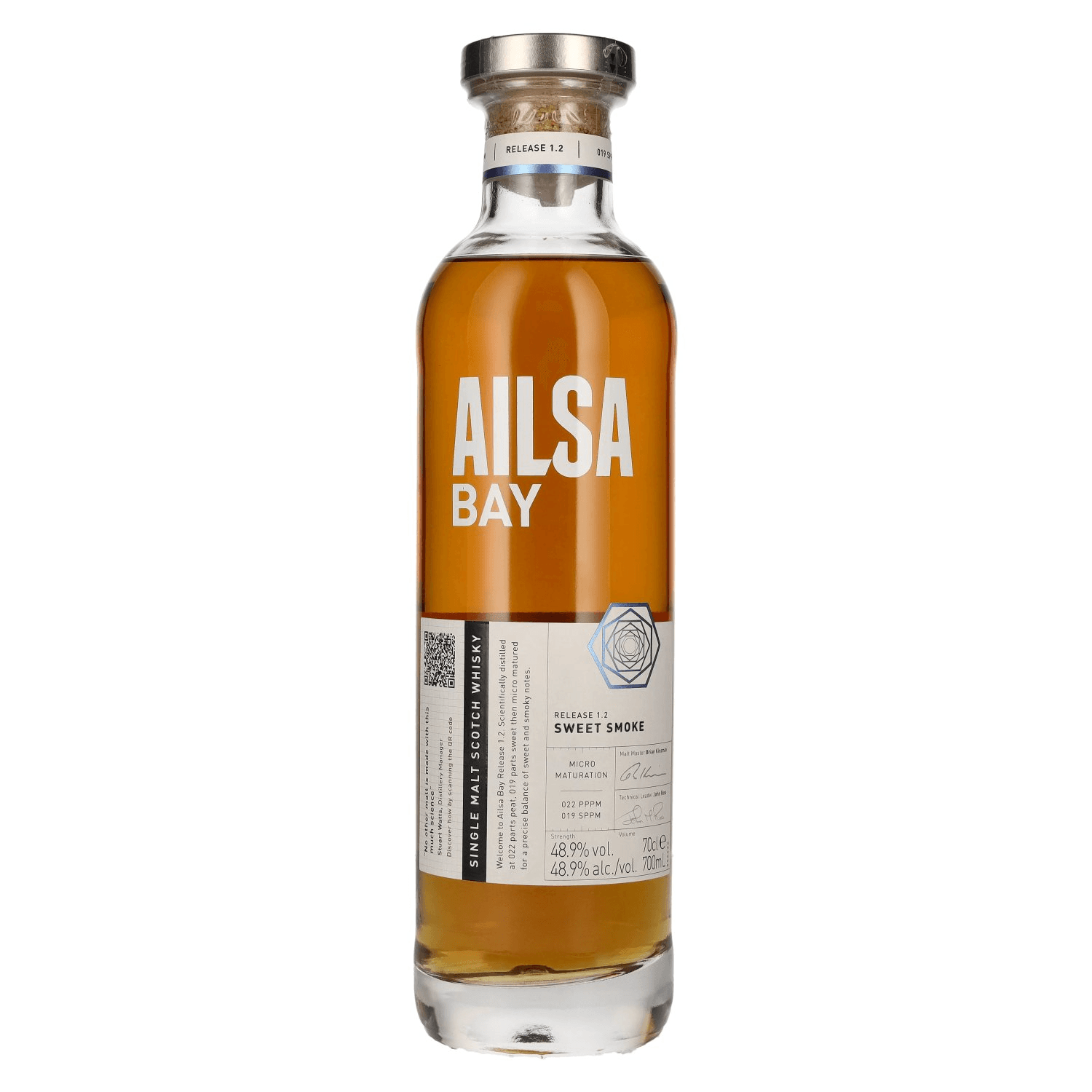
Ailsa Bay Sweet Smoke
William Grant & Sons
Ailsa Bay is a whisky designed by measurement. Malt Master Brian Kinsman assigned each batch a sweetness score (measured in SPPM — sweet parts per million) and a smoke score (measured in phenol PPM), then balanced the two until they achieved equilibrium — a concept he calls Sweet Smoke. The result is unlike heavily peated Islay malts or gentle Speyside drams. It occupies a middle ground that didn't exist before Kinsman built it: controlled peat that enhances rather than dominates, supported by vanilla and honey from the micro-maturation protocol in small Hudson Baby Bourbon barrels. This is Scotch as controlled experiment.
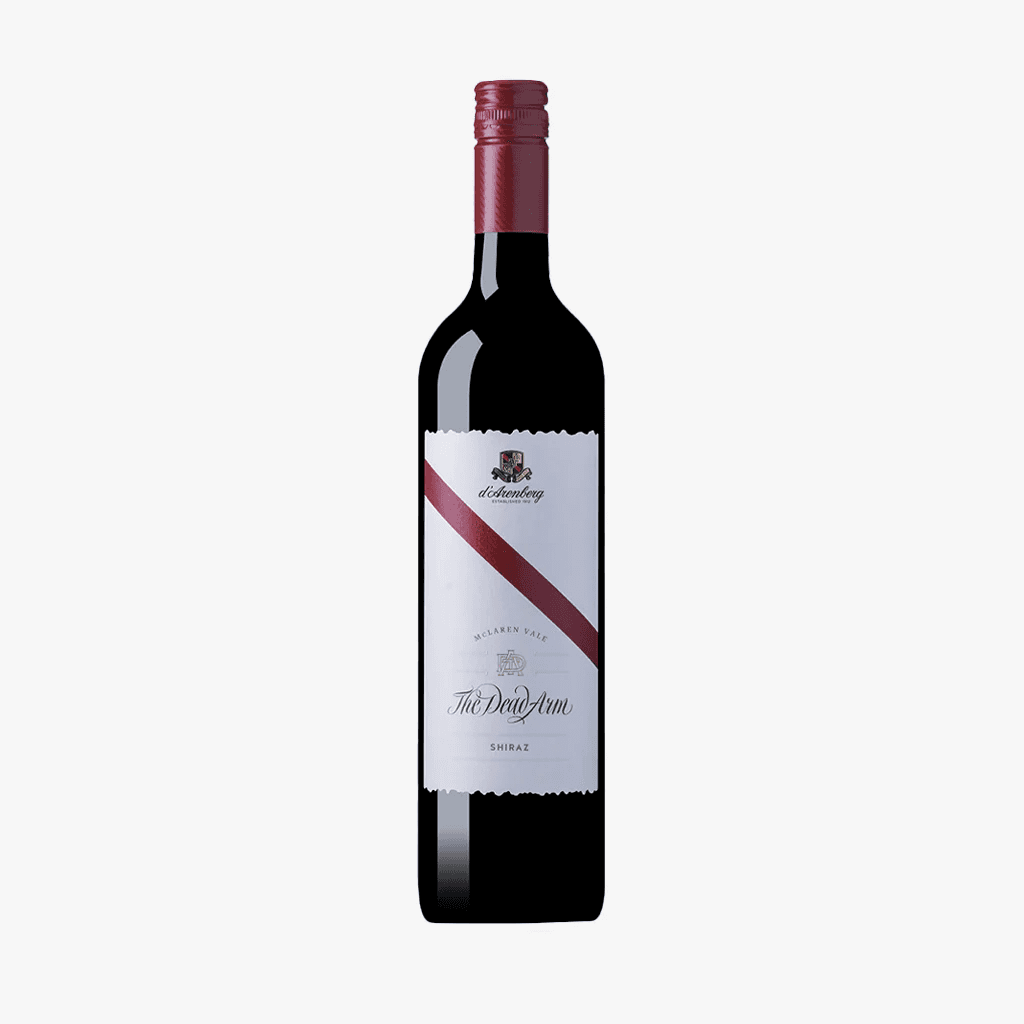
d'Arenberg The Dead Arm Shiraz 2019
d'Arenberg Pty Ltd
The Dead Arm is an experiment in turning disaster into distinction. Most growers would rip out vines afflicted with Eutypa lata, but Chester Osborn saw what the disease did to the surviving fruit — concentrated it, intensified it, made it something a healthy vine could never produce. The resulting wine is enormously concentrated without being heavy, packed with dark fruit and cedar but retaining the savory, earthy character that marks great McLaren Vale Shiraz. It's a reminder that some of the best things in wine happen when nature forces the maker's hand.
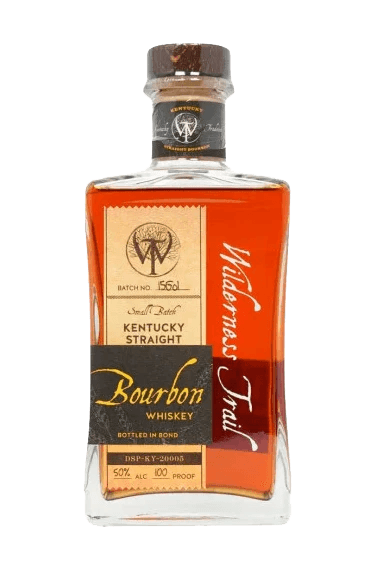
Wilderness Trail Small Batch Bottled in Bond
Wilderness Trail Distillery
Wilderness Trail is what happens when scientists build a distillery instead of inheriting one. The sweet mash process — fermenting with fresh yeast every batch rather than recycling spent mash — produces a remarkably clean, grain-forward bourbon that lets the wheat sing. At bottled-in-bond strength, it carries enough proof to deliver complexity without masking the delicate, biscuity sweetness that makes this wheated expression distinctive. This is bourbon as hypothesis confirmed.
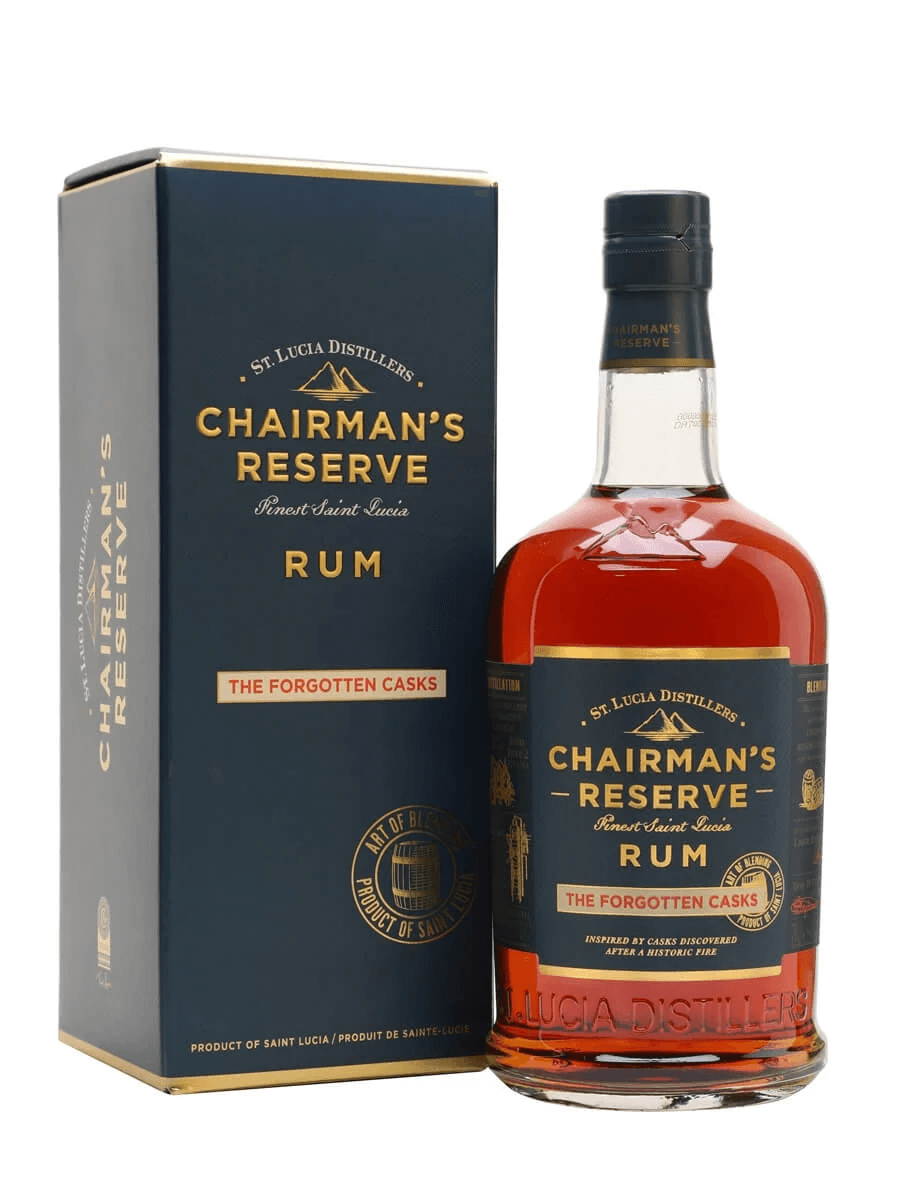
Chairman's Reserve The Forgotten Casks
St. Lucia Distillers Group of Companies
The Forgotten Casks is the rum world's most eloquent argument for the virtue of accidental patience. Those extra years of unplanned aging produced a rum of remarkable layered depth at a price that would be impossible if it were intentional.
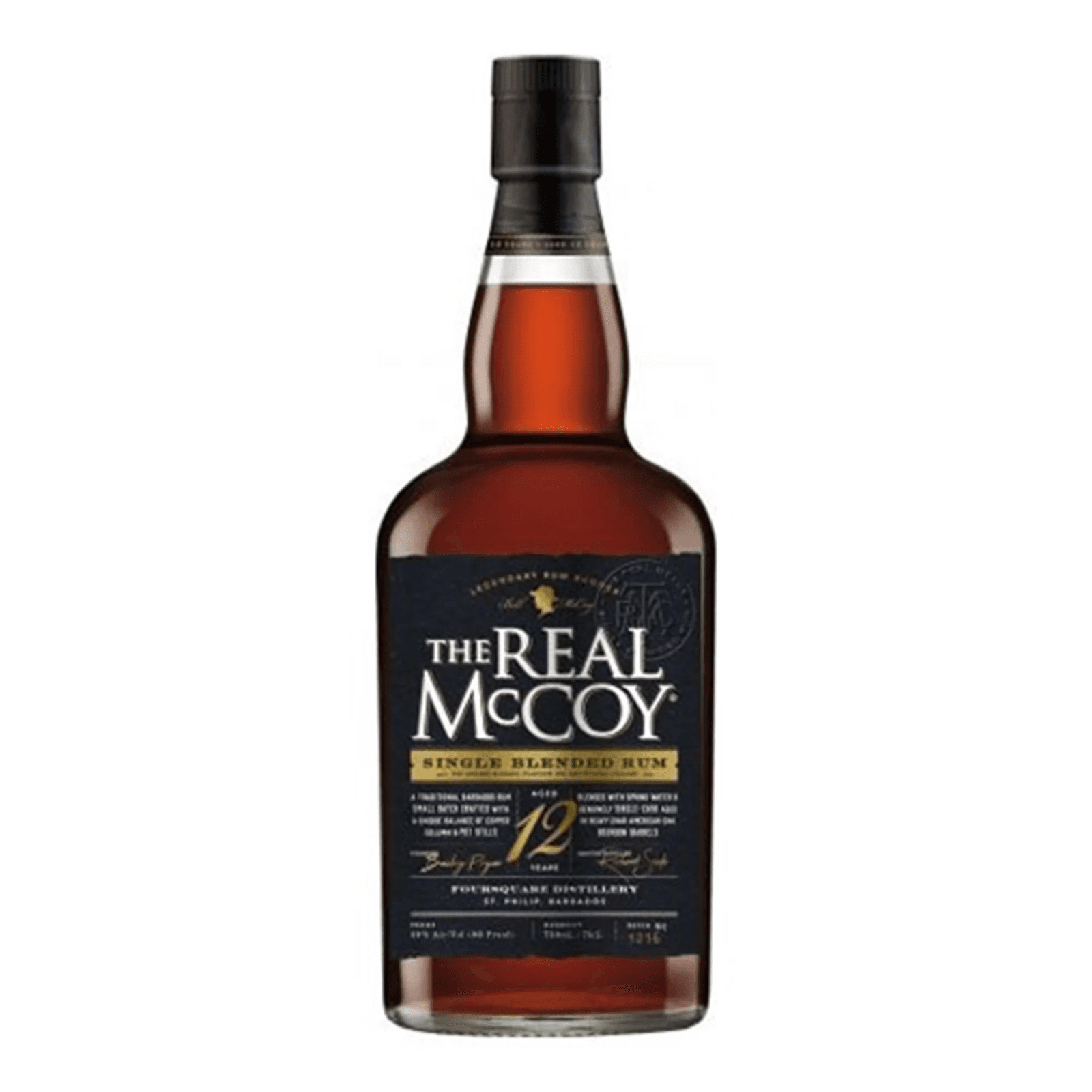
The Real McCoy 12 Year Old
The Real McCoy Rum Co.
The Real McCoy 12 is the Barbados rum that should be famous — and it would be, if it did not share a distillery with Foursquare’s own celebrated bottlings. Richard Seale blends pot and column still rums aged twelve years in ex-bourbon barrels, and bottles them with zero additives.
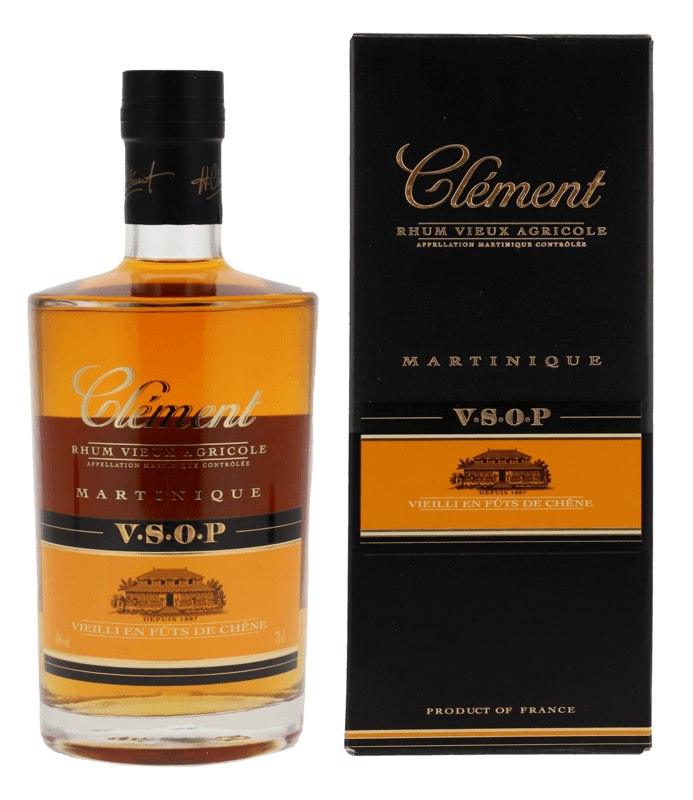
Clément VSOP Rhum Agricole
Groupe Bernard Hayot (GBH)
Clément VSOP is the most eloquent argument for rhum agricole’s place among the world’s great aged spirits.
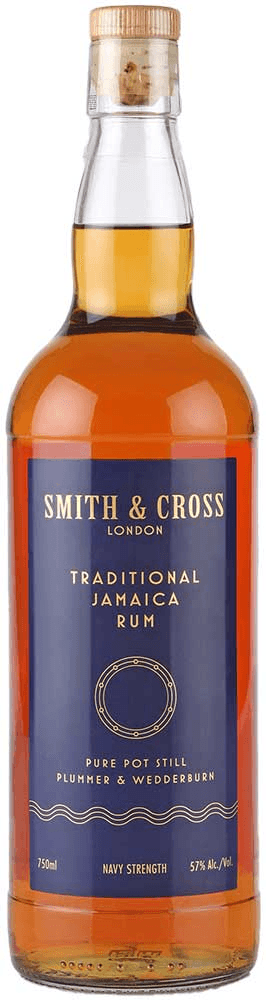
Smith & Cross Traditional Jamaica Rum
Hayman Ltd. (UK)
Smith & Cross is rum with its gloves off. Bottled at a scorching 57% — the old British proof strength — the point at which spirit-soaked gunpowder would still ignite, a benchmark used by the Royal Navy to verify their rum had not been watered down.