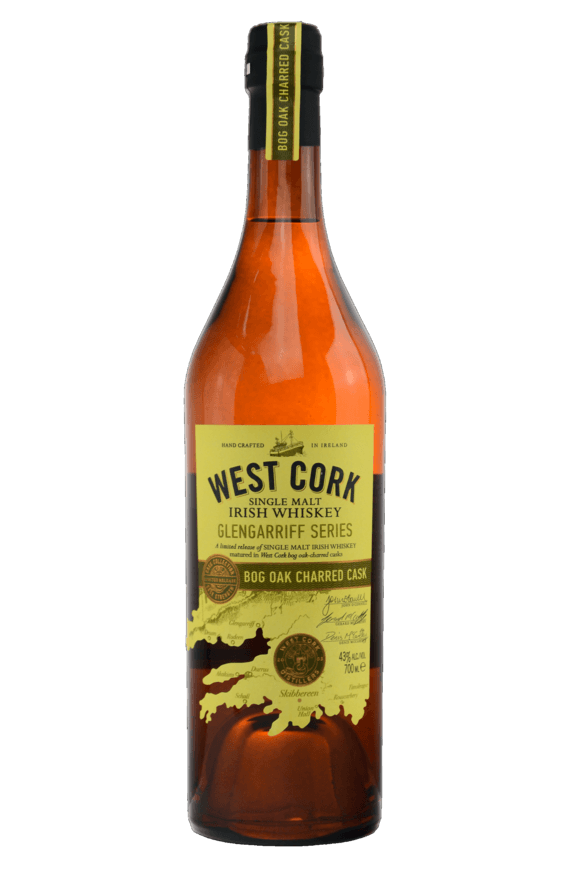
West Cork Glengarriff Series Bog Oak Charred Cask
West Cork Distillers · West Cork Distillers, Skibbereen, Co. Cork
The experiment here is elemental: what happens when you char a cask with wood that has been buried in peat for three millennia? The answer is a flavor profile that exists nowhere else in Irish whiskey — a deep, minerally woodiness that isn't quite peat smoke and isn't quite standard oak char. It's something entirely its own. West Cork could have finished this whiskey in standard barrels and sold it for the same price, but they chose to dig into the bogs of Glengarriff and create a finishing process that no one else can replicate. At this price point, it's one of the most original experiments in Irish whiskey.
Nose
Spice and dried leather with a sweet dried fruit undertone, layered with cocoa, toasted malt, and a faint whisper of ancient wood smoke.
Palate
Intense spice and cracked pepper give way to toffee, malt, and dark cocoa. The bog oak char contributes a unique woody depth — not peat smoke, but something older and more mineral, like the forest floor itself.
Finish
Medium with toffee, malt, cocoa, and oak fading into a subtle, smoky warmth that speaks of the ancient bog.
- Distillation
- Triple distilled in copper pot stills
- Maturation
- Initial maturation in ex-sherry casks, finished in casks charred with 3,000-year-old bog oak from Glengarriff Forest
Cocktail Suggestion
Cocktail — The Bog Standard (Anything But): 2 oz West Cork Bog Oak, 0.5 oz Pedro Ximénez sherry, 2 dashes chocolate bitters. Stir over ice, strain into a rocks glass, garnish with a dried fig.
Food Pairing
Pair with: Dark chocolate truffles dusted with smoked sea salt — the cocoa and smoke in the whiskey find a mirror in the chocolate, while the sherry cask sweetness bridges to the truffle's cream.
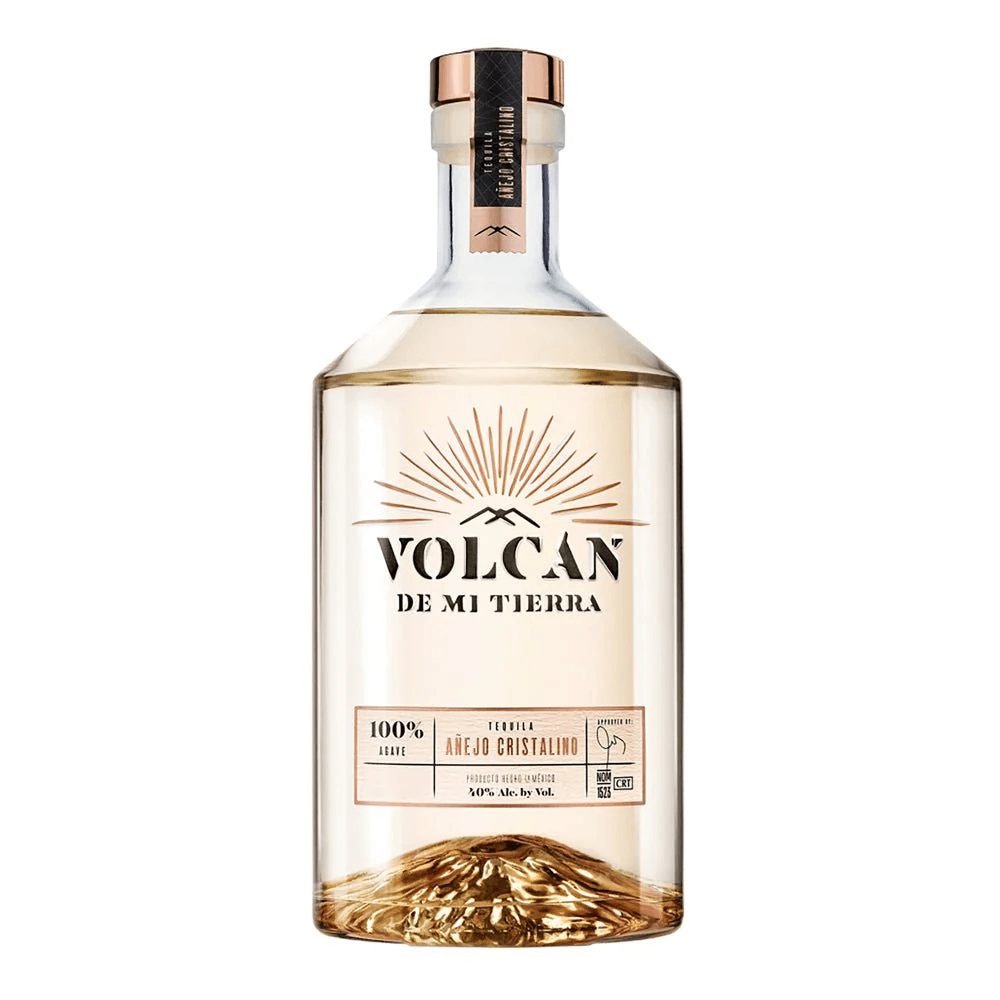
Volcán De Mi Tierra Cristalino
Moët Hennessy (LVMH)
The cristalino category is itself an experiment — the proposition that you can age a tequila for years, develop all that barrel complexity, then strip away the amber color through charcoal filtration without losing what the barrels gave you. Volcán De Mi Tierra pushes the experiment further by blending two different aged expressions from two different barrel types before filtering. The result is a tequila that looks like a blanco but drinks like an añejo — an optical illusion in a glass, and a compelling argument that color tells you far less about a spirit than you think.
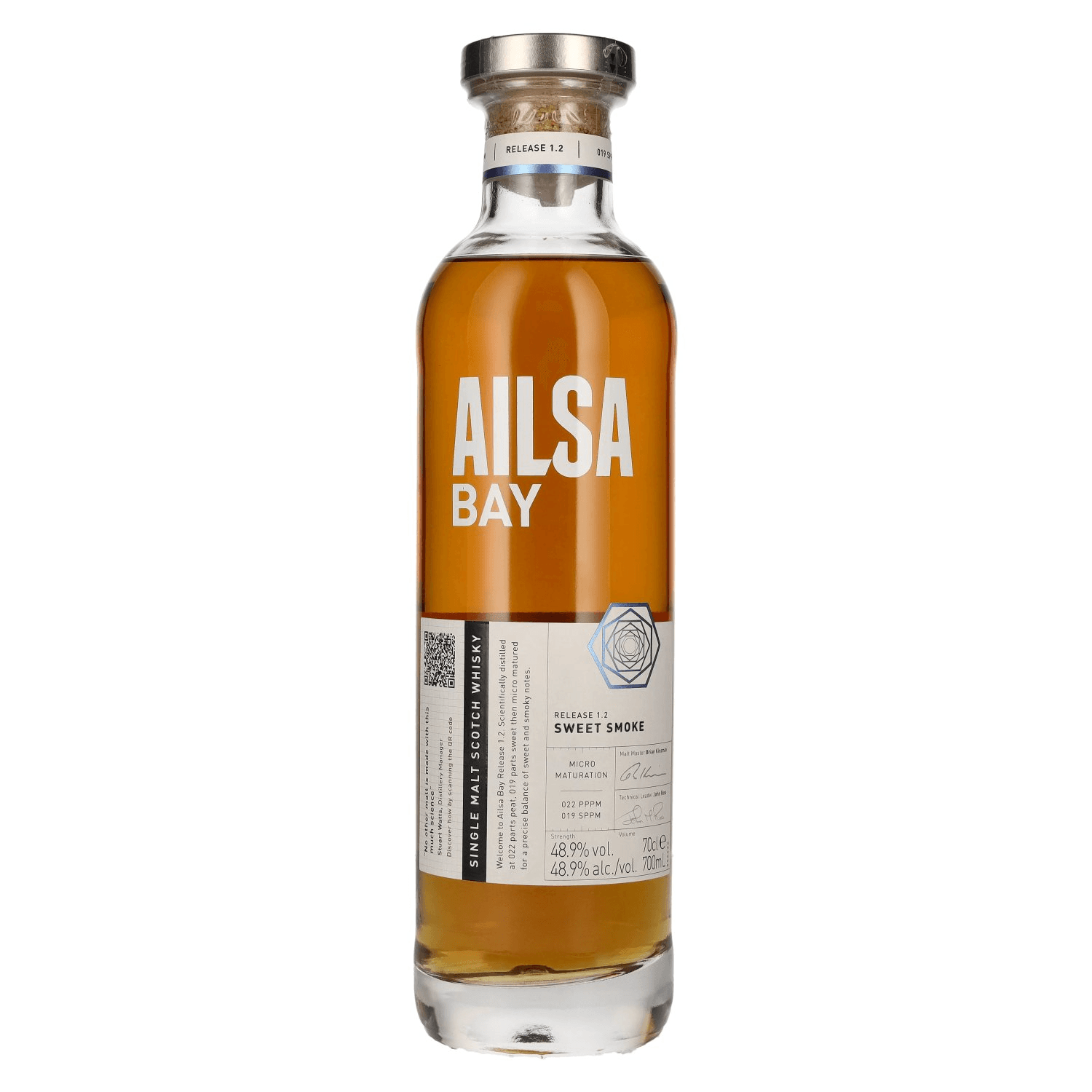
Ailsa Bay Sweet Smoke
William Grant & Sons
Ailsa Bay is a whisky designed by measurement. Malt Master Brian Kinsman assigned each batch a sweetness score (measured in SPPM — sweet parts per million) and a smoke score (measured in phenol PPM), then balanced the two until they achieved equilibrium — a concept he calls Sweet Smoke. The result is unlike heavily peated Islay malts or gentle Speyside drams. It occupies a middle ground that didn't exist before Kinsman built it: controlled peat that enhances rather than dominates, supported by vanilla and honey from the micro-maturation protocol in small Hudson Baby Bourbon barrels. This is Scotch as controlled experiment.
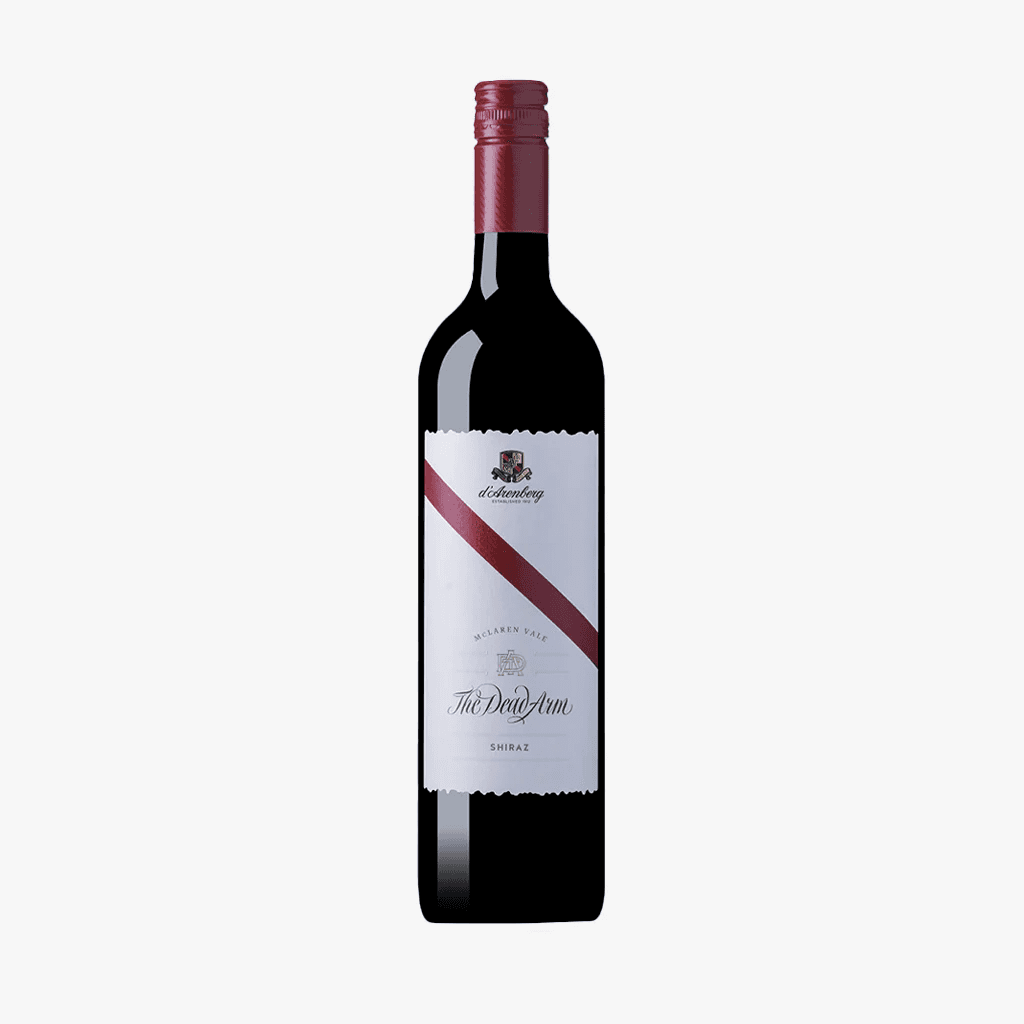
d'Arenberg The Dead Arm Shiraz 2019
d'Arenberg Pty Ltd
The Dead Arm is an experiment in turning disaster into distinction. Most growers would rip out vines afflicted with Eutypa lata, but Chester Osborn saw what the disease did to the surviving fruit — concentrated it, intensified it, made it something a healthy vine could never produce. The resulting wine is enormously concentrated without being heavy, packed with dark fruit and cedar but retaining the savory, earthy character that marks great McLaren Vale Shiraz. It's a reminder that some of the best things in wine happen when nature forces the maker's hand.
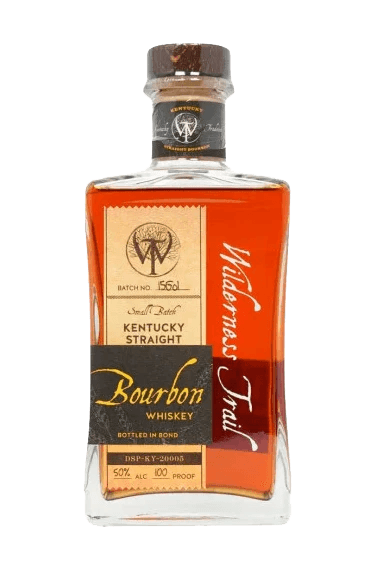
Wilderness Trail Small Batch Bottled in Bond
Wilderness Trail Distillery
Wilderness Trail is what happens when scientists build a distillery instead of inheriting one. The sweet mash process — fermenting with fresh yeast every batch rather than recycling spent mash — produces a remarkably clean, grain-forward bourbon that lets the wheat sing. At bottled-in-bond strength, it carries enough proof to deliver complexity without masking the delicate, biscuity sweetness that makes this wheated expression distinctive. This is bourbon as hypothesis confirmed.
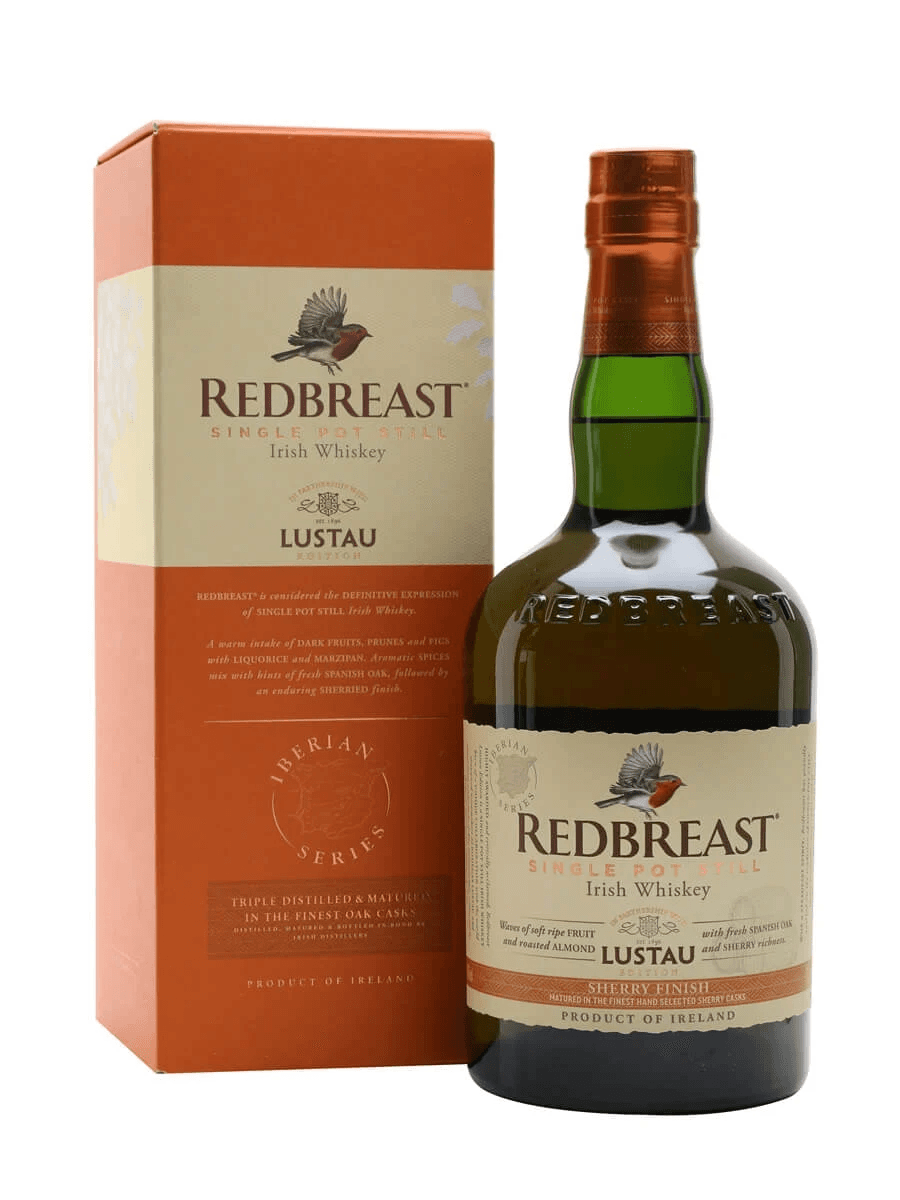
Redbreast Lustau Edition
Irish Distillers (Pernod Ricard)
The Lustau Edition is Redbreast's most layered expression — a whiskey that seems to change shape in the glass. That final year in Lustau's first-fill Oloroso butts doesn't overpower the pot still character; it adds a last chapter to an already complex story.
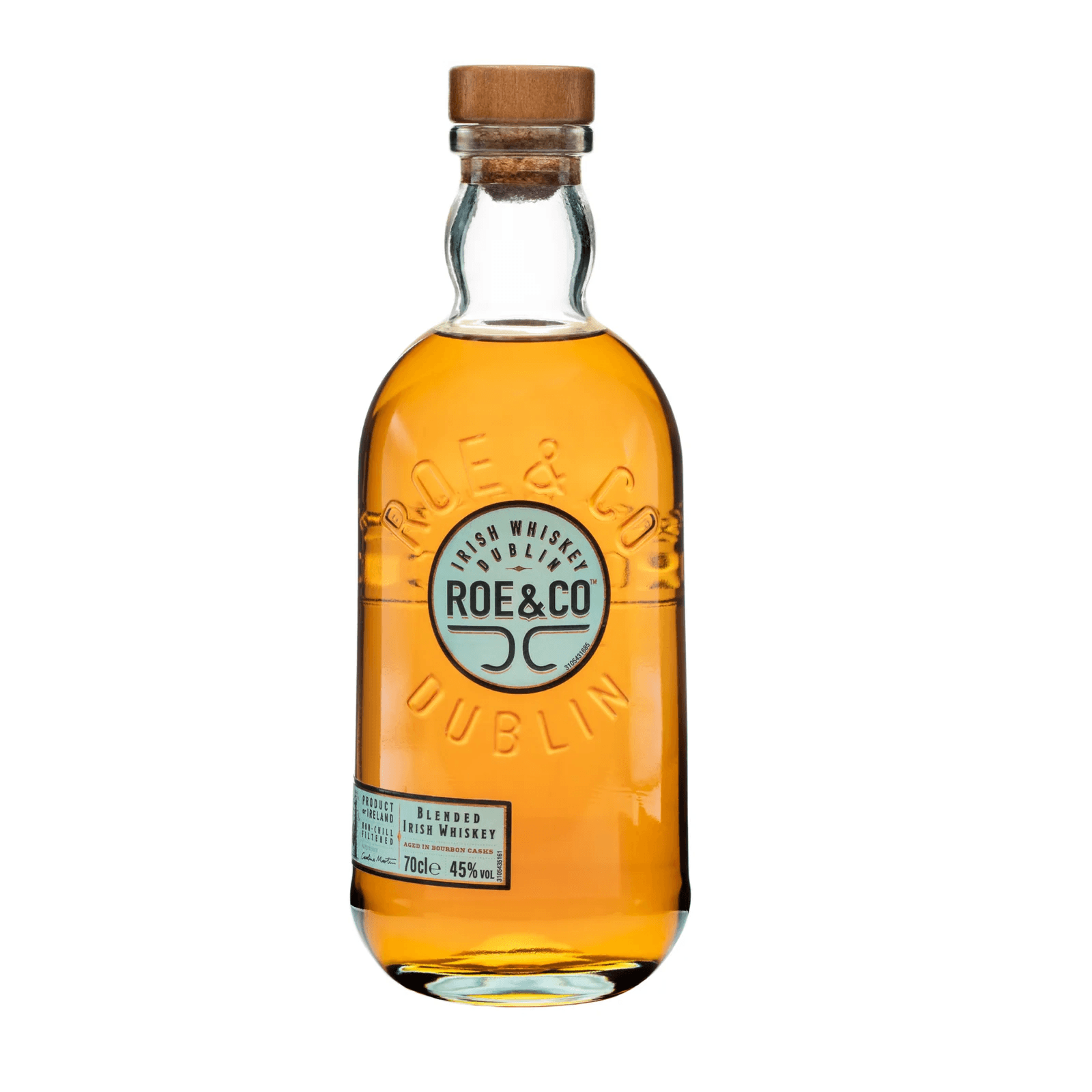
Roe & Co Blended Irish Whiskey
Diageo
Roe & Co is the resurrection of a name that once meant more to Irish whiskey than Jameson or Bushmills. George Roe’s original distillery was the largest in Europe, yet today most drinkers have never heard of him. Diageo’s revival blends rich malt and smooth grain whiskeys matured in a high proportion of first-fill bourbon barrels, then bottles at 45% ABV without chill filtration — a level of care that belies its modest price tag. At roughly thirty-five dollars, Roe & Co delivers the kind of creamy, spice-driven complexity that invites comparison with bottles twice its price.
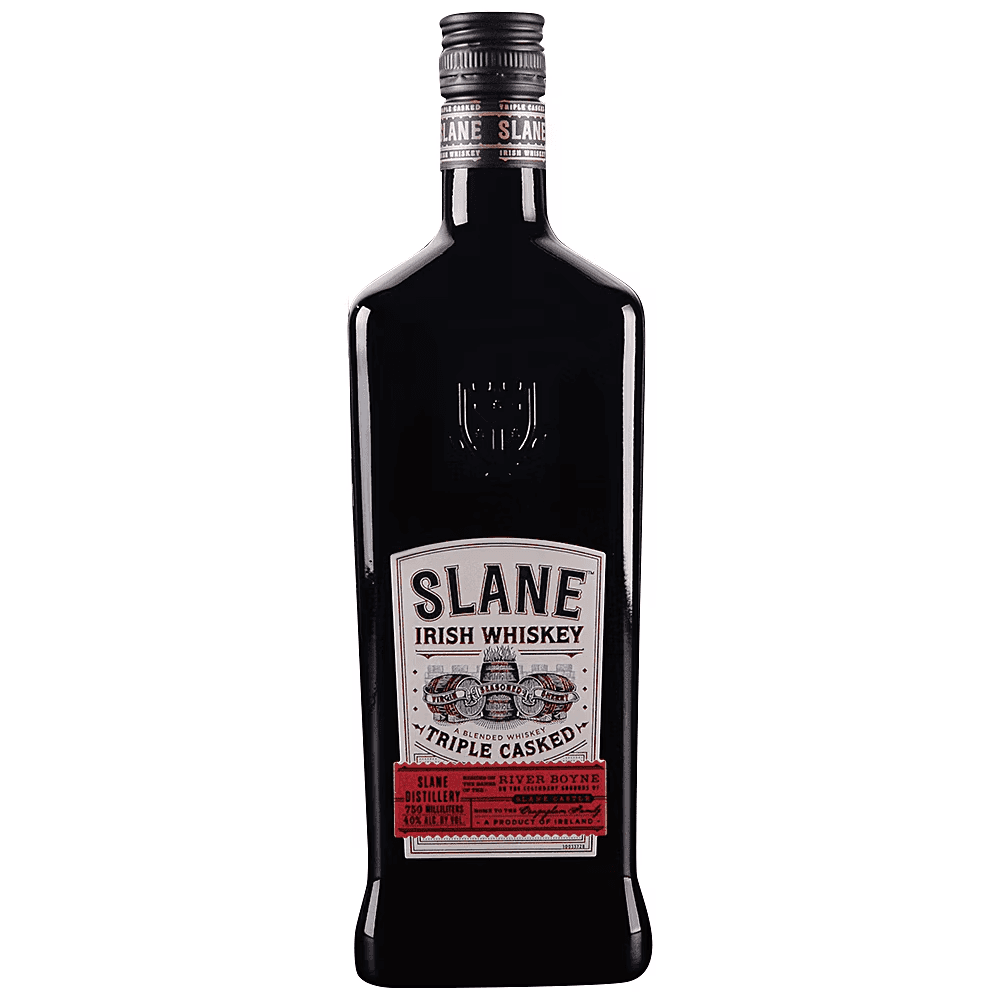
Slane Irish Whiskey
Brown-Forman
Slane is the story of what happens when a 150-year-old American whiskey company migrates its cooperage expertise to Ireland.
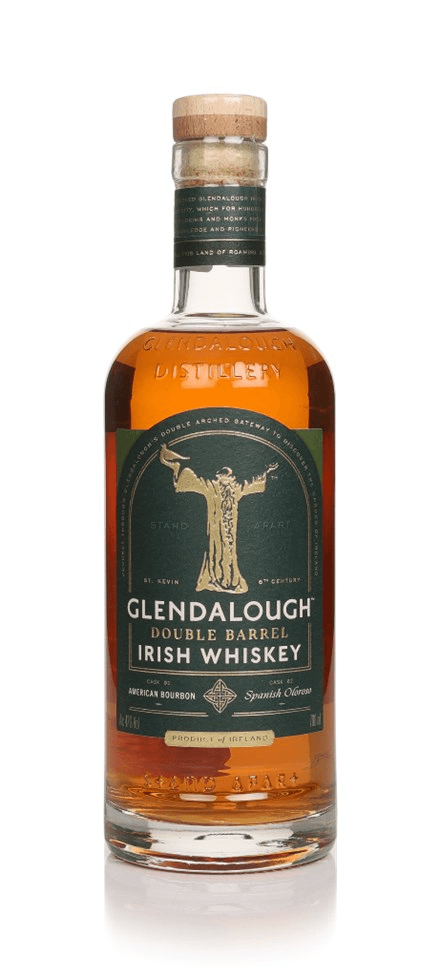
Glendalough Double Barrel
Glendalough Distillery (Mark Anthony Brands)
The double barrel treatment here is a study in how fire shapes wood, and wood shapes whiskey. The first-fill bourbon barrels — charred by fire before they ever held spirit — give the Glendalough its vanilla and caramel backbone. The Oloroso sherry casks — toasted to a different specification — add dried fruit and chocolate complexity.