Price
Under $50
99 reviews
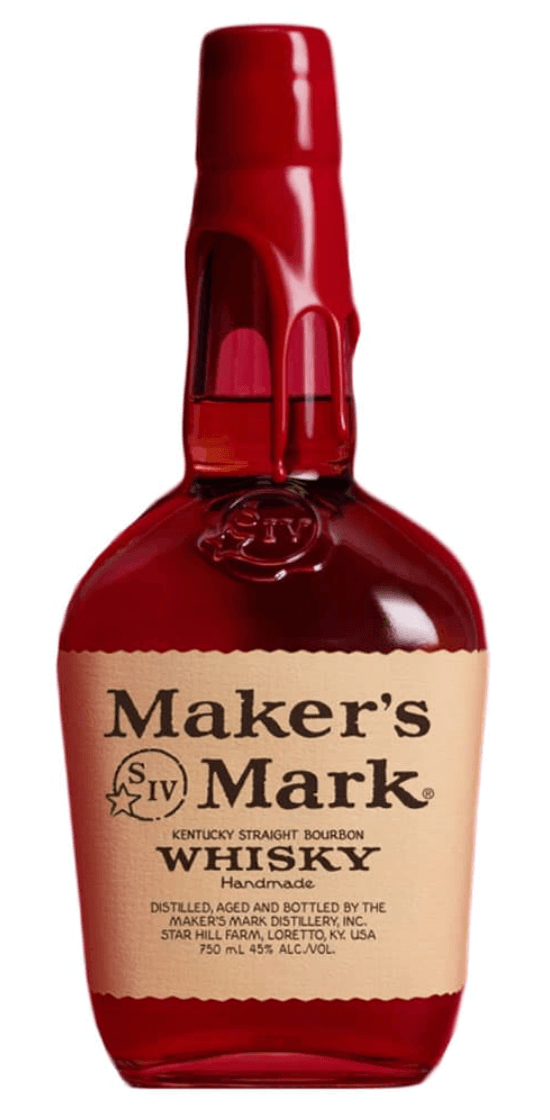
Maker’s Mark
Beam Suntory (originally T. William Samuels)
The red winter wheat is the whole story. Where rye adds bite and spice, wheat adds softness and sweetness — and that substitution, radical in 1953, gave Maker’s Mark its famously approachable character. Bill Samuels Sr.’s wife Margie designed the iconic hand-dipped red wax seal, and every bottle is still hand-dipped today. It’s a bourbon that proves innovation doesn’t require complexity — sometimes the bravest move is to simplify.
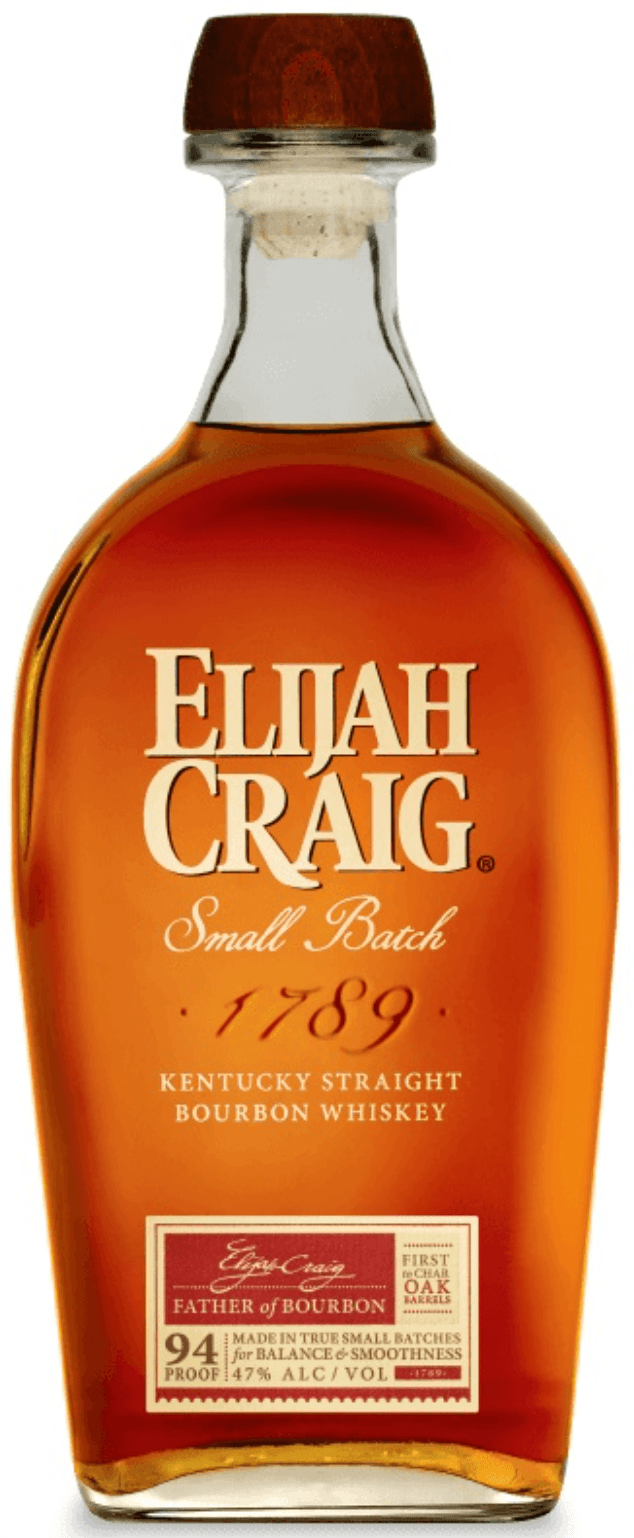
Elijah Craig Small Batch
Heaven Hill Distillery (Elijah Craig, est. 1986)
Elijah Craig Small Batch is the bourbon that punches so far above its price point that it makes you wonder what everyone else is doing with their money. Heaven Hill’s corn-heavy mash bill (78%) creates a sweet, approachable base, but the real story is the aging: barrels are drawn from multiple floors of Heaven Hill’s Bardstown rickhouses, where summer temperatures in the top floors can exceed 130°F while ground-floor barrels barely reach 80°F. This temperature differential means each barrel develops a different flavor profile — more caramel and char from the heat, more fruit and grain from the cool — and the blender’s job is to combine them into something greater than any single barrel. At 94 proof and 8–12 years old, the result is a bourbon with the complexity of bottles costing twice as much. The deep char (Heaven Hill uses a Number 3 char) gives it a distinctive smoky backbone that separates it from sweeter, lighter bourbons.
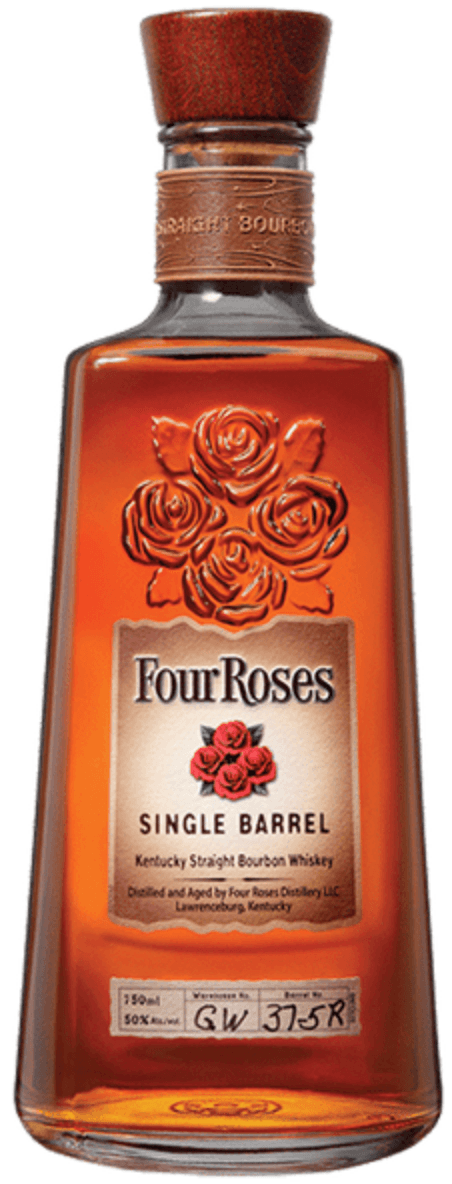
Four Roses Single Barrel
Kirin Brewery Company (Four Roses Distillery, est. 1888)
Four Roses Single Barrel is the product of the most obsessive production system in bourbon. While every other distillery works from a single mash bill and a single yeast strain, Four Roses developed two distinct mash bills and five proprietary yeast strains — creating ten unique recipes, each with its own flavor fingerprint. The standard Single Barrel uses recipe OBSV: the high-rye mash bill (35% rye — among the highest in Kentucky) paired with the V yeast strain, which contributes delicate fruit and cream. At 100 proof, it has the structure to showcase every layer of that complexity. The result is a bourbon that tastes like it was engineered by someone who couldn’t stop asking “what if?” — because it was.
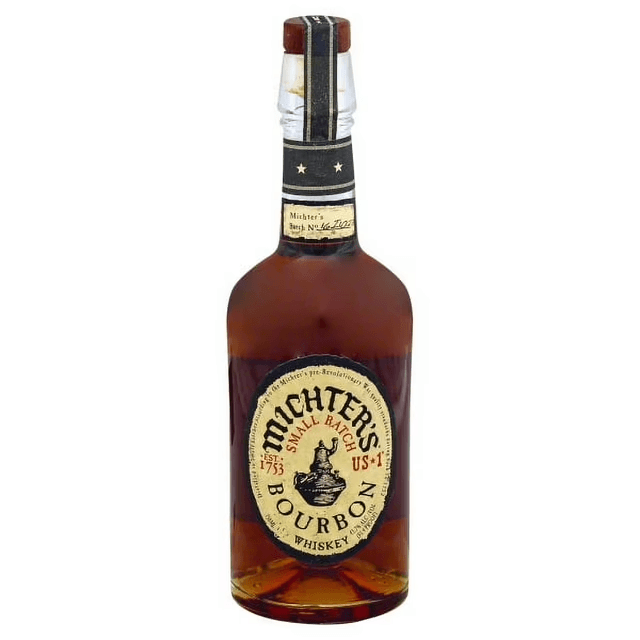
Michter's US*1 Small Batch Bourbon
Michter's Distillery LLC
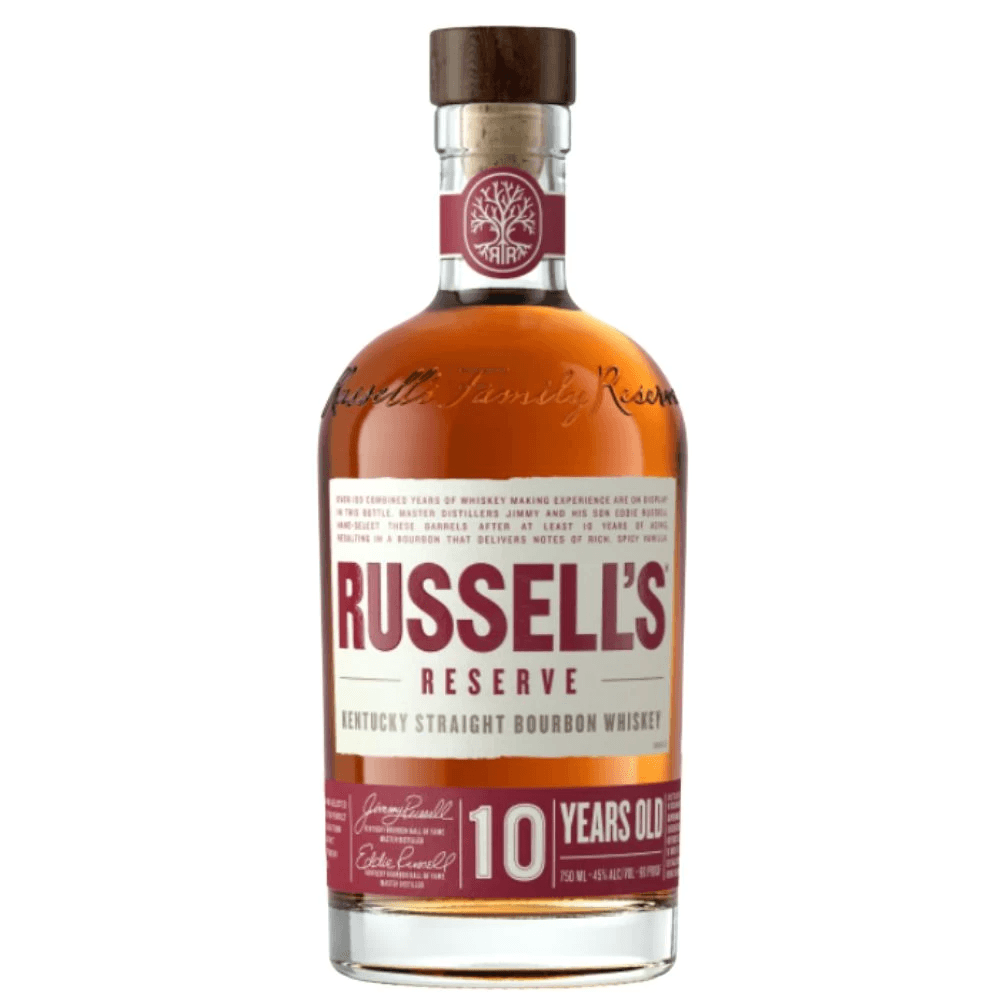
Russell's Reserve 10 Year Old
Campari Group
Jimmy Russell has been making bourbon at Wild Turkey for over six decades — the longest-tenured master distiller in the world. Russell's Reserve 10 Year Old is the quiet embodiment of that resilience.
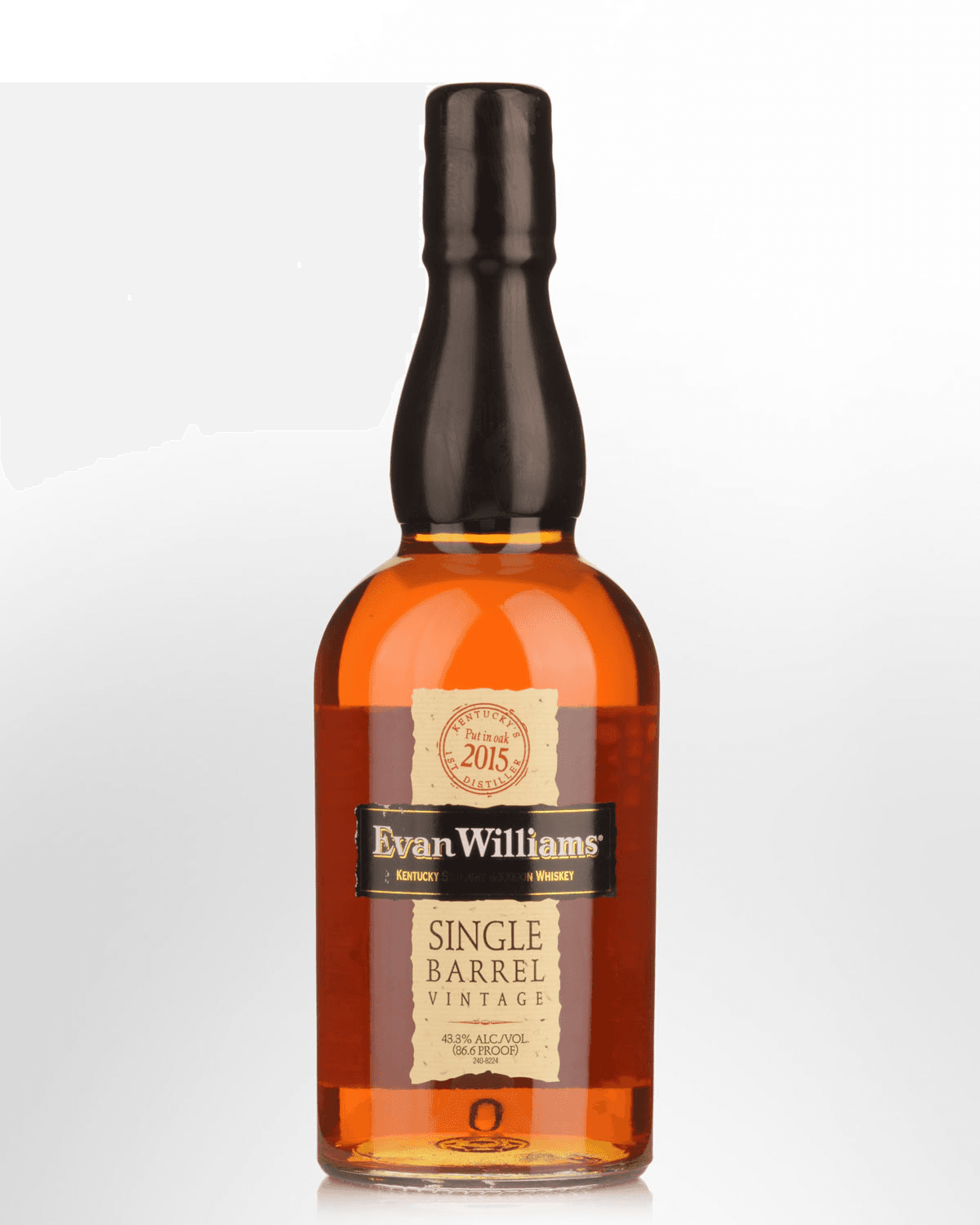
Evan Williams Single Barrel Vintage
Heaven Hill Brands
Evan Williams Single Barrel proves that extraordinary bourbon doesn't require an extraordinary price tag. Heaven Hill's barrel selection program is an exercise in architectural precision — each vintage is chosen from specific warehouse positions where temperature swings and airflow create optimal aging conditions. The result is a bourbon with the kind of coherent structure you'd expect at twice the price: honeyed sweetness scaffolded by oak, grain character providing the foundation, spice adding the finishing detail. It's a blueprint for what single-barrel selection can accomplish.
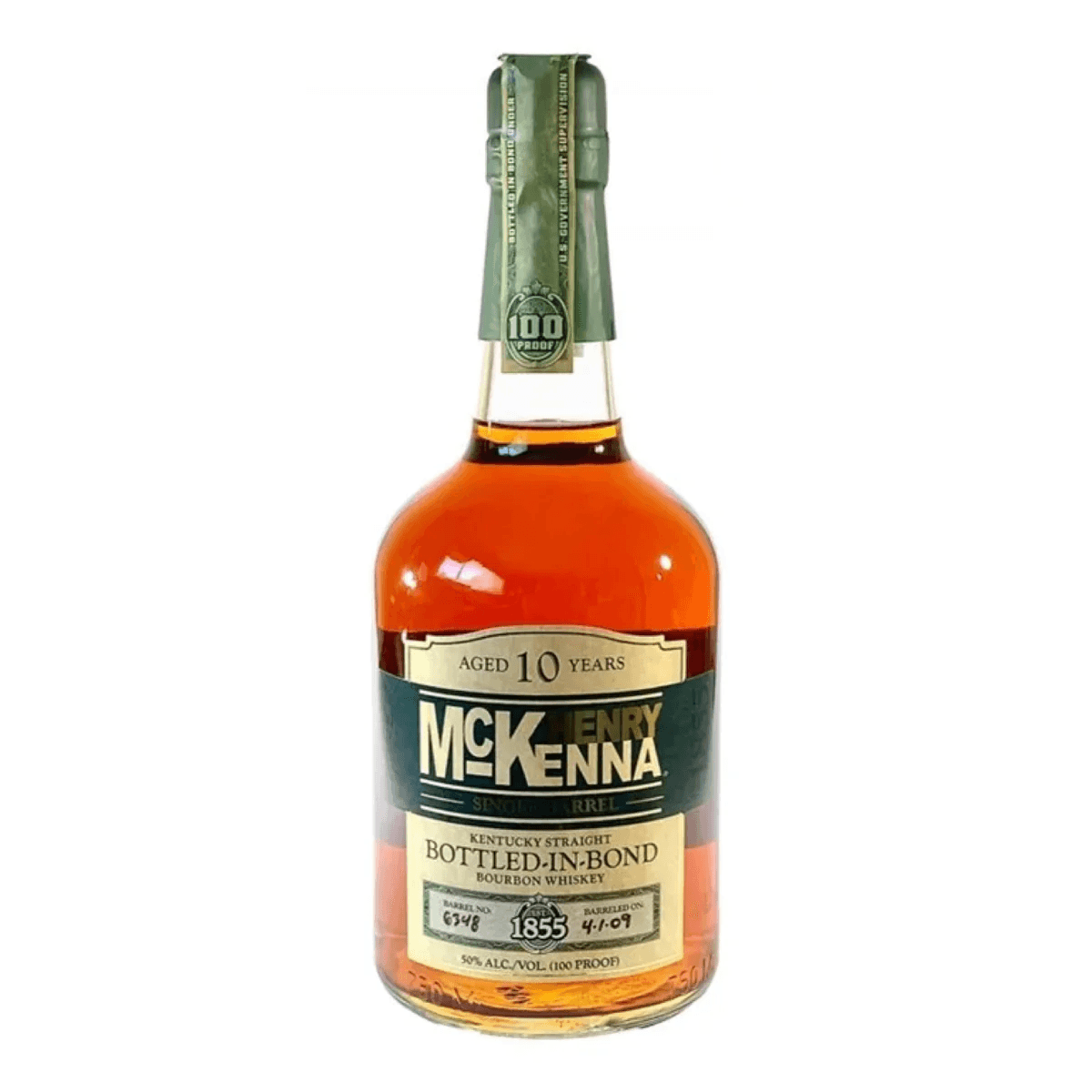
Henry McKenna 10 Year Old Single Barrel
Heaven Hill Brands
Henry McKenna 10 is the quiet overachiever of American whiskey — a bottled-in-bond single barrel that costs less than many blended bourbons.
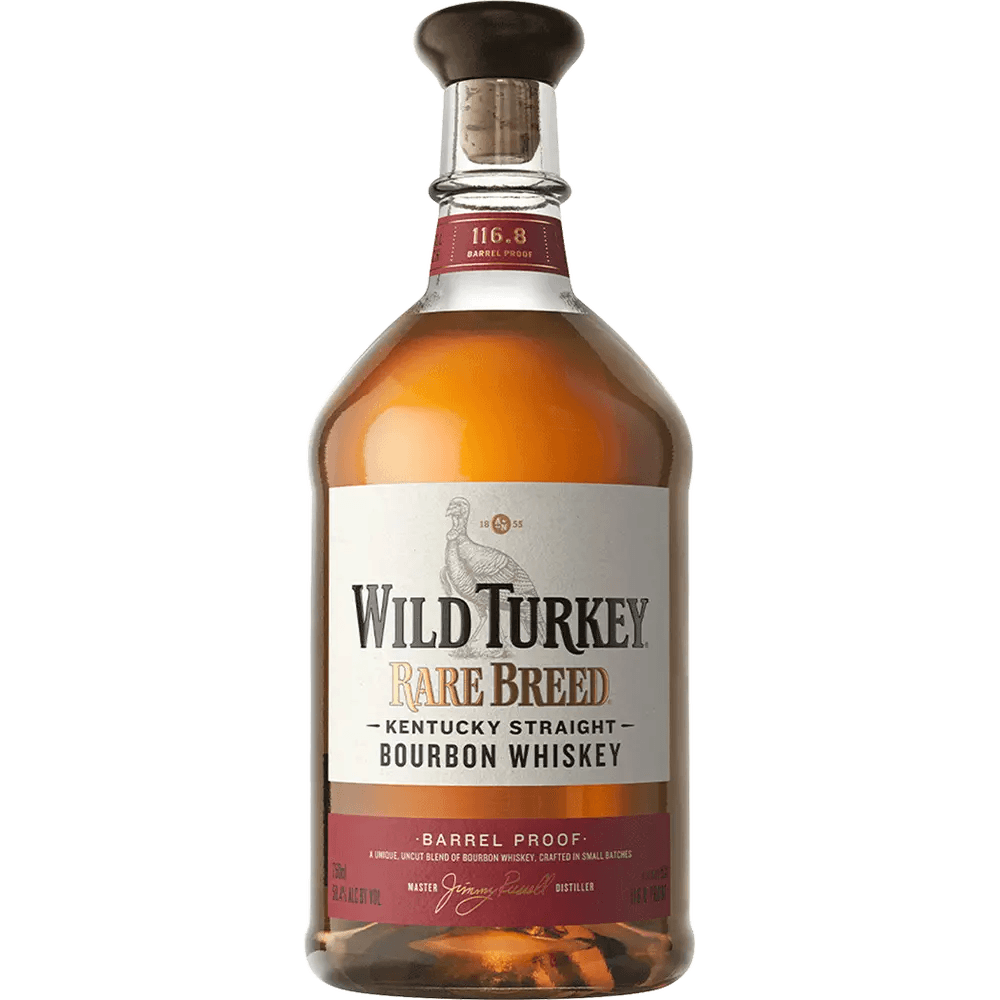
Wild Turkey Rare Breed
Campari Group
Wild Turkey Rare Breed is the bourbon that seasoned drinkers quietly recommend to one another while the rest of the world camps outside liquor stores for allocated bottles. Eddie Russell, who has spent over four decades at the distillery alongside his father Jimmy, blends six-, eight-, and twelve-year-old stocks into a barrel-proof expression that delivers complexity most bourbons only hint at. At roughly fifty dollars, Rare Breed competes with — and frequently outperforms — bottles selling for three and four times its price. The 116.8 proof is not a gimmick; it is the natural strength of the bourbon itself, carrying every nuance of the aging process without dilution. If you have been chasing hype, stop. This is the bottle that was waiting for you all along.
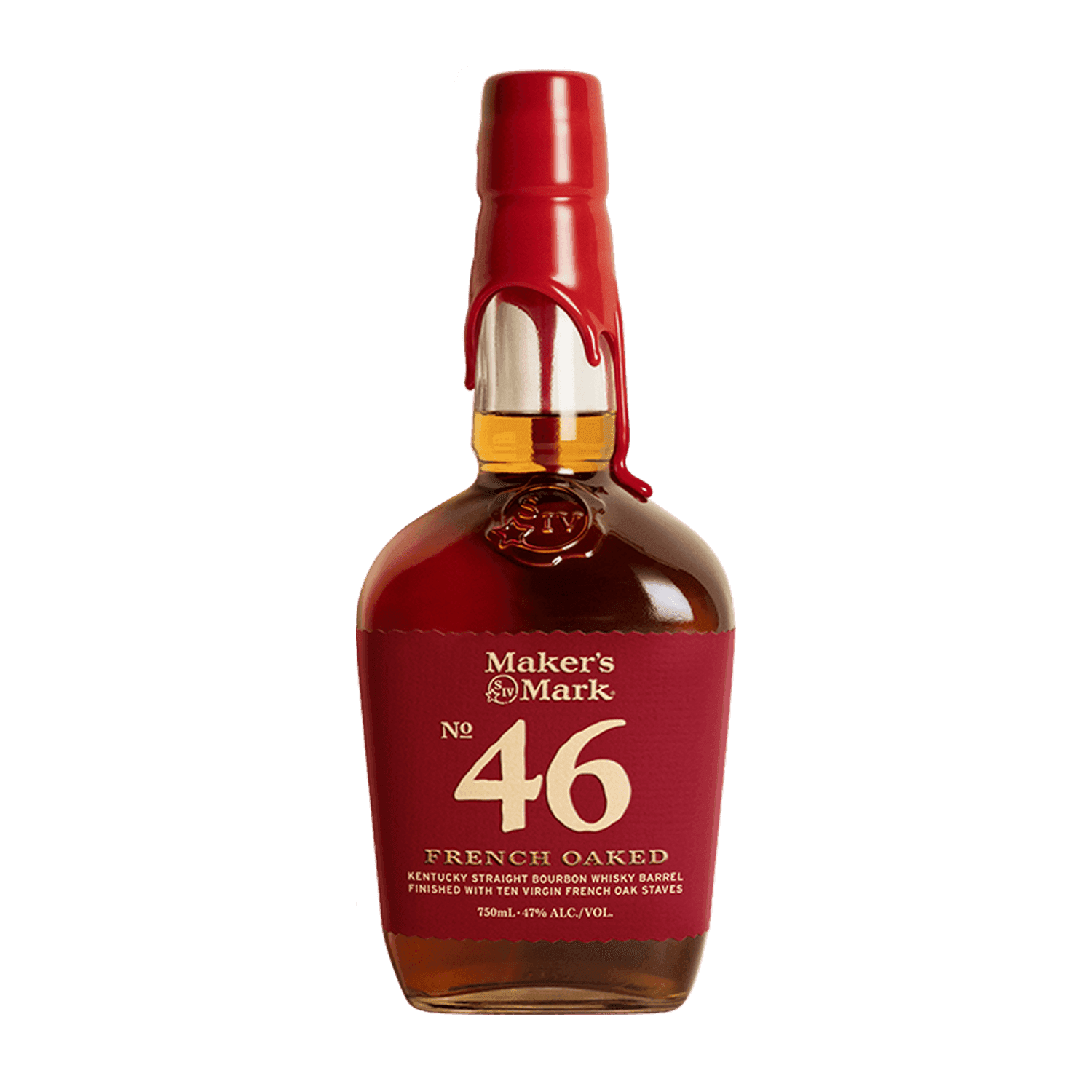
Maker's Mark 46
Beam Suntory
The 46 is a masterclass in what fire can add. Those ten seared French oak staves — Stave Profile No. 46, the one that gave this bourbon its name — transform a familiar wheated bourbon into something richer, spicier, and more complex, without losing the soft, approachable character that made Maker's Mark famous in the first place.
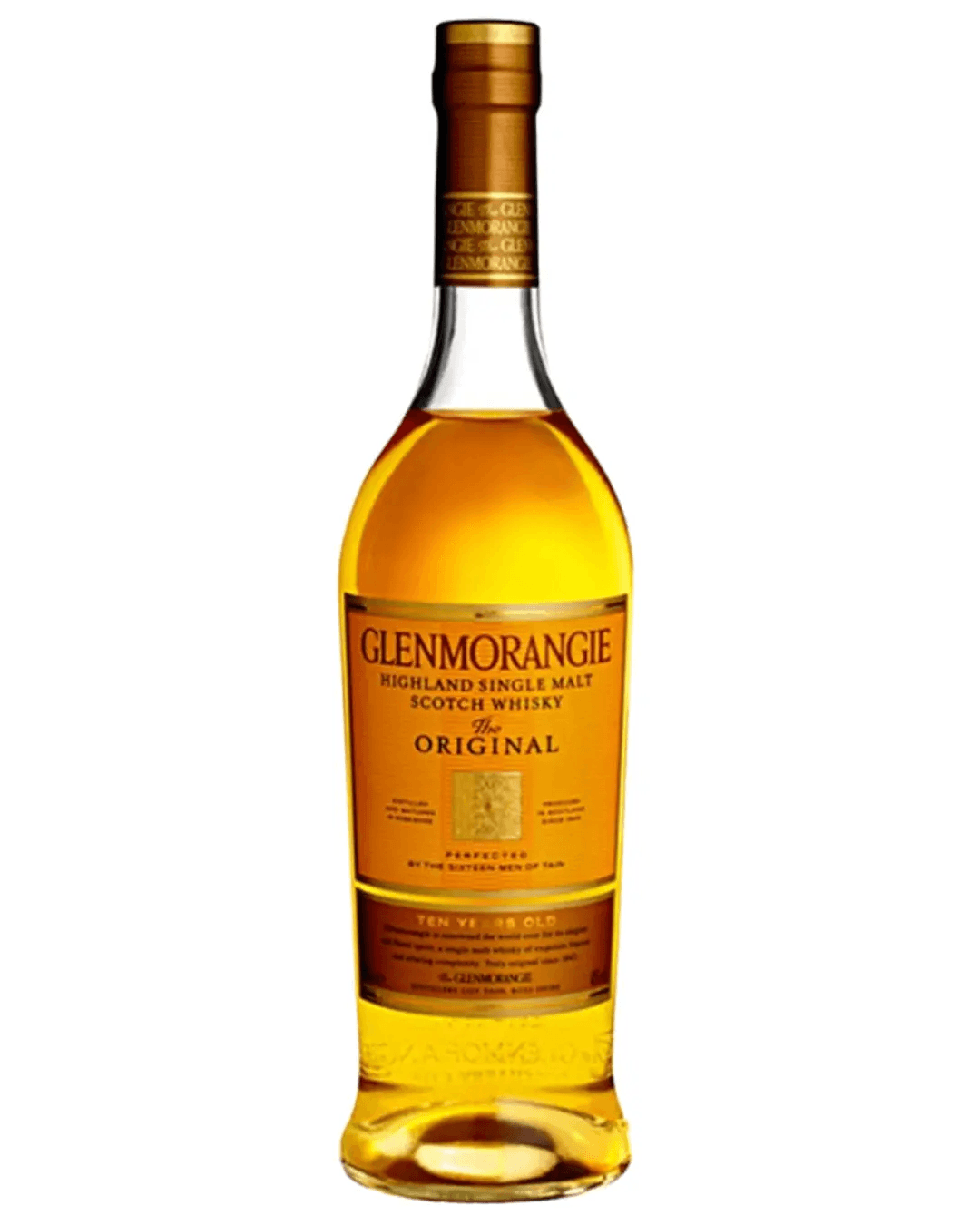
Glenmorangie The Original 10 Year Old
The Glenmorangie Company (LVMH)
Glenmorangie The Original is a masterclass in the Highland style — delicate, fruity, and approachable without sacrificing depth. Those famously tall stills, the tallest in Scotland, strip away heavier compounds and deliver a spirit of unusual purity.
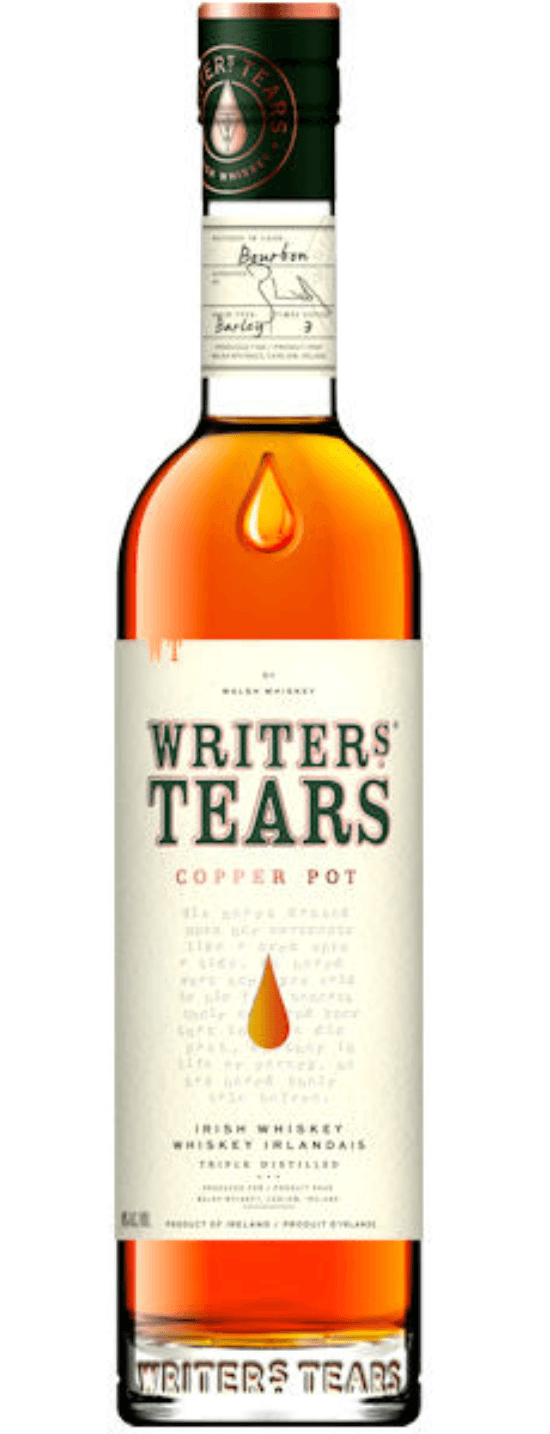
Writers’ Tears Copper Pot
Walsh Whiskey Distillery (Bernard & Rosemary Walsh, founders)
Writers’ Tears earns its literary name. Oscar Wilde, James Joyce, Brendan Behan — Irish writers and Irish whiskey have been inseparable for centuries, and the Walshes bottled that romance into something genuinely beautiful. The blend of single pot still and single malt creates a texture that’s both silky and spiced, with the unmalted barley adding the characteristic Irish “pot still bite” that gives it backbone. At under $40, it punches well above its price point and serves as a perfect introduction to what makes Irish whiskey different from Scotch.
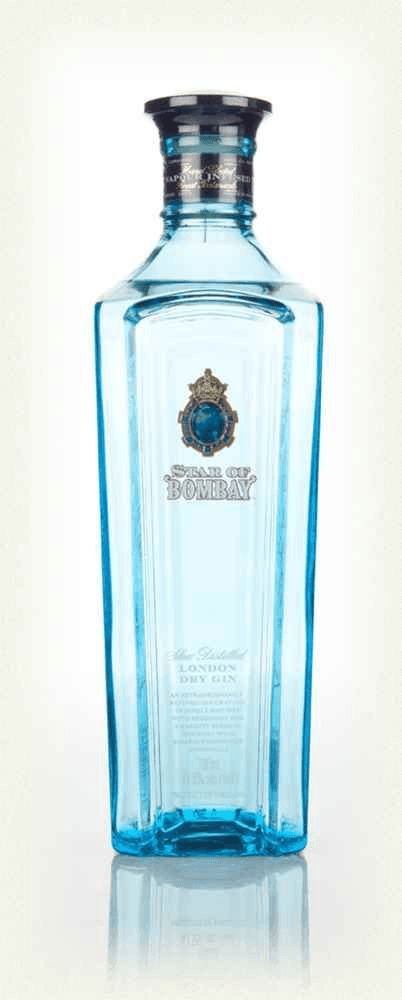
Star of Bombay
Bacardi (Bombay Spirits Company)
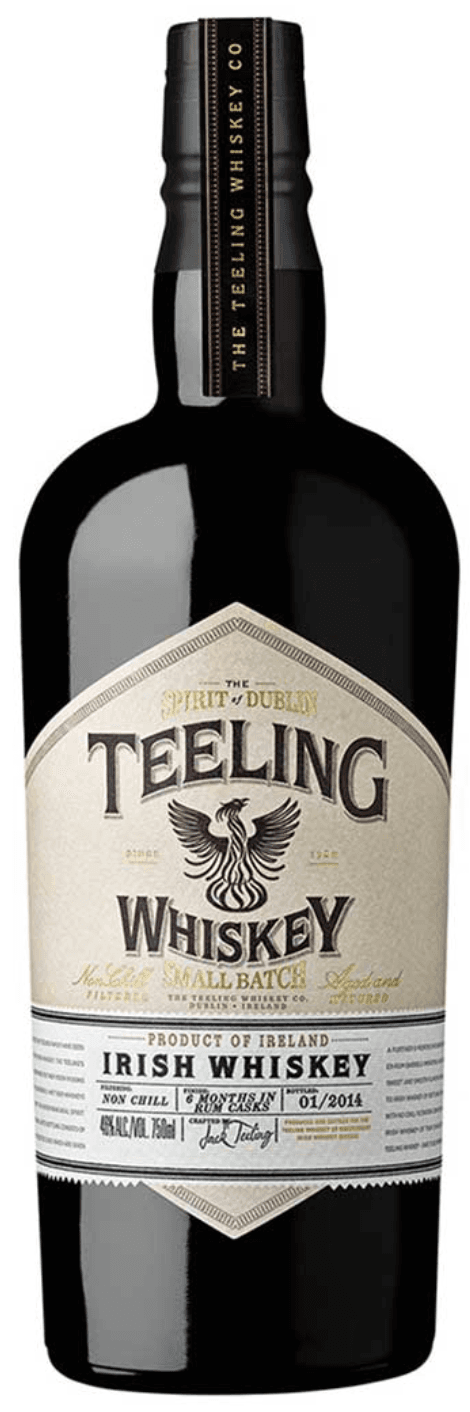
Teeling Small Batch
Teeling Whiskey Company (est. 2012)
The Teelings’ terroir isn’t soil — it’s Dublin itself. Jack and Stephen Teeling built their distillery in the Liberties, a neighborhood that had been the beating heart of Irish whiskey for two centuries before the industry collapsed. The Liberties once held more distilleries per square mile than anywhere on earth. The Teelings’ bet was that Dublin’s whiskey DNA still mattered — that making whiskey in the city, near the original water sources and in the cultural context that shaped Irish whiskey, would produce something different from the industrial parks where most Irish whiskey is now made. The Small Batch expression showcases their innovation: finishing in Central American rum barrels adds a tropical sweetness that no other Irish whiskey offers, while bottling at 46% ABV (non-chill filtered) preserves the full texture. It’s a whiskey that tastes like a city reclaiming its birthright.
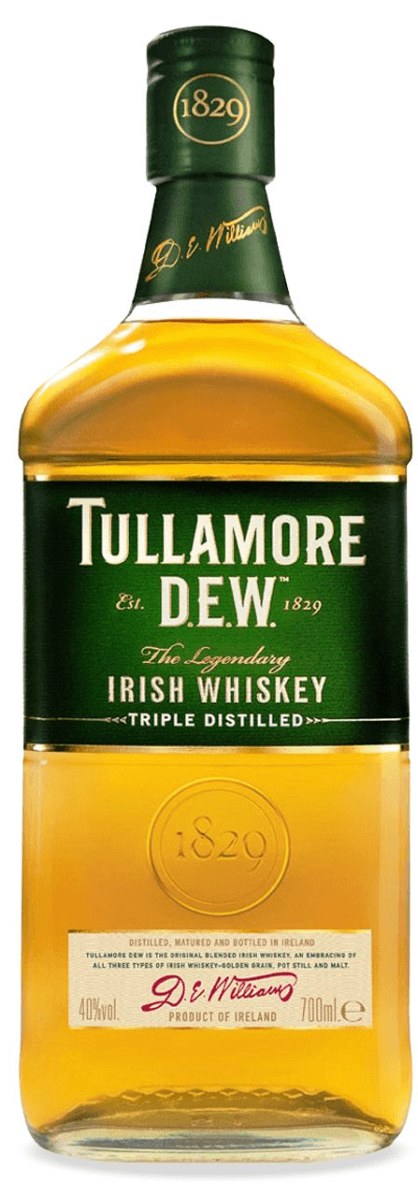
Tullamore D.E.W. Original
William Grant & Sons (Tullamore D.E.W., est. 1829)
Tullamore D.E.W. went against the grain in the most dramatic way possible: it came back from the dead. When the old Tullamore distillery closed in 1954, the brand survived as a label without a home, its whiskey sourced from other distilleries for sixty years. Then in 2014, William Grant & Sons built a brand-new €35 million distillery in Tullamore — the first new greenfield distillery in Ireland in over a century — bringing whiskey-making back to the town whose name is literally on the bottle. The triple blend of pot still, malt, and grain — triple distilled and triple cask matured — delivers surprising complexity at a price point that makes it one of the best introductions to Irish whiskey on the market.
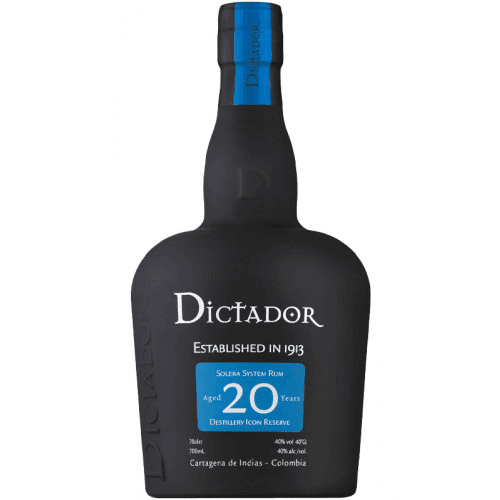
Dictador 20 Year Old
Dictador
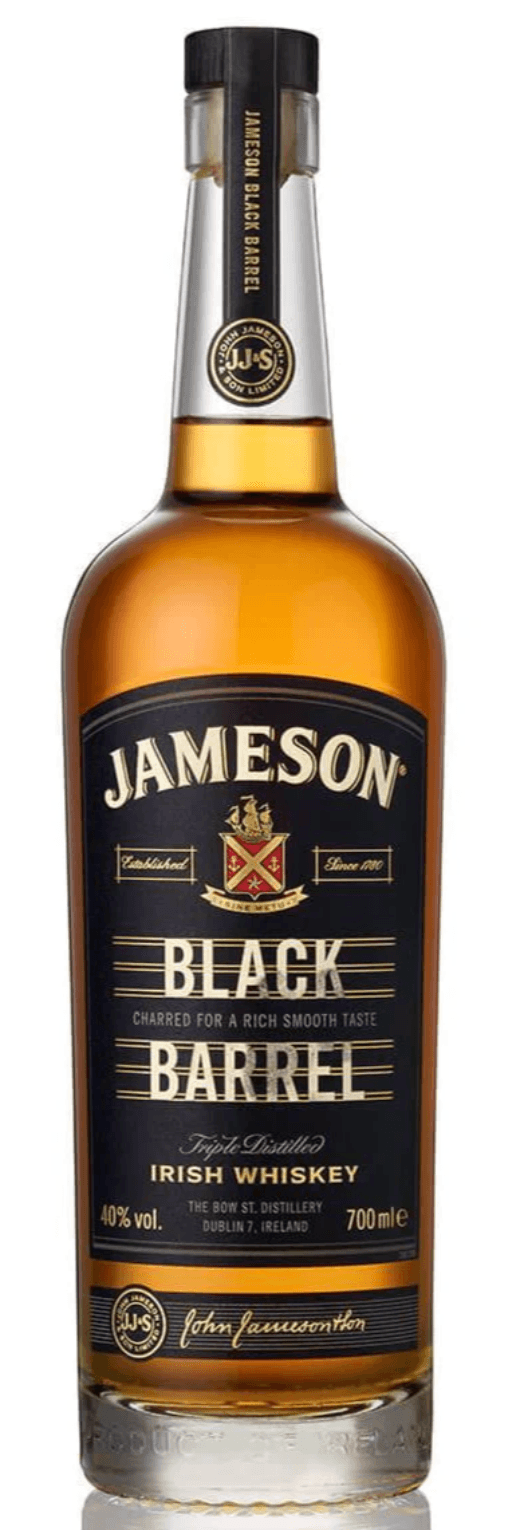
Jameson Black Barrel
Irish Distillers (Pernod Ricard; Jameson, est. 1780)
Jameson Black Barrel is what happens when the world's most approachable Irish whiskey gets a lesson in patience. The key difference from standard Jameson is the double-charred bourbon barrels — a process where spent barrels are re-charred before the whiskey goes in, reactivating the wood's sugars and deepening the flavor extraction. It's an extra step that takes extra time, and the result is a whiskey with noticeably more weight, complexity, and character. The pot still component adds a creamy, spicy backbone that the grain whiskey alone couldn't provide, and the char gives everything a toasty, caramelized edge. At its price point, Black Barrel may be the best value in Irish whiskey — complex enough to sip neat, versatile enough for cocktails, and proof that patience in the cooperage pays dividends in the glass.
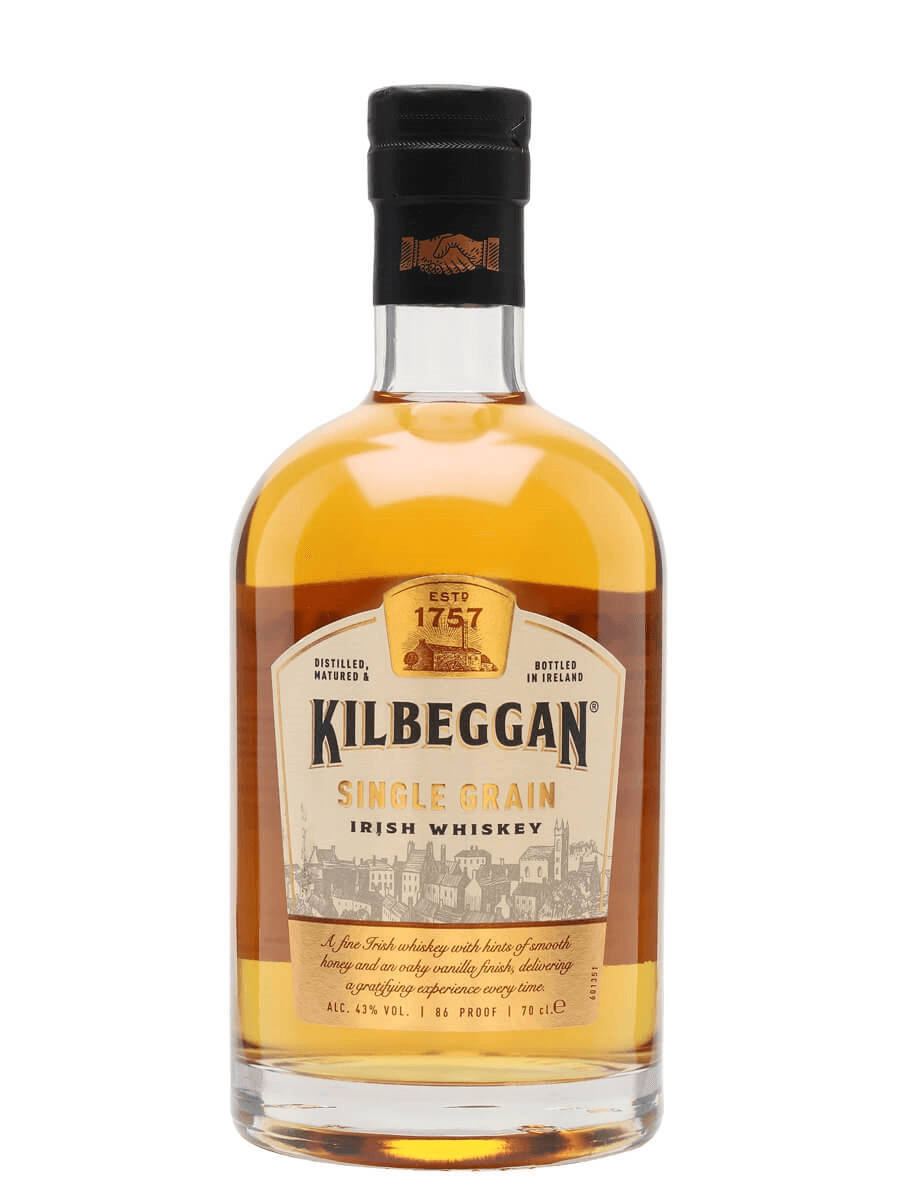
Kilbeggan Single Grain Irish Whiskey
Beam Suntory
The Kilbeggan distillery nearly vanished. After closing in 1957, it sat derelict until a group of local volunteers began restoring it in 1982 — cleaning pot stills by hand, patching stone walls, preserving equipment.
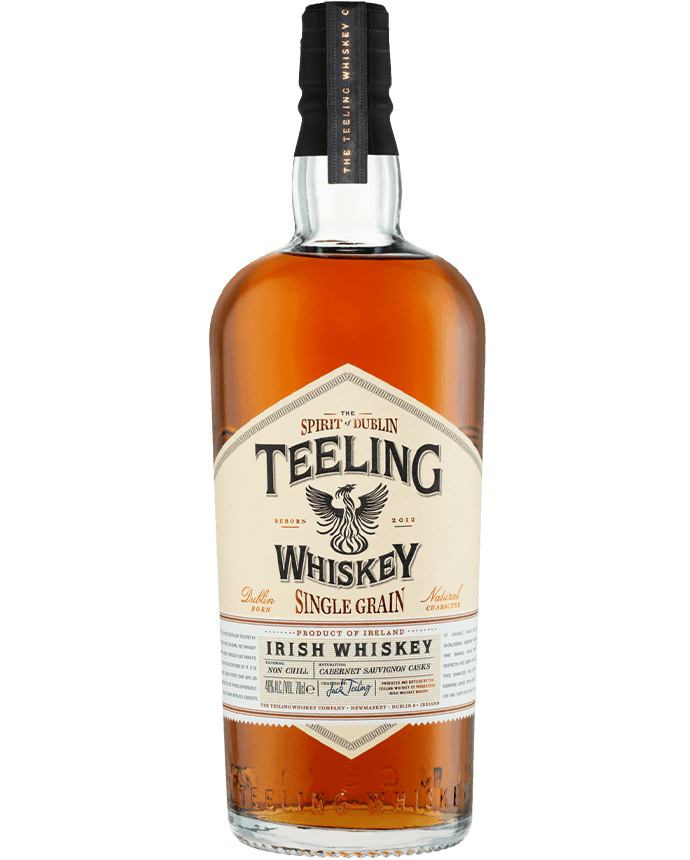
Teeling Single Grain Irish Whiskey
Teeling Whiskey Company
Grain whiskey gets little respect until you taste Teeling's version. Matured in Californian Cabernet Sauvignon casks, this single grain has the silkiness of a premium spirit and the depth of a well-aged whiskey. It's the secret that every Irish blend drinker has been unknowingly appreciating for decades, now bottled on its own terms. Serve it slightly chilled, neat, to anyone who claims Irish whiskey is predictable — this changes the conversation immediately.
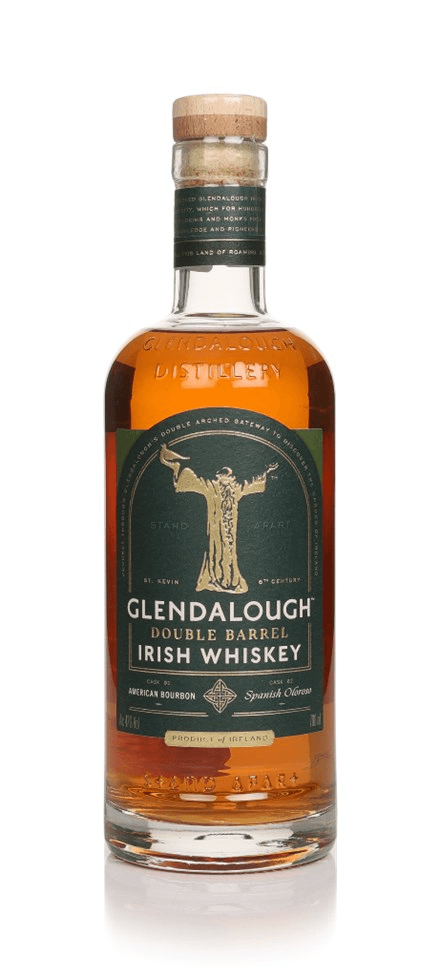
Glendalough Double Barrel
Glendalough Distillery (Mark Anthony Brands)
The double barrel treatment here is a study in how fire shapes wood, and wood shapes whiskey. The first-fill bourbon barrels — charred by fire before they ever held spirit — give the Glendalough its vanilla and caramel backbone. The Oloroso sherry casks — toasted to a different specification — add dried fruit and chocolate complexity.
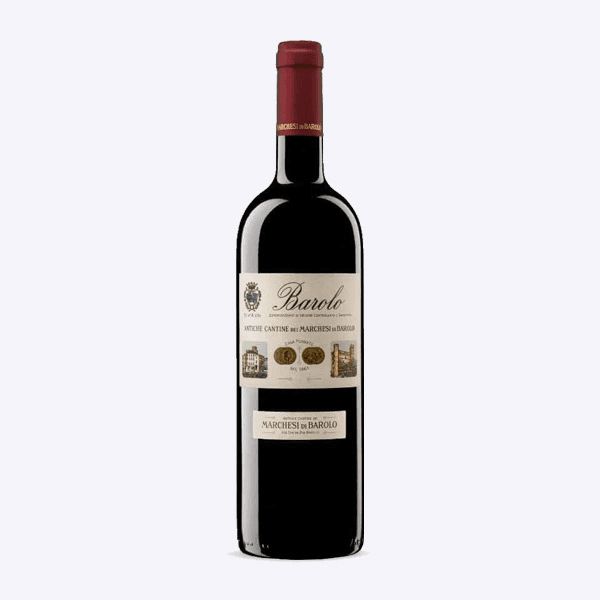
Marchesi di Barolo Barolo DOCG 2019
Marchesi di Barolo
The Marchesi di Barolo estate is where Barolo wine was born. In the 1840s, Marchesa Giulia Falletti commissioned the first dry Nebbiolo wines from these vineyards.
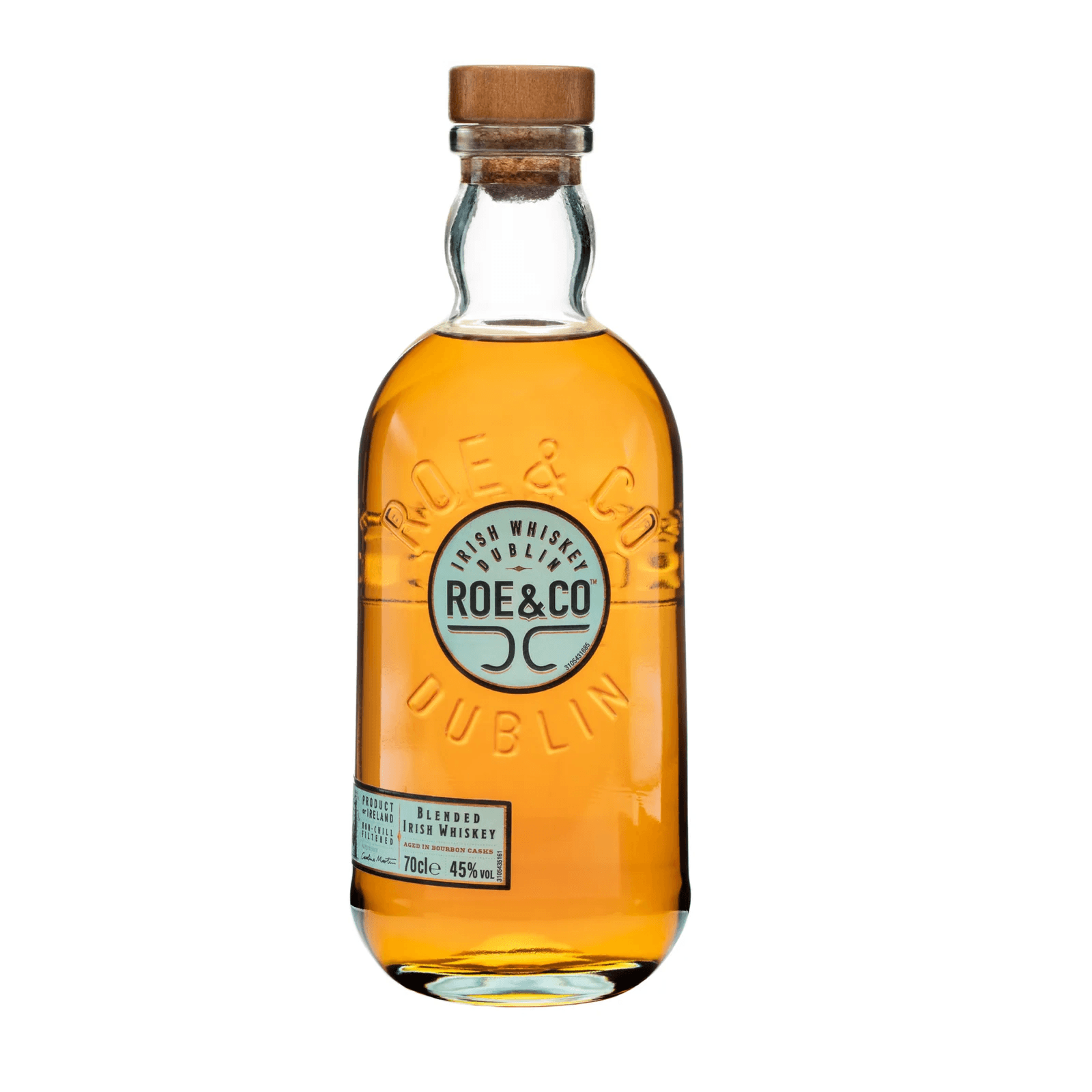
Roe & Co Blended Irish Whiskey
Diageo
Roe & Co is the resurrection of a name that once meant more to Irish whiskey than Jameson or Bushmills. George Roe’s original distillery was the largest in Europe, yet today most drinkers have never heard of him. Diageo’s revival blends rich malt and smooth grain whiskeys matured in a high proportion of first-fill bourbon barrels, then bottles at 45% ABV without chill filtration — a level of care that belies its modest price tag. At roughly thirty-five dollars, Roe & Co delivers the kind of creamy, spice-driven complexity that invites comparison with bottles twice its price.
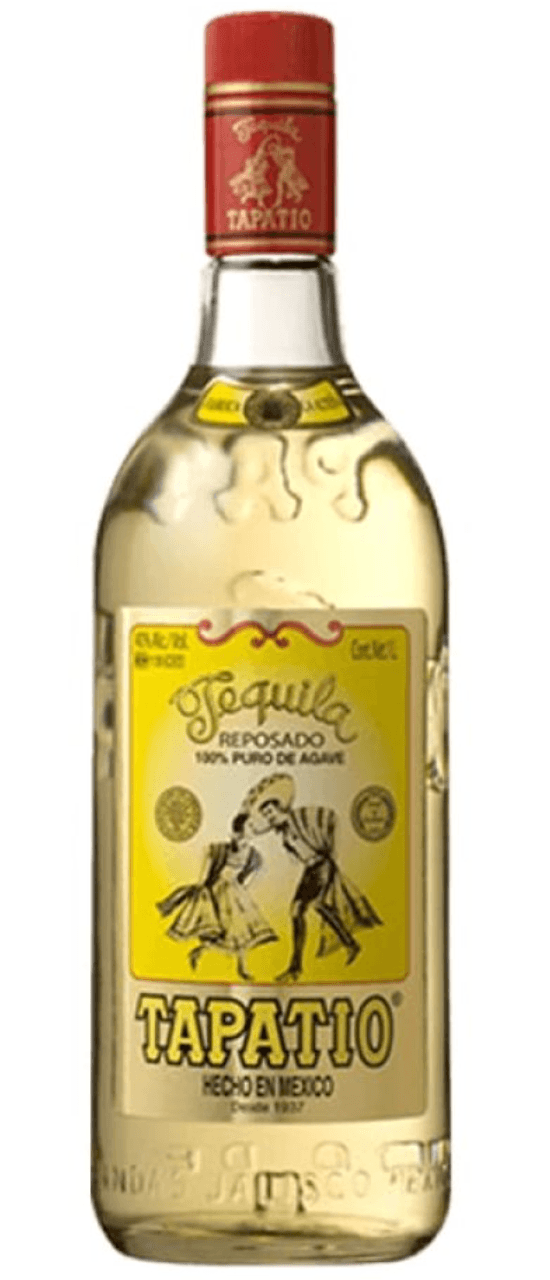
Tapatio Reposado
Tequila Tapatio S.A. de C.V. (Camarena family, 5th generation)
Tapatio is the tequila that tequila makers drink. The Camarena family — the same lineage that gave us El Tesoro and G4 — runs one of the most traditional operations in Jalisco. Carlos Camarena, the current master distiller, slow-roasts his highland agave for 48 hours in brick ovens, ferments with wild airborne yeasts and natural well water, and keeps production deliberately small. The reposado rests just four months — enough to round the edges without masking the agave. This is tequila for purists, and at around $45 it’s one of the best-kept secrets in the category.
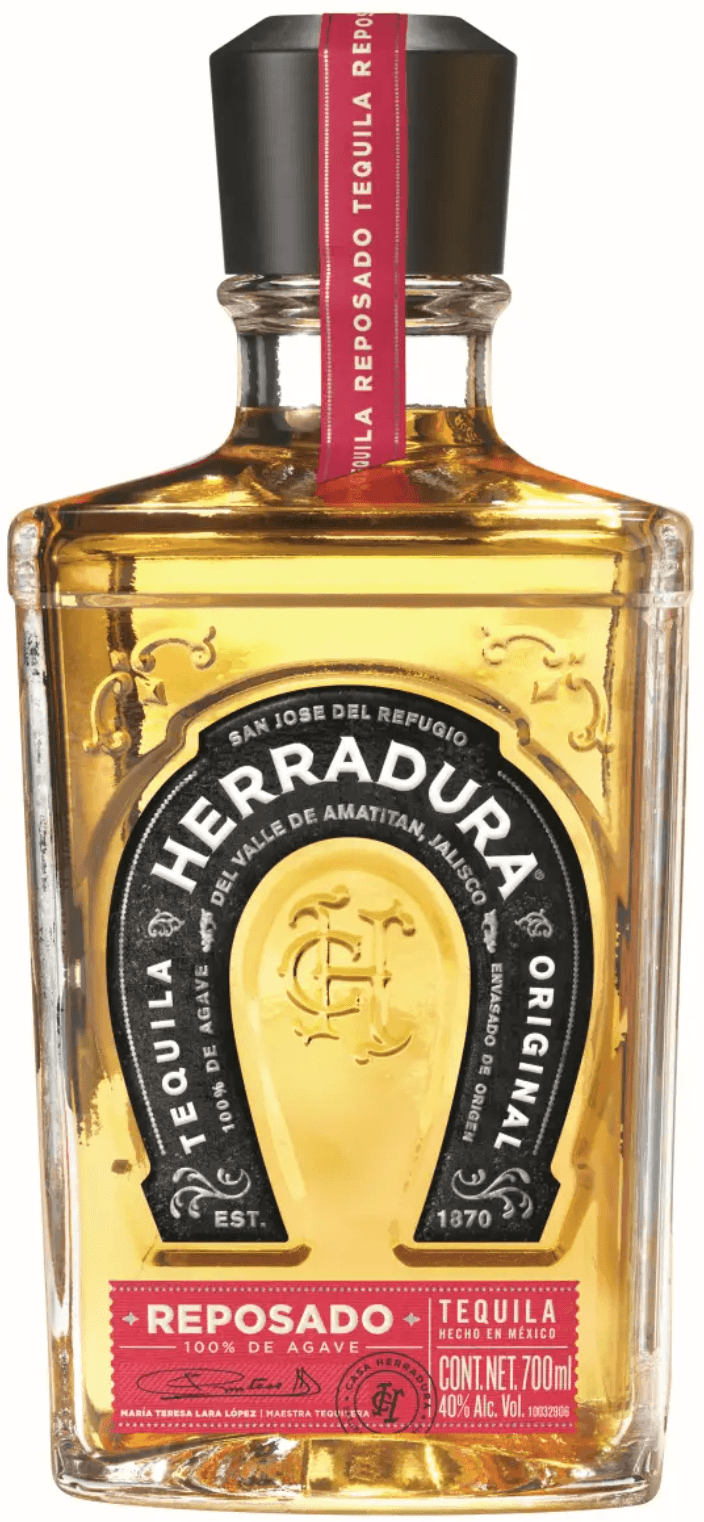
Herradura Reposado
Brown-Forman (Casa Herradura, est. 1870)
Herradura didn't just make this Reposado — it invented the category (1974).
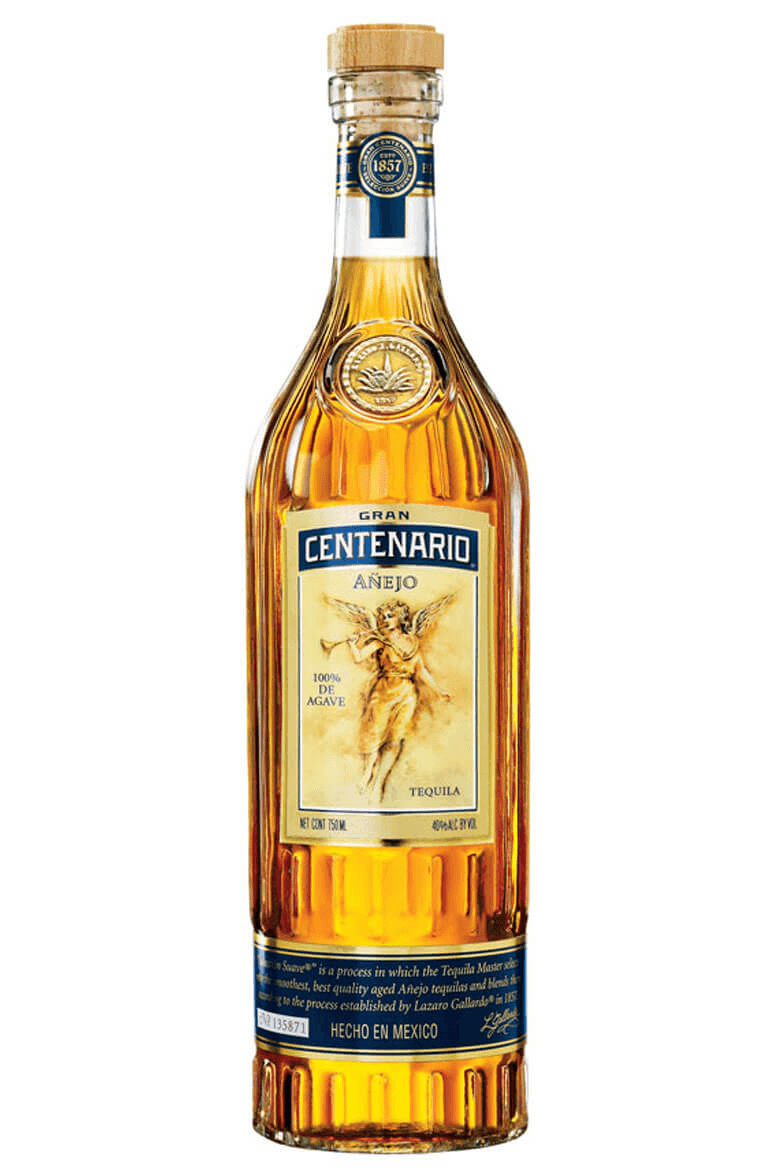
Gran Centenario Añejo
Casa Cuervo (Beckmann Family / Proximo Spirits)
Gran Centenario Añejo is a lesson in how thoughtful cask architecture transforms agave into something approaching luxury. The selección suave process — a solera-inspired blending method using French limousin oak and American white oak — creates a layered complexity that belies its approachable price point. The highland agave provides a clean, sweet foundation; the French oak adds refinement and tannic structure; the American oak contributes vanilla warmth. The result is a tequila with the kind of deliberate design you typically find at two or three times the price.