Issue 19 · April 14, 2026
The Architects
Theme: Structure & Design
Eight bottles born from architectural thinking: deliberate cask programs, individually distilled botanicals, single-estate vertical integration, and the faith that if you design every variable, the result becomes something no shortcut can replicate.
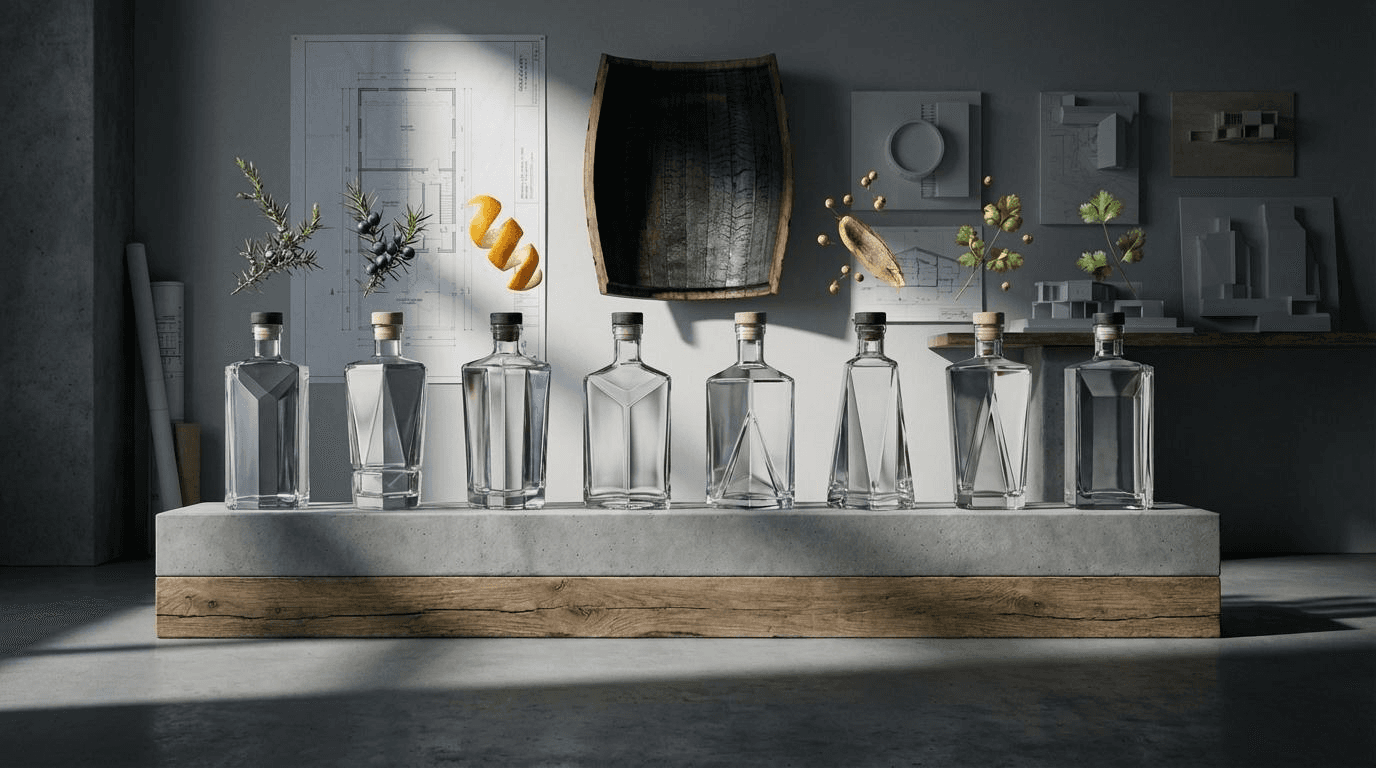

Behind every great bottle is a blueprint. Not the kind you'd find in an architect's office, but the invisible design decisions that separate the exceptional from the ordinary — the choice of a specific barrel type, the sequence of a maturation program, the deliberate distillation of each botanical separately rather than all together. Today's eight selections are monuments to structure: producers who understand that complexity isn't something you stumble into, but something you build, one precise decision at a time.
From the four-cask engineering of Blue Spot to the individually distilled botanicals of Gin Mare, from a single Jamaican estate that controls every variable from field to bottle to a German winemaker who achieves structural brilliance by doing almost nothing — these are the architects of flavor, and their blueprints are worth studying.
Join our sensory masterclass as we explore the signature aromas of each of today's selections in this issue of The Still and The Vine. Want this in your inbox every day? Subscribe today. Explore our books and Aroma Masterclass kits at schoolofwineandspirits.com. Let's pour.
Today's Selections
Bourbon Scotch Whisky Irish Whiskey Tequila Gin Rum Red Wine White Wine
BOURBON Evan Williams Single Barrel Vintage
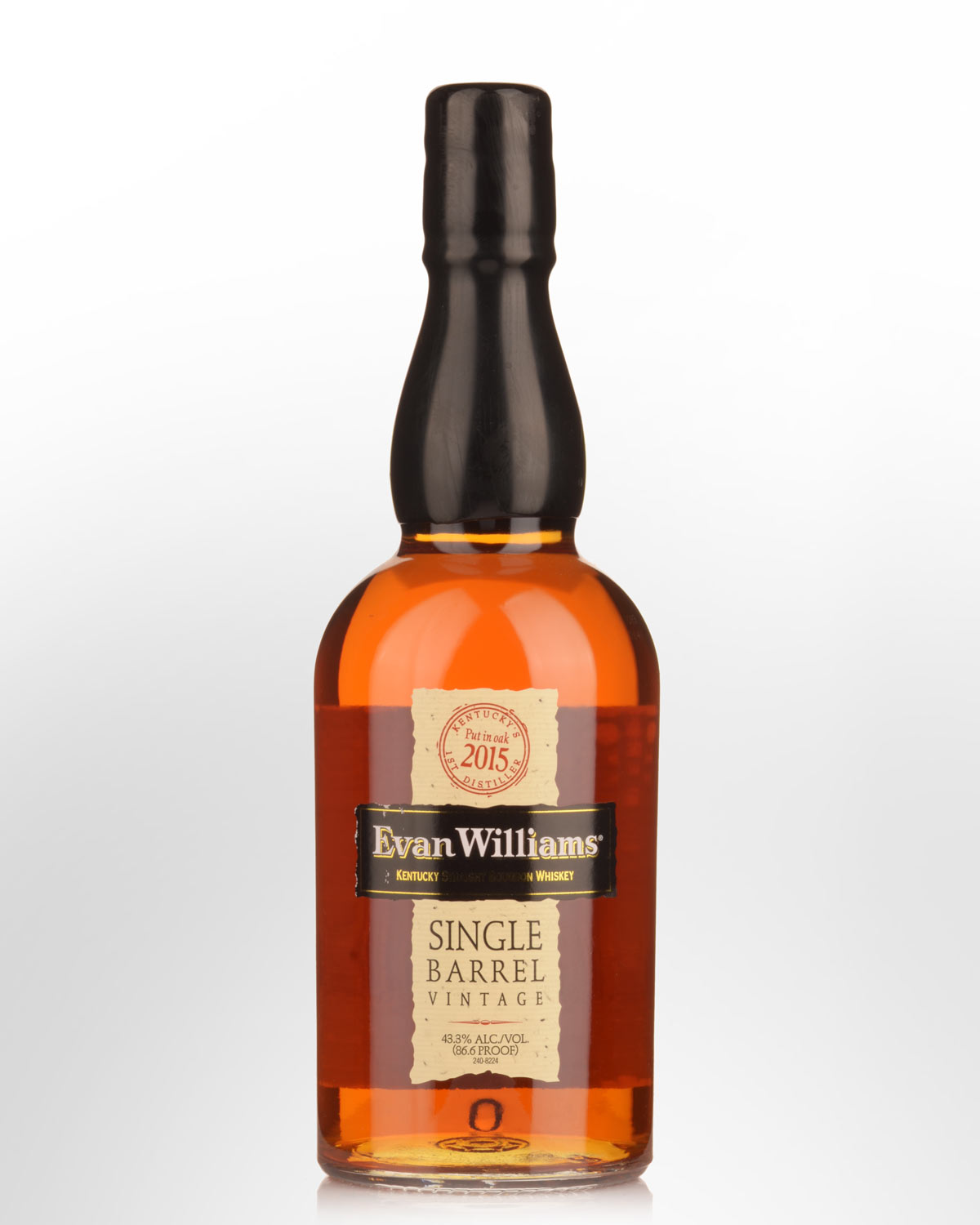
Louisville, Kentucky — where the Heaven Hill team selects individual barrels from their massive Bernheim warehouse complex, each carrying its own vintage year, to showcase the unique character that a single barrel's position and conditions can create. — where Evan Williams Single Barrel proves that extraordinary bourbon doesn't require an extraordinary price tag. Heaven Hill's barrel selection program is an exercise in architectural precision — each vintage is chosen from specific warehouse positions where temperature swings and airflow create optimal aging conditions. The result is a bourbon with the kind of coherent structure you'd expect at twice the price: honeyed sweetness scaffolded by oak, grain character providing the foundation, spice adding the finishing detail. It's a blueprint for what single-barrel selection can accomplish.
Classification: Kentucky Straight Bourbon Whiskey (Single Barrel)
Company: Heaven Hill Brands
Distillery: Heaven Hill Distillery, Bernheim, Louisville, KY
Proof: 86.6 (43.3% ABV)
Age: Vintage dated (typically 7-8 years)
Mash Bill: 78% Corn, 10% Rye, 12% Malted Barley
Color: Deep amber with golden highlights
MSRP: $28–$35
Nose: Warm caramel, toasted vanilla, honey, cinnamon, a whisper of oak spice
Palate: Butterscotch, dried cherry, brown sugar, black pepper, roasted corn, polished leather
Finish: Medium-long with lingering vanilla and toasted oak warmth
Cocktail — The Architect's Old Fashioned: 2 oz Evan Williams Single Barrel · 1 sugar cube · 3 dashes Angostura bitters · 1 dash orange bitters · Orange peel garnish. Muddle sugar with bitters, add bourbon and a large ice cube, stir gently, express orange peel over the glass.
Pair with: Smoked gouda and fig jam on walnut bread — the caramel and smoke in the bourbon mirror the cheese while the fig amplifies the dried fruit notes.
Awards: Wine Enthusiast 90 Points; consistently ranked among the best-value single barrel bourbons in America.
SCOTCH WHISKY Auchentoshan Three Wood
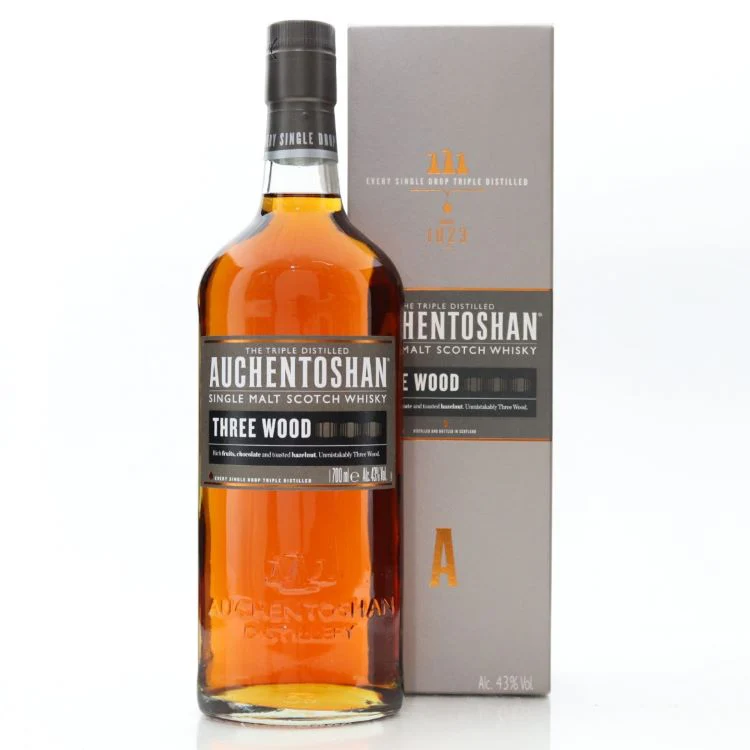
Dalmuir, West Dunbartonshire — Scotland's only triple-distilled Lowland single malt, where each drop passes through three copper stills before beginning a carefully designed three-stage cask maturation that builds complexity layer by deliberate layer. — where Auchentoshan Three Wood is structural engineering in liquid form. The blueprint is deceptively simple — triple distillation for smoothness, then three deliberate cask chapters that each add a specific dimension. Bourbon barrels lay the vanilla-toffee foundation. Oloroso sherry casks introduce dried fruit depth and nutty complexity. Then Pedro Ximénez barrels — those treacly-sweet Spanish dessert wine casks — apply the final coat of dark fruit richness. The architecture works because each layer is legible: you can taste the bourbon sweetness, the oloroso depth, the PX finish, all integrated but distinct, like the floors of a well-designed building.
Classification: Lowland Single Malt Scotch Whisky
Company: Beam Suntory
Distillery: Auchentoshan Distillery, Dalmuir
Proof: 86 (43% ABV)
Age: NAS (matured in three sequential cask types)
Mash Bill: 100% Malted Barley
Distillation: Triple distilled in copper pot stills
Maturation: Sequential: Bourbon barrels, Oloroso Sherry casks, Pedro Ximénez Sherry casks
Filtered: Non-chill filtered
Color: Rich tawny gold with amber edges
MSRP: $65–$80
Nose: Toffee, sherry sweetness, dark dried fruits, nutty marzipan, a hint of beeswax
Palate: Dark chocolate, brown sugar, orange marmalade, plum pudding, hazelnut, gentle oak
Finish: Long and warming with lingering fruitcake and gentle spice
Cocktail — The Three Wood Rob Roy: 2 oz Auchentoshan Three Wood · 1 oz sweet vermouth · 2 dashes orange bitters · Luxardo cherry garnish. Stir with ice for 30 seconds, strain into a chilled coupe.
Pair with: Dark chocolate tart with salted caramel — the PX sweetness and dark fruit in the whisky find their mirror in the chocolate and caramel.
Awards: International Wine & Spirit Competition Gold Medal; San Francisco World Spirits Competition Gold.
IRISH WHISKEY Blue Spot 7 Year Old
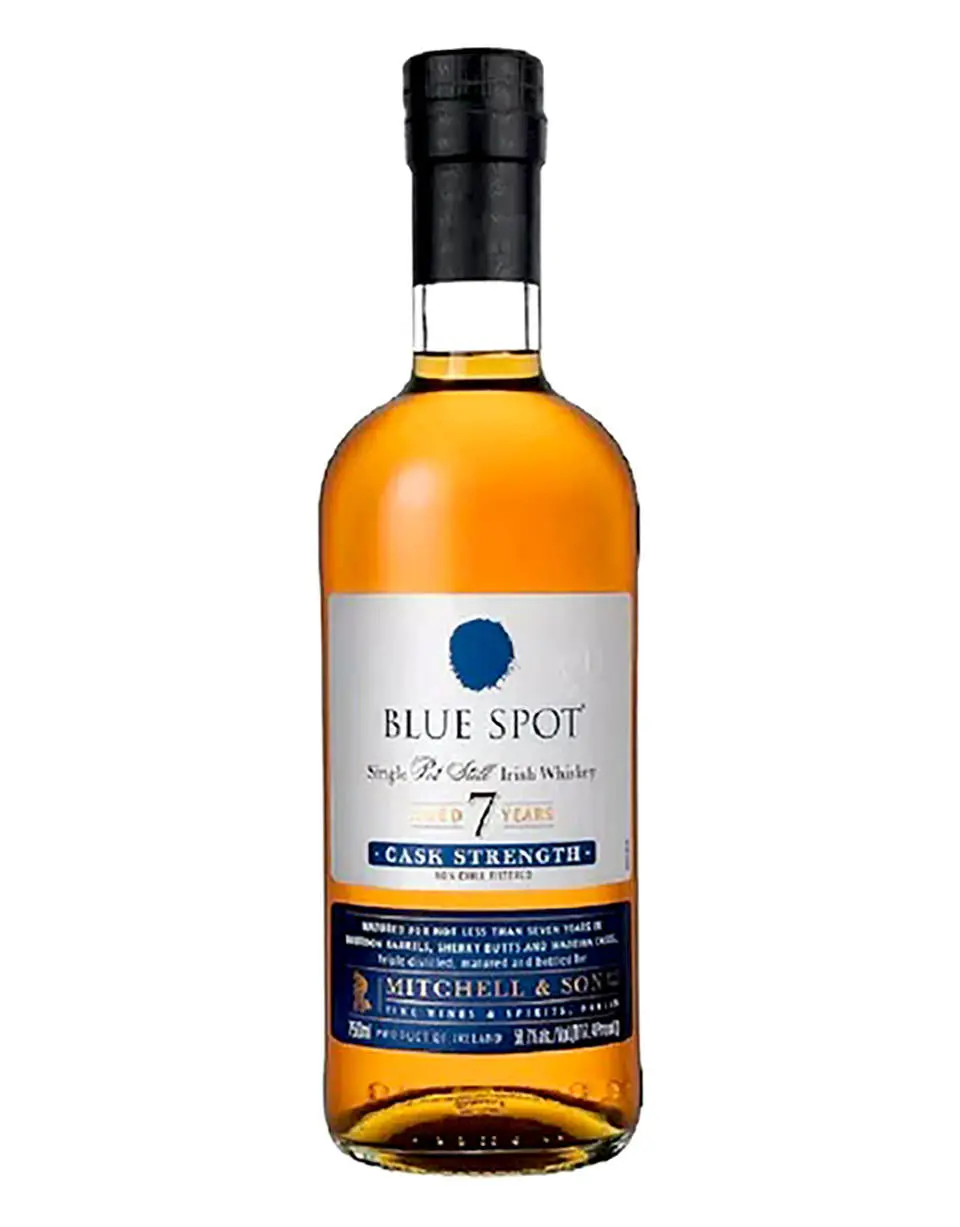
Bow Street, Dublin — where the Spot whiskey tradition, conceived in the bonded warehouses of Mitchell & Son wine merchants over a century ago, continues through a collaboration with Midleton Distillery that marries single pot still distillation with a four-cask maturation program of extraordinary ambition. — where Blue Spot is the most structurally ambitious of the Spot family — and the most rewarding to decode. Where Green Spot uses one cask type and Yellow Spot uses three, Blue Spot deploys four distinct cask influences and bottles at cask strength, letting you experience the full architectural plan without dilution. The bourbon cask lays the vanilla-cream foundation. Sherry butts add dried fruit weight. Marsala casks bring an unexpected Italian sweetness. And the Madeira finish — those Portuguese fortified wine barrels — apply a tropical, honeyed glaze that ties everything together. At cask strength, the pot still spice cuts through all that sweetness, giving the whiskey a backbone as strong as its complexity is wide.
Classification: Single Pot Still Irish Whiskey
Company: Irish Distillers (Pernod Ricard)
Distillery: Midleton Distillery, Cork
Proof: 117.8 (58.9% ABV) — Cask Strength
Age: 7 Year Old
Mash Bill: Malted and Unmalted Barley (single pot still mashbill)
Distillation: Triple distilled in traditional copper pot stills
Maturation: Bourbon barrels, Sherry butts, Marsala casks, and Madeira casks
Color: Bright gold with copper glints
MSRP: $75–$90
Nose: Citrus oils, tropical fruit, butterscotch, pot still spice, cedar, a flash of white pepper
Palate: Creamy vanilla, dark berries, baking spice, toasted almonds, crystallized ginger, fortified wine sweetness
Finish: Long and powerful with lingering dried fruit, pepper, and a honey warmth
Cocktail — The Blue Spot Sour: 2 oz Blue Spot 7 Year Old · 0.75 oz fresh lemon juice · 0.5 oz honey syrup · 1 egg white · 2 dashes Angostura bitters. Dry shake, then shake with ice, strain into a rocks glass with one large ice cube.
Pair with: Aged Manchego cheese with quince paste — the nutty, crystalline quality of the cheese meets the whiskey's pot still spice, while quince mirrors the fortified wine sweetness.
Awards: Jim Murray's Whisky Bible Irish Whiskey of the Year nominee; consistently rated 90+ by leading critics.
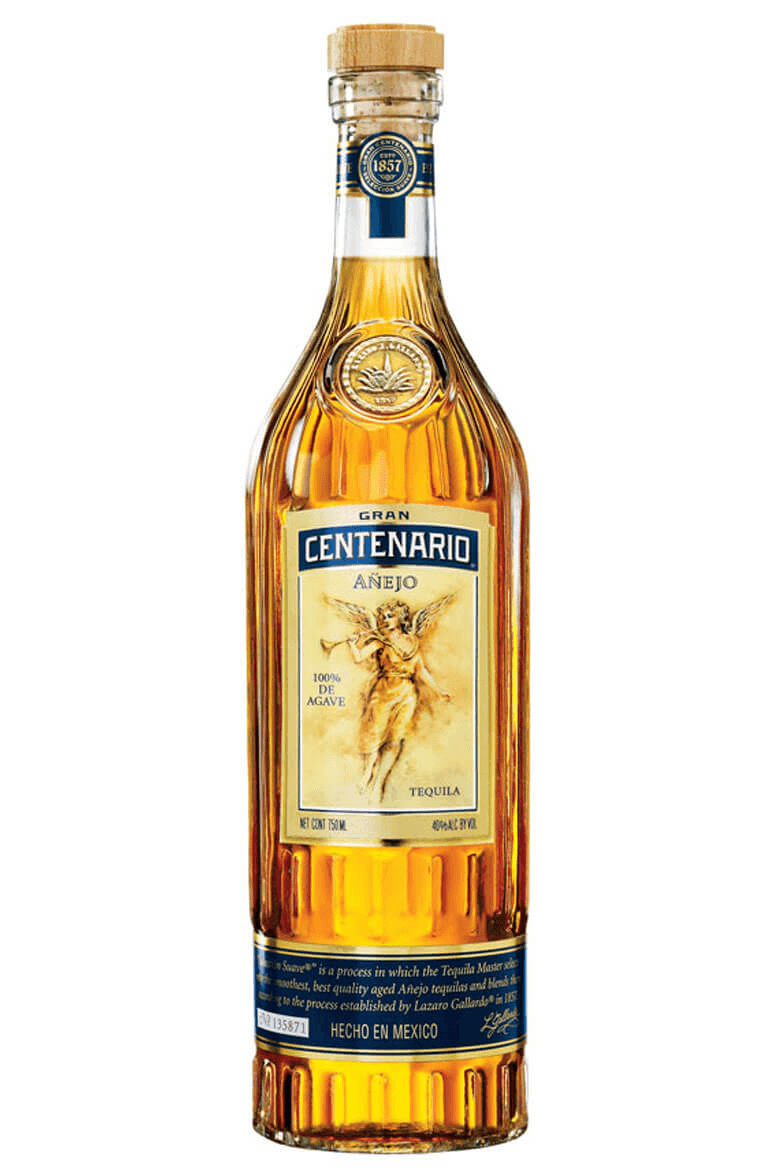
TEQUILA Gran Centenario Añejo
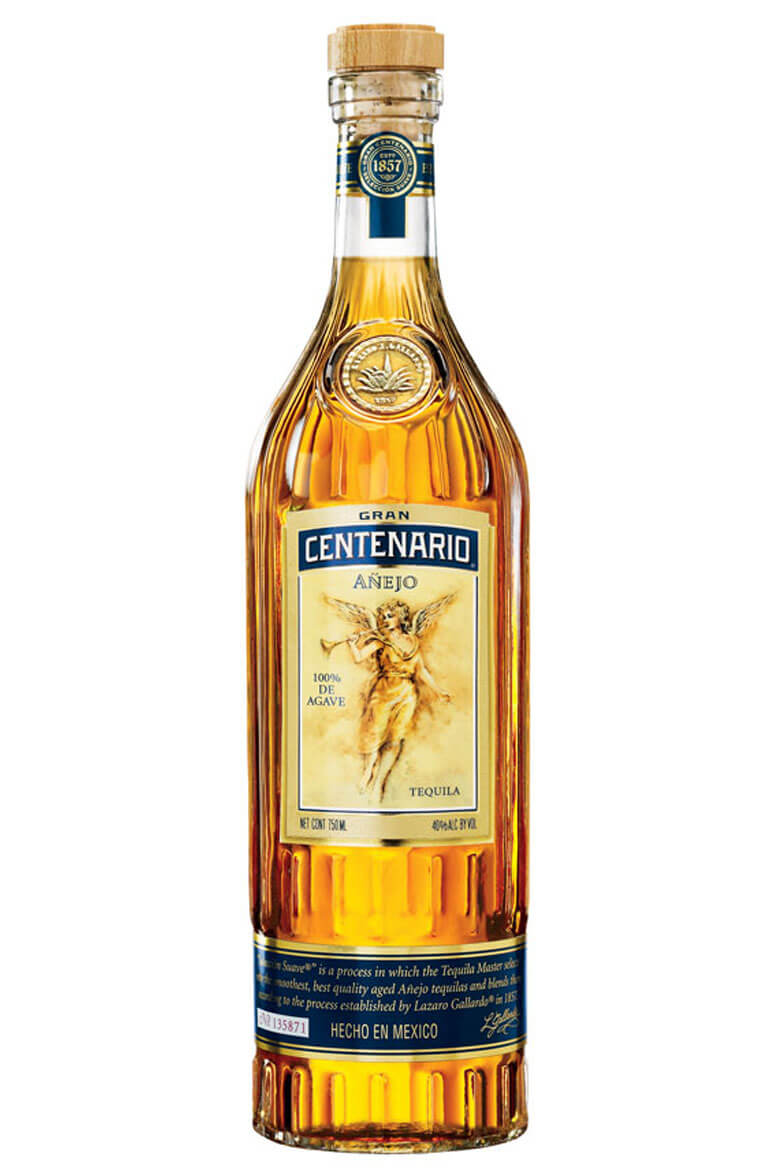
Atotonilco el Alto, Jalisco — in the highlands of Los Altos, where highland agave tequila is aged in French limousin and American white oak barrels using a selección suave process that blends spirits of different ages in a solera-inspired system to create structural depth. — where Gran Centenario Añejo is a lesson in how thoughtful cask architecture transforms agave into something approaching luxury. The selección suave process — a solera-inspired blending method using French limousin oak and American white oak — creates a layered complexity that belies its approachable price point. The highland agave provides a clean, sweet foundation; the French oak adds refinement and tannic structure; the American oak contributes vanilla warmth. The result is a tequila with the kind of deliberate design you typically find at two or three times the price.
Classification: Tequila Añejo (100% Agave)
Company: Casa Cuervo (Beckmann Family / Proximo Spirits)
Distillery: Tequilera Arandina, Atotonilco el Alto, Jalisco
Proof: 80 (40% ABV)
Age: Aged up to 3 years
Agave: 100% Blue Weber Agave from Los Altos (Highland) region
Production: Slow-cooked in traditional brick ovens, selección suave process with French limousin and American oak aging
Color: Deep burnished gold
MSRP: $35–$45
Nose: Cooked agave, butterscotch, vanilla, cinnamon, toasted oak, a trace of dried apricot
Palate: Rich caramel, baked apple, dark chocolate, warm spice, buttery agave sweetness, gentle oak grip
Finish: Smooth and lingering with oak, vanilla, and gentle pepper
Cocktail — The Centenario Oaxacan: 1.5 oz Gran Centenario Añejo · 0.5 oz mezcal · 1 oz fresh lime juice · 0.75 oz agave nectar · Chili salt rim · Lime wheel garnish. Shake with ice, strain into a chili-salt-rimmed rocks glass with fresh ice.
Pair with: Mole negro with braised short ribs — the chocolate and warm spice in the tequila amplify the mole's depth while the oak tames the richness.
Awards: San Francisco World Spirits Competition Double Gold; Tasting Panel Magazine 90+ Points.
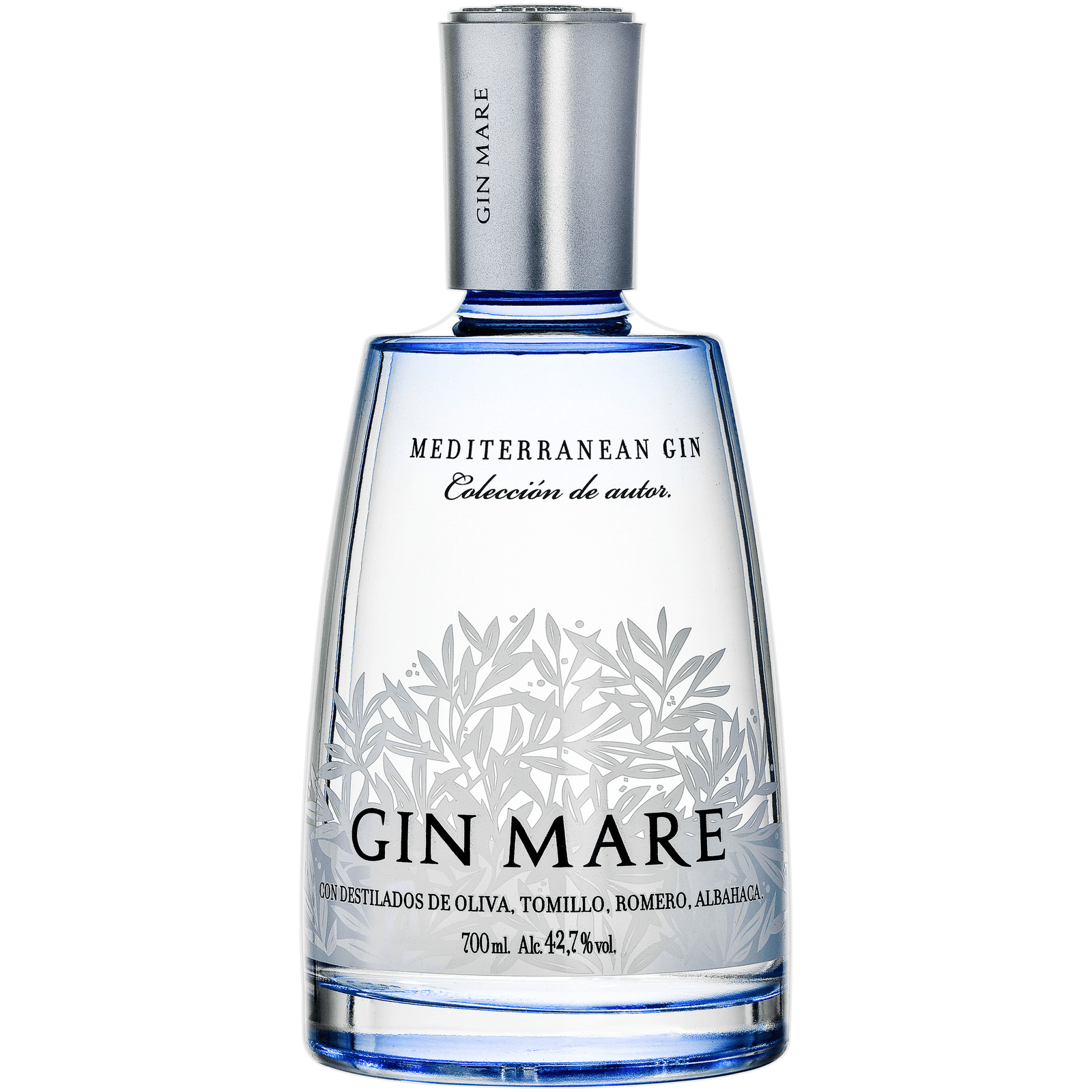
GIN Gin Mare
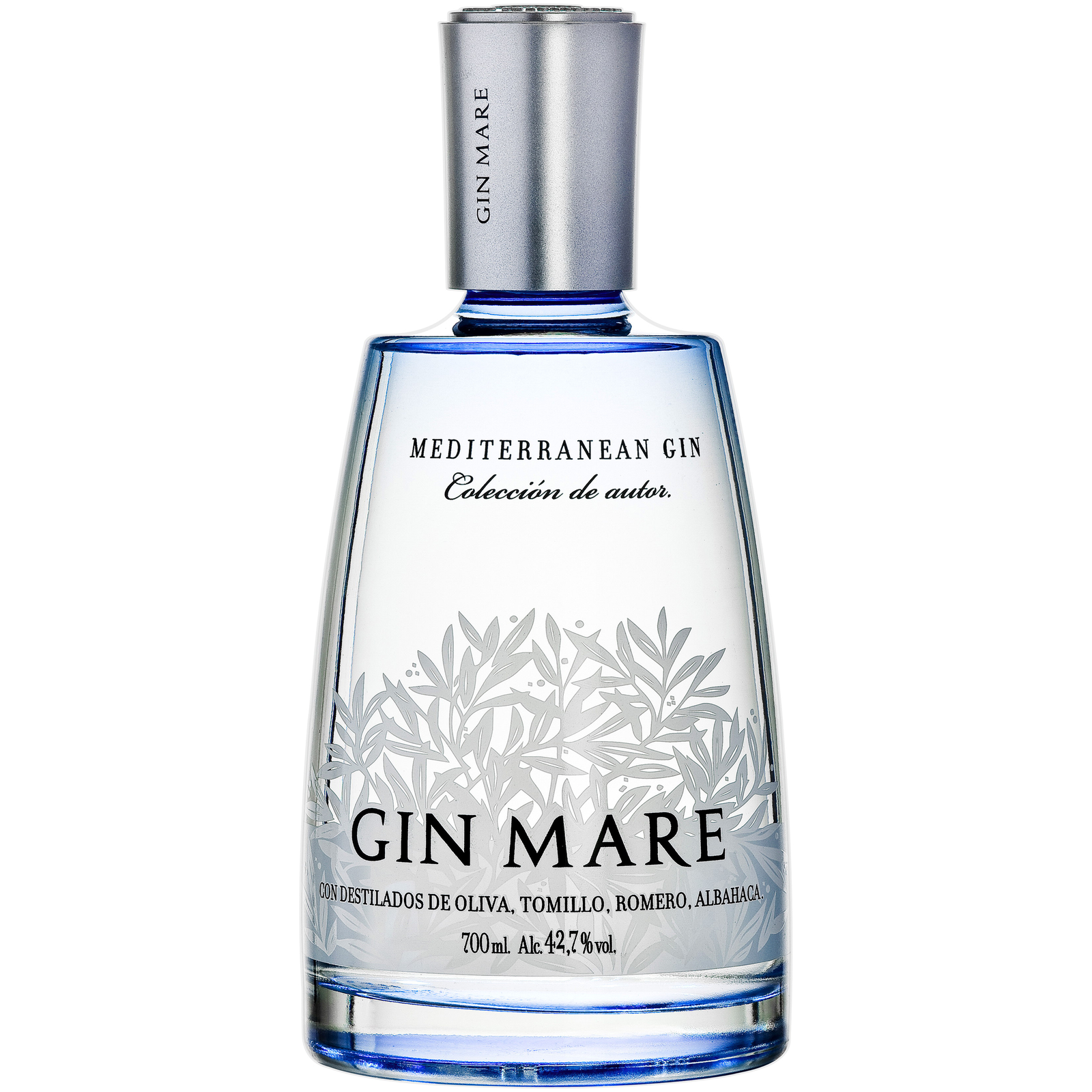
Vilanova i la Geltrú, Catalonia — in a thirteenth-century chapel overlooking the Mediterranean, where a centuries-old fishing village now houses one of the most deliberately designed gins in the world, built from the ground up around four Mediterranean botanicals that no London Dry would dare lead with. — where Gin Mare is botanical architecture at its most deliberate. Where most gins start with juniper and build outward, Mare's designers flipped the blueprint: they began with the flavors of a Mediterranean table — olive, thyme, rosemary, basil — and built juniper around them as structural support rather than the main event. Each botanical is distilled individually to capture its purest expression, then blended with the precision of a perfumer. The result is a gin that tastes like the Catalan coast on a warm evening — savory, herbal, bright, utterly unlike anything from London.
Classification: Mediterranean Gin
Company: Vantguard / Brown-Forman
Distillery: Destilerías MG, Vilanova i la Geltrú, Spain
Proof: 85.4 (42.7% ABV)
Botanicals: Arbequina olive, thyme, rosemary, basil, juniper, coriander, cardamom, citrus (orange and lemon)
Distillation: Each botanical distilled individually, then blended
Base: Neutral grain spirit
Color: Crystal clear
MSRP: $35–$45
Nose: Olive brine, rosemary, thyme, warm basil, citrus oils, gentle juniper
Palate: Herbal complexity, green olive, juniper warmth, Mediterranean spice, bright lemon, coriander seed
Finish: Long and savory with lingering herbs and gentle juniper warmth
Cocktail — The Mare Mediterranean G&T: 2 oz Gin Mare · 4 oz premium tonic (Fever-Tree Mediterranean) · Fresh rosemary sprig · Olive on a cocktail pick · Orange peel. Build over ice in a copa glass, garnish with rosemary, olive, and expressed orange peel.
Pair with: Grilled octopus with romesco sauce — the herbal, olive-forward gin complements the char and the smoky pepper of the romesco.
Awards: International Spirits Challenge Gold; World Gin Awards Best Mediterranean Style Gin.
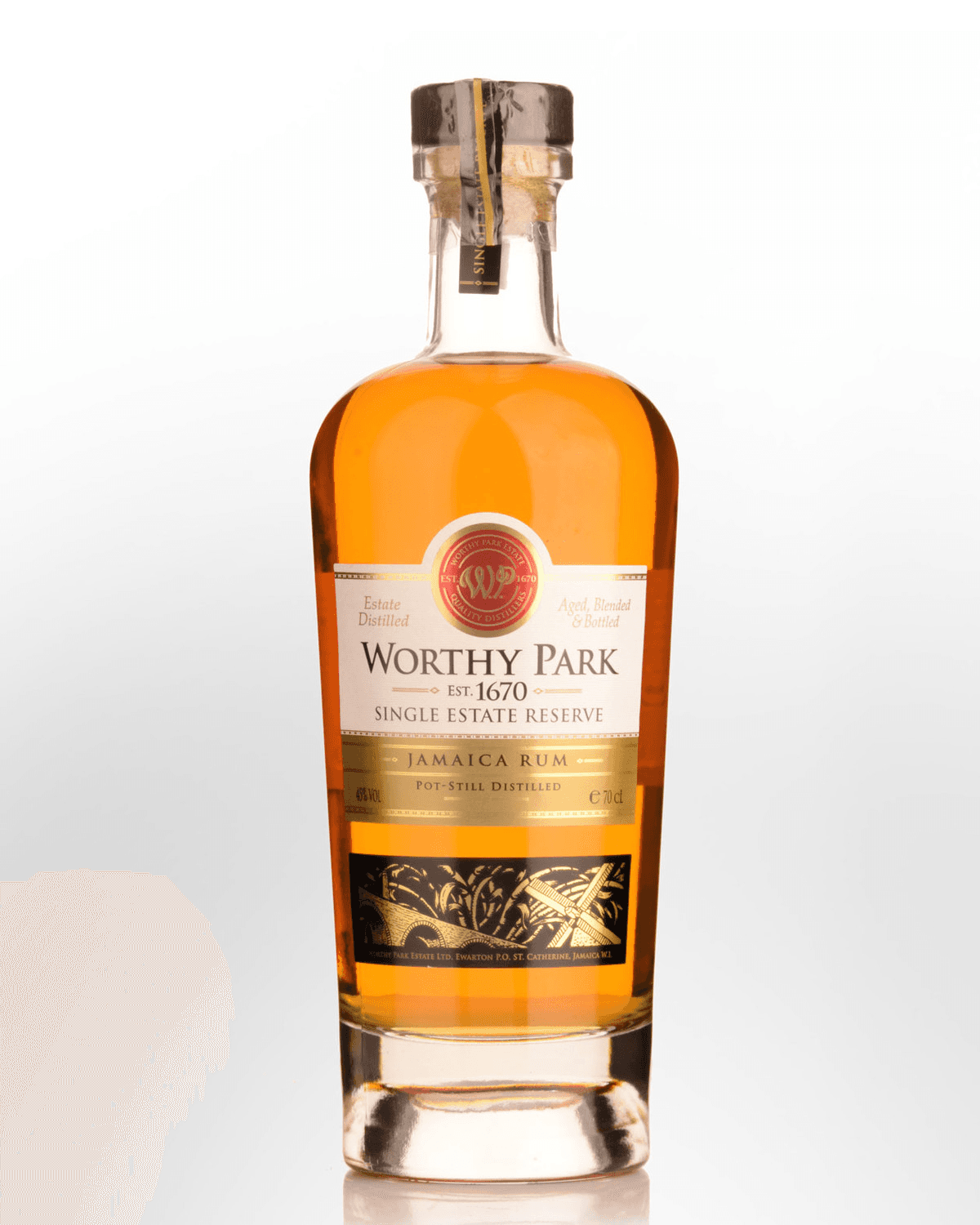
RUM Worthy Park Single Estate Reserve
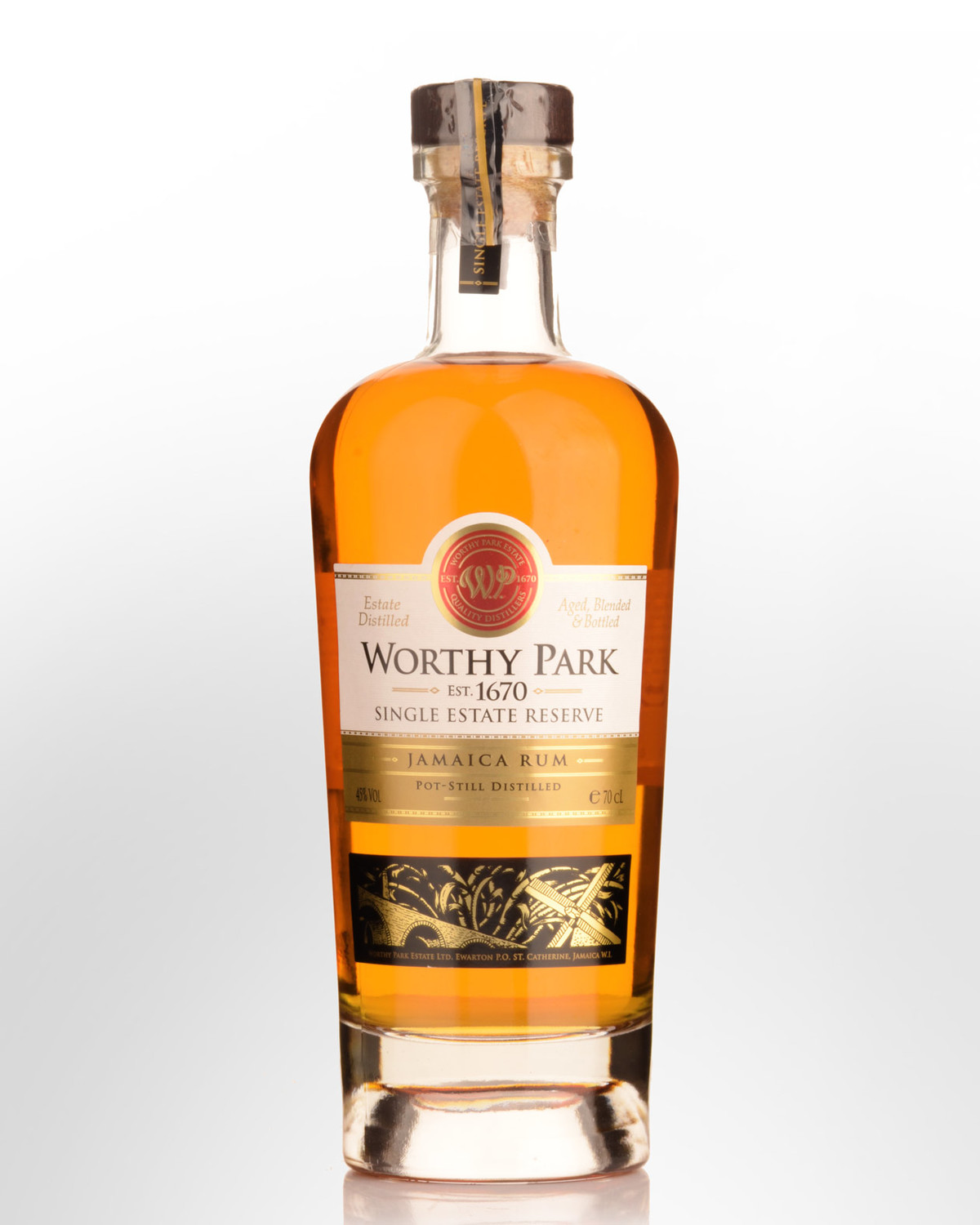
Lluidas Vale, Saint Catherine Parish — on a single Jamaican sugar estate where rum production dates to 1741, where every step from cane field to barrel happens within the same property, making it one of the Caribbean's true single-estate rums. — where Worthy Park Single Estate Reserve is the architectural argument for vertical integration in rum. Most rum producers buy molasses from commodity markets, distill in one location, and age wherever they can find warehouse space. Worthy Park controls every variable: their own sugarcane fields, their own molasses production, their own double-retort pot still, their own barrel-aging warehouses — all on a single Jamaican estate where rum production dates to 1741. The result is a rum with total structural coherence. The funky Jamaican ester character — that distinctive tropical-overripe note that divides the uninitiated but thrills the connoisseur — has a foundation to stand on: molasses depth, pot still richness, bourbon-barrel vanilla. Every element was designed to work together from the ground up.
Classification: Jamaican Pot Still Rum (Single Estate)
Company: Worthy Park Estate
Distillery: Worthy Park Distillery, Lluidas Vale, Jamaica
Proof: 86 (43% ABV)
Age: Minimum 6 years aged in ex-bourbon American oak barrels
Base: 100% Worthy Park Estate sugarcane molasses
Distillation: Double retort copper pot still
Color: Dark amber with mahogany depths
MSRP: $40–$55
Nose: Tropical fruit, overripe banana, toffee, funky Jamaican ester character, vanilla, a hint of brown sugar
Palate: Rich molasses, caramelized pineapple, dark chocolate, baking spice, warm oak, tobacco leaf
Finish: Long and complex with lingering tropical fruit and gentle char
Cocktail — The Estate Daiquiri: 2 oz Worthy Park Single Estate Reserve · 1 oz fresh lime juice · 0.75 oz demerara syrup · Lime wheel garnish. Shake vigorously with ice, strain into a chilled coupe.
Pair with: Jerk chicken with mango salsa — the tropical fruit and spice in the rum echo the jerk marinade while the funky esters stand up to the heat.
Awards: International Spirits Challenge Gold; Rum Intelligence Gold Medal.
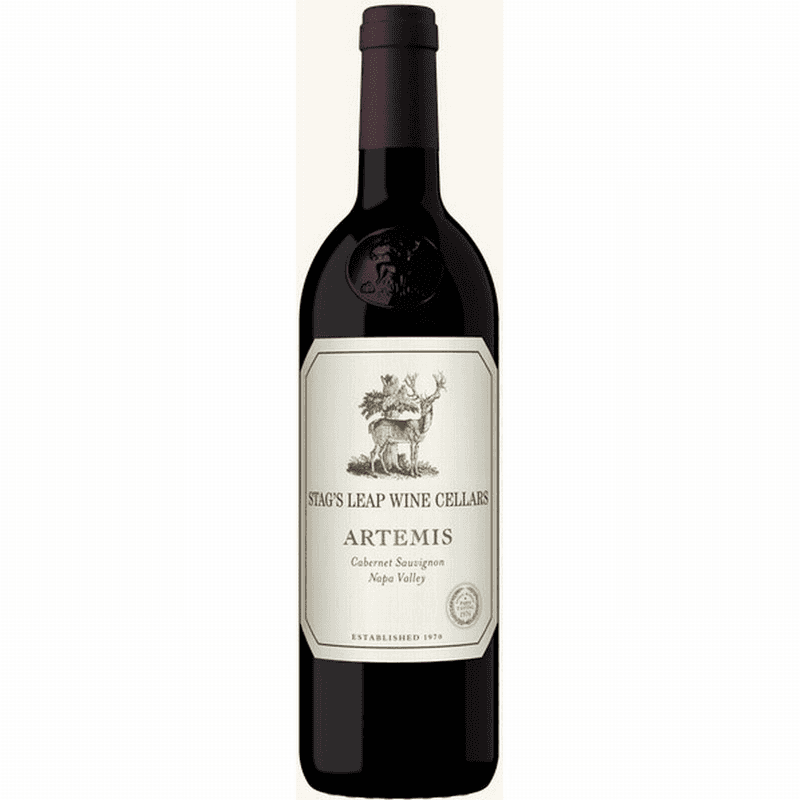
RED WINE Stag's Leap Wine Cellars Artemis Cabernet Sauvignon 2021
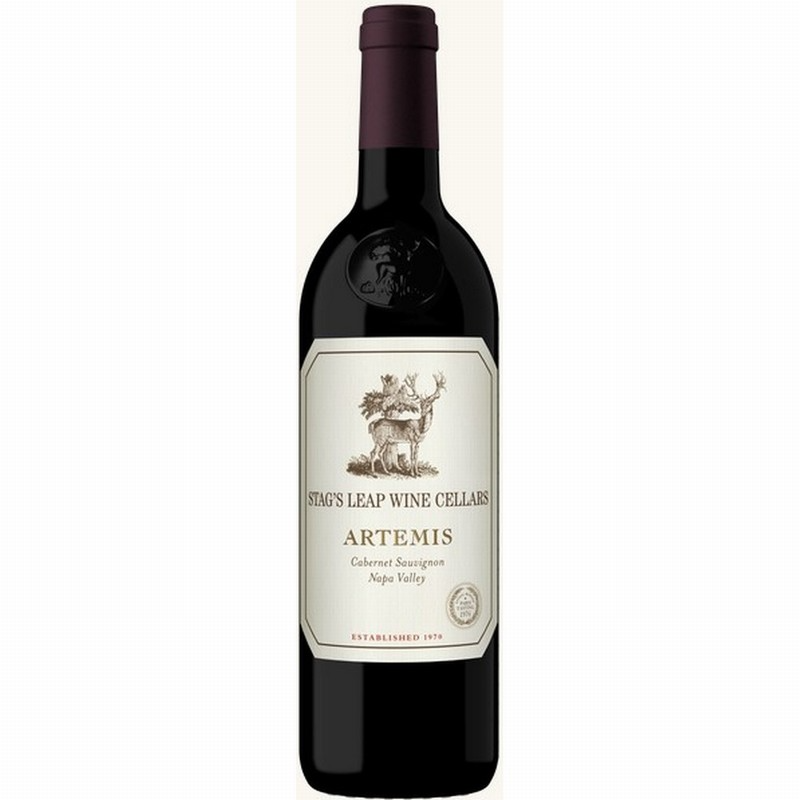
Stags Leap District, Napa Valley — the storied estate where Warren Winiarski's 1973 Cabernet Sauvignon triumphed at the 1976 Judgment of Paris, reshaping the world's understanding of what California wine could achieve through meticulous vineyard architecture and winemaking precision. — where Artemis is the more approachable sibling of the legendary CASK 23, but don't mistake accessibility for simplicity. The winemaking architecture is rigorous: fruit sourced from across Napa Valley with a heavy lean toward the Stags Leap District's volcanic soils, then aged in a calibrated mix of French and American oak that adds complexity without overwhelming the fruit. The name references the Greek goddess of the hunt — and there is something purposeful about this wine, a sense that every element has been placed with intention. The tannins are fine-grained and structural, the fruit is concentrated but not overblown, and the oak integration suggests design, not accident.
Classification: Cabernet Sauvignon, Napa Valley AVA
Company: Marchesi Antinori
Winery: Stag's Leap Wine Cellars, Napa Valley, CA
ABV: 14.5%
Primary Varietal: Cabernet Sauvignon
Blend: 92% Cabernet Sauvignon, 5% Merlot, 3% Petit Verdot
Vineyards: Napa Valley estate and select Napa vineyards
Maturation: 19 months in French and American oak barrels (35% new)
Color: Deep garnet with violet rim
MSRP: $60–$75
Nose: Blackcurrant, cherry, violet, vanilla, cedar pencil, subtle herb
Palate: Concentrated dark fruit, plum, baking chocolate, fine-grained tannins, spice box, polished oak
Finish: Long and structured with lingering cassis and polished oak
Cocktail — Artemis Red Wine Sangria: 1 bottle Stag's Leap Artemis · 2 oz brandy · 1 oz orange liqueur · Sliced oranges, apples, and berries · 2 cups sparkling water. Combine wine, brandy, and liqueur. Add fruit, refrigerate 4 hours, add sparkling water before serving.
Pair with: Herb-crusted rack of lamb with rosemary jus — the structural tannins and dark fruit cut through the richness while the herbal notes complement the rosemary.
Awards: Wine Spectator 91 Points; James Suckling 93 Points.
WHITE WINE Dnnhoff Riesling Tonschiefer 2022
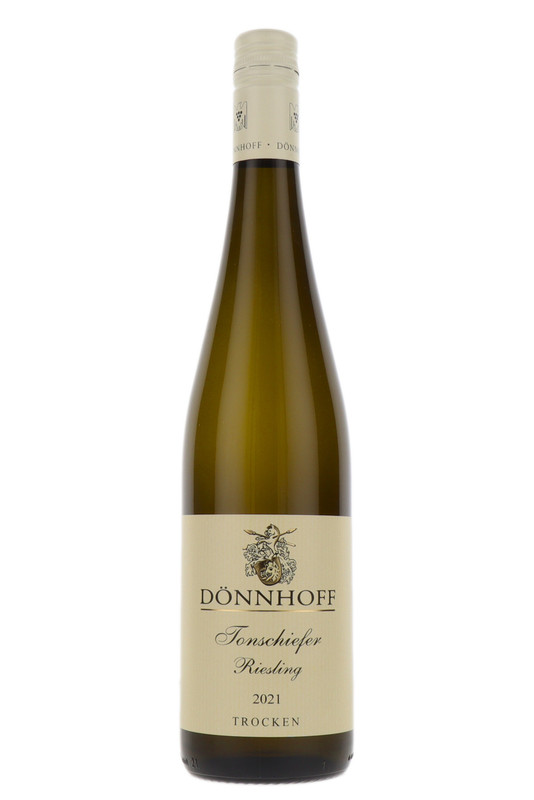
Oberhausen, Nahe, Germany — where Helmut and Cornelius Dnnhoff coax crystalline Riesling from slate and volcanic soils in the Nahe Valley, a region that quietly rivals the Mosel for Germany's finest white wines, through farming so meticulous that each vineyard's geological personality emerges undistorted in the glass. — where Dnnhoff Tonschiefer — named for the Tonschiefer (clay slate) soils from which it springs — is proof that great wine architecture begins underground. While the world chases oak and extraction, the Dnnhoff family pursues the opposite: minimal intervention, indigenous yeasts, stainless steel, and the faith that if you farm well and get out of the way, the soil will speak. And speak it does. The slate minerality comes through as an electric current running beneath the fruit — green apple, citrus, white peach — giving the wine a tension and precision that oak could never provide. At under $35, this is one of the great bargains in fine wine: a pedigree estate Riesling with the kind of structural clarity that reveals more with every sip.
Classification: Riesling Trocken (Dry), Nahe QbA
Company: Weingut Dnnhoff (Family Estate)
Winery: Weingut Dnnhoff, Oberhausen, Nahe
ABV: 12.5%
Primary Varietal: Riesling
Blend: 100% Riesling
Vinification: Hand-harvested, whole-cluster pressed, fermented with indigenous yeasts in stainless steel and neutral oak, minimal intervention
Color: Pale straw with green-gold glints
MSRP: $25–$35
Nose: White peach, wet slate, lime zest, white flowers, flinty minerality
Palate: Crisp green apple, citrus, stony minerality, precise acidity, delicate orchard fruit
Finish: Long and electric with lingering slate mineral and citrus brightness
Cocktail — Dnnhoff White Wine Spritzer: 4 oz Dnnhoff Riesling Tonschiefer · 2 oz sparkling water · Fresh mint sprig · Lemon twist. Pour chilled wine over ice in a large wine glass, top with sparkling water, garnish with mint and lemon.
Pair with: Seared scallops with lemon-butter sauce and capers — the wine's bright acidity and mineral backbone cut through the butter while the citrus in both amplify each other.
Awards: Wine Advocate 90+ Points; consistently among the Nahe's highest-rated producers.
Train Your Nose: Today's Aroma Spotlight
Structural Layers in the Glass
Architecture reveals itself through aroma. Today's exercises focus on structural layers — training your nose to detect the deliberate design behind each scent, from barrel-derived vanillins to terroir-driven minerality.
Pour the Auchentoshan Three Wood and the Evan Williams Single Barrel side by side. Both mature in bourbon barrels, but the Auchentoshan adds two additional sherry cask chapters. Nose the bourbon first — note the direct caramel-vanilla character of a single cask type. Now nose the Scotch — can you detect the additional layers? The dried fruit from the oloroso, the richer sweetness from the Pedro Ximénez? This is what multi-cask architecture adds: not just more flavor, but more dimensions of flavor.
Now compare the Dnnhoff Riesling with the Stag's Leap Cabernet. The Riesling is fermented in stainless steel to preserve pure fruit and mineral expression; the Cabernet spends 19 months in oak for structural tannin and spice. Nose the Riesling first — the apple and citrus should arrive clean and bright, unmediated by wood. Now the Cabernet — the fruit is darker, richer, wrapped in cedar and vanilla from the oak aging. Two wines, two completely different architectural philosophies: one built on transparency, the other on layered construction.
Today's Kit Reference
| Today's Product | Key Aromas | Train With |
|---|---|---|
| Evan Williams Single Barrel Vintage | Caramel, Vanilla, Cherry, Oak, Corn, Butterscotch | Bourbon Aroma Masterclass Kit |
| Auchentoshan Three Wood | Caramel, Dried Fruit, Honey, Nut (Hazelnut), Cocoa (Dark), Vanilla | Whisky Aroma Masterclass Kit |
| Blue Spot 7 Year Old | Vanilla, Dried Fruit, Spirituous, Honey, Clove Spice, Almond | Whiskey Aroma Masterclass Kit |
| Gran Centenario Añejo | Agave (Cooked), Caramel, Vanilla, Cinnamon, Oak, Chocolate (Dark Chocolate, Cocoa) | Tequila & Mezcal Aroma Masterclass Kit |
| Gin Mare | Juniper (Herbaceous/Waxy), Juniper (Green), Coriander, Ginger, Lemon, Lavender | Gin Aroma Masterclass Kit |
| Worthy Park Single Estate Reserve | Tropical Fruits, Banana, Caramel, Molasses, Oak, Toffee | Rum Aroma Masterclass Kit |
| Stag's Leap Wine Cellars Artemis Cabernet Sauvignon 2021 | Blackcurrant, Cherry, Cedar, Vanilla, Violet, Berry (Generic) | Wine Aroma Masterclass Kit |
| Dnnhoff Riesling Tonschiefer 2022 | Apple (Green), Citrus (Generic), Floral (Rose), Honey, Gooseberry | Wine Aroma Masterclass Kit |
Explore the School of Wine and Spirits
Today’s eight selections prove that the best producers are architects first. Our books on Amazon take you deeper into those places — from the limestone hollows of Kentucky in America’s Spirit, the misty distilleries of Scotland’s Spirit and Ireland’s Spirit, the volcanic highlands of The Tequila y Mezcal Revolution, the ancient vineyards of The Ultimate Northern Italian Wine Journey, and the fossilized seabeds of Burgundy in our Chablis and Cte d’Or pocket guides.
Explore our Aroma Masterclass kits and books at schoolofwineandspirits.com
Join the School of Wine and Spirits Community
Connect with fellow connoisseurs, share tasting notes, and go deeper into every pour. Sign up at skool.com/schoolofwineandspirits
Sign up at skool.com/schoolofwineandspirits
Our kits make the perfect gift for the curious drinker in your life — because once you learn to identify aromas, you never taste the same way again.
Know someone who would enjoy The Still & The Vine? Forward this issue to a fellow enthusiast — or share it on social media and tag @SchoolofWineandSpirits. We grow by word of mouth.
Until tomorrow's pour — cheers.
Robert R. Mohr, CPA, CGMA, WSET Level 3, WSG Certified Spirits Specialist — author of America's Spirit, Scotland's Spirit, Ireland's Spirit, The Ultimate Northern Italian Wine Journey, The Tequila y Mezcal Revolution, The Definitive Pocket Guide to Chablis, The Definitive Pocket Guide to the Cte d'Or, and Strategic Tuning. Published author of the Aroma Academy Tequila/Mezcal and Distiller's training kits.
The Still & The Vine is a daily publication of the School of Wine and Spirits.
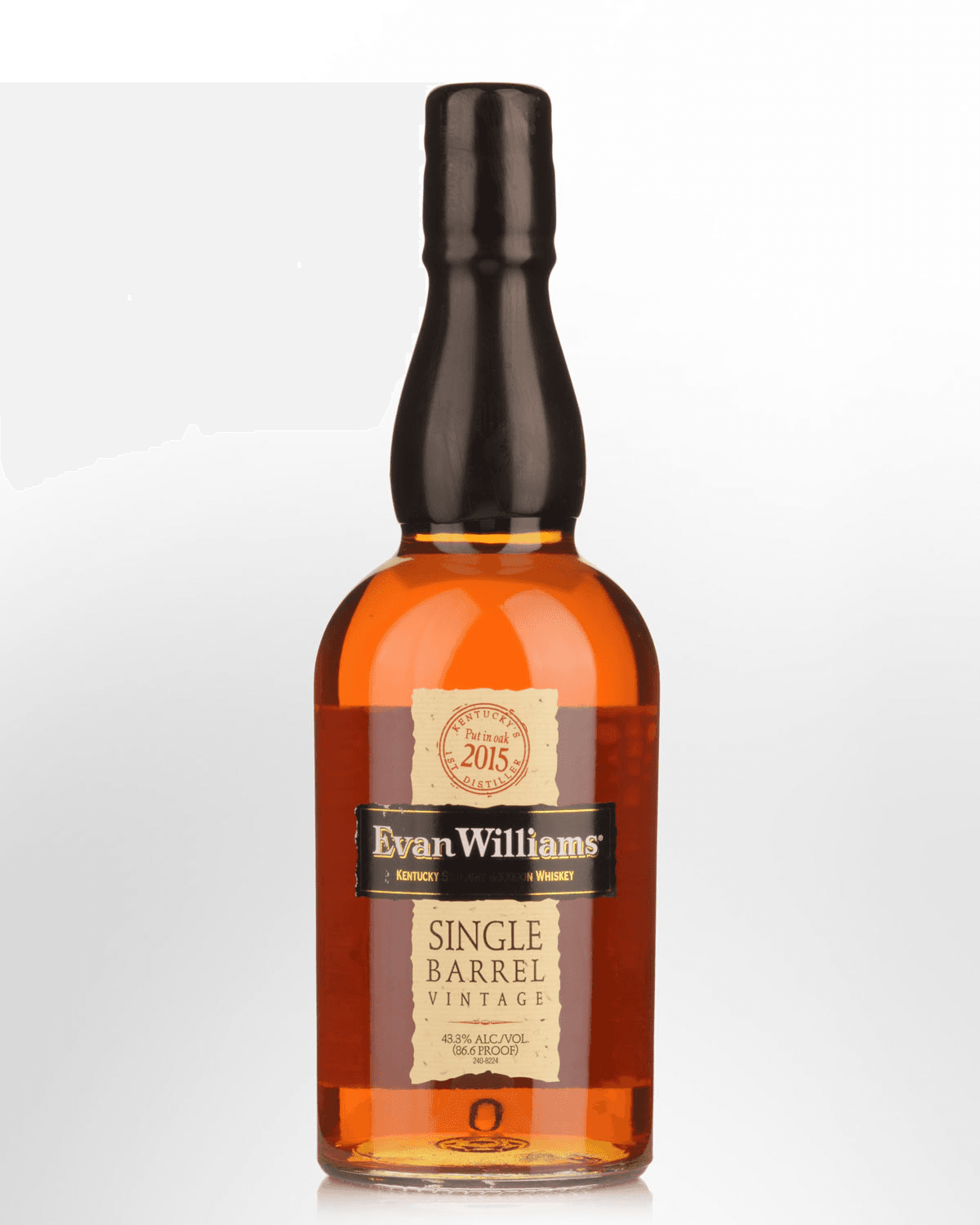
Evan Williams Single Barrel Vintage
Heaven Hill Brands
Evan Williams Single Barrel proves that extraordinary bourbon doesn't require an extraordinary price tag. Heaven Hill's barrel selection program is an exercise in architectural precision — each vintage is chosen from specific warehouse positions where temperature swings and airflow create optimal aging conditions. The result is a bourbon with the kind of coherent structure you'd expect at twice the price: honeyed sweetness scaffolded by oak, grain character providing the foundation, spice adding the finishing detail. It's a blueprint for what single-barrel selection can accomplish.
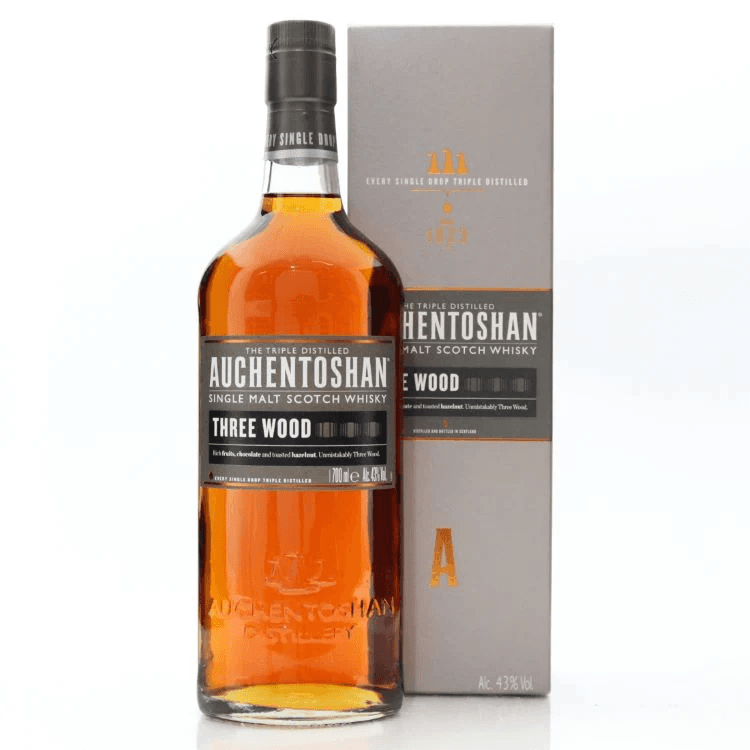
Auchentoshan Three Wood
Beam Suntory
Auchentoshan Three Wood is structural engineering in liquid form. The blueprint is deceptively simple — triple distillation for smoothness, then three deliberate cask chapters that each add a specific dimension. Bourbon barrels lay the vanilla-toffee foundation. Oloroso sherry casks introduce dried fruit depth and nutty complexity. Then Pedro Ximénez barrels — those treacly-sweet Spanish dessert wine casks — apply the final coat of dark fruit richness. The architecture works because each layer is legible: you can taste the bourbon sweetness, the oloroso depth, the PX finish, all integrated but distinct, like the floors of a well-designed building.
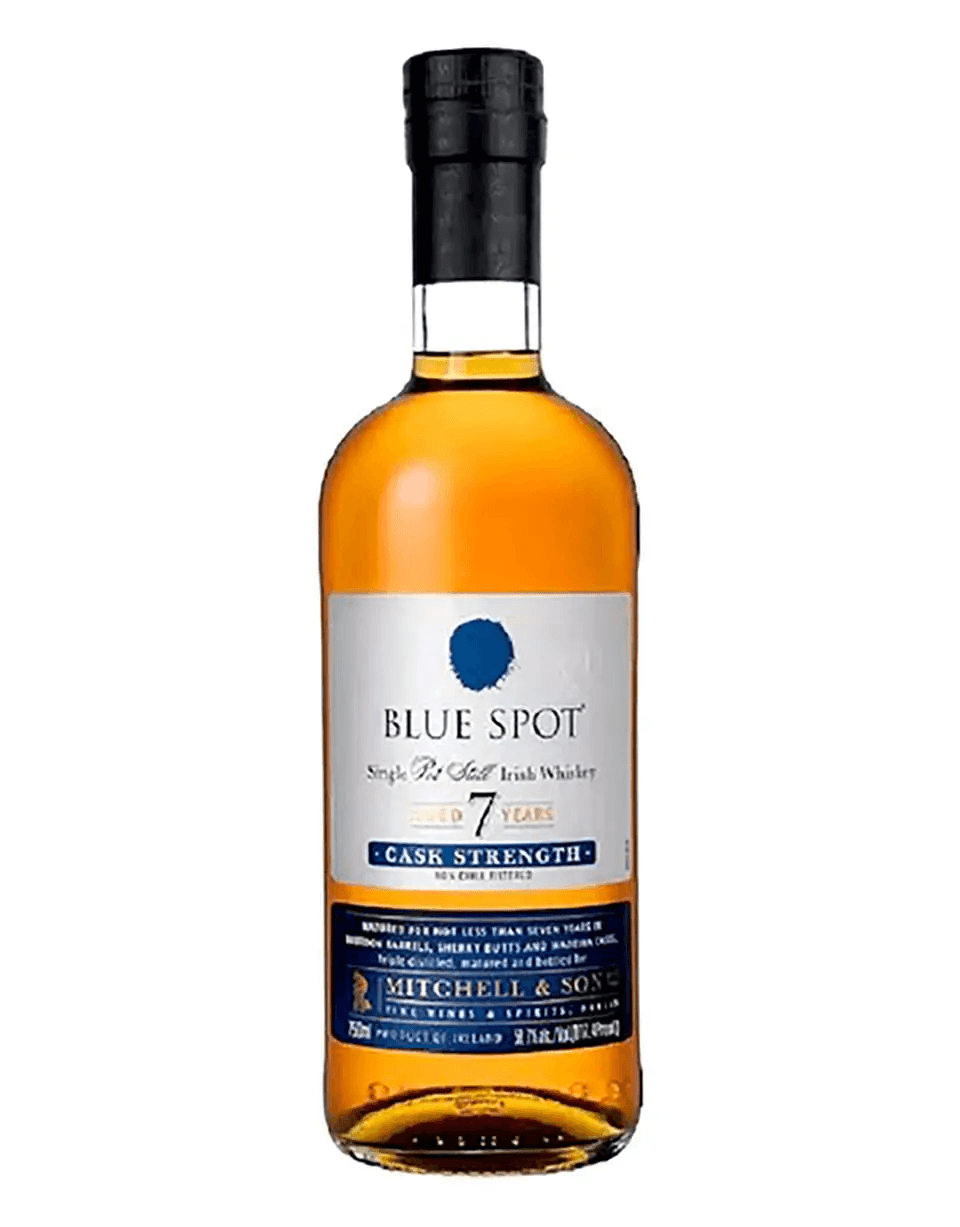
Blue Spot 7 Year Old
Irish Distillers (Pernod Ricard)
Blue Spot is the most structurally ambitious of the Spot family — and the most rewarding to decode. Where Green Spot uses one cask type and Yellow Spot uses three, Blue Spot deploys four distinct cask influences and bottles at cask strength, letting you experience the full architectural plan without dilution. The bourbon cask lays the vanilla-cream foundation. Sherry butts add dried fruit weight. Marsala casks bring an unexpected Italian sweetness. And the Madeira finish — those Portuguese fortified wine barrels — apply a tropical, honeyed glaze that ties everything together. At cask strength, the pot still spice cuts through all that sweetness, giving the whiskey a backbone as strong as its complexity is wide.
Gran Centenario Añejo
Casa Cuervo (Beckmann Family / Proximo Spirits)
Gran Centenario Añejo is a lesson in how thoughtful cask architecture transforms agave into something approaching luxury. The selección suave process — a solera-inspired blending method using French limousin oak and American white oak — creates a layered complexity that belies its approachable price point. The highland agave provides a clean, sweet foundation; the French oak adds refinement and tannic structure; the American oak contributes vanilla warmth. The result is a tequila with the kind of deliberate design you typically find at two or three times the price.
Gin Mare
Vantguard / Brown-Forman
Gin Mare is botanical architecture at its most deliberate. Where most gins start with juniper and build outward, Mare's designers flipped the blueprint: they began with the flavors of a Mediterranean table — olive, thyme, rosemary, basil — and built juniper around them as structural support rather than the main event. Each botanical is distilled individually to capture its purest expression, then blended with the precision of a perfumer. The result is a gin that tastes like the Catalan coast on a warm evening — savory, herbal, bright, utterly unlike anything from London.
Worthy Park Single Estate Reserve
Worthy Park Estate
Worthy Park Single Estate Reserve is the architectural argument for vertical integration in rum. Most rum producers buy molasses from commodity markets, distill in one location, and age wherever they can find warehouse space. Worthy Park controls every variable: their own sugarcane fields, their own molasses production, their own double-retort pot still, their own barrel-aging warehouses — all on a single Jamaican estate where rum production dates to 1741. The result is a rum with total structural coherence. The funky Jamaican ester character — that distinctive tropical-overripe note that divides the uninitiated but thrills the connoisseur — has a foundation to stand on: molasses depth, pot still richness, bourbon-barrel vanilla. Every element was designed to work together from the ground up.
Stag's Leap Wine Cellars Artemis Cabernet Sauvignon 2021
Marchesi Antinori
Artemis is the more approachable sibling of the legendary CASK 23, but don't mistake accessibility for simplicity. The winemaking architecture is rigorous: fruit sourced from across Napa Valley with a heavy lean toward the Stags Leap District's volcanic soils, then aged in a calibrated mix of French and American oak that adds complexity without overwhelming the fruit. The name references the Greek goddess of the hunt — and there is something purposeful about this wine, a sense that every element has been placed with intention. The tannins are fine-grained and structural, the fruit is concentrated but not overblown, and the oak integration suggests design, not accident.
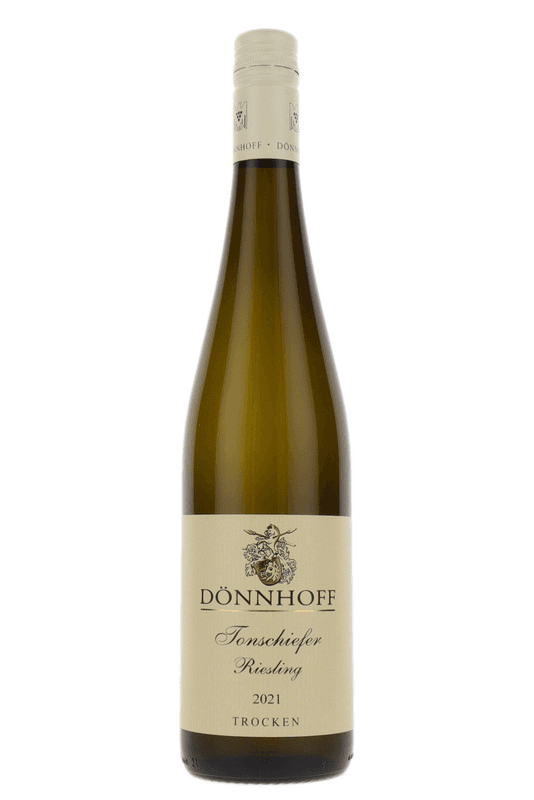
Dönnhoff Riesling Tonschiefer 2022
Weingut Dönnhoff (Family Estate)
Dönnhoff Tonschiefer — named for the Tonschiefer (clay slate) soils from which it springs — is proof that great wine architecture begins underground. While the world chases oak and extraction, the Dönnhoff family pursues the opposite: minimal intervention, indigenous yeasts, stainless steel, and the faith that if you farm well and get out of the way, the soil will speak. And speak it does. The slate minerality comes through as an electric current running beneath the fruit — green apple, citrus, white peach — giving the wine a tension and precision that oak could never provide. At under $35, this is one of the great bargains in fine wine: a pedigree estate Riesling with the kind of structural clarity that reveals more with every sip.
Be the first to comment.