Aroma
Peppery
99 bottles with this note
Train this aroma
Gin Aroma Kit
Develop your palate with the canonical reference for peppery and related notes.

Hernö High Coast Terroir Gin 2021 Edition
Hernö
Hernö's Terroir series is the ultimate expression of climate woven into spirit. The 2021 Edition captures the unique conditions of Sweden's High Coast — a UNESCO World Heritage site still rebounding from glacial compression — where extreme seasonal light variation and subarctic maritime air produce botanicals found nowhere else. This is gin as geography, distilled proof that latitude, weather, and soil are as much ingredients as juniper and water.

Monkey 47 Distiller's Cut 2022
Monkey 47
Each year's Distiller's Cut adds a secret botanical to the standard 47, and the 2022 edition brings a subtle aromatic shift that rewards comparison with the classic expression. The base architecture — 47 botanicals in precise harmony — remains one of gin's great achievements. This is precision distilling at its most expressive.

Gin de Mahón Xoriguer
Xoriguer
In an issue celebrating rhythm and the clockwork of seasons, Xoriguer is the gin that answers the call. Made from wine-based spirit distilled in copper pot stills over juniper harvested from the very hills surrounding Mahón, it is a spirit inseparable from its place and its calendar. The juniper harvest, the grape harvest, the Mediterranean seasons — all audible in the glass. It is beautifully uncomplicated, profoundly rooted, and unlike any London Dry you've ever tasted. A timeless rhythm bottled on a tiny island.

Drumshanbo Gunpowder Irish Gin Ceramic Bottle
Drumshanbo
Drumshanbo's Ceramic Bottle expression is the same celebrated liquid — slow-distilled with oriental botanicals including gunpowder tea, star anise, and meadowsweet — but housed in a striking hand-glazed blue ceramic vessel that feels like holding a flask of alchemical mercury. The gin itself is a study in transformation: each sip shape-shifts between bright citrus and deep spice, never settling, always quicksilver. It's craft with restless, mercurial energy, perfectly at home among this issue's boundary-pushing selections.

Spring44 Mountain Gin
Spring44
Spring44 Mountain Gin is a study in restraint and terroir. Where many American gins reach for citrus fireworks or botanical excess, this Colorado-made spirit draws its character from what lies beneath: root botanicals, mineral-rich spring water sourced at 9,000 feet, and a patient distillation philosophy. It embodies the issue's theme perfectly — depth before display, substance before spectacle. A gin that rewards the patient sipper and makes a profoundly grounded Martini.

Bluecoat American Dry Gin
Bluecoat
Philadelphia Distilling's Bluecoat is a gin that holds its ground — a citrus-forward American dry that never loses its juniper compass. In a lineup themed around anchoring before upheaval, this bottle embodies quiet American resolve: nothing flashy, nothing fragile, just honest botanicals distilled with purpose. It's the kind of gin that steadies a cocktail the way a deep keel steadies a hull. At under thirty dollars, it's a dependable cornerstone for any spirits shelf.

Aria Portland Dry Gin
Aria Gin
Aria Portland Dry Gin is a masterclass in first impressions. Bull Run Distilling crafts a gin that welcomes rather than overwhelms — the angle of entry is gentle yet confident, revealing layer after layer of carefully calibrated botanicals. It's the kind of bottle that converts gin skeptics and satisfies gin devotees in the same pour. In a lineup themed around 'First Contact Matters,' Aria demonstrates that the Pacific Northwest approach to gin — restrained, precise, and deeply connected to place — can be as compelling as any Old World classic. An outstanding gateway gin with genuine depth.

Opihr Oriental Spiced London Dry Gin
Opihr
Opihr channels the ancient spice routes into a London Dry framework with remarkable coherence. The pepper-forward warmth and exotic botanical blend make it a natural fit for the 'Warmth Before Silence' theme — it glows with lingering spice heat that fades into a contemplative, quiet finish. An accessible yet genuinely distinctive gin that rewards slow sipping as much as mixing.

Cape Fynbos Gin
Cape Fynbos
Cape Fynbos is a stunning argument for terroir-driven gin. The fynbos biome — a UNESCO-recognized biodiversity hotspot found only in the Western Cape — provides botanicals that simply cannot be replicated elsewhere on Earth. The result is a gin that tastes unmistakably of its latitude: warm-climate florals, sun-baked herbs, and Indian Ocean salinity, all balanced against a confident juniper core. A perfect fit for our 'Climate Shapes the Glass' theme, proving that gin's botanical palette is ultimately a map of where it's made.

Koval Barreled Gin
Koval
Koval Barreled Gin is the embodiment of 'the whisper before thunder' — a gin that has absorbed the quiet intensity of charred American oak without losing its botanical soul. Where many barrel-aged gins lean too heavily into whiskey territory, Koval keeps juniper at the helm while letting wood smoke and spice rumble beneath the surface. A contemplative sipper that rewards patience.

Corsair Steampunk Gin
Corsair Distillery
A genre-bending American gin that channels craft-brewing sensibilities into the still — grounded, unconventional, and unmistakably alive with current.

FEW Barrel Gin
FEW Spirits
FEW Barrel Gin is a masterclass in how fire transforms a spirit's identity. The charred American oak barrels reshape classic London Dry botanicals into something deeper and more contemplative—a gin that has literally been touched by flame. Where most barrel-aged gins treat the wood as a gentle accent, FEW leans into the char, letting it become a defining characteristic. The result is a spirit that perfectly embodies this issue's theme: fire doesn't merely age this gin, it fundamentally recalibrates its flavor architecture.

St. George Botanivore Gin
St. George Spirits
Botanivore earns its name — this is a gin built for the botanical enthusiast. St. George layers 19 different botanicals without letting any single one dominate, creating a gin that reads more like an herbalist's garden than a juniper-forward London Dry. The result is cerebral, complex, and excellent in stirred cocktails where nuance matters.

Tarquin's The Seadog Navy Strength Gin
Tarquin's
Tarquin's navy strength offering is a gin built for confrontation — proof amplifies every botanical, and the juniper refuses to yield. This is structural gin: bold, unapologetic, and perfectly suited for tonic or a navy-strength martini. The Cornish coastal provenance is felt in its briny edge and wind-whipped clarity.

Four Pillars Bloody Shiraz Gin
Four Pillars
Four Pillars steeps whole Yarra Valley Shiraz grapes in their Rare Dry Gin for eight weeks, creating something entirely original—a gin that tastes unmistakably of place. The Yarra Valley's elevation and cool climate produce Shiraz with the acidity and restraint needed to complement rather than overwhelm the botanical bill. This is gin that remembers where it grew up.

Moorland Spirit Co. Wild Bilberry Sheffield Dry Gin
Moorland Spirit Co.
Moorland Spirit Co. channels the Yorkshire moors into a bottle — wild, wind-swept, and honest. The bilberry addition is a whisper, not a shout, letting the juniper-forward backbone remain firmly in control. A gin that respects tradition while nodding to its landscape.

Distillerie de Paris Batch No. 2 Gin
Distillerie de Paris
Parisian craft distilling applied to gin with restraint and intelligence. The binding agent is balance—each botanical contributes without competing, creating a gin that feels like a conversation rather than a monologue. Exceptional in a Martini, where its floral-citrus architecture has room to breathe.

Anno Kent Dry Gin
Anno
A quietly complex English dry gin that rewards attention — expressive enough for sipping neat, structured enough to build a first-rate Martini or G&T.

Kyrö Dark Gin
Kyrö
Kyrö's Dark Gin bridges the gap between gin and whiskey without losing its identity as either. The rye spirit base brings a grain-forward character that most gins lack, and the time in American white oak barrels adds just enough warmth. It's a gin for whiskey drinkers and a whiskey for gin drinkers.

Few Standard Issue Gin
FEW Spirits
A serious, characterful navy-strength gin from one of America's most thoughtful craft distilleries. Its assertive juniper spine and remarkable persistence on the finish make it a perfect vehicle for the theme — few gins linger like this one.

Whitley Neill Raspberry Gin
Whitley Neill
Flavored gins often sacrifice their gin identity for fruit appeal, but Whitley Neill's Raspberry manages a genuine balance. The juniper backbone remains intact and the raspberry reads as fresh rather than syrupy. At its price point, it's a versatile gin that works in a spritz as easily as a G&T, and the botanical complexity underneath the fruit rewards closer attention.

Archangel Gin
Archangel
Old Curiosity's Archangel is a juniper-and-angelica-forward gin that leans into the earthy, rooty end of the botanical spectrum. It's a gin that tastes deliberately austere — built for structure rather than fruit, and all the better for it in a classic Martini.

Conker Spirit Navy Strength Dorset Dry Gin
Conker Spirit
Conker's navy strength edition takes their already-good Dorset Dry formula and cranks up the structural intensity. The elevated proof isn't about heat — it's about amplification. Every botanical rings clearer, every note holds longer. This is a gin that demands respect in a Martini and refuses to disappear in a Negroni.

Corsair Barreled Gin
Corsair Distillery
A gin that blurs categorical lines with confidence — neither trying to mimic whiskey nor abandon its juniper soul. For drinkers who crave the bridge between botanical brightness and barrel warmth, this is essential territory.

Capreolus Raspberry Eau de Vie Gin
Capreolus
Barrie Lancaster's eau de vie background shows in every sip — this is a gin that understands distillation as an act of capture, not construction. The space between the floral top notes and the woody juniper base is wide and elegant, each element articulated with rare clarity.

St. George Dry Rye Gin
St. George Spirits
A gin that dares you to sip it neat. The rye backbone gives it structural gravitas most London Drys can't touch — extraordinary in a Negroni or Martinez, where its grain character bridges vermouth and juniper into something singular.

Crossbill Highland Dry Gin
Crossbill
Crossbill is a gin that refuses to compromise on juniper. Using only Scottish juniper berries and rosehip, it delivers one of the most juniper-forward profiles available — a gin built for G&T purists and Martini devotees who want the pine to sing. It tastes like the Scottish Highlands in a glass.

Tanqueray Lovage London Dry Gin
Tanqueray
Part of Tanqueray's limited-edition heritage series inspired by Charles Tanqueray's original recipes, Lovage brings back a Victorian-era botanical that most modern gins have forgotten. The savory character makes it a natural partner for a proper gin and tonic with a celery garnish, and a genuinely distinctive alternative to the floral gin trend.

Whitley Neill Handcrafted Dry Gin
Whitley Neill
Whitley Neill's core expression is a proper London Dry that respects juniper without being one-dimensional. The interplay between African-sourced botanicals and classic gin architecture makes it versatile behind the bar and genuinely enjoyable neat. Outstanding value at the price point.

Botanist Islay Dry Gin Navy Strength
The Botanist
Where the standard Botanist is approachable and delicate, this navy strength version demands engagement. The additional proof concentrates the 22 hand-foraged Islay botanicals into a more assertive, layered expression. It holds its ground in a Negroni and rewards contemplation neat.

Hendrick's Orbium Gin
Hendrick's
Orbium reimagines Hendrick's through additional infusions of quinine, wormwood, and blue lotus blossom. The result is more complex and more bitter than the original — a gin built for contemplation rather than casual mixing. It rewards neat tasting and works brilliantly in a bone-dry martini.

Applewood Gin
Applewood
Applewood sources over twenty native Australian botanicals — from strawberry gum to Tasmanian pepperberry — but the result never reads as gimmick. This is a gin with clear juniper leadership and genuine complexity, where the weight of unusual botanicals meets an airy, distinctly Australian lift. Excellent in a martini or a simple G&T.

Beefeater London Garden Gin
Beefeater
This extension of the Beefeater line adds garden botanicals without losing the London Dry backbone that defines the brand. The result is a gin that works equally well in a classic martini or a warm-weather spritz. Solid craftsmanship at an approachable price.

Daffy's Small Batch Highland Gin
Daffy's
Daffy's is a juniper-forward gin that respects the classical London Dry template while incorporating Lebanese mint and coriander for subtle distinction. The distillery uses a single-shot method, meaning no dilution of the distillate, which results in a gin with notable intensity and purity. At 43.2%, it has enough structure to hold its own in a Martini without becoming invisible.

Genevieve Genever-Style Gin
Anchor Distilling Company
A cerebral, textural gin that whispers where others shout. Genevieve rewards patient sippers and reshapes classic cocktails with malty gravity.

Kyrö Napue Rye Gin
Kyrö
Kyrö demonstrates that a gin's base spirit is not merely a canvas — the whole-grain rye distillate here actively shapes the flavor, contributing texture and breadth that grain-neutral spirits cannot. Combined with wild-foraged Nordic botanicals, this is a gin rooted deeply in its landscape.

Arbikie AK's Gin
Arbikie
Arbikie grows its own wheat and potatoes on their Highland estate, giving them rare control over the base spirit. AK's Gin reflects that precision — the botanical integration feels seamless, with no single element shouting over another. It's a gin that performs beautifully in cocktails but genuinely rewards neat tasting.

Rock Rose Gin Original Edition
Rock Rose
Dunnet Bay is about as far north as mainland Scotland goes, and the harshness of the landscape seems to translate into a gin of real backbone. The local rhodiola rosea root adds an unusual floral dimension without becoming perfumed. This is craft gin with a genuine sense of place.

East London Liquor Company London Dry Gin
East London Liquor Company
ELLC's London Dry is a study in restraint. In an era of botanical maximalism, this gin bets everything on juniper clarity and structural dryness. It's a workhorse gin — exceptional in a martini, utterly reliable in a G&T — that never tries to be more than what it is.

Thomas Dakin Gin
Thomas Dakin
Named for the 18th-century pioneer of English gin distillation, this expression doesn't chase floral trends. It's a juniper-forward gin with enough backbone to stand up in a martini and enough complexity to sip with just tonic and a twist. The kind of no-nonsense spirit that reminds you why classic gins endured.

Boatyard Double Gin
Boatyard Distillery
A gin shaped by the freshwater currents of Lough Erne and the wetlands surrounding it — Boatyard makes an uncompromising case for terroir-driven London Dry. Its double juniper charge and locally foraged sweet gale give it a spine and identity that most gins twice its price can't match.

Wolfburn Northland Gin
Wolfburn
Wolfburn's gin showcases their whisky-making precision applied to botanicals. Distilled in small copper pot stills at Scotland's most northerly mainland distillery, it delivers a juniper-forward profile with enough botanical depth to hold interest neat or in a gin and tonic. No unnecessary flourishes — just clean, confident distillation.

Tanqueray No. Ten Tiny Ten Gin
Tanqueray
Tanqueray's Tiny Ten format delivers the same fresh-citrus-forward profile that made No. Ten a modern classic. The grapefruit-juniper interplay is effortlessly balanced, and the chamomile adds a dimension that keeps this from being just another citrus gin. Versatile in cocktails, excellent with a quality tonic.

Beara Ocean Gin
Beara
Beara Ocean Gin tastes like its address. The Beara Peninsula is one of Ireland's most dramatic coastal landscapes, and this gin carries that windswept, salt-air character without resorting to gimmick. It's a classically structured gin with a genuine sense of place — outstanding in a G&T with a quality tonic and a sprig of rosemary.

Cotswolds Dry Gin
Cotswolds
Cotswolds delivers a classically structured gin with enough personality to stand on its own. The lavender is present but never perfumed, and the juniper backbone keeps everything anchored. It's a gin that makes a strong Martini and an even better Negroni.

Tobermory Hebridean Gin
Tobermory
Tobermory is better known for its whisky, but this gin — distilled using botanicals foraged on Mull — deserves attention on its own terms. The juniper-forward profile places it firmly in the classic dry tradition, while the Hebridean botanicals add a wild, windswept character you won't find elsewhere. Excellent in a martini or G&T with a good tonic.

Copperhead London Dry Gin
Copperhead
Named after the copper alembic stills used in production — not the snake — Copperhead delivers a gin that prioritizes balance and integration over botanical fireworks. The angelica root gives it an earthy backbone that many contemporary gins lack, while the juniper stays classic without being nostalgic. An excellent all-purpose gin.

Ableforth's Bathtub Gin Navy Strength
Ableforth's
The compound method — cold-infusing botanicals rather than vapor-distilling them — gives this gin a texture and depth that column-distilled gins rarely achieve. At navy strength, the botanical payload is amplified but not exaggerated. It punches above its price point with confidence.

Salcombe Gin Start Point London Dry Gin
Salcombe Distilling Co.
Salcombe Start Point is a lesson in balance — coastal-inspired without resorting to novelty botanicals, and citrus-forward without losing its London Dry identity. The Devon distillery's obsessive attention to water quality and distillation timing shows in the seamless integration of each botanical. A gin that rewards both neat sipping and a well-made G&T.

Death's Door Gin
Death's Door
Death's Door proves that a short botanical bill—just three botanicals—can produce a gin of remarkable depth. The base spirit, made from hard red winter wheat and malted barley grown on Washington Island, Wisconsin, provides a creamy foundation. This is a gin that trusts its ingredients rather than hiding behind complexity.

Four Pillars Navy Strength Gin
Four Pillars
Four Pillars takes their acclaimed Rare Dry recipe and dials it up to navy strength without losing balance—a harder trick than it sounds. The extra proof amplifies the Asian-influenced botanical profile, making the Tasmanian pepperberry and star anise sing alongside classic juniper. This is a gin that wants to be in a cocktail, but it stands on its own with ice and a squeeze of lime.

Leopolds Small Batch Gin
Leopold Bros.
Todd Leopold's approach — distilling each botanical separately and blending the distillates — yields a gin of unusual clarity and definition. Every element occupies its own space. This isn't a gin that shouts; it's one that articulates. Perfect for a gin and tonic where you want the spirit to lead the conversation.

Capreolus Garden Swift Gin
Capreolus Distillery
Capreolus is better known for its eau de vie work, and that fruit distillation expertise shows in how cleanly each botanical is rendered here. Garden Swift doesn't chase novelty — it pursues clarity. A gin that trusts juniper to lead and lets supporting botanicals earn their place.

Scapegrace Gold New Zealand Dry Gin
Scapegrace
Scapegrace Gold takes the solid bones of the Classic expression and adds just enough exotic botanical complexity to merit the upgrade. The New Zealand water source is immaculate, and the distillation is precise. It works equally well in a G&T or a more structured cocktail. A genuine find from the Southern Hemisphere.

Few American Gin
FEW Spirits
FEW American Gin doesn't apologize for its grain character — it leans into it. The result is a gin that bridges the gap between juniper-forward London Dry tradition and the broader flavor ambitions of American craft distilling. It's an excellent Martini gin with enough personality to stand up to bolder cocktail applications.

Audemus Pink Pepper Gin
Audemus
Audemus approaches gin-making with a Cognac distiller's patience, using individual botanical macerations and vacuum distillation to capture precise flavors. The pink pepper is the star, but it's the supporting cast—restrained juniper, floral notes, earthy angelica—that makes this gin genuinely compelling. A bartender's gin that also stands tall on its own.

Gin Lane 1751 Royal Strength London Dry Gin
Gin Lane 1751
Gin Lane 1751 doesn't reinvent anything — it perfects the template. Master distiller Charles Maxwell, with over four decades at Thames Distillers, has produced a gin that proves London Dry's enduring relevance. The elevated proof ensures it punches through tonic and holds its shape in a Martini. Honest, rigorous work.

Bombay Sapphire London Dry Gin
Bombay Sapphire
Bombay Sapphire's vapor-infusion method produces a gin that's lighter and more aromatic than many London Drys, letting its ten botanicals speak individually rather than blurring together. At 47% ABV, it carries enough weight for cocktails while remaining supremely sippable over ice. A benchmark for a reason.

Musgrave Copper Gin
Musgrave
Musgrave Copper Gin is a South African craft expression that leans into juniper and spice rather than chasing the contemporary citrus-bomb trend. Its slight roughness — that peppery, resinous quality — makes it a gin with real backbone. Excellent in a Negroni where its structure can stand up to Campari and vermouth.

Hepple Gin
Hepple
Hepple's unique triple-technique juniper extraction — combining copper pot distillation, vacuum distillation, and supercritical CO2 extraction — produces a gin where juniper is explored in three dimensions rather than one. It's technically innovative without being gimmicky, delivering a deeply juniper-forward spirit that respects London Dry traditions while pushing them forward. Essential for gin enthusiasts seeking complexity.

Tanqueray Bloomsbury London Dry Gin
Tanqueray
A limited revival of an archival Tanqueray recipe that predates the modern London Dry style. Bloomsbury dials up the juniper and botanical complexity while keeping the trademark Tanqueray structure. It's an education in what London Dry can be at its most articulate.

Indlovu Gin
Indlovu
A gin shaped quite literally by environment and ecology — Indlovu translates the African bush into a glass with surprising elegance and balance. Distinctive without being gimmicky, it rewards drinkers who value provenance and terroir.

Scapegrace Classic New Zealand Dry Gin
Scapegrace
Scapegrace Classic proves that Southern Hemisphere distillers can match — and sometimes surpass — their London counterparts in the dry gin arena. The botanical balance here is tight and purposeful, with nothing competing for attention. It's a gin that works equally well in a Martini or a simple G&T, which is the highest compliment a classic-style gin can receive.

Brighton Gin Pavilion Strength
Brighton Gin
Brighton Gin's navy strength expression is unapologetically about juniper, and at 57% ABV it has the backbone to stand up in any cocktail without losing its identity. The chalk-filtered water from the South Downs aquifer gives it a clean, mineral quality that separates it from many navy strength competitors. This is structured gin with terroir you can taste.

Elephant Gin London Dry
Elephant Gin
Elephant Gin earns its place through sheer botanical conviction. The use of African-sourced botanicals — buchu, baobab, devil's claw — alongside classic London Dry staples creates a gin that feels rooted in the earth. It's a serious spirit that demands a thoughtful tonic or a well-built Martini. Fifteen percent of profits go to elephant conservation foundations, but this would stand on flavor alone.

Kyrö Koskue Cask Aged Gin
Kyrö Distillery Company
A gin that wears its fermentation on its sleeve — the 100% Finnish rye base is unmistakable, and the brief cask rest amplifies rather than masks it. Essential for drinkers curious about what grain truly contributes to gin.

Bruichladdich The Botanist Islay Dry Gin Navy Strength
The Botanist
The navy-strength sibling of The Botanist amplifies everything that makes the original compelling. The 22 hand-foraged Islay botanicals find sharper definition at 57%, and the gin rewards both neat sipping and powerful cocktail applications. Water opens it beautifully — try it with a single ice cube and watch the floral middle bloom.

Arbikie Kirsty's Gin
Arbikie
Arbikie grows its own grain on the estate — a true field-to-bottle gin that lets terroir mean something concrete. Kirsty's Gin channels Scottish coastal character without resorting to gimmick, delivering a gin that is classically structured but unmistakably rooted in place. Exceptional in a Martini.

Tanqueray Rangpur Lime Gin
Tanqueray
Rangpur sits in the productive space between classic London Dry and contemporary citrus-forward gins. The Rangpur lime — a mandarin-lemon hybrid from India — gives Tanqueray's four-botanical backbone a different kind of tension, one that tips toward sour rather than sweet. It is a gin that was clearly designed for the gimlet but earns its keep neat.

Gin Mare Capri
Gin Mare
A graceful, sun-drenched gin that prizes finesse over botanical fireworks — bergamot is the star, and it shines without ever raising its voice. Essential for the Mediterranean-leaning bar.

Lind & Lime Gin
Lind & Lime
Named for Dr. James Lind, who proved citrus could prevent scurvy in the 18th century, this gin lives up to its namesake's clarity of purpose. The botanical balance is precise, with juniper and lime in perfect tension. It's a gin built for the G&T but interesting enough for contemplation.
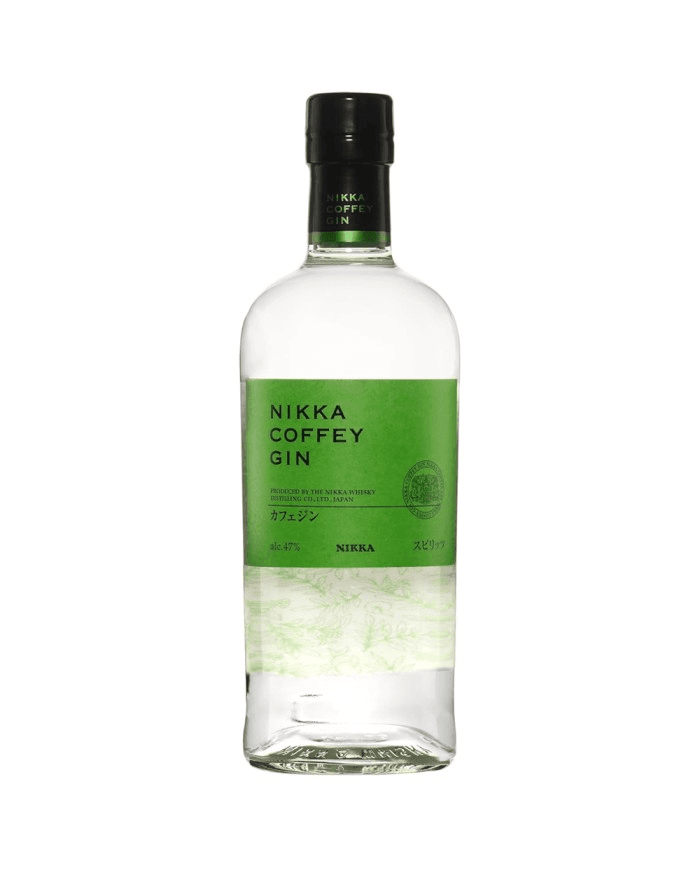
Nikka Coffey Gin
Nikka
Nikka applied their whisky-making precision to gin and the result is unmistakably Japanese — restrained, balanced, and texturally stunning. The Coffey column still gives this gin a richness most London Drys can't touch. It's a gin that demands attention neat before you ever put it in a cocktail.

Hayman's Exotic Citrus Gin
Hayman's
Hayman's manages the trick of bold citrus character without abandoning the juniper core. The exotic citrus peels are integrated so fully that they feel like a natural extension of a classic London Dry rather than an overlay. Versatile in cocktails, satisfying neat.

Archie Rose Distiller's Strength Gin
Archie Rose
Archie Rose's distiller's strength bottling demonstrates why proof matters in gin—every botanical rings louder, and the juniper backbone can support more complexity without losing definition. It's a gin that invites both sipping neat and anchoring a stirred drink.

Hernö Navy Strength Gin
Hernö
Jon Hillgren built Hernö as Sweden's first dedicated gin distillery, and his navy strength expression demonstrates what happens when a perfectionist increases proof without sacrificing balance. Every botanical is amplified in proportion, making this a gin that punches through tonic or citrus in cocktails while remaining supremely drinkable on its own.

Napue Gin by Kyrö Distillery
Kyrö
Napue won the world's best gin for a gin and tonic at the International Wine and Spirit Competition and it's easy to understand why. The rye base provides a structure most London Drys can't match, and the Nordic botanicals — birch leaf, meadowsweet, cranberry — root this gin firmly in the Finnish landscape.

Sipsmith Lemon Drizzle Gin
Sipsmith
Sipsmith's Lemon Drizzle avoids the trap many flavored gins fall into—it never sacrifices its identity as a gin. The lemon is vibrant and natural, and the juniper stays firmly in the driver's seat. A versatile bottle that excels in both G&Ts and cocktails.

Procera Red Dot Gin
Procera
Procera proves terroir isn't a concept limited to wine. The wild-harvested Juniperus procera from Kenya's highlands gives this gin a character unlike anything from the London or European tradition. It's juniper-forward, but a different juniper — and that distinction is worth exploring.

Rutte Celery Gin
Rutte
Rutte has been distilling in Dordrecht since 1872, and the Celery Gin — based on an original 19th-century recipe — remains their most distinctive expression. It's a reminder that botanical innovation in gin didn't start in the 2010s. The celery adds genuine complexity without gimmickry, making this an exceptional Dirty Martini gin.

Darnley's View London Dry Gin
Darnley's
Darnley's View is a gin that trusts its botanicals to speak at conversational volume. Where many London Drys lean on aggressive juniper or bold spice, this Scottish bottling opts for balance and transparency. It's an ideal gin for anyone who wants to taste every botanical rather than just the loudest one.

Uncle Val's Botanical Gin
Uncle Val's
Uncle Val's takes its inspiration from an Italian immigrant's garden, and that provenance shows. This is a gin that prioritizes freshness and balance over juniper muscle. It performs beautifully in a gin and tonic but is nuanced enough for a contemplative Martini.

Empirical Spirits Helena Gin
Empirical
Empirical's approach — treating spirits like a culinary lab experiment — could easily produce gimmicks. Helena Gin avoids that trap entirely. It is structurally rigorous: juniper-forward enough for purists, texturally inventive enough for modernists. The chamomile integration is the quiet stroke of genius that separates this from dozens of competent Nordic gins.

Whitley Neill Original London Dry Gin
Whitley Neill
Whitley Neill built this gin around two African botanicals — baobab and Cape gooseberry — alongside a classic London Dry backbone. The result is a gin that reads as traditional on the surface but has a rounder, more textured mid-palate than expected. The blend of twelve botanicals works because each earns its place in the ratio.
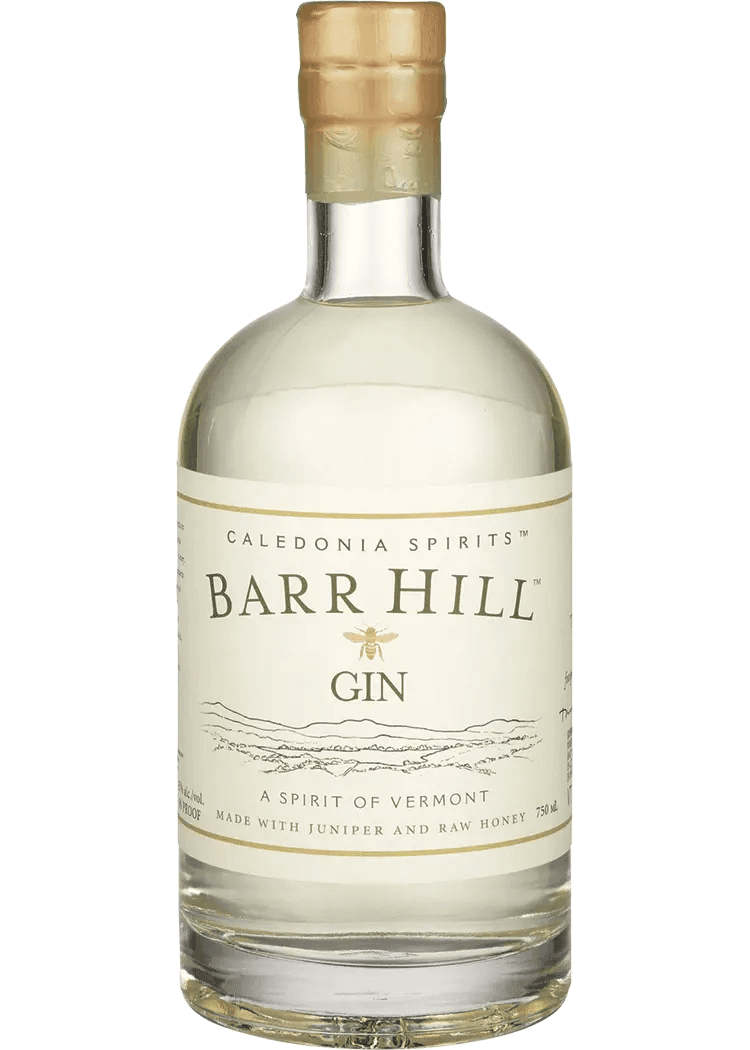
Barr Hill Gin
Caledonia Spirits
Barr Hill proves that complexity doesn't require a botanical bill as long as your arm. Two ingredients — juniper and raw honey — sound impossibly simple, until you realize that Vermont's raw wildflower honey is itself a symphony of over a hundred pollen sources.
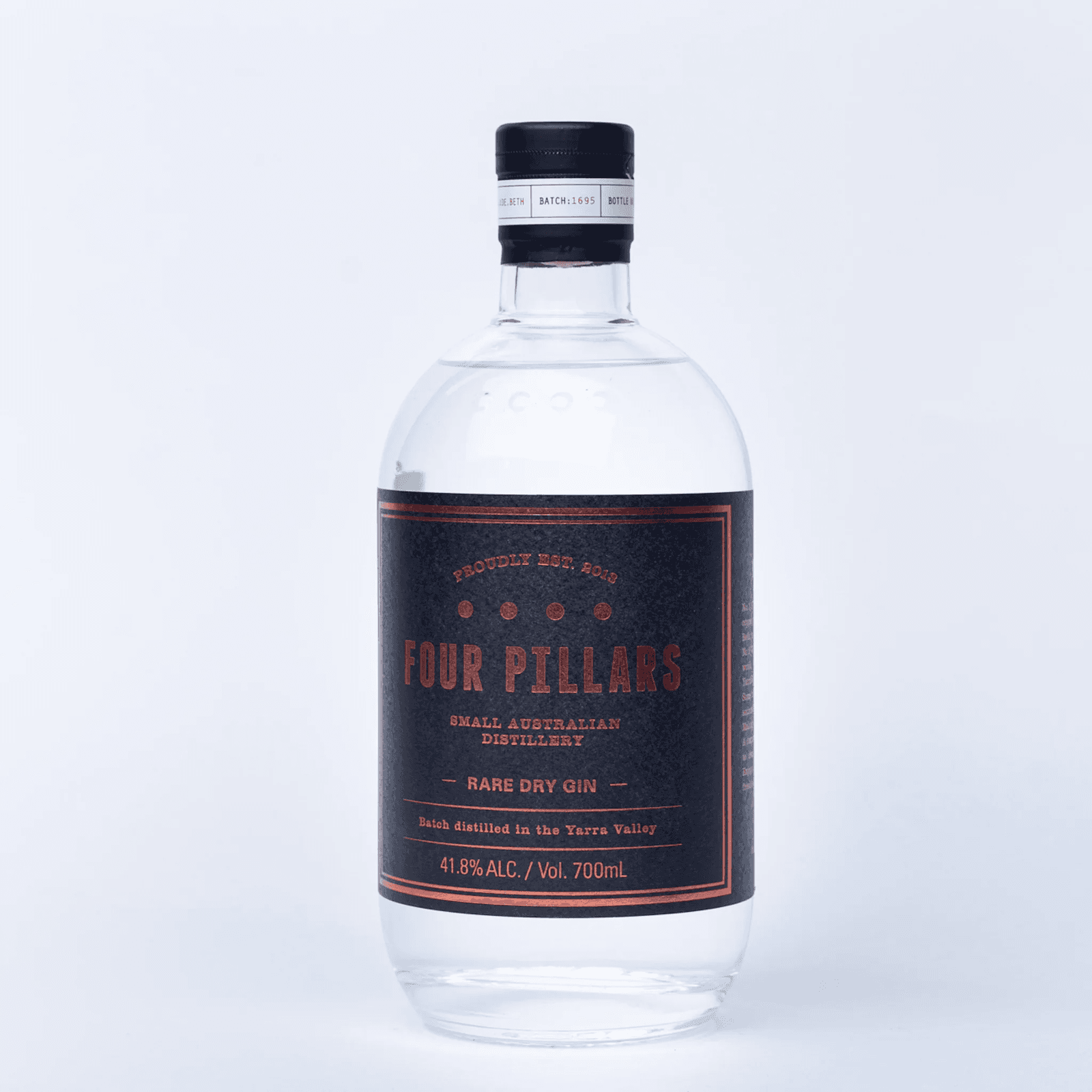
Four Pillars Rare Dry Gin
Four Pillars Gin Pty Ltd
Four Pillars Rare Dry Gin redefined what the world expected from Australian distilling. Cameron Mackenzie's decision to use whole fresh oranges in the still rather than dried peel was a technically daring choice — and the result is a gin with a citrus character that is genuinely alive.
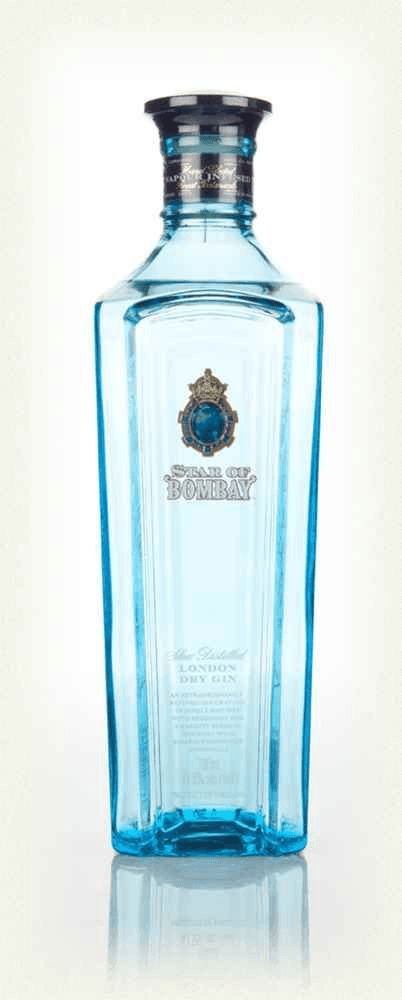
Star of Bombay
Bacardi (Bombay Spirits Company)
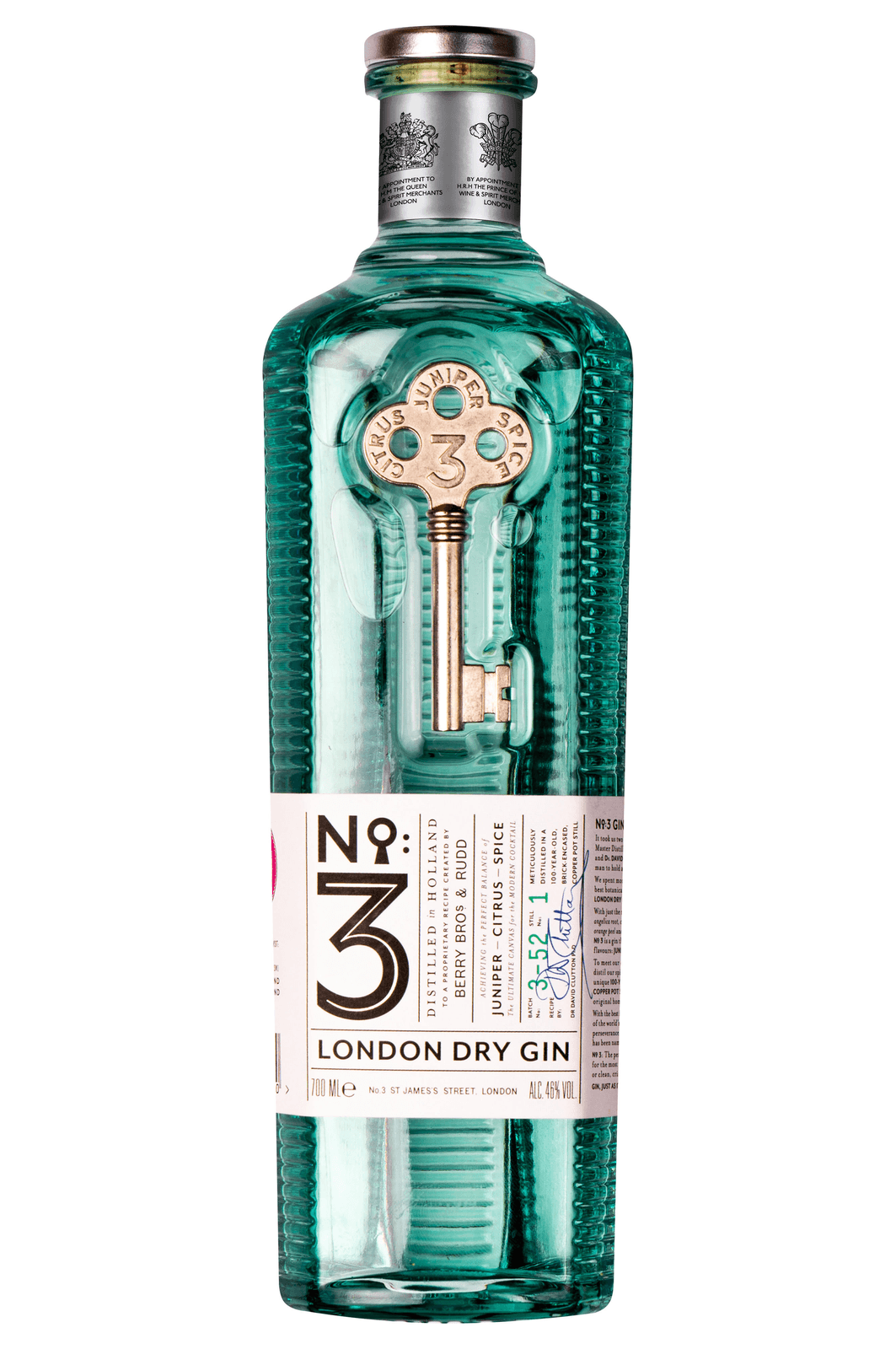
No. 3 London Dry Gin
Berry Bros. & Rudd
No. 3 London Dry Gin is resilience through reduction. While the gin world races to add more botanicals, Berry Bros. asked: what if six botanicals are all you need?
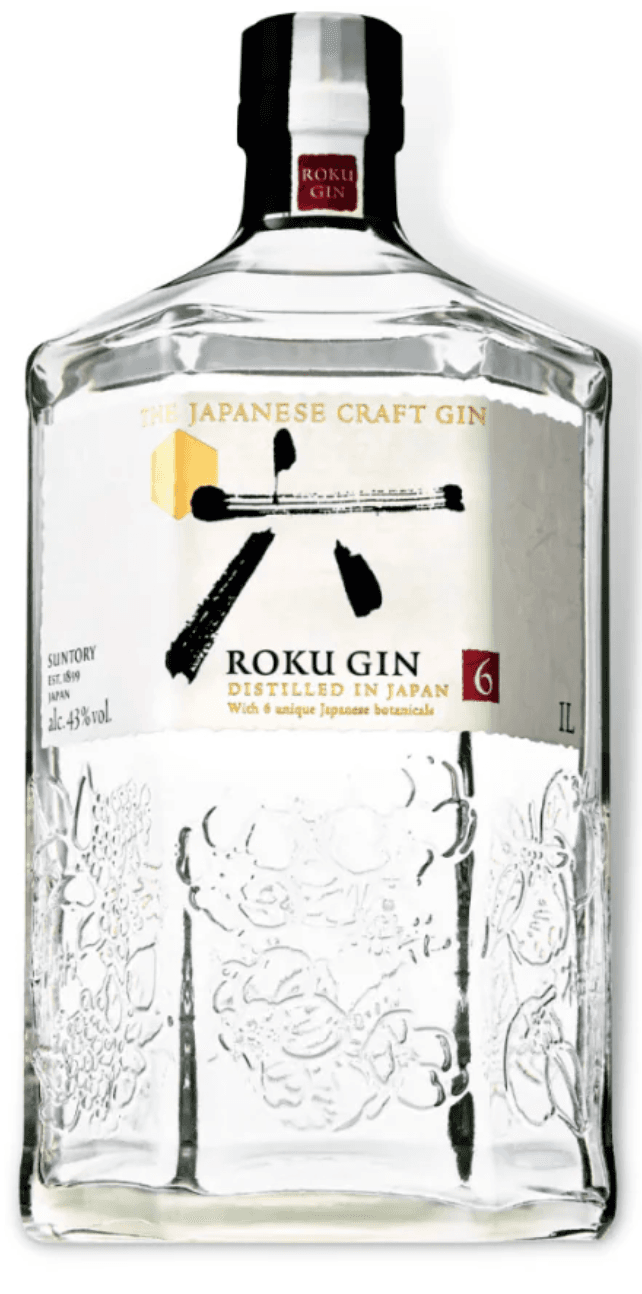
Roku Japanese Craft Gin
Beam Suntory (Suntory Spirits, est. 1899)
Roku means 'six' in Japanese, and those six native botanicals — sakura flower, sakura leaf, yuzu, sencha, gyokuro, and sansho pepper — are what elevate this gin from competent to contemplative. Suntory harvests each botanical at its peak season, meaning the production cycle spans an entire year before blending even begins. Each botanical group is then distilled separately in different still types to extract its optimal character. It's the Japanese philosophy of monozukuri — the art of making things with care and patience — applied to gin. The result is a spirit where East meets West in genuine harmony: the juniper backbone is clearly there, but the yuzu, tea, and sakura create a flavor profile unlike any Western gin. At under $35, Roku offers a masterclass in how patience in production translates to complexity in the glass.
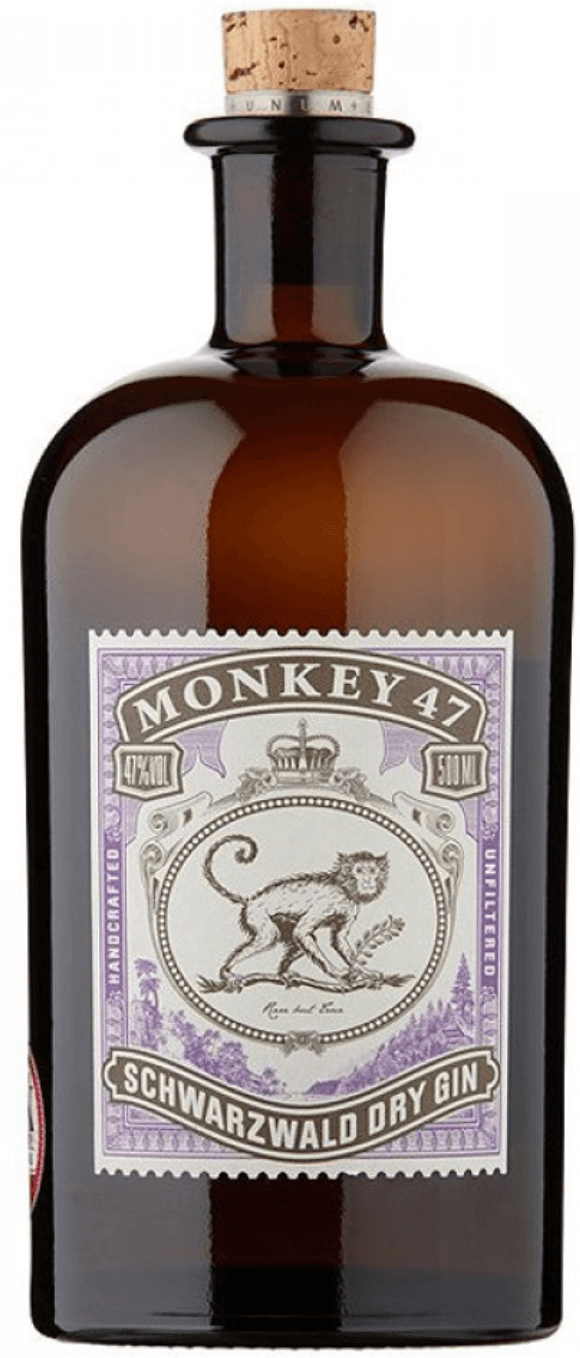
Monkey 47 Schwarzwald Dry Gin
Pernod Ricard (Monkey 47, est. 2010)
Monkey 47 is what happens when obsession meets the Black Forest. Alexander Stein, the founder, wasn’t content with the standard gin playbook of six to ten botanicals. He sourced forty-seven — roughly a third from the forest surrounding his distillery — including lingonberries, spruce shoots, bramble leaves, and acacia flowers. The result is aged three months in traditional earthenware crocks before bottling, a resting step almost no other gin producer bothers with. At 47% ABV (of course), it has the structure to support all that botanical complexity without collapsing into confusion. The fact that it comes in a 375 mL bottle at a premium price has done nothing to slow demand — proof that obsessive quality creates its own market.

Salcombe Gin 'Rockpool'
Salcombe Distilling Co.
A genuinely place-driven coastal gin that avoids gimmick — Rockpool captures the Salcombe estuary in liquid form without sacrificing the backbone of a proper London Dry.

Perfume Trees Gin Navy Strength
Perfume Trees
Perfume Trees' navy strength edition takes the brand's already distinctive East-meets-West botanical profile and dials up the intensity without losing balance. The extra proof reveals layers that the standard strength keeps quieter, particularly the floral and spice elements. A gin that demands attention.

Hernö Gin Old World Gin
Hernö
Hernö's Old World bottling strips away the contemporary botanical arms race and doubles down on what gin was always supposed to be: juniper, loud and clear. This is a gin for people who believe the berry should never have to share the spotlight.
Capreolus Blackbird Gin
Capreolus
Barrie Dyas's meticulous approach to distillation—treating each botanical almost as a separate ingredient to be captured at its peak—results in a gin of remarkable clarity and focus. The Blackbird expression showcases the Cotswolds' foraging tradition while maintaining a classically structured juniper profile. Exceptional in a Martini.
Hernö Smoke Gin
Hernö
Hernö demonstrates that smoke can be a gin botanical rather than just a whiskey trait. The birch-smoked juniper concept sounds like a gimmick but works precisely because the distillery treats it with the same precision they apply to their core range. This is a gin that opens up new cocktail territory without abandoning classical structure.

Moorland Spirit Co. Heather Moorland Gin
Moorland Spirit Co.
Moorland Spirit Co.'s heather gin captures the rugged beauty of the Peak District in liquid form. The wild botanicals — particularly the heather and meadowsweet — create a gin that tastes like place, not formula. It's a compelling choice for those seeking a gin with genuine terroir.

Wrecking Coast Cliffhanger Gin
Wrecking Coast
From a small distillery perched on the Cornish cliffs at Tintagel, this gin punches with conviction. The juniper-forward profile is unapologetically traditional, but the balance and texture elevate it beyond mere classicism. Vacuum distillation at lower temperatures preserves volatile aromatics that higher-heat methods would destroy — fitting for an issue about how temperature shapes flavor.

Whiskey Del Bac Distiller's Cut Gin
Whiskey Del Bac
A confident, terroir-driven American gin that wears its Sonoran provenance honestly — juniper-forward enough to satisfy traditionalists, distinct enough to stand apart.

Moorland Spirit Co. Sheffield Dry Gin
Moorland Spirit Co.
Moorland Spirit Co. draws on the botanical heritage of the Peak District moorlands surrounding Sheffield, and the result is a gin that feels rooted in landscape without becoming gimmicky. It's juniper-forward in the best sense—structured, balanced, and built for both sipping and mixing.

Moorland Spirit Co. Douglas Fir Sheffield Dry Gin
Moorland Spirit Co.
This Sheffield gin builds its identity around foraged Douglas fir tips from the Peak District, adding resinous depth to a classic juniper-led profile. The result is structured, aromatic, and unmistakably rooted in its landscape. A gin that rewards neat sipping as much as mixing.