Aroma
Ginger
35 bottles with this note
Train this aroma
Gin Aroma Kit
Develop your palate with the canonical reference for ginger and related notes.
Bols Genever Barrel Aged 18 Month
Bols
A masterclass in patience applied to the gin family tree. Where most gins celebrate the instant brightness of distillation, Bols Barrel Aged 18 Month embraces the slow alchemy of oak and time. The result is a spirit that bridges the worlds of aged whiskey and botanical distillate — furnace-forged grain spirit tempered into something deeply contemplative. Perfectly aligned with "The Furnace of Patience," this genever proves that even the juniper berry bows to time's authority.

Conniption American Dry Gin
Durham Distillery
Durham Distillery's Conniption American Dry is a masterclass in restraint. By splitting its botanical bill between two distillation methods—heat-based and vacuum—it preserves each ingredient's essential character without compromise. The result is a gin that feels structurally honest: juniper-forward, quietly complex, and utterly transparent. In an era of gins dressed in lavender and tropical fruit, Conniption argues that the marrow of the spirit is decoration enough. Exceptional value at its price point.

Spring44 Mountain Gin
Spring44
Spring44 Mountain Gin is a study in restraint and terroir. Where many American gins reach for citrus fireworks or botanical excess, this Colorado-made spirit draws its character from what lies beneath: root botanicals, mineral-rich spring water sourced at 9,000 feet, and a patient distillation philosophy. It embodies the issue's theme perfectly — depth before display, substance before spectacle. A gin that rewards the patient sipper and makes a profoundly grounded Martini.

Barr Hill Tom Cat Gin
Caledonia Spirits
Tom Cat is the answer to anyone who thinks gin can't carry weight. By aging their honey-forward base spirit in new charred oak, Caledonia Spirits has created something that lives in the liminal space between gin and whiskey — possessing the depth and gravity of the latter while retaining the botanical soul of the former. The raw honey, sourced from northern Vermont apiaries, doesn't simply sweeten; it adds layers of floral complexity that the barrel aging then deepens and darkens. This is sweetness as architecture, not decoration. A gin that proves depth and sugar are entirely different currencies.

Opihr Oriental Spiced London Dry Gin
Opihr
Opihr channels the ancient spice routes into a London Dry framework with remarkable coherence. The pepper-forward warmth and exotic botanical blend make it a natural fit for the 'Warmth Before Silence' theme — it glows with lingering spice heat that fades into a contemplative, quiet finish. An accessible yet genuinely distinctive gin that rewards slow sipping as much as mixing.

Bols Genever Barrel Aged
Bols
Bols Genever Barrel Aged is a gin that has earned its character the hard way — through time, wood, and the weight of a tradition stretching back to 1575. Where modern gins often dazzle with botanical fireworks, this genever whispers with the quiet authority of something that's been here before. The 18 months in Limousin oak round every edge without erasing the spirit's identity, producing something that feels genuinely worn-in rather than worn-out. In an issue devoted to the eloquence of patina, this is the spirit equivalent of a brass door handle polished smooth by ten thousand hands. A masterclass in how age and use can speak louder than novelty.

Whitley Neill Blood Orange & Ginger Gin
Whitley Neill
This is Whitley Neill in its most accessible mode, but the botanical balance lifts it above most flavored gins. The ginger provides an unexpected savory counterpoint to the blood orange sweetness. At 43%, there's enough structure for a proper G&T or a citrus-forward cocktail that doesn't sacrifice gin character.

Distillerie de Paris Batch No. 2 Gin
Distillerie de Paris
Parisian craft distilling applied to gin with restraint and intelligence. The binding agent is balance—each botanical contributes without competing, creating a gin that feels like a conversation rather than a monologue. Exceptional in a Martini, where its floral-citrus architecture has room to breathe.

Tinkerman's Sweet Spice Gin
Tinkerman's
Tinkerman's Sweet Spice offers an approachable but botanically serious gin that bridges classic London Dry architecture with New World warmth. The spice-forward profile never overshadows the juniper foundation, making it versatile enough for a Martini yet distinctive enough to sip on its own. A quietly accomplished American gin.

Few Standard Issue Gin
FEW Spirits
A serious, characterful navy-strength gin from one of America's most thoughtful craft distilleries. Its assertive juniper spine and remarkable persistence on the finish make it a perfect vehicle for the theme — few gins linger like this one.

Whitley Neill Handcrafted Original Dry Gin
Whitley Neill
Johnny Neill's family recipe — drawing on four generations of distilling heritage — is a gin that doesn't chase trends. It is emphatically juniper-forward, botanically balanced, and built for versatility. The African botanicals (baobab fruit and cape gooseberry) add textural interest without pulling focus from what is, at heart, a superb classical gin at an honest price.

Whitley Neill Quince Gin
Whitley Neill
Whitley Neill Quince finds an unusual but effective botanical focus. The quince doesn't overpower the gin's foundations — instead, it introduces a tannic fruit complexity that plays well with juniper and spice, creating something genuinely different without gimmickry.

Arbikie AK's Gin
Arbikie
Arbikie grows its own wheat and potatoes on their Highland estate, giving them rare control over the base spirit. AK's Gin reflects that precision — the botanical integration feels seamless, with no single element shouting over another. It's a gin that performs beautifully in cocktails but genuinely rewards neat tasting.

Rock Rose Gin Original Edition
Rock Rose
Dunnet Bay is about as far north as mainland Scotland goes, and the harshness of the landscape seems to translate into a gin of real backbone. The local rhodiola rosea root adds an unusual floral dimension without becoming perfumed. This is craft gin with a genuine sense of place.

Four Pillars Navy Strength Gin
Four Pillars
Four Pillars takes their acclaimed Rare Dry recipe and dials it up to navy strength without losing balance—a harder trick than it sounds. The extra proof amplifies the Asian-influenced botanical profile, making the Tasmanian pepperberry and star anise sing alongside classic juniper. This is a gin that wants to be in a cocktail, but it stands on its own with ice and a squeeze of lime.

Musgrave Copper Gin
Musgrave
Musgrave Copper Gin is a South African craft expression that leans into juniper and spice rather than chasing the contemporary citrus-bomb trend. Its slight roughness — that peppery, resinous quality — makes it a gin with real backbone. Excellent in a Negroni where its structure can stand up to Campari and vermouth.

Craft Distillery Koval Dry Gin
Koval
Koval's dry gin is a study in midwestern directness — no gimmicks, no exotic botanicals chasing trends. The organic grain base is clean enough to let the botanicals do their work, and the distillation is precise enough to keep everything in balance. A gin for people who want gin to taste like gin.

Perry's Tot Navy Strength Gin
New York Distilling Company
Perry's Tot demonstrates why navy strength gin exists: not for machismo, but for flavor density. At 57%, every botanical registers with crystalline clarity. This gin stands up to tonic, dominates a Negroni, and rewards anyone willing to engage with it on its own terms. The New York Distilling Company gets far less attention than it deserves.

Whitley Neill Rhubarb & Ginger Gin
Whitley Neill
Whitley Neill Rhubarb & Ginger succeeds where many flavored gins fail — it integrates its signature botanicals without sacrificing gin identity. The juniper spine holds firm, making this a versatile bottle that works as well in a G&T as it does in more creative builds.

Elephant Gin London Dry
Elephant Gin
Elephant Gin earns its place through sheer botanical conviction. The use of African-sourced botanicals — buchu, baobab, devil's claw — alongside classic London Dry staples creates a gin that feels rooted in the earth. It's a serious spirit that demands a thoughtful tonic or a well-built Martini. Fifteen percent of profits go to elephant conservation foundations, but this would stand on flavor alone.

Tanqueray Rangpur Lime Gin
Tanqueray
Rangpur sits in the productive space between classic London Dry and contemporary citrus-forward gins. The Rangpur lime — a mandarin-lemon hybrid from India — gives Tanqueray's four-botanical backbone a different kind of tension, one that tips toward sour rather than sweet. It is a gin that was clearly designed for the gimlet but earns its keep neat.

Caledonia Spirits Barr Hill Reserve Tom Cat Gin
Barr Hill
Tom Cat proves that barrel-aged gin can be more than a novelty. The interplay between raw northern honey, juniper, and new American oak creates something genuinely distinctive — part gin, part whiskey-adjacent sipper, wholly itself. Vermont's cold winters slow the aging, building complexity without sacrificing botanical clarity.

Tanqueray Malacca Gin
Tanqueray
Originally released in 1997 and then discontinued, Malacca was revived due to bartender demand. Named for the Strait of Malacca — the historic spice trade route — it represents a gentler, more aromatic approach to gin that sits beautifully between Old Tom sweetness and London Dry austerity. Ideal for those who find classic Tanqueray too bracing.

Greenhook Ginsmiths American Dry Gin
Greenhook Ginsmiths
Greenhook's vacuum-distilled gin captures botanical freshness with unusual precision. The chamomile note is the distinguishing feature — it softens the juniper without diluting it, creating a gin that works beautifully in a Martini but also holds its own in more complex cocktails. Craft American gin at its most thoughtful.

Blackwoods Vintage Dry Gin 2017
Blackwoods
Blackwoods is one of the few gins to carry a vintage date, because the wild Shetland botanicals — sea mint, meadowsweet, and others — vary from season to season. The 2017 growing year produced a particularly aromatic crop, and you can taste the difference. This is gin as agricultural product, subject to the same seasonal logic as wine.

Perfume Trees Gin
Perfume Trees
Named for the Aglaia trees that once blanketed Hong Kong's hillsides, Perfume Trees Gin channels East Asian botanicals through an unmistakably London Dry framework. The result is precise, aromatic, and deeply refreshing. It bridges traditions without losing identity.

Dingle Original Gin
Dingle
Dingle's gin captures the wild Atlantic hedgerows of Kerry without relying on novelty botanicals. The balance between classic juniper structure and softer floral elements makes it versatile — equally at home in a Martini or a G&T with a sprig of rosemary.
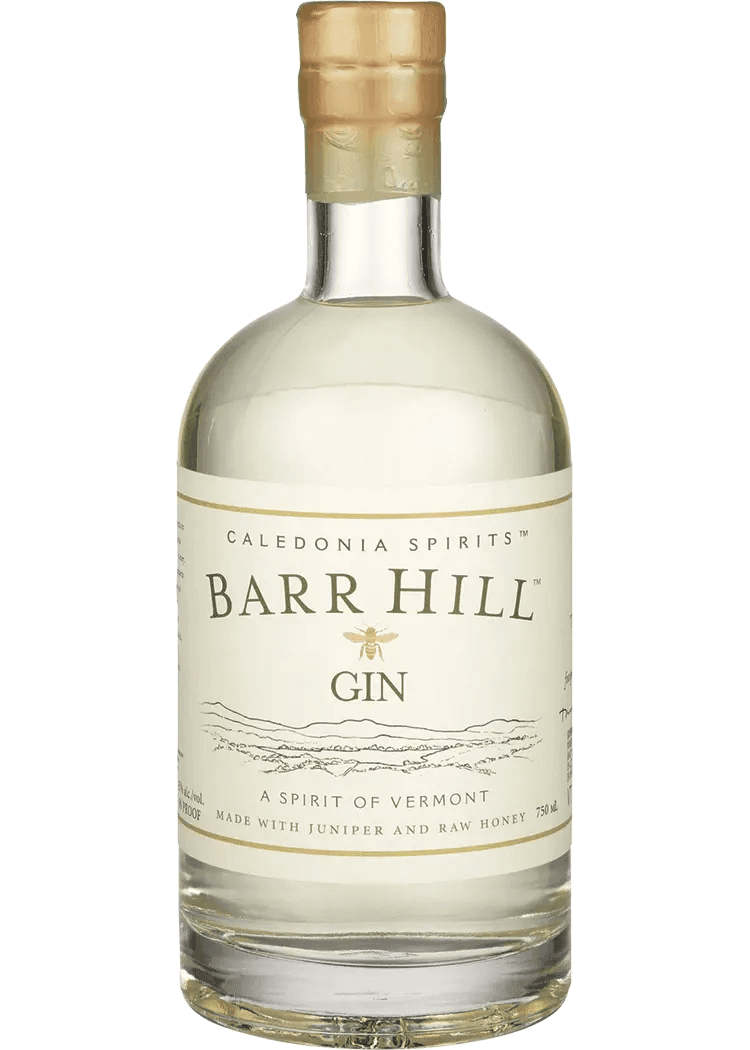
Barr Hill Gin
Caledonia Spirits
Barr Hill proves that complexity doesn't require a botanical bill as long as your arm. Two ingredients — juniper and raw honey — sound impossibly simple, until you realize that Vermont's raw wildflower honey is itself a symphony of over a hundred pollen sources.
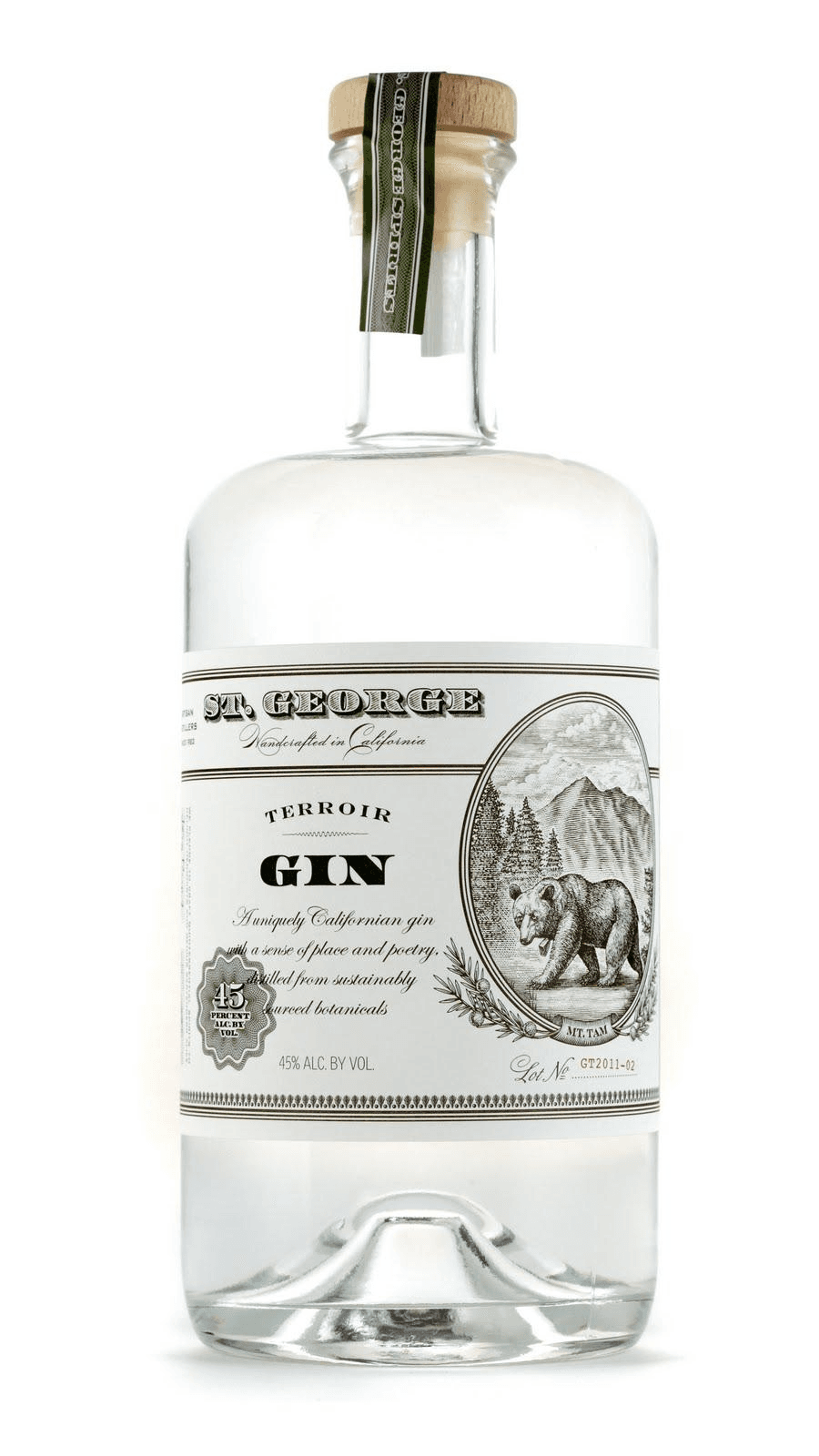
St. George Terroir Gin
St. George Spirits
St. George Terroir Gin is unlike any other gin in the world. While most gins lead with juniper and citrus, Terroir leads with Douglas fir, California bay laurel, and coastal sage — botanicals wildcrafted from the hills around San Francisco Bay.
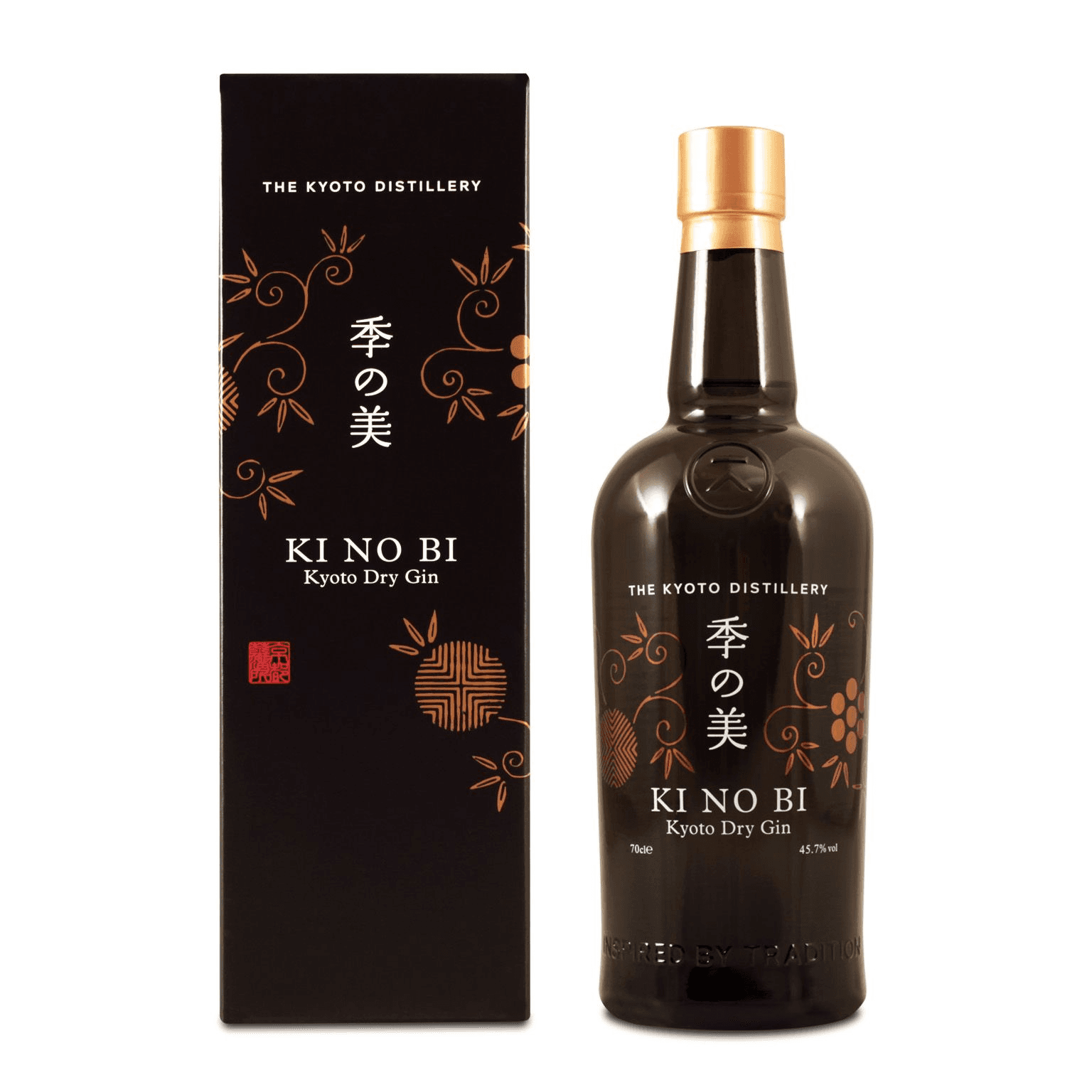
Ki No Bi Kyoto Dry Gin
The Kyoto Distillery (Pernod Ricard)
Ki No Bi is what happens when the London dry gin tradition migrates to Kyoto and is rebuilt from the ground up with Japanese materials and philosophy.
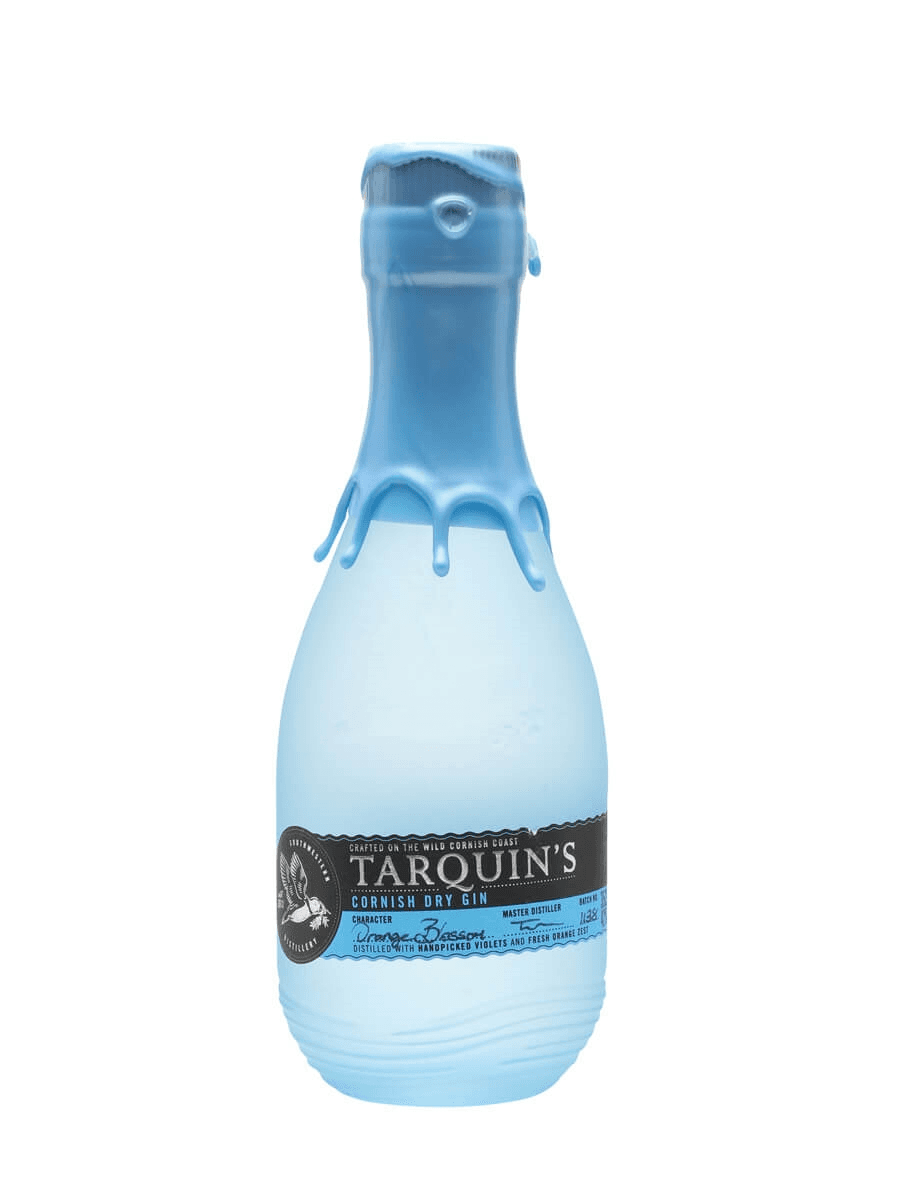
Tarquin's Cornish Dry Gin
Southwestern Distillery (Independent)
Tarquin's is among the very few gins in Britain still distilled over naked flame — and you can taste the difference. Direct-fire distillation gives the distiller less control than steam-heated stills, but rewards the skilled hand with a richer, more textured spirit.
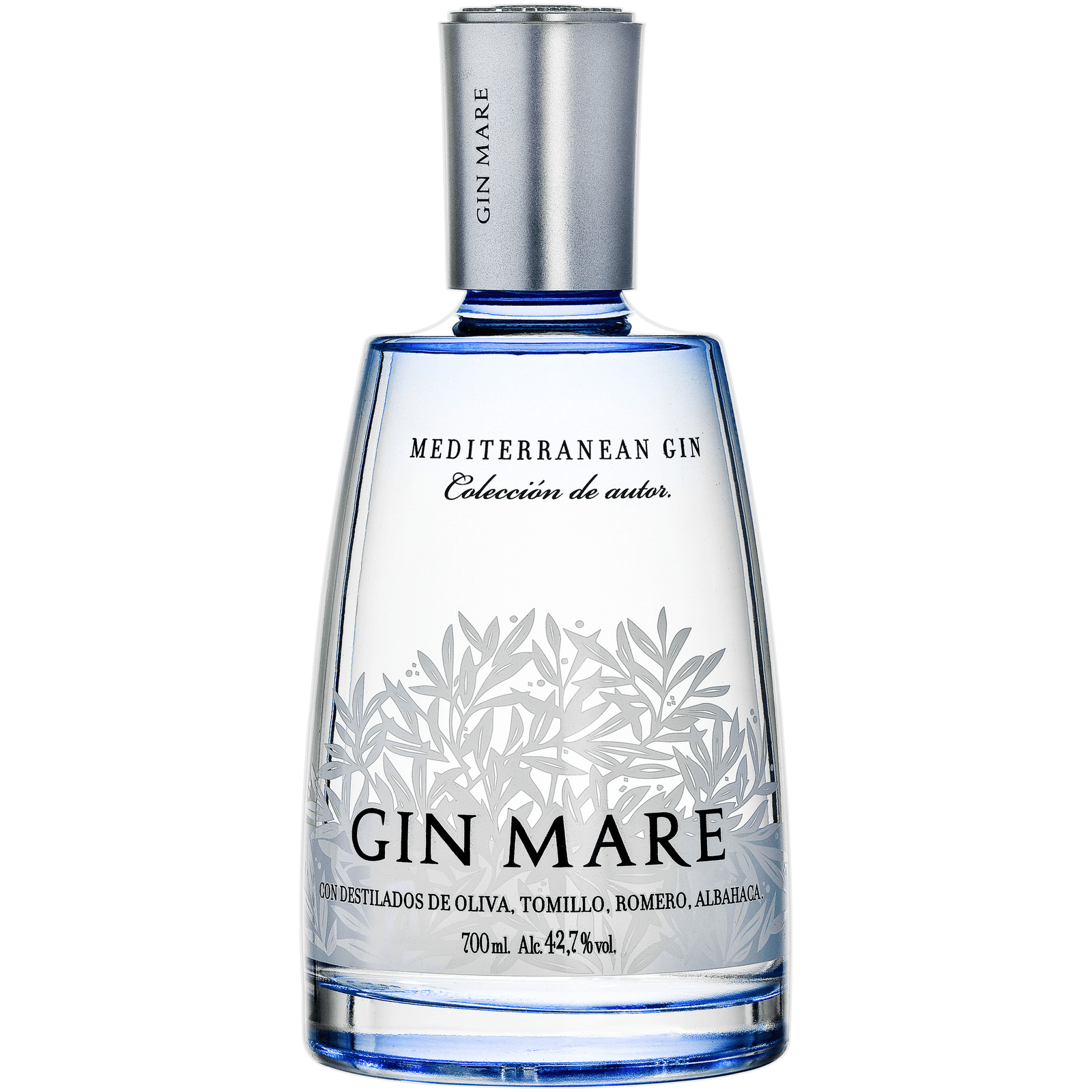
Gin Mare
Vantguard / Brown-Forman
Gin Mare is botanical architecture at its most deliberate. Where most gins start with juniper and build outward, Mare's designers flipped the blueprint: they began with the flavors of a Mediterranean table — olive, thyme, rosemary, basil — and built juniper around them as structural support rather than the main event. Each botanical is distilled individually to capture its purest expression, then blended with the precision of a perfumer. The result is a gin that tastes like the Catalan coast on a warm evening — savory, herbal, bright, utterly unlike anything from London.
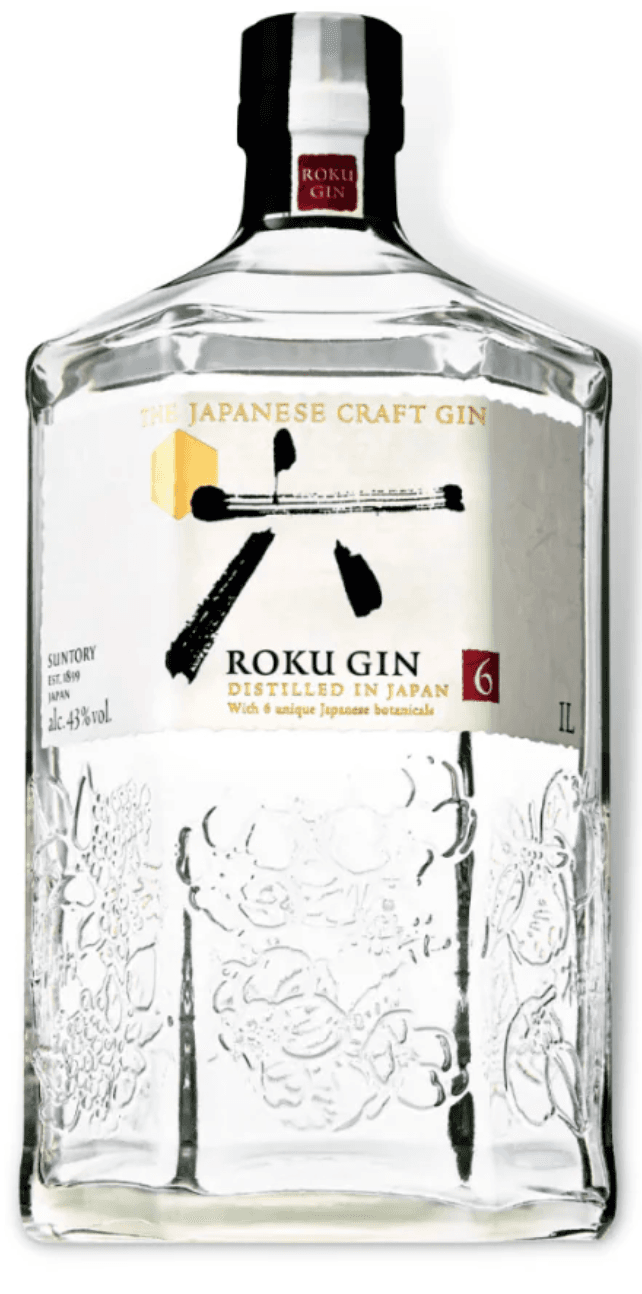
Roku Japanese Craft Gin
Beam Suntory (Suntory Spirits, est. 1899)
Roku means 'six' in Japanese, and those six native botanicals — sakura flower, sakura leaf, yuzu, sencha, gyokuro, and sansho pepper — are what elevate this gin from competent to contemplative. Suntory harvests each botanical at its peak season, meaning the production cycle spans an entire year before blending even begins. Each botanical group is then distilled separately in different still types to extract its optimal character. It's the Japanese philosophy of monozukuri — the art of making things with care and patience — applied to gin. The result is a spirit where East meets West in genuine harmony: the juniper backbone is clearly there, but the yuzu, tea, and sakura create a flavor profile unlike any Western gin. At under $35, Roku offers a masterclass in how patience in production translates to complexity in the glass.

Perfume Trees Gin Navy Strength
Perfume Trees
Perfume Trees' navy strength edition takes the brand's already distinctive East-meets-West botanical profile and dials up the intensity without losing balance. The extra proof reveals layers that the standard strength keeps quieter, particularly the floral and spice elements. A gin that demands attention.

Citadelle Vieille de Grasse Gin
Citadelle
Citadelle Vieille de Grasse is a gin that has been allowed to age into its own wisdom. Where most gins are bright and immediate, this one asks you to sit with it. The extended oak maturation doesn't mask the botanicals—it deepens them, lending a patina that rewards patience. This is gin as memoir, each sip revealing another well-worn layer of a life richly lived. For Issue #159's meditation on worn things that speak, it is the perfect companion: something that has been shaped by time and is more eloquent for the weathering.