Issue 9 · April 4, 2026
Unbowed
Theme: Resilience
Distilleries that nearly vanished, traditions resurrected, and producers who refused to soften their convictions.
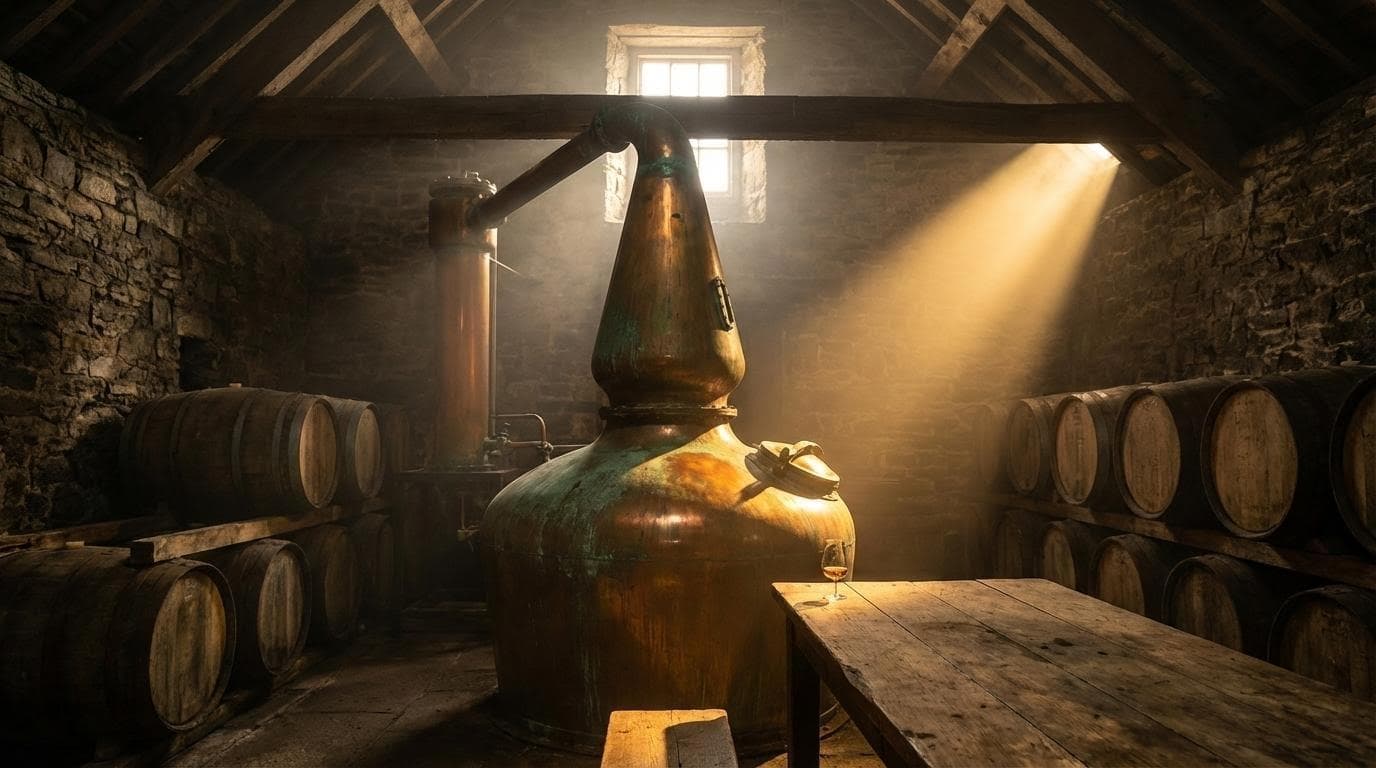

Today's eight bottles share a single, defining quality: resilience. Not the fragile kind that merely survives, but the stubborn, purposeful kind that emerges stronger. A bourbon created to defy an industry chasing lightness. A Scotch distillery that nearly vanished before becoming one of the world's most celebrated. An Irish whiskey that resurrected a forgotten tradition. A tequila built on radical transparency. A gin that proved six botanicals could defeat forty-seven. A Jamaican rum that spent 270 years perfecting its craft in obscurity. A California Cabernet that chose its own path for half a century. And an Austrian Riesling from a vineyard that has endured since 470 AD.
Resilience in wine and spirits isn't about brute force — it's about conviction. Each of these producers faced moments when compromise would have been easier: soften the peat, add more botanicals, follow the trend, chase the celebrity endorsement. They chose otherwise. The result is eight bottles that don't merely occupy shelf space — they hold ground. Pour any one of them tonight and taste what happens when craft refuses to bend.
BOURBON Knob Creek 9 Year Old
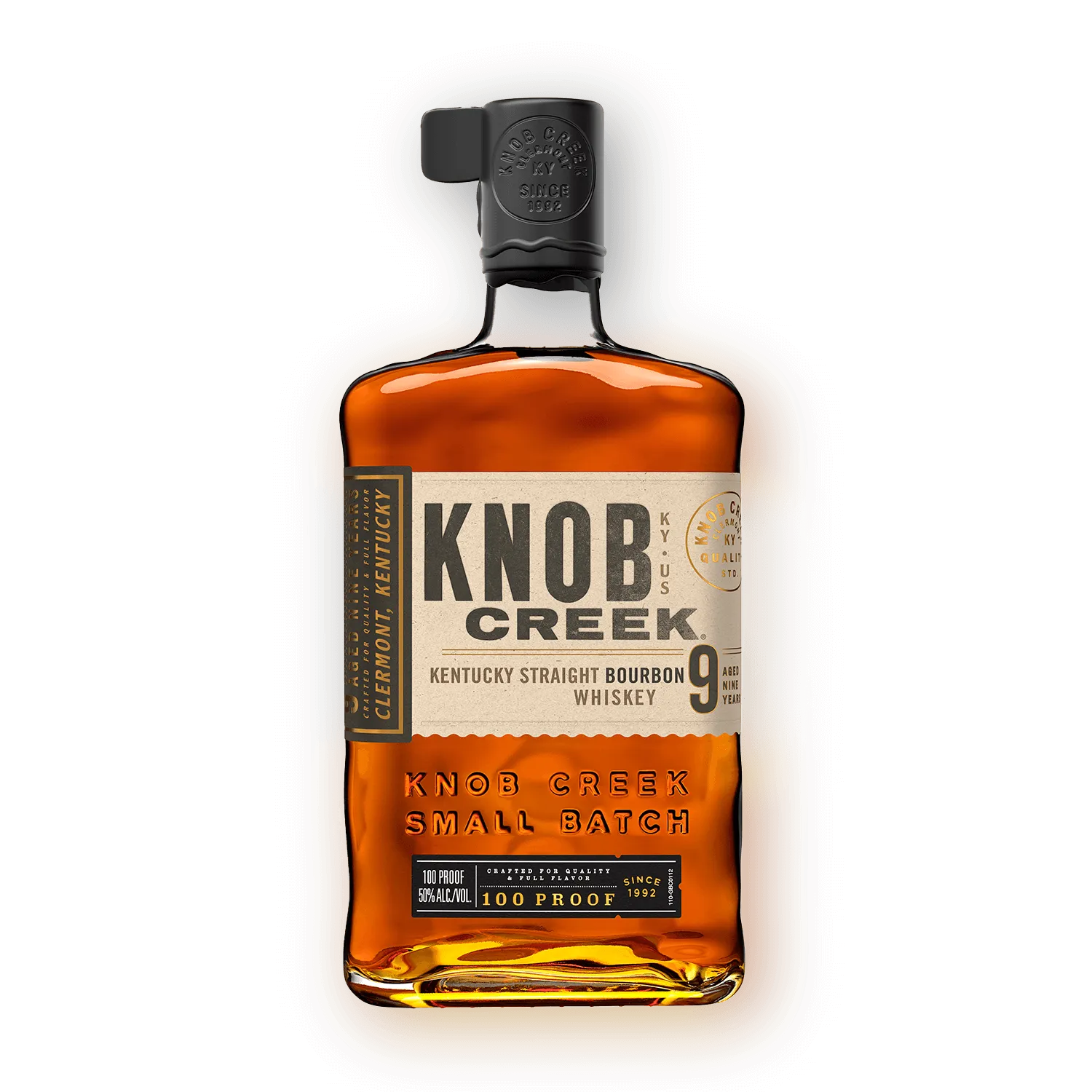
Clermont, Kentucky — where Booker Noe, grandson of Jim Beam himself, created Knob Creek as a tribute to the pre-Prohibition bourbons he believed the world had forgotten. Named for the creek near Abraham Lincoln's childhood home, this whiskey was born from Noe's stubborn refusal to let the industry's trend toward lighter, younger spirits erase a richer tradition. Every bottle carries nine years of Kentucky patience — a quiet act of resilience against a market that once nearly abandoned full-flavored bourbon entirely.
Classification: Kentucky Straight Bourbon Whiskey
Company: Beam Suntory
Distillery: Jim Beam Distillery, Clermont, Kentucky
Proof: 100 Proof (50% ABV)
Age: 9 Years
Mash Bill: 77% Corn, 13% Rye, 10% Malted Barley
Color: Deep amber with burnt copper highlights
MSRP: $36
Nose: Rich caramel and dark maple syrup open with authority, followed by toasted oak, charred vanilla, and a dusting of cinnamon bark. Beneath, hints of dried orange peel and dark chocolate emerge with time in the glass.
Palate: Full-bodied and unapologetically bold. Waves of butterscotch and brown sugar meet cracked black pepper and rye spice. The mid-palate delivers roasted pecans and toffee, with a persistent warmth that fills the mouth without burning.
Finish: Long and warming, with lingering maple, toasted oak, and a final whisper of dark caramel that refuses to fade — much like the bourbon tradition it was built to preserve.
Cocktail — The Creek Old Fashioned: Muddle a sugar cube with 3 dashes Angostura bitters and a splash of water. Add 2 oz Knob Creek 9, stir with a large ice cube for 30 seconds. Express an orange peel over the glass and drop it in. The bourbon's 100-proof backbone cuts through the sweetness with authority.
Pair with: Slow-smoked beef brisket with a brown sugar and black pepper bark. The bourbon's maple sweetness mirrors the caramelized crust while its rye spice cuts through the richness of the meat.
Awards: 95 Points, Wine Enthusiast (2023). Gold Medal, San Francisco World Spirits Competition (2023). Double Gold, North American Bourbon & Whiskey Competition.
SCOTCH WHISKY Ardbeg 10 Year Old
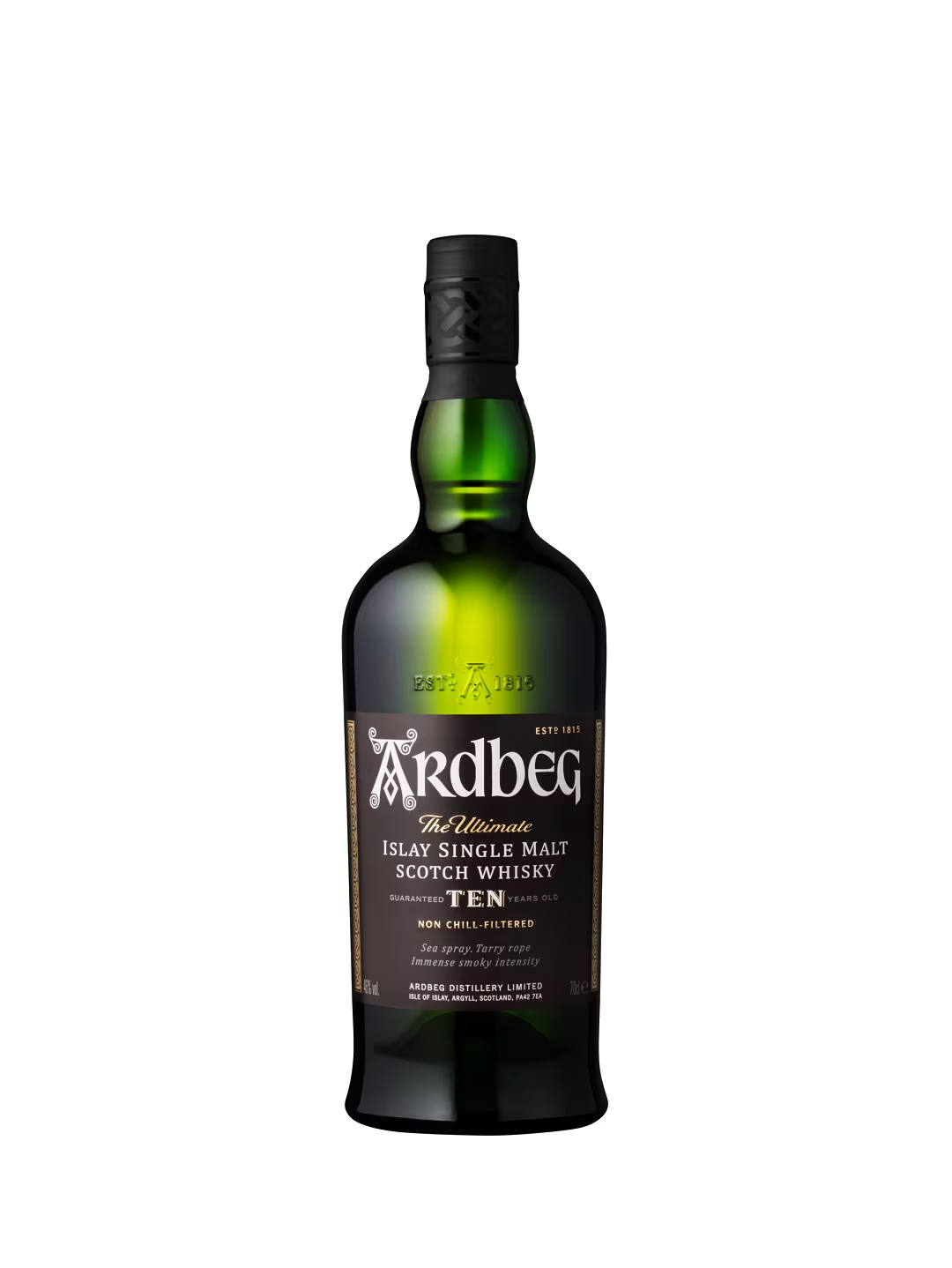
Port Ellen, Islay — where the distillery nearly vanished forever. Shuttered in 1981 during the whisky loch, Ardbeg sat silent for over a decade, its stills cold, its future uncertain. When Glenmorangie purchased the crumbling site in 1997, only a skeleton crew remained. The revival that followed became one of Scotch whisky's greatest comeback stories — proof that even the most intense, uncompromising spirits can find their audience when the world finally catches up.
Classification: Islay Single Malt Scotch Whisky
Company: LVMH (Mot Hennessy)
Distillery: Ardbeg Distillery, Port Ellen, Islay
Proof: 92 Proof (46% ABV)
Age: 10 Years
Mash Bill: 100% Malted Barley (peated to ~55 ppm phenols)
Distillation: Double distilled in copper pot stills with distinctive purifier pipe
Maturation: 10 years in ex-bourbon American oak casks
Filtered: Non-chill filtered
Color: Pale gold with greenish tinge
MSRP: $54
Nose: An immediate surge of peat smoke wraps around bright lemon zest and sea salt. Beneath the coastal intensity, softer notes of vanilla, malt, and green apple emerge — the purifier pipe's signature delicacy hiding within the storm.
Palate: Explosive and layered. The peat arrives first — campfire smoke, iodine, and tar — then pivots to unexpected sweetness: toffee, milk chocolate, and ripe banana. Cracked pepper and espresso beans add complexity, while the mouthfeel remains surprisingly elegant for such power.
Finish: Extraordinarily long. Waves of smoked malt, dark chocolate, and maritime minerality ebb and flow, with a final note of sweet peat that lingers for minutes. This is a whisky that doesn't just finish — it echoes.
Cocktail — Penicillin: Combine 2 oz blended Scotch, 0.75 oz fresh lemon juice, and 0.75 oz honey-ginger syrup. Shake with ice and strain into a rocks glass over fresh ice. Float 0.25 oz Ardbeg 10 on top. The smoky Ardbeg crown transforms this modern classic into something unforgettable.
Pair with: Grilled lamb chops with a rosemary and sea salt crust. The peat smoke amplifies the char on the lamb, while Ardbeg's hidden sweetness harmonizes with the herb crust.
Awards: 97 Points, Ultimate Spirits Challenge. Gold, International Wine & Spirit Competition (2023). Jim Murray's Whisky Bible — consistent 94+ scoring.
IRISH WHISKEY Connemara Peated Single Malt
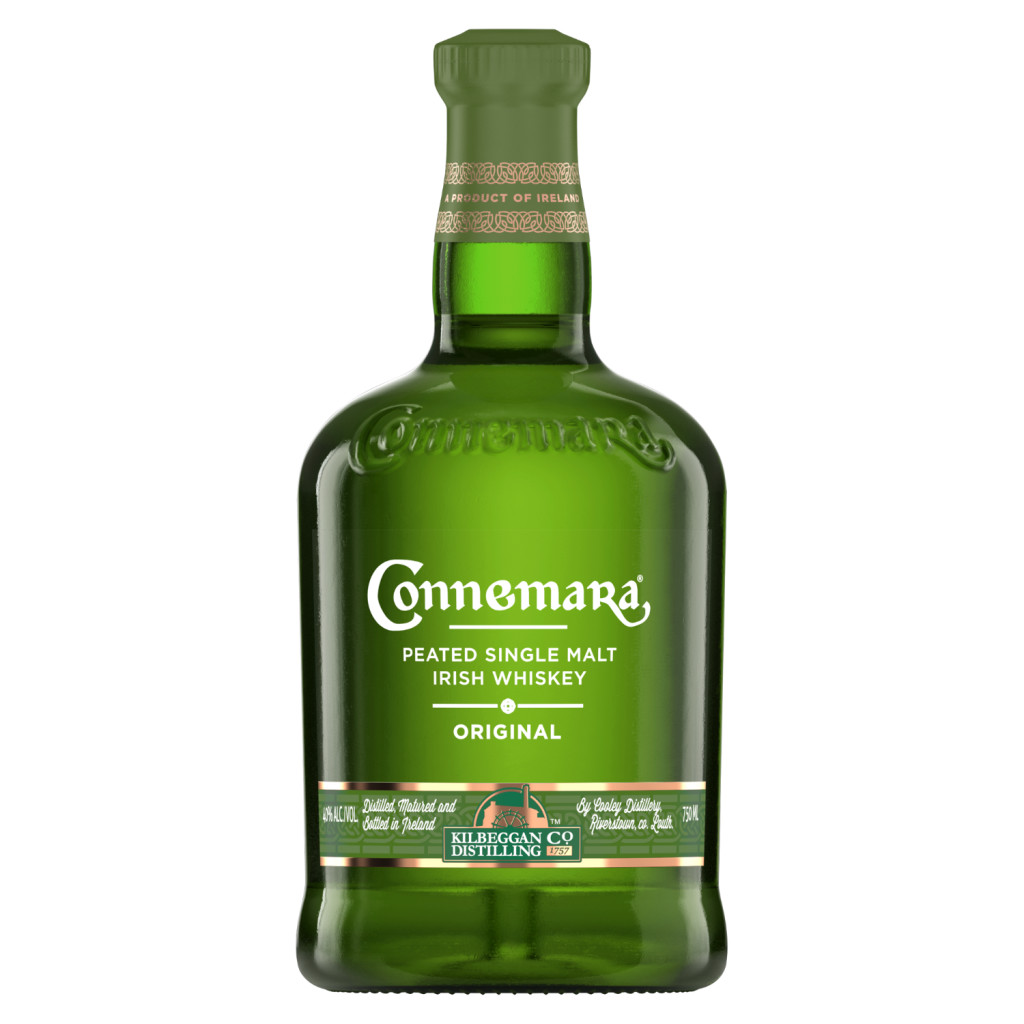
Cooley Peninsula, County Louth — where Cooley Distillery dared to break every rule of modern Irish whiskey. When John Teeling launched Connemara in the mid-1990s, the industry insisted Irish whiskey meant smooth, unpeated, triple-distilled. Teeling looked back further, to the 18th and 19th centuries when peat-dried malt was standard across Ireland, and chose to revive a forgotten tradition. Named for the wild, boggy landscape of western Galway, Connemara proved that Irish whiskey's past held flavors worth fighting for.
Classification: Peated Single Malt Irish Whiskey
Company: Beam Suntory (Kilbeggan Distilling Co.)
Distillery: Cooley Distillery, Cooley Peninsula, County Louth
Proof: 80 Proof (40% ABV)
Age: No Age Statement (typically 4-6 years)
Mash Bill: 100% Peated Malted Barley
Distillation: Double distilled in copper pot stills
Maturation: Aged in ex-bourbon American oak barrels
Color: Light gold with amber edges
MSRP: $45
Nose: Gentle peat smoke mingles with heather honey and fresh hay. Orchard fruits — green apple and ripe pear — drift through, followed by a touch of vanilla custard and dried wildflowers. It's peat reimagined through an Irish lens, softer and more approachable than its Scottish cousins.
Palate: Silky and surprising. The peat is present but gentler here — turf smoke rather than bonfire — allowing honeyed malt, citrus oil, and a lovely floral character to share the stage. Mid-palate brings toasted almonds and a subtle spice that builds gradually. The double distillation gives it a smoothness that makes the peat almost delicate.
Finish: Medium-long, with lingering heather smoke, sweet malt, and a clean mineral quality that evokes the boglands for which it's named. A whisper of black pepper closes things out with quiet confidence.
Cocktail — Irish Bog Sour: Combine 2 oz Connemara, 1 oz fresh lemon juice, 0.75 oz heather honey syrup, and 1 egg white. Dry shake, then shake with ice and strain into a coupe. The peat plays beautifully against the floral honey, creating a sour with genuine depth.
Pair with: Smoked salmon on brown soda bread with crème frache and dill. The whiskey's gentle peat echoes the salmon's smoke, while its honeyed sweetness complements the tangy cream.
Awards: Gold Medal, International Wine & Spirit Competition. Double Gold, San Francisco World Spirits Competition. 91 Points, Whisky Advocate.
TEQUILA Ocho Reposado
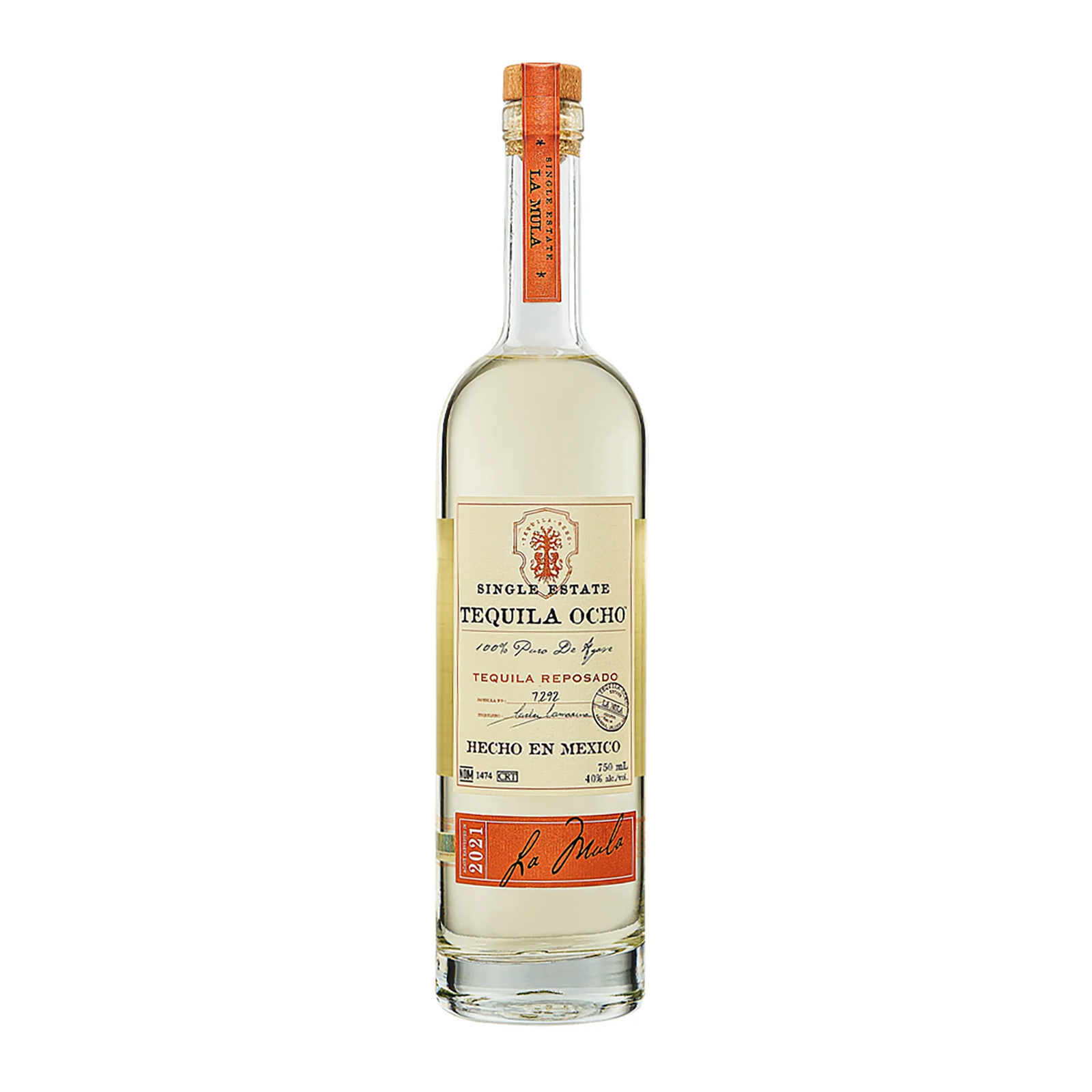
Arandas, Jalisco Highlands — where Tomas Estes, an American who spent four decades as Europe's most passionate tequila ambassador, finally fulfilled his dream of making his own. Partnering with the legendary Carlos Camarena (master distiller behind Tapatio and El Tesoro), Estes created Ocho as tequila's answer to terroir-driven wine: every batch identifies the single estate ranch and harvest year, a radical act of transparency in an industry that often obscures its origins. In a market flooded with celebrity brands and additives, Ocho's resilience lies in proving that agave, honestly expressed, is enough.
Classification: Tequila Reposado, 100% Agave
Company: Ocho Tequila (Tequila Ocho S.A. de C.V.)
Distillery: La Alteña Distillery, Arandas, Jalisco
Proof: 80 Proof (40% ABV)
Age: 8 weeks and 8 days in ex-American whiskey barrels
Agave: 100% Blue Weber Agave, single estate, highland-grown (6-8 years maturation)
Production: Slow brick oven roasting (72 hours), tahona and roller mill extraction, natural fermentation, double distilled in copper pot stills
Color: Pale straw with golden highlights
MSRP: $58
Nose: Bright cooked agave leads — sweet, vegetal, unmistakably highland. Gentle oak and vanilla from the brief barrel rest add warmth without masking the agave's voice. White pepper, citrus blossom, and a mineral earthiness complete the picture.
Palate: Clean and agave-forward, the way reposado should be. Cooked agave sweetness merges with light caramel and cinnamon, while the barrel contributes just enough vanilla and oak to add dimension. A beautiful herbal quality — thyme, perhaps — dances through the mid-palate. The mouthfeel is silky and medium-bodied.
Finish: Medium-length, with lingering agave, white pepper, and a touch of mineral warmth. The oak whispers rather than shouts, allowing the agave the final word. Elegant and precise.
Cocktail — Ocho Paloma: Combine 2 oz Ocho Reposado, 0.75 oz fresh lime juice, and 0.5 oz agave nectar in a salt-rimmed highball glass over ice. Top with 3 oz fresh grapefruit soda. The barrel-kissed agave adds warmth to the classic Paloma's bright acidity.
Pair with: Ceviche verde with tomatillo, serrano chile, and avocado. The tequila's bright agave and citrus character mirrors the dish's acidity, while its gentle oak warmth complements the avocado's richness.
Awards: Platinum Medal, SIP Awards. Double Gold, San Francisco World Spirits Competition. 93 Points, Tasting Panel Magazine.
GIN No. 3 London Dry Gin
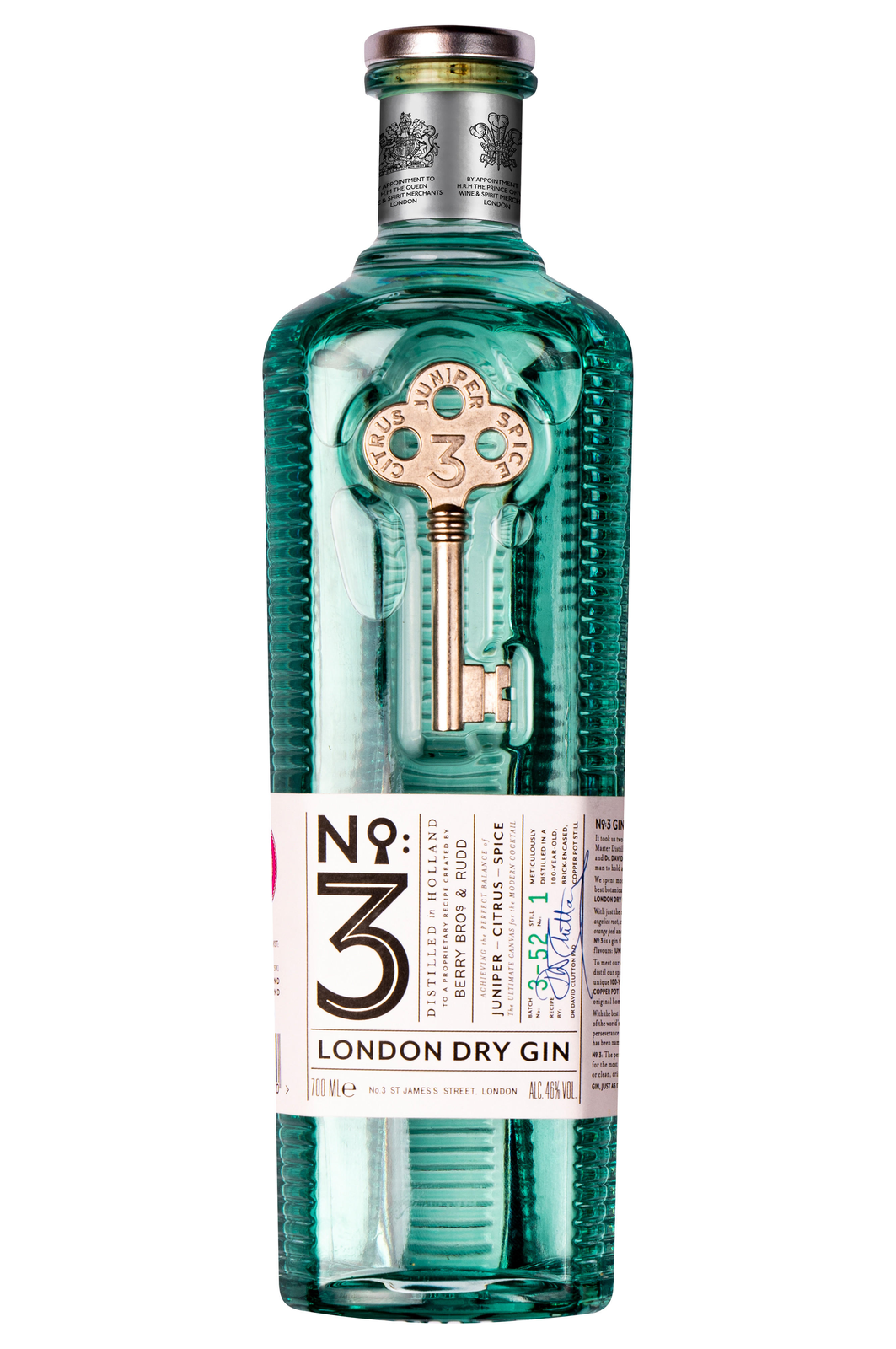
Schiedam, Netherlands — distilled at the historic De Kuyper Royal Distillery for Berry Bros. & Rudd, Britain's oldest wine and spirits merchant. Founded in 1698 at No. 3 St James's Street, London, Berry Bros. has survived three centuries of wars, prohibitions, and shifting tastes. When they decided to create their house gin, they stripped the botanical bill down to just six ingredients — three fruits, three spices — in pursuit of the definitive London Dry. Named for their legendary address, No. 3 is a testament to the resilience of simplicity in an age of botanical excess.
Classification: London Dry Gin
Company: Berry Bros. & Rudd
Distillery: De Kuyper Royal Distillery, Schiedam, Netherlands
Proof: 92 Proof (46% ABV)
Distillation: Copper pot distilled with botanicals vapor-infused through a Carter-head still
Botanicals: Juniper, orange peel, grapefruit peel, angelica root, coriander seed, cardamom
Base: Neutral grain spirit (wheat)
Color: Crystal clear
MSRP: $40
Nose: Juniper leaps from the glass — piney, resinous, and unapologetically classic. Bright grapefruit and orange citrus follow immediately, with a warm cardamom undertone and the earthy anchor of angelica root. This is gin that announces itself as gin.
Palate: Beautifully balanced between juniper's pine-forward character and the interplay of citrus and spice. The grapefruit brings a bitter brightness, cardamom delivers exotic warmth, and coriander adds a subtle peppery lift. At 46% ABV, the texture is rich and oily, coating the palate with purpose. No single botanical dominates — yet juniper is always the backbone.
Finish: Long and clean, with juniper slowly fading through layers of earthy angelica, warm spice, and a final burst of citrus peel. The finish is the argument for simplicity — every note rings clear because nothing obscures it.
Cocktail — The No. 3 Martini: Stir 2.5 oz No. 3 Gin with 0.5 oz dry vermouth and ice for 30 seconds. Strain into a chilled coupe and garnish with a lemon twist. The gin's juniper clarity and citrus brightness make this the definitive Martini — Berry Bros. designed it for exactly this purpose.
Pair with: Fresh oysters on the half shell with a mignonette. The gin's briny juniper and citrus character mirrors the ocean minerality of the oysters, while its peppery warmth complements the shallot vinegar.
Awards: World's Best Gin, International Spirits Challenge (4 times — 2012, 2013, 2015, 2019). Gold, San Francisco World Spirits Competition. 97 Points, Ultimate Spirits Challenge.
RUM Hampden Estate 8 Year Old
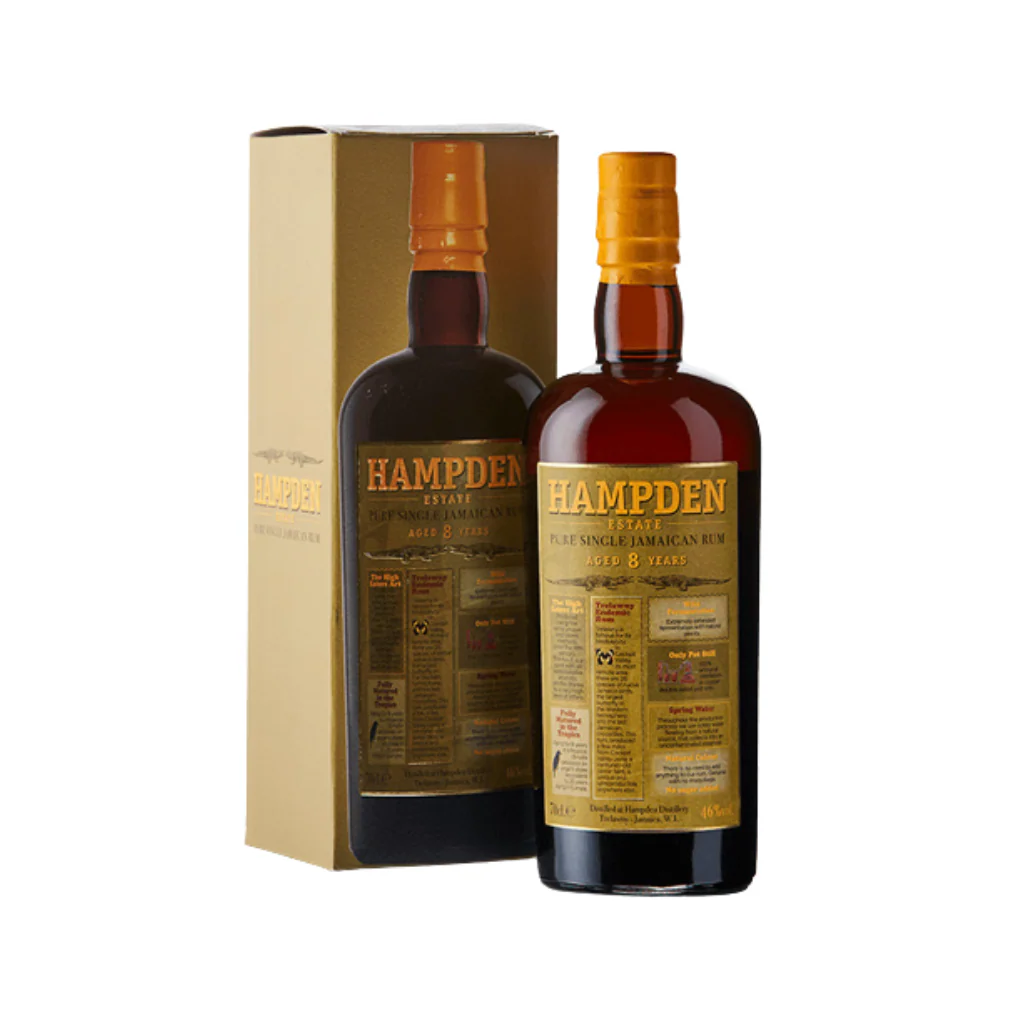
Trelawny Parish, Jamaica — where Hampden Estate has been producing rum since 1753 on one of Jamaica's oldest sugar estates. For centuries, Hampden's intensely funky, high-ester rums were sold exclusively to blenders and bottlers who prized them as secret weapons. The estate itself remained virtually unknown to consumers until 2018, when it finally released rum under its own name. Hampden's resilience is the story of Jamaican rum itself: a tradition of bold, uncompromising flavor that survived colonialism, industrialization, and decades of obscurity to find a new generation of devotees.
Classification: Pure Single Jamaican Rum
Company: Hampden Estate Ltd.
Distillery: Hampden Estate Distillery, Trelawny Parish, Jamaica
Proof: 92 Proof (46% ABV)
Age: 8 Years
Distillation: Double retort copper pot still distillation (John Dore and Vendome stills)
Base: Blackstrap molasses, fermented with proprietary wild yeasts (up to 3 weeks)
Color: Deep amber-gold with mahogany edges
MSRP: $75
Nose: Intoxicating tropical funk leads — overripe banana, pineapple, and mango layered over a distinctive funky ester character that is uniquely Hampden. Beneath the fruit fireworks, brown sugar, oak, and a medicinal olive brine emerge. It's complex, challenging, and utterly captivating.
Palate: Bold and unfiltered in character. The funk translates to an extraordinary fruit intensity on the palate — tropical fruits, dried apricot, and a hint of bubblegum. Molasses sweetness grounds it, while oak spice, dark chocolate, and toasted coconut add layers of barrel-aged sophistication. The mouthfeel is rich and oily at 46% ABV.
Finish: Very long, with waves of tropical fruit, funky esters, dark toffee, and a final earthy, almost leathery note. The finish evolves for minutes, revealing new facets each time you think it's done. This is rum that demands attention.
Cocktail — Hampden Jungle Bird: Combine 1.5 oz Hampden 8, 0.75 oz Campari, 1.5 oz fresh pineapple juice, 0.5 oz fresh lime juice, and 0.5 oz demerara syrup. Shake with ice and strain over fresh ice in a rocks glass. Garnish with a pineapple wedge. The funky rum elevates this tropical bitter classic.
Pair with: Jamaican jerk chicken with mango salsa. The rum's tropical fruit character harmonizes with the mango while its funky depth matches the complex spice of the jerk marinade.
Awards: Gold Medal, International Spirits Challenge (2023). 93 Points, Rum Ratings. Caribbean Journal Rum Award — Best Jamaican Rum.
RED WINE Ridge Monte Bello 2019
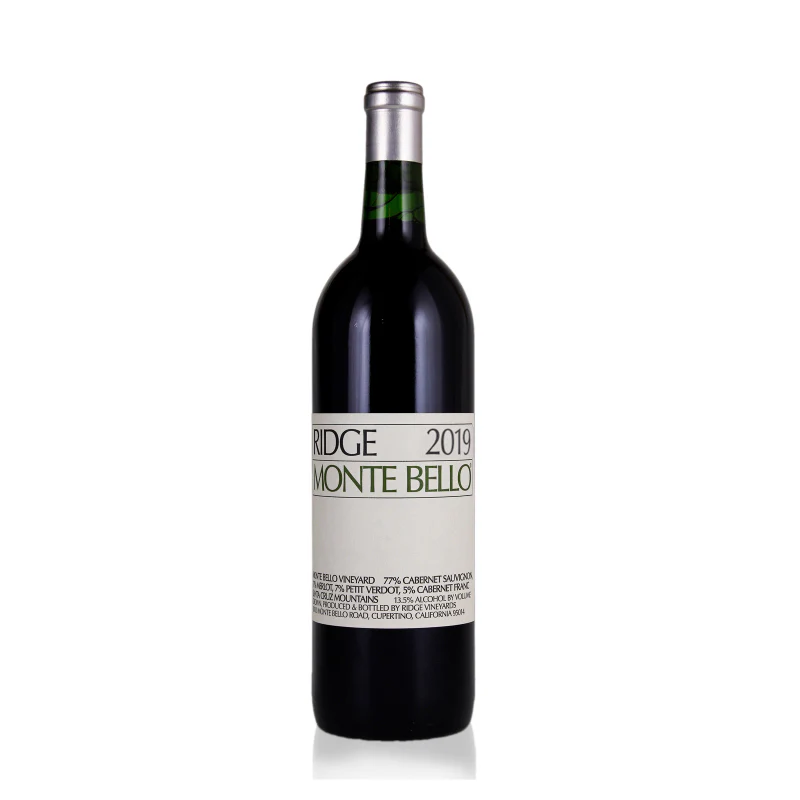
Santa Cruz Mountains, California — where Paul Draper arrived in 1969 to find a crumbling limestone winery built in 1886 atop Monte Bello Ridge, 2,600 feet above the Pacific. While Napa Valley was chasing power and extraction, Draper quietly pursued an older philosophy: minimal intervention, natural fermentation, American oak instead of French, and a belief that great wine should taste of the mountain, not the winemaker. Over five decades, Ridge Monte Bello has competed with — and regularly beaten — the finest Bordeaux in blind tastings, including the famous 1976 Judgment of Paris re-tasting in 2006. Resilience, here, means trusting the vineyard above all else.
Classification: Santa Cruz Mountains AVA, Estate
Company: Ridge Vineyards (Otsuka Holdings)
Winery: Ridge Vineyards, Cupertino, California
Maturation: 16 months in American oak barrels (15% new), followed by additional bottle aging before release
ABV: 13.7% ABV
Primary Varietal: Cabernet Sauvignon (82%), Merlot (9%), Petit Verdot (8%), Cabernet Franc (1%)
Blend: 82% Cabernet Sauvignon, 9% Merlot, 8% Petit Verdot, 1% Cabernet Franc
Vineyards: Monte Bello Estate Vineyard, 1,300-2,600ft elevation on limestone and Franciscan greenstone soils
Color: Deep garnet with violet-black core, showing the intensity of mountain-grown fruit
MSRP: $259
Nose: Dark cassis and blackberry bramble intermingle with dried sage, crushed rock minerality, and a haunting note of pressed violets. Savory layers of iron, graphite, and tobacco leaf emerge with air. There's an almost geological quality — you can smell the limestone ridge.
Palate: Structured and commanding yet never heavy. The tannins are fine-grained and persistent, framing black cherry, wild blackberry, and plum with precision. A vein of bright acidity runs through the core, carrying flavors of dried herbs, dark chocolate, and the minerality of ancient mountain soils. The mouthfeel is simultaneously powerful and ethereal.
Finish: Extraordinarily long. Layers of cassis, iron minerality, cedar, and dried lavender unfold over minutes. The tannins grip gently, promising decades of evolution. This wine doesn't end — it transforms.
Cocktail — Monte Bello is best enjoyed on its own, but for a special occasion, try a Ridge Wine Sangria: Combine one bottle of a younger Ridge Cabernet (not the Monte Bello) with 2 oz brandy, 1 oz Cointreau, fresh orange and apple slices, and 2 oz simple syrup. Refrigerate 4 hours. Serve over ice with sparkling water.
Pair with: Grilled rack of lamb with a black olive tapenade and rosemary jus. The wine's tannic structure and herbal complexity mirror the lamb's richness, while its mineral backbone harmonizes with the briny olives.
Awards: 97 Points, Robert Parker's Wine Advocate. 96 Points, Jeb Dunnuck. 95 Points, Vinous (Antonio Galloni). Decanter World Wine Award — Gold.
WHITE WINE Nikolaihof Riesling Federspiel Vom Stein 2021
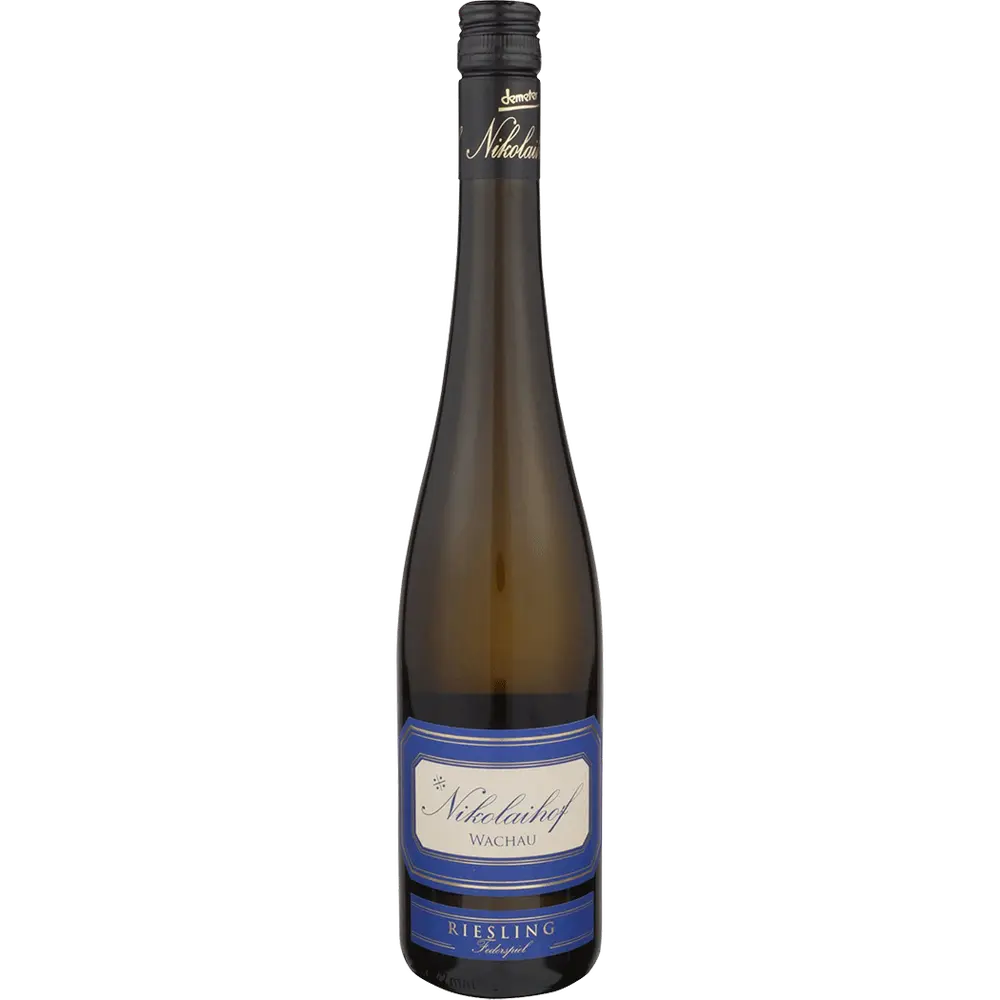
Wachau, Austria — where the Saahs family farms what may be the oldest continuously cultivated wine estate in the world. Archaeological evidence dates winemaking here to 470 AD, and the Nikolaihof itself was a monastery before the Saahs family became its stewards. They practice biodynamic viticulture — Austria's first certified biodynamic winery, since 1971 — treating the vineyard as a living ecosystem. In an era of technological winemaking, Nikolaihof's resilience lies in its radical commitment to ancient methods: wooden casks instead of stainless steel, wild fermentation, and the belief that the vine, not the vintner, makes the wine.
Classification: Wachau DAC Federspiel
Company: Nikolaihof Wein (Saahs Family)
Winery: Nikolaihof, Mautern, Wachau, Austria
ABV: 12.5% ABV
Primary Varietal: 100% Riesling (Weisser Riesling)
Blend: 100% Riesling
Vinification: Biodynamic viticulture, whole cluster pressed, wild fermented in large neutral Austrian oak casks (Fuder), extended lees aging, no fining or filtration, minimal sulfur at bottling
Color: Pale straw-gold with green-silver reflections, hinting at the wine's mineral purity
MSRP: $44
Nose: Pristine white peach and green apple over a bed of wet stone and crushed limestone. Delicate citrus blossom and a whisper of honeycomb develop with air, along with a flinty, almost smoky minerality that speaks directly of the Wachau's ancient terraced vineyards. Subtle herbal notes — chamomile, dried herbs — add an ethereal quality.
Palate: Luminous and precise. Racy acidity carries flavors of Granny Smith apple, white grapefruit, and nectarine across a palate that seems to vibrate with mineral energy. The biodynamic farming and wild fermentation give it a textural complexity — a chalky, almost tactile quality — that sets it apart from conventional Rieslings. Medium-bodied but with extraordinary inner tension.
Finish: Long, pure, and electric. Citrus zest, wet stone, and a saline quality persist and persist. The finish is dry, focused, and utterly refreshing — a palate-cleansing beam of light. It's the kind of finish that makes you immediately want another sip.
Cocktail — Nikolaihof is best appreciated as a wine, not a cocktail base. Instead, serve as a Wachau Spritzer: combine 4 oz Nikolaihof Riesling with 2 oz sparkling mineral water in a traditional Austrian wine glass over a single ice cube. Garnish with a thin green apple slice. This is how Austrians drink wine on warm afternoons.
Pair with: Wiener Schnitzel with a lemon wedge and lingonberry preserves. The wine's bright acidity and apple character cut through the golden crust's richness, while its honeyed notes complement the berry garnish. A classic Austrian pairing that has endured for generations.
Awards: 93 Points, Wine Enthusiast. Falstaff Magazine — 92 Points. Featured as Biodynamic Benchmark by Jancis Robinson MW.
Train Your Nose: Today's Aroma Spotlight
Comparative Exercises in Resilience
Resilience reveals itself through direct comparison. Today’s training pairs bottles that share a category but took radically different paths — same tradition, different acts of defiance. As you work through each exercise, pay attention to how production philosophy shapes aroma: pot still versus column, peated versus unpeated, oak-aged versus steel-fermented. Your nose will learn to detect not just what’s in the glass, but the decisions that put it there.
Begin with the spirits. Pour Knob Creek 9 alongside any lighter bourbon and notice how the 100-proof intensity and nine-year age create a different aromatic architecture entirely. Then move to Ardbeg 10 versus Connemara — same peat tradition, two national characters — and train your nose to distinguish Islay’s maritime intensity from Ireland’s heathered softness. Finally, compare Ocho Reposado with your favorite commercial tequila; the agave transparency is unmistakable once you know what you’re smelling.
For the wines, the Monte Bello versus Opus One comparison is a masterclass in how winemaking philosophy shapes aroma from identical raw material — Cabernet Sauvignon grown in California mountain soil. Finish with the Nikolaihof Riesling alongside any conventional stainless-steel Riesling; the biodynamic, oak-fermented character adds a textural, almost chalky dimension that changes how the fruit aromas present themselves. Resilience isn’t just a flavor — it’s a philosophy you can learn to smell.
Today's Kit Reference
| Today's Product | Key Aromas | Train With |
|---|---|---|
| Knob Creek 9 Year Old | Caramel, Vanilla, Oak, Pecan, Maple Syrup, Brown Spices | Bourbon Aroma Masterclass Kit |
| Ardbeg 10 Year Old | Peaty, Smoky, Vanilla, Malt, Honey, Medicinal | Whisky Aroma Masterclass Kit |
| Connemara Peated Single Malt | Peaty, Honey, Vanilla, Green (Cut Grass), Floral (Rosewater), Smoky | Whiskey Aroma Masterclass Kit |
| Ocho Reposado | Agave (Cooked), Vanilla, Cinnamon, Citrus (Lemon, Lime, Orange, Grapefruit), Oak, Pepper | Tequila & Mezcal Aroma Masterclass Kit |
| No. 3 London Dry Gin | Juniper (Pine), Grapefruit, Orange, Coriander, Angelica, Peppery | Gin Aroma Masterclass Kit |
| Hampden Estate 8 Year Old | Tropical Fruits, Banana, Molasses, Oak, Coconut, Toffee | Rum Aroma Masterclass Kit |
| Ridge Monte Bello 2019 | Blackcurrant, Cedar, Cherry, Violet, Mint, Gamey | Wine Aroma Masterclass Kit |
| Nikolaihof Riesling Federspiel Vom Stein 2021 | Apple (Green), Honey, Citrus (Generic), Gooseberry, Floral (Rose), Toasted | Wine Aroma Masterclass Kit |
Explore the School of Wine and Spirits
Today’s eight bottles prove that true resilience is earned through craft, time, and an unwillingness to compromise. Our books on Amazon take you deeper into those places — from the limestone hollows of Kentucky in America's Spirit, the misty distilleries of Scotland's Spirit and Ireland's Spirit, the volcanic highlands of The Tequila y Mezcal Revolution, the ancient vineyards of The Ultimate Northern Italian Wine Journey, and the fossilized seabeds of Burgundy in our Chablis and Cte d'Or pocket guides.
Explore our Aroma Masterclass kits and books at schoolofwineandspirits.com
Explore our Aroma Masterclass kits and books at schoolofwineandspirits.com
Join the School of Wine and Spirits Community
Connect with fellow connoisseurs, share tasting notes, and go deeper into every pour. Sign up at skool.com/schoolofwineandspirits
Sign up at skool.com/schoolofwineandspirits
Our kits make the perfect gift for the curious drinker in your life — because once you learn to identify aromas, you never taste the same way again.
Know someone who would enjoy The Still & The Vine? Forward this issue to a fellow enthusiast — or share it on social media and tag @SchoolofWineandSpirits. We grow by word of mouth.
Robert R. Mohr, CPA, CGMA, WSET Level 3, WSG Certified Spirits Specialist — author of America's Spirit, Scotland's Spirit, Ireland's Spirit, The Ultimate Northern Italian Wine Journey, The Tequila y Mezcal Revolution, The Definitive Pocket Guide to Chablis, The Definitive Pocket Guide to the Cte d'Or, and Strategic Tuning. Published author of the Aroma Academy Tequila/Mezcal and Distiller's training kits.
The Still & The Vine is a daily publication of the School of Wine and Spirits.
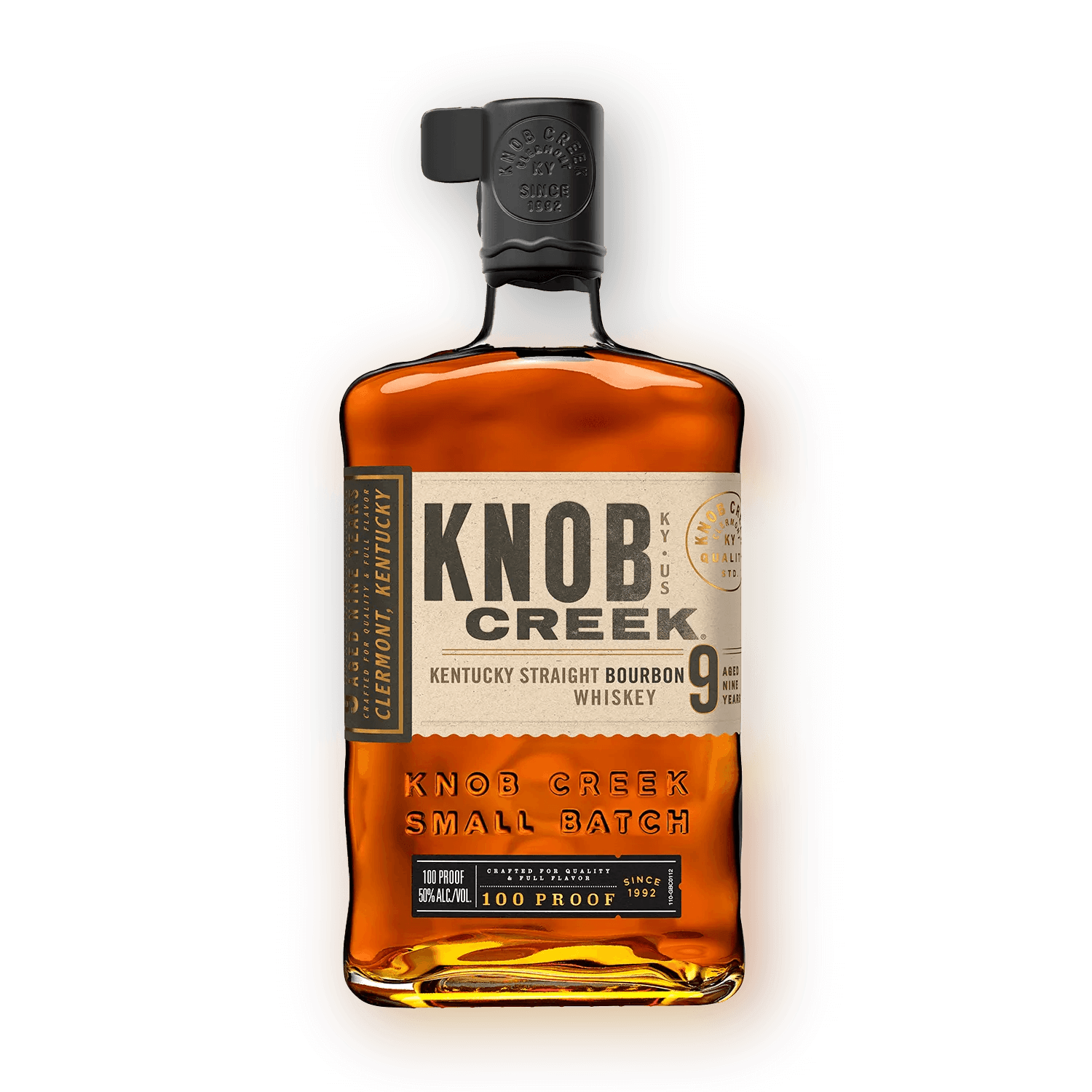
Knob Creek 9 Year Old
Beam Suntory
Knob Creek 9 Year Old is a masterclass in resilience bottled at 100 proof. In the 1980s, when American whiskey was in freefall and distilleries chased lightness, Booker Noe bet everything on going the opposite direction.
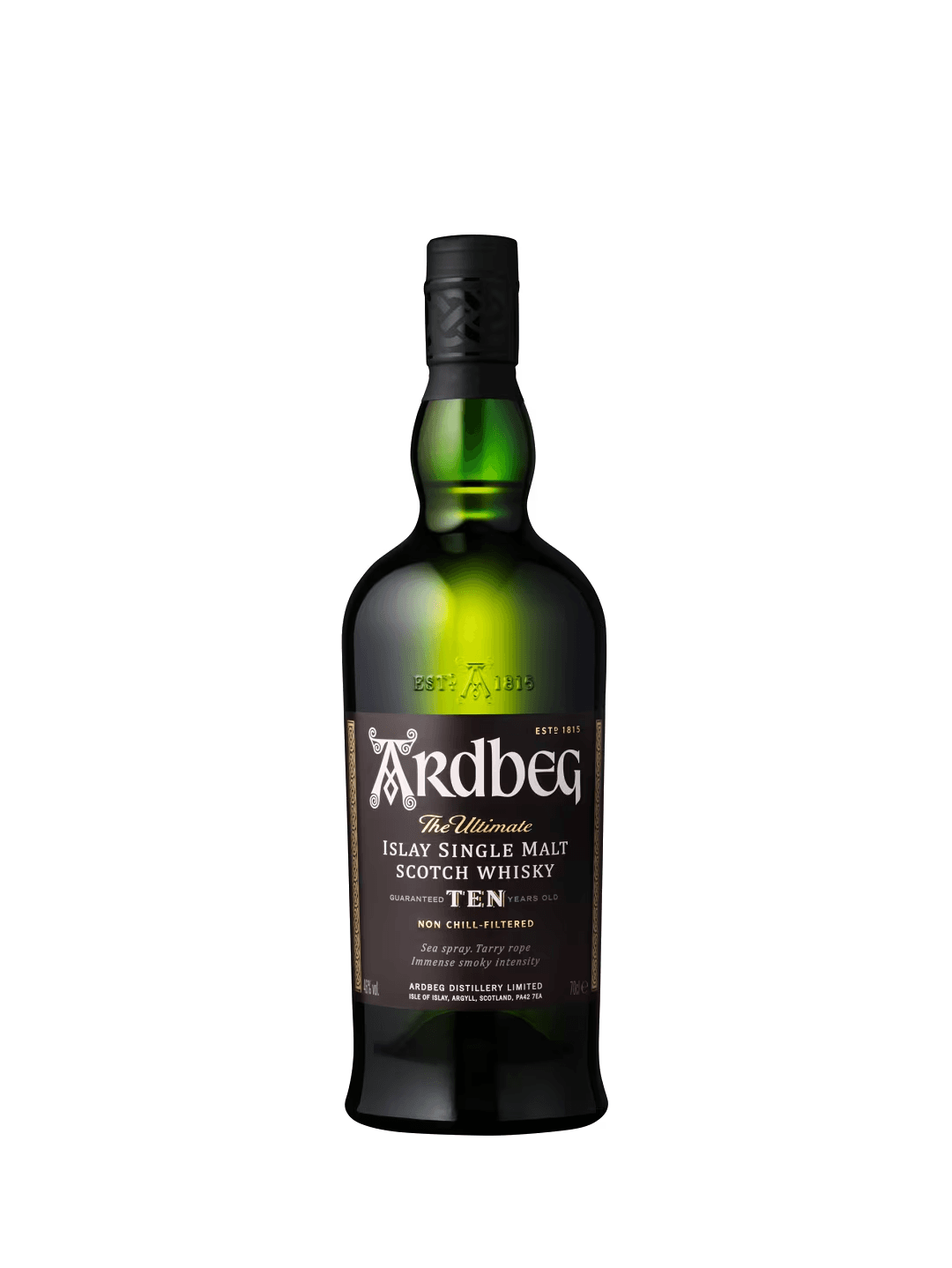
Ardbeg 10 Year Old
LVMH (Moët Hennessy)
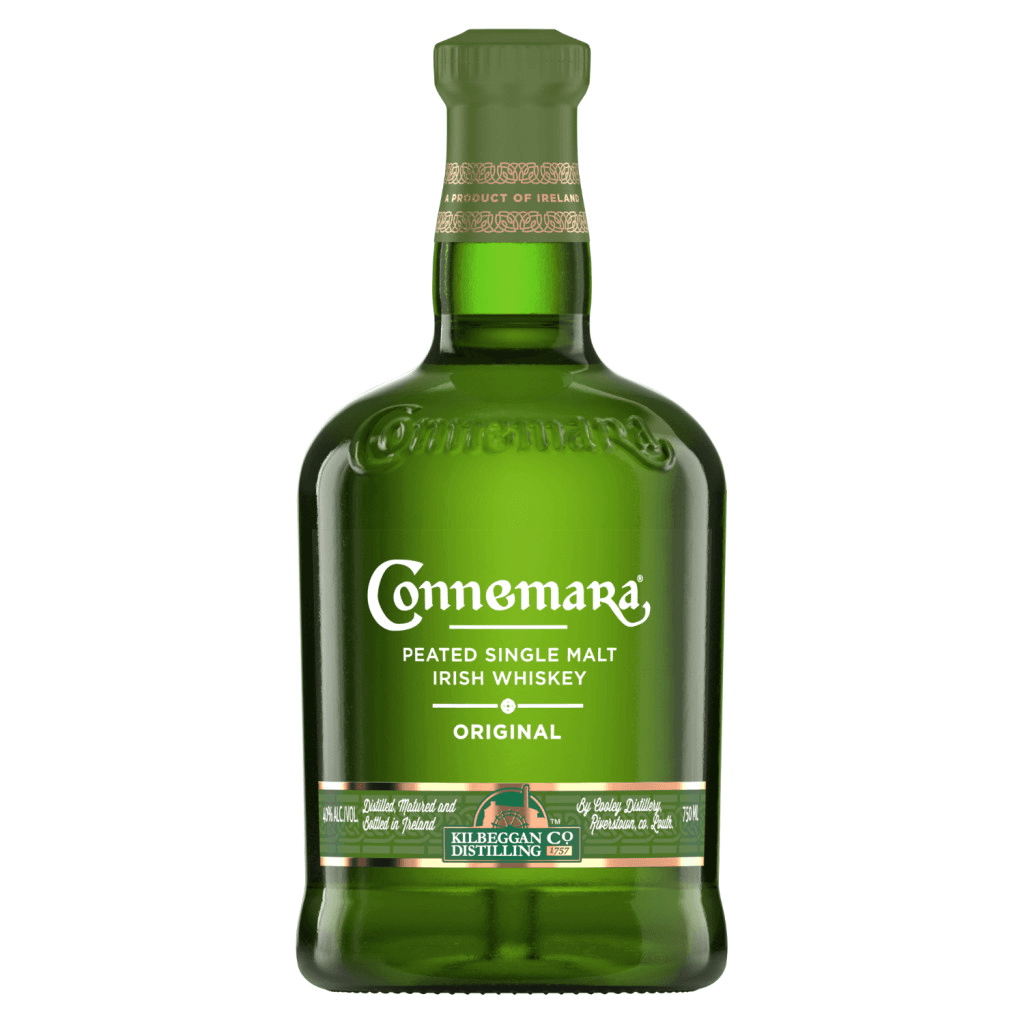
Connemara Peated Single Malt
Beam Suntory (Kilbeggan Distilling Co.)
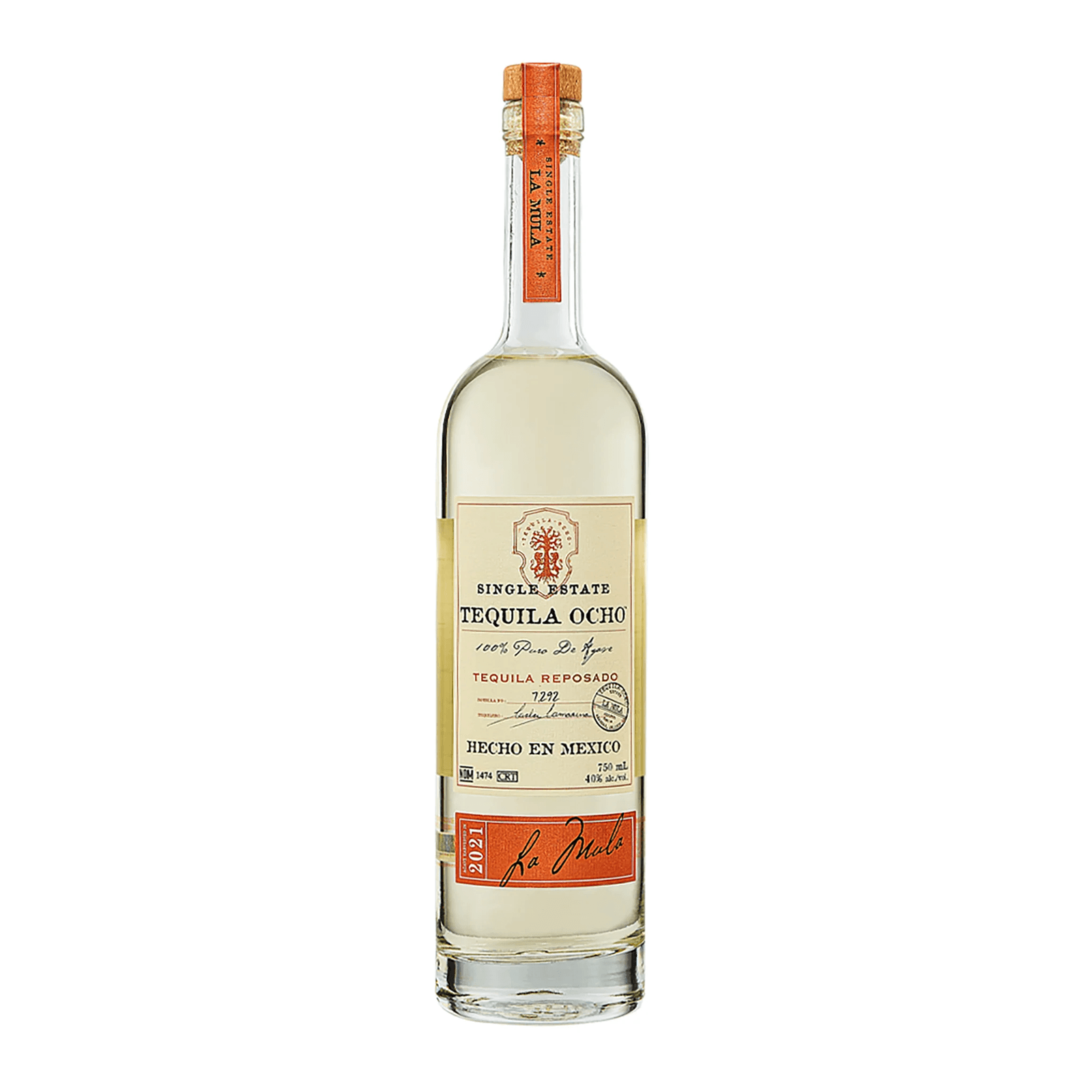
Ocho Reposado
Ocho Tequila (Tequila Ocho S.A. de C.V.)
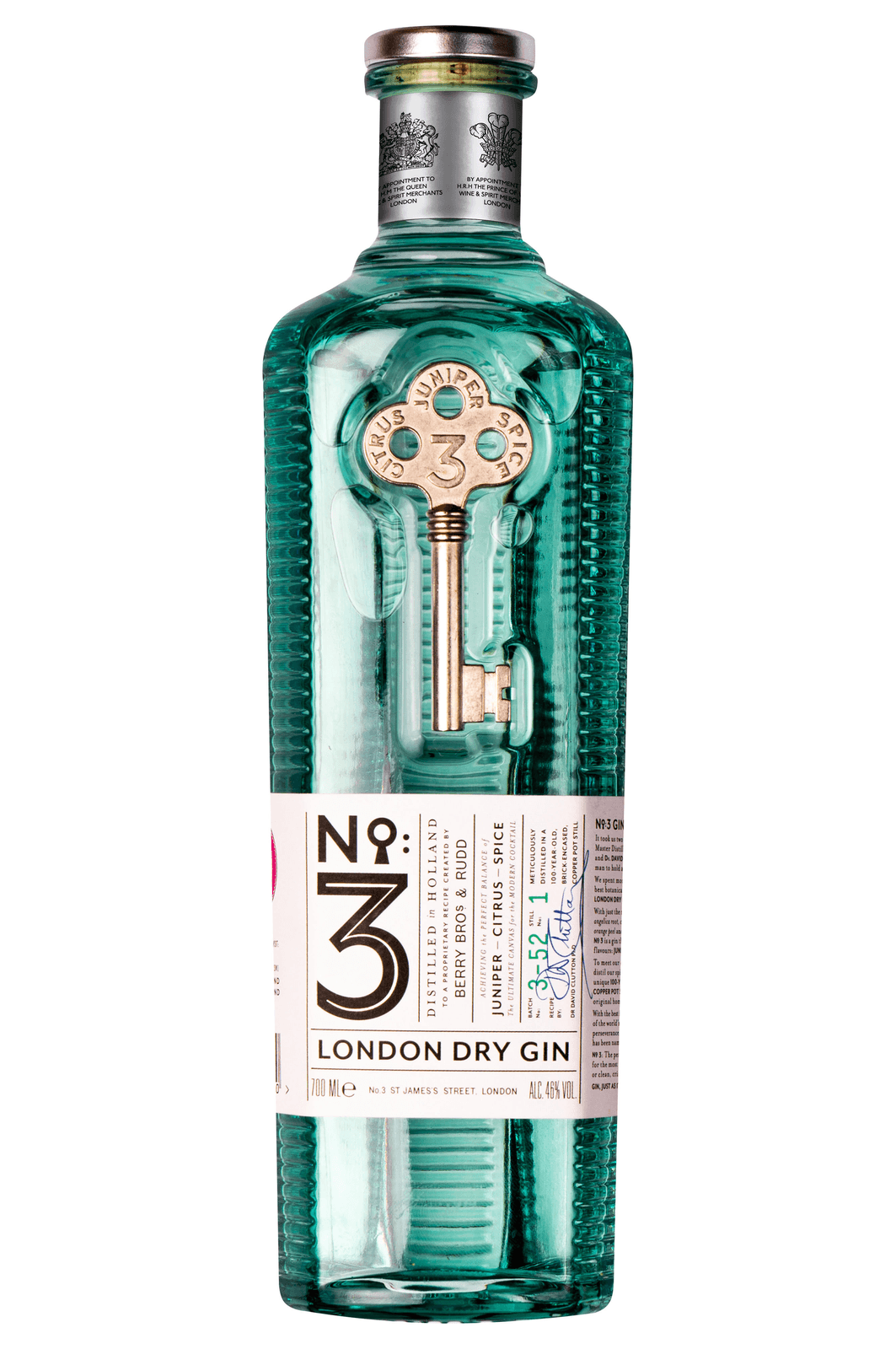
No. 3 London Dry Gin
Berry Bros. & Rudd
No. 3 London Dry Gin is resilience through reduction. While the gin world races to add more botanicals, Berry Bros. asked: what if six botanicals are all you need?
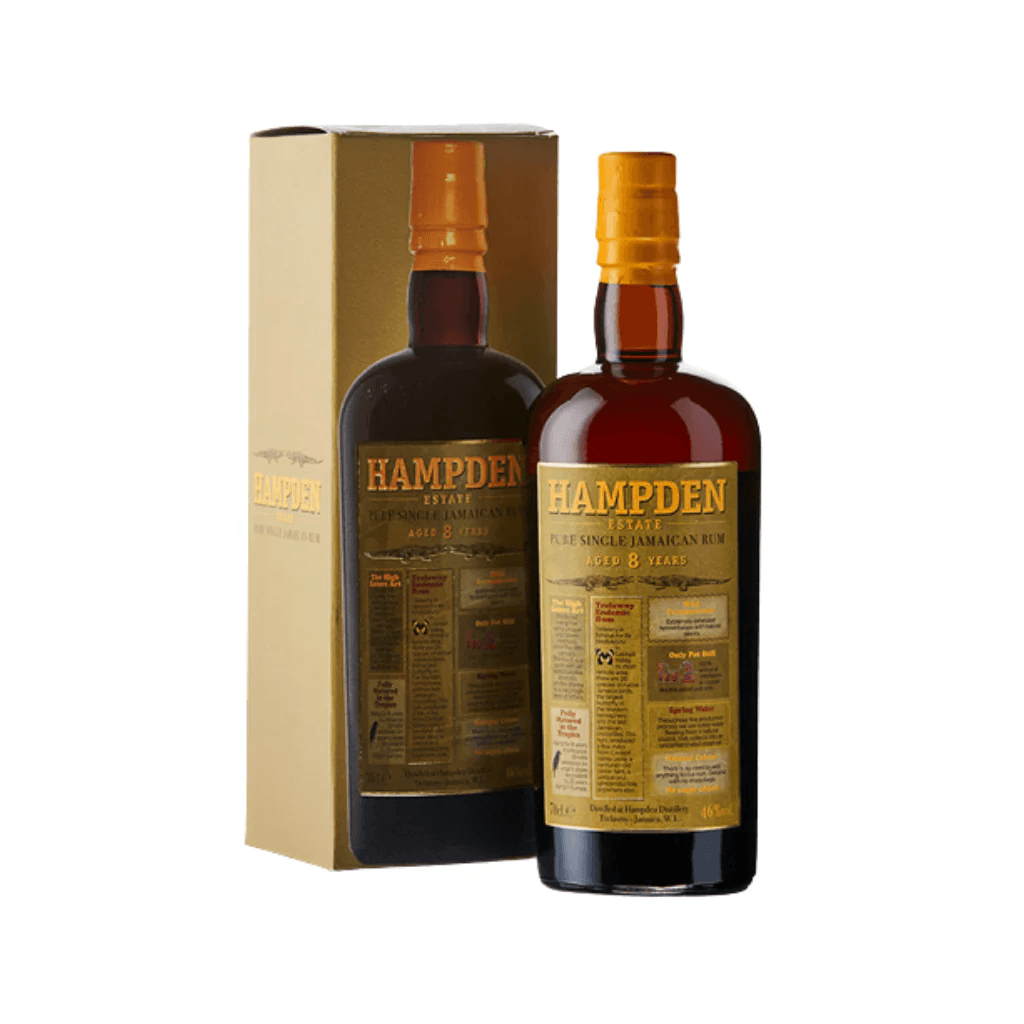
Hampden Estate 8 Year Old
Hampden Estate Ltd.
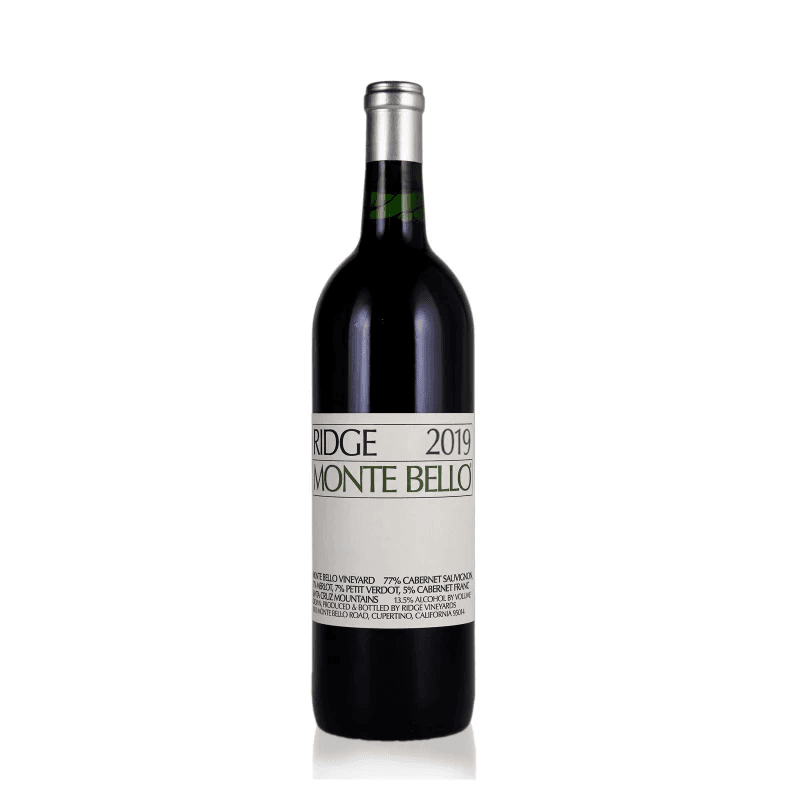
Ridge Monte Bello 2019
Ridge Vineyards (Otsuka Holdings)
Ridge Monte Bello 2019 is resilience distilled into wine. For over fifty years, Paul Draper and his successors have proven that California can produce wines of profound elegance.
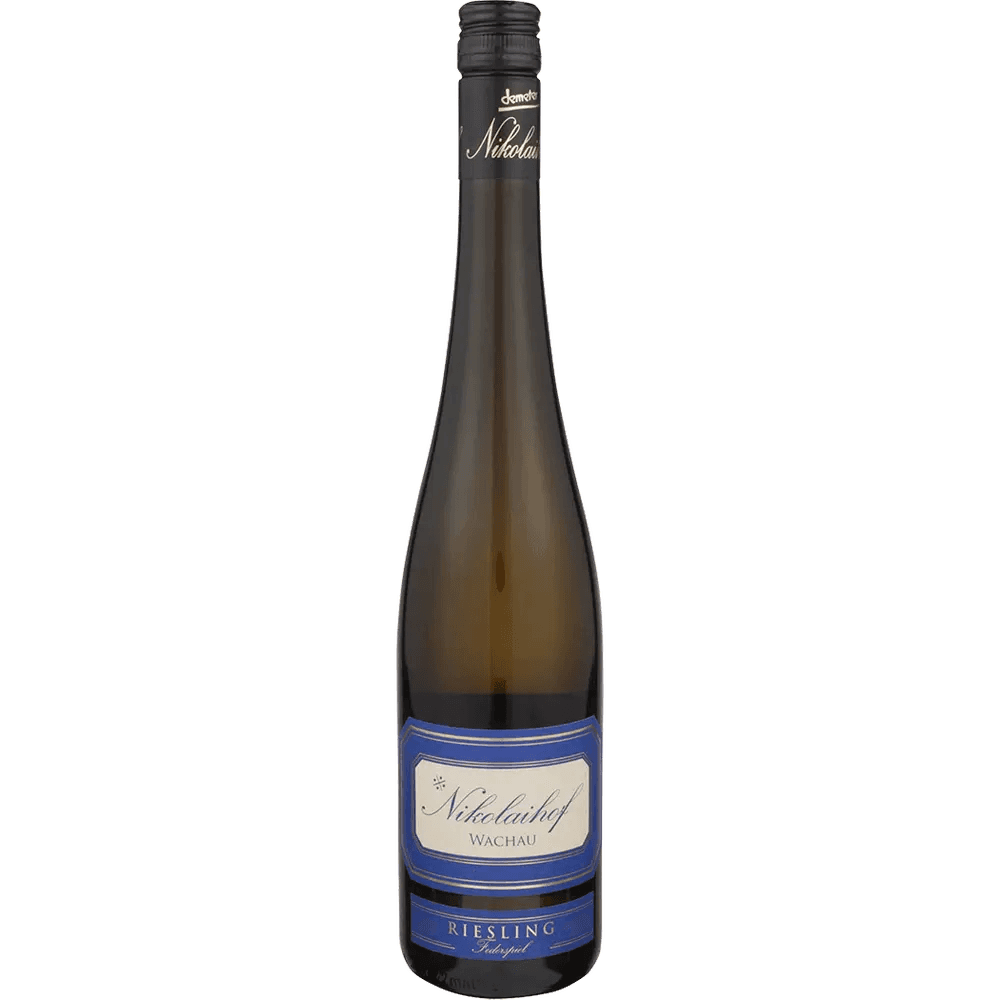
Nikolaihof Riesling Federspiel Vom Stein 2021
Nikolaihof Wein (Saahs Family)
Nikolaihof Riesling Federspiel Vom Stein is resilience measured in centuries. The Saahs family has been farming biodynamically since 1971.
Be the first to comment.