Issue 28 · April 23, 2026
Salt & Stone
Theme: Coastal & Mineral Influence
Eight bottles shaped by salt air and ancient stone — from limestone-filtered bourbon to maritime single malts, island-finished whiskey, volcanic tequila, kelp-infused gin, ocean-aged rum, and wines carved from coastal terroir.
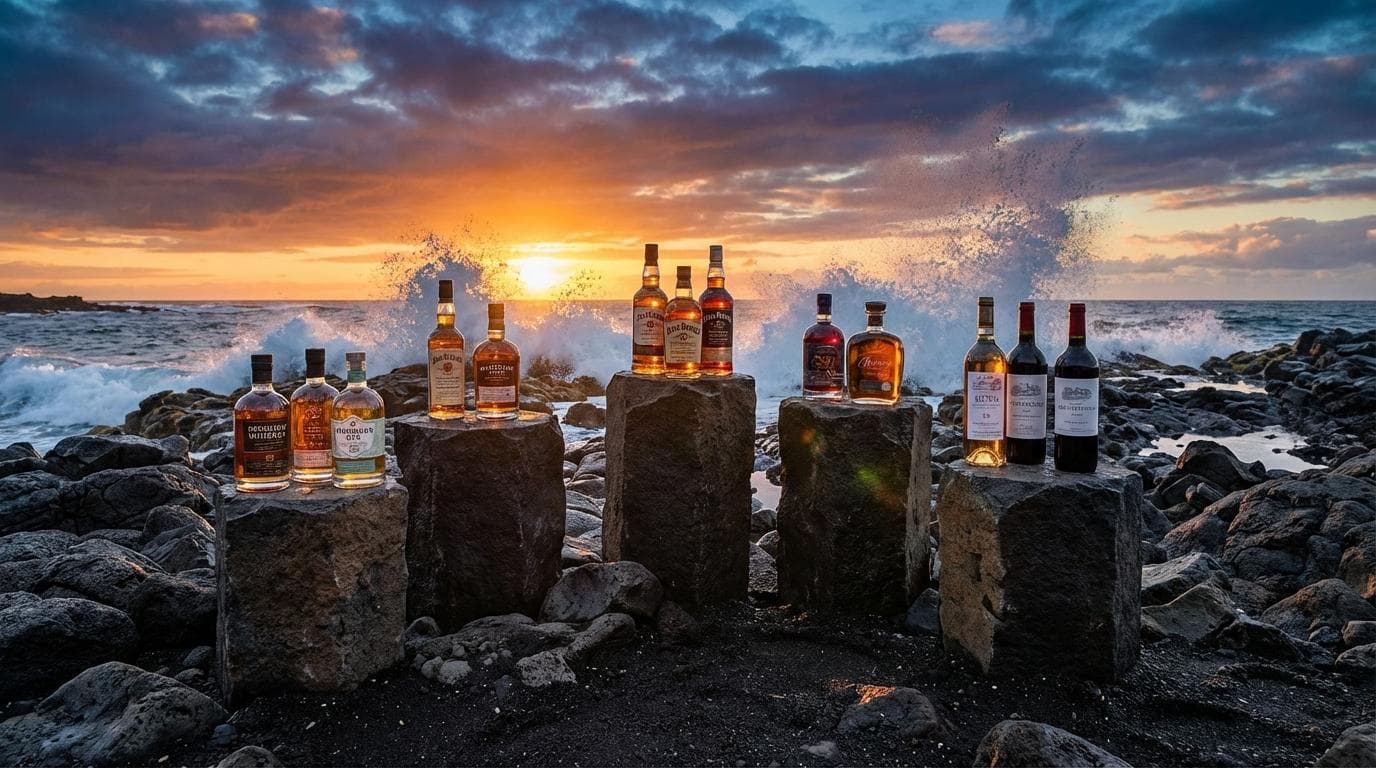

Every great bottle carries the fingerprint of its origin — not just the grain or grape, but the ground itself. Limestone aquifers filtering Kentucky spring water. North Sea gales battering a warehouse wall in Wick. Volcanic red clay gripping agave roots in the Jalisco highlands. An island off Dublin where cognac casks breathe Atlantic salt. Today's eight selections are united by a single conviction: that the minerals in the stone, the salt on the wind, and the character of the coast write themselves into liquid in ways no recipe can replicate.
This is an issue about place at its most elemental — not the romance of rolling hills or sun-drenched vineyards, but the hard, unglamorous geology that determines whether water is soft or mineral-rich, whether soil drains or holds, whether aging happens fast or slow. From a Bermudian rum blended from three Caribbean islands to a Muscadet grown on granite beside the Atlantic, and from a gin infused with hand-harvested sugar kelp to a Bordeaux estate perched above the Gironde estuary, these eight bottles prove that the most powerful ingredient in any drink is the land beneath your feet.
Today's Selections
BOURBON SCOTCH WHISKY IRISH WHISKEY TEQUILA GIN RUM RED WINE WHITE WINE
BOURBON Town Branch Single Barrel Reserve Bourbon
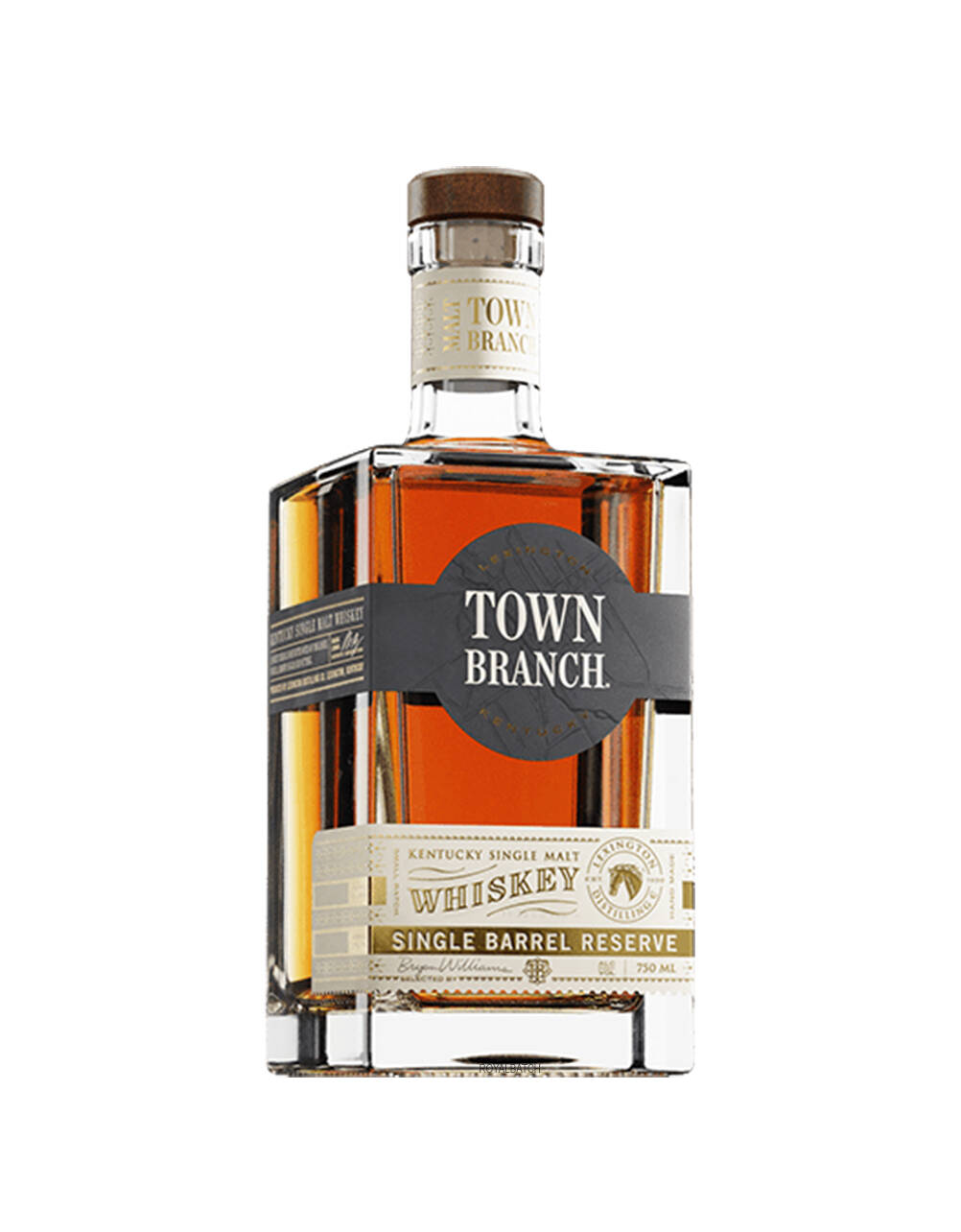
Lexington, Kentucky sits atop one of the richest limestone shelves in America — the same geology that gives the Bluegrass its name and its thoroughbred horses their strong bones. Town Branch Distillery, founded by Alltech's Pearse Lyons in 2012 as part of the Lexington Brewing and Distilling Company, draws its water from Town Branch Creek, a limestone-filtered spring that has run through the heart of Lexington since before the city existed. This Single Barrel Reserve is bottled at cask strength without chill filtration, letting every barrel speak for itself — and for the stone beneath it. — where Town Branch Single Barrel Reserve is a bourbon that wears its geology on its sleeve. Where many cask-strength offerings overwhelm with heat, this one delivers power with poise — the limestone-filtered water creating a mineral backbone that keeps the caramel and oak in check. It's a bourbon that rewards patience: give it ten minutes in the glass and the nose opens into layers of butterscotch, dried fruit, and toasted corn that you'd miss if you rushed. At its price point, it competes with bottles twice its cost, and it's a compelling argument that Kentucky's most important ingredient isn't corn — it's stone.
Classification: Kentucky Straight Bourbon Whiskey (Cask Strength)
Company: Alltech / Lexington Brewing and Distilling Co.
Distillery: Town Branch Distillery, Lexington, Kentucky
Proof: 107 (varies by barrel)
Age: 6+ Years (varies by barrel)
Mash Bill: 72% Corn, 15% Malted Barley, 13% Rye
Color: Deep amber with burnished copper highlights
MSRP: $55–$65
Nose: Rich caramel and toasted oak lead, followed by butterscotch, baking spices, and a faint mineral sweetness that hints at limestone-filtered water. Corn sweetness weaves through dried orange peel.
Palate: Full-bodied and viscous at cask strength. Charred oak and vanilla dominate the entry, with waves of caramel, brown sugar, and rye spice building through the mid-palate. A distinctive mineral quality grounds the sweetness.
Finish: Long and warming, with charred oak, leather, and lingering caramel that fades slowly into toasted corn and a clean, stony dryness.
Cocktail — "The Limestone Old Fashioned": Muddle a sugar cube with 2 dashes Angostura bitters and a splash of branch water. Add 2 oz Town Branch Single Barrel Reserve, stir with a large ice cube for 30 seconds. Express an orange peel over the glass and garnish. The mineral quality of this bourbon makes it an exceptional Old Fashioned base — the stone-filtered water character amplifies the bitters.
Pair with: Dry-aged ribeye with a charred herb crust. The mineral backbone of the bourbon mirrors the iron-rich, funky depth of a well-aged steak, while the caramel and oak complement the char.
Awards: Gold Medal, San Francisco World Spirits Competition; Named to Bourbon Culture's 'Hidden Gems' list.
SCOTCH WHISKY Old Pulteney 12 Year Old
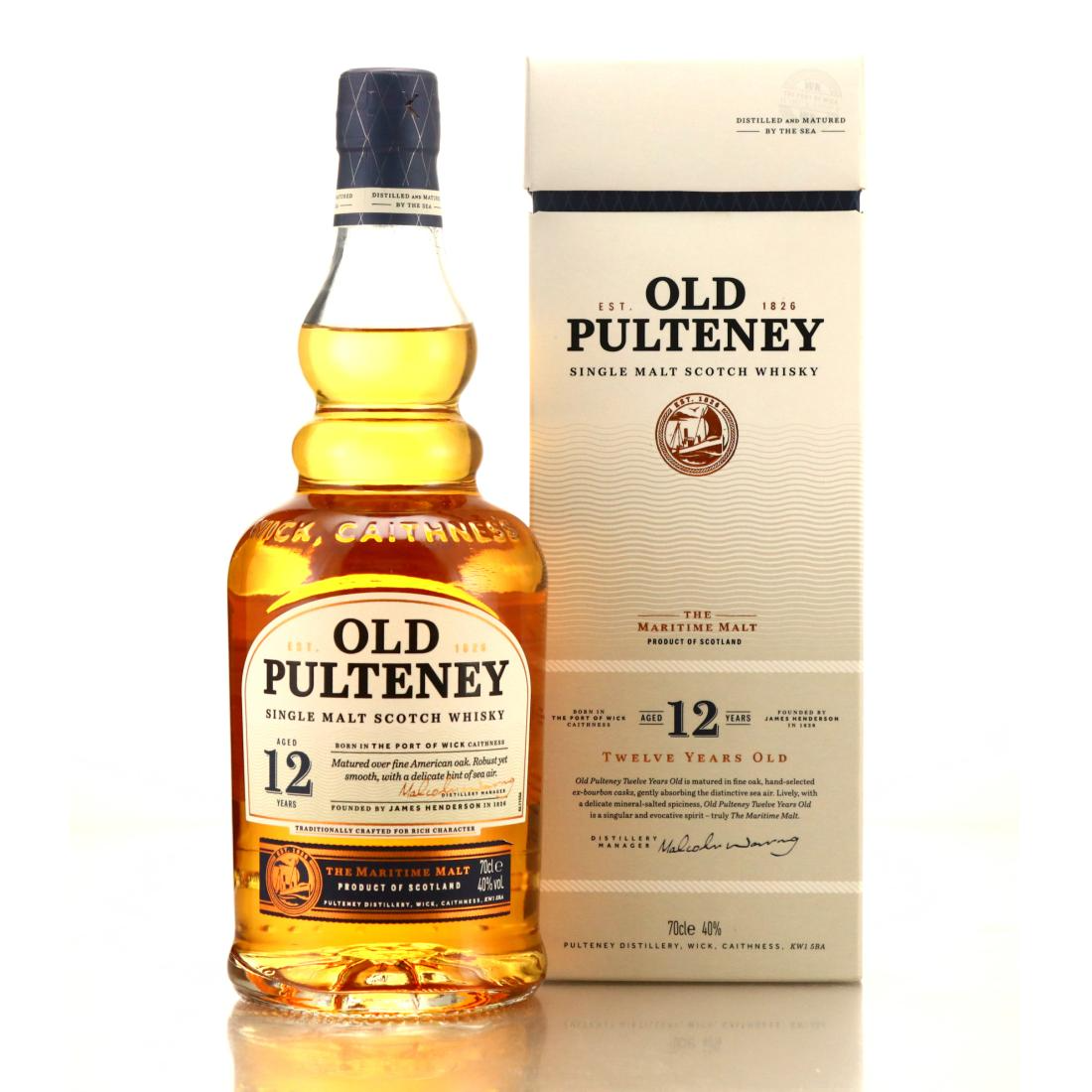
Wick, on the far northeastern coast of the Scottish Highlands, was once the herring capital of Europe — a town built by and for the sea. Pulteney Distillery has stood at its edge since 1826, its warehouses battered by North Sea gales that carry salt air directly into the maturing casks. Known universally as 'The Maritime Malt,' Old Pulteney's character is inseparable from its coastal location. The distillery's uniquely shaped wash still — with its flat top and enormous lyne arm — was designed to fit into a building that was never meant to be a distillery, and produces a spirit lighter and more coastal than any Highland malt has a right to be. — where Old Pulteney 12 is one of the great bargains in single malt Scotch — a whisky whose coastal provenance is not a marketing story but a flavor you can taste in every sip. That brine-and-honey combination on the nose is unmistakable, and the dry, mineral finish makes it one of the most food-friendly drams in Scotland. It won't overpower you with peat or sherry, and that's exactly the point: this is a whisky that lets its geography do the talking. At around $45, it embarrasses bottles that cost three times as much.
Classification: Highland Single Malt Scotch Whisky
Company: Inver House Distillers (Thai Beverages)
Distillery: Pulteney Distillery, Wick, Caithness
Proof: 80 (40% ABV)
Age: 12 Years
Mash Bill: 100% Malted Barley
Distillation: Double-distilled in uniquely shaped copper pot stills (flat-topped wash still with oversized lyne arm)
Maturation: Ex-bourbon American oak casks, 12 years in coastal warehouses
Filtered: Chill-filtered
Color: Bright gold with straw highlights
MSRP: $40–$50
Nose: Honey and fresh sea air arrive together — a distinctive brine-kissed sweetness that no inland distillery can replicate. Green apple, light malt, and a whisper of vanilla from the bourbon casks. Hints of orange peel emerge with time.
Palate: Medium-bodied and surprisingly crisp. Honey-coated malt gives way to a clean, saline minerality in the mid-palate — like licking a sea-sprayed stone. Vanilla, toffee, and a gentle spice from the oak.
Finish: Medium-length, dry and slightly salty, with lingering honey, a flicker of black pepper, and a clean maritime freshness that invites the next sip.
Cocktail — "The Wick Highball": Pour 2 oz Old Pulteney 12 over ice in a tall glass. Top with 4 oz chilled soda water and a squeeze of fresh lemon. Garnish with a lemon wheel and a sprig of fresh dill. The maritime malt shines in a highball — the effervescence lifts the honey and salt notes beautifully.
Pair with: Smoked salmon on dark rye with a squeeze of lemon and crème frache. The whisky's brine and honey meet the smoke and fat of the salmon in perfect coastal harmony.
Awards: International Wine & Spirit Competition Gold Outstanding (94 points); Ultimate Spirits Challenge 94 points; named 'Best Highland Single Malt' by multiple competitions.
IRISH WHISKEY Lambay Small Batch Blend
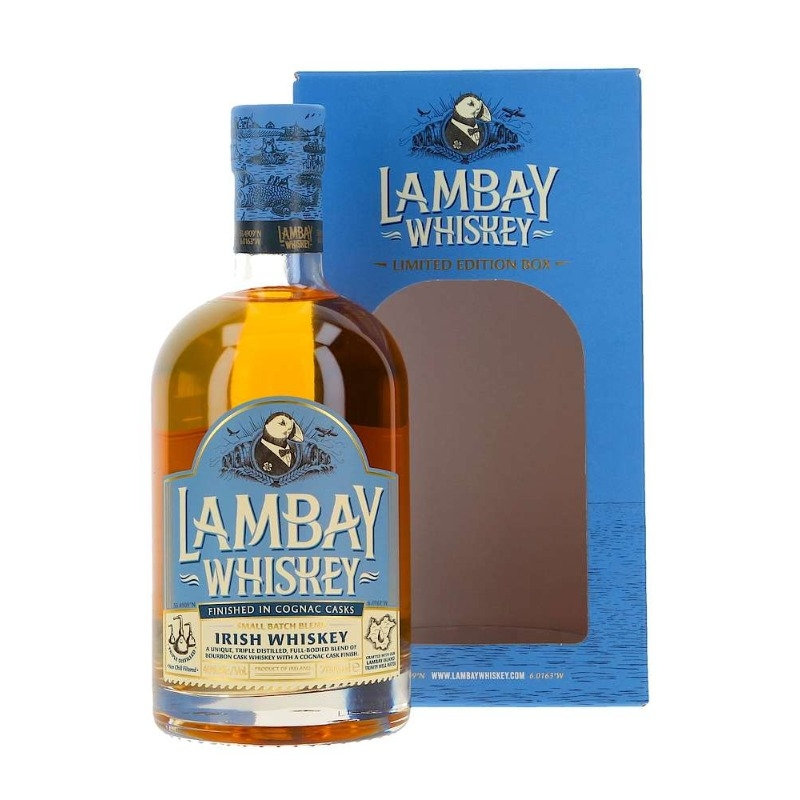
Lambay Island sits about four kilometers off the coast of Dublin, a privately owned sanctuary of seabirds and grey seals where the Baring family — former merchant bankers turned custodians — have lived since 1904. In a collaboration with Maison Camus, one of France's last great independent cognac houses, they conceived a whiskey finished in Cognac casks and cut with Trinity Well water drawn from the island itself. The casks breathe Atlantic salt air during their finishing period, and the whiskey carries a subtle maritime softness that sets it apart from every mainland Irish blend. — where Lambay Small Batch Blend is a whiskey born from an unlikely marriage — Irish triple-distilled spirit and French cognac cooperage, united by an island in the Irish Sea. The Cognac cask finish is not a gimmick; it adds a genuine floral and stone-fruit dimension that most blended Irish whiskeys lack entirely. And the sea-air finishing gives the whole package a maritime lightness that makes it dangerously easy to drink. At around $30, it's one of the most interesting experiments in Irish whiskey — and a reminder that where your casks breathe matters as much as what's inside them.
Classification: Blended Irish Whiskey
Company: Lambay Whiskey (Baring Family & Maison Camus)
Distillery: Sourced and blended (finished on Lambay Island)
Proof: 80 (40% ABV)
Age: NAS (No Age Statement)
Mash Bill: Blend of Malted Barley and Grain Whiskey
Distillation: Triple distilled
Maturation: Ex-bourbon barrels, finished in Cognac casks from Maison Camus; casks exposed to sea air on Lambay Island
Color: Pale gold with warm straw highlights
MSRP: $30–$35
Nose: Honey and warm porridge open gently, joined by torn orange peel and a soft floral quality from the Cognac cask influence. Beneath it, a subtle maritime freshness — clean and briny — that whispers of the island.
Palate: Smooth and medium-bodied. Creamy vanilla and peppery barley lead, with notes of peach and strawberry emerging from the Cognac finish. A gentle minerality and saline undertone add complexity to the otherwise approachable palate.
Finish: Medium-length and warming, with lingering cassia, chamomile, and a whisper of sea salt that invites another sip.
Cocktail — "The Island Sour": Combine 2 oz Lambay Small Batch, 1 oz fresh lemon juice, 0.75 oz honey syrup, and 1 egg white. Dry shake vigorously, then shake with ice. Strain into a coupe and garnish with a few drops of Angostura on the foam. The honey and Cognac-cask character play beautifully against the citrus acid.
Pair with: Fresh oysters on the half shell with a mignonette of shallot and champagne vinegar. The maritime whiskey echoes the brine of the oyster — a natural coastal pairing.
Awards: Gold Medal, International Wine & Spirit Competition; Silver, San Francisco World Spirits Competition.
TEQUILA ArteNOM Selección de 1579 Blanco
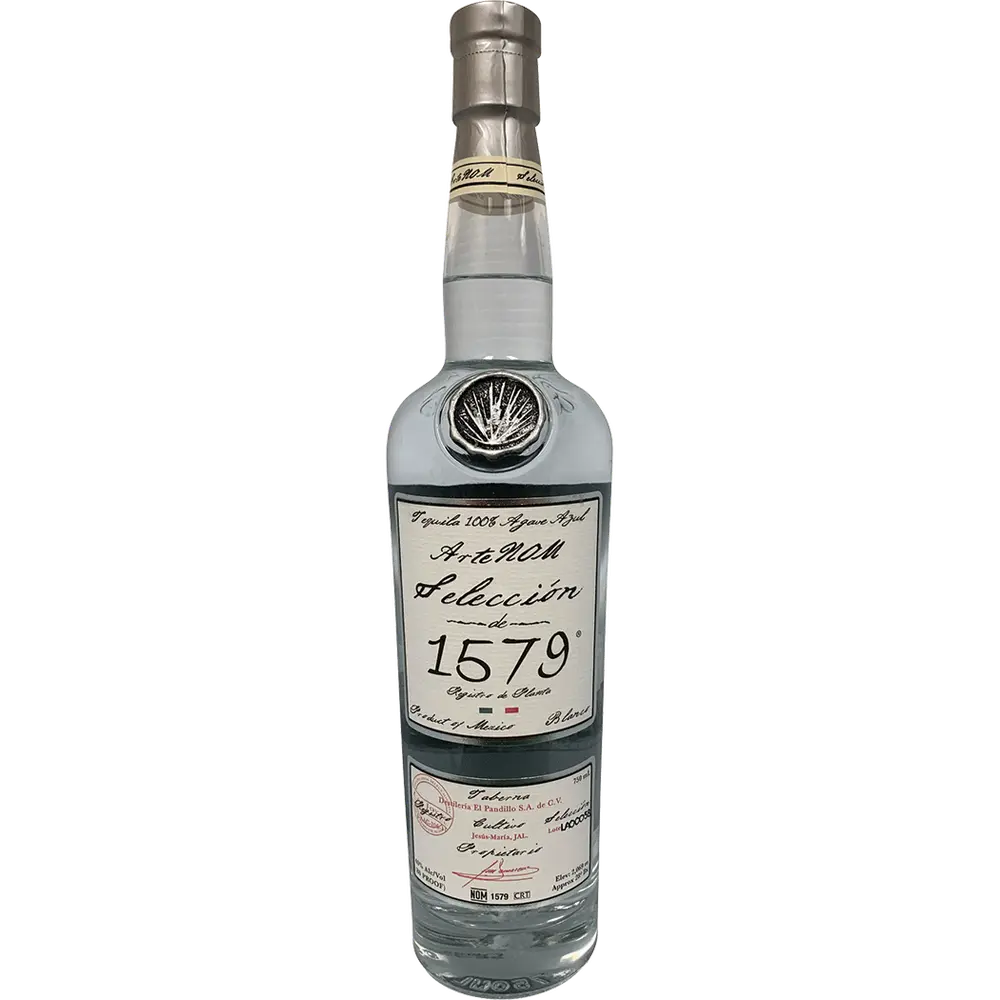
Jesús María sits high in the Jalisco highlands — Los Altos — where volcanic red clay and iron-rich soil produce agave with a distinctly sweeter, more mineral profile than their lowland counterparts. Destilería El Pandillo, registered as NOM 1579, is run by master distiller Felipe Camarena, a third-generation tequilero whose family has been growing agave in these volcanic soils for decades. ArteNOM was created by Grover Sanschagrin to showcase how terroir — the specific combination of altitude, soil, and climate — shapes tequila just as profoundly as it shapes wine. The 1579 Blanco is the purest expression of highland volcanic terroir in the ArteNOM range. — where ArteNOM 1579 Blanco is a masterclass in tequila terroir. Felipe Camarena's highland agave, grown in volcanic red clay at elevation, produces a spirit with a mineral depth and citrus brightness that lowland blancos simply cannot match. This is not a tequila designed to disappear into a margarita — though it makes an extraordinary one — it's designed to be sipped and studied. The volcanic soil writes itself into the glass as clearly as limestone writes itself into bourbon. At its price point, it's one of the finest expressions of place in the entire tequila category.
Classification: Blanco Tequila (100% Agave)
Company: ArteNOM (Grover Sanschagrin)
Distillery: Destilería El Pandillo (NOM 1579), Jesús María, Jalisco
Proof: 81.4 (40.7% ABV)
Age: Unaged
Agave: 100% Blue Weber Agave, highland-grown at elevation in volcanic red clay soil
Production: Brick oven cooked (autoclave-free), roller mill extracted, stainless steel open-air fermentation, double-distilled in copper pot stills
Color: Crystal clear with faint silver legs
MSRP: $45–$55
Nose: Bright cooked agave and citrus zest — lemon, lime, and a hint of grapefruit — rise immediately. Beneath them, a clean mineral quality, almost like wet stone, that signals the volcanic highland terroir. Faint floral notes of lavender and white pepper emerge with time.
Palate: Silky entry with cooked agave sweetness balanced by a vibrant citrus acidity. The mid-palate reveals the terroir: an earthy, mineral depth that grounds the bright fruit. Green herbs and white pepper build toward the finish. Remarkably complex for an unaged spirit.
Finish: Medium-long and clean, with lingering agave sweetness, a peppery warmth, and a mineral dryness that recalls the volcanic soil where the agave grew.
Cocktail — "The Highland Paloma": Combine 2 oz ArteNOM 1579 Blanco, 1 oz fresh grapefruit juice, 0.5 oz fresh lime juice, and 0.25 oz agave nectar. Shake with ice and strain into a salt-rimmed Collins glass over fresh ice. Top with 2 oz Topo Chico mineral water. The mineral character of both the tequila and the sparkling water creates a Paloma of uncommon depth.
Pair with: Ceviche with fresh snapper, lime, and serrano pepper. The mineral and citrus notes in the tequila mirror the bright acidity of the ceviche, while the agave sweetness balances the heat.
Awards: 92 points, Tasting Panel Magazine; Recommended by Grover Sanschagrin's ArteNOM terroir project; featured in multiple 'Best Blanco Tequila' lists.
GIN Isle of Harris Gin
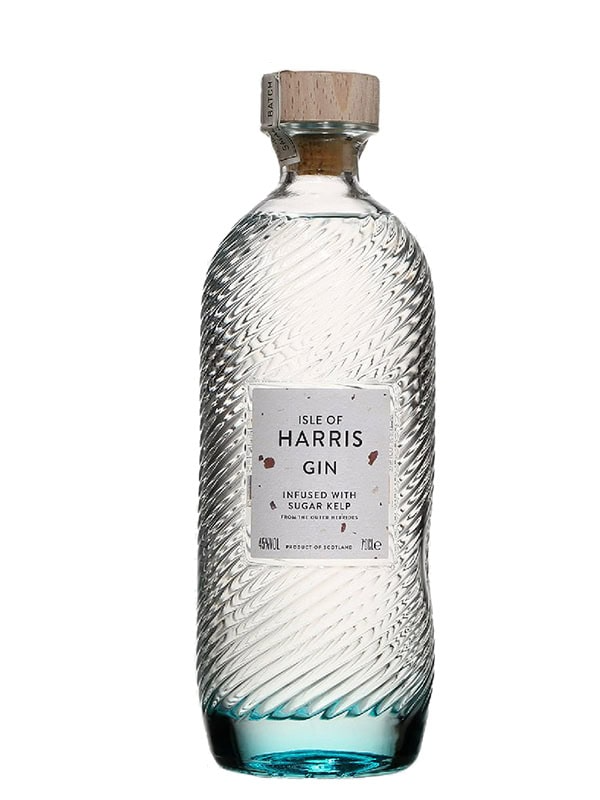
The Isle of Harris, in Scotland's Outer Hebrides, is one of the most remote inhabited places in Europe — a landscape of white sand beaches, peat bogs, and Atlantic storms. The Isle of Harris Distillery was founded in 2015 as a social enterprise to create sustainable employment on an island where young people had been leaving for generations. Its signature gin uses nine botanicals, but the one that defines it is sugar kelp — hand-harvested by diver Lewis Mackenzie from the sea-lochs around the Hebridean coast. Every bottle is distilled in a small copper pot still named 'The Dottach,' then bottled and sealed by hand in the village of Tarbert. — where Isle of Harris Gin is what happens when a community decides to bottle its home. The sugar kelp is not a novelty — it fundamentally changes the gin's texture and flavor profile, adding a savory richness and maritime minerality that no juniper-and-citrus combination can achieve alone. At 45% ABV, it has the strength to stand up in cocktails, but it's best sipped with just a splash of tonic to let the kelp and juniper shine. This is a gin that tastes like a place — wild, remote, and utterly distinctive. It's also a beautiful story: a distillery built to keep a community alive, making something no one else in the world can make.
Classification: Distilled Gin
Company: Isle of Harris Distillers
Distillery: Isle of Harris Distillery, Tarbert, Isle of Harris
Proof: 90 (45% ABV)
Botanicals: Juniper, sugar kelp (hand-harvested), coriander seeds, cubebs, cassia bark, angelica root, bitter orange peel, orris root, liquorice root
Distillation: Single-shot distillation in a small copper pot still ('The Dottach')
Base: Grain neutral spirit
Color: Crystal clear with a faintly oily viscosity
MSRP: $45–$55
Nose: Pine-forward juniper meets a distinctive maritime quality — not fishy, but a clean, mineral brine that signals the sugar kelp. Bitter orange peel, cassia warmth, and a floral sweetness from the orris root weave through the background.
Palate: Rich and almost voluptuous in texture — the sugar kelp gives an unusual body that sets it apart from drier gins. Juniper and citrus lead, but the mid-palate reveals a savory, umami-like depth. Coriander spice and liquorice provide a warm foundation.
Finish: Long and warming for a gin, with lingering juniper, a whisper of sea salt, and an orris-root powderiness that fades into clean maritime air.
Cocktail — "The Harris G&T": Pour 2 oz Isle of Harris Gin over ice in a copa glass. Add 4 oz premium tonic water (Fever-Tree Mediterranean works beautifully). Garnish with a twist of grapefruit peel and a small piece of sugar kelp or a sprig of fresh rosemary. The maritime character of the gin deserves a garnish that echoes the sea.
Pair with: Seared scallops with brown butter and capers. The gin's sugar kelp and maritime notes harmonize with the sweet brine of the scallops, while the cassia bark warmth complements the nutty brown butter.
Awards: Gold, International Wine & Spirit Competition; Gold Outstanding, International Spirits Challenge; featured in 'World's Best Gin' lists by multiple publications.
RUM Goslings Black Seal Bermuda Black Rum
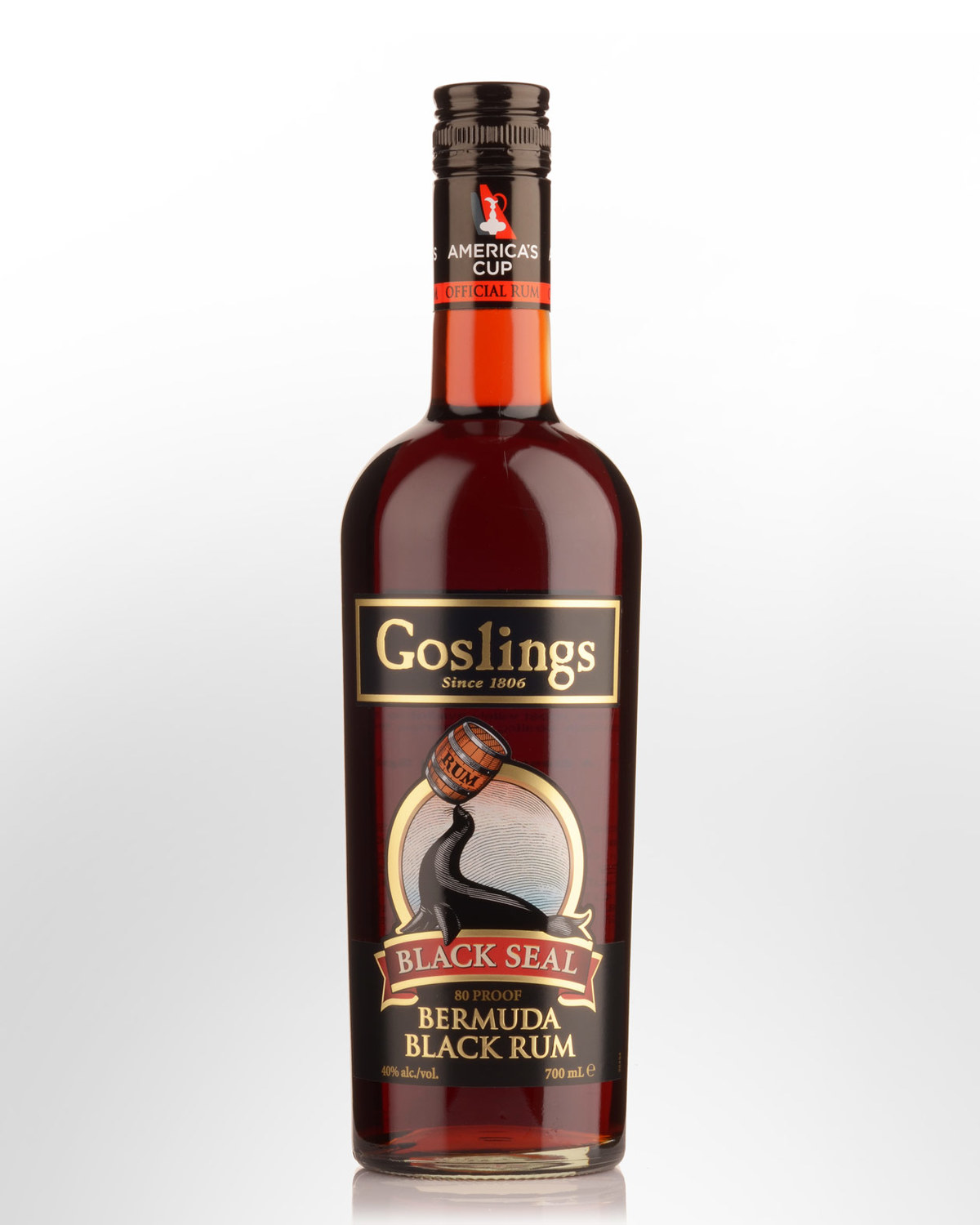
In 1806, James Gosling set sail from England for Virginia with a cargo of wine and spirits. Ninety-one days later, when the charter on his ship the Mercury expired, he was forced to dock in Bermuda — and never left. Over two centuries later, the Gosling family still blends their rum on the island, sourcing pot-still and continuous-still rums from Jamaica, Barbados, and Trinidad, aging them three to six years in charred American oak, and blending to a secret family recipe that has not changed since the 1850s. The black wax seal that gives the rum its name was originally a practical measure to keep corks in place during Atlantic storms — and it became the brand's signature. — where Goslings Black Seal is one of the most important rums in the world — not because it's rare or expensive, but because it's been blended to the same recipe by the same family on the same island for over 160 years. It's the rum that invented the Dark 'n' Stormy (Goslings actually trademarked the cocktail), and for good reason: the molasses-rich depth and spiced complexity stand up to ginger beer in a way that lighter rums cannot. At around $22, it might be the single best value in today's lineup — and proof that a great bottle doesn't need a high price tag, just a family that refuses to change the recipe.
Classification: Dark Rum (Blended)
Company: Gosling Brothers Ltd.
Distillery: Blended in Bermuda (sourced from Jamaica, Barbados, and Trinidad)
Proof: 80 (40% ABV)
Age: 3–6 Years (blend of ages)
Base: Sugarcane Molasses
Distillation: Blend of traditional pot-still and continuous-column-still rums
Color: Deep dark mahogany, nearly black, with viscous legs
MSRP: $20–$25
Nose: Dark molasses and burnt caramel dominate, with rich dried fruit — raisins and dark cherry — and a smoky, almost roasted quality. Beneath the sweetness, a faint vanilla oak character and a hint of tropical spice.
Palate: Full-bodied and intensely flavored. Molasses and dark toffee coat the palate, joined by baking spices, dried fruit, and a surprising tobacco-leaf bitterness that prevents the sweetness from cloying. The pot-still component adds a funky, almost leathery complexity.
Finish: Long and warming, with lingering molasses, charred oak, and a dry spiciness that recalls gingerbread. A faint smokiness persists.
Cocktail — "The Dark 'n' Stormy" (trademarked by Goslings): Fill a highball glass with ice. Pour 4 oz Goslings Stormy Ginger Beer (or any quality ginger beer). Float 2 oz Goslings Black Seal on top by pouring slowly over the back of a spoon. Garnish with a lime wedge. Do not stir — let the dark rum cascade through the ginger beer.
Pair with: Jerk chicken with rice and peas. The rum's molasses depth and spice complexity mirror the allspice, scotch bonnet, and brown sugar in the jerk marinade — a Caribbean pairing that's been working for centuries.
Awards: Platinum Medal, SIP Awards; Gold, International Rum Conference; the official rum of the America's Cup in Bermuda.
RED WINE Chteau Cos d'Estournel Saint-Estèphe 2018
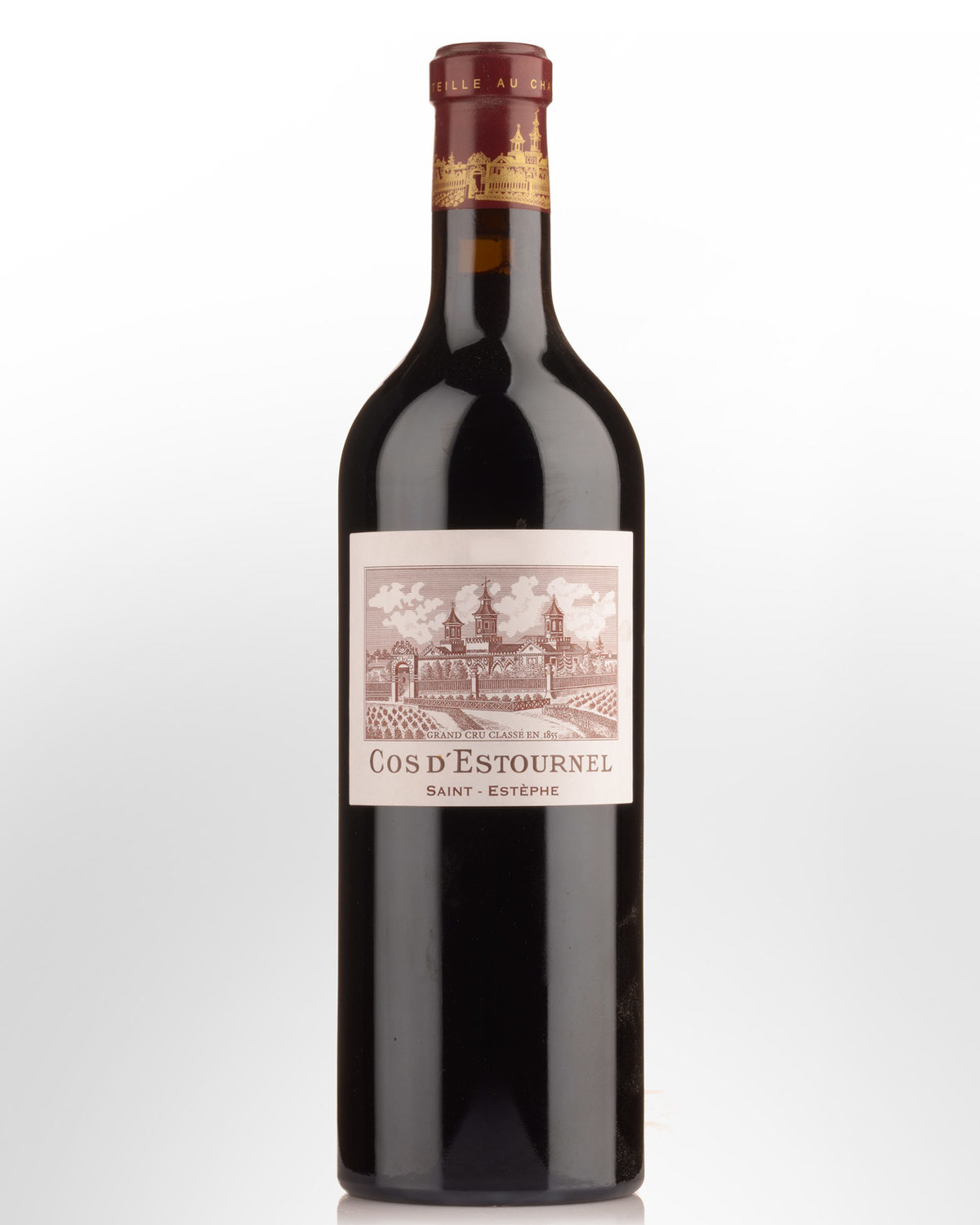
Saint-Estèphe is the northernmost and most maritime of Bordeaux's great appellations, and Cos d'Estournel sits on its highest gravel ridge, looking directly across the Gironde estuary toward the Atlantic. The estate's pagoda-topped chteau — built in the 19th century as an homage to the owner's travels in Zanzibar — is as distinctive as its wine. Under Michel Reybier's ownership since 2000, the estate has invested heavily in precision viticulture and a gravity-flow winery. The 2018 vintage, widely considered one of the finest in a decade, was harvested in ideal conditions after a wet spring and a long, dry, warm summer that concentrated the fruit without burning it. — where Cos d'Estournel 2018 is a wine of extraordinary power and precision — and a textbook demonstration of how maritime terroir shapes great Bordeaux. The freshness and salinity that the Gironde estuary delivers to Saint-Estèphe are what distinguish this wine from its warmer, more inland neighbors. Where other 2018 Bordeaux can feel opulent to the point of heaviness, Cos retains a mineral tension and structural elegance that promises decades of evolution. At this price, it's not an everyday wine — but it's a second growth that regularly challenges first-growth quality, and the 2018 may be the finest Cos d'Estournel in a generation.
Classification: AOC Saint-Estèphe, Deuxième Grand Cru Classé (Second Growth)
Company: Michel Reybier
Winery: Chteau Cos d'Estournel
ABV: 14.5%
Primary Varietal: Cabernet Sauvignon
Blend: 74% Cabernet Sauvignon, 23% Merlot, 2% Cabernet Franc, 1% Petit Verdot
Vineyards: 91 hectares on deep gravel ridges overlooking the Gironde estuary; clay-limestone subsoil; maritime-influenced microclimate
Maturation: 18 months in 50% new French oak barriques
Color: Deep garnet with a vibrant purple rim
MSRP: $175–$250
Nose: A cascade of dark fruit — blackcurrant, black cherry, and crushed blackberry — layered with cedar, graphite, and violet. Beneath the fruit, a mineral core of wet gravel and a faint savory quality that signals the maritime terroir.
Palate: Powerful yet remarkably precise. The tannins are ripe and finely grained, carrying waves of cassis, dark plum, and espresso through a long, structured mid-palate. The maritime influence shows as a freshness and salinity that lifts the fruit and prevents heaviness.
Finish: Exceptionally long, with cedar, graphite, and dark fruit persisting for well over a minute. A stony, mineral quality emerges at the very end — the gravel speaking.
Cocktail — "The Estournel Sangria" (for a special occasion): Combine one bottle of a less expensive Bordeaux with 2 oz brandy, 1 oz orange liqueur, sliced oranges and blackberries, and refrigerate for 4 hours. Serve in wine glasses over ice. Save the Cos d'Estournel itself for sipping — it deserves nothing less.
Pair with: Rack of lamb with a rosemary and Dijon crust, served alongside a gratin dauphinois. The wine's cedar and dark fruit complement the herb-crusted lamb, while its maritime freshness cuts through the cream of the gratin.
Awards: 97 points, James Suckling; 96 points, Wine Spectator; 97 points, Robert Parker's Wine Advocate; widely regarded among the top wines of the 2018 Bordeaux vintage.
WHITE WINE Domaine de la Pépière Muscadet Sèvre et Maine sur Lie Clos des Briords 2020
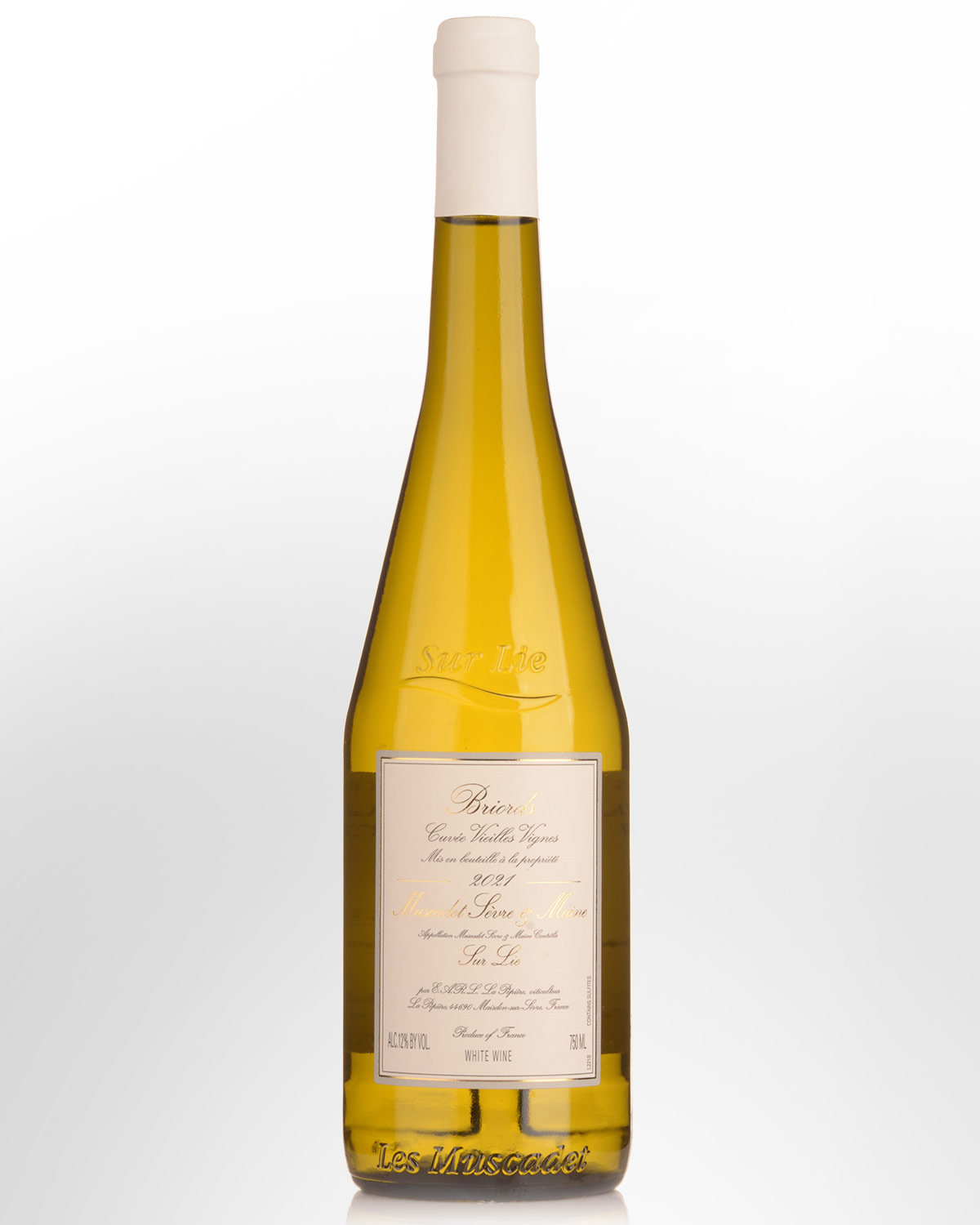
Maisdon-sur-Sèvre sits where the Loire River approaches the Atlantic, and the Clos des Briords is a three-hectare parcel of old vines — some planted as far back as the 1930s — rooted in granite and gneiss. Marc Ollivier, who took over Domaine de la Pépière in 1984, is widely credited with proving that Muscadet could be a serious, age-worthy wine, not just a cheap bistro pour. His Clos des Briords, made from ungrafted massale-selection vines and fermented with native yeasts, is the jewel of the estate — a wine that channels the granite beneath the vine and the Atlantic wind above it into one of the most mineral-driven whites in France. — where The Clos des Briords is the wine that makes sommeliers fall in love with Muscadet all over again. Marc Ollivier's old vines, grown on granite beside the Atlantic, produce a white wine of startling mineral intensity — this is not the neutral, forgettable Muscadet of the supermarket shelf. The 2020 vintage, with its ideal growing conditions, delivered a wine of exceptional concentration and tension. At around $28, it might be the single greatest value in serious white wine today, and the world's finest partner for oysters, ceviche, and shellfish. If you've dismissed Muscadet, this bottle will change your mind.
Classification: AOC Muscadet Sèvre et Maine sur Lie
Company: Domaine de la Pépière (Marc Ollivier & Rémi Branger)
Winery: Domaine de la Pépière
ABV: 12%
Primary Varietal: Melon de Bourgogne
Blend: 100% Melon de Bourgogne
Vinification: Whole-cluster pressed, native yeast fermentation in temperature-controlled tanks, extended sur lie aging (on the lees), no oak, no malolactic fermentation; organic viticulture
Color: Pale straw with brilliant green-gold tints
MSRP: $25–$30
Nose: Crushed granite and sea spray hit first — a strikingly mineral nose. Beneath it, green apple, lemon zest, and a hint of white flowers. With time, a yeasty, bread-dough quality emerges from the extended lees contact.
Palate: Bone-dry and razor-sharp, with a racy acidity that makes your mouth water. Citrus and green apple flavors are woven through a chalky, almost saline minerality — the granite subsoil asserting itself. Despite its leanness, the extended sur lie aging gives the wine a subtle creaminess that prevents austerity.
Finish: Long, clean, and mineral, with a persistent saline tang and a finish of crushed stone and lemon pith that lingers and invites another sip.
Cocktail — "The Nantais Spritz": Pour 3 oz Clos des Briords Muscadet over ice in a large wine glass. Add 2 oz Prosecco and a splash of elderflower liqueur. Garnish with a thin slice of green apple and a sprig of mint. The mineral backbone of the Muscadet gives this spritz a savory depth most lack.
Pair with: Fresh oysters on the half shell — the classic Muscadet pairing. The wine's granite-born minerality and saline finish echo the brine of the oyster so perfectly that it feels less like a pairing and more like a natural conversation.
Awards: 90 points, Wine Spectator; featured in Jancis Robinson's 'Best Value Whites'; Marc Ollivier named 'Winemaker of the Year' by multiple Loire Valley publications.
Train Your Nose: Today's Aroma Spotlight
Mineral, Salt & Stone: Reading the Land in Your Glass
Today's selections share a common thread: the influence of coast, stone, and mineral on aroma and flavor. Training your nose to detect mineral, saline, and earthy notes is one of the most rewarding — and challenging — skills in tasting. These exercises will sharpen your ability to identify the geological fingerprint that separates a good bottle from a great one.
Pour a measure of Old Pulteney 12 alongside the Town Branch Single Barrel Reserve. Before nosing, note how different their origins are — one shaped by North Sea salt air, the other by Kentucky limestone water. On the Pulteney, search for a faint brine or maritime quality beneath the honey and malt. On the Town Branch, look for a mineral sweetness in the corn and caramel notes — that's the limestone aquifer at work. The goal is not to identify 'salt' or 'stone' literally, but to notice how place creates texture: the Pulteney will feel lighter and more lifted; the Town Branch, richer and more grounded.
Now compare the Domaine de la Pépière Muscadet with any fruit-forward white wine you have open. The Muscadet is grown on granite beside the Atlantic — swirl the glass and search for a chalky, almost oyster-shell quality beneath the citrus and green apple. That mineral backbone is what makes Muscadet the world's greatest shellfish wine. In the fruit-forward comparison wine, notice how sweetness fills the space where minerality would be. This exercise trains your palate to distinguish between fruit-driven and terroir-driven whites — a skill that transforms how you pair wine with food.
Today's Kit Reference
| Today's Product | Key Aromas | Train With |
|---|---|---|
| Town Branch Single Barrel Reserve Bourbon | Caramel, Corn, Charred Oak, Vanilla, Butterscotch | Bourbon Aroma Masterclass Kit |
| Old Pulteney 12 Year Old | Honey, Malt, Vanilla, Orange, Caramel | Whisky Aroma Masterclass Kit |
| Lambay Small Batch Blend | Honey, Vanilla, Floral (Rosewater), Peach, Caramel | Whiskey Aroma Masterclass Kit |
| ArteNOM Selección de 1579 Blanco | Agave (Cooked), Citrus (Lemon, Lime, Orange, Grapefruit), Earth (Mineral, Soil Notes), Grass, Pepper | Tequila & Mezcal Aroma Masterclass Kit |
| Isle of Harris Gin | Juniper (Pine), Orange, Cassia Bark, Angelica, Coriander, Orris Root | Gin Aroma Masterclass Kit |
| Goslings Black Seal Bermuda Black Rum | Molasses, Caramel, Spice (Generic), Vanilla, Dried Fruit | Rum Aroma Masterclass Kit |
| Chteau Cos d'Estournel Saint-Estèphe 2018 | Blackcurrant, Cedar, Cherry, Violet, Woody | Wine Aroma Masterclass Kit |
| Domaine de la Pépière Muscadet Sèvre et Maine sur Lie Clos des Briords 2020 | Citrus (Generic), Apple (Green), Honey, Melon, Gooseberry | Wine Aroma Masterclass Kit |
Explore the School of Wine and Spirits
Today's eight selections prove that the best producers are architects first. Our books on Amazon take you deeper into those places — from the limestone hollows of Kentucky in America's Spirit, the misty distilleries of Scotland's Spirit and Ireland's Spirit, the volcanic highlands of The Tequila y Mezcal Revolution, the ancient vineyards of The Ultimate Northern Italian Wine Journey, and the fossilized seabeds of Burgundy in our Chablis and Cte d'Or pocket guides.
Explore our Aroma Masterclass kits and books at schoolofwineandspirits.com
Join the School of Wine and Spirits Community
Connect with fellow connoisseurs, share tasting notes, and go deeper into every pour. Sign up at skool.com/schoolofwineandspirits
Our kits make the perfect gift for the curious drinker in your life — because once you learn to identify aromas, you never taste the same way again.
Know someone who would enjoy The Still & The Vine? Forward this issue to a fellow enthusiast — or share it on social media and tag @SchoolofWineandSpirits. We grow by word of mouth.
Until tomorrow's pour — cheers.
Robert R. Mohr, CPA, CGMA, WSET Level 3, WSG Certified Spirits Specialist — author of America's Spirit, Scotland's Spirit, Ireland's Spirit, The Ultimate Northern Italian Wine Journey, The Tequila y Mezcal Revolution, The Definitive Pocket Guide to Chablis, The Definitive Pocket Guide to the Cte d'Or, and Strategic Tuning. Published author of the Aroma Academy Tequila/Mezcal and Distiller's training kits.
The Still & The Vine is a daily publication of the School of Wine and Spirits.
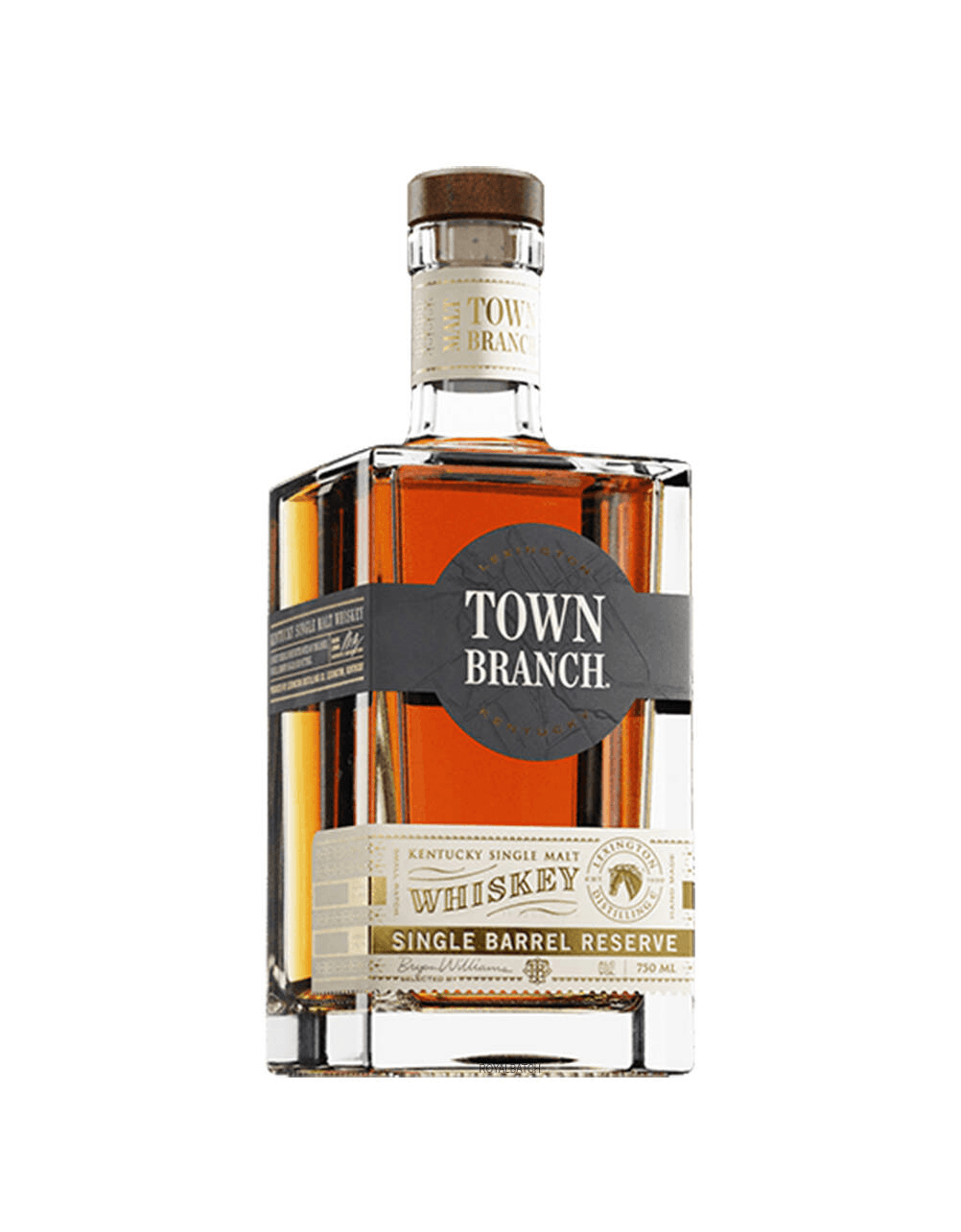
Town Branch Single Barrel Reserve Bourbon
Alltech / Lexington Brewing and Distilling Co.
Town Branch Single Barrel Reserve is a bourbon that wears its geology on its sleeve. Where many cask-strength offerings overwhelm with heat, this one delivers power with poise — the limestone-filtered water creating a mineral backbone that keeps the caramel and oak in check. It's a bourbon that rewards patience: give it ten minutes in the glass and the nose opens into layers of butterscotch, dried fruit, and toasted corn that you'd miss if you rushed. At its price point, it competes with bottles twice its cost, and it's a compelling argument that Kentucky's most important ingredient isn't corn — it's stone. Cocktail — "The Limestone Old Fashioned": Muddle a sugar cube with 2 dashes Angostura bitters and a splash of branch water. Add 2 oz Town Branch Single Barrel Reserve, stir with a large ice cube for 30 seconds. Express an orange peel over the glass and garnish. The mineral quality of this bourbon makes it an exceptional Old Fashioned base — the stone-filtered water character amplifies the bitters.
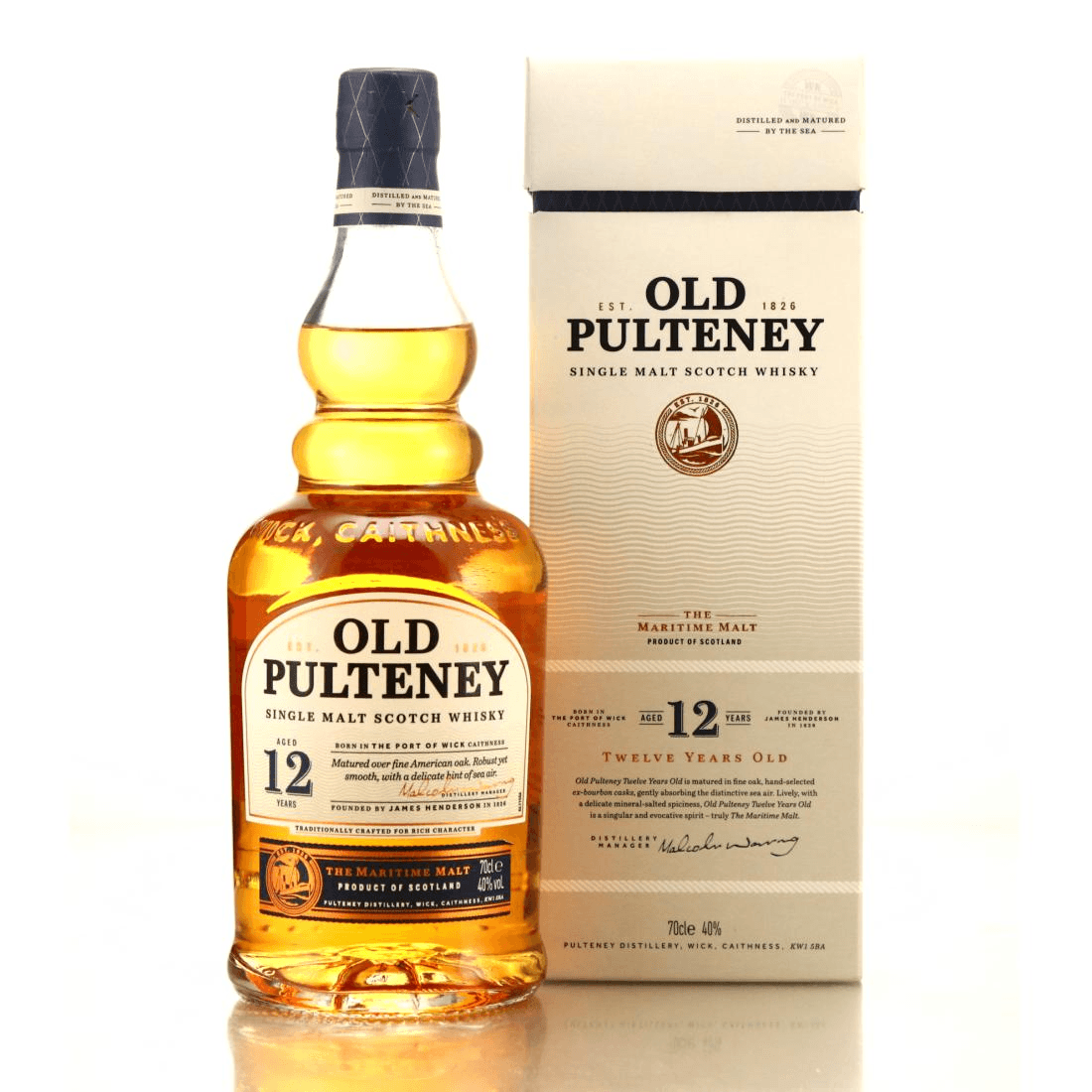
Old Pulteney 12 Year Old
Inver House Distillers (Thai Beverages)
Old Pulteney 12 is one of the great bargains in single malt Scotch — a whisky whose coastal provenance is not a marketing story but a flavor you can taste in every sip. That brine-and-honey combination on the nose is unmistakable, and the dry, mineral finish makes it one of the most food-friendly drams in Scotland. It won't overpower you with peat or sherry, and that's exactly the point: this is a whisky that lets its geography do the talking. At around $45, it embarrasses bottles that cost three times as much. Cocktail — "The Wick Highball": Pour 2 oz Old Pulteney 12 over ice in a tall glass. Top with 4 oz chilled soda water and a squeeze of fresh lemon. Garnish with a lemon wheel and a sprig of fresh dill. The maritime malt shines in a highball — the effervescence lifts the honey and salt notes beautifully.
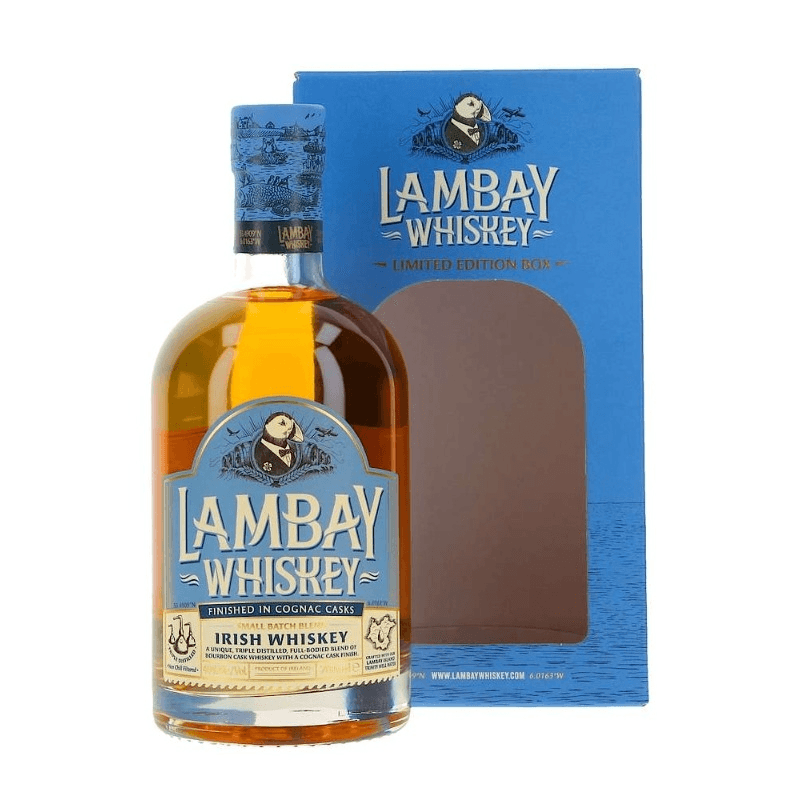
Lambay Small Batch Blend
Lambay Whiskey (Baring Family & Maison Camus)
Lambay Small Batch Blend is a whiskey born from an unlikely marriage — Irish triple-distilled spirit and French cognac cooperage, united by an island in the Irish Sea. The Cognac cask finish is not a gimmick; it adds a genuine floral and stone-fruit dimension that most blended Irish whiskeys lack entirely. And the sea-air finishing gives the whole package a maritime lightness that makes it dangerously easy to drink. At around $30, it's one of the most interesting experiments in Irish whiskey — and a reminder that where your casks breathe matters as much as what's inside them. Cocktail — "The Island Sour": Combine 2 oz Lambay Small Batch, 1 oz fresh lemon juice, 0.75 oz honey syrup, and 1 egg white. Dry shake vigorously, then shake with ice. Strain into a coupe and garnish with a few drops of Angostura on the foam. The honey and Cognac-cask character play beautifully against the citrus acid.
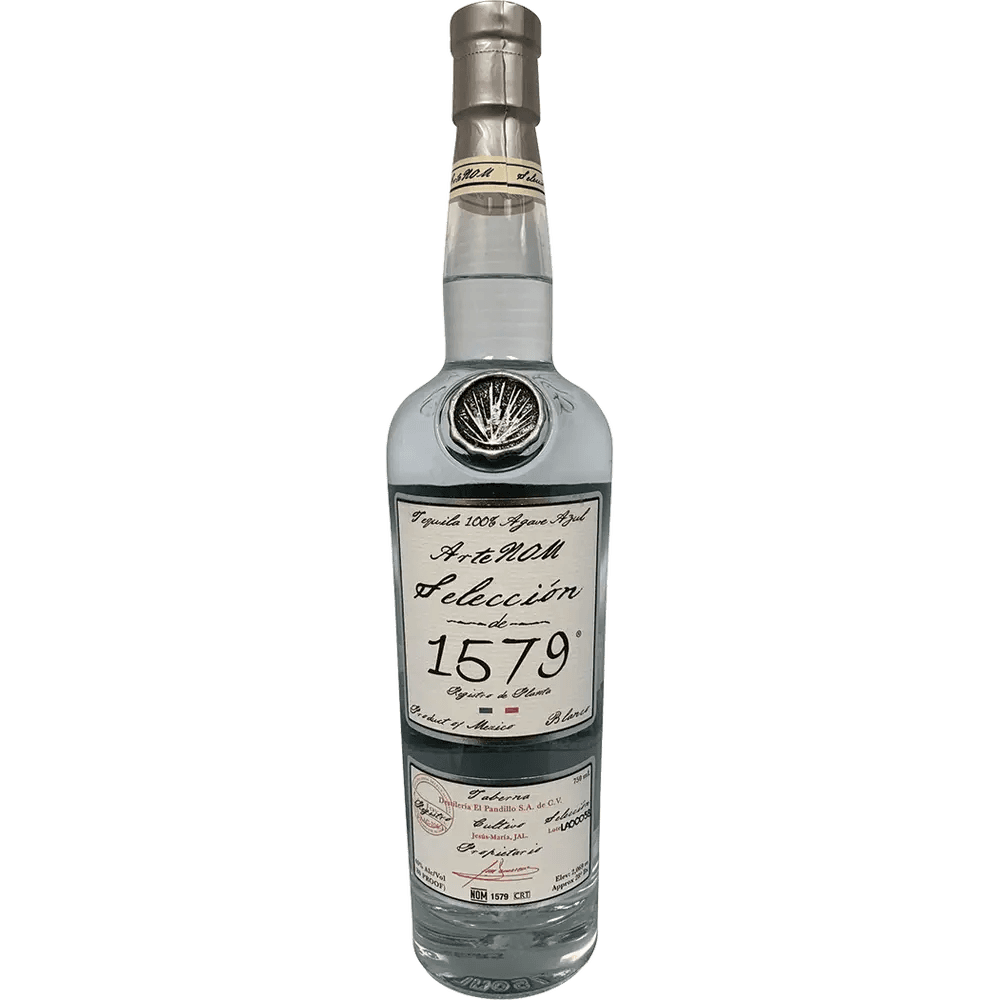
ArteNOM Seleccion de 1579 Blanco
ArteNOM (Grover Sanschagrin)
ArteNOM 1579 Blanco is a masterclass in tequila terroir. Felipe Camarena's highland agave, grown in volcanic red clay at elevation, produces a spirit with a mineral depth and citrus brightness that lowland blancos simply cannot match. This is not a tequila designed to disappear into a margarita — though it makes an extraordinary one — it's designed to be sipped and studied. The volcanic soil writes itself into the glass as clearly as limestone writes itself into bourbon. At its price point, it's one of the finest expressions of place in the entire tequila category. Cocktail — "The Highland Paloma": Combine 2 oz ArteNOM 1579 Blanco, 1 oz fresh grapefruit juice, 0.5 oz fresh lime juice, and 0.25 oz agave nectar. Shake with ice and strain into a salt-rimmed Collins glass over fresh ice. Top with 2 oz Topo Chico mineral water. The mineral character of both the tequila and the sparkling water creates a Paloma of uncommon depth.
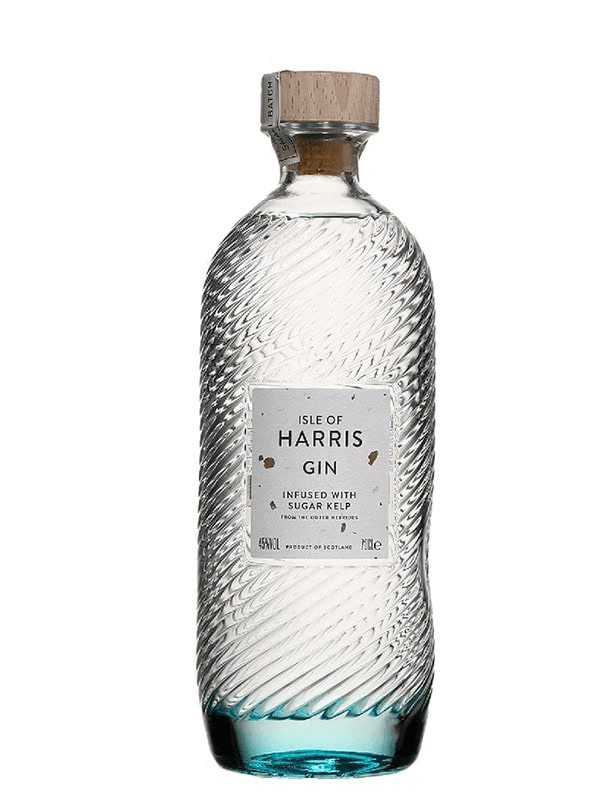
Isle of Harris Gin
Isle of Harris Distillers
Isle of Harris Gin is what happens when a community decides to bottle its home. The sugar kelp is not a novelty — it fundamentally changes the gin's texture and flavor profile, adding a savory richness and maritime minerality that no juniper-and-citrus combination can achieve alone. At 45% ABV, it has the strength to stand up in cocktails, but it's best sipped with just a splash of tonic to let the kelp and juniper shine. This is a gin that tastes like a place — wild, remote, and utterly distinctive. It's also a beautiful story: a distillery built to keep a community alive, making something no one else in the world can make. Cocktail — "The Harris G&T": Pour 2 oz Isle of Harris Gin over ice in a copa glass. Add 4 oz premium tonic water (Fever-Tree Mediterranean works beautifully). Garnish with a twist of grapefruit peel and a small piece of sugar kelp or a sprig of fresh rosemary. The maritime character of the gin deserves a garnish that echoes the sea.
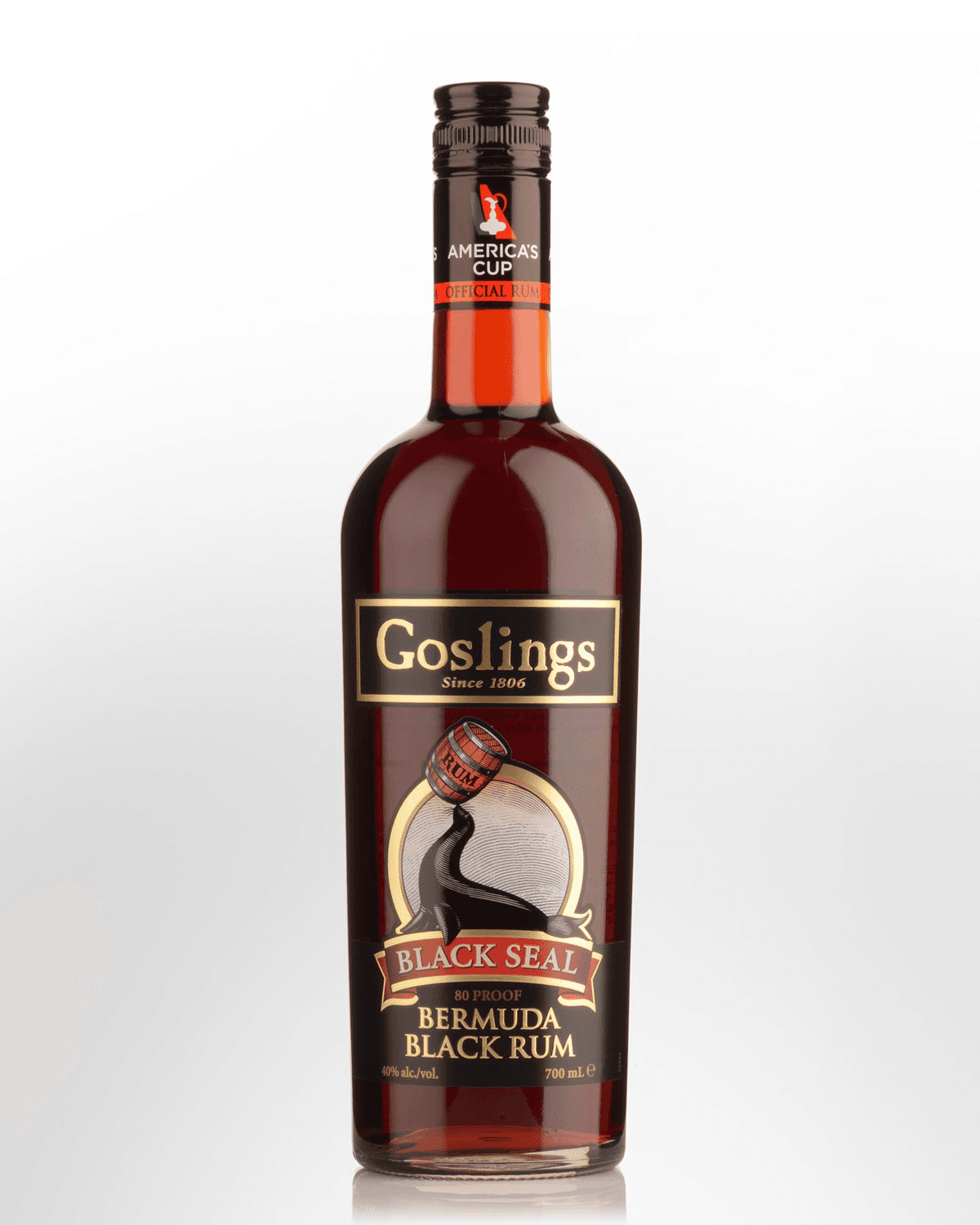
Goslings Black Seal Bermuda Black Rum
Gosling Brothers Ltd.
Goslings Black Seal is one of the most important rums in the world — not because it's rare or expensive, but because it's been blended to the same recipe by the same family on the same island for over 160 years. It's the rum that invented the Dark 'n' Stormy (Goslings actually trademarked the cocktail), and for good reason: the molasses-rich depth and spiced complexity stand up to ginger beer in a way that lighter rums cannot. At around $22, it might be the single best value in today's lineup — and proof that a great bottle doesn't need a high price tag, just a family that refuses to change the recipe. Cocktail — "The Dark 'n' Stormy" (trademarked by Goslings): Fill a highball glass with ice. Pour 4 oz Goslings Stormy Ginger Beer (or any quality ginger beer). Float 2 oz Goslings Black Seal on top by pouring slowly over the back of a spoon. Garnish with a lime wedge. Do not stir — let the dark rum cascade through the ginger beer.
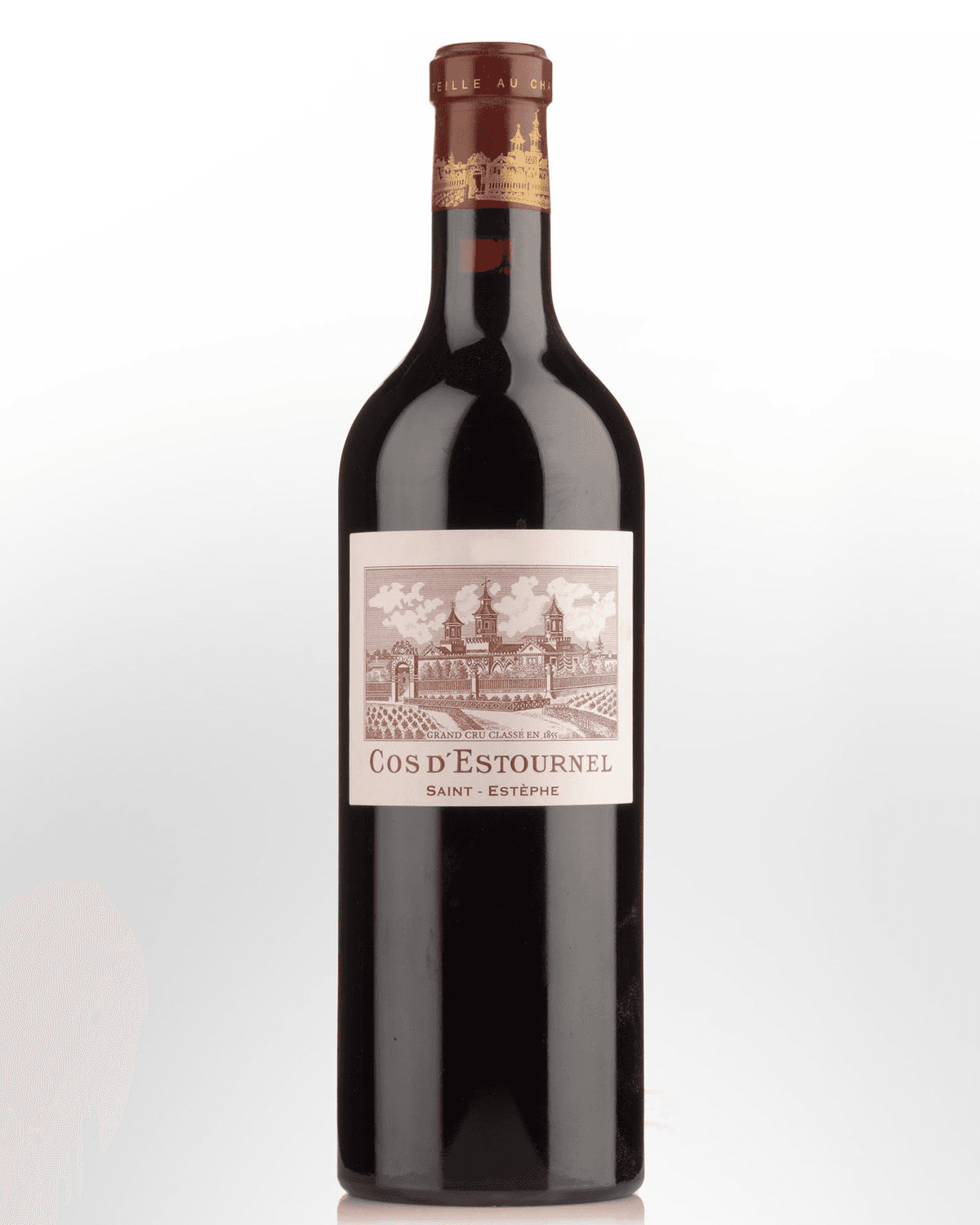
Château Cos d'Estournel Saint-Estèphe 2018 Saint-Estèphe
Michel Reybier
Cos d'Estournel 2018 is a wine of extraordinary power and precision — and a textbook demonstration of how maritime terroir shapes great Bordeaux. The freshness and salinity that the Gironde estuary delivers to Saint-Estèphe are what distinguish this wine from its warmer, more inland neighbors. Where other 2018 Bordeaux can feel opulent to the point of heaviness, Cos retains a mineral tension and structural elegance that promises decades of evolution. At this price, it's not an everyday wine — but it's a second growth that regularly challenges first-growth quality, and the 2018 may be the finest Cos d'Estournel in a generation. Cocktail — "The Estournel Sangria" (for a special occasion): Combine one bottle of a less expensive Bordeaux with 2 oz brandy, 1 oz orange liqueur, sliced oranges and blackberries, and refrigerate for 4 hours. Serve in wine glasses over ice. Save the Cos d'Estournel itself for sipping — it deserves nothing less.
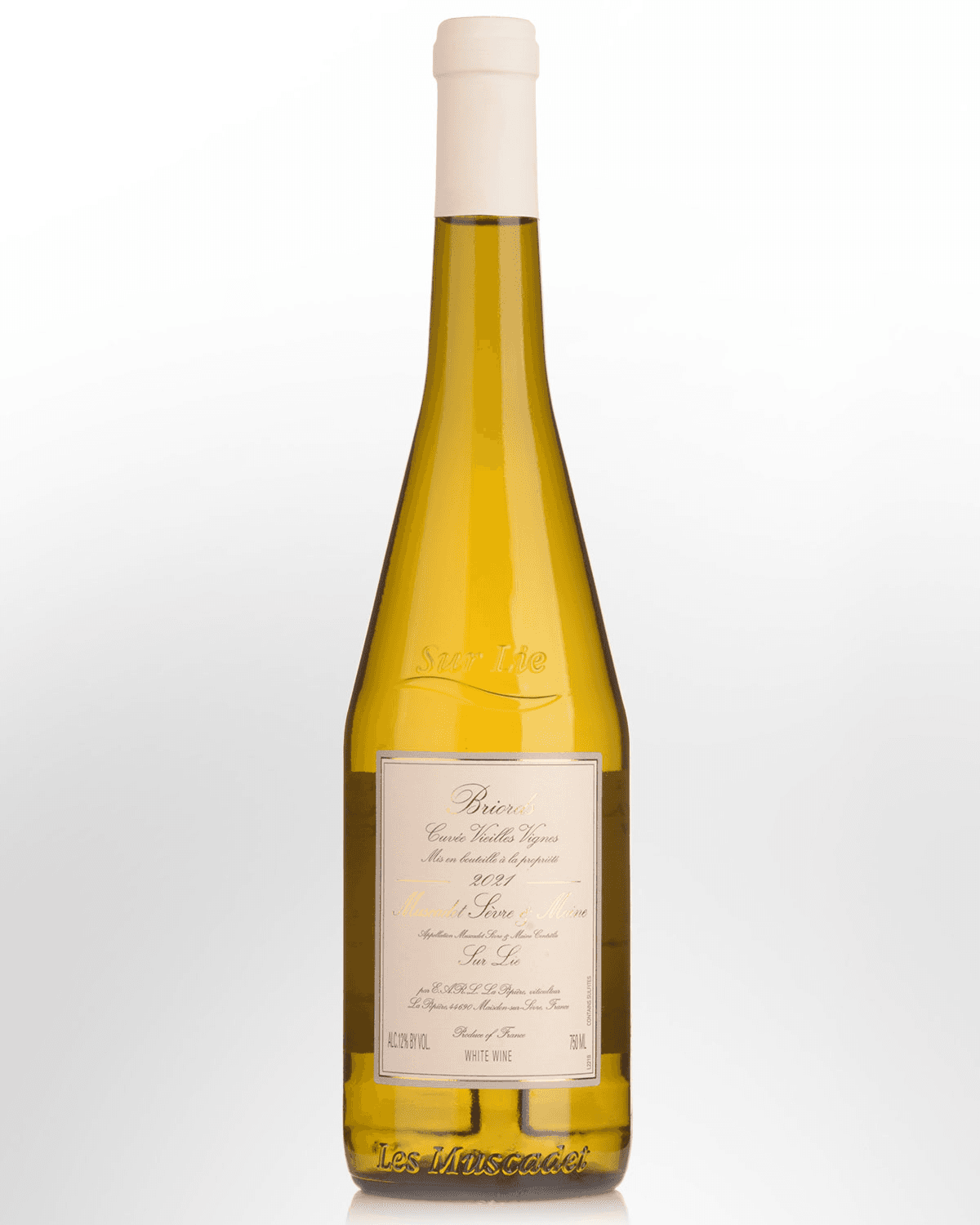
Domaine de la Pépière Muscadet Sèvre et Maine sur Lie Clos des Briords 2020
Domaine de la Pépière (Marc Ollivier & Rémi Branger)
The Clos des Briords is the wine that makes sommeliers fall in love with Muscadet all over again. Marc Ollivier's old vines, grown on granite beside the Atlantic, produce a white wine of startling mineral intensity — this is not the neutral, forgettable Muscadet of the supermarket shelf. The 2020 vintage, with its ideal growing conditions, delivered a wine of exceptional concentration and tension. At around $28, it might be the single greatest value in serious white wine today, and the world's finest partner for oysters, ceviche, and shellfish. If you've dismissed Muscadet, this bottle will change your mind. Cocktail — "The Nantais Spritz": Pour 3 oz Clos des Briords Muscadet over ice in a large wine glass. Add 2 oz Prosecco and a splash of elderflower liqueur. Garnish with a thin slice of green apple and a sprig of mint. The mineral backbone of the Muscadet gives this spritz a savory depth most lack.