Issue 27 · April 22, 2026
The Proving Ground
Theme: Experiential Proof
Each selection emerged from a proving ground — a place, moment, or decision that forced the maker to demonstrate that their vision could survive real-world testing.
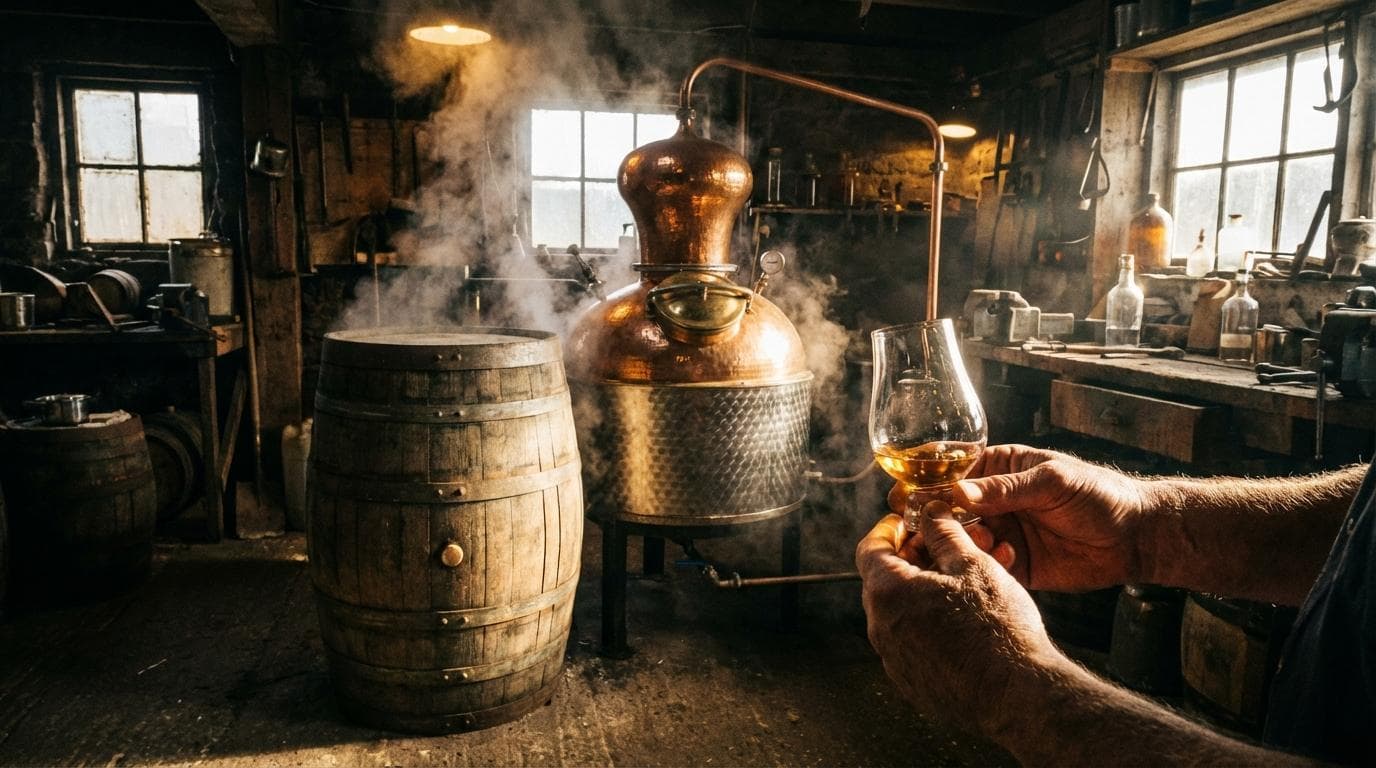

Every bottle worth remembering was tested before it was trusted. The wheat bourbon that bet against rye when the market demanded spice. The Campbeltown distillery that kept its doors open while an entire whisky capital collapsed around it. The Italian gin that staked its identity on Amalfi lemons when juniper was the only conversation anyone wanted to have. These are not bottles that arrived easily — they arrived because someone refused to walk away from what they believed.
Today's eight selections share a common thread: each emerged from a proving ground — a place, a moment, or a decision that forced the maker to demonstrate conviction under pressure. From a Panamanian rum aged for two decades under the guidance of a Cuban exile, to the California Chardonnay that silenced an entire nation of skeptics in a single blind tasting, these bottles carry the weight of something earned. Pour slowly. The proof is in every glass.
TODAY'S SELECTIONS
Today's Selections
BOURBON • SCOTCH WHISKY • IRISH WHISKEY • TEQUILA • GIN • RUM • RED WINE • WHITE WINE
BOURBON Larceny Small Batch
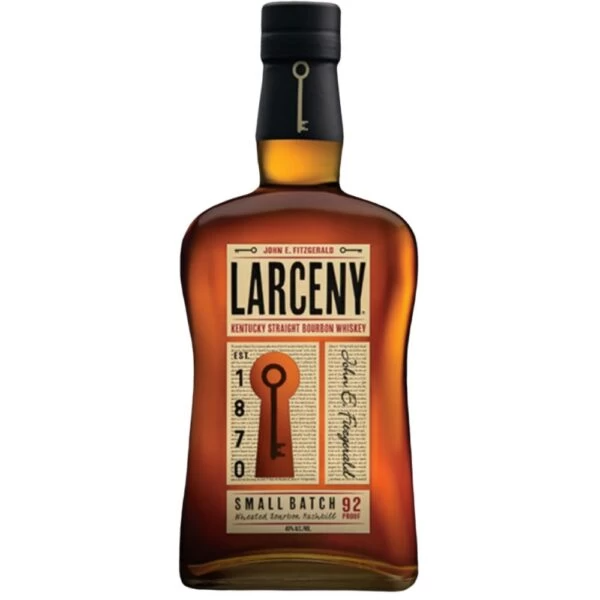
Born in Bardstown, Kentucky — the heart of bourbon country — at Heaven Hill, the largest family-owned and operated distillery in the United States. Larceny takes its name from the legend of John E. Fitzgerald, a Treasury agent with a key to the bonded warehouses, who reportedly helped himself to only the finest barrels. That act of selective theft became the founding myth for a bourbon that proved wheat could hold its own against rye in a market that had long favored spice over softness. — where Larceny Small Batch is the proving ground for a simple but powerful proposition: wheat belongs in bourbon. While the industry built its identity around rye's sharp, spicy bite, Heaven Hill quietly perfected a recipe that replaces assertiveness with grace. At 92 proof and under thirty dollars, this is a bourbon that punches above its price with a texture and drinkability that more expensive bottles struggle to match. It is living proof that softness is not weakness — it is a choice, and a confident one.
Classification: Kentucky Straight Bourbon Whiskey
Company: Heaven Hill Brands
Distillery: Heaven Hill Distillery, Bardstown, KY
Proof: 92 Proof (46% ABV)
Age: NAS (6–12 year blend)
Mash Bill: 68% Corn, 20% Wheat, 12% Malted Barley
Color: Deep amber with warm copper highlights
MSRP: $25–$30
Nose: Butterscotch and fresh caramel lead, followed by honey-drizzled wheat bread, a whisper of vanilla bean, and ripe red cherry. There is a warmth beneath — toasted grain and a faint nuttiness — that signals the wheat mash bill before you even take a sip.
Palate: Silky and round on entry, with caramel and brown sugar giving way to baked apple, cinnamon stick, and a lush butterscotch center. The wheat softens every edge, allowing flavors to unfold gently rather than asserting themselves all at once. A thread of dark cherry and toasted oak emerges mid-palate.
Finish: Medium-long and warm, with lingering butterscotch, soft vanilla, a hint of baking spice, and the faintest trace of charred oak that keeps the sweetness honest.
Cocktail — The Fitzgerald Sour: 2 oz Larceny Small Batch, 0.75 oz fresh lemon juice, 0.5 oz honey syrup, 2 dashes Angostura bitters. Shake with ice and strain into a coupe. Garnish with a lemon wheel. The wheat bourbon's natural sweetness marries beautifully with the honey, creating a sour that is all silk.
Pair with: Pecan-crusted pork tenderloin with a maple glaze, where the bourbon's butterscotch and brown spice notes mirror the dish's caramelized sweetness.
Awards: Double Gold, San Francisco World Spirits Competition; Gold Medal, International Wine & Spirit Competition
SCOTCH WHISKY Glen Scotia 15 Year Old
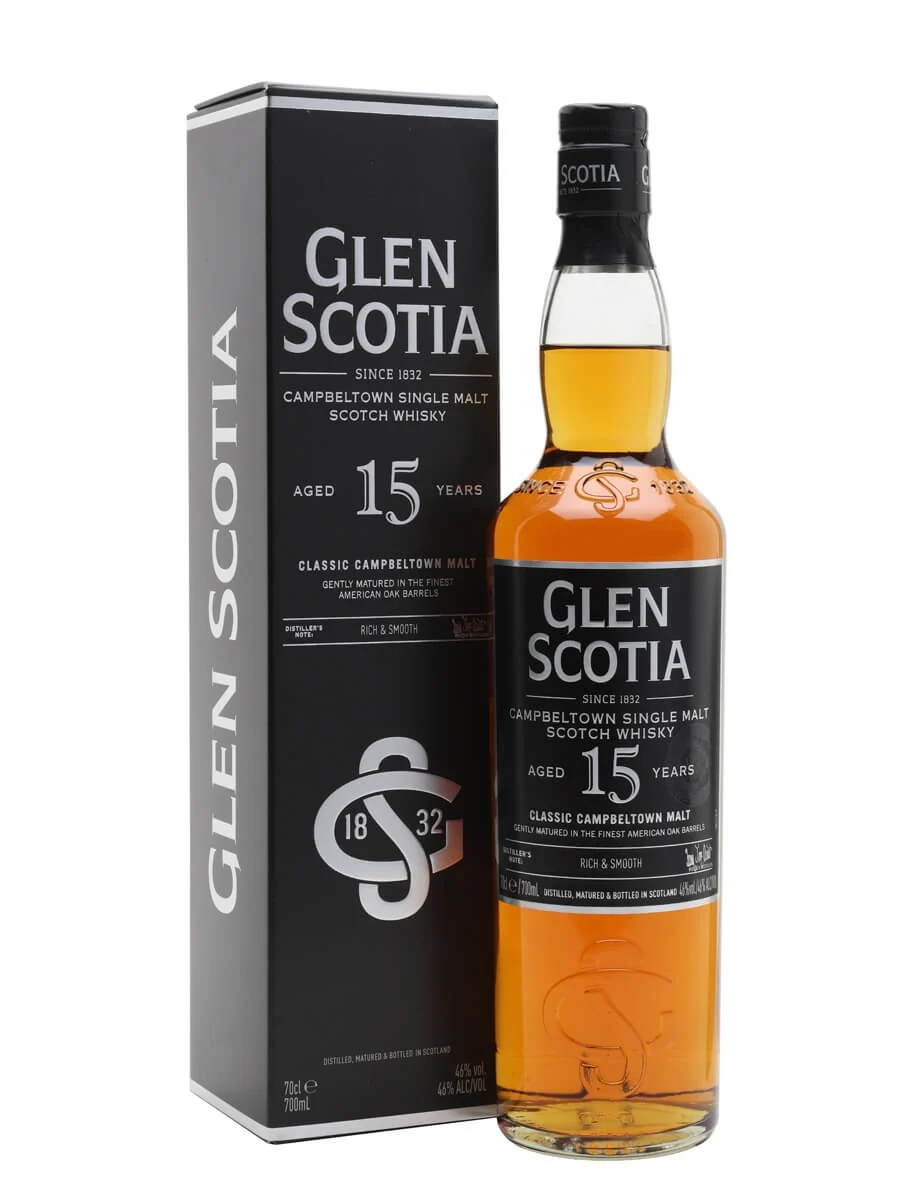
Distilled in Campbeltown, on the southern tip of the Kintyre Peninsula — a windswept Scottish harbor town that once boasted over thirty working distilleries and earned the title 'whisky capital of the world.' Today, only three remain. Glen Scotia has operated on the same site since 1832, surviving closures, changes of ownership, and the near-total collapse of an entire whisky region. Its continued existence is itself an act of proving — a refusal to let Campbeltown's legacy disappear. — where Glen Scotia 15 is the proving ground for an entire whisky region. Campbeltown's story is one of spectacular decline — from over thirty distilleries to just three — and Glen Scotia has been there through nearly all of it, distilling since 1832. This 15-year-old bottling, presented at a confident 46% ABV without chill filtration, demonstrates exactly what has been worth preserving: a style that is uniquely Campbeltown, maritime and honeyed, with a brininess you simply cannot replicate elsewhere. It is proof that survival is its own kind of excellence.
Classification: Single Malt Scotch Whisky
Company: Loch Lomond Group
Distillery: Glen Scotia Distillery, Campbeltown
Proof: 92 Proof (46% ABV)
Age: 15 Years
Mash Bill: 100% Malted Barley
Distillation: Double distilled in copper pot stills with a longer fermentation cycle
Maturation: First-fill bourbon barrels and refill American oak casks
Filtered: Non-chill filtered
Color: Rich gold with warm amber edges
MSRP: $95–$120
Nose: Honeycomb and green apple lead, followed by ripe pear, a gentle floral vanilla, and a distinctive maritime salinity — the sea air that defines Campbeltown. Orange blossom honey and ginger snap biscuit emerge with time, along with a whisper of baked fruit.
Palate: Briny entry that gives way to green apple and apricot, then a wave of caramelized sugar and plump dried fruit. The maritime character weaves through every note, grounding the sweetness with a savory mineral quality. Oak spice and malt appear mid-palate, balanced by a honeyed warmth.
Finish: Long and warming, with lingering oak, a dry maritime saltiness, gentle spice, and a smooth honeyed sweetness that fades slowly.
Cocktail — The Campbeltown Mist: 2 oz Glen Scotia 15, 0.5 oz honey syrup, 3 dashes orange bitters. Stir over a large ice cube in a rocks glass. Express a lemon peel over the surface and discard. The honey amplifies the whisky's natural sweetness while the citrus lifts its maritime edges.
Pair with: Seared scallops with brown butter and capers, where the whisky's brine and honeyed oak echo the dish's sweet-savory interplay.
Awards: Gold, San Francisco World Spirits Competition; Gold, International Spirits Challenge
IRISH WHISKEY Knappogue Castle 12 Year Old
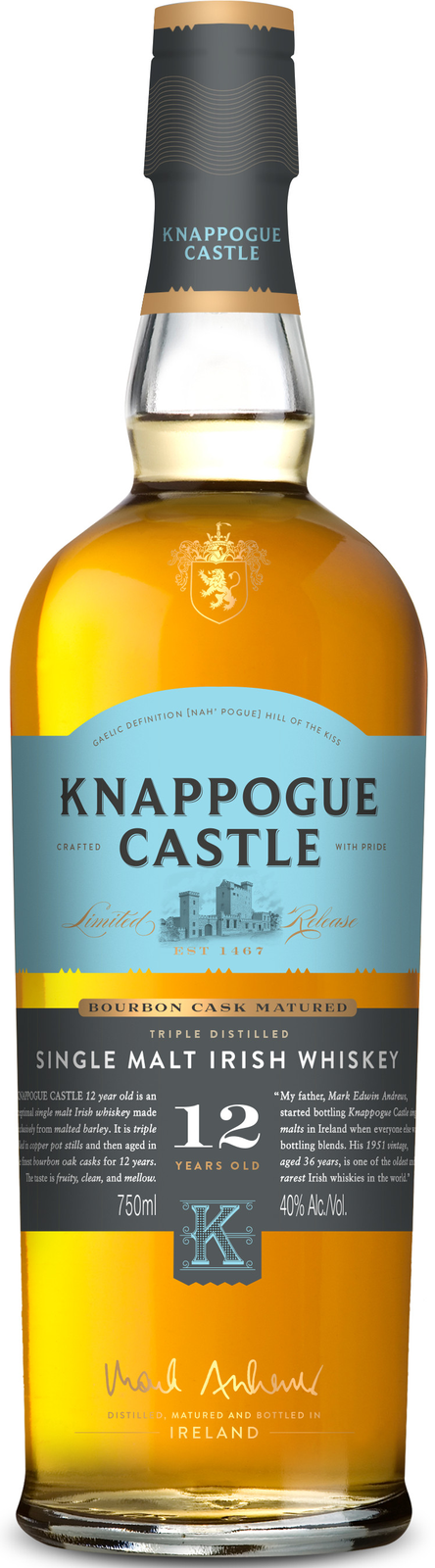
The story of Knappogue Castle begins not in a distillery but in a fifteenth-century castle in County Clare. In 1966, American attorney Mark Edwin Andrews purchased the castle and, while restoring it, began collecting and privately bottling rare Irish single malts — a category that barely existed commercially at the time. His conviction that Irish single malt could stand with the world's finest whiskies proved prescient, and the brand he created became one of the first to bring Irish single malt to international attention. — where Knappogue Castle 12 is the proving ground for Irish single malt itself. When Mark Edwin Andrews began bottling these whiskies in the 1960s, Irish whiskey was synonymous with blends, and the idea that Ireland could produce world-class single malts seemed improbable to most. This 12-year-old, triple-distilled and aged entirely in bourbon oak, demonstrates the quiet power of Irish malt at its most elegant: smooth without being simple, gentle without being hollow. It proved that patience and purity were all Irish whiskey ever needed.
Classification: Single Malt Irish Whiskey
Company: Cobblestone Brands
Distillery: Sourced from Irish distilleries (Cooley, Bushmills)
Proof: 86 Proof (43% ABV)
Age: 12 Years
Mash Bill: 100% Malted Barley
Distillation: Triple distilled in traditional copper pot stills
Maturation: Aged exclusively in bourbon oak casks for 12 years
Color: Pale gold with straw highlights
MSRP: $45–$55
Nose: Honeyed malt and fresh green apple, vanilla custard, light citrus zest, and a soft cereal sweetness. The nose is gentle and inviting, without a sharp edge anywhere — pure orchard fruit and grain.
Palate: Smooth and malt-forward on entry, with orchard fruits — green apple, ripe pear — giving way to vanilla, gentle baking spice, and a biscuity sweetness. The triple distillation delivers exceptional smoothness, allowing each flavor to emerge clearly without competing for attention.
Finish: Clean and understated, with lingering malt, light oak, a whisper of vanilla, and subtle fruit that fades gently.
Cocktail — The Castle Sour: 2 oz Knappogue Castle 12, 0.75 oz fresh lemon juice, 0.5 oz green apple syrup, 1 egg white. Dry shake, then shake with ice and strain into a coupe. Garnish with a thin apple slice. The whiskey's orchard fruit character shines through the frothy citrus.
Pair with: Smoked salmon on brown soda bread with dill cream cheese, where the whiskey's clean malt and gentle vanilla complement the delicate smoke and rich cream.
Awards: Gold Medal, International Wine & Spirit Competition; 93 Points, Wine Enthusiast
TEQUILA El Tequileño Reposado Gran Reserva
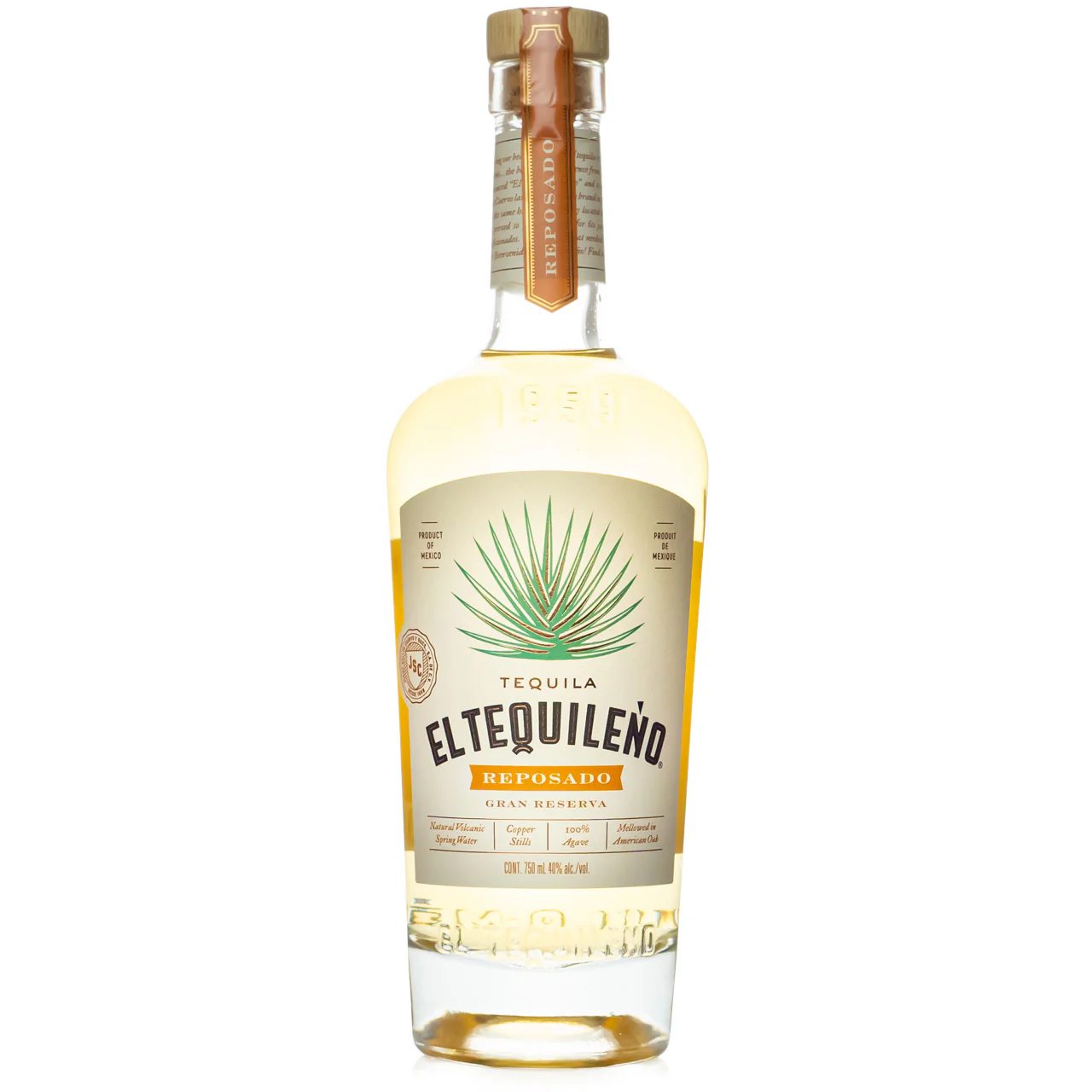
Produced at NOM 1108 in the town of Tequila, Jalisco — the birthplace of Mexico's most famous spirit — by the Salles family, who have been making tequila in the same place, with the same recipe, since Don Jorge Salles Cuervo founded the distillery in 1959. Now in its third generation under master distiller Tony Salles, El Tequileño has never wavered from its original vision: traditional craft production using highland estate-grown agave, volcanic spring water from the Volcán de Tequila, and copper pot stills that have been in continuous use for over six decades. — where El Tequileño Reposado Gran Reserva is the proving ground for single-estate, family-driven tequila production. In an industry where celebrity-branded bottles and corporate acquisitions dominate shelf space, the Salles family has spent sixty-five years proving that one distillery, one recipe, and three generations of accumulated wisdom can produce something no marketing budget can replicate. The Gran Reserva's secret is its blend of reposado and añejo, creating a complexity that belies its approachable price. This is tequila with a lineage you can taste.
Classification: Tequila Reposado (100% Agave)
Company: Destiladora Tequileña (Salles Family)
Distillery: Destiladora Tequileña, NOM 1108, Tequila, Jalisco
Proof: 80 Proof (40% ABV)
Age: 8+ months in American oak, blended with 18-month Añejo
Agave: 100% Blue Weber Agave, estate-grown in Los Altos (highlands)
Production: Autoclave-cooked agave, open fermentation, copper pot still distillation, volcanic spring water
Color: Warm straw gold with honeyed highlights
MSRP: $40–$50
Nose: Honey and brléed sugar lead, followed by warm grass, cooked agave, red apple, and a delicate oak sweetness. There is a pleasant yeastiness beneath — bread dough, almost — that speaks to the open fermentation.
Palate: Creamy and caramelized agave at the center, with raw cocoa, vanilla, a slight florality, and light oak spice that arrives gradually. The blend of reposado and añejo creates a layered texture that is richer than most reposados without crossing into heavy oak territory.
Finish: Soft and silky, with lingering honey, a gentle warmth, and the faintest trace of chocolate and vanilla that invites another sip.
Cocktail — The Proving Paloma: 2 oz El Tequileño Reposado Gran Reserva, 1 oz fresh grapefruit juice, 0.5 oz fresh lime juice, 0.25 oz agave nectar, top with grapefruit soda. Build in a salt-rimmed Collins glass over ice. Garnish with a grapefruit wedge. The reposado's caramel and honey notes elevate the citrus.
Pair with: Slow-roasted carnitas with salsa verde and pickled red onion, where the tequila's cooked agave and oak sweetness mirror the caramelized pork.
Awards: 95 Points, Tasting Panel Magazine; Gold Medal, SIP Awards
GIN Malfy Con Limone
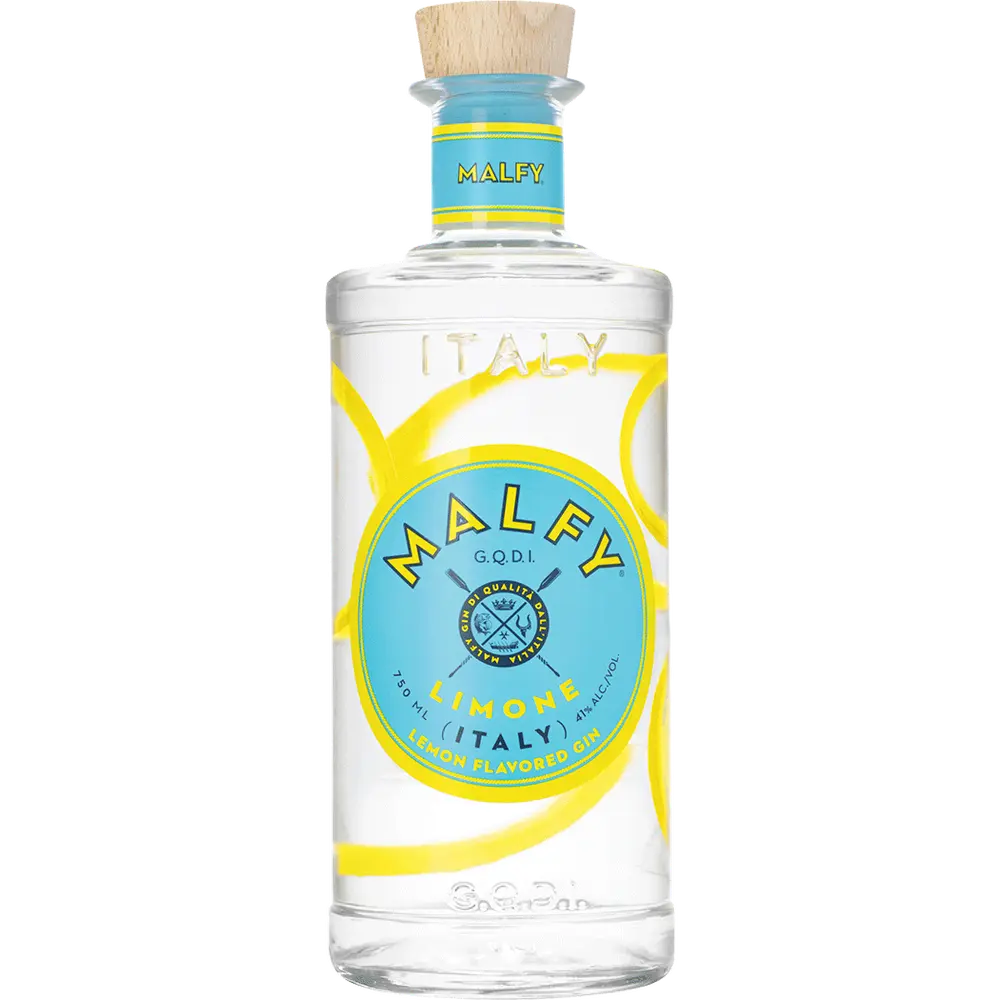
Crafted in Moncalieri, near Turin, in northern Italy — a country not traditionally associated with gin. Malfy proved that gin could speak with an Italian accent by building its identity around sfusato lemons from the Amalfi Coast, arguably the most aromatic citrus in the world. The result is a gin that challenged the London Dry orthodoxy and demonstrated that Mediterranean botanicals could define a category long dominated by British juniper traditions. — where Malfy Con Limone is the proving ground for Italian gin as a category. When Torino Distillati released it, the idea that Italy — a country defined by wine, amaro, and grappa — could produce a world-class gin built around Amalfi lemons seemed audacious. It proved not only possible but wildly successful, opening the door for an entire generation of Mediterranean-inspired gins. The vacuum distillation preserves the sfusato lemon's delicate oils with remarkable fidelity, and the result is a gin that tastes like the Amalfi Coast smells. At under thirty-five dollars, it has nothing left to prove.
Classification: Italian Flavored Gin
Company: Biggar and Leith (Pernod Ricard)
Distillery: Torino Distillati, Moncalieri, Italy
Proof: 82 Proof (41% ABV)
Botanicals: Juniper, Amalfi Coast sfusato lemons, coriander, cassia bark, orris root, angelica, anise
Distillation: Vacuum distillation to preserve delicate citrus oils
Base: Italian grain spirit
Color: Crystal clear
MSRP: $25–$32
Nose: Bright Amalfi lemon bursts from the glass immediately, followed by juniper, fresh coriander, and a soft floral undertone of orris root. The citrus is vivid and natural — sun-warmed lemon peel rather than synthetic extract — with a faint grapefruit bitterness at the edges.
Palate: Lemon-forward but balanced, with juniper providing a resinous backbone that keeps the citrus from becoming one-dimensional. Coriander adds a peppery warmth, and grapefruit emerges mid-palate with a pleasant bitterness. The texture is clean and bright, with a slightly oily mouthfeel that speaks to the quality of the distillation.
Finish: Crisp and refreshing, with lingering lemon zest, a gentle juniper fade, and a clean, dry close that invites another sip.
Cocktail — The Amalfi Spritz: 2 oz Malfy Con Limone, 1 oz Aperol, 0.75 oz fresh lemon juice, top with prosecco. Build in a wine glass over ice. Garnish with a lemon wheel and a sprig of basil. The gin's bright citrus lifts the Aperol's bittersweet warmth into something effervescent and Mediterranean.
Pair with: Grilled branzino with lemon, capers, and herbs, where the gin's Amalfi citrus and juniper backbone complement the delicate, briny fish.
Awards: Gold, San Francisco World Spirits Competition; Silver Outstanding, International Wine & Spirit Competition
RUM Zafra Master Reserve 21 Year Old
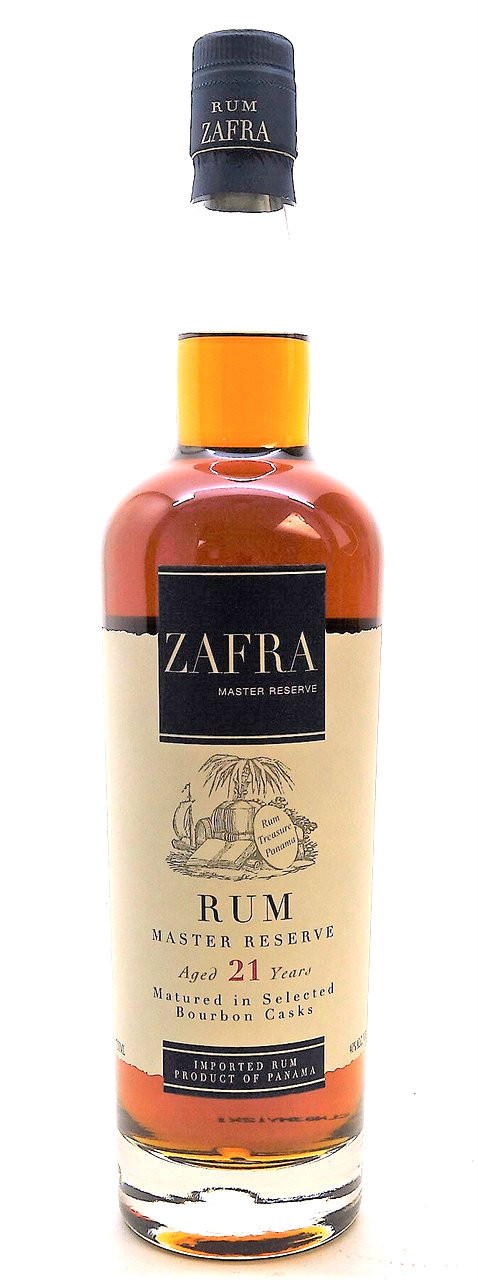
Distilled in Panama at the Las Cabras Distillery and aged for twenty-one years under the supervision of Francisco 'Don Pancho' Fernandez — a Cuban-born master blender who spent decades at Cuba's legendary rum houses before his departure from Cuba brought him to Central America. Don Pancho's journey from Havana to Panama is itself a proving ground: he carried an entire tradition with him and rebuilt it in a new country, demonstrating that mastery transcends borders. — where Zafra Master Reserve 21 is the proving ground for Panamanian rum as a serious category and for Don Pancho Fernandez as one of the great spirits minds of his generation. Exiled from Cuba, Fernandez rebuilt his craft in Panama and proved that two decades of patient bourbon-barrel aging under tropical heat could produce a rum of extraordinary depth and sophistication. At its price point — often under fifty dollars for a twenty-one-year-old spirit — Zafra remains one of the most remarkable values in aged spirits. It is proof that mastery, once earned, cannot be taken away.
Classification: Aged Panama Rum
Company: Las Cabras S.A. / Don Pancho Origenes
Distillery: Las Cabras Distillery, Herrera Province, Panama
Proof: 80 Proof (40% ABV)
Age: 21 Years
Base: Molasses
Distillation: Column distilled, aged in ex-bourbon barrels
Color: Deep mahogany with amber reflections
MSRP: $40–$55
Nose: Rich toffee and crème brlée lead, with sweet cinnamon pastry, dried cherries, and a deep oak warmth. There is an elegance to the aged wood notes — more polished library than sawmill — with vanilla and raisin appearing as the rum opens in the glass.
Palate: Silky and full, with plump raisins and dried sultanas coated in Demerara sugar. Cinnamon and nutmeg dust the mid-palate, while sticky dates drenched in toffee provide the richest layer. A gentle vanilla thread runs throughout, keeping the sweetness grounded and the complexity approachable.
Finish: Long and warming, with spice and toasty oak that linger impressively, a caramel sweetness that refuses to fade, and a dry oak note at the very end.
Cocktail — The Don Pancho Old Fashioned: 2 oz Zafra 21, 0.25 oz demerara syrup, 2 dashes Angostura bitters, 1 dash orange bitters. Stir over a large ice cube in a rocks glass. Express an orange peel and drop it in. The rum's toffee and spice complexity transforms the Old Fashioned into something profoundly layered.
Pair with: Dark chocolate lava cake with sea salt, where the rum's toffee, dried fruit, and vanilla mirror the dessert's bittersweet richness.
Awards: Gold Medal, Ministry of Rum; 93 Points, Wine Enthusiast
RED WINE Clos Mogador Priorat 2019
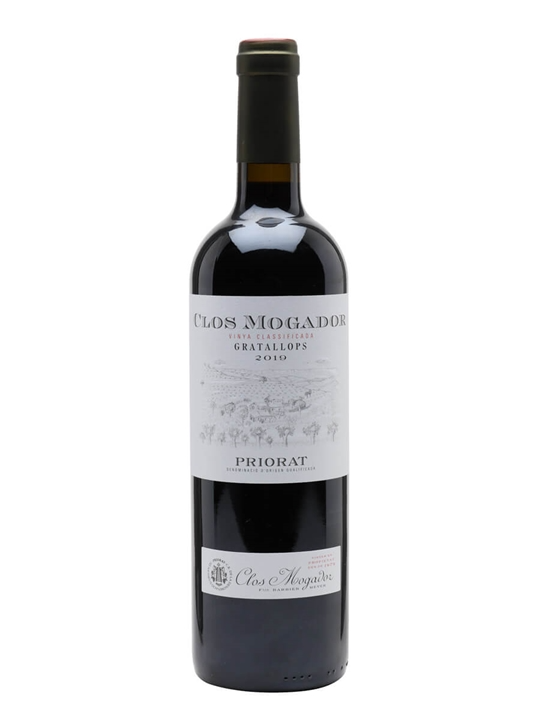
Estate-grown and bottled in Gratallops, in the DOQ Priorat region of Catalonia, Spain — a landscape of steep, terraced hillsides covered in llicorella, the black slate and quartz soil that gives Priorat wines their unmistakable mineral intensity. In 1979, René Barbier III arrived in these abandoned terraces and saw what no one else did: the potential for one of Spain's greatest wines. His Clos Mogador, first released in 1989, proved that a forgotten region of crumbling stone walls and wild scrub could produce wine of extraordinary power and finesse. — where Clos Mogador 2019 is the proving ground for an entire wine region. When René Barbier III planted vines on these abandoned Catalan terraces in 1979, Priorat was a ghost — its ancient vineyards reclaimed by scrub and silence. Barbier proved that the llicorella slate, the punishing altitude, and the Mediterranean heat were not obstacles but ingredients, and Clos Mogador became one of the five founding wines that transformed Priorat from obscurity into one of Spain's two DOQ-classified regions. The 2019 vintage is everything Priorat promises: power tempered by minerality, concentration balanced by freshness, and a finish that won't let you forget where it came from.
Classification: DOQ Priorat
Company: Clos Mogador (Barbier Family)
Winery: Clos Mogador, Gratallops, Catalonia
ABV: 15% ABV
Primary Varietal: Grenache (Garnacha)
Blend: 49% Grenache, 29% Carignan, 12% Syrah, 10% Cabernet Sauvignon
Vineyards: Estate vineyards in Gratallops, DOQ Priorat; llicorella (slate and quartz) soils at elevation; biodynamic farming
Maturation: Aged in a combination of French oak barrels (various sizes) for approximately 15 months
Color: Opaque black-purple with violet rim
MSRP: $90–$120
Nose: Intense and complex — ripe dark cherry, crushed blackcurrant, wild thyme, and violet open into layers of toasted spice, dark chocolate, and a distinctive mineral smokiness that rises from the llicorella slate. There is a Mediterranean warmth — dried herbs, sun-baked earth — that grounds the fruit.
Palate: Massive yet disciplined, with concentrated red and black fruit wrapped in velvety tannins. Crystallized cherry, black pepper, coffee, and fennel weave through a full body that remains remarkably fresh, lifted by a powerful acidity that gives the wine its famous precision. The slate minerality is persistent, running beneath every layer.
Finish: Extraordinarily long, with mineral tones, dark fruit, cedar, and a lingering spice that builds rather than fades. The finish alone could justify the price.
Cocktail — The Priorat Sangria (serves 4): 1 bottle Clos Mogador 2019, 2 oz brandy, 1 oz orange liqueur, 2 oz fresh orange juice, sliced stone fruits and citrus. Combine in a pitcher and refrigerate for 4 hours. Serve over ice. A luxurious take on sangria that honors the wine's dark fruit and spice.
Pair with: Slow-braised lamb shoulder with rosemary, roasted garlic, and a red wine reduction, where the wine's concentration and herbal complexity meet their perfect counterpart.
Awards: 96 Points, Robert Parker's Wine Advocate; 97 Points, James Suckling
WHITE WINE Chteau Montelena Chardonnay Napa Valley 2022
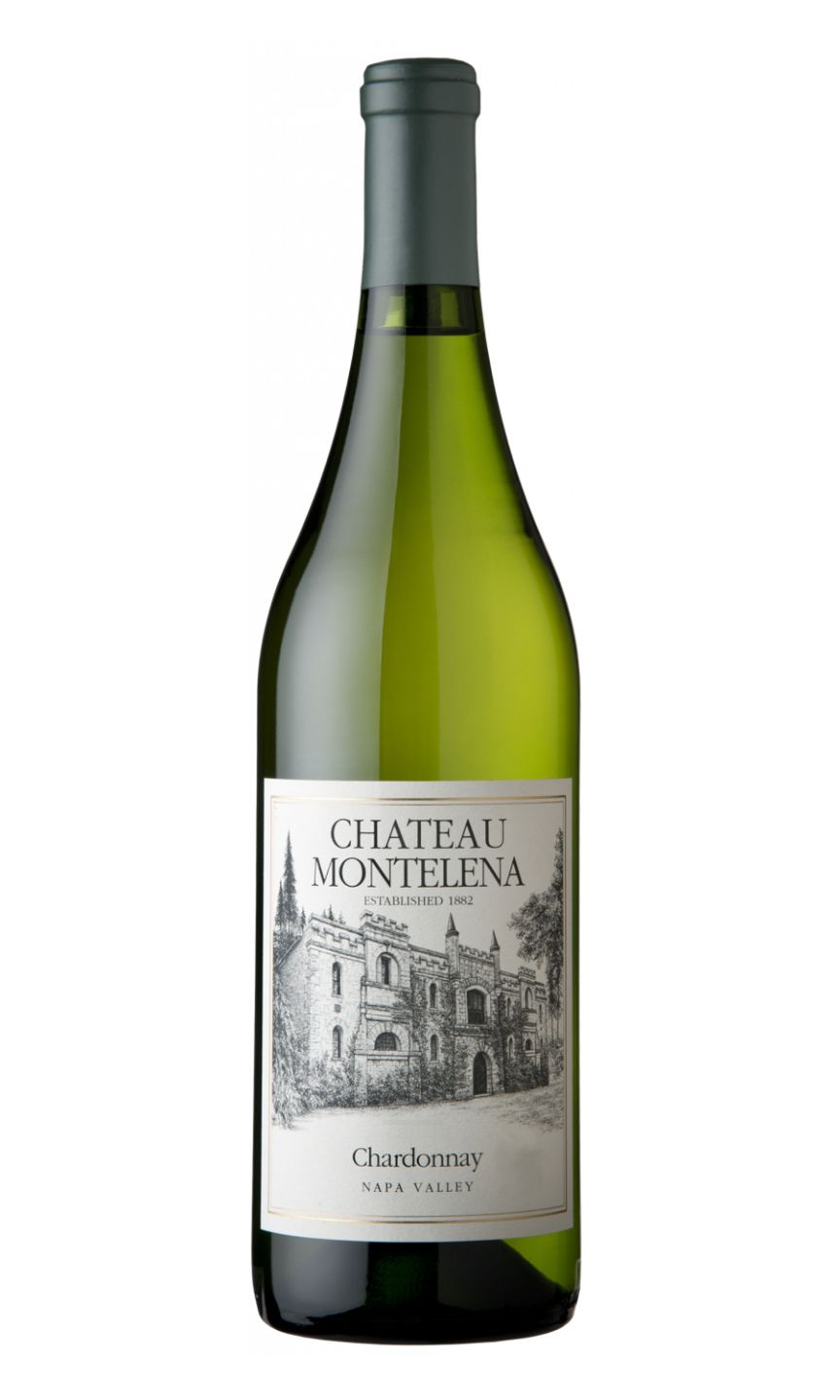
Estate-bottled in Calistoga, at the northern end of the Napa Valley, at the foot of Mount Saint Helena — where the winery has stood since 1882. But the proving ground moment came in 1976, when Chteau Montelena's 1973 Chardonnay defeated France's finest white Burgundies in the famous Judgment of Paris blind tasting, an event that reshaped the wine world overnight. A bottle of that vintage now resides in the Smithsonian. Fifty years later, Montelena still makes Chardonnay the way it always has: with restraint, precision, and the quiet confidence of a house with nothing left to prove. — where Chteau Montelena Chardonnay 2022 is the proving ground that changed the wine world — and then kept going. The 1976 Judgment of Paris proved that California could rival Burgundy; every vintage since has proved that the result was no accident. Under winemaker Matt Crafton, the 2022 continues Montelena's signature style: restrained, precise, and unapologetically built for purity over power. The blocked malolactic and early picking deliver a Chardonnay of exceptional freshness and focus — a wine that lets the fruit speak rather than the oak. For a house with a Smithsonian bottle to its name, that kind of quiet confidence is the most powerful statement of all.
Classification: Napa Valley Chardonnay
Company: Chteau Montelena Winery (Barrett Family)
Winery: Chteau Montelena Winery, Calistoga, Napa Valley
ABV: 13.5% ABV
Primary Varietal: Chardonnay (100%)
Blend: 100% Chardonnay
Vinification: Early picking; malolactic fermentation blocked to preserve natural acidity; barrel fermented and aged in French oak
Color: Pale gold with green-tinged highlights
MSRP: $70–$80
Nose: Tremendous purity — peach, apricot, and kiwi cascade into fresh-cut flowers, orange blossom, and cantaloupe. There is a precision to the aromatics that speaks to early picking and careful handling, with a mineral freshness that keeps the stone fruit from becoming heavy.
Palate: Vibrant citrus — mandarin, Meyer lemon, lemon verbena — drives the palate, with a texture that is angular and taut in its youth, promising depth as it develops. The blocked malolactic fermentation preserves a razor-sharp acidity that frames the fruit without overwhelming it. Subtle oak adds structure without intruding.
Finish: Long and layered, with d'Anjou pear, baking spice, a touch of peppery ginger, and a mineral freshness that lingers.
Cocktail — The Judgment Spritz: 4 oz Chteau Montelena Chardonnay, 1 oz elderflower liqueur, 2 oz sparkling water, squeeze of fresh lemon. Build in a wine glass over ice. Garnish with a lemon twist and a sprig of thyme. A light, elegant spritz that preserves the wine's delicate aromatics.
Pair with: Butter-poached lobster tail with Meyer lemon beurre blanc, where the wine's citrus precision and mineral freshness cut through the richness.
Awards: 93 Points, Wine Spectator; 92 Points, Jeb Dunnuck
Train Your Nose: Today's Aroma Spotlight
The Proving Ground for Your Palate
Today's proving ground extends to your own palate. The eight bottles above span wheat bourbon, maritime Scotch, triple-distilled Irish malt, highland reposado, Amalfi gin, Panamanian aged rum, Priorat Grenache, and Napa Chardonnay — and each one offers a masterclass in a specific set of aromas. The exercises below will sharpen your ability to identify those aromas using the School of Wine and Spirits Aroma Masterclass Kits.
Comparative Exercise 1 — Caramel Across Categories: Dab Caramel from your Bourbon Kit, your Tequila Kit, and your Rum Kit on three separate strips. Nose them in sequence. The aroma reference is identical, but the context changes everything. In Larceny, Caramel sits alongside wheat and butterscotch. In El Tequileño, it wraps around cooked agave and honey. In Zafra 21, it deepens into toffee and dried fruit. Same aroma, three proving grounds — your task is to notice how context transforms perception.
Comparative Exercise 2 — Honey vs. Vanilla Across Spirits and Wine: Dab Honey and Vanilla from your Scotch Kit and your Wine Kit on four separate strips (two of each). Nose them side by side. Honey is floral, viscous, and warm. Vanilla is rounder, more extract-like, with a creamy quality. Now nose the Glen Scotia 15 — you should find Honey leading and Vanilla supporting. Then nose the Chteau Montelena — Honey appears on the nose as a stone-fruit sweetness, while Vanilla is barely there, replaced by citrus precision. This exercise proves how the same aromas can play lead or supporting roles depending on the liquid.
Today's Kit Reference
| Today's Product | Key Aromas | Train With |
|---|---|---|
| Larceny Small Batch | Caramel, Vanilla, Butterscotch, Wheat, Cherry, Brown Spices | Bourbon Aroma Masterclass Kit |
| Glen Scotia 15 Year Old | Honey, Vanilla, Dried Fruit, Caramel, Woody, Malt | Whisky Aroma Masterclass Kit |
| Knappogue Castle 12 Year Old | Honey, Vanilla, Malt, Peach, Green (Cut Grass) | Whiskey Aroma Masterclass Kit |
| El Tequileño Reposado Gran Reserva | Agave (Cooked), Honey, Vanilla, Caramel, Oak, Chocolate (Dark Chocolate, Cocoa) | Tequila & Mezcal Aroma Masterclass Kit |
| Malfy Con Limone | Lemon, Juniper (Green), Coriander, Grapefruit, Orange | Gin Aroma Masterclass Kit |
| Zafra Master Reserve 21 Year Old | Caramel, Toffee, Vanilla, Oak, Dried Fruit, Spice (Generic) | Rum Aroma Masterclass Kit |
| Clos Mogador Priorat 2019 | Cherry, Blackcurrant, Violet, Cedar, Toasted | Wine Aroma Masterclass Kit |
| Chteau Montelena Chardonnay Napa Valley 2022 | Citrus (Generic), Honey, Vanilla, Melon, Floral (Rose) | Wine Aroma Masterclass Kit |
Explore the School of Wine and Spirits
Today's eight bottles proved themselves in distilleries, vineyards, and blind tastings around the world. Now it's your turn to prove something: that your nose can identify what's in the glass with confidence. The School of Wine and Spirits Aroma Masterclass Kits — available for bourbon, Scotch, Irish whiskey, tequila, gin, rum, and wine — contain the exact reference aromas you've been training with in every issue of The Still & The Vine. Combined with our books on Amazon, they give you the vocabulary and the methodology to move from casual enjoyment to true connoisseurship. The proving ground is yours.
Explore our Aroma Masterclass kits and books at schoolofwineandspirits.com
Explore our Aroma Masterclass kits and books at schoolofwineandspirits.com
Join the School of Wine and Spirits Community
Connect with fellow connoisseurs, share tasting notes, and go deeper into every pour. Sign up at skool.com/schoolofwineandspirits
Sign up at skool.com/schoolofwineandspirits
Our kits make the perfect gift for the curious drinker in your life — because once you learn to identify aromas, you never taste the same way again.
Know someone who would enjoy The Still & The Vine? Forward this issue to a fellow enthusiast — or share it on social media and tag @SchoolofWineandSpirits. We grow by word of mouth.
Until tomorrow's pour — cheers.
Robert R. Mohr, CPA, CGMA, WSET Level 3, WSG Certified Spirits Specialist — author of America's Spirit, Scotland's Spirit, Ireland's Spirit, The Ultimate Northern Italian Wine Journey, The Tequila y Mezcal Revolution, The Definitive Pocket Guide to Chablis, The Definitive Pocket Guide to the Côte d'Or, and Strategic Tuning. Published author of the Aroma Academy Tequila/Mezcal and Distiller's training kits.
The Still & The Vine is a daily publication of the School of Wine and Spirits.
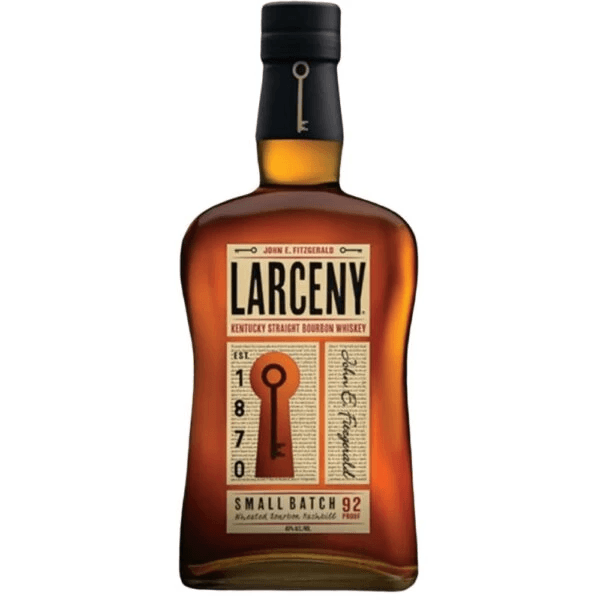
Larceny Small Batch
Heaven Hill Brands
Larceny Small Batch is the proving ground for a simple but powerful proposition: wheat belongs in bourbon. While the industry built its identity around rye's sharp, spicy bite, Heaven Hill quietly perfected a recipe that replaces assertiveness with grace. At 92 proof and under thirty dollars, this is a bourbon that punches above its price with a texture and drinkability that more expensive bottles struggle to match. It is living proof that softness is not weakness — it is a choice, and a confident one. Cocktail — The Fitzgerald Sour: 2 oz Larceny Small Batch, 0.75 oz fresh lemon juice, 0.5 oz honey syrup, 2 dashes Angostura bitters. Shake with ice and strain into a coupe. Garnish with a lemon wheel. The wheat bourbon's natural sweetness marries beautifully with the honey, creating a sour that is all silk.
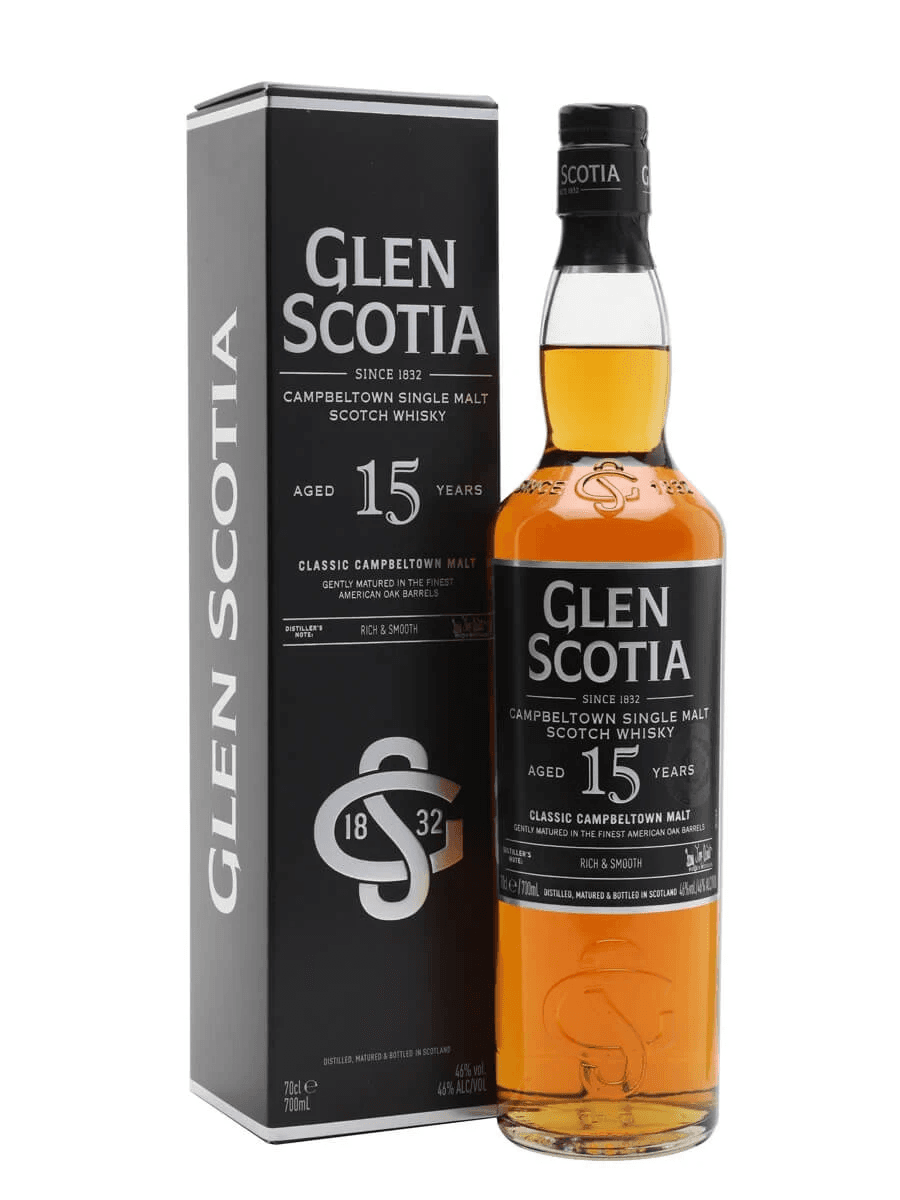
Glen Scotia 15 Year Old
Loch Lomond Group
Glen Scotia 15 is the proving ground for an entire whisky region. Campbeltown's story is one of spectacular decline — from over thirty distilleries to just three — and Glen Scotia has been there through nearly all of it, distilling since 1832. This 15-year-old bottling, presented at a confident 46% ABV without chill filtration, demonstrates exactly what has been worth preserving: a style that is uniquely Campbeltown, maritime and honeyed, with a brininess you simply cannot replicate elsewhere. It is proof that survival is its own kind of excellence. Cocktail — The Campbeltown Mist: 2 oz Glen Scotia 15, 0.5 oz honey syrup, 3 dashes orange bitters. Stir over a large ice cube in a rocks glass. Express a lemon peel over the surface and discard. The honey amplifies the whisky's natural sweetness while the citrus lifts its maritime edges.
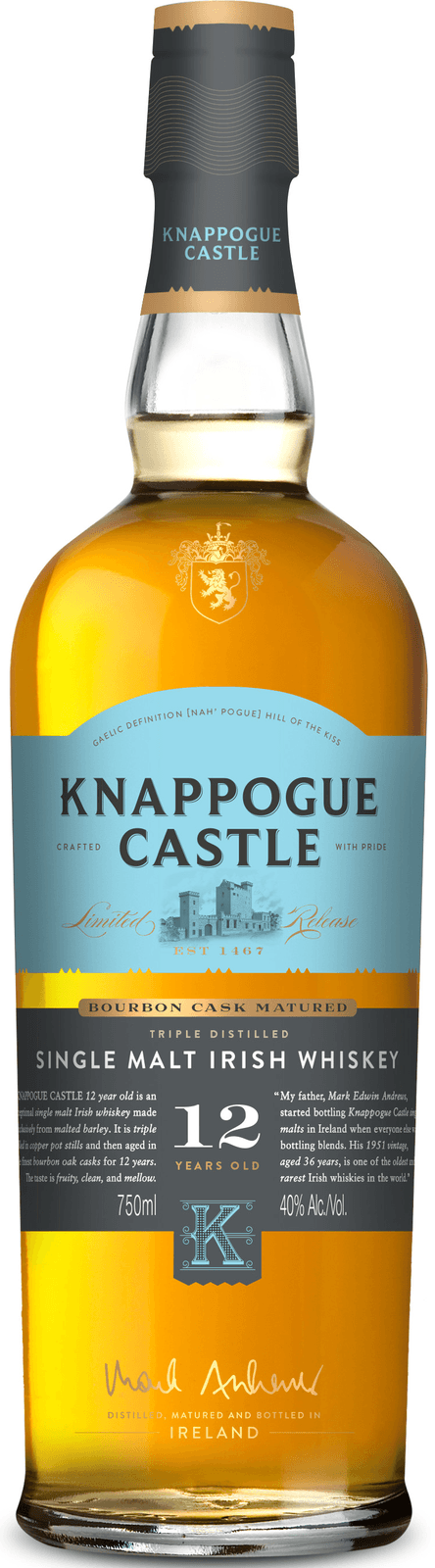
Knappogue Castle 12 Year Old
Cobblestone Brands
Knappogue Castle 12 is the proving ground for Irish single malt itself. When Mark Edwin Andrews began bottling these whiskies in the 1960s, Irish whiskey was synonymous with blends, and the idea that Ireland could produce world-class single malts seemed improbable to most. This 12-year-old, triple-distilled and aged entirely in bourbon oak, demonstrates the quiet power of Irish malt at its most elegant: smooth without being simple, gentle without being hollow. It proved that patience and purity were all Irish whiskey ever needed. Cocktail — The Castle Sour: 2 oz Knappogue Castle 12, 0.75 oz fresh lemon juice, 0.5 oz green apple syrup, 1 egg white. Dry shake, then shake with ice and strain into a coupe. Garnish with a thin apple slice. The whiskey's orchard fruit character shines through the frothy citrus.
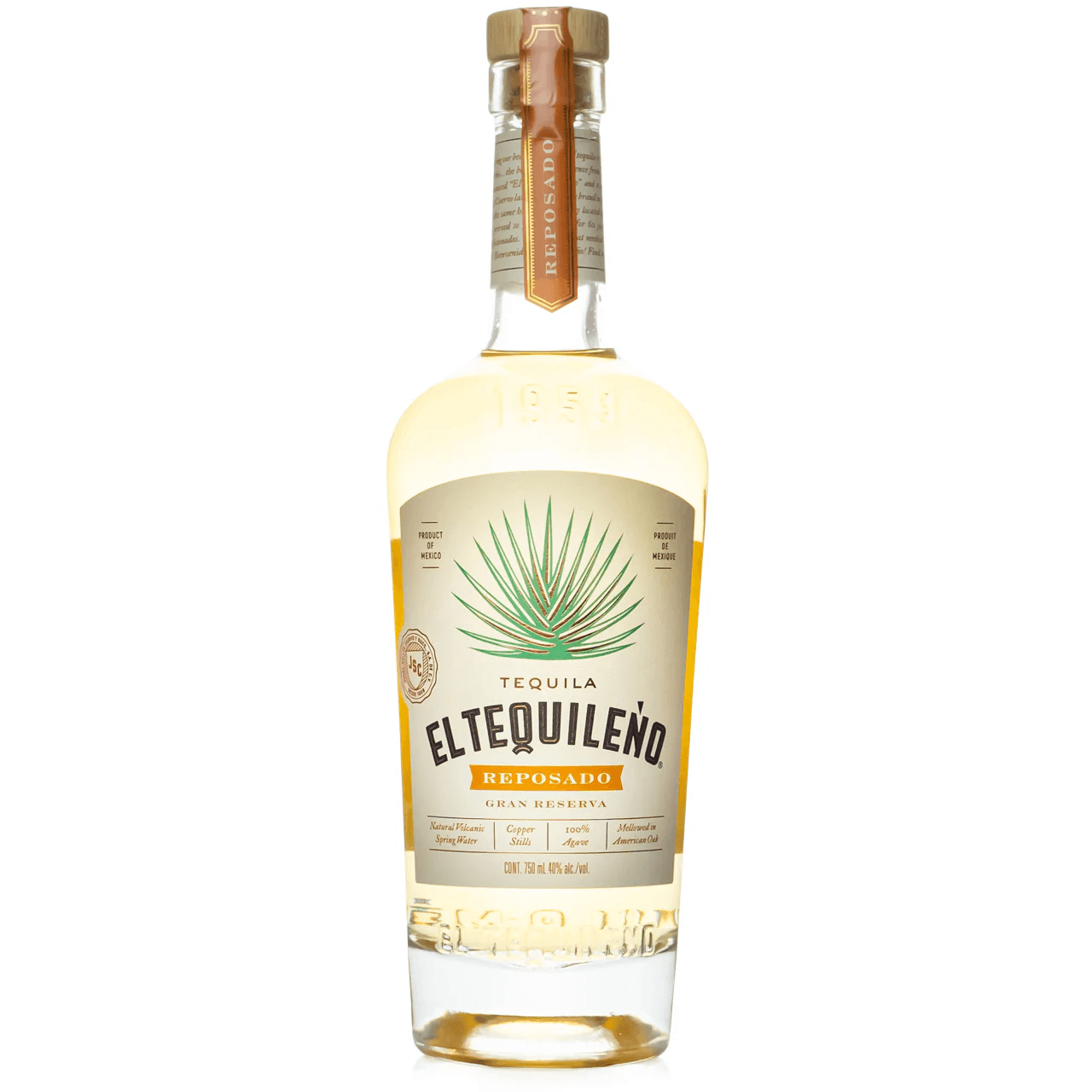
El Tequileno Reposado Gran Reserva
Destiladora Tequileña (Salles Family)
El Tequileño Reposado Gran Reserva is the proving ground for single-estate, family-driven tequila production. In an industry where celebrity-branded bottles and corporate acquisitions dominate shelf space, the Salles family has spent sixty-five years proving that one distillery, one recipe, and three generations of accumulated wisdom can produce something no marketing budget can replicate. The Gran Reserva's secret is its blend of reposado and añejo, creating a complexity that belies its approachable price. This is tequila with a lineage you can taste. Cocktail — The Proving Paloma: 2 oz El Tequileño Reposado Gran Reserva, 1 oz fresh grapefruit juice, 0.5 oz fresh lime juice, 0.25 oz agave nectar, top with grapefruit soda. Build in a salt-rimmed Collins glass over ice. Garnish with a grapefruit wedge. The reposado's caramel and honey notes elevate the citrus.
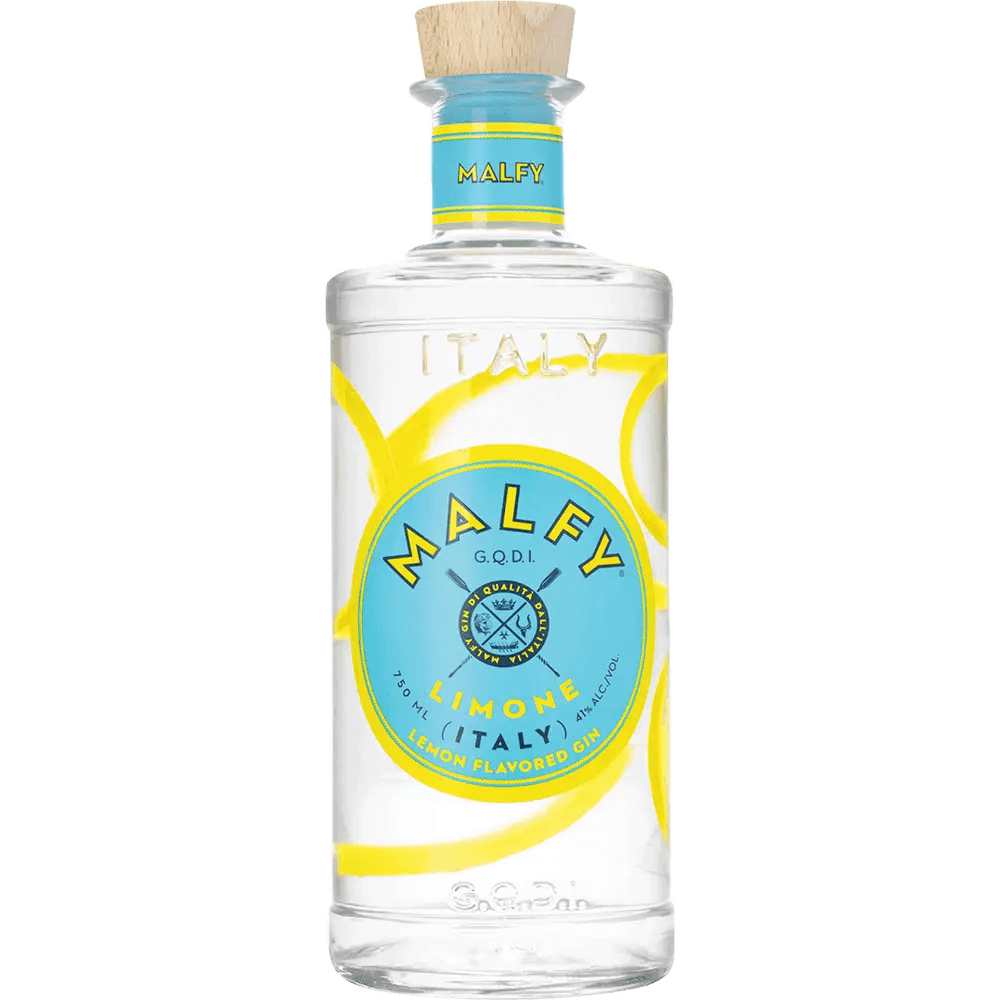
Malfy Con Limone
Biggar and Leith (Pernod Ricard)
Malfy Con Limone is the proving ground for Italian gin as a category. When Torino Distillati released it, the idea that Italy — a country defined by wine, amaro, and grappa — could produce a world-class gin built around Amalfi lemons seemed audacious. It proved not only possible but wildly successful, opening the door for an entire generation of Mediterranean-inspired gins. The vacuum distillation preserves the sfusato lemon's delicate oils with remarkable fidelity, and the result is a gin that tastes like the Amalfi Coast smells. At under thirty-five dollars, it has nothing left to prove. Cocktail — The Amalfi Spritz: 2 oz Malfy Con Limone, 1 oz Aperol, 0.75 oz fresh lemon juice, top with prosecco. Build in a wine glass over ice. Garnish with a lemon wheel and a sprig of basil. The gin's bright citrus lifts the Aperol's bittersweet warmth into something effervescent and Mediterranean.
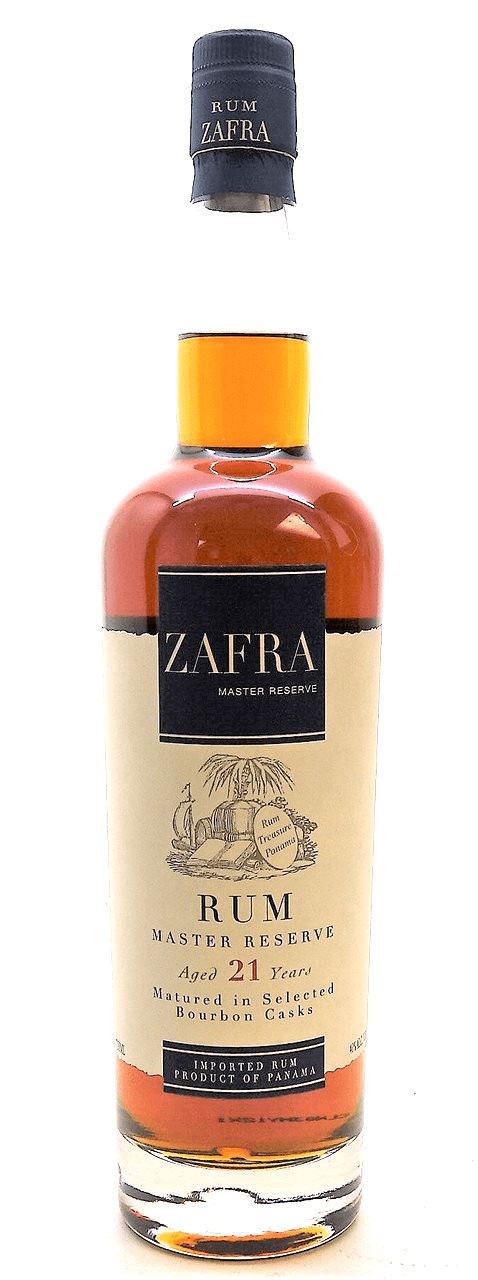
Zafra Master Reserve 21 Year Old
Las Cabras S.A. / Don Pancho Origenes
Zafra Master Reserve 21 is the proving ground for Panamanian rum as a serious category and for Don Pancho Fernandez as one of the great spirits minds of his generation. Exiled from Cuba, Fernandez rebuilt his craft in Panama and proved that two decades of patient bourbon-barrel aging under tropical heat could produce a rum of extraordinary depth and sophistication. At its price point — often under fifty dollars for a twenty-one-year-old spirit — Zafra remains one of the most remarkable values in aged spirits. It is proof that mastery, once earned, cannot be taken away. Cocktail — The Don Pancho Old Fashioned: 2 oz Zafra 21, 0.25 oz demerara syrup, 2 dashes Angostura bitters, 1 dash orange bitters. Stir over a large ice cube in a rocks glass. Express an orange peel and drop it in. The rum's toffee and spice complexity transforms the Old Fashioned into something profoundly layered.
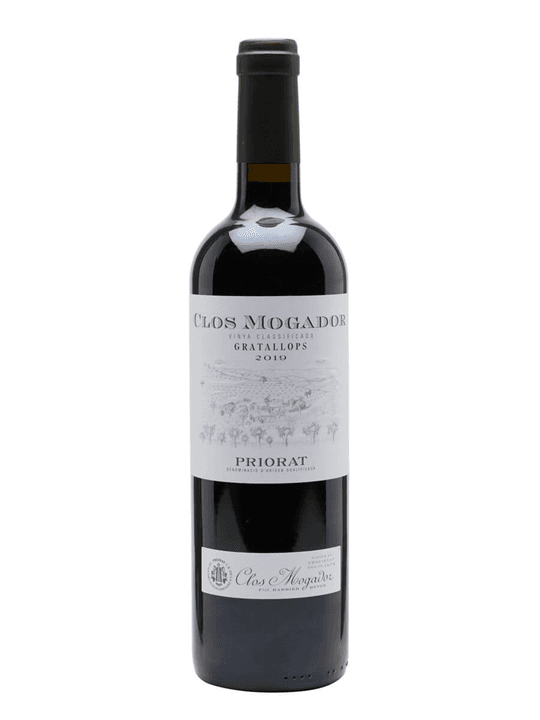
Clos Mogador Priorat 2019
Clos Mogador (Barbier Family)
Clos Mogador 2019 is the proving ground for an entire wine region. When René Barbier III planted vines on these abandoned Catalan terraces in 1979, Priorat was a ghost — its ancient vineyards reclaimed by scrub and silence. Barbier proved that the llicorella slate, the punishing altitude, and the Mediterranean heat were not obstacles but ingredients, and Clos Mogador became one of the five founding wines that transformed Priorat from obscurity into one of Spain's two DOQ-classified regions. The 2019 vintage is everything Priorat promises: power tempered by minerality, concentration balanced by freshness, and a finish that won't let you forget where it came from. Cocktail — The Priorat Sangria (serves 4): 1 bottle Clos Mogador 2019, 2 oz brandy, 1 oz orange liqueur, 2 oz fresh orange juice, sliced stone fruits and citrus. Combine in a pitcher and refrigerate for 4 hours. Serve over ice. A luxurious take on sangria that honors the wine's dark fruit and spice.
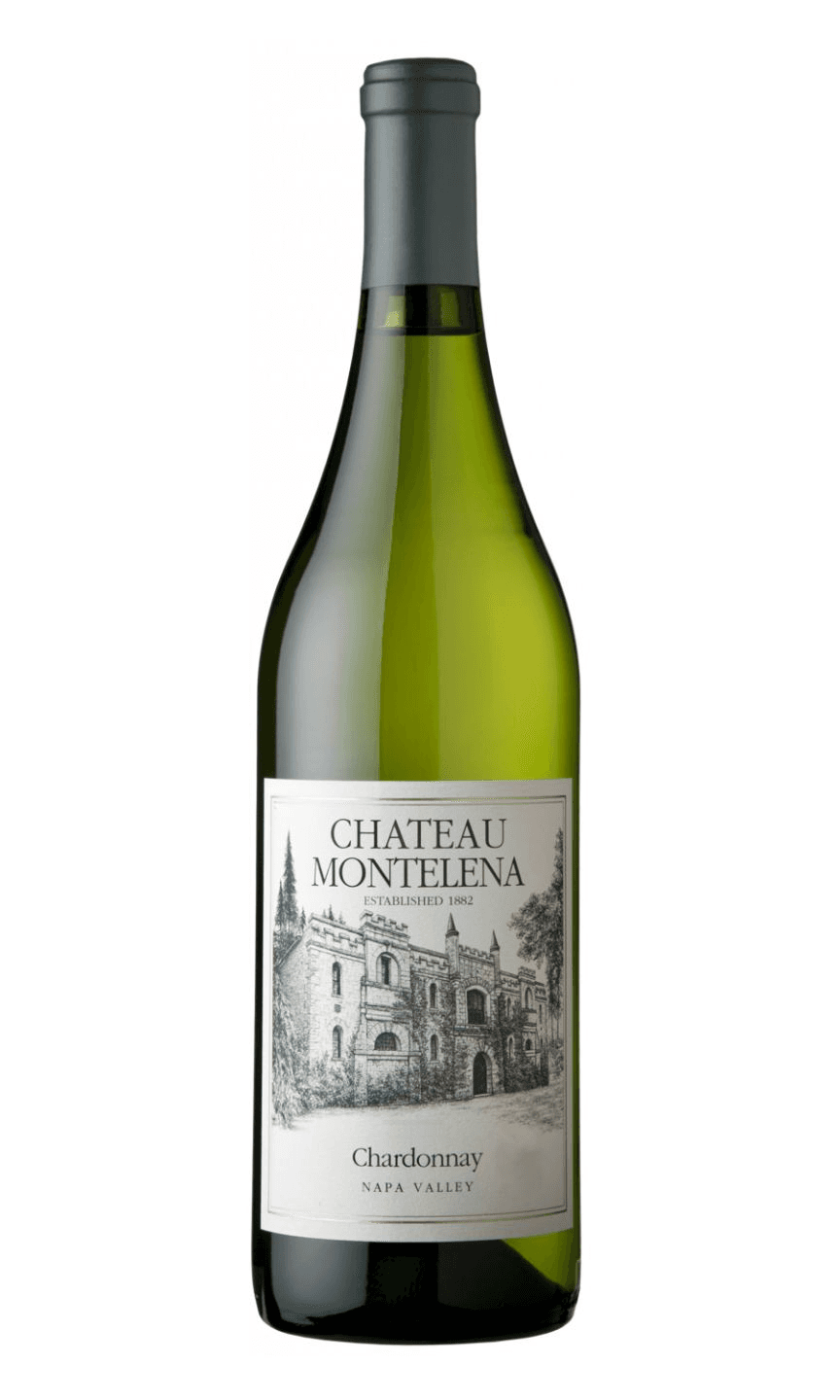
Château Montelena Chardonnay Napa Valley 2022
Château Montelena Winery (Barrett Family)
Château Montelena Chardonnay 2022 is the proving ground that changed the wine world — and then kept going. The 1976 Judgment of Paris proved that California could rival Burgundy; every vintage since has proved that the result was no accident. Under winemaker Matt Crafton, the 2022 continues Montelena's signature style: restrained, precise, and unapologetically built for purity over power. The blocked malolactic and early picking deliver a Chardonnay of exceptional freshness and focus — a wine that lets the fruit speak rather than the oak. For a house with a Smithsonian bottle to its name, that kind of quiet confidence is the most powerful statement of all. Cocktail — The Judgment Spritz: 4 oz Château Montelena Chardonnay, 1 oz elderflower liqueur, 2 oz sparkling water, squeeze of fresh lemon. Build in a wine glass over ice. Garnish with a lemon twist and a sprig of thyme. A light, elegant spritz that preserves the wine's delicate aromatics.