Issue 13 · April 8, 2026
Where Worlds Meet
Theme: Crossroads
Every bottle born where two worlds collide — bourbon from Pennsylvania rye country replanted in Kentucky, Scotch finished in French cooperage, tequila rested in Napa Cabernet barrels, and a Spanish estate that planted Bordeaux vines alongside Tempranillo in 1864.
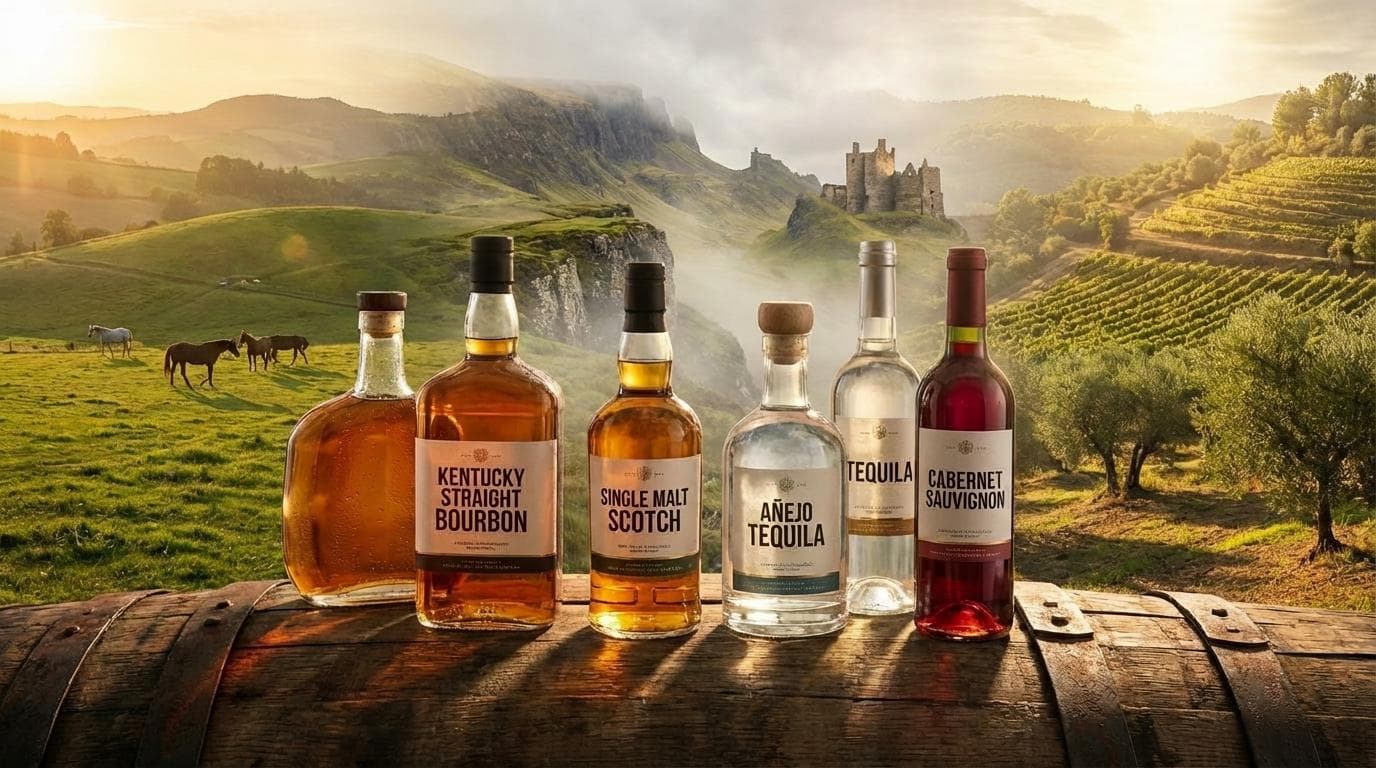

Every bottle in today's issue was born where two worlds collide. A bourbon brand resurrected from Pennsylvania rye country and replanted in Kentucky. A Scotch maker in London who borrowed French cooperage to reinvent Highland malt. A tequila rested in Napa Cabernet barrels. A Spanish estate that planted Bordeaux vines alongside Tempranillo in 1864. These are not compromises — they are crossroads, and the most interesting things in the spirits and wine world happen at crossroads.
Today's eight selections prove that tradition isn't a single lane. It's a map with intersections, and the producers who stand at those intersections — drawing on multiple cultures, multiple techniques, multiple philosophies — create things that no single tradition could produce alone. From Colombian rum aged in a Spanish solera system to a gin distilled from botanicals spanning three continents, today we raise a glass to the places where worlds meet.
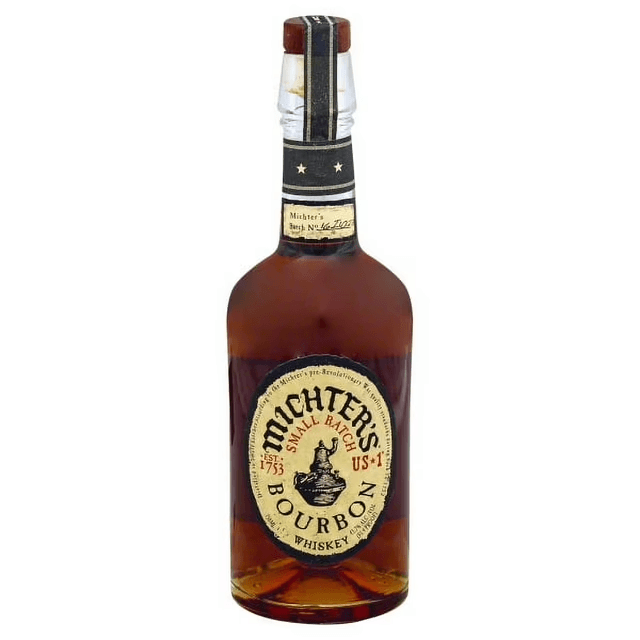
BOURBON Michter's US*1 Small Batch Bourbon
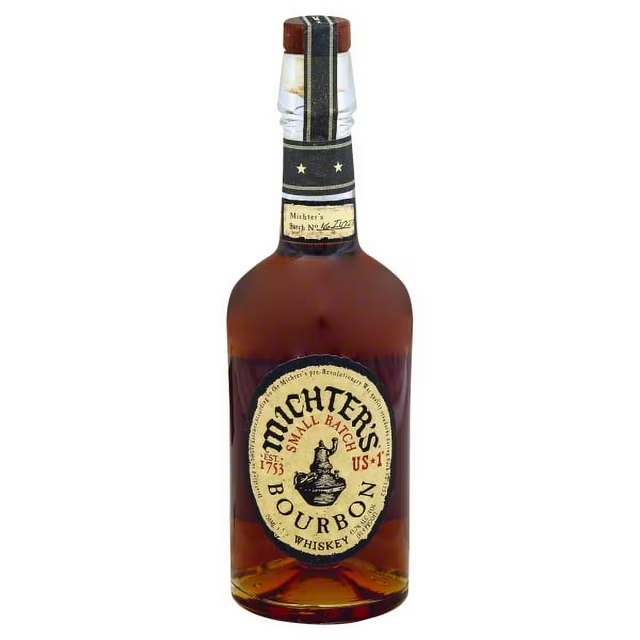
Louisville, Kentucky — where the Michter's name traces back to a 1753 Pennsylvania farm distillery, making it a living bridge between America's colonial whiskey roots and the modern Kentucky bourbon tradition.
Classification: Kentucky Straight Bourbon Whiskey (Small Batch)
Company: Michter's Distillery LLC
Distillery: Michter's Fort Nelson & Shively Distilleries, Louisville, KY
Proof: 91.4 (45.7% ABV)
Age: NAS (estimated 6–8 years, selected by taste, not age)
Mash Bill: Undisclosed (high corn with moderate rye and malted barley)
Color: Deep amber with warm copper highlights
MSRP: $45–$55
Nose: Rich caramel, toasted vanilla, dried cherry, a whisper of brown baking spices, and a warm butterscotch base
Palate: Luxuriously full — toffee and dark stone fruit give way to charred oak, cinnamon bark, and a surprising flash of orange peel
Finish: Long and warm, trailing maple sweetness, toasted grain, and gentle leather
Cocktail — The Crossroads Old Fashioned: 2 oz Michter's US*1 Bourbon · 1 barspoon demerara syrup · 2 dashes Angostura bitters · 1 dash walnut bitters · Orange peel expressed and dropped. Stir with a large ice cube for 30 seconds.
Pair with: Smoked pork belly sliders with apple slaw — the sweet smoke mirrors the bourbon's charred oak while the apple echoes its fruit notes.
Awards: San Francisco World Spirits Competition Double Gold, 2023; Wine Enthusiast 94 Points
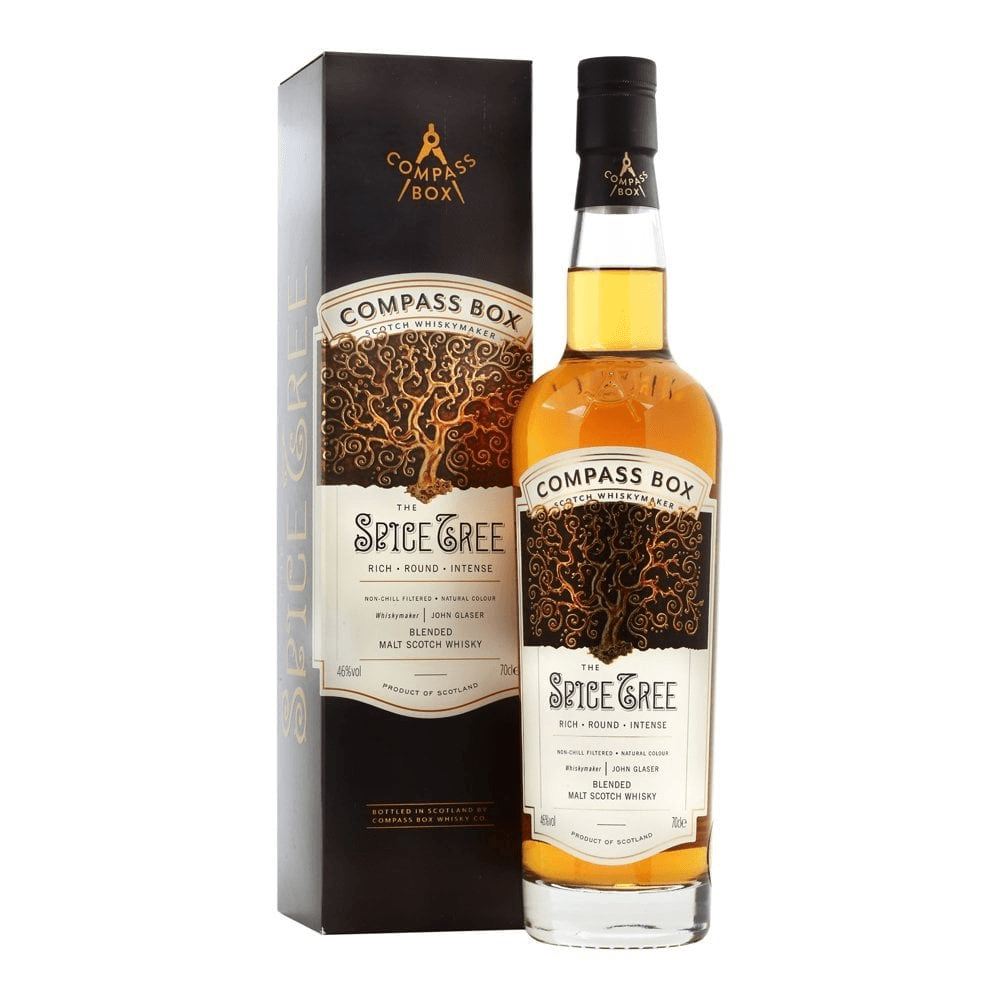
SCOTCH WHISKY Compass Box Spice Tree
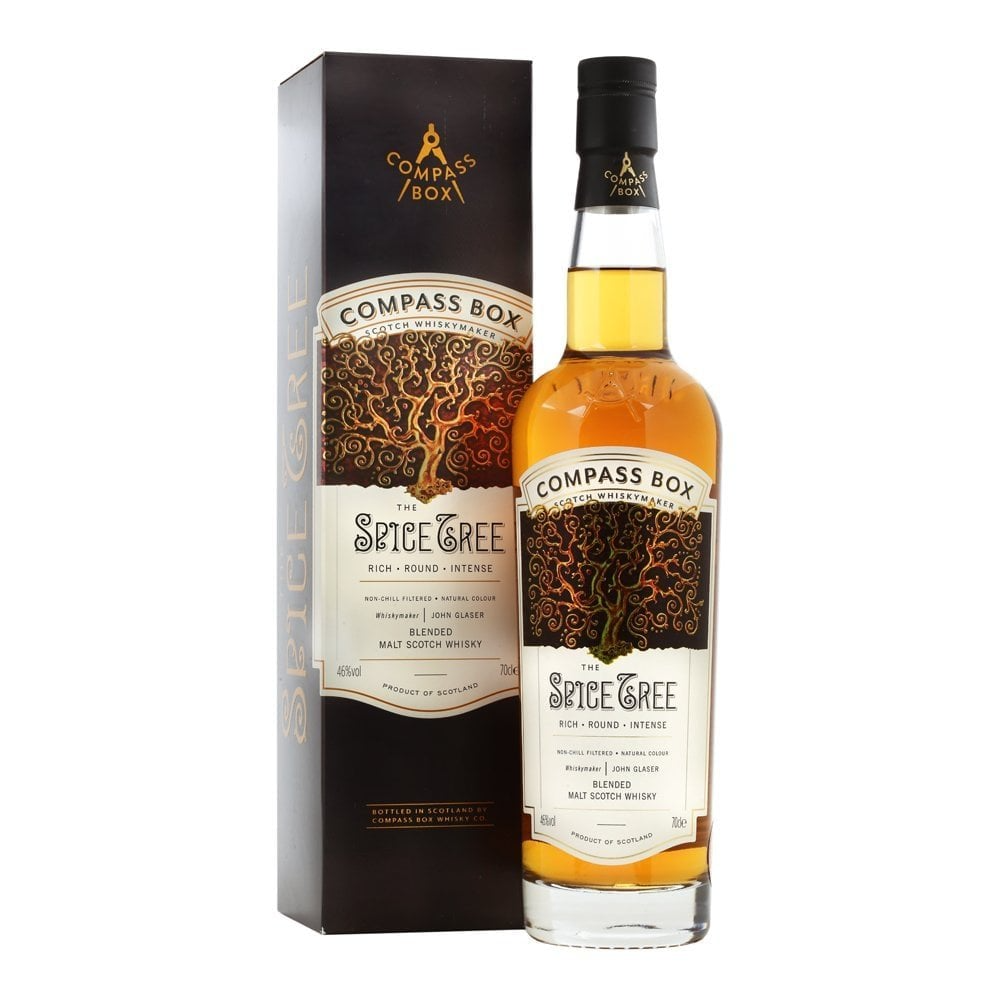
London, England (blended from Highland malts) — where an American-born blender in London uses French oak staves and Scotch whisky to create something neither country would have made alone.
Classification: Blended Malt Scotch Whisky
Company: Compass Box Whisky Company
Distillery: Various Highland distilleries (blended in London)
Proof: 92 (46% ABV)
Age: NAS (blend of malts aged in American and custom French oak)
Mash Bill: 100% Malted Barley (blend of Highland single malts)
Distillation: Pot still distillation at multiple Highland distilleries
Maturation: First matured in American oak casks, then finished with bespoke French oak headboards
Filtered: Non-chill filtered, natural color
Color: Bright gold with amber reflections
MSRP: $55–$70
Nose: Warm clove, toasted oak, vanilla custard, dried apricot, and a subtle honey sweetness
Palate: Rich and spice-driven — cinnamon bark, nutmeg, caramel toffee, a flash of dried fruit, all layered over a creamy malt base
Finish: Medium-long with lingering vanilla, baking spices, and toasted wood
Cocktail — The Spice Route: 2 oz Compass Box Spice Tree · 0.75 oz honey syrup (2:1) · 0.5 oz fresh lemon juice · 2 dashes Angostura bitters. Shake with ice, strain into a coupe, garnish with a lemon twist.
Pair with: Moroccan lamb tagine with dried apricots — the warm spices in both create an aromatic echo chamber.
Awards: International Spirits Challenge Gold, 2023; 91 Points Whisky Advocate
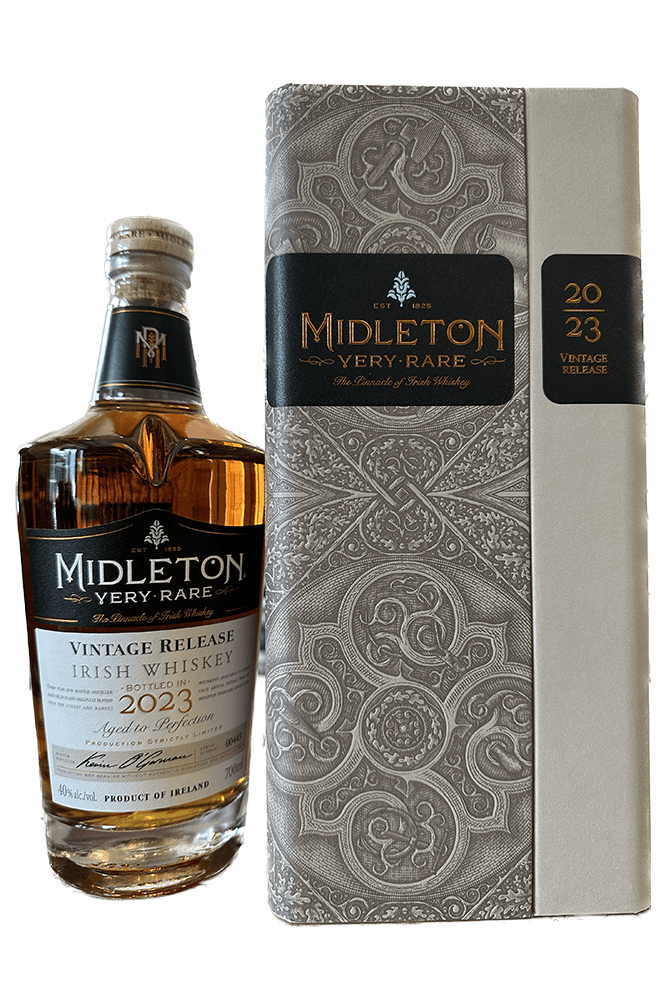
IRISH WHISKEY Midleton Very Rare 2024
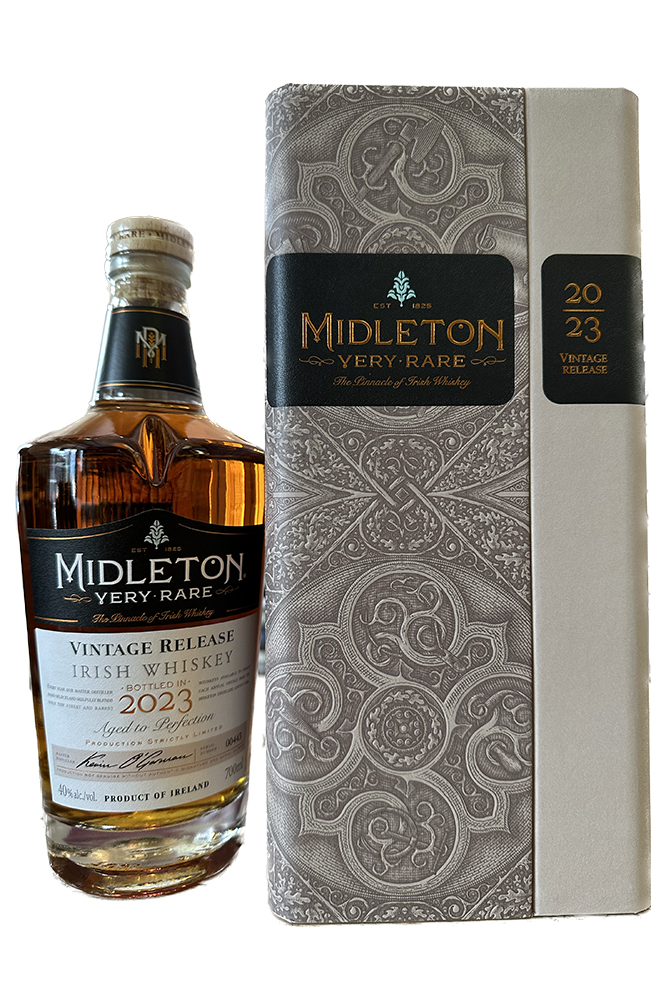
Midleton, County Cork, Ireland — where the largest pot still in the world sits alongside modern column stills, and a master blender selects from both to create Ireland's most prestigious annual release.
Classification: Blended Irish Whiskey (Single Distillery)
Company: Irish Distillers (Pernod Ricard)
Distillery: Midleton Distillery, Midleton, Co. Cork
Proof: 80 (40% ABV)
Age: NAS (blend of pot still and grain whiskeys aged 15–35 years)
Mash Bill: Blend of malted barley, unmalted barley (pot still), and corn/wheat (grain)
Distillation: Triple distilled — pot still and column still components blended
Maturation: Aged in a combination of ex-bourbon barrels and seasoned European oak sherry casks
Color: Rich gold with honeyed edges
MSRP: $180–$220
Nose: Orchard honey, dried apricot, vanilla fudge, gentle oak spice, and a hint of toasted almond
Palate: Silky and layered — honeycomb, ripe peach, vanilla bean, a trace of clove, with the distinctive pot still oiliness balancing the lighter grain whiskey
Finish: Remarkably long and graceful, with lingering honey, toasted wood, and a whisper of dried fruit
Cocktail — The Very Rare Highball: 2 oz Midleton Very Rare · 4 oz chilled Fever-Tree sparkling water · Expressed lemon peel. Build over a tall ice column, stir once gently.
Pair with: Aged Comté cheese and honeycomb — the nutty sweetness of the cheese mirrors the whiskey's almond and honey notes.
Awards: Irish Whiskey Masters Gold, 2024; Jim Murray's Whisky Bible 96 Points (2023 edition)
TEQUILA Código 1530 Rosa
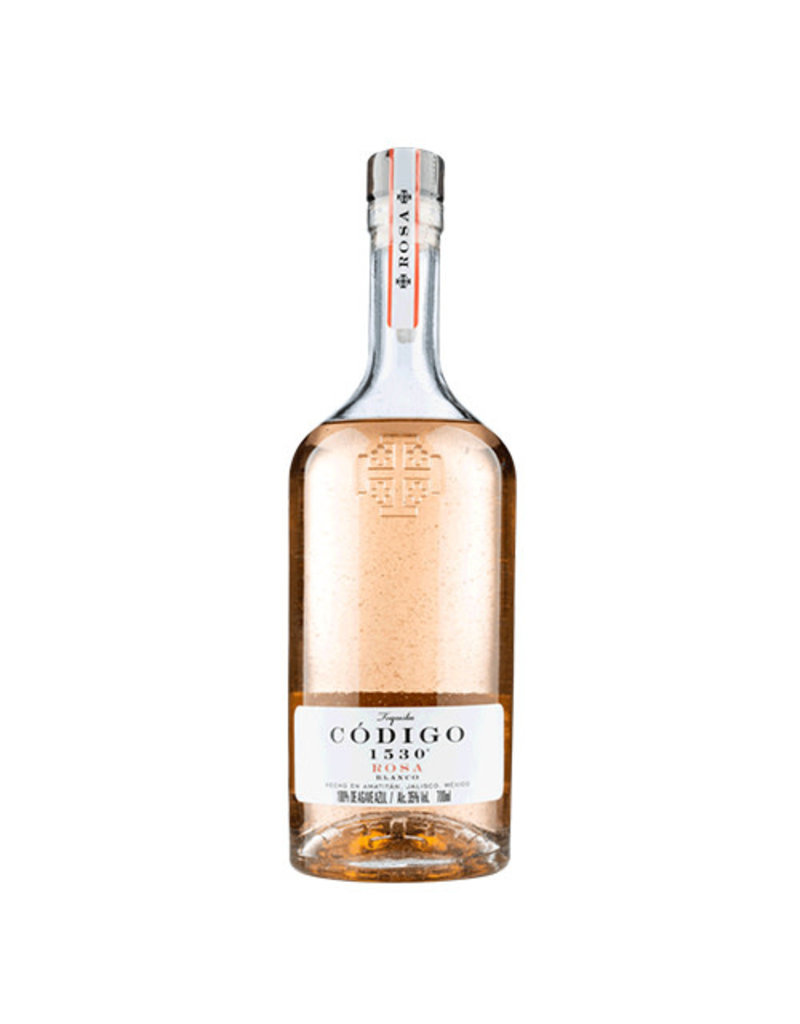
Amatitán, Jalisco, Mexico — where a tequila blanco rests in uncharred Napa Valley Cabernet Sauvignon French oak barrels, creating a rose-tinted spirit that belongs fully to neither the tequila nor wine world.
Classification: Joven (Rosa) Tequila
Company: Código 1530 Tequila
Distillery: Código 1530 Distillery, Amatitán, Jalisco
Proof: 80 (40% ABV)
Age: Rested 1 month in Napa Valley Cabernet French oak barrels
Agave: 100% Blue Weber Agave, Lowland Jalisco (6–8 year maturation)
Production: Slow-roasted in stone ovens, tahona-crushed, naturally fermented, double distilled in copper pot stills, rested in uncharred French oak Cabernet barrels
Color: Pale blush pink with rose-gold highlights
MSRP: $60–$75
Nose: Fresh cooked agave, wild strawberry, vanilla cream, a trace of floral lavender, and gentle oak
Palate: Silky and bright — agave sweetness merges with red berry fruit, soft vanilla, a hint of dark chocolate, and a warm spice finish from the wine barrel
Finish: Clean and medium-length, with lingering berry, vanilla, and a subtle earthy agave note
Cocktail — Rosa Paloma: 2 oz Código 1530 Rosa · 1 oz fresh grapefruit juice · 0.5 oz lime juice · 0.25 oz agave nectar · Grapefruit soda to top. Build in a salt-rimmed highball over ice.
Pair with: Strawberry and goat cheese crostini with balsamic drizzle — the berry notes in both amplify each other while the creamy cheese echoes the tequila's silky body.
Awards: San Francisco World Spirits Competition Double Gold, 2023; Tequila Aficionado Gold Medal
GIN Star of Bombay
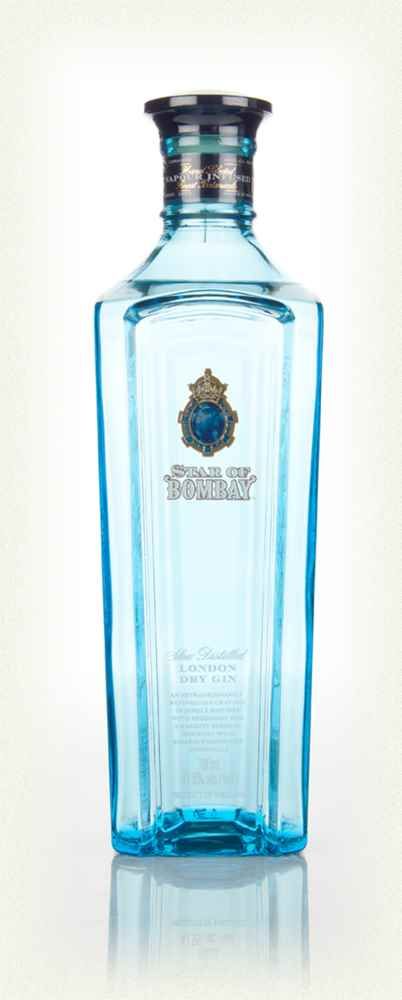
Laverstoke, Hampshire, England — where a recipe born from Britain's colonial spice trade is slow-distilled through a Carter-Head still, marrying English botanical tradition with exotic ingredients from three continents.
Classification: London Dry Gin (Slow-Distilled)
Company: Bacardi Limited
Distillery: Laverstoke Mill Distillery, Hampshire, England
Proof: 95.4 (47.5% ABV)
Botanicals: 12 botanicals including juniper, coriander, angelica root, lemon peel, orris root, cassia bark, bergamot from Calabria, ambrette seeds from Ecuador
Distillation: Slow vapor infusion through Carter-Head still with extended maceration
Base: English grain neutral spirit
Color: Crystal clear with viscous, oily legs
MSRP: $35–$45
Nose: Bright juniper pine, fresh bergamot, warm coriander seed, gentle cassia warmth, and a delicate floral angelica note
Palate: Rich and voluptuous — bold juniper gives way to citrus brightness, peppery spice, a creamy mid-palate from the slow distillation, and an exotic warmth from the ambrette and cassia
Finish: Long for a gin, with lingering juniper, citrus oil, and a warm spice trail
Cocktail — The Star Martini: 2.5 oz Star of Bombay · 0.5 oz Dolin Dry Vermouth · 1 dash orange bitters · Lemon twist. Stir 40 seconds over ice, strain into a frozen coupe.
Pair with: Thai green curry with jasmine rice — the gin's spice complexity stands up to the curry while its citrus brightness cuts through the coconut richness.
Awards: International Wine & Spirit Competition Gold Outstanding, 2023; Gin Masters Gold
RUM Dictador 20 Year Old
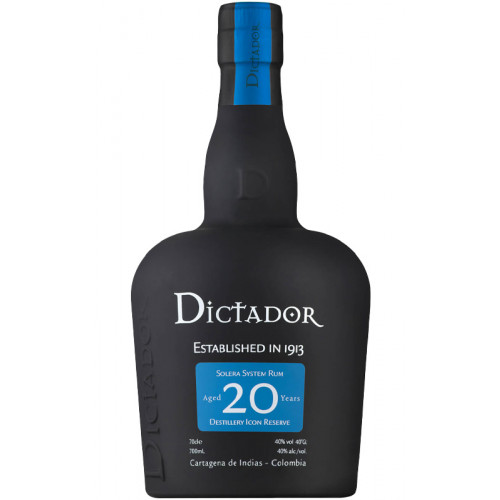
Cartagena de Indias, Colombia — where a South American rum producer uses a solera system borrowed from Spanish sherry bodegas, blending Caribbean sugarcane tradition with Iberian aging philosophy.
Classification: Ultra Premium Aged Rum (Solera System)
Company: Destilería Colombiana S.A.
Distillery: Dictador Distillery, Cartagena de Indias, Colombia
Proof: 80 (40% ABV)
Age: 20-year solera system (blend includes rums aged up to 20 years)
Base: Virgin sugarcane honey (not molasses)
Distillation: Continuous column distillation with copper catalyzation
Color: Deep mahogany with garnet reflections
MSRP: $45–$60
Nose: Espresso, dark chocolate, toffee, roasted nuts, dried fig, and a trace of polished leather
Palate: Dense and velvety — coffee bean, dark cocoa, caramel, dried fruit, and oak tannins provide structure, while a subtle sherry-like oxidative character weaves through the middle
Finish: Extraordinarily long, with lingering coffee, tobacco, dark chocolate, and warm oak
Cocktail — The Colombian Espresso: 1.5 oz Dictador 20 · 1 oz freshly pulled espresso (cooled) · 0.5 oz coffee liqueur · 0.25 oz demerara syrup. Shake hard with ice, double-strain into a chilled coupe, garnish with three coffee beans.
Pair with: Dark chocolate truffles dusted with espresso powder — the rum and the chocolate share so many flavor compounds that they merge into something almost symphonic.
Awards: International Spirits Challenge Gold, 2023; Rum Masters Gold Medal
RED WINE Vega Sicilia nico 2014
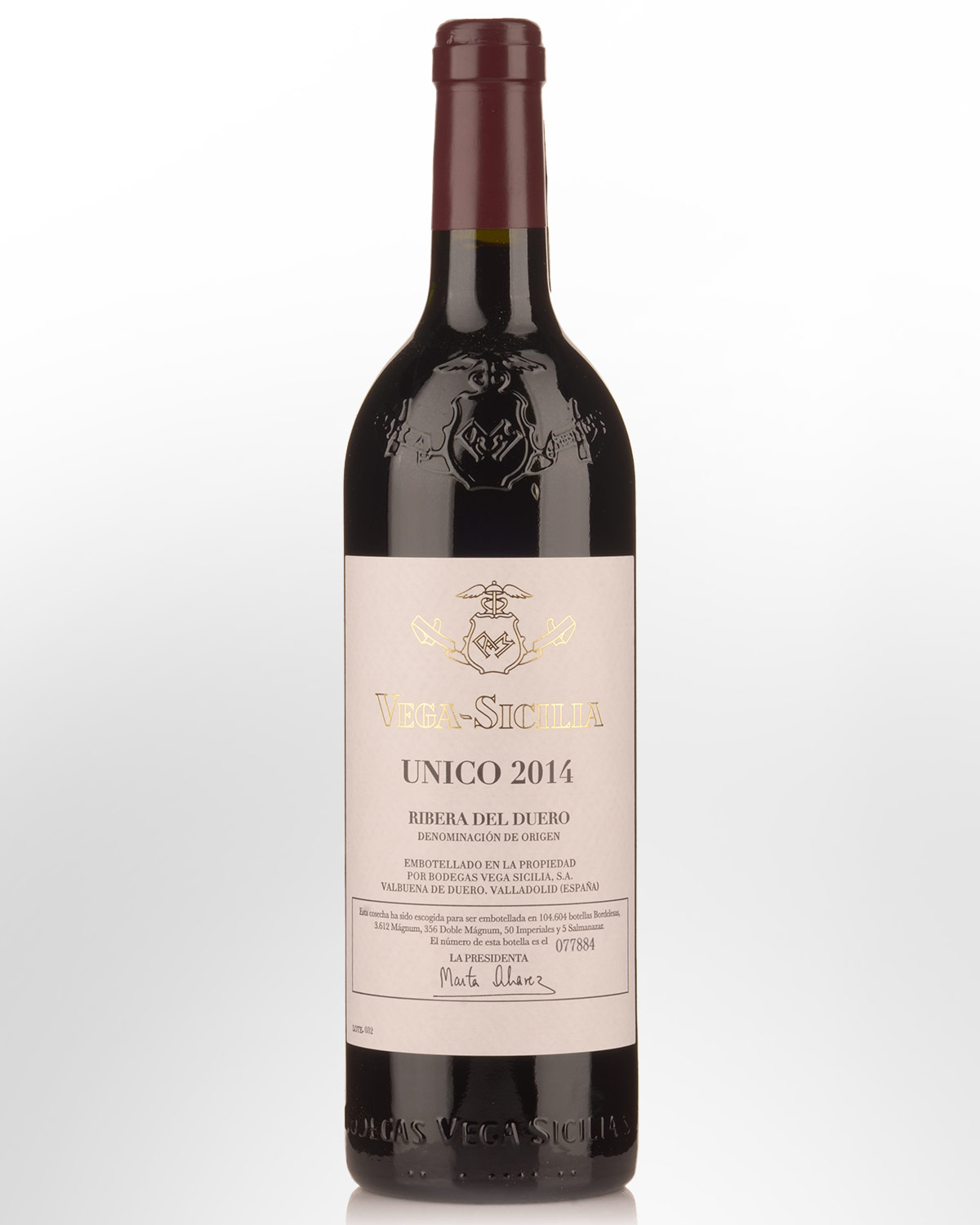
Ribera del Duero, Castilla y León, Spain — where in 1864, founder Don Eloy Lecanda planted French Bordeaux varieties alongside native Tempranillo, creating Spain's first and most celebrated blend of Old World traditions.
Classification: Ribera del Duero DO (Gran Reserva)
Company: Tempos Vega Sicilia
Winery: Bodegas Vega Sicilia, Valbuena de Duero, Spain
ABV: 14.5%
Primary Varietal: Tempranillo (approximately 94%) with Cabernet Sauvignon (6%)
Blend: 94% Tinto Fino (Tempranillo), 6% Cabernet Sauvignon
Vineyards: Estate vineyards along the Duero River at 700–800m elevation on chalky clay soils
Maturation: Approximately 6 years in a combination of new and used French and American oak barrels, followed by extended bottle aging
Color: Deep ruby-garnet with brick-edged meniscus
MSRP: $350–$450
Nose: Black cherry, cedar, dried rose petals, vanilla, graphite, and a distant smokiness
Palate: Majestic and layered — blackcurrant and cherry fruit intertwined with cedar, fine-grained tannins, toasted notes, and an underlying minerality from the limestone soils
Finish: Extraordinarily long and evolving — cedar, cherry, and violet linger for minutes
Cocktail — The Duero Sangria (serves 4): 1 bottle Ribera del Duero (save the nico for sipping) · 2 oz brandy · 1 oz orange liqueur · Sliced stone fruits · Cinnamon stick · Sparkling water to top. Refrigerate 4 hours, serve over ice.
Pair with: Slow-roasted leg of lamb with rosemary and garlic — a classic Castilian match where the wine's structure and the lamb's richness elevate each other.
Awards: Robert Parker Wine Advocate 97 Points (2014 vintage); Decanter 97 Points
WHITE WINE Domaine Weinbach Riesling Grand Cru Schlossberg 2021
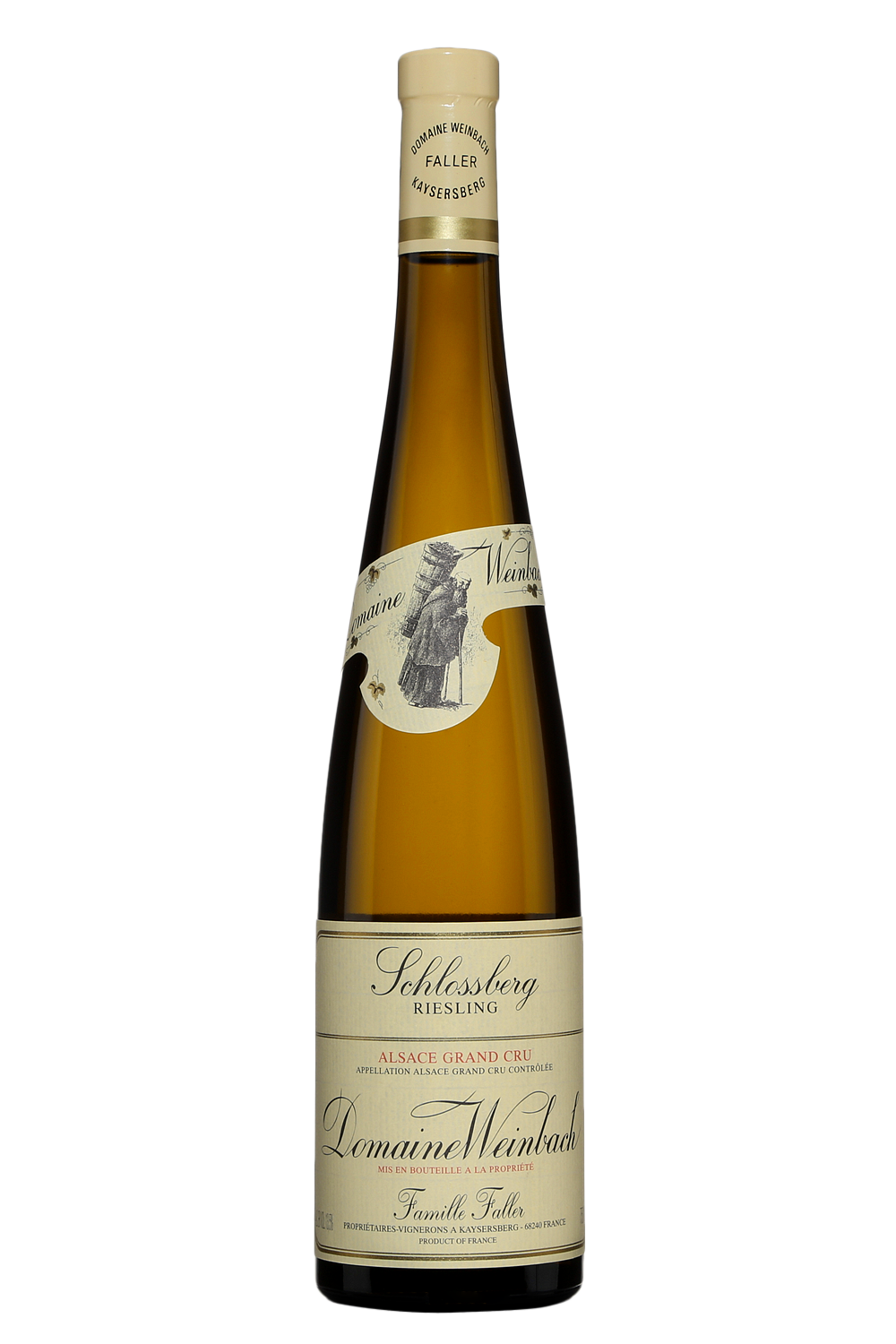
Kaysersberg, Alsace, France — where a vineyard founded by Capuchin monks in 1612 sits on the geological border between Vosges granite and Rhine plain, in a region where French and Germanic winemaking traditions have exchanged ideas for centuries.
Classification: Alsace Grand Cru AOC
Company: Domaine Weinbach (Faller Family)
Winery: Domaine Weinbach, Kaysersberg, Alsace
ABV: 13.5%
Primary Varietal: Riesling (100%)
Blend: 100% Riesling from Grand Cru Schlossberg vineyard
Vinification: Hand-harvested, whole-cluster pressed, fermented in large traditional oak foudres with indigenous yeasts, extended lees contact
Color: Pale gold with green-tinged highlights
MSRP: $55–$75
Nose: White peach, lime zest, crushed granite minerality, honeysuckle, and a faint smoky flint note
Palate: Taut and electric — citrus purity meets stone-fruit depth, with razor-sharp acidity, a saline minerality from the granite soils, and a honeyed richness that builds through the mid-palate
Finish: Incredibly long and focused, with lingering citrus, mineral tension, and a gentle floral echo
Cocktail — The Alsatian Spritz: 3 oz Alsace Riesling · 2 oz elderflower liqueur · Sparkling water to top · Fresh mint sprig. Build in a wine glass over ice.
Pair with: Choucroute garnie (Alsatian sauerkraut with sausages and pork) — the wine's acidity cuts through the richness while its fruit echoes the dish's gentle sweetness.
Awards: Decanter 96 Points; Wine Spectator 94 Points (2021 vintage)
Train Your Nose: Today's Aroma Spotlight
Where Familiar Aromas Cross New Borders
Today's crossroads theme gives your nose a workout in contrasts. You'll train on aromas that bridge categories — vanilla and oak that show up in bourbon, Scotch, tequila, rum, and wine alike, each transformed by its context. The same aroma compound smells different depending on what surrounds it, and today's exercises help you develop that contextual sensitivity.
The Vanilla Crossroads: Pour small samples of the Michter's bourbon, Compass Box Spice Tree, and Código 1530 Rosa side by side. All three feature vanilla prominently, but from different sources — charred American oak, French oak headboards, and uncharred Cabernet barrels. Nose each one slowly and see if you can distinguish how the oak type changes the vanilla character. Bourbon vanilla tends to be sweeter and more caramel-like; the Scotch vanilla is spicier; the tequila vanilla has a berry-tinged softness.
The Oak Bridge: Compare the cedar note in the Vega Sicilia with the toasted oak in the Dictador rum and the warm oak in the Star of Bombay gin. Same wood, three entirely different expressions. In the wine, oak provides structure and tannin. In the rum, it contributes toffee and dried fruit through the solera process. In the gin, it's absent entirely — but the juniper's woody quality creates an interesting parallel. Training your nose to identify oak's fingerprint across these different contexts is one of the most valuable sensory skills you can develop.
Today's Kit Reference
| Today's Product | Key Aromas | Train With |
|---|---|---|
| Michter's US*1 Small Batch Bourbon | Caramel, Vanilla, Cherry, Brown Spices, Butterscotch, Oak | Bourbon Aroma Masterclass Kit |
| Compass Box Spice Tree | Clove Spice, Vanilla, Honey, Woody, Dried Fruit, Caramel | Whisky Aroma Masterclass Kit |
| Midleton Very Rare 2024 | Honey, Vanilla, Dried Fruit, Caramel, Peach, Almond | Whiskey Aroma Masterclass Kit |
| Código 1530 Rosa | Agave (Cooked), Vanilla, Fruit (Apple, Pear, Pineapple, Mango), Floral (Lavender, Rose, Violet), Oak, Chocolate (Dark Chocolate, Cocoa) | Tequila & Mezcal Aroma Masterclass Kit |
| Star of Bombay | Juniper (Pine), Lemon, Coriander, Cassia Bark, Peppery, Angelica | Gin Aroma Masterclass Kit |
| Dictador 20 Year Old | Coffee, Chocolate, Toffee, Oak, Dried Fruit, Caramel | Rum Aroma Masterclass Kit |
| Vega Sicilia nico 2014 | Cherry, Cedar, Blackcurrant, Vanilla, Toasted, Violet | Wine Aroma Masterclass Kit |
| Domaine Weinbach Riesling Grand Cru Schlossberg 2021 | Citrus (Generic), Honey, Floral (Rose), Apple (Green), Gooseberry, Mint | Wine Aroma Masterclass Kit |
Explore the School of Wine and Spirits
Today's crossroads selections span eight categories and three continents. Our books on Amazon take you deeper into those places — from the limestone hollows of Kentucky in America's Spirit, the misty distilleries of Scotland's Spirit and Ireland's Spirit, the volcanic highlands of The Tequila y Mezcal Revolution, the ancient vineyards of The Ultimate Northern Italian Wine Journey, and the fossilized seabeds of Burgundy in our Chablis and Cte d'Or pocket guides.
Explore our Aroma Masterclass kits and books at schoolofwineandspirits.com
Explore our Aroma Masterclass kits and books at schoolofwineandspirits.com
Join the School of Wine and Spirits Community
Connect with fellow connoisseurs, share tasting notes, and go deeper into every pour.
Sign up at skool.com/schoolofwineandspirits
Our kits make the perfect gift for the curious drinker in your life — because once you learn to identify aromas, you never taste the same way again.
Know someone who would enjoy The Still & The Vine? Forward this issue to a fellow enthusiast — or share it on social media and tag @SchoolofWineandSpirits. We grow by word of mouth.
Until tomorrow's pour — cheers.
Robert R. Mohr, CPA, CGMA, WSET Level 3, WSG Certified Spirits Specialist — author of America's Spirit, Scotland's Spirit, Ireland's Spirit, The Ultimate Northern Italian Wine Journey, The Tequila y Mezcal Revolution, The Definitive Pocket Guide to Chablis, The Definitive Pocket Guide to the Cte d'Or, and Strategic Tuning. Published author of the Aroma Academy Tequila/Mezcal and Distiller's training kits.
The Still & The Vine is a daily publication of the School of Wine and Spirits.
Michter's US*1 Small Batch Bourbon
Michter's Distillery LLC
Compass Box Spice Tree
Compass Box Whisky Company
Midleton Very Rare 2024
Irish Distillers (Pernod Ricard)
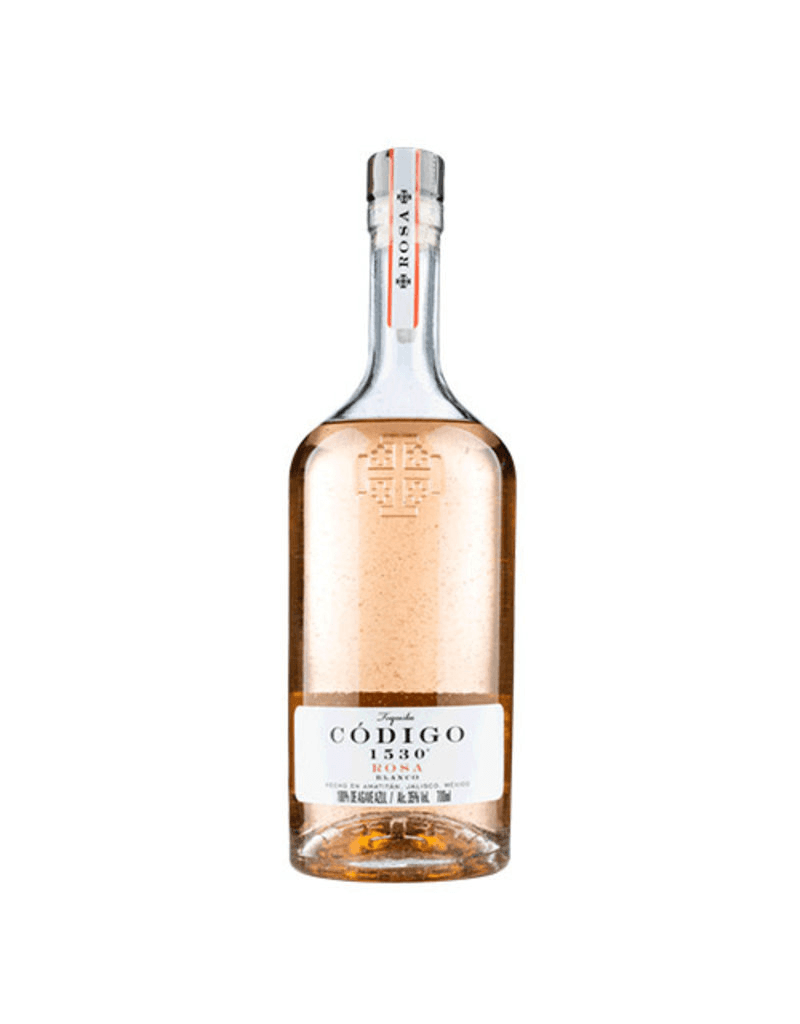
Código 1530 Rosa
Código 1530
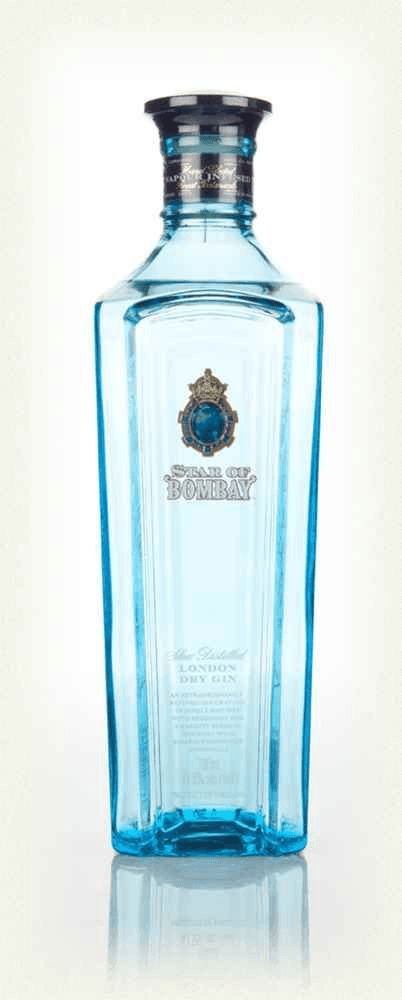
Star of Bombay
Bacardi (Bombay Spirits Company)
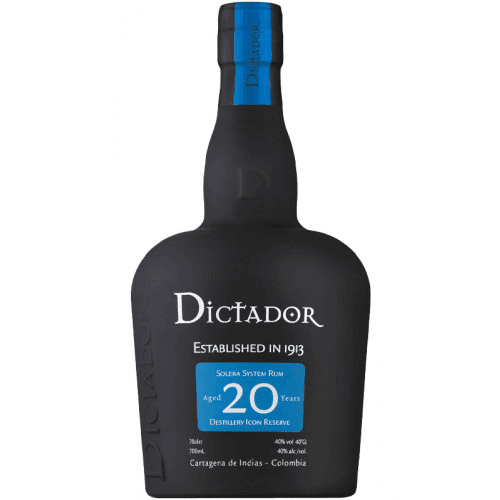
Dictador 20 Year Old
Dictador
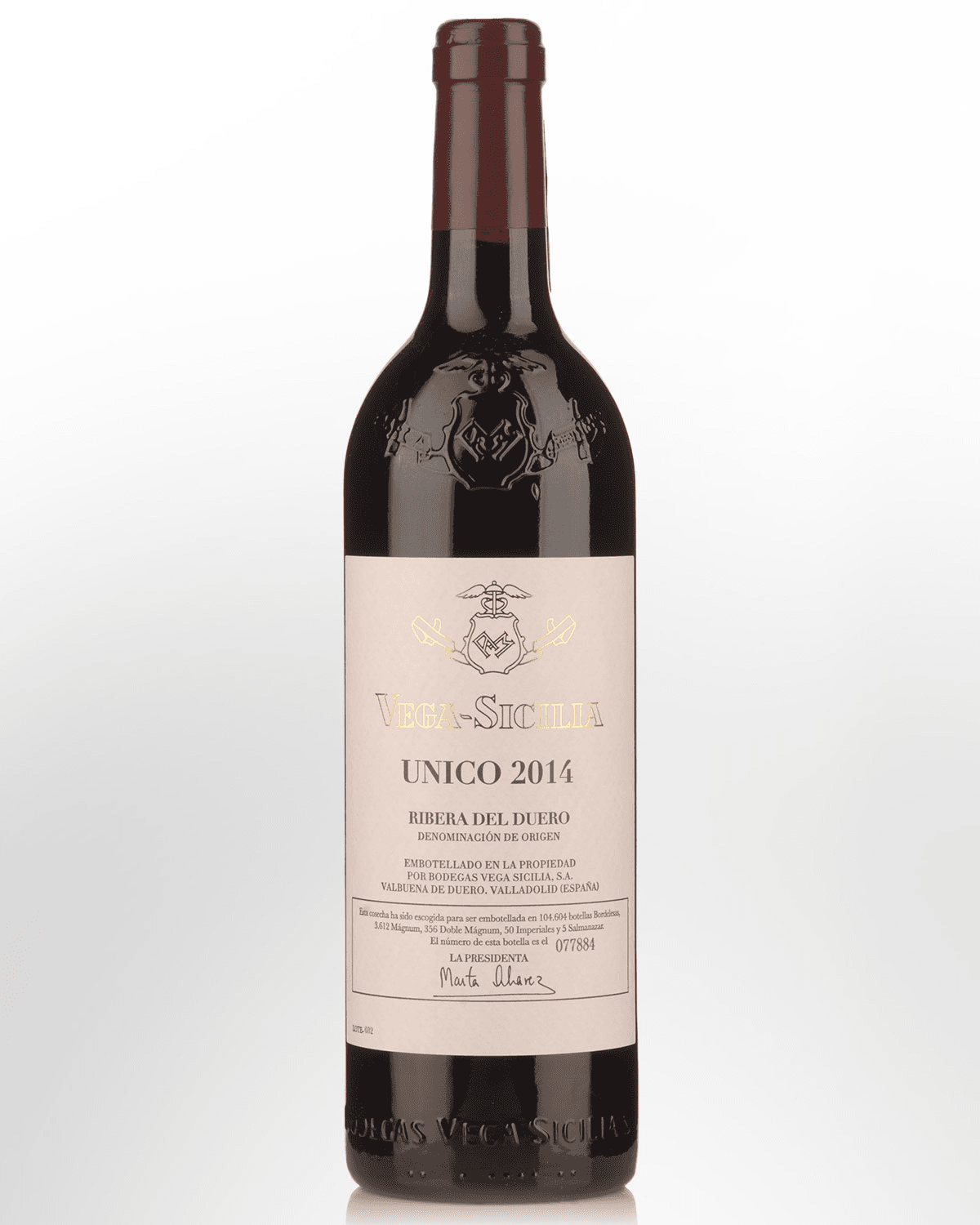
Vega Sicilia Único 2014
Tempos Vega Sicilia (Álvarez Family)
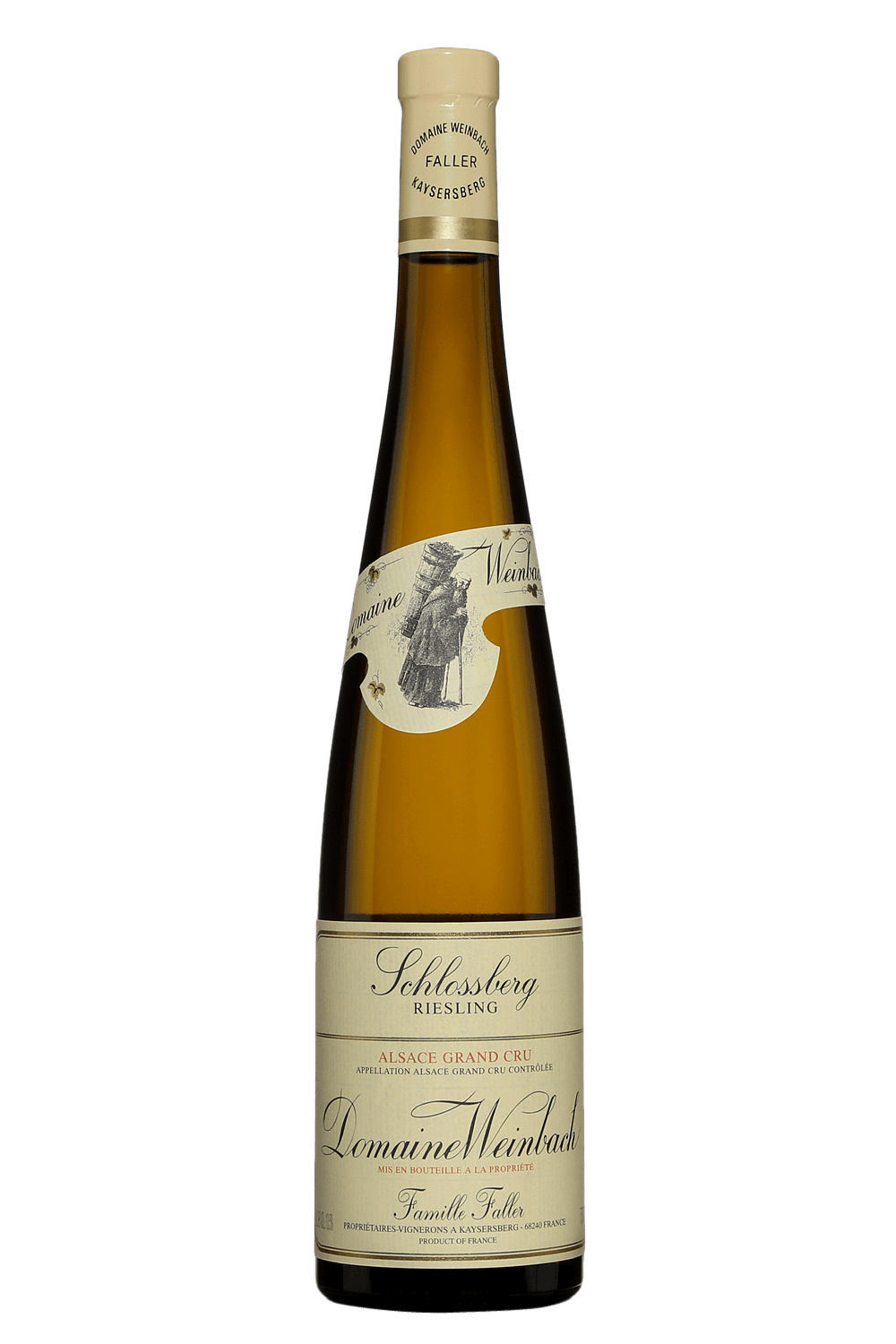
Domaine Weinbach Riesling Grand Cru Schlossberg 2021
Domaine Weinbach (Faller Family)
Be the first to comment.