Issue 11 · April 6, 2026
The Defiant Eight
Theme: Rebellion
Purposeful defiance that builds something better — barrel-proof bourbon when the industry demanded smooth, unpeated whisky on Islay, a tequila crushed by stone wheel in an age of machines, and a Lebanese white wine made through civil war.
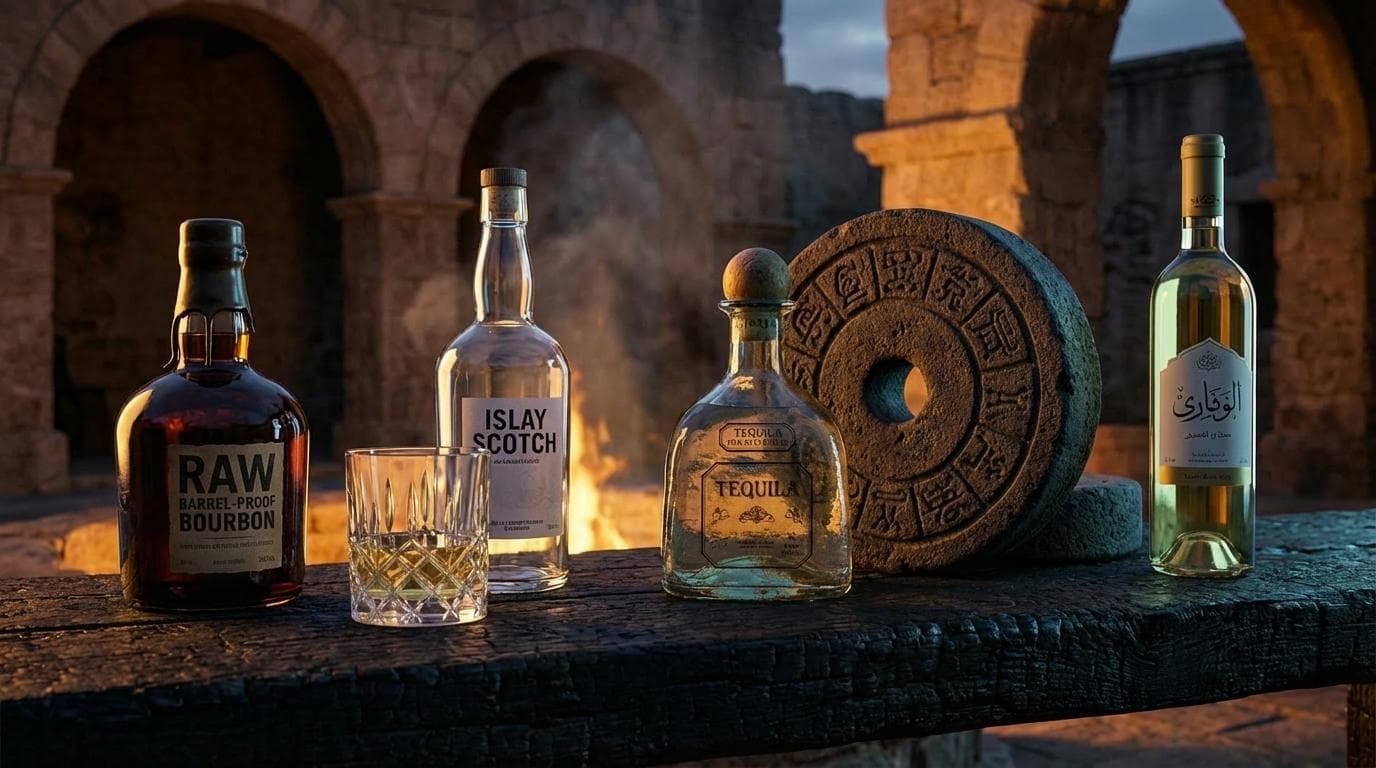

Today's eight bottles share a common thread: rebellion. Not the reckless kind that tears things down, but the purposeful kind that builds something better. A bourbon bottled uncut and unfiltered when the industry demanded smooth and approachable. A Scotch that dared to go unpeated on Islay — the peatiest island on Earth. An Irish whiskey that resurrected a name the world had forgotten. A tequila made with a stone wheel in an age of industrial efficiency. A gin that put cucumber and rose where only juniper had stood. A Haitian cane spirit so raw and wild it barely qualifies as rum by conventional standards. An Italian red wine that broke the law to prove Tuscany could rival Bordeaux. And a Lebanese white wine made through decades of civil war, when the very act of harvesting grapes was an act of defiance.
Rebellion in wine and spirits is rarely loud. It is the quiet decision to do what you believe is right when the market, the critics, or the regulations say otherwise. Each of these producers reached a fork in the road — conform or create — and chose creation. The result is eight bottles that redefined their categories. Pour any one of them tonight and taste what happens when conviction overrules convention.
BOURBON Booker's Bourbon
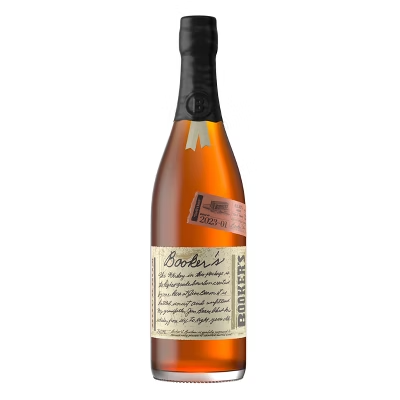
Clermont, Kentucky — where Booker Noe, the larger-than-life grandson of Jim Beam, decided that the bourbon industry had gone soft. In the 1980s, while every major producer chased lightness and mixability, Noe pulled barrels straight from the center of the rickhouse and bottled them uncut and unfiltered at barrel strength. No water added, no chill filtration, no concessions. He called it Booker's, gave bottles to friends, and inadvertently launched the small-batch bourbon revolution that transformed American whiskey forever. — where Booker's Bourbon was the original rebel yell of American whiskey. When Booker Noe first bottled cask-strength bourbon in the late 1980s, the industry thought he was mad — who would want uncut, unfiltered whiskey at 120-plus proof? The answer turned out to be everyone. Booker's proved that bourbon drinkers were ready for intensity, complexity, and honesty in the glass. Every barrel-proof bourbon that followed — and there are now hundreds — owes its existence to this bottle. At around $90 (prices vary by batch and market), each release is a unique expression of the rickhouse, varying in age, proof, and character. No two batches are identical, which is precisely the point.
Classification: Kentucky Straight Bourbon Whiskey, Small Batch, Barrel Proof
Company: Beam Suntory
Distillery: Jim Beam Distillery, Clermont, Kentucky
Proof: 121-130 Proof (varies by batch, 60.5-65% ABV)
Age: 6-8 Years (varies by batch)
Mash Bill: 77% Corn, 13% Rye, 10% Malted Barley
Color: Deep russet amber with mahogany legs
MSRP: $90
Nose: Intense and immediate — dark caramel, charred oak, and brown sugar rush forward with barrel-proof authority. Beneath, layers of vanilla custard, toasted pecan, cracked black pepper, and dried cherry emerge. A dusting of cinnamon and clove adds warmth, while a faint smokiness from deep char lingers at the edges.
Palate: Massive and full-bodied, coating every surface with rich toffee, dark cherry, and roasted walnut. The barrel-proof intensity delivers waves of charred vanilla, leather, and baking spices that build and build. Despite the strength, there is a surprising sweetness — brown butter, maple, and a hint of orange peel — that keeps the power from becoming aggressive.
Finish: Extraordinarily long and warming. Charred oak, dark caramel, and leather linger for minutes, with a slow fade of brown spices and a final whisper of toasted pecan. This is bourbon that stays with you long after the glass is empty.
Cocktail — The Rebel Yell Old Fashioned: Place one sugar cube in a rocks glass with 3 dashes Angostura bitters and a splash of water. Muddle gently. Add 2 oz Booker's Bourbon, fill with a single large ice cube, and stir slowly for 20 seconds. Express an orange peel over the glass and drop it in. The barrel-proof backbone transforms the Old Fashioned into something thunderous.
Pair with: Charcoal-grilled ribeye with a cracked black pepper crust and roasted bone marrow. The bourbon's intensity matches the richness of the marrow while the charred oak echoes the grill.
Awards: Gold Medal, San Francisco World Spirits Competition (multiple batches). 96 Points, Wine Enthusiast. Named one of the most influential bourbons in history by Whisky Advocate.
SCOTCH WHISKY Bruichladdich The Classic Laddie
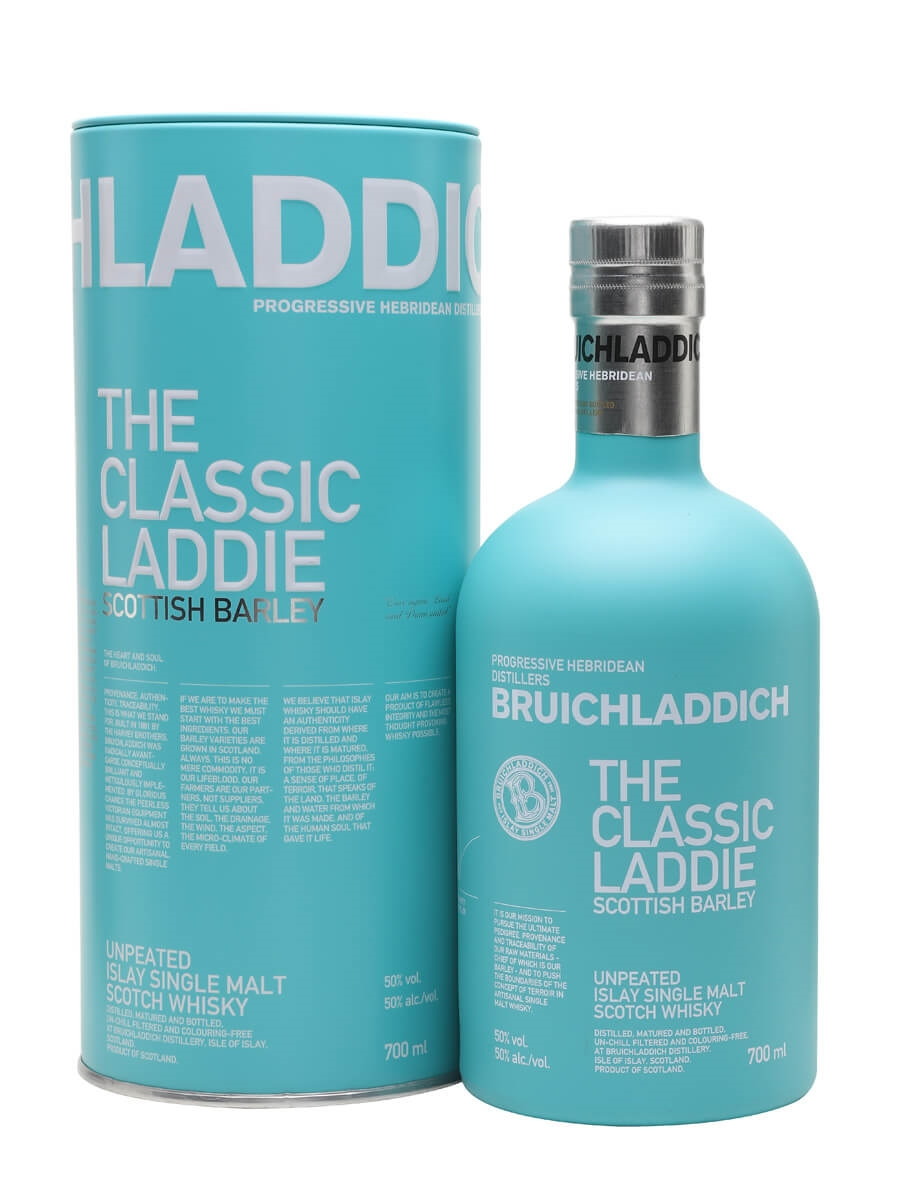
Rhinns of Islay, Scotland — where Bruichladdich stands as Islay's great contrarian. On an island synonymous with peat smoke, this distillery chose a different path entirely. When Mark Reynier and a group of investors revived the mothballed Victorian distillery in 2001, they committed to transparency, terroir, and the radical idea that Islay could produce world-class unpeated whisky. Every bottle states its provenance: Scottish barley, the farms that grew it, and every cask used in maturation. — where Bruichladdich The Classic Laddie is Islay's most deliberate act of rebellion. On an island where peat is king, this distillery chose to let the barley speak for itself — no peat, no smoke, just grain, water, and wood. The result is a whisky that challenges everything you think you know about Islay. At 50% ABV, non-chill filtered and natural color, it delivers remarkable complexity and a sense of place that proves terroir extends beyond peat. At around $50 (prices vary by market), it remains one of the most transparent and honestly made whiskies in the world.
Classification: Islay Single Malt Scotch Whisky (Unpeated)
Company: Remy Cointreau
Distillery: Bruichladdich Distillery, Rhinns of Islay
Proof: 100 (50% ABV)
Age: Multi-vintage (no age statement)
Mash Bill: 100% Scottish Barley
Distillation: Tall, narrow-necked copper pot stills, double distilled, trickle distilled for maximum copper contact
Maturation: Predominantly ex-American oak, with ex-wine casks
Filtered: Non-chill filtered, natural color
Color: Pale gold with straw highlights
MSRP: $50
Nose: Bright and inviting — fresh orchard fruit, honeyed malt, and vanilla lead into gentle floral notes and a whisper of sea air. The maritime influence is subtle but unmistakable, carrying minerality and a touch of brine beneath layers of ripe pear and citrus blossom.
Palate: Creamy and elegant at 50% ABV, with a silky mouthfeel that belies its strength. Waves of honeycomb, buttered toast, and stone fruit give way to vanilla cream, gentle oak spice, and a distinctive floral character. The barley sweetness shines through every sip — this is a whisky that celebrates its grain.
Finish: Medium-long and beautifully balanced, with lingering malt sweetness, gentle spice, and a clean maritime freshness that lifts the finish and leaves the palate refreshed.
Cocktail — The Laddie Highball: Fill a tall glass with ice, add 2 oz Bruichladdich Classic Laddie, top with 4 oz chilled soda water, and stir gently twice. Garnish with a lemon twist. The whisky's floral and honeyed character blooms beautifully in this simple serve.
Pair with: Fresh Islay oysters with a squeeze of lemon and a mignonette. The whisky's maritime character and citrus notes echo the brininess of the shellfish.
Awards: Gold, International Wine and Spirit Competition (2023). 92 Points, Whisky Advocate. Jim Murray's Whisky Bible — consistently rated among top unpeated Islay malts.
IRISH WHISKEY Tyrconnell Single Malt
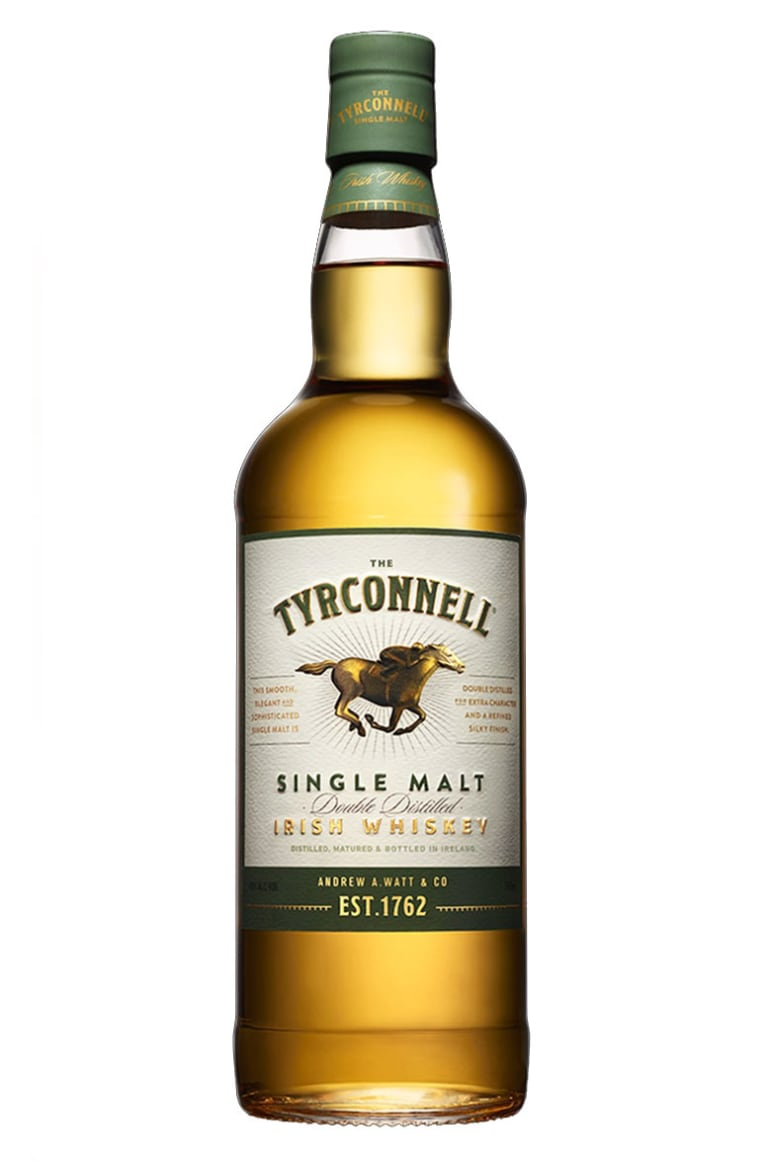
Cooley Peninsula, County Louth, Ireland — named after a legendary racehorse that won the 1876 National Produce Stakes at 100-to-1 odds. The whiskey bearing his name won a gold medal at the 1904 St. Louis World's Fair, then vanished for nearly a century when its original distillery closed. John Teeling revived it at Cooley Distillery in the 1990s as part of his mission to break the stranglehold of the big three Irish whiskey producers and prove that independence had a place in the industry. — where Tyrconnell is the taste of rebellion twice over — first as a 100-to-1 racehorse that defied the bookmakers in 1876, then as a whiskey revived to challenge the dominance of Irish whiskey's established giants. When John Teeling founded Cooley Distillery, Ireland's whiskey industry was controlled by just a handful of producers who determined what Irish whiskey could be. Tyrconnell's resurrection proved there was room for independence, for double-distilled single malt in a market that insisted on triple distillation, for lightness and fruit in a world of heavy pot still character. At around $35 (prices vary by market), it remains one of Irish whiskey's most accessible and underrated expressions.
Classification: Single Malt Irish Whiskey
Company: Beam Suntory (Kilbeggan Distilling Co.)
Distillery: Cooley Distillery, Cooley Peninsula, County Louth
Proof: 80 (40% ABV)
Age: No Age Statement
Mash Bill: 100% Malted Barley
Distillation: Double distilled in copper pot stills
Maturation: Aged in ex-bourbon American oak barrels
Color: Light gold with amber edges
MSRP: $35
Nose: Delicate and fruit-forward — ripe pear, honeydew melon, and citrus blossom open the glass with an inviting lightness. Beneath, gentle vanilla, fresh-cut hay, and a touch of toasted almond add quiet complexity.
Palate: Soft and silky with a gentle sweetness that belies its simplicity. Honey, green apple, and vanilla cream glide across the palate, joined by subtle malt and a whisper of white pepper. The double distillation gives it remarkable smoothness without sacrificing character.
Finish: Medium and clean, with lingering honey, a touch of malt sweetness, and a fresh, almost grassy quality that keeps it lively and inviting.
Cocktail — The Long Shot: Combine 2 oz Tyrconnell, 0.75 oz fresh lemon juice, 0.5 oz honey syrup (1:1), and 2 dashes of Peychaud's bitters in a shaker with ice. Shake and strain into a coupe. Garnish with a lemon twist. Named for the horse that started it all.
Pair with: Smoked trout on soda bread with a dill and crème frache garnish. The whiskey's gentle fruit and honey complement the delicate smoke of the fish.
Awards: Gold Medal, San Francisco World Spirits Competition. 90 Points, Whisky Advocate. Gold Medal, 1904 St. Louis World's Fair (historical).
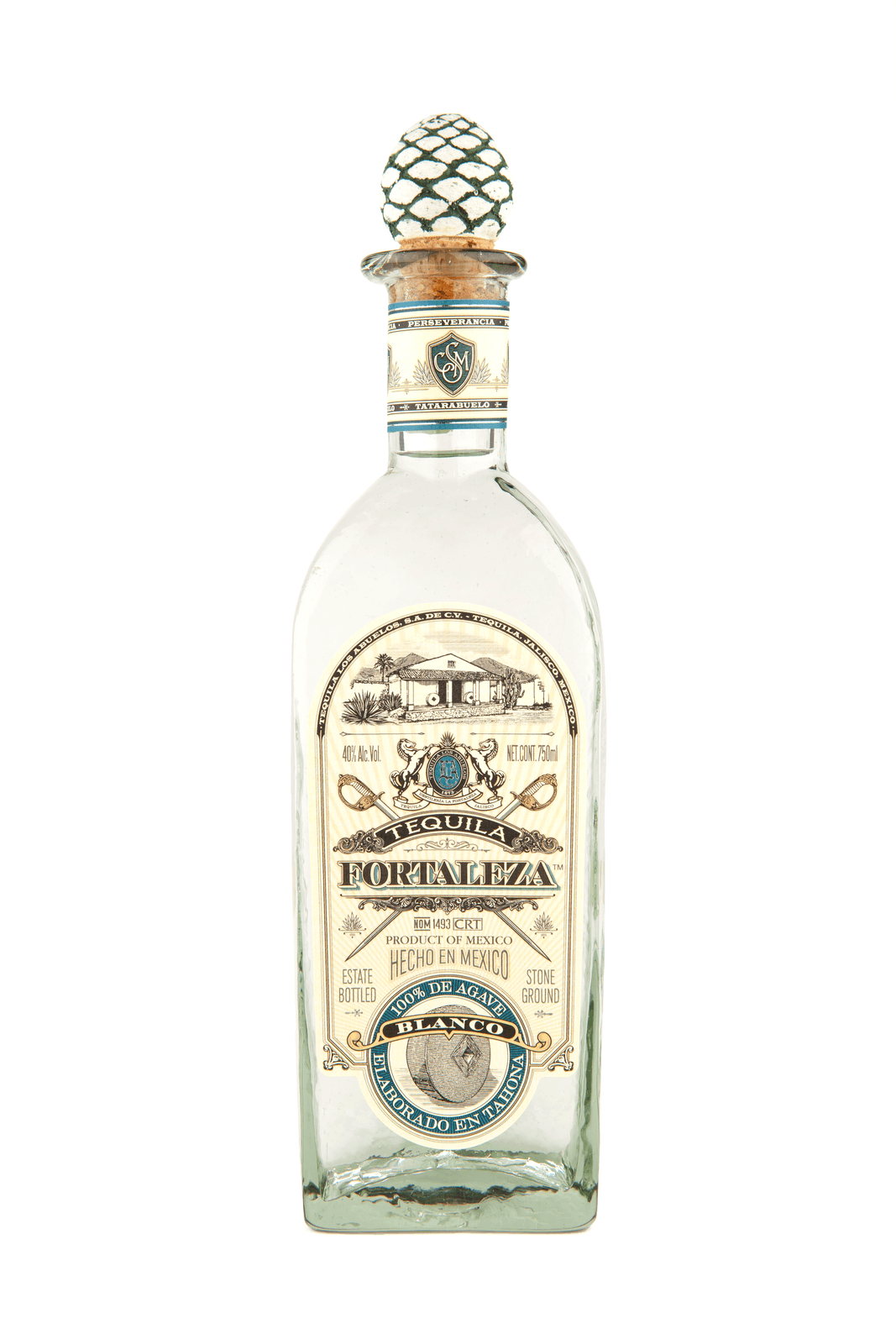
TEQUILA Fortaleza Blanco
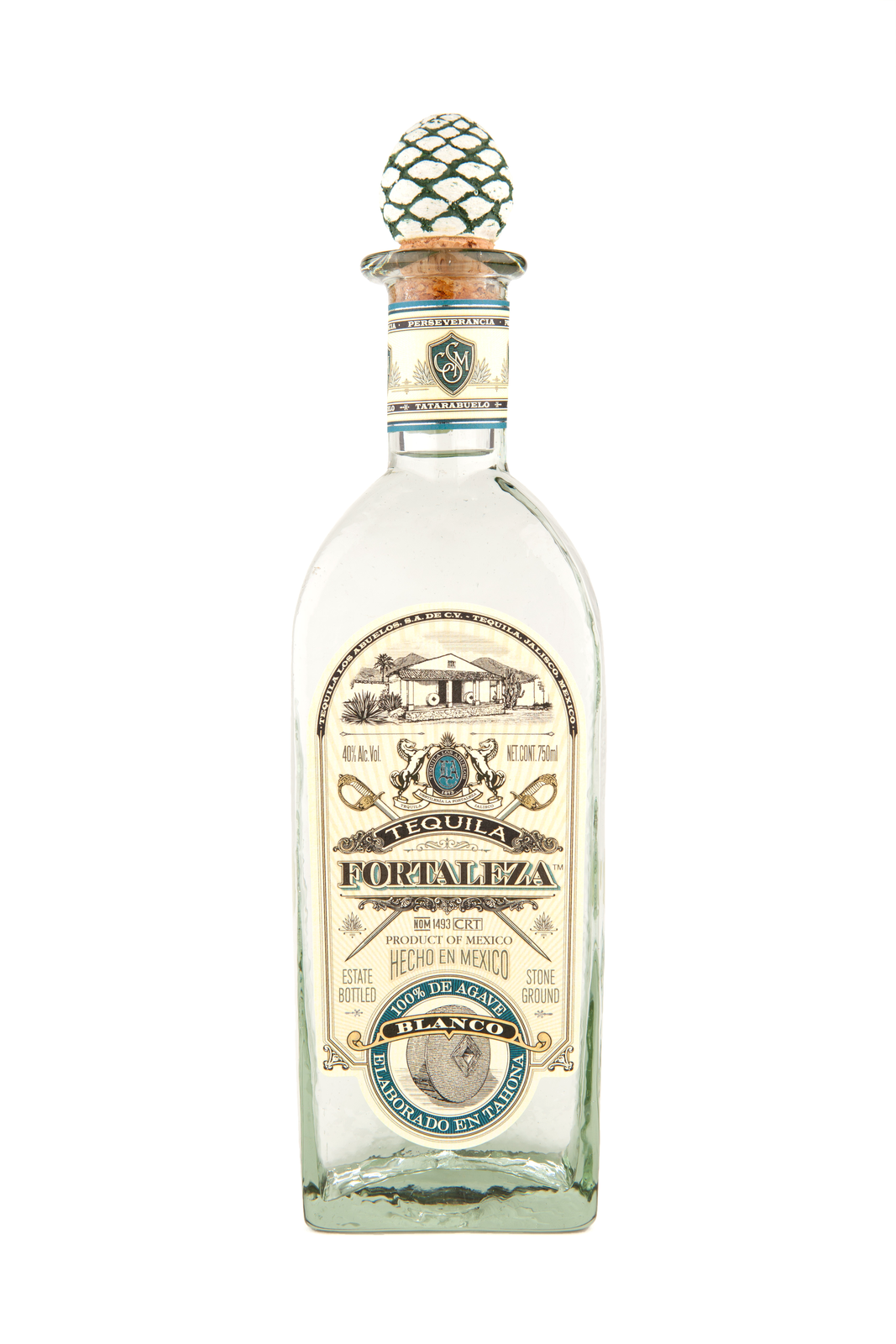
Tequila, Jalisco, Mexico — where the Sauza family built their original distillery in 1873. When Guillermo Erickson Sauza, the fifth-generation heir, chose to revive artisanal production after the family's commercial enterprise was sold, he went back to the beginning: a brick oven, a tahona (volcanic stone wheel), and open-air wooden fermentation tanks. In an era of industrial diffusers and autoclaves, Fortaleza's methods are a deliberate throwback — and a deliberate rebellion against the modernization that stripped tequila of its soul. — where Fortaleza Blanco is tequila's most eloquent act of rebellion. While the industry raced toward efficiency — diffusers that process agave in hours rather than days, autoclaves that speed-cook under pressure, column stills that strip character for volume — Guillermo Sauza chose the slow path. The tahona, the brick oven, the wooden tanks, the tiny copper pot stills: every step is a deliberate rejection of shortcuts. The result is a blanco of extraordinary purity and complexity that tastes of the agave plant itself. At around $48 (prices vary by market), it is widely considered among the finest blancos available at any price.
Classification: Blanco Tequila, 100% Agave
Company: Fortaleza (Casa San Matias de Jalisco)
Distillery: Destileria Los Abuelos, Tequila, Jalisco
Proof: 80 (40% ABV)
Age: Unaged (rested briefly in stainless steel)
Agave: 100% Blue Weber Agave, lowland-grown (Tequila Valley), 6-7 years maturity
Production: Brick oven cooked (approx. 36 hours), tahona crushed, open-air fermented in wooden tanks, double distilled in small copper pot stills
Color: Crystal clear with bright reflections
MSRP: $48
Nose: Pure and vibrant — cooked agave dominates with a sweet, vegetal intensity, joined by fresh citrus zest, wet clay, and a distinctive mineral earthiness from the volcanic soil. White pepper and fresh herbs add a lively, aromatic lift that signals artisanal production.
Palate: Silky and full-bodied for a blanco, with rich cooked agave sweetness balanced by bright citrus, a pronounced mineral character, and a peppery warmth that builds through the mid-palate. The tahona crushing gives it a textural complexity — slightly oily, with a volcanic earthiness you can taste.
Finish: Clean and lingering, with sweet agave, white pepper, and a long mineral note that speaks directly to the terroir of the Tequila Valley. The finish is dry and refreshing, inviting the next sip.
Cocktail — The Fortaleza Margarita: Combine 2 oz Fortaleza Blanco, 1 oz fresh lime juice, and 0.75 oz agave nectar in a shaker with ice. Shake vigorously and strain into a salt-rimmed rocks glass over fresh ice. Garnish with a lime wheel. Let the tequila lead — this is a Margarita that celebrates the agave.
Pair with: Fresh ceviche with lime, red onion, and serrano chile. The blanco's bright citrus and mineral character mirror the dish perfectly.
Awards: Double Gold, San Francisco World Spirits Competition. Platinum, SIP Awards. 95 Points, Tasting Panel Magazine.
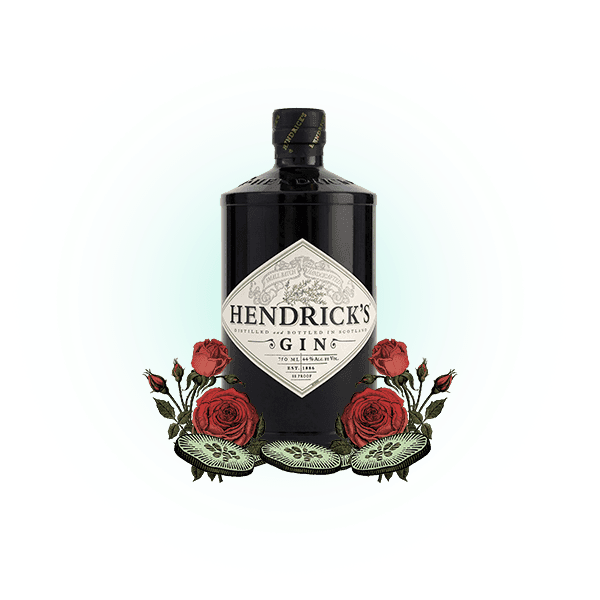
GIN Hendrick's Gin
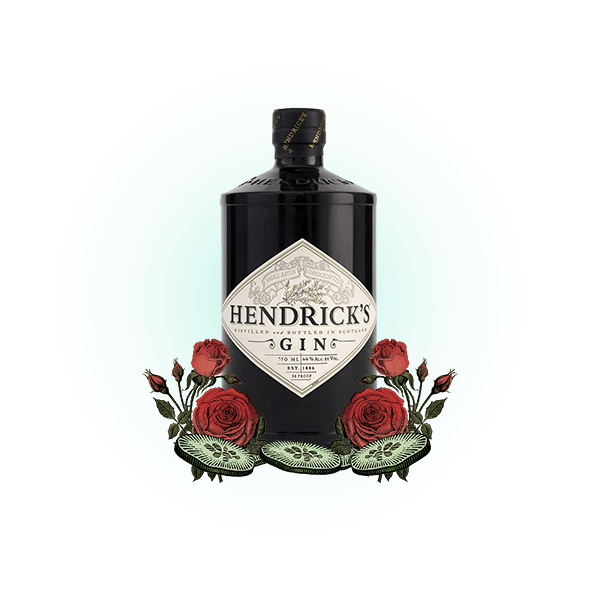
Girvan, Ayrshire, Scotland — where Lesley Gracie, one of the few female master distillers in the spirits world, engineered a gin that broke every rule the category held sacred. Launched in 1999, Hendrick's committed two acts of heresy: it infused cucumber and Bulgarian rose into the final spirit, and it deliberately pushed juniper to the background. The industry scoffed. Bartenders were skeptical. Consumers were confused. Then they tasted it, and gin would never be the same. — where Hendrick's Gin rewrote the rules of an entire category. Before 1999, gin meant juniper-forward, dry, and traditional. Hendrick's proved that gin could be floral, refreshing, and — with its signature cucumber and rose — genuinely different without abandoning what makes gin gin. Lesley Gracie's innovation wasn't just botanical; the dual-still production process, blending spirit from an 1860s Bennett pot still with a Carter-Head still, creates a complexity no single still could achieve. At around $35 (prices vary by market), it remains remarkably accessible for a gin that launched a revolution.
Classification: Premium Gin
Company: William Grant and Sons
Distillery: Hendrick's Gin Palace, Girvan, Ayrshire, Scotland
Proof: 88 (44% ABV)
Botanicals: 11 botanicals: juniper, coriander seed, angelica root, orris root, cubeb berries, caraway seeds, chamomile, elderflower, meadowsweet, lemon peel, orange peel — plus post-distillation infusion of Bulgarian rose and cucumber
Distillation: Uniquely blended from two different stills: a Carter-Head still (light, floral extraction) and a rare 1860s Bennett copper pot still (rich, full-bodied spirit)
Base: Neutral grain spirit
Color: Crystal clear
MSRP: $35
Nose: Immediately distinctive — cool cucumber and delicate rose petals arrive first, followed by soft juniper, citrus peel, and a gentle floral bouquet. Subtle notes of chamomile and meadowsweet add depth, while the orris root provides an earthy, powdery undertone that grounds the aromatics.
Palate: Silky and refreshing, with the cucumber providing a cool, almost spa-like quality that is unlike any other gin. Rose water and elderflower add elegance, while juniper and coriander provide just enough gin backbone to anchor the experience. Citrus brightness and a gentle peppery warmth emerge through the mid-palate.
Finish: Clean and lingering, with cucumber freshness fading through rose petal and soft juniper, ending on a delicate floral note that is quintessentially Hendrick's.
Cocktail — The Hendrick's G and T: Fill a copa glass with ice, add 2 oz Hendrick's Gin, top with 4 oz premium tonic water (Fever-Tree works beautifully), and stir gently once. Garnish with three thin slices of cucumber — never lemon. The cucumber garnish amplifies the gin's signature character.
Pair with: Tea sandwiches with cucumber, cream cheese, and dill on crustless white bread. The gin's cucumber and floral notes turn afternoon tea into a sensory echo chamber.
Awards: Gold, International Spirits Challenge (multiple years). Double Gold, San Francisco World Spirits Competition. Credited with launching the global craft gin renaissance.
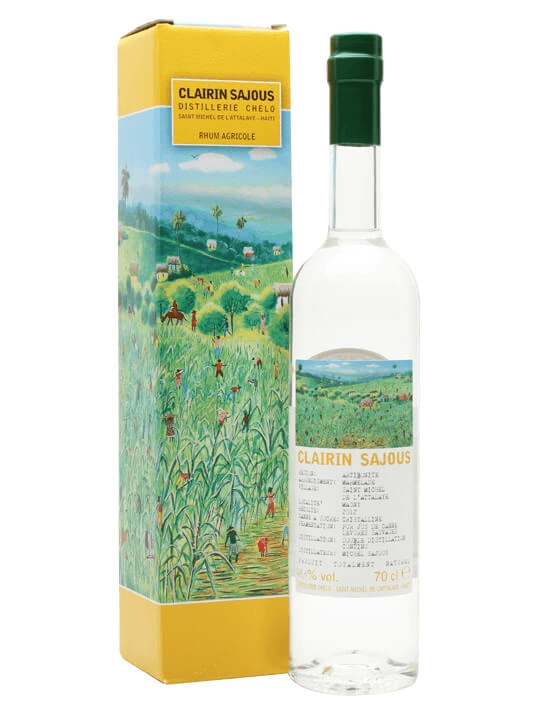
RUM Clairin Sajous
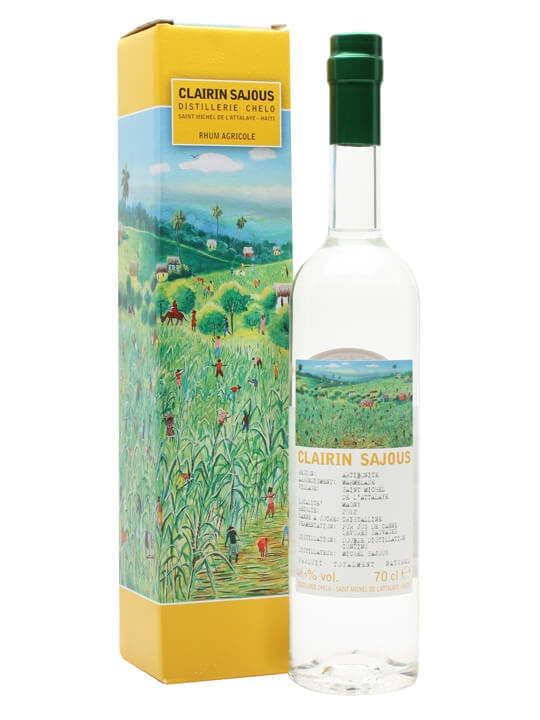
Chavaillon, Haiti — where Michel Sajous produces clairin, a traditional Haitian sugarcane spirit, from his own fields of native Haitian sugarcane varieties. Clairin is not rum by conventional standards — it is something older, wilder, and more direct. Distilled from fresh-pressed cane juice using wild ambient yeast and rudimentary copper pot stills, it represents a winemaking-like approach to spirits: each producer, each harvest, each fermentation is unique. Velier's Luca Gargano brought clairin to international attention, arguing it was the most authentic expression of sugarcane spirits left on Earth. — where Clairin Sajous is rum stripped bare — no aging, no blending, no additives, no pretense. It is the most radical expression of sugarcane spirits you can find in a bottle. While the rum industry debates additives and age-statement integrity, Michel Sajous in Chavaillon, Haiti, is pressing his own native sugarcane, fermenting with whatever wild yeast the Caribbean wind carries in, and distilling in a copper pot still that would look at home in the 18th century. This is not polished or easy. It is alive, funky, and profoundly honest. At around $40 (prices vary by market), it is a window into what all cane spirits once tasted like — and a rebellion against everything the industry has become.
Classification: Clairin (Haitian Sugarcane Spirit)
Company: Michel Sajous (imported by Velier)
Distillery: Distillerie Sajous, Chavaillon, Haiti
Proof: 103.4 (51.7% ABV)
Age: Unaged
Base: Fresh-pressed native Haitian sugarcane juice (varieties: Madame Meuze, Ti Canne)
Distillation: Single distillation in a small copper pot still, wild ambient yeast fermentation
Color: Crystal clear
MSRP: $40
Nose: Wild and intoxicating — overripe tropical fruit, fresh sugarcane juice, and funky fermentation esters burst from the glass. Beneath the fruit fireworks, notes of fresh-cut grass, citrus peel, wet earth, and a distinctive funky, yeasty quality that signals wild fermentation at its most expressive.
Palate: Raw and vibrant, with an intensity that grabs attention. Tropical fruit — banana, mango, and pineapple — mingles with grassy sugarcane sweetness, a pronounced mineral quality, and a peppery spice that builds. The wild yeast character gives it a complexity and unpredictability that is utterly unlike commercial rum.
Finish: Long and evolving, with tropical fruit, sugarcane grassiness, and a funky earthiness that lingers. A final burst of citrus and pepper closes with authority.
Cocktail — The Chavaillon Ti' Punch: In a rocks glass, add one barspoon of cane syrup and the zest disk of one lime (no pith). Press the lime into the syrup with a muddler. Add 2 oz Clairin Sajous. No ice — serve neat, as tradition demands. The raw spirit's complexity speaks best unadorned.
Pair with: Griot (Haitian fried pork) with pikliz (spicy pickled cabbage). The clairin's intensity and funk stand up to the richness of the pork while echoing the vinegar heat of the pikliz.
Awards: Featured in Luca Gargano's Velier Clairin Collection. 93 Points, Rum Ratings. Recognized by the Spirits Business as among the most authentic sugarcane spirits in the world.
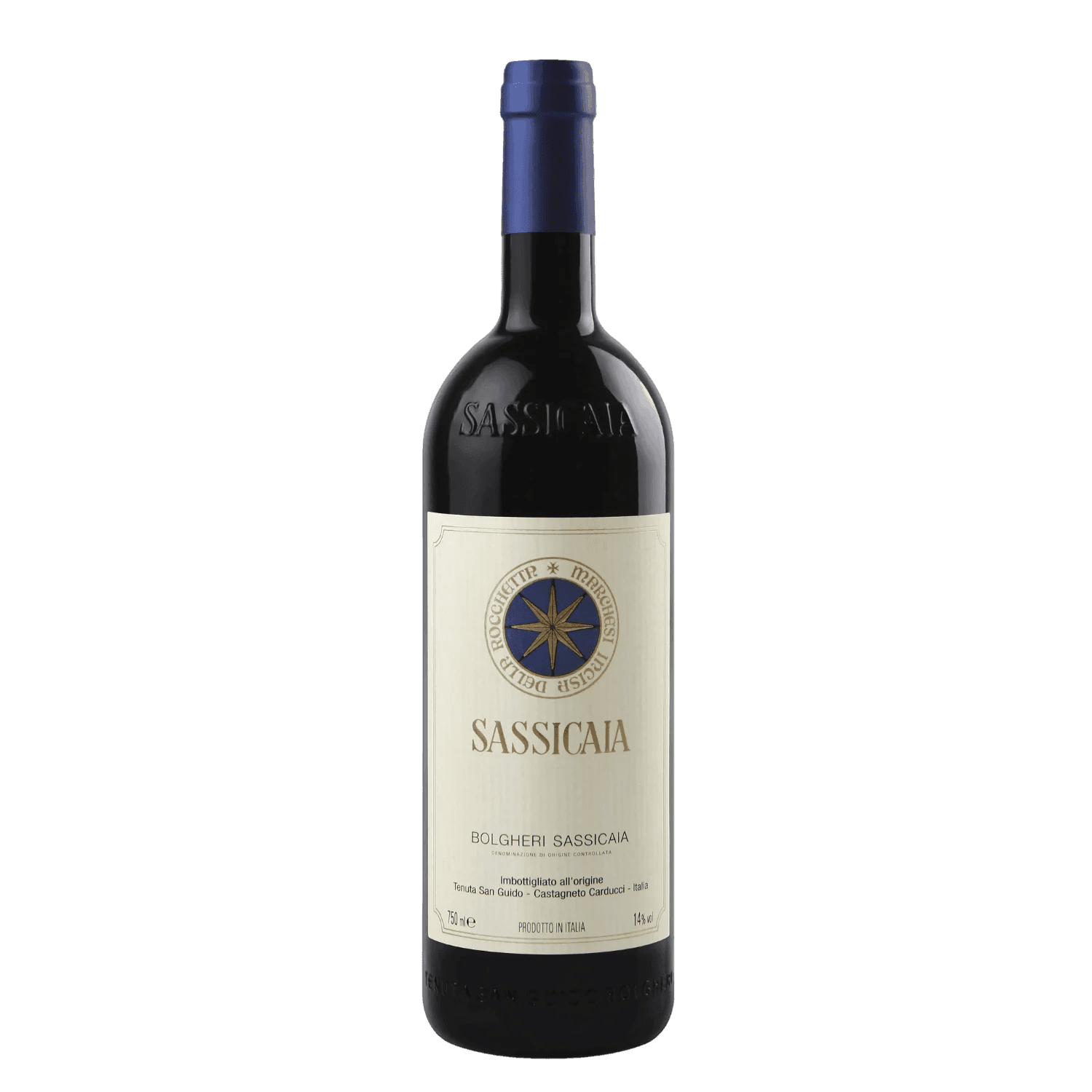
RED WINE Sassicaia 2019
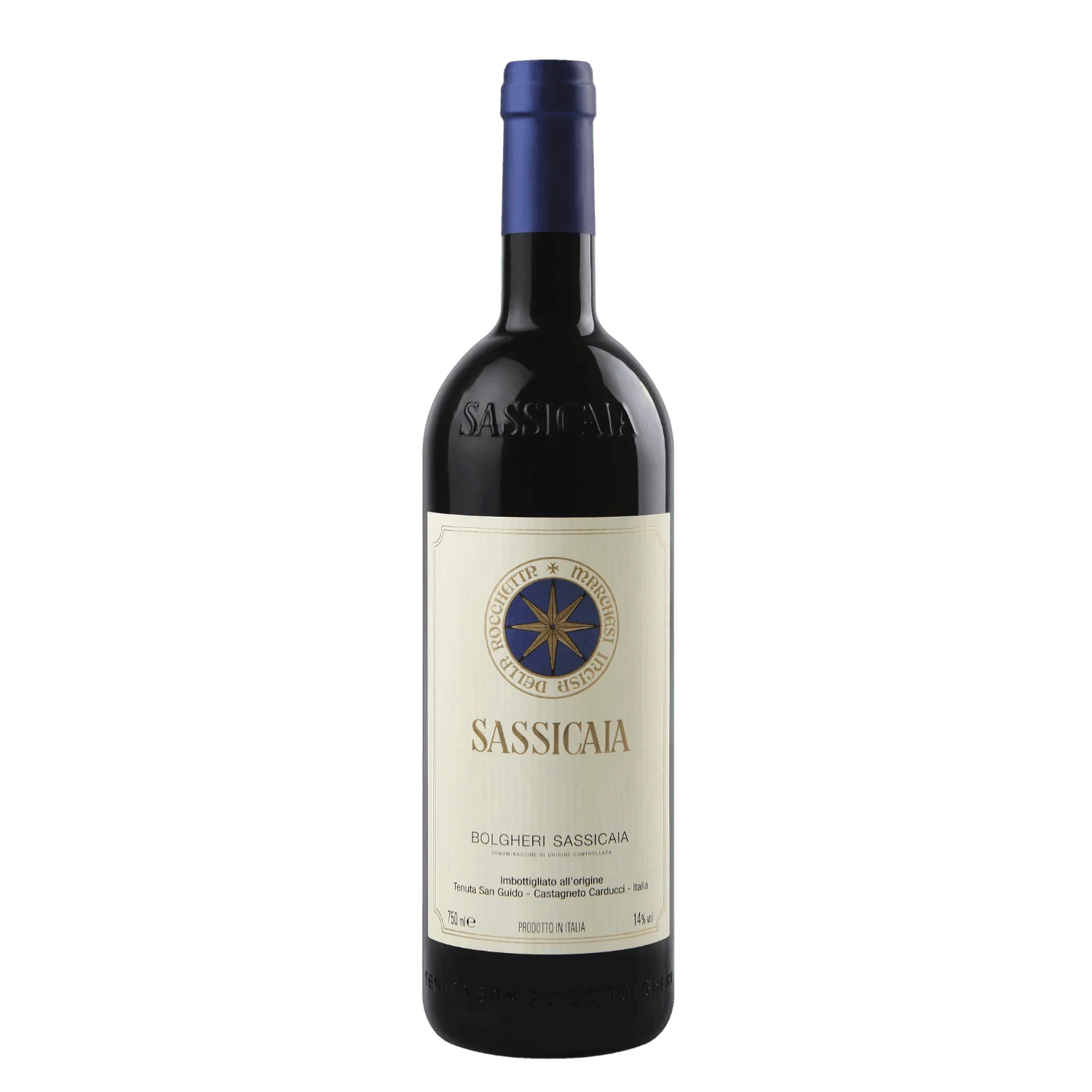
Bolgheri, Tuscany, Italy — where Marchese Mario Incisa della Rocchetta committed what Italian wine law considered an act of rebellion. In the 1940s, he planted Cabernet Sauvignon on his coastal Tuscan estate — a French grape in a region that legally recognized only Sangiovese. The wine was classified as the humblest designation: Vino da Tavola, table wine. It took three decades before the world realized that this 'table wine' rivaled the finest Bordeaux. Sassicaia became the first and most famous Super Tuscan, eventually earning its own DOC in 1994 — the only single estate in Italy to hold that distinction. — where Sassicaia 2019 is the wine that changed Italian winemaking forever. When Marchese Mario Incisa della Rocchetta planted Cabernet Sauvignon in Bolgheri in the 1940s, he broke the rules — and when his nephew Piero Antinori helped introduce it commercially in the 1970s, it broke the market wide open. The concept of a Tuscan wine made from Bordeaux grapes was heresy; the quality made it undeniable. The 2019 vintage is exceptional — warm enough for concentration, cool enough for freshness, with the kind of balance that defines great Bordeaux-style wine. At around $250 (prices vary by market), it competes directly with First Growth Bordeaux and regularly holds its own.
Classification: Bolgheri Sassicaia DOC
Company: Tenuta San Guido
Winery: Tenuta San Guido, Bolgheri, Tuscany
ABV: 14%
Primary Varietal: Cabernet Sauvignon (85%)
Blend: 85% Cabernet Sauvignon, 15% Cabernet Franc
Vineyards: Estate vineyards in Bolgheri, coastal Tuscany, gravelly alluvial soils at 80-350m elevation with maritime influence
Maturation: 24 months in French oak barriques (33% new), followed by 6 months in bottle before release
Color: Deep ruby with garnet rim, dense and opaque
MSRP: $250
Nose: Profound and layered — ripe blackcurrant and dark cherry interweave with cedar, pencil shavings, and dried herbs. Violets and dark chocolate emerge with air, followed by a distinctive Mediterranean warmth: dried rosemary, wild thyme, and a graphite minerality that signals serious structure beneath the fruit.
Palate: Elegant and commanding, with a seamless texture that belies its concentration. Dark berry fruit, cassis, and plum are framed by fine-grained tannins of remarkable polish. A thread of bright acidity carries the wine across the palate with energy, while cedar, dark chocolate, and savoury herbs add complexity and depth.
Finish: Extraordinarily long and precise, with blackcurrant, cedar, and mineral notes persisting through wave after wave of refined tannin. The finish is simultaneously powerful and graceful — a wine that could age for decades but is already magnificent.
Cocktail — Sassicaia is best enjoyed on its own, ideally decanted for an hour before serving. For a lighter occasion, try a Tuscan Wine Spritz: 4 oz of a younger Bolgheri rosso with 1 oz Aperol and 2 oz sparkling water over ice with an orange slice.
Pair with: Bistecca alla fiorentina — a thick-cut, charcoal-grilled T-bone steak seasoned only with salt, pepper, and olive oil. The wine's structure and herbal complexity are born for this quintessentially Tuscan pairing.
Awards: 97 Points, James Suckling. 96 Points, Wine Advocate. 96 Points, Vinous. Decanter — 97 Points.
WHITE WINE Chateau Musar White 2017
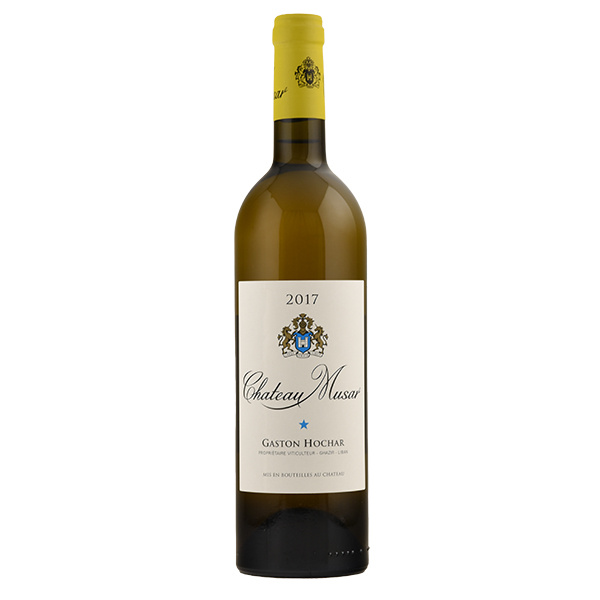
Ghazir, Lebanon — where the Hochar family has made wine nearly every year since 1930 — missing only the 1976 vintage, when total war made harvest impossible —, including through fifteen years of civil war when the road between their winery and vineyards ran through the front lines. Serge Hochar, who passed in 2014, became legendary for vintage after vintage produced under impossible conditions — dodging shellfire to reach the Bekaa Valley, losing entire harvests to conflict, yet never once compromising on quality. The white, made from indigenous grapes aged in French oak for years before release, is one of the most singular wines on Earth. — where Chateau Musar White is rebellion in its purest form — wine made in defiance of war, convention, and commercial logic. While the wine world prizes freshness and youth in white wines, Musar releases its whites years after the vintage, embracing oxidation and age as virtues rather than flaws. The indigenous Obaideh and Merwah grapes — related to but distinct from Chardonnay and Semillon — produce a wine that exists in a category of one. At around $45 (prices vary by market and vintage), it offers an experience that no amount of money can replicate elsewhere, because no one else makes wine quite like this, and no one else ever has.
Classification: Lebanese Wine (Bekaa Valley)
Company: Chateau Musar
Winery: Chateau Musar, Ghazir, Lebanon
ABV: 13%
Primary Varietal: Obaideh and Merwah (indigenous Lebanese grapes)
Blend: Obaideh and Merwah (roughly equal proportions)
Vinification: Fermented and aged separately in French oak barriques for approximately 9 months, blended, then aged further in bottle for years before release. No filtration, minimal sulfur. Natural winemaking philosophy.
Color: Deep gold with amber edges
MSRP: $45
Nose: Exotic and beguiling — dried apricot, honey, and candied citrus peel open into toasted almond, beeswax, and a distinctive oxidative nuttiness. With air, notes of saffron, dried chamomile, and aged Calvados-like apple emerge, creating an aromatics profile unlike any other white wine.
Palate: Rich and textured, with a waxy, almost oily mouthfeel that carries flavors of baked apple, quince paste, toasted hazelnut, and caramelized citrus. A surprising thread of acidity runs through the center, providing lift and freshness that keeps the richness from becoming heavy. Hints of honey and beeswax add to the wine's unique, almost timeless character.
Finish: Extraordinarily long and complex, with honey, toasted nuts, and dried fruit persisting through a mineral-driven fade. The finish evolves for minutes, showing new facets with each breath.
Cocktail — Chateau Musar White is best appreciated as a wine, not a cocktail base. Serve at cellar temperature (55-58F) in a large white Burgundy glass to allow the complex aromatics to fully express themselves. Decanting is recommended.
Pair with: Roasted chicken with preserved lemon and saffron rice. The wine's honeyed richness and oxidative complexity echo the preserved lemon while its acidity cuts through the richness of the bird.
Awards: 93 Points, Decanter. Jancis Robinson — featured as one of the world's most unique white wines. Chateau Musar named Lebanese Winery of the Year by Wine Spectator.
Train Your Nose: Today's Aroma Spotlight
Disruptive Notes — Aromas That Break the Mold
Today's training focuses on the unexpected — aromas that appear where conventional wisdom says they shouldn't. Just as our featured producers defied category norms, certain aroma compounds defy expectation. Learning to identify these surprising notes will sharpen your ability to recognize what makes a rebellious spirit or wine truly different from its peers.
Exercise 1 — The Unpeated Islay Paradox: Pour a small measure of Bruichladdich The Classic Laddie alongside a peated Islay malt if you have one (or recall one from memory). Nose the Bruichladdich and notice what emerges when peat is absent: floral notes, honeyed malt, and orchard fruit that would be completely buried by phenolic smoke in a traditional Islay whisky. In your aroma kit, compare the Floral (Rosewater) vial with the Peaty vial. The distance between them is the measure of Bruichladdich's rebellion — choosing one path when the entire island chose another.
Exercise 2 — Raw vs. Refined Cane: Compare the Clairin Sajous with the Fortaleza Blanco. Both are unaged, clear spirits made from raw agricultural materials (sugarcane and agave respectively). Both showcase wild, funky fermentation character. Nose the Agricole vial from your rum kit alongside the Agave (Cooked) vial from your tequila kit. Notice how both carry a grassy, vegetal quality but express it differently — the sugarcane through tropical fruit and funk, the agave through mineral earthiness and pepper. These are two rebellions against refinement, speaking the same language with different accents.
Today's Kit Reference
| Today's Product | Key Aromas | Train With |
|---|---|---|
| Booker's Bourbon | Caramel, Vanilla, Charred Oak, Brown Spices, Leather, Cherry | Bourbon Aroma Masterclass Kit |
| Bruichladdich The Classic Laddie | Malt, Vanilla, Honey, Floral (Rosewater), Buttery, Peach | Whisky Aroma Masterclass Kit |
| Tyrconnell Single Malt | Honey, Vanilla, Peach, Malt, Green (Cut Grass), Buttery | Whiskey Aroma Masterclass Kit |
| Fortaleza Blanco | Agave (Cooked), Citrus (Lemon, Lime, Orange, Grapefruit), Pepper, Earth (Mineral, Soil Notes), Vanilla, Grass | Tequila & Mezcal Aroma Masterclass Kit |
| Hendrick's Gin | Juniper (Pine), Floral (Rose), Lemon, Coriander, Orange, Chamomile | Gin Aroma Masterclass Kit |
| Clairin Sajous | Agricole, Tropical Fruits, Citrus (Generic), Banana, Fusel Oil, Spice (Generic) | Rum Aroma Masterclass Kit |
| Sassicaia 2019 | Blackcurrant, Cedar, Cherry, Violet, Toasted, Mint | Wine Aroma Masterclass Kit |
| Chateau Musar White 2017 | Honey, Citrus (Generic), Toasted, Marzipan, Apple (Green), Woody | Wine Aroma Masterclass Kit |
Explore the School of Wine and Spirits
Today's eight selections prove that the most memorable bottles are born from defiance. Our books on Amazon take you deeper into those places — from the limestone hollows of Kentucky in America's Spirit, the misty distilleries of Scotland's Spirit and Ireland's Spirit, the volcanic highlands of The Tequila y Mezcal Revolution, the ancient vineyards of The Ultimate Northern Italian Wine Journey, and the fossilized seabeds of Burgundy in our Chablis and Cte d'Or pocket guides.
Explore our Aroma Masterclass kits and books at schoolofwineandspirits.com
Explore our Aroma Masterclass kits and books at schoolofwineandspirits.com
Join the School of Wine and Spirits Community
Connect with fellow connoisseurs, share tasting notes, and go deeper into every pour. Sign up at skool.com/schoolofwineandspirits
Sign up at skool.com/schoolofwineandspirits
Our kits make the perfect gift for the curious drinker in your life — because once you learn to identify aromas, you never taste the same way again.
Know someone who would enjoy The Still & The Vine? Forward this issue to a fellow enthusiast — or share it on social media and tag @SchoolofWineandSpirits. We grow by word of mouth.
Until tomorrow's pour — cheers.
Robert R. Mohr, CPA, CGMA, WSET Level 3, WSG Certified Spirits Specialist — author of America's Spirit, Scotland's Spirit, Ireland's Spirit, The Ultimate Northern Italian Wine Journey, The Tequila y Mezcal Revolution, The Definitive Pocket Guide to Chablis, The Definitive Pocket Guide to the Cte d'Or, and Strategic Tuning. Published author of the Aroma Academy Tequila/Mezcal and Distiller's training kits.
The Still & The Vine is a daily publication of the School of Wine and Spirits.
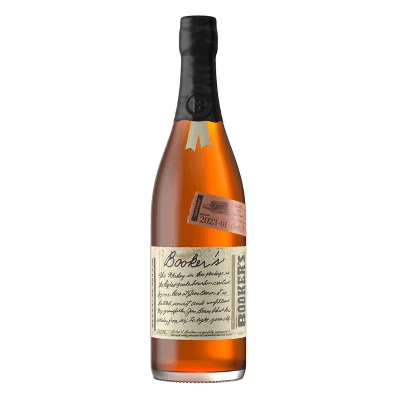
Booker's Bourbon
Beam Suntory
Booker's Bourbon was the original rebel yell of American whiskey — barrel-proof bourbon that proved drinkers were ready for intensity and honesty in the glass.
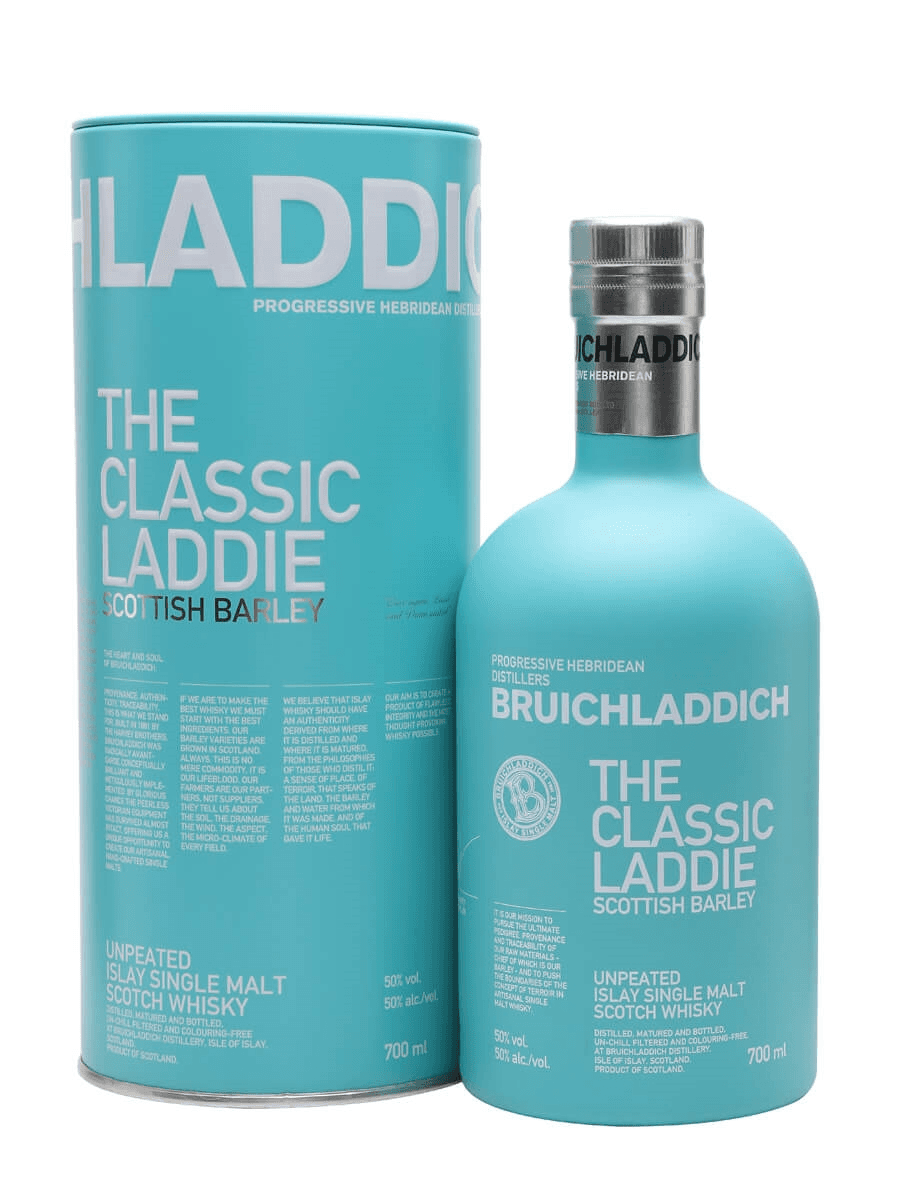
Bruichladdich The Classic Laddie
Remy Cointreau
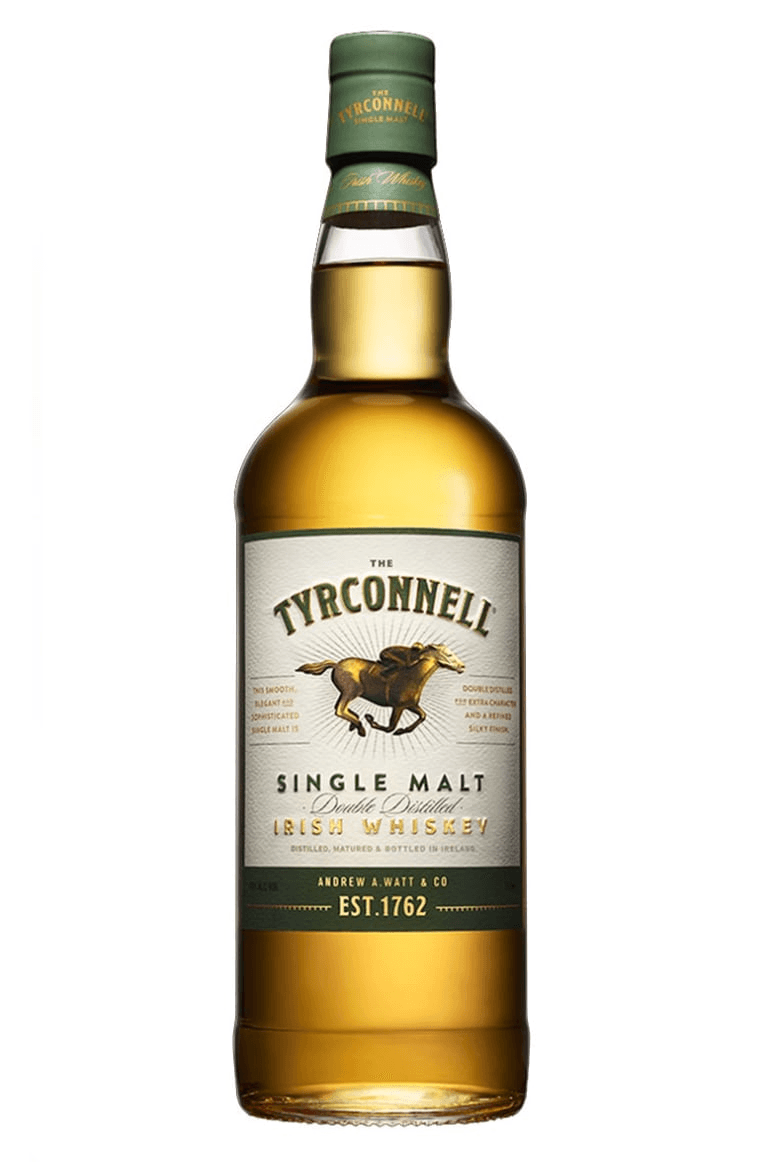
Tyrconnell Single Malt
Beam Suntory (Kilbeggan Distilling Co.)
Smoked trout on soda bread with dill and crème fraîche
Fortaleza Blanco
Fortaleza (Casa San Matias de Jalisco)
The Fortaleza Margarita
Hendrick's Gin
William Grant and Sons
Tea sandwiches with cucumber, cream cheese, and dill
Clairin Sajous
Michel Sajous (imported by Velier)
The Chavaillon Ti' Punch
Sassicaia 2019
Tenuta San Guido
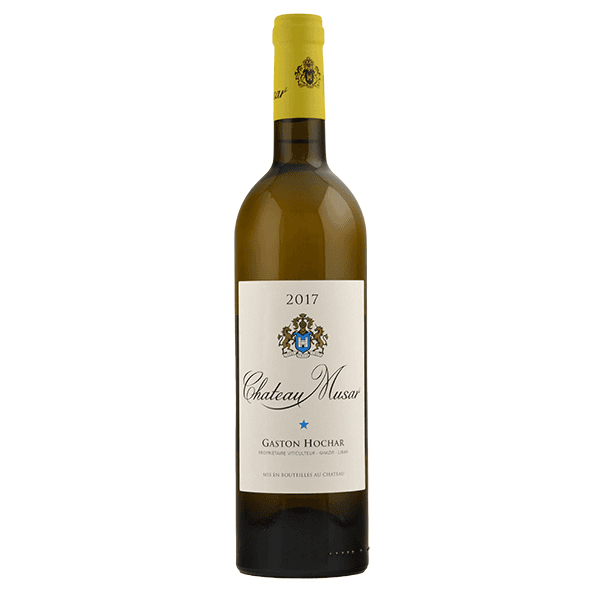
Chateau Musar White 2017
Chateau Musar
Be the first to comment.