Aroma
Charred Oak
153 bottles with this note
Train this aroma
Bourbon Aroma Kit
Develop your palate with the canonical reference for charred oak and related notes.

Kentucky Owl Batch 11 Kentucky Straight Bourbon Whiskey
Kentucky Owl
Kentucky Owl Batch 11 is a masterclass in blending for depth without losing elegance. The char influence is prominent but never domineering, and the cask-strength proof amplifies rather than overwhelms. A bourbon that rewards patience and a few drops of water.

Yellowstone Limited Edition 2024 Kentucky Straight Bourbon
Yellowstone
This limited edition blend leverages the contrast between younger high-rye punch and the deep, integrated wood character of its older components. The result is a bourbon that showcases char-level influence without becoming tannic. A compelling study in what extended barrel contact can achieve.

Stellum Lyra Single Barrel Cask Strength Bourbon Whiskey
Stellum
Stellum's single barrel program lets the cask do the talking, and this bottling delivers a bourbon where every sip reflects the depth of its barrel interaction. The high proof carries tremendous flavor density without bitterness. A serious sipper that rewards patience.

Old Bardstown Estate Bottled Kentucky Straight Bourbon Whiskey
Old Bardstown
Old Bardstown Estate delivers Willett's pot-still character in an approachable, no-nonsense package. It rewards attention without demanding ceremony — a bourbon that respects both the craft and the drinker. Hard to beat at this price.

Woodford Reserve Batch Proof 2023
Woodford Reserve
Woodford's annual Batch Proof release is always a showcase for the distillery's character at full strength. The 2023 edition delivers remarkable depth without harsh edges, proving that high proof and balance are not mutually exclusive.

Larceny Barrel Proof Batch B524
Larceny
Larceny Barrel Proof continues to deliver exceptional value in the cask-strength wheated bourbon category. Batch B524 balances its considerable proof with enough wheat-driven softness to remain dangerously drinkable. A few drops of water bloom the caramel and pecan notes without losing any structural complexity.

Breckenridge Bourbon Whiskey
Breckenridge
Breckenridge proves that high-altitude aging isn't a gimmick — the wide daily temperature swings in Colorado's mountains push spirit in and out of oak aggressively, yielding mature character in less time. A versatile bourbon that rewards both neat sipping and cocktail use.

Old Forester 1910 Old Fine Whisky Double Barreled
Old Forester
Old Forester's 1910 demonstrates what a second maturation can accomplish when executed with precision. The double-barreled technique adds depth and texture without masking the distillery's signature fruity character. A bourbon that rewards patience in the glass as much as it required patience in the warehouse.

Michter's 20 Year Old Kentucky Straight Bourbon
Michter's
Two decades of Kentucky seasons have shaped this bourbon into something rare — a whiskey where extreme age amplifies rather than overwhelms. The integration of wood, grain, and time is nearly flawless. This is what patience tastes like when a distillery refuses to release a barrel before it's ready.

Stellum Vega Single Barrel Cask Strength Bourbon Whiskey
Stellum
Stellum's single barrel program consistently punches above its price point, and the Vega expression demonstrates what careful barrel selection can accomplish with well-aged sourced bourbon. At cask strength, it's a hands-on pour — add water deliberately and watch the profile shift from power to nuance.

Woodinville Straight Bourbon Whiskey Barrel Select
Woodinville
Woodinville quietly built one of the most consistent small-distillery bourbons in the country by aging in a climate that swings wildly between seasons. This barrel select expression highlights their attention to grain sourcing and warehouse management. It drinks well above its price point.

Russell's Reserve 13 Year Old Barrel Proof
Russell's Reserve
This is Wild Turkey's patient side — a bourbon that earned its depth by sitting in Kentucky heat for over a decade. The 13-year age statement shows restraint and reward in equal measure, delivering complexity that barrel proof amplifies rather than obscures.

Larceny Barrel Proof Batch C924
Larceny
Larceny Barrel Proof consistently demonstrates what happens when wheat meets new charred oak at full strength — the entry point is soft, but the barrel takes over with authority. The C924 batch is a textbook example of the series' ability to balance power with approachability.

Elijah Craig 23 Year Old Single Barrel Kentucky Straight Bourbon Whiskey
Elijah Craig
This is bourbon that has transcended sugar and arrived at something more contemplative. At 23 years, the sweetness has been transmuted by oak and time into a structural depth — caramel and toffee exist not as endpoints but as foundations for tobacco, leather, and bitter chocolate. It is a masterclass in how age can transform bourbon's inherent sweetness into profound, multidimensional complexity. A rare and worthy meditation on patience.

Barrell Bourbon Batch 034
Barrell Craft Spirits
Barrell's blending program consistently delivers cask-strength complexity at a fair price. Batch 034 leans into dark, rich territory — more autumn bonfire than summer orchard. Add water gradually to unlock new layers.

Town Branch Single Barrel Bourbon
Town Branch
Town Branch operates quietly in Lexington's shadows, but their single barrel program delivers exceptional value. This is a bourbon that rewards attention — structured enough to sip neat, versatile enough for a well-built cocktail.

Smoke Wagon Small Batch Bourbon Whiskey
Smoke Wagon
Smoke Wagon Small Batch is one of the best values in sourced bourbon. The high-rye mash bill gives it spine, while careful barrel selection from MGP's warehouse ensures a char-forward but never acrid profile. A daily drinker that punches well above its price.

Woodinville Straight Bourbon Whiskey Port Cask Finish
Woodinville
Woodinville's port cask treatment is restrained and purposeful, adding complexity without masking the spirit's Pacific Northwest grain identity. The Washington terroir — its climate-driven maturation cycles — produces a bourbon with genuine depth. An excellent example of what regional American whiskey can be.

Kentucky Peerless Double Oak Kentucky Straight Bourbon Whiskey
Kentucky Peerless
Peerless's double-oaked expression shows how a young distillery can accelerate complexity through smart cooperage choices. The second barrel adds dimension without masking the distillate's inherent grain-forward character. A bourbon that earns its price through craft rather than age.

Michter's US*1 Toasted Barrel Finish Sour Mash Whiskey
Michter's
Michter's toasted barrel process adds a second layer of wood influence that deepens without overpowering. The sour mash base delivers more complexity than the standard bourbon mash bill, with balanced sweetness and a dry, satisfying close. A strong argument for patience in coopering.

Stellum Cask Strength Single Barrel Bourbon Whiskey
Stellum
Stellum's single barrel program highlights what cask strength can do when sourcing is sharp. This is bourbon with an iron backbone — every ounce of sweetness earns its place against that oak structure. A serious sipper that rewards patience and a few drops of water.

Pinhook Bourbon War Vertical Series 8 Year
Pinhook
Pinhook's vertical program selects barrels at peak maturity, and this eight-year expression hits a sweet spot where grain character and barrel influence are in genuine conversation. It rewards patient sipping and demonstrates how an extra couple of years in wood can add remarkable depth without sacrificing balance.

Blue Run 14 Year Old Kentucky Straight Bourbon Whiskey
Blue Run Spirits
Fourteen years in Kentucky's volatile climate has produced a bourbon of uncommon depth and composure. The oak integration is thorough without becoming extractive, and the interplay between sweetness and spice keeps every sip engaging. A serious pour for patient drinkers.

Boone County Eighteen33 Single Barrel Bourbon Whiskey
Boone County Distilling Co.
A grain-honest bourbon that lets its mash bill do the talking. The single barrel selection adds individuality without pretense, making this a bottle that rewards quiet attention. A strong daily sipper that punches above its price.

Lux Row Distillers Ezra Brooks 7 Year Old Kentucky Straight Bourbon Whiskey
Ezra Brooks
Seven years in the barrel give this bourbon a maturity that the brand's younger expressions can't match. The binding here is oak integration—tannin, vanillin, and lactone working in sync with the grain character. An honest, well-priced straight bourbon that performs above its shelf position.

Castle & Key Small Batch Kentucky Straight Bourbon Whiskey
Castle & Key
Castle & Key's restoration of the old E.H. Taylor property is paying dividends. This bourbon channels the limestone-filtered water and deep Kentucky tradition of its storied grounds into a young but remarkably poised whiskey. It's proof that provenance isn't just a marketing word — it's a flavor.

Bardstown Bourbon Company Phifer Pavitt Reserve Kentucky Straight Bourbon Whiskey
Bardstown Bourbon Company
This collaboration bottling shows Bardstown's blending acumen at full tilt—complex, layered, and rhythmically balanced. It rewards patience and careful attention. A bourbon that makes a case for structured elegance over brute force.

Old Forester Birthday Bourbon 2024
Old Forester
This annual release justifies its cult following with a finish that simply refuses to quit. The 12-year maturation delivers oak complexity without bitterness, and the higher proof ensures every flavor reaches the back palate intact. A bourbon built for contemplation.

Starlight Distillery Carl T. Huber's Single Barrel Bourbon Whiskey
Starlight
Starlight's single barrel program punches above its price point, delivering a bourbon that balances orchard fruit sweetness with genuine barrel depth. The Indiana limestone water and careful char-level selection create something that reads as more mature than its age statement suggests. A compelling pick for anyone exploring beyond Kentucky.

Blue Run Kentucky Straight High Rye Bourbon Whiskey
Blue Run Spirits
Blue Run's high-rye expression proves that age is less important than architecture. The elevated rye content provides a skeletal framework that carries every flavor note with precision. A bourbon built for sipping slowly and thinking about what holds it together.

Jefferson's Reserve Very Old Very Small Batch Kentucky Straight Bourbon Whiskey
Jefferson's
A composed, contemplative bourbon that embodies slow heat — approachable on entry but with depth that unfurls over minutes in the glass. A quiet benchmark of the blended-bourbon craft.

Barrell Craft Spirits Infinite Barrel Project Bourbon Whiskey
Barrell Craft Spirits
The Infinite Barrel Project takes its name from the solera-inspired process — each release carries DNA from every prior batch. The result is a bourbon of uncommon depth and consistency. At cask strength, it's a master class in how blending can transcend its source materials.

Chattanooga Whiskey Cask 111 High Malt Straight Bourbon Whiskey
Chattanooga Whiskey
Chattanooga Whiskey has built its identity around experimental mash bills, and Cask 111 is the proof of concept distilled to its essence. The high malt proportion delivers a texture and sweetness profile unlike traditional bourbons, rewarding drinkers who want something genuinely different without sacrificing depth.

Michter's US*1 Kentucky Straight Bourbon
Michter's
Michter's US*1 Kentucky Straight delivers the kind of polished warmth that rewards attention without demanding it. The heavy char influence gives it a toasted backbone, but the blend is balanced enough to stay accessible. A benchmark for what well-managed heat can do inside a barrel.

Kentucky Peerless Small Batch Bourbon Whiskey
Peerless
Kentucky Peerless represents what happens when a young distillery takes no shortcuts — sweet mash, no chill filtration, barrel proof. The result is a bourbon that's simultaneously bold and disciplined, with enough negative space between its flavors for each to land clearly.

Bower Hill Barrel Reserve Straight Bourbon Whiskey
Bower Hill
An overlooked small-batch sourced bourbon that punches well above its price point — structured, spice-forward, and quietly complex, ideal for drinkers who prize backbone over gloss.

Wyoming Whiskey Outryder Straight American Whiskey
Wyoming Whiskey
A bold, weather-forged American whiskey that refuses to smooth its edges. Outryder is one of the most distinctive bonded whiskeys made outside Kentucky — an honest, high-plains expression of what climate can imprint on grain and barrel.

New Riff Balboa Rye Bourbon
New Riff
A bourbon that earns its complexity through friction rather than finesse — the rare high-rye bourbon that tastes engineered for tension, then rewards patience with genuine grace.

Yellowstone Hand Picked Collection Single Barrel Bourbon 2023 Release
Yellowstone
This hand-picked single barrel delivers the kind of concentrated, oak-driven bourbon that rewards patience. It's not subtle, but it's disciplined — the heavy char never overwhelms the underlying grain character. A strong pour for anyone who wants their bourbon to carry some weight.

Wilderness Trail Cask Strength Single Barrel Kentucky Straight Bourbon Whiskey (Wheated Mash Bill)
Wilderness Trail
Wilderness Trail's sweet mash process and careful fermentation science pay dividends here. This cask strength wheated bourbon balances power and elegance in a way that rewards sipping neat. It's a serious whiskey from a distillery that earns its growing reputation through precision rather than hype.

Garrison Brothers Balmorhea Texas Straight Bourbon Whiskey
Garrison Brothers
Garrison Brothers Balmorhea proves that extreme climate maturation isn't a gimmick when done with care. The interplay of high proof and deep oak extraction creates a bourbon that feels more like a decade-aged Kentucky whiskey compressed into five punishing Texas summers. It rewards patience with water but stands tall at full strength.

Wilderness Trail Single Barrel Cask Strength Bourbon Whiskey (Sweet Mash)
Wilderness Trail
Wilderness Trail's sweet-mash process produces a bourbon with unusual clarity and grain-forward purity. This single barrel bottling shows how high proof and careful fermentation science can deliver both power and precision. A serious sipper that rewards patience and a few drops of water.

Barrell Craft Spirits Dovetail Bourbon Whiskey
Barrell Craft Spirits
Dovetail is a study in how finishing can transform without erasing. The bourbon backbone — corn-sweet and oak-firm — remains intact while the rum and port barrels contribute layers of dried fruit and baking spice that make each sip feel like a new encounter. At cask strength, it rewards patience and a few drops of water.

Elijah Craig 18 Year Old Single Barrel Kentucky Straight Bourbon Whiskey
Elijah Craig
This is bourbon as long-term negotiation between spirit and wood. Eighteen Kentucky summers have given more than they've taken, and the result is a whiskey of uncommon poise. A masterclass in patience.

Wilderness Trail Cask Strength Single Barrel Rye Whiskey
Wilderness Trail
Wilderness Trail's scientific approach to fermentation — co-founders Pat Heist and Shane Baker are PhD microbiologists — yields a rye with uncommon structure. The cask strength single barrel format exposes every detail of their sweet mash process. This is precision bourbon-making with nothing to hide.

Very Old Barton Bottled in Bond Kentucky Straight Bourbon Whiskey
Very Old Barton
This is the bourbon that embarrasses bottles costing five times as much. Barton's BiB expression delivers honest, well-structured whiskey with real barrel character and zero pretension. A benchmark for value-driven craft.

Bardstown Bourbon Company Discovery Series #11
Bardstown Bourbon Company
Discovery Series #11 demonstrates the art of multi-source blending at its finest. The older components provide depth and gravitas while the younger bourbon brings energy and spice. A serious bourbon for serious contemplation.

Maker's Mark Wood Finishing Series 2024 Limited Release
Maker's Mark
This limited release demonstrates the distillery's skill with custom stave finishing, coaxing complexity from their signature wheated mash bill. It's confident bourbon that rewards patience. A strong argument for what Loretto limestone and local grain can become.

Barrell Craft Spirits Seagrass Bourbon Whiskey
Barrell Craft Spirits
Barrell's Seagrass is a master class in multi-cask finishing done with restraint. The three cask influences don't compete — they collaborate, each contributing a distinct frequency to the final chord. At cask strength, it rewards patient sipping and a splash of water.

Barton 1792 Aged 12 Year Kentucky Straight Bourbon Whiskey
1792
Twelve years in Bardstown's climate creates a bourbon of real depth without barrel-heavy excess. The oak influence is measured and deliberate, complementing rather than drowning the grain character. A textbook example of what extended aging in Kentucky can accomplish when the distillate has the backbone for it.

Old Grand-Dad Bonded Kentucky Straight Bourbon Whiskey
Old Grand-Dad
Old Grand-Dad Bonded is a masterclass in value and character. The high-rye mash bill gives it a spine that many higher-priced bourbons lack, and the bottled-in-bond designation guarantees integrity. This is a working bourbon that punches well above its shelf position.

Calumet Farm 12 Year Old Kentucky Straight Bourbon Whiskey
Calumet Farm
Twelve years in the barrel has given this bourbon real depth without becoming overly tannic. The interplay of sweetness and char is well-managed, and the proof carries the flavors effectively without overwhelming heat. A solid shelf staple for anyone who favors mature, oak-forward bourbon.

Stellum Equinox Bourbon Whiskey
Stellum
Stellum Equinox demonstrates what happens when carefully selected barrels from multiple states are married with precision. The result is a bourbon that punches well above its price point, delivering complexity and depth that reward both neat sipping and thoughtful cocktail work.

Belle Meade Bourbon Cask Strength Reserve
Belle Meade
Nelson's Green Brier has quietly built one of the most compelling cask-strength programs in the South. This release rewards patience — give it ten minutes in the glass and the complexity deepens substantially. A bourbon that earns its proof rather than hiding behind it.

Old Forester Single Barrel Bourbon Whiskey
Old Forester
Old Forester's single barrel program quietly delivers one of the best value propositions in Kentucky. Each barrel pick carries the distillery's signature fruit-forward character while offering enough variation to make repeat purchases interesting. A workhorse bourbon that punches cleanly above its price.

Wilderness Trail Single Barrel Bottled in Bond Rye Whiskey
Wilderness Trail
Wilderness Trail's scientific approach to fermentation pays dividends here. This is a rye-heavy bourbon alternative that punches well above its age statement, delivering complexity that many older bottles envy. The bottled-in-bond designation isn't just a label—it's a promise delivered.

Bulleit Bourbon 10 Year Old Kentucky Straight Bourbon Whiskey
Bulleit
Bulleit's 10-year expression shows what patience does to a high-rye bourbon — it tames the grain's natural aggression without extinguishing it. This is a confident sipper that rewards attention and works beautifully in stirred cocktails where you want backbone and depth.

Penelope Bourbon Toasted Series Straight Bourbon Whiskey
Penelope Bourbon
Penelope's toasted barrel treatment adds a layer of confectionary depth that elevates a solid four-grain bourbon into something genuinely compelling. It strikes a careful balance between sweetness and structure, making it equally at home neat or in a stirred cocktail.

Old Forester 1870 Original Batch Kentucky Straight Bourbon Whiskey
Old Forester
Old Forester 1870 is a study in balance, designed to replicate the original batch process George Garvin Brown used over a century ago. It showcases how small-batch mingling across multiple barrels creates harmony, and it does so without relying on cask strength fireworks. A bourbon that respects its wood without being dominated by it.

Limestone Branch Yellowstone Hand Picked Collection Single Barrel Bourbon
Yellowstone
Limestone Branch has steadily earned its reputation by honoring the geological gift beneath its feet. This single barrel delivers the kind of bold, unflinching bourbon that rewards patience and a splash of water. It's proof that a relatively young distillery can produce whiskey with genuine depth.

Kentucky Owl The Wiseman Kentucky Straight Bourbon Whiskey
Kentucky Owl
The Wiseman delivers a well-constructed bourbon that punches above its price point. It balances sweetness and structure in a way that rewards both neat sipping and cocktail use. A reliable daily pour with enough depth to hold your attention.

Wilderness Trail Wheated Single Barrel Kentucky Straight Bourbon Whiskey
Wilderness Trail
Wilderness Trail's scientific approach to fermentation pays clear dividends here. This wheated single barrel delivers a remarkably balanced pour that rewards patience and attention. It's a textbook example of how grain selection can shape personality without relying on extreme age or proof.

Stellum Black Bourbon
Stellum Spirits
A bigger, broodier sibling to Stellum's standard bourbon — the 'Black' batches isolate the most assertive barrels from the blending stock, yielding a cask-strength pour that feels both wild and meticulously composed.

Elijah Craig 1789 Small Batch Kentucky Straight Bourbon Whiskey
Elijah Craig
Heaven Hill's flagship small batch remains a benchmark for what well-made bourbon at an accessible price should taste like. It delivers complexity beyond its price point, with barrel char and grain in honest balance. A bottle that earns its shelf space through consistency rather than hype.

New Riff Kentucky Straight Bourbon Whiskey Bottled in Bond
New Riff
New Riff's BiB is proof that transparency in production translates to transparency in the glass. The non-chill-filtered, sour mash approach with a high-rye mash bill produces a bourbon of clarity and conviction. At this price point, it overdelivers consistently.

Wilderness Trail Bottled in Bond Kentucky Straight Bourbon Whiskey (High Rye)
Wilderness Trail
Wilderness Trail's fermentation science background shows in the grain-forward clarity of this bourbon. The high-rye mash bill provides structure and spice, while the bottled-in-bond proof lets the barrel's heat signature come through without overwhelming. A serious craft bourbon punching well above its price.

Jefferson's Ocean Aged at Sea Voyage 30
Jefferson's
A bourbon transformed by motion — the constant pitch and pressure of the open ocean accelerates barrel interaction in ways no rickhouse can replicate, yielding a whiskey that is darker, brinier, and more deeply oaked than its years on land would suggest.

Bardstown Bourbon Company Origin Series Wheated Bottled in Bond Bourbon Whiskey
Bardstown Bourbon Company
Bardstown Bourbon Company proves its distillery-made whiskey can stand alongside its celebrated collaborative releases. This wheated bottled-in-bond offering delivers texture and complexity without relying on brute proof. A daily-drinker that rewards attention.

Barrell Bourbon Batch 037
Barrell Craft Spirits
Barrell's blending program is one of American whiskey's most underappreciated feats, and Batch 037 showcases why. The balance between proof, sweetness, and spice complexity rewards attention. A bottle that justifies the cask-strength experience.

Weller Full Proof Kentucky Straight Bourbon Whiskey
W.L. Weller
Weller Full Proof delivers the intensity the wheated bourbon camp has always promised. It is uncompromising at barrel strength yet remarkably balanced — proof that high octane and elegance are not mutually exclusive. A bottle worth the hunt.

Knob Creek 12 Year Old Kentucky Straight Bourbon Whiskey
Knob Creek
Twelve years in the Kentucky rickhouse gave this bourbon a heft and depth that its younger siblings can only aspire to. It's not a sipper that flatters — it challenges, rewards patience, and demands your attention. A textbook example of what extended aging does to a high-rye mash bill.

Barrell Bourbon Batch 035
Barrell Craft Spirits
Barrell's blending program is the seam itself—dozens of cask samples stitched together into a single coherent pour. Batch 035 demonstrates that a skilled blender's palate can create complexity that rivals single barrel selections. This is a bourbon that rewards patience and a wide glass.

Maker's Mark Private Select Kentucky Straight Bourbon Whiskey
Maker's Mark
Maker's Mark Private Select takes the distillery's wheated DNA and amplifies it through a custom stave program that lets each bottling tell a different story. This is hands-on bourbon-making at its most deliberate — no two selections are identical. It rewards attention with layered, cask-driven complexity.

Redemption High Rye Bourbon
Redemption
Redemption's high-rye mash bill makes this an ideal bourbon for anyone who wants their whiskey to talk back. It's structured, spice-forward, and deeply drinkable — punching above its price point with conviction. A cocktail powerhouse that stands equally well on its own.

Kentucky Owl Confiscated Kentucky Straight Bourbon Whiskey
Kentucky Owl
Kentucky Owl's Confiscated is a masterclass in blending—Dixon Dedman assembled this from barrels that tell a cohesive story without leaning on a single dominant note. It's a bourbon that rewards patience and makes a strong case for the art of the blend over the cult of the single barrel.

Ironroot Republic Harbinger Bourbon Whiskey
Ironroot Republic
Ironroot Republic proves that Texas heat isn't just a maturation accelerant — it's a flavor catalyst. This bourbon carries real grain character amplified by aggressive wood interaction, delivering a profile that's unapologetically bold. A standout from a distillery that deserves wider recognition.

Rare Breed Rye
Wild Turkey
Wild Turkey's Rare Breed Rye is a barrel-proof statement that channels the distillery's signature robust style into a rye framework. It has the kind of rough-hewn character that rewards a patient pour — add a few drops of water and the cherry and caramel notes bloom. An excellent value for its proof and complexity.

Michter's 10 Year Old Single Barrel Kentucky Straight Bourbon
Michter's
Michter's 10 Year exemplifies the discipline of selecting barrels that can handle a full decade without tipping into over-oaked bitterness. This is bourbon that rewards slow sipping — each minute in the glass unlocks new layers. A benchmark for what extended aging should accomplish in Kentucky whiskey.

1792 Full Proof Kentucky Straight Bourbon Whiskey
1792
1792 Full Proof delivers exactly what barrel-strength bourbon should: intensity without chaos. It rewards a few drops of water, which open up the sweeter cereal and fruit notes, but it holds together beautifully at full strength. A serious bourbon at a price that still feels honest.

Pinhook Bourbon War Vertical Series 6 Year
Pinhook
Pinhook's thoroughbred-themed vertical series consistently overdelivers for the price, and this 6-year expression is no exception. The high-rye mash bill brings structure and spice that stand up to the robust char influence without being overwhelmed. A serious sipper that rewards patience.

Larceny Barrel Proof Batch A124
Larceny
Heaven Hill's barrel proof wheated bourbon punches well above its price. The lack of age statement belies a maturity and complexity that rewards patient sipping. At cask strength, it's a masterclass in what wheat-forward mash bills can deliver.

Woodford Reserve Very Fine Rare Bourbon
Woodford Reserve
This is Woodford at its most considered. The Very Fine Rare release demonstrates what happens when barrel selection prioritizes complexity over proof — every layer earns its place. A bourbon for sipping slowly and thinking about what restraint actually tastes like.

David Nicholson Reserve Kentucky Straight Bourbon Whiskey
David Nicholson
David Nicholson Reserve punches well above its modest price, offering layered complexity that rewards patient sipping. The 100-proof backbone gives it cocktail versatility without sacrificing neat-pour nuance. A workhorse bourbon that deserves more shelf attention.

Rebel Cask Strength Single Barrel Kentucky Straight Bourbon Whiskey
Rebel
Lux Row's wheated mash bill gets a proper showcase at cask strength, where the grain's inherent softness meets the barrel's intensity head-on. This is a bourbon that rewards patience — a splash of water opens honeyed wheat notes that the proof initially conceals. A serious sipper that punches well above its price point.

Barrell Craft Spirits Gray Label Bourbon Release 4
Barrell Craft Spirits
Barrell's blending program remains one of the most quietly excellent operations in bourbon. This release rewards patience — give it ten minutes in the glass and secondary aromas of maple and carnation emerge. A cask-strength pour that earns every decimal of its proof.

Ezra Brooks 99 Kentucky Straight Bourbon Whiskey
Ezra Brooks
Ezra Brooks 99 punches well above its price point, delivering a balanced pour with enough proof to stand up in cocktails while remaining comfortable neat. It's a workhorse bourbon that rewards attention without demanding it.

Elijah Craig Toasted Barrel Kentucky Straight Bourbon Whiskey
Elijah Craig
Heaven Hill's toasted barrel treatment gives this bourbon a second layer of wood influence without overwhelming the base spirit. It is a study in how an additional resting period in a different char environment can redirect familiar flavors into something notably rounder. A worthy daily drinker with enough complexity for contemplation.

John J. Bowman Single Barrel Virginia Straight Bourbon Whiskey
John J. Bowman
A. Smith Bowman's single barrel program delivers remarkable consistency for a non-age-stated bourbon. This bottle punches well above its price, offering the kind of depth and balance that rewards patient sipping. It's a quiet powerhouse from a distillery that deserves more attention.

Kentucky Peerless Distilling Rye Whiskey
Peerless
Peerless demonstrates what happens when a family-owned distillery refuses to cut corners. This rye delivers intensity without aggression, and the non-chill-filtered, barrel-strength approach lets the limestone-filtered water and sweet mash process speak clearly. A serious whiskey at a fair price.

Wilderness Trail Single Barrel Bottled in Bond Wheated Bourbon
Wilderness Trail
Wilderness Trail's wheated single barrel program continues to punch above its price. This is a bourbon that rewards patience — let it breathe and it opens like a flower. A textbook example of how a small distillery's grain-forward philosophy can produce genuinely compelling whiskey.

Widow Jane 10 Year Old Straight Bourbon Whiskey
Widow Jane
Widow Jane's sourced 10-year blend is a study in balance — neither too sweet nor too spicy, with enough barrel influence to show its age without tasting over-oaked. It drinks well above its proof and rewards patience in the glass.

Willet Family Estate 4 Year Old Small Batch Rye
Willett
Willett's return to estate-distilled bourbon proves the family's patience is paying off. At four years it's young but remarkably composed, with enough barrel proof punch to reward a few drops of water. A bourbon that invites you to participate in its unfolding.

Bardstown Bourbon Company Discovery Series #10
Bardstown Bourbon Company
Discovery Series #10 showcases Bardstown's blending prowess at its most precise. The interplay between sweetness and structure here is meticulously calibrated, offering a bourbon that rewards both contemplation and conversation. At cask strength, it handles a splash of water gracefully, opening further layers of dried fruit and grain.

Michter's US*1 Sour Mash Whiskey
Michter's
Michter's sour mash process — using a portion of previously fermented grain to set the pH of the new mash — creates a whiskey of uncommon smoothness without sacrificing depth. This is a bottle that demonstrates how restraint in proof and patience in barrel selection can produce something quietly authoritative.

Old Forester 100 Proof Kentucky Straight Bourbon Whiskey
Old Forester
Old Forester 100 Proof is the quiet workhorse of the bourbon shelf — consistently well-made, generously proofed, and honest to its grain. It over-delivers at its price point and belongs in any serious home bar. A textbook example of patience in a production lineage that stretches back to 1870.

Smoke Wagon Uncut Unfiltered Bourbon Whiskey
Smoke Wagon
Smoke Wagon's Uncut Unfiltered is a masterclass in big bourbon done right. The cask-strength proof amplifies rather than overwhelms, revealing layers that lower-proof bottlings often flatten. At its price, this is one of the best values in American whiskey.

Old Forester 1910 Old Fine Whisky
Old Forester
Old Forester 1910 demonstrates what a second barrel entry can do: it deepens complexity without burying the distillery's signature fruity-spicy character. This is a bourbon that rewards patience and works beautifully neat. A strong value at its price point.

Old Weller Antique 107 Kentucky Straight Bourbon Whiskey
W.L. Weller
Old Weller Antique proves that proof and elegance aren't mutually exclusive. The wheated mash bill gives it a silky backbone that the 107-proof heat rides rather than overwhelms. A benchmark for understanding how wheat shapes bourbon differently than rye.

Barrell Craft Spirits Gold Label Bourbon
Barrell Craft Spirits
This is a masterclass in blending for complexity. Barrell's Joe Beatrice and his team have assembled old bourbons that speak as one voice — rich, authoritative, and endlessly nuanced. Worth every dollar for a special occasion or a quiet evening of serious contemplation.

Pikesville Straight Rye Whiskey
Pikesville
Pikesville is a rye that refuses to hide behind sweetness. It's a full-throttle expression of the grain itself, with enough barrel influence to add complexity without masking the raw material. A serious sipper that rewards attention.

Calumet Farm 16 Year Old Kentucky Straight Bourbon Whiskey
Calumet Farm
Sixteen years in Kentucky heat could easily produce an over-oaked brute, but this bourbon threads the needle. The wood influence is deeply integrated, never calling attention to itself. A textbook case of patience paying dividends.

Lux Row Distillers Double Barrel Kentucky Straight Bourbon Whiskey
Lux Row Distillers
Lux Row's double barrel program quietly delivers a bourbon that punches above its age statement. The sequential maturation creates a textural complexity — creamy yet structured — that rewards patient sipping. A Bardstown sleeper that deserves more attention.

Kentucky Spirit Single Barrel Bourbon
Wild Turkey
Kentucky Spirit is Wild Turkey's single barrel program at its most confident. Each barrel is hand-selected by the master distiller, and the high-rye mashbill gives it backbone that the long aging in deeply charred barrels rounds into something substantial. This is a workhorse bourbon that punches well above its price.

Rhetoric 25 Year Old Kentucky Straight Bourbon Whiskey
Orphan Barrel
Quarter-century bourbon is a tightrope, and Rhetoric 25 walks it with poise. The wood is assertive but never tyrannical, and the underlying grain character is still audible beneath the oak. A study in what extended contact can achieve when the base spirit has enough constitution to endure it.

George Dickel Bottled in Bond 13 Year Old
George Dickel
At 13 years, this bottled-in-bond release punches well above its price point. The extra time in barrel has given it a seriousness and depth that rewards slow sipping. One of the most quietly compelling values in American whiskey.

Jeptha Creed Four Grain Straight Bourbon Whiskey
Jeptha Creed
Jeptha Creed grows their own Bloody Butcher heritage corn on the family farm, and you can taste the difference — a depth of corn character that commodity grain simply cannot deliver. This is a bourbon built from the soil up, and it rewards anyone paying attention.

Yellowstone Select Kentucky Straight Bourbon
Yellowstone
Yellowstone Select is a bourbon of quiet integration — nothing shouts, everything converges. It's an everyday pour that rewards a moment of patience, particularly when you let it open for a few minutes in the glass. Reliable, well-made, and unpretentious.

Jack Daniel's Single Barrel Select
Jack Daniel's
This single barrel expression proves that charcoal mellowing is not subtraction but curation. Each barrel chosen for bottling delivers a distinct personality within a disciplined framework. It's Tennessee whiskey at its most articulate.

Old Forester Statesman Kentucky Straight Bourbon Whiskey
Old Forester
Statesman is the overlooked sibling in the Old Forester range, but it may be the most complete expression they offer at this price. The extra proof carries deeper barrel influence without tipping into harshness. A bourbon built for contemplation, not cocktails — though it handles both admirably.

Wilderness Trail Cask Strength Kentucky Straight Bourbon Whiskey
Wilderness Trail
Wilderness Trail's cask strength expression rewards patience and a splash of water. The sweet-savory tension is expertly managed, and the earthy backbone distinguishes it from flashier barrel-proof bourbons. A distillery that's earned its reputation the hard way.

Russell's Reserve Single Barrel Bourbon
Russell's Reserve
This is mature, no-nonsense bourbon that rewards patience both in the glass and in the warehouse. Eddie and Jimmy Russell's hands-off philosophy shines here — the barrel did the talking. At 110 proof it stands up to ice or a splash of water without losing character.

Rebel Yell 10 Year Old Single Barrel Kentucky Straight Bourbon
Rebel Yell
A decade in the barrel has given this bourbon real gravitas without tipping into over-oaked territory. The single barrel selection adds individuality to each bottle. A strong value at this age statement.

Stagg Jr. Kentucky Straight Bourbon Whiskey
Stagg Jr.
Stagg Jr. delivers barrel-proof intensity without losing its composure. This is a bourbon that rewards patience — a splash of water opens a secondary layer of vanilla and corn sweetness. It belongs in the conversation with whiskeys twice its price.

Old Forester 1897 Bottled in Bond
Old Forester
Old Forester's BiB expression is a masterclass in what the Bottled in Bond Act was designed to guarantee: transparency and quality. It delivers complexity well beyond its price point, rewarding both neat sipping and cocktail work. A dependable workhorse with real depth.

Woodford Reserve Batch Proof 2024
Woodford Reserve
This is Woodford at its most unapologetic — barrel proof without apology, yet remarkably integrated. It demonstrates how high proof, when managed with care, can amplify rather than obscure complexity. A bourbon for those who want the full picture.

Isaac Bowman Port Barrel Finished Bourbon
Isaac Bowman
Isaac Bowman delivers a bourbon that plays two hands simultaneously — fruit-driven and barrel-intensive. The port finish adds genuine depth rather than gimmickry, and the price makes it an exceptional value for what's in the glass.

Barrell Bourbon Batch 036
Barrell Craft Spirits
Barrell's blending program continues to punch above its weight class. Batch 036 demonstrates what happens when you combine high-proof stocks of varying ages with a skilled palate at the helm. This is a bourbon that rewards patience in the glass — give it twenty minutes of air and it opens dramatically.

Kentucky Owl Batch 12 Kentucky Straight Bourbon
Kentucky Owl
Kentucky Owl Batch 12 is the product of meticulous blending — multiple barrels and ages married into something cohesive and commanding. It rewards patience: give it fifteen minutes of air and the complexity multiplies. A bourbon for contemplation, not speed.

Peerless Kentucky Straight Bourbon Whiskey
Peerless
Peerless proves that a relatively young bourbon at full strength can rival older expressions when the barrel selection is rigorous. The interplay of char and sweetness is textbook cooperage influence. A serious sipper that rewards patience.

Woodinville Straight Bourbon Whiskey
Woodinville
Woodinville demonstrates that Pacific Northwest climate — cool winters and warm summers — produces a distinctly approachable bourbon with excellent grain character. The warehouse conditions in Quincy, Washington create wide temperature swings that push spirit deep into the wood. A strong value that punches above its price point.

Heaven Hill Bottled-in-Bond 7 Year Old
Heaven Hill
Heaven Hill's bonded expression punches well above its price. The seven years in Bardstown's climate-stressed rickhouses push real complexity into the wood interaction. This is a workhorse bourbon with a scholar's depth.

Old Fitzgerald Bottled-in-Bond 9 Year Old
Old Fitzgerald
Old Fitzgerald's decanter series continues to reward patience. This 9-year bottled-in-bond expression balances wheated sweetness with genuine barrel complexity, offering structure without aggression. A bourbon that rewards slow, attentive sipping.

Elijah Craig Barrel Proof Batch A124
Elijah Craig
This is cask-strength bourbon at its most articulate. The 12-year age statement and barrel-proof bottling create a dialogue between power and nuance that few bourbons achieve. A masterclass in controlled intensity.

Smooth Ambler Old Scout Single Barrel Bourbon
Smooth Ambler
Smooth Ambler's single barrel selections showcase the best of what MGP distillate can become with careful cask choice. This is a bourbon that punches above its price point, rewarding both neat contemplation and cocktail duty. A workhorse with hidden depth.

Belle Meade Bourbon Reserve
Belle Meade
Belle Meade Reserve is Nelson's Green Brier at its most confident — proof-forward bourbon that never bullies the palate. The mash bill's corn-rye balance is on full display, making this an ideal study in how high proof can amplify rather than obscure complexity.

Bardstown Bourbon Company Fusion Series #9
Bardstown Bourbon Company
Bardstown's Fusion Series demonstrates what happens when sourced and estate-distilled whiskeys are married with care rather than convenience. The ninth release is their most balanced yet — a bourbon that drinks well above its price point and rewards slow exploration.

Stellum Bourbon Whiskey
Stellum
Stellum is Barrell's answer to the question of what happens when you blend bourbons from multiple states and bottle at cask strength without apology. It rewards those who sit with it — the nose alone changes dramatically over twenty minutes. An outstanding value at this proof.

Woodford Reserve Straight Bourbon Whiskey
Woodford Reserve
Woodford Reserve's triple-distilled process through copper pot stills gives this bourbon a refinement uncommon at its price point. It's a textbook example of how copper contact smooths rough edges while preserving grain character. An essential baseline bourbon for any serious taster.

Yellowstone Limited Edition 2023 Kentucky Straight Bourbon
Yellowstone
Limestone Branch has crafted a bourbon where the char-forward profile feels intentional rather than aggressive. This is a whiskey that rewards patience — give it ten minutes in the glass, and the layers multiply. An excellent sipping bourbon that punches above its price.
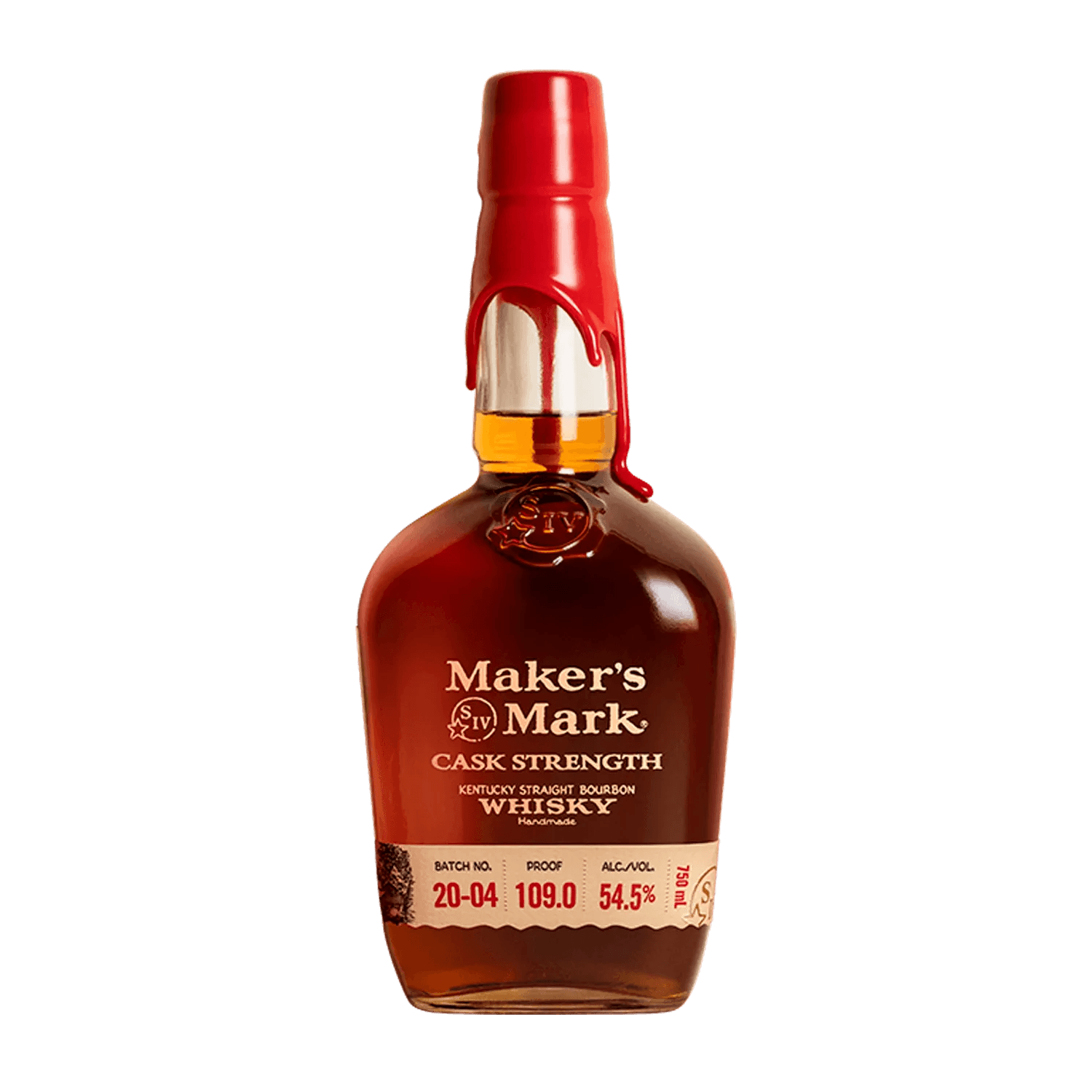
Maker's Mark Cask Strength
Beam Suntory
Maker's Mark Cask Strength is the same wheated bourbon the distillery has made since 1958 — pulled out of the barrel and bottled without water. No dilution means no muting: the caramel is darker, the wheat is rounder, and the oak is fuller than the standard bottling.
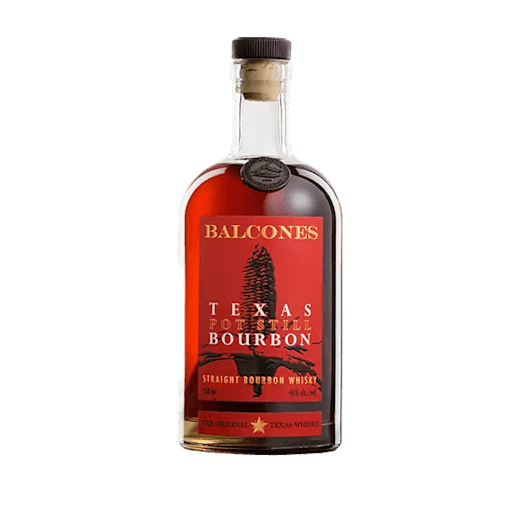
Balcones Texas Pot Still Bourbon
Balcones Distilling
Balcones Texas Pot Still is what happens when a distillery decides that 'grain-to-glass' is a promise, not a slogan. Malting their own roasted blue corn in-house is not a shortcut anyone takes — it's expensive, labor-intensive, and demands expertise most distilleries don't have. The reward is a bourbon with a genuinely unmistakable profile: the nutty, brown-sugar sweetness of roasted heirloom corn that you simply cannot buy from an industrial malt house. At under fifty dollars, this is estate-distilled Texas bourbon from a distillery that controls every variable from seed to seal.
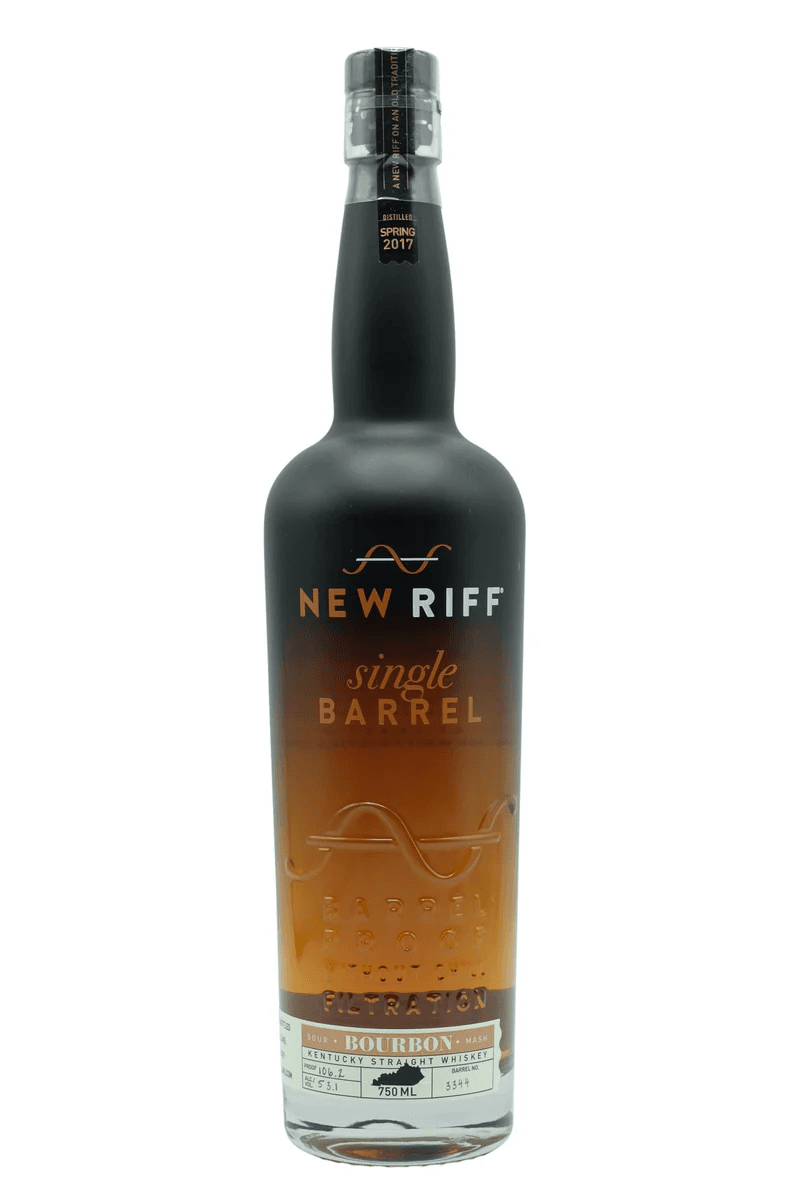
New Riff Single Barrel Bourbon
New Riff Distilling
New Riff’s single barrel program is the purest expression of what happens when a distillery uses transparency as its catalyst. By committing to Bottled-in-Bond from barrel one — no blending, no filtration, no dilution — they stripped away every safety net and bet on the quality of their distillate. The high-rye mash bill delivers assertive spice and complexity that barrel proof amplifies rather than masks. Every barrel is different, and that is precisely the point: you are tasting the unedited conversation between grain, yeast, wood, and time. At under fifty-five dollars for barrel-proof single barrel bourbon of this quality, New Riff does not just compete with Kentucky’s legacy houses — it challenges them to explain why they ever reached for the blending tank.
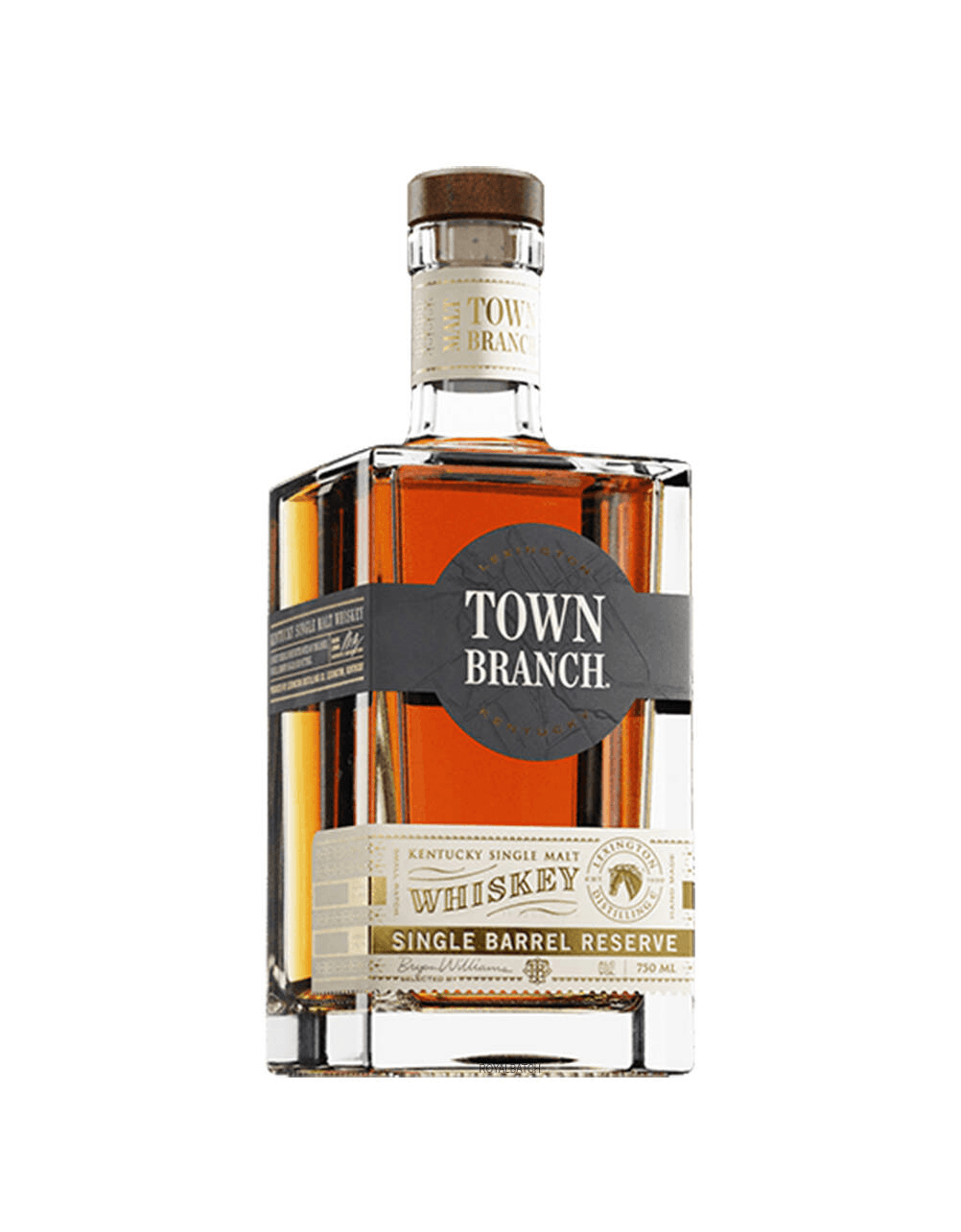
Town Branch Single Barrel Reserve Bourbon
Alltech / Lexington Brewing and Distilling Co.
Town Branch Single Barrel Reserve is a bourbon that wears its geology on its sleeve. Where many cask-strength offerings overwhelm with heat, this one delivers power with poise — the limestone-filtered water creating a mineral backbone that keeps the caramel and oak in check. It's a bourbon that rewards patience: give it ten minutes in the glass and the nose opens into layers of butterscotch, dried fruit, and toasted corn that you'd miss if you rushed. At its price point, it competes with bottles twice its cost, and it's a compelling argument that Kentucky's most important ingredient isn't corn — it's stone. Cocktail — "The Limestone Old Fashioned": Muddle a sugar cube with 2 dashes Angostura bitters and a splash of branch water. Add 2 oz Town Branch Single Barrel Reserve, stir with a large ice cube for 30 seconds. Express an orange peel over the glass and garnish. The mineral quality of this bourbon makes it an exceptional Old Fashioned base — the stone-filtered water character amplifies the bitters.
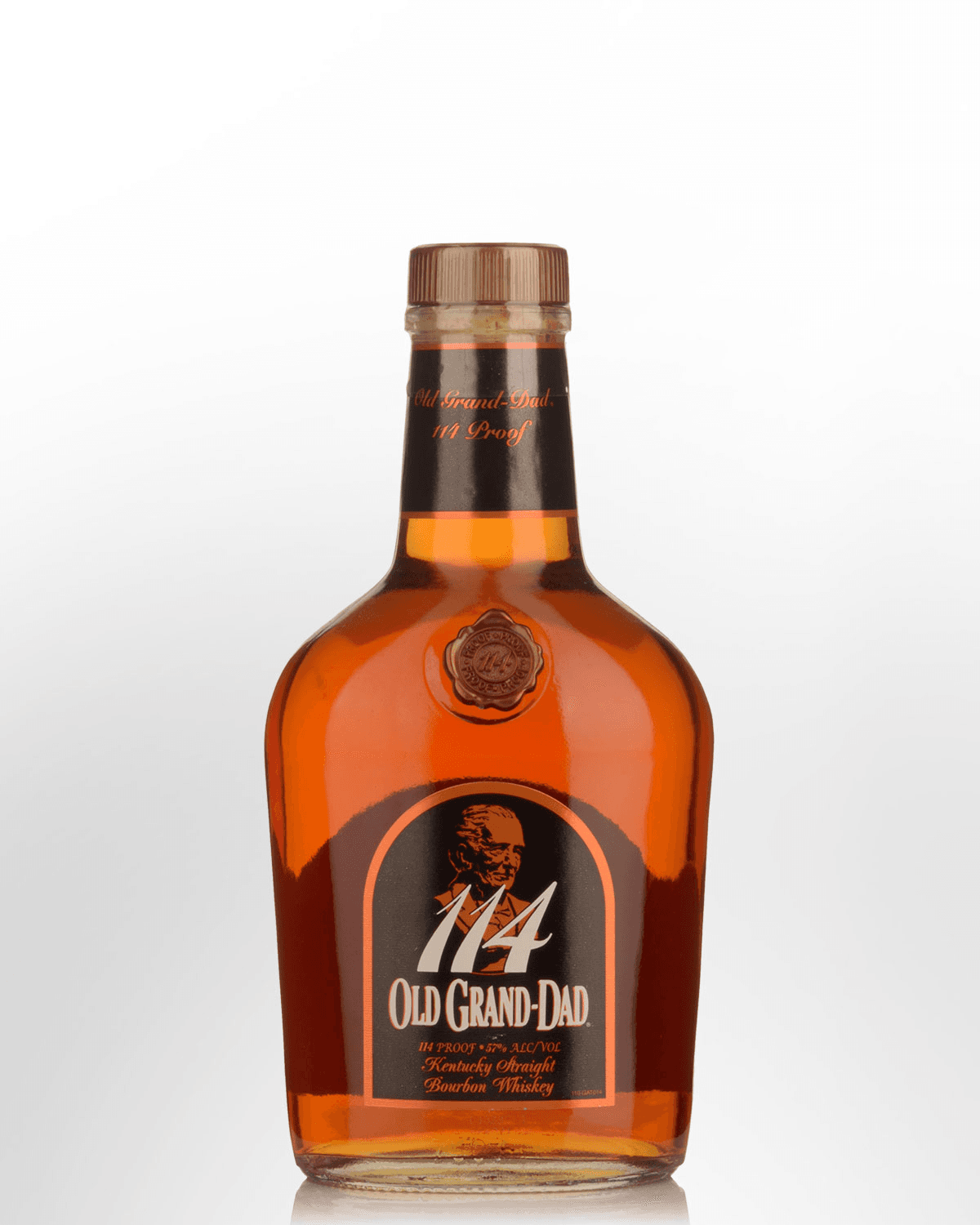
Old Grand-Dad 114
Beam Suntory
Old Grand-Dad 114 is the thinking drinker's value bourbon — a bottle that punches so far above its price point it almost feels like a mistake. That 27% rye mash bill, nearly double the industry average, gives it a backbone of spice that would overwhelm a lesser whiskey, but here it serves as architecture for layers of caramel, chocolate, and charred oak to hang upon. The high proof isn't a gimmick — it's a magnifying glass, amplifying nuances that lower-proof expressions wash away. At under thirty-five dollars, this is a bottle that seasoned bourbon drinkers quietly recommend to one another.
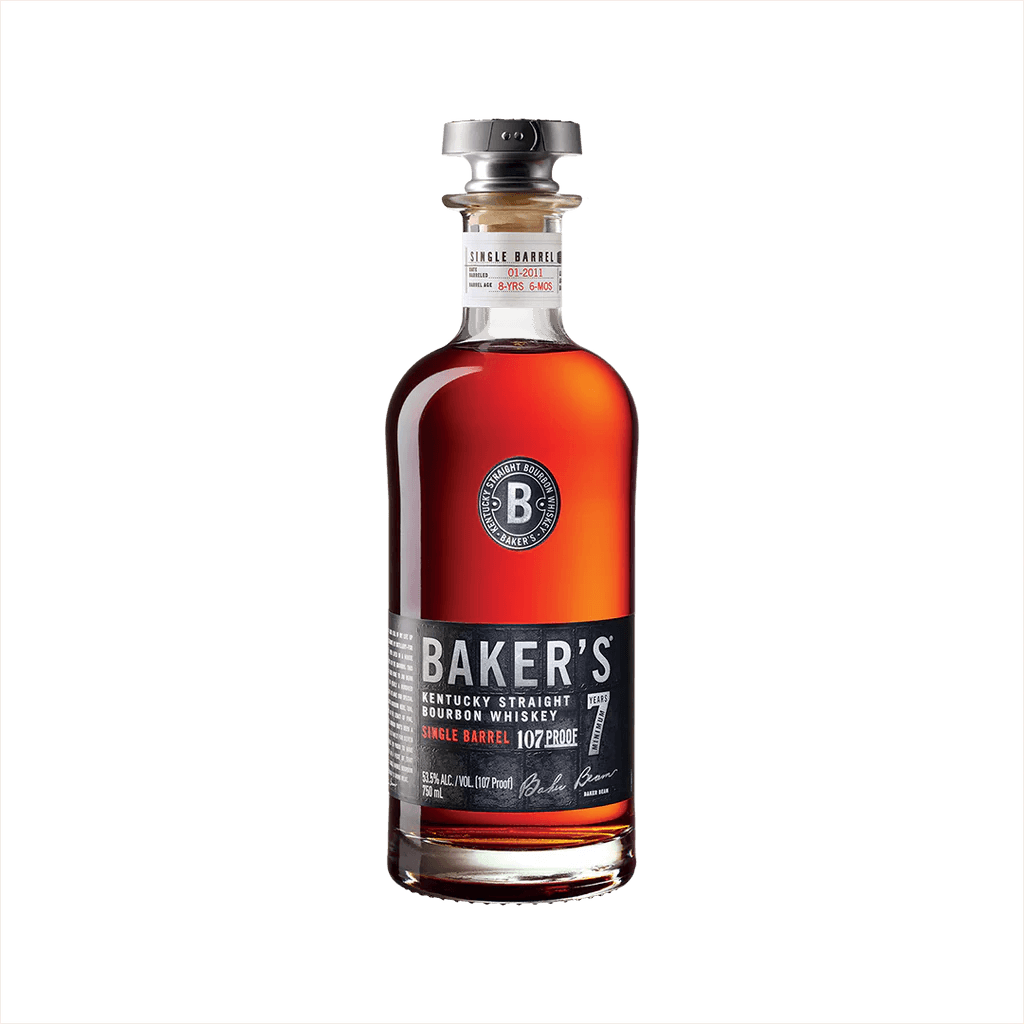
Baker's 7 Year Old Single Barrel
Beam Suntory
Baker's 7 is the bourbon that proves the Beam family's small batch experiment was not a marketing exercise. While Knob Creek went for age, Booker's for barrel proof, and Basil Hayden's for approachability, Baker Beam chose texture — a uniquely full-bodied, oily mouthfeel that feels like liquid velvet at 107 proof.
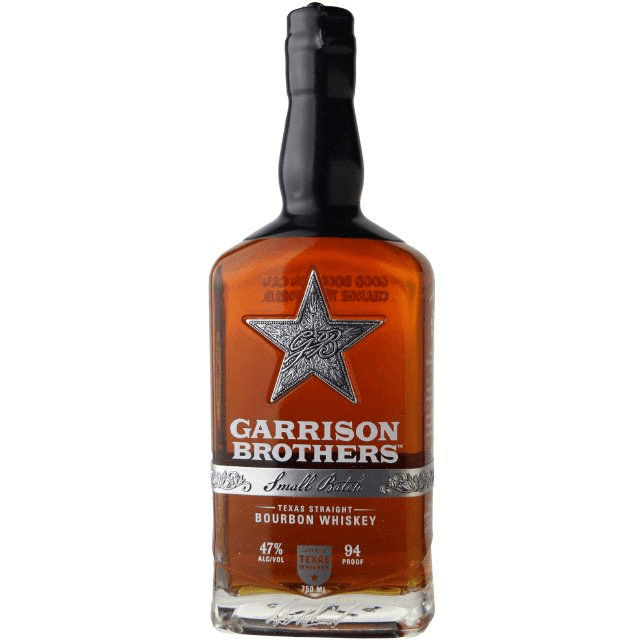
Garrison Brothers Small Batch Texas Straight Bourbon
Garrison Brothers Distillery
Garrison Brothers makes a convincing case that exceptional bourbon doesn't require a Kentucky zip code. The Texas climate does what years of barrel rotation cannot — it pushes the spirit hard against new oak from the first summer, extracting a depth of caramel and vanilla that rivals aged Kentucky expressions at twice the price. The Small Batch is approachable enough for newcomers and complex enough to challenge experienced palates. This is the bourbon that makes you reconsider every assumption about terroir and tradition.
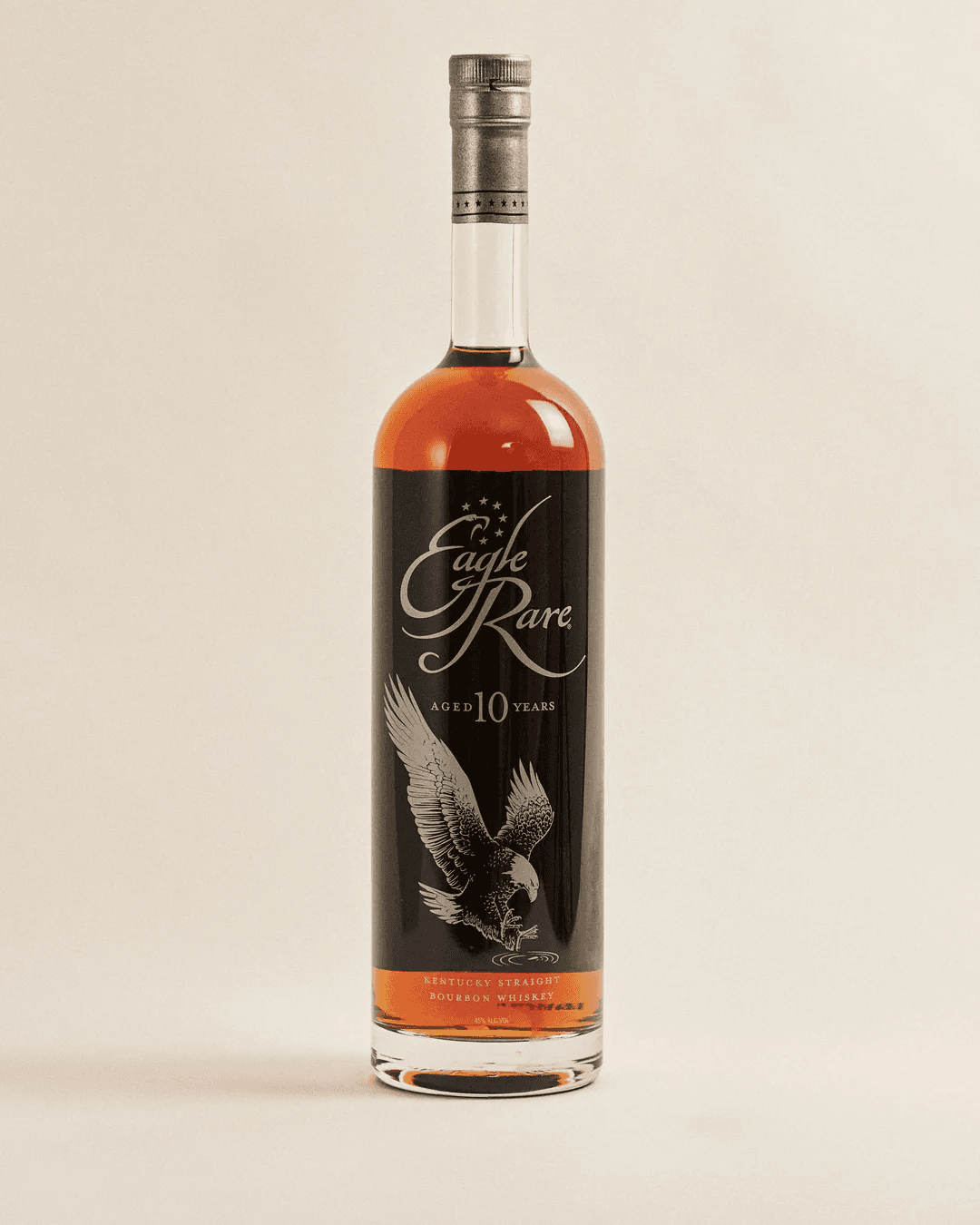
Eagle Rare 10 Year Old
Sazerac Company
Eagle Rare is one of the most remarkable values in American whiskey — a single barrel bourbon that offers the complexity of releases costing twice as much. Harlen Wheatley's barrel selection philosophy is evident in every sip: each bottle is the product of deliberate, patient selection from barrels that have earned the Eagle Rare designation over a full decade of aging.
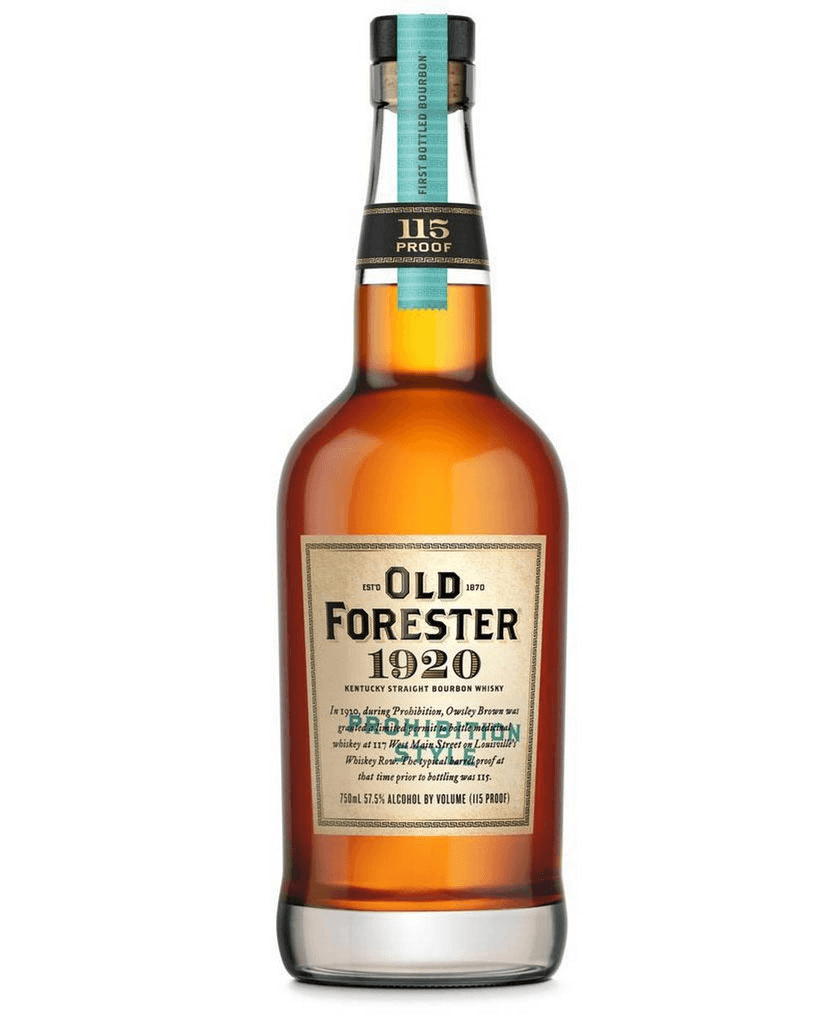
Old Forester 1920 Prohibition Style
Brown-Forman
Booker's Bourbon
Beam Suntory
Booker's Bourbon was the original rebel yell of American whiskey — barrel-proof bourbon that proved drinkers were ready for intensity and honesty in the glass.
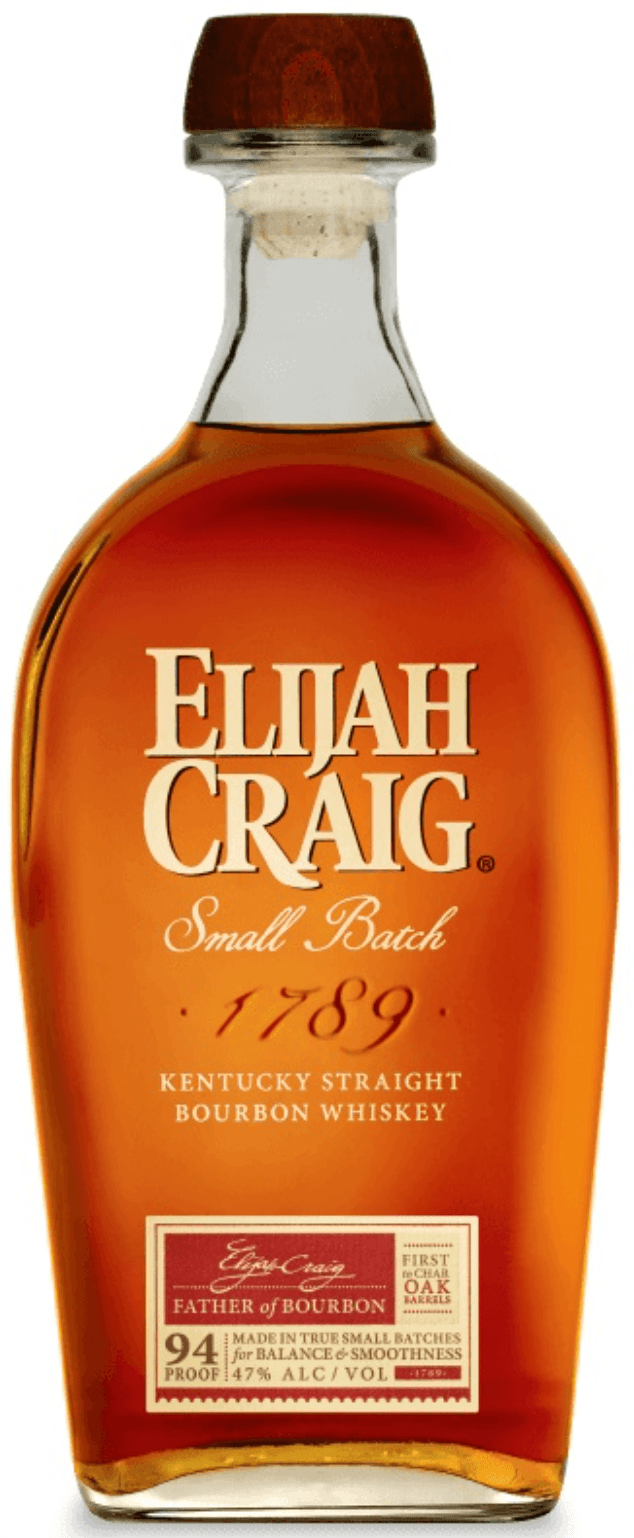
Elijah Craig Small Batch
Heaven Hill Distillery (Elijah Craig, est. 1986)
Elijah Craig Small Batch is the bourbon that punches so far above its price point that it makes you wonder what everyone else is doing with their money. Heaven Hill’s corn-heavy mash bill (78%) creates a sweet, approachable base, but the real story is the aging: barrels are drawn from multiple floors of Heaven Hill’s Bardstown rickhouses, where summer temperatures in the top floors can exceed 130°F while ground-floor barrels barely reach 80°F. This temperature differential means each barrel develops a different flavor profile — more caramel and char from the heat, more fruit and grain from the cool — and the blender’s job is to combine them into something greater than any single barrel. At 94 proof and 8–12 years old, the result is a bourbon with the complexity of bottles costing twice as much. The deep char (Heaven Hill uses a Number 3 char) gives it a distinctive smoky backbone that separates it from sweeter, lighter bourbons.
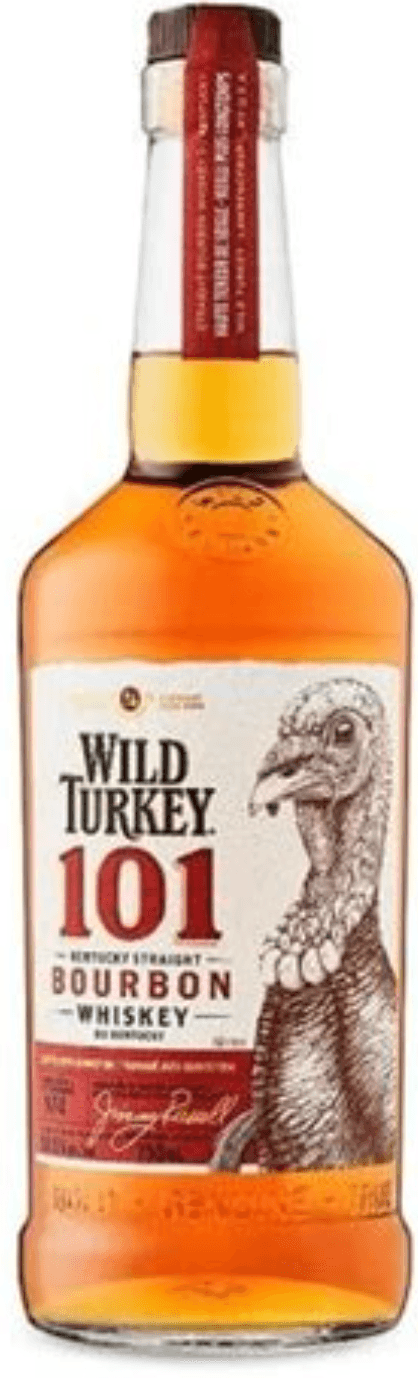
Wild Turkey 101
Campari Group (Wild Turkey, est. 1940)
Wild Turkey 101 is the bourbon that refuses to compromise. When the industry trend moved toward lower proofs and smoother profiles designed to offend no one, master distillers Jimmy and Eddie Russell held the line at 101 proof — the same proof the brand has bottled since the beginning. The secret is their unusually low barrel entry proof of 110°, compared to the legal maximum of 125°. That means less water added before barreling, which means more of the distillate’s character survives the aging process. At $22–$28, this is arguably the greatest value in American whiskey. It makes the case that boldness and drinkability aren’t opposites.

Rare Breed Barrel Proof Kentucky Straight Bourbon Whiskey
Kentucky Peerless
Peerless continues to prove that youth doesn't mean immaturity. This barrel proof expression delivers concentration and complexity that rival bourbons twice its age. A distillery punching well above its stated years.
Pikesville Straight Rye Whiskey
Pikesville
Pikesville is one of the best values in American rye whiskey. It delivers barrel-proof intensity with the composure of a much older whiskey, offering enough complexity for contemplative sipping and enough backbone to anchor a Manhattan. If you've overlooked this bottle on the shelf, correct that immediately.

Old Elk Cask Strength Straight Bourbon Whiskey
Old Elk
Old Elk's slow-cut proofing philosophy pays dividends here. The cask strength presentation shows every layer of their high-malt mash bill without overwhelming the drinker. A bourbon built for contemplation, not speed.

Noah's Mill Kentucky Bourbon Whiskey
Noah's Mill
Noah's Mill is barrel-proof bourbon without apology. Its intensity rewards patience — a splash of water opens the caramel and softens the leather into something rich and contemplative. A serious sipper for those who want their bourbon to push back.

Rare Breed Bourbon Barrel Proof
Wild Turkey
This is barrel proof bourbon that doesn't require an apology or a chaser. The blending of multiple age stocks by Eddie Russell creates a complexity that single-barrel releases often reach for and miss. An anchor bottle for any serious bourbon shelf.

Bone Snapper X-Ray Cask Strength Straight Rye Whiskey
Bone Snapper
This is a bourbon that doesn't flinch at cask strength. The high proof amplifies rather than overwhelms, revealing layers of oak char and grain character that lower-proof bottlings smooth away. A serious sipper for those who like their bourbon uncompromising.

Wilderness Trail Single Barrel Bottled in Bond High Rye Bourbon Whiskey
Wilderness Trail
Wilderness Trail's sweet mash process gives this bourbon a clarity that many competitors lack. The high-rye mash bill provides tension and structure, while the bottled-in-bond proof lets nothing hide. A bourbon that rewards careful tasting.

Yellowstone Hand Picked Collection Single Barrel Bourbon 2024 Release
Yellowstone
This single barrel release from Limestone Branch delivers an honest, barrel-forward bourbon that doesn't hide behind sweetness. The proof is well-chosen — enough heat to open the flavors without overwhelming them. A solid example of how careful barrel selection outperforms age statements.

Boone County 1833 Select Kentucky Straight Bourbon Whiskey
Boone County
Boone County's 1833 Select shows what happens when you let good bourbon reach its moment without rushing it. At six years, the oak integration is confident without being aggressive. It's a workhorse sipper with enough complexity to reward slow evenings.
Bone Snapper X-Ray Cask Strength Straight Rye Whiskey
Bone Snapper
This is a bourbon that doesn't flinch at cask strength. The high proof amplifies rather than overwhelms, revealing layers of oak char and grain character that lower-proof bottlings smooth away. A serious sipper for those who like their bourbon uncompromising.

Sagamore 7 Year Old Bottled in Bond Rye Whiskey
Sagamore Spirit
Sagamore's 7-year bottled-in-bond release is a showcase for what Maryland rye can be when given time and discipline. The extra age compared to their standard offerings adds depth and complexity without losing the vibrant, spice-forward character that defines the style. At 100 proof, it has the muscle for cocktails but the refinement to reward slow, contemplative sipping.

Sentinel of the Desert Bourbon Whiskey Del Bac Mesquited Barrel Staves Finish
Del Bac
Hamilton Distillers continues to carve out a singular identity in American whiskey, and this mesquite-finished expression is a compelling argument for terroir-driven bourbon. The mesquite stave finish adds genuine depth without gimmickry — it feels intentional and well-integrated. A worthy pour for anyone looking to explore what happens when bourbon meets the desert Southwest.