Aroma
Brown Spices
80 bottles with this note
Train this aroma
Bourbon Aroma Kit
Develop your palate with the canonical reference for brown spices and related notes.

Calumet Farm 8 Year Old Kentucky Straight Bourbon Whiskey
Calumet Farm
A polished, approachable bourbon that lets eight years of Kentucky heat do the talking. The oak influence is present but restrained, with enough sweetness and spice to hold interest. A solid daily drinker that punches well above its price.

Old Bardstown Estate Bottled Kentucky Straight Bourbon Whiskey
Old Bardstown
Old Bardstown Estate delivers Willett's pot-still character in an approachable, no-nonsense package. It rewards attention without demanding ceremony — a bourbon that respects both the craft and the drinker. Hard to beat at this price.

Breckenridge Bourbon Whiskey
Breckenridge
Breckenridge proves that high-altitude aging isn't a gimmick — the wide daily temperature swings in Colorado's mountains push spirit in and out of oak aggressively, yielding mature character in less time. A versatile bourbon that rewards both neat sipping and cocktail use.

Old Forester 1910 Old Fine Whisky Double Barreled
Old Forester
Old Forester's 1910 demonstrates what a second maturation can accomplish when executed with precision. The double-barreled technique adds depth and texture without masking the distillery's signature fruity character. A bourbon that rewards patience in the glass as much as it required patience in the warehouse.

Barrell Bourbon Batch 034
Barrell Craft Spirits
Barrell's blending program consistently delivers cask-strength complexity at a fair price. Batch 034 leans into dark, rich territory — more autumn bonfire than summer orchard. Add water gradually to unlock new layers.

Town Branch Single Barrel Bourbon
Town Branch
Town Branch operates quietly in Lexington's shadows, but their single barrel program delivers exceptional value. This is a bourbon that rewards attention — structured enough to sip neat, versatile enough for a well-built cocktail.

Smoke Wagon Small Batch Bourbon Whiskey
Smoke Wagon
Smoke Wagon Small Batch is one of the best values in sourced bourbon. The high-rye mash bill gives it spine, while careful barrel selection from MGP's warehouse ensures a char-forward but never acrid profile. A daily drinker that punches well above its price.

Stellum Cask Strength Single Barrel Bourbon Whiskey
Stellum
Stellum's single barrel program highlights what cask strength can do when sourcing is sharp. This is bourbon with an iron backbone — every ounce of sweetness earns its place against that oak structure. A serious sipper that rewards patience and a few drops of water.

Jefferson's Very Small Batch Kentucky Straight Bourbon Whiskey
Jefferson's
A masterclass in blending as timing: founder Trey Zoeller's flagship expression marries barrels from multiple ages and warehouses into a bourbon whose easy drinkability belies real craft — a benchmark for what a well-considered small-batch blend can achieve at a workaday price.

Boone County Eighteen33 Single Barrel Bourbon Whiskey
Boone County Distilling Co.
A grain-honest bourbon that lets its mash bill do the talking. The single barrel selection adds individuality without pretense, making this a bottle that rewards quiet attention. A strong daily sipper that punches above its price.

Old Forester Birthday Bourbon 2024
Old Forester
This annual release justifies its cult following with a finish that simply refuses to quit. The 12-year maturation delivers oak complexity without bitterness, and the higher proof ensures every flavor reaches the back palate intact. A bourbon built for contemplation.

Boone County Small Batch Bourbon Whiskey
Boone County Distilling Co.
A quietly confident Kentucky bourbon that lets terroir speak — proof that the limestone water narrative isn't just marketing when a distiller commits to it. An excellent everyday sipper that rewards patient attention.

Jefferson's Reserve Very Old Very Small Batch Kentucky Straight Bourbon Whiskey
Jefferson's
A composed, contemplative bourbon that embodies slow heat — approachable on entry but with depth that unfurls over minutes in the glass. A quiet benchmark of the blended-bourbon craft.

Barrell Craft Spirits Infinite Barrel Project Bourbon Whiskey
Barrell Craft Spirits
The Infinite Barrel Project takes its name from the solera-inspired process — each release carries DNA from every prior batch. The result is a bourbon of uncommon depth and consistency. At cask strength, it's a master class in how blending can transcend its source materials.

Chattanooga Whiskey Cask 111 High Malt Straight Bourbon Whiskey
Chattanooga Whiskey
Chattanooga Whiskey has built its identity around experimental mash bills, and Cask 111 is the proof of concept distilled to its essence. The high malt proportion delivers a texture and sweetness profile unlike traditional bourbons, rewarding drinkers who want something genuinely different without sacrificing depth.

Woodford Reserve Wheat Whiskey
Woodford Reserve
This is bourbon's quieter cousin — a wheat whiskey that trades punch for poise. It rewards slow sipping and proves that restraint can carry as much complexity as cask strength bravado. An excellent entry point into wheat whiskeys for bourbon drinkers ready to explore.

Bower Hill Barrel Reserve Straight Bourbon Whiskey
Bower Hill
An overlooked small-batch sourced bourbon that punches well above its price point — structured, spice-forward, and quietly complex, ideal for drinkers who prize backbone over gloss.

Wyoming Whiskey Outryder Straight American Whiskey
Wyoming Whiskey
A bold, weather-forged American whiskey that refuses to smooth its edges. Outryder is one of the most distinctive bonded whiskeys made outside Kentucky — an honest, high-plains expression of what climate can imprint on grain and barrel.

New Riff Balboa Rye Bourbon
New Riff
A bourbon that earns its complexity through friction rather than finesse — the rare high-rye bourbon that tastes engineered for tension, then rewards patience with genuine grace.

Garrison Brothers Balmorhea Texas Straight Bourbon Whiskey
Garrison Brothers
Garrison Brothers Balmorhea proves that extreme climate maturation isn't a gimmick when done with care. The interplay of high proof and deep oak extraction creates a bourbon that feels more like a decade-aged Kentucky whiskey compressed into five punishing Texas summers. It rewards patience with water but stands tall at full strength.

Rowan's Creek Kentucky Straight Bourbon Whiskey
Rowan's Creek
A quietly confident small-batch bourbon that punches above its price point — proof that direction, in the hands of a storied Bardstown bottler, truly finds flavor.

Wilderness Trail Single Barrel Cask Strength Bourbon Whiskey (Sweet Mash)
Wilderness Trail
Wilderness Trail's sweet-mash process produces a bourbon with unusual clarity and grain-forward purity. This single barrel bottling shows how high proof and careful fermentation science can deliver both power and precision. A serious sipper that rewards patience and a few drops of water.

Very Old Barton Bottled in Bond Kentucky Straight Bourbon Whiskey
Very Old Barton
This is the bourbon that embarrasses bottles costing five times as much. Barton's BiB expression delivers honest, well-structured whiskey with real barrel character and zero pretension. A benchmark for value-driven craft.

Old Grand-Dad Bonded Kentucky Straight Bourbon Whiskey
Old Grand-Dad
Old Grand-Dad Bonded is a masterclass in value and character. The high-rye mash bill gives it a spine that many higher-priced bourbons lack, and the bottled-in-bond designation guarantees integrity. This is a working bourbon that punches well above its shelf position.

Stellum Equinox Bourbon Whiskey
Stellum
Stellum Equinox demonstrates what happens when carefully selected barrels from multiple states are married with precision. The result is a bourbon that punches well above its price point, delivering complexity and depth that reward both neat sipping and thoughtful cocktail work.

Belle Meade Bourbon Cask Strength Reserve
Belle Meade
Nelson's Green Brier has quietly built one of the most compelling cask-strength programs in the South. This release rewards patience — give it ten minutes in the glass and the complexity deepens substantially. A bourbon that earns its proof rather than hiding behind it.

Old Forester Single Barrel Bourbon Whiskey
Old Forester
Old Forester's single barrel program quietly delivers one of the best value propositions in Kentucky. Each barrel pick carries the distillery's signature fruit-forward character while offering enough variation to make repeat purchases interesting. A workhorse bourbon that punches cleanly above its price.

Kentucky Owl The Wiseman Kentucky Straight Bourbon Whiskey
Kentucky Owl
The Wiseman delivers a well-constructed bourbon that punches above its price point. It balances sweetness and structure in a way that rewards both neat sipping and cocktail use. A reliable daily pour with enough depth to hold your attention.

Stellum Black Bourbon
Stellum Spirits
A bigger, broodier sibling to Stellum's standard bourbon — the 'Black' batches isolate the most assertive barrels from the blending stock, yielding a cask-strength pour that feels both wild and meticulously composed.

Elijah Craig 1789 Small Batch Kentucky Straight Bourbon Whiskey
Elijah Craig
Heaven Hill's flagship small batch remains a benchmark for what well-made bourbon at an accessible price should taste like. It delivers complexity beyond its price point, with barrel char and grain in honest balance. A bottle that earns its shelf space through consistency rather than hype.

Barrell Bourbon Batch 037
Barrell Craft Spirits
Barrell's blending program is one of American whiskey's most underappreciated feats, and Batch 037 showcases why. The balance between proof, sweetness, and spice complexity rewards attention. A bottle that justifies the cask-strength experience.

Barrell Bourbon Batch 035
Barrell Craft Spirits
Barrell's blending program is the seam itself—dozens of cask samples stitched together into a single coherent pour. Batch 035 demonstrates that a skilled blender's palate can create complexity that rivals single barrel selections. This is a bourbon that rewards patience and a wide glass.

Ironroot Republic Harbinger Bourbon Whiskey
Ironroot Republic
Ironroot Republic proves that Texas heat isn't just a maturation accelerant — it's a flavor catalyst. This bourbon carries real grain character amplified by aggressive wood interaction, delivering a profile that's unapologetically bold. A standout from a distillery that deserves wider recognition.

1792 Full Proof Kentucky Straight Bourbon Whiskey
1792
1792 Full Proof delivers exactly what barrel-strength bourbon should: intensity without chaos. It rewards a few drops of water, which open up the sweeter cereal and fruit notes, but it holds together beautifully at full strength. A serious bourbon at a price that still feels honest.

Four Roses Small Batch Select
Four Roses
Four Roses Small Batch Select is the distillery's answer to those who want the complexity of their single barrel program with more consistency batch to batch. The six-recipe blend creates internal tension—fruity versus spicy, sweet versus dry—that resolves beautifully. A daily drinker with special-occasion depth.

David Nicholson Reserve Kentucky Straight Bourbon Whiskey
David Nicholson
David Nicholson Reserve punches well above its modest price, offering layered complexity that rewards patient sipping. The 100-proof backbone gives it cocktail versatility without sacrificing neat-pour nuance. A workhorse bourbon that deserves more shelf attention.

Ezra Brooks 99 Kentucky Straight Bourbon Whiskey
Ezra Brooks
Ezra Brooks 99 punches well above its price point, delivering a balanced pour with enough proof to stand up in cocktails while remaining comfortable neat. It's a workhorse bourbon that rewards attention without demanding it.

Kentucky Peerless Distilling Rye Whiskey
Peerless
Peerless demonstrates what happens when a family-owned distillery refuses to cut corners. This rye delivers intensity without aggression, and the non-chill-filtered, barrel-strength approach lets the limestone-filtered water and sweet mash process speak clearly. A serious whiskey at a fair price.

Frey Ranch Straight Bourbon Whiskey
Frey Ranch
Frey Ranch grows every grain on their own farm, and you taste that field-to-flask philosophy in every sip. This is a bourbon that proves terroir isn't just a wine word—it's a whiskey word too.

Willet Family Estate 4 Year Old Small Batch Rye
Willett
Willett's return to estate-distilled bourbon proves the family's patience is paying off. At four years it's young but remarkably composed, with enough barrel proof punch to reward a few drops of water. A bourbon that invites you to participate in its unfolding.

Bardstown Bourbon Company Discovery Series #10
Bardstown Bourbon Company
Discovery Series #10 showcases Bardstown's blending prowess at its most precise. The interplay between sweetness and structure here is meticulously calibrated, offering a bourbon that rewards both contemplation and conversation. At cask strength, it handles a splash of water gracefully, opening further layers of dried fruit and grain.

Michter's US*1 Sour Mash Whiskey
Michter's
Michter's sour mash process — using a portion of previously fermented grain to set the pH of the new mash — creates a whiskey of uncommon smoothness without sacrificing depth. This is a bottle that demonstrates how restraint in proof and patience in barrel selection can produce something quietly authoritative.

Old Forester 100 Proof Kentucky Straight Bourbon Whiskey
Old Forester
Old Forester 100 Proof is the quiet workhorse of the bourbon shelf — consistently well-made, generously proofed, and honest to its grain. It over-delivers at its price point and belongs in any serious home bar. A textbook example of patience in a production lineage that stretches back to 1870.

Smoke Wagon Uncut Unfiltered Bourbon Whiskey
Smoke Wagon
Smoke Wagon's Uncut Unfiltered is a masterclass in big bourbon done right. The cask-strength proof amplifies rather than overwhelms, revealing layers that lower-proof bottlings often flatten. At its price, this is one of the best values in American whiskey.

Pikesville Straight Rye Whiskey
Pikesville
Pikesville is a rye that refuses to hide behind sweetness. It's a full-throttle expression of the grain itself, with enough barrel influence to add complexity without masking the raw material. A serious sipper that rewards attention.

Yellowstone Select Kentucky Straight Bourbon
Yellowstone
Yellowstone Select is a bourbon of quiet integration — nothing shouts, everything converges. It's an everyday pour that rewards a moment of patience, particularly when you let it open for a few minutes in the glass. Reliable, well-made, and unpretentious.

Jack Daniel's Single Barrel Select
Jack Daniel's
This single barrel expression proves that charcoal mellowing is not subtraction but curation. Each barrel chosen for bottling delivers a distinct personality within a disciplined framework. It's Tennessee whiskey at its most articulate.

Old Forester Statesman Kentucky Straight Bourbon Whiskey
Old Forester
Statesman is the overlooked sibling in the Old Forester range, but it may be the most complete expression they offer at this price. The extra proof carries deeper barrel influence without tipping into harshness. A bourbon built for contemplation, not cocktails — though it handles both admirably.

Wilderness Trail Cask Strength Kentucky Straight Bourbon Whiskey
Wilderness Trail
Wilderness Trail's cask strength expression rewards patience and a splash of water. The sweet-savory tension is expertly managed, and the earthy backbone distinguishes it from flashier barrel-proof bourbons. A distillery that's earned its reputation the hard way.

Russell's Reserve Single Barrel Bourbon
Russell's Reserve
This is mature, no-nonsense bourbon that rewards patience both in the glass and in the warehouse. Eddie and Jimmy Russell's hands-off philosophy shines here — the barrel did the talking. At 110 proof it stands up to ice or a splash of water without losing character.

Penelope Bourbon Architect Four Grain Straight Bourbon
Penelope Bourbon
Penelope's Architect bottling proves that a well-blended four-grain bourbon can rival single barrel releases for complexity. The higher proof carries flavor without heat. A serious sipper that rewards patience in the glass.

David Nicholson 1843 Kentucky Straight Bourbon Whiskey
David Nicholson
David Nicholson 1843 is an exercise in letting good ingredients do the talking. At 100 proof it has enough structure to stand up in cocktails but enough grace to sip neat. A daily-driver bourbon that punches well above its price.

Old Forester 1897 Bottled in Bond
Old Forester
Old Forester's BiB expression is a masterclass in what the Bottled in Bond Act was designed to guarantee: transparency and quality. It delivers complexity well beyond its price point, rewarding both neat sipping and cocktail work. A dependable workhorse with real depth.

Kentucky Owl Batch 12 Kentucky Straight Bourbon
Kentucky Owl
Kentucky Owl Batch 12 is the product of meticulous blending — multiple barrels and ages married into something cohesive and commanding. It rewards patience: give it fifteen minutes of air and the complexity multiplies. A bourbon for contemplation, not speed.

Peerless Kentucky Straight Bourbon Whiskey
Peerless
Peerless proves that a relatively young bourbon at full strength can rival older expressions when the barrel selection is rigorous. The interplay of char and sweetness is textbook cooperage influence. A serious sipper that rewards patience.

Woodinville Straight Bourbon Whiskey
Woodinville
Woodinville demonstrates that Pacific Northwest climate — cool winters and warm summers — produces a distinctly approachable bourbon with excellent grain character. The warehouse conditions in Quincy, Washington create wide temperature swings that push spirit deep into the wood. A strong value that punches above its price point.

Belle Meade Bourbon Reserve
Belle Meade
Belle Meade Reserve is Nelson's Green Brier at its most confident — proof-forward bourbon that never bullies the palate. The mash bill's corn-rye balance is on full display, making this an ideal study in how high proof can amplify rather than obscure complexity.

Stellum Bourbon Whiskey
Stellum
Stellum is Barrell's answer to the question of what happens when you blend bourbons from multiple states and bottle at cask strength without apology. It rewards those who sit with it — the nose alone changes dramatically over twenty minutes. An outstanding value at this proof.

Woodford Reserve Straight Bourbon Whiskey
Woodford Reserve
Woodford Reserve's triple-distilled process through copper pot stills gives this bourbon a refinement uncommon at its price point. It's a textbook example of how copper contact smooths rough edges while preserving grain character. An essential baseline bourbon for any serious taster.
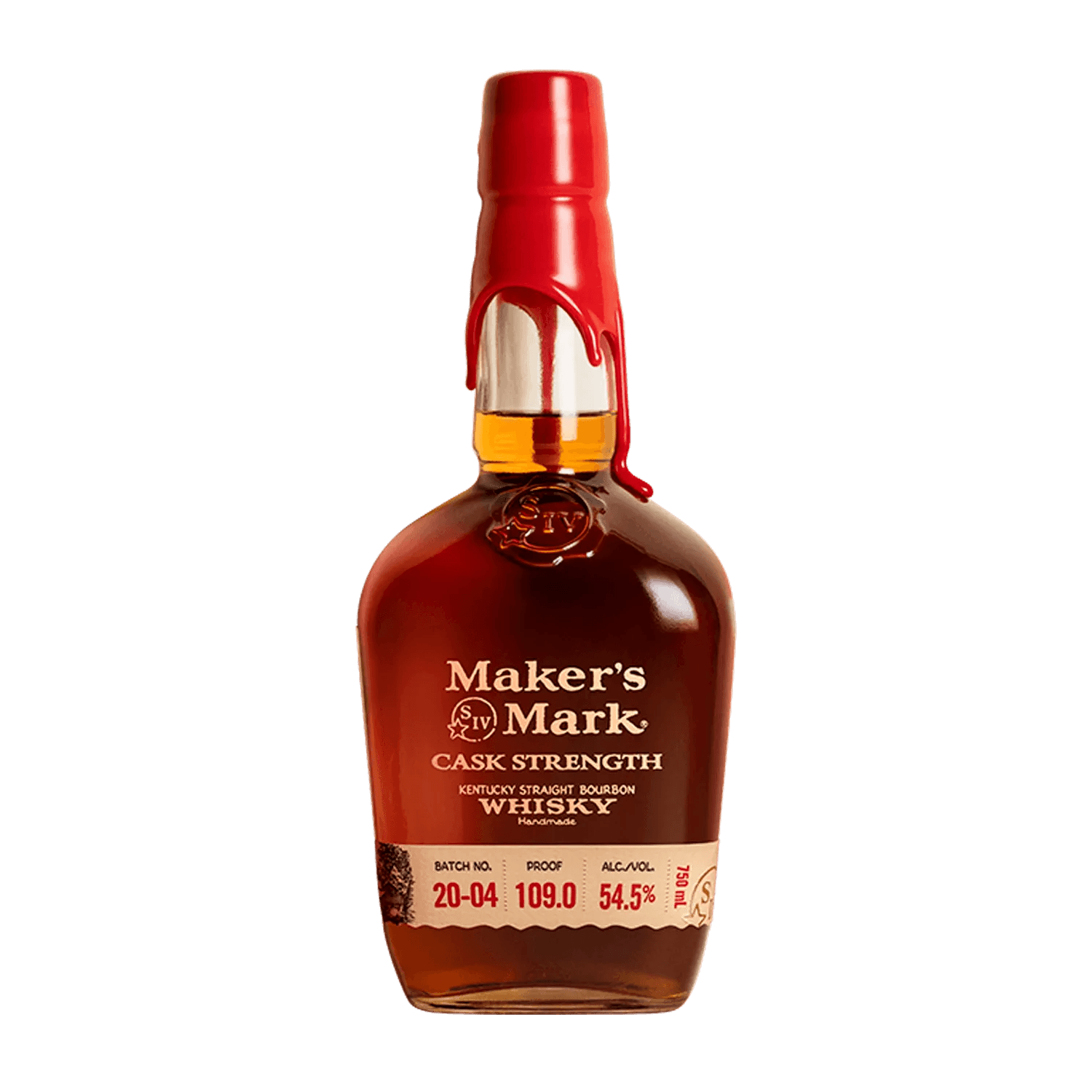
Maker's Mark Cask Strength
Beam Suntory
Maker's Mark Cask Strength is the same wheated bourbon the distillery has made since 1958 — pulled out of the barrel and bottled without water. No dilution means no muting: the caramel is darker, the wheat is rounder, and the oak is fuller than the standard bottling.
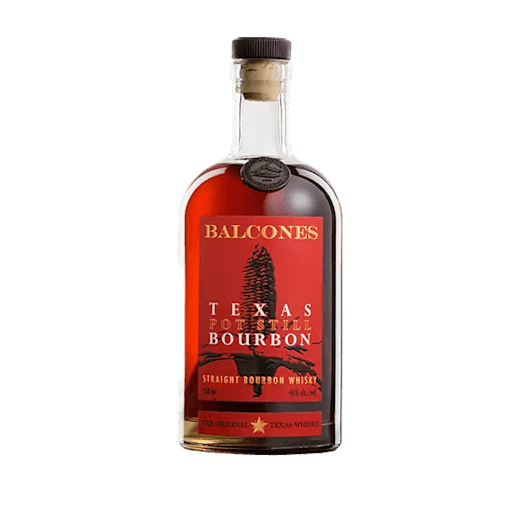
Balcones Texas Pot Still Bourbon
Balcones Distilling
Balcones Texas Pot Still is what happens when a distillery decides that 'grain-to-glass' is a promise, not a slogan. Malting their own roasted blue corn in-house is not a shortcut anyone takes — it's expensive, labor-intensive, and demands expertise most distilleries don't have. The reward is a bourbon with a genuinely unmistakable profile: the nutty, brown-sugar sweetness of roasted heirloom corn that you simply cannot buy from an industrial malt house. At under fifty dollars, this is estate-distilled Texas bourbon from a distillery that controls every variable from seed to seal.
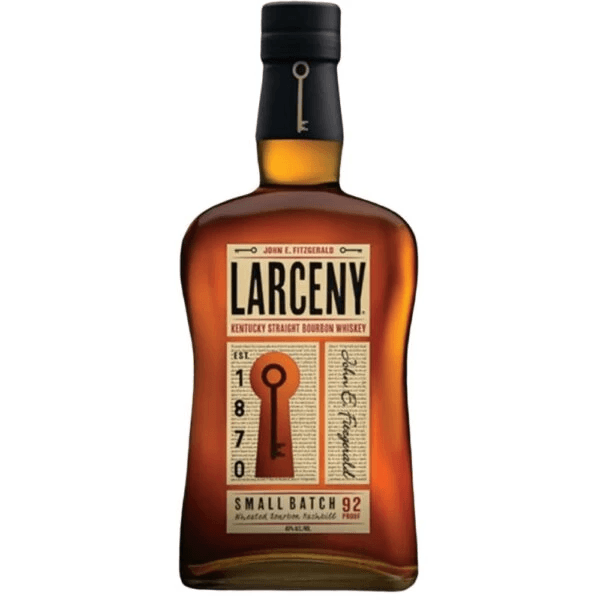
Larceny Small Batch
Heaven Hill Brands
Larceny Small Batch is the proving ground for a simple but powerful proposition: wheat belongs in bourbon. While the industry built its identity around rye's sharp, spicy bite, Heaven Hill quietly perfected a recipe that replaces assertiveness with grace. At 92 proof and under thirty dollars, this is a bourbon that punches above its price with a texture and drinkability that more expensive bottles struggle to match. It is living proof that softness is not weakness — it is a choice, and a confident one. Cocktail — The Fitzgerald Sour: 2 oz Larceny Small Batch, 0.75 oz fresh lemon juice, 0.5 oz honey syrup, 2 dashes Angostura bitters. Shake with ice and strain into a coupe. Garnish with a lemon wheel. The wheat bourbon's natural sweetness marries beautifully with the honey, creating a sour that is all silk.
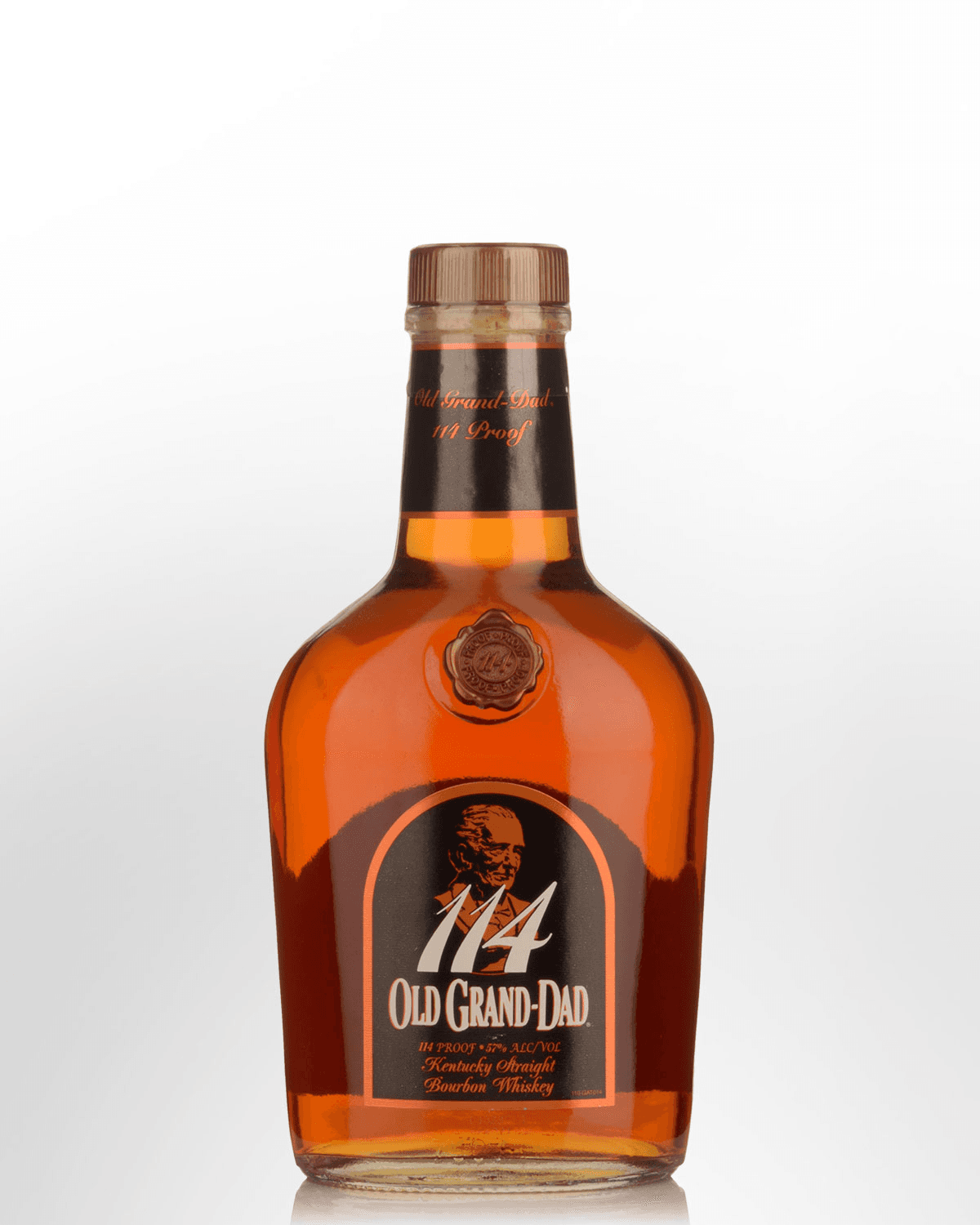
Old Grand-Dad 114
Beam Suntory
Old Grand-Dad 114 is the thinking drinker's value bourbon — a bottle that punches so far above its price point it almost feels like a mistake. That 27% rye mash bill, nearly double the industry average, gives it a backbone of spice that would overwhelm a lesser whiskey, but here it serves as architecture for layers of caramel, chocolate, and charred oak to hang upon. The high proof isn't a gimmick — it's a magnifying glass, amplifying nuances that lower-proof expressions wash away. At under thirty-five dollars, this is a bottle that seasoned bourbon drinkers quietly recommend to one another.
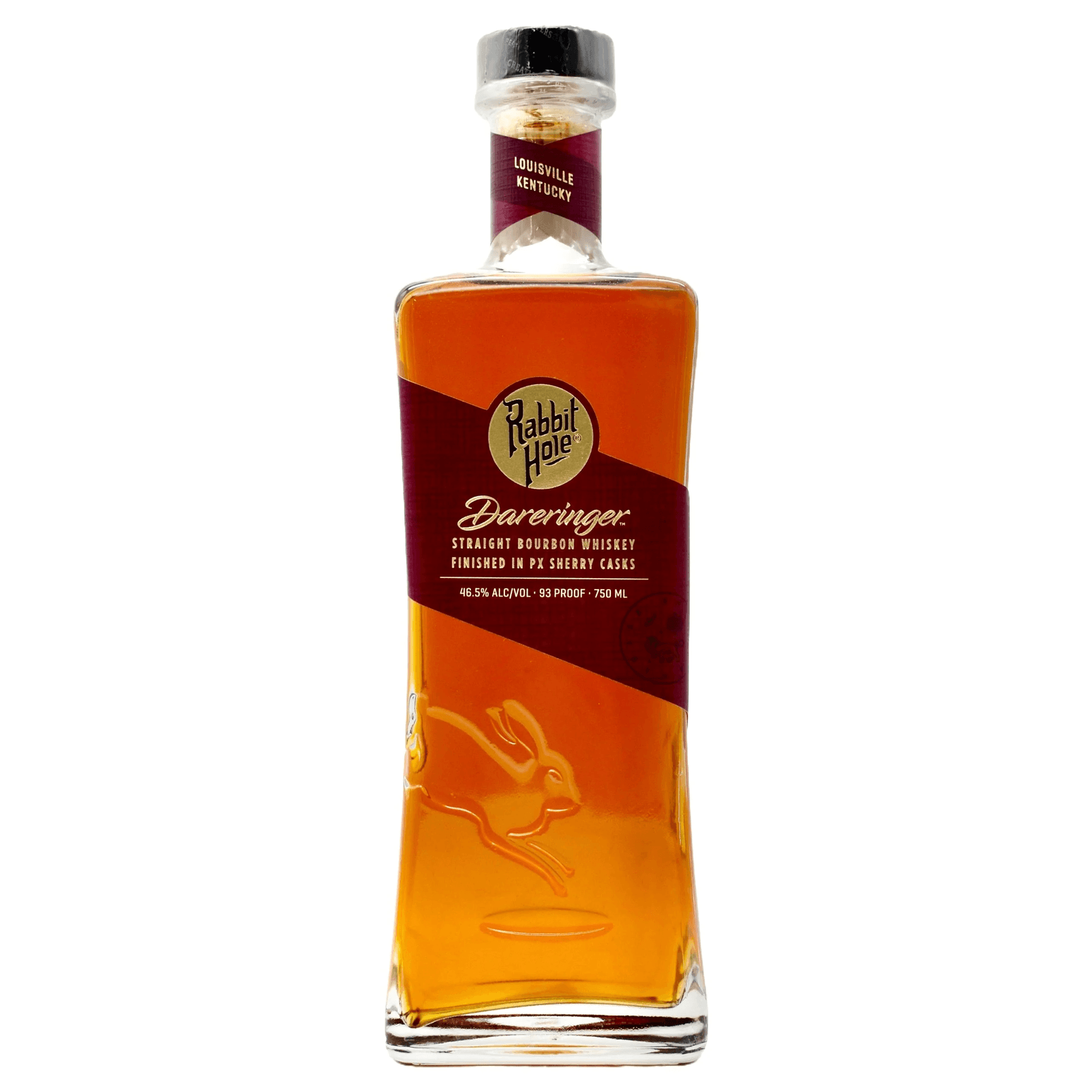
Rabbit Hole Dareringer
Pernod Ricard
Rabbit Hole Dareringer is the flavor of migration itself. Kaveh Zamanian’s journey from Tehran to Louisville mirrors the bourbon’s own passage through Spanish PX sherry casks—each crossing adding layers that neither origin could produce alone.
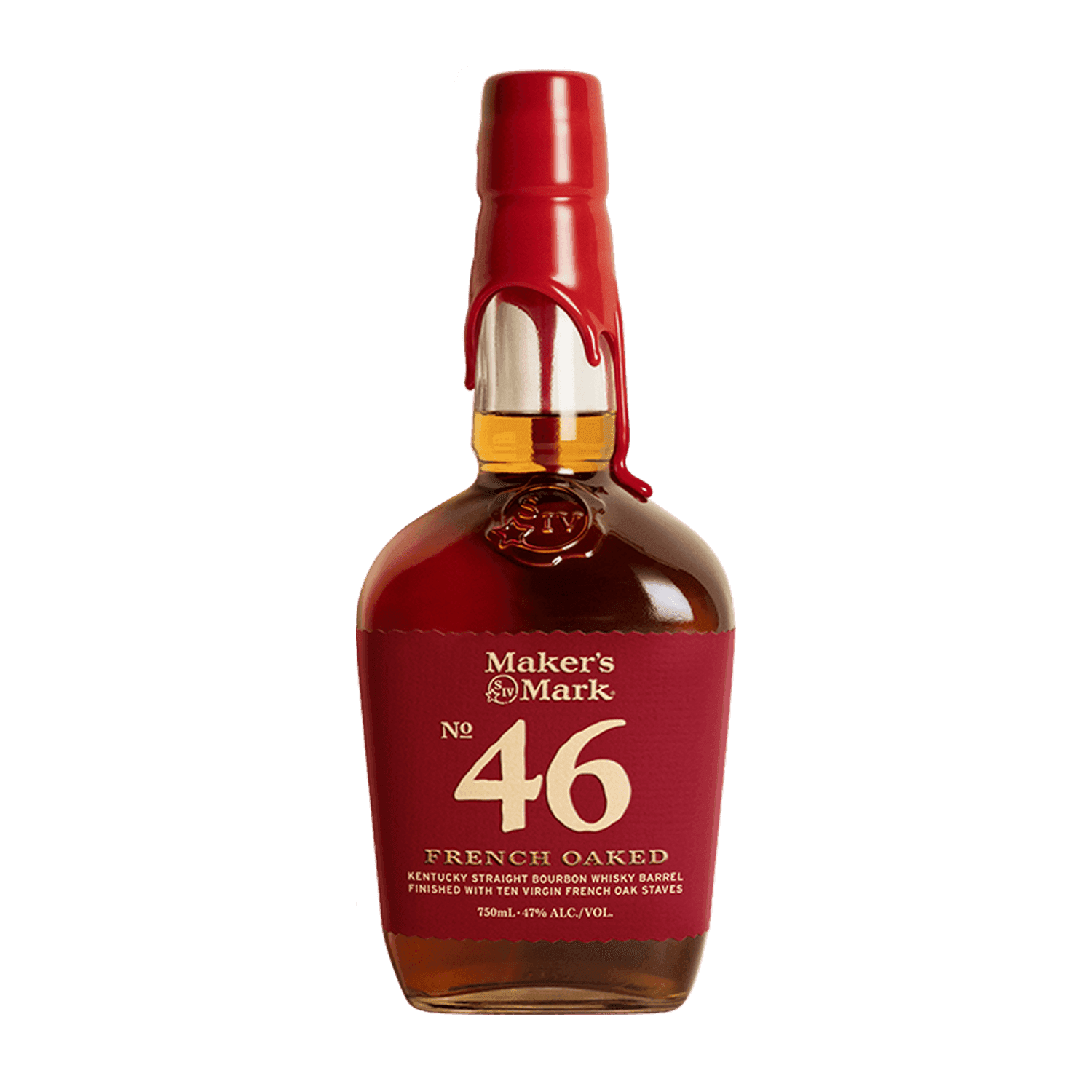
Maker's Mark 46
Beam Suntory
The 46 is a masterclass in what fire can add. Those ten seared French oak staves — Stave Profile No. 46, the one that gave this bourbon its name — transform a familiar wheated bourbon into something richer, spicier, and more complex, without losing the soft, approachable character that made Maker's Mark famous in the first place.
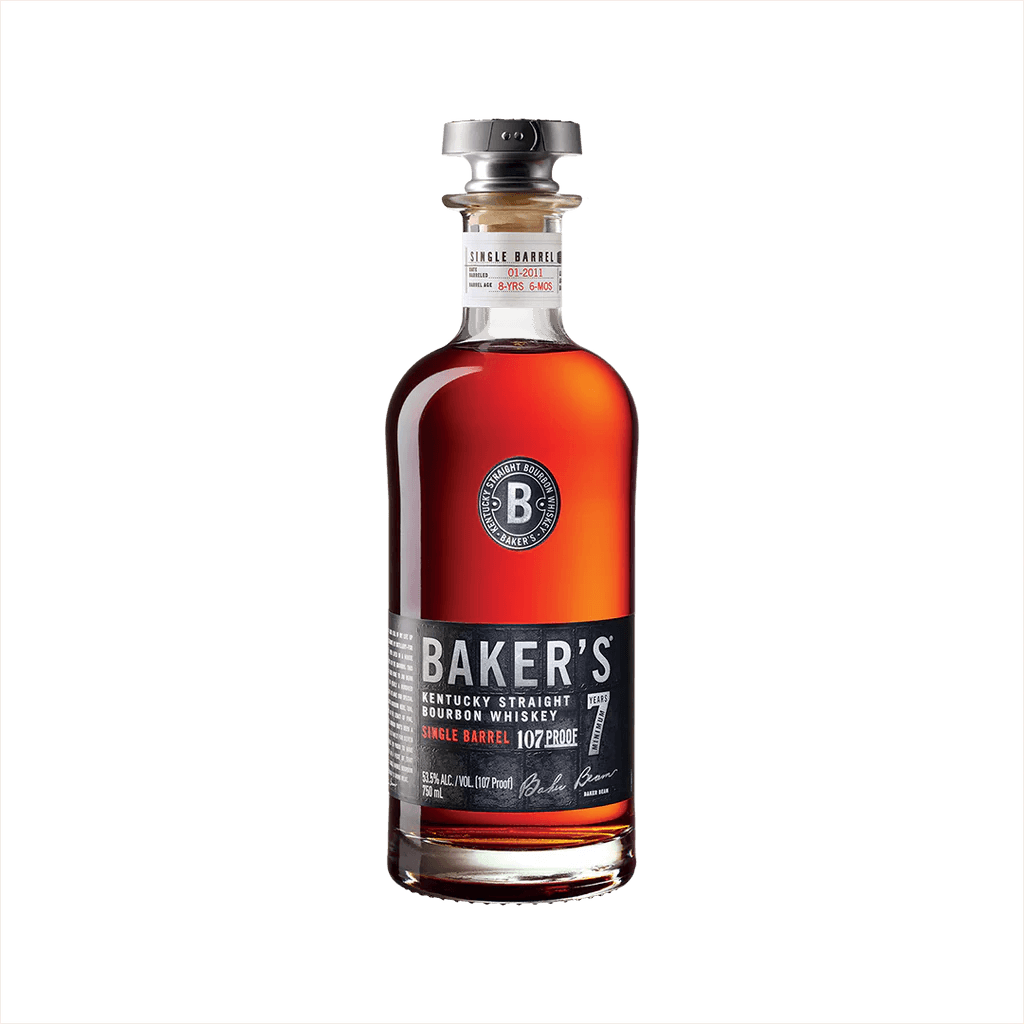
Baker's 7 Year Old Single Barrel
Beam Suntory
Baker's 7 is the bourbon that proves the Beam family's small batch experiment was not a marketing exercise. While Knob Creek went for age, Booker's for barrel proof, and Basil Hayden's for approachability, Baker Beam chose texture — a uniquely full-bodied, oily mouthfeel that feels like liquid velvet at 107 proof.
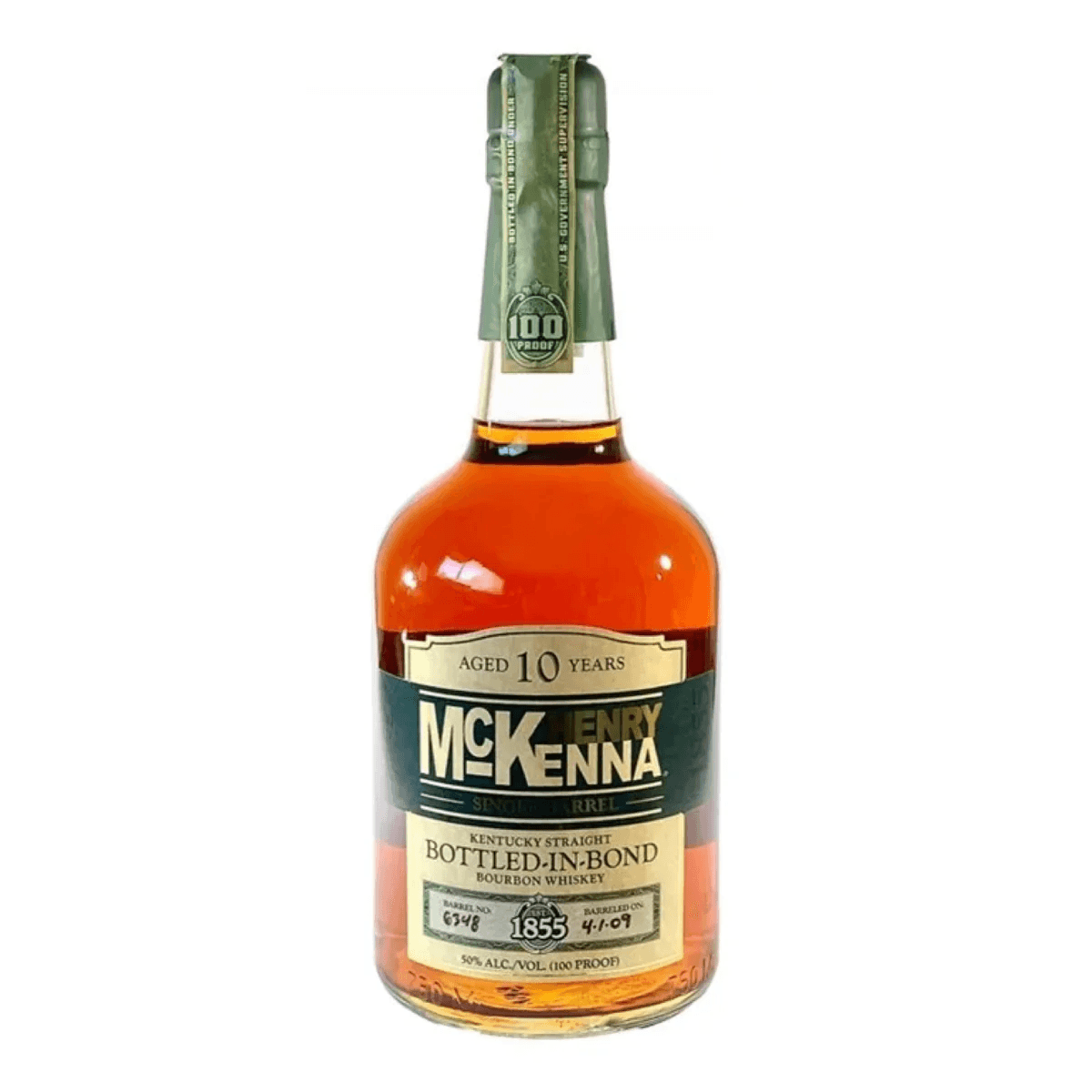
Henry McKenna 10 Year Old Single Barrel
Heaven Hill Brands
Henry McKenna 10 is the quiet overachiever of American whiskey — a bottled-in-bond single barrel that costs less than many blended bourbons.
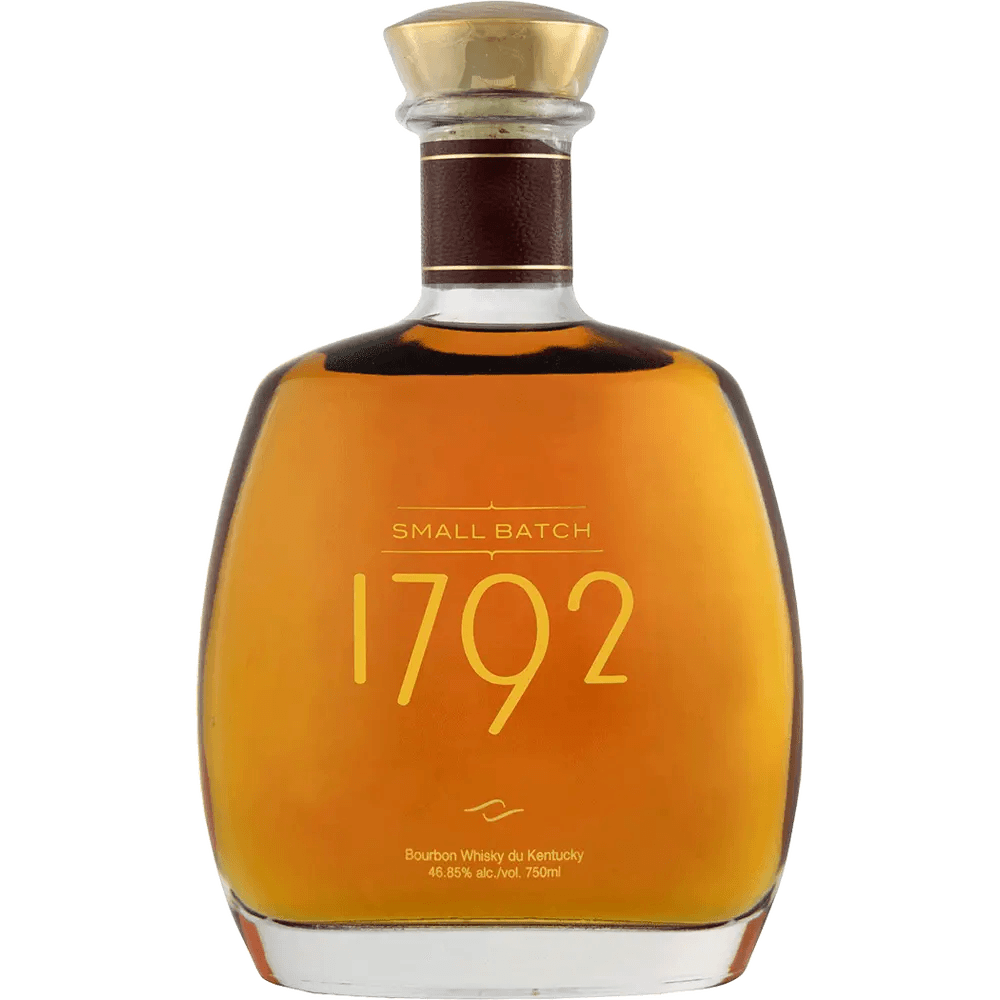
1792 Small Batch Kentucky Straight Bourbon
Sazerac Company
1792 Small Batch is a bourbon that punches well above its price point. The high-rye mash bill gives it a spice-forward character that balances beautifully against the caramel sweetness, and at 93.7 proof it delivers flavor without overwhelming heat. The Barton 1792 Distillery, which has been producing spirits in Bardstown since 1879, brings a quiet consistency to this bottle — heritage you can taste in every sip.
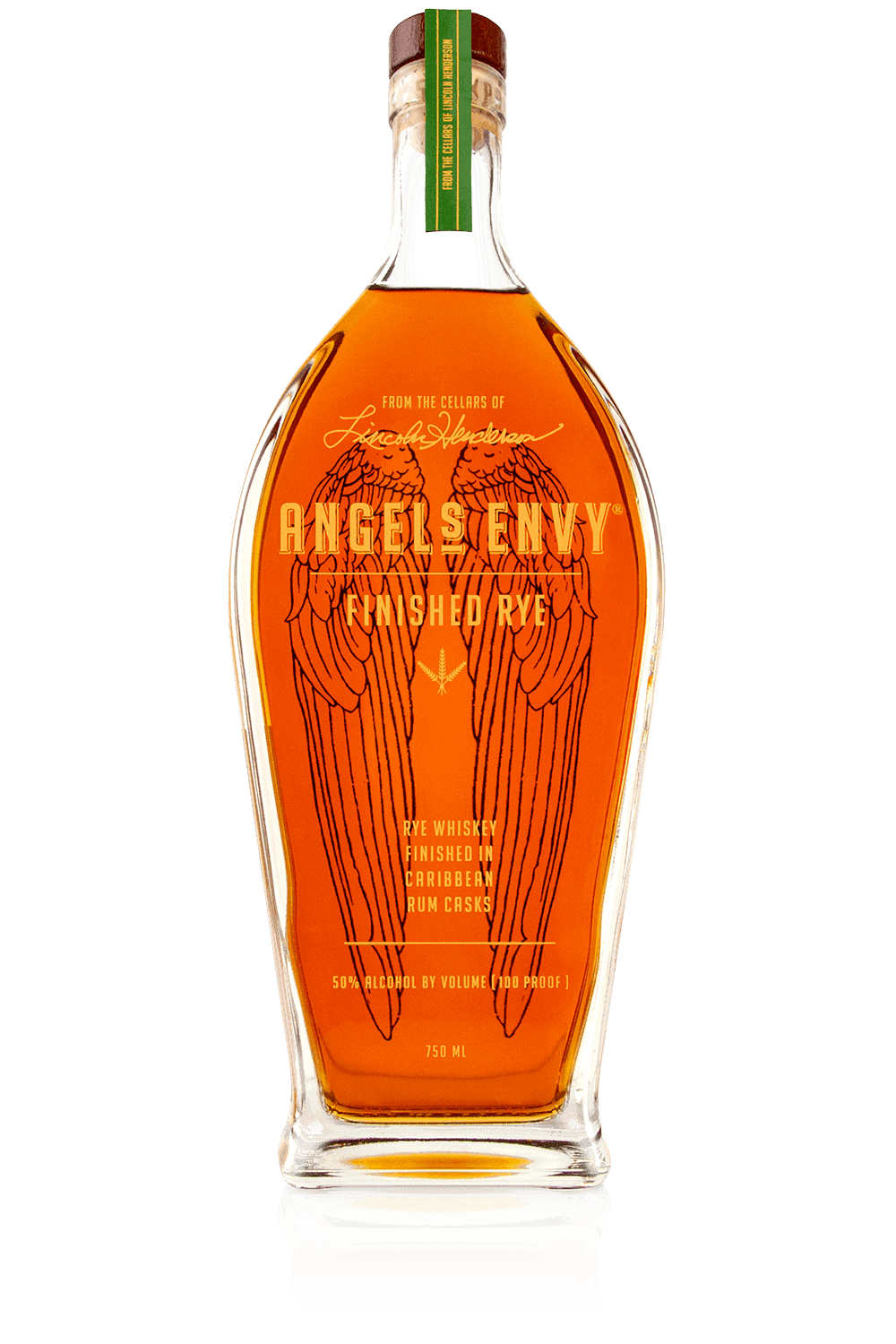
Angel's Envy Rye Finished in Rum Barrels
Louisville Distilling Company (Bacardi)
Lincoln Henderson spent decades perfecting bourbon at Woodford Reserve. Then, after four decades at Brown-Forman and a brief retirement, he started over. Angel's Envy Rye is the fruit of that second act — a rye finished in Caribbean rum barrels that adds layers of tropical sweetness to the grain's natural spice.
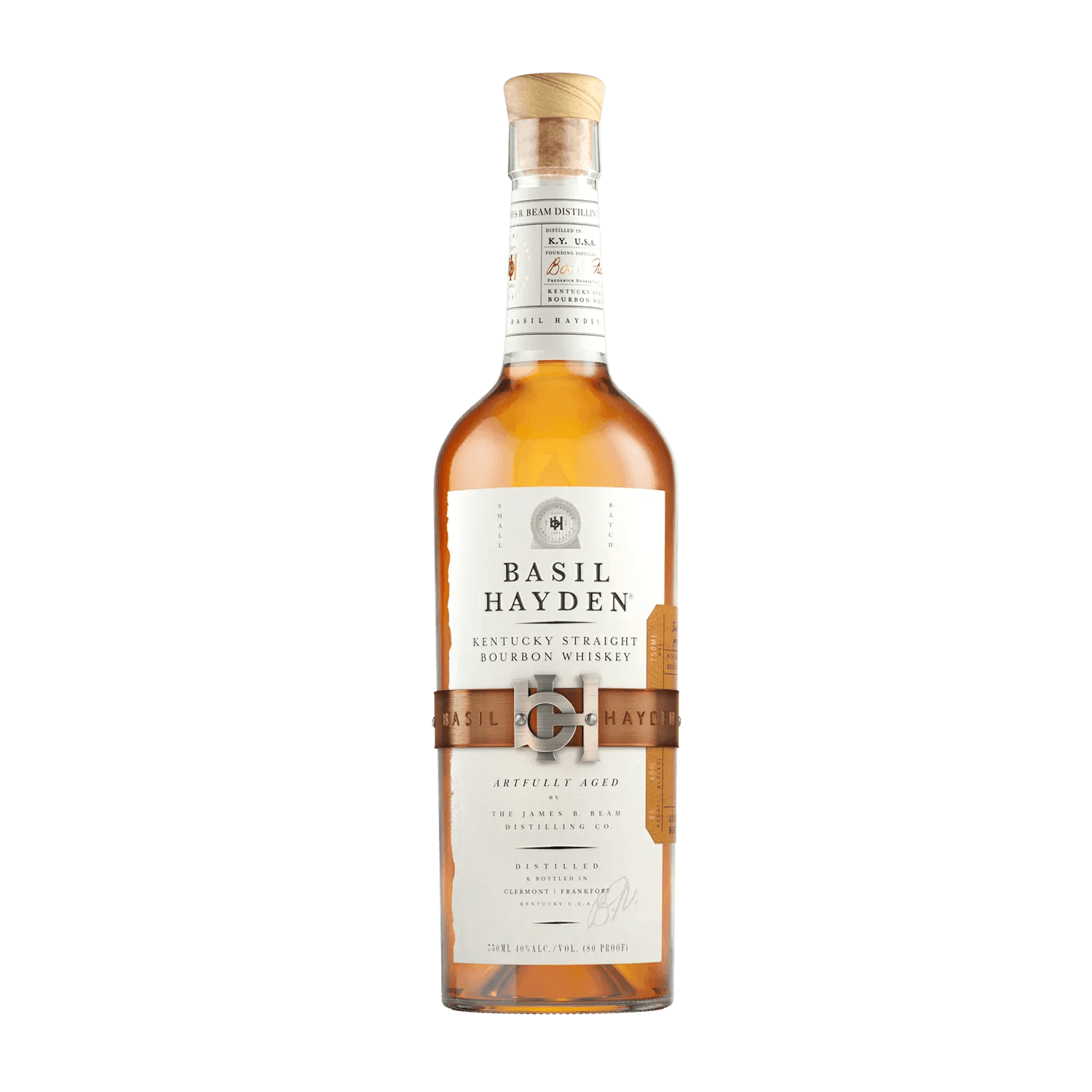
Basil Hayden’s Kentucky Straight Bourbon
Beam Suntory
Basil Hayden’s is a quiet argument for restraint. Where so many bourbons muscle their way forward with proof and sweetness, this one leads with the grain blend itself — that generous 27% rye lifting everything around it.
Michter's US*1 Small Batch Bourbon
Michter's Distillery LLC
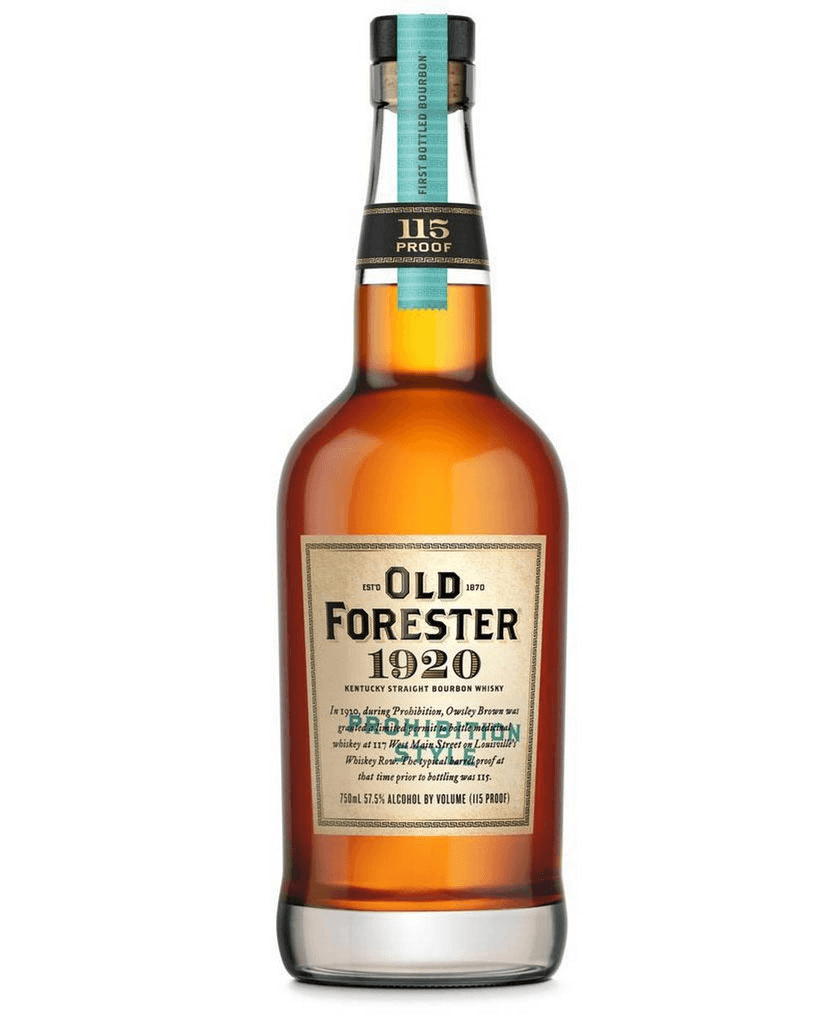
Old Forester 1920 Prohibition Style
Brown-Forman
Booker's Bourbon
Beam Suntory
Booker's Bourbon was the original rebel yell of American whiskey — barrel-proof bourbon that proved drinkers were ready for intensity and honesty in the glass.
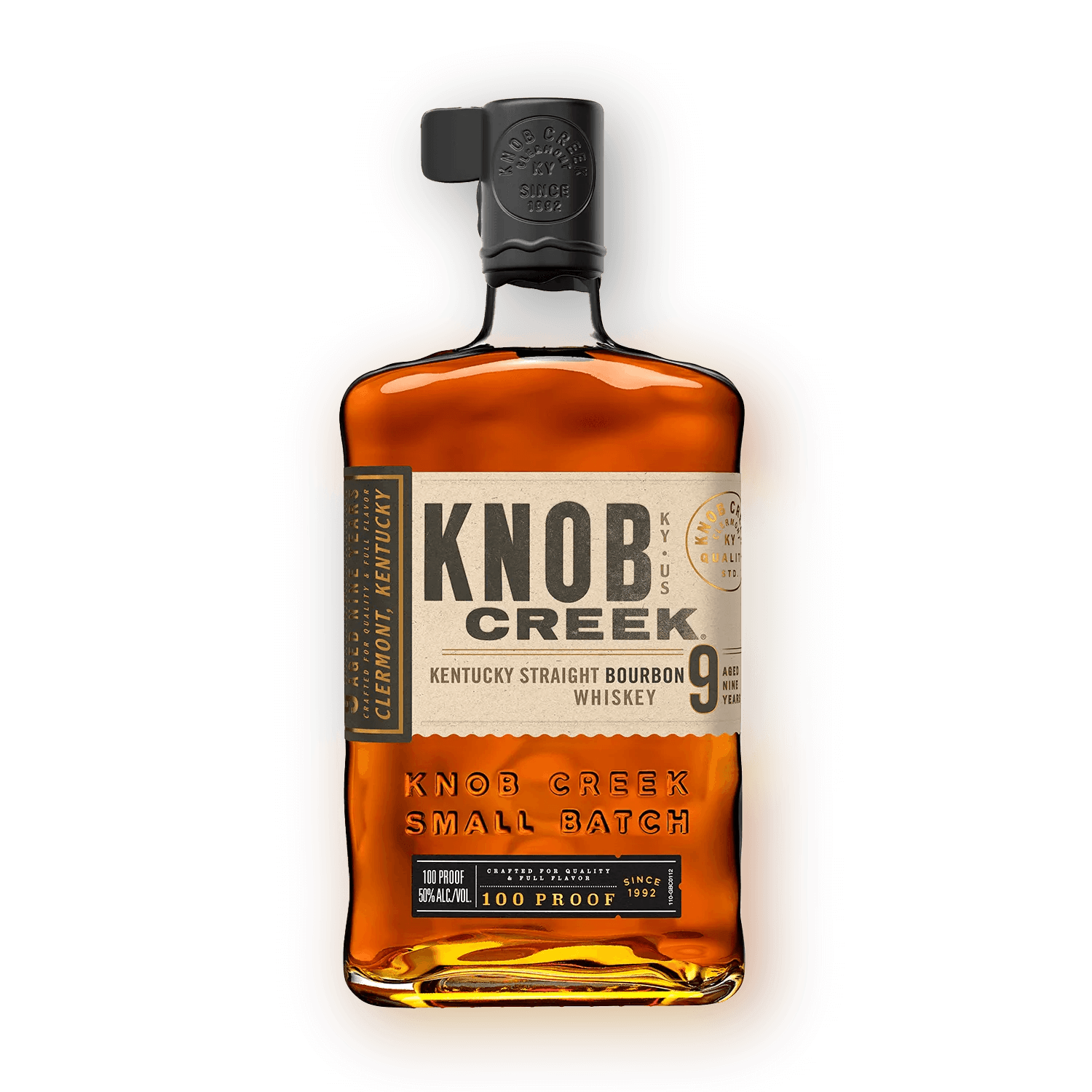
Knob Creek 9 Year Old
Beam Suntory
Knob Creek 9 Year Old is a masterclass in resilience bottled at 100 proof. In the 1980s, when American whiskey was in freefall and distilleries chased lightness, Booker Noe bet everything on going the opposite direction.
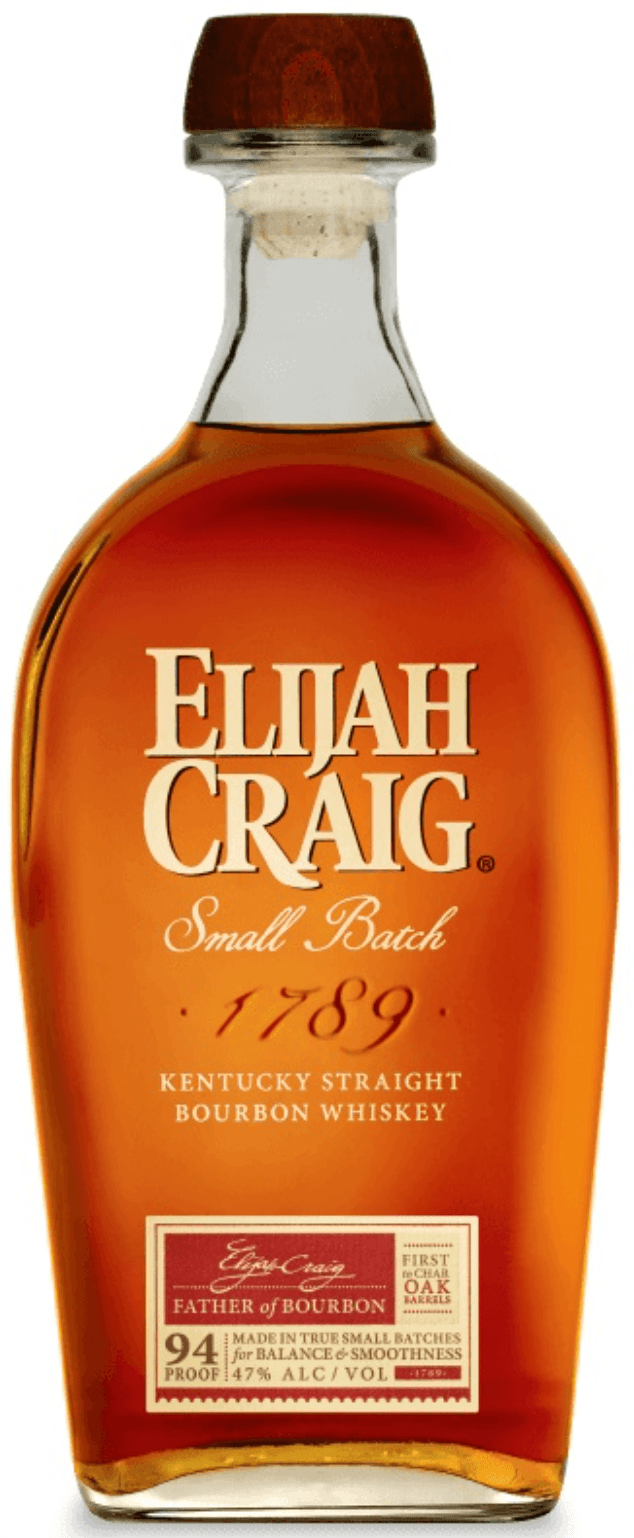
Elijah Craig Small Batch
Heaven Hill Distillery (Elijah Craig, est. 1986)
Elijah Craig Small Batch is the bourbon that punches so far above its price point that it makes you wonder what everyone else is doing with their money. Heaven Hill’s corn-heavy mash bill (78%) creates a sweet, approachable base, but the real story is the aging: barrels are drawn from multiple floors of Heaven Hill’s Bardstown rickhouses, where summer temperatures in the top floors can exceed 130°F while ground-floor barrels barely reach 80°F. This temperature differential means each barrel develops a different flavor profile — more caramel and char from the heat, more fruit and grain from the cool — and the blender’s job is to combine them into something greater than any single barrel. At 94 proof and 8–12 years old, the result is a bourbon with the complexity of bottles costing twice as much. The deep char (Heaven Hill uses a Number 3 char) gives it a distinctive smoky backbone that separates it from sweeter, lighter bourbons.
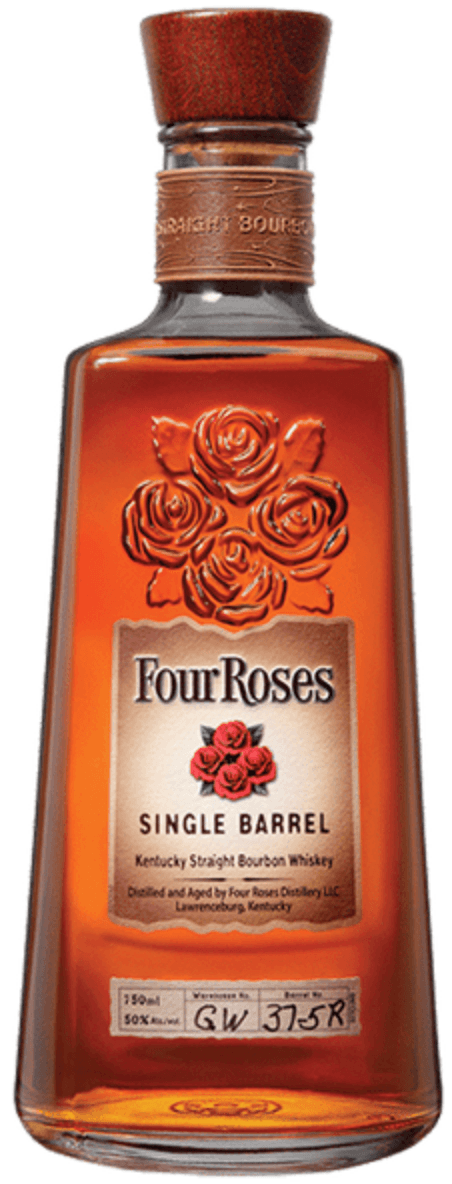
Four Roses Single Barrel
Kirin Brewery Company (Four Roses Distillery, est. 1888)
Four Roses Single Barrel is the product of the most obsessive production system in bourbon. While every other distillery works from a single mash bill and a single yeast strain, Four Roses developed two distinct mash bills and five proprietary yeast strains — creating ten unique recipes, each with its own flavor fingerprint. The standard Single Barrel uses recipe OBSV: the high-rye mash bill (35% rye — among the highest in Kentucky) paired with the V yeast strain, which contributes delicate fruit and cream. At 100 proof, it has the structure to showcase every layer of that complexity. The result is a bourbon that tastes like it was engineered by someone who couldn’t stop asking “what if?” — because it was.
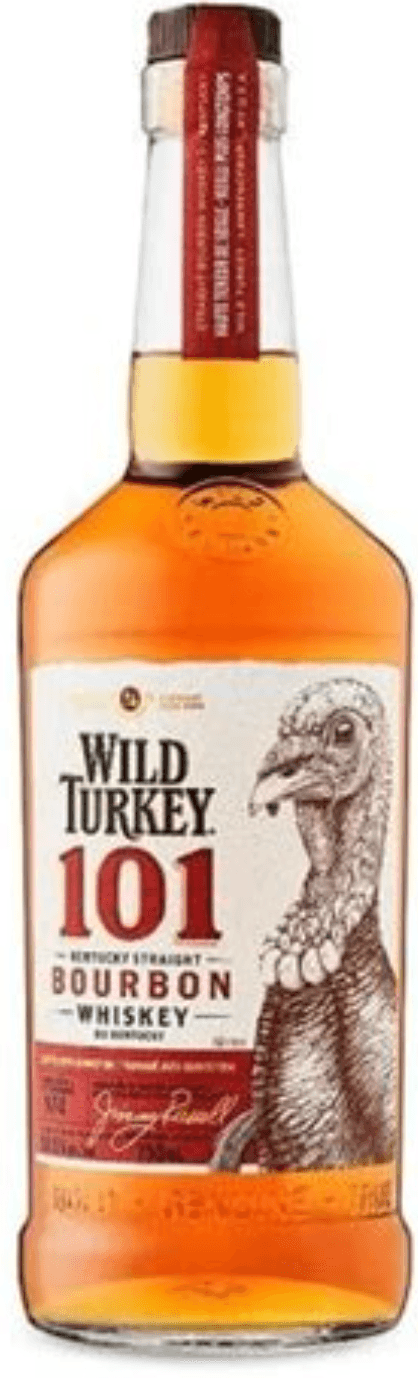
Wild Turkey 101
Campari Group (Wild Turkey, est. 1940)
Wild Turkey 101 is the bourbon that refuses to compromise. When the industry trend moved toward lower proofs and smoother profiles designed to offend no one, master distillers Jimmy and Eddie Russell held the line at 101 proof — the same proof the brand has bottled since the beginning. The secret is their unusually low barrel entry proof of 110°, compared to the legal maximum of 125°. That means less water added before barreling, which means more of the distillate’s character survives the aging process. At $22–$28, this is arguably the greatest value in American whiskey. It makes the case that boldness and drinkability aren’t opposites.
Pikesville Straight Rye Whiskey
Pikesville
Pikesville is one of the best values in American rye whiskey. It delivers barrel-proof intensity with the composure of a much older whiskey, offering enough complexity for contemplative sipping and enough backbone to anchor a Manhattan. If you've overlooked this bottle on the shelf, correct that immediately.

Boone County 1833 Select Kentucky Straight Bourbon Whiskey
Boone County
Boone County's 1833 Select shows what happens when you let good bourbon reach its moment without rushing it. At six years, the oak integration is confident without being aggressive. It's a workhorse sipper with enough complexity to reward slow evenings.

Rare Breed Barrel Proof Kentucky Straight Bourbon Whiskey
Kentucky Peerless
Peerless continues to prove that youth doesn't mean immaturity. This barrel proof expression delivers concentration and complexity that rival bourbons twice its age. A distillery punching well above its stated years.